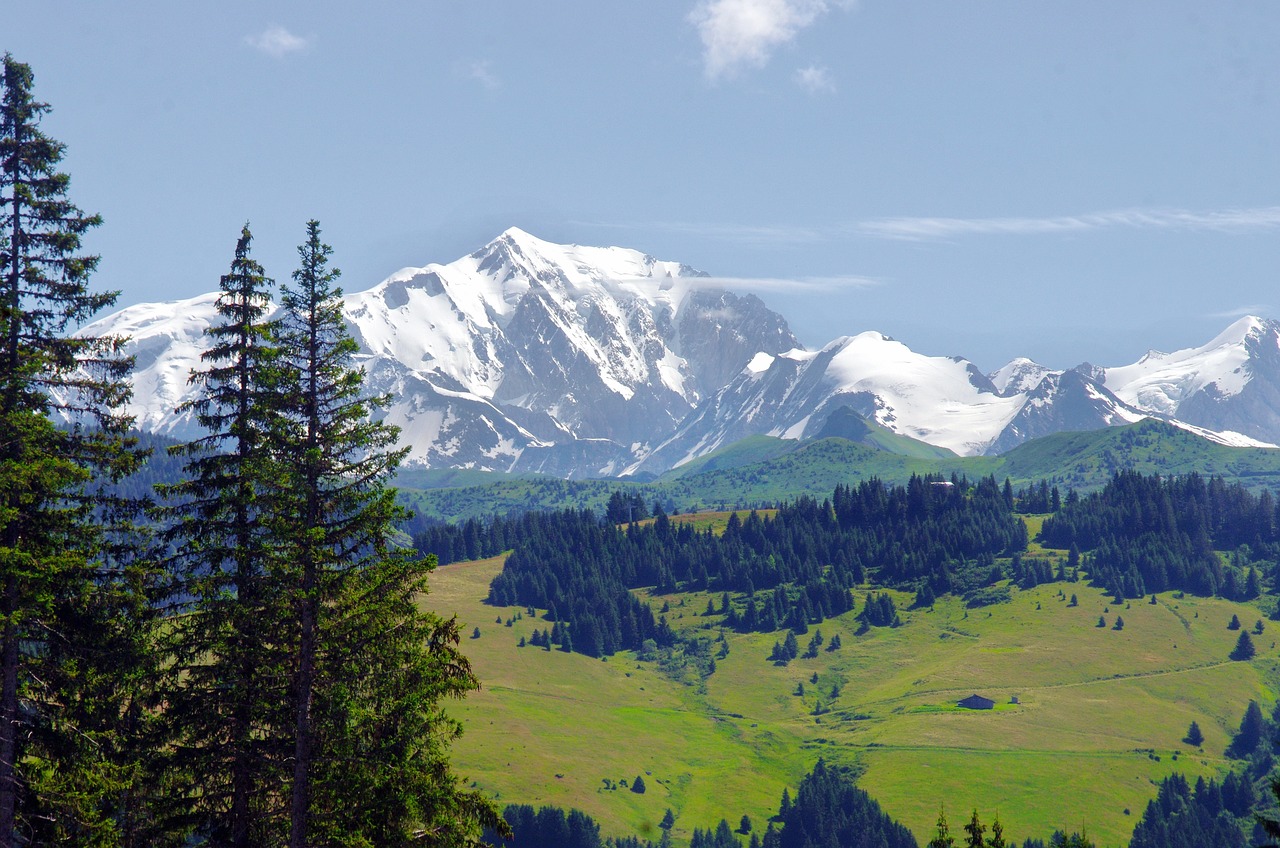
Why Visit the French Alps in 2026
I’ve been slipping back into the French Alps almost every season for over a decade now – for work, for love, and, increasingly, just for sanity. In winter, it’s the soft thud of new snow on chalet roofs and the clack of skis outside a crowded bar. In summer, it’s cowbells, wildflowers up to your knees, and that electric-blue light you only get above 2,000 meters. Every time I leave, I swear I’ll move here “one day.”
The French Alps are not one place; they’re an entire world stitched together by granite, glaciers, and villages that still smell of woodsmoke and cheese. This region stretches roughly from Lake Geneva in the north down towards the Mediterranean in the south, taking in icons like Mont Blanc, Chamonix, Annecy, Écrins, Vanoise, Three Valleys, La Clusaz, and Serre Chevalier. It’s a playground for skiers, climbers, cyclists, and families—but also for slow travelers who are here for long lunches, quiet trails, and village markets.
In 2026–2027, the Alps are in a fascinating moment: resorts are doubling down on sustainability, mountain towns are investing in year-round tourism, and climate-aware travelers are choosing trains and shoulder seasons. New lift connections open up fresh itineraries; revamped refuges and bistros mix old recipes with lighter, modern takes. This isn’t just a ski destination – it’s one of Europe’s most dynamic, changing landscapes.
This guide is my attempt to give you the Alps the way I’ve learned to love them: not as a checklist of pistes and passes, but as a living place you can return to again and again. We’ll move from the famous – Chamonix, Annecy, Megève, the Three Valleys – to the quieter corners where I go when I need the mountains to myself.
Table of Contents
- Why Visit the French Alps in 2026
- Overview: Character of the French Alps
- Suggested Itineraries (4–7 Days in the French Alps)
- Iconic Peaks, Valleys, Passes & Villages (15 Deep Dives)
- Mountain Dining & Refuges
- Evenings in the French Alps
- Practical Travel Advice for the French Alps
- Best Seasons & Mountain-Specific Logistics
- Day Trips & Nearby Attractions
- Culture, Etiquette & Local Customs
- Summary & Final Recommendations
Overview: What Makes the French Alps Special
The French Alps are a tangle of massifs (mountain ranges), deep valleys, and high passes. A few basic anchors help you make sense of it:
- Mont Blanc Massif – Straddling France, Italy, and Switzerland, with Chamonix as its beating heart. Best for big mountain drama, glacier cable cars, technical climbing, and serious skiing.
- Haute-Savoie Lakes & Prealps – Annecy, La Clusaz, Samoëns. Softer mountains, gorgeous lakes, ideal for mixed city–mountain trips and families.
- Tarentaise & Vanoise – Home to Les Trois Vallées, Tignes–Val d’Isère, La Plagne, Les Arcs. Huge ski areas, big infrastructure, access to wild national park terrain in summer.
- Écrins & Southern Alps – Briançon, Serre Chevalier, La Grave. Higher sunshine count, rugged peaks, quieter villages: the connoisseur’s choice.
Each valley has its own accent, cheeses, and rhythms. In winter, you measure days in runs and lifts; in summer, in cols cycled, lakes swum, and pastries sampled. Between seasons – locals’ favorite time – the mountains feel more intimate, the snowline creeping up, larches turning rust-gold.
Recommended Itineraries: 4–7 Days in the French Alps
Below are skeletons of the itineraries I actually use when friends message: “We’ve got 4 days in the French Alps – what should we do?” Each can be stretched or spliced depending on whether you’re more skier, hiker, or café-sitter. I’ll keep the narrative tight here (rather than 10,000 words per day) so you can see the structure clearly.
4 Day Itinerary for the French Alps: Chamonix & Annecy Highlights
This is the itinerary I give to first-timers who want big views and charming towns without a rental car. I last did a variation of this in June 2025 with a couple of friends from New York who thought they “weren’t mountain people.” They left looking up real estate listings in Chamonix.
Day 1 – Arrival in Geneva, Transfer to Chamonix, First Glimpse of Mont Blanc
Land in Geneva and hop on a shared shuttle or direct bus to Chamonix (about 1 hr 15). I like arriving late morning, dropping bags at a central guesthouse, and heading straight to the river for that first true view of Mont Blanc glowing above town.
Stroll the pedestrian center, grab a coffee and a slice of blueberry tart at a pâtisserie, and ride the Brévent cable car in the afternoon if the weather is clear – it gives the classic postcard view across to the whole Mont Blanc chain, without the more crowded vibe of Aiguille du Midi.
Evening: Fondue or raclette at a traditional spot in town; a gentle walk along the Arve River as the peaks darken. This is when the jetlagged awe really hits.
Day 2 – Aiguille du Midi & Easy Valley Hike
Book the Aiguille du Midi cable car in advance for early morning. I still get goosebumps every time the doors open at 3,842 m and the air hits your lungs. Walk the various viewing platforms, step inside the “Step into the Void” glass box if you dare, and linger over the ridgelines running off to Italy and Switzerland.
In the afternoon, come back down to oxygen and stretch your legs on the gentle riverside path to Les Bois or a forested loop around the base of the valley. Families and non-hikers love this; it feels alpine without any real exertion.
Day 3 – Train to Montenvers & Mer de Glace, Transfer to Annecy
Take the historic Montenvers cog railway up to the Mer de Glace. I remember riding this in early autumn 2024, watching the glacier’s exposed grey ice and thinking about all the old photographs in the station café that show how fast it has shrunk. Walk the steps down to the ice grotto if conditions allow, then loop one of the balcony trails above.
In the afternoon, grab your bags and catch a direct bus or train/bus combo to Annecy (around 2.5 hours). Check into an old-town hotel or lakeside apartment and head straight out to watch the sun drop behind the Semnoz ridge, painting the lake gold.
Day 4 – Lake Annecy & Old Town, Departure
Spend your last morning swimming or paddling on Lac d’Annecy (in summer) or walking part of the lakeside path (in any season). The water is shockingly clear – every time I slip in at the grassy plage near Sévrier I remember why people call this “Europe’s cleanest lake.”
Explore the old town: pastel houses, flower-lined canals, and market streets. Have one last tartiflette or a lighter lake-fish dish before heading back to Geneva (about 45 minutes by direct bus) for an evening flight.
5 Day Itinerary for French Alps: Mont Blanc & Vanoise Taster
For people who want a bit more wilderness, I nudge them south into the Vanoise National Park after Chamonix.
- Day 1–2: As in the 4-day itinerary, based in Chamonix (Aiguille du Midi + easy valley hiking).
- Day 3: Transfer by train to Bourg-Saint-Maurice, then on to Les Arcs or a village near Vanoise like Pralognan-la-Vanoise. Evening stroll and hearty dinner.
- Day 4: Full day hiking in Vanoise – glaciers overhead, marmots whistling from the rocks. I still remember a July day hiking above Pralognan when we counted 15 ibex in a single morning.
- Day 5: Lazy morning, then train back down the Tarentaise valley to Chambéry or Lyon for departure.
6 Day Itinerary for French Alps: Lakes, Villages & Gentle Peaks
This is my go-to for families or couples in summer who want variety without intense logistics:
- Days 1–2: Annecy – Lakeside cycling, old town, gentle hike up to La Tournette or a sunset drive to Col de la Forclaz for paragliders and views.
- Days 3–4: La Clusaz or Megève – Stay in a chalet village, mix mountain walks with cheese farm visits and spa time.
- Days 5–6: Chamonix – Finish with big mountain drama: Aiguille du Midi, Brévent, or the Grand Balcon Nord hike.
7 Day Itinerary for French Alps: Iconic North to Wilder South
If you have a full week, you can taste both the glossy, iconic north and the rugged, sun-drenched south. I last did this in September 2023 with slow trains and one rental car segment, and it remains one of my favorite Alps weeks.
- Days 1–2: Chamonix – Aiguille du Midi, Montenvers, valley hike.
- Days 3–4: Annecy – Lake, old town, nearby hikes.
- Day 5: Transfer via Chambéry / Grenoble to Briançon – Scenic rail journey.
- Days 6–7: Briançon & Serre Chevalier / Écrins – High-sun hiking, hot springs in Monetier-les-Bains, or summer lift-accessed walks.
Below, I’ll dig deeply into 15 of the main peaks, valleys, passes, and villages, weaving in how they plug into these itineraries.
15 Iconic Peaks, Valleys, Passes & Villages of the French Alps
What follows are the places I find myself returning to again and again – some famous, some quietly extraordinary. For each, I’ll share altitude, access, what it’s best known for, when to go, and some personal notes.
1. Mont Blanc & the Chamonix Valley
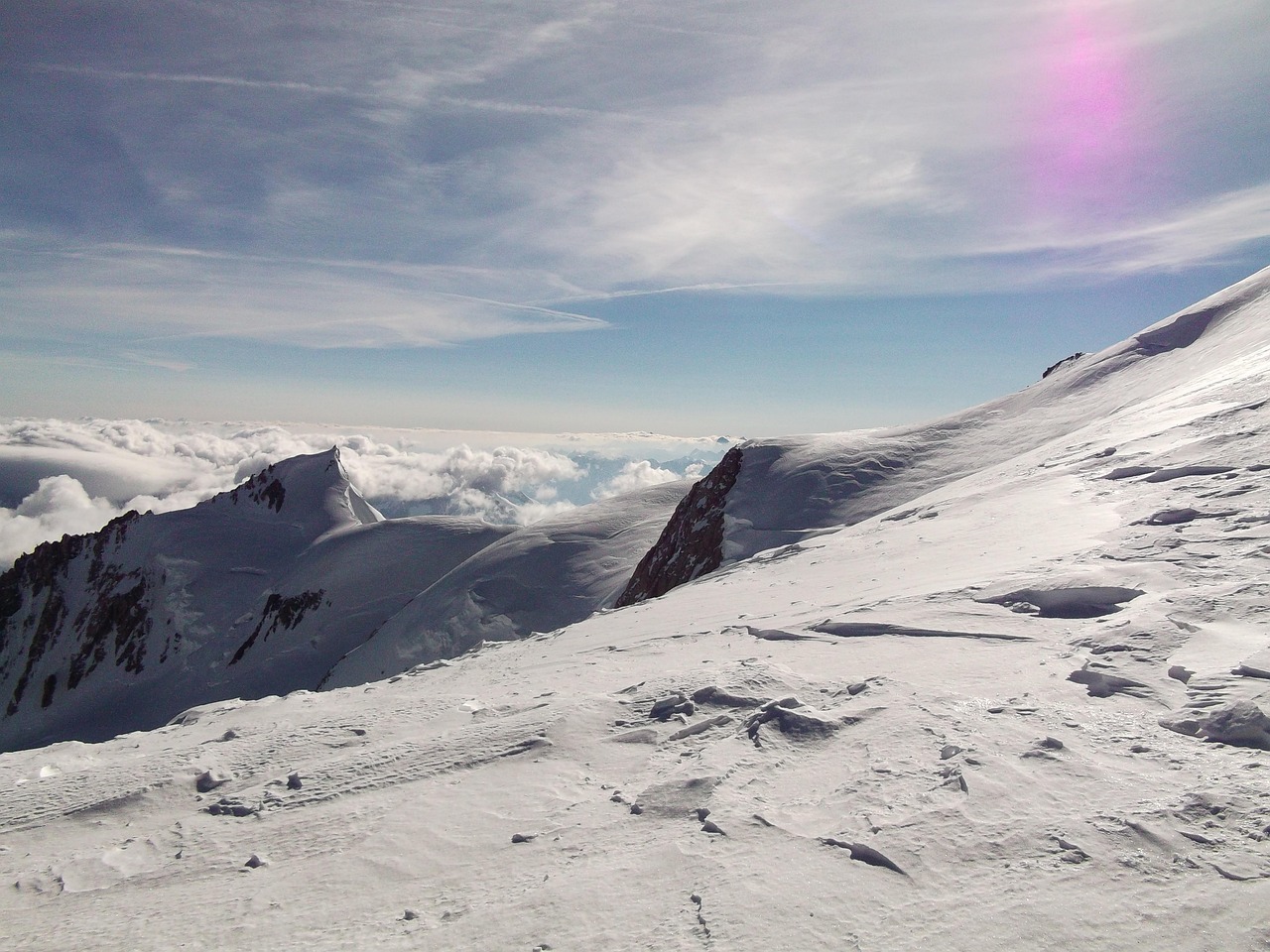
Altitude: 4,808 m (Mont Blanc summit) • Best bases: Chamonix, Les Houches, Argentière • Known for: Big-mountain skiing, alpinism, glaciers, bucket-list cable cars.
Mont Blanc is the organizing deity of the region – a white dome that decides the weather, the mood, even the color of the light in the valley. My relationship with Chamonix has evolved: in my 20s it was all about adrenaline and late-night bars; now I come for the morning light on the Dru and quiet espresso at 8 a.m. when the guides are loading gear into vans.
What to do:
- Aiguille du Midi cable car – The quintessential high-alpine experience. Dress very warm even in July; it’s often below freezing at the top with fierce wind.
- Montenvers & Mer de Glace – Historic cog railway to a receding glacier. The interpretive center has become more focused on climate in recent years; it’s sobering and worthwhile.
- Grand Balcon Nord & Sud hikes – Balcony trails that contour high above the valley with relatively modest effort for huge views. I love the Balcon Nord from Plan de l’Aiguille to Montenvers in late September when the crowds thin.
- Ski the Vallée Blanche – A legendary off-piste glacial descent from Aiguille du Midi into the valley. Only with a qualified guide; crevasses are no joke.
When to go: December–March for skiing (February is busiest); June–September for hiking, with July and early August best for wildflowers. Shoulder seasons (May, October–November) are quieter but many lifts and refuges close.
Personal tip: Base in Les Praz or Les Bois in summer if you want a calmer feel than central Chamonix. The little train and buses connect easily, and you can hear the river at night instead of nightclub bass.
2. Aiguille du Midi
Altitude: 3,842 m • Access: Direct cable car from Chamonix center • Known for: Panoramic views, access to high alpinism routes, “Step into the Void” glass box.
The first time I went up Aiguille du Midi, I didn’t speak for about twenty minutes. The top station feels like a villain’s lair from a 1970s Bond film – walkways bolted to vertical rock, tunnels of ice-cold air, distant rope teams ant-like on ridges.
Altitude & acclimatization: At nearly 3,900 m, you’ll feel it. Move slowly, drink water, and avoid running up stairs for that perfect photo. I once watched a very fit guy from London go pale and dizzy within minutes because he’d skipped breakfast and sprinted around.
Best season: Clear days year-round, but winter and early spring can offer the sharpest visibility. In summer, book ahead – 2026 is expected to be another high-demand season, especially around weekends.
Don’t miss: The outdoor terraces facing the Mont Blanc du Tacul and the Italian side. And, if you’re not afraid of heights, line up for the glass box – it’s touristy, yes, but also surreal.
3. Chamonix Town & Valley Villages
Altitude: 1,035 m (Chamonix center) • Villages: Les Houches, Les Praz, Les Bois, Argentière • Best for: Mixed-ability groups, nightlife, gear shopping, access to multiple mountain areas.
Chamonix town is a magnet – sometimes too much of one. In mid-winter and mid-summer it can feel like half of Europe and a good chunk of South America is here at once, all jangling ski boots and clicking trekking poles. But that energy is part of the charm, especially if you like to people-watch from café terraces.
Where to stay:
- Central Chamonix – Best without a car; steps from lifts, shops, and restaurants. Noisy in high season.
- Les Houches – Lower key, more residential; great for families and those on a tighter budget. Good base for driving into Italy via the tunnel.
- Argentière – Closer to Grands Montets and serious off-piste terrain. More “core mountain” crowd.
Food: Try a croûte savoyarde (cheese-drenched bread baked in a dish with white wine and lardons) after a long day in cold weather. I still dream about one I had in a small bistro near the church square on a blizzardy January evening in 2022.
4. Annecy & Lac d’Annecy
Altitude: 448 m (lake level) • Known for: Lakeside living, canals, cycling, gentle hikes, food culture • Best for: Families, couples, non-skiers, shoulder-season trips.
Annecy is the place I go when I want the Alps without always being in them. In 2024 I spent a blissful two weeks here working from a tiny apartment above a bakery, swimming in the lake every morning before settling down with my laptop.
Things to do:
- Cycle the lake – A greenway runs along much of the western shore; rent bikes and cruise through Sévrier, Saint-Jorioz, and Duingt.
- Swim at the plages – Grassy lakeside parks with lifeguards in summer; my favorites are in Sévrier and Saint-Jorioz.
- Explore the old town – Canals, arcades, and the much-photographed Palais de l’Isle. Tourist-heavy in midsummer, but early mornings remain magically quiet.
- Hike La Tournette or Semnoz – La Tournette is a full-day demanding hike with chain sections near the top; Semnoz offers shorter loops and big views with car access.
Food: Annecy punches above its weight: from Michelin-starred spots to humble crêperies. Try filets de perche (lake perch) with lemon butter, and finish with gâteau de Savoie, a light sponge cake that always feels better than it sounds.
5. Megève & the Mont Blanc “Balcony”
Altitude: 1,100 m (village) • Known for: Chic yet traditional village, horse-drawn sleighs, gentle ski slopes, views of Mont Blanc.
Megève is what happens when a farming village becomes a ski resort without losing its soul. The first time I arrived on a snowy December evening, the church square lit up, the smell of roasted chestnuts in the air, I half expected to bump into someone from a 1960s ski film.
Best for: Romantic winter weekends, families who prefer long, scenic blue runs over extreme terrain, travelers who like to mix spas and shopping with time on the mountain.
Summer: Megève is underrated in summer – rolling pastures, accessible hikes, and less crowding than Chamonix. I once spent a hot August afternoon walking between small farm restaurants that serve beignets de pomme de terre (Savoyard potato fritters) with salad and charcuterie: simple, perfect.
6. La Clusaz & Aravis Range
Altitude: 1,040 m (village) • Known for: Cheese culture, freeride skiing, relaxed village vibe • Best base for: Families, mid-budget skiers, summer pasture walks.
If you love cheese, La Clusaz is non-negotiable. This is Reblochon country – the heartland of tartiflette. I stayed with a local cheesemaker family here for a story in 2021, waking at 5 a.m. to watch them milk cows while the sky slowly pinked behind the Aravis.
Activities:
- Winter: Varied skiing with some excellent off-piste when conditions allow; more affordable than the huge interconnected mega-resorts.
- Summer: Easy walks from lift tops, farm visits to buy cheese directly from producers, and via ferrata routes for adventurous teens and adults.
Tip: Base here if Annecy is too expensive or busy; it’s about 40 minutes’ drive, making it a good two-center stay.
7. Les Trois Vallées (Courchevel, Méribel, Val Thorens & Co.)
Altitude: 600–3,230 m (Val Thorens) • Known for: World’s largest linked ski area, extensive groomers, glitzy Courchevel scene.
The Three Valleys are where you go when you want sheer volume of skiing. On a clear January week in 2020, I skied from Courchevel to Val Thorens and back in a day, clocking 60+ km without repeating a run. It’s that kind of place.
Bases & character:
- Courchevel 1850 – Luxury hotels, designer boutiques, heli-ski vibe (though heli-skiing itself is limited by French law).
- Méribel – Central location, classic chalet architecture, great for mixed groups.
- Val Thorens – The highest; best for snow reliability early and late season, more functional architecture but improving.
Summer: Increasingly marketed for mountain biking, hiking, and trail running; still quieter than winter. Several lifts operate, giving access to high alpine lakes and ridges.
2026–2027 note: Expect continued focus on low-carbon initiatives: more electric shuttle buses, lift station upgrades, and extended summer opening dates.
8. Vanoise National Park & Tarentaise Valleys
Altitude: 1,000–3,856 m (Grande Casse) • Known for: Protected wilderness, glaciers, wildlife (ibex, chamois, marmots).
Vanoise is where I go when I want to feel small in the best way. In July 2023, I hiked a three-day loop from Pralognan-la-Vanoise, staying in refuges each night, and saw more ibex than people on some stretches.
Access: Base in Pralognan, Termignon, or Peisey-Nancroix, or approach from ski areas like Tignes in summer. Public transport can get you to the valley towns; a car is useful but not strictly necessary if you pick one base.
Best for: Hikers from intermediate to expert, families wanting to introduce kids to hut-to-hut hiking (short stages possible), photographers chasing golden-hour light on glaciers.
9. Écrins National Park & La Grave
Altitude: 700–4,102 m (Barre des Écrins) • Known for: Wild, rugged peaks, fewer lifts, more authenticity.
The Écrins feel like the Alps turned up one notch wilder. Base in La Grave or Bourg-d’Oisans, or further east in Briançon. I spent a scorching August 2022 week here, hiking high above La Grave with views straight to the mighty La Meije and cooling off in glacial streams.
La Grave: Famous among expert skiers for its unpisted glacier terrain accessed by a single old-school gondola. In summer, that gondola is a shortcut to high hiking and climbing terrain. This is not a resort for casual intermediates in winter; in summer, almost anyone can enjoy the views with sensible route choices.
10. Briançon & Serre Chevalier
Altitude: 1,326 m (Briançon) • Known for: UNESCO-listed fortifications, 300 days of sun, skiing at Serre Chevalier, gateway to Écrins.
Briançon is where the Alps start to feel southern: brighter light, drier air, and olive trees creeping into view. The old fortified town is a maze of steep cobbled lanes and stone houses, best explored in the late afternoon when the stones hold the day’s warmth.
Serre Chevalier strings together several villages – Monêtier-les-Bains, Villeneuve, Chantemerle, Briançon – along a long valley. In winter, the tree skiing is superb on storm days; in summer, lifts give access to high meadows and ridges.
Don’t miss: The hot springs at Monêtier-les-Bains. I soaked here one chilly September night, watching stars prick out above the dark ridge line, and it remains one of my favorite “après-hike” experiences.
11. Grenoble, Chartreuse & Vercors Prealps
Altitude: 200–2,341 m • Known for: Lively university city, limestone cliffs, WWII resistance history, family hiking.
Grenoble is technically ringed by three massifs – Chartreuse, Vercors, Belledonne – and while not “high Alps” in the Mont Blanc sense, they’re perfect for those who want culture plus moderate hiking or cycling.
I’ve used Grenoble as a base for rail-based trips when I don’t want to rent a car. In 2024 I spent a week working here, hopping on local buses to trailheads in the Chartreuse, then coming back to wine bars in the city each night.
12. Tarentaise Villages: Bourg-Saint-Maurice, Sainte-Foy & Surrounds
Altitude: 800–1,600 m • Known for: Authentic villages between mega-resorts, road cycling, gateway to passes like Col de l’Iseran.
Most skiers blast through Bourg-Saint-Maurice on the train and head straight up to Les Arcs or La Plagne. I’d gently suggest slowing down. Sainte-Foy-Tarentaise and neighboring hamlets are some of the prettiest, most traditional settlements in the region, with larch-shingled roofs and old stone barns.
These villages make superb, quieter summer bases: easy drives to Vanoise, Iseran Pass, Tignes, and beyond, without the resort feel.
13. Col de l’Iseran
Altitude: 2,764 m • Known for: One of Europe’s highest paved passes, road cycling, dramatic views.
I first drove the Col de l’Iseran on a hazy August afternoon, the car packed with hiking gear and a bag of apricots from a valley market. The road climbs above Val d’Isère, winding through stark, almost lunar terrain before dropping towards Bonneval-sur-Arc, one of France’s most beautiful stone villages.
Seasonality: Usually open late June to early October, depending on snow. In early summer, roadside snowbanks can still be several meters high; in late September, the larches begin to glow gold.
Best for: Cyclists (this is an iconic climb), motorbikers, scenic drivers, photographers. On clear days you can see a mosaic of glaciers on the surrounding peaks.
14. Col de la Forclaz (Annecy Balcony Pass)
Altitude: 1,157 m • Known for: Lake Annecy views, paragliding launch, sunset drives.
Col de la Forclaz (the Annecy one – there are others) is my go-to “wow” spot for visitors. A short, steep drive from the lakeshore, it opens to a balcony above the turquoise water, with paragliders launching from the grassy slope in a constant kaleidoscope.
I like to come up here with a picnic in late afternoon; by 7–8 p.m. in summer, the crowds thin, the light softens, and you can hear the whoosh of parachutes and the cowbells from the opposite shore.
15. Samoëns & the Giffre Valley
Altitude: 700–1,600 m • Known for: Authentic stone village, family skiing (Grand Massif), summer river activities, proximity to Cirque du Fer-à-Cheval.
Samoëns is where I send families who want authentic village charm without Chamonix prices. The main square has a huge lime tree, planted in 1790, under which locals linger with coffees and kids in tow. It still feels like a real place where people live year-round.
Summer highlight: The Cirque du Fer-à-Cheval, a dramatic amphitheater of cliffs and waterfalls at the end of the valley. I hiked here on a drizzly June day once; the rain amplified the waterfalls and turned the whole cirque into a living soundscape.
Mountain Dining: Refuges, Chalets & Local Food in the French Alps
One of the greatest Alpine pleasures is sitting on a hut terrace with a bowl of something steaming and a view that feels almost unfair.
Classic mountain dishes:
- Fondue savoyarde – Melted local cheeses (often Comté, Beaufort, Emmental) with white wine and garlic, served with bread. Share between two or more; I once tried to tackle one solo after a long hike and quickly regretted it.
- Raclette – Half-wheel of cheese melted under a grill, scraped onto potatoes, charcuterie, and pickles.
- Tartiflette – Reblochon cheese baked with potatoes, onions, and lardons. Rich, heavy, perfect after a cold day.
- Croziflette – Tartiflette’s cousin, made with tiny buckwheat pasta squares (crozet) instead of potatoes.
- Diots & polenta – Savoyard sausages in white wine sauce with creamy polenta.
- Blueberry tart (tarte aux myrtilles) – Wild mountain blueberries on a crisp pastry base. I order this whenever I see it.
Refuges (Mountain Huts): In summer especially, refuges are open to day-trippers as well as overnight guests. Expect simple but hearty set menus: soup, main, dessert, sometimes a cheese plate. I’ve had some of my best meals in places like Refuge de la Croix du Bonhomme and Refuge du Plan de l’Aiguille – not “fine dining,” but food that tastes exactly right where you are.
Where to stay – village vs slope-side vs refuge:
- Village base – Best for most travelers. More dining options, real-life feel, better for budgets. Examples: Samoëns, La Clusaz, Briançon, Annecy.
- Slope-side apartment/hotel – Ideal for ski-heavy trips when you want to click in and go. Examples: parts of Val Thorens, Les Arcs, Tignes.
- Refuge stays – My favorite for summer: sleep at 2,000+ m, watch sunset and sunrise without crowds. Simple dorms; book ahead in July–August. Bring earplugs and a light sleeping bag liner.
Coffee & pastry culture: Every town and even tiny villages will have at least one good bakery. Start your day with a pain au chocolat or chausson aux pommes, and don’t feel guilty; you’ll likely walk it off within the first hour.
Evenings in the French Alps
Evenings in the Alps can be as quiet or as raucous as you want them to be.
Après-ski / Après-hike traditions: In winter, the classic pattern: last chair, then straight to a slopeside bar for vin chaud (mulled wine), apérol spritz, or beer. In Chamonix, I’ve lost track of the number of times I’ve said “just one drink” at 4:30 p.m. and found myself still there at 7, helmet on the table, gloves mysteriously missing.
In summer, après-hike looks more like a cold beer or diabolo menthe (mint syrup with lemonade) on a village terrace, dusty boots off, sun on your face.
Fondue nights & stargazing: On clear winter nights, step outside after dinner, away from streetlights if you can. The stars in smaller villages – like around Vanoise or the Giffre – can be startlingly bright. In summer, I love walking out after 10 p.m. from a refuge, headlamp off, letting my eyes adjust to the milky way smeared over the peaks.
Seasonal festivals (2026–2027):
- Chamonix CosmoJazz Festival (July 2026) – Jazz concerts in ridiculous locations: mountain pastures, lake shores, valley stages.
- Annecy Lake Festival (Fête du Lac, August 2026) – Massive fireworks and light show over the lake; book accommodation months ahead.
- La Fête des Guides, Chamonix (August 2026) – Celebrating mountain guides with parades, ceremonies, and concerts.
- Winter 2026–2027 – Expect a proliferation of small local events: torchlit descents, Christmas markets in Megève, Chamonix, and Annecy, and food festivals celebrating regional cheeses and wines.
Day Trips & Nearby Attractions
The Alps play well with others. With a bit of planning, you can weave in:
- Geneva & Lake Geneva (Lac Léman) – Easy hop from Chamonix or Annecy; combine lakeside promenades with a city fix.
- Lyon – France’s gastronomic capital, around 2 hours by train from Annecy or Grenoble.
- Turin & Aosta Valley (Italy) – From Chamonix via the Mont Blanc tunnel (bus or car). Excellent food, Roman ruins, and different mountain culture.
- Swiss Valais – From Chamonix via Martigny; think vineyards, castles, and more peaks.
Practical tip: Check cross-border bus timetables well in advance, especially outside peak seasons. Some routes run only once or twice a day.
Cultural Etiquette & Local Customs in the French Alps
The Alps are French, yes, but also distinctly mountain in their culture: practical, proud, and often quietly reserved until you break the ice.
Greetings: Always start with a polite Bonjour (daytime) or Bonsoir (evening) when entering a shop, refuge, or café. It matters. In small villages, say hello (Bonjour) when passing people on trails.
Meals: Lunch can be leisurely, especially on weekends. Don’t expect to dine at 6 p.m.; many restaurants open around 7–7:30 p.m. for dinner. If you’re staying in a refuge, dinner is usually served at a fixed time (often 7 p.m.) for everyone.
Respect for the mountains: Locals can be blunt about safety; don’t take it personally. If a guide or hut guardian says a route is too risky due to storms or avalanche hazard, they’re doing you a favor.
Language: English is widely spoken in major resorts but less so in tiny villages. A few French phrases go a long way. In Savoyard and Haut-Savoyard areas, you may see local dialect words on menus and signs.
Noise & nighttime: Alpine villages tend to quiet down after 10–11 p.m., especially outside peak winter weeks. Respect that, particularly if you’re staying in an apartment building with year-round residents.
Practical Travel Advice for the French Alps (2026–2027)
Getting There & Around
Gateways: Geneva, Lyon, Grenoble, and Turin are the main airport hubs. For Annecy, Geneva and Lyon both work; for Chamonix, Geneva is easiest; for Southern Alps (Briançon/Écrins), Turin or Grenoble/Lyon.
Trains: France’s SNCF network connects cities to Alpine gateways like Annecy, Chamonix (via Saint-Gervais), Bourg-Saint-Maurice, Grenoble, Briançon. From there, local trains and buses fan out.
Car rental: In 2026, electric vehicle rental options are improving in Geneva, Lyon, and Grenoble, with more charging points in big resorts. A car gives you maximum flexibility in summer, especially for less-touristed valleys.
Saving Money in a High-Cost Region
- Travel in shoulder seasons (mid-September to mid-October, late May to June) for cheaper accommodation and quieter trails.
- Book apartments with kitchens and shop at local markets; cook a few dinners to balance out splurge meals.
- Look for multi-day lift passes or regional passes that cover buses + lifts; in Chamonix, the Mont Blanc MultiPass can be good value.
- Eat lunch at refuges (often good value set menus), then light dinners in town.
SIM Cards & Connectivity
EU roaming rules mean EU SIMs work across borders without surcharge (check your plan). For visitors from outside Europe, pick up an eSIM or physical SIM from providers like Orange, SFR, Bouygues at airports or city centers. Coverage is generally good in valleys and resorts; it drops in some high-mountain areas and deep gorges.
Visas & Driving Licenses
Visas: France is in the Schengen Area. Many nationalities (US, Canada, UK, Australia, etc.) can enter visa-free for short stays (typically up to 90 days in any 180-day period). Check 2026-specific rules before travel.
Driving: Most foreign driver’s licenses are accepted for short stays; some nationalities may need an International Driving Permit (IDP). Check before arrival. In winter, French law requires appropriate winter equipment (snow tires and/or chains) in many mountain departments.
Seasonality & Mountain Logistics
Best Seasons for Different Activities
- Skiing & snowboarding: December–April. High-altitude resorts (Val Thorens, Tignes, Val d’Isère) have the longest seasons; lower areas may be more weather-dependent.
- Hiking & trail running: Late June–September, depending on snowmelt. July–August for full access to high passes and refuges.
- Wildflowers: Late June to mid-July; meadows around 1,500–2,000 m explode with color.
- Fall colors: Late September–mid-October. Larches in the Southern Alps (Écrins, Queyras, Briançon) are especially spectacular.
- Road cycling & high passes: Typically June–September for big cols like Iseran, Galibier, Izoard.
Altitude, Weather & Safety
Altitude: Most people are fine up to 2,500–3,000 m with no special acclimatization, but listen to your body. For very high lifts like Aiguille du Midi, take it easy. Drink water, avoid heavy alcohol before big altitude jumps, and descend if you feel truly unwell.
Avalanche risk: Off-piste skiing or snowshoeing in winter is only safe with the right knowledge and equipment: beacon, shovel, probe, and ideally an experienced guide. Check local avalanche bulletins daily.
Storms: Afternoon thunderstorms are common in summer. Start big hikes early and aim to be off exposed ridges by mid-afternoon. If you see dark clouds building fast, turn around without guilt. I’ve bailed on many hikes and never regretted it.
Road & Pass Closures
High passes like Col de l’Iseran, Galibier, Izoard close in winter and often only open in late June. In heavy snow years, opening can be delayed. In shoulder seasons, check live updates from local tourist offices or road authorities before planning cross-pass drives.
Gear & Preparation
- Footwear: Sturdy hiking shoes or boots with good grip; trail runners can work in dry summer conditions if you’re experienced.
- Layers: Weather swings fast. Always carry a windproof/waterproof shell, warm mid-layer, hat, and gloves, even on seemingly benign days.
- Winter gear: Quality ski clothing, goggles for flat light, avalanche gear if leaving marked runs.
- Extras: Sunscreen (high UV at altitude), sunglasses, refillable water bottle, small first-aid kit.
Mountain Rescue & Insurance
Mountain rescue in France can be costly, especially if helicopters are involved. Make sure your travel insurance explicitly covers mountain sports (including off-piste if you plan it) and rescue costs. You can also buy inexpensive local rescue insurance (often via ski passes or the French Alpine Club).
Cable Cars & Lift Pass Strategy
Winter: Multi-day passes are usually better value than day passes if you’re skiing 3+ consecutive days. Consider area-wide passes (e.g., full Three Valleys) if you like to roam widely.
Summer: Many regions sell hiking passes that bundle multiple lifts over several days. In Chamonix, the Mont Blanc MultiPass covers Aiguille du Midi, Montenvers, Brévent, Flégère, etc. In 2026, dynamic pricing is spreading; booking online in advance can shave off a few euros.
Summary & Final Recommendations
If you’ve read this far, you’re probably already half in love with the idea of the French Alps. Let me leave you with the distilled version.
- For a first trip, split your time between Chamonix (big peaks) and Annecy (lake and old town). Four to six days is enough to plant a deep hook.
- If you’re a skier, consider Three Valleys, Espace Killy (Tignes–Val d’Isère), or Serre Chevalier in winter; add a day in Chamonix if you can.
- If you’re a hiker, look at Vanoise, Écrins, Chamonix side valleys, Giffre Valley for multi-day hut-to-hut or big day hikes.
- For families, Samoëns, La Clusaz, Megève, Annecy offer mellow terrain, great food, and activities for all ages.
- Travel in June, early July, or September for the best blend of weather, open infrastructure, and reasonable crowds.
The French Alps reward repeat visits. You’ll come once for a 4 day itinerary in the French Alps and realize you barely scratched the surface. Then maybe you’ll plan 5 days in the French Alps around Vanoise, 6 days in the French Alps looping Chamonix–Annecy–La Clusaz, or a full 7 day itinerary for the French Alps diving into the wilder Écrins and Serre Chevalier.
Whatever shape your trip takes, move slowly enough to notice the details: the way the light hits a particular ridge at 7:15 p.m., the smell of a bakery at 6 a.m., the cadence of a “Bonjour” on a quiet trail. That’s where the real Alps live—and they’re waiting for you in 2026.