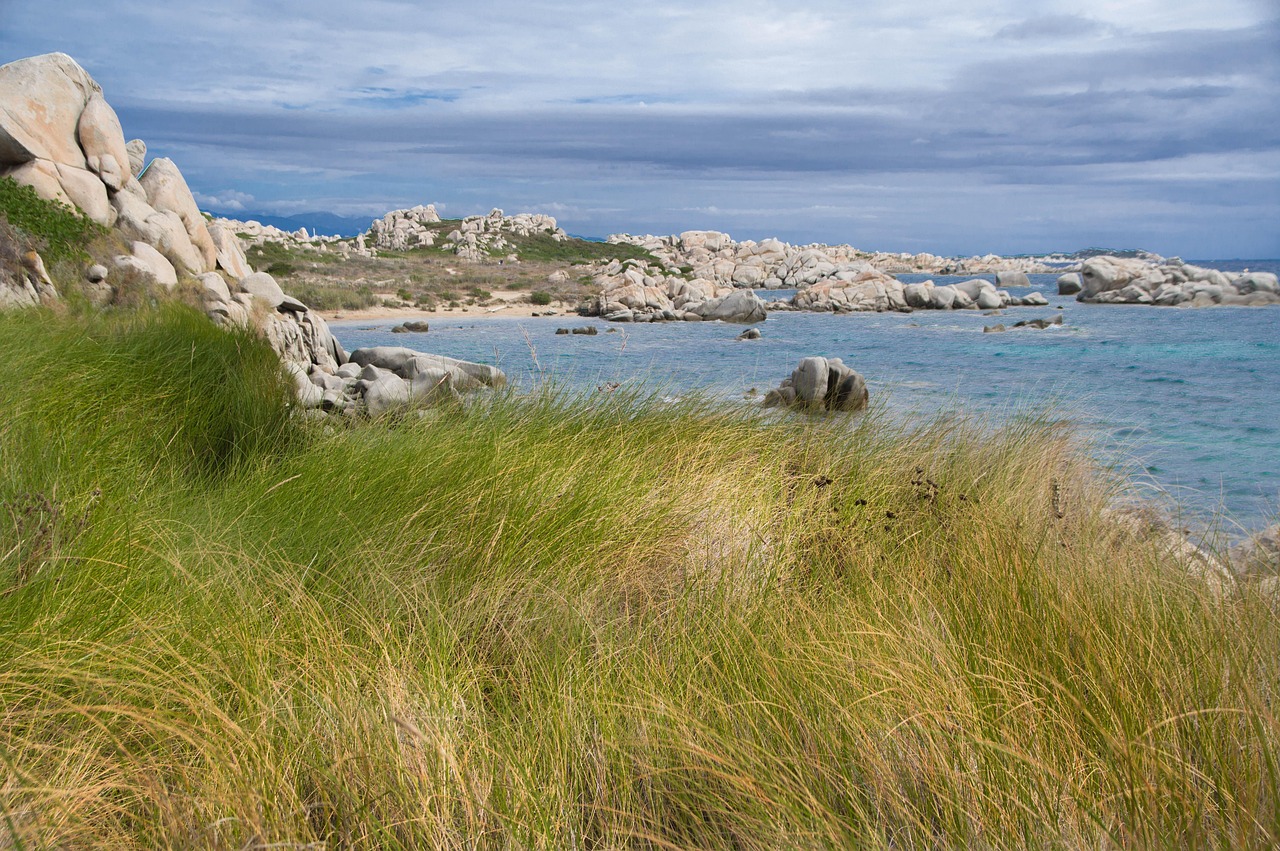
Why Visit Îles Lavezzi?
I still remember the first time I saw the Îles Lavezzi from the ferry, back in 2014: a jumble of silver‑grey boulders floating in turquoise water, like some giant had dropped fistfuls of granite pearls into the sea south of Bonifacio. More than a decade and many return trips later (my latest was in May 2026), the archipelago still feels otherworldly and, crucially, stubbornly wild.
Technically, Îles Lavezzi is a protected nature reserve of tiny islands and islets, wedged between Corsica and Sardinia in the Strait of Bonifacio. Practically, it’s a sun‑bleached dreamscape of coves, sculpted rocks, translucent lagoons and seagrass meadows where you’ll snorkel with curious fish and—if you’re lucky—spot dolphins in the distance.
There are no hotels, no shops, and no cars on the islands themselves. You come in on a boat—usually from Bonifacio—bring everything you need, and leave nothing behind. That’s the deal. It’s this deliberate absence of development that keeps the Lavezzi feeling more like a forgotten Eden than a Mediterranean resort.
If you’re planning 3–7 days in Îles Lavezzi (in practice, based in Bonifacio with day trips to the archipelago), this travel guide will walk you through the best places to visit in Îles Lavezzi, detailed day‑by‑day itineraries, hidden gems, local food tips, and the subtle cultural customs that matter here. I’ll also share how the islands change with the wind, season, and time of day—knowledge picked up from early‑morning ferries, late‑season swims, and more than a few sunburnt boat rides.
Table of Contents
- 1. Îles Lavezzi at a Glance (2026)
- 2. Geography & Character – Which Side Is Best for What?
- 3. The 14 Essential Coves, Beaches & Viewpoints
- 4. 3–7 Day Itineraries for Îles Lavezzi
- 5. Eating Around Îles Lavezzi – Local Food & Where to Find It
- 6. Where to Stay: Bonifacio & Nearby Bases
- 7. Island Evenings – Sunsets, Bars & Quiet Nights
- 8. Day Trips & Nearby Attractions
- 9. Cultural Etiquette & Local Customs
- 10. Practical Travel Advice & Logistics (2026–2027)
- 11. Upcoming Events & What’s New for 2026–2027
- 12. Summary & Best Seasons to Visit
Îles Lavezzi at a Glance (2026)
The Îles Lavezzi are part of the Réserve Naturelle des Bouches de Bonifacio, a protected marine and terrestrial area created to safeguard the seagrass meadows, birdlife, and fragile granite ecosystems of the strait. Access is tightly controlled and, in 2026, more structured than ever: boats are limited, certain coves have marked swim zones, and rangers patrol the paths.
In practice, this means your things to do in Îles Lavezzi revolve around:
- Swimming & snorkeling in shallow, clear coves.
- Coastal walks across granite slabs and maquis‑covered ridges.
- Picnics in the shade of boulders and low shrubs.
- Photography & sketching those surreal rock formations.
- Quiet time—reading, napping, simply listening to wind and cicadas.
That’s it. No jet skis, no beach clubs, no loud music. It’s not for everyone—but if you’re craving raw Mediterranean nature, a 3 day itinerary for Îles Lavezzi or longer is a gift.
Geography & Character – Which Side Is Best for What?
When people say “Îles Lavezzi,” they usually mean the main island of Lavezzu (you’ll see it written both ways), surrounded by a constellation of islets: Cavallo, Piana, Ratino, Porraggia and others. For visitors, the practical breakdown is:
- North & North‑East of Lavezzu – more exposed, wilder seas, dramatic views back to Corsica and Bonifacio’s cliffs. Best for photography, short hikes, and feeling the raw energy of the strait.
- South & South‑East of Lavezzu – slightly more sheltered coves like Plage d’Achiarina, with excellent snorkeling and calmer water on lighter wind days.
- Inner lagoons & boulder mazes – calm pools between granite slabs, perfect for families with careful supervision and for those who like to scramble and find “private” pockets of sea.
- Cavallo Island – semi‑private, with villas and a small resort; a controversial contrast to Lavezzu’s wilderness, but home to some wild‑feeling coves on its outer rim if you arrive by private boat or on specific excursions.
Wind is everything here. On strong mistral days from the northwest, the northern shores get a battering, while some southern nooks remain swimmable. On calmer days, the whole archipelago turns into a glassy aquarium. For snorkeling and family‑friendly swims, I aim for gentle forecast winds under 15 knots and avoid days with strong warnings from the harbourmaster in Bonifacio.
The 14 Essential Coves, Beaches & Viewpoints of Îles Lavezzi
Across multiple visits (2014, 2018, 2021, 2023 and most recently May & September 2026), I’ve developed a ritual circuit of favourite spots. Below are the must‑see attractions in Îles Lavezzi, each with a personal slant and practical notes.
1. Plage d’Achiarina – The Classic Turquoise Welcome
Your first steps on Lavezzu usually land near Plage d’Achiarina, a crescent of pale sand cupped by rocks, looking straight across to Sardinia on clear days. It’s the most “famous” beach of the archipelago, and for good reason: even in 2026, when Instagram has colonised every bright‑blue corner of the Mediterranean, Achiarina’s colours still feel unreal.
On my most recent trip in May 2026, I made the rookie mistake of dropping my towel within 50 metres of the landing point. Twenty minutes later, three boatloads of day‑trippers arrived, and the cove went from serene to buzzing. Lesson re‑learnt: at Achiarina, walk five extra minutes along the rocks to find semi‑secluded corners.
What to do:
- Swim straight out over a shallow sandy bottom that deepens gradually—great for families and less confident swimmers on calm days.
- Snorkel near the rocky sides where seagrass begins; expect wrasse, bream, and occasionally octopus hiding in crevices.
- Use the early morning light for wide coastal shots; by late morning, the sun is overhead and the colours flatten slightly.
Tips: Arrive on the first ferry from Bonifacio (usually around 9:00 in peak season, earlier shoulder season). Bring a proper sunshade: there’s virtually no natural shade except behind boulders. And keep your distance from the roped‑off seagrass beds—rangers are unforgiving with people trampling Posidonia.
2. Calanca di Lazzarina – The Granite Amphitheatre
Calanca di Lazzarina is where I go when Achiarina feels too social. A 10–15 minute walk over low scrub and slabs brings you to this double‑cove, fringed with sculpted granite formations that look like Henry Moore sculptures dropped from the sky.
On a September 2023 trip, a mistral had scrubbed the sky clean, and the visibility in the water was absurd—at least 20 metres. I spent an hour drifting between rock fingers, following a school of saddled bream as if I were part of the shoal.
What to do:
- Scramble up the low headlands on either side of the cove for panoramic views across the strait; these are some of my favourite wide shots in the whole archipelago.
- Snorkel the rocky perimeter—this is one of the best snorkeling spots in Îles Lavezzi for variety of fish.
- Settle with a picnic behind a wind‑sheltering boulder; the acoustics of the place amplify the sound of waves striking the outer rocks.
Family friendliness: The entry is slightly rockier than Achiarina and can be slippery. Kids who are confident in the water will love exploring; younger children need close supervision and water shoes.
3. Cala di Greco – The Hidden Bowl
Not to be confused with the Bonifacio viewpoint of the same name, Cala di Greco on Lavezzu is a smaller, more intimate basin tucked behind a low ridge. On a June 2021 trip, our guide called it “the silent bowl,” and it stuck.
What makes it special: The cove feels like a natural amphitheatre. Sound is muffled; even on a busy day elsewhere, you can sometimes find a pocket of quiet here. The water stays shallow far out, making it a natural “floating lounge.”
Tips: It’s reached by a slightly less obvious sandy trail; watch for small cairns. Because it’s so shallow, the water warms quickly—perfect for long, lazy floats in shoulder season (May, late September) when the open sea can still bite.
4. Calanque des Petites Îles – A Maze of Mini‑Islands
On the north‑eastern fringe of Lavezzu, a scatter of tiny rocky islets creates the Calanque des Petites Îles, a playground for those who love to hop from rock to rock and pretend they’ve discovered their own private archipelago.
I first ended up here by accident in 2018, after misreading a hand‑drawn map from a Bonifacio skipper. It was one of my happiest wrong turns: we spent an afternoon threading between mini‑channels, finding micro‑pools that glowed turquoise in the sun.
Activities:
- Gentle rock scrambling to reach vantage points and “secret” tide pools (mind the sharp barnacles and always check for sea urchins before stepping).
- Snorkeling in the narrow channels: expect shifting currents, but on calm days, the play of light is extraordinary.
- Photography of granite sculptures—this is where the rocks feel at their most surreal, eroded into improbable fins and domes.
Safety note: This area can become dangerous in rising winds or swell, especially for less experienced swimmers. Always keep an eye on the sky and the chop; if the water shifts from glassy to textured, make your way back towards the main beaches.
5. Grande Plage de Lavezzi – The Open‑Sky Stage
The so‑called Grande Plage is less a single beach than a wide, gently curving shoreline on Lavezzu’s southern side. It doesn’t have the tight, enclosed feel of Achiarina; instead, you get a big sense of space, sky and sea.
On a still July evening in 2023, I watched the last excursion boat pull away while a handful of us lingering stragglers waited for a smaller charter pick‑up. For half an hour, the beach belonged only to the hiss of tiny waves and the metallic chime of someone packing a camp stove. The sun sank behind Corsica, turning the granite mauve. Moments like that are why I keep coming back.
What it’s good for:
- Long, meditative walks along the shore, especially in the late afternoon when day‑trippers thin out.
- Wind‑dependent wave‑watching—on breezier days the swell here can be mesmerising (but less ideal for families).
- Broad, cinematic coastal photos that capture Lavezzi’s big skies.
Tip: Because it’s more exposed, this isn’t my first pick for small children or delicate swimmers. But for couples and photographers, it’s gold.
6. Cimetière des Naufragés – The Shipwreck Cemetery
It’s easy to see only the beauty of Îles Lavezzi and forget how dangerous this strait has always been. The Cimetière des Naufragés (Cemetery of the Shipwrecked) is a sobering reminder.
Here lie the remains of sailors from the Sémillante, a French frigate wrecked on the reefs in 1855, with the loss of nearly 700 lives. The simple white graves and crosses stand stark against the scrub and boulders. Even in high summer, there’s a hush here; people naturally lower their voices.
On a windy day in April 2021, I walked up alone, the roar of the sea on the outer reefs constant in the background. The combination of raw nature and human tragedy is powerful and, I think, essential to understanding these islands beyond their postcard looks.
How to visit respectfully:
- Dress modestly; this is a cemetery, not a selfie backdrop.
- Stay on the marked path, don’t sit on graves or cross boundaries.
- Keep voices low; it’s a place to pause, reflect, and then move on.
7. Pointe di Lavezzu – Edge of the World Viewpoint
Walk far enough towards the eastern edge of Lavezzu and you’ll reach Pointe di Lavezzu, a jagged prow of rocks jutting into open sea. This is one of my favourite viewpoints in all of the Bouches de Bonifacio.
Why it’s worth the walk: From here, you get an almost 360‑degree panorama: Sardinia hazy to the south, Corsica’s cliffs to the north‑west, and the scattered teeth of other islets all around. On certain evenings, the setting sun lights the sea from the side, giving the waves a metallic sheen.
My ritual: I like to bring a lightweight sarong, sit wedged between two boulders to block the wind, and simply watch the light change. On my 2026 spring visit, I spotted a pod of dolphins far offshore, their dorsal fins briefly slicing that glowing surface.
Safety tip: Don’t venture too close to the cliff edges; the rock can be undercut and there are no barriers. Stick to obvious, worn paths.
8. Anse de Fazzio (Mainland Bonus) – The Gateway Mood Setter
Strictly speaking, Anse de Fazzio is on Corsica’s mainland, not the Îles Lavezzi. But I’m including it because I often use a hike or kayak here as a “warm‑up” for Lavezzi days—both share the same palette of turquoise water, white sand, and gnarled rock, but Fazzio is a little more accessible.
On a 5 day itinerary for Îles Lavezzi, I like to dedicate the first afternoon to Fazzio: a coastal walk from Bonifacio, a swim, and then a cliff‑top sunset. It tunes your eyes and ears to the elements you’ll be immersed in among the islands: the smell of maquis, the way wind funnels through the strait, the particular bluish‑green of the water over seagrass.
Tip: Combine this with an early dinner in Bonifacio’s haute ville—my favourite pairing for couples easing into a romantic, sea‑soaked week.
9. North Bays of Cavallo – The Controversial Beauty
Cavallo is the outlier of the archipelago: a semi‑private island with a small airstrip, villas and a hotel. Ask any Corsican about it and you’ll get an opinion, usually strong. Yet the northern bays—reachable by certain regulated boat tours—still have an undeniably wild feel.
On a June 2022 visit aboard a local skiff with a guide I’ve known for years, we anchored off a cove where the villas were screened by vegetation. From the water, it was all dunes, maquis and granite again. A reminder that, even under development, the core beauty of this place resists.
What to know:
- You can’t just wander freely around Cavallo; stick with authorised tours or stay at the hotel.
- The snorkeling off the northern bays is excellent, with deeper patches and occasional barracuda sightings.
- This is more an add‑on for a 6 or 7 day itinerary, not essential if you’re tight on time.
10. Ratino Reef & Islet – For Serious Snorkelers
Ratino is a low, scrubby islet east of Lavezzu, surrounded by a network of reefs and shoals that can be treacherous for boats—hence the captain’s tense face as you approach. Underwater, though, it’s a wonderland.
On a private charter in 2021, we moored in a sandy patch carefully marked by the skipper and slid into some of the clearest water I’ve ever seen. The reef drops off in terraces, each step hosting its own micro‑ecosystem: clouds of damselfish, lazy groupers, small moray eels peering from holes.
Who it’s for: Confident swimmers and snorkelers comfortable in slightly deeper water (5–10 metres). This is where I take friends who think they’ve “already seen” Mediterranean snorkeling; Ratino usually changes their minds.
11. Piana Sandbar & Shallows – Floating on Light
Between Lavezzu and Cavallo lies a shifting area of sandy shoals and turquoise pools around the islet of Piana. Many boat excursions pause here so passengers can slip into what looks like liquid light.
Standing on the sandbar, waist‑deep in the most luminous blue‑green water, with 360 degrees of horizon around you, is one of those “I’m in a screensaver” moments. On my 2026 trip, a couple from Lyon got engaged right there, their friends cheering from the boat. Hard to imagine a more cinematic proposal spot.
Family note: Children adore this, but currents can be sneaky. Keep kids within arm’s reach, listen to the skipper’s briefing, and don’t drift beyond the boat’s sightline.
12. Inner Boulder Pools of Lavezzu – Private Aquariums
One of the subtle joys of Lavezzu is discovering the tiny, shallow pools that form between boulders slightly inland from the main beaches. These aren’t official “attractions” with names, but they’re an essential part of my own Lavezzi ritual.
I usually spend a mid‑afternoon hour tucked in one of these pools, half‑submerged, reading a paperback while the wind rips over the higher rocks and leaves my little hollow calm. The water here warms considerably; it’s like a natural, granite‑framed bath.
How to find them: As you walk between main coves, look for sandy pockets among the rocks that hold residual seawater at high tide. Just be mindful of not trampling vegetation or disturbing nesting birds in spring.
13. The “Bonifacio Line” Viewpoint – Cliffs on the Horizon
Somewhere along the north‑western ridge of Lavezzu (your boat guide can point it out), there’s a spot where Bonifacio’s citadel and limestone cliffs line up perfectly on the horizon. I call it the “Bonifacio line.”
Standing here, you feel the geographic relationship viscerally: Lavezzi as a low, wild outpost; Bonifacio as the precarious fortress watching over the strait. On clear days, the white cliffs seem to float above the sea, almost as ghostly as the distant island silhouettes behind them.
Photography tip: Come in late afternoon when the cliffs catch warm light and the water between glows a deeper blue. A polarising filter helps emphasise the contrast.
14. Night‑Sky Lavezzi (Rare, but Unforgettable)
Spending the night on Lavezzu itself is tightly regulated, generally limited to scientific teams or special permissions. I’ve been fortunate enough—once, in 2019—to join a small conservation group for a permitted overnight stay, and the memory of the night sky over the islands is still one of the most vivid of my travels.
With no artificial light, the Milky Way pours over the boulders like powdered sugar. The sound of the sea becomes a deep, constant breath. Even if you’ll almost certainly leave on the last boat, it’s worth understanding that this is part of Lavezzi’s essence: wilderness that really does belong to the elements when humans depart.
For regular visitors: The closest you can get is a late‑evening return to Bonifacio, watching the stars ignite over the dark silhouette of the islands as your boat hums back to port.
3–7 Day Itineraries for Îles Lavezzi (2026)
Because you can’t actually sleep on Lavezzu, every 3 day itinerary for Îles Lavezzi or longer is really a combination of day trips to the archipelago and time spent based in or around Bonifacio. Below are personal, field‑tested plans for 3, 4, 5, 6 and 7 days, each mixing the islands with mainland coves, food, and cultural experiences.
3 Days in Îles Lavezzi – The Essentials
If you only have 3 days in Îles Lavezzi, focus on the greatest hits and one slightly quieter excursion.
Day 1 – First Encounter with Lavezzu
I like to start gently. On my most recent three‑day sprint in May 2026, I arrived in Bonifacio the evening before, slept in the haute ville, and woke early to the gulls and the smell of coffee.
Morning:
- Breakfast at a café overlooking the harbour—croissant, strong coffee, quick check of the wind forecast.
- Head down to the quay and buy a return ticket on the first ferry to Îles Lavezzi. In high season, I book online the day before; in shoulder season, I’ve always bought same‑morning without stress.
The crossing takes about 30–40 minutes, skirting Bonifacio’s cliffs and sometimes pausing at sea caves. I always sit top‑deck, even when the wind bites; the views are worth teary eyes.
On Lavezzu:
- Walk past the first packed sand to stake out a spot on the quieter flank of Plage d’Achiarina.
- First swim of the trip—short, just to shake off the land.
- Mid‑morning, follow the trail towards Calanca di Lazzarina for a late‑morning snorkel and an early picnic among the boulders.
Afternoon: Make a loop past the shipwreck cemetery, paying your respects, then continue towards the Bonifacio line viewpoint for that horizon shot. Aim to be back near the main bay in time for your return boat—don’t cut it too fine; missing the last ferry means a very awkward (and expensive) call for help.
Evening in Bonifacio: Fresh from salt and sun, I love climbing back up into the haute ville for an aperitif: a glass of rosé or a Pietra beer, watching the light fade over the marina. Dinner is often simple grilled fish or linguine aux palourdes (clams) at a harbour‑side restaurant.
Day 2 – Mainland Coves & Clifftop Culture
Rather than returning to Lavezzi immediately, I like to spend day two exploring the coastal world that frames the islands. It deepens the context of your trip.
Morning: Hike or take a short boat/kayak excursion to Anse de Fazzio and/or neighbouring coves. Swim, snorkel, and notice the similarities with the islands: the same seagrass meadows, the same clarity of water, but with the convenience of a walk back into town.
Afternoon: Back in Bonifacio, visit the citadel, stroll the ramparts, and duck into the small museum if you’re curious about the maritime history of the area (shipwrecks, trade routes, and the fraught relationship with neighbouring Sardinia).
On my 2024 and 2026 trips, I also made time for the Escalier du Roi d’Aragon, the dramatic staircase carved into the cliffs. It’s touristy, yes, but the view back towards the sea where the Lavezzi sit is unmatched.
Evening: Sunset drink at a clifftop bar overlooking the void, then dinner in one of the smaller back‑street restaurants specialising in local Corsican dishes: wild boar stew, charcuterie, and brocciu cheese when in season.
Day 3 – Second Lavezzi Day: Going Deeper
Your third day is when the archipelago starts to feel familiar. You notice the change of light, the shift of wind, the way paths interconnect.
Plan:
- Catch a mid‑morning boat—allow yourself a slow breakfast first.
- Head directly towards Calanque des Petites Îles and the north‑east rocks for more adventurous scrambling and snorkeling.
- In the afternoon, retreat to one of the inner boulder pools for a lazy soak and some reading.
If conditions permit and your boat operator offers it, this is also a good day to add a stop at the Piana sandbar on the way back, allowing you to experience that floating‑in‑light feeling as a farewell to the islands.
4 Days in Îles Lavezzi – Extra Time for Calm
A 4 day itinerary for Îles Lavezzi lets you add a dedicated slow day and a bit more food exploration.
Days 1–3: Follow the 3‑day plan above.
Day 4 – Choose Your Own Pace:
- Option A (Relaxed): Sleep in, wander Bonifacio’s morning market to pick up picnic supplies—local cheeses, olives, tomatoes—and then take an afternoon boat to Lavezzi for a shorter, sunset‑leaning visit focused on Grande Plage and Pointe di Lavezzu.
- Option B (Active): Rent a scooter or car and explore nearby beaches like Rondinara or Santa Giulia, comparing their more built‑up feel to the wildness of Lavezzi. It’s a good way to appreciate just how rare undeveloped islands like these are in the Mediterranean.
I’ve done both, depending on my mood. For couples, I lean towards Option A: there’s something deeply romantic about a later boat back, skin still salty, heading straight to a harbour‑side dinner.
5 Days in Îles Lavezzi – Settling into the Rhythm
With 5 days in Îles Lavezzi, you can start living in a kind of sun‑and‑sea rhythm, alternating island days with mainland discoveries.
Day 1: Arrival and gentle Bonifacio exploration.
Day 2: Full Lavezzu day (Achiarina, Lazzarina, cemetery loop).
Day 3: Mainland coves (Fazzio) + citadel and cultural afternoon.
Day 4: Second Lavezzu day (Petites Îles, inner pools, possible Piana sandbar).
Day 5: Food‑ and village‑focused day: visit nearby villages inland—like Sartène or the tiny hamlets above Bonifacio—to taste charcuterie, chestnut flour cakes, and local wines. This isn’t Lavezzi itself, but it rounds out your travel guide for Îles Lavezzi experience with context: the land that sustains the people who work the boats and reserves.
6 Days in Îles Lavezzi – Adding Cavallo & Ratino
A 6 day itinerary for Îles Lavezzi allows you to add the more specialised excursions like Cavallo’s north bays or the Ratino reef.
Days 1–4: Follow the 5‑day plan, but keep one Lavezzu day flexible for weather.
Day 5 – Cavallo or Ratino Excursion:
- Book a small‑group snorkel charter from Bonifacio that includes stops at Ratino reef and, conditions permitting, the outer edges of Cavallo.
- Bring your own mask and snorkel if you’re picky; rental gear is fine, but I prefer my own for anti‑fog reliability.
Day 6 – Free Day: Keep your last day unscheduled. If the best‑weather window fell here, swap things around and make this your final, long Lavezzi day. Otherwise, use it for a repeat of your favourite cove or simply to wander Bonifacio’s alleys, shop for a few edible souvenirs, and linger over long terrace lunches.
7 Days in Îles Lavezzi – The Luxury of Slowness
Spending 7 days in Îles Lavezzi (based in Bonifacio) isn’t about ticking off more “sights”; it’s about deepening your relationship with the place. You’ll begin to recognise boat crews, know exactly which café pulls your favourite espresso, and sense wind shifts on your skin.
Suggested structure:
- 3 full Lavezzi days, non‑consecutive, chosen for the best weather windows.
- 2 mainland coast days (Fazzio, other nearby beaches, cliff walks).
- 1 inland cultural & food day (villages, vineyards, charcuterie).
- 1 pure rest day—sleep late, read on your balcony, wander the port, have an unhurried multi‑course dinner.
On my own 7‑day stays, some of my best memories have been on that “empty” day: sketching the boats in the harbour, chatting with a Lavezzi skipper about winter storms, or watching a full moon rise above the masts while a street musician played Corsican polyphonic songs softly on the quay.
Island Eating – Where & What to Eat Around Îles Lavezzi
There are no restaurants on Lavezzu itself, so your island eating happens in Bonifacio and on your boat, via picnics or simple on‑board meals. Still, food is a huge part of the experience.
Picnics for Lavezzi
I’ve become ritualistic about my Lavezzi picnic kit over the years:
- A fresh baguette from a bakery near the harbour.
- Local cheeses (tomme, brocciu when in season) and charcuterie (prisuttu ham, lonzu).
- Cherry tomatoes, cucumbers, and nectarines or peaches in summer.
- A big bottle of water per person, minimum, plus perhaps a small bottle of rosé to share—though drink lightly in the heat.
Most accommodations in Bonifacio are used to guests assembling beach picnics; some even provide cool bags.
Harbour‑Side Seafood
Back in Bonifacio, harbour‑side restaurants can be touristy but there are gems. Over the years I’ve gravitated to places that:
- Offer a fish of the day menu based on local catch (ask what came in that morning).
- Serve simple, perfectly cooked grilled fish with lemon and olive oil.
- Have at least one sea urchin or shellfish speciality in season.
One of my recurring pleasures is a shared seafood platter after a long Lavezzi day: langoustines, clams, mussels, and whatever else the sea provided, eaten slowly as the sky turns violet.
Beach Bars & Market Stalls
On the mainland beaches near Bonifacio, low‑key beach bars offer salads, grilled sardines, and cold drinks. For budget travellers, the best strategy is often:
- Buy picnic supplies at the morning market or supermarket.
- Use bars for coffee, an afternoon ice‑cream, or a sundowner rather than full meals.
Signature Local Dishes to Try
- Aziminu – a Corsican fish stew, sometimes available in more traditional restaurants.
- Charcuterie plate – with mountain‑raised pork; surprisingly pairs beautifully with a post‑sea appetite.
- Fiadone – a light cheesecake made with brocciu.
- Canistrelli – crunchy biscuits that fit nicely into a beach bag for mid‑afternoon nibbling.
Where to Stay for an Îles Lavezzi Trip
Since you can’t sleep on Lavezzu, the key question is: where do you base yourself on the mainland?
Bonifacio Haute Ville – Atmospheric & Walkable
My personal favourite base. Perched atop the cliffs, the old town gives you:
- Sunrise and sunset views over the sea and harbour.
- Easy access on foot to restaurants, bars, and viewpoints.
- A 10–15 minute downhill stroll to the Lavezzi ferry.
The trade‑off: parking can be tricky, and prices climb in July–August.
Harbour‑Side Hotels & Apartments
Staying near the marina is practical if you’re doing multiple early boats. You can roll out of bed, grab a coffee, and be on the quay within minutes.
Eco‑Lodges & Rural Stays Inland
Within a 20–30 minute drive are a handful of rural guesthouses and eco‑lodges tucked among olive groves and maquis. I’ve stayed in a couple over the years; waking to the sound of birds rather than mopeds, then driving down to the port for a Lavezzi day, gives a very different rhythm.
Budget Tips
- Consider travelling in May, June, or late September—prices drop substantially compared to high summer.
- Self‑catering apartments help you save on meals; you can still treat yourself to a few harbour dinners.
- Book early for 2026–2027 if you plan to visit in school holidays; Bonifacio’s capacity is not huge.
Island Evenings – Sunsets, Bars & Quiet Nights
Evenings are when your Îles Lavezzi trip shifts from salt‑and‑sun to soft light and clinking glasses.
Sunset Spots
- Clifftop terraces in Bonifacio haute ville – for couples, this is as romantic as it gets: the sun dropping into the sea somewhere beyond the dark line of the Lavezzi, a glass in hand.
- Harbour promenade – families often prefer this: kids can run around, watch fishing boats, maybe grab a gelato while parents enjoy a drink.
Nightlife
There’s no real “nightlife” on the islands themselves; by design, they empty out before dark. In Bonifacio:
- Expect lively bars along the port, with music and people‑watching.
- A couple of venues host live music nights in summer—anything from Corsican polyphony to low‑key rock covers.
- Don’t come looking for mega‑clubs; this is a low‑key, convivial scene, not Ibiza.
Full‑Moon & Seasonal Events
On some summer full moons, local operators in 2024 and 2025 experimented with late‑evening cruises that circled the islands without landing, letting passengers watch the moon rise over the archipelago. In 2026, a similar programme is planned, with dates announced from spring onward at the harbour. These can be magical: silvered rocks, luminous water, and the sense of skimming along the edge of a sleeping wilderness.
Extras & Day Trips from the Îles Lavezzi Base
If you’re lucky enough to have a 6 or 7 day itinerary for Îles Lavezzi, consider these add‑ons:
Southern Corsica Beaches
Within an hour’s drive of Bonifacio, you’ll find famous beaches like Rondinara, Santa Giulia, and Palombaggia. They’re more developed—beach clubs, parasols, water sports—but their sand and water are world‑class.
Sardinia Day Trip
Ferries and boat tours can whisk you across to Sardinia’s northern coast (e.g., Santa Teresa Gallura). Passport or ID checks apply; EU citizens usually breeze through, others should check visa requirements. The contrast between Corsican and Sardinian coastal culture is fascinating for those who love cross‑border comparisons.
Inland Villages & Vineyards
Villages like Sartène or the wine areas near Figari offer a taste of Corsican inland life: stone houses, chestnut trees, and vineyards producing robust reds and surprising whites that pair beautifully with seafood.
Cultural Etiquette & Local Customs
Even in a place that seems mostly “nature,” local customs matter.
On the Islands
- Respect the reserve: Stay on marked paths where indicated; do not pick plants or disturb wildlife.
- Silence in the cemetery: The Cimetière des Naufragés is a place of mourning. No loud conversations, music, or posing on graves.
- No litter, ever: Take everything back with you, including organic waste. Rangers sometimes check departing boats and are not shy about calling people out.
On Boats
- Greet the crew with a “Bonjour” and a smile; basic French courtesies go a long way.
- Follow instructions about where you can sit, jump, and swim; currents and reefs are complex here.
- Tipping a few euros if you’ve had a particularly good day or extra information is appreciated but not mandatory.
In Bonifacio & Corsica Generally
- Locals appreciate a distinction between Corsican and mainland French identity. You’re in France, yes, but also in Corsica; acknowledging that gently (“La Corse est magnifique”) is always well‑received.
- Dress codes are relaxed, but beachwear stays at the beach; in town, put on at least a T‑shirt and shorts.
- Meal times lean later than northern Europe: lunch from around 12:30–14:30, dinner from 19:30 onward.
Practical Travel Advice & Logistics (2026–2027)
How to Get There
By air: The nearest airport is Figari–Sud Corse, with flights from mainland France and some European hubs, especially in summer. From Figari, it’s about a 25–35 minute drive to Bonifacio.
By ferry: Bonifacio is connected by ferries to Sardinia (Santa Teresa Gallura). From other parts of Corsica (Ajaccio, Porto‑Vecchio, Bastia), drive or take buses to Bonifacio.
Boats to Îles Lavezzi
Regular excursion boats run from Bonifacio’s harbour from roughly April to October, with frequency peaking in July–August. In 2026, there is talk of slightly reduced capacity on the busiest days to protect the reserve, so pre‑booking is wise in high season.
How to Get Around
- On land: Rental cars or scooters give maximum freedom. Public buses exist but are sparse; don’t rely on them for tight connections.
- On the water: Choose between large excursion boats (cheaper, more people) and smaller charters (more expensive, more flexible, often better snorkeling stops).
Saving Money in an Expensive Corner of the Med
- Travel in shoulder season (May–June, September–early October).
- Self‑cater breakfast and some dinners; make a ritual of picnic lunches.
- Share private charters with other travellers from your accommodation to split costs.
SIM Cards, Signal & ATMs
SIM & data: EU roaming rules mean many European visitors can use their existing plans. Otherwise, buy a French SIM (Orange, SFR, Bouygues) at airports or larger towns. Signal in Bonifacio is good; on Lavezzu it’s patchy to non‑existent, which is part of the charm.
ATMs: Available in Bonifacio, but not on the islands. Bring enough cash for boats, drinks, and small purchases; many places take cards, but not all.
Visa Requirements & Driving Licences
Îles Lavezzi are in France / EU / Schengen. EU/EEA citizens travel freely. Others should check Schengen visa requirements; there are no special island‑specific visas.
Most foreign driving licences are accepted in France for tourists; if yours is not in Roman script (e.g., Chinese, Arabic), bring an International Driving Permit.
Seasons & Weather
- April–May: Cooler water (16–19°C), quiet islands, wildflowers in the maquis. Great for hikers and photographers; swimmers may want wetsuits.
- June: Ideal blend of warmth and relative calm. My personal favourite month.
- July–August: Hot, busy, lively. Water is blissfully warm, but you’ll share Lavezzi with many others.
- September–early October: Still warm sea, fewer crowds, more changeable weather. Excellent light for photography.
- Late October–March: Many tourist services shut or reduced; sea crossings more at the mercy of storms. Lavezzi visits are limited.
There is no hurricane or monsoon season here, but strong winds (mistral, libeccio) can make crossings rough or cancel them entirely. Always check forecasts and be flexible.
Water Safety & Marine Etiquette
- Respect currents; if in doubt, ask your boat crew where it’s safe to swim.
- Jellyfish (mainly Pelagia noctiluca) can appear, especially after certain winds. A light rash vest helps; ask locals about current conditions.
- Never stand on or touch seagrass beds or coral‑like structures; use sandy entries and exits.
- Reef‑safe sunscreen is strongly recommended; put it on well before entering the water.
Tipping & Payments
Service is often included in restaurant bills, but it’s customary to leave a small extra tip (5–10%) if service was good. For boat crews, a few euros per person is appreciated for a pleasant trip or extra guidance.
What’s New for 2026–2027 – Events & Changes
The Lavezzi themselves change slowly, but the way we visit them evolves. For 2026–2027, expect:
- Refined visitor caps: The reserve authority is testing slightly stricter daily limits on large excursion boats during peak weeks (late July–mid‑August) to protect fragile coves.
- Guided naturalist walks: A pilot programme of short, ranger‑led walks on Lavezzu on selected days, explaining geology, flora, and the story of the Sémillante.
- Full‑moon cruises: As mentioned, a limited series of non‑landing evening cruises around the archipelago in peak summer, weather permitting.
- Bonifacio festivals: Summer music and cultural events in Bonifacio (exact 2026–2027 dates published annually) make the town feel extra festive—nice to combine with daytime Lavezzi trips.
Summary & Final Recommendations
Îles Lavezzi is not an island of bars, shops, and hotels. It’s an archipelago of silence and light, just close enough to Bonifacio to visit in a day, yet wild enough that every crossing feels like stepping off the map for a few hours.
For most travellers, a 3 or 4 day itinerary for Îles Lavezzi (anchored in Bonifacio) is enough to fall in love. If you can stretch to a 5, 6 or 7 day itinerary, you’ll gain the luxury of choosing your island days based on the weather, repeating favourite coves, and weaving in inland food and culture.
Best seasons:
- June and September for the best balance of weather, water temperature, and manageable crowds—ideal for most visitors.
- May and early October for photographers, hikers, and those happy with cooler swims.
- July–August only if you accept higher prices, more people, and book boats and beds well in advance.
Pack light but thoughtfully: reef‑safe sunscreen, hat, good sandals, a book that can handle salt‑stained pages, and a willingness to spend long stretches doing “nothing” in the best possible sense. Let the granite, the wind, and that impossible blue do the rest.