Why Visit Catalonia in 2026
Over the past decade, I’ve lost track of how many times I’ve taken the train north from Barcelona, driven that first hairpin turn above Cadaqués, or watched the sun drop behind the jagged silhouette of Montserrat. Catalonia is one of those rare regions that feels complete in itself: a miniature country with its own language, fiercely proud culture, Mediterranean coastline, world-class cities, Roman ruins, high Pyrenees, and a food culture that rivals anywhere in Europe.
In 2026, Catalonia feels particularly alive. Barcelona is refining its tourism approach, spreading visitors more evenly through the region with better rail links and new cultural programming. Wine regions like the Penedès and Priorat are leaning into sustainable, small-scale visits. The Costa Brava is investing in coastal path restoration. And after the last few turbulent years in European travel, there’s a collective pleasure in simple things again: a vermut on a shaded terrace, a coastal hike followed by a long lunch, a village festa that goes late into the warm night.
If you’re planning a 4 day itinerary for Catalonia or stretching to a 7 day itinerary for Catalonia, this guide is designed to be both a narrative and a practical roadmap: where to base, how to connect the dots, things to do in Catalonia beyond the obvious, and how to travel in a way that feels more like living here for a while than box-ticking.
Overview: The Character of Catalonia
Catalonia is technically an autonomous community of Spain, but locals will often describe it as a country within a country. The Catalan language (you’ll see it on every street sign), the long mercantile history, and centuries of self-governance have created a distinct identity that is neither fully Spanish nor fully independent. As a traveler, that tension translates into a rich, layered experience: you can eat tapas and paella, yes, but you’ll also find calçots grilled over vine cuttings, suquet de peix fish stew, and cargols a la llauna snails in Lleida.
Geographically, think of Catalonia as four bands, running roughly from south to north and from coast to mountains:
- Coast: From the resort sands of the Costa Daurada to the wild coves of the Costa Brava, with working fishing towns, chic beach resorts, and protected natural parks.
- Plains & Wine Country: The agricultural heartland and the great DOs: Penedès, Priorat, Empordà, and smaller zones where vines share space with olive groves and almond trees.
- Historic Cities: Barcelona, Girona, Tarragona, and Lleida each anchor a different corner of the region, with their own personalities and “gravity fields” for day trips.
- Mountains & High Valleys: The Catalan Pyrenees, including the Vall d’Aran and Cerdanya, where the culture tilts Alpine, and villages feel worlds away from the Mediterranean bustle.
Over numerous trips between 2017 and my latest visit in spring 2026, I’ve experimented with different bases. If it’s your first time, I’d suggest one of three strategies:
- Urban base + day trips: Stay in Barcelona or Girona, use trains and occasional car hires to radiate out.
- Coastal base + inland forays: Base in Sitges or along the Costa Brava, with a car for inland wine and medieval village hops.
- Slow-rural loop: Rent a car, spend 1–2 nights each in 3–4 different areas (e.g., Priorat, Empordà, Pyrenees, Barcelona at the end).
This guide is organized so you can mix and match, designing your own 4 days in Catalonia or stretching to 6 days in Catalonia or more.
18 Essential Towns, Sub-Regions & Landscapes in Catalonia
1. Barcelona: The Magnetic Capital
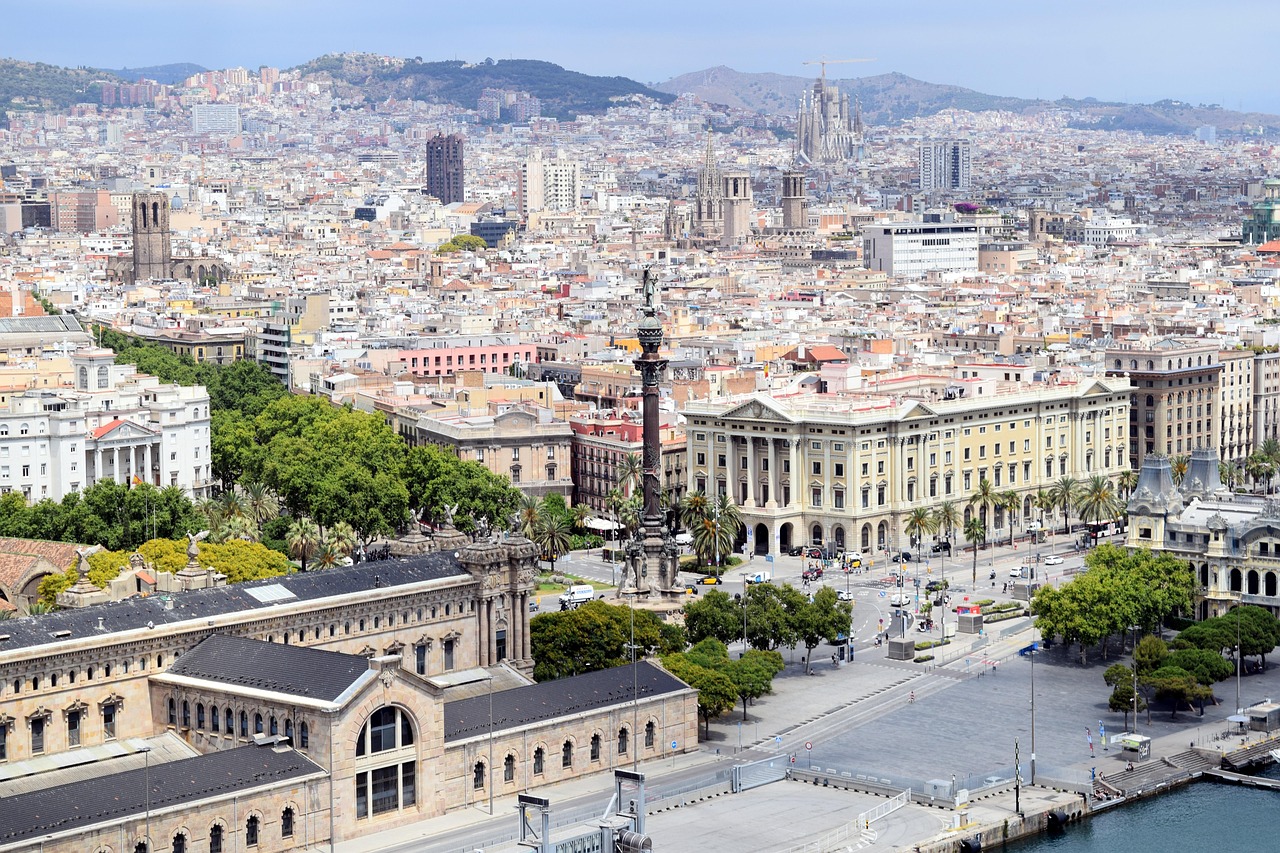
Barcelona is the doorway through which most travelers enter Catalonia, and it remains one of Europe’s most compelling cities. My relationship with Barcelona has changed over the years: in 2015 it felt on the brink of being overwhelmed by tourism; in 2026 it’s more balanced, with new regulations on short-term rentals and cruise arrivals, and a stronger push to encourage visitors to explore the rest of the region.
The city is an essential anchor for any 4 day itinerary for Catalonia, but it doesn’t need to dominate your trip. Two to three nights is enough to see the big hitters and linger in a couple of neighborhoods.
Must-See Attractions in Barcelona
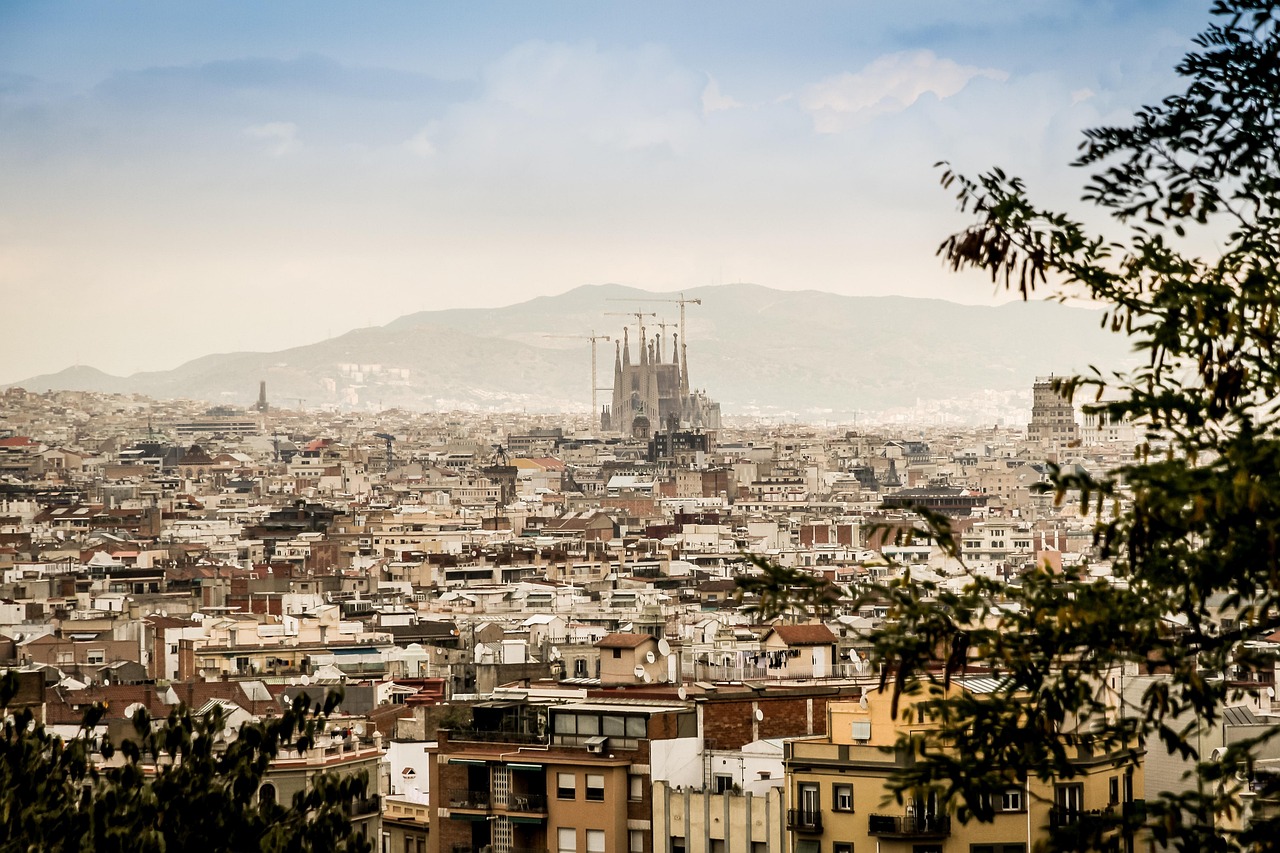
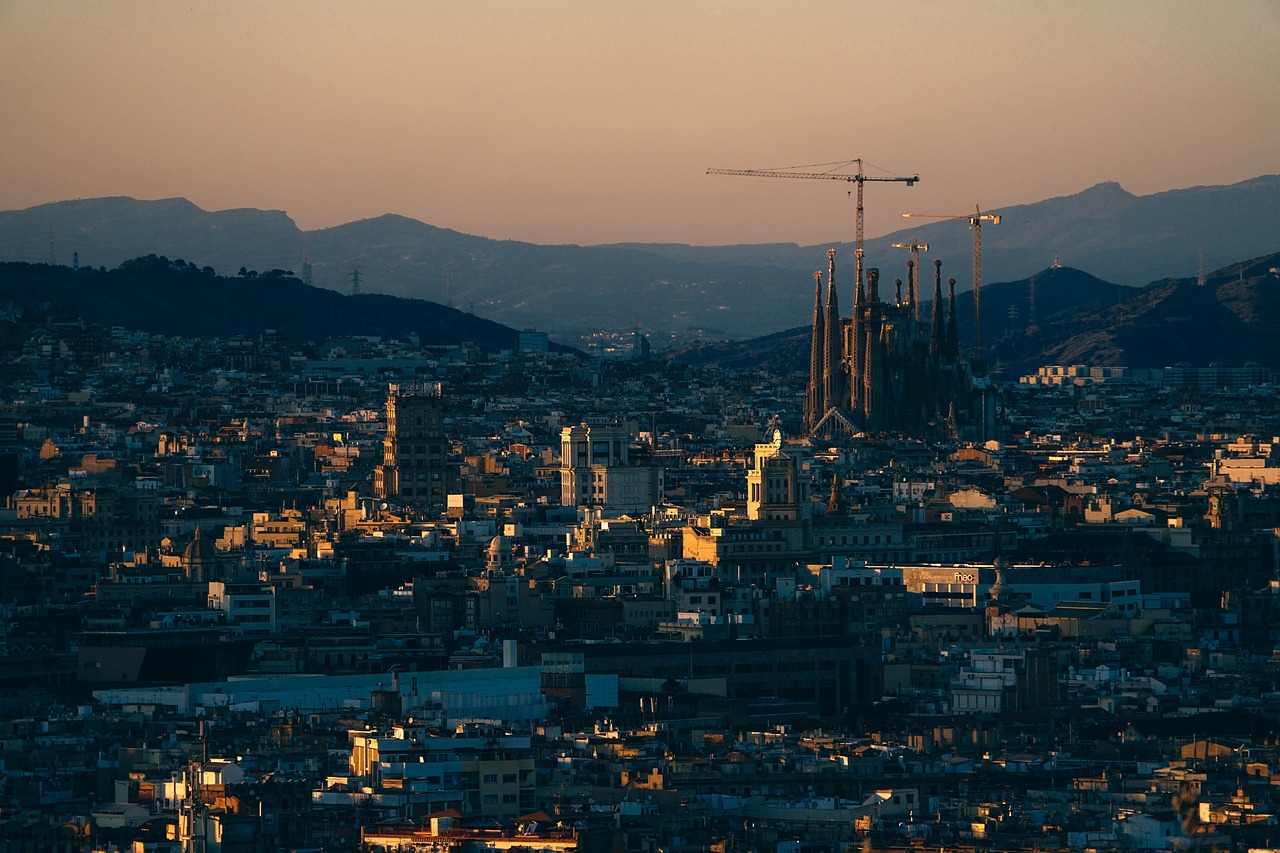
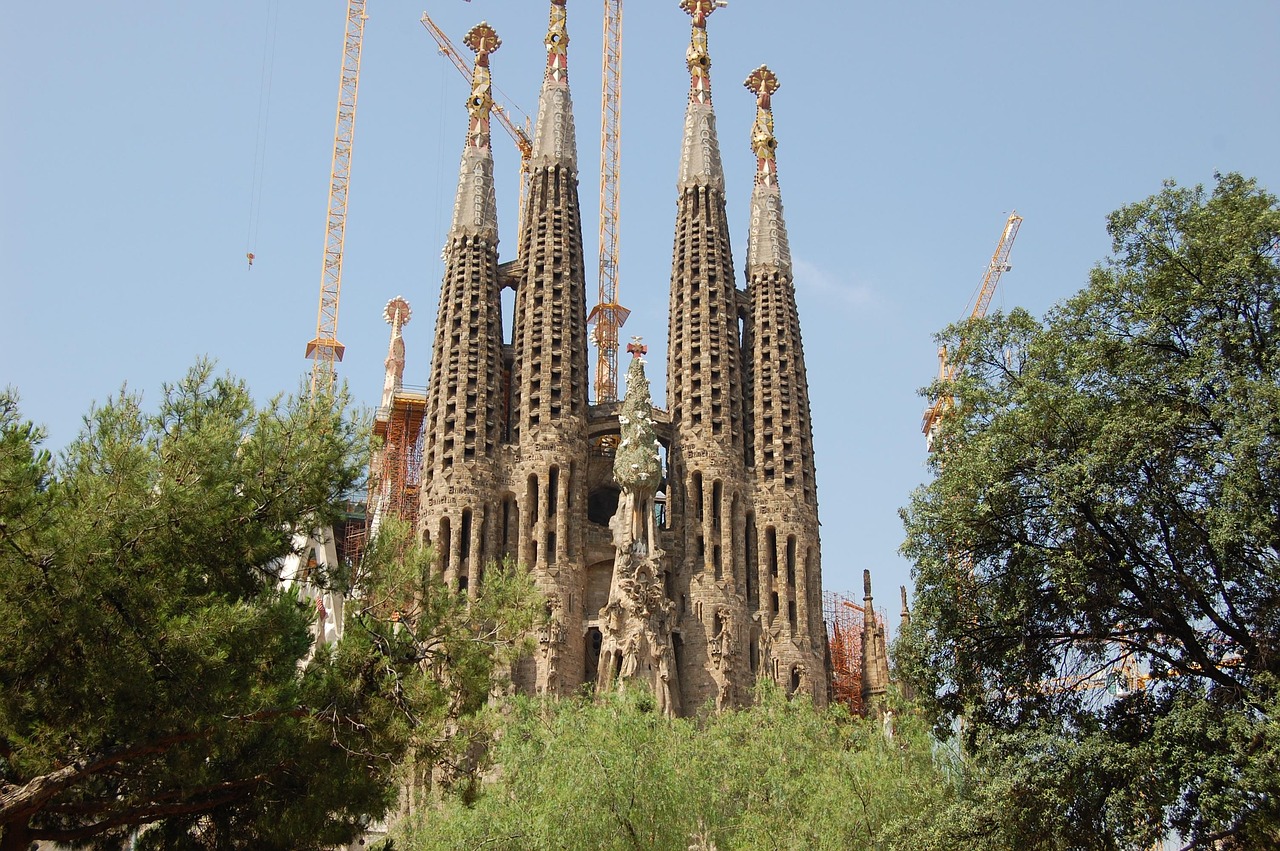
- Sagrada Família: In 2026, this still-evolving basilica feels closer than ever to completion. I booked an early morning slot last November and watched the sun thread through the stained glass. Book tickets weeks ahead.
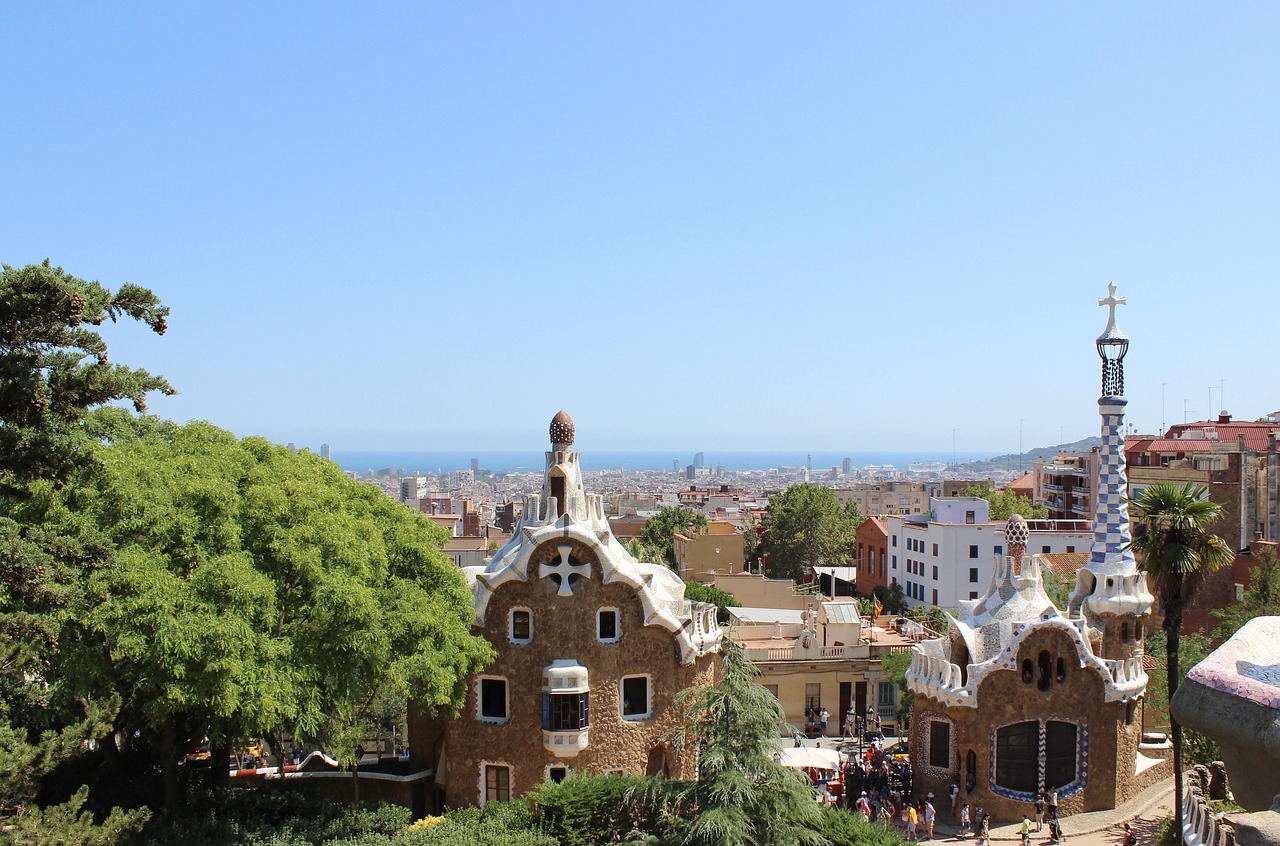
- Park Güell: Now with controlled entry and quieter moments if you go right at opening. The view over the mosaic lizard toward the sea is one of the great vistas of Catalonia.
- Barri Gòtic & El Born: I like to walk these districts at night, when the day-tripping crowds thin and you can hear your own footsteps on the stones.
- Montjuïc: For me, the cable car up to Montjuïc at golden hour is one of Barcelona’s most romantic experiences, especially for couples on a short city break.
Neighborhoods to Experience
For a taste of real city life, carve out time in:
- Gràcia: Former village, now bohemian enclave. Family-friendly plazas, artisan shops, and some of the city’s best local food in small bistros.
- Poblenou: Tech-meets-beach. I often stay here on work trips; morning runs along the seafront boardwalk, then coffee in converted factories.
Local Food in Barcelona
Barcelona is not the place for the cheapest eats in Catalonia, but it’s a good introduction to regional food:
- Markets: Mercat de Sant Antoni is my favorite for a less touristy vibe than La Boqueria. Grab embotits (cured meats) and local cheese for a picnic.
- Bodegas for Vermut: Try a Sunday aperitif at a neighborhood bodega; order vermut de la casa and a plate of olives and anchovies.
- Seasonal: If you’re here Jan–March, seek out a calçotada restaurant in surrounding towns; some city places do convincing versions.
Practical Tips
- Best base for: First-timers, culture lovers, nightlife, easy public transport connections.
- Transport: Excellent metro and buses; trains fan out across Catalonia. No car needed in the city (and parking is a hassle).
- Family-friendly: Parc de la Ciutadella, the beach boardwalk, and cable cars are big hits with kids.
2. Girona: Medieval Charm on a Human Scale
If Barcelona is thrilling but occasionally exhausting, Girona is its graceful, pocket-sized cousin. I’ve spent multiple long weekends here over the years, and in 2026 it remains my favorite base for exploring northern Catalonia, especially if you’re crafting a 5 day itinerary for Catalonia that blends city, countryside, and coast.
The old town, with its intact medieval walls and Arab Baths, is wonderfully preserved. Climb the walls early for views over terracotta rooftops to the Pyrenees. Game of Thrones fans will recognize many corners, but Girona has mercifully avoided becoming a theme park.
Highlights
- Cathedral & City Walls: The cathedral’s single nave is among the widest in the world. I like to circle back at night when spotlights pick out its stark façade.
- Jewish Quarter (Call Jueu): Lose yourself in the narrow lanes; then ground it with a visit to the Museum of Jewish History.
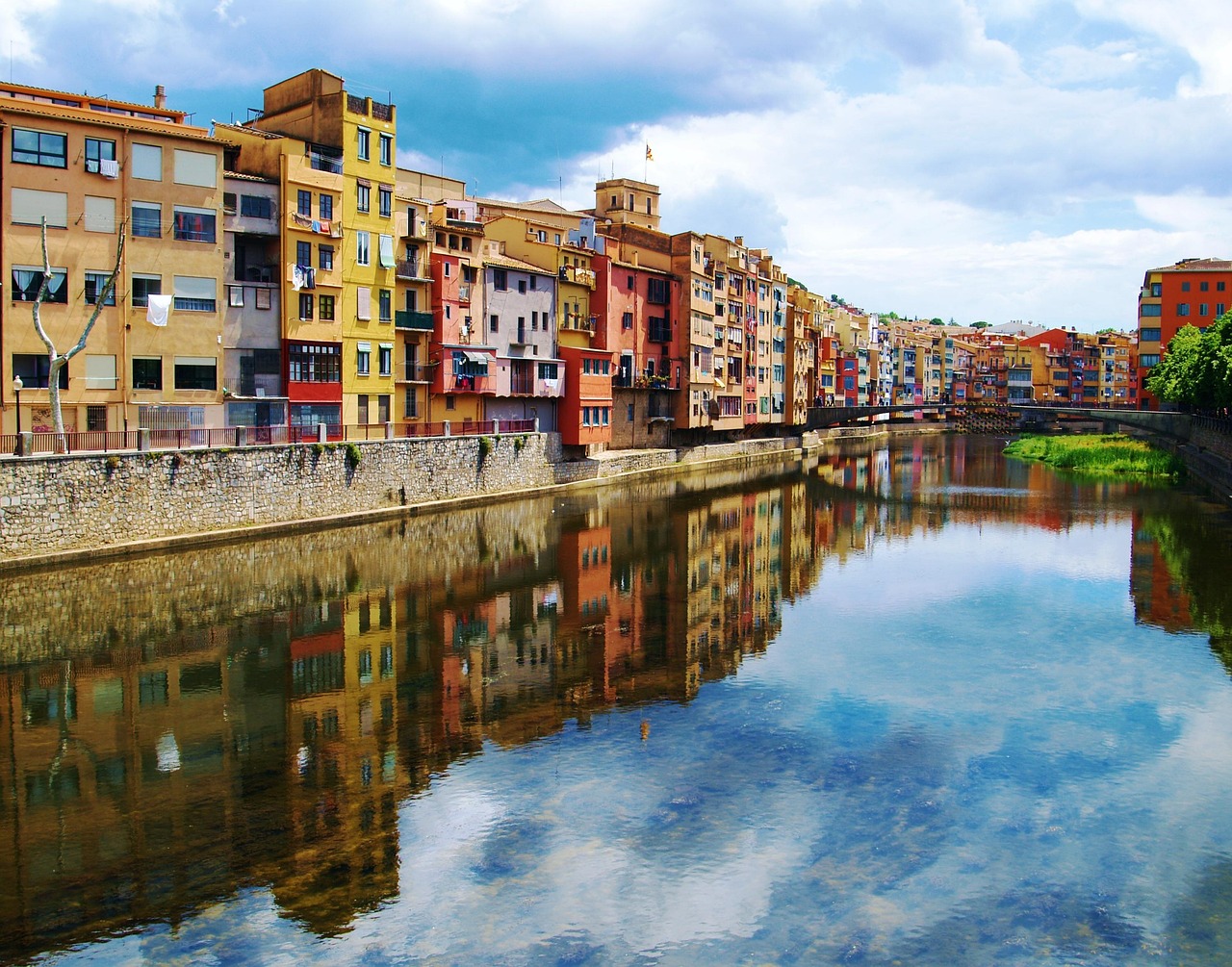
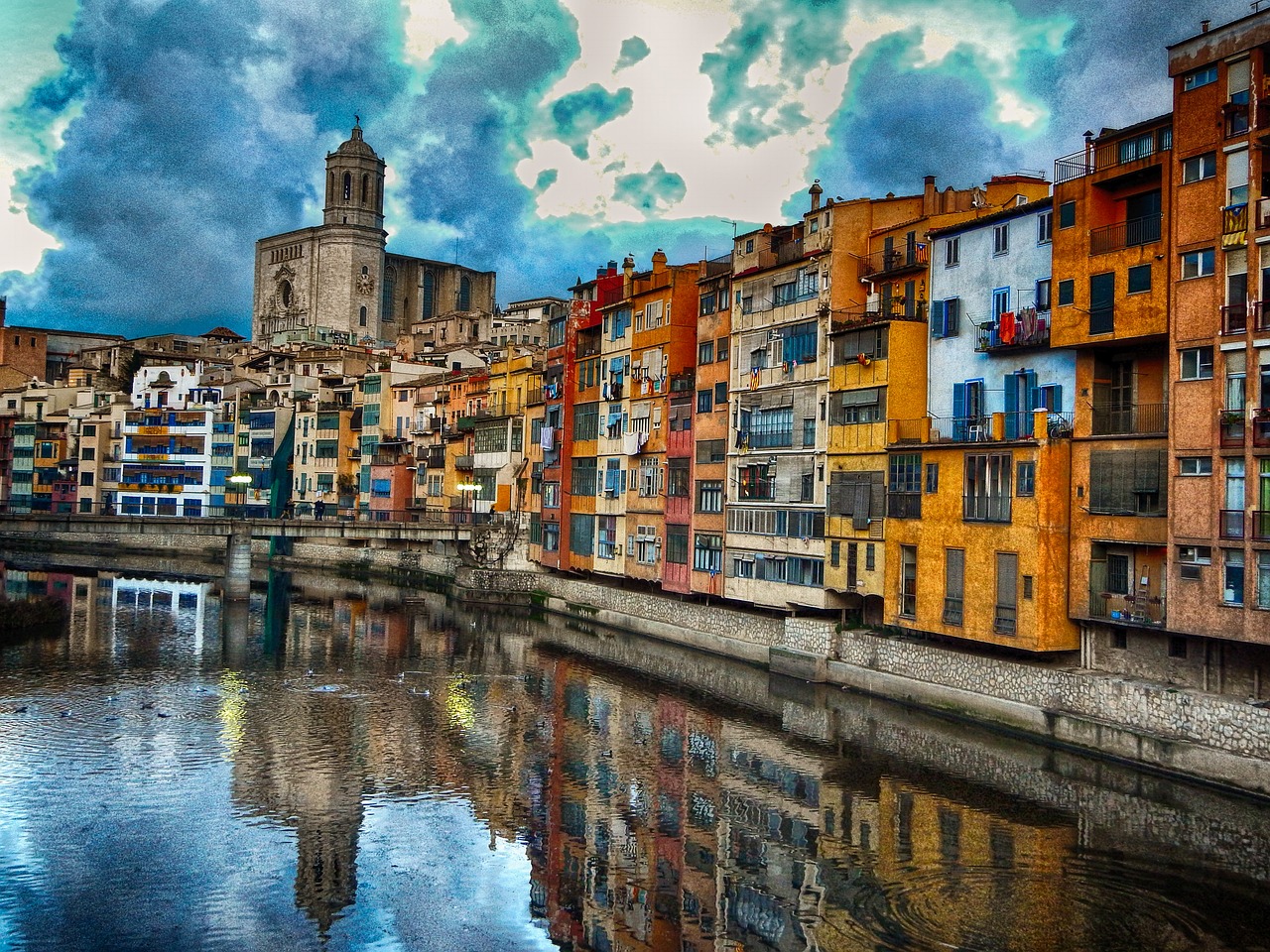
- Onyar River Houses: Those pastel-painted façades reflected in the river are iconic; cross different bridges to see them from new angles.
Food & Drink
Girona punches far above its weight in gastronomy.
- Market: Mercat del Lleó is where I grab fruit, cheese, and botifarra sausage for a picnic if I’m heading onward to the Costa Brava.
- Local specialties: Try xuxos de crema (cream-filled pastries) for breakfast, and suquet fish stew at dinner if you’re not heading to the coast immediately.
Logistics
- Best base for: Exploring Costa Brava, Empordà villages, and the Pyrenees; calmer city stay than Barcelona.
- Transport: Fast trains from Barcelona (around 40 min); buses and regional trains to Figueres, coastal towns. A car is useful but not essential.
3. Tarragona: Rome by the Sea
On my most recent trip to Tarragona in late 2025, I arrived on a bright winter morning and walked straight from the train station to the Roman amphitheatre, where waves crashed just beyond the ancient stone. It’s one of the few places in Europe where Rome feels this physically entwined with the sea.
Tarragona is a relaxed, lived-in city with a strong local identity. It makes an excellent day trip from Barcelona or a base for forays into the Costa Daurada, Priorat, and the Ebro Delta.
What to See
- Roman Amphitheatre & Circus: Wander the ruins and then follow the elevated Roman walls for perspective on the old city.
- Cathedral & Old Town: The cathedral square is one of my favorite evening spots in Catalonia—kids playing, terraces buzzing, the dome glowing above.
- Balcony of the Mediterranean: A classic promenade above the sea. Join locals on their evening passeig.
Food & Base
Tarragona blends seaside seafood with inland traditions:
- Try: romesco sauce with grilled fish or vegetables; this is its heartland.
- Best base for: Families wanting beach + history, travelers driving into wine country, and those preferring a smaller city than Barcelona.
4. Lleida: Catalonia’s Quiet Western Capital
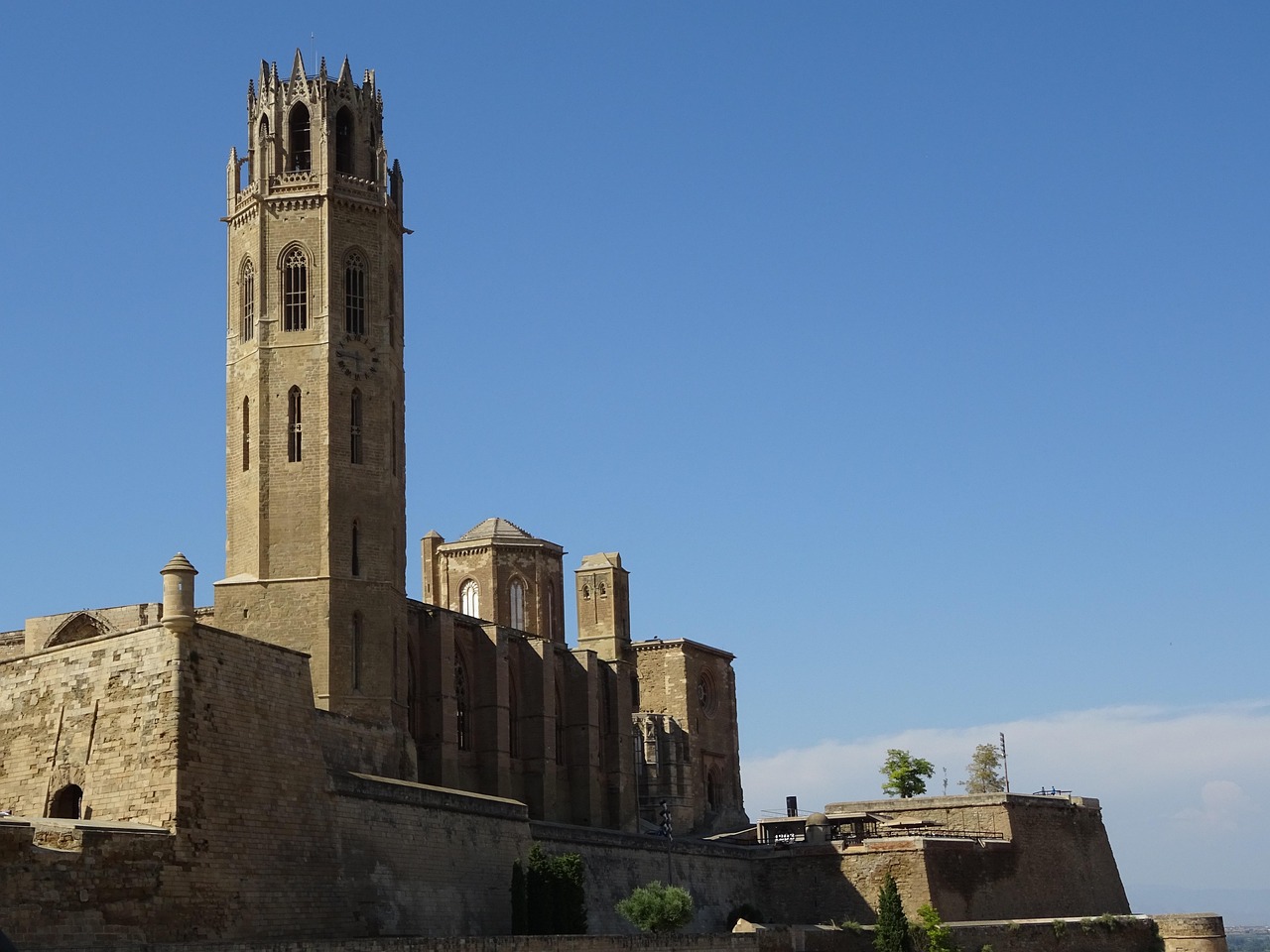
Lleida is where Catalonia tilts toward the interior of the Iberian Peninsula—drier, more agricultural, more introspective. I’ve grown fond of this overlooked city; it feels honest, with few tourists and prices that remind you you’re far from the Mediterranean bubble.
The hilltop complex of La Seu Vella, the old cathedral, dominates the skyline. From up there, the plains and the Segre River spread out in all directions.
Why Come
- Authenticity: This is everyday Catalonia, unvarnished. Great if you’re tired of tourist menus.
- Gateway: Good jumping-off point for the western Pyrenees, the Val d’Aran, and even into Aragón.
Local Flavors
In Lleida, I always seek out:
- Cargols a la llauna: Snails grilled in metal trays, eaten with allioli. It’s not for everyone, but it’s deeply local.
- Fruit: This is orchard country; in late spring, markets are a riot of cherries and peaches.
5. Costa Brava: Wild Coves & Coastal Paths
The Costa Brava is where I go to remember why I fell in love with Catalonia in the first place. Stretching from Blanes to the French border, this “rugged coast” offers sandy family beaches, tiny stone coves, pine-covered headlands, and a string of fishing villages that have (mostly) kept their soul.
In 2026, efforts to control overdevelopment have borne fruit: coastal path restoration continues, and some towns are capping new large hotels. I usually base myself in or near one of three spots, depending on mood.
Key Bases
- Begur: Perched hill town with easy access to coves like Sa Tuna and Aiguablava. Perfect for couples and hikers.
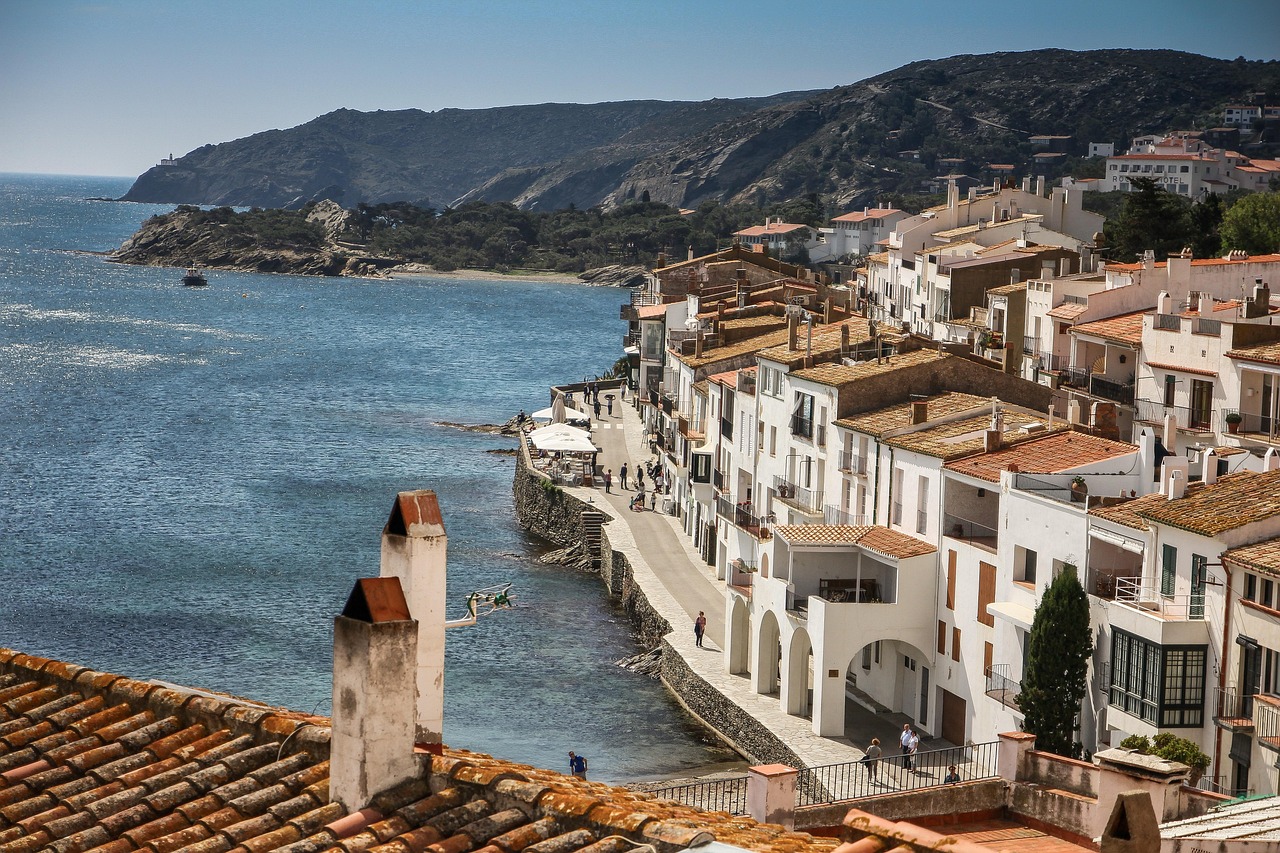
- Calella de Palafrugell: Whitewashed, romantic, slightly nostalgic. Ideal for a slow beach holiday.
- Llafranc & Tamariu: Family-friendly, with enough restaurants and safe swimming.
What to Do
- Cami de Ronda hikes: Coastal paths linking cove to cove; do short segments with kids or longer full-day walks.
- Kayaking & snorkeling: Clear water, rocky inlets, excellent visibility in calm weather.
- Evenings: Long dinners with grilled fish and suquet, then a gelato stroll on the promenade.
Practicalities
- Getting there: 1.5–2 hours by car from Barcelona; buses from Girona and Barcelona to major towns.
- Best for: Romantic getaways, family beach weeks, coastal hiking.
6. Cadaqués & Cap de Creus: End of the Road Magic
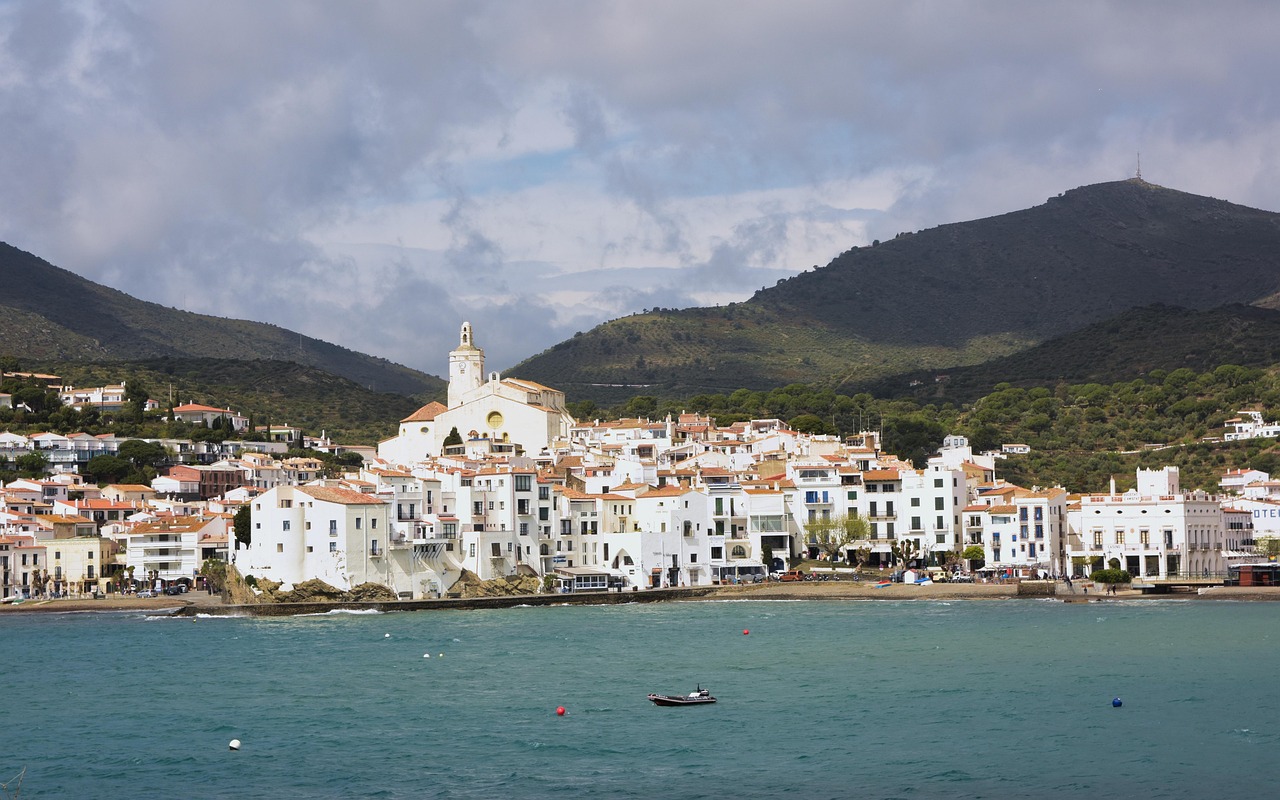
The road to Cadaqués is a series of tight switchbacks that separate the casual tourist from the committed pilgrim. Every time I drive it, the first glimpse of white houses clustered around the bay feels like a small reward.
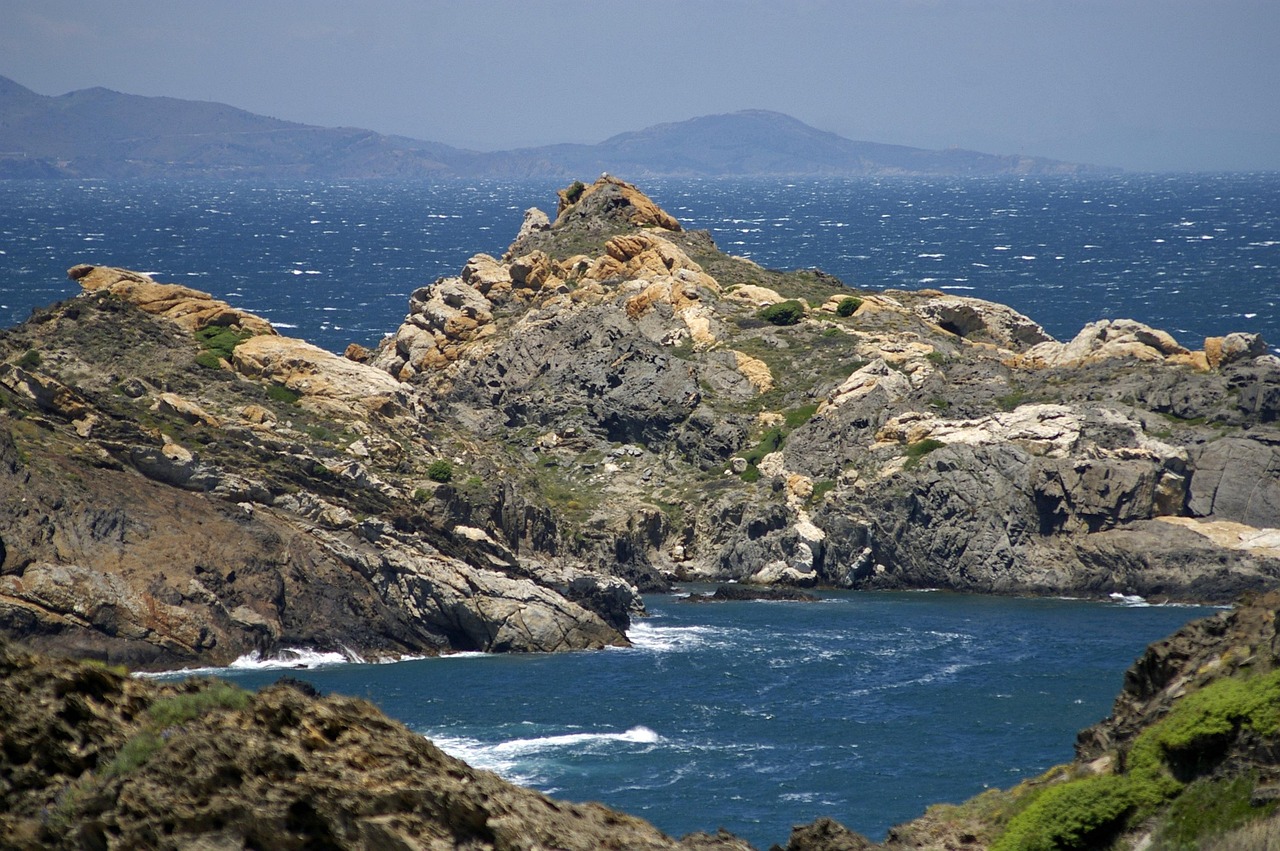
Beyond town lies the Cap de Creus Natural Park, a wind-sculpted headland that feels almost lunar—no wonder Dalí found inspiration here.
Highlights
- Dalí House in Portlligat: A surreal, intimate museum. Book ahead; groups are small and timed.
- Cap de Creus Lighthouse: Drive or hike out; sip a drink at the café while watching the sea lash the rocks below.
- Kayaking the Coast: I had one of my favorite Catalan days paddling between coves, stopping to swim in near-deserted inlets.
Base & Tips
- Best base for: Couples, art lovers, hikers; less ideal for toddlers due to steep lanes.
- Parking: Leave the car in designated lots; the town center is walkable and narrow.
- Season: Avoid peak August if possible; May–June and September are perfect.
7. Empordà: Wine Country & Storybook Villages
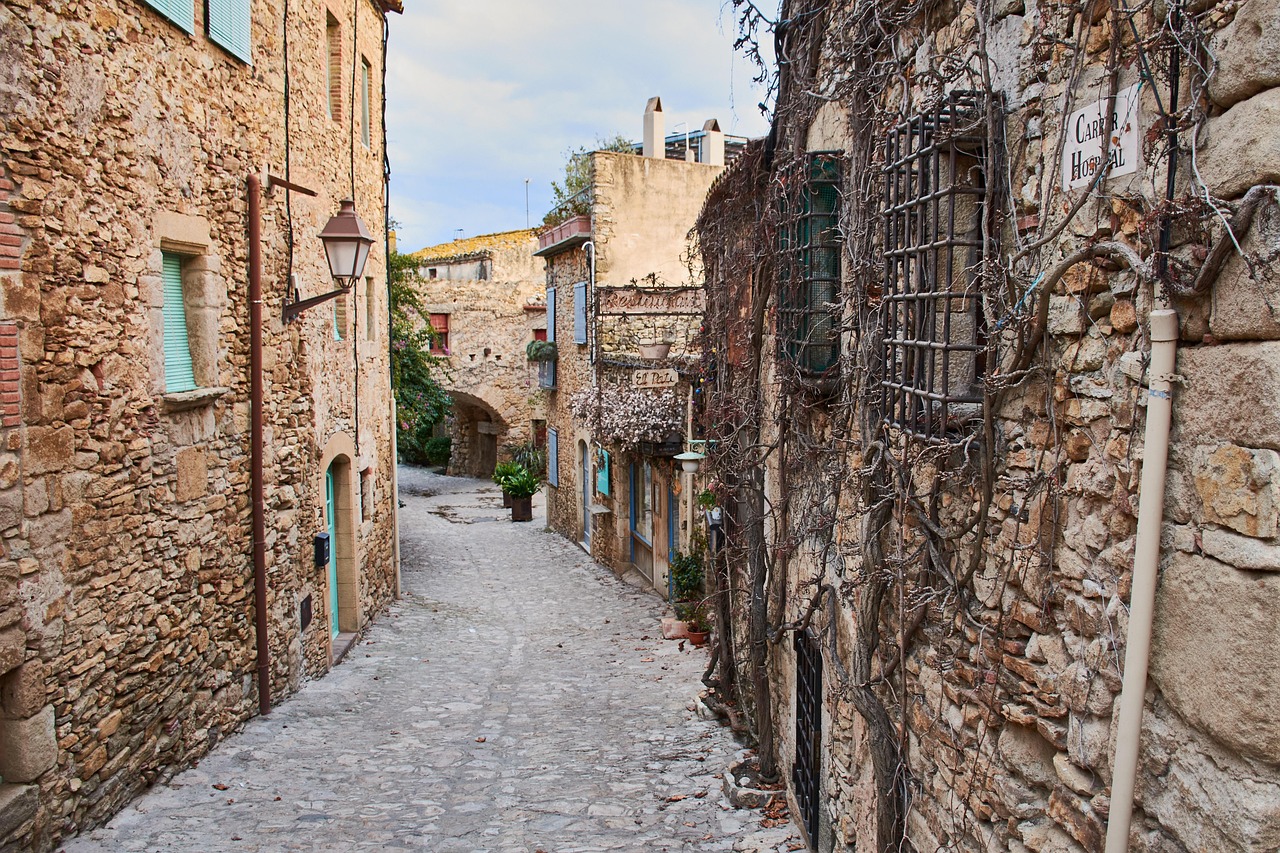
Between Girona and the coast lies the Empordà, one of my favorite parts of Catalonia to simply wander. Think rolling vineyards, stone villages, and small wineries where the owner still pours your tasting.
I often base myself in or near Peratallada or Pals, using a rental car to zigzag between villages, wineries, and coastal swims.
Villages Not to Miss
- Peratallada: Winding lanes, ivy-draped stone, and a perfect little square. Go early or late to avoid tour groups.
- Pals: Hilltop views and excellent restaurants; its rice fields below produce some of Catalonia’s best grains.
- Monells: Tiny, cinematic plaza used in films; lovely for a coffee stop.
Wine & Food
The DO Empordà produces characterful reds and increasingly good whites and rosés. Many wineries are small and require advance booking.
- Eat: Arròs a la cassola (rice casserole) using local Pals rice; grilled meats; and suquet if you dip to the coast.
- Stay: Rural guesthouses and masies (farmhouses) are ideal for families and couples alike.
8. Sitges & the Garraf Coast: Sun, Style & Festivals
Sitges is Barcelona’s beach escape: 40 minutes by train but emotionally much further away. With its graceful promenade, Modernista villas, and well-established LGBTQ+ scene, it’s simultaneously family-friendly and flamboyant.
I like Sitges in shoulder season: September, when the water is still warm and evenings are mellow, or even winter, when you can have the seafront almost to yourself.
What to Do
- Beaches: A string of sandy beaches, some more family-oriented, others with a livelier beach-club vibe.
- Old Town: Whitewashed lanes, small boutiques, and a church dramatically poised above the sea.
- Garraf Natural Park: Inland, a dry, scrubby massif with hiking and cycling routes.
Festivals & Vibe
Sitges is known for its Carnival (February/March) and its International Fantastic Film Festival (usually October). In 2026, both are planned with more open-air screenings and family programming.
Best base for: Beach time without going full resort, nightlife, and easy day trips to Penedès wine country.
9. Penedès: Cava Country & Rural Calm
The undulating vineyards of the Penedès are where much of Spain’s cava (sparkling wine) is born. I love coming here in late September, when harvest is in full swing and the air smells faintly of fermenting grapes.
The main towns, Vilafranca del Penedès and Sant Sadurní d’Anoia, are workaday places with serious wine credentials.
Experiences
- Cava Tours: From big houses with slick tours to tiny organic producers. Book at least a couple of contrasting visits.
- Castellers (Human Towers): Vilafranca is a human tower stronghold. If your trip coincides with a practice or festival, don’t miss it.
Practicalities
- Transport: Trains from Barcelona, but a car gives you flexibility between wineries.
- Best for: Wine lovers, slow travel, pairing with Sitges or Tarragona in a 5 day itinerary for Catalonia.
10. Priorat & Montsant: Dramatic Vines & Rugged Hills
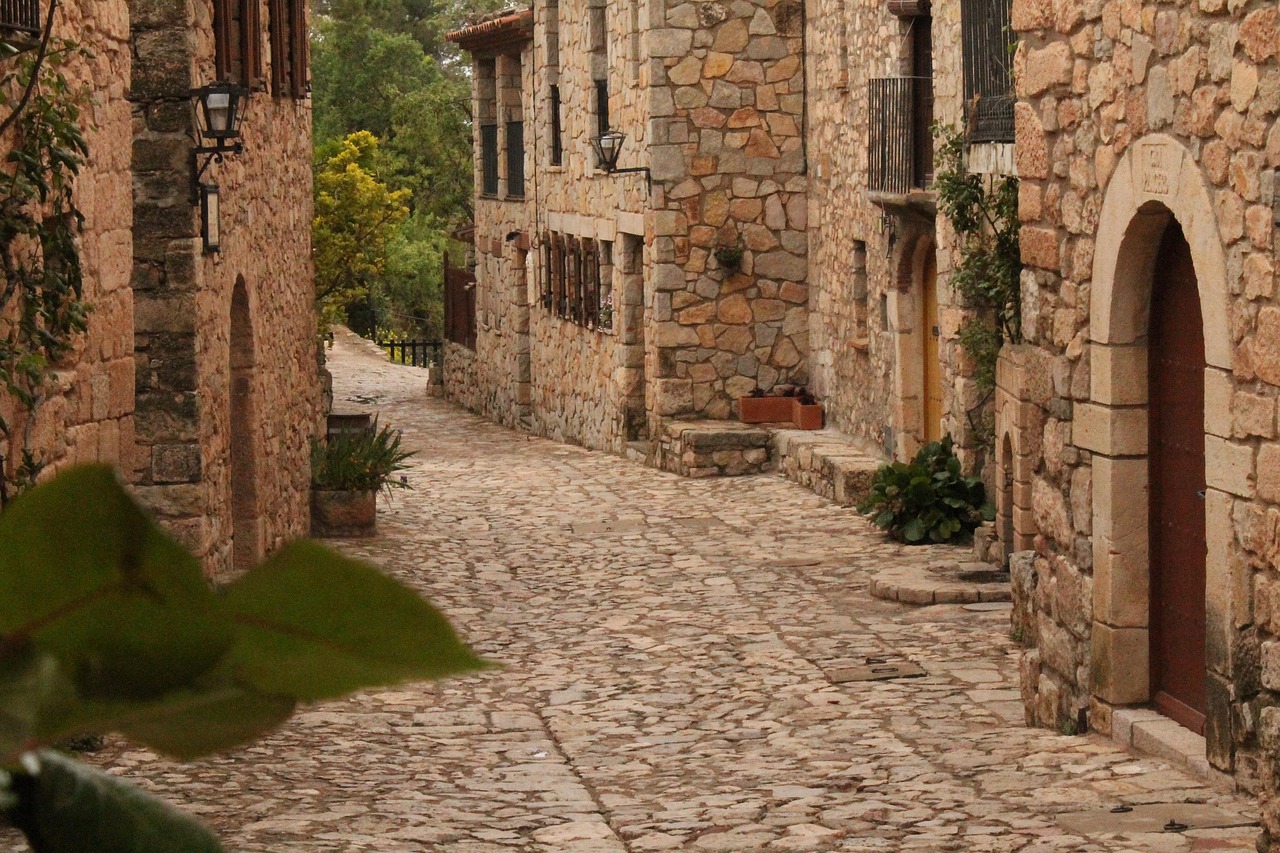
Priorat is the wild cousin of Penedès: steep, terraced vineyards, slate soils, and concentrated reds that have become cult favorites worldwide. My first visit, years ago, was a revelation: hairpin roads, tiny villages clinging to hillsides, and an intensity of light that felt almost North African.
Villages & Wine
- Gratallops: Many top wineries cluster here; a good base if you want to walk between tastings (with care).
- Scala Dei: Atmospheric ruins of a Carthusian monastery nestling under limestone cliffs.
- Siurana (technically Baix Camp / Montsant): A stone village perched atop cliffs with jaw-dropping views; a rock-climbing mecca.
Best For
- Adventurous drivers: Roads are narrow but spectacular.
- Wine geeks: Small-production reds, serious tasting rooms.
- Hikers & climbers: Montsant Natural Park is a playground of cliffs and trails.
11. Montserrat: Sacred Mountain & Symbol of Catalonia
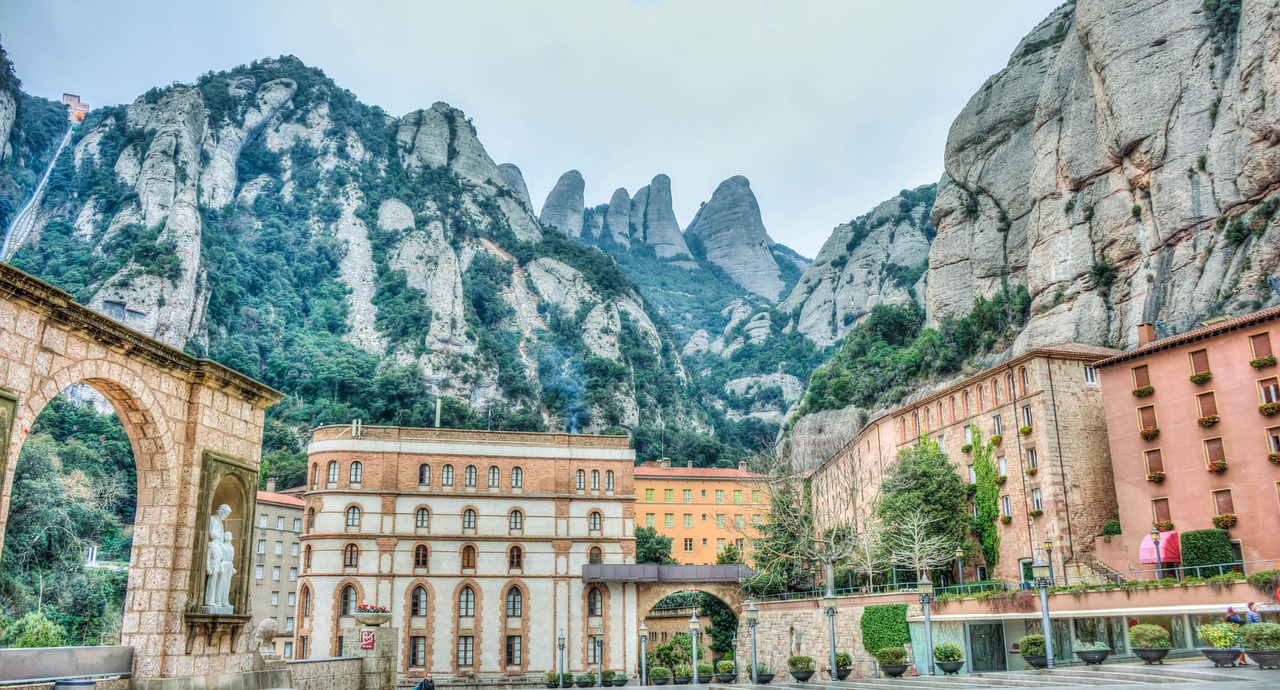
Montserrat is both a geological wonder and a spiritual heartland. The serrated mountain ridge, visible from far across the plains, shelters a Benedictine monastery and the revered Black Madonna statue.
I’ve visited Montserrat in all seasons, but the most memorable time was a winter afternoon when low clouds wrapped the peaks and the boys’ choir sang in a half-empty basilica.
Things to Do
- Monastery & Basilica: Attend the Escolania boys’ choir performance if you can (check times in advance).
- Hiking: Funiculars lead to trailheads for short walks or full-day treks. Families can do short loops with big payoffs.
Tips
- Transport: Easy train + rack railway from Barcelona; driving is also straightforward.
- Timing: Go early to avoid crowds, especially if visiting in a 4 days in Catalonia whirlwind.
12. Catalan Pyrenees: High Valleys & Alpine Culture
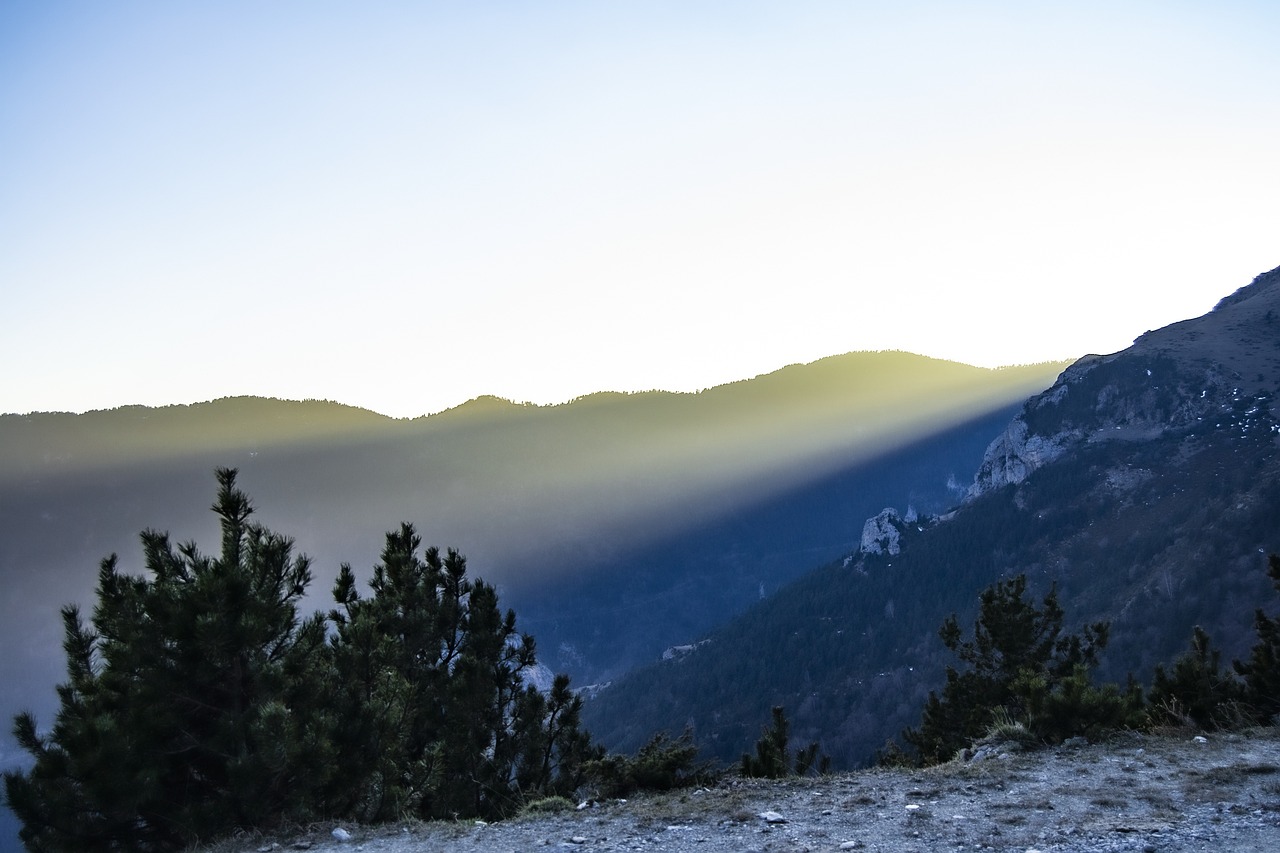
The Catalan Pyrenees could justify an entire guide of their own. In winter, they’re about skiing and snowshoeing; in summer, hiking, rafting, and long, cool evenings when the coast is stifling.
Key Areas
- Vall d’Aran: Culturally distinct, facing the Atlantic side. Stone villages like Vielha and Arties, hearty mountain food, and ski resort Baqueira-Beret.
- Vall de Boí: Famous for its Romanesque churches and as a gateway to Aigüestortes i Estany de Sant Maurici National Park.
- La Cerdanya: Wide, sunny valley with a mix of Catalan and French villages (see separate section).
Who It’s For
- Families: Alpine lakes, gentle hikes, kid-friendly ski resorts.
- Adventurers: Multi-day treks, canyoning, paragliding in some areas.
13. Ebro Delta (Delta de l’Ebre): Wetlands & Wide Horizons
At the southern edge of Catalonia, the Delta de l’Ebre feels like another world: vast rice fields, bird-filled wetlands, and long, flat beaches where you can walk for hours.
My favorite moment here was a sunrise bike ride along the rice paddies, flamingos picking through the shallows as the sky turned pink.
Activities
- Birdwatching: One of Europe’s great birding sites, especially during migrations.
- Cycling: Flat, easy routes—ideal for families.
- Boat Tours: Trips to the river mouth and along canals.
Food
This is rice and seafood country.
- Try: Ebro Delta rice paellas, ostres (oysters), and anguila (eel) if you’re adventurous.
14. La Garrotxa Volcanic Zone & Olot
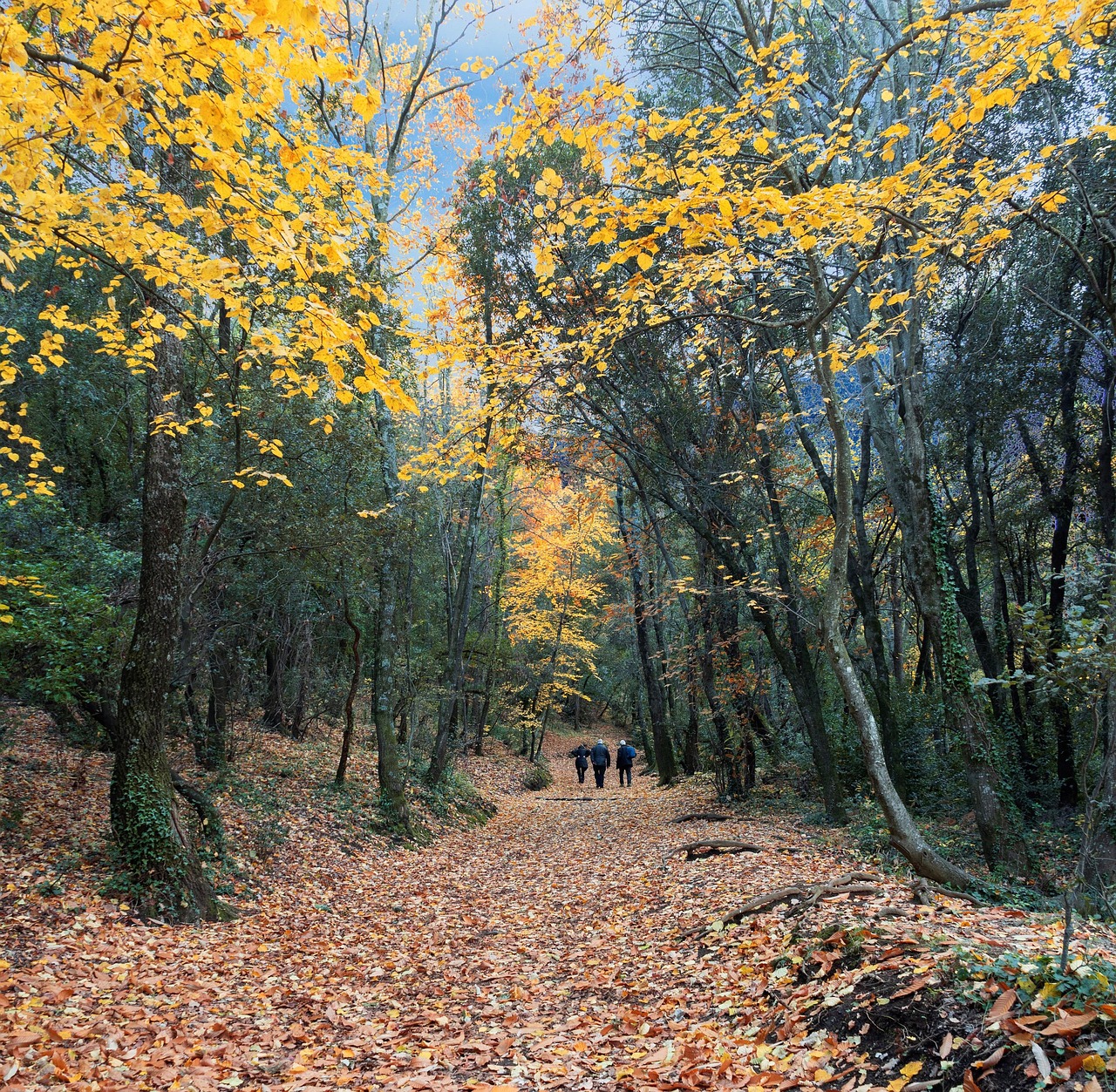
La Garrotxa, northwest of Girona, is a gentle landscape of extinct volcanoes, beech forests, and stone villages. I come here when my brain needs quiet.
Base in Olot or the remarkably preserved village of Santa Pau, and spend days walking between craters and churches.
Highlights
- Volcanic Zone Natural Park: Short walks up former cones like Croscat and Santa Margarida (with its tiny hermitage in the crater).
- Fageda d’en Jordà: Beech forest that’s magical in autumn.
15. Ripoll, Besalú & the Romanesque Heartland
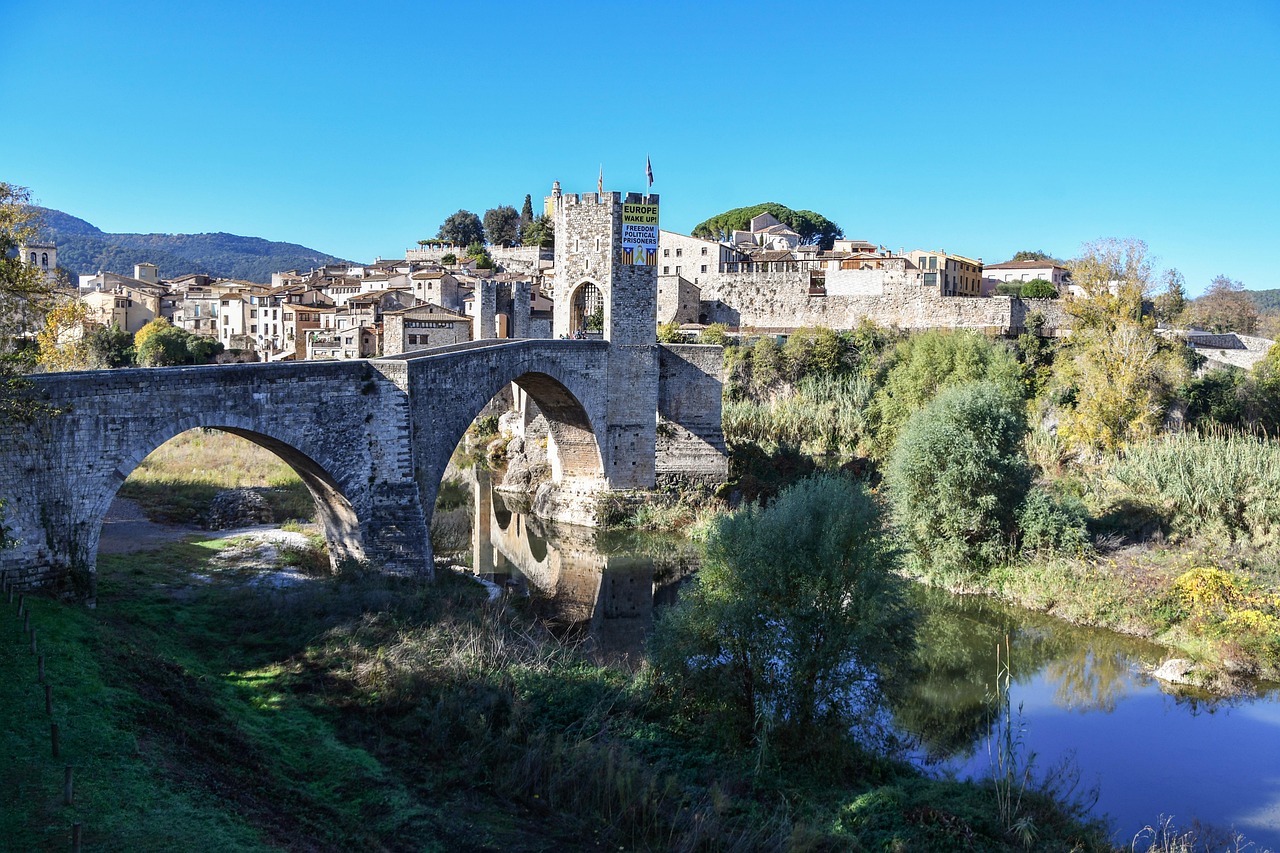
The triangle between Ripoll, Camprodon, and Besalú is steeped in early Catalan history. Monasteries and Romanesque churches dot the valleys; stone bridges arc over rivers.
Key Stops
- Ripoll: Its monastery is sometimes called the cradle of Catalonia.
- Besalú: A near-perfect medieval ensemble, especially atmospheric at dusk.
Best For
- History lovers: Combine with Girona and La Garrotxa.
- Families: Easy walks, riverside paddles, and castles to explore.
16. Costa Daurada & Reus: Golden Beaches & Modernisme
The Costa Daurada (“Golden Coast”) south of Barcelona is long sandy beaches, family resorts, and the big-name theme park PortAventura World. But look beyond and you’ll find quieter stretches and the Modernista city of Reus, Gaudí’s birthplace.
Why Go
- Families: Easy beaches, shallow water, lots of infrastructure.
- Architecture fans: Reus’s Modernista Route showcases buildings by Gaudí’s contemporaries.
17. Bages, Manresa & Inland Countryside
Northwest of Barcelona, the inland county of Bages is often overlooked, but it offers a satisfying blend of small towns, vineyards, and views back to Montserrat’s serrated skyline.
Highlights
- Manresa: Historic center, basilica, and Ignatian sites linked to St. Ignatius of Loyola.
- Wine: The DO Pla de Bages focuses on native varieties like Picapoll.
Best For
- Repeat visitors: Those who’ve “done” Barcelona and Montserrat and want to go deeper.
18. La Cerdanya: Wide Alpine Basin Between Borders
La Cerdanya is a broad, sunny valley high in the Pyrenees, split between Spain and France. I first came here in summer 2019 and was struck by how open it felt compared to the steep, enclosed valleys elsewhere.
What to Expect
- Villages: Puigcerdà on the Spanish side, Bourg-Madame across the border, and many small hamlets.
- Activities: Skiing in winter, biking and hiking in summer, thermal baths in nearby areas.
Who It’s For
- Families & sporty travelers: Lots of easy outdoor options and kid-friendly activities.
Suggested Itineraries: 4–7 Days in Catalonia
Below are flexible, story-driven itineraries. You won’t hit every highlight in this guide, but you’ll get a balanced mix of must-see attractions in Catalonia, hidden gems in Catalonia, and genuine cultural experiences in Catalonia. Think of them as templates you can stretch or compress.
4 Day Itinerary for Catalonia: City, Mountain & Sea
This 4 days in Catalonia plan works well for first-time visitors who want a taste of everything without renting a car.
Day 1: Barcelona’s Icons & Neighborhood Life

Arrive in Barcelona and drop your bags in your hotel or apartment—if it’s your first time, I recommend staying in Gràcia or near El Born for character and walkability.
Start at the Sagrada Família. Even on my fifth visit in 2026, I still felt a jolt walking under those branching columns, like standing in a stone forest. Book your timed entry for mid-morning and give yourself at least two hours inside, including the museum.
From there, stroll or take the metro to Passeig de Gràcia to admire Gaudí’s Casa Batlló and La Pedrera from outside (if your time is tight, pick one to go inside; I slightly prefer La Pedrera for the rooftop chimneys and the attic’s Gaudí exhibition).
Lunch in Gràcia at a small bistro—order whatever’s on the lunch menu (menú del dia) for good value. In the afternoon, wander Gràcia’s plazas: children playing, grandparents gossiping, street musicians in the corners.
As golden hour approaches, head to Park Güell. In spring 2026, I arrived at 6 pm and watched the mosaics glow as the sun dipped—a romantic moment, but also fun for kids who can scramble along paths and look for lizards.
End your day with tapas in El Born. My personal trick: stand at the bar, order 2–3 small plates at a time, and let the evening stretch.
Day 2: Montserrat Day Trip – Sacred & Scenic
Catching an early train from Plaça Espanya, you’ll be at Montserrat in around an hour and a half. The rack railway up to the monastery always feels a bit cinematic: the serrated peaks rising closer, the plains falling away.
Spend the morning exploring the basilica, visiting the Black Madonna if you wish (lines can be long; go straight there on arrival if it’s a priority). If the boys’ choir is performing that day, time your visit to hear them—standing at the back, letting the voices fill the space, remains one of my enduring Catalan memories.
Afterwards, take the funicular up to Sant Joan. Families can do a short out-and-back hike along the ridge; more ambitious hikers can tackle a loop down via hermitages. Pack a picnic from Barcelona or buy sandwiches at the café.
Return to the city by late afternoon. For dinner, try a traditional bodega in Poble Sec; order bombes (potato croquettes with spicy sauce), grilled octopus, and a vermút if you’re not wedded to wine.
Day 3: Girona – Medieval Calm & Contemporary Flavors
On Day 3 of your 4 day itinerary for Catalonia, take the morning high-speed train to Girona. I like to leave my bag at the station lockers or my hotel and head straight for coffee in the old town.
Climb to the city walls first. In 2026, parts of the wall walk have been further stabilized, making it easier for families with older kids. The views stretch from the cathedral down to the Onyar River and, on clear days, the snowy Pyrenees in the distance.
Descend to the Jewish Quarter, exploring its tight alleys at your own pace. The Museum of Jewish History is sobering and excellent—give it at least an hour. Then cross one of the iron bridges over the Onyar to see the iconic pastel houses reflected in the water; I always pause halfway to watch locals going about their errands.
Lunch at a modern Catalan bistro—many offer updated takes on classics like canelons and suquet. In the afternoon, visit the cathedral or simply wander. If you’re traveling with kids, a stop for ice cream and some time at the riverside playgrounds works wonders.
Stay overnight in Girona to feel the city’s quieter, local evening rhythm, or return to Barcelona if you prefer one base (but I recommend at least one night here if you can spare it).
Day 4: Costa Brava Taster or More of Barcelona
On your final day, choose your own adventure:
- Option A – Costa Brava day trip from Girona: Catch a bus or drive to Calella de Palafrugell or Llafranc. Walk a stretch of the Cami de Ronda coastal path, swim in a rocky cove, and eat grilled fish with sea views. This is a wonderful teaser for a future, longer coastal stay.
- Option B – Deep dive Barcelona neighborhoods: If you’re back in the city, spend the day in less touristed neighborhoods: Poblenou (beach + design), Sants (local life), or El Raval (street art, MACBA museum). In the evening, watch the city wind down from a rooftop bar.
Either way, this compact 4 days in Catalonia will have given you a sense of how city, mountains, and coast interlock.
5 Day Itinerary for Catalonia: Coast, Countryside & Culture
With 5 days in Catalonia, you can slow down a little and add wine country or more substantial time on the Costa Brava.
Day 1–2: Barcelona Essentials
Use the first two days similarly to Day 1–2 above: Barcelona’s Gaudí sites, neighborhood wandering, and a Montserrat day trip if you wish. Alternatively, swap Montserrat for more time exploring local food markets and an evening flamenco show (note: flamenco is Andalusian in origin, but Barcelona hosts quality performances).
Day 3: Penedès Wine Country via Sitges
Pick up a rental car in Barcelona or take an early train to Sitges for a morning seaside stroll and coffee on the promenade. By late morning, drive or train inland to Vilafranca del Penedès or Sant Sadurní d’Anoia.
Spend the afternoon visiting one or two wineries—one larger cava house for the underground cellars, and a smaller organic producer for a more intimate tasting. In harvest season (September–October), some wineries offer grape-picking experiences that are surprisingly fun with kids.
Overnight in a rural guesthouse; dinners here often feature hyper-local produce and generous pours of house wine.
Day 4: Tarragona’s Roman Legacy
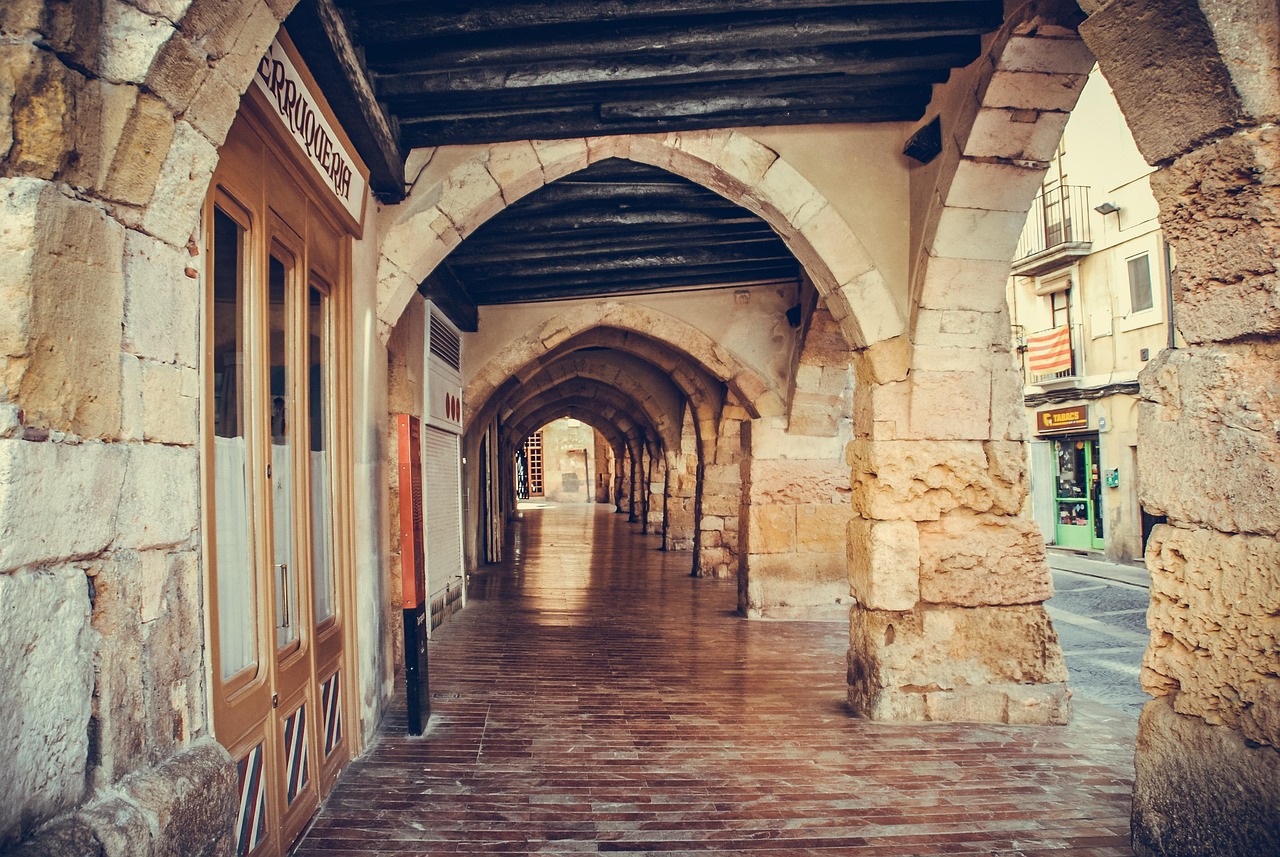
From Penedès, it’s a short drive or train ride to Tarragona. Park near the sea and start at the Roman amphitheatre, then loop through the old town: forum, cathedral, and Roman walls.
For lunch, find a restaurant in the Serallo fishermen’s quarter and order grilled fish with romesco sauce. In the afternoon, choose between a beach siesta on the Costa Daurada or more Roman archaeology. Families might head to a nearby water park in summer.
Overnight in Tarragona or nearby; the city feels pleasantly local once day-trippers leave.
Day 5: Back to Barcelona or Into the Countryside
On your last day, drive or train back to Barcelona (about an hour), stopping in a small town like Reus for a Modernista architecture walk if you’re an art-nouveau fan.
Alternatively, if your onward travel is flexible, push inland toward Priorat for a night among terraced vines—an evocative finale to a 5 day itinerary for Catalonia focused on wine and history.
6 Day Itinerary for Catalonia: From Costa Brava to the Mountains
With 6 days in Catalonia, you can craft a beautiful loop: Barcelona → Girona → Costa Brava → La Garrotxa → Barcelona. This is my favorite route for couples and families who love scenery and food.
Day 1: Barcelona Arrival & First Impressions
As in previous itineraries, focus on a couple of headline sights (Sagrada Família, Barri Gòtic) and then sink into neighborhood life. Go to bed early; tomorrow you head north.
Day 2: Girona – Medieval Walls & Market Lunch
Take a mid-morning train to Girona, drop bags, and head to Mercat del Lleó to nibble on local cheeses and cured meats. Spend the afternoon on the city walls and old town, then settle into a slow dinner on a plaza terrace.
Day 3: Costa Brava – Coastal Paths & Coves
Pick up a car in Girona and drive to Calella de Palafrugell or Llafranc (about 45 minutes). Check into a small hotel or apartment.
Hike a section of the Cami de Ronda between Llafranc and Tamariu; the path dips and rises above turquoise water, under pine trees. I like to pack swimsuits and towels in a small backpack and stop in a cove for a dip.
Evening: dinner on the seafront—grilled sardines, a simple salad, and a bottle of DO Empordà white. For families, post-dinner sandcastle building under the fading light is a small but perfect ritual.
Day 4: Empordà Villages & Wine
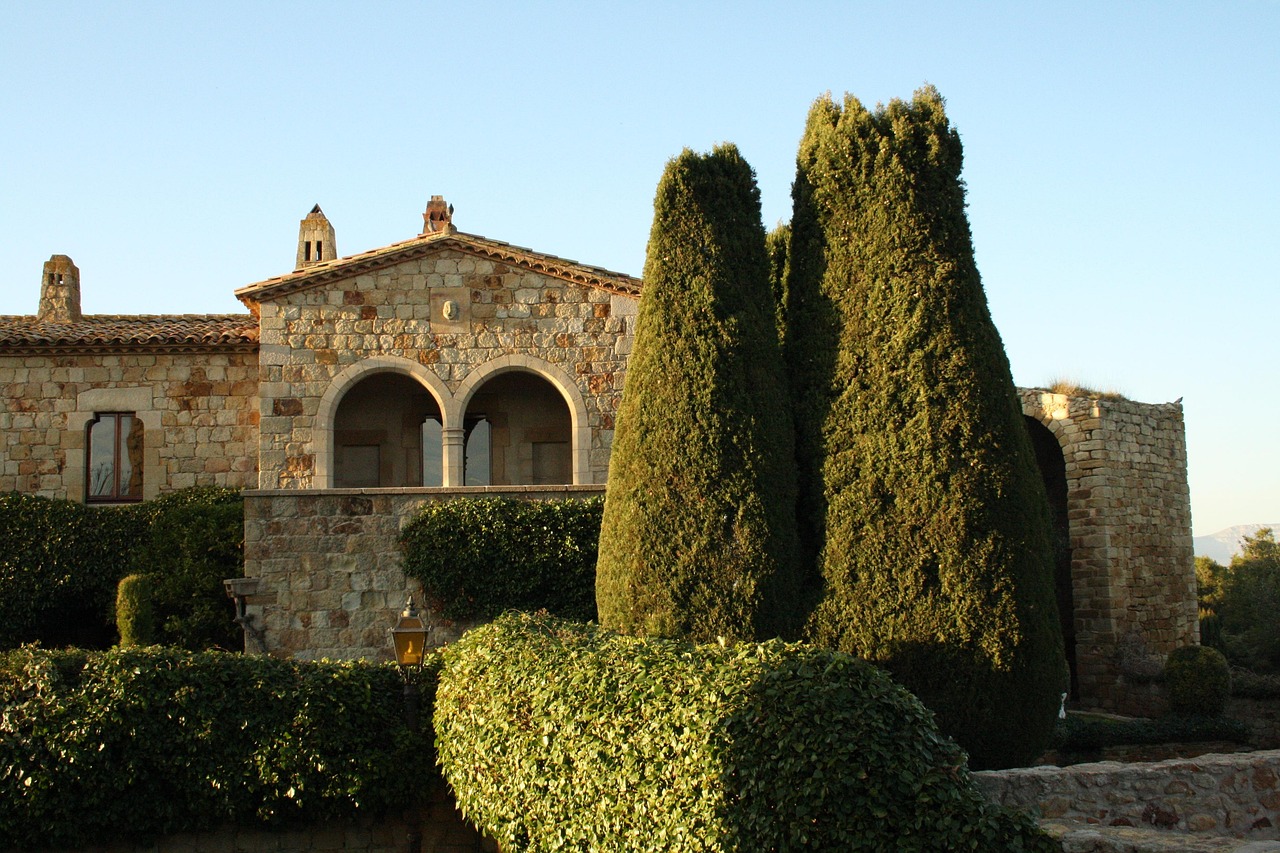
Use Day 4 to explore the Empordà interior. Start in Pals, walking its narrow lanes and climbing the tower for views over rice fields. Continue to Peratallada for lunch under the plane trees in the main square.
In the afternoon, visit a DO Empordà winery; many are within 30–40 minutes’ drive. I like to time tastings for late afternoon, when the light over the vineyards softens. Kids can usually roam safely here, but always check with the owners.
Return to the coast for a sunset swim. This blend of village, vineyard, and sea is why I keep coming back to this part of Catalonia.
Day 5: La Garrotxa Volcanic Zone
Drive inland about 1–1.5 hours to La Garrotxa. Stop at the Fageda d’en Jordà beech forest for a walk; kids often love the horse-drawn carriage rides here. Then hike up the Santa Margarida volcano to see the tiny hermitage in its crater—a gentle hike that feels adventurous for younger travelers.
Base for the night in Olot or a rural inn near Santa Pau. Dinner will likely feature fesols de Santa Pau (local beans), embutidos, and earthy mountain fare.
Day 6: Back to Barcelona via Besalú
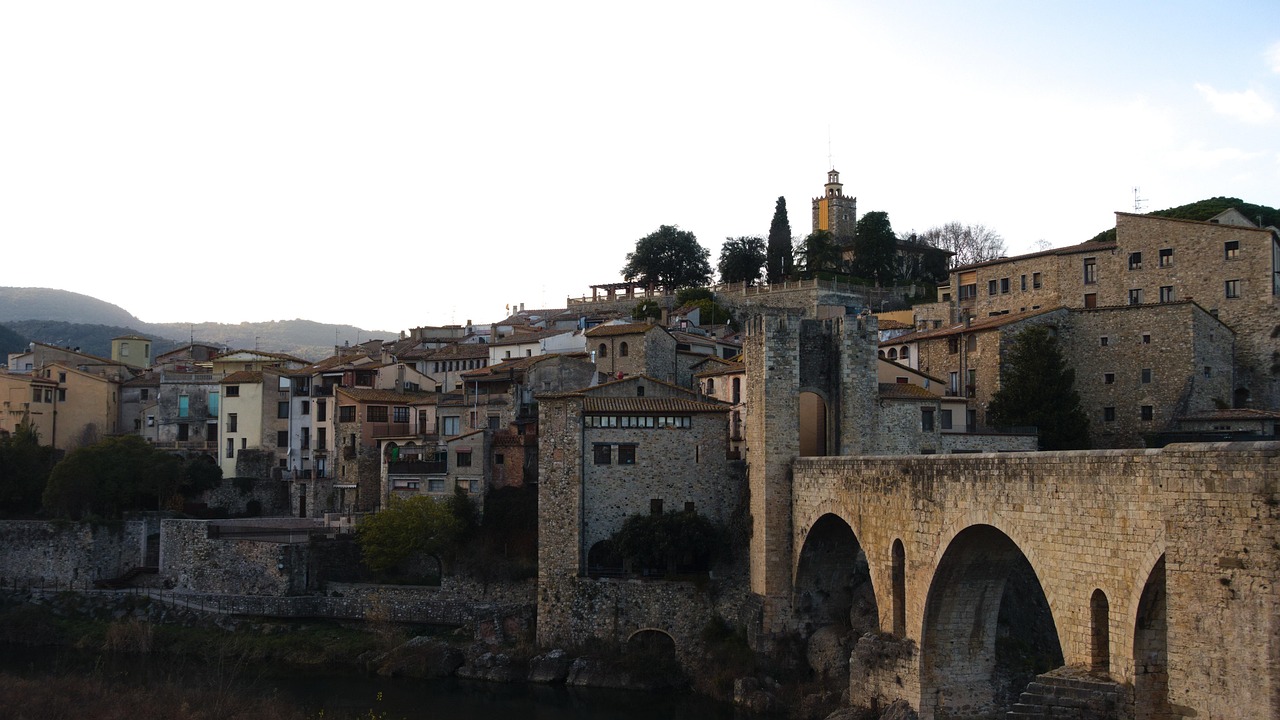
On your final day, drive back toward Barcelona, stopping in Besalú for a late morning wander across its iconic bridge and through the medieval streets.
Drop your car in Barcelona in the afternoon. Spend your last evening revisiting a favorite neighborhood or catching a concert—2026 sees more small-scale live music events in plazas and courtyards as part of the city’s cultural decentralization plan.
7 Day Itinerary for Catalonia: Grand Loop of Coast, Wine & Mountains
A 7 day itinerary for Catalonia lets you design a satisfying loop that includes Barcelona, Costa Brava, Empordà, and a taste of the Pyrenees or Priorat. Here’s one version I’ve followed (with small variations) on three separate trips.
Day 1: Barcelona – Gaudí & Barri Gòtic
Land, settle, see Sagrada Família and walk the Gothic Quarter. Early to bed or a gentle stroll along Barceloneta beach if jet lag allows.
Day 2: Barcelona – Neighborhoods & Montjuïc
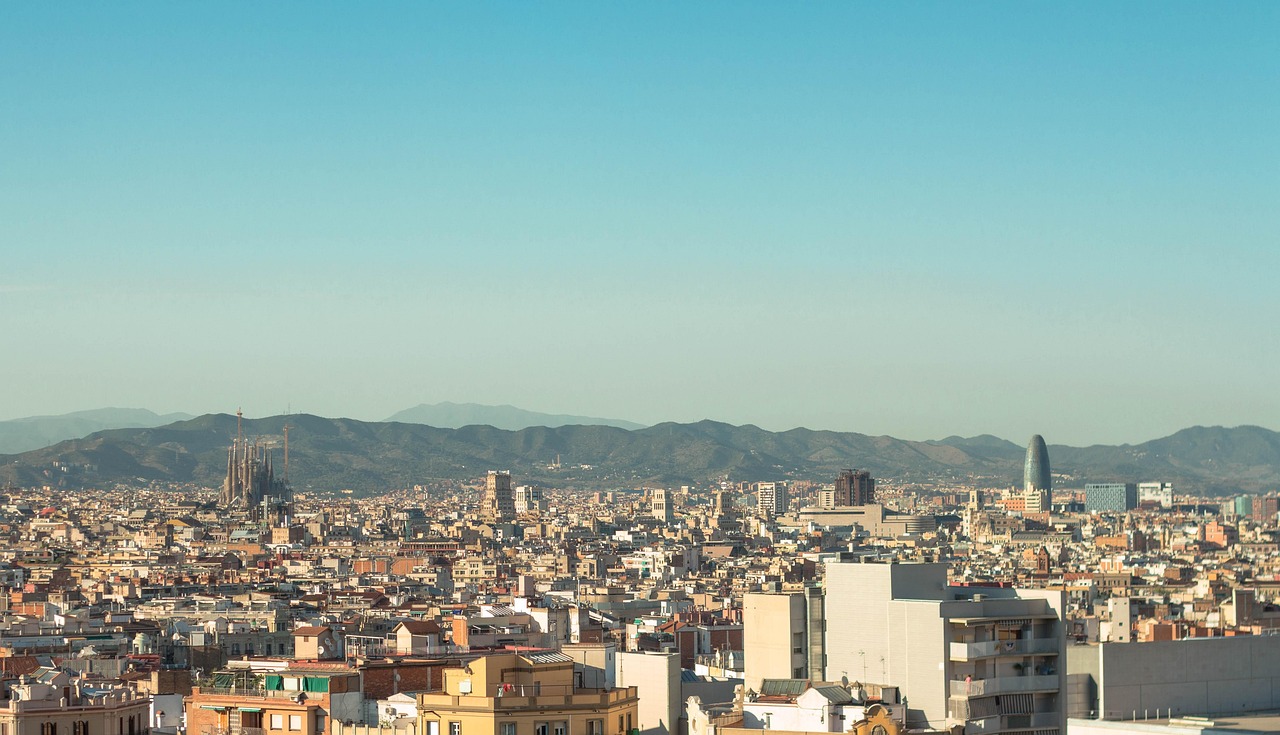
Spend the morning in El Born (Picasso Museum, Santa Maria del Mar). After lunch, take the cable car or funicular up Montjuïc for castle views, gardens, and sunset over the port. Families can detour to the Magic Fountain show (check 2026 schedules; water use rules sometimes affect timings).
Day 3: Girona & Onward to Costa Brava
Train to Girona in the morning, explore walls and old town, then pick up a car and drive to Calella de Palafrugell or Begur by late afternoon. Sunset swim, dinner of seafood rice on a terrace.
Day 4: Costa Brava – Coves, Kayaks & Coastal Towns
Dedicate a full day to the Costa Brava. Rent kayaks for a morning paddle between coves; in the afternoon, explore nearby villages like Palamós (working harbor, fish market) or secluded coves accessed via the Cami de Ronda.
In the evening, follow the locals: a vermut before dinner, then a long, slow meal as the heat drains from the day.
Day 5: Empordà Villages & Wine, Sleep in the Countryside
Check out of your coastal base and spend the day meandering through Empordà villages (Pals, Peratallada, Monells). Lunch might be a shared arròs a la cassola and grilled vegetables.
In the afternoon, head to a winery for a tour and tasting, then overnight in a rural masia. Evenings here are quiet; step outside after dark and look up. Away from the coastal lights, the stars in 2026 are as clear as ever.
Day 6: Option A – Pyrenees Taster; Option B – Priorat Wine & Cliffs
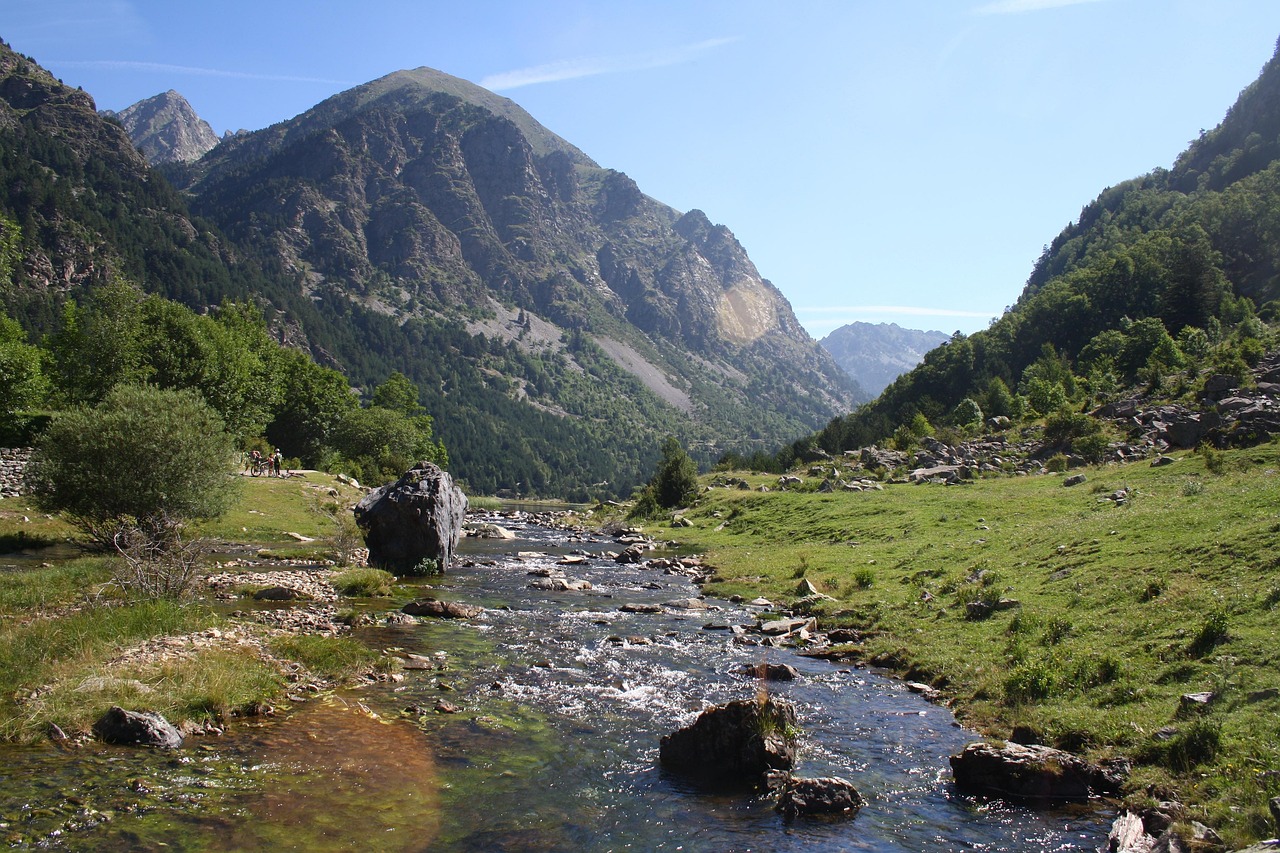
With a car, you now choose your adventure:
- Option A – Pyrenees: Drive toward Vall de Boí (about 3–4 hours). Visit one or two Romanesque churches and, if time, take a late-afternoon stroll into Aigüestortes National Park. Overnight in Taüll or Boí.
- Option B – Priorat & Montsant: Drive south toward Priorat (3–3.5 hours). Base in Gratallops or nearby, taste dense reds, and drive up to Siurana for sunset views over cliffs and reservoir.
Day 7: Return to Barcelona via Montserrat or Tarragona
On your last day, loop back to Barcelona, enriching the journey:
- From Pyrenees: Drive south and detour to Montserrat for a final scenic and spiritual stop before dropping the car in Barcelona.
- From Priorat: Stop in Tarragona to walk the Roman sites and have one last seaside lunch before returning to the city.
This 7 days in Catalonia loop is dense but deeply rewarding—city, coast, vineyards, and mountains in a single, coherent arc.
Regional Cuisine & Where to Taste It in Catalonia
Catalan cuisine is simultaneously rustic and refined, grounded in seasonal produce and a long culinary tradition that pre-dates much of what we now call “modern Spanish cooking.” Across my trips, I’ve learned to look for a few key things:
Signature Dishes by Sub-Region
- Barcelona & Coast: Paella and arrossos (rice dishes), fideuà (short noodle paella), grilled fish, esqueixada (salt cod salad).
- Costa Brava & Empordà: Suquet de peix (fish stew), arròs a la cassola, and seafood cooked simply.
- Penedès & Inland: Grilled meats, butifarra amb mongetes (sausage with beans), hearty stews.
- Pyrenees: Game, mushrooms in autumn, stews, and mountain cheeses.
- Delta de l’Ebre: Rice in countless forms, eel, oysters, and clams.
Where to Eat: Markets, Farm-Stays & Family-Run Inns
For genuinely local food in Catalonia, I gravitate toward:
- City markets: Mercat de Sant Antoni (Barcelona), Mercat del Lleó (Girona), Tarragona’s central market. Go in the morning when stalls are fullest.
- Masies & rural restaurants: Around Empordà, La Garrotxa, and Penedès, you’ll find old farmhouses turned restaurants. Weekday menú del dia here is some of the best value in Catalonia.
- Family-run inns: In villages like Santa Pau, Pals, or Besalú, look for places packed with locals at lunch; that’s where you want to be.
Vermut, Wine & Cava
Vermut is a ritual, especially on weekends. Order it on tap with a slice of orange and an olive, accompanied by small snacks (tapes or pintxos). Catalonia’s wine regions—Penedès, Priorat, Montsant, Empordà, and Pla de Bages—deserve at least a day trip each if you’re an enthusiast.
Evenings in Catalonia
Evenings are when Catalonia really breathes. In cities, you’ll see the passeig, that unhurried evening stroll along promenades and through plazas. In villages, kids play football in the square while parents linger over a last glass of wine.
Small-Town Piazzas & Local Life
Some of my favorite evening memories:
- Watching an impromptu concert in Peratallada’s tiny square as swallows darted overhead.
- Listening to a local band at a festa major in a Costa Brava village; grandparents danced alongside teenagers.
- Sitting on the steps of Girona’s cathedral at dusk, sharing a bottle of local wine (discreetly) with friends.
Seasonal Celebrations
If your travel dates are flexible, aim for:
- June – Sant Joan: Bonfires and fireworks on the beach; Barcelona and coastal towns go wild.
- September – Festes Majors: Many towns host their main festivals, with human towers, parades, and live music.
- Autumn – Wine Harvest: Especially vibrant in Penedès and Priorat, with open-cellar events and grape-stomping experiences.
Cultural Etiquette & Local Customs in Catalonia
Traveling respectfully in Catalonia means tuning into a few nuances.
Language
- Catalan & Spanish: Both are official. Most people speak both; many speak some English in tourist areas.
- Politeness: A simple “Bon dia” (good day) or “Bona tarda” (good afternoon) in Catalan goes a long way.
Dining & Schedule
- Meal times: Lunch 1:30–3:30 pm, dinner often from 8:30 pm onward. In very touristy zones you can eat earlier, but you’ll spot more visitors than locals.
- Tipping: Not obligatory but appreciated; 5–10% for good service in restaurants, rounding up in cafés.
Social Norms
- Noise: Catalans are generally expressive, but late-night shouting in residential streets is frowned upon; respect quiet hours.
- Dress: Beachwear belongs on the beach; cover up in city centers and when entering churches.
- Politics: The question of Catalan independence is sensitive; listen more than you speak unless you know the context well.
Practical Travel Advice for Catalonia (2026–2027)
Getting Around: Car vs Train vs Bus
- Trains: Efficient between major cities (Barcelona–Girona–Figueres, Barcelona–Tarragona–Lleida). Great for a city-focused trip.
- Buses: Fill in gaps to Costa Brava towns, Pyrenees valleys, and rural areas, but timetables can be sparse off-season.
- Car: Very useful for Costa Brava coves, Empordà villages, Priorat, and much of the Pyrenees. I typically pick up and drop off at Barcelona Sants or Girona to avoid city-center driving.
Driving Distances & Tips
- Barcelona → Girona: ~1.5 hours by car, 40 min by fast train.
- Girona → Costa Brava (Calella/Llafranc): ~45–60 minutes.
- Barcelona → Tarragona: ~1–1.5 hours.
- Barcelona → Priorat (Gratallops): ~2–2.5 hours.
- Barcelona → Vall de Boí: ~3.5–4.5 hours.
Parking: Historic centers often have restricted zones; use edge-of-town lots and walk in. On the Costa Brava in summer, arrive early to secure beach parking.
Money-Saving Tips
- Travel off-peak: May–June and September–October offer lower prices and fewer crowds, yet good weather.
- Menú del dia: Weekday fixed-price lunches (often €12–20) are outstanding value.
- Transport passes: Barcelona’s integrated passes (like T-casual) cut costs on metro/bus/tram.
- Avoid peak August on the coast: Prices soar, availability drops.
SIM Cards & Connectivity
- eSIM: Many international travelers now use eSIMs purchased online before arrival for data.
- Local SIM: Major providers (Movistar, Orange, Vodafone) and budget brands (Yoigo, MásMóvil) offer prepaid packages; bring your passport to purchase.
Visa & Entry Requirements
- Schengen Zone: Catalonia is part of Spain and the Schengen Area. Many nationalities can enter visa-free for short stays (up to 90 days in a 180-day period).
- ETIAS: The EU’s ETIAS travel authorization is expected to be in effect by 2026; check the latest requirements before travel.
Foreign Driver’s License Acceptance
- EU/EEA licenses are valid.
- Many non-EU licenses are accepted; some travelers may need an International Driving Permit (IDP) alongside their national license. Check Spain’s current rules well before renting.
Best Seasons by Activity
- Beach weather: June–early October (warmest water late August–September).
- Wine harvest: September–October in Penedès, Priorat, Empordà.
- Wildflowers & green hills: April–June; Pyrenees meadows are lush in late spring/early summer.
- Fall colors: October–early November in La Garrotxa and Pyrenean forests.
- Skiing: December–March in the Pyrenees, depending on snowfall.
Extras: Day Trips & Nearby Attractions from Catalonia
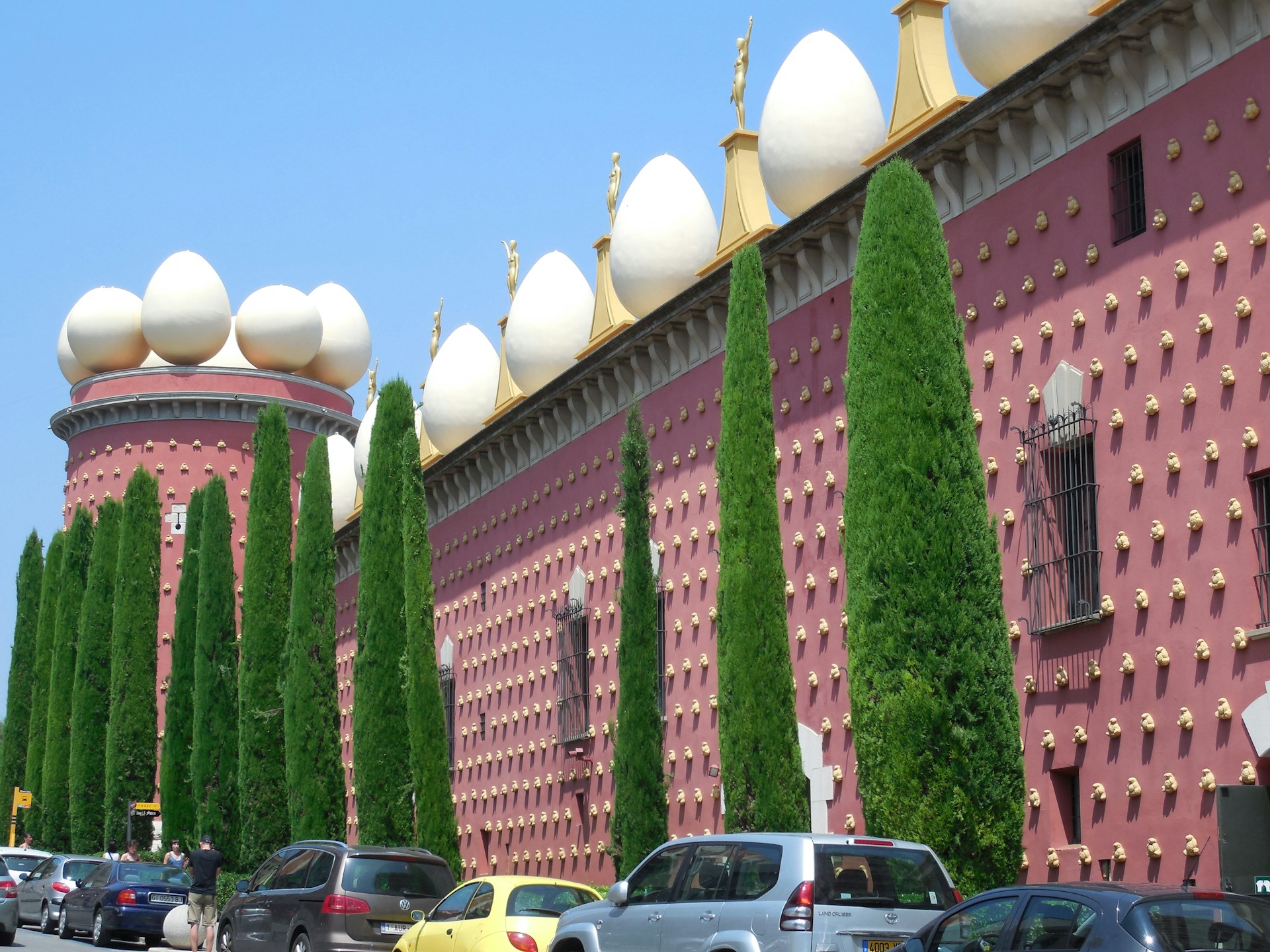
- Figueres & Dalí Theatre-Museum: Easy from Girona or Barcelona by train; surreal and crowded but unforgettable.
- Collioure (France): Just across the border, an artistic seaside village; reachable by car or train via Portbou/Cerbère.
- Montserrat as a Barcelona day trip: As described above, ideal if you don’t include it in your main itinerary.
- Vic: Inland market town; its weekly market (especially on Tuesdays and Saturdays) is a window into everyday Catalan life.
Major Events & Festivals in Catalonia, 2026–2027
- La Mercè (Barcelona, late September 2026): City-wide festival with concerts, human towers, and correfocs (fire runs).
- Temps de Flors (Girona, May 2026 & 2027): Flower festival that transforms the city into an open-air gallery.
- Castellers Seasons (Spring–Autumn): Human tower performances in Vilafranca del Penedès, Tarragona, and many towns; check local calendars.
- Wine Harvest Festivals (September–October): Especially in Penedès, Priorat, Empordà, and Pla de Bages; many wineries host open days.
- Sitges Carnival (February/March 2026 & 2027): One of Catalonia’s liveliest carnivals, with parades and costume balls.
Summary & Final Recommendations
Catalonia rewards both quick tastes and patient, repeat visits. Whether you craft a compact 4 day itinerary for Catalonia or a more expansive 7 days in Catalonia, the essential puzzle pieces remain the same: Barcelona’s urban energy, the medieval calm of Girona, the wild coves of the Costa Brava, the vineyards of Penedès and Priorat, the sacred rocks of Montserrat, and the mountain light of the Pyrenees.
For most travelers, I suggest:
- Best first-time season: May–June or September–October for balanced weather, fewer crowds, and active cultural calendars.
- Best bases: Barcelona (2–3 nights), Girona or Costa Brava (2–3 nights), plus 1–2 nights in either wine country or the mountains.
- Transport mix: Trains between cities; rental car for coastal, rural, and mountain segments.
Across my years of travels here, what keeps drawing me back is not just the must-see attractions in Catalonia, but the small, unplanned moments: an old man teaching a boy to cast a fishing line in Llafranc, a grandmother insisting I taste her homemade allioli at a village festa, a stranger in Girona walking me an extra three blocks to show me his favorite café. Come with a rough plan, but leave enough space for those moments; they’re what will make Catalonia linger long after you’ve flown home.