Why Visit Girona? What Makes It Special
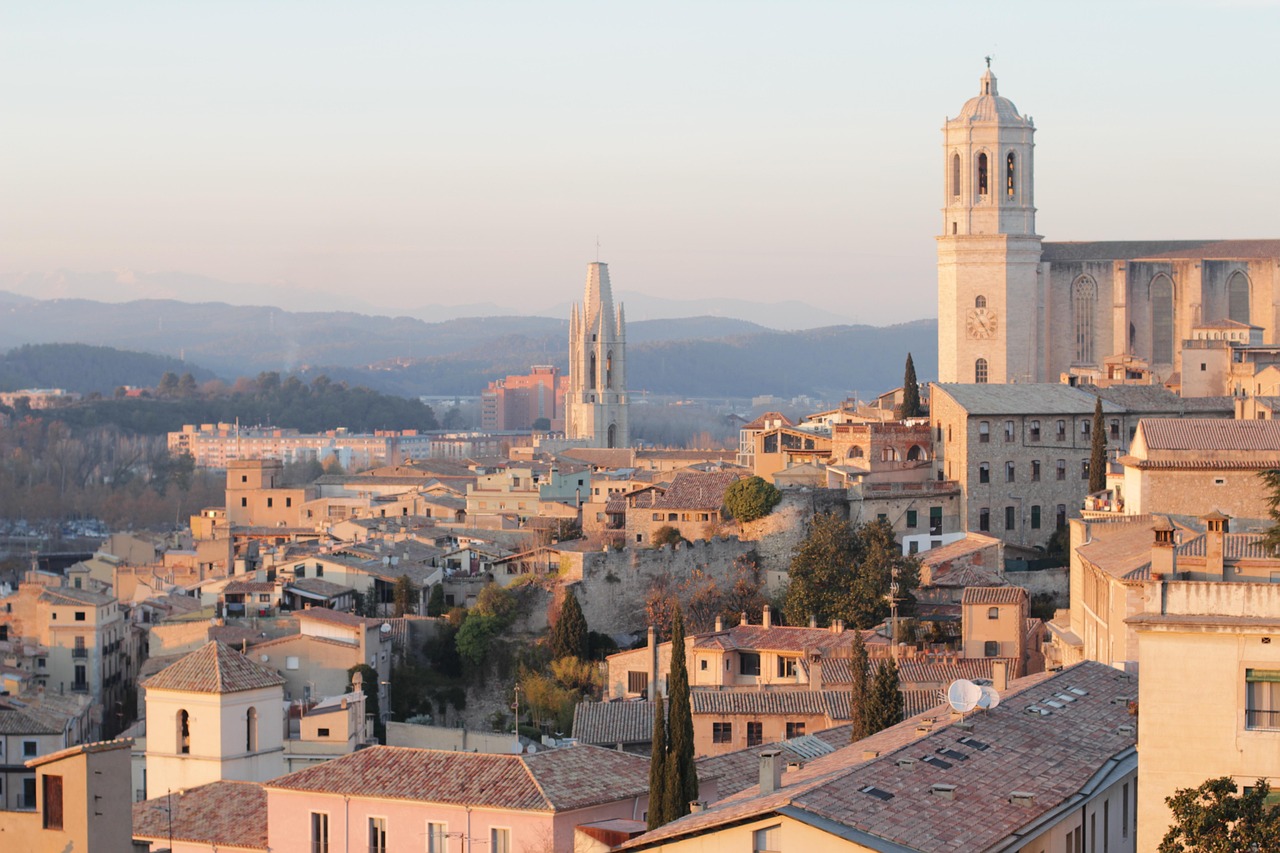
Girona is one of those cities that quietly gets under your skin. No flashy skyscrapers, no huge theme parks—just a perfectly sized Catalan city of golden stone, medieval walls, colorful riverside houses, and a food scene that punches way, way above its weight.
I’ve been coming to Girona regularly for over a decade—weekends, long stays, random Tuesdays—and every time I leave thinking, “Why don’t more people know how good this place is?” It’s big enough to feel alive, small enough that you can walk almost everywhere, and close to both the Costa Brava and the Pyrenees.
If you’re planning 3–5 days in Girona, you’ll find it’s ideal for:
- History lovers: Roman walls, a stunning cathedral, Jewish Quarter, Arab baths, and Game of Thrones filming locations.
- Foodies: From Michelin-star tasting menus to market-fresh tapas and rustic Catalan classics.
- Families: Safe, walkable, plenty of green spaces, gentle riverside cycling, and easy day trips.
- Couples: Romantic viewpoints, riverside sunsets, and quiet cobbled streets after dark.
- Active travelers: Cycling mecca, hiking trails, and nearby coastal and mountain adventures.
- Slow travelers: A perfect base city—less hectic than Barcelona but with excellent connections.
This travel guide for Girona (2026 edition) will walk you through:
- Detailed 3, 4, and 5 day itineraries for Girona, with a personal, on-the-ground perspective.
- At least 20 must-see attractions in Girona with history, stories, and real-world tips.
- Hidden gems in Girona that most rushed day-trippers never find.
- Local food in Girona: what to eat, where to eat, and how not to blow your budget.
- Cultural experiences and local customs so you don’t feel like “just another tourist.”
- Up-to-date travel tips for Girona: transport, SIM cards, safety, money-saving tricks, and when to visit.
Table of Contents
- Why Visit Girona
- Neighborhoods & Areas of Girona
- 20 Must-See Attractions in Girona (With Local Stories)
- 3–5 Day Itineraries for Girona
- Local Food & Drink in Girona
- Nightlife & Cultural Experiences
- Best Day Trips from Girona
- What’s New in 2026–2027: Festivals & Events
- Cultural Etiquette & Local Customs
- Practical Travel Advice for Girona
- Summary & Best Time to Visit Girona
Neighborhoods & Areas of Girona
Girona is compact, but each area has its own personality. When I stay for more than a couple of nights, I almost always choose somewhere between the Barri Vell and the Eixample—you’ll see why.
1. Barri Vell (Old Town)
This is the Girona you see on postcards: medieval alleys, stone staircases, archways, and that dramatic climb up to the cathedral. It’s atmospheric at night, especially out of peak season, when you can walk nearly alone under warm lantern light.
- Vibe: Historic, romantic, cinematic.
- Best for: First-time visitors, couples, photographers, Game of Thrones fans.
- Highlights: Cathedral, Jewish Quarter, city walls, Arab baths, tiny wine bars.
2. Eixample (Modern Center)
Just across the river from the Barri Vell, the Eixample is the “real city” where locals live, shop, and work. Wide avenues, local cafés, supermarkets, and more affordable accommodation.
- Vibe: Everyday Catalan city life.
- Best for: Budget travelers, families, longer stays.
- Highlights: Plaça de la Independència, Devesa park nearby, great bakeries and bars.
3. Onyar Riverside & Colorful Houses
Those iconic colorful houses reflected on the water—this is the Onyar. Bridges connect the old and new sides of the city, and I still pause every time I cross, even if I’m just rushing to the supermarket.
- Vibe: Photogenic, lively.
- Best for: First-time photos, sunset strolls.
- Highlights: Eiffel Bridge, stone bridges, riverside cafés.
4. Devesa Park & Surroundings
One of the largest urban parks in Catalonia, La Devesa is where I go when I need a break from stone and stairs. Plane trees tower over you like a cathedral of green, and families, joggers, and cyclists share the paths.
5. Montjuïc & Hillside Residential Areas
Montjuïc is a hillside residential area with gorgeous views over the cathedral and old town. If you’re okay with hills, staying up here can feel like having your own private lookout.
6. Train Station & Business District
Not the prettiest part of Girona, but very practical: the high-speed AVE station, bus connections, business hotels, and big supermarkets. Great if you’re arriving late, leaving early, or doing lots of day trips.
20 Must-See Attractions in Girona (With Local Stories)
These are the best places to visit in Girona if you want a mix of history, culture, and everyday local life. I’ll go in roughly “most iconic to more hidden,” just as I tend to introduce friends when they visit.
1. Girona Cathedral (Catedral de Santa Maria)
The first time I climbed the steps to Girona Cathedral, it was a hot September afternoon and a wedding party had just poured out the doors—champagne glasses, lace veils, and a guitarist playing softly on the steps. It felt like walking into a movie set.
The cathedral dominates the skyline and is a must-see attraction in Girona. Its façade is baroque, but the heart of it is Gothic, with one of the widest Gothic naves in the world. Inside, it feels both heavy and luminous.
- History: Built between the 11th–18th centuries; site of earlier Romanesque and even pre-Romanesque churches.
- Don’t miss: The Tapestry of Creation (a rare Romanesque textile), cloister, and the view back down the staircase toward the city.
- Game of Thrones: The grand staircase was used as the Great Sept of Baelor steps in season 6.
- Tip: Go early (opening time) or late afternoon to avoid tour groups. Combine with a walk on the city walls.
- How to get there: From Plaça de la Independència, cross the stone bridge to the Barri Vell and follow signs uphill; allow 10–15 minutes of stair climbing.
2. Jewish Quarter (El Call)
El Call is one of my favorite places to get lost: narrow lanes, sudden staircases, and quiet corners where your footsteps echo. Once home to a thriving Jewish community until the expulsions of 1492, it’s now one of the best-preserved Jewish quarters in Europe.
- What to do: Wander without a map, visit the Jewish History Museum, and look for small details—Hebrew inscriptions, stone arches, worn thresholds.
- Atmosphere: Early mornings feel almost monastic; evenings can be surprisingly peaceful once day-trippers have gone.
- Tip: Wear shoes with grip; the stone can be slippery, especially after rain.
3. Girona City Walls (Passeig de la Muralla)
If you only have one afternoon in Girona, I’d tell you to walk the walls. The Passeig de la Muralla wraps around much of the historic center, offering panoramic views of tiled roofs, church spires, and, on clear days, the snowy Pyrenees in the distance.
I like starting near Plaça Catalunya and walking toward the cathedral, climbing up the towers for different vantage points.
- Family-friendly: Yes, but watch small children near edges; there are railings but it’s still elevated.
- Best time: Golden hour before sunset; avoid mid-day in summer—no shade.
- Cost: Free.
- Tip: Bring water and a hat in warmer months; the path is exposed.
4. Onyar River & Bridges (Including Eiffel Bridge)
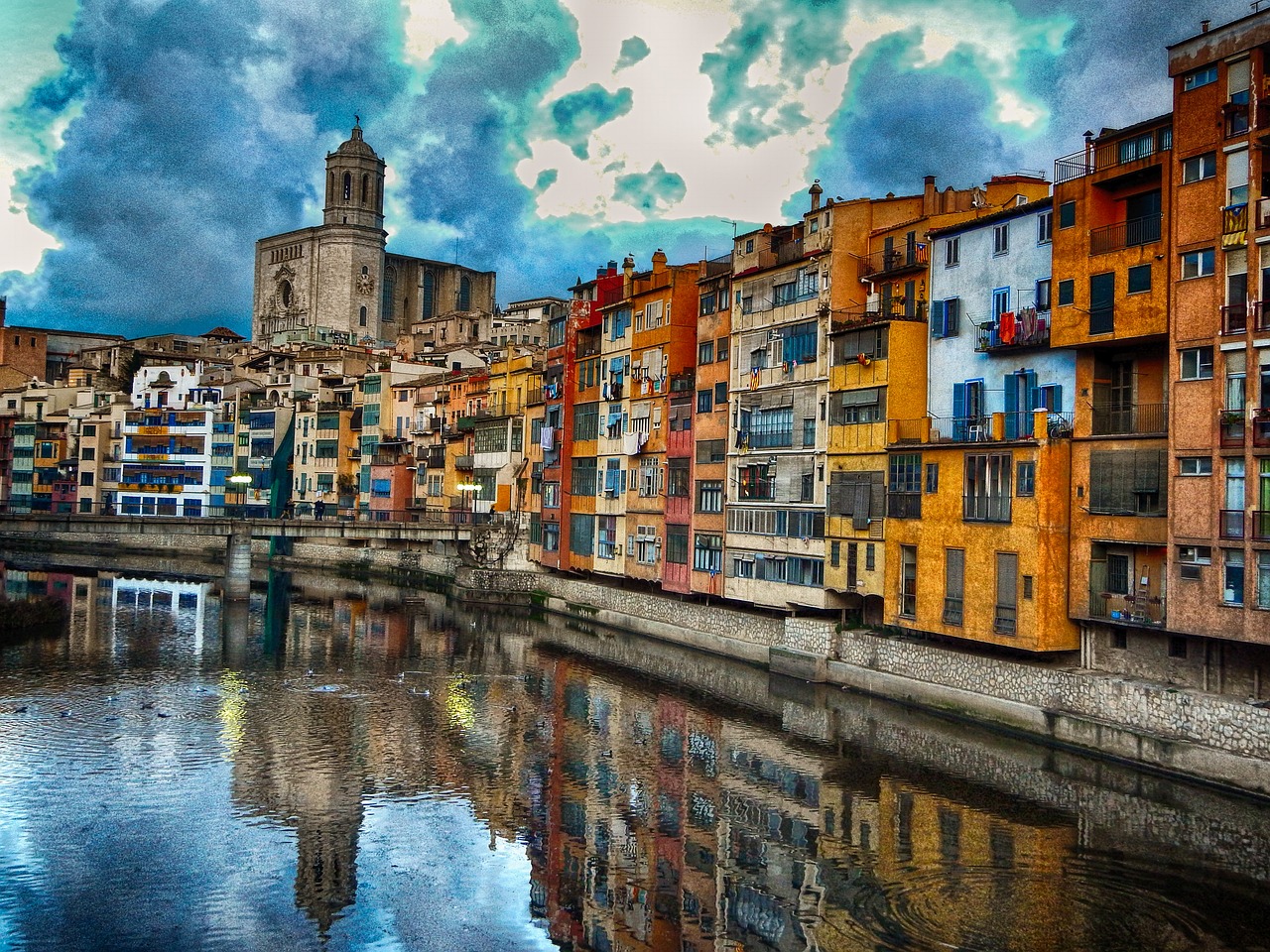
The Onyar River slices Girona in two, and its bridges are like different lenses on the city. The most famous is the Pont de les Peixateries Velles, designed by Gustave Eiffel’s company just before the Eiffel Tower.
My ritual: morning coffee near the river, cross via the Eiffel Bridge into the old town, and snap a quick photo of the colorful houses with the cathedral peeking above.
- Photography tip: Best light is early morning or late afternoon; after rain, the reflections can be spectacular.
- Romantic moment: Stand mid-bridge at sunset and watch the warm light hit the facades.
5. Arab Baths (Banys Àrabs)
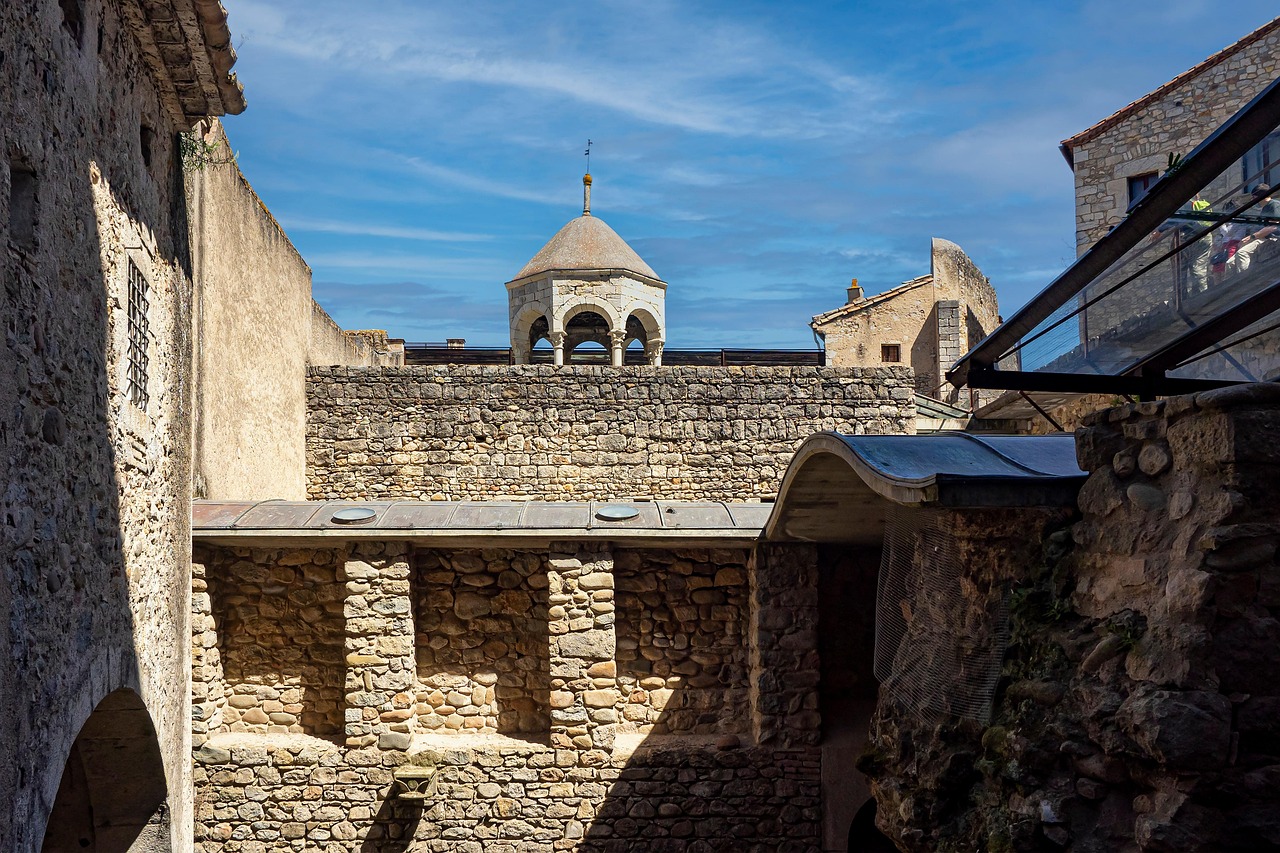
Tucked near the cathedral, the Arab Baths are small but atmospheric. They’re actually Romanesque baths built in the 12th century, inspired by earlier Roman and Arab designs.
I once ducked in here during a summer festival when the city felt too crowded; the cool stone and quiet rooms felt like another world.
- Highlights: The octagonal pool room with its central columns and skylight.
- Time needed: 20–30 minutes.
- Tip: Combine with a cathedral visit since they’re just a few minutes apart.
6. Plaça de la Independència
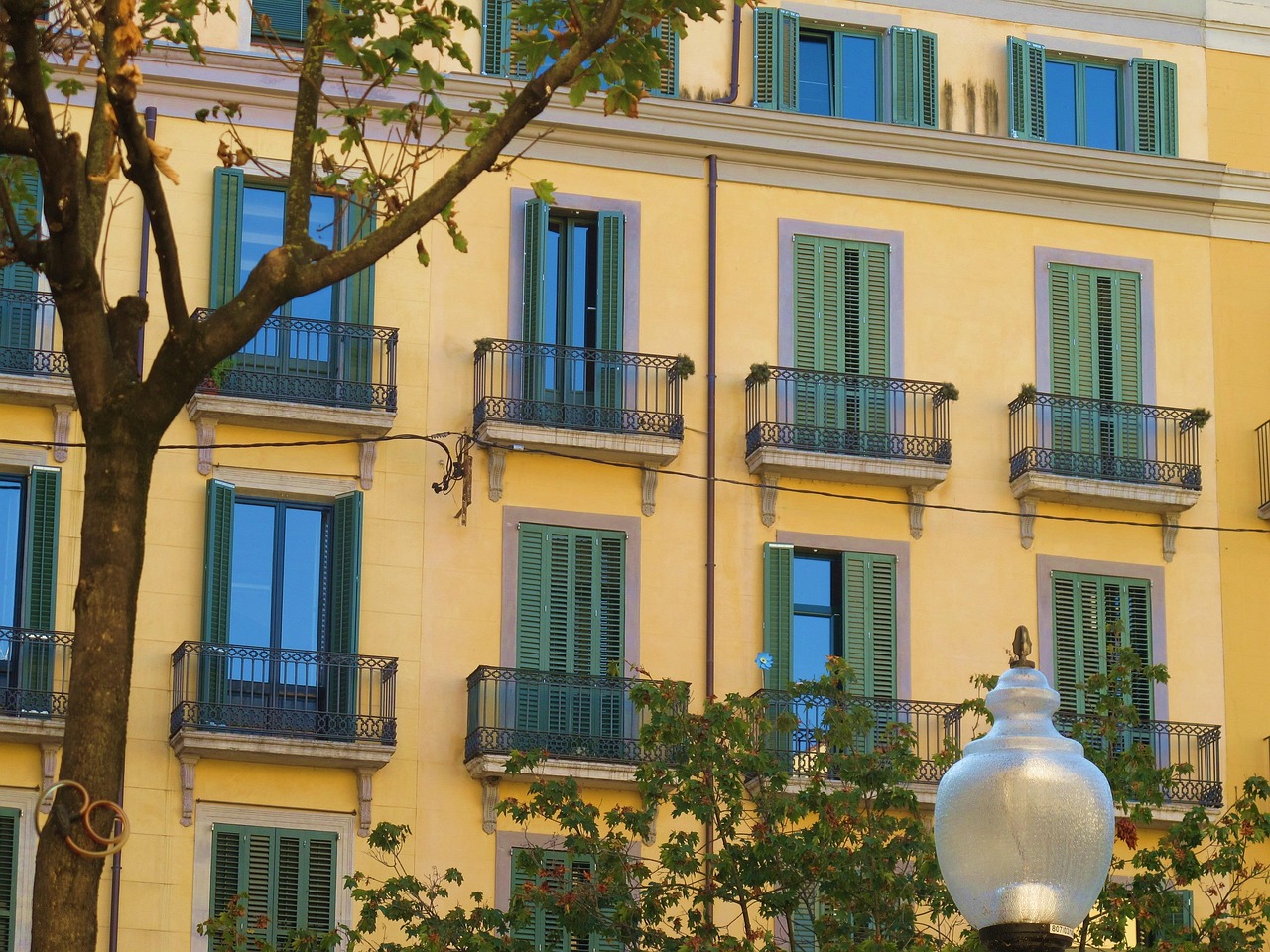
This arcaded 19th-century square is where Girona meets for coffee, beers, and lazy evenings. On my longer stays, I end up here almost daily—it’s a perfect people-watching spot.
- Family-friendly: Yes; kids run around while parents linger at café tables.
- What to do: Sit under the arches, order a vermut or a café amb llet, and watch the city go by.
- Tip: Prices can be slightly higher than side streets, but the atmosphere is worth it for at least one drink.
7. Rambla de la Llibertat
Girona’s rambla is narrower and more intimate than Barcelona’s. With its arcades, flower stalls, and small shops, it’s one of my favorite places to stroll on a rainy day, protected by the arches.
- Best for: Light shopping, coffee breaks, browsing local boutiques.
- Hidden gem: Small passageways leading back toward the river or up into the old town—follow your curiosity.
8. Devesa Park (Parc de la Devesa)
On hot days, Devesa is a lifesaver. The towering plane trees create a canopy that feels significantly cooler, and there’s always a mix of joggers, families, and older locals strolling slowly.
- Markets: Weekly markets and occasional fairs take place here—check local listings.
- Family-friendly: Yes; open spaces and playgrounds.
- Tip: Bring a picnic or pick up supplies from the nearby supermarkets.
9. Girona Art Museum (Museu d’Art de Girona)
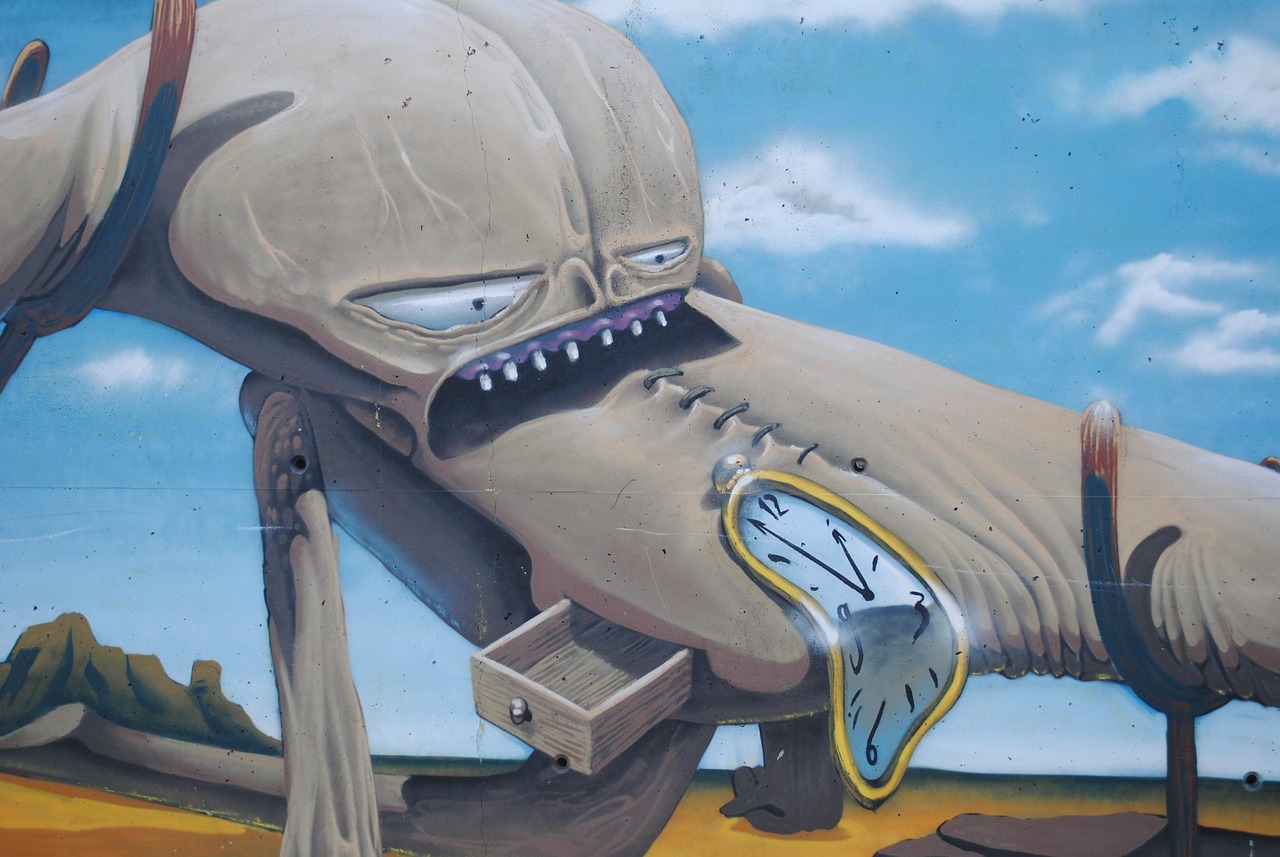
Just a short walk from the cathedral, the Girona Art Museum is housed in the old Episcopal Palace. I like ducking in here on colder or rainy days—quiet halls, medieval altarpieces, and a sense of calm.
- Highlights: Romanesque and Gothic religious art, plus some more modern works.
- Tip: Check if your ticket combines with other attractions; sometimes there are joint passes.
10. Jewish History Museum
To really understand El Call, the Jewish History Museum is essential. It tells the story of Girona’s Jewish community, its contributions, and its expulsion.
I’ve returned a few times with different friends, and each visit sparks a slightly different conversation—about tolerance, identity, and how much history can hide in a few narrow streets.
11. Game of Thrones Filming Locations
Even if you’re not a hardcore fan, tracing Game of Thrones spots around Girona is a fun way to see the city. The cathedral steps, certain alleys in El Call, and the Arab Baths all doubled as parts of King’s Landing and Braavos.
- Tip: There are self-guided maps online, but I prefer just recognizing spots as I wander—less checklist, more discovery.
12. Monastery of Sant Pere de Galligants
This Romanesque gem, just outside the old walls, now houses the Archaeology Museum. The cloister is a quiet, beautiful spot that many visitors skip.
I like to swing by here on my way to or from the city walls—it’s often much less busy than the cathedral.
13. Plaça de la Catedral & Surrounding Streets
The square in front of the cathedral is frequently buzzing—wedding parties, school groups, festivals. Walk the side streets around it and you’ll find quiet corners, small galleries, and hidden cafés.
14. Cinema Museum (Museu del Cinema)
The Museu del Cinema is one of Girona’s underrated attractions. It traces the history of moving images, from shadow play to modern cinema, with plenty of interactive exhibits.
- Family-friendly: Absolutely—kids love the optical illusions and old projectors.
- Tip: Good rainy-day activity or afternoon break from the sun.
15. Pont de Pedra (Stone Bridge)
The Stone Bridge is the main pedestrian link between the train-station side and the historic center. I’ve crossed it more times than I can count—each time catching a slightly different angle of the riverside houses.
16. Basilica of Sant Feliu
Often overshadowed by the cathedral, the Basilica of Sant Feliu is actually older and was the main church before the cathedral took over that role. Its slender bell tower is one of the city’s key landmarks.
- Highlights: Gothic nave, Roman and early Christian sarcophagi.
- Tip: Visit in combination with the nearby monastery of Sant Pere de Galligants.
17. Plaça del Vi
A smaller, more intimate square than Plaça de la Independència, Plaça del Vi is framed by arcades and the town hall. I often end the day here with a glass of local wine at one of the bars tucked under the arches.
18. Les Pedreres Viewpoints
Just above the old town, the Les Pedreres area has several viewpoints that locals use for jogging and dog walking. They’re less “official” tourist spots, but the views over the cathedral and old city are fantastic.
- Adventure: Great area for a morning run or steep evening walk.
19. Carrer Santa Clara & Shopping Streets
On the “modern” side of the river, Carrer Santa Clara and surrounding streets form Girona’s main shopping area. From chain stores to local boutiques, this is where I pick up last-minute clothes or gifts.
20. Mercat del Lleó (Central Market)
The heart of local food in Girona, Mercat del Lleó is my first stop if I’m staying in an apartment. Stalls overflow with seasonal produce, seafood, cheese, cured meats, and olives.
- Best time: Morning; closed Sunday afternoons and some holidays.
- Tip: Buy picnic supplies and head to Devesa Park or the riverbanks.
3–5 Day Itineraries for Girona (Personal Routes)
Below are sample routes based on how I actually guide visiting friends and family. You can treat them as a 3 day itinerary for Girona, then add days for a 4 day itinerary or 5 day itinerary for Girona depending on your schedule.
3 Day Itinerary for Girona
If you have 3 days in Girona, you’ll see the essentials and still have time to breathe. I assume you’re staying near the historic center.
Day 1: First Impressions – Old Town, Cathedral, City Walls
I like to start gently, letting Girona reveal itself layer by layer.
- Morning: Coffee near Plaça de la Independència, stroll across the Stone Bridge, wander Rambla de la Llibertat, then climb up to the cathedral. Take your time exploring the interior and the square.
- Lunch: Simple menu del dia (fixed-price lunch) at a local spot in the Barri Vell—look for blackboards with handwritten menus.
- Afternoon: Explore the Jewish Quarter and the Jewish History Museum, then walk a stretch of the city walls for your first panoramic look at Girona.
- Evening: Aperitif on Plaça del Vi, dinner in the old town, and a post-dinner stroll along the river.
Day 2: Culture, Food & Local Life
On your second day, you’ll get deeper into cultural experiences in Girona and local food.
- Morning: Visit Mercat del Lleó, sample local cheeses and fruit. Continue to the Cinema Museum or Art Museum depending on interest.
- Lunch: Try a traditional Catalan restaurant—dishes like botifarra sausage with beans, or suquet (fish stew) if it’s on the menu.
- Afternoon: Wander Devesa Park, then explore shopping streets like Carrer Santa Clara. Grab gelato or a pastry.
- Evening: Tapas crawl—start on the modern side of the river, then cross into the old town for a second round. Finish with a drink in a wine bar under the arches of Plaça de la Independència.
Day 3: Hidden Corners & Viewpoints
Now that you know the basics, day 3 is for the quieter gems.
- Morning: Monastery of Sant Pere de Galligants and the Arab Baths. Revisit a favorite alley in El Call.
- Lunch: Casual lunch by the river, perhaps a menú del dia with a view.
- Afternoon: Climb up toward Les Pedreres or Montjuïc for alternative views. If you’re tired, choose a café terrace and simply watch local life.
- Evening: Walk the Onyar bridges at sunset, take your final photos of the colorful houses, and have a leisurely farewell dinner.
4 Day Itinerary for Girona
With 4 days in Girona, you can add a nearby escape or a deeper dive into the city’s surroundings.
Day 4 Option A: Cycling & Countryside
Girona is a cycling hub; many professional cyclists base themselves here.
- Rent a bike and follow one of the greenways (Vies Verdes) out of the city—there are family-friendly, mostly flat routes.
- Stop in a small village café for a sandwich and coffee.
- Return in the late afternoon for a well-earned drink on a terrace.
Day 4 Option B: Half-Day Trip + Evening in Girona
Take a half-day trip to a nearby spot like Banyoles (lake), then spend the evening back in Girona enjoying a slower pace and perhaps a cultural event or concert.
5 Day Itinerary for Girona
With 5 days in Girona, you can mix city, coast, and countryside comfortably, without rushing.
Day 4: Costa Brava Day Trip
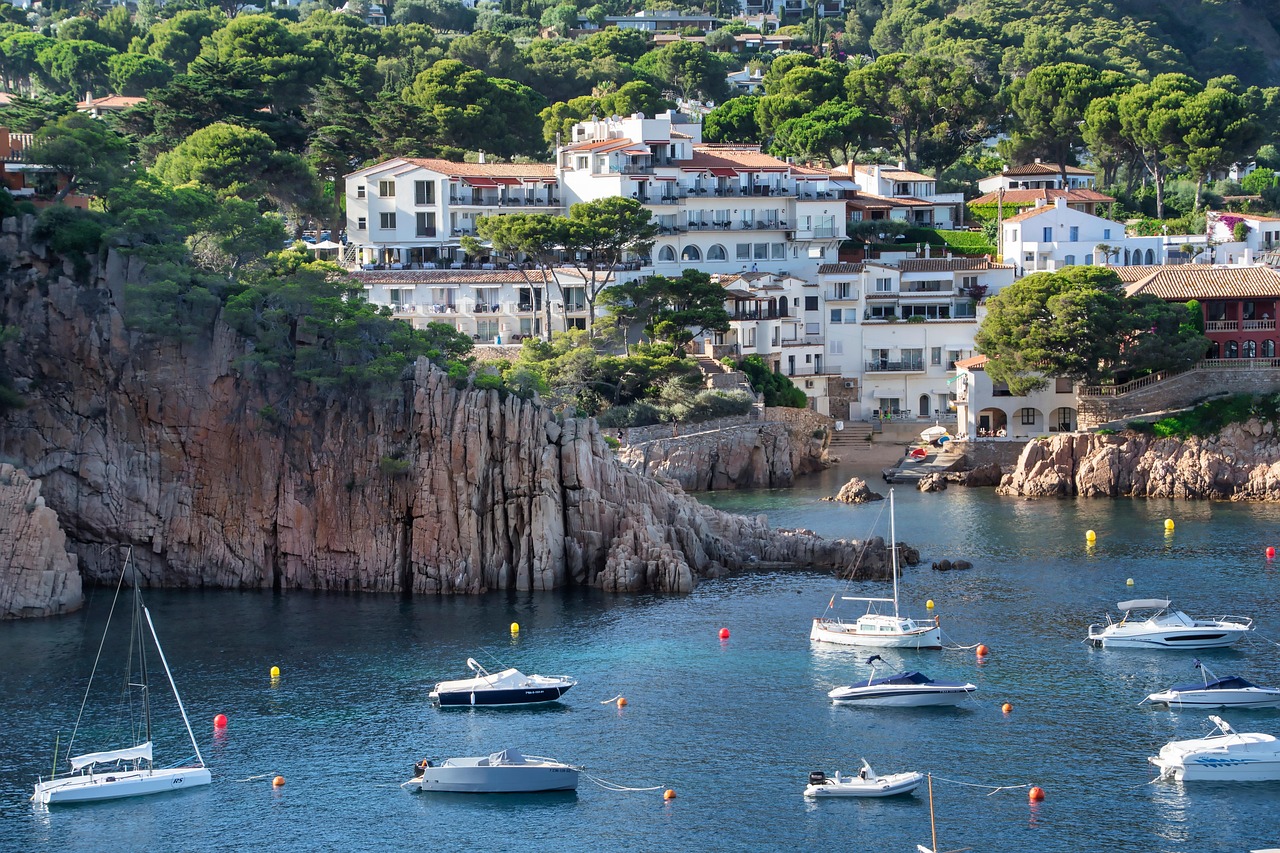
Hop on a morning bus or train to a Costa Brava town like Blanes, Tossa de Mar, or Sant Feliu de Guíxols. Walk coastal paths, swim if weather allows, and enjoy seafood by the sea. Return to Girona in the evening.
Day 5: Pyrenees or Besalú & Medieval Villages
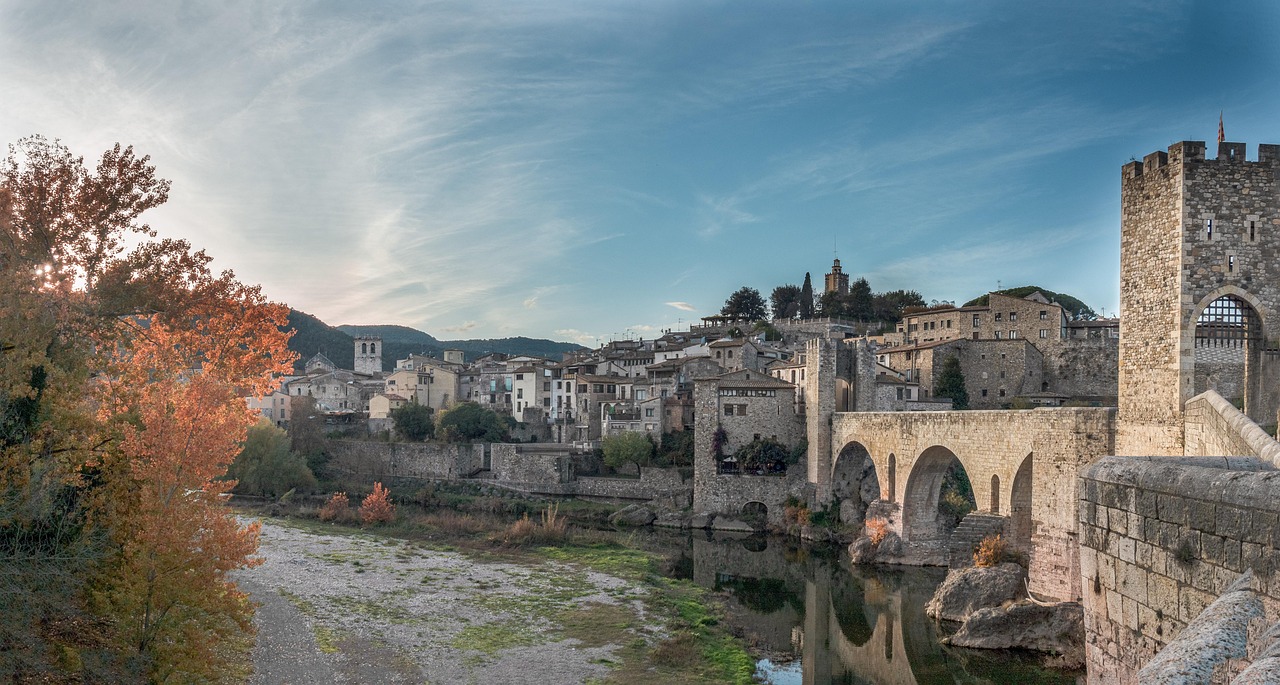
Use your last full day for a different kind of landscape:
- Besalú: A stunning medieval town with a photogenic bridge and well-preserved center.
- Pyrenees: If you have a car, head toward Vall de Núria or other mountain areas for hiking and cool air.
Return to Girona for a final night, revisiting your favorite restaurant or bar.
Local Food & Drink in Girona
Catalan cuisine is hearty, seasonal, and quietly inventive. Girona has a long culinary tradition—and yes, it’s home to the Roca brothers of El Celler de Can Roca fame.
What to Eat in Girona
- Pa amb tomàquet: Rustic bread rubbed with ripe tomato, olive oil, and salt—simple, perfect.
- Botifarra amb mongetes: Local sausage with white beans.
- Suquet de peix: Fisherman’s stew from the nearby coast.
- Escalivada: Roasted peppers, eggplant, and onions with olive oil.
- Cargols: Snails grilled or in sauce—if you’re adventurous.
- Xuixo de Girona: Local pastry filled with custard, deep-fried and dusted with sugar—dangerously addictive.
What to Drink
- Catalan wines: Try DO Empordà reds and whites from the nearby region.
- Cava: Local sparkling wine, perfect as an aperitif.
- Vermut: Aromatic vermouth served over ice with an orange slice and an olive.
Where I Like to Eat (Types, Not Just Names)
In 2026, restaurant scenes change quickly, but these types of places rarely disappoint:
- Traditional Catalan taverns: Usually in side streets of the Barri Vell or near the market; look for handwritten menus and busy tables at lunch.
- Modern bistros: On the Eixample side, serving updated Catalan dishes with seasonal ingredients.
- Tapas and pintxos bars: Great for grazing—order a few dishes to share and stand at the bar like locals.
- Bakeries & cafés: Perfect for a morning xuixo and coffee; I often grab one on the way to the train station or before a walk.
- Budget-friendly menus del dia: Lunch menus (starter, main, dessert, bread, drink) for a fixed price—an excellent way to save money while eating well.
Money-Saving Food Tips
- Eat your main meal at lunchtime with a menú del dia.
- Pick up picnic supplies at Mercat del Lleó and enjoy a scenic spot instead of a restaurant every day.
- Order house wine (vi de la casa) by the glass or small carafe; it’s usually good and cheaper.
- Standing at the bar is sometimes cheaper than sitting at a table, especially for coffee and quick bites.
Nightlife & Cultural Experiences in Girona
Girona’s nightlife is more “cozy wine bar and late dinner” than “wild clubbing,” but that’s exactly what I love about it.
Evening & Nightlife
- Wine bars & vermuterias: My favorite way to start the evening—local wines, small bites, relaxed crowds.
- Craft beer bars: Growing in number; perfect if you’re craving something different from standard lagers.
- Riverside terraces: Have a drink overlooking the Onyar as the sky darkens.
- Late dinners: Locals eat around 9–10 pm; don’t be surprised if restaurants are quiet at 7:30.
Cultural Experiences in Girona
- Festivals: From flower festivals to fire runs, Girona’s calendar is packed; see the events section below.
- Live music: Small venues and bars often host local bands and jazz nights.
- Exhibitions: Museums and cultural centers regularly host temporary exhibits—check posters around town.
- Theater & performances: Even if your Catalan or Spanish is limited, dance and music performances are accessible and immersive.
Best Day Trips from Girona
One of Girona’s biggest strengths is how easy it is to escape—to the coast, to medieval villages, or up into the mountains. These are the trips I repeat most often.
Costa Brava Towns
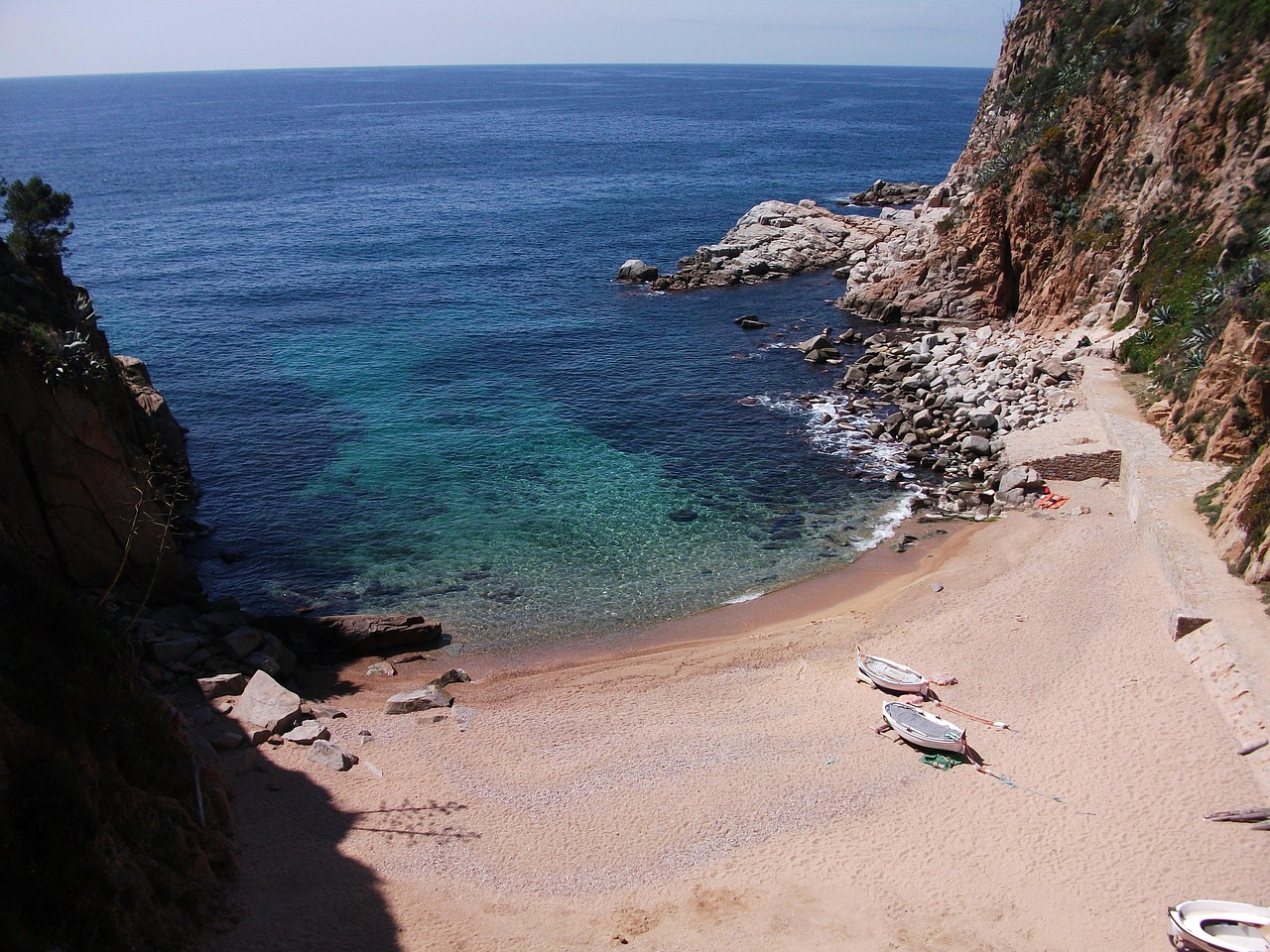
From Girona, you can reach several Costa Brava towns by bus or train plus bus. Tossa de Mar, with its walled old town above the sea, is especially photogenic and romantic.
Besalú
Besalú feels like stepping into a medieval illustration. The stone bridge over the river is iconic, and the town itself is lovely for a slow wander and lunch.
Banyoles
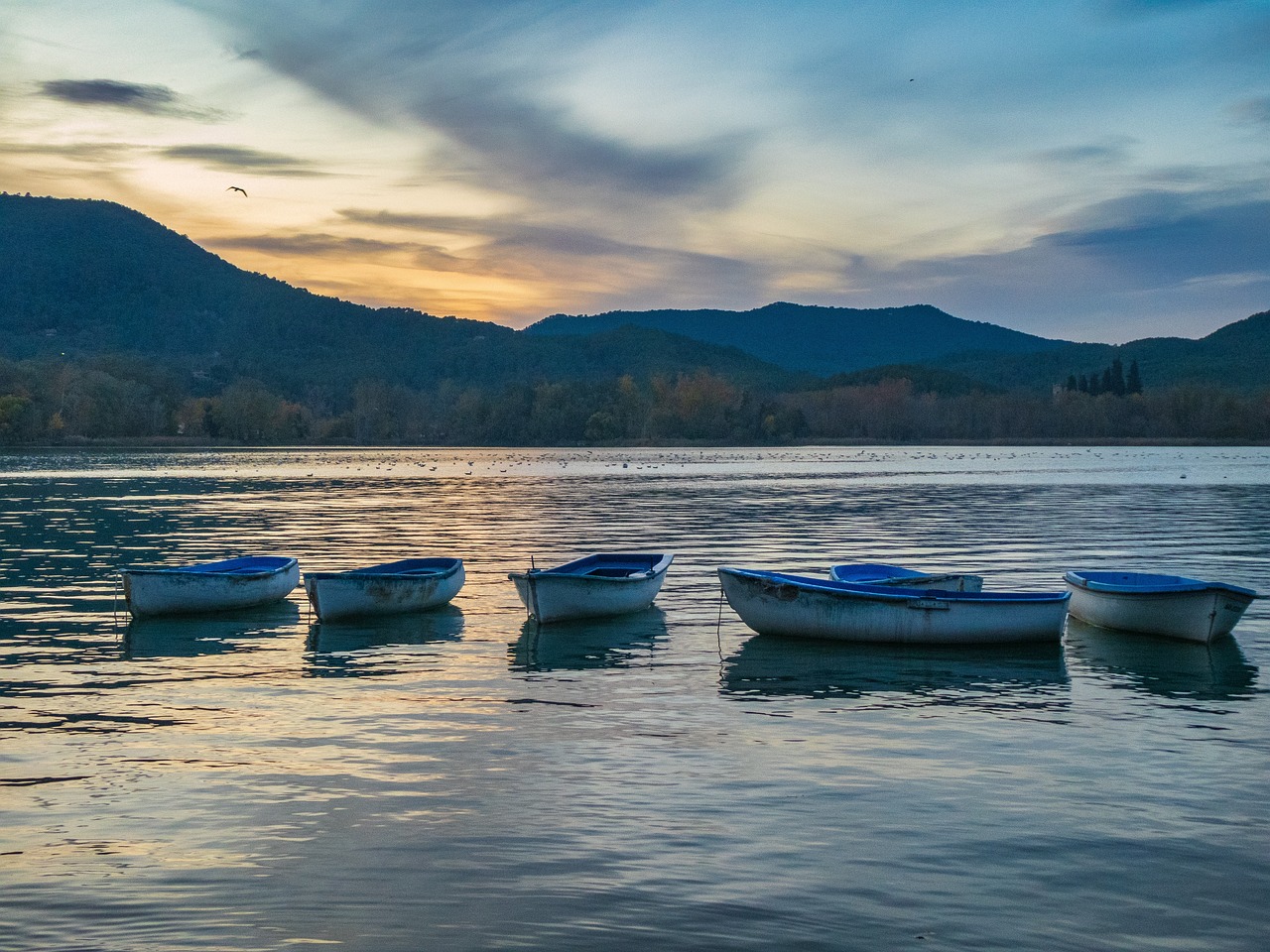
Lake Banyoles is perfect for a half-day of lakeside walking, renting a small boat, or just reading under the trees. Families love it.
Pyrenees & Vall de Núria
If you have a car, the Pyrenees are within reach: dramatic mountain scenery, hiking in summer, snow in winter. Vall de Núria is reachable via a rack railway from Ribes de Freser, which feels like an adventure in itself.
What’s New in 2026–2027: Festivals & Events in Girona
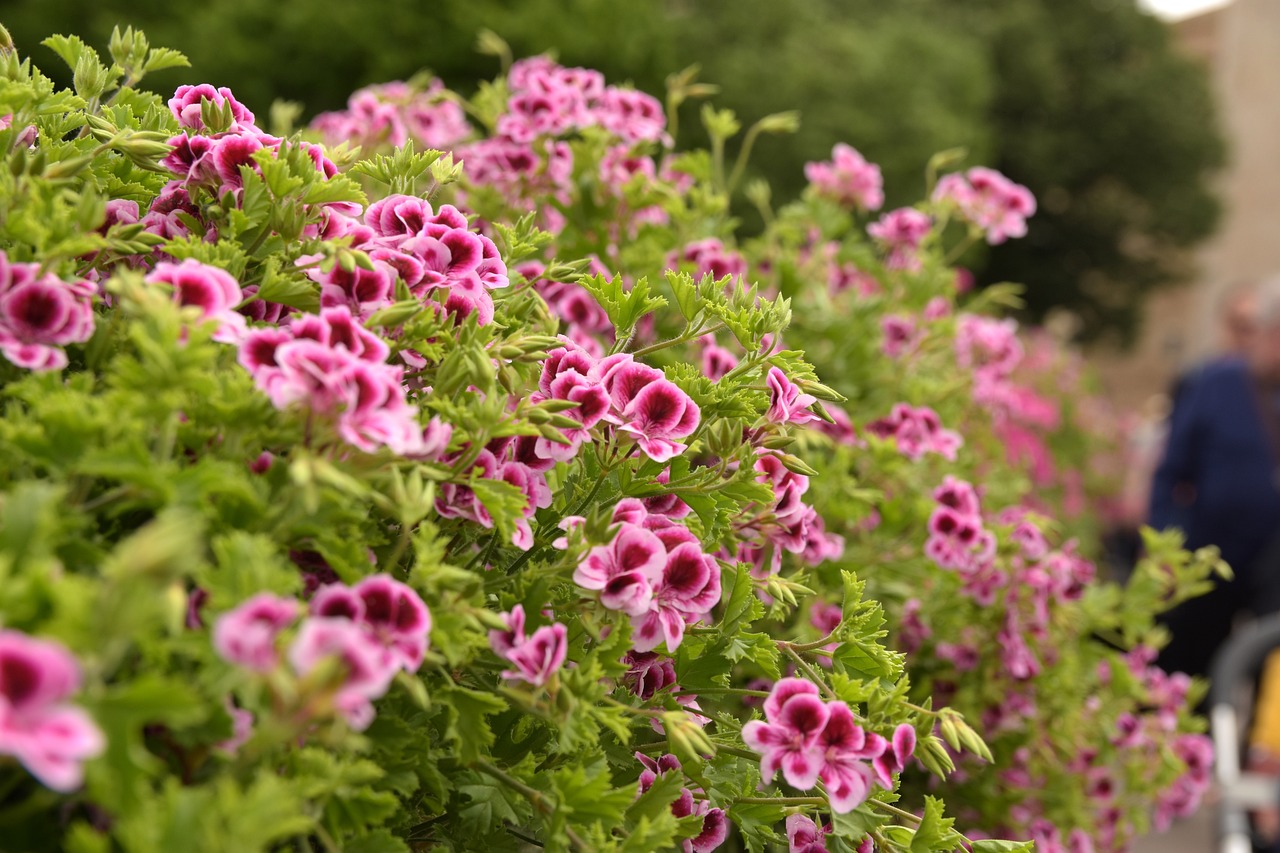
Girona has a strong festival culture. In 2026–2027, expect the usual favorites, plus occasional special events tied to anniversaries or cultural programs.
Major Annual Events
- Temps de Flors (May): The famous flower festival—courtyards, stairs, and monuments decorated with elaborate floral installations. The city gets crowded but magical. Book accommodation well in advance.
- Fires de Sant Narcís (Late October–Early November): Girona’s main festival, with concerts, markets, fairground rides, and castellers (human towers). A great time to experience cultural experiences in Girona like locals do.
- Summer Music Festivals: Various concerts in squares and open-air venues—check local listings for 2026–2027 schedules.
2026–2027 Travel Scene Notes
- Continued focus on sustainable tourism and balancing day-trippers with longer-stay visitors.
- More bike infrastructure and green routes around the city and out into the countryside.
- Occasional temporary exhibitions at major museums—worth checking their websites shortly before your trip.
Cultural Etiquette & Local Customs
Girona is friendly and used to visitors, but a few cultural nuances will make your stay smoother and more respectful.
Language
- Both Catalan and Spanish are official. Many locals are happy to switch to Spanish or English, but starting with a greeting in Catalan is appreciated.
- Useful words: Bon dia (good morning), Bona tarda (good afternoon), Si us plau (please), Gràcies (thank you).
Dining Customs
- Meal times: Lunch 1:30–3:30 pm, dinner from 9 pm onward. Some places serve earlier for visitors, but don’t expect full kitchens open at 6 pm.
- Tipping: Not obligatory, but rounding up or leaving 5–10% for good service is appreciated.
- Sharing: Common to share plates, especially tapas. Ask for tapes per compartir (tapas to share).
Social Norms
- Queues are generally respected—wait your turn at bakeries and market stalls.
- Speak in a normal voice in churches and religious spaces; dress respectfully (shoulders and knees covered is ideal, though not always enforced).
- Late-night noise in residential streets is frowned upon; locals value their sleep.
Local Identity
- Remember that Catalonia has a distinct identity. Many people feel strongly about Catalan culture and language.
- It’s fine to ask respectful questions, but avoid assuming Catalonia and Spain are identical in terms of culture.
Practical Travel Advice for Girona (2026)
How to Get to Girona
- By train: High-speed AVE/AVANT trains from Barcelona (about 40 minutes) and other major cities. The station is a 10–15 minute walk from the old town.
- By air: Girona-Costa Brava Airport has fluctuating low-cost connections; many travelers fly into Barcelona and take the train.
- By bus: Regional buses connect Girona with coastal towns and smaller inland destinations.
Getting Around Girona
- On foot: The best way. Most things to do in Girona are within walking distance.
- Local buses: Useful if you’re staying further out or heading to certain suburbs.
- Bikes: Great for exploring beyond the center; several rental shops exist, especially catering to cyclists.
- Car: Not needed in the city, but useful for certain day trips. Parking inside the old town is limited; use public lots or street parking in designated areas.
SIM Cards & Connectivity
- EU travelers: Most EU SIMs roam at domestic rates; check your plan.
- Non-EU travelers: Buy a prepaid SIM from major providers (Movistar, Orange, Vodafone) at shops in the Eixample or near the train station. Bring your passport.
- Public Wi-Fi is available in many cafés and accommodation; speeds are generally good.
Money & Saving Tips
- Currency: Euro (€).
- Cards: Widely accepted, even for small amounts, but keep some cash for markets and tiny bars.
- ATMs: Plenty in the center; avoid those with high withdrawal fees (often found in touristy locations).
- Use lunch menus, markets, and self-catering to keep costs down without sacrificing quality.
Visa Requirements & Drivers Licenses
- Schengen rules: Girona follows Spain’s Schengen policies. Many nationalities can stay up to 90 days in a 180-day period visa-free; check current regulations before travel.
- Longer stays: Require appropriate visas or residence permits depending on your passport.
- Driving: Most foreign licenses are accepted for short stays; some non-EU travelers may need an International Driving Permit (IDP) alongside their home license—check your country’s requirements.
Safety
- Girona feels generally safe, even at night, but use normal city precautions.
- Petty theft (pickpocketing) can occur in crowded festivals or trains—keep valuables secure.
- Streets in the old town can be steep and slippery; wear appropriate footwear.
Best Seasons for Different Activities
- Spring (March–May): Ideal for city walks, cycling, and festivals like Temps de Flors. Mild temperatures and blooming landscapes.
- Summer (June–August): Hot, especially in July–August. Good for combining Girona with Costa Brava beach days. Expect more visitors.
- Autumn (September–November): My personal favorite—warm early on, with fewer crowds, and the Fires de Sant Narcís festival in late October.
- Winter (December–February): Quiet, cool to cold, but still pleasant for walking. Good time for budget travelers and those who prefer fewer people. Mountains nearby may have snow.
Accommodation Tips
- Barri Vell: For atmosphere and charm—ideal if it’s your first time or a romantic trip.
- Eixample: For better value, business hotels, and convenience, especially with kids.
- Near the station: Practical for early trains or frequent day trips; less charm but more efficiency.
- Apartments: Great for longer stays and self-catering; just be mindful of noise and local regulations.
Hidden Tips from Repeat Visits
- Walk the city walls twice if you can—once in the morning, once at sunset; the light changes everything.
- Keep a small list of backup cafés and restaurants in case your first choice is full—popular spots fill quickly on weekends.
- Carry a light layer even in summer; old stone buildings and evening breezes can feel cooler than expected.
- Don’t plan every hour—Girona rewards wandering and lingering on terraces just as much as “sightseeing.”
Summary & Final Recommendations
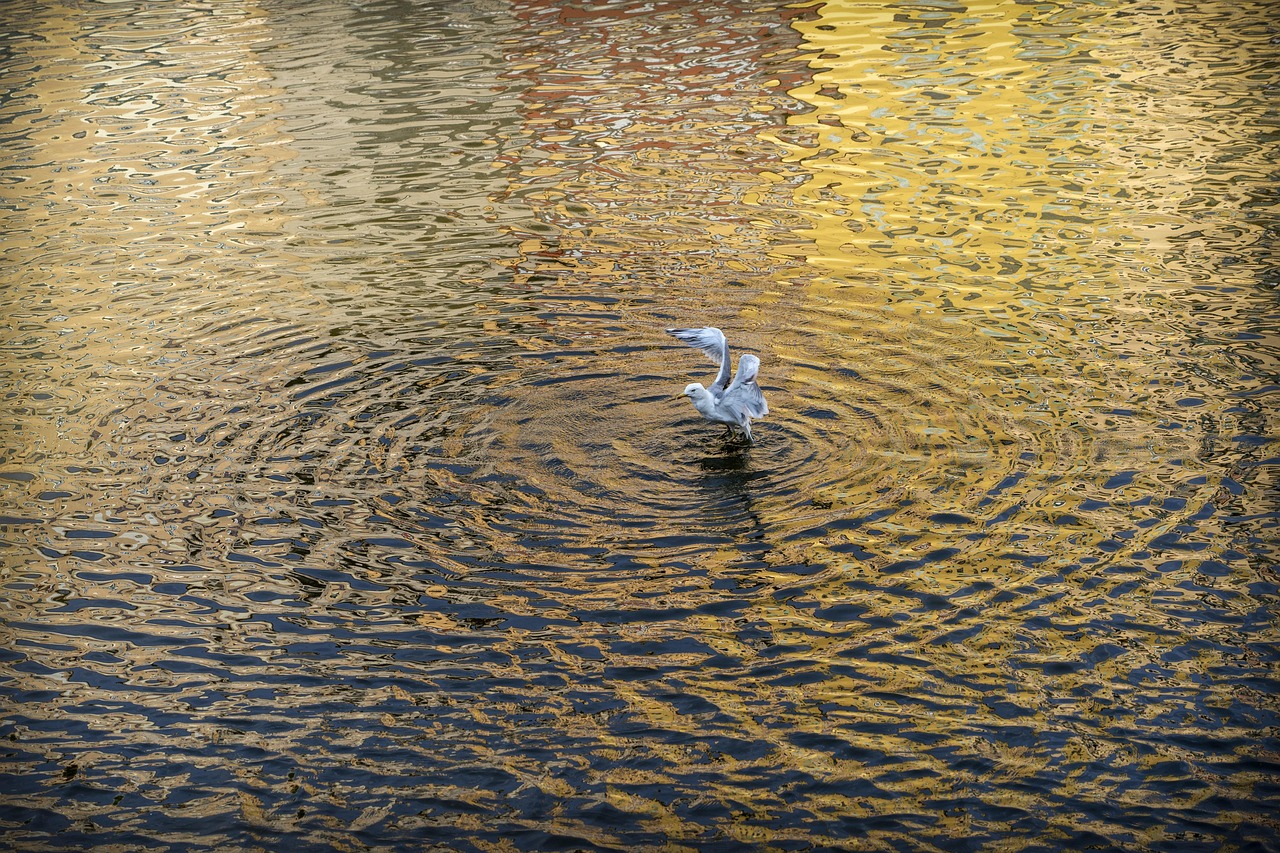
Girona is the kind of city that reveals more the slower you go. With 3 days in Girona, you’ll see the essentials: cathedral, Jewish Quarter, city walls, and river views. With 4 days in Girona, you can start to feel like a temporary local, lingering in markets and parks. With a 5 day itinerary for Girona, the Costa Brava, medieval villages, and even the Pyrenees open up without ever feeling rushed.
If you’re choosing when to come, my personal hierarchy looks like this:
- Best overall: Late April–June, September–mid-October.
- Best for festivals: May (Temps de Flors), late October–early November (Fires de Sant Narcís).
- Best for budget & quiet: Winter months, excluding Christmas and New Year.
However long you stay, let Girona surprise you—by the way light hits the stone at dusk, by a perfect lunch in a tucked-away tavern, by the quiet of a cloister, or by the sudden view from a city wall tower. That’s why I keep coming back, and why I suspect you might, too.