Why Visit Ronda? What Makes It So Special
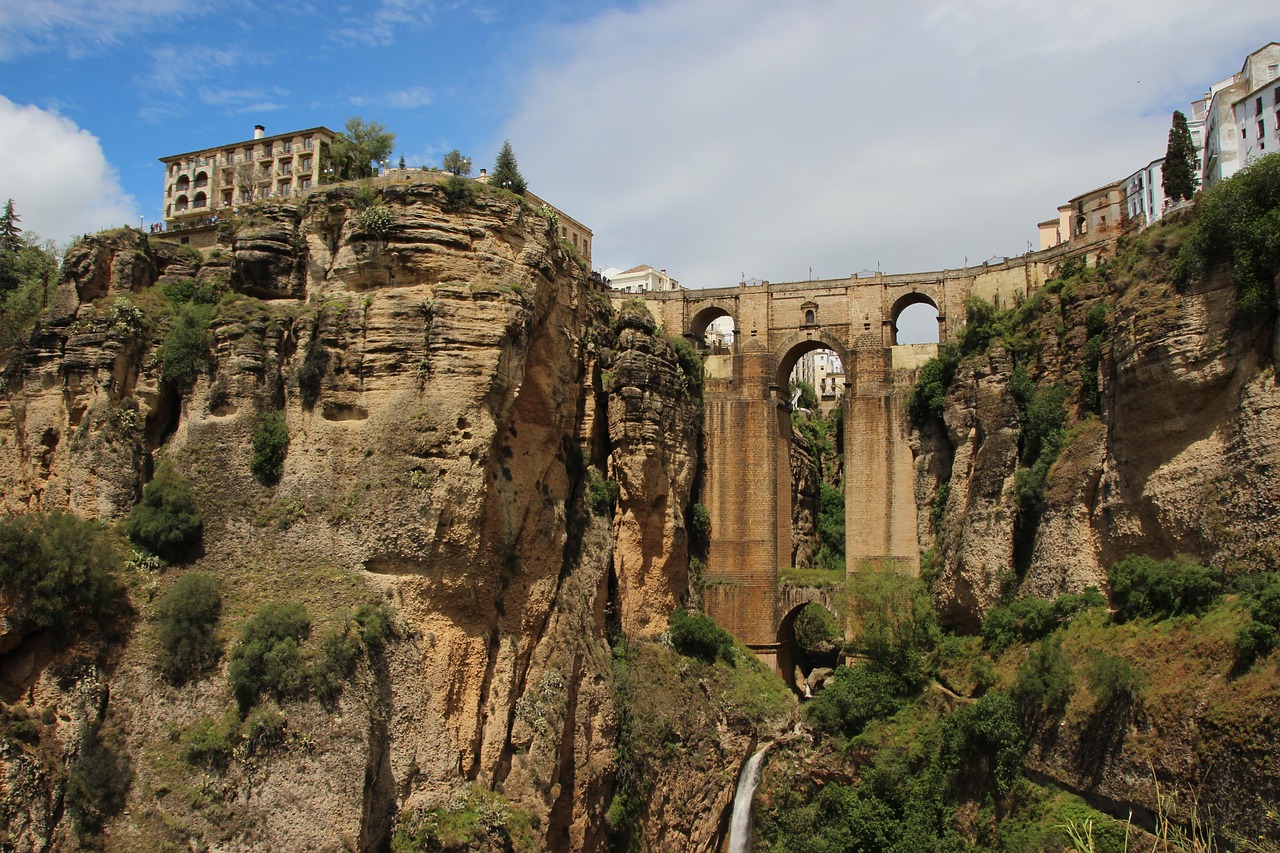
Ronda is one of those places that feels almost unreal the first time you see it. A whitewashed town dramatically perched on either side of a sheer gorge, with a stone bridge (the famous Puente Nuevo) soaring over the chasm like something out of a fantasy film. I’ve lived in Andalusia for years, and every time I return to Ronda, I end up lingering longer than planned.
Unlike some Spanish hotspots, Ronda still feels like a real town where locals go about their daily lives. You’ll see grannies gossiping in the square, kids kicking footballs in backstreets, and farmers rolling in with pickup trucks full of produce. Yet, you also get world-class views, deep history (Celts, Romans, Moors, and Christian kingdoms have all left their mark), atmospheric tapas bars, and easy access to nature.
This 2026 travel guide for Ronda is written as if I’m walking you through the city myself. I’ll share my favorite viewpoints, the best local food in Ronda, the hidden gems in Ronda that most day-trippers miss, and detailed 3, 4, and 5 day itineraries for Ronda with personal stories from my own visits.
Table of Contents
- Why Visit Ronda?
- Quick Overview of Ronda in 2026
- Top 20 Must-See Attractions in Ronda
- 3, 4 & 5 Day Itineraries for Ronda
- Neighborhoods & Areas to Explore
- Best Local Food & Drink in Ronda
- Nightlife, Entertainment & Cultural Experiences
- Day Trips & Nearby Places
- Cultural Etiquette & Local Customs
- Practical Travel Tips for Ronda (2026–2027)
- Summary & Best Time to Visit Ronda
Ronda in 2026: What to Expect
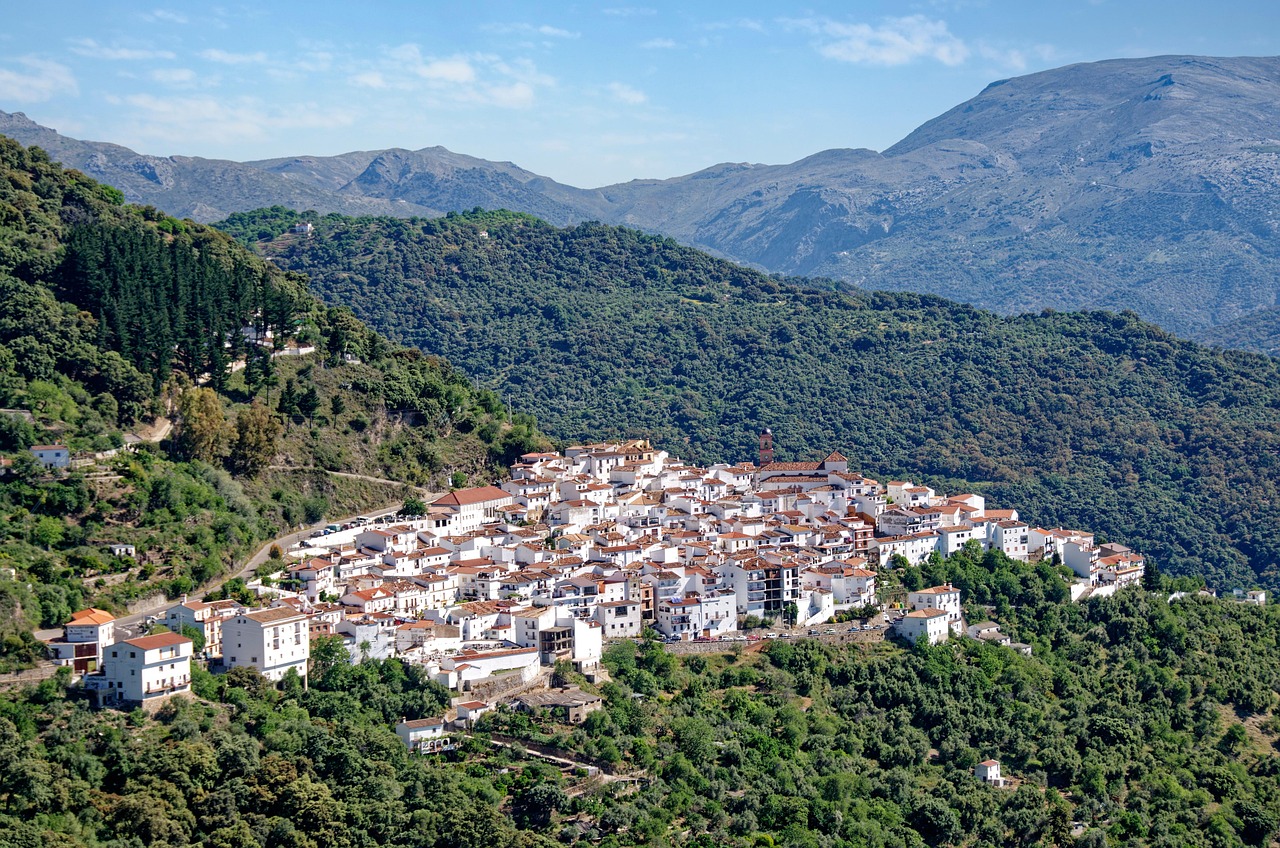
Ronda sits in the mountains of Malaga province, about 100 km from the Costa del Sol. It’s part of the famous Pueblos Blancos (White Villages) route but stands out thanks to its dramatic gorge, historic bullring, and sweeping views over the Serranía de Ronda.
For 2026–2027, Ronda is leaning more into sustainable tourism: more pedestrianized streets in the historic center, better signage for hiking routes, and a focus on local products. Expect a lively cultural calendar, especially around Easter and summer.
Major Upcoming Events 2026–2027
- Semana Santa (Holy Week) 2026 & 2027: Processions wind through the old town; book accommodation months ahead.
- Ronda Romántica (usually May): The town recreates 19th-century romantic bandolero days with costumes, horse parades, and markets.
- Feria de Pedro Romero (late Aug / early Sep): Ronda’s main fair, with bullfights in the historic ring, flamenco, and fairgrounds.
- Jornadas de la Caza y la Setas (Autumn): Local game and mushroom gastronomy events; perfect for food lovers.
Top 20 Must-See Attractions in Ronda (With Personal Notes)
This list mixes classic must-see attractions in Ronda with a few quieter corners I return to again and again. I’ll start with the icons, then spiral outward to hidden bits most visitors miss.
1. Puente Nuevo & El Tajo Gorge
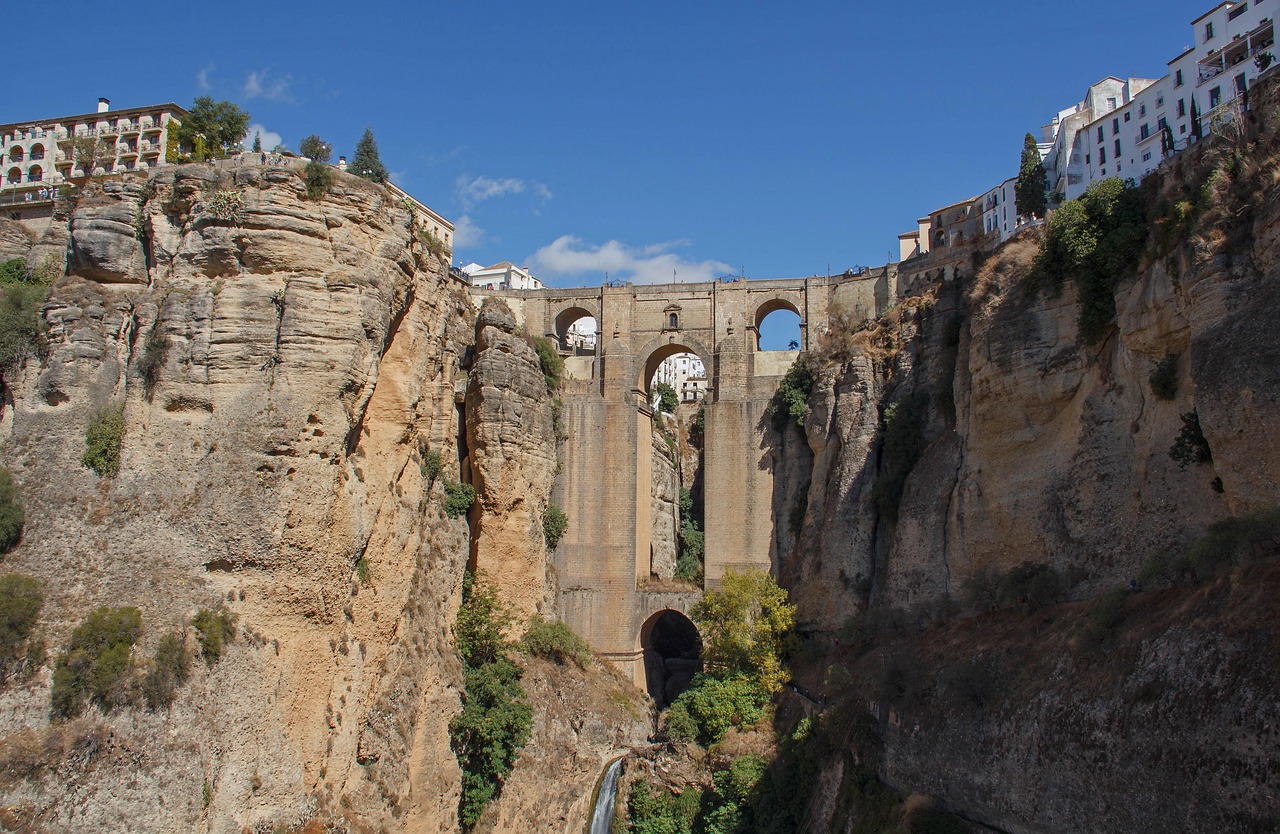
The Puente Nuevo is Ronda’s postcard shot and the reason many people come here in the first place. Spanning the 120-meter-deep El Tajo gorge, it connects the old Moorish quarter with the newer part of town.
I still remember my first time walking up from the bus station and suddenly seeing the gorge open up beside me. The depth hits you in the stomach. I’ve since made a ritual of visiting at three key times: early morning (quiet, soft light), late afternoon (golden hour), and after dark when the bridge is lit and the crowds have thinned.
Don’t just see it from one angle. The bridge rewards you if you circle it:
- Mirador de Aldehuela & Balcón del Coño: Famous viewpoints right along the clifftop. Families and couples love this stroll.
- Calle de los Remedios side: Quieter, with views back toward the old town skyline.
- Bottom of the gorge hike: Follow the path from Plaza de María Auxiliadora down toward the “Arroyo del Tajo” viewpoint. It takes about 20–30 minutes down (longer back up). Wear decent shoes; I’ve seen more than one person sliding in sandals here.
Photography tip: For a classic shot of the entire span of Puente Nuevo and the houses clinging to the cliff, go down the gorge path in mid-to-late afternoon; the light hits the bridge front-on.
Food tip nearby: I often grab a coffee and tostada con tomate at a small café near Plaza de España before my morning bridge walk. Prices here are a bit higher than deeper in town—walk 3–4 streets back for more local prices.
Family-friendly? Yes, but keep a close eye on kids near cliff edges and miradors.
Romantic? Very. Sunset and night walks here are pure magic.
Adventurous? Hike to the bottom, then extend into longer trails into the countryside.
2. Puente Viejo & the Old Arab Bridge Area
Walk a short way downstream and you reach Puente Viejo, the “old bridge,” which predates Puente Nuevo. It’s smaller, narrower, and feels far more intimate. I love coming here after Puente Nuevo because suddenly the crowds thin out and the atmosphere shifts from grand to quietly historic.
The surrounding area retains a medieval feeling: cobbled streets, stone walls, and the river murmuring below. At sunset, the light softens the stone and you can almost picture traders and travelers crossing centuries ago.
Tip: Combine Puente Viejo with the nearby Arab Baths and the Puerta de la Cijara gate in one loop. It’s a beautiful short circuit if you have limited time.
3. Mirador de Ronda & Alameda del Tajo
Just beyond the bullring, the Alameda del Tajo park opens out onto a series of cliffside viewpoints collectively known as the Mirador de Ronda. If Puente Nuevo is Ronda’s heart, these views are its lungs.
I like to grab takeaway coffee from a bakery near Calle Virgen de la Paz, then wander under the trees, listening to the parakeets and watching locals walking dogs. The mirador balconies jut right out over the valley, with sweeping views of farmland, distant hills, and the winding road up from the coast.
Family note: There are benches, some shaded paths, and space for kids to run. On weekends you may see balloon vendors and street musicians.
Sunset warning: It’s beautiful but can get windy. Bring a light layer even in warmer months; I’ve lent my scarf to more than one shivering visitor here.
4. Plaza de Toros de Ronda (Bullring & Museum)
Ronda’s Plaza de Toros is one of Spain’s oldest and most architecturally beautiful bullrings. Even if you’re not a fan of bullfighting (I’m not, personally), the building and attached museum are fascinating windows into local history and culture.
I usually go early in the day to avoid tour groups. Standing in the sandy arena when it’s empty, with the stone stands curving around you, feels oddly peaceful. The wooden seating, the royal box, the stables—everything whispers of a very different era of entertainment and honor codes.
The museum covers the evolution of bullfighting, traditional costumes, and Ronda’s role in the art. It’s also a good way to understand the context of the Feria de Pedro Romero, when the ring hosts special corridas.
Tip: Combine the bullring with a stroll along Calle Virgen de la Paz for architecture, shops, and easy access to viewpoints.
5. Arab Baths (Baños Árabes)
Tucked near the old city walls, the Arab Baths of Ronda are among the best-preserved in Spain. They date back to the 13th–14th centuries, from the time when Ronda was an important Moorish city.
Every time I step inside, the modern world fades. The star-shaped skylights, the cool stone, and the hint of water echo create an almost meditative atmosphere. Panels explain how the baths worked (they were more like community hammams and social hubs than just washing spaces).
Best time to visit: Late morning or late afternoon, when it’s quieter. The interior can get quite warm in summer, so I prefer shoulder season visits.
Family & learning: This is a great stop with kids interested in history; the visual elements and clear signage make it engaging.
6. La Ciudad – The Old Moorish Quarter
On the south side of Puente Nuevo lies La Ciudad, Ronda’s old Moorish quarter. This is where I send friends who say they’re tired of the “Instagram crowds”—and where I go when I just want to wander and get lost.
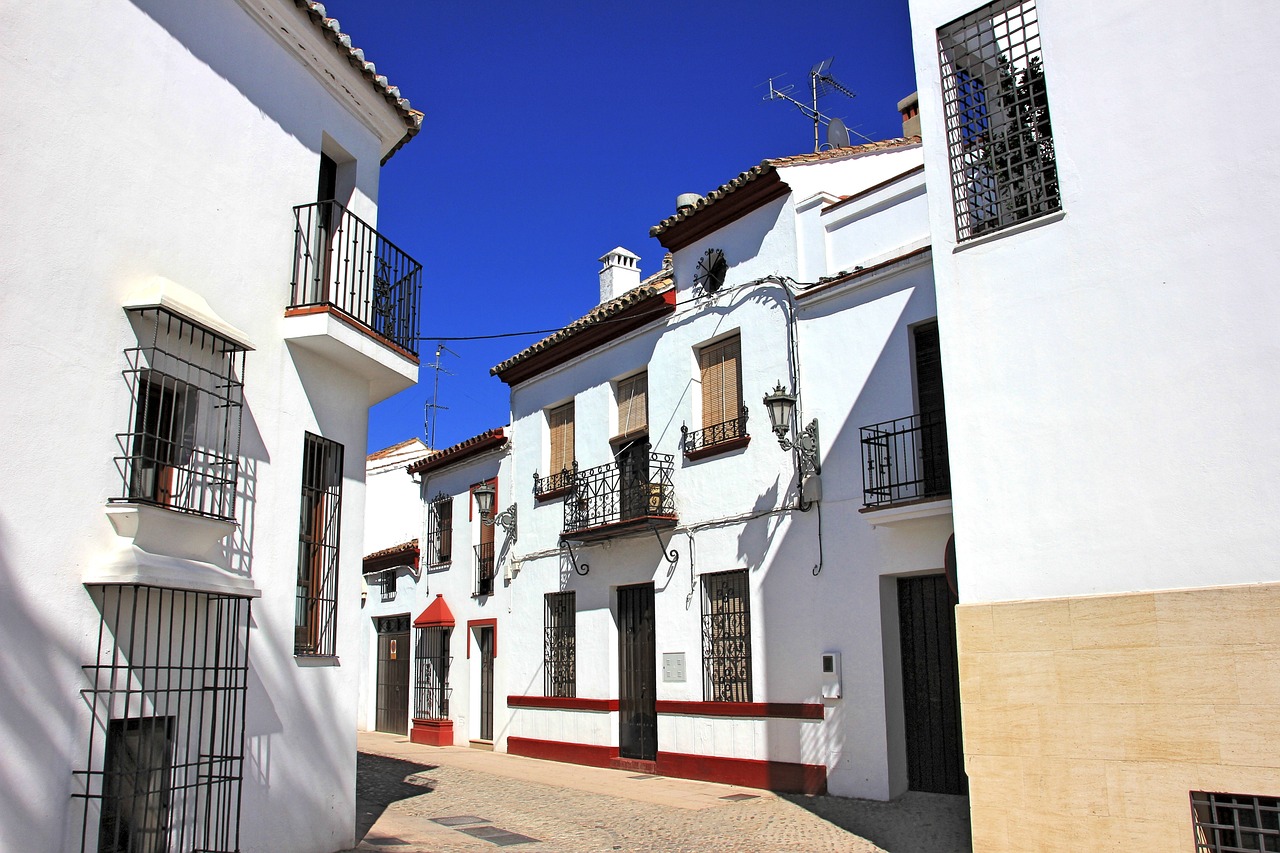
The streets are narrow, whitewashed, and often surprisingly quiet even on busy days. Balconies drip with geraniums, and you’ll occasionally find a cat sunning itself in a doorway. Every corner seems to reveal another tiny plaza or hidden church.
I like to follow no particular route: start at the bridge, head toward the Casa del Rey Moro, then loop around toward the walls, ducking into little side streets whenever they look inviting. Bring water; some slopes are steep.
Hidden gem tip: Look for small family-run restaurants here. They’re often cheaper and more authentic than those near the main viewpoints.
7. Palacio de Mondragón
The Palacio de Mondragón is one of my absolute favorite corners of Ronda. Part palace, part museum, it offers a quiet, elegant break from the heat and crowds.
Inside, you’ll find lovely courtyards, Mudejar architecture, and small exhibits about Ronda’s history from prehistoric times onward. But the real reason I keep returning is the garden terrace overlooking the gorge and countryside. On one spring visit, I spent nearly an hour there, just sitting on a stone bench, listening to birds and distant church bells.
Tip: Visit mid-morning when the light in the patios is soft, then continue deeper into La Ciudad for lunch.
8. Casa del Rey Moro & Secret Mine
The Casa del Rey Moro (House of the Moorish King) is less about the house itself (which has been in various states of restoration) and more about two things: its hanging gardens and the dramatic water mine descending into the gorge.
The gardens were redesigned in the 20th century with a romantic flair—think tiled staircases, fountains, shaded corners, and framed views across the gorge. It’s a dreamy place for photos and a great romantic stop.
The real adventure, though, lies in the stairway down to the river, carved into the rock. Historically, this was used to access water safely when the city was under siege. Descending the 200+ steps, you feel like you’re entering the bones of the cliff. It’s cool, a bit damp, and atmospheric. At the bottom, you emerge near the water, with close-up views of the gorge walls.
Tip: Not ideal for those with mobility issues or very small children—the steps are steep. Wear good shoes and go early to avoid the worst of the heat, especially in summer.
9. Jardines de Cuenca
On the opposite side of the gorge from La Ciudad, the Jardines de Cuenca are terraced gardens cascading down the cliff, connected by staircases and balconies with evolving views of the Puente Nuevo and the old town.
I discovered these almost by accident on a windy afternoon, following a side street away from the main drag. Now I always include them in my “show Ronda to friends” circuit. They’re usually much quieter than the main miradors, and the layered views are some of the best in town.
Romantic factor: High. It’s one of my favorite spots for slow, hand-in-hand strolling.
Photography: Different levels offer different compositions of the bridge and houses, great for more original shots.
10. Minaret of San Sebastián
This small, often-overlooked minaret is one of Ronda’s quiet historical treasures. Once part of a mosque, later integrated into a church, it’s a tangible reminder of the town’s layered religious history.
There isn’t a huge amount “to do” here beyond admiring the architecture and imagining the call to prayer echoing over the rooftops centuries ago, but that’s precisely why I like it: it’s unhurried, uncommercialized, and rarely crowded.
Combine with: A stroll through nearby residential streets for a feel of everyday Ronda life.
11. Iglesia de Santa María la Mayor
On the main square of the old town stands the Church of Santa María la Mayor, built over the site of a former mosque. Its architecture blends Gothic, Renaissance, and Baroque elements, mirroring the shifts in power and style over the centuries.
Inside, the altarpiece and choir stalls are impressive, but my favorite part is climbing up to the gallery overlooking the square. Once, during a quiet weekday visit, I stood there listening to the faint noise of a school group outside and the creak of old wood around me. It felt like stepping into a painting.
Tip: Modest dress is appreciated; bring a shawl if you’re visiting in summer clothes.
12. Plaza Duquesa de Parcent
This is one of Ronda’s most elegant squares, framed by the Church of Santa María la Mayor and other notable buildings. For me, it’s a “pause and breathe” spot—a place to sit on a bench, watch kids ride bikes, and listen to church bells marking the hour.
If you’re doing a longer stay (4–5 days in Ronda), you’ll probably pass through here multiple times on your way to different sights. Each time of day has a different mood: quiet and fresh in the morning, lively at midday, golden and nostalgic in late afternoon.
13. City Walls & Gates (Murallas de Ronda)
Ronda’s city walls and gates are where you feel the medieval fortress character of the town. I love walking along sections of wall near the Puerta de Almocábar and Puerta de la Cijara, especially in the late afternoon when the stone warms in the sinking sun.
You get views down to the countryside, and the sense that this hilltop was chosen very deliberately for defense. It’s a good way to escape the denser tourist areas without leaving town completely.
Adventurous walkers: Use the walls walk as a gateway to longer rural trails heading out into the surrounding hills.
14. Puente Árabe (Arab Bridge)
Further downriver from Puente Viejo lies the Puente Árabe, a humble but atmospheric stone bridge. The approach is half the charm: you descend through layers of old town, slip under arches, and gradually leave the bustle behind.
I like coming here on overcast days when the light is soft and the stones seem to glow. It’s not a “wow” sight like Puente Nuevo, but it’s a lovely piece of Ronda’s puzzle.
15. Casa de Juan Bosco
Casa de Juan Bosco is a lesser-known mansion with one of the most relaxing terraces in Ronda. The house itself, with its period furnishings, tiled floors, and small chapel, is charming, but the real treat is the garden balcony overlooking the gorge.
On one visit, I ended up chatting with the caretaker about Ronda’s changing tourism. We watched swallows dart in and out of the gorge walls. It felt like being a guest in someone’s home rather than a tourist site.
Tip: Come here when the main miradors feel overwhelming. It’s usually calmer.
16. Museo del Bandolero (Bandit Museum)
Ronda and the surrounding Serranía are famous for their 18th–19th century bandoleros—romanticized outlaws who roamed the mountains. The Museo del Bandolero is a quirky, niche museum dedicated to these figures.
If you like legends, folklore, and a bit of Wild West energy transplanted to Spain, this is your spot. The displays are old-school but packed with stories, weapons, and illustrations. I wouldn’t call it essential for a 3 day itinerary for Ronda, but if you have 4 or 5 days in Ronda, it’s a fun detour.
Tip: Good for a rainy day or a break from churches and viewpoints.
17. Wine Museum & Bodegas in Ronda
The Ronda region has been quietly building a reputation for excellent wines, especially reds and some robust whites. There’s a small wine museum in town and several nearby bodegas offering tastings.
One of my favorite afternoons in Ronda was a visit to a nearby bodega, where we walked between vines with views back toward the town on its cliff. Tasting local wine with local cheese and olives while the sun dropped behind the hills is as “Andalusia” as it gets.
Tip: You’ll need a car or organized tour for most bodegas. If you’re doing a 5 day itinerary for Ronda, dedicate half a day to wine.
18. Serranía de Ronda Hiking Trails
Beyond the town itself lies the Serranía de Ronda, a landscape of rolling hills, craggy peaks, and tiny white villages. For outdoorsy travelers, this is where Ronda truly shines.
I’ve done several half-day hikes from Ronda, including routes down into the valley and up to nearby viewpoints that give you a completely different perspective on the town. In spring, the fields are carpeted with wildflowers; in autumn, the light is sharp and golden.
Adventurous? Absolutely. You can make your experience as gentle or as challenging as you like.
Tip: Ask at the tourist office for updated trail maps; 2026 has seen improved signage on some routes.
19. Mercado Municipal (Municipal Market)
For a taste of everyday life and local food in Ronda, head to the Mercado Municipal. It’s not huge, but it’s packed with produce stalls, butchers, fishmongers, and small counters serving snacks.
I like coming here in the morning, grabbing a small plate of jamón or olives, and people-watching. Prices are local, and stallholders are generally friendly if you attempt a bit of Spanish.
Money-saving tip: Pick up picnic supplies here—cheese, cured meats, bread, fruit—and have your lunch at one of the viewpoints instead of a pricey terrace.
20. New Town Streets & Shopping (Calle La Bola & Surroundings)
While everyone raves about the gorge and old town, Ronda’s new town (especially around Calle Virgen de la Paz and Calle Carrera Espinel, nicknamed “La Bola”) adds another layer: shops, cafés, bakeries, and a more everyday Spanish vibe.
In the evenings, I often join the local paseo (stroll) along these streets, stopping for ice cream or a drink. It’s lively but not overwhelming, and you can find everything from chain stores to small boutiques.
Family note: This area is easy to navigate with strollers, and there are plenty of kid-friendly food options.
3, 4 & 5 Day Itineraries for Ronda (With Personal Stories)
Below are flexible itineraries for 3 days in Ronda, 4 days in Ronda, and a full 5 day itinerary for Ronda. I’ll describe them as I actually like to experience the town, mixing iconic sights, hidden gems, food stops, and downtime.
3 Day Itinerary for Ronda – The Essentials with Character
If you have 3 days in Ronda, you can comfortably see the must-see attractions, taste the local cuisine, and still have time to wander. Here’s how I’d structure it.
Day 1 – First Glimpse of the Gorge & Old Town
Whenever friends arrive in Ronda around midday, we drop bags at the hotel and head straight for the gorge. There’s nothing like that first impression.
- Morning: Arrive, check in, walk to Plaza de España, and get your first look at Puente Nuevo. Wander along the main miradors, taking your time to absorb the views. Grab a simple lunch at a nearby tapas bar (I usually go a street or two back from the bridge to avoid inflated prices).
- Afternoon: Cross Puente Nuevo into La Ciudad. Visit the Palacio de Mondragón and then drift through the old Moorish quarter. Stop by the Casa del Rey Moro if you have energy for the steps; otherwise, save it for Day 2.
- Evening: Early evening stroll through Plaza Duquesa de Parcent, then dinner at a traditional restaurant in the old town. I love ordering rabo de toro (oxtail stew) here when the weather is cool.
My personal ritual: Ending Day 1 with a slow walk back across the bridge after dinner, watching the lights flicker on along the gorge.
Day 2 – Views, History & Arab Baths
- Morning: Coffee and breakfast near your accommodation, then a hike down into the gorge from Plaza de María Auxiliadora. Take photos of Puente Nuevo from below. Climb back up slowly, with water breaks.
- Late Morning: Visit the Arab Baths and nearby Puente Viejo/Puente Árabe. The sequence of bridges and baths gives you a deep sense of the town’s layered past.
- Afternoon: Return to the new town side for a visit to the Plaza de Toros and its museum. Then wander the Alameda del Tajo and Mirador de Ronda.
- Evening: Tapas crawl along side streets off Calle Virgen de la Paz. This is where I often introduce friends to berenjenas con miel (fried eggplant with honey) and local wines.
Day 3 – Markets, Hidden Gems & Slow Wandering
- Morning: Visit the Mercado Municipal for breakfast or snacks. Then explore the city walls and quieter streets, including the Minaret of San Sebastián.
- Afternoon: Choose your own adventure:
- Cultural: Museo del Bandolero and additional churches in the old town.
- Relaxed: Extended café time and people-watching in the new town.
- Active: Short countryside walk starting from the walls.
- Evening: Final sunset at Jardines de Cuenca or your favorite viewpoint from earlier in the trip. Farewell dinner with a view.
This 3 day itinerary for Ronda hits the main things to do in Ronda while allowing moments to just breathe in the town’s atmosphere.
4 Day Itinerary for Ronda – Adding Depth & Countryside
With 4 days in Ronda, you can add more countryside, wine, and lesser-known sights.
Day 4 – Wine & Countryside
When I have an extra day with visitors, I almost always dedicate it to the surrounding countryside and vineyards.
- Morning: Drive or join a tour to a nearby bodega. Tour the vines and cellars, learn about Ronda’s wine revival, and enjoy a tasting with local snacks.
- Afternoon: Depending on energy, either:
- Visit a second winery, or
- Head to a nearby white village (like Setenil de las Bodegas) for a short wander.
- Evening: Back in Ronda, keep it simple with a relaxed dinner and a stroll through the new town.
This extra day really rounds out a 4 day itinerary for Ronda, giving you a sense of the wider Serranía, not just the town itself.
5 Day Itinerary for Ronda – Immersion & Hidden Corners
With a full 5 days in Ronda, you can slow down, revisit favorite spots in different light, and dig into the hidden gems in Ronda.
Day 5 – Hidden Corners, Museums & Repeat Favorites
- Morning: Visit Casa de Juan Bosco for a tranquil start, then wander any streets you haven’t explored yet in La Ciudad.
- Midday: Museu options: Museo del Bandolero, any smaller local museums, or a second church you missed earlier.
- Afternoon: Choose between:
- A longer hike into the Serranía de Ronda, or
- Pure relaxation: long lunch, siesta, and reading in a café or park.
- Evening: Return to your favorite viewpoint from the week—Mirador de Ronda, Jardines de Cuenca, or the gorge path—for a final, lingering goodbye.
By the end of a 5 day itinerary for Ronda, the town shifts from “destination” to “temporary home.” You’ll have favorite cafés, routes, and corners just like a local.
Neighborhoods & Areas to Explore in Ronda
La Ciudad (Old Moorish Quarter)
Character: Historic, atmospheric, quiet at night.
La Ciudad is where you go for twisting lanes, whitewashed houses, small squares, and major historical attractions like the Palacio de Mondragón, Casa del Rey Moro, Arab walls, and multiple churches.
Stay here if: You want romance, history, and don’t mind walking hills or being a bit farther from supermarkets and parking.
El Mercadillo (New Town)
Character: Lively, practical, more modern.
North of Puente Nuevo lies El Mercadillo—the “newer” part of Ronda. It’s where you’ll find the Plaza de Toros, Alameda del Tajo, main shopping streets, many hotels, and everyday services.
Stay here if: You want easy access, flatter walking, more nightlife, and convenient bus connections.
Barrio de San Francisco
Character: Semi-rural, local, near the walls.
Just beyond the Puerta de Almocábar, the San Francisco neighborhood offers a more residential feel, with a few excellent local restaurants and quick access to countryside walking paths.
Stay here if: You prefer quiet nights and don’t mind a slightly longer walk into the center.
Best Local Food & Drink in Ronda
Ronda’s cuisine is hearty, rustic, and very tied to its mountain setting. Expect game meats, stews, and robust wines alongside classic Andalusian tapas.
Local Dishes to Try
- Rabo de toro: Slow-cooked oxtail stew, rich and tender. Perfect on cooler evenings.
- Chivo (kid goat): Often roasted or stewed; a regional specialty.
- Migas: Fried breadcrumbs with chorizo, garlic, and sometimes grapes. Rural comfort food.
- Queso payoyo: Local goat/sheep cheese from the nearby Sierra.
- Papas a lo pobre: “Poor man’s potatoes” with onions and peppers, often served with a fried egg.
- Local wines: Reds from the Ronda DO region, plus some interesting whites and rosés.
Where I Like to Eat (Types & Tips)
I won’t list specific names that can change, but here’s how I choose:
- For authentic tapas, I walk a few streets away from the main viewpoints and look for bars where the menu is mostly in Spanish and locals are standing at the counter.
- For a romantic dinner, I pick a place in La Ciudad or with a terrace overlooking the gorge—booking ahead if traveling in high season.
- For budget eats, I aim for menu del día (fixed-price lunch menus) in the new town: starter, main, dessert, and a drink for a reasonable price.
Money-Saving Food Tips
- Eat your big meal at lunch using the menu del día; have lighter tapas at night.
- Buy breakfast items (yogurt, fruit, pastries) from supermarkets or bakeries instead of sitting down every morning.
- Picnic: Stock up at the Mercado Municipal and eat at a park or mirador.
Nightlife, Entertainment & Cultural Experiences in Ronda
Ronda isn’t a wild nightlife hub like some coastal towns, but it offers a satisfying mix of bars, low-key clubs, and cultural evenings.
Evening & Nightlife
- Tapas & wine bars: My favorite way to spend evenings—hopping between a few, sharing small plates.
- Cafés with views: Perfect for quieter nights, especially in shoulder seasons.
- Late bars / small clubs: Mostly in the new town; locals tend to head out late (after 11 p.m.).
Cultural Experiences in Ronda
- Flamenco shows: Some venues offer regular performances. Choose smaller, more intimate spaces for more authentic feeling.
- Festivals: If your trip coincides with Semana Santa, Ronda Romántica, or Feria de Pedro Romero, you’ll see processions, parades, and traditional dress.
- Local concerts & events: Check posters around the bullring and town hall area; in summer, there are often open-air performances.
Day Trips & Nearby Attractions from Ronda
Once you’ve soaked up Ronda itself, you can use the town as a base for some wonderful day trips.
Setenil de las Bodegas
Famous for houses built under huge rock overhangs. A surreal, photogenic little town.
- How to get there: Around 30–40 minutes by car; some local buses or organized tours also run.
- What to do: Walk streets like Calle Cuevas del Sol, have a drink under the rocks, and climb to viewpoints above town.
Grazalema & Sierra de Grazalema Natural Park
A paradise for hikers, with lush landscapes and some of Spain’s highest rainfall.
- How to get there: About 45–60 minutes by car; ideal with your own vehicle.
- What to do: Hikes of varying difficulty, village strolls, and cheese tasting.
Jerez, Cádiz & Costa del Sol
Longer day trips possible by car or bus connections: sherry bodegas in Jerez, historic Cádiz, or beaches on the Costa del Sol (Marbella, Estepona, etc.). If you only have 3 days in Ronda, I’d stay put; but for longer stays, these broaden your Andalusia experience.
Cultural Etiquette & Local Customs in Ronda
Ronda is friendly and used to visitors, but a few cultural notes help you blend in and show respect.
Daily Rhythm
- Meals: Lunch 1:30–3:30 p.m., dinner often after 9 p.m.
- Siesta time: Some shops close in mid-afternoon (roughly 2–5 p.m.), especially outside peak tourist season.
- Evening paseo: Locals stroll the streets between 7–10 p.m.; join them.
Dress & Behavior
- Churches: Cover shoulders and avoid very short shorts; stay quiet and don’t use flash.
- Public affection: Light affection is normal; anything too intense is best saved for private spaces.
- Noise: Bars can be loud, but residential streets are expected to be quieter late at night. Respect signs about noise in your accommodation.
Language & Interaction
- Basic Spanish greetings (hola, buenos días, por favor, gracias) go a long way.
- People may seem reserved at first but usually warm up quickly.
- It’s common to greet shopkeepers when entering and leaving.
Practical Travel Advice for Ronda (2026–2027)
How to Get to Ronda & Get Around
By train: Ronda has a small train station with connections to Malaga, Seville, and Madrid (often with changes). Scenic routes make this a pleasant option.
By bus: Frequent buses from Malaga, Seville, and other Andalusian towns. Often the cheapest option.
By car: Beautiful but winding mountain roads; parking in Ronda can be tight in high season, but there are paid lots near the center.
Getting Around Ronda
- On foot: The best way to experience the town. Expect hills and cobbles.
- Local buses: Useful for slightly further neighborhoods, but most visitors don’t need them much.
- Taxis: Handy if you’re tired at the end of the day or carrying luggage.
SIM Cards, Connectivity & Money-Saving Tips
SIM cards: In 2026, major Spanish providers (Movistar, Vodafone, Orange, others) offer prepaid SIMs with good data. Buy at airports or phone shops in Malaga/Seville before heading to Ronda, or from shops in the new town.
eSIM: Many international travelers arrive with an eSIM already purchased; coverage in Ronda is generally solid, though some rural hiking areas have patchy signal.
Saving Money in Ronda
- Stay in guesthouses or small hotels rather than big name brands.
- Use the menu del día for lunch and cook simple dinners if your accommodation has a kitchenette.
- Pick 1–2 paid attractions per day and balance with free walks, viewpoints, and public parks.
- Travel in shoulder seasons (April–June, September–October) for better prices and cooler weather.
Visa Requirements & Driving in Spain
Visa: Ronda follows Spanish and Schengen regulations. Many travelers from Europe, the UK, US, Canada, Australia, New Zealand, and others can enter visa-free for short stays (usually up to 90 days in 180). Always check the latest official requirements for your nationality before travel.
Driving & licenses: Spain accepts EU/EEA licenses directly. Travelers from many other countries may need an International Driving Permit (IDP) alongside their home license. If you plan to rent a car in 2026–2027, bring both and check your rental company’s requirements in advance.
Road tips: Mountain roads to Ronda are safe but winding. Drive cautiously, especially at night or in bad weather.
Best Seasons & Weather: When to Visit Ronda
Ronda’s elevation makes it cooler than the coast, with noticeable seasonal shifts.
- Spring (March–May): My favorite. Wildflowers, green hills, comfortable temperatures for hiking and walking. Ideal for most activities and a great time for a 3 or 4 day itinerary for Ronda.
- Summer (June–August): Hot, especially in July–August. Early mornings and evenings are best for sightseeing; afternoons for siestas or shady cafés.
- Autumn (September–November): Another excellent time: warm days, cooler nights, beautiful light, and wine harvest vibes.
- Winter (December–February): Can be chilly, especially at night, but fewer crowds. Some days are crisp and sunny—great for photography and quiet exploration.
Best Seasons for Specific Activities
- Hiking & countryside: Spring and autumn.
- Wine-focused trips: Late summer and autumn.
- Budget travel: Winter (excluding holidays) and midweek stays in shoulder seasons.
Summary: Key Takeaways & Final Recommendations
Ronda is much more than a quick photo stop at Puente Nuevo. It’s a place where time stretches: where you can spend an hour watching light move across stone walls, an afternoon getting lost in old-town lanes, and evenings savoring local food and wine.
If you’re planning 3 days in Ronda, focus on the gorge, key monuments, and a taste of local cuisine. With 4 days in Ronda, add countryside, wine, and a white village. A full 5 day itinerary for Ronda lets you slow down, revisit your favorite viewpoints in different light, and truly sink into the rhythm of Andalusian life.
For most travelers, the best time to visit Ronda is spring or autumn, when temperatures are kind, landscapes are vivid, and crowds manageable. But whenever you come—summer sun, winter mist, Easter processions, or autumn harvest—Ronda has a way of lodging itself in your memory.
I’ve lost count of how many times I’ve said, “I’ll just stay one more night,” in this town. I suspect you might end up saying the same.