Why Visit Abbaye Notre-Dame de Sénanque?
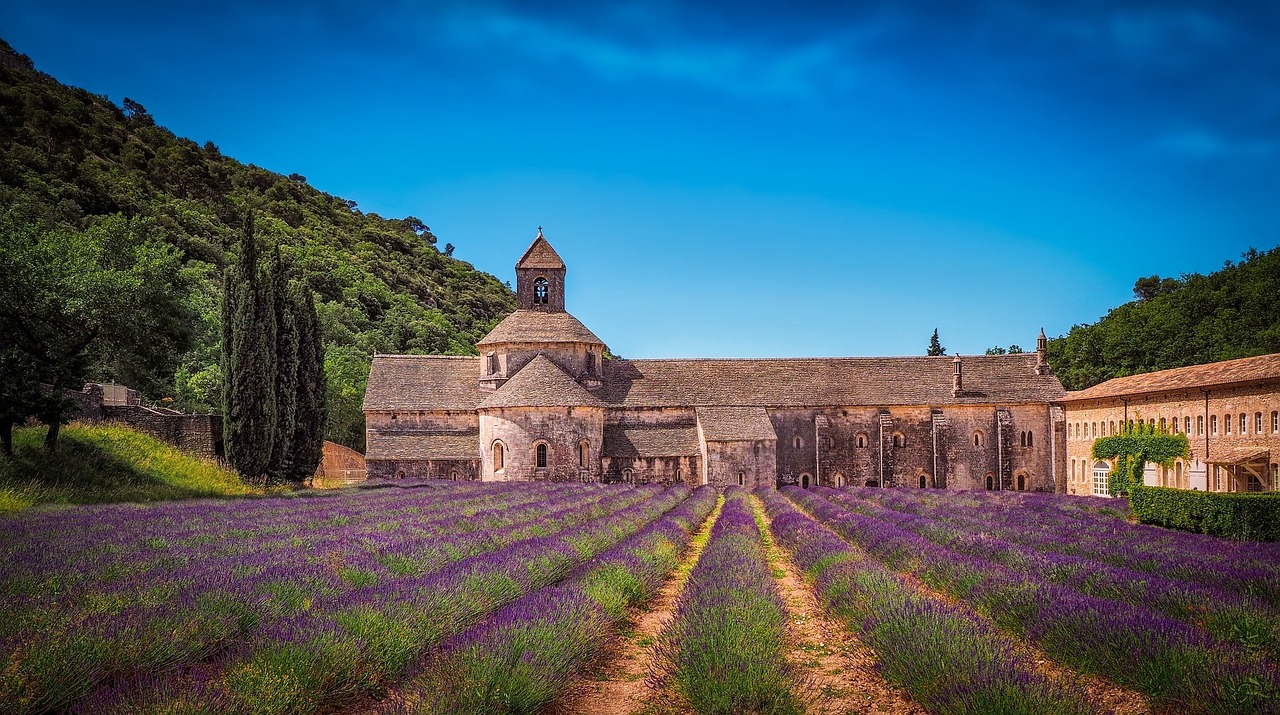
Driving down the narrow, winding road into the Sénancole valley, the world seems to fall away. The last bars of phone signal flicker; cicadas grow louder; limestone cliffs close in. Then, suddenly, there it is: Abbaye Notre-Dame de Sénanque, a 12th‑century Cistercian abbey tucked into a bowl of green, framed in summer by a sea of lavender that has become one of the defining images of Provence.
I’ve been visiting Sénanque regularly since I moved to the Luberon in 2015, and even now, in 2026, it still catches me off guard. Part of the magic is contrast: you leave behind crowded hilltop villages and busy markets, and you arrive in a place designed for silence, simplicity, and prayer. The monks still live and work here; this is no empty monument. Their rhythms shape your visit – the bells you’ll hear, the restricted areas you’ll respect, the calm that hangs in the cloister like a scent.
People come for many reasons: to photograph the lavender, to soak up Romanesque architecture, to walk in the hills, to introduce children to a place of quiet in a noisy world, or to share a romantic evening in the honeyed light of a Provençal sunset. Whatever brings you, Sénanque has a way of making you slow down.
This travel guide for Abbaye Notre-Dame de Sénanque is written for those who want more than a quick photo stop. Whether you’re planning a 1 day itinerary for Abbaye Notre-Dame de Sénanque or a richer 3 days in Abbaye Notre-Dame de Sénanque, I’ll walk you through the must‑see spaces, the best times to visit, nearby walks and villages, where to eat well (without falling into tourist traps), and the local customs in Abbaye Notre-Dame de Sénanque that matter in a living monastery.
Table of Contents
- Why Abbaye Notre-Dame de Sénanque Is Special
- A Brief Overview & 2026–2027 Updates
- 1–3 Day Itineraries Around Abbaye Notre-Dame de Sénanque
- Walking the Abbey: Main Spaces & Viewpoints
- Eight Key Sections & Adjacent Sites (Mini‑Guides)
- Eating & Drinking Around Sénanque
- Where to Stay Nearby
- Sénanque at Dawn, Golden Hour & After Dark
- Day Trips & Nearby Attractions
- Culture, Etiquette & Local Customs
- Practical Travel Advice & Logistics
- Tickets, Opening Hours & Seasonal Advice
- Summary & Final Recommendations
Abbaye Notre-Dame de Sénanque in 2026–2027: What’s New & What Matters
Founded in 1148, Sénanque is one of the three great “Cistercian sisters” of Provence, along with Silvacane and Le Thoronet. Its architecture is textbook Cistercian: austere, luminous, and perfectly proportioned. But what visitors feel most strongly is the sense of continuity. Monks still chant the offices, tend the fields, and manage the flow of visitors with a quietly firm hand.
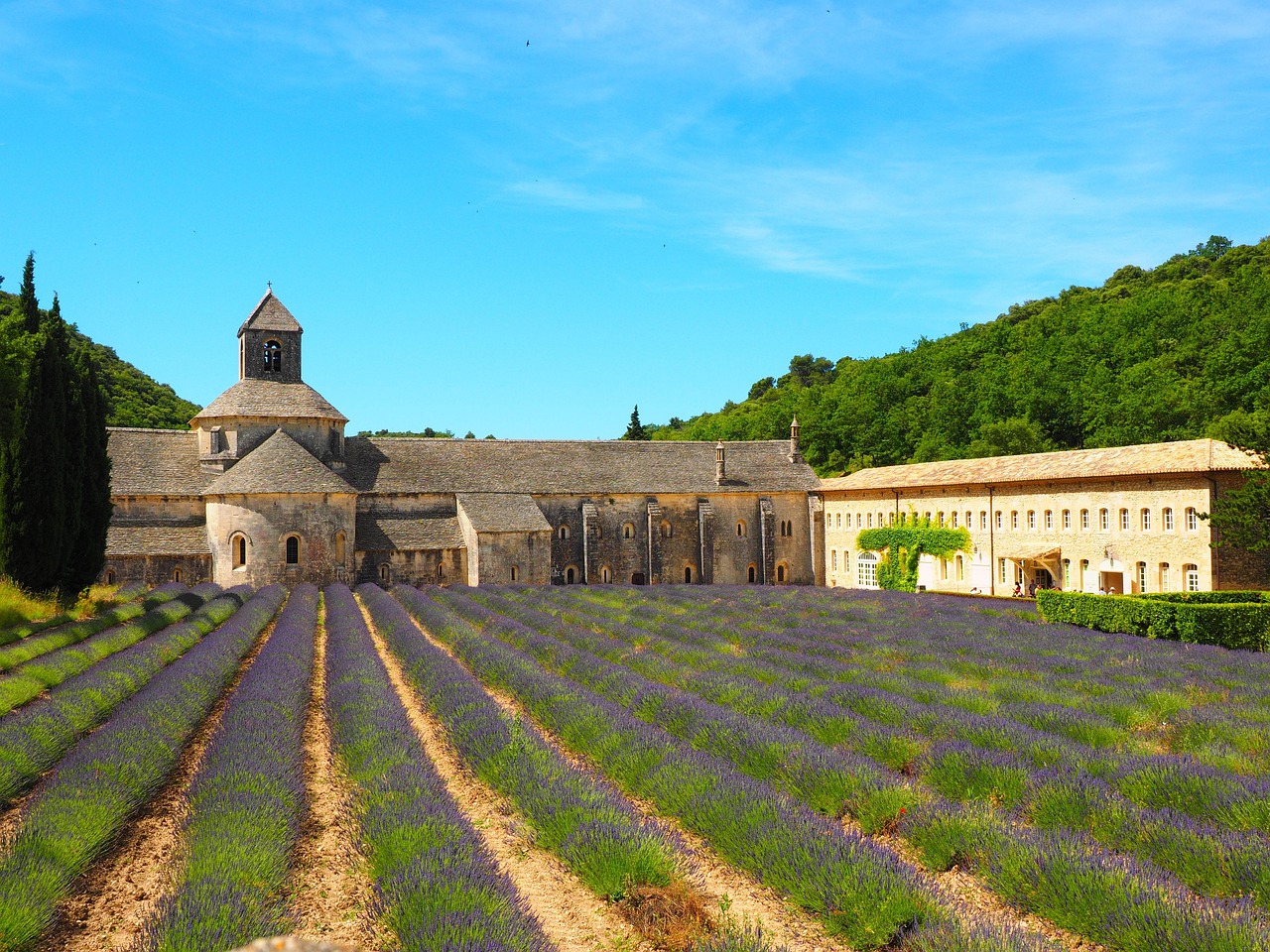
After a series of restoration campaigns in the 2010s and early 2020s, the abbey is in excellent condition in 2026. Stonework has been cleaned, drainage improved (a big deal in heavy autumn rains), and visitor flows re‑organised to preserve the cloister’s calm. The lavender fields, too, have seen replanting after bouts of disease and drought; the 2024–2025 plantings are now maturing, and summer 2026 is expected to be particularly photogenic.
Upcoming Events & Changes (2026–2027)
- Summer 2026: Expanded Guided Visit Schedule – To manage crowds, the abbey continues with mandatory guided visits for interior spaces in high season (late June–August), with more English-language slots than in previous years. Bookings open about two months ahead.
- 2026–2027 Evening Vespers Access – The community has confirmed it will continue allowing limited visitor access to some offices (Vespers and Compline) on selected days, especially in shoulder seasons. Details change yearly; check their official site a week before your visit.
- 2027 Sound & Light Pilgrimage Nights (Pilot Program) – There is talk (still tentative) of small, contemplative “nocturnes” combining Gregorian chant, candlelight, and subtle illumination of the cloister on a trial basis in late 2027. If it launches, tickets will be extremely limited.
- Ongoing: Visitor Cap on Lavender Peak Days – On certain July weekends, when coaches threaten to overwhelm the narrow access road, a soft cap and timed-entry system for the external grounds may be applied. In 2025 it was trialled; expect the same or slightly stricter in 2026.
All of this means: if you want the best experience, you’ll need to think carefully about how to visit Abbaye Notre-Dame de Sénanque – timing, tickets, transport – which we’ll dig into in detail below.
1–3 Day Itineraries for Abbaye Notre-Dame de Sénanque
I’ve structured these itineraries based on how I actually spend time there when I’m hosting friends and family. Each includes a mix of must‑see attractions in Abbaye Notre-Dame de Sénanque, quieter walks, food stops, and cultural experiences.
1 Day Itinerary for Abbaye Notre-Dame de Sénanque
If you only have 1 day in Abbaye Notre-Dame de Sénanque, your goal is to experience the abbey deeply rather than to tick off too many extra stops. This plan assumes you’re staying nearby, in Gordes or another Luberon village.
Morning: Arrival, Approach & First Impressions
I like to aim for a 9:00–9:30 arrival. In 2026, the abbey typically opens around 9:45–10:00 in high season (slightly later in winter), but the best part of the morning is the approach itself. The narrow D177 road drops from Gordes into a cool, shaded valley. In late June, you smell thyme and wild mint as soon as you open the car door. In January, frost may glitter on the stone walls.
If you’re feeling energetic, park in Gordes and walk down via the old path (about 45–60 minutes, moderately steep). I’ve done this walk countless times with visiting friends: we start in the village just after sunrise, descend through scrub and low oaks, and round a bend to find the abbey spread out below, lavender fields in perfect alignment with the church façade. It’s one of those views that silences conversation.
Alternatively, drive down and park in the abbey car park (still free as of 2026, but donations encouraged). From the car park, follow the path along the valley side for your iconic wide shot of the abbey and fields before you head to the ticket office.
Mid-Morning: Guided Visit of the Abbey Interior
For first-timers, I strongly recommend the guided tour. It’s the only way to see some interior spaces, and the commentary brings the stark stone to life. In summer, there are several French tours plus at least one or two in English; in shoulder and low season, French may be the only option, but they often provide written notes in English, German, Italian, or Spanish.
On my last visit in late 2025, the standard tour lasted about 1 hour and followed a predictable but satisfying route:
- The Church (Église Abbatiale) – Bare, echoing, utterly Cistercian. No stained glass, no gilding, only filtered light and arches. The guide will point out the off-axis choir and the way light falls at different times of day.
- The Cloister – The heart of the monastery. You’ll walk around the quadrangle, noticing how each side corresponds to a different function: church, chapter house, dormitory, refectory.
- The Chapter House – Where the monks meet daily. Listen for the slight change in acoustics – I still remember a guide in 2018 clapping her hands softly to demonstrate how the sound wraps around you.
- Dormitory & Day Room – Simple stone spaces that quietly upend our modern obsession with comfort and distraction.
Tip: In July and August, book your guided tour online at least 2–3 weeks in advance, especially if you need a specific language. Slots for mid-morning fill quickly with coach groups. If you’re flexible, aim for the first or last tour of the day, when the group sizes are often smaller.
Late Morning: Self-Guided Time & The Cloister’s Quiet Corners
After the guided section, you’ll usually have some time to explore certain areas more freely (rules evolve each year, but in 2026 expect access to parts of the cloister and exterior walkways). This is when I like to slow down and really look: at the tool marks in the stone, at the weathering on column capitals, at the lichen patterns on the cloister roof when viewed from the dormitory window.
I often bring a small notebook and spend 15–20 minutes sitting on a cool stone bench in the cloister, sketching the arches or jotting impressions. Families might worry kids will be bored here, but I’ve seen the opposite: children are often fascinated by the echo, by the idea of monks living without phones or television, by the “secret passageways” feeling of narrow staircases.
Lunch: Picnic or Nearby Inns
There is no full restaurant within the abbey itself, and what’s nearby leans heavily touristy. My preferred strategy for a 1 day itinerary is to pack a picnic. Stock up at the market in Gordes (or nearby Coustellet) with:
- A fresh baguette and a small fougasse
- Local goat cheese (picodon or banon)
- Tomatoes, olives, and maybe some tapenade
- Fruit in season: cherries in May–June, apricots in June–July, figs later in summer
After leaving the abbey grounds, follow one of the marked paths along the valley (away from the lavender fields, which are private and protected) and find a stone wall to sit on. Please respect the landscape: no fires, pack out everything, and avoid trampling dry grasses in high summer, when fire risk is extreme.
If you prefer a sit-down meal, drive back up to Gordes. I’ve had consistently good, if not cheap, lunches at:
- Le Carillon (Gordes) – Seasonal menus, nice shaded terrace, more locals than some of the other view-focused places.
- La Trinquette (Gordes) – Smaller, reservations advised in July–August.
Afternoon: Lavender Fields & Valley Walks
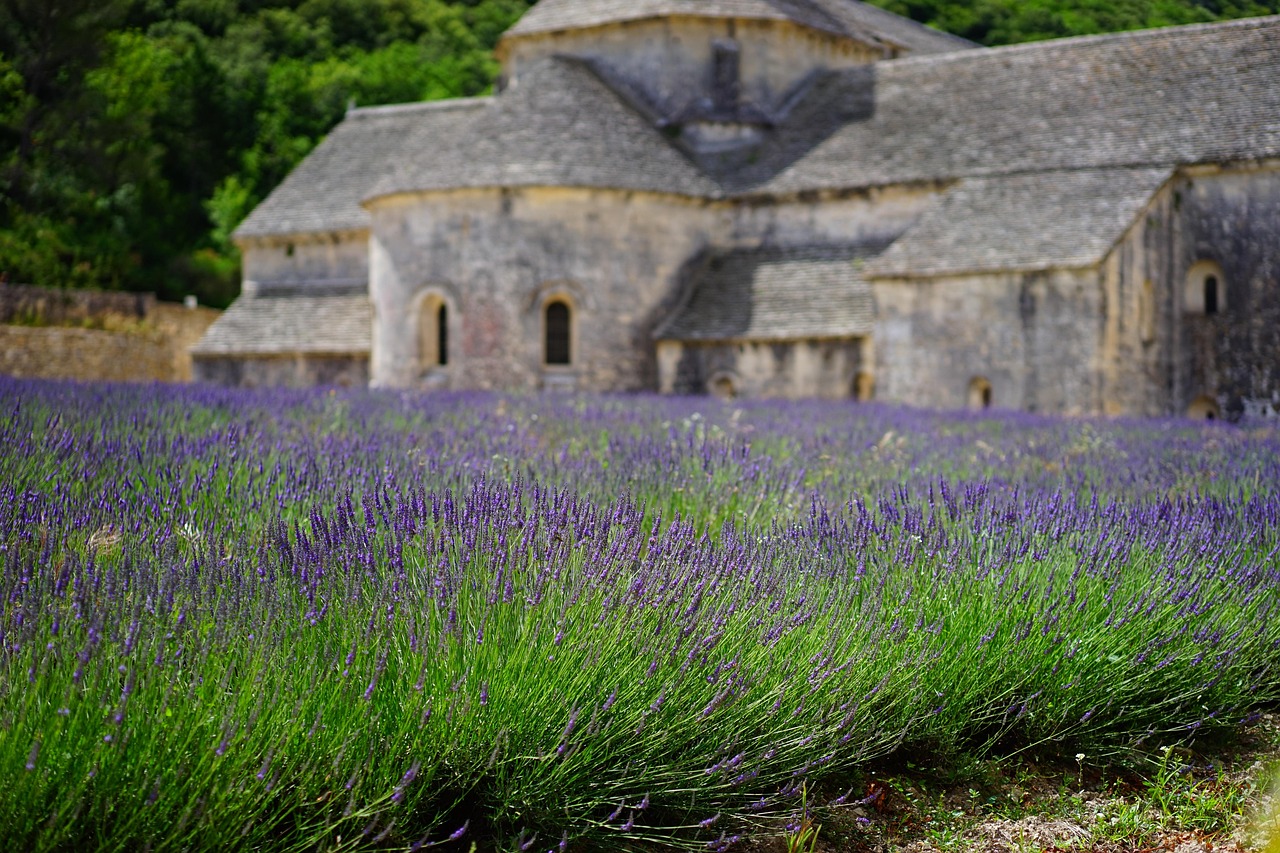
In summer, the abbey’s lavender fields are the star. This is where things can get tricky: to protect the fields and respect the monastic life, access is quite controlled now. You cannot wander freely among all the rows as in decades past; there are designated photo spots and paths. Tripods are often discouraged or banned during peak times, and drones are strictly forbidden.
If you’re visiting outside lavender season (roughly late June to mid-July, varying with weather), don’t be disappointed. The valley has its own beauty year-round. I particularly love:
- Winter (Dec–Feb) – Low sun, bare trees, a monk in a dark habit crossing the courtyard like a moving shadow.
- Spring (Mar–Apr) – Wildflowers, bright green new growth on the oaks, cool air that smells of damp stone.
- Autumn (Oct–Nov) – Golden leaves along the valley, far fewer visitors.
Use the afternoon to walk one of the short circular routes that rise above the abbey. The higher you go, the more the complex reveals its shape: the chevet of the church, the layout of the cloister, the monks’ vegetable gardens and beehives.
Late Afternoon: Gift Shop, Products & Quiet Return
Before you leave, step into the abbey shop. Yes, it’s commercial, but it directly supports the community, and the products are mostly excellent. I return again and again for:
- Lavender essential oil and small sachets (perfect, packable souvenirs)
- Honey and herbal tisanes made or selected by the monks
- CDs of Gregorian chant recorded at the abbey
- Simple religious icons and books (even if you’re not religious, the photography books are wonderful)
Then, as the day’s heat eases, either walk or drive back up to Gordes. If you have the energy, stop at one of the roadside viewpoints looking back toward the abbey and valley; the late light softens the stone into a warm, almost edible color.
That’s a full but gentle 1 day itinerary for Abbaye Notre-Dame de Sénanque – enough to feel you’ve truly been there, not just passed through.
2 Day Itinerary for Abbaye Notre-Dame de Sénanque
With 2 days in Abbaye Notre-Dame de Sénanque, you can weave in more walking, nearby villages, and deeper cultural experiences while keeping the abbey as your anchor.
Day 1: Classic Abbey Experience (As Above)
Follow the 1-day plan for your first day – guided visit, cloister time, valley walk, and evening in Gordes. Sleep in Gordes or a countryside guesthouse for an early start on Day 2.
Day 2 Morning: Dawn Light & Silent Contemplation
On your second morning, aim to arrive at dawn. In summer, that means 6:00–6:30; in winter, closer to 8:00. The abbey grounds won’t yet be open to visitors, but you can access the public road and a few paths overlooking the complex.
I still remember a July morning in 2022: the valley filled with a faint lavender haze, the air cool and damp, the bells carrying up the hillside as the monks chanted Lauds. There were just three of us on the overlook path – a photographer, a local runner, and me – and we exchanged a silent nod as the first sunlight hit the top of the bell tower.
If the abbey’s schedule allows, and you’re respectfully dressed, you may be able to attend one of the offices (prayer services) later in the morning, sitting quietly at the back. This is not a tourist show; it’s their life. Phones completely off, absolutely no photos, and be prepared for everything to be in Latin and French. But the experience of hearing Gregorian chant in that stripped-down stone church is unforgettable.
Day 2 Late Morning: Hilltop Villages – Gordes & Beyond
After a contemplative start, shift gears slightly and explore Gordes, the dramatic hilltop village perched above the abbey. It’s busy, yes, but still beautiful. Wander the alleys, duck into small art galleries, and step into the cool Romanesque church at the village’s heart.
If it’s market day (usually Tuesday morning), this is your chance to browse stalls laden with cheese, saucisson, olive oil, and textiles. It’s tourist-focused, but locals still shop here. Buy picnic supplies for lunch or small gifts to take home.
Day 2 Afternoon: Walk the Plateau & Viewpoints
In the afternoon, tackle one of the longer walks above the abbey. Two of my favourites for a 2 day itinerary for Abbaye Notre-Dame de Sénanque:
- Gordes–Sénanque Loop – About 3–4 hours depending on pace, moderate difficulty. From Gordes, follow marked trails through oak scrub and stone terraces, down into the valley and back up via a different route. Bring plenty of water, especially in summer.
- Plateau de Vaucluse Ramble – Starting from the plateau above the village, this route offers big views down onto the Sénancole valley and across to the Luberon massif. In spring, the thyme blooms purple underfoot.
On a hot June afternoon a few years ago, I took my visiting niece (11 at the time) on the Gordes–Sénanque loop. We spotted wild boar tracks, collected sprigs of wild thyme (crushing them to breathe the scent), and she declared the abbey “like Hogwarts but with more sky.” For families, these walks offer a way to balance quiet interior spaces with open air adventuring.
Day 2 Evening: Sunset Over the Valley
For a romantic or meditative end to your second day, find a sunset viewpoint. My preferred strategy:
- Drive or walk to one of the pull-offs on the road between Gordes and the abbey.
- Arrive about 45 minutes before sunset, when the light starts to warm the limestone.
- Bring a light jacket (even in summer, the valley breeze can be cool once the sun drops).
You won’t always see the abbey itself from these spots – sometimes it’s hidden by folds in the hills – but you’ll feel the embrace of the landscape. If you’re lucky, you might hear the faint sound of bells or distant chant carried on the evening air.
3 Day Itinerary for Abbaye Notre-Dame de Sénanque
With 3 days in Abbaye Notre-Dame de Sénanque, you can slow right down. This is my favourite way to experience the area: a mix of contemplative time at the abbey, deeper hikes, and short day trips to complementary sites.
Day 1: The Abbey in Depth
Follow the 1-day plan, but linger longer. Maybe take two guided visits (one in the morning, one in the afternoon) to absorb more details, or spend extra time in the shop talking with staff about the monastery’s history and the daily life of the monks. In 2024, I spent nearly an hour chatting – in hushed tones – with a lay volunteer about the abbey’s struggles during the French Revolution and the community’s return in the 20th century.
Day 2: Walks, Villages & Cultural Experiences
Use Day 2 much like the 2-day plan: dawn visit, Gordes exploration, plateau hikes, and a sunset viewpoint.
Day 3: Sister Abbeys & Provençal Contrasts
On your third day, use Sénanque as a starting point for exploring the wider Cistercian and Provençal landscape.
Two compelling options:
- Le Thoronet Abbey (Abbaye du Thoronet) – About 1.5–2 hours’ drive to the southeast, this sister abbey is even more austere, with legendary acoustics. If you’re travelling as a couple or architecture lover, combining Sénanque and Le Thoronet makes for a powerful pairing: two expressions of the same spiritual ideal in different stones and settings.
- Abbaye de Silvacane & Luberon Villages – Closer than Le Thoronet and often quieter. You can visit Silvacane, wander its cloister (more open to the sky), then loop back via Lourmarin or Bonnieux for late lunch or dinner.
Alternatively, for families or those wanting something lighter, spend Day 3 exploring nearby Luberon villages – Roussillon with its ochre cliffs, L’Isle-sur-la-Sorgue with its rivers and antique shops – returning to Sénanque valley in the late afternoon for one last walk or silent sit in view of the abbey.
For a 3 day itinerary for Abbaye Notre-Dame de Sénanque, the key is not to overschedule. Build in time to do “nothing” – to sit on a low stone wall, listen to the wind, and watch the light move across the abbey walls. That, more than any checklist, is what stays with you.
Walking the Abbey: Spaces, Routes & How Long to Spend
When you step onto the abbey grounds, it can be hard to know where to focus. Here’s how a visit typically unfolds, and what to look for at each stage.
Main Approach & Signature Viewpoint
From the car park or the walking path from Gordes, you’ll first catch the abbey from above and to one side, with the lavender field stretching toward the façade. This is the classic postcard angle, and it’s worth taking a few minutes to compose a thoughtful shot rather than rushing.
Look for:
- The way the rows of lavender lead your eye to the bell tower.
- The contrast between the soft purple and the hard limestone.
- In non-lavender months, the geometry of terraces and stone walls.
Time needed: 15–20 minutes, longer if you’re a photographer.
Ticket Office & Visitor Center
Next, you’ll pass through the visitor entry where you buy or present your tickets. On busy days, there can be a queue; in 2026, expect 10–20 minutes’ wait at mid-morning in July, less at opening or late afternoon.
This is also where you’ll see information on guided tour times, languages offered, and any special restrictions for the day (access closures, photography updates, etc.). Staff here speak good English and can answer most logistical questions.
The Church (Église Abbatiale)
Entering the church, the temperature drops. The space is bare: no paintings, almost no decoration, just arches and light. This is Cistercian spirituality in stone – nothing to distract from prayer.
What to notice:
- The off‑center alignment of the choir, slightly to the north – a reminder that perfection isn’t always literal symmetry.
- The way small windows high in the apse cast shafts of light that move during the day.
- The stone benches built into the walls, where monks sit during offices.
Photography: Generally allowed without flash outside prayer times, but never during services, and always defer to staff instructions.
Time needed: 15–30 minutes during a guided visit, plus any time you may spend here in silent contemplation.
The Cloister
The cloister is the emotional center of Sénanque. Four vaulted galleries surround a small garden, once practical (herbs, perhaps a well), now primarily symbolic: a green heart of stillness.
I like to walk the cloister slowly, clockwise, matching my steps to my breath. On one visit in 2019, a summer storm rolled in as we walked; thunder rumbled over the valley, and rain drummed on the cloister roof while the garden remained mysteriously calm behind its stone boundaries.
What to notice:
- The variation in capitals – some simple, some with subtle carved leaves.
- The way each side frames a different view: church wall, refectory, dormitory stairs.
- The acoustics when you whisper – sound carries further than you expect.
Time needed: 30–45 minutes if you let yourself slow down; more if you like to photograph details.
The Chapter House
This is where the monks meet daily to read a chapter of the Rule of Saint Benedict, discuss community matters, and sometimes make difficult decisions. It’s also where, historically, new abbots were elected and important visitors received.
The space is rectangular, with ribbed vaulting and stone benches along three walls. When you stand in the center, you can almost feel the weight of centuries of conversation and silence layered here.
Time needed: 10–15 minutes during the guided visit.
Dormitory & Day Room
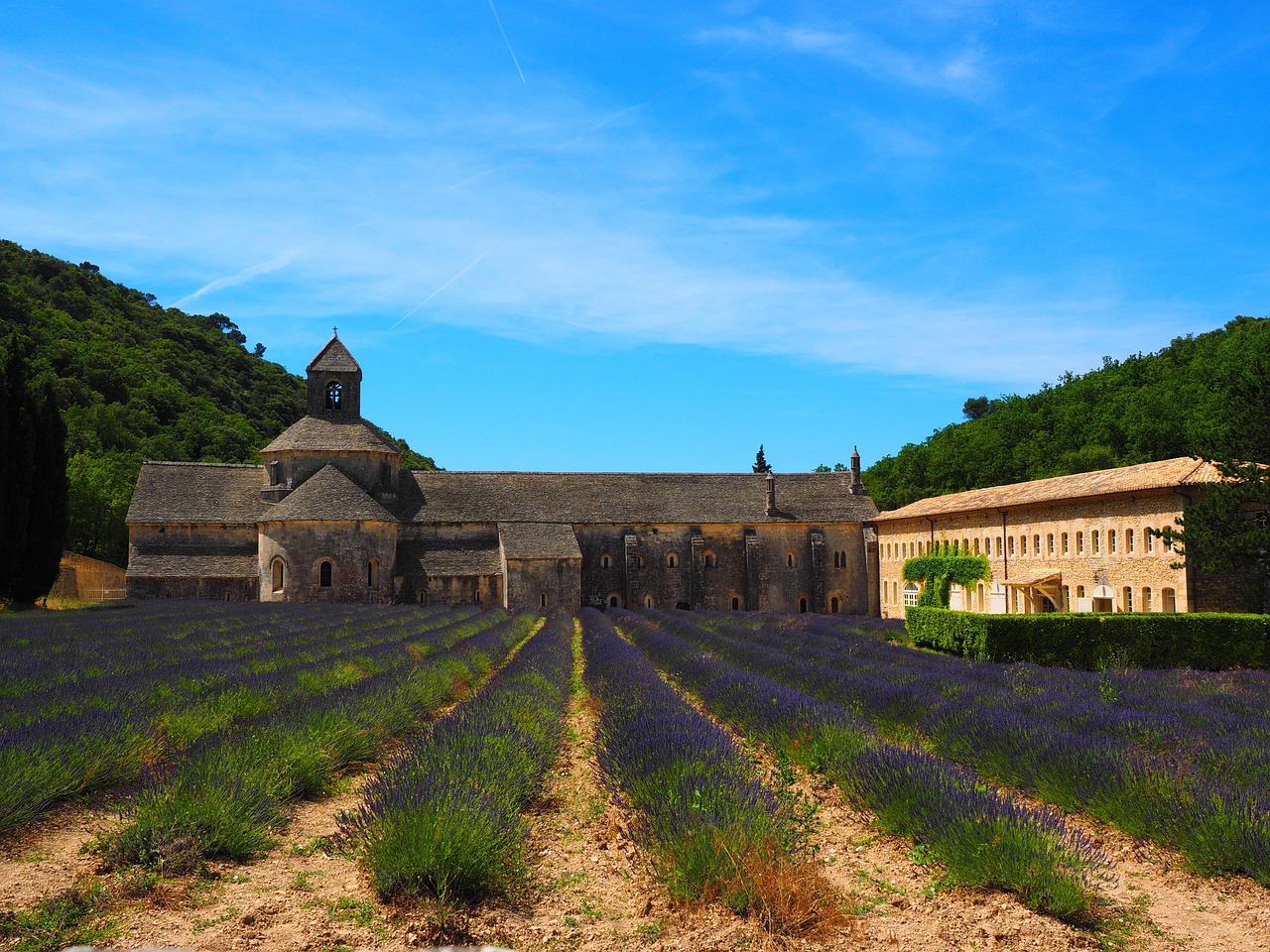
The dormitory is a long, austere hall where the monks once slept together, rather than in individual cells. Simple windows, thick stone walls, no ornament. On early visits, I struggled to imagine actually living here; now, after years of returning, I find its simplicity oddly soothing.
The day room (or warming room) was the one place with a fire, where monks worked in winter. You can sometimes see remnants of hearths or smoke-blackened stone.
Time needed: 15–20 minutes combined.
Exterior Grounds & Secondary Spaces
Depending on current access rules, you may also be able to walk around parts of the exterior: alongside the church apse, near the vegetable gardens, or above the abbey toward small chapels or crosses.
Allow another 30–45 minutes after your guided visit for these outdoor explorations, especially if you’re a photographer or like to understand how buildings sit in their landscape.
Eight Key Sections, Viewpoints & Adjacent Sites (Mini‑Guides)
Beyond the core tour, these are the places and experiences that, over multiple visits, have defined Sénanque for me. Each could be a small chapter in your own story here.
1. The Upper Lavender Viewpoint
This is the classic shot you’ve seen a hundred times: rows of lavender converging on the abbey façade, bell tower rising above. In reality, the viewpoint is a modest bend in the road above the fields, with a low stone wall and enough space for a handful of people and a tripod or two.
History & significance: The lavender here is relatively “modern” compared to the 12th‑century abbey, but it has become inseparable from Sénanque’s identity. Monks cultivated lavender for medicinal and economic purposes; today, it’s still part of their livelihood, sold as oil, soaps, and sachets.
Personal tip: My favourite time for this viewpoint is actually late afternoon in early July, around 17:00–18:00, when the sun is high enough not to vanish behind the hills but low enough to give texture to the lavender rows. Early morning is quieter but more backlit.
Family & couples: For families, this is a fun place to play with perspective in photos (kids “holding” the bell tower between their fingers); for couples, it’s the inevitable “we were here” selfie spot. Just step back between shots to let others have their moment too.
Time needed: 20–30 minutes.
2. The Sénancole Valley Walking Paths
The Sénancole valley is more than a picturesque backdrop; it’s a lived-in landscape shaped by centuries of modest agriculture and monastic stewardship. Narrow paths thread through scrubby oak, boxwood, and thyme, connecting stone terraces and forgotten huts.
History & significance: Cistercian monasteries were deliberately placed in remote, marginal lands, which monks then painstakingly made productive. Here, terraced fields, old irrigation channels, and fragmentary walls testify to that work.
My route: I often do a 2-hour loop starting from the car park, climbing one side of the valley, traversing through oak woods, and circling back along the opposite slope. In spring 2025, I walked this path with a local botanist friend who pointed out wild asparagus shoots and the subtle differences between thyme and savory.
Tips:
- Wear sturdy shoes – the limestone can be slippery when dusty or wet.
- Carry at least 1L of water per person in summer.
- Respect private property; many fields are still actively farmed.
Time needed: 1–3 hours depending on route.
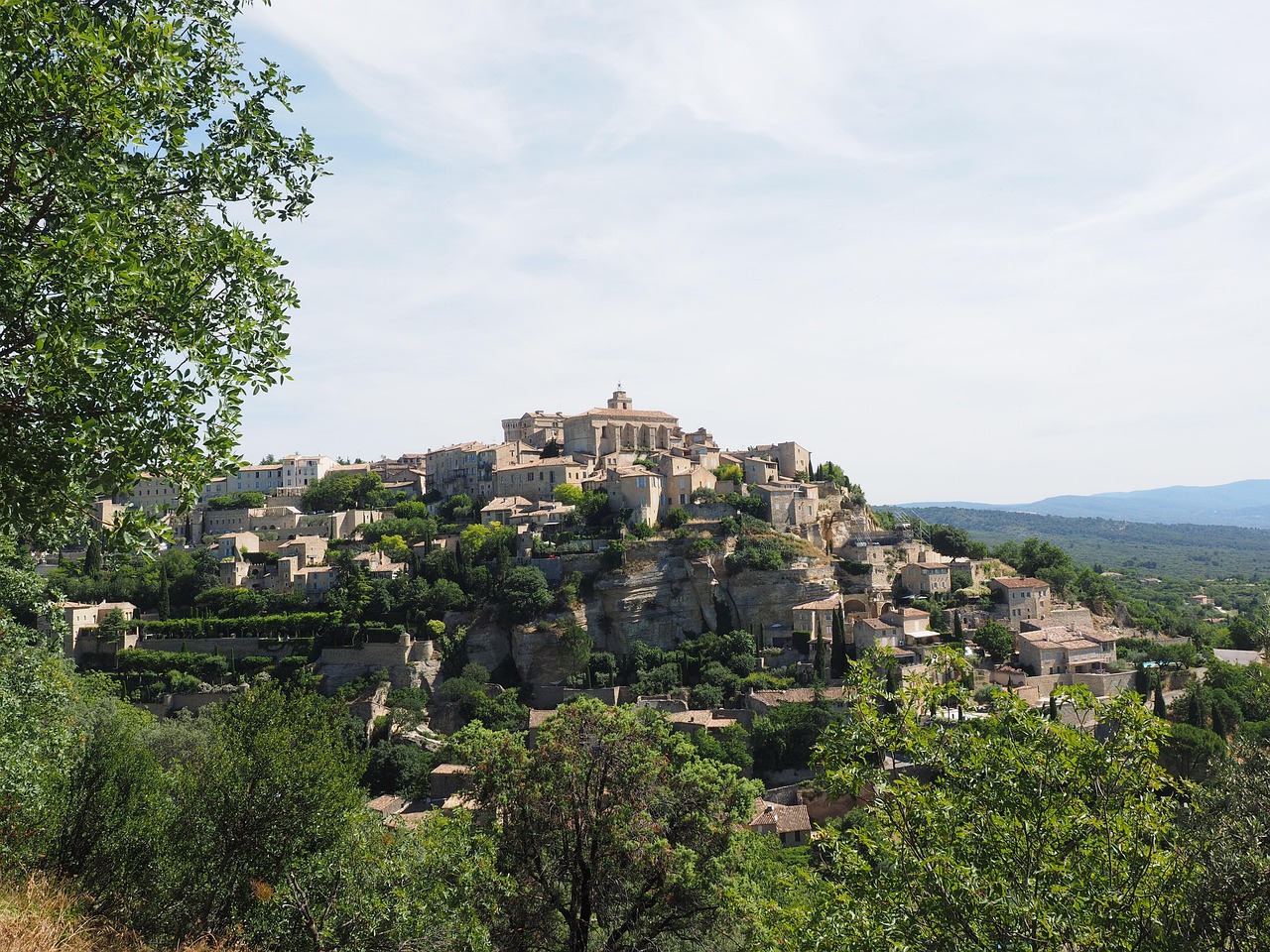
3. Gordes: The Cliff-Perched Guardian
Gordes watches over Sénanque from its rocky spur, a cascade of stone houses clinging to a cliff. It’s one of the best places to visit near Abbaye Notre-Dame de Sénanque, both for its photogenic lanes and for practical reasons (food, lodging, and services).
History & significance: Gordes has been inhabited since Roman times. In WWII, it was a center of Resistance activity; the village was awarded the Croix de Guerre for its sacrifice. Today, its stone houses and castle have made it a magnet for artists, celebrities, and, yes, plenty of visitors.
Personal favorites:
- Sitting on the low wall at the main viewpoint just outside the village, looking back at the clustered houses at golden hour.
- Walking the back lanes early in the morning, when delivery vans and locals outnumber tourists.
- Duck into the tiny local bakery off the main square for a still-warm croissant before the rush.
Time needed: Half a day to wander, more if you add a long lunch.
4. The Monastic Shop & Lavender Workshop
The abbey shop is often dismissed as a mere souvenir outlet, but it’s also a window into the economic reality of monastic life. Cistercian communities have always supported themselves through work: agriculture, crafts, publishing. Here, lavender is central.
What you’ll find:
- Pure lavender and lavandin oils (ask staff about the difference).
- Soaps, lotions, and balms made to monastic recipes.
- Honey from valley hives, sometimes with a floral note reflecting surrounding plants.
- Books on Cistercian spirituality, local history, and architecture.
In summer 2026, the abbey is planning to offer occasional short talks or demonstrations about lavender cultivation and distillation, likely in French with some English explanation. Check at the shop or online ahead of time.
Time needed: 20–30 minutes, more if you’re a reader or gift-hunter.
5. Sister Abbeys: Silvacane & Le Thoronet
To really understand Sénanque, it helps to see her sisters. Silvacane, near La Roque-d’Anthéron, and Le Thoronet, deeper into Var, complete the Provençal Cistercian trio.
Silvacane: Less dramatically sited than Sénanque, Silvacane offers a more open, airy cloister and a church that feels somehow lighter. It’s a good contrast in how similar principles played out on different sites.
Le Thoronet: The most austere of the three, with legendary acoustics. I once stood in its church listening to a single monk sing a short Psalm; the sound hung in the air like a physical presence. If you’re moved by sound, it’s a must.
Time needed: Each abbey merits half a day; choose one as a day trip from Sénanque if you’re on a 3-day itinerary.
6. Family-Friendly Corners & Quiet Games
Monasteries might not seem like obvious kid destinations, but I’ve brought nieces, nephews, and friends’ children to Sénanque over the years, and they’ve nearly always found something to latch onto.
What works well:
- Echo experiments in the cloister (whisper-level only; see how quietly you can speak and still be heard across the courtyard).
- “I spy” architecture games – find the stone with the oddest color, the smallest window, or a hidden carved face.
- Valley scavenger hunts – spot lizards, butterflies, different leaf shapes, or old stone walls on a walk.
Before going in, I explain to kids that this is the monks’ home, like a big shared house, and that we’re guests. Framing it that way tends to make even small children more respectful and curious about the rules.
Time needed: Plan shorter bursts inside (30–45 minutes) balanced with outdoor time.
7. Romantic Corners: Benches, Bell Towers & Blue Hour
For couples, Sénanque can be quietly romantic. It’s not about grand gestures or flashy views; it’s about shared silence and small discoveries.
My favourite moments:
- Sharing a thermos of coffee on a bench overlooking the valley just after sunrise, watching the mist burn off.
- Walking the cloister side by side without speaking, then comparing what you each noticed.
- Standing at an overlook during blue hour, when the sky deepens and the abbey’s few lights glow softly against the stone.
There’s no nightlife here in the usual sense, but that’s partly the point. If you’re used to busy city breaks, Sénanque offers a different kind of connection.
8. Adventurous Trails & Off-the-Beaten-Path Corners
If you crave something a bit wilder, the hills above Sénanque deliver. Some paths are steeper, rockier, and less frequented, requiring decent shoes and a head for heights.
One of the more adventurous routes I like starts from the plateau, drops sharply into a side ravine, then contours high above the abbey before rejoining the main valley. Along the way, you pass old stone shepherd shelters and, in spring, a riot of wildflowers.
Safety tips:
- Avoid the steepest routes in wet weather – limestone becomes treacherous.
- In summer, start early to avoid midday heat.
- Carry a proper map or offline GPS; phone signal can be patchy.
For a certain type of traveler, these trails are the highlight – the abbey glimpsed from unexpected angles between pines and oaks.
Eating & Drinking Around Abbaye Notre-Dame de Sénanque
There’s no restaurant inside the abbey, and the immediate area doesn’t have much beyond a seasonal snack bar. To eat well, you’ll need to look slightly further afield – but that’s where the good stuff is anyway.
Picnics: The Best Way to Eat “At” Sénanque
For me, the most satisfying meal associated with Sénanque is a picnic. Shop at a local market or small épicerie, then find a shady spot on a valley wall or a quiet bench above the abbey.
Where to shop:
- Gordes Market (Tuesday morning) – Cheese, cured meats, fruit, olives, breads.
- Coustellet Market (Sunday, Wednesday) – Bigger and more local; great for stocking up if you’re self-catering.
- Small grocery in Gordes – For basics if you miss market day.
Restaurants Worth the Detour
Skip the most obvious tourist traps with laminated menus and focus on places where locals still eat, especially at lunch.
- Le Carillon (Gordes) – Solid Provençal cooking, seasonal menus, and a pleasant terrace without the “see and be seen” vibe of some neighbours.
- La Trinquette (Gordes) – Cosier, with an emphasis on fresh, local ingredients; booking advised in high season.
- L’Artegal (Gordes) – Slightly tucked away, with a simple but well-executed menu.
- Bistrots in nearby villages like Joucas or Murs – often less crowded and more affordable, with menus of the day featuring local produce.
Local dishes to look for:
- Daube provençale – Slow-cooked beef stew with red wine and olives.
- Agneau de Provence – Local lamb, often roasted with herbs.
- Ratatouille – Summer vegetable stew, vastly better here than most places elsewhere.
- Goat cheeses from nearby farms, often served with honey.
What to Bring Onto the Site Itself
Inside the abbey complex:
- Water in a reusable bottle (no single-use plastic if you can help it).
- A small snack (a piece of fruit, nuts) if you’re visiting with children – but eat it outside main buildings.
- A light scarf or shawl – handy for shoulders in summer or warmth in winter.
Picnics should be enjoyed outside the main monastic enclosure out of respect for the community.
Where to Stay Near Abbaye Notre-Dame de Sénanque
While you can’t stay in the abbey itself (except for rare, pre-arranged retreats), the surrounding area offers plenty of characterful options.
Gordes: Iconic & Convenient
Staying in Gordes means you’re a short drive or a scenic walk from Sénanque, with restaurants and shops on your doorstep.
Expect higher prices, especially in July–August, but also iconic views from many hotel terraces. Boutique hotels and chambres d’hôtes cluster in and just outside the village.
Rural Guesthouses & Farmstays
For a quieter, more local feel, look for a mas (traditional stone farmhouse) or small guesthouse in the countryside between Gordes, Murs, and Venasque. Over the years, I’ve stayed in several where breakfasts featured homemade jams, eggs from the garden, and conversations about weather and harvests.
Family-Friendly Options
Families might prefer places with a pool and some outdoor space. Many rural gîtes offer exactly that. Book well ahead for school holidays; the Luberon is extremely popular with French, Dutch, British, and German families.
Sénanque at Off-Hours: Dawn, Golden Hour & After Dark
Dawn & Early Morning
Dawn is my favorite time here. In winter, mist clings to the valley floor; in summer, the air is cool and bees are already at work among the lavender. Traffic is light, and you may have the upper viewpoints nearly to yourself.
Golden Hour & Blue Hour
In late afternoon, the sun drops behind the hills but still bathes the abbey in warm side-light. Stone textures pop; the fields glow. Photographers often stake out spots early – be courteous and don’t block views.
Blue hour, just after sunset, can be magical even without artificial lighting. The abbey’s few windows glow softly; the sky deepens; the valley quiets.
After Dark & Evening Programs
The abbey is not a nightlife destination, but in clear weather the night sky above the valley is impressive. Light pollution is relatively low compared to coastal areas; you can see the Milky Way on good nights.
As of 2026, there is talk of occasional sound-and-light “nocturnes” starting in 2027, but nothing is confirmed. What does exist, more reliably, is access to certain evening offices (Vespers, Compline) for those who wish to pray or sit quietly in the church. Check schedules carefully; these are religious services, not performances.
Day Trips & Nearby Attractions
Use Sénanque as the contemplative heart of a broader Luberon stay. Within 30–60 minutes’ drive you’ll find villages, natural sites, and cultural experiences that complement the abbey.
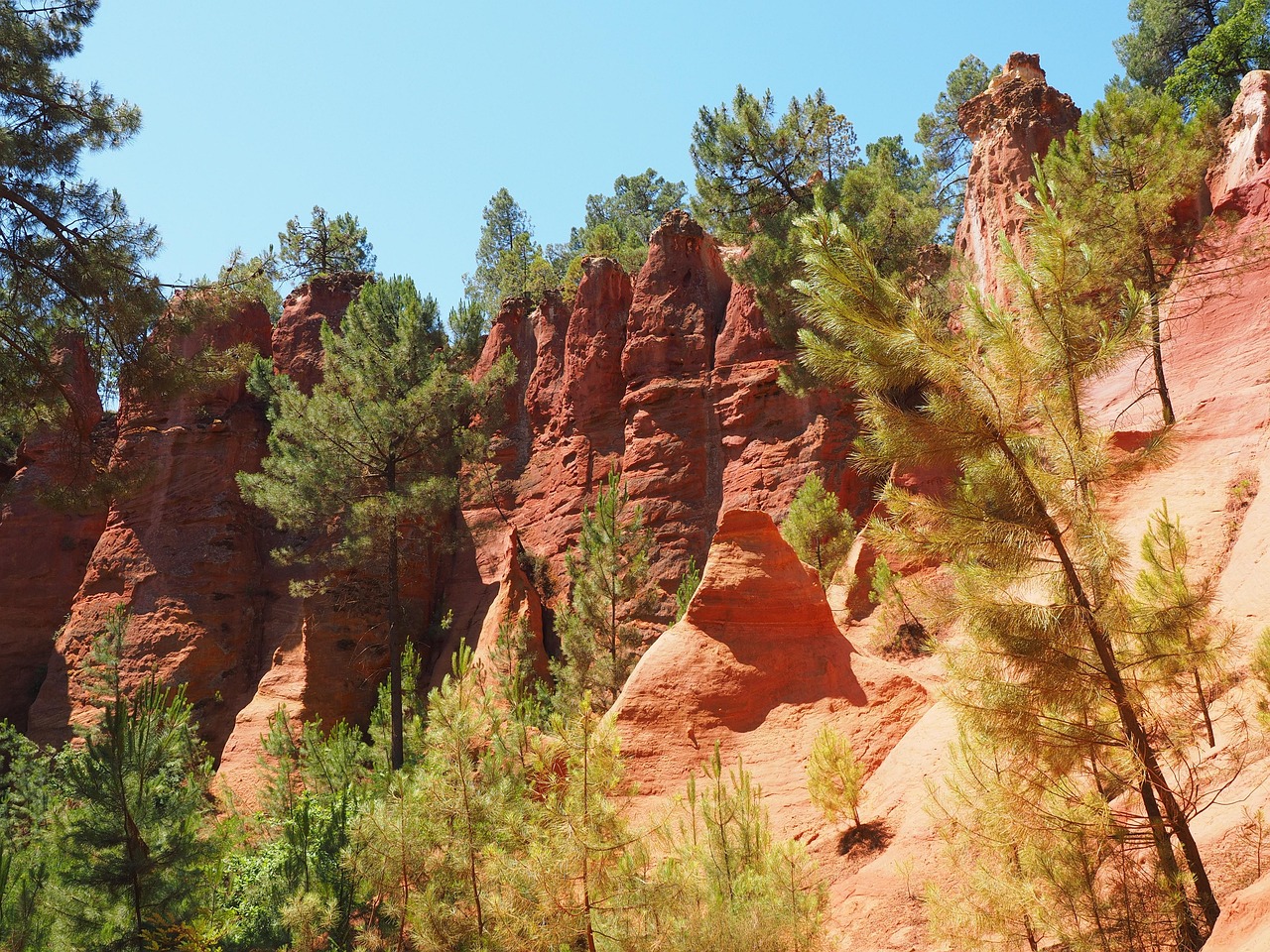
Roussillon & the Ochre Cliffs
Roussillon’s ochre cliffs, streaked in red, orange, and yellow, are a brilliant visual counterpoint to Sénanque’s grey stone and purple lavender. Walk the short Sentier des Ocres trail and you’ll feel like you’re inside a painting.
From Sénanque, it’s about a 30–40 minute drive via Gordes. Great for families and photographers; wear shoes you don’t mind staining orange.
L’Isle-sur-la-Sorgue
Known as the “Venice of Provence” (a bit of an overstatement, but the canals are lovely), L’Isle-sur-la-Sorgue is famous for its Sunday antique market. After the quiet of the abbey, the bustle here can be energising.
Expect about 45 minutes’ drive from Sénanque; arrive early on market days to find parking.
Mont Ventoux & Deeper Vaucluse
If you’re more adventurously inclined, a day trip to Mont Ventoux or the Gorges de la Nesque gives you a bigger sense of the Provençal landscape: high plateaus, deep gorges, and long views.
These trips are best with a car and some hiking experience; always check weather, especially wind conditions on Ventoux.
Cultural Etiquette & Local Customs at Sénanque
Abbaye Notre-Dame de Sénanque is, first and foremost, a living monastery. Treating it as such will shape your experience for the better.
Dress Code
There is no strict, posted dress code akin to some cathedrals, but modesty is expected:
- Cover shoulders and midriffs.
- Avoid extremely short shorts or skirts inside buildings.
- Hats off in the church.
Silence & Noise
Inside the church, chapter house, and cloister, keep voices very low. Many visitors come expressly for a moment of quiet; loud conversations or phone alerts can shatter that.
Put your phone fully on silent (not vibrate) before entering. Step outside if you must take a call.
Photography
Rules change slightly over time, but the general principles remain:
- No flash inside buildings.
- No photos during religious services.
- No drones anywhere near the abbey.
- Tripods may be restricted in busy seasons; check ahead if you’re a serious photographer.
Local Customs & Interactions
When addressing staff or monks, a simple “Bonjour” or “Bonsoir” in French goes a long way. Many will switch to English if needed, but starting in French is polite.
If you attend an office (prayer service), follow the lead of others: stand, sit, or kneel with the congregation if you’re comfortable, or simply remain quietly seated.
Practical Travel Advice for Abbaye Notre-Dame de Sénanque
How to Get There
By Car: The simplest way. From Gordes, take the D177 down into the valley (about 10 minutes). Roads are narrow and winding; drive slowly and watch for cyclists.
By Public Transport: There is no direct bus to the abbey. The nearest bus stops are in Gordes (seasonal services from Cavaillon or Avignon). From there, you’d need to walk (about 1 hour down, 1–1.5 hours back up) or take a taxi.
By Bike: Fit cyclists sometimes tackle the hill between Gordes and Sénanque. Be aware of traffic and heat.
Tickets, Reservations & Timed Entry
As of 2026:
- Guided tours of interior spaces are ticketed with set times; buy online in advance in high season.
- Self-guided exterior access may be available without a tour ticket outside peak times, but this is subject to change.
- During peak lavender days (early July weekends), visitor numbers to the grounds may be softly capped; arriving early or late helps.
Reservations typically open a few weeks to a couple of months in advance. In practice, for a July visit, I advise booking as soon as your dates are fixed, especially for English-language tours.
Opening Hours
Hours vary by season. Rough pattern:
- Summer (roughly May–Sept): Open morning and afternoon, with a lunch break closure; first tours around 10:00, last mid-to-late afternoon.
- Winter: Shorter hours, fewer tours, sometimes closed on certain weekdays or holidays.
Always check the official site shortly before your visit; local holidays and religious events can affect access.
Accessibility
Sénanque is a medieval site on uneven ground. Some parts (cobblestones, stairs, narrow doorways) can be challenging for visitors with mobility issues.
- The approach from car park to main entrance is on a slope.
- Wheelchair access to all areas is not guaranteed; contact the abbey ahead of time to discuss current provisions.
- There are few places to sit inside; if you need to rest often, plan accordingly.
Security & Queue Times
Security is present but discreet: occasional bag checks, surveillance in shop and church. In July–August, allow:
- 15–30 minutes buffer before your timed tour.
- Extra time for parking on very busy days.
Money-Saving Tips
- Visit in shoulder season (April–May, September–October) when accommodation is cheaper and crowds thinner.
- Stay in nearby villages rather than in Gordes itself.
- Use picnics for at least one meal a day; markets offer great value.
- Combine Sénanque with free outdoor activities (walks, village wandering) rather than stacking multiple paid attractions in one day.
SIM Cards & Connectivity
France has good mobile coverage overall, but the Sénancole valley is a known coverage dip. Don’t rely on streaming maps or constant data here.
For visitors:
- Consider an eSIM or prepaid SIM from major providers like Orange, SFR, or Bouygues.
- Download offline maps and any tickets before you descend into the valley.
Car Rental & Foreign Driving Licenses
To explore Sénanque and the Luberon flexibly, a car is very useful.
- Major rental agencies operate in Avignon, Marseille, and Aix-en-Provence.
- Most non-EU licenses are accepted for short stays; an International Driving Permit is recommended, especially if your license is not in Roman script.
- Roads to Sénanque are narrow; be comfortable with rural driving and small parking spaces.
Visa Requirements
Sénanque is in France, part of the Schengen Area. Visitors from many countries (UK, US, Canada, Australia, much of Latin America and Asia) can enter visa-free for short stays, but rules are evolving alongside the EU’s ETIAS system.
Always check current Schengen visa rules and entry requirements well before travel; ensure your passport is valid for at least 3–6 months beyond your stay.
Best Seasons & Weather
Spring (Mar–May): Mild, green, and floral. Fewer crowds than summer; ideal for walkers. Lavender not yet in bloom.
Summer (Jun–Aug): Lavender peak (late June–mid July), but also peak heat and crowds. Plan early/late visits; book everything ahead.
Autumn (Sep–Nov): Warm early on, with thinning crowds. Lovely light, harvest time in vineyards and orchards.
Winter (Dec–Feb): Quiet, introspective, occasional frost or even light snow. Limited hours and services, but very atmospheric.
Abbaye Notre-Dame de Sénanque Tickets, Opening Hours & Visiting Tips
Because the abbey balances tourism with monastic life, visiting logistics are more structured than at some rural sites.
Ticket Types
- Guided Visit Ticket: Includes access to church, cloister, chapter house, dormitory and other interiors at set times.
- Exterior Access: May be possible without a guided ticket in certain seasons/hours, mainly for the grounds and viewpoints.
- Group & School Rates: Available by prior arrangement.
When Reservations Open & How Fast They Sell Out
Typical pattern in 2024–2025, likely similar in 2026:
- Tours open for booking a few weeks to two months ahead.
- Morning English-language tours on peak lavender days can sell out 1–2 weeks in advance.
- Late afternoon slots may remain available closer to the date.
Peak Hours to Avoid
In July–August:
- 10:30–14:30 is peak for both heat and crowds.
- Arrive for the first tour of the day or aim for late afternoon (around 16:30–17:00) for a calmer experience.
Behavior Rules & Photography Restrictions
- Respect roped-off areas; some spaces are reserved for the community only.
- No eating or drinking inside buildings.
- No commercial photography without prior permission; model shoots, wedding photos, and drones are generally prohibited.
Summary & Final Recommendations
Abbaye Notre-Dame de Sénanque is not a place you “do”; it’s a place you allow yourself to inhabit, briefly. Whether you follow a 1 day itinerary for Abbaye Notre-Dame de Sénanque or stretch to a 3 day itinerary for Abbaye Notre-Dame de Sénanque, the essence is the same: stone, light, silence, and the gentle hum of monastic life continuing in the background.
For most travelers, the best time to visit Abbaye Notre-Dame de Sénanque is:
- Late June to early July for lavender and long days – if you can handle crowds and plan meticulously.
- May or September for balance: good weather, manageable numbers, and rich walks.
- Winter if you crave quiet and don’t mind shorter hours.
Approach Sénanque not just as a photographic stop but as a living place with its own rhythms. Walk the valley. Sit in the cloister longer than feels “efficient.” Listen for the bells. Let the abbey set the pace, and you’ll carry something of its calm back into the busier parts of your journey – and your life.