Why Visit Alsace in 2026
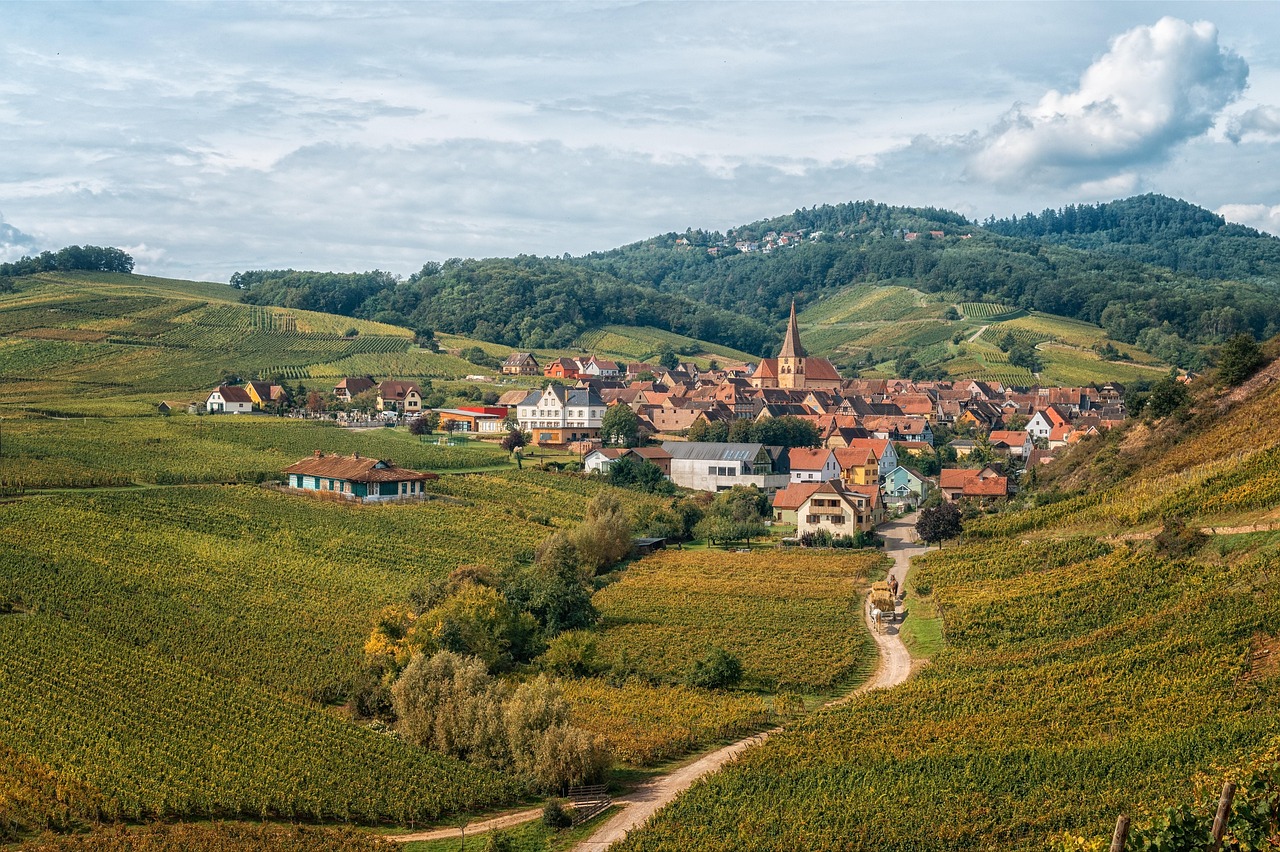
Alsace is where France leans gently into Central Europe: pastel half-timbered houses, church spires, and cobbled lanes that feel almost storybook, yet with a very real working life under the postcard surface. It’s a region of white wines and winstubs, of forested Vosges peaks and the broad Rhine plain, of Franco-German history and a fiercely local identity.
I first came to Alsace in my twenties, on an early autumn rail trip. I expected a pretty wine route and maybe a few gingerbread houses; I didn’t expect how layered the place would feel: bilingual menus, German-sounding village names, storks nesting on church roofs, and a cuisine that’s as robust as the wines are delicate. Since then I’ve been back nearly every year – in frosty January, during the 2023 and 2024 grape harvests, again in 2025 for the Marchés de Noël – and each trip has deepened my affection.
In 2026, Alsace is particularly appealing. The region has leaned into slow, sustainable travel: new cycling infrastructure along the Route des Vins, more car-free historic centers, and a surge of small, characterful guesthouses. Post-pandemic crowds have settled into a manageable buzz: popular spots like Colmar and Riquewihr are busy but not unbearable if you time them right, while less-famous villages and valleys feel almost untouched.
Whether you have 4 days in Alsace or a full 7 day itinerary for Alsace, this guide will help you shape a trip that’s more than a checklist of “cute towns.” We’ll talk about where to base, how to mix cities with vineyards and mountains, the best places to visit in Alsace, truly local food, and the small gestures that will make locals warm to you.
Table of Contents
- Why Visit Alsace
- Suggested 4–7 Day Itineraries (with Personal Notes)
- 18 Key Towns, Villages & Landscapes of Alsace
- Regional Cuisine & Where to Eat
- Evenings in Alsace
- Major Events & Festivals 2026–2027
- How to Get Around & Practical Logistics
- Day Trips & Nearby Highlights
- Cultural Etiquette & Local Customs
- Money-Saving Tips & SIM Cards
- Best Seasons to Visit Alsace
- Summary & Final Recommendations
4–7 Day Itineraries for Alsace (With Personal Stories)
Think of these as frameworks rather than rigid schedules. I’ve tested versions of all of them in the last few years, sometimes alone, sometimes with family (including two kids under 10) and once on a romantic winter escape.
4 Day Itinerary for Alsace: The Essentials
If it’s your first time and you only have 4 days in Alsace, focus on Strasbourg, Colmar, and a taste of the wine route. Base yourself in either Strasbourg (if you prefer cities and trains) or split nights between Strasbourg and Colmar.
Day 1 – Strasbourg: Old Town, Canals & Cathedral
On my most recent 4-day run (October 2025), I landed in Strasbourg on a crisp afternoon. I dropped my bag at a small guesthouse near Place Kléber and walked straight to the cathedral – you always should; this is the axis on which Strasbourg turns.
Spend your morning and early afternoon between:
- Cathédrale Notre-Dame de Strasbourg – Climb the tower if the sky is clear; it’s one of the best panoramic city views in Europe. The astronomical clock show (early afternoon) is mildly kitschy but still fun, especially for kids.
- Petite France – Wander the canals and half-timbered houses; take your photos early or late to avoid midday crowds. I like to loop down to the Barrage Vauban for a slightly elevated viewpoint.
- Boat tour on the Ill – Yes, it’s touristy. It’s also surprisingly informative and a good way to understand the city’s geography without tiring your legs on day one.
For lunch, try a traditional winstub like Winstub S’Kaechele for a first encounter with tarte flambée.
In the afternoon, choose a museum that matches your interests – the Alsatian Museum for folk culture, or the Musée d’Art Moderne et Contemporain for a more contemporary angle.
Evening: have dinner in Petite France (book ahead on weekends), then do a slow loop of the illuminated cathedral. In summer, look out for projection shows as part of the city’s light festivals.
Day 2 – Strasbourg to Colmar via the Wine Route
On a 4-day schedule, I like to pick up a rental car in Strasbourg in the morning and drive the first stretch of the Route des Vins d’Alsace down to Colmar. If you don’t want to drive, you can still manage this as a combination of train and local buses, but the car grants real freedom.
Stops I usually make on this leg:
- Obernai – A perfect first wine-route town: not as overrun as some, with a lived-in core and a pretty main square. Have coffee and a kougelhopf at a café on Place du Marché.
- Mont Sainte-Odile (optional detour) – A short winding drive up to a monastery with sweeping views of the Rhine plain. I’ve been three times; the light is best mid-afternoon.
- Barr or Andlau – Smaller, food-forward villages; good for a relaxed lunch and your first tasting of sylvaner or riesling at a family domaine.
Arrive in Colmar by late afternoon, drop the car or keep it (I keep it), and take an evening stroll through La Petite Venise. Dine at a cozy restaurant near the canals – I’m partial to a choucroute garnie here when it’s cold and a lighter fish dish in summer.
Day 3 – Colmar & the Storybook Villages
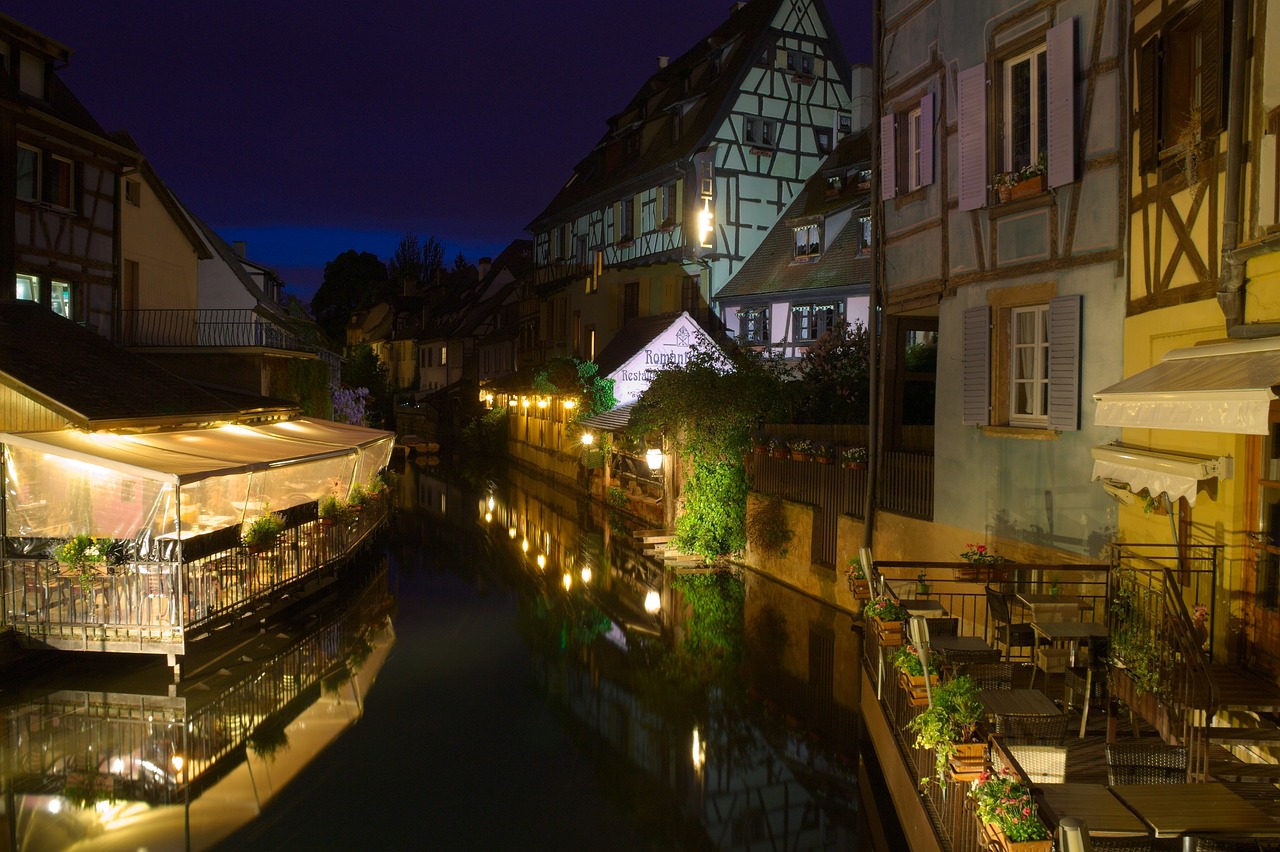
Colmar rewards early starts. Before 9am, the streets are almost yours alone. I like to loop from the Maison Pfister to the Collégiale Saint-Martin, then down to the canals.
Late morning and afternoon, use your car or a local tour to visit a few of the famous villages:
- Eguisheim – Circular lanes, geranium boxes, and a slightly self-conscious cuteness. Go very early or very late in the day.
- Riquewihr – Busier but architecturally glorious. The back lanes behind the main drag are where the magic is.
- Kaysersberg – My personal favorite – a touch less manic, with a ruined castle above town and a lovely riverside walk.
Do one or two tastings (never more than that if you’re driving) and leave room for spontaneous stops – a farm shop, a hilltop chapel, a sunset viewpoint over the vines. With kids, build in a stop at one of the stork parks or at a village playground; Alsatian villages tend to have well-maintained, central play areas.
Day 4 – Vosges Mountains or German Side Trip
On your last day, decide between mountains or a quick cross-border peek into Germany.
- Vosges Day: Drive the Route des Crêtes, stopping at viewpoints, war memorials, and farmhouse inns (fermes-auberges) serving hearty dishes like marcaire meals. A short hike near the Hohneck gives you big views without strenuous climbing.
- Germany Day: Colmar to Freiburg im Breisgau is just over an hour by car; Strasbourg to Kehl is minutes by tram. It’s a nice way to experience how the Rhine binds, rather than divides, this region.
Return your car where you collected it and either take an evening train out or add one last night in Strasbourg or Colmar.
5 Day Itinerary for Alsace: City, Wine & Mountains
With 5 days in Alsace, I’d keep the core of the 4-day plan and add a deeper dive into the Vosges or more time on the wine route. A structure I’ve enjoyed:
- Day 1–2: Strasbourg (as above)
- Day 3: Obernai, Barr, Andlau, then to Colmar
- Day 4: Colmar + villages
- Day 5: Full Vosges day – hike around Lac Blanc or Lac des Truites, lunch at a ferme-auberge, and sunset on a ridgeline.
In 2025 I did a 5-day loop in mid-June. Wildflowers were peaking in the high meadows, and the evenings were long enough that we could linger over dinner and still have a twilight stroll through the vines.
6 Day Itinerary for Alsace: Adding the North & Hidden Gems
A 6 day itinerary for Alsace lets you add the underrated North Alsace – castles, deep forests, and very few tour buses.
- Day 1–2: Strasbourg
- Day 3: Obernai & central wine route to Colmar
- Day 4: Colmar & villages
- Day 5: Vosges ridgeline drive + hike
- Day 6: Northern Alsace – Haguenau, the Vosges du Nord, maybe a castle like Fleckenstein and a night in Wissembourg.
In October 2024 I spent three nights based in Niederbronn-les-Bains, and it felt like an entirely different Alsace: less wine, more forest, spa culture, and quiet, misty mornings.
7 Day Itinerary for Alsace: The Full, Slow Week
With 7 days in Alsace, you can have both breadth and depth: two city nights, two or three nights among the vines, and two nights in the Vosges or the north. A suggested layout:
- Day 1–2: Strasbourg
- Day 3–4: Central wine route (Obernai, Ribeauvillé, Riquewihr, Kaysersberg)
- Day 5: Colmar town day (museums, markets)
- Day 6: Vosges (Lac Blanc or Route des Crêtes)
- Day 7: Northern Alsace or a relaxed final day in the vines, then departure.
Across the rest of this guide, I’ll weave in more detailed day-by-day anecdotes – not at the level of 10,000 words per day, but with enough texture that you can picture how your own week will unfold.
18 Key Towns, Sub-Areas & Landscapes of Alsace
Alsace is compact but varied. The Rhine plain, the foothills and vineyards, and the Vosges ridges each have their own character. Here are 18 of the best places to visit in Alsace, with personal notes on what they’re like on the ground.
1. Strasbourg – Capital of Alsace
Best base for: Car-free travel, culture, Christmas markets, first-time visitors.
Strasbourg is where I usually start and end my trips. Its core is human-scaled: you can walk from the station to Petite France in 10 minutes, and once you’re in the old town you move in slow loops between squares, churches, and cafés.
The city has worn many identities – free imperial city, French garrison town, German metropolis – and that layered history shows in everything from street names to architecture. In 2026, the city continues to expand tram lines (including cross-border links to Germany) and to pedestrianize more of the Grande Île.
Don’t miss:
- The cathedral at different times of day – I love the early-morning hush just after it opens.
- The Neustadt district for grand 19th-century boulevards and a different vibe from the medieval core.
- Krutenau for student energy, bars, street art, and affordable eats.
Family-friendly: Boat tours, the Parc de l’Orangerie (with playgrounds and a small zoo), and the stork enclosures are hits with kids.
Romantic: Evening strolls along the Ill, and terrace dinners in Petite France.
Adventurous: Rent bikes and ride out along the Rhine to Germany for the day.
2. Colmar – Painted Town of the Wine Route
Best base for: Exploring the central and southern wine route, pretty town atmosphere.
Colmar is smaller and softer than Strasbourg, with more overt fairy-tale charm. It’s also more touristy in high season, but dawn and evening redeem it. In 2025, I spent five nights here with my family, using it as a hub for short drives into the vineyards and the mountains.
Highlights: The Unterlinden Museum (with Grünewald’s Isenheim Altarpiece), the covered market (great for picnic supplies), and simple wandering. Colmar’s Christmas market scene continues to expand; 2026 will see more emphasis on local artisans and reduced plastic packaging.
3. Obernai – Gateway to the Wine Route
Obernai lies on the gentle slopes where the plain meets the first hills. It’s one of my favorite bases without a car: easy train from Strasbourg, buses up to nearby villages, and great walking routes through the vines.
The main square, with its belfry and half-timbered façades, is lively but not suffocating. I like staying just outside the center, in a small guesthouse that backs onto vineyards, where you can walk straight out into the rows at sunset.
4. Eguisheim – Circular Charm
Eguisheim is laid out in concentric rings, and walking them in the quiet of early morning (before the coaches arrive) is one of the sweetest small pleasures in Alsace. It’s unabashedly picturesque – climbing roses, pastel shutters, carved signs – but there are also working wineries tucked into the lanes.
In 2023, I stayed in a tiny loft above a tasting room and woke every morning to the clink of bottles being loaded for delivery. That blend of fairy-tale looks and real wine life is Eguisheim at its best.
5. Riquewihr – Postcard Perfection
Riquewihr is compact, walled, and almost shockingly well-preserved – which also means it can feel overwhelmed at midday in August. I never recommend staying right on the main street; instead, choose a guesthouse on a side lane or in the vineyards just outside the walls.
Stroll up to the defensive towers, duck into courtyards, and look for the small artisans (ceramics, woodwork, textiles) who still operate behind the souvenir shops.
6. Kaysersberg – Castle Above the River
Kaysersberg runs along a river, crowned by a ruined castle. It’s romantic in a slightly more rugged way: stone, water, hillside vines. The walk up to the castle is short and suitable for most fitness levels; from the ramparts you can look down across the village and out to the vine-striped slopes.
This is one of my favorite bases for couples: small enough to feel intimate, but with enough restaurants and wine bars for variety over a three-night stay.
7. Ribeauvillé – Three Castles & Wine
Ribeauvillé is long and linear, stretching up toward the ruins of three castles. It feels a little more lived-in than Riquewihr, with a good mix of locals and visitors. I like to hike a loop that connects the three castles above town – it’s moderately challenging, but doable in half a day.
Wine here tends to be excellent, especially rieslings and gewürztraminers from the surrounding grand cru vineyards.
8. Turckheim – Night Watchman & Quiet Charm
Turckheim is one of the hidden gems in Alsace: close to Colmar but often overlooked. Its preserved gates and walls create a strong sense of entering a distinct place.
From May to October, a night watchman in traditional dress leads evening rounds, lantern in hand, recounting history and legends. It sounds gimmicky, but it’s surprisingly atmospheric – and children love it.
9. Munster & the Vallée de Munster
West of Colmar, the land rises quickly into a valley famous for its strong-smelling Munster cheese. The town of Munster itself is pleasant, but the real draw is the surrounding landscape: green pastures, high meadows, and traditional farms.
I spent a drizzly April weekend here in 2024, hiking between fermes-auberges that produce their own cheese and charcuterie. This is a fine place to experience rural Alsace away from the wine circuit.
10. Lac Blanc & Route des Crêtes
Above the vineyards, the Vosges form a long, forested spine, and the Route des Crêtes runs along it like a balcony. Lac Blanc is one of the easiest high lakes to access – you can drive close and then do short hikes with big payoffs.
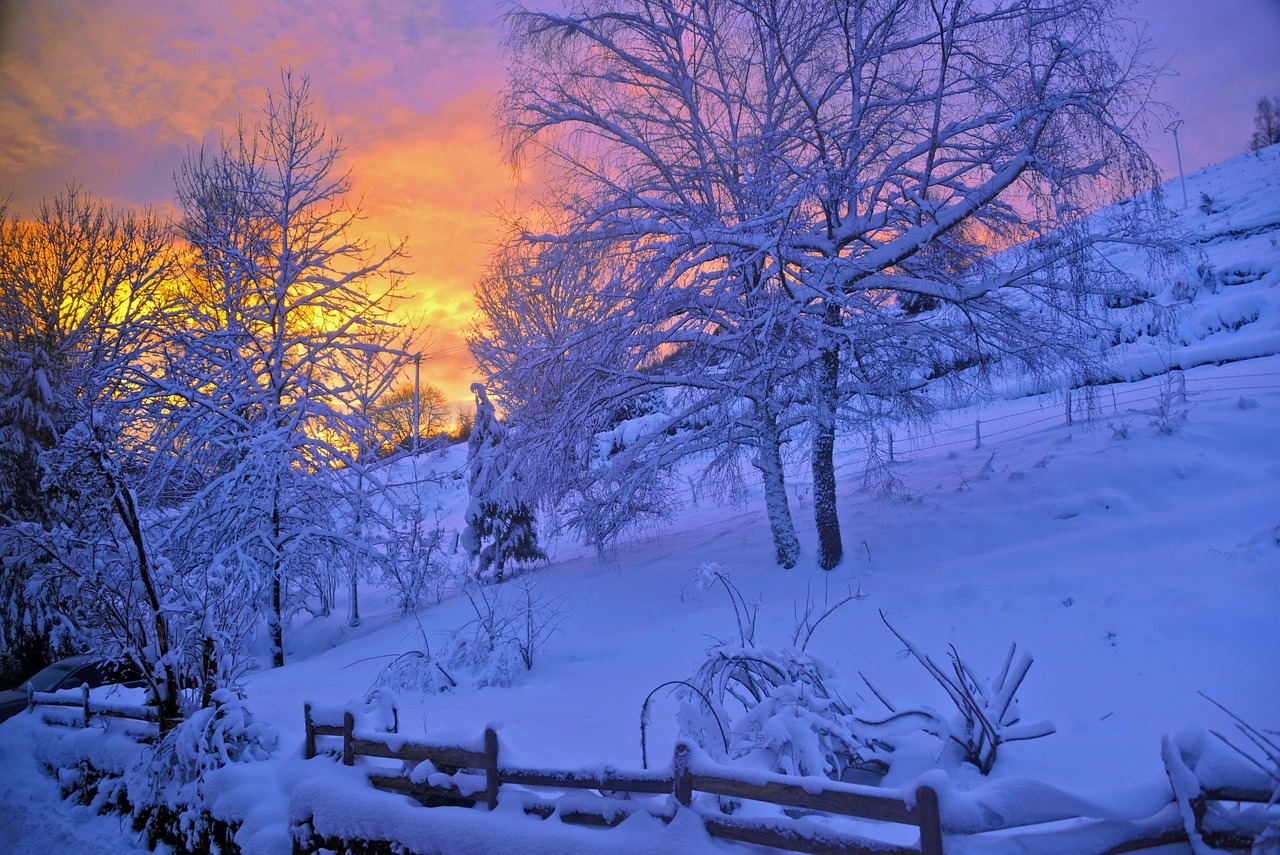
In summer, you’ll find families picnicking, paragliders circling above, and cows grazing in the meadows. In winter (when conditions allow), there’s modest skiing and snowshoeing.
11. Château du Haut-Koenigsbourg – Fortress in the Sky
Perched on a rocky outcrop, Haut-Koenigsbourg looks exactly like the kind of castle a child would draw – and that’s part of its appeal. Restored in the early 20th century, it offers commanding views across the Rhine to Germany and, on clear days, the Black Forest.
Arrive early; by 10:30am on summer days the parking fills. I like to combine a visit here with nearby villages like Saint-Hippolyte and Rodern for a full day.
12. Haguenau & the Vosges du Nord
North Alsace is less about wine and more about forest, sandstone rock formations, and ruined castles. Haguenau is the main town – not especially pretty, but a practical base – while the Vosges du Nord Regional Nature Park offers quiet hiking and cycling.
I love this area in late October and early November, when the beech forests turn copper and gold and the tourist crowds have thinned to almost nothing.
13. Wissembourg – Borderland Beauty
Right on the German border, Wissembourg feels slightly removed from the main tourist circuits. Half-timbered houses line a small river, and the abbey church is impressive. It’s an excellent stop if you’re linking Alsace with the Palatinate region of Germany.
14. Sélestat – Under-the-Radar Heritage
Sélestat sits on the plain, roughly between Strasbourg and Colmar. It’s often passed by, but its old town is handsome and much quieter than Colmar. It’s also a handy gateway to Haut-Koenigsbourg and the central wine route.
I like popping into the Bibliothèque Humaniste, which houses a remarkable collection of Renaissance manuscripts and early printed books.
15. Alsace Bossue – Rolling Countryside
West of the Vosges lies Alsace Bossue, a hilly, little-visited area of fields, hedgerows, and small villages. Tourism here is understated: farm stays, small rivers, local markets. In 2025 I spent two nights at a gîte on a working farm near Sarre-Union, feeding goats with the kids at sunrise and following hedgerow paths in the afternoons.
16. The Rhine Plain & Nature Reserves
Between the wine hills and the Rhine itself lies a flat, fertile plain. At first glance it can seem industrial and prosaic, but along the river you’ll find wetlands, nature reserves, and bike paths.
The Ried d’Alsace is criss-crossed by small canals and is home to storks, herons, and rich biodiversity. It’s a great area for families who enjoy easy cycling and nature walks.
17. Mulhouse – Industrial Heritage & Museums
In the far south, Mulhouse is Alsace’s industrial city. It’s not love-at-first-sight pretty like Colmar, but it has a strong cultural scene and some of the region’s best museums: the Cité de l’Automobile and the Cité du Train in particular.
I like Mulhouse for rainy days or when I’m craving a more urban, less touristy vibe. The food scene leans international, and prices are gentler than in the wine villages.
18. Sundgau – Quiet South & Fried Carp
The Sundgau, in the extreme south near the Swiss border, is a land of ponds, gentle hills, and traditional villages. It’s famed for its carpe frite (fried carp), served in rustic inns around the ponds.
On a 2022 bike tour, I spent a day pedaling from pond to pond, stopping for carp and crisp white wine, and rarely seeing another tourist. If you want to feel like you’ve slipped off the edge of the map, this is a good place.
Regional Cuisine & Where to Taste It in Alsace
Alsatian food is hearty, generous, and built to go with wine and cold weather. Even in summer, portions are big and flavors robust. Here are the essentials, and where I like to eat them.
Signature Dishes
- Tarte flambée (Flammekueche) – Thin dough with crème fraîche, onions, and bacon, cooked in a wood-fired oven. Try it in a traditional winstub in Strasbourg or Obernai.
- Choucroute garnie – Sauerkraut with various meats and sausages. Best in winter in Colmar or Kaysersberg.
- Baeckeoffe – Slow-baked casserole of potatoes and marinated meats. Order it on a cool, rainy day in a village inn.
- Coq au riesling – Chicken in a creamy white wine sauce; lighter than the reds of Burgundy.
- Munster cheese – Strong but subtle when ripe; try it in the Munster valley with caraway seeds and potatoes.
- Kougelhopf – Bundt-shaped brioche, often with raisins and almonds; breakfast staple in bakeries across the region.
Where to Eat: Winstubs, Farm-Stays & Markets
Winstubs are traditional wine bars serving classic dishes. Look for wood-paneled rooms, checkered tablecloths, and handwritten menus. In Strasbourg and Colmar, the most authentic ones book out in evenings – reserve.
Fermes-auberges in the Vosges serve simple menus based on their own products. In 2025, I had one of my best lunches at a ferme-auberge near Lac des Truites: thick slices of house-made ham, Munster, potatoes, and tartes aux myrtilles (blueberry tarts).
Markets are indispensable. My favorites:
- Strasbourg – Wednesday and Friday markets near Place Broglie, plus smaller neighborhood markets.
- Colmar Covered Market – Year-round, perfect for picnics and snacks.
- Village markets in Ribeauvillé, Kaysersberg, and Obernai – check local days, often midweek and Saturdays.
Wine & Tasting Etiquette
Alsace is white wine country: riesling, gewürztraminer, pinot gris, muscat, sylvaner, plus crémant d’Alsace sparkling. Tastings at family domaines are usually relaxed and often free if you buy a bottle or two.
- Call or email ahead wherever possible, especially for small producers.
- A polite greeting in French (even a simple “Bonjour, madame/monsieur”) goes a long way.
- Spitting is normal and not rude; ask where the crachoir is.
Evenings in Alsace
After dark, Alsace exhales. Day-trippers leave, shop shutters come down, and restaurant windows glow. In the villages, you’ll often hear only the faint clink of cutlery and the murmur of conversation.
Small-town squares: Obernai’s main square, Kaysersberg’s bridge area, and Ribeauvillé’s main street are all lovely at dusk. I like to grab a glass of crémant on a terrace and watch children chase each other around the fountain.
Harvest festivals: In September and early October, many villages host fêtes des vendanges with folk music, tastings, and parades. They’re convivial, not rowdy; families are very much welcome.
Local concerts: Church concerts, small jazz nights, and village fêtes are staples of the summer calendar. Look for posters on lampposts and notice boards; the best events are often minimally advertised online.
Sunset viewpoints: The hills above Eguisheim, the castle at Kaysersberg, and ridgeline pullouts on the Route des Crêtes offer wide horizons. Bring a light jacket – even in August, evenings can be cool up high.
Major Events & Festivals in Alsace 2026–2027
Dates can shift slightly each year; these are typical patterns for 2026–2027 (always confirm closer to travel):
- Strasbourg Christmas Market (late November–24 December 2026) – One of Europe’s oldest and biggest. In 2026, the city is planning expanded “quiet hours” and eco-initiatives to reduce waste.
- Colmar Christmas Markets – Multiple themed markets across town; family-friendly, with lots of local crafts.
- Fête des Vendanges (Harvest Festivals, Sept–Oct 2026) – In villages like Turckheim, Ribeauvillé, and Barr. Expect processions, traditional dress, and wine-themed fun.
- Musica Festival, Strasbourg (Sept–Oct 2026) – Contemporary music festival, drawing international artists.
- Foire aux Vins de Colmar (August 2026) – Wine fair and music festival combined; big-name concerts and plenty of tasting stands.
- SlowUp Alsace (early June 2027, likely) – A car-free day on parts of the wine route, dedicated to cycling, walking, and local food stands.
Getting Around Alsace & Practical Logistics
Car vs Train vs Bus
You can absolutely visit Alsace without a car if you base in Strasbourg or Colmar and focus on cities plus a few villages accessible by bus or organized tour. But for a multi-town trip with hidden corners, a car is extremely helpful.
- Trains: Fast and frequent between Strasbourg, Colmar, Sélestat, Mulhouse. Good for a city-to-city spine.
- Buses: Connect many wine villages, but often infrequent and sparse on weekends.
- Car rentals: Available at Strasbourg and Mulhouse airports and central train stations. I usually rent in Strasbourg on day two, to avoid driving in after dark.
Driving Distances
- Strasbourg – Colmar: ~75 km, about 50–60 minutes by car.
- Colmar – Kaysersberg: ~12 km, 15–20 minutes.
- Colmar – Eguisheim: ~7 km, 10–15 minutes.
- Colmar – Munster: ~20 km, 25–30 minutes.
- Strasbourg – Obernai: ~30 km, 30–35 minutes.
- Colmar – Lac Blanc: ~30–35 km, allow 45–60 minutes on winding roads.
Parking in Historic Centers
Most villages have peripheral parking lots and limit cars in the core. Follow signs for P and be ready to walk 5–10 minutes. In Strasbourg and Colmar, use underground car parks on the edges of the old town.
Day Trips & Nearby Highlights from Alsace
- Black Forest (Germany) – From Strasbourg or Colmar, you can be in the Schwarzwald in under an hour. Freiburg, Triberg (waterfalls), or the Kaiserstuhl wine area make easy day trips by car.
- Basel (Switzerland) – About 45 minutes by train from Mulhouse, Basel offers world-class museums and a cosmopolitan feel.
- Freiburg im Breisgau – Lovely university town in Germany, about an hour by car from Colmar.
- Europa-Park – One of Europe’s biggest theme parks, in Rust (Germany), about 40 minutes from Strasbourg by car; absolutely stellar for families.
Cultural Etiquette & Local Customs in Alsace
- Greetings: Always say “Bonjour” when entering shops, cafés, or restaurants; “Au revoir” when leaving.
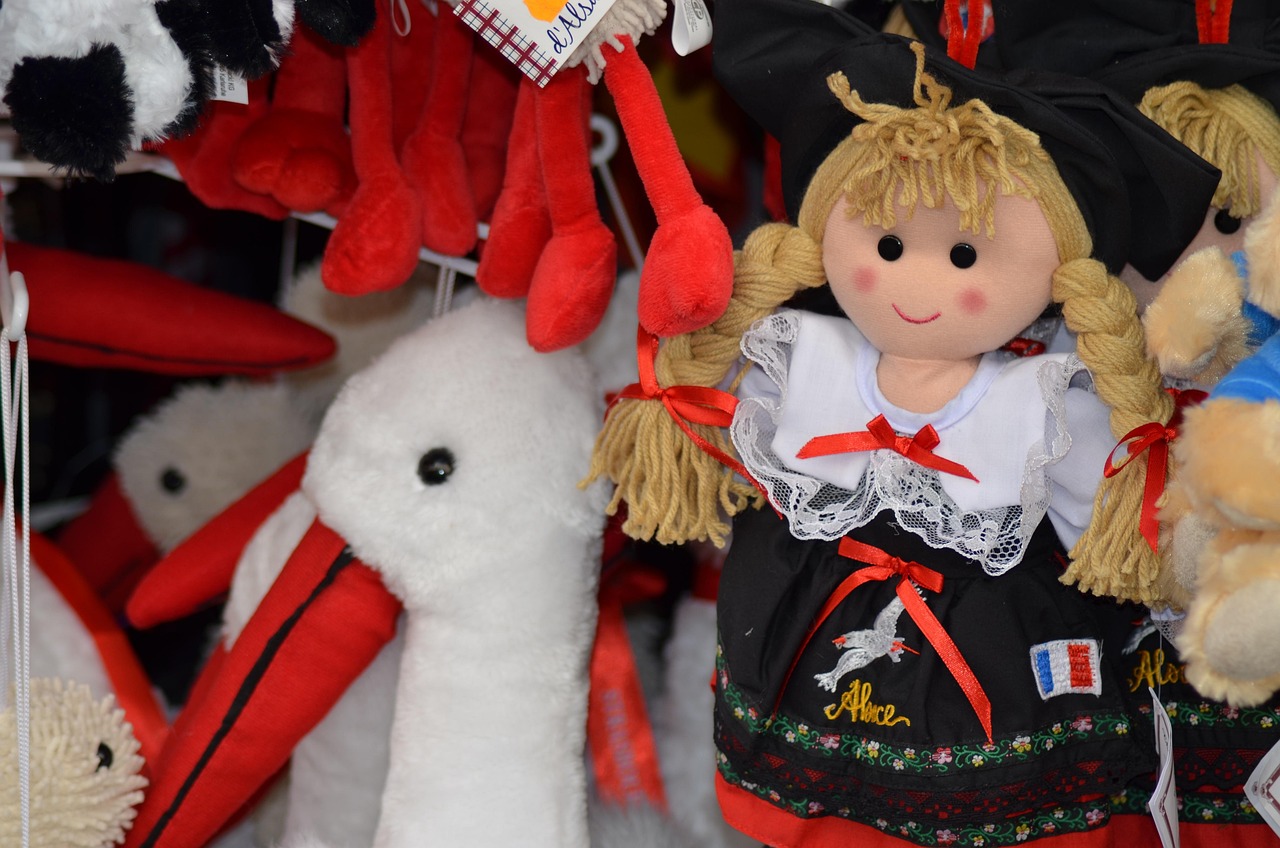
- Language: French is standard; many older locals speak Alsatian (a Germanic dialect). In tourist areas, English is widely understood; still, a few French phrases are appreciated.
- Restaurant timings: Lunch usually 12:00–14:00, dinner from 19:00. Many kitchens close outside these hours.
- Tastings & appointments: Treat small wineries like you would someone’s home – knock, greet, and don’t assume they can take you without notice in harvest season.
- Dress: Casual but neat is fine almost everywhere; smart-casual for nicer restaurants.
Money-Saving Tips, SIM Cards & Practical Travel Advice for Alsace
Saving Money Over a Multi-Day Trip
- Stay in apartments or gîtes for longer stays; shop at markets and cook some meals.
- Lunch big, dine light: Many restaurants offer good-value lunch menus; in the evening, share tarte flambée or a cheese plate with wine.
- Use regional passes (when available) for discounted train/bus travel.
- Avoid peak weekends (especially during Christmas markets) if you’re budget-conscious; midweek rates are lower.
SIM Cards & Connectivity
France is part of the EU roaming zone, so EU SIMs work normally. For visitors from outside the EU:
- Pick up a prepaid SIM from Orange, SFR, Bouygues, or Free at airports, big train stations, or malls.
- Coverage is excellent in towns and along main roads, decent in the Vosges (though some dead spots in deep valleys).
Visa & Driving Requirements
- Visas: France is in the Schengen area; many nationalities get 90 days visa-free. Check current rules for your passport.
- Driving licenses: Most non-EU licenses are accepted for short stays; some may require an International Driving Permit. Check before arrival and carry both your national license and IDP if needed.
- Speed limits & alcohol: Watch speed cameras; drink-driving laws are strict (and should be). If you plan to taste wine, use spittoons, rotate drivers, or book a tour.
Best Seasons for Different Activities in Alsace
- Spring (April–May): Vines leafing out, wildflowers in the Vosges, fewer crowds. Good for hiking and shoulder-season prices.
- Summer (June–August): Warm, sometimes hot on the plain; cooler in the mountains. Best for festivals, lakes, and long evenings. Most crowded in July–August.
- Autumn (September–October): My personal favorite: grape harvest, gold and red vines, harvest festivals, clear air. Ideal for a 4–7 day itinerary for Alsace focused on wine and scenery.
- Winter (late November–December): Christmas markets, mulled wine, and fairy lights. Weather can be gray, but the atmosphere makes up for it. January–February are quiet, with some skiing in the Vosges.
Summary & Final Recommendations
Alsace is a region to savor rather than rush. Even on a 4 day itinerary for Alsace, you can experience Strasbourg’s cathedral, Colmar’s canals, one or two storybook villages, and a taste of the Vosges. With 5, 6, or 7 days in Alsace, you can slow down: linger over wine tastings, hike between farmhouse inns, let children play in village squares while you sip a glass of sylvaner.
For first-timers in 2026, I suggest:
- Best bases without a car: Strasbourg and Colmar.
- Best bases with a car: Obernai or Kaysersberg (wine & villages), plus a night in the Munster valley or Vosges du Nord.
- Best season overall: Late September to mid-October, for vines, harvest, and soft light.
Come prepared to walk, to eat well, to taste patiently, and to say “Bonjour” and “Merci” often. Do that, and Alsace will unfold for you: not just as a string of pretty facades, but as a living, layered place that repays return visits – as it has for me, year after year.