Why Visit the Alsace Wine Route in 2026
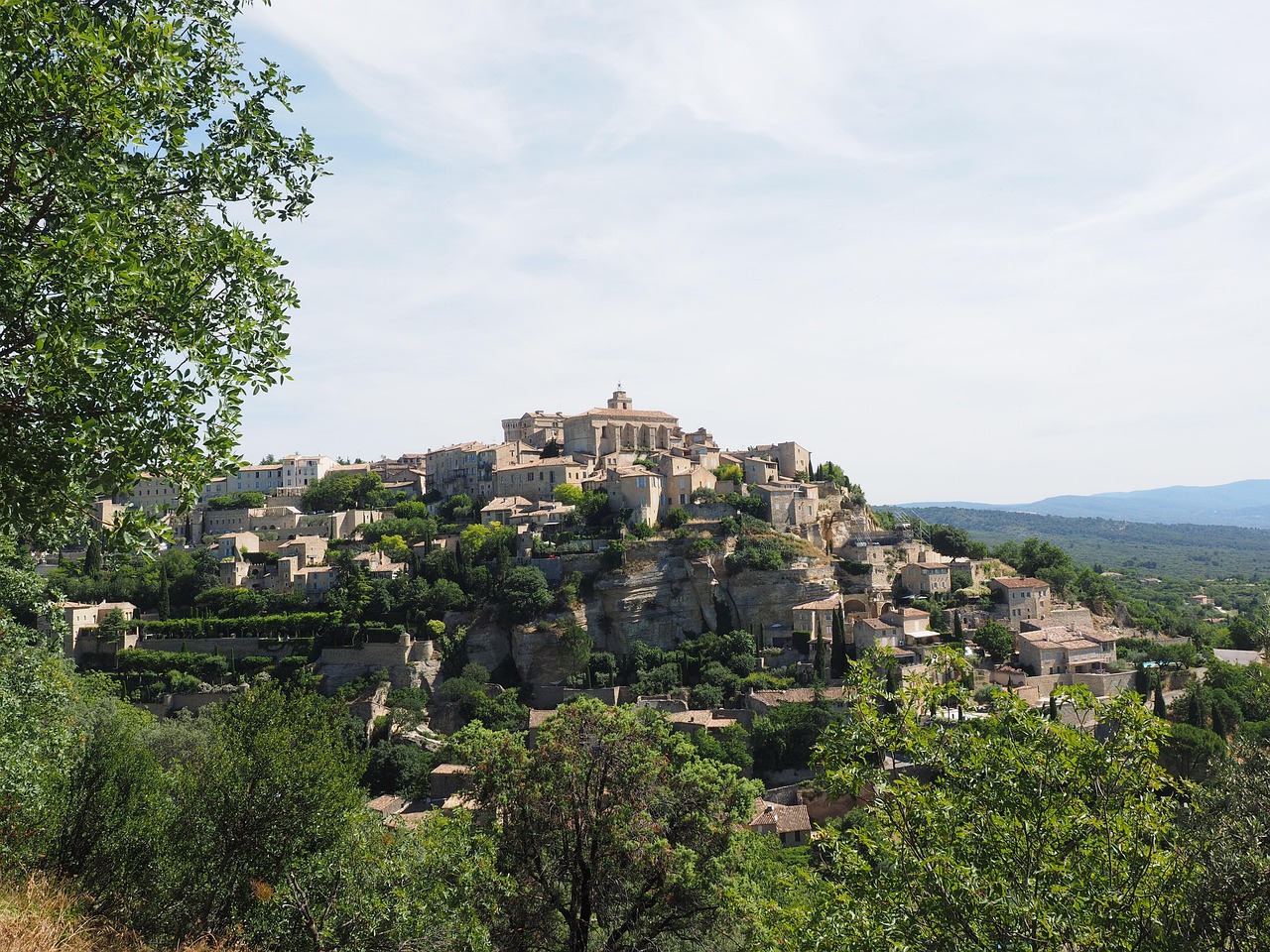
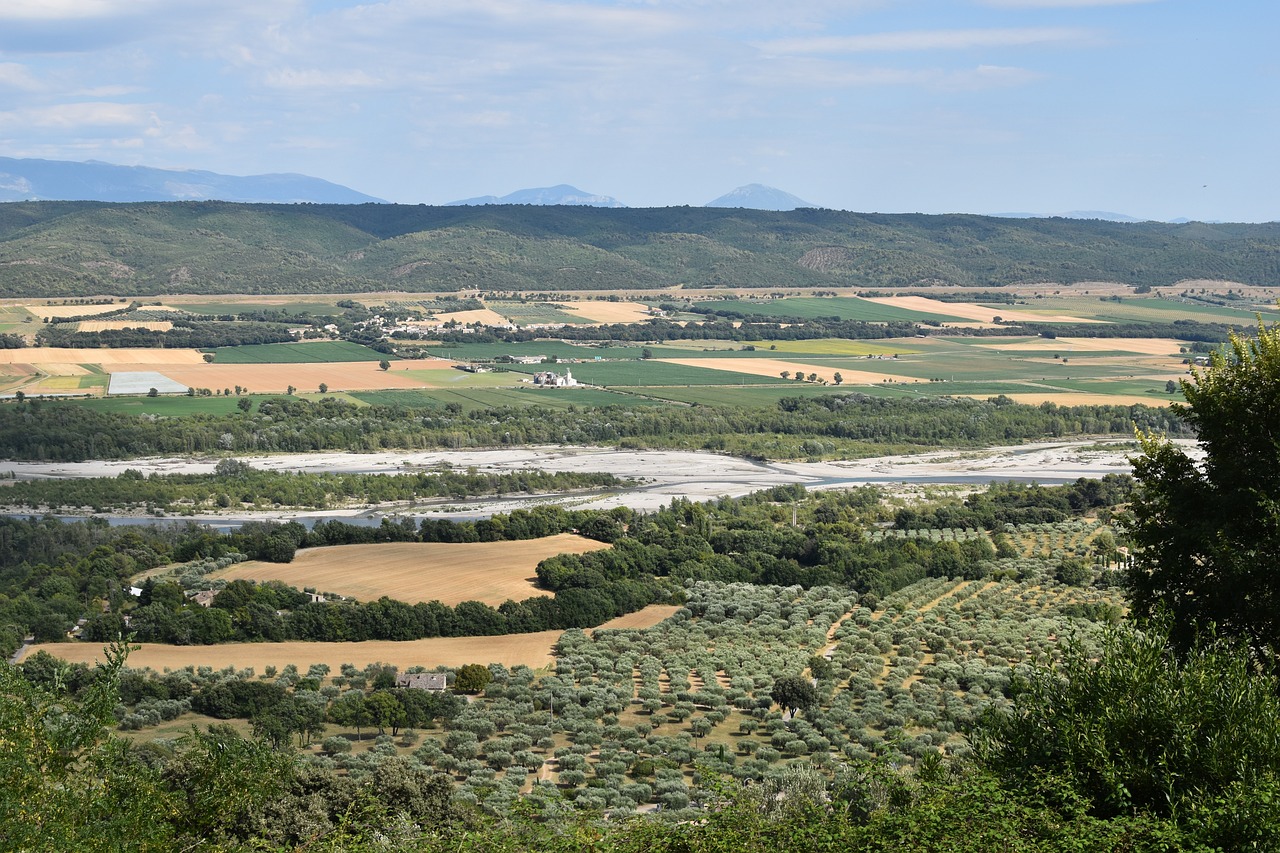
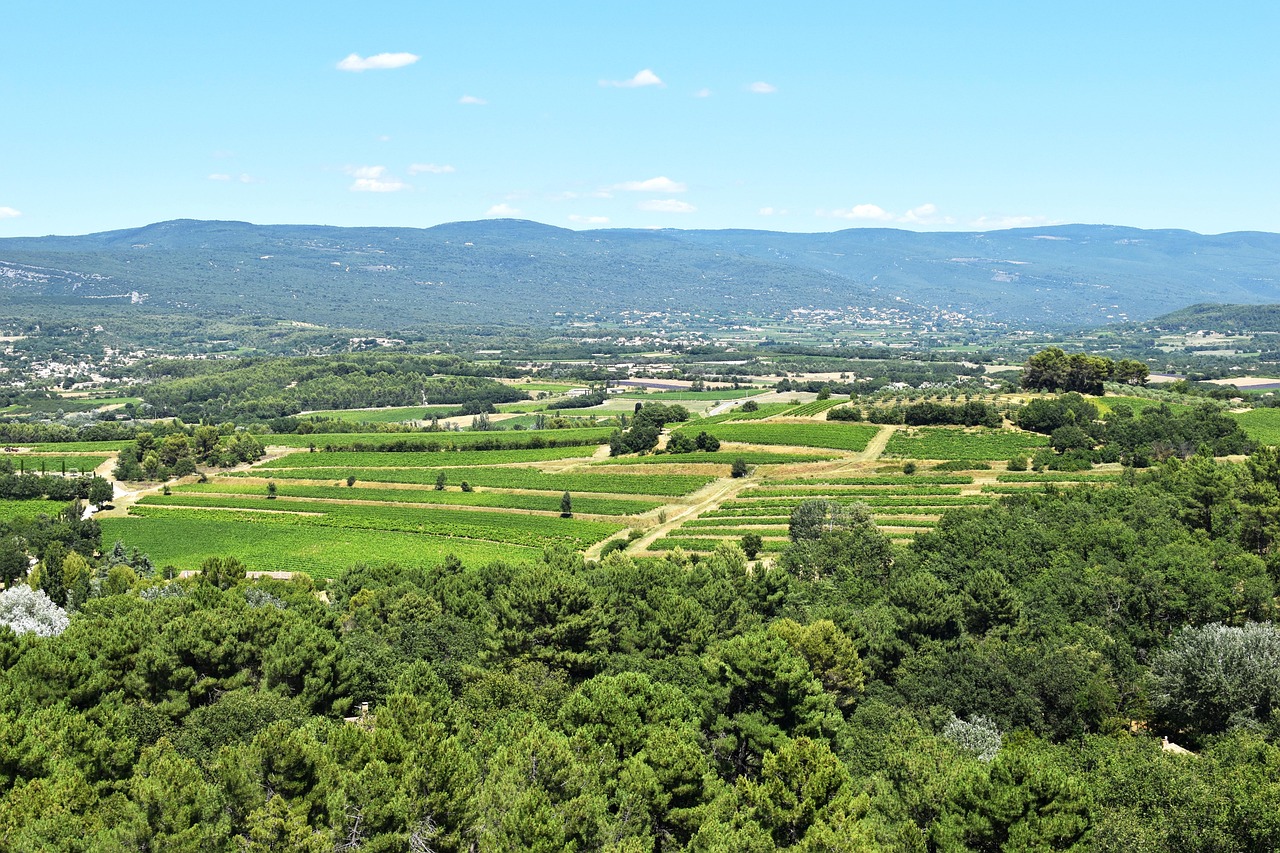
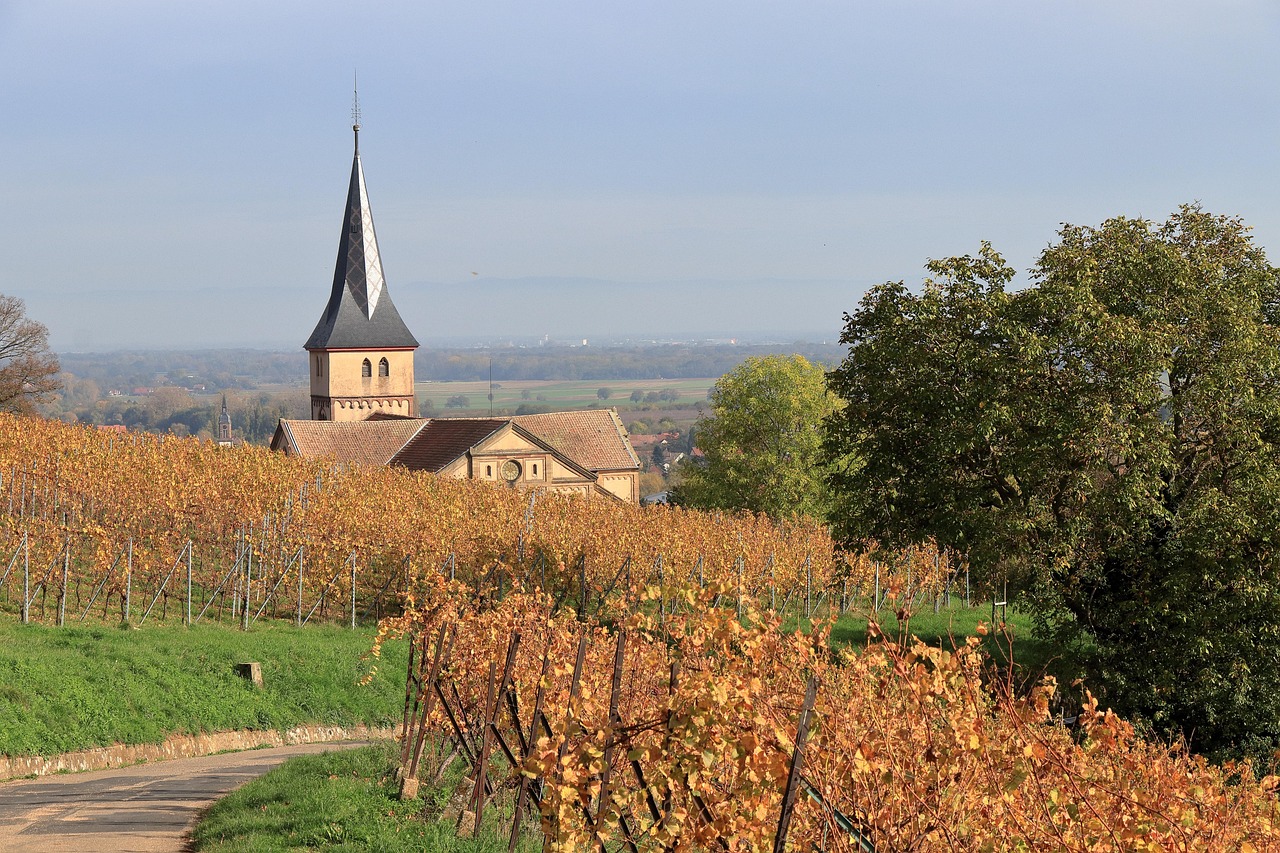
The Alsace Wine Route – or Route des Vins d’Alsace – is one of those rare drives where every bend in the road tempts you to stop. Half-timbered villages, medieval church spires, neat ribbons of vines climbing sun‑drenched slopes, and the Vosges mountains hovering to the west like a soft green wall. I’ve been coming here for over a decade, and in 2024 and 2025 I drove the full route three times, scouting the best stops, new wine bars, and small guesthouses ahead of this 2026 guide.
Stretching roughly 170 km from the northern gateway near Marlenheim (west of Strasbourg) down to Thann and Leimbach in the south, the Alsace Wine Route is ideal for a 7‑leg itinerary, but it also works beautifully as an 8, 9, 10, 11, 12, 13, or 14‑leg itinerary if you prefer to linger. This flexibility is why you’ll see so many references here to “7 legs of Alsace Wine Route” or “10 leg itinerary for Alsace Wine Route” – the road itself doesn’t change, but how you slice it absolutely changes your experience.
What makes the route special is not just the wine – though the Riesling, Gewurztraminer, and Pinot Gris are sensational – it’s the lived-in, local feeling. This is a place where you chat with winemakers still wearing muddy boots, where grandmas in aprons serve tarte flambée in village taverns, and where kids run around under chestnut trees while their parents sip a glass on a terrace at golden hour.
In 2026–2027, the route is also in a sweet spot: electric charging infrastructure has caught up to the road trip crowd, village centers are experimenting with car‑light zones that make wandering more pleasant, and several new cellar doors and small museums have opened. Yet outside of peak July–August and Christmas markets, you can still have entire viewpoints almost to yourself.
Table of Contents
- Overview: How to Drive the Alsace Wine Route
- Recommended Itinerary: 10 Legs of the Alsace Wine Route
- 18 Essential Stops & Viewpoints (Deep-Dive)
- Eating & Sleeping Along the Route
- Evenings on the Road in Alsace
- Day Trips & Nearby Attractions
- Cultural Etiquette & Local Customs
- Route-Specific Logistics & Practical Travel Advice
- Events & What’s New in 2026–2027
- Summary & Final Recommendations
Overview: How to Drive the Alsace Wine Route
The classic Alsace Wine Route runs north–south along the eastern foothills of the Vosges, parallel to the Rhine and the German border. The “official” start and end points are:
- North: Marlenheim (often called the “gateway” to the route)
- South: Thann / Leimbach
I strongly recommend driving north to south. The light is kinder on the vineyards in the afternoons, and the narrative of the road feels like it’s building toward the dramatic Vosges ridges and the wilder, less polished southern villages. This direction also means you can start with an urban dose of Strasbourg (if you fly in there) and then decompress gradually into the countryside.
You can, of course, adapt this to a 7 leg itinerary for Alsace Wine Route or stretch it to a full 14 legs of Alsace Wine Route. The distances themselves are short – often 30–60 km per day – but you’ll need time to walk, taste, photograph, and simply watch the light move over the vines.
Recommended Itinerary: 10 Legs of the Alsace Wine Route
Here is my preferred 10 leg itinerary for Alsace Wine Route, which balances famous postcard towns with quieter corners. You can condense this into a 7 leg itinerary or expand to 12–14 legs by adding extra nights in your favorite places.
- Leg 1 – Strasbourg to Marlenheim & Molsheim
- Leg 2 – Molsheim to Obernai & Barr
- Leg 3 – Mittelbergheim, Andlau & Itterswiller
- Leg 4 – Dambach-la-Ville, Châtenois & Sélestat
- Leg 5 – Ribeauvillé & Hunawihr
- Leg 6 – Riquewihr & Kaysersberg
- Leg 7 – Colmar & Eguisheim
- Leg 8 – Turckheim, Niedermorschwihr & Trois-Épis viewpoint
- Leg 9 – Rouffach, Guebwiller & Grand Cru slopes
- Leg 10 – Soultzmatt, Thann & the southern gate
Leg 1 – Strasbourg to Marlenheim & Molsheim (Gateway to the Route)
Whenever I drive the Alsace Wine Route, I like to start with a night in Strasbourg. In 2025, I stayed near the station, picked up my rental car at 9 a.m., and by 9:40 I was already rolling through fields of corn and wheat under that particular Alsatian sky – high, pale blue, with thin clouds like brushstrokes.
The first stretch to Marlenheim isn’t officially in the vineyards yet, but you feel the transition. The urban sprawl melts away, stork nests appear on chimneys, and the houses start to show half‑timbered facades with geraniums spilling from window boxes.
Marlenheim – First Taste of the Route
Marlenheim calls itself the “Porte Nord du Vignoble” – the northern gate of the vineyard. Historically a Roman settlement, it became a wine-trading town in the Middle Ages, and you still sense that mercantile past in the square, where old inns line the street like they’ve seen every traveler’s story.
On my last visit in spring 2025, I arrived mid-morning, parked just off the main square, and walked straight to the tourist information office. They handed me a free vineyard walking map that loops above the town, a great way to stretch your legs after the drive.
- Family-friendly: The short vineyard trail has educational panels about grape varieties; kids love spotting storks in early summer.
- Romantic: There’s a bench halfway up the loop with a sweeping view over the plain; I’ve seen more than one proposal there.
- Adventurous: Cyclists can tackle the gentle climb into the first hills – just be ready for occasional tractor traffic.
Where to eat: I usually stop for a light lunch at a winstub just off the main road – order a tarte flambée classique and a glass of local Pinot Blanc. It’s early in the route; don’t overdo it with tastings yet.
Molsheim – Quiet Charms & Bugatti Heritage
From Marlenheim, the road dips and rises gently toward Molsheim, a modest but endearing town famous both for its wine and as the historic home of Bugatti. I like Molsheim as an overnight on this leg – it’s big enough for choice, small enough to feel like you’re already far from city life.
The medieval core encircles a central square where, on market days, stalls crowd around the fountain. In 2024, I wandered into the Bugatti Foundation almost by accident and spent an hour with a volunteer guide who spoke of Ettore Bugatti like a beloved eccentric uncle.
Things to do in Molsheim:
- Stroll the old town ramparts and the Metzig, the ornate former butchers’ guild hall.
- Visit a small family winery on the outskirts; several offer tastings by appointment – the tourist office keeps an updated list.
- In summer, catch small open-air concerts in the square; in 2025 I listened to a local jazz trio as the sky turned apricot behind the church spire.
Overnight tip: I favor the small B&B just off the center with vine-covered balconies. Ask for a room facing the garden – tractors sometimes pass early on the main street.
Leg 2 – Molsheim to Obernai & Barr
This is the leg where you start to feel properly embedded in vineyard country. The road wriggles between rows of vines, and each village seems more photogenic than the last. I like to leave Molsheim around 9 a.m., catch the morning light on the slopes, and aim for a leisurely lunch in Obernai.
Obernai – A Picture-Book Town That’s Worth the Hype
Obernai is one of the best places to visit in Alsace Wine Route and a staple in any travel guide for Alsace Wine Route. Enclosed by 13th-century ramparts, its half-timbered houses lean over cobbled lanes, and the central square is framed by an elegant belfry, the town hall, and café terraces.
On my November 2025 visit, Obernai’s autumn market was in full swing. I bought fresh walnuts, a wedge of Munster cheese, and a still-warm kougelhopf – the iconic Alsatian brioche baked in a turban-shaped mold. I sat on the edge of the fountain, watching locals greet each other in a mix of French and Alsatian dialect.
Must-see attractions in Obernai:
- The Place du Marché – sit at a terrace, order a coffee or glass of Sylvaner, and just people-watch.
- The ramparts walk – a short stroll around the walls gives unexpected viewpoints over tiled roofs and distant vines.
- The St. Odile fountain – named after Alsace’s patron saint; locals still pause to touch the stone for luck.
Family-friendly: The tourist train that trundles around Obernai is delightfully kitschy and a hit with kids. It’s also handy for tired legs after lunch.
Romantic: Book a table in one of the candlelit cellar restaurants – I still remember a dinner here where time blurred into the glow of Riesling and the creak of old beams overhead.
Barr – Wine Town with a Working Soul
Leaving Obernai, the road cuts through sloping vineyards to Barr, a town that feels less curated and more lived in. This is where I like to introduce friends to the everyday rhythm of Alsace: kids on bikes, old men playing cards in a café, and winemakers unloading crates at cellar doors.
Barr has a long history as a wine capital; records of vineyards here date back to at least the 8th century. In 2025, I rented a bike and followed a signed loop through the coteaux de Barr – gentle hills with views straight toward the Black Forest in Germany on a clear day.
Things to do in Barr:
- Visit the Musée de la Folie Marco, a museum housed in a handsome 18th-century mansion with a wine-merchant history.
- Walk or cycle the vineyard trails just above town – ideal for golden-hour photography.
- Drop into one of the wine cooperatives for a low-pressure tasting; many welcome walk-ins.
Overnight tip: If you prefer a quieter base than Obernai, Barr makes a good night stop on a 9 leg itinerary for Alsace Wine Route. I once spent a rainy October evening here, holed up in a small inn, listening to the rain on the shutters and sharing a bottle of Pinot Noir with the owner as she told stories about harvests in the 1980s.
Leg 3 – Mittelbergheim, Andlau & Itterswiller
This leg is short in distance but dense in character and flavor. These are places where wine isn’t just an industry; it’s a language. If you’re building a 7 legs of Alsace Wine Route itinerary, you might be tempted to rush through, but resist that urge. This is a day to slow down and talk to winemakers.
Mittelbergheim – Stone Houses & Serious Riesling
Mittelbergheim is often listed among “Les Plus Beaux Villages de France,” and in this case the label feels deserved. Unlike the more flamboyant half-timbered towns, Mittelbergheim is built largely in pale sandstone, giving it a quiet, almost monastic elegance.
I first discovered Mittelbergheim in 2016 on a rainy spring day. I ducked into a small cave signed only with the family name and a simple “Dégustation.” The winemaker, an older man with work-roughened hands, poured me a series of Rieslings that tasted like wet stone and lemon peel. I’ve been returning ever since.
Why it’s special:
- Home to the Grand Cru Zotzenberg, famed for complex, age-worthy Sylvaner.
- A compact village with no bad angles for photographers – narrow lanes, carved door lintels, stone courtyards.
- A serious wine culture that’s welcoming but not showy.
Tip: Call or email ahead if there’s a particular domaine you want to visit; many are small family operations and may be in the vines during harvest (September–October).
Andlau – Vines, Forest, and a Sense of Depth
Andlau straddles a small river and seems to lean up against the Vosges themselves. Vineyards climb to the forest edge, and castles perch on nearby hills. Historically, Andlau grew around a Benedictine abbey for noblewomen, and that sense of quiet wealth still lingers in its carved doorways and sculpted fountains.
In 2024, I stayed two nights in Andlau, using it as a base for both wine and short hikes. The hike to Château d’Andlau is a family-friendly adventure – about an hour’s walk through beech forest, with mossy boulders and occasional glimpses down into the valley.
Things to do in Andlau:
- Visit the Romanesque church with its intricate sculpted capitals.
- Walk or drive to the Grand Cru vineyards Kastelberg and Wiebelsberg – steep, sunlit slopes that produce some of Alsace’s finest Riesling.
- Have dinner in a winstub that locals favor; the game dishes in autumn are superb.
Itterswiller – Flower-Lined Ridge with Panoramic Views
Itterswiller is little more than a single main street, but what a street. Perched on a ridge with vines dropping away on both sides, it’s one of my favorite signature viewpoints along the Alsace Wine Route. The houses compete in flower displays – geraniums, petunias, roses spilling from every balcony.
I tend to arrive here late afternoon. In 2025, I parked at the edge of the village and walked up to a small roadside viewpoint cross. The light washed the vineyards in gold, and I could trace the line of the route north and south like a promise.
Tip: Many visitors just snap a photo and rush on. Don’t. Settle into a terrace, order a glass of Muscat and a slice of fruit tart, and give yourself time to really look. On a clear day you can often see the Black Forest in Germany and sometimes even the Swiss Alps as a faint silhouette.
Leg 4 – Dambach-la-Ville, Châtenois & Sélestat
This leg feels like a gentle transition from the quietly serious wine villages into the more touristed core of the Alsace Wine Route. It’s a perfect stretch for a 12 leg itinerary for Alsace Wine Route, giving you time to explore side lanes and viewpoints between towns.
Dambach-la-Ville – Walled Village in the Vines
Dambach-la-Ville is encircled by pink sandstone walls and gates, giving it a slightly fortified, self-contained feel. Inside, the streets twist in on themselves, lined with colourful half-timbered houses and small courtyards.
On a hot June day in 2024, I walked the ramparts path, ducking into the shade of towers, then cutting up into the vineyards just beyond the walls. The transition from village to vines is almost instantaneous.
Highlights:
- Climbing one of the city gates for views back over the rooftops.
- Sampling Riesling and Pinot Gris from local producers, many of whom have been here for generations.
- Walking the vineyard circuit signposted from the village – a good 1–2 hour family walk.
Châtenois – Gateway to the Vosges Castles
Châtenois itself is a modest village, but its location makes it a natural base if you’re combining the wine route with a detour to the Château du Haut-Koenigsbourg, one of the area’s most spectacular castles (we’ll talk more about this in the day-trip section).
In 2023 and again in 2025, I used Châtenois as a lunch stop – there’s a simple restaurant on the main road that serves generous plates of choucroute garnie (sauerkraut with assorted meats), ideal on cooler days.
Sélestat – Under-the-Radar Town with Rich Heritage
Sélestat sits slightly off the main vineyard strip but is well worth the small detour. Historically a major humanist and intellectual center, it has a beautiful Romanesque and Gothic church, the Bibliothèque Humaniste with rare manuscripts, and a more local, less touristy atmosphere than Colmar or Riquewihr.
On a drizzly afternoon in 2024, I spent several hours in the Bibliothèque Humaniste, then emerged to find the streets glistening and the cafés full of locals. It reminded me that Alsace isn’t just about wine; it’s also about ideas, books, and centuries of cultural layering.
Leg 5 – Ribeauvillé & Hunawihr
Now we enter the heart of the postcard Alsace – places that appear on calendars and Instagram feeds the world over. Yet if you time your visits well, you can still find quiet corners.
Ribeauvillé – Medieval Lanes & Three Castles
Ribeauvillé stretches along a valley, with its main street unfurling past inns, wine bars, and speciality shops. Three ruined castles perch on the slopes above, watching like stone sentinels.
In September 2025, I arrived early on a Sunday for the Pfifferdaj – the Minstrels’ Festival – one of the oldest festivals in Alsace. Musicians and costumed groups paraded through town, and the smell of grilled sausages and bredalas (Alsatian biscuits) filled the air.
Things to do in Ribeauvillé:
- Follow the castle trail up to at least one of the three ruins – Saint-Ulrich, Girsberg, or Haut-Ribeaupierre – for dramatic views over the vines.
- Sample local Riesling and Muscat in a wine bar – look for places where locals are chatting at the counter.
- Photograph the timbered facades in the side lanes off the main street, which are often quieter.
Family-friendly: The castle hikes are great mini-adventures; just bring decent shoes and water, especially in summer.
Hunawihr – Church on the Hill & Storks
Hunawihr is a tiny village dominated by its fortified church on a hill, ringed by vineyards. The scene is almost impossibly picturesque, especially in late afternoon when the light catches the stone walls.
I like to park below the church and walk up through the graves – many inscribed with winegrowers’ names – to the viewpoint at the back. From there, the sweep of vines down to the village and across to the Vosges is one of my favorite signature viewpoints on the route.
Family attraction: Just below the village is a stork reintroduction center and nature park. It’s a small, easy visit where kids can see storks, otters, and local aquatic species. In spring, when the storks are nesting, it’s magical.
Leg 6 – Riquewihr & Kaysersberg
Even if you’ve never heard of the Alsace Wine Route, you’ve probably seen photos of Riquewihr and Kaysersberg. These are the darlings of the region – and also where the gap between peak-season crowds and off-season quiet is most dramatic.
Riquewihr – The Fairytale Village
Riquewihr is a small walled town entirely surrounded by vineyards. Within the walls, narrow streets are lined with vividly painted half-timbered houses, signboards swing over shopfronts, and cobblestones test your ankles.
I’ve visited Riquewihr in every season over the years. In August, it can be heaving by midday, but in January 2025 I walked the main street at 8 a.m. and saw only a cat and a baker rolling crates of kougelhopf from his van.
How to enjoy Riquewihr:
- Arrive early or late. For any 8 leg itinerary for Alsace Wine Route that includes Riquewihr, I suggest either an early-morning visit or an overnight stay to enjoy the golden hour when the day-trippers leave.
- Climb the ramparts for vine views; the contrast between stone walls and green rows is striking.
- Step just outside the walls into the vineyard paths – you’ll be almost alone within minutes.
Wine note: Several famous domaines have tasting rooms here, but the most memorable experiences I’ve had were in smaller, family-run cellars down side alleys. Look for handwritten signs and ringing laughter from within.
Kaysersberg – River, Castle, and Storybook Streets
Kaysersberg sits in a narrow valley threaded by a small river, crossed by an arched stone bridge. A ruined castle tops the hill above, and the main street is a succession of ornate facades, sculpted oriels, and carved doors.
In December 2024, I came specifically for the Christmas market. Snow dusted the rooftops, and the smell of mulled wine and cinnamon drifted down every lane. It was crowded, but the atmosphere felt genuine, more local than some of the more commercial markets.
Must-do in Kaysersberg:
- Climb the castle tower – especially at sunset. The view over the town and vineyards is one of the best on the route.
- Walk the riverbank and explore side streets; there are small galleries and artisan workshops tucked away from the main drag.
- Seek out local food in Alsace Wine Route style: try baeckeoffe, a slow-cooked meat and potato casserole, in a cozy restaurant.
Romantic: Kaysersberg in the evening, after the tour buses have gone, is pure magic. Streetlights reflect in the river, and the castle looms above like something from a medieval dream. It’s my favorite town to spend a night in on any 10 legs of Alsace Wine Route plan.
Leg 7 – Colmar & Eguisheim
This leg marries urban pleasures with village charm. It’s also where many travelers join or leave the route, since Colmar is a major rail hub.
Colmar – Art, Canals, and Café Life
Colmar is not technically on the vineyard strip, but it’s the cultural and logistical heart of the region. With its canals, museums, and dense old town, it deserves at least a day in any travel guide for Alsace Wine Route.
In May 2025, I spent three nights in Colmar to revisit old favorites and explore new spots. I started each day with a walk through the covered market along the canal, grabbing a coffee and a slice of fruit tart, then watched the city wake up from a bench in Little Venice.
Things to do in Colmar:
- Visit the Unterlinden Museum, home of the Isenheim Altarpiece – intense, moving, and absolutely worth the time.
- Wander the old town, especially early morning or after dark when the crowds thin.
- Enjoy a mix of Alsatian and contemporary cuisine – Colmar has some of the region’s most interesting restaurants, from traditional winstubs to modern bistros.
Family-friendly: The small canal boat rides in Little Venice are a charming way to entertain kids and rest tired parents’ feet.
Eguisheim – Concentric Circles of Charm
Eguisheim is built in concentric circles around a central square, so wandering here feels like walking through a spiral of color and timber. Flower boxes overflow, cats sun themselves on stoops, and every turn seems like a ready-made postcard.
I often recommend Eguisheim as an overnight for those doing a 7 leg itinerary for Alsace Wine Route who want one town that “has it all” – charm, vineyard access, and enough restaurants to fill an evening without feeling overwhelmed.
Highlights:
- Walk the outer ring street for the best house facades and fewer crowds.
- Climb gently into the vineyards above town for sunset; the view back over the red roofs is gorgeous.
- Visit one or two family domaines – Eguisheim is particularly strong in Pinot Gris and Gewurztraminer.
Leg 8 – Turckheim, Niedermorschwihr & Trois-Épis Viewpoint
This leg climbs slightly into the foothills, giving you new perspectives on the vineyards and plains. It’s less about big-name sights and more about shifting light, forest edges, and winding roads.
Turckheim – Night Watchman and Village Calm
Turckheim is a small walled village with a distinctive charm. At night in summer, a traditional night watchman in historical costume leads a guided walk through the streets, carrying a lantern and singing the old calls. It sounds touristy, but it’s also genuinely rooted in local history.
In July 2024, I joined the watchman’s walk almost on a whim. The group included families, couples, and a few solo travelers like me. As we moved through the dark lanes, the watchman told stories of fires, wars, and vintages past. Kids were rapt; so was I.
Niedermorschwihr – Steep Roofs and Steeper Vines
Niedermorschwihr is a tiny village pressed against a steep hillside of vines. A distinctive twisted church spire marks the skyline, and the streets feel almost vertical in places.
I like to park on the edge of the village and walk up into the vines for a picnic. In October 2025, I did just that with a bag of bread, cheese, and apples from Colmar. The harvest was wrapping up; you could hear laughter and clinking tools drifting from the rows.
Trois-Épis – Viewpoint over the Plain
Trois-Épis is a small pilgrimage site higher in the Vosges, but the main reason I send people up here is the viewpoint. On a clear day, you can see the entire Rhine plain laid out, with the vineyard belt stitched between forest and river.
Driving note: The road up is twisty but paved and fine for regular cars, motorcycles, and even small RVs. It’s a lovely detour in a 9 legs of Alsace Wine Route plan if you want more varied landscapes.
Leg 9 – Rouffach, Guebwiller & Grand Cru Slopes
As you head south from Colmar’s orbit, the mood shifts slightly. The villages feel a touch sleepier, the slopes steeper, and the wines often a bit more powerful. This is excellent territory for those who already adore Alsace wines and want to go deeper.
Rouffach – Sunlit Squares and Quiet Streets
Rouffach has a broad central square overlooked by a distinctive yellow-sandstone church. The town has Roman roots and a long wine-trading history, but today it feels like a place where life moves at a measured pace.
On a warm May afternoon in 2024, I sat at a café terrace here with a glass of local Pinot Noir, watching workers from the nearby vineyards drift in for an after-lunch coffee. There were no tour groups, no souvenir shops – just everyday life.
Guebwiller – On the Edge of the Vosges
Guebwiller sits where the plain begins to buckle up into the Vosges. It’s a slightly larger town with an industrial past, but the real draw for wine lovers lies in the surrounding slopes, home to several Grand Cru vineyards like Kitterlé, Kessler, and Saering.
I’ve had some of my most memorable tastings near Guebwiller. In 2025, a winemaker poured a vertical of Rieslings from Kitterlé: same slope, different vintages. Tasting them side by side, I could feel the weather of each year in the glass – more rain here, more sun there.
Adventurous: Hikers and trail runners will find marked paths that snake through the vines and into the forest beyond. It’s easy to combine a morning hike with an afternoon tasting – just remember to hydrate and eat well.
Leg 10 – Soultzmatt, Thann & the Southern Gate
The final leg of the classic route feels like a soft landing. The crowds thin, the road undulates gently, and you’re left with a sense of having threaded an entire region together.
Soultzmatt – Valley of Springs and Vines
Soultzmatt sits in the Vallée Noble, once home to several noble families and now dotted with both vines and mineral springs. Bottled water plants line the lower valley, while above, vineyards creep up toward forested ridges.
I’ve often stopped here for a picnic in the small park by the river, enjoying the mix of grapevines and water – a nice symbolic pairing at the tail end of a wine-focused trip.
Thann – Southern Gateway and Grand Cru Rangen
Thann marks the southern end of the Route des Vins d’Alsace and is dominated by the dramatic Grand Cru Rangen vineyard, one of the steepest and southernmost in Alsace. The vines here cling to dark volcanic rock, and the wines – particularly Riesling and Pinot Gris – can be intense, smoky, and deeply mineral.
On a bright October morning in 2023, I parked in Thann, crossed the river, and climbed partway into the Rangen vines. The angle of the slope is almost shocking; workers must be part mountaineer. The view from even halfway up takes in the whole town, the towers of the church, and the patchwork of fields beyond.
End-of-route ritual: I like to end my Alsace Wine Route journey with a tasting of Rangen wines in Thann, then a slow stroll through the town’s old quarter. It feels like a fittingly reflective close – strong, characterful, and a little wild compared to the gentler northern slopes.
18 Essential Stops & Viewpoints on the Alsace Wine Route
Across the 10 legs above, there are more than 18 key stops, but these are the ones I’d call the must-see attractions in Alsace Wine Route – the backbone of any 7, 8, 9, 10, 11, 12, 13, or 14 leg itinerary.
- Marlenheim
- Molsheim
- Obernai
- Barr
- Mittelbergheim
- Andlau
- Itterswiller
- Dambach-la-Ville
- Sélestat
- Ribeauvillé
- Hunawihr
- Riquewihr
- Kaysersberg
- Colmar
- Eguisheim
- Turckheim
- Guebwiller
- Thann (and Grand Cru Rangen)
Each sub-section above already weaves in history, significance, and personal anecdotes for these. The joy of this route is that every one of these stops can sustain a full day if you take time to walk, taste, and talk.
Eating & Sleeping Along the Alsace Wine Route
One of the pleasures of planning an Alsace Wine Route road trip itinerary is how easy it is to eat and sleep well at almost every leg. Here’s how I approach it after multiple trips.
Food: What to Eat and Where
Local food in Alsace Wine Route villages tends to be hearty, comforting, and perfectly matched to the wines. Look for:
- Tarte flambée (flammekueche): ultra-thin dough topped with cream, onions, and lardons, baked in a wood oven. Ideal road-trip food; share one as a snack or two as a meal.
- Choucroute garnie: sauerkraut with various sausages and cured meats. Best on cool days or winter evenings.
- Baeckeoffe: slow-baked casserole of meats, potatoes, and onions, marinated in white wine.
- Munster cheese: pungent soft cheese from the nearby Vosges; try it with cumin seeds and a glass of Gewurztraminer.
- Bretzels and kougelhopf: perfect snacks to keep in the car.
You’ll find everything from simple winstubs (wine taverns) to Michelin-starred restaurants, especially around Colmar, Kaysersberg, and Obernai.
Sleeping: Inns, B&Bs, and Small Hotels
Along the route, my favorite stays are:
- Family-run B&Bs in villages like Mittelbergheim, Andlau, Eguisheim, and Turckheim – often with homemade breakfast and insider tips.
- Village inns right on the main squares – ideal if you like to wander out after dinner.
- Farm stays and vineyard guest rooms – waking up among the vines is a quiet thrill.
Budget tips:
- Shoulder seasons (April–early June, late September–November outside of Christmas markets) offer better rates.
- In a 10 or 11 leg itinerary for Alsace Wine Route, mix pricier “treat” nights (e.g., Kaysersberg, Colmar) with simpler village stays.
- Ask directly for multi-night or weekday discounts in small properties; many owners are flexible.
Fuel, Snacks & When to Push On
Fuel stations are easy to find near larger towns (Molsheim, Obernai, Sélestat, Colmar, Rouffach, Guebwiller, Thann). I usually:
- Top up when the tank drops below half, especially on Sundays when some rural stations may be closed or card-only.
- Keep a small box in the trunk with water, fruit, nuts, and pastries from morning markets – perfect when you’re lost in vines and don’t want to detour for lunch.
- Plan overnights in places with multiple dinner options (Obernai, Ribeauvillé, Kaysersberg, Colmar, Eguisheim) and treat quieter villages as lunch or afternoon stops.
Evenings on the Road in Alsace
Evenings are when the Alsace Wine Route really seeps into your memory: the warm light on timber frames, the clink of glasses in a courtyard, the cool air drifting down from the Vosges.
Small-town main streets after dark: In places like Ribeauvillé, Riquewihr, Kaysersberg, and Eguisheim, the façades are softly lit, and you can stroll hand in hand or with kids racing ahead, peeking into courtyards and listening to distant laughter from wine bars.
Route-side bars & live music: Larger towns such as Colmar, Obernai, and Sélestat occasionally host live music in bars or on squares in summer – keep an eye on local posters or ask at your guesthouse.
Star-camping spots: While wild camping is restricted, there are official campsites near several villages, often just outside the built-up area. On a clear summer night, lying back to watch the stars over the dark line of the Vosges is a lovely counterbalance to the bustle of daytime tasting rooms.
Where to linger vs. blow through:
- Worth pausing for a proper night: Obernai, Ribeauvillé, Kaysersberg, Colmar, Eguisheim, Turckheim.
- Better as day stops: Hunawihr, Itterswiller, Dambach-la-Ville, Niedermorschwihr (charming, but very quiet after dinner).
Day Trips & Nearby Attractions from the Alsace Wine Route
Even with a focused Alsace Wine Route road trip itinerary, it’s worth building in a couple of side excursions.
Château du Haut-Koenigsbourg
A beautifully reconstructed medieval castle perched high above the plain, with sweeping views and richly decorated interiors. Best combined with Leg 4 (Châtenois / Sélestat).
- Getting there: Well-signed roads from Châtenois or Sélestat; parking at the top.
- Tip: Arrive early to avoid coach crowds; combine with a picnic at a viewpoint.
Strasbourg
Cathedral, canals, European institutions – Strasbourg makes a perfect prologue or epilogue to the route. Park once and explore on foot or tram.
Vosges Mountain Lakes & Hikes
From Guebwiller, Thann, or even Kaysersberg, you can drive into the higher Vosges for cooler air and mountain lakes like Lac Blanc or Lac de Kruth-Wildenstein. Great for families who need a day off from villages and vineyards.
Cultural Etiquette & Local Customs
Alsace is distinctly itself – French, but with Germanic influences and a strong regional identity.
- Greetings: Always start interactions with a polite “Bonjour, Madame/Monsieur” before launching into questions.
- Tastings: Even when free, treat them seriously. Don’t rush, don’t get drunk, and buy at least a bottle if you’ve enjoyed the experience.
- Language: Basic French phrases go a long way, though many in tourism speak English or German.
- Sunday quiet: Many shops close; villages feel more tranquil. Plan accordingly.
- Respect the vines: Stick to marked paths, don’t pick grapes, and keep dogs leashed.
Route-Specific Logistics & Practical Travel Advice
Best Direction & Daily Distances
I recommend driving north to south from Marlenheim to Thann. For most travelers:
- 7 leg itinerary: 20–40 km per day, grouping multiple villages per leg.
- 10 leg itinerary: 15–30 km per day, more leisurely, ideal for deeper tastings.
- 14 leg itinerary: Maximal dawdling; great if you love slow travel and long stays.
Vehicle Suitability
- Regular car: Perfect; all main routes are paved and in good condition.
- Motorcycle: Glorious in late spring and early autumn; watch for tractors and cyclists.
- RV/Campervan: Manageable, but village centers can be tight. Use designated parking on edges of towns.
- 4x4: Not necessary – this isn’t an off-road route.
Electric Vehicles & Charging
By 2026, EV infrastructure is solid. You’ll find chargers around Strasbourg, Obernai, Sélestat, Colmar, Rouffach, Guebwiller, and Thann, plus some village hotels now offer destination charging. Plan overnight charges where possible.
Seasonal Considerations
- Spring (April–June): Blossoms, fewer crowds, some cooler, rainy days. Great for photography.
- Summer (July–August): Warm to hot; busiest period. Book well ahead.
- Autumn (September–October): Harvest atmosphere, golden vineyards, my favorite time. Some cellar doors may be busy, so call ahead.
- Winter (Nov–Feb): Quiet except for Christmas markets (late Nov–Dec) in Colmar, Kaysersberg, Ribeauvillé, and others. Short days, but very atmospheric.
Road Conditions & Closures
No monsoons or washouts here, but in winter, higher Vosges passes can see snow; the main vineyard roads remain passable with proper tires. Occasional closures for village festivals – follow detours and consider parking outside and walking in.
Getting Around Without a Car
While driving is the easiest way to string together all 7–14 legs of Alsace Wine Route, you can also:
- Use trains between Strasbourg, Molsheim, Sélestat, Colmar, Rouffach, Guebwiller, Thann, then local buses or taxis to villages.
- Base in Colmar or Obernai and join organized day tours by minivan to different clusters of villages.
- Cycle sections of the route; there are dedicated bike paths and small back roads, though some climbs can be steep.
Car Rental, Licenses & Visas
Car rental: Available in Strasbourg, Colmar, Mulhouse, and at Basel-Mulhouse-Freiburg airport. Reserve automatics early.
Foreign licenses: Most non-EU licenses are accepted for short stays; an International Driving Permit is recommended if your license is not in Latin script. Check current regulations before travel.
Visas: Alsace is in France and the Schengen Area. Many nationalities enjoy visa-free stays of up to 90 days in 180. Always verify the latest rules for your passport.
Money-Saving Tips
- Picnic lunches from markets instead of daily restaurant lunches.
- Free or low-cost village walks and hikes instead of paid attractions every day.
- Focus tastings on a few carefully chosen domaines rather than many small sips that blur together.
SIM Cards & Connectivity
French SIM cards (Orange, SFR, Bouygues) are easy to buy in Strasbourg or Colmar. Coverage along the route is generally good, with occasional weak spots in deeper valleys. Many hotels, B&Bs, and cafés have Wi‑Fi.
Events & What’s New in 2026–2027
In 2026–2027, expect:
- Wine festivals in many villages from late spring through autumn – check local calendars for fêtes du vin in places like Mittelbergheim, Barr, Ribeauvillé, and Eguisheim.
- Harvest festivities in September–October, when you may see grape-laden tractors rumbling through villages at dawn and dusk.
- Ongoing enhancements to the Alsace Wine Route cycling infrastructure, with new signposted loops connecting villages and viewpoints.
- Christmas markets in Colmar, Kaysersberg, Ribeauvillé, Eguisheim, Obernai from late November to late December 2026, each with its own personality.
Summary & Final Recommendations
The Alsace Wine Route is far more than a string of pretty villages; it’s a coherent, deeply lived-in landscape. Whether you choose a compact 7 leg itinerary for Alsace Wine Route, a classic 10 leg itinerary, or stretch things into 12, 13, or 14 legs of Alsace Wine Route, the key is to slow your pace until it matches the rhythm of the vines.
Key takeaways:
- Drive north to south from Marlenheim to Thann for the most satisfying narrative and light.
- Anchor nights in a mix of lively hubs (Obernai, Colmar, Kaysersberg, Eguisheim) and quieter wine villages (Andlau, Turckheim, Mittelbergheim).
- Prioritize a handful of must-see attractions: Obernai, Mittelbergheim, Ribeauvillé, Riquewihr, Kaysersberg, Colmar, Eguisheim, Turckheim, and Thann’s Grand Cru Rangen.
- Respect local customs: greet warmly, taste thoughtfully, and tread lightly in the vineyards.
- For the best blend of weather, wine, and atmosphere, aim for late May–June or September–October.
Every time I return to the Alsace Wine Route, I notice something new – a freshly painted shutter, a young winemaker taking over a family cellar, a new café in a centuries-old building. I suspect the same will be true for you: this is a road that invites repeat visits, each time a little deeper under the region’s skin.