Why Visit Amboise?
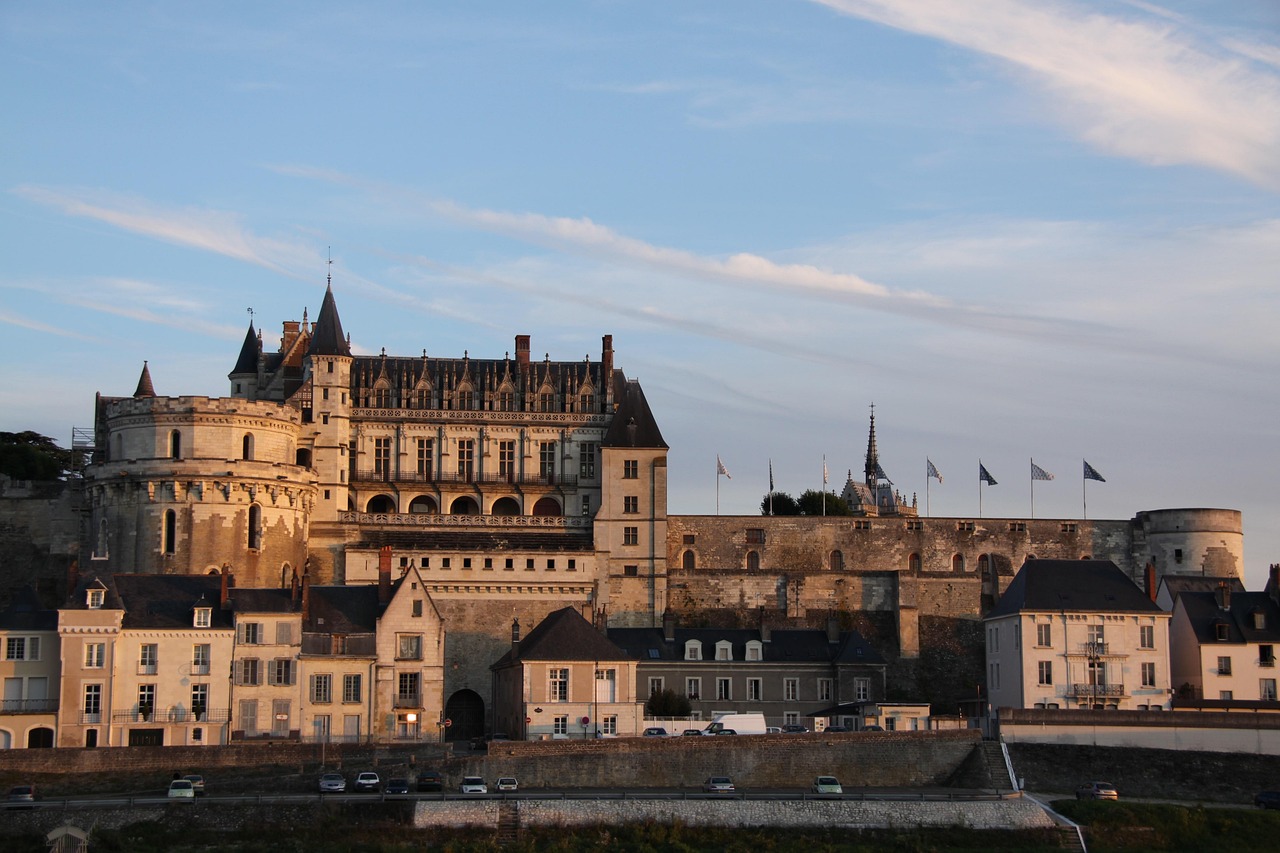
If you close your eyes and imagine a storybook French town, you’re probably picturing Amboise without knowing it: a fairytale château perched on a bluff, slate-roofed houses tumbling down to a wide, lazy river, cafés spilling out onto cobbled streets, and vineyards rolling away into the horizon.
I’ve been coming to Amboise for over a decade—first as a broke student with a baguette and a bottle of supermarket wine, now as a local guide who still gets goosebumps every time I walk across the Loire bridge at sunset. Amboise is small enough to feel intimate, but rich enough in history, food, and culture that you can happily spend 3, 4, or even 5 days in Amboise without running out of things to do.
This travel guide for Amboise is written for slow travelers, couples, families, and solo wanderers who want more than a quick photo stop. You’ll find detailed 3 day, 4 day, and 5 day itineraries for Amboise, personal stories from my own visits, hidden gems in Amboise, and very practical travel tips for Amboise—from saving money on château tickets to navigating French dining customs.
What makes Amboise special?
- Royal history in a walkable package: Kings, queens, and Leonardo da Vinci all chose to live here. You can walk between royal castles and Leonardo’s final home in under 15 minutes.
- Atmosphere over crowds: Unlike some Loire Valley stops, Amboise still feels like a real, lived-in town—especially in the evenings when day-trippers leave.
- Perfect base for the Loire: Amboise is ideal for day trips to nearby châteaux like Chenonceau and Chambord while enjoying a charming home base.
- Food and wine heaven: Think goat cheese from nearby farms, crisp Touraine wines, and riverside terraces for long, lazy lunches.
- Family-friendly, romantic, and adventurous at once: There are castles, bike paths, canoe trips, hot air balloons, and enough quiet café corners for every kind of traveler.
Amboise at a Glance (2026–2027)
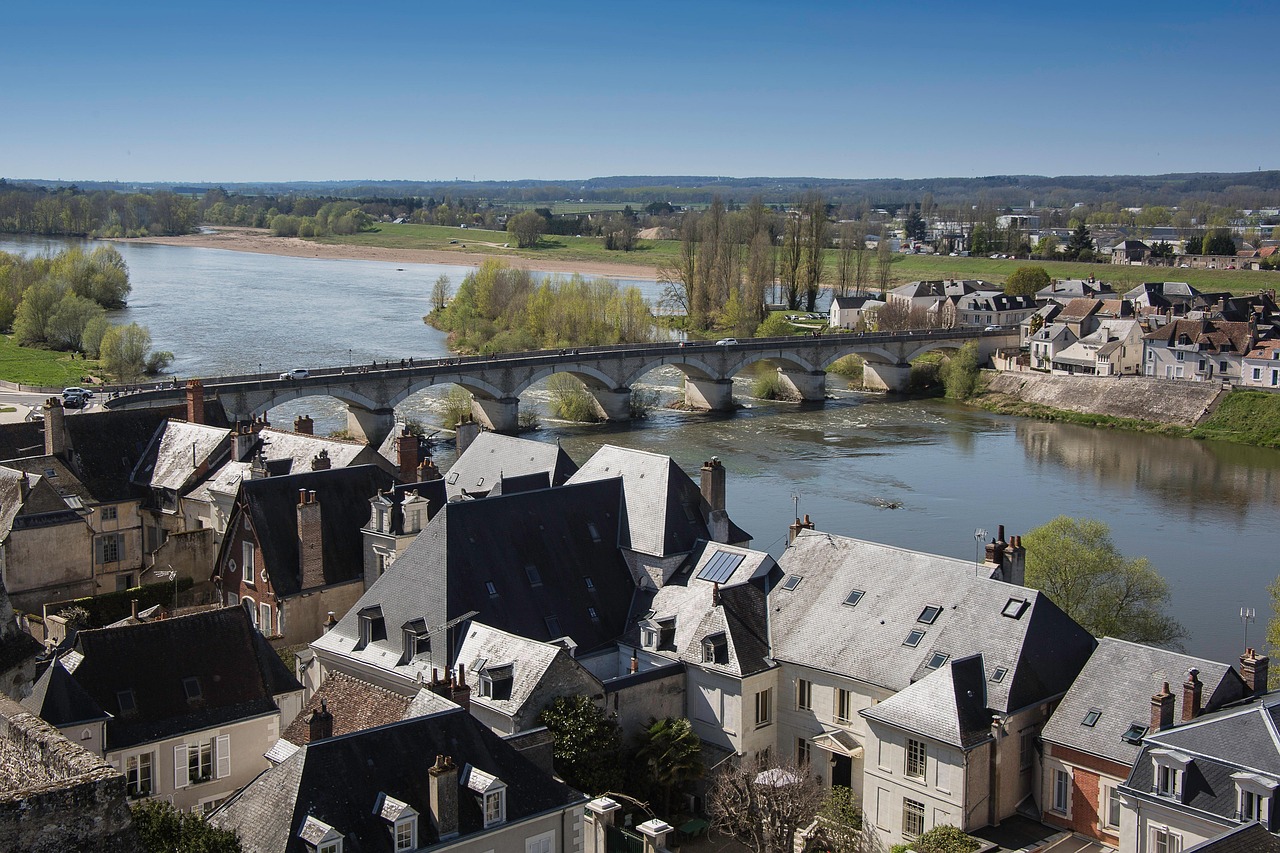
Amboise sits in the heart of the Loire Valley, about 225 km (140 miles) southwest of Paris. With around 13,000 residents, it’s more of a large village than a city, but it punches far above its weight in history and beauty.
What’s New in 2026
- Château d’Amboise Restoration Updates (2026): Ongoing façade restoration continues, but most interiors and terraces remain open. Night illuminations are scheduled from June to September 2026.
- Leonardo da Vinci Exhibits: Clos Lucé continues to expand its interactive exhibits, with a new temporary show on Leonardo’s engineering drawings announced for late 2026–mid 2027.
- Loire à Vélo Upgrades: Several bike paths around Amboise have been resurfaced, making cycling between Amboise, Vouvray, and Chenonceaux smoother than ever.
Major Events 2026–2027
- Amboise Music & Wine Festival (June 2026 & 2027): Classical and jazz concerts in the château and riverside venues, paired with Loire wine tastings.
- Fête de la Loire (September 2026): Traditional boats, food stalls, and live music celebrating the river. Family friendly and very photogenic.
- Christmas in Amboise (December 2026): The châteaux of the Loire do elaborate Christmas decorations; Amboise and Clos Lucé are particularly magical.
3–5 Day Itineraries for Amboise
Whether you have 3 days in Amboise or are planning a 5 day itinerary for Amboise, the town works beautifully as both a base and a destination. Below are three structured itineraries based on how I actually guide friends and family when they visit. Each day mixes must-see attractions in Amboise with quieter, local moments.
3 Day Itinerary for Amboise (Perfect First Visit)
This 3 day itinerary for Amboise focuses on the essentials: royal history, Leonardo, the Loire, and some leisurely wine and food.
Day 1 – Royal Amboise & Sunset on the Loire
Morning: Arrival & First Glimpse of the Château
I like to start my first day by walking across the main bridge, Pont du Maréchal Leclerc. The view of Amboise—château crowning the hill, houses reflecting in the water—never fails. If you arrive by train, it’s a 10–15 minute walk into the center.
- Drop bags at your hotel or guesthouse. Around Rue Nationale and the riverside is ideal if you want to be central.
- Grab a coffee and a croissant at a bakery like Boulangerie Bigot on Place Michel Debré.
Late Morning to Afternoon: Château d’Amboise
The Château d’Amboise is the town’s crown jewel and the best starting point. I usually spend 2–3 hours here, especially if I linger on the terraces.
- What to see: The royal apartments, Saint-Hubert Chapel (with Leonardo da Vinci’s tomb), the panoramic terraces, and the gardens.
- My tip: Arrive before 11:00 to avoid tour groups. In 2026, book skip-the-line tickets online if you’re here in July–August.
- Family-friendly: Kids love the towers and ramparts; there are often scavenger hunts available in French and sometimes in English.
Lunch: For a quick bite, try a tartine or salad on Place Michel Debré. I often end up at a casual café with terrace seating so I can keep staring up at the château.
Afternoon: Stroll the Old Town & Loire Promenade
After the château, wander down the Rue de la Concorde and small side streets. Pop into local shops—cheesemongers, wine caves, and small art galleries.
- Walk along the Loire riverbank on the north side for beautiful views back to town.
- Pause at the small parc de l’Île d’Or, the island in the river, for a different perspective of the skyline.
Evening: Dinner & River Sunset
Book a table on or near the river. I like restaurants with terraces where you can see the château lit up after dark.
- What to order: Local goat cheese (Sainte-Maure-de-Touraine), rillettes, and a glass of chilled Vouvray or Touraine Sauvignon.
- After dinner, take a slow stroll across the bridge again. On warm evenings in summer 2026, there are often street musicians or small events along the quay.
Day 2 – Leonardo da Vinci & Clos Lucé
Morning: Château du Clos Lucé
Clos Lucé, Leonardo da Vinci’s final home, is my favorite place in Amboise. It’s about a 10-minute walk uphill from the center. I recommend arriving close to opening time.
- Inside the house: Recreated workshops, Leonardo’s bedroom, and models of his inventions.
- In the park: Full-scale models of his machines and interactive installations—brilliant for kids and adults alike.
- Personal tip: In spring and early summer, bring a light jacket and plan to linger in the gardens. I’ve spent entire afternoons reading on a bench by the stream here.
Lunch: Picnic or Garden Café
If the weather is nice, I love preparing a picnic from the market or local shops (bread, cheese, charcuterie, fruit) and eating either in the park at Clos Lucé or down by the Loire afterwards.
Afternoon: Hidden Streets & Local Wine Tasting
Use the afternoon for slower exploring:
- Wander along Rue Victor Hugo and surrounding streets; you’ll find quieter residential corners with troglodyte houses built into the rock.
- Stop into a wine cave in town for a tasting of local appellations—Vouvray, Montlouis-sur-Loire, Touraine.
Evening: Night Walk & Possible Château Light Show
In high season, check if the château or Clos Lucé are running evening events or sound-and-light shows. Even without an event, an after-dinner loop through the old town gives you an entirely different atmosphere.
Day 3 – Loire Landscapes & Markets
Morning: Amboise Market
If your third day falls on a Friday or Sunday, you’re in luck: the Amboise market is one of the best in the region. I always come early (around 9:00) to avoid the crush and to chat with producers.
- What to try: Goat cheeses, strawberries in season, local honey, and rotisserie chicken if you want a hearty picnic.
- Money-saving tip: Markets are cheaper than eating out every meal and a great way to sample local food in Amboise.
Late Morning to Afternoon: Loire à Vélo Adventure
Rent a bike in town and follow a section of the Loire à Vélo trail. My favorite route for a half-day is along the river towards Montlouis or towards Chaumont-sur-Loire if you’re feeling energetic.
- Family-friendly: The paths are relatively flat and safe; bring water and sunscreen.
- Romantic twist: Pack a bottle of Vouvray and some snacks, and find a quiet riverbank spot.
Evening: Farewell Dinner & Last Look at the Skyline
For your final night of this 3 days in Amboise trip, treat yourself to a slightly more special dinner—maybe with a view of the château or in a cosy stone-walled dining room. I always walk back to the bridge one last time before leaving town.
4 Day Itinerary for Amboise (Add a Château Day Trip)
If you have 4 days in Amboise, follow the 3-day plan above and add a dedicated day trip to a nearby château. My top pick is Château de Chenonceau.
Day 4 – Château de Chenonceau & River Reflections
Morning: Train or Car to Chenonceau
From Amboise, Chenonceaux (the village near the château) is about 20 minutes by regional train or 25–30 minutes by car. I recommend catching an early train in summer.
- Tickets: Buy château tickets online in advance during peak season.
- What to see: The gallery over the river, the Catherine de’ Medici gardens, and the flower workshop.
Personal note: I’ve been to Chenonceau more than a dozen times, and I still get a thrill stepping into that long gallery over the water. It’s one of the most romantic spots in the Loire.
Afternoon: Gardens & Boat Ride (Seasonal)
After touring the château, spend extra time in the gardens or rent a small boat on the Cher River if available. I like to bring a simple picnic and enjoy it on the far bank, where you can admire the château’s reflection.
Evening: Back to Amboise
Return to Amboise in the late afternoon. This is a great night to seek out a smaller, more local spot for dinner in the backstreets rather than on the main square.
5 Day Itinerary for Amboise (Slow Travel & Extra Day Trips)
A 5 day itinerary for Amboise lets you settle into the rhythm of the town. Add two extra days of exploring beyond the basics.
Day 4 – Chaumont-sur-Loire & Garden Festival
Morning & Afternoon: Château de Chaumont-sur-Loire
About 20 minutes by car or 30 minutes by train, Chaumont-sur-Loire combines a hilltop château with expansive grounds and an internationally renowned garden festival (typically April–November).
- Wander the experimental garden installations; they change each year and are always surprising.
- Have lunch at the on-site café or bring snacks to enjoy in the park (check picnic rules for 2026).
Evening: Back in Amboise, enjoy a quiet night—maybe a simple wine-and-cheese dinner in your accommodation if you’re staying in a self-catering apartment.
Day 5 – Vouvray Wine Country & Troglodyte Cellars
Morning: Bike or Drive to Vouvray
Vouvray, about 20–25 minutes from Amboise, is one of the Loire’s most famous white wine appellations. I love biking there via the Loire à Vélo when the weather is good.
- Book a tasting at one or two domaines. Many are in troglodyte caves carved into the tuffeau stone.
- Try a range of Vouvray styles: sec (dry), demi-sec (off-dry), and moelleux (sweet), plus sparkling.
Afternoon: Return & Free Time
Use your final afternoon to revisit a favorite spot in Amboise—maybe one last hour at Clos Lucé, or simply a book and a coffee on a terrace.
Evening: Farewell Loire Walk
For your final night, I always suggest a simple ritual: stand on the bridge at blue hour, watch the lights come on over the château and old town, and make a silent promise that you’ll come back.
Neighborhoods & Areas to Explore in Amboise
Amboise is compact, but each part of town has its own flavor. When I stay overnight, I choose my accommodation based on these little differences.
1. Historic Center & Château Quarter
This is the Amboise you see on postcards: narrow lanes, stone houses, and the château looming above.
- Best for: First-time visitors, short stays, being in the middle of everything.
- Highlights: Place Michel Debré, Rue Nationale, the climb up to the château, small boutiques, and lots of cafés.
- Vibe: Lively in the day, pleasantly calm at night once day-trippers leave.
2. The Loire Riverside & Île d’Or
The riverfront on both sides of the Loire is where I go to breathe. The Île d’Or island, reached via a short bridge, offers grassy banks and sports areas.
- Best for: Families, picnics, photography, runners.
- Highlights: Open views of the château, river sunsets, occasional events and fairs.
3. Clos Lucé & Upper Town
Above the center, the streets around Clos Lucé and Rue Victor Hugo have a more residential feel with troglodyte houses and quiet corners.
- Best for: Repeat visitors, people seeking quiet evenings.
- Highlights: Troglodyte façades, calmer guesthouses, easier access to countryside walks.
4. Outskirts & Vineyards
Just a short bike ride from the center, you’re in vineyard country. I often book rural B&Bs here when I want total silence at night.
- Best for: Car travelers, long stays, those focused on wine and cycling.
- Highlights: Starry skies, bird song, easy access to Loire à Vélo.
20 Must-See Attractions in Amboise (With Personal Notes)
Here are the best places to visit in Amboise, from the big names to a few quiet spots I almost don’t want to share. Each one includes history, significance, and my own anecdotal tips.
1. Château d’Amboise
The Château d’Amboise is the reason this town exists in its current form. Once a favorite residence of French kings from Charles VIII to François I, it’s where political intrigue and Renaissance culture collided.
History & Significance: The château was strategically placed to control a key Loire crossing. In the 15th and 16th centuries, it became a royal résidence de plaisance, a pleasure residence, and a hub of Renaissance art and ideas. Leonardo da Vinci’s presence in Amboise is directly tied to François I’s love of Italian culture.
My Experience: The first time I visited, I went straight to the terraces and barely moved for an hour. The view over the Loire, especially with patches of morning fog, feels almost unreal. Over the years, I’ve also come for evening events—open-air concerts, light shows—and it’s magical to sit in the same courtyards where kings once walked.
Tips for Visitors:
- Allow at least 2 hours; 3 if you like to read all the panels and take photos.
- Wear comfortable shoes—there are slopes and cobbled areas.
- In summer 2026, check for evening openings; they’re often less crowded and more atmospheric.
2. Château du Clos Lucé
Clos Lucé was Leonardo da Vinci’s final home, gifted to him by François I. He lived here from 1516 until his death in 1519.
History & Significance: Leonardo arrived in Amboise as “Premier peintre, ingénieur et architecte du Roi” (first painter, engineer, and architect to the King). Clos Lucé became his base for artistic and engineering projects. Today the château is dedicated to his life and works, with models of his inventions built from his drawings.
My Experience: I’ve visited Clos Lucé more times than I can count, and I still find new details in the recreated workshop and models. One rainy autumn day, I sat watching children experiment with a model bridge Leonardo designed; their excitement made the centuries disappear.
Tips for Visitors:
- Plan 3–4 hours if you want to explore both the house and park fully.
- It’s one of the top family-friendly things to do in Amboise—very interactive.
- In 2026–2027, watch for new temporary exhibitions on Leonardo’s engineering designs.
3. Chapelle Saint-Hubert (Leonardo’s Tomb)
This tiny Gothic chapel clinging to the cliff edge within the château grounds houses the tomb of Leonardo da Vinci.
History: Originally built in the late 15th century and dedicated to Saint Hubert, it later became the resting place of Leonardo. The current tomb is symbolic—his original burial site in Amboise was lost—but it has become a pilgrimage spot for art and science lovers.
My Experience: Every time I come here, it’s surprisingly quiet compared to the rest of the château. I like to step inside, let my eyes adjust, and just sit for a few minutes thinking about everything Leonardo witnessed and imagined. It’s a good reminder to slow down in a busy itinerary.
4. Amboise Old Town & Rue Nationale
The old town is essentially an attraction in itself—a network of streets fanning out from the château down to the river.
Highlights: Rue Nationale’s shops, Place Michel Debré’s cafés, side streets lined with half-timbered houses, and unexpected courtyards hidden behind heavy wooden doors.
My Experience: On winter afternoons when most tourists are gone, I love wandering these streets with a takeaway coffee, watching locals run errands, kids riding scooters, and the château looming above like a stone guardian.
5. Amboise Market (Marché d’Amboise)
The bustling Amboise market along the river is one of the best windows into local life.
When: Typically Friday and Sunday mornings (check exact 2026 times locally). Sunday is the bigger, livelier day.
My Experience: Some of my happiest mornings in Amboise have been spent here: chatting (in imperfect French) with a cheese vendor about which goat cheese is at its peak that week, buying strawberries that still smell like the field, and watching elderly couples greet half the town.
Tip: This is where you can save money by assembling picnic lunches and sampling a broad range of local food in Amboise in one go.
6. Loire Riverfront & Pont du Maréchal Leclerc
The riverfront is where Amboise breathes. The wide Loire changes constantly with the light and water levels.
My Experience: In summer, I often come here for an early morning run; the town is still sleepy, mist hovers over the water, and the château glows soft pink. At night, couples linger on the bridge, and kids race scooters along the quay.
Tip: For photos of the Amboise skyline, stand on the north bank or on the island, facing the town.
7. Île d’Or
This island in the middle of the Loire is mostly grass and sports fields, but that’s exactly the point: it’s where locals go to relax.
My Experience: I’ve picnicked here with friends, watched impromptu football games, and even attended a small summer fair with rides and food stalls. The unobstructed view back to the château makes it my favorite sunset spot.
Family tip: Lots of open space for kids to run around without worrying about traffic.
8. Troglodyte Houses & Caves
All around Amboise, houses and caves are carved into the soft tuffeau rock. Some are private homes; others are wine cellars or small attractions.
My Experience: The first time I saw a troglodyte façade with a full modern house tucked into the rock behind it, I was fascinated. It’s worth paying attention to the cliffs behind houses as you walk towards Clos Lucé and out of town.
Tip: For safety and respect, only enter caves that are clearly open to the public (wine cellars, signed attractions).
9. Église Saint-Denis
Less visited than the château chapel, Saint-Denis Church is a peaceful Gothic church a short walk from the center.
My Experience: I like to duck in here on hot summer days; the cool stone, stained glass, and quiet make it a perfect pause. I’ve stumbled into choir rehearsals a couple of times, which felt like a private concert.
10. Pagode de Chanteloup
Just outside Amboise, the Pagode de Chanteloup is an 18th-century Chinese-style folly rising above a reflecting pool and wooded park.
History: It’s a remnant of the once-grand Château de Chanteloup, built by the Duke of Choiseul. The main château is gone, but the pagoda and grounds remain.
My Experience: Climbing the narrow stairs to the top, I was rewarded with a 360-degree view of forest and fields. It feels like a secret lookout only a few travelers find.
Tip: Best visited by car or bike; allow a couple of hours including travel time.
11. Parc Mini-Châteaux
This whimsical park features scaled-down models of Loire Valley châteaux set in landscaped gardens.
Family Focus: It’s especially fun with kids—they can “tour” dozens of castles in an afternoon, and there are small rides and play areas.
My Experience: I first went as a skeptical adult and ended up having a blast spotting details I recognized from the real châteaux. It’s kitschy in the best possible way.
12. Grand Aquarium de Touraine
Near Amboise, the Grand Aquarium de Touraine showcases freshwater species from the Loire and beyond, plus some exotic fish.
My Experience: On a rainy day, I took my niece here and she loved the touch pools and tunnel tanks. It’s a good backup plan when the weather doesn’t cooperate.
Tip: Combine with Parc Mini-Châteaux for a full family day out.
13. Hot Air Balloon Flights over the Loire
For a truly unforgettable experience, consider a hot air balloon flight at sunrise or sunset over the Loire Valley, often launching near Amboise.
My Experience: On a calm September morning, I joined a small group flight. Watching the château, river, and patchwork fields drift by silently below was one of the most romantic things I’ve ever done. It’s not cheap, but if your budget allows, it’s worth it.
Tip: Book early for 2026 high season and be prepared for weather-related rescheduling.
14. Canoeing on the Loire or Cher
Canoe or kayak trips on the Loire or nearby Cher River offer a different, quieter perspective on the landscape and wildlife.
My Experience: Paddling at a leisurely pace, we saw herons, kingfishers, and once a family of beavers at dusk. Pack dry bags for phones and cameras!
Family & Adventure: Suitable for beginners; guided options available in summer.
15. Loire à Vélo Cycling Routes
The Loire à Vélo is a long-distance cycling route tracing the Loire River. Amboise is a popular stop or base.
My Experience: I’ve biked sections between Amboise and Tours, and Amboise and Chaumont; both are scenic and not too demanding. In 2026, resurfaced sections near town make rides smoother.
Tip: Rent quality bikes in Amboise and always carry water and a light jacket; weather changes fast along the river.
16. Local Wine Caves & Tasting Rooms
Amboise is surrounded by wine appellations—Vouvray, Montlouis-sur-Loire, Touraine-Amboise. Many producers or wine merchants offer tastings.
My Experience: One rainy afternoon, I ducked into a small cave with a “Dégustation” sign and spent an hour learning about Chenin Blanc aging from a passionate winemaker. I walked out with two bottles and a much deeper appreciation of the local terroir.
Tip: Tasting is often free or low-cost if you buy a bottle; always ask politely how it works (“La dégustation est payante ?”).
17. Small Art Galleries & Artisan Shops
Sprinkled through the old town are small galleries and workshops—painters, ceramicists, woodworkers.
My Experience: I discovered a tiny gallery run by a couple who paint Loire landscapes on rainy evenings. We chatted about their favorite off-season views over a glass of wine; I left with a small watercolor that now hangs above my desk.
18. Amboise by Night
Simply walking Amboise at night is a highlight. The château is illuminated, the river reflects the lights, and the crowds thin.
My Experience: I love the contrast between lively restaurant terraces and quiet side streets. Sometimes I do a loop: up towards Clos Lucé, around the upper streets, then down to the river and across the bridge.
19. Local Festivals & Cultural Events
From the Music & Wine Festival in June to the Fête de la Loire in September and Christmas events in December, Amboise has a surprisingly rich cultural calendar.
My Experience: During the Fête de la Loire, I watched traditional boats parade on the river, ate grilled fish from a pop-up stall, and stayed out much later than I planned listening to live music on the quay.
Tip: For 2026–2027 dates, check the Amboise tourist office website a few months before your trip.
20. Christmas in Amboise & Loire Châteaux
Winter is a quieter but enchanting time to visit. The châteaux, including Amboise and Clos Lucé, decorate elaborately for the holidays.
My Experience: One December, I toured three châteaux in a day, each with different themes—towering Christmas trees, Renaissance-style feasts laid out on tables, and thousands of candles. Back in Amboise, the town’s lights reflected in the wet cobblestones, and cafés felt extra cosy.
Local Food in Amboise & Where to Eat
The Loire Valley is called the “Garden of France,” and Amboise lives up to that reputation. Here’s what to eat, drink, and where to do it.
What to Eat in Amboise
- Goat Cheese (Fromage de Chèvre): Especially Sainte-Maure-de-Touraine—often served with a drizzle of honey or on salads.
- Rillettes: Slow-cooked shredded pork spread, great on baguette with cornichons.
- Rillons: Crispy, caramelized pork belly bites—rich but addictive.
- Fish from the Loire: Sandre (pike-perch), silure (catfish), often prepared simply with beurre blanc.
- Tarte Tatin & Loire Pear Desserts: Apple or pear tarts, sometimes with local honey or nuts.
What to Drink Around Amboise
- Vouvray: Chenin Blanc in every style from dry to sweet and sparkling.
- Montlouis-sur-Loire: Another Chenin appellation, often a bit more mineral.
- Touraine Gamay & Cabernet Franc: Light, food-friendly reds.
Where I Love to Eat (and Save Money)
Because places can change hands, I won’t list a long roster of restaurant names, but here’s how I approach eating in Amboise:
- Lunch menus: Look for “Formule déjeuner” or “Menu du jour” for 2–3 courses at a reasonable fixed price—often the best value.
- Picnics: On market days, I buy bread, cheese, charcuterie, and fruit, then picnic on Île d’Or or along the river. It’s budget-friendly and delicious.
- Wine bars: There are a few great spots offering small plates and tasting flights; ideal for a light dinner.
- Hidden gems: Some of my best meals have been on side streets away from the main square. If a place is full of locals at 8 p.m., it’s usually a good sign.
Budget tip: Have your main meal at lunch when prices are lower, and opt for a simpler dinner of bread, cheese, and wine.
Nightlife & Cultural Experiences in Amboise
Amboise is not a clubbing destination, but it has a gentle, charming nightlife centered on wine, conversation, and occasional cultural events.
Evening Options
- Wine Bars & Bistros: Ideal for lingering over a glass of Vouvray and a cheese plate.
- Terrace Cafés: In summer, terraces stay busy late with both locals and visitors.
- Riverfront Walks: My favorite “nightlife” is a simple stroll along the Loire, watching the castle lights.
Cultural Experiences
- Château Evenings: In 2026, keep an eye out for château night events—concerts, light shows, or special tours.
- Local Concerts & Theatre: Small venues and churches sometimes host classical or choral concerts—check posters around town.
- Festivals: The Music & Wine Festival in June and Fête de la Loire in September are particularly atmospheric.
Best Day Trips from Amboise
Amboise makes an excellent base for exploring the Loire Valley. Here are some of my favorite day trips, with practical notes.
Château de Chenonceau
- Travel: ~20 minutes by train or 25–30 minutes by car.
- Highlights: Iconic gallery over the Cher, manicured gardens, riverside walks.
- Tip: Go early; combine with a short walk along the Cher if the weather is nice.
Château de Chaumont-sur-Loire & Garden Festival
- Travel: ~20 minutes by car or 30 minutes by train + short walk.
- Highlights: Château, permanent art installations, changing garden festival (April–November).
- Tip: Wear comfortable shoes; there’s lots of walking between gardens.
Vouvray & Montlouis-sur-Loire Wine Country
- Travel: 20–30 minutes by car or bike; limited public transport.
- Highlights: Wine tastings in troglodyte caves, vineyard views.
- Tip: Appoint a designated driver or spit during tastings; book tastings in advance.
Tours (City)
- Travel: ~25 minutes by train from Amboise.
- Highlights: Historic center, Place Plumereau’s timbered houses and cafés, cathedral, museums.
- Tip: Great rainy-day option with more indoor attractions and shopping.
Château de Chambord or Blois
- Travel: ~1 hour by car to Chambord; Blois is closer and reachable by train.
- Highlights: Chambord’s sprawling Renaissance architecture; Blois’s castle and old town.
- Tip: These are longer day trips; start early if using public transport.
Local Customs & Cultural Etiquette in Amboise
Amboise is relaxed, but it’s still France—small gestures go a long way.
Greetings & Politeness
- Always start interactions with a “Bonjour, Monsieur / Madame” (before 6 p.m.) or “Bonsoir” (evening).
- Say “Merci, au revoir” when leaving shops and restaurants.
- Smiles and eye contact are appreciated, but not exaggerated friendliness.
Dining Etiquette
- Meal times are generally 12:00–14:00 for lunch, 19:30–21:30 for dinner.
- It’s polite to keep your hands visible on the table (not in your lap) and to avoid loud conversation.
- Tipping is not mandatory (service is included), but leaving small change or rounding up 5–10% for good service is appreciated.
Dress & Behavior
- Smart-casual attire works almost everywhere. In churches, cover shoulders and avoid beachwear.
- Keep voices moderate in public; loud behavior is frowned upon.
- Picnicking is welcome in designated areas; always take your trash with you.
Language
Many people in tourism speak some English, but starting in French shows respect. Simple phrases like “Parlez-vous anglais ?” (Do you speak English?) help a lot.
Practical Travel Tips for Amboise
Getting To & Around Amboise
By Train
- From Paris: About 1.5–2 hours via direct or one-change trains (often in Tours or Saint-Pierre-des-Corps).
- The Amboise station is about 10–15 minutes’ walk from the center; taxis are limited, so plan accordingly.
By Car
- Driving gives maximum flexibility for châteaux and wine regions.
- Parking: There are several free or low-cost lots within walking distance of the center; follow signs.
Getting Around Town
- On foot: The town is very walkable.
- By bike: Ideal for exploring the countryside and Loire à Vélo routes.
- Local buses: Limited but exist; check current schedules if not driving.
SIM Cards & Connectivity (2026)
- EU travelers usually roam at domestic rates; check your plan.
- Non-EU visitors: Consider an eSIM with a European data plan before arrival, or buy a prepaid SIM from major French operators (Orange, SFR, Bouygues) in larger cities like Tours.
- Wi-Fi is common in hotels and many cafés, but can be slower in rural areas.
Money & Budget Tips
- Currency: Euro (€). Cards widely accepted, but carry some cash for markets and small purchases.
- Savings: Use lunch menus, markets for picnics, and tap water (“carafe d’eau”) in restaurants.
- Château passes: Look for combined tickets or regional passes if you plan to visit many châteaux.
Accommodation: Where to Stay in Amboise
- Historic center: Best for first-timers and short stays—charming hotels and B&Bs in walking distance of everything.
- Riverside: Great views, some modern hotels or apartments.
- Vineyard outskirts: Rural B&Bs and gîtes—peaceful, ideal with a car.
Budget tip: For a 5 days in Amboise stay, apartments or gîtes with kitchens can significantly cut food costs.
Visa Requirements & Driving
- Visa: France is in the Schengen Area. Many nationalities (including US, Canada, UK, Australia, etc.) can enter visa-free for short stays; always check current 2026 rules for your passport.
- Driving Licenses: EU licenses are valid. Non-EU visitors may need an International Driving Permit alongside their home license—check in advance.
- Drive on the right; seatbelts are mandatory. Speed cameras are common.
Best Seasons & What They’re Good For
- Spring (April–June): Mild weather, blooming gardens, fewer crowds. Great for cycling and château visits.
- Summer (July–August): Warm, lively, festivals and night events—but also busier and pricier. Book ahead.
- Autumn (September–October): Vineyards turn golden, harvest season, pleasant temperatures. My personal favorite for wine and photography.
- Winter (November–March): Quiet, some châteaux reduce hours, but Christmas decorations (late Nov–Dec) are magical. Good for slow, reflective travel.
Hidden Tips for Travelers
- Early mornings & late evenings: That’s when Amboise feels most like “yours”—streets empty, light soft, locals walking dogs.
- Market strategy: Do a full lap before buying; you’ll spot the best produce and prices.
- Pack light layers: Even in summer, evenings by the river can be cool.
- Respect quiet hours: Residential streets get very quiet at night; keep noise down when walking home.
- Stay at least 3 nights: A 3 day itinerary for Amboise is the bare minimum to feel the town’s rhythm. If you can stretch to a 4 day or 5 day itinerary for Amboise, you won’t regret it.
Summary & Final Recommendations
Amboise may look like a fairytale backdrop, but spend a few days here and it becomes something much more personal. Between royal history, Leonardo’s legacy, river light, local markets, and quietly spectacular wines, it’s an ideal place to slow down.
If you’re planning your trip:
- Choose a 3 days in Amboise plan for the essentials—château, Clos Lucé, markets, and riverfront.
- Opt for a 4 day itinerary for Amboise if you want to add a marquee château like Chenonceau.
- Give yourself a 5 day itinerary for Amboise if you love slow travel, wine, and countryside cycling.
Best time to visit Amboise: For most travelers, late April–June and September–early October are ideal—good weather, open attractions, and manageable crowds. Come in December if you’re drawn to Christmas lights and château decorations; come in high summer if you want festivals, long evenings, and warm river walks.
Whichever season you choose, leave space in your schedule to do nothing in particular—sit on the riverbank, watch clouds drift over the château, taste a glass of Chenin Blanc slowly. That’s when Amboise really gets under your skin.