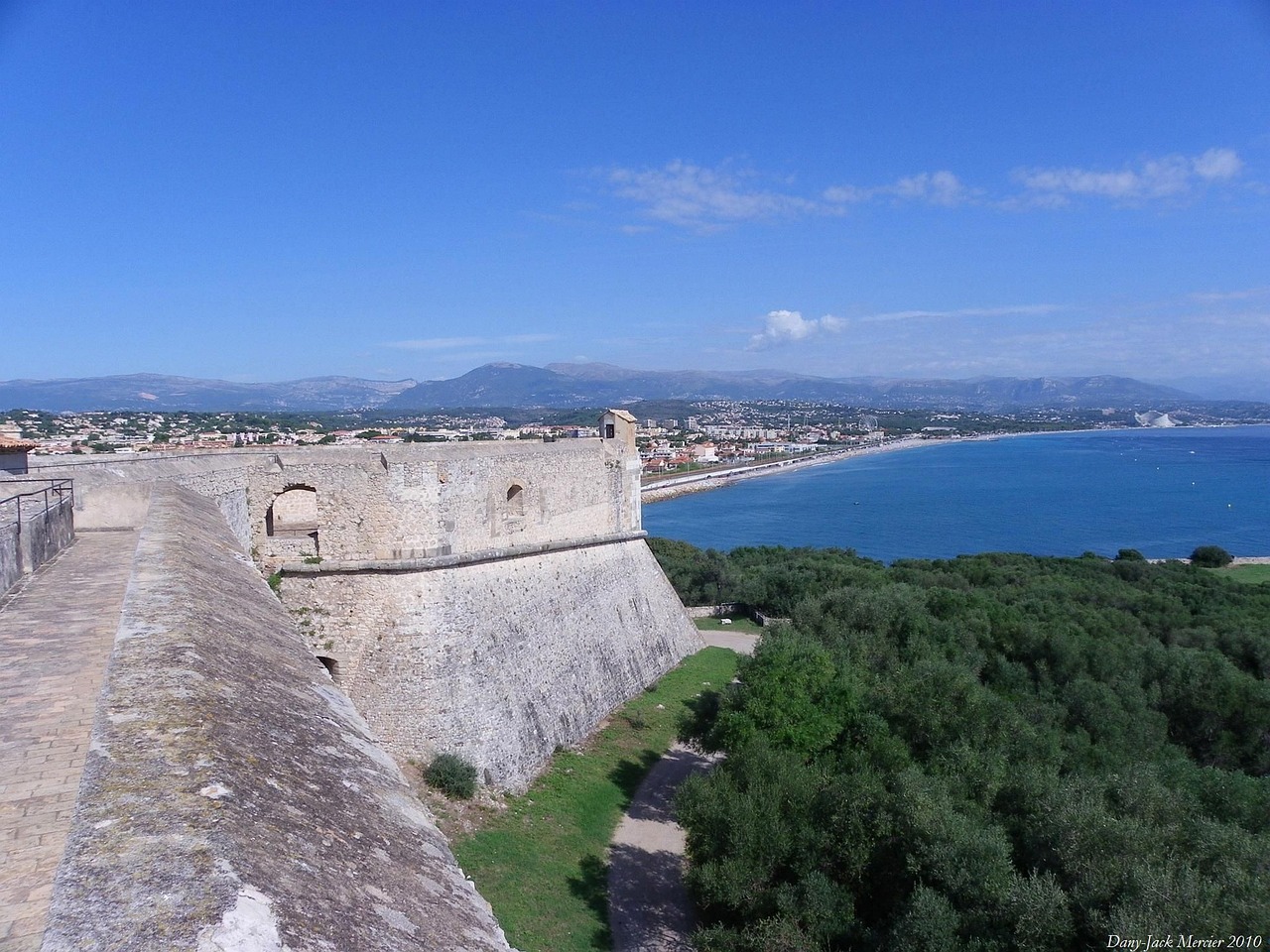
Why Visit Antibes in 2026
If you’ve ever dreamt of a Mediterranean town that still feels like a town — not a theme park — Antibes is it. Wedged lovingly between glamorous Cannes and buzzing Nice, Antibes gives you the best of the French Riviera without feeling like you’re constantly on a red carpet.
I’ve been coming to Antibes regularly since my early twenties, and over the years I’ve watched it change — new wine bars, a more polished port, a growing food scene — but the soul of the old town, the scent of pine and sea salt along the ramparts, and the way locals still greet each other by name at the market have stayed the same.
Antibes is special because it balances contrasts beautifully:
- Medieval old town wrapped in stone ramparts, facing the bright-blue Baie des Anges.
- World-class superyacht harbor (Port Vauban) next to tiny fishing boats and quiet backstreets.
- Picasso and modern art in a fortress with waves crashing just below.
- Soft sandy beaches (a rarity on the Riviera) a short walk from your café table.
- Family-friendly, romantic, and outdoorsy options all in one compact, walkable place.
For 2026–2027, Antibes is especially worth visiting thanks to upgraded pedestrian zones around the old town, several new cultural events, and continued focus on sustainability and coastal paths. Whether you have 3 days in Antibes, 4 days in Antibes, or a full 5 day itinerary for Antibes, you can craft a stay that mixes beaches, art, local food, and quiet Mediterranean moments.
Table of Contents
- Why Visit Antibes in 2026
- Antibes Neighborhoods & Areas
- 20 Must-See Attractions in Antibes (Deep Dive)
- 3–5 Day Itineraries for Antibes
- Local Food & Drink in Antibes
- Nightlife, Entertainment & Cultural Experiences
- Day Trips from Antibes
- Cultural Etiquette & Local Customs
- Practical Travel Advice for Antibes
- Summary: When & How to Visit Antibes
Antibes Neighborhoods & Areas to Explore
Vieil Antibes (Old Town)
Vieil Antibes is the walled medieval heart of the city — a compact maze of cobblestone lanes, pastel shutters, and laundry lines fluttering above café terraces. This is where I always stay if I can; you step out the door and you’re already in the postcard.
Key vibes: atmospheric, walkable, village-like, great for first-timers, couples, and anyone who wants everything at their doorstep.
Le Port & Port Vauban
Just outside the eastern gates of the old town lies Port Vauban, one of Europe’s largest marinas. It’s a world of gleaming superyachts, local fishing boats, and the distinctive Fort Carré perched above.
Key vibes: nautical, upscale, great for yacht-spotting, evening strolls, and sunset views.
Cap d’Antibes
The forested peninsula of Cap d’Antibes is Antibes’ wild-luxury side. Think villas hidden behind bougainvillea-covered walls, pine-scented walking paths along rocky coves, and legendary hotels like the Hôtel du Cap-Eden-Roc.
Key vibes: romantic, scenic, ideal for nature lovers, walkers, and anyone seeking a quieter base.
Juan-les-Pins
On the western side of the Cap lies Juan-les-Pins, technically part of the Antibes-Juan-les-Pins commune. This is beach-town energy: long sandy beaches, a promenade, nightlife, and the famous jazz festival.
Key vibes: lively, youthful, beachy, good for families and nightlife seekers.
La Fontonne & Eastern Antibes
More residential, stretching toward Nice, this area holds some local beaches and everyday life — bakeries, schools, and small parks. I like walking here when I want to step out of the tourist bubble.
20 Must-See Attractions in Antibes (With Local Insights)
These are the best places to visit in Antibes, blending famous sights with local favorites. I’ve visited each of these multiple times over the years; below are my honest impressions, practical tips, and little anecdotes.
1. Musée Picasso (Picasso Museum)
Housed in the medieval Château Grimaldi, the Musée Picasso is where Picasso himself lived and worked for a spell in 1946. He left many works to the town, and today it’s one of the most atmospheric Picasso museums anywhere.
The first time I walked into the main hall, late on a windy October afternoon, the light from the sea bounced off the white walls and made the paintings feel almost alive. The museum isn’t huge, but that’s part of its charm—you never get “museum fatigue.”
Highlights: Picasso’s “La Joie de Vivre,” ceramics, and the terrace sculptures with that cinematic sea view.
Tip: Visit in the late afternoon for softer light on the terrace. Combine it with a walk on the ramparts right after. Buy a combined ticket if available; Antibes sometimes offers passes including other museums and heritage sites.
Family-friendly? Yes, if your kids can handle a small museum; there’s space on the terrace for them to roam a bit.
2. Vieil Antibes (Old Town Lanes)
Wandering Vieil Antibes is my favorite “attraction” because it’s not an attraction at all; it’s just life. I often start at Porte Marine, enter the old town, and let myself get lost among Rue Sade, Rue du Haut Castelet, and Rue Aubernon.
Morning is delivery trucks and locals rushing to work. By late afternoon, shutters open, the smell of garlic and olive oil floats out of tiny kitchens, and groups of friends gather over pastis.
Don’t miss: The little squares like Place Nationale and the floral explosions on Rue du Bas Castelet.
Tip: Bring comfortable shoes; the cobblestones can be slippery, especially after rain. If you’re a photographer, go out around 8–9 a.m. for beautiful, empty streets and soft light.
3. Marché Provençal (Antibes Provençal Market)
Under a long iron-and-glass hall near the port, the Marché Provençal is where Antibes wakes up hungry. I try to arrange my trips so at least one visit falls on a weekday morning here; it’s the perfect initiation to local food in Antibes.
You’ll find pyramids of ripe tomatoes, olives marinated in citrus, goat cheeses wrapped in chestnut leaves, lavender, and sometimes an old man playing the accordion just because.
My ritual: Grab a socca (chickpea pancake) slice, pick up some fruit, a wedge of cheese, and a baguette, then picnic at the beach or on the ramparts.
Tip: Go before 11 a.m. for the best choice. In the off-season, some stalls may be closed midweek; Saturdays tend to be livelier. In the afternoons, the market hall often turns into an arts-and-crafts market.
4. Antibes Ramparts & Sea Walls
The stone ramparts wrapping the old town are the spine of Antibes. I still remember my first evening walk here: waves slapping the rocks below, the scent of salt and pine, the old city glowing behind me.
Start near the port and follow the walls around, passing the Picasso Museum and eventually the southern side where views open toward the Cap. On clear days you’ll see the Alps snow-capped in the distance, a surreal contrast with the palm trees at your feet.
Romantic? Absolutely. Sunset is magic, and it’s one of the simplest, most beautiful things to do in Antibes.
Tip: Bring a light jacket; it can be breezy even in summer. There are benches along the way—ideal for a quiet moment or picnic.
5. Plage de la Gravette
Plage de la Gravette is the go-to city beach, tucked behind the port and sheltered by a breakwater. It’s sandy, relatively shallow, and just a few minutes’ walk from the old town — perfect if you’re doing a short 3 day itinerary for Antibes and want easy beach access.
In summer I often come early, around 9 a.m., when families are setting up umbrellas and the bakery bags are still warm. The water is usually calm, and you’ll get that dreamy view of the old town skyline behind you.
Family-friendly? Very. Just watch little ones near the deeper end.
Tip: There are no big facilities directly on the sand, so bring water and snacks. The closest bathrooms and cafés are back near the marina and old town.
6. Sentier du Littoral (Cap d’Antibes Coastal Path)
The Sentier du Littoral, also known as the Tire-Poil path, is my favorite “hike” on the Riviera: a coastal trail skimming the edge of Cap d’Antibes past turquoise coves, sculpted rocks, and twisted pines.
I like starting near the Villa Eilenroc side, walking clockwise so the sun sits behind me in the morning. The trail is rough in places, with stone steps and narrow stretches—wear real shoes, not flip-flops.
You pass little inlets where locals slip into the water from rocks, and you’ll constantly stop for “just one more photo.” On hot days, the sea breeze feels like salvation.
Tip: Go early (before 10 a.m.) in peak season to avoid crowds and strong sun. Bring water; there are no kiosks along the path. Check local notices—after storms, sections may close temporarily for safety.
7. Port Vauban & the Billionaires’ Quay
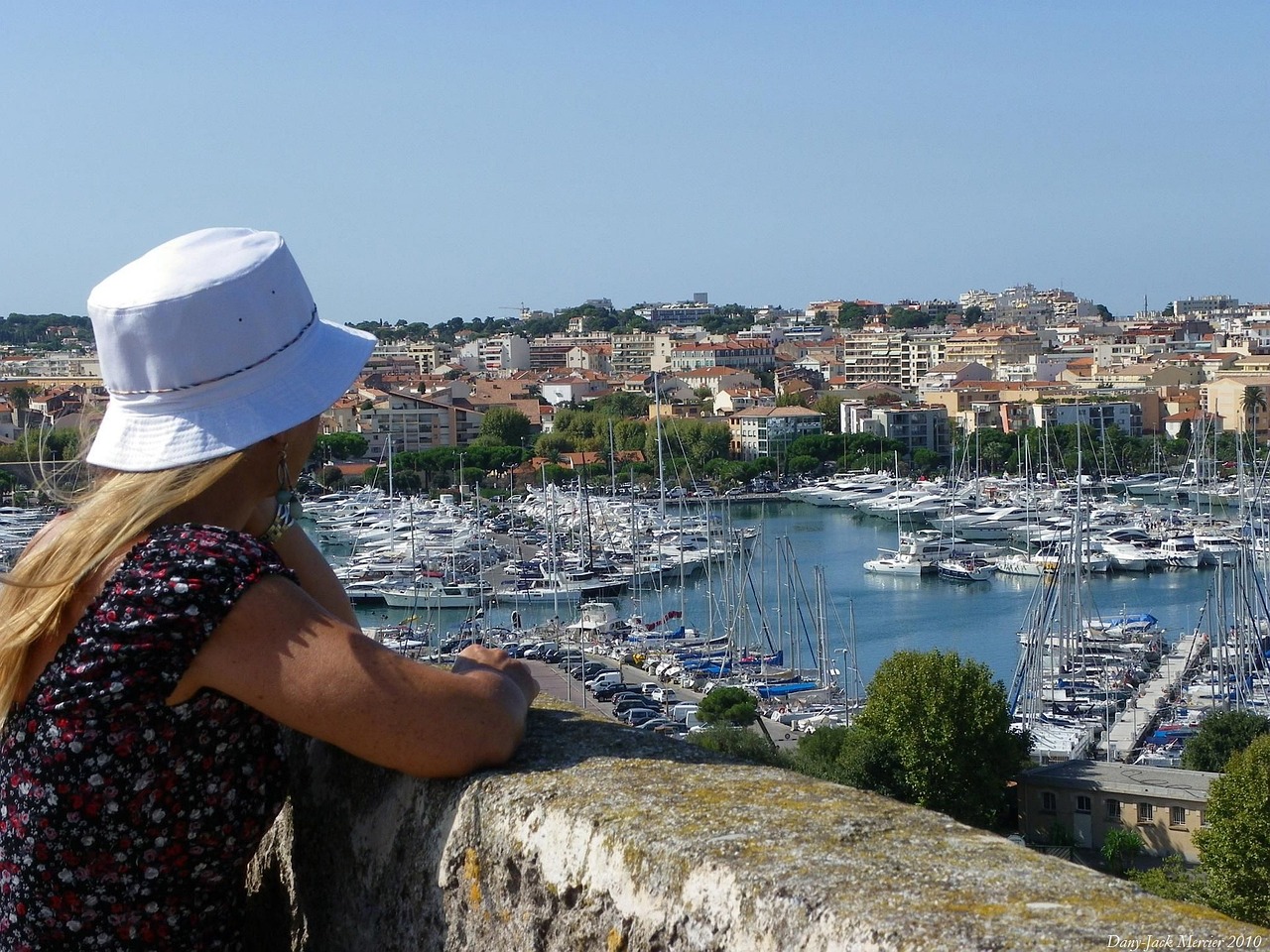
Port Vauban is a study in contrasts: little fishing boats bobbing in front of the old town, and around the corner, mega-yachts lined up along the Quai des Milliardaires (Billionaires’ Quay).
At night, I love walking here with a gelato, reading the yacht names and imagining their stories. You’ll see crews polishing railings, some owners dining on board under fairy lights, and the fortress-like Fort Carré watching over everything.
Tip: For the best photos, come at blue hour (just after sunset) when the sky is deep blue and the boat lights reflect in the water.
8. Fort Carré
Shaped like a star and perched on a hill overlooking the port, Fort Carré is a 16th-century fortress that once protected Antibes from invaders coming from the sea. Today, it’s a peaceful place with stellar views.
I went one misty winter morning, and the empty battlements and echoing corridors felt straight out of a movie. The guided visit (required inside) is short but interesting; the real prize is the panorama over the port, Cap d’Antibes, and, on clear days, the Alps.
Tip: Check opening hours carefully; they can be limited, especially off-season. Wear comfy shoes—there’s a short uphill walk from the main road or train station.
9. Plage de la Salis
Plage de la Salis is a gently curving sandy beach at the start of Cap d’Antibes, with postcard views back toward the old town and the Alps. It’s more spacious than La Gravette and has a mix of public and private areas.
I like coming here late afternoon, when the sun is shifting and families start to pack up. The water is usually clear and shallow near the shore, and there’s a relaxed, local feel.
Tip: There’s a bus stop nearby and a pleasant flat walk along the seafront from the old town (about 15–20 minutes). This is a great choice if you’re doing a 4 day itinerary for Antibes and want one full “beach day.”
10. Beaches of Juan-les-Pins
Juan-les-Pins offers long, sandy beaches with a holiday-resort feel: parasols in neat rows, beach clubs, and plenty of cafés across the road. It’s busier and more commercial than Antibes’ own beaches, but sometimes that’s exactly what you want.
On a July visit, I spent a lazy afternoon in a rented lounger, alternating between dips in the sea and people-watching: families, groups of friends, older couples doing crosswords under umbrellas.
Tip: If you’re on a budget, stick to the public stretches of sand between the private beach clubs and bring your own towel and snacks.
11. Plage de la Garoupe
Nestled on Cap d’Antibes, Plage de la Garoupe has a nostalgic Riviera charm, with wooden jetties and a small sandy cove. It inspired artists and writers in the early 20th century, and you can still sense a quieter, old-school vibe here.
In shoulder season (May, late September), it’s one of my favorite spots for a swim in Antibes: clear water, fewer crowds, and the gentle curve of the bay.
Tip: Access can be more limited in peak summer, with much of the sand occupied by private clubs. Go early in the day, or plan a visit in spring or fall if you want a more relaxed experience.
12. Street Art & Creative Corners
Antibes isn’t known primarily for street art, but if you wander beyond the old town, you’ll find colorful murals and small creative touches: painted shutters, hidden mosaics, and decorated utility boxes.
On one trip, I followed a loose “street art walk” starting near the train station and looping back to the port. It was a fun change from the usual tourist route and a reminder that Antibes is a living, evolving place, not just a preserved museum town.
Tip: Ask at the tourist office if they have updated maps or suggestions; sometimes local associations host temporary art walks or installations.
13. Place Nationale & Other Old Town Squares
Place Nationale is the “living room” of Vieil Antibes: a broad, tree-shaded square lined with cafés and restaurants. On summer evenings, kids play around the fountain while adults linger over rosé.
I’ve lost count of how many evenings I’ve spent here, sometimes alone with a book and a glass of wine, sometimes with friends, letting conversations stretch late into the night.
Tip: For a quieter vibe, head to smaller squares like Place du Safranier, tucked into the pedestrian-only Free Commune of Safranier, a sort of village-within-the-village with a bohemian past.
14. La Commune Libre du Safranier
The Free Commune of Safranier is a tiny, quasi-symbolic “independent commune” within Antibes, born from a 1960s bohemian movement. Today it’s a tangle of flower-filled alleys, low houses, and quiet corners where cats nap in doorways.
Each time I walk through, I slow down automatically. There’s a sense of intimacy; you feel like you’re walking through someone’s shared backyard.
Tip: Respect the residents’ privacy—keep voices low and avoid pointing cameras directly into windows or courtyards.
15. Absinthe Bar & Cellar
Down a staircase off a small square near the market lies an absinthe bar straight from another century: low vaulted stone ceilings, vintage posters, and a ritualistic approach to serving the “green fairy.”
A friend dragged me here on a rainy night years ago, and it became a tradition. They bring you the absinthe, a carafe of water, sugar cubes, and that peculiar slotted spoon. It’s as much performance as drink.
Tip: Absinthe is strong. Sip slowly, and have some food beforehand. This is a fun, atmospheric stop for adults, but not a place for kids.
16. Musée d’Archéologie (Archaeology Museum)
Overlooking the sea in a former bastion, the Archaeology Museum traces Antibes’ history back to its Greek and Roman roots as Antipolis. It’s compact but fascinating, with amphorae pulled from shipwrecks and artifacts showing just how long this coast has been a crossroads.
I like pairing a visit here with the ramparts walk; it gives context to the stones under your feet.
Tip: Check for free-entry days (often the first Sunday of the month in France for many museums) if you’re looking to save money.
17. Jazz à Juan (Juan-les-Pins Jazz Festival)
Jazz à Juan is one of Europe’s legendary jazz festivals, held every July in Juan-les-Pins. The open-air stage sits right by the sea, and you can often hear the music drifting along the bay.
I attended one balmy evening, listening to a saxophonist improvise as the sky turned pink behind him. Even if you’re not a hardcore jazz fan, the atmosphere is magical.
Tip: Book tickets early (for 2026, sales usually open months ahead). If you don’t get seats, you can still enjoy the festival vibe in town and sometimes hear music from outside the official venue.
18. Villa Eilenroc & Gardens
Villa Eilenroc sits on the tip of Cap d’Antibes, surrounded by gardens and sea views. Built in the 19th century, it’s now owned by the town and occasionally opens for visits, especially its rose garden and olive groves.
I visited on a spring open day: wisteria climbing the walls, roses in bloom, and a gentle sea breeze. It felt like stepping into a quieter, more elegant era of Riviera life.
Tip: Opening days and hours are limited and can change; check the Antibes tourist office or town website before planning a special trip out here.
19. Le Nomade Sculpture
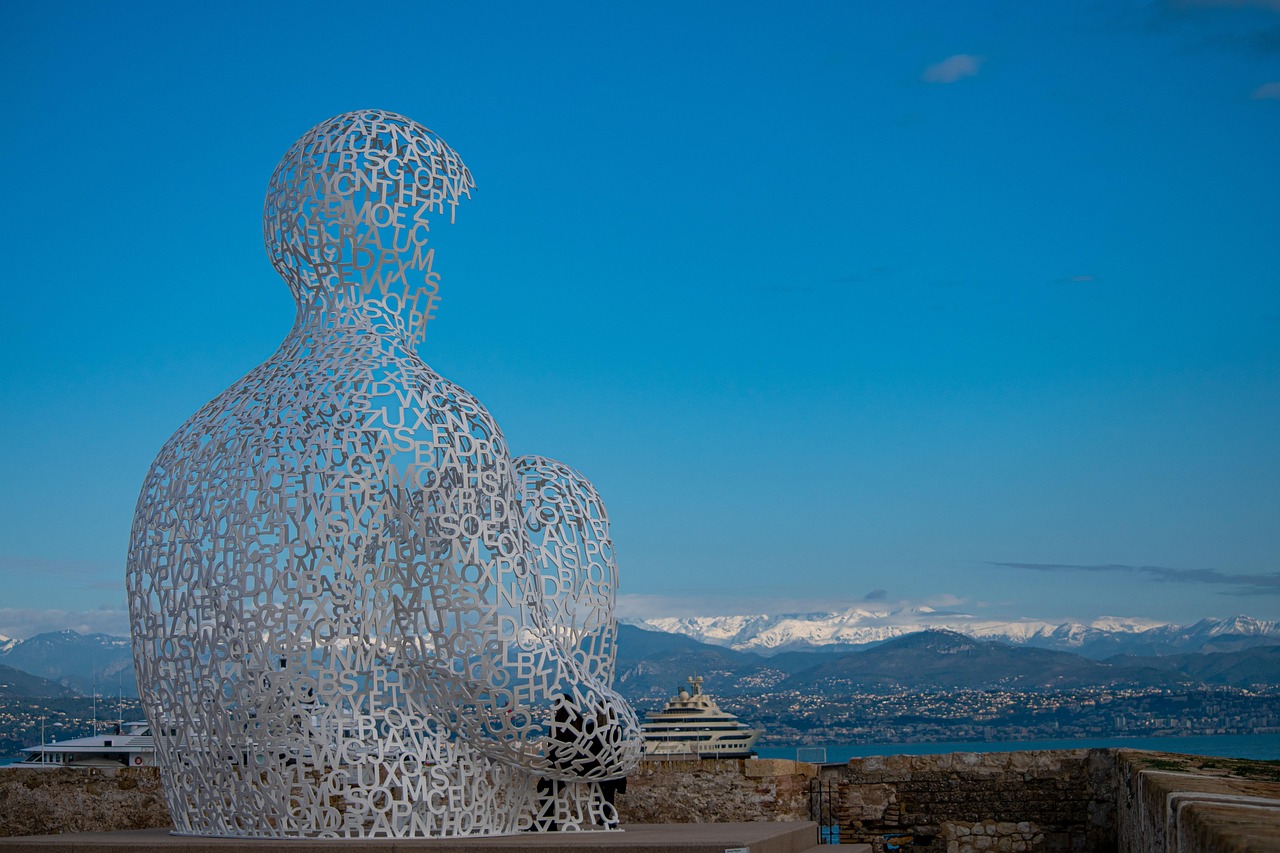
At the end of the harbor wall near Port Vauban sits Le Nomade, a giant white sculpture by Jaume Plensa made of letters forming a human figure looking out to sea.
I stumbled on it by accident my first year, turning a corner and suddenly facing this luminous, hollow giant. It’s become one of my favorite sunset spots in town.
Tip: It’s a short but lovely walk along the port wall. Go just before sunset to see the letters glow against the changing sky.
20. Promenade du Soleil (Juan-les-Pins Seafront Walk)
The Promenade du Soleil in Juan-les-Pins is a classic Riviera seafront: palm trees, benches, beach clubs, and the distant outline of the Esterel mountains. In the evenings, it fills with strollers, joggers, and street performers.
On warm nights, I like grabbing a takeaway ice cream and walking from one end to the other, watching the lights reflect on the gentle waves.
Tip: This is a great place to stay if you want more nightlife and a “holiday resort” feel while still being close enough to dip into old Antibes during the day.
3–5 Day Itineraries for Antibes (With Personal Stories)
Whether you have 3 days in Antibes, 4 days in Antibes, or you’re planning a full 5 day itinerary for Antibes, you can mix iconic sights, hidden gems, and unhurried Mediterranean moments. Below are flexible, story-driven itineraries you can adapt to your pace.
3 Day Itinerary for Antibes
This 3 day itinerary for Antibes is ideal for first-time visitors who want a taste of everything: old town charm, beaches, art, and a hint of nightlife.
Day 1: Old Town, Market & Ramparts
I like starting my trips by grounding myself in the old town, and that’s how I suggest you begin too.
Morning: Arrive and drop your bags (ideally at a small hotel or apartment in Vieil Antibes). Head straight to the Marché Provençal. Grab a coffee and croissant at a café just across from the market hall, then wander the stalls: olives, cheeses, seasonal fruits, local herbs. This is the perfect intro to local food in Antibes.
Pick up picnic supplies—cheese, bread, fruit, maybe a tapenade—and tuck them into your bag for later.
Late Morning: Meander through the old town lanes, ducking into side streets. Visit the Cathedral of Antibes, whose pastel façade faces the museum square. Step into small galleries and artisan shops; I once spent half an hour talking to a ceramicist about local clays.
Lunch: Choose a simple bistro in the old town. Many offer plat du jour menus—ask what’s fresh. I often go for grilled fish with a side of ratatouille.
Afternoon: Make your way to the Musée Picasso. Spend an hour or two exploring, then step out onto the terrace and take in the view. After the museum, follow the ramparts south, strolling slowly with the sea on one side and the old town on the other.
Find a bench and unpack your picnic: this is one of my absolute favorite simple pleasures in Antibes.
Evening: Freshen up back at your accommodation, then head to Place Nationale for an apéritif. Order a pastis or glass of rosé and watch the evening unfold. For dinner, pick a restaurant in the old town serving classic Provençal dishes—daube (a slow-cooked beef stew) if you’re here in cooler months, or salade niçoise and grilled fish in summer.
If you still have energy, finish with a quiet walk down to Port Vauban to admire the yachts lit up against the night sky.
Day 2: Cap d’Antibes & Beach Time
Morning: Start with a bakery run—pick up fresh pastries and coffee to go. Then walk or take a bus/taxi toward Plage de la Salis. Have a quick swim or just sit on the sand with your breakfast.
From here, continue on foot toward the Cap d’Antibes coastal path (Sentier du Littoral). Depending on your energy and the weather, you can do a shorter section or the full loop. The path is rocky in parts but offers unbeatable sea views.
Tip: Wear sneakers, bring water, and avoid the hottest midday hours in summer.
Lunch: Either pack a picnic (my usual approach) or aim for a casual restaurant near Garoupe or Salis. A simple pan bagnat (tuna and vegetable sandwich from Nice) makes a perfect on-the-go meal.
Afternoon: Dedicate the rest of the afternoon to beach time at Plage de la Salis or Garoupe. Swim, read, nap. This is the slow, restorative part of your 3 days in Antibes.
Evening: Back in town, consider trying the absinthe bar for a pre- or post-dinner drink if you’re curious. Or keep it simple with wine at a cozy wine bar. Dinner could be seafood-focused; look for catch-of-the-day options and ask your server for recommendations.
Day 3: Juan-les-Pins & Culture
Morning: Walk or take a short train/bus ride to Juan-les-Pins. Stroll the Promenade du Soleil, then settle on the beach—either public sand or a rented lounger at a beach club if you feel like a splurge.
Try watersports if you’re adventurous: paddleboarding or pedal boats are popular and family-friendly.
Lunch: Eat at a seafront café in Juan-les-Pins; many have affordable lunch menus. I usually go for moules-frites (mussels and fries) when they’re in season.
Afternoon: Head back to Antibes and visit the Archaeology Museum or explore the Safranier district. Duck into small galleries and boutiques you may have missed earlier.
Evening: For your final night, choose somewhere special. Maybe a restaurant with a sea view near the ramparts, or a rooftop terrace bar (a couple of hotels sometimes open their rooftop spaces to non-guests, especially in summer).
End with one last walk along the harbor to say goodbye—for now.
4 Day Itinerary for Antibes
With 4 days in Antibes, you can follow the 3-day plan above and add a deeper dive into local life and art.
Day 4: Hidden Corners & Local Life
Morning: Start your day with a slow coffee at a café favored by locals (step one: avoid the ones right on the most touristy squares). Then explore the residential streets just outside the old town walls toward La Fontonne.
I like this walk because it reminds me that Antibes isn’t just a holiday destination; it’s a real town with real lives unfolding: kids going to school, neighbors chatting on balconies, dogs being walked.
Late Morning: If open, visit Fort Carré. The short uphill walk is worth it for the views and the sense of history.
Lunch: Seek out a simple, family-run restaurant slightly away from the old town center. Menus here tend to be better value; you’ll see more workers and fewer tourists.
Afternoon: Dedicate the afternoon to art and creativity. Explore small galleries, look for street art near the train station, and maybe visit any temporary exhibitions (the tourist office can tell you what’s on in 2026).
Evening: For a low-key night, grab takeaway from a local traiteur (prepared-food shop) and have a picnic-style dinner on your balcony or down by the harbor. Sometimes my favorite evenings in Antibes are the simplest ones.
5 Day Itinerary for Antibes
A 5 day itinerary for Antibes lets you fully relax into the rhythm of the town and add a day trip while still having downtime.
Day 5: Day Trip & Final Favorites
Morning & Afternoon (Day Trip): Use your extra day for a day trip (see more in the dedicated section below). My top choices from Antibes:
- Nice: For a big-city Riviera fix, markets, Promenade des Anglais, and museums.
- Cannes: For film-festival glamour, the old quarter of Le Suquet, and sandy beaches.
- Biot: For a charming hilltop village and glassblowing workshops.
- Îles de Lérins (from Cannes): For a peaceful island escape with pine forests and clear water.
Trains run frequently along the coast, making these easy, low-stress excursions.
Evening: Back in Antibes, spend your final night revisiting your favorite spot—maybe the ramparts at sunset or a last swim at La Gravette if it’s still warm. Finish with a special dinner, perhaps trying any restaurant you’ve been eyeing all week but saving for last.
Local Food & Drink in Antibes
Antibes’ food scene is a delicious blend of Provençal tradition, Italian influence, and fresh-from-the-sea simplicity. Eating well here isn’t hard; the trick is knowing where to look and when to splurge versus when to keep it simple.
Must-Try Local Dishes
- Socca: Thin chickpea pancake, crispy on the edges and soft inside. Best eaten hot with black pepper, usually from a market stall.
- Pan bagnat: A round sandwich with tuna, eggs, tomatoes, olives, and anchovies—like a salade niçoise you can hold in your hand.
- Salade niçoise: The classic salad of the region; in good versions, everything tastes sun-ripened.
- Ratatouille: Stewed vegetables—eggplant, zucchini, peppers, tomatoes, onions—with olive oil and herbs.
- Pissaladière: Onion tart with anchovies and olives—a staple snack.
- Fresh fish & seafood: Often grilled simply with olive oil and lemon.
Where I Like to Eat
I won’t list every restaurant (places can change quickly), but here’s the kind of spots I seek out, with a few examples you can plug into a map when you’re on the ground:
- Market-side bistros: Around Marché Provençal, many small places offer daily specials based on what’s fresh. Look for chalkboard menus and tables filled with French speakers.
- Seafood restaurants near the port: Ideal for grilled fish and seafood platters. I usually ask what’s local and in season rather than ordering from photos.
- Wine bars in the old town: Great for tapas-style small plates, cheese boards, and discovering local wines from Provence.
- Bakeries: For croissants, pain au chocolat, fougasse (a local olive or onion bread), and picnic supplies.
Saving Money on Food
- Lunch menus: Many restaurants offer a more affordable formule midi (set lunch). Eat your main meal at lunchtime and go simpler at dinner.
- Markets & supermarkets: Stock up on picnic supplies; a picnic on the beach or ramparts can be as memorable as any restaurant meal.
- Avoid the most obvious tourist traps: If the menu is in six languages with photos and staff are aggressively calling you in, keep walking.
Nightlife, Entertainment & Cultural Experiences in Antibes
Antibes isn’t a wild party town like some Mediterranean resorts, but it has a gentle, enjoyable nightlife and rich cultural scene, especially in summer.
Nightlife
- Old town wine bars and pubs: Ideal for a relaxed drink, live music nights, and people-watching.
- Juan-les-Pins bars & clubs: For a livelier scene, head to Juan-les-Pins, where beach bars and small clubs stay open late in season.
- Absinthe bar: A unique, atmospheric nightcap spot, more about the experience than the buzz.
Cultural Experiences
- Museums: Picasso Museum, Archaeology Museum, and occasional temporary exhibitions in town.
- Jazz à Juan (2026–2027): The festival typically runs in July; 2026–2027 editions are expected to bring high-profile international and French artists. Book early.
- Local festivals: Look out for summer fêtes, fireworks, and maritime celebrations. In 2026, Antibes is planning expanded cultural programming linked to regional tourism initiatives—check the tourist office for updated schedules.
Day Trips from Antibes
Antibes’ location makes it a perfect base for exploring the Côte d’Azur. Trains and buses run frequently along the coast; you don’t need a car for most day trips.
Nice
How to get there: Direct regional trains (TER) from Antibes to Nice Ville take about 25–30 minutes. Buses are slower but cheaper.
What to do: Stroll the Promenade des Anglais, explore the old town (Vieux Nice), climb to the Colline du Château for views, and visit museums like the Matisse Museum or Chagall Museum.
Cannes
How to get there: Train from Antibes to Cannes takes about 10–15 minutes.
What to do: Walk the Croisette, check out the film festival palace, explore the old quarter of Le Suquet, and enjoy central sandy beaches.
Biot
How to get there: Short train ride to Biot station, then bus or uphill walk to the village. Or direct bus from Antibes.
What to do: Wander the medieval lanes, visit glassblowing workshops, and enjoy quieter village life.
Îles de Lérins (via Cannes)
How to get there: Train to Cannes, then boat (about 15–20 minutes) to Île Sainte-Marguerite or Île Saint-Honorat.
What to do: Forest walks, picnics, swimming in clear water, and visiting the old fort and monastery.
Cultural Etiquette & Local Customs in Antibes
France has its own rhythm and social codes, and the Riviera is no exception. Antibes is used to visitors, but a little cultural awareness goes a long way.
Everyday Etiquette
- Greetings: Always say Bonjour (daytime) or Bonsoir (evening) when entering shops, cafés, or addressing staff. It’s considered rude not to.
- Please & thank you: Use s’il vous plaît and merci. Even basic French is appreciated.
- Quiet in residential areas: Old town streets echo; keep noise down late at night, especially in Safranier and small alleys.
Dining Customs
- Seating: Wait to be seated at restaurants and many cafés.
- Timing: Lunch is roughly 12:00–14:00, dinner from 19:30 onward. Some kitchens close in the afternoon; plan snacks accordingly.
- Water: Ask for une carafe d’eau for free tap water; bottled water costs extra.
- Tipping: Service is included, but it’s common to leave small change or round up, especially for good service (5–10% max, not mandatory).
Beach & Public Spaces
- Topless sunbathing: Common on many beaches, but nudity is not (unless in designated areas, which Antibes doesn’t really have).
- Noise & music: Keep personal music low on public beaches; not everyone wants a soundtrack.
- Picnics: Welcome on beaches and public benches; just be sure to clean up thoroughly.
Practical Travel Advice for Antibes (2026–2027)
When to Visit Antibes
- Spring (April–June): Ideal for sightseeing, coastal walks, and mild beach weather. Fewer crowds than peak summer.
- Summer (July–August): Hot, busy, and lively. Best for nightlife and guaranteed beach days, but expect higher prices and more people.
- Autumn (September–October): My favorite: sea still warm, weather pleasant, crowds thinning.
- Winter (November–March): Quiet, cooler, and some places close or reduce hours, but prices drop and you’ll see a more local side.
Getting To & Around Antibes
By air: Fly into Nice Côte d’Azur Airport. From there, take a regional train (Nice Saint-Augustin station is a short walk or tram ride from the airport) or direct bus/shuttle to Antibes.
By train: Antibes is on the main coastal line between Marseille and Ventimiglia (Italy). Trains run frequently to Nice, Cannes, and beyond.
Getting Around
- On foot: The old town and surrounding areas are very walkable.
- Bus: Local buses connect Antibes with Juan-les-Pins, Cap d’Antibes, Biot, and other nearby spots.
- Train: Perfect for day trips along the coast.
- Car rental: Useful if you want to explore inland villages or remote coves, but parking in high season can be challenging and expensive. For a first visit of 3–5 days, you don’t need a car.
SIM Cards & Connectivity
In 2026, eSIMs and prepaid SIM cards are widely available in France. You can:
- Buy a prepaid SIM from major operators (Orange, SFR, Bouygues) at airports, malls, or phone shops.
- Use an eSIM travel plan purchased online before arrival.
- Rely on Wi-Fi in hotels, cafés, and many public areas, though speeds and reliability vary.
Money & Costs
- Currency: Euro (€).
- Cards: Credit/debit cards are widely accepted, including contactless. Small markets and some tiny shops may prefer cash.
- ATMs: Plentiful in town; avoid dynamic currency conversion if offered.
- Saving money: Use lunch menus, cook some meals if you have a kitchen, and use public beaches instead of private clubs.
Accommodation Tips
Where to stay:
- Vieil Antibes: Best for charm, easy access to everything, and a “live like a local” feel.
- Juan-les-Pins: Good for beaches and nightlife.
- Cap d’Antibes: Romantic and quiet, often pricier.
For budget stays, look for small guesthouses or apartments just outside the old town walls—still close, but slightly less expensive.
Visa Requirements & Driving
Visas: France is part of the Schengen Area. Many nationalities (including most of Europe, the UK, US, Canada, Australia, etc.) can enter visa-free for short stays (typically up to 90 days in a 180-day period). Check current rules for your passport and any new ETIAS requirements for 2026.
Driving & licenses:
- EU/EEA licenses are valid in France.
- Visitors from many other countries can drive with their home license for short stays; an International Driving Permit is recommended and sometimes required by rental agencies.
- Parking in Antibes, especially near the old town, can be tight. Use marked lots or park a bit farther and walk.
Safety & Health
- Antibes is generally safe. Basic precautions against pickpocketing in crowded areas and on beaches are wise.
- Tap water is safe to drink.
- In summer, protect yourself from heat: sunscreen, hats, and hydration are essential.
Hidden Tips from Repeated Visits
- Early mornings are gold: Want photos of quiet streets and empty beaches? Head out before 9 a.m.
- Shoulder seasons shine: For a balance of good weather and fewer crowds, aim for May–June or September–early October.
- Use the tourist office: They’re genuinely helpful for up-to-date info on events, coastal path closures, festivals, and any 2026–2027 changes.
- Pack for layers: Even in summer, nights by the water can get breezy; in shoulder seasons, a light jacket is essential.
- Respect the sea: Watch for jellyfish warnings in summer and be cautious on rocky coves; flip-flops aren’t great for the coastal path.
Summary: Key Takeaways & Best Seasons to Visit Antibes
Antibes is one of those places that quietly gets under your skin. It doesn’t shout like some of its flashier neighbors; instead, it whispers with stone alleys, soft light on old walls, and the steady rhythm of waves against the ramparts.
If you’re planning 3 days in Antibes, focus on the old town, beaches, the Picasso Museum, and Cap d’Antibes. With 4 days in Antibes, add local neighborhoods and Fort Carré. A 5 day itinerary for Antibes lets you fold in a day trip and still have time for naps on the sand and long, lazy dinners.
For most travelers, the best seasons to visit Antibes are:
- Late spring (May–June): Warm, lively, but not yet overwhelmed by summer crowds.
- Early autumn (September–early October): Warm sea, softer light, and a calmer atmosphere.
Summer (July–August) is wonderful if you love heat, festivals, and a buzzy seaside atmosphere; just be ready for higher prices and fuller beaches. Winter shows a quieter, local face of Antibes—milder than much of Europe and atmospheric in its own right.
After many visits, I still find new details each time: a tiny courtyard I’d never noticed, a different angle on the harbor, a new café with its own personality. That’s the magic of Antibes—it always has another story waiting for you, just around the next corner.