Why Visit Arles? What Makes This Small Provençal City So Special
Arles is the kind of place that sneaks up on you. On paper, it’s a small city in the south of France, perched on a bend of the Rhône River, with fewer than 60,000 residents. In reality, it feels like a time capsule where Roman gladiators, medieval merchants, bullfighters, and Van Gogh all left traces that you can still feel in the stone under your feet.
The best places to visit in Arles combine three worlds:
- Roman Arles – an amphitheater, theater, baths, necropolis, ramparts, and arches that rival much larger cities.
- Van Gogh’s Arles – the light, the cafés, and the very street corners that ended up on his canvases.
- Contemporary Arles – bold modern architecture, cutting-edge photography festivals, and a creative scene fueled by artists and designers.
What keeps me coming back, though, isn’t just the must-see attractions in Arles. It’s the rhythm of daily life: kids playing football in Roman ruins at dusk, the smell of tapenade and roasted peppers drifting from the market, old men arguing over pétanque rules, and the Provençal sun turning the stone façades honey‑gold every evening.
Arles is also an ideal base for exploring the Camargue, the Alpilles, and nearby gems like Nîmes and Avignon. If you want a mix of history, art, food, and easy day trips — without the crowds and prices of bigger cities — this is your place.
Table of Contents
- Why Visit Arles
- Top 20 Attractions & Experiences in Arles
- Suggested 3–5 Day Itineraries in Arles
- Neighborhoods & Areas to Explore
- Best Local Food & Drink in Arles
- Nightlife, Entertainment & Cultural Experiences
- Day Trips from Arles
- Events & Festivals in 2026–2027
- Cultural Etiquette & Local Customs
- Practical Travel Advice for Arles
- Summary & Best Time to Visit Arles
Top 20 Attractions & Experiences in Arles
These are the best places to visit in Arles, drawn from my own repeated stays. I’ve listed them roughly from most iconic to more hidden, but you’ll see me weave them into the 3–5 day itineraries later with practical routing.
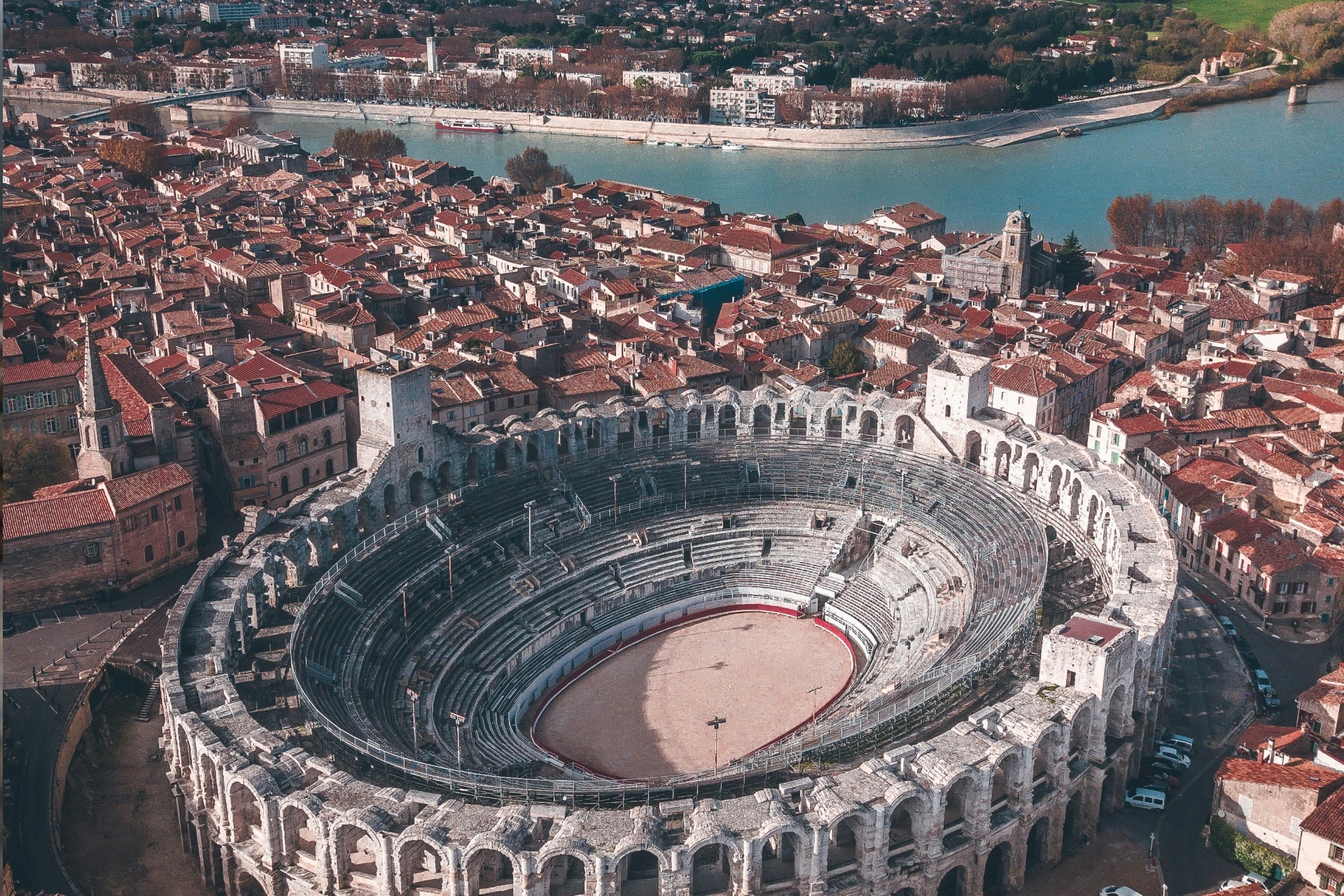
1. Arles Amphitheatre (Arènes d’Arles)
The amphitheatre is the symbol of Arles — if you only see one sight, make it this one. Built around 90 AD, it once held over 20,000 spectators cheering on gladiatorial combats. Today, it still hosts bullfights and festivals, but most of the time you can wander through the arches almost alone, especially early in the morning.
On my last spring visit, I arrived just after opening. The light was low, casting long shadows through the arcades. I climbed to the top tier and suddenly the whole old town opened up around me: terracotta roofs, church towers, and the Rhône glittering in the distance. It’s the closest thing Arles has to a “skyline” — no skyscrapers here, just layers of history.
Why go: It’s the best vantage point in Arles, a must for photos and orientation. Kids love exploring the tunnels; couples tend to linger at the top with the views.
Tips: Buy the combined ticket that includes several Roman sites; go right at opening or near sunset for softer light; bring water in summer. During events, access may be limited, so check schedules.
2. Ancient Roman Theatre (Théâtre Antique)
Just a few steps from the amphitheatre, the Roman Theatre feels more introspective. Only two tall columns and fragments of tiers remain, but the setting is magical, especially when swallows twirl overhead at dusk.
I’ve watched rehearsals for summer performances here, musicians testing acoustics that still carry perfectly after 2,000 years. Sit on a sun‑warmed stone step and imagine the crowds of Roman Arles watching comedies and tragedies.
Why go: Atmospheric ruins, good for photos, and a quiet place to rest between sights.
Tip: If your dates line up with concerts or performances here, grab tickets — seeing a show in a 1st‑century theater is a cultural experience in Arles you won’t forget.
3. Saint-Trophime Church & Cloister
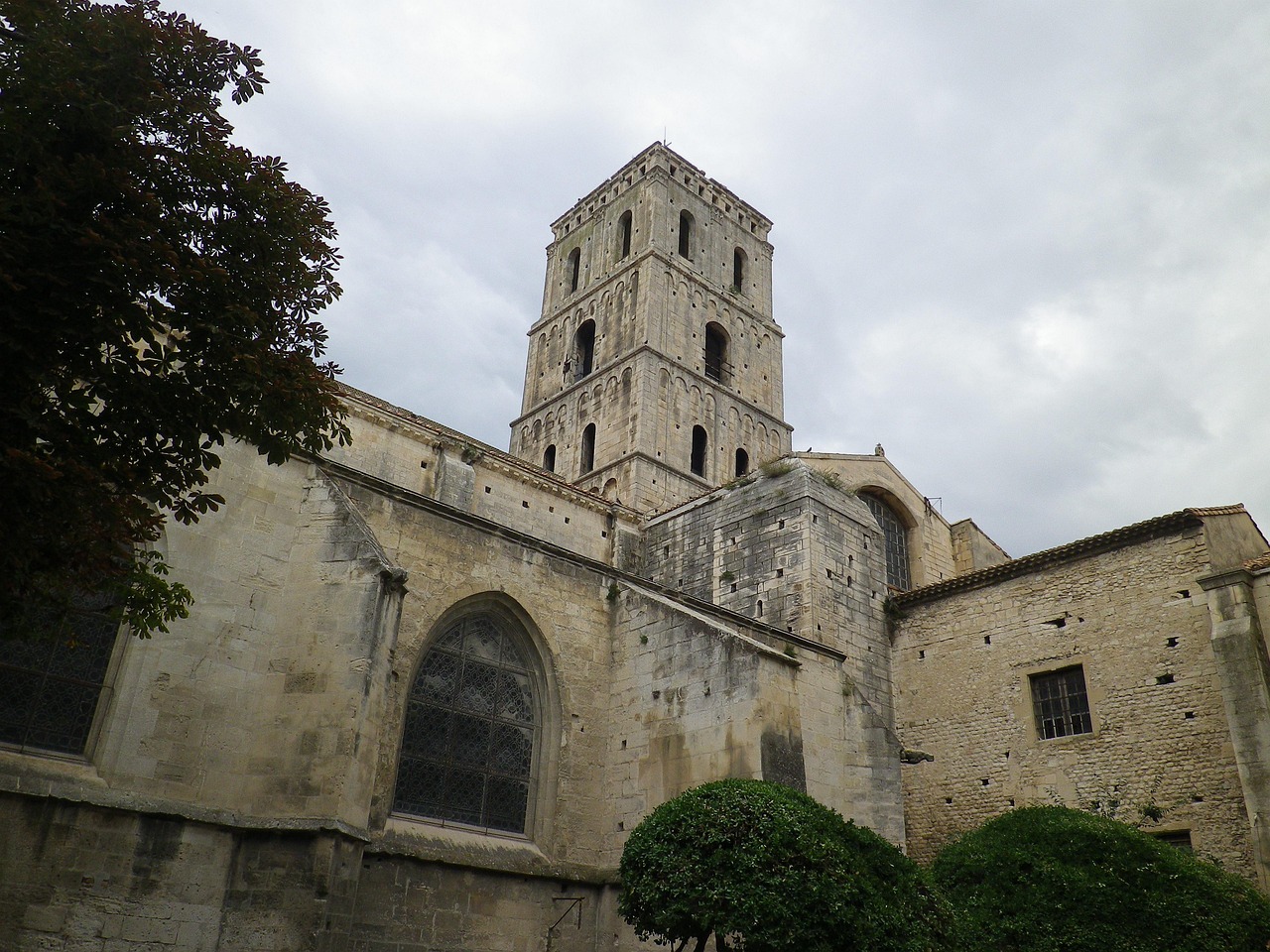
The Romanesque portal of Saint-Trophime is one of those façades you can stare at for ages: apostles, beasts, and angels carved into creamy stone. But the real magic is behind it in the cloister — a cool, echoing quadrangle of arches and columns, each capital carved with biblical scenes and local saints.
I often duck in here in mid‑summer, when the streets outside are blazing hot. The temperature drops instantly, and the only sounds are footsteps and the occasional murmur of a guide. It’s contemplative, even if you’re not religious.
Why go: One of the finest Romanesque cloisters in Provence, a UNESCO highlight, and perfect for quiet reflection or photography.
Tip: Visit around midday when the light filters beautifully across the cloister, and combine it with a wander around Place de la République just outside.
4. Les Alyscamps (Roman Necropolis)
Les Alyscamps is a long, tree‑lined avenue of stone sarcophagi leading to a ruined church — one of the most evocative hidden gems in Arles if you go at the right time. This was one of the most prestigious burial grounds in the Roman world.
Van Gogh and Gauguin painted here, fascinated by the melancholy beauty of the place. I like to go late in the afternoon when the cicadas are loud and the light is slanting through the leaves, turning the stone a soft gold.
Why go: A quieter, more atmospheric counterpart to the amphitheatre and theatre.
Tip: It’s a short walk from the center (15–20 minutes); wear comfortable shoes and bring water in summer — there’s little shade once you’re past the entrance.
5. Place du Forum & “Café Terrace at Night” Corner
The heart of old Arles, Place du Forum is a lively square backed by the remains of a Roman forum and lined with cafés. One corner is instantly recognizable: the yellow café Van Gogh made famous in “Café Terrace at Night.”
I have mixed feelings about that café itself — it’s become a tourist magnet with prices to match — but sitting anywhere on the square in the evening still feels special. The plane trees rustle, people stroll by, and if you look up you can imagine the starry sky Van Gogh painted.
Why go: Central, atmospheric, great for people-watching and a coffee or apéro stop.
Tip: For better value, have your drink or meal at one of the less famous cafés on the square or on a side street nearby; you still get the ambiance without paying the “Van Gogh tax.”
6. Van Gogh Walking Trail
Arles is inseparable from Van Gogh. In just over a year here (1888–1889), he produced some of his most iconic works. A signed walking trail leads you to the real‑life locations of paintings like “Starry Night Over the Rhône,” “The Yellow House,” and the “Bedroom in Arles.”
I love following the trail on my first morning in town; it doubles as a gentle orientation walk. Standing on the Rhône quay where Van Gogh set up his easel, you can still see the same curve of the river, the same arrangement of lights, even if the details have changed.
Why go: A self‑guided art pilgrimage, very doable with kids or as a romantic stroll.
Tip: Pick up the trail map from the tourist office, or simply follow the brown “Circuit Van Gogh” signs. Go at golden hour if you’re keen on photography.
7. Fondation Vincent van Gogh Arles
Don’t expect a massive permanent collection of Van Gogh originals — the Fondation is more about dialogues between his work and contemporary artists, with rotating exhibitions that change several times a year.
One summer, I visited an exhibition pairing Van Gogh’s intense yellows with bold abstract works; another time, the focus was on how modern photographers interpret his sense of color. The rooftop terrace is a bonus: a quiet spot with views over the tiled roofs of the old town.
Why go: For art lovers, it’s a must; even casual visitors appreciate the building and rooftop.
Tip: Check what’s on before you go; exhibitions can vary widely in theme and appeal. The foundation is compact — budget 1–1.5 hours.
8. LUMA Arles & the Parc des Ateliers
LUMA Arles is where old industrial Arles meets bold contemporary architecture. The centerpiece is a shimmering, twisting tower by Frank Gehry, set in a landscaped park built on former railway workshops. Inside you’ll find cutting‑edge contemporary art, installations, and research projects.
The first time I stepped into LUMA, I felt like I’d been catapulted to another city — something between Bilbao and a sci‑fi set. It’s a fascinating contrast to the Roman stones of the old center, and the gardens are a lovely place to stroll or picnic.
Why go: Essential for understanding modern Arles; fun for families (lots of space to run), inspiring for design and architecture fans.
Tip: Admission policies sometimes change; in recent years, certain parts have been free but require timed tickets. Reserve online in advance, especially in summer.
9. Musée de l’Arles Antique (Archaeological Museum)
Just outside the old town, this blue‑angled modern museum houses the Roman heart of Arles: mosaics, statues, sarcophagi, and the famous Roman barge raised from the Rhône. It’s the place where all the fragments you see scattered around the city are put into context.
On a rainy winter day, I spent nearly three hours here, lingering over delicate glassware and a giant mosaic floor that once decorated a grand villa. It’s quieter than the city‑center attractions, and the explanations (in French and often English) are excellent.
Why go: To deepen your understanding of Arles as a major Roman port, and to escape the heat or rain.
Tip: Combine with a stroll along the Rhône nearby. It’s a bit of a walk from the center (20–25 minutes), or a short bus/taxi ride.
10. Cryptoporticus (Underground Roman Galleries)
Beneath the modern Hôtel de Ville (city hall) lie eerie underground corridors that once supported the Roman forum. The air is cool and damp, the lighting low, and the sense of stepping backward in time is intense.
I like to visit the Cryptoporticus on hot afternoons; it feels almost cinematic to descend from the bright square into these shadowy stone halls. Kids either love the spookiness or cling to your hand — either way, it’s memorable.
Why go: One of the most atmospheric Roman remains in Arles and a welcome temperature change.
Tip: It’s included on many combined tickets; check opening times carefully as they can be more limited than other sites.
11. Thermes de Constantin (Roman Baths)
These 4th‑century baths sit quietly near the Rhône, partially excavated but still impressive. You can see the remains of hot and cold rooms, hypocaust systems, and brick arches.
It’s not the grandest bath complex you’ll ever see, but I love the way it tucks into a residential neighborhood; Roman life feels interwoven with modern Arles here.
Why go: A short but interesting stop for Roman‑history fans; usually uncrowded.
Tip: Combine with a stroll along the Rhône and a coffee at a nearby café; 30–45 minutes is plenty.
12. Place de la République & Hôtel de Ville
This is Arles’ civic heart: an obelisk (Roman, of course) rising from the center, framed by the town hall, Saint-Trophime, and stately buildings. It’s less touristy than Place du Forum and feels more like where locals actually cross paths — weddings spilling out of the church, protests, school outings.
I often cut through this square multiple times a day, using it as an anchor in my mental map of Arles.
Why go: Central orientation point, good for photos of the obelisk and façades.
Tip: Look for the entrance to the Cryptoporticus here; it’s easy to miss.
13. Rhône River Quays & “Starry Night Over the Rhône” Viewpoint
The broad, slow Rhône wraps around Arles, and its quays are perfect for evening strolls. One stretch, just north of the center, is marked as the spot where Van Gogh painted “Starry Night Over the Rhône.”
I’ve walked here in all seasons: windy winter evenings with barely anyone out, summer nights when couples sit on the steps with takeaway pizzas, and autumn afternoons when the light is almost blinding on the water. It’s an easy, low‑effort pleasure that fits any itinerary.
Why go: Romantic strolls, sunset views, and a direct connection to one of Van Gogh’s masterpieces.
Tip: Bring a light jacket; the river breeze can be cool even in summer.
14. Église Saint-Julien & Quiet Backstreets
North of the hyper‑central sights, Saint-Julien is a less‑visited church surrounded by a warren of narrow lanes. This is where I go when I want to feel the everyday city: laundry hanging from windows, kids biking past, elderly neighbors chatting at doorways.
The church interior is simple but atmospheric, and the surrounding streets offer lovely façades, shutters, and tiny local shops.
Why go: To balance the “checklist” sights with real neighborhood life.
Tip: Come mid‑morning when shops are open and the light is soft on the façades.
15. Arles as Gateway to the Camargue
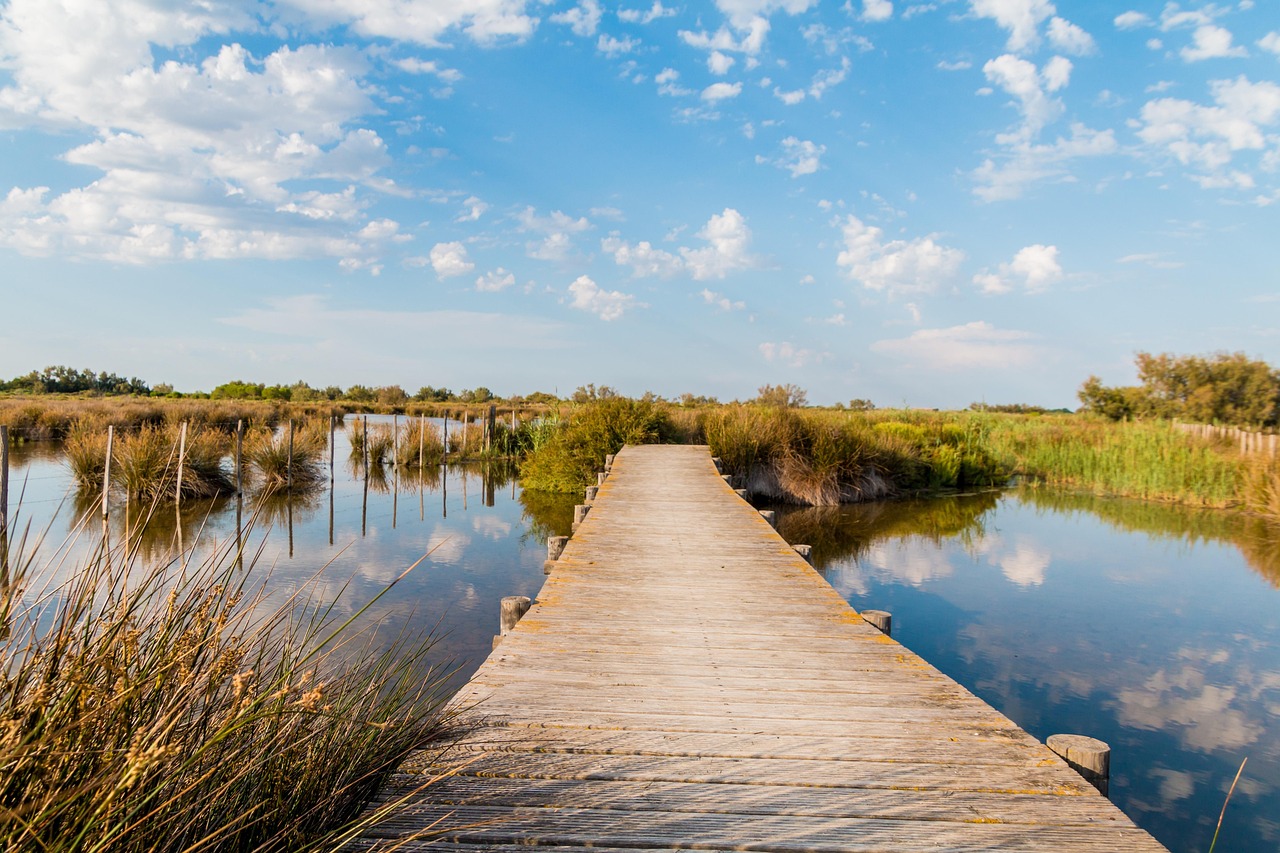
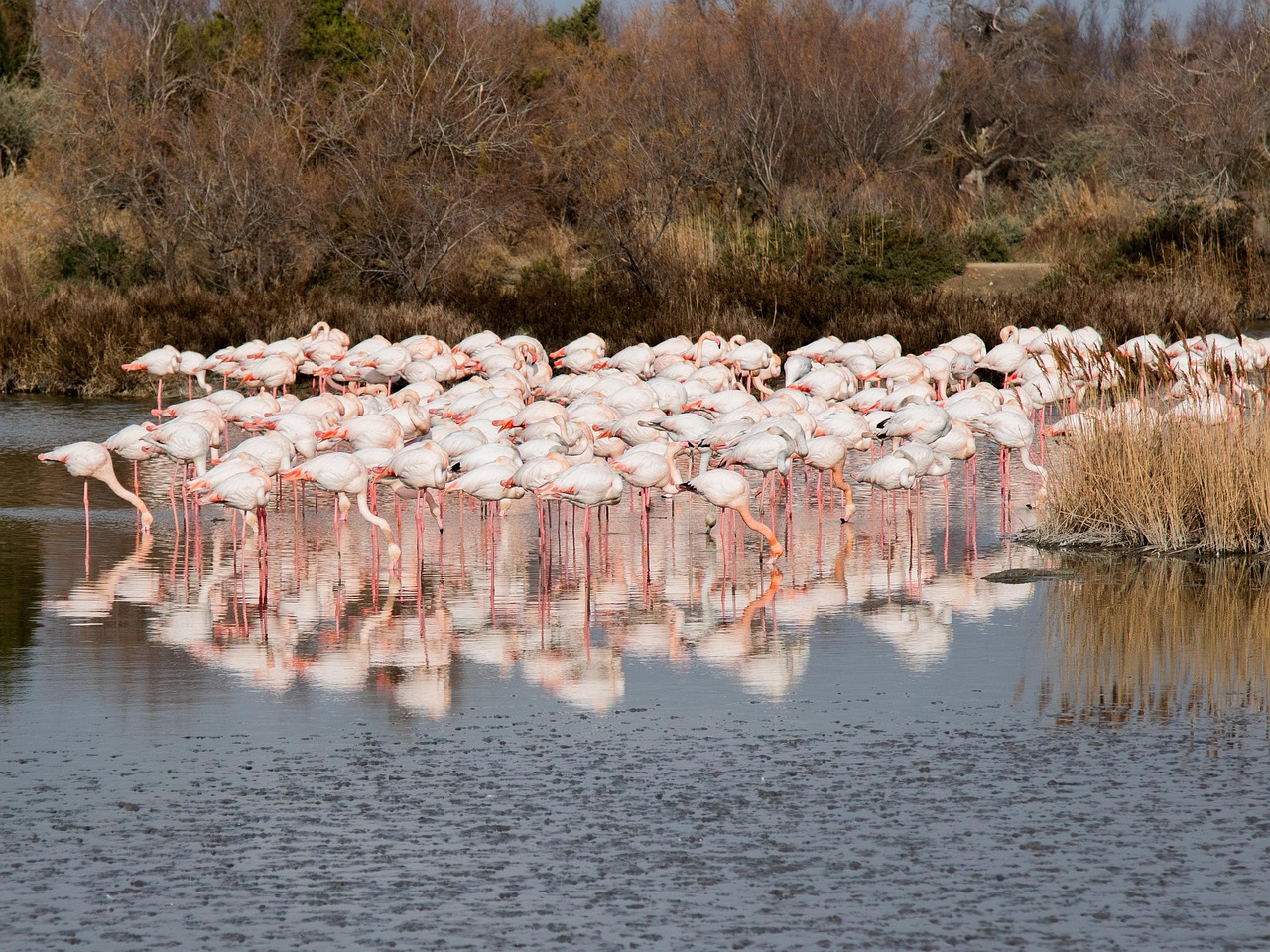
Technically not in Arles proper, but it’s impossible to talk about the city without the Camargue: a wild delta of wetlands, white horses, black bulls, and pink flamingos stretching south to the sea.
I usually dedicate at least one day of a longer stay to the Camargue — cycling along the sea walls, birdwatching with binoculars, or visiting a traditional manade (bull ranch). Arles is the most practical and pleasant base for these excursions.
Why go: Family‑friendly nature, adventurous horseback rides, unique landscapes.
Tip: Bring insect repellent; mosquitoes can be fierce at dusk, especially in warmer months.
16. Traditional Events at the Arènes (Bullfights and Festivals)
The amphitheatre isn’t just a static monument: at certain times of year, it comes alive with bull‑related events, concerts, and festivals. The courses camarguaises (local-style bull games where the goal is to pluck rosettes from the bull’s horns without harming the animal) are particularly rooted in regional culture.
I attended a course camarguaise during the Easter Feria once, and the energy in the stands was incredible — families, teenagers, grandparents, all cheering on their favorite raseteurs (the agile men in white).
Why go: A window into living Provençal and Camargue traditions.
Tip: If you’re sensitive to animal events, research in advance and choose courses camarguaises over Spanish‑style bullfights; the ethos and outcome are different.
17. Rencontres d’Arles (Photography Festival)
From early July to late September, Arles turns into the world capital of photography. The Rencontres d’Arles festival brings exhibitions to chapels, warehouses, courtyards, and galleries across the city.
The first time I visited during the Rencontres, I spent whole days wandering from show to show, pausing only for iced coffees and late dinners. The city buzzes with creative energy — you’ll see photo students sprawled on steps reviewing contact sheets, professionals deep in conversation in cafés, and pop‑up installations in unexpected corners.
Why go: If you love photography or contemporary art, planning your trip around this is a dream.
Tip: Accommodation prices and crowds spike during the festival. Book early, and consider staying slightly outside the very center to save money.
18. Arles Markets (Wednesday & Saturday)
The twice‑weekly markets are my favorite local food in Arles experience and arguably the best cultural experiences in Arles for first‑timers. Stalls stretch along Boulevard des Lices and surrounding streets: olives, cheeses, herbs, sausages, fresh fish, and great heaps of seasonal produce.
My personal ritual: buy a wedge of goat cheese, some sun‑dried tomatoes, olives, and a still‑warm baguette, then assemble a picnic by the Rhône. It’s one of the best ways to eat well on a budget.
Why go: Taste your way through Provence, stock up for picnics, and people‑watch.
Tip: Go early (8:30–10:00) for the best selection and cooler temperatures. Many vendors prefer cash, though more now take cards.
19. Hidden Courtyards, Passages, and Street Art
One of my joys in Arles is getting lost. Between the main sights are tiny passages that open into surprising courtyards, small squares with a single café, or patches of street art on otherwise ancient walls.
On one visit, ducking down a narrow lane to avoid a tour group, I stumbled on a courtyard where an artist had transformed old shutters into colorful installations. Another time, I followed faint music and found a courtyard jazz concert, free and packed with locals.
Why go: These aren’t “sights” in a guidebook, but they’re what make Arles feel truly alive.
Tip: Leave at least one afternoon in your itinerary unstructured; wander with no real plan, and say yes to curiosity.
20. Long Lazy Meals & Provençal Apéros
If you rush your meals in Arles, you’re missing half the point of being here. Lunches stretch to two hours, dinners can easily go longer, and the pre‑dinner apéritif (drink and snacks) is a sacred institution.
Some of my favorite memories are of simple dishes: a gardianne de taureau (bull stew) with black rice from the Camargue, a perfectly grilled daurade (sea bream), or just a glass of local rosé with olives and anchovies as the sky fades to pink.
Why go: Because food is culture here, and shared meals are the best way to feel it.
Tip: I list specific restaurant recommendations in the food section, including budget‑friendly options and splurges.
Suggested 3–5 Day Itineraries in Arles
Below you'll find flexible, story‑driven itineraries designed from my own trips: a 3 day itinerary for Arles, a 4 day itinerary for Arles, and a 5 day itinerary for Arles. Mix and match based on your interests, season, and energy levels.
3 Days in Arles: Essential Highlights & Local Flavor
This 3 day itinerary for Arles is ideal for first‑timers who want the must-see attractions in Arles without feeling rushed. I’ve followed some version of this plan with visiting friends many times, and it always works.
Day 1 – Roman Arles & Old Town Orientation
I like to treat the first day as a grand introduction: Roman ruins, an easy loop through the old town, and a relaxed Provençal dinner.
Morning: Amphitheatre & Roman Theatre
Start at the Amphitheatre right when it opens. Climb to the top tier, walk the inner corridors, and take your time — this is the postcard shot, and it sets the tone for your trip.
From there, it’s a short stroll to the Roman Theatre. Sit for a while on the stone steps; if you’re with kids, let them pretend they’re staging a play. Expect to spend roughly 2–2.5 hours on both sites together.
Lunch: Simple Provençal Fare
Head toward the center and choose a bistro on a quieter side street off Place du Forum. I like small spots that do a daily menu featuring seasonal dishes — think brandade de morue (salt cod purée), tian de légumes (layered vegetables), or daube (beef stew).
Afternoon: Place de la République, Saint-Trophime & Cryptoporticus
After lunch, wander to Place de la République to see the obelisk, then step into Saint-Trophime and its cloister. Give yourself at least an hour there — the details reward slow looking.
Next, descend into the Cryptoporticus under the town hall. It’s a short visit but unforgettable, especially as you emerge back into the sunlight of the square.
Late Afternoon: Place du Forum & First Apéro
Drift to Place du Forum for your first apéro in Arles. Order a glass of rosé or a pastis (anise liqueur popular in the south) and some olives. This is where you start to settle into the local rhythm.
Evening: Dinner in the Old Town
For dinner, choose a bistro that balances tourists and locals (your nose is a good guide — if it smells good and the menu’s not translated into five languages, you’re probably safe). Try a fish dish or something with local Camargue rice.
Day 2 – Van Gogh, Museums & Rhône Sunset
Day 2 of this 3 days in Arles plan is about art and atmosphere, mixing Van Gogh sites with modern culture and river views.
Morning: Van Gogh Trail & Fondation Vincent van Gogh
After breakfast at your hotel or a café, follow part of the Van Gogh walking trail. Start from Place du Forum, pass the “Café Terrace at Night” corner, and then head toward the Rhône for the “Starry Night Over the Rhône” viewpoint.
Late morning, visit the Fondation Vincent van Gogh. Even if you’re not an art history buff, the changing exhibitions and rooftop terrace are worth it. Plan 1–1.5 hours.
Lunch: Market Picnic or Café
If it’s a Wednesday or Saturday, grab provisions at the Arles market and picnic along the Rhône. Otherwise, choose a café with a terrace and order a salade niçoise or plat du jour.
Afternoon: LUMA Arles & Parc des Ateliers
In the afternoon, walk or take a short bus to LUMA Arles. Explore the exhibitions, ride the elevator up the Gehry tower if accessible, and wander the park. On hot days, the shaded areas and water features are a blessing.
This is a great stop for families: kids have room to roam, and the art often includes playful installations.
Late Afternoon & Evening: Rhône Sunset Walk & Dinner
Back in the center, stroll along the Rhône quays at sunset. The light reflecting off the water is as lovely on cloudy days as on clear ones.
For dinner, try a restaurant that features Camargue specialties: gardianne de taureau (bull stew), tellines (tiny clams), or fish dishes with local rice.
Day 3 – Les Alyscamps, Museum & Free Time
Your final day in this 3 day itinerary for Arles gives you a taste of quieter corners and a deeper dive into history.
Morning: Les Alyscamps
Walk to Les Alyscamps in the morning, while the light is soft and the avenue is calm. Take time to read the panels and imagine the centuries of people who walked this same path in mourning and respect.
Late Morning: Musée de l’Arles Antique
From Les Alyscamps, either walk or take a bus/taxi to the Musée de l’Arles Antique. Spend 1.5–2 hours learning the full Roman story behind the ruins you’ve been seeing.
Lunch: Casual Eatery
Grab lunch near the museum or back in the center — this is a good day to try a simple plat du jour somewhere unpretentious.
Afternoon: Free Time & Shopping
Leave your last afternoon flexible. Options:
- Return to a favorite site (like the amphitheatre) for another look.
- Explore Saint-Julien and nearby backstreets.
- Shop for Provençal textiles, soaps, or photography books.
Evening: Farewell Dinner
For your final evening, linger over a long dinner on a terrace. Order something you haven’t tried yet — maybe aïoli, the garlicky cod and vegetable dish, or a decadent dessert like tarte aux figues if in season.
4 Days in Arles: Adding the Camargue or Extra Culture
A 4 day itinerary for Arles lets you keep the 3‑day plan and add either a day trip to the Camargue or more time for museums and slow wandering.
Day 4 Option A – Camargue Nature & Sea (Family-Friendly & Adventurous)
This is my usual choice for 4 days in Arles, especially in spring, summer, or early autumn.
Morning: Bus or Drive to Saintes-Maries-de-la-Mer
Catch a morning bus or drive (about 40–50 minutes) to Saintes-Maries-de-la-Mer, a seaside town that’s the informal capital of the Camargue.
Late Morning: Walk, Beach, or Horseback Ride
Options:
- Walk through the town and climb the fortified church for views over the wetlands.
- Rent bikes and ride along the sea walls and lagoons (great for spotting flamingos).
- Book a horseback ride with a reputable ranch for a few hours.
Lunch: Seafood by the Sea
Eat at a simple seaside restaurant — grilled fish, moules‑frites (mussels and fries), and a chilled rosé are perfect here.
Afternoon: More Nature or Beach Time
Spend the afternoon on the beach, cycling more, or visiting a bird reserve such as Pont de Gau (easy for families, with well‑maintained paths and hides).
Evening: Return to Arles
Head back to Arles for a light dinner or just an apéro with snacks — you’ll be pleasantly tired.
Day 4 Option B – More Museums & Hidden Arles (Romantic & Cultural)
If you’d rather stay city‑based, use day 4 to dig deeper.
Morning: Thermes de Constantin & Rhône Walk
Visit the Thermes de Constantin, then follow the river to explore lesser‑known stretches of the quays and side streets.
Afternoon: Gallery Hopping & Café Time
Drop into small galleries and photography spaces around the center (especially during the Rencontres). Give yourself permission to spend a couple of hours in a single café with a book or journal.
Evening: Cultural Event
Check if there’s a concert, film screening, or performance at the amphitheatre, theatre, or one of the cultural centers. End with a later dinner — locals often eat from 8 pm onward.
5 Days in Arles: Slow Travel, Side Trips & Deep Dives
If you can, I always recommend 5 days in Arles. This 5 day itinerary for Arles lets you mix iconic sights, hidden corners, and at least one substantial day trip without rushing.
Day 4 – Camargue (as Above) or Nearby Villages
Use Day 4 as described in the 4‑day itinerary. If you already did the Camargue, consider a shorter outing to a nearby village (see day trips section) like Les Baux‑de‑Provence or Saint‑Rémy‑de‑Provence.
Day 5 – Free Day, Shopping, & Favorite Repeats
On longer stays, I like to leave one day almost unplanned. Some ideas:
- Revisit your favorite site (for me, often the amphitheatre or the cloister at Saint-Trophime).
- Take a half‑day food tour or cooking class, if available.
- Shop for local specialties: Camargue salt, olive oil, lavender products, textiles.
- Spend a few hours just walking with your camera, focusing on shutters, doors, and street scenes.
Finish your stay with a final dinner somewhere special — perhaps a restaurant you saved for last, or one recommended by a friendly local you met along the way.
Neighborhoods & Areas to Explore in Arles
Arles isn’t divided into big, clearly named districts like some large cities, but different parts of town do have distinct personalities. Here’s how I think of them when planning days.
Historic Center (Intra-Muros)
This is where you’ll likely stay and spend most of your time: narrow cobbled streets, golden‑stone buildings, Roman and medieval monuments sprinkled everywhere. It’s compact and walkable — 15–20 minutes from one end to the other — but dense with things to see.
Highlights: Amphitheatre, Roman Theatre, Place du Forum, Saint-Trophime, Cryptoporticus, most cafés and restaurants.
Vibe: Lively but not overwhelming; quieter at night compared to big cities.
La Roquette (Riverside Quarter)
West of the center near the Rhône, La Roquette has a slightly bohemian feel: narrower lanes, colorful houses, artists’ studios, and some excellent small restaurants. It was once a more working‑class area and still feels less polished in a good way.
I love wandering here at the golden hour and watching neighbors chat from window to window.
Good for: Evening strolls, local eateries, photography.
Trinquetaille (Across the Rhône)
Cross the bridge to the north bank of the Rhône and you’re in Trinquetaille, a quieter residential area. It’s less visited by tourists, but offers good views back toward the old town and a more everyday feel.
Good for: A change of perspective, peaceful walks, and budget stays (a few guesthouses here are cheaper).
Parc des Ateliers & LUMA Area
South of the station, around the old railway workshops, you’ll find the transformed Parc des Ateliers and LUMA complex. This is Arles’ contemporary culture hub, with modern architecture, event spaces, and landscaped grounds.
Good for: Design and architecture fans, families needing green space, festival events.
Boulevards & Market Zone
The boulevards that circle the historic core (like Boulevard des Lices) host the weekly markets and feel more “practical” — bakeries, pharmacies, supermarkets. Many locals do their daily errands here.
Good for: Markets, everyday shopping, slightly cheaper eats.
Best Local Food & Drink in Arles
Food in Arles is a blend of Provençal, Camargue, and Mediterranean influences: olive oil, garlic, herbs, seafood, bull meat, and an abundance of vegetables. Eating well here doesn’t require big budgets if you know where to look.
What to Eat in Arles
- Gardianne de taureau – Slow‑cooked bull stew, rich and winey, served with Camargue rice.
- Tellines – Tiny clams sautéed with garlic and parsley; often from the nearby coast.
- Brandade de morue – Creamy salt cod and potato spread, often served with bread or potatoes.
- Aïoli – Garlicky mayonnaise served with boiled fish and vegetables; often a set dish on Fridays.
- Tapenade – Olive paste (green or black), perfect with bread or crudités.
- Olives & Camargue rice – Local staples that appear in many dishes.
- Fougasse – Flatbread, sometimes studded with olives or pork cracklings.
- Local cheeses – Especially goat cheeses from the Alpilles region.
Where to Eat & Drink (Personal Suggestions)
As places can change hands, consider these as types of spots to look for rather than fixed endorsements, but they’re based on real experiences over my visits.
- Traditional bistros in the historic center – Look for short menus featuring gardianne de taureau and daily specials. These are ideal for your first night.
- Market stands and takeaway counters – On market days, grab rotisserie chicken, grilled vegetables, and fresh bread for a picnic. Cheapest way to feast.
- Wine bars around Place du Forum and side streets – Great for apéro platters of charcuterie and cheese, with local wines by the glass.
- Small restaurants in La Roquette – Some of my best meals have been here, away from the main tourist flow.
Money-saving tip: Look for lunch formules (set menus) — often 2 or 3 courses for a reasonable price. At dinner, ordering just a main and sharing a starter or dessert can keep costs down without feeling deprived.
What to Drink in Arles
- Local rosé – Light, dry, and perfect with almost everything.
- Pastis – Anise spirit diluted with water; a classic southern apéro.
- Local reds and whites – From the Rhône valley and Provence.
- Coffee – Order a café (espresso) or café crème (with milk); refills aren’t common.
Eating on a Budget in Arles
Over multiple trips, I’ve refined a few thrifty habits:
- Book accommodations with at least a fridge; breakfasting on yogurt, fruit, and pastries from a bakery saves a lot.
- Make lunch your main restaurant meal (cheaper set menus), and keep dinner lighter with a picnic or simple dishes.
- Use supermarkets and the market for snacks and drinks; a bottle of wine from a shop is far cheaper than by the glass on a terrace.
Nightlife, Entertainment & Cultural Experiences in Arles
Arles is more about evenings than late‑night clubbing. Think terraces, festivals, and performances rather than heavy nightlife.
Evenings in Arles
Most nights, I drift between an apéro on a terrace, a relaxed dinner, and a stroll along the Rhône or through the lit‑up streets of the old town. In high season, street musicians often appear, and squares buzz with conversation.
Cultural Venues & Events
- Amphitheatre & Roman Theatre – Concerts, bull events, performances in season.
- Théâtre d’Arles – Contemporary performances, theatre, dance (check schedules).
- LUMA Arles – Evening events, screenings, and special programs.
- Rencontres d’Arles – Late‑opening exhibitions, talks, and screenings in summer.
Family-friendly: Early evening strolls, outdoor performances, and riverside walks.
Romantic: Sunset over the Rhône, terrace dinners in La Roquette, nighttime views of the amphitheatre.
Day Trips from Arles
One of Arles’ strengths is its position: you can easily reach several beautiful towns and landscapes.
Camargue Wetlands & Saintes-Maries-de-la-Mer
As described in the 4‑day itinerary, this is a must if you love nature and the sea. Buses run regularly in season; renting a car gives more flexibility but isn’t essential.
Les Baux-de-Provence & Carrieres de Lumieres
A hilltop village with a ruined castle and sweeping views, plus the immersive art show at Carrières de Lumières (projected onto quarry walls). Accessible by car; some organized tours also include it.
Saint-Rémy-de-Provence & Van Gogh’s Asylum
A charming town north of Arles, associated with Van Gogh’s later period. Easy to combine with Les Baux in a single day with a car.
Nîmes
Another Roman city with an even more intact amphitheatre and the beautiful Maison Carrée (Roman temple). Direct trains make this a straightforward day trip.
Avignon
Famous for the Palais des Papes and its half‑bridge, Avignon is about 45 minutes by train. Great if you want a more urban feel for a day, then retreat back to Arles in the evening.
Major Events & Festivals in Arles (2026–2027)
Dates shift slightly each year, so always confirm closer to your trip, but here’s what to expect in 2026–2027:
- Feria de Pâques (Easter Feria) – Late March or April 2026 & 2027
A major event with bullfights, courses camarguaises, parades, music, and late‑night street parties. Expect crowds and higher prices, but a truly electric atmosphere. - Feria du Riz (Rice Feria) – Early September 2026 & 2027
Celebrates the rice harvest with bull events, festivities, and food. - Rencontres d’Arles (Photography Festival) – Early July to late September 2026 & 2027
City‑wide photography exhibitions and events. Peak crowds in July; quieter but still rich in August–September. - Christmas & New Year Festivities – December 2026 – January 2027
Smaller‑scale than big cities, but charming lights, markets, and Provençal Christmas traditions.
For 2026–2027, Arles is continuing to develop the LUMA complex and related cultural programming, so expect an even richer calendar of contemporary art exhibitions, installations, and talks.
Cultural Etiquette & Local Customs in Arles
Understanding local customs in Arles will make your trip smoother and your interactions warmer.
Greetings & Politeness
- Always say “Bonjour” (before 6 pm) or “Bonsoir” (after) when entering shops, cafés, or speaking to staff.
- “S’il vous plaît” (please) and “Merci” (thank you) go a long way.
- A simple “Bonjour, parlez-vous anglais ?” before switching to English is appreciated.
Dining Customs
- Meals are meant to be leisurely; service won’t rush you, and you must ask for the bill (“L’addition, s’il vous plaît.”).
- Tipping is modest — service is included, but rounding up or leaving 5–10% for good service is appreciated.
- Lunch is typically 12–2 pm; dinner starts around 7:30–8:30 pm. Outside those times, full meals may be harder to find.
Dress & Behavior
- Smart‑casual is standard; you don’t need to dress up heavily, but beachwear in town is frowned upon.
- In churches, cover shoulders and avoid very short shorts; it’s about respect more than strict enforcement.
- Noise late at night in residential streets is unpopular; keep voices down after 10–11 pm.
Photography Etiquette
- Ask before photographing people, especially market vendors or performers.
- In museums and exhibitions, follow posted rules about photography; flash is often forbidden.
Practical Travel Advice for Arles (2026)
Getting To Arles
Arles is well connected by train and road.
- By train: Direct regional trains from Marseille (~1h), Avignon (~45min), Nîmes (~30–40min), Montpellier (~1h15).
- By air: Nearest major airports are Marseille Provence (MRS), Montpellier (MPL), and Nîmes (FNI). From there, take a train or bus.
- By car: Easy access via A7/A9/A54 motorways; parking is easier at the edge of the center than inside it.
Getting Around Arles
The historic center is walkable; you won’t need a car inside town.
- On foot: Best way to explore; wear comfortable shoes for cobblestones.
- Local buses: Useful for reaching the museum, outskirts, or Camargue starting points.
- Car rental: Handy for exploring the wider region (Camargue, Alpilles, Nîmes, Avignon) on your own schedule.
- Bikes: Some rentals exist; better for the Camargue and countryside than inside the cramped old town.
Money-Saving Tips in Arles
- Buy multi‑site passes for Roman monuments to save on individual entry fees.
- Use lunch set menus and self‑cater some breakfasts or dinners.
- Visit in shoulder seasons (April–May, late September–October) for lower prices and fewer crowds.
- During big events (ferias, Rencontres), book early or avoid those dates if you’re budget‑conscious.
SIM Cards & Connectivity
In 2026, it’s straightforward to stay connected:
- Major French operators (Orange, SFR, Bouygues, Free) sell prepaid SIMs; you’ll find shops in larger nearby cities and kiosks.
- eSIMs are increasingly common and can be purchased online before you arrive.
- EU visitors generally roam as at home; non‑EU visitors should check roaming costs and consider local SIMs.
Visa Requirements & Driving
Arles is in France, thus in the Schengen Area.
- Visas: Many nationalities (EU, UK, US, Canada, Australia, etc.) can enter Schengen visa‑free for short stays (typically up to 90 days in 180). Always check the latest rules for your passport.
- Driving licenses: EU licenses are valid. Non‑EU visitors often can drive with their home license plus an International Driving Permit (IDP); check your specific country’s agreement with France.
Safety & Health
Arles is generally safe, with standard small‑city precautions:
- Watch your belongings in crowds (markets, festivals, trains).
- In summer, heat can be intense; carry water, sunscreen, and a hat.
- Mosquitoes are an issue in the Camargue — bring repellent.
Best Seasons for Different Activities
- Spring (April–June): Ideal overall. Mild temperatures, blooming countryside, markets full of fresh produce. Great for walking, Roman sites, and Camargue birdwatching.
- Summer (July–August): Hot, lively, and busy. Best for festivals, nightlife, and long evenings outside. Be prepared for heat and crowds, especially during the Rencontres and ferias.
- Autumn (September–October): Another sweet spot: warm days, cooler nights, harvest season foods, fewer tourists.
- Winter (November–March): Quiet, sometimes rainy or windy, but atmospheric. Great for a slower, more introspective trip; some attractions may have shorter hours.
Summary: Key Takeaways & Best Time to Visit Arles
Arles is a small city with outsized character: Roman ruins that rival big capitals, the ghost of Van Gogh in its streets and light, and a thriving contemporary art scene anchored by LUMA and the Rencontres d’Arles. It’s compact enough for a 3 day itinerary for Arles, rich enough for 4 days in Arles or a full 5 day itinerary for Arles with day trips to the Camargue, Nîmes, or Les Baux‑de‑Provence.
For most travelers, the best times to visit are:
- April–June – Perfect balance of weather, crowds, and prices.
- September–October – Warm, mellow, and harvest‑rich.
- July–August – If you prioritize festivals and don’t mind heat and crowds.
Build your own rhythm between must-see attractions in Arles — the amphitheatre, Saint-Trophime, Les Alyscamps — and slower pleasures like market picnics, riverside walks, and long dinners. Respect the local customs in Arles, lean into the slower pace, and let yourself get a little lost. That’s usually when the city reveals its best secrets.
However long you stay, from 3 days in Arles to a week exploring the region, this ancient riverside city has a way of staying with you — in your photos, your palate, and your memory of the light on those pale stone walls at the end of the day.