Why Visit Bagnères-de-Luchon?
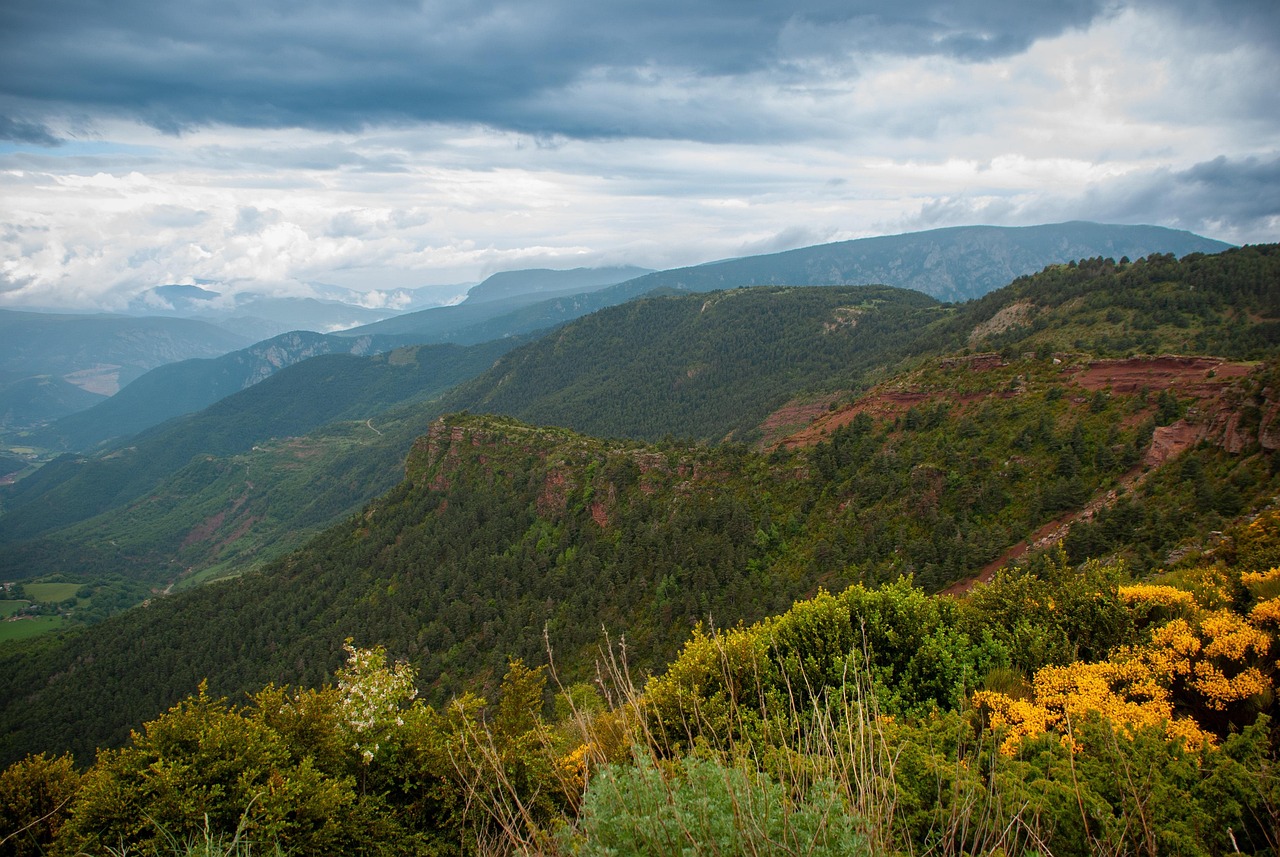
Bagnères-de-Luchon – usually just called Luchon – is a small spa town tucked deep into the French Pyrenees, right on the border with Spain. I’ve been coming here on and off for over a decade: for ski weekends, slow summer escapes, and more than a few long, lazy afternoons in the thermal baths. Every time I arrive, the first glimpse of the surrounding peaks still makes me stop in my tracks.
This is not a big, flashy resort. There are no skyscrapers – just elegant Belle Époque facades, grand hotels turned into apartments, and a wide allée of plane trees leading you toward the mountains. Life here moves at a mountain rhythm: hikers clatter through town in the early morning, spa-goers shuffle by in fluffy robes in the afternoon, and in the evening, everyone seems to converge on café terraces along the main avenue.
What makes Luchon special is the combination of three worlds in one small town:
- Alpine adventure: High mountain lakes, famous Tour de France cols, ski slopes, via ferrata, and wild valleys like the Vallée du Lys.
- Historic spa culture: Roman-era thermal waters, the unique “vaporarium” steam caves, and a long tradition of health cures.
- Authentic Pyrenean life: Weekly markets, local cheeses and charcuterie, small family-run restaurants, and a real year-round community.
Whether you’re planning a 3 day itinerary for Bagnères-de-Luchon, stretching it to 4 days in Bagnères-de-Luchon, or indulging in a full 5 day itinerary for Bagnères-de-Luchon, this travel guide for Bagnères-de-Luchon will walk you through the best places to visit in Bagnères-de-Luchon, the most memorable local food in Bagnères-de-Luchon, and the real hidden gems in Bagnères-de-Luchon that most visitors miss.
In 2026–2027, Luchon is also leaning into its identity as both a spa town and outdoor base. Expect more wellness events, revamped hiking infrastructure, and some new mountain bike routes. I’ll point these out as we go.
Table of Contents
- Why Visit Bagnères-de-Luchon?
- Overview of Luchon & Its Neighborhoods
- Top 20 Must-See Attractions in Bagnères-de-Luchon
- 3, 4 & 5 Day Itineraries (With Personal Stories)
- Best Local Food & Drink
- Nightlife, Entertainment & Cultural Experiences
- Best Day Trips from Bagnères-de-Luchon
- Cultural Etiquette & Local Customs
- Practical Travel Tips & Money-Saving Advice
- Summary & Best Time to Visit Bagnères-de-Luchon
Overview of Luchon & Its Neighborhoods
Luchon is compact – you can cross the main part of town on foot in 15–20 minutes – but each pocket has its own feel. Over the years, I’ve stayed in all of these areas at least once.
Allées d’Étigny & Town Center
This is the spine of Luchon: a wide, tree-lined avenue with Belle Époque buildings, cafés, bakeries, and shops. If you like being in the middle of things, stay here. It’s ideal if you have only 3 days in Bagnères-de-Luchon and want to minimize walking time.
Thermal Quarter & Parc des Thermes
At the southern end of Allées d’Étigny, the town opens into a vast park with the Thermes de Luchon, the vaporarium, fountains, and lawns. This is where spa hotels and apartment residences cluster, and where you’ll see people strolling in bathrobes. I love staying just off this park in winter; you can walk to the baths in two minutes after skiing.
Gare / Northern Entrance
Closer to the train station and main road from Toulouse, this area is quieter and more residential, with a few budget guesthouses and local bars. It’s a practical base if you’re arriving by public transport and want to keep costs down.
Superbagnères (Mountain Station)
High above town, the ski and hiking station of Superbagnères feels like a different world. There’s a cluster of hotels and apartments with uninterrupted mountain views. You’ll be more dependent on the gondola or car, but if your focus is skiing or hiking, it’s worth considering a night or two up here.
Outskirts & Nearby Hamlets
Around Luchon, small hamlets like Juzet-de-Luchon, Montauban-de-Luchon, and Cazarilh-Laspènes are perfect if you want stone houses, quieter nights, and easy access to trails. I often base myself in Juzet when I’m here for a week or more.
Top 20 Must-See Attractions in Bagnères-de-Luchon (With Personal Notes)
Below are the must-see attractions in Bagnères-de-Luchon, from classic spa experiences to wild valleys and high passes. I’ve grouped them roughly from most iconic to more hidden gems.
1. Thermes de Luchon & Vaporarium
If you only do one thing in Luchon, make it this. The Thermes de Luchon and their unique vaporarium are the heart of town. These thermal waters have been used since Roman times, but the current buildings date from the 19th century, and they still carry that faded Belle Époque charm.
The vaporarium is a natural steam gallery carved into the rock, where hot sulfurous vapors rise up from deep underground. The first time I went in, I expected a modern spa; instead, I found a long tunnel, dimly lit, with steam swirling around like a dream sequence. You walk slowly through a series of chambers, each slightly different in temperature. I usually do two circuits of 10–15 minutes, then cool off in the relaxation area.
What to know:
- When I go: I love late afternoons in winter, after skiing, when the crowd thins and everyone is pleasantly exhausted.
- Bring: Swimsuit, flip-flops, and a light robe or towel; caps are sometimes required in pool areas (check current rules at the desk).
- Tip: Book ahead on weekends and school holidays. In 2026, they’re piloting online reservations for day visitors, so check the official site.
For a romantic twist, time your visit so you exit as dusk falls; walk out into the Parc des Thermes, still warm and drowsy, with the last light touching the peaks.
2. Allées d’Étigny & Belle Époque Architecture
Allées d’Étigny is the grand boulevard of Luchon, flanked by cafés, ice-cream parlors, and shops selling everything from hiking gear to local honey. The plane trees create a natural roof over the avenue, and in summer, everything happens here: evening promenades, street performers during festivals, and terraces full of families, cyclists, and spa-goers.
I make a ritual of my first morning in town: croissant and coffee on a terrace, watching the light slide down the mountainsides. Look up as you walk – the wrought-iron balconies, stucco details, and grand façades tell the story of Luchon’s glory days as the “Queen of the Pyrenees.”
Photography tip: Early morning and golden hour are perfect for capturing the architecture with the mountains as a soft backdrop.
3. Superbagnères Ski & Hiking Station
Perched at around 1,800–2,200 m, Superbagnères is Luchon’s balcony over the Pyrenees. In winter, it’s a friendly ski area; in summer, it’s a hiking and paragliding hub with one of the best views in the region.
I still remember the first time I took the gondola up: the town shrank below, the valley opened, and suddenly we were riding into a sea of peaks. Even if you’re not skiing, going up for lunch on the terrace of the big historic hotel and just staring at the skyline is worth the trip.
Winter: Great for families and beginners; enough varied terrain for intermediate skiers for a couple of days. Snow conditions vary, so check the forecast.
Summer: Base for hiking to ridges, paragliding flights, and trail running. In 2026, new marked mountain-bike trails are set to open, which will make it even more attractive in the off-season.
Access tip: There’s a road, but I prefer the gondola from Luchon for the views and to avoid parking hassles. On stormy days, the gondola may close; always check ahead.
4. Vallée du Lys
The Vallée du Lys is, in my opinion, the most magical valley near Luchon. A winding road follows the river up from town into a cirque of cliffs and waterfalls, with multiple trailheads and picnic spots along the way.
On my last summer trip, I drove up early on a weekday to beat the crowds. Mist hung low over the river, and every bend revealed another cascade or tiny stone bridge. At the end of the road, the valley opens into a wide meadow, with cows grazing and waterfalls tumbling down the rock walls.
Hikes: From here, you can walk easy riverside paths, or tackle steeper routes up to the Lac d’Oô or higher lakes like Lac d’Espingo (more on those below).
Tip: In high summer, arrive before 9:00 to get parking and enjoy the valley in relative quiet. This is a beautiful family-friendly picnic spot.
5. Lac d’Oô
Lac d’Oô is one of the most famous mountain lakes in the central Pyrenees – and for good reason. It’s a classic “first high-mountain hike”: reachable in 1.5–2 hours on a well-trodden path, with a huge waterfall crashing into the lake at the far end.
I’ve hiked up here in all conditions – blazing sun, mist, even lightly falling snow – and it’s never the same twice. The last time, in early autumn, the larches were turning gold and the surface of the lake mirrored the cliffs perfectly. We had lunch at the refuge by the shore, eating garbure (hearty local soup) and tart, and watched clouds drift past the waterfall.
Trail notes:
- Start from the Granges d’Astau parking (a 25–30 min drive from Luchon).
- The path is rocky but not difficult; good shoes are essential, especially on wet days.
- Families do this hike regularly; allow plenty of time for breaks.
Insider tip: If you’re comfortable with longer hikes, continuing to Lac d’Espingo gives you a much less crowded experience and a bigger sense of adventure.
6. Col de Peyresourde & Tour de France Heritage
Luchon is legendary among cyclists because so many Tour de France stages have started, finished, or passed through here. The Col de Peyresourde is one of the classic climbs, and from Luchon, the road twists up through forest and pasture to sweeping views.
I’ve tackled it both in a car and (more slowly) on a road bike. The first time I cycled up, I swore never again… until I reached the top, bought a crêpe from the little stand, and looked down on the valley. Suddenly, the suffering felt worth it.
For cyclists: The climb from Luchon is about 15 km at a steady gradient. In 2026, there are plans for additional cycling signage and an annual amateur hill-climb event in late June.
Driving tip: Even if you don’t ride, driving the pass at sunset is stunning. Just take it slow and be prepared for cyclists.
7. Paragliding Above Luchon
On clear afternoons, look up from Allées d’Étigny and you’ll see colorful wings floating high above town. Tandem paragliding flights launch from Superbagnères and land in the valley near Luchon, and they are one of the most thrilling ways to see the Pyrenees.
My first flight was on a crisp October day; the air was incredibly clear, and we soared over forests just turning orange and red. The pilot handled everything; I just had to run a few steps and then suddenly we were airborne, silent except for the wind.
Good to know:
- Book a tandem with a certified local school; they’ll provide all gear.
- Flights are weather-dependent; keep some flexibility in your schedule.
- It’s surprisingly gentle once you’re in the air – most people who fear heights end up loving it.
8. Parc des Thermes & Casino
The Parc des Thermes is the town’s green heart. Laid out in the 19th century, it combines geometric paths, fountains, flowerbeds, and big lawns under towering trees. At the edge of the park stands the small Luchon casino, with its ornate facade.
I often wander through here after a day in the mountains. In summer, kids tumble on the grass, older couples sit on benches chatting, and dogs trot alongside their owners. It’s also where many cultural events and concerts are held in high season.
Family tip: Great space for kids to run off energy; pack a ball or frisbee and an impromptu picnic from the boulangerie.
9. Luchon–Aneto Trail & Spanish Border Feel
Luchon sits right on the axis that leads toward Maladeta and Aneto, the highest peak in the Pyrenees (on the Spanish side). While summiting Aneto is a serious mountaineering undertaking, the lower sections of the Luchon–Aneto “route” are accessible and give a strong sense of how intertwined this valley is with Spain.
On one autumn trip, I spent a full day following old mule tracks toward the border, passing abandoned customs houses and remote shepherd’s huts. The sense of history is palpable: contraband, wartime refugees, smugglers all passed through these mountains.
For hikers: Several marked trails explore this border zone; ask at the tourist office for up-to-date maps and difficulty ratings.
10. Luchon Aerodrome & Scenic Flights
On the flat valley floor just outside town is the small Luchon aerodrome. It’s easy to miss, but if you’re into aviation or photography, a short scenic flight over the Pyrenees is unforgettable.
I joined a 30-minute flight one clear November morning: we traced the line of the border peaks, circled above Superbagnères, and dipped down along the Vallée du Lys. From above, you really see how wild and folded the landscape is.
Note: Flights are weather-dependent and not cheap, but splitting the cost with 2–3 people makes it more accessible.
11. Église Notre-Dame de l’Assomption
Luchon’s main church, Notre-Dame de l’Assomption, isn’t huge, but it’s a quiet anchor in the town center. Built in the 19th century, it mixes neo-Gothic and local stonework, with a slender bell tower visible from many streets.
I like ducking inside on hot summer days: the cool, dim interior, simple stained glass, and faint smell of wax create an instant sense of calm. If you’re here at Christmas or Easter, local services are a glimpse into Pyrenean religious traditions.
12. Luchon Market & Local Producers
For me, a town isn’t real until I’ve seen its market. Luchon’s covered and outdoor market is the place to discover local food in Bagnères-de-Luchon: tommes de montagne (mountain cheeses), garbure ingredients, saucissons, honey, jams, seasonal fruit, and earthy wines from nearby regions.
On summer Saturdays, I try to get there just after opening. Farmers stand behind piles of cabbages, beans, and carrots; older women debate which cheese is better; hikers load up on trail snacks. If you’re staying in an apartment, this is where you’ll want to buy everything.
Money-saving tip: Markets are not always cheaper than supermarkets, but the quality is far better. If you’re on a budget, stock up on basics at the supermarket and treat yourself to a few special items at the market.
13. Vallée d’Oueil & Soulan
To the east of Luchon lies the lesser-known Vallée d’Oueil, a quiet string of tiny villages like Oueil and Soulan at the foot of rolling pastures. This is one of my go-to escapes when Luchon feels busy in peak season.
The architecture here is particularly charming: slate roofs, stone barns, and small churches. It’s also a great introduction to low-key pastoral walks that don’t require full mountain gear.
Hidden gem: In Soulan, a small auberge serves hearty traditional dishes; I still dream about the slow-cooked lamb I ate there on a rainy day.
14. Link to Spain: Benasque & Cross-Border Culture
Although there’s no direct road from Luchon to Benasque, the historic connection between the two valleys is strong. Shepherds, traders, and mountaineers crossed these ridges for centuries, and you can still feel that cross-border culture in language, music, and food.
On one long summer stay, I met an elderly local who remembered smugglers bringing Spanish goods through the mountains at night. Stories like that give the landscape another layer of meaning.
If you have a car and time, a day trip to the Spanish side (via the long route through the Aran Valley) lets you feel the contrast between French and Spanish Pyrenees.
15. Luchon Golf Course
Yes, Luchon has a golf course – and it’s one of the more scenic ones I’ve seen. Nestled on the valley floor with peaks looming in every direction, it’s playable for most levels and relatively relaxed.
I’m not a serious golfer, but one summer afternoon a friend convinced me to try nine holes. I spent more time gawking at the view than focusing on my swing, but it was a peaceful change of pace from hiking.
Note: In 2026, there are plans to host a small summer golf festival with clinics and local food stands on-site.
16. Luchon Museum & Local History
The Musée du Pays de Luchon is small but packed with artifacts: old spa posters, Roman finds, traditional costumes, and photographs of the town in its Belle Époque heyday. It’s the place to understand how a small mountain village became a fashionable resort.
I like to pop in on cloudy or rainy days. The staff are usually happy to chat and share extra details; once, a volunteer pointed out a photo of the vaporarium being built, which made me see it differently the next time I went.
17. Luchon TV & Film Festival
Luchon hosts a well-known TV and film festival (Festival des Créations Télévisuelles de Luchon) each winter, typically in February. The town fills with industry people, screenings, and a buzz that’s quite different from the usual spa atmosphere.
In 2026, the festival is expected to expand its outdoor screenings and add more events open to the general public, including workshops and meet-the-director sessions in local venues.
If you’re interested in French TV and cinema, planning a trip around these dates can add a cultural layer to your stay.
18. Vallée de la Pique & River Walks
The river Pique runs through the valley, and easy riverside paths connect Luchon with neighboring hamlets. These are my favorite low-effort, high-reward walks, especially on days when I’m tired from big hikes.
One spring evening I followed the path toward Juzet-de-Luchon just as the mountains turned pink. Locals were out walking dogs, kids rode bikes, and the air smelled of damp earth and blossoms.
Family-friendly: These flat paths are ideal for strollers, small kids, and anyone wanting a gentler option.
19. Juzet-de-Luchon Village
Perched above Luchon, Juzet-de-Luchon is a stone village with narrow lanes, old barns, and superb views back down the valley. It’s close enough to walk or cycle from town but feels a world apart.
I’ve spent several longer stays based here in rented apartments. Waking up to the sound of cowbells and watching the sun hit Luchon below has a simple joy that’s hard to beat.
Tip: The road up is narrow and twisty; if you’re nervous, drive during daylight and take it slow.
20. Sunset Viewpoints & Night Sky
Luchon’s position at the end of a valley means sunsets can be dramatic: the peaks catch the last light, and the sky glows above the ridge. Some evenings, I’ll walk to the upper streets on the south side of town just to watch the colors change.
On clear nights, step away from the main lights and look up: the stars can be spectacular. I’ve had some of my best night-sky views here in autumn, with crisp, cold air and no moon.
3, 4 & 5 Day Itineraries for Bagnères-de-Luchon (With Personal Stories)
These itineraries are flexible blueprints based on how I usually structure my own trips. Mix and match depending on whether you’re visiting in summer or winter, and on your energy level. They’re written as narratives so you can imagine yourself here.
3 Day Itinerary for Bagnères-de-Luchon
If you have 3 days in Bagnères-de-Luchon, focus on the essentials: spa, one big mountain experience, and a taste of local food and culture.
Day 1 – Arrival, Allées d’Étigny & First Thermal Soak
I like to arrive by late morning. Whether you come by car or bus from Toulouse, the last stretch into the valley is always a bit of a reveal: the road curves, the mountains close in, and suddenly Luchon appears with its straight main avenue lined with trees.
After dropping bags at my accommodation (I often choose a small hotel just off Allées d’Étigny for short stays), I head straight for lunch. One of my go-tos is a brasserie on the main avenue where I can get a plat du jour – often confit de canard or trout from local rivers – with a simple salad and a glass of southwest wine.
Post-lunch, I take a slow orientation walk down the Allées. I always recommend doing this without too much planning: just wander, peek in shop windows, note where the bakeries and markets are, and let yourself feel the rhythm of town. Pop into the tourist office for current trail conditions and event info.
By mid-afternoon, it’s time for the first spa session. I usually book a 2–3 hour pass for the Thermes de Luchon & vaporarium. The first circuit through the steam tunnels is always a bit of a shock – the humidity, the sulfur smell – but after a few minutes, your body relaxes and your breathing deepens.
Back outside, I like to stroll through the Parc des Thermes, letting the evening air cool my skin. If I’m feeling lazy, dinner is something simple: maybe a shared charcuterie platter and salad on a terrace, watching locals do their evening promenade.
Day 1 tips:
- Don’t over-schedule. Travel plus spa plus a walk is plenty.
- Drink lots of water after the vaporarium – the steam can be surprisingly dehydrating.
- If you’re sensitive to sulfur smells, bring a light scarf or towel you can breathe through in the hottest sections.
Day 2 – High Mountains: Superbagnères & Vallée du Lys
On your second day, aim for a big mountain hit. The exact plan depends on the season.
Summer/Autumn Version
I like to catch one of the morning gondolas up to Superbagnères. On clear days, the ride itself feels like an attraction; you watch Luchon fall away, the valley open, and peaks loom all around. At the top, I take a short loop walk along the ridge first – something under 2 hours – to get 360° views.
Back at the station, lunch on the terrace of the big hotel is simple but satisfying: omelettes, salads, sometimes a daily special. The real luxury is lingering over coffee while watching paragliders launch and drift out into space.
In the afternoon, I head down and drive (or catch a taxi) up the Vallée du Lys. Even if you’re not hiking, just driving to the end of the road and walking out into the meadow is worth it. On one July afternoon, I sat by the river with my feet in the icy water, listening to cowbells and distant waterfalls, and felt more reset than after any meditation app.
Back in Luchon, an evening drink on Allées d’Étigny is a must. If you still have energy, this is a good night to sample local food in Bagnères-de-Luchon at a traditional restaurant: garbure soup, cassoulet, duck, or trout.
Winter Version
If you’re here in winter, your Day 2 likely revolves around skiing at Superbagnères. I usually rent gear the night before in town, grab a quick breakfast, and be on one of the first gondolas. The morning is for exploring the pistes; lunch is a warm-up in a mountain restaurant with something hearty (tartiflette, anyone?).
After skiing, if my legs allow, I like to walk a bit through the Parc des Thermes or along the river before dinner – moving gently helps after a day on the slopes.
Day 3 – Market, Lac d’Oô or Gentle Walk, & Hidden Corners
For your last day, start local and end with either a big hike or a gentler exploration, depending on your energy.
Morning means the Luchon market. Grab coffee and a pastry, then wander through the stalls. I always buy a small tomme cheese, some saucisson, and a jar of local honey to take home. If you’re self-catering, this is the time to pick up picnic supplies.
From here, you have two options:
- Option 1 (Active): Drive to Granges d’Astau and hike to Lac d’Oô. It’s a half-day excursion, leaving you time to pack and have a final dinner back in Luchon.
- Option 2 (Relaxed): Take a riverside walk along the Vallée de la Pique or stroll up to Juzet-de-Luchon for views and village atmosphere.
On one of my favorite 3-day visits, I chose the relaxed option: a lazy morning at the market, a long lunch at a small bistro, then an afternoon walk along the river with frequent photo stops. It felt like the right pace to absorb the town rather than rush through it.
End your trip with a slow drink at a bar you’ve been eyeing, jot a few notes in a journal, and promise yourself you’ll come back for a longer stay.
4 Day Itinerary for Bagnères-de-Luchon
With 4 days in Bagnères-de-Luchon, you can keep the 3-day structure and add either a deeper mountain day or a cross-border adventure.
Day 4 – Higher Lakes or Spanish Flavor
Option A – High Lakes: Lac d’Espingo & Beyond
This is for reasonably fit hikers. Start early, drive to Granges d’Astau, and follow the trail past Lac d’Oô up toward Lac d’Espingo and possibly Lac de Saussat. The path gets steeper and rockier, but the payoff is huge: fewer people, bigger views, and that pure high-mountain feel.
I did this route in late September once, starting just after sunrise. We reached Lac d’Espingo around midday, ate sandwiches by the shore, and watched clouds forming and dissolving over the peaks. It felt like we’d stepped into a different world from the spa town we’d left that morning.
Option B – Spanish Side: Aran Valley Day Trip
If you prefer roads to steep paths, take a day trip into Spain. Drive north out of Luchon, loop through the Aran Valley, and cross the border via the tunnel near Vielha. You’ll notice the shift in architecture, language (Catalan and Spanish), and food.
Have lunch in a Spanish mountain town – tapas, raciones, maybe a glass of Rioja – then slowly make your way back. It’s a long but rewarding day that highlights how central Luchon is to the wider Pyrenees.
5 Day Itinerary for Bagnères-de-Luchon
With 5 days in Bagnères-de-Luchon, you can really sink into the place. Use the 4-day plan, and add a day focused on hidden gems in Bagnères-de-Luchon, small villages, and personal downtime.
Day 5 – Vallée d’Oueil, Juzet & Slow Living
I love using this extra day to explore the Vallée d’Oueil and nearby hamlets. Start late; this is a day to let go of schedules. Drive slowly through villages like Oueil and Soulan, stopping whenever a church, barn, or view catches your eye.
On one such day, I ended up in a tiny café talking to the owner about how winters have changed in the last 30 years. It was one of those conversations that stays with you, adding depth to the landscape you’re exploring.
Back in Luchon, spend your last afternoon doing whatever has called to you but you haven’t yet done: another spa session, a last walk, a proper sit-down tea with pastries, or simply reading a book in the Parc des Thermes.
This extra day is what turns a trip from a checklist into an experience.
Best Local Food & Drink in Bagnères-de-Luchon
The Pyrenees are hearty country. Portions tend to be generous, flavors rustic, and ingredients local. Over the years, I’ve developed a few non-negotiables whenever I’m in Luchon.
What to Eat
- Garbure: Thick soup of cabbage, beans, potatoes, and usually duck or ham. Perfect after a cold or rainy day.
- Confit de canard: Duck leg slow-cooked in its own fat, often served with potatoes and salad.
- Trout: From local rivers, usually pan-fried with almonds or simply grilled.
- Cassoulet: White beans, sausage, duck; originally from further east but common here too.
- Local cheeses: Tomme des Pyrénées, Bethmale, and various fromages fermiers from the market.
- Gateau à la broche: A cone-shaped cake cooked on a spit, often sold at markets and fairs.
Where to Eat (Representative Examples)
Names and owners change, but these are the kinds of places I seek out:
- Traditional bistro on Allées d’Étigny: For garbure, confit, and daily specials. I like going early to snag a terrace table.
- Family-run auberge in a nearby village: For slow lunches with menus that barely change – always a good sign.
- Crêperie: For a budget-friendly dinner of savory galettes and sweet crêpes.
- Wine bar: For tasting southwest wines (Madiran, Cahors, Jurançon) with small plates of cheese and charcuterie.
Market & Self-Catering
If you’re staying in an apartment, you can eat very well without spending much:
- Buy vegetables, cheese, cured meats, and bread at the market and bakery.
- Pick up local yogurt and fruit for breakfast.
- Keep a bottle of local wine and some saucisson on hand for impromptu apéros.
Money-saving tip: A big market shop plus one restaurant meal every day or two is my favorite way to balance budget and indulgence.
Nightlife, Entertainment & Cultural Experiences
Luchon is not a party town in the clubbing sense, but it has a gentle, relaxed nightlife that suits its mountain character.
Evenings in Town
- Terraces on Allées d’Étigny: For drinks and people-watching until late evening.
- Wine and tapas bars: Small, cozy spots where locals and visitors mix over glasses of wine and shared plates.
- Casino: A small casino with slot machines and occasional events; fun for an hour or two but not a major attraction.
Cultural Experiences
- Concerts in Parc des Thermes: Summer brings outdoor performances, from classical to local bands.
- Festivals: Besides the TV and film festival, Luchon hosts music weekends, trail-running events, and cycling gatherings. In 2026–2027, expect more wellness-focused events linking spa and mountain sports.
- Local museum & exhibitions: Temporary exhibitions often focus on mountain photography, history, or environmental themes.
Family-Friendly Evenings
With kids, evenings often mean:
- Playing in the Parc des Thermes before dinner.
- Ice cream on the Allées and a short stroll.
- Board games or reading in your accommodation after a long day outside.
Best Day Trips from Bagnères-de-Luchon
Luchon makes a great base for exploring the central Pyrenees. Here are a few of my favorite things to do near Bagnères-de-Luchon if you have a car.
1. Aran Valley (Spain)
Drive north and cross into Spain to explore the Aran Valley’s stone villages, Spanish tapas culture, and different mountain vibe. Vielha is a good base for lunch and a wander.
2. Peyragudes & Surrounding Cols
Combine a drive over the Col de Peyresourde with a stop at the ski station of Peyragudes. Fans of the Tour de France and James Bond (a scene from “Tomorrow Never Dies” was filmed near here) will recognize the landscape.
3. Saint-Bertrand-de-Comminges
About an hour away, this hilltop village with its impressive cathedral is a UNESCO-listed site. It’s a great contrast to Luchon’s mountain setting, adding a more medieval flavor to your trip.
4. Other Pyrenean Valleys
Depending on your interests, you can explore neighboring valleys for more hiking, small ski stations, or simply different views. Ask at the tourist office for up-to-date suggestions; new trails and initiatives are often launched seasonally.
Cultural Etiquette & Local Customs in Bagnères-de-Luchon
Luchon is friendly but quietly traditional. A few simple habits go a long way.
Basic Etiquette
- Greetings: Always say “Bonjour” when entering shops, cafés, or speaking to staff. “Bonsoir” in the evening.
- Politeness: “S’il vous plaît” and “merci” are expected and appreciated.
- Language: Many locals speak some English, but opening in French (even a simple “Bonjour, parlez-vous anglais ?”) is seen as respectful.
Dining Customs
- Meals, especially dinner, run later than in some countries; arriving at 7:30–8:00 pm is normal.
- It’s polite to keep your voice moderate in restaurants; rowdy behavior stands out.
- Tip by rounding up or leaving 5–10% if service was particularly good; it’s not compulsory but always appreciated.
Spa & Thermal Etiquette
- Follow dress codes: usually swimsuits, often swim caps; no shoes in certain areas.
- Shower before entering pools or steam rooms.
- Keep voices low; people come to relax or for medical treatments.
Mountain Culture & Environment
- Say a quick “Bonjour” to other hikers you pass on trails; it’s customary.
- Respect signs about pasture and private land; close gates behind you.
- Pack out all trash; mountain ecosystems are fragile.
Practical Travel Tips for Bagnères-de-Luchon (2026–2027)
These travel tips for Bagnères-de-Luchon are based on repeated visits and updated for 2026.
Getting There
- By air: Nearest major airport is Toulouse-Blagnac. From there, rent a car or take train/bus combinations.
- By train/bus: Regional trains/buses connect Toulouse and Montréjeau to Luchon (services can change; check current schedules).
- By car: The most flexible option, especially for day trips and higher trailheads.
Getting Around
- On foot: Town is small and walkable; you don’t need a car within Luchon itself.
- Local shuttles: In high season, shuttle buses often run to Superbagnères and nearby spots.
- Car rental: Best arranged at the airport or in a larger city before arriving.
SIM Cards & Connectivity
- France is well-covered by major operators (Orange, SFR, Bouygues). Prepaid SIMs are easy to buy in cities; in Luchon, you may find smaller resellers.
- EU visitors generally roam as at home; non-EU visitors should consider an eSIM or local SIM for data savings.
- Signal can be patchy in deep valleys; don’t rely entirely on mobile maps for safety in the mountains.
Money & Budget
- Currency is the euro; cards widely accepted, but small cash is useful at markets and some rural spots.
- Saving money: Stay in an apartment, cook some meals, and hike – nature is free. The biggest costs are accommodation and activities like skiing or paragliding.
- Many museums and attractions offer reduced prices for children, students, and seniors.
Visa & Driving Requirements
- Visas: France is in the Schengen Area. EU/EEA and Swiss citizens don’t need visas. Many other nationalities receive visa-free entry for short stays; always check current regulations before travel.
- Driving licenses: EU licenses are valid. Many non-EU licenses are accepted; an International Driving Permit may be required depending on your country. Check with your rental company.
- Driving is on the right; mountain roads can be narrow and winding. Take your time, especially in bad weather.
Best Seasons & What They’re Good For
- Winter (Dec–March): Skiing at Superbagnères and nearby stations, snowshoeing, thermal baths. Town feels cozy; short days but atmospheric. Good for romantic breaks and families who ski.
- Spring (April–May): Unpredictable weather; some high trails still snow-covered. Low season prices, quieter town, early wildflowers at lower elevations.
- Summer (June–August): Peak hiking season; long days, bustling terraces, festivals. Higher prices and more people, but energy is great. Best for long hikes, families, and those wanting lively town life.
- Autumn (Sept–Nov): My personal favorite. Stable weather (often), fewer crowds, golden forests, still good hiking into October. Spa and food feel extra comforting as temperatures drop.
Safety & Mountain Advice
- Weather changes quickly; always carry extra layers and check forecasts.
- Know your limits: altitude, steep paths, and heat can all be challenging.
- Tell someone your route for longer hikes; consider a basic first-aid kit.
- In winter, respect avalanche warnings and stick to controlled areas unless you’re with a qualified guide.
Hidden Tips from Repeat Visits
- Arrive mid-week if possible: You’ll find better accommodation options and quieter trails.
- Alternate big and small days: One long hike or ski day, followed by a gentler spa/walk day, keeps fatigue away.
- Pack a swimsuit year-round: Even if you think you won’t want the spa, Luchon’s thermal waters are persuasive.
- Early morning walks: Before town fully wakes up, the Allées and Parc des Thermes are magical – great for photos and reflection.
Summary & Final Recommendations
Bagnères-de-Luchon is a place where things to do in Bagnères-de-Luchon naturally weave together: mornings in the mountains, afternoons in the thermal waters, evenings on café terraces. It’s big enough to offer variety yet small enough to feel intimate, especially if you stay long enough to recognize a few faces in the bakery each morning.
For a 3 day itinerary for Bagnères-de-Luchon, focus on the town, Superbagnères, and at least one iconic valley or lake like Vallée du Lys or Lac d’Oô. With 4 days in Bagnères-de-Luchon, add either high lakes or a foray into Spain. A full 5 day itinerary for Bagnères-de-Luchon lets you slow down, explore villages like Juzet and the Vallée d’Oueil, and truly feel the mountain rhythm.
If you’re drawn to cultural experiences in Bagnères-de-Luchon, aim for festival periods or combine your stay with the TV and film festival or a cycling event. If you’re after quiet, come in shoulder seasons: September–October or late May–June.
Above all, let yourself be flexible. Some of my best days in Luchon weren’t the ones I planned in detail but the ones that unfolded naturally: a chance conversation at the market, an unexpected change of weather leading to a museum visit instead of a hike, or an impromptu decision to take one more circuit through the vaporarium.
Whichever season you choose, this corner of the Pyrenees has a way of getting under your skin. I still find myself thinking about mist in the Vallée du Lys, the echo of footsteps in the steam tunnels, and the taste of local cheese on a sunny bench in the Parc des Thermes – and then planning my next trip back.