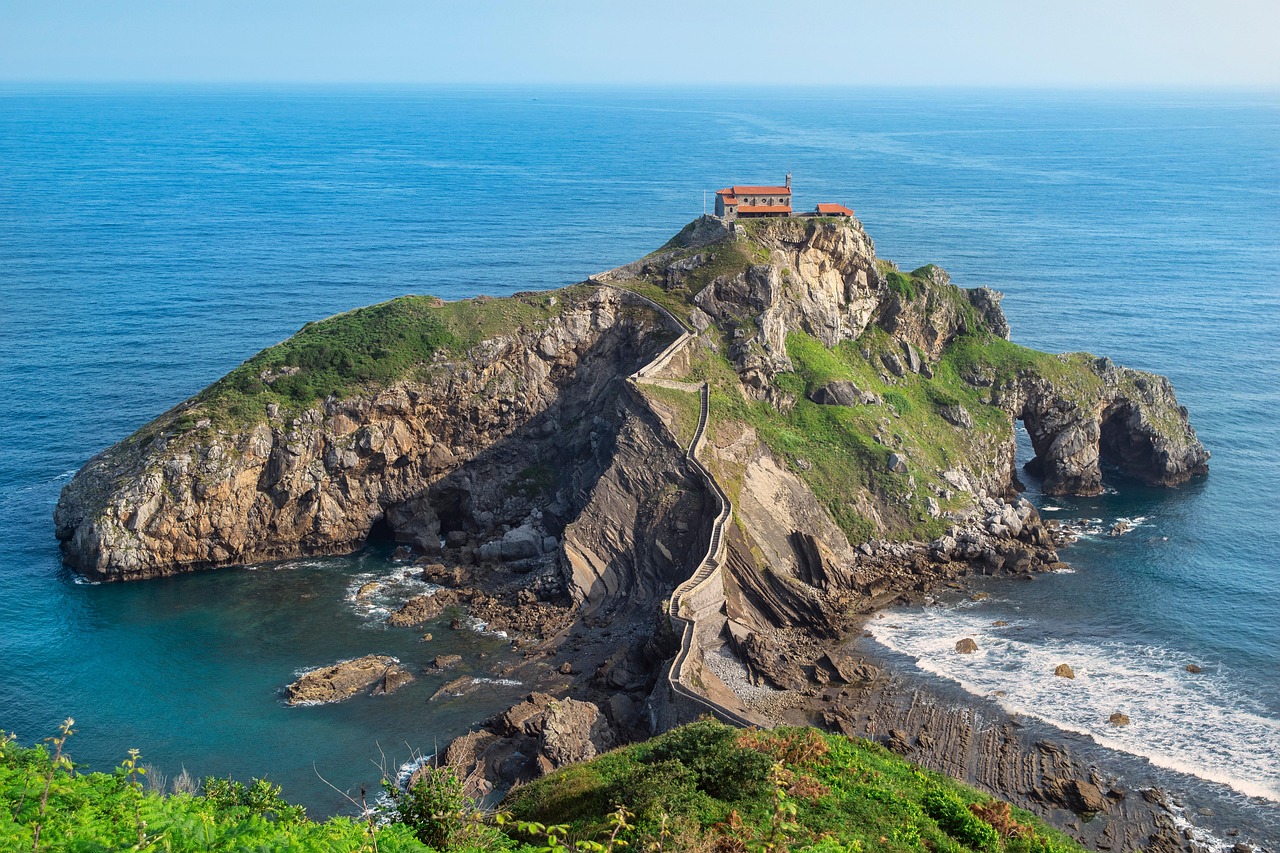
Why Visit the French Basque Country in 2026
The French Basque Country is where mountains lean into the Atlantic, farmhouses flash red and green shutters, and conversations slip between French, Spanish, and Euskara over glasses of crisp Irouléguy wine. It’s compact enough to criss-cross in a week, but dense with character: surfing beaches, highland villages, smuggler paths, Michelin-starred bistros, and farm kitchens where dinner is whatever the farmer’s grandmother cooked that night.
What makes it special is the combination of three worlds:
- Coast: Elegant seaside towns like Biarritz and Saint-Jean-de-Luz, surf breaks, cliff walks, and sunset promenades.
- Hills & Mountains: The first ribs of the Pyrenees, with villages like Espelette, Ainhoa, Sare, Saint-Jean-Pied-de-Port, and hidden valleys where sheep outnumber people.
- Culture: A fiercely proud Basque identity expressed in language, festivals, music, pelota, and food that is rustic, seasonal, and quietly world-class.
In 2026–2027, the region is buzzing with energy: new coastal cycle lanes, refreshed market halls, a wave of natural wine bars, and a renewed focus on sustainable tourism that still leaves plenty of room for old-school charm.
1. Overview: How the French Basque Country Fits Together
The French Basque Country (Pays Basque) sits in the far southwest of France, pressed against the Spanish border and the Atlantic. It’s often divided into three rough zones:
- Le Littoral Basque (Coastal Basque): Bayonne, Anglet, Biarritz, Bidart, Guéthary, Saint-Jean-de-Luz, Hendaye — surf, promenades, fishing harbors.
- Le Pays Basque Intérieur (Inland Basque): Espelette, Ainhoa, Sare, Itxassou, Saint-Pée-sur-Nivelle, Hasparren, Cambo-les-Bains — rolling countryside, red-and-white houses, and village life.
- Les Vallées et la Montagne (Basque Highlands): Saint-Jean-Pied-de-Port, Irouléguy, the Aldudes Valley, Larrau, Sainte-Engrâce — hiking, wine, transhumance traditions.
Distances are short: Bayonne to Saint-Jean-Pied-de-Port takes just over an hour by car. But each valley, each village, feels discreet — a reason I always recommend choosing two bases for a week trip: one on the coast, one inland or in the highlands.
For first-time visitors, my favorite bases are:
- Biarritz or Saint-Jean-de-Luz for 4–5 days focused on the coast, nightlife, and easy day trips.
- Saint-Jean-Pied-de-Port or Espelette for 2–3 days in the hills and mountains, with hiking, wine, and farm visits.
2. 4–7 Day Itineraries for Basque Country (With Personal Stories)
These itineraries are written as if you’re traveling with me — the actual sequence I’ve used in recent trips. They’re flexible: think of them as scaffolding rather than strict schedules. Each day mixes must-see attractions, hidden gems, and local experiences, calibrated for 4 days in Basque Country up to a full 7 day itinerary for Basque Country.
2.1 A 4 Day Itinerary for Basque Country (Coast + A Taste of the Hills)
If you have only 4 days in Basque Country, stay mostly coastal with one inland day. Use Biarritz or Saint-Jean-de-Luz as your base; you won’t need a car if you stick to trains and buses, though a rental gives you more freedom.
Day 1 – Biarritz: Clifftops, Surf, and Sunset
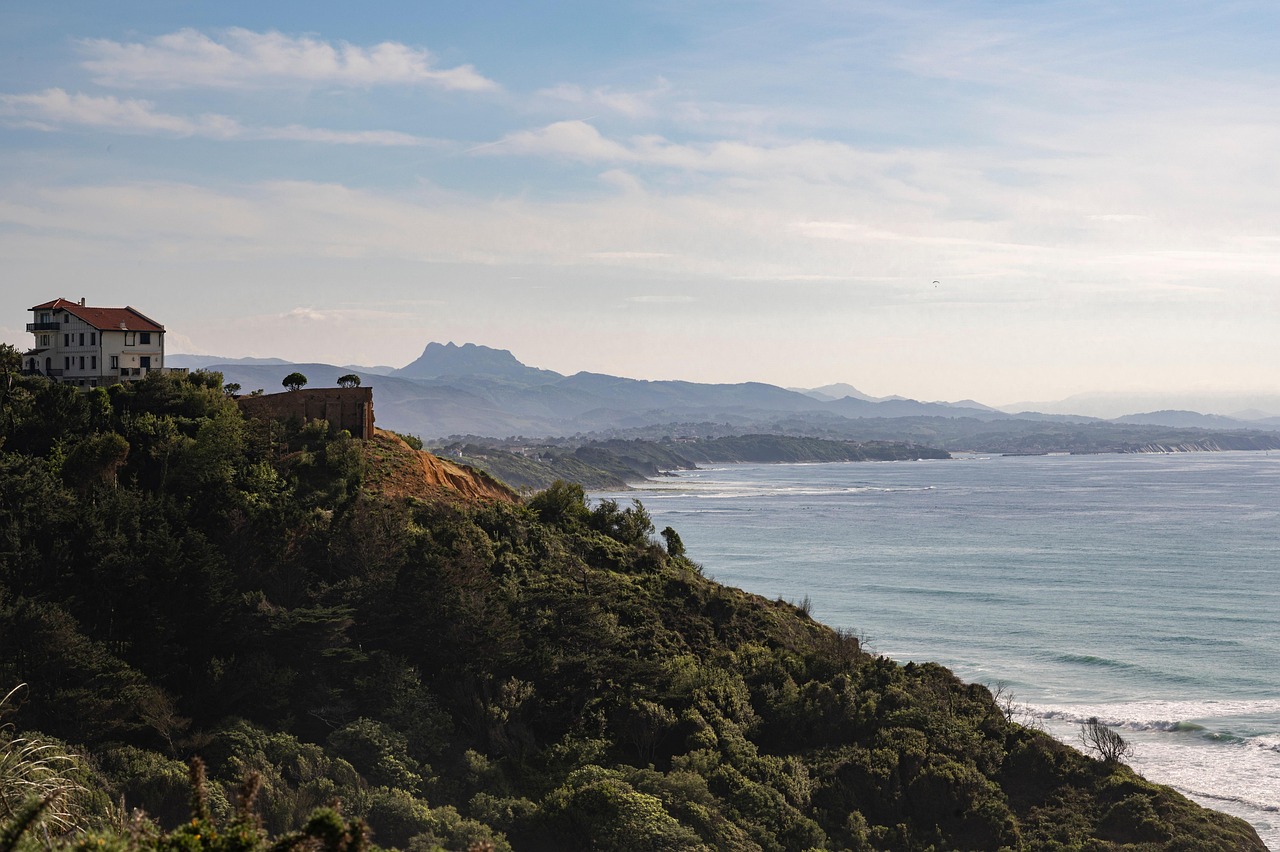
On my last autumn visit, I arrived in Biarritz on a late-morning train from Bordeaux. The salt-tinged air hit me as soon as I stepped out of the station and onto the local bus headed for the Grande Plage. If you’re staying central, drop your bags and walk straight to the sea.
Morning: Stroll the Grande Plage and the Promenade. Watch surfers bobbing like seals beyond the shore break. Pop into the Les Halles de Biarritz market before lunch — it’s my favorite place to calibrate to Basque flavors.
- Grab a plate of chipirons (baby squid) with garlic and parsley.
- Order a glass of Txakoli (slightly sparkling white wine) and watch the stallholders banter in Euskara.
- Pick up a still-warm gâteau basque (cream-filled Basque cake) for later.
Afternoon: Walk the coastal path from the Rocher de la Vierge to the Port des Pêcheurs, then up to the Plage du Port Vieux, a small cove that’s usually calmer for a first dip. On blustery days I like slipping into the Cité de l’Océan museum — part science, part art installation, a bit touristy but fun with kids.
Evening: Biarritz shines at golden hour. I usually grab an apéro at a bar overlooking the Côte des Basques, then walk down the steps to watch the sun sink into the Atlantic. For dinner, choose between:
- A modern pintxos bar near Les Halles for a casual crawl.
- A seafood brasserie on the port for grilled fish and a bottle of local white.
Tip: If you’re driving, park at the outskirts (like Parking Floquet) and walk in; central Biarritz parking is tight and pricey in summer.
Day 2 – Bayonne & Anglet: History, Chocolate, and Forested Dunes
Bayonne is where I always recalibrate to the Basque rhythm. It’s less polished than Biarritz, more lived-in, and quietly proud. Catch a morning train or bus from Biarritz (10–15 minutes) and start in the Grand Bayonne.
Morning: Wander the medieval streets around the Bayonne Cathedral, then cross to the Petit Bayonne quarter. Duck into a chocolatier — Bayonne has a deep chocolate-making heritage. I still remember a rainy April morning in 2024 when I hid in a tiny chocolate shop, sipping a dense hot chocolate while listening to the owner talk about Aztec cacao routes.
Midday: Lunch at a bodega by the Nive river: axoa de veau (veal stew with Espelette pepper), a plate of jambon de Bayonne, and a carafe of local cider.
Afternoon (Anglet): Take a bus or taxi to Anglet, Biarritz’s laid-back neighbor. Walk the Chiberta forest trails through pines and dunes, then emerge at one of the long beaches like Plage de la Barre or Plage des Cavaliers. This is fantastic for families: wide sands, playgrounds, and surf schools.
Evening: Either stay in Bayonne for a quieter, more local evening around the riverside bars, or head back to Biarritz. If you’re here in late July during the Fêtes de Bayonne, expect a sea of white-and-red outfits, music, and late nights — electrifying, but not for early sleepers.
Day 3 – Saint-Jean-de-Luz & Guéthary: Seaside Charm
On my last spring trip, I based myself in Saint-Jean-de-Luz for a few nights and used the local TER trains like a personal tram. From Biarritz it’s a direct 20–25 minute train ride.
Morning in Saint-Jean-de-Luz: Start with coffee and a croissant basque at a café on the main square, then visit the Église Saint-Jean-Baptiste, where Louis XIV married Maria Theresa of Spain. The baroque interior feels impossibly ornate for such a small town.
Walk the quai along the harbor, watching the fishing boats and perhaps buying a still-warm mouchou (almond biscuit) from a local bakery.
Afternoon in Guéthary: Hop on the train or drive a few minutes north to Guéthary, one of my personal favorite places on the French Basque coast. It’s miniature: a couple of streets, a little harbor, cliffs, and a big wave surf break that draws serious surfers in winter.
- Follow the coastal path for some of the best ocean panoramas.
- Drop into a café terrace perched above the sea for a late lunch of grilled fish or a talo (Basque corn flatbread) with sheep’s cheese.
Evening: For a romantic evening, I like staying put in Guéthary, watching the sun sink behind the surf from the clifftop benches. Families may prefer returning to Saint-Jean-de-Luz for its gentle, enclosed bay, perfect for evening swims.
Day 4 – Espelette & Ainhoa: A First Taste of Inland Basque Country
Your final day is about understanding that Basque Country is far more than the sea. Rent a car for the day if you haven’t already (pick up in Biarritz or Saint-Jean-de-Luz), and drive inland to Espelette (around 30–40 minutes).
Morning in Espelette: Walk the main street lined with white houses strung with red Espelette peppers drying on the façades. The village smells faintly smoky and sweet.
- Visit a small piment d’Espelette producer to learn how peppers go from field to powder.
- Try a slice of omelette au piment d’Espelette at a bistro terrace.
Afternoon in Ainhoa: Continue to Ainhoa, officially one of the “Most Beautiful Villages in France.” I love sitting on the village green watching children play pelota against the fronton wall while the bar terrace hums nearby.
End the day with a countryside walk on the foothills trail above the village, then loop back to your coastal base by sunset. On one of my September visits the hills were gold and the cows wore bells that sounded like distant wind chimes — one of those quietly perfect travel days.
Alternative: If you’re planning to continue your trip deeper inland or across to Spanish Basque Country, you could overnight in Ainhoa, Espelette, or nearby Itxassou instead of returning to the coast.
2.2 A 5 Day Itinerary for Basque Country (Coast + Deeper Inland)
With 5 days in Basque Country, you can linger more and add a proper inland day around Saint-Jean-Pied-de-Port.
Days 1–3: Follow the 4 day itinerary above (Biarritz, Bayonne/Anglet, Saint-Jean-de-Luz/Guéthary).
Day 4 – Sare & La Rhune: Rack Railway into the Clouds
Base yourself either on the coast (Saint-Jean-de-Luz) or in Espelette/Ainhoa. In the morning, drive or take a bus to Sare, another picture-perfect Basque village wrapped in pastoral calm.
After a coffee in the village square, head to the Petit Train de la Rhune station just outside Sare. This old rack railway climbs to the summit of La Rhune, a 905 m peak straddling the French–Spanish border.
The slow, clattering ascent is half the joy — watch for wild pottok ponies and griffon vultures riding thermals. At the summit, on clear days, you see the entire Basque coastline curve away to the north and south, and the Pyrenees folding inland like waves. I brought my parents here in 2025; my mother, not a hiker, still talks about that view.
Back down in Sare, visit a traditional Basque farmhouse museum if you’re curious about rural life, or just linger over cider and pipérade in the village.
Day 5 – Saint-Jean-Pied-de-Port & Irouléguy Wine
On your fifth day, drive (about 1 h 15 from the coast) or take a train to Saint-Jean-Pied-de-Port, the historic gateway for pilgrims walking the Camino de Santiago. The walled upper town is cobbled and atmospheric, with pilgrims adjusting their backpacks, church bells ringing, and terraces spilling with life.
Morning: Walk the ramparts, then follow the cobbled street up to the Citadel for a wide view over vineyards and pastures. Step into the pilgrim’s office to see the stream of international walkers; it’s a fascinating glimpse of modern pilgrimage culture.
Afternoon – Irouléguy Wine: A short drive away lies the tiny Irouléguy wine appellation. I like booking a tasting at a family-run domaine — low stone buildings, vines climbing steep slopes, often with the winemaker’s dog meandering between barrels. Their reds are structured and peppery; the whites crisp and mineral. Bring a bottle back for your final coastal sunset.
Return to your base by evening, or, if you’re continuing further inland, overnight in Saint-Jean-Pied-de-Port to soak up the evening calm once the day-trippers have gone.
2.3 A 6 Day Itinerary for Basque Country (Add the Aldudes Valley)
A 6 day itinerary for Basque Country lets you add a wilder edge: the Aldudes Valley, one of my favorite pockets of the region.
Days 1–5: Follow the 5 day itinerary above.
Day 6 – Aldudes Valley: Smugglers’ Paths and Free-Range Pigs
From Saint-Jean-Pied-de-Port, drive south into the Vallée des Aldudes, where the road threads along the river and the mountains close in. Villages like Les Aldudes, Banca, and Urepel feel remote in the best way.
I first came here on a foggy October morning. We stopped at a small Kintoa pork producer, where Basque pigs roam on steep hillsides, rooting under beech trees. The farmer sliced us slivers of cured ham that tasted of nuts and forest. It was one of those moments that redefines a flavor you thought you knew.
- Book ahead for a farm visit (especially with kids — they love seeing the animals).
- Plan a medium hike on marked trails that cross the Spanish border and back (carry ID).
- Have lunch at a simple inn serving garbure (hearty soup) or grilled trout from the river.
By late afternoon, the valley light turns honeyed and soft. Either overnight in the valley for true quiet or head back to Saint-Jean-Pied-de-Port or the coast.
2.4 A 7 Day Itinerary for Basque Country (The Full Week)
If you can spare 7 days in Basque Country, you can balance coast, culture, and mountains beautifully.
Days 1–6: Follow the 6 day itinerary outlined above.
Day 7 – Cambo-les-Bains, Itxassou & Bidarray: Rivers and Belle Époque Charm
On your last day, arc back north through Cambo-les-Bains, a small spa town where composer Edmond Rostand built the ornate Villa Arnaga. The house and gardens are a fascinating swirl of Basque architecture and Belle Époque fantasy.
Continue to nearby Itxassou, perched above the Nive River. It’s known for its cherries; in late spring, the orchards glow white with blossoms. I once spent an entire afternoon here doing almost nothing: sitting on a terrace with cherry beer, watching kayakers pass below.
If you’re feeling energetic, carry on to Bidarray for a short hike along the Nive or a canyoning session — a fun adventure if you’re traveling with teens or friends.
Finish your loop back on the coast for one last sunset, perhaps in Bidart or Guéthary, and promise yourself you’ll return. Most people do.
3. Towns, Villages & Landscapes: 18 Essential Places
Below are the core places that shape any good travel guide for Basque Country. Think of this as a menu of the best places to visit in Basque Country: some make ideal bases, others perfect day trips. I’ll weave in history, what each is known for (wine, art, hiking, beaches, food), and the kinds of travelers who’ll enjoy them most.
3.1 Biarritz – The Glamorous Surf Town
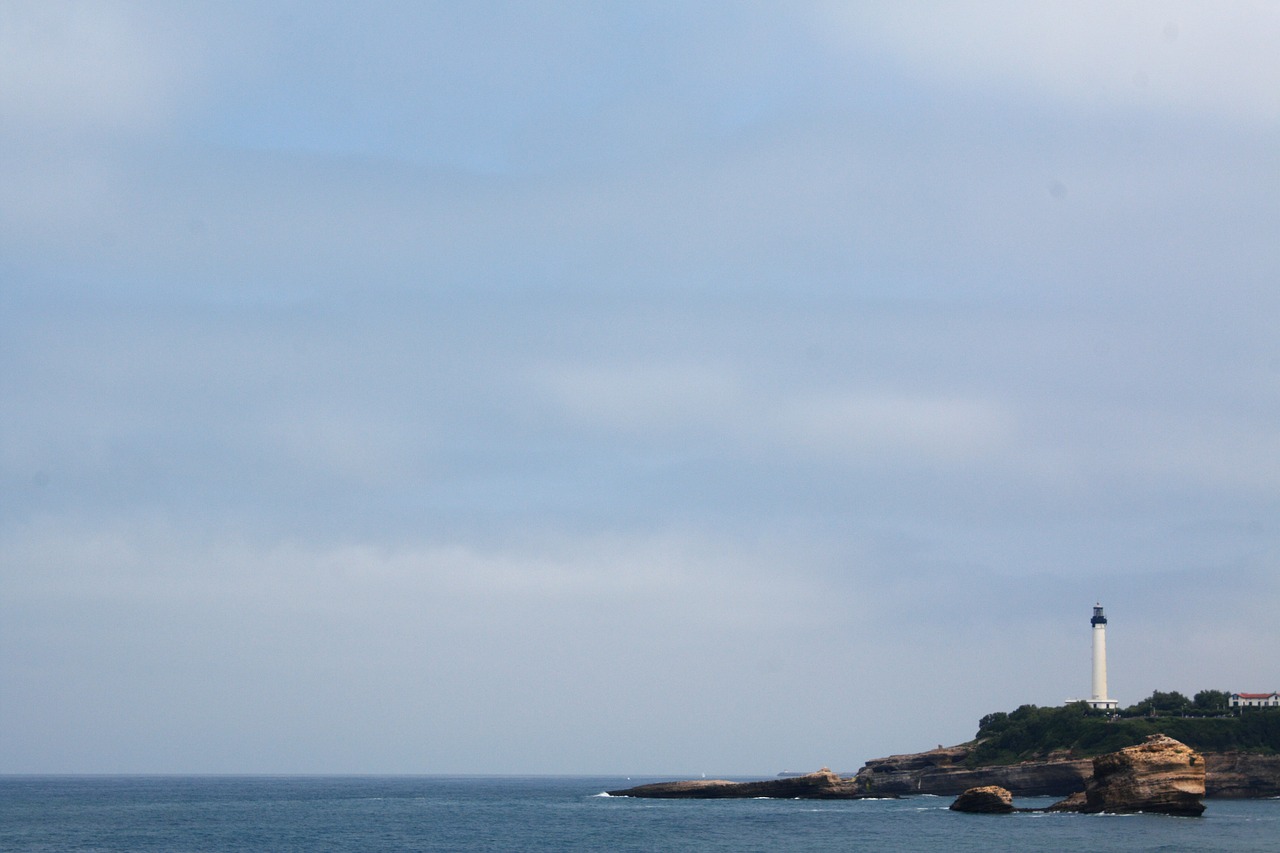
Biarritz was once the playground of Napoleon III and Empress Eugénie, who transformed a sleepy fishing village into an imperial resort. Today, it’s a blend of Belle Époque architecture, surf culture, and Basque character.
Best for: First-timers, couples, families, nightlife, and anyone who wants a buzzy base with easy transport links.
What I love: Early mornings on the Côte des Basques when longboarders glide across glassy waves, and evenings on the Grande Plage watching children chase the receding tide.
Don’t miss:
- Rocher de la Vierge and the lighthouse for panoramic views.
- Les Halles market for local food in Basque Country, especially on weekend mornings.
- The Maritime Museum if you’re with kids or on a rainy day.
Base vs. day trip: Biarritz makes an excellent base for 3–4 nights; I’d only do it as a day trip if you’re deeply committed to staying somewhere quieter like Guéthary or inland.
3.2 Bayonne – The Historic Heart and Cultural Capital
Bayonne sits at the confluence of the Nive and Adour rivers and feels more Basque than French at times. Its narrow streets, timbered houses, and cathedral spires have watched centuries of traders, soldiers, and pilgrims pass through.
Known for: Jambon de Bayonne, chocolate, the raucous Fêtes de Bayonne, and a thriving local arts scene.
What to do: Visit the Basque Museum in Petit Bayonne; wander through the covered market; and follow the street art trails that have sprung up in recent years.
Base vs. day trip: I like overnighting here in cooler months — the atmosphere is rich, and it’s cheaper than the coast. In summer, a day trip from Biarritz or Saint-Jean-de-Luz is usually enough.
3.3 Anglet – Dune Forests and Long Beaches
Anglet is Biarritz’s laid-back neighbor, with kilometers of sandy beaches backed by dunes and the piney Chiberta forest. It feels more local, less showy, and it’s where many Biarritz workers actually live.
Best for: Families, surfers, joggers, and anyone seeking a calmer seaside stay with easy access to Biarritz and Bayonne.
Tip: The seafront promenade is perfect for sunset bike rides; several rental outfits have kid seats and e-bikes.
3.4 Saint-Jean-de-Luz – Historic Harbor and Family-Friendly Beaches
Saint-Jean-de-Luz is my go-to recommendation for families and for couples who want charm without Biarritz’s buzz. It has a sheltered bay, a working fishing harbor, elegant old houses, and a pedestrianized center that’s easy to love.
History: Once a pirate and whaling port, the town gained royal cachet in 1660 with the marriage of Louis XIV, cementing its place in Franco-Spanish diplomacy.
Why base here: You’re a short train ride to Biarritz, Hendaye, and Guéthary; buses reach inland villages; and the town itself has everything you need for a relaxed week.
3.5 Hendaye – Border Beach and Basque-Spanish Gateway
Hendaye sits on the Spanish border opposite Hondarribia. Its long, gently shelving beach is one of the safest for children on the coast.
Highlights:
- The Deux Jumeaux (Twin Rocks) just offshore.
- Boat trips across to Hondarribia (Spain) for pintxos and cobbled streets.
- Access to the Jaizkibel cliff paths for excellent hiking.
Tip: If you’re traveling by train from Paris or Bordeaux and heading on to Spain, Hendaye is a handy pivot point.
3.6 Bidart & Guéthary – Cliffside Villages with Soul
Between Biarritz and Saint-Jean-de-Luz, Bidart and Guéthary cling to cliffs above the sea. Both are small, whitewashed, and deeply Basque in feel.
Bidart: Centered on a hilltop church and fronton, with multiple beaches below. Great for families and surfers; the clifftop path is one of my favorite evening walks.
Guéthary: Smaller, a bit bohemian, with a cult following among surfers and Parisian creatives. Expect great little restaurants, a tiny port, and serious waves in winter.
Base vs. day trip: If you crave a small-town base on the coast, these two are ideal. Book early for summer.
3.7 Espelette – The Pepper Village
Espelette is famous worldwide for its piment d’Espelette, a mild, fruity chili used instead of black pepper in many Basque dishes. The village is instantly recognizable for the strings of red peppers drying on its façades.
What to do: Visit a pepper cooperative or small producer; buy pepper-infused everything (chocolate, cheese, salt); and enjoy a pepper-laced menu at a bistro.
When to go: Late summer and early autumn are pepper-drying season; the Espelette Pepper Festival usually happens in late October, turning the village into a huge street party.
3.8 Ainhoa – One of France’s Most Beautiful Villages
Ainhoa feels like a Basque stage set: a long main street of immaculate red-and-white houses, a church with a shaded cemetery, and a fronton where you’re almost guaranteed to see pelota being played on summer evenings.
Best for: Romantic stays, slow travel, walkers who want gentle countryside trails.
I once stayed here in a simple guesthouse whose owner baked gâteau basque every afternoon. She’d leave slices in the kitchen for guests, and we’d gather there around 5 p.m., trading stories from our day. That’s the rhythm Ainhoa encourages.
3.9 Sare – Pastoral Calm and Access to La Rhune
Sare is a spread-out village framed by green hills. It’s ideal if you like quiet nights and access to hikes.
Don’t miss:
- The Petit Train de la Rhune rack railway.
- Visiting a traditional Basque farmhouse.
- Exploring nearby caves that have evidence of prehistoric occupation.
3.10 Saint-Pée-sur-Nivelle – Lake Days and Village Life
Saint-Pée-sur-Nivelle is a workaday Basque village with one huge draw: a lake that’s perfect for summer swimming, paddle-boarding, and picnicking. When I travel with friends who have younger kids, we almost always plan a day here.
Best for: Family-friendly days out, budget stays away from the coast, and easy access to Espelette and Sare.
3.11 Cambo-les-Bains – Spa Town and Literary History
Cambo-les-Bains is a small spa town with an older clientele, thermal baths, and tree-lined avenues. Its star attraction, though, is the Villa Arnaga, Edmond Rostand’s ornate home.
Why go: To step into the world of early 20th-century artistic life, and to enjoy landscaped gardens with views over the Nive valley.
Tip: Combine with Itxassou in the same day; they’re close.
3.12 Itxassou – Cherry Orchards and River Gorges
Itxassou is tiny but special, known for its cherries and for dramatic river gorges. The Pas de Roland, where the Nive has carved a narrow passage, is a popular walk.
My ritual: Park by the bridge, walk the riverside path, then reward myself with Basque cheese and cherry jam at a café back in the village.
3.13 Bidarray – Gateway to Adventure
Bidarray is where the Nive gets wilder. It’s a hub for whitewater rafting, canyoning, and via ferrata-style cliff routes.
Best for: Adventurous travelers and teens who’ve had their fill of beaches and churches.
Tip: Book activities in advance in summer; water levels vary by season, so ask about suitability for children.
3.14 Saint-Jean-Pied-de-Port – Camino Gateway
Saint-Jean-Pied-de-Port is one of the must-see attractions in Basque Country if you care about history, hiking, or simply atmospheric towns. It’s the traditional French starting point of the Camino Francés to Santiago de Compostela.
What I love: Watching exhausted but radiant pilgrims arrive in the late afternoon, boots dusty, faces sunburned, collapsing on café chairs with beers and that mixture of relief and apprehension that comes with starting a 700+ km walk.
Activities: Camino taster hikes, exploring the citadel, wine tasting in Irouléguy, and slow evenings by the river.
3.15 Irouléguy – Tiny Terraced Vineyards
France has grand names like Bordeaux and Burgundy, but Irouléguy is the sort of small, characterful appellation I can’t resist. Vines cling to steep slopes; wines are often organic or biodynamic; and the winemakers are usually happy to talk at length.
Style: Reds from Tannat, Cabernet Franc, and Cabernet Sauvignon; whites from Gros Manseng, Petit Manseng, and Courbu. Expect freshness and savory edges that pair beautifully with Basque charcuterie and cheeses.
3.16 Vallée des Aldudes – Remote, Green, Authentic
The Aldudes Valley feels like a secret, though word is slowly getting out. It’s a place of pig farms, smugglers’ tales, and cross-border trails. Phone signal is patchy, which I consider a plus.
Who it suits: Hikers, gourmands seeking Kintoa pork and sheep’s cheeses, couples wanting real quiet, and repeat visitors who’ve “done” the coast.
Tip: In 2026–2027, several farms are expanding their on-site tasting rooms and farm-stay options — check local tourism sites for the latest openings.
3.17 Larrau – High Mountain Drama
Larrau lies deeper in the mountains, where the landscape shifts from rolling hills to dramatic peaks and deep gorges. It’s a base for hikes to places like the Holzarte footbridge, which dangles over a spectacular gorge.
Best for: Serious hikers, nature lovers, and travelers in late spring to autumn. In winter, some roads and trails can be closed.
3.18 Sainte-Engrâce – Caves and Cliffs
Sainte-Engrâce is a tiny village with outsized natural attractions: the famous Gorges de Kakuetta and extensive cave systems. It’s at the edge of what many think of as the French Basque Country, sliding into central Pyrenees territory, but the Basque presence remains strong.
Why go: To walk narrow gorges, hear rushing water, and feel very small in the best possible way.
4. Regional Cuisine & Where to Taste It
Food is at the heart of any cultural experiences in Basque Country. Menus pivot around a few key ingredients: peppers, pork, fish, and sheep’s cheese, shaped by both Atlantic and mountain.
4.1 Signature Dishes by Sub-Area
- Coastal Basque (Biarritz, Saint-Jean-de-Luz, Hendaye): Grilled hake with garlic and parsley; chipirons; tuna axoa; fresh oysters; ttoro (fish soup).
- Inland Villages (Espelette, Ainhoa, Sare, Itxassou): Axoa de veau; pipérade (pepper-tomato-egg dish); Basque chicken; garbure.
- Highlands (Aldudes, Larrau, Sainte-Engrâce): Kintoa pork; lamb and mutton stews; sheep’s milk cheeses like Ossau-Iraty; honey; wild mushrooms in season.
4.2 Where to Eat: From Farm-Stays to Bistronomy
On recent trips I’ve noticed three broad types of places:
- Farm-stays (fermes-auberges): Around Espelette, Ainhoa, and the Aldudes Valley. Fixed menus, whatever’s in season, often eaten at communal tables. These are unbeatable for value and authenticity.
- Family-run inns and trattoria-style spots: In almost every village. Look for short menus and lots of locals at lunch.
- Modern bistronomy: In Biarritz, Bayonne, and Saint-Jean-de-Luz. Young chefs riff on Basque classics; bookings are essential in summer and weekends.
4.3 Markets & Local Products
Don’t miss:
- Les Halles de Biarritz: Morning pintxos and people-watching.
- Bayonne market: For cured meats, cheeses, and chocolate.
- Saint-Jean-de-Luz market: Fish, seasonal vegetables, and pastries.
Personal habit: I always stock a picnic kit: a small knife, reusable box, and cloth napkin. With that, markets become lunch — slices of ham, a hunk of cheese, a baguette, some cherries or peaches, perhaps a paper cup of wine from a stall.
5. Evenings in Basque Country
After dark, the French Basque Country settles into a gentle rhythm that I find addictive. On the coast, promenades fill with strollers; inland, village bars and frontons come alive.
5.1 Small-Town Squares and Frontons
In villages like Ainhoa, Espelette, and Bidart, evenings revolve around the fronton (pelota court). Kids kick footballs, teenagers practice serves, and adults nurse glasses of cider or wine at terrace tables.
Watching a local pelota match, even if you don’t understand the rules, is one of the most authentic things to do in Basque Country after dark. The crack of the ball on the wall, the shouts in Euskara, the murmurs from the crowd — it’s all wonderfully immersive.
5.2 Coastal Sunsets
For me, the must-see attractions in Basque Country include at least one Atlantic sunset. My favorite spots:
- The clifftop benches above Côte des Basques in Biarritz.
- The coastal path between Bidart and Guéthary.
- The harbor wall in Saint-Jean-de-Luz, looking back at the town lights.
5.3 Festivals and Seasonal Nights
From June to September, almost every town has some celebration: open-air concerts, fêtes de village, and traditional dances. In 2026, there’s a growing emphasis on showcasing Basque music and dance, so check local tourism offices for schedules.
6. Extra Day Trips & Nearby Attractions
From your Basque base, you can easily add cross-border adventures and slightly further-flung excursions.
6.1 Hondarribia (Spain)
From Hendaye, hop on a small boat across the Bidasoa river to Hondarribia. Its walled old town is one of the prettiest on the Spanish Basque coast, and the marina area is packed with excellent pintxos bars.
Tip: Bring euros, and note that Spanish dining times are later; a perfect evening extension from Hendaye.
6.2 San Sebastián / Donostia (Spain)
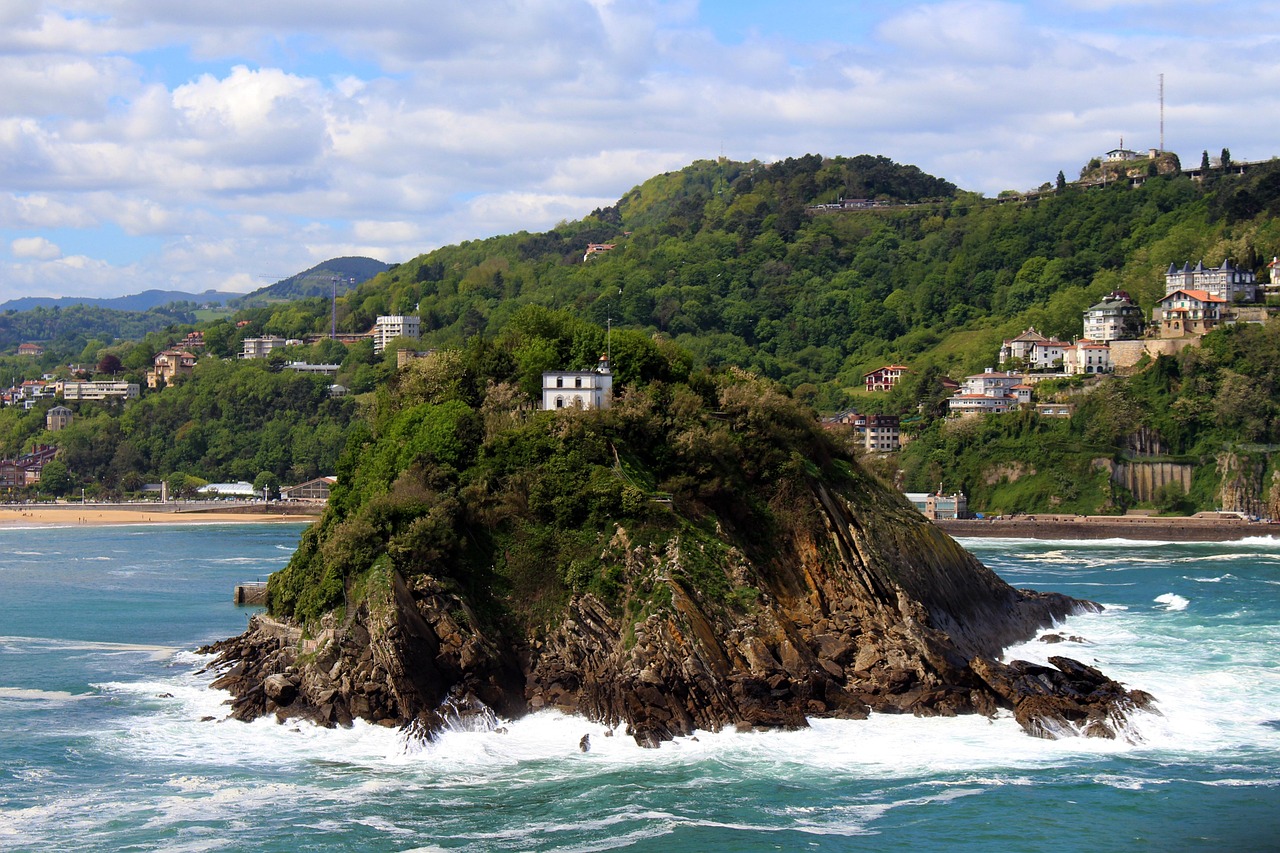
About 45–60 minutes by car or bus from Saint-Jean-de-Luz or Biarritz, San Sebastián offers world-famous food, an elegant bay, and a dense old town of pintxos bars.
Best as: A dedicated day trip or an overnight if you’re a serious foodie.
6.3 The Basque Inland Loop
If you’re based on the coast with a car, one of my favorite loops is: Biarritz → Espelette → Ainhoa → Sare → Saint-Pée-sur-Nivelle → back to the coast. It’s a compact way to taste inland landscapes and villages in a day.
7. Cultural Etiquette & Local Customs
Basque Country is proudly itself. Respect that and you’ll be welcomed warmly.
7.1 Language
People speak French and often Basque; many understand some Spanish and English, especially on the coast.
- Learn a few words: Kaixo (hello), Eskerrik asko (thank you).
- Greet with “Bonjour” first; switching to English is fine if they respond in kind.
7.2 Dining Customs
- Lunch is usually 12:30–14:00; dinner 19:30–21:30. Coastal spots may open earlier in summer.
- It’s polite to say “Bonjour” on entering, “Merci, au revoir” when leaving, even cafés.
- Tips are appreciated but not mandatory; rounding up or leaving 5–10% for good service is typical.
7.3 Local Life & Festivals
At local festivals, wear the colors (often white with red scarf for Fêtes de Bayonne), but avoid overly drunken behavior — locals party hard, but there’s an unspoken code of respect.
At frontons and pelota matches, clap when others do, keep quiet during serves, and don’t walk onto the court unless invited.
8. Practical Travel Advice & Money-Saving Tips
8.1 Getting There
- Air: Biarritz Pays Basque Airport has flights from Paris and other European cities.
- Train: High-speed TGV to Bayonne/Biarritz from Paris (~4–5 h); regional TER to Saint-Jean-de-Luz and Hendaye.
- Car: Excellent if you want to explore inland villages and mountains.
8.2 Getting Around: Car vs Public Transport
Without a car: You can manage a 4 day itinerary for Basque Country focused on the coast easily with trains and buses. Inland day trips are possible via organized tours or occasional buses, but schedules are sparse.
With a car: Ideal for 5–7 days in Basque Country. Distances:
- Biarritz → Espelette: ~30–40 min
- Biarritz → Saint-Jean-Pied-de-Port: ~1 h 15
- Saint-Jean-Pied-de-Port → Aldudes Valley: ~40 min
- Espelette → Sare: ~25–30 min
Parking: Historic centers often have peripheral lots; use them to avoid tight old streets and fines.
8.3 SIM Cards & Connectivity
French SIMs (e.g., Orange, SFR, Bouygues) are easy to buy at airports, train stations, and supermarkets. EU roaming rules mean most European SIMs work at domestic rates. Mountain valleys sometimes have patchy coverage — download offline maps.
8.4 Visa & Driving Requirements
As of 2026, the French Basque Country follows Schengen rules:
- Visa: Many nationalities can enter visa-free for short stays; check official Schengen guidelines.
- Driving licences: EU/EEA licences are accepted. Many other countries’ licences are valid; some may require an International Driving Permit. Always verify for your nationality before travel.
8.5 Budget & Money-Saving Tips
- Base in smaller towns (Bidart, Guéthary, Espelette) instead of Biarritz in peak season.
- Make lunch your main meal — many restaurants offer good-value menu du jour.
- Use markets for picnics and self-catering when possible.
- Travel in shoulder seasons (May–June, September–early October) for lower prices and fewer crowds.
8.6 Best Seasons by Activity
- Spring (April–June): Wildflowers, cherry blossoms in Itxassou, ideal hiking temperatures.
- Summer (July–August): Beach weather, festivals, busiest and priciest period.
- Autumn (September–October): Warm seas, wine harvest in Irouléguy, pepper season in Espelette, my favorite time overall.
- Winter (November–March): Quiet, some closures inland, but atmospheric in Bayonne and Biarritz; good for storm watching on the coast.
9. Major Events & Festivals 2026–2027
Festival dates can shift slightly each year; confirm closer to travel, but these are key anchors for 2026–2027 planning:
- Fêtes de Bayonne (Bayonne): Late July 2026 – multi-day street festival with music, parades, and traditional events.
- Espelette Pepper Festival (Espelette): Late October 2026 – celebrates the new pepper harvest with markets, cooking demos, and music.
- Basque Music & Dance Festivals: Throughout summer in villages like Ainhoa, Sare, and Saint-Jean-de-Luz; expect evening concerts and traditional dances on open squares.
- Surf Competitions (Biarritz, Anglet, Hendaye): Various dates in 2026–2027 — a draw for surf fans and a lively atmosphere on the beaches.
- Local Wine & Cheese Fairs (Irouléguy, Aldudes, Saint-Jean-Pied-de-Port): Especially around harvest (September–October) and spring.
10. Summary & Final Recommendations
The French Basque Country is one of those regions that reward both planning and serendipity. Use a 4 day itinerary for Basque Country to get a taste of the coast and one inland day; stretch to 5–7 days in Basque Country to weave in mountains, wine villages, and quieter valleys.
Key takeaways:
- Choose two bases if you can: one coastal (Biarritz or Saint-Jean-de-Luz), one inland (Espelette or Saint-Jean-Pied-de-Port).
- A car is highly useful beyond the coast, but not essential if you stick to main towns.
- Autumn (September–October) and late spring (May–June) offer the best balance of weather, crowds, and events.
- Make time for markets, frontons, and small festivals — these everyday moments are as memorable as any big-ticket sight.
Above all, leave space in your itinerary for detours: a side road up a hill that reveals a new valley, a café that lures you with the smell of gâteau basque, a last-minute decision to follow the sound of drums into a village square. That’s where the Basque Country reveals itself most fully.