Why Visit Bergerac in 2026?
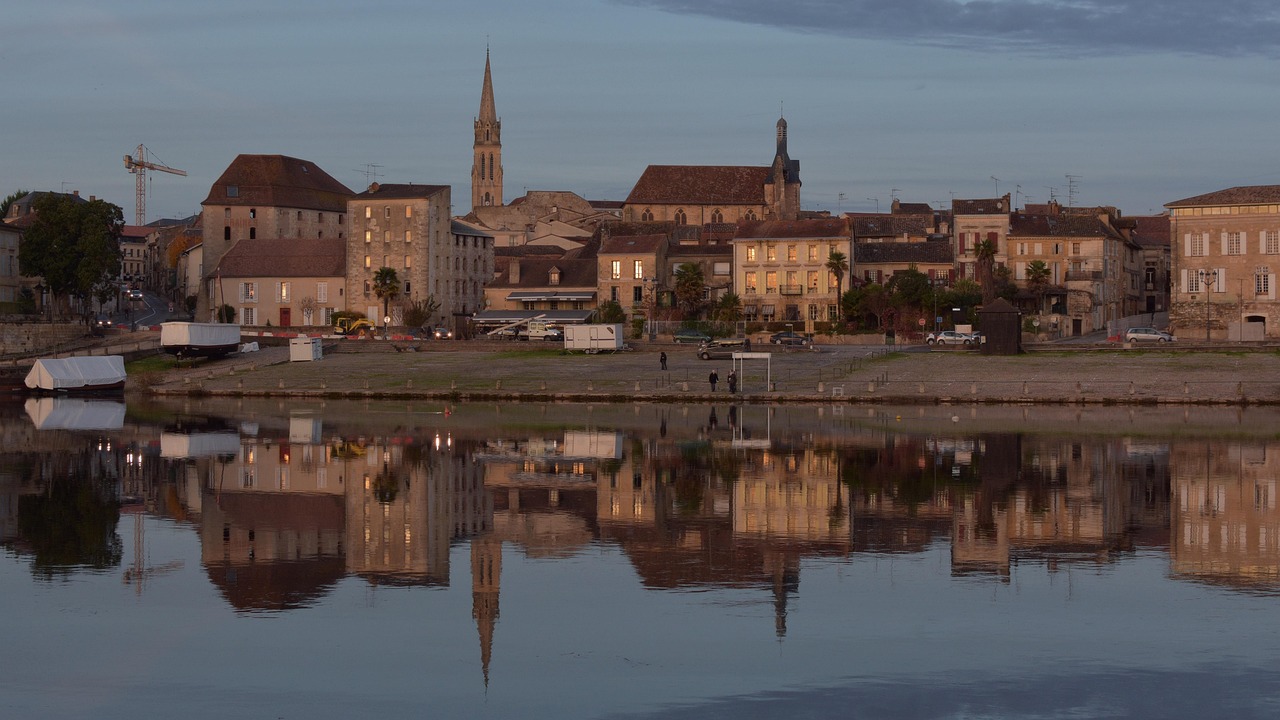
Bergerac is a medieval riverside town in southwest France, set amid gently rolling vineyards and sunflower fields. Think half-timbered houses, cobbled lanes, and café tables spilling into tiny squares, all in a compact center you can cross on foot in 10–15 minutes.
Yet this is not just a pretty postcard. Bergerac is one of the key wine hubs of the Dordogne, with a long history of river trade, a lively year-round community, and a growing food scene that’s still far more affordable than Bordeaux or the Côte d’Azur. If you’re into wine, slow travel, family-friendly adventures, or romantic river sunsets, Bergerac is a quietly perfect choice.
- Ideal for: Couples, wine lovers, slow travelers, families with kids who enjoy being outdoors, and anyone tired of crowded big-name cities.
- Best base for: Exploring Dordogne vineyards, bastide villages, castles, river activities, and markets without constant driving.
- Travel sweet spot: 3–5 days in Bergerac gives you enough time to savor the town and make a few stellar day trips.
In 2026, Bergerac feels particularly exciting: several wine estates have revamped their visitor centers, the riverfront is spruced up, and the town is leaning more into cultural events, from jazz evenings on the quay to expanded summer theatre.
Table of Contents
- Why Visit Bergerac
- Overview of Bergerac in 2026
- Neighborhoods & Areas to Explore
- 20 Must-See Attractions in Bergerac (Deep Dive)
- Recommended Itineraries (3, 4 & 5 Days in Bergerac)
- Local Food & Drink in Bergerac
- Nightlife, Entertainment & Cultural Experiences
- Best Day Trips from Bergerac
- Major Events & Festivals 2026–2027
- Cultural Etiquette & Local Customs
- Practical Travel Tips for Bergerac
- Summary & Best Time to Visit
Bergerac in 2026: The Essentials
Bergerac sits on the Dordogne River in the Nouvelle-Aquitaine region. It’s about 1h30–2h by train or car from Bordeaux and has its own small airport, Bergerac Dordogne Périgord Airport (EGC), with seasonal flights from the UK, Netherlands, Belgium, and some other European cities.
The town itself has around 27,000 residents, but it serves a much larger rural area. You’ll hear French, of course, but also plenty of English — especially in summer, thanks to expats and visitors. That said, Bergerac is still French-first in feel. A “bonjour” will always set the tone.
My pattern over the years has been to rent a small apartment in the old town each spring or early autumn, working mornings and then wandering out in the late afternoon for a glass of Montravel or a stroll along the river. Through countless market mornings, wine tastings, and lazy evenings, I’ve built up a list of spots that feel like “my” Bergerac — which I’ll share with you here.
Bergerac Neighborhoods & Areas to Explore
1. Vieille Ville (Old Town)
The Vieille Ville is where you’ll likely spend most of your time: a warren of medieval lanes just above the river. This is the postcard Bergerac — half-timbered houses, old stone facades, small squares, and plenty of restaurants and wine bars.
- Vibe: Charming, walkable, slightly touristy in summer but never overwhelming.
- Best for: First-timers, couples, anyone who wants to be in the middle of everything.
- Highlights: Place Pélissière, Place de la Myrpe, the two Cyrano statues, and the wine museum.
2. Quai Cyrano & Riverfront
The quay area along the Dordogne has been steadily improving, with wider promenades, more seating, and seasonal pop-up bars. I love coming here at golden hour to watch the light on the water and the silhouettes of the flat-bottomed gabares boats.
- Vibe: Relaxed, scenic, especially in the evening.
- Best for: Sunset walks, river cruises, families with kids (lots of open space).
3. Modern Town Center (Around Rue de la Résistance)
A few streets uphill from the old town, you’ll find the more modern commercial center: clothing shops, bakeries, banks, and practical stuff. It’s not as pretty, but it’s where locals actually go about daily life.
- Vibe: Everyday French small-town life.
- Best for: Practical errands, bargain shopping, feeling the non-touristy side.
4. Les Vignes & Outskirts
Surrounding Bergerac are gentle hills covered in vines. Many of the wine estates (châteaux) are technically separate communes but feel like part of greater Bergerac life. If you stay just outside town, you might find yourself waking up with vineyard views.
5. La Madeleine & Across the Bridge
Cross the main bridge to the north side of the Dordogne and you’ll get one of the best views back over the town. The neighborhood itself is more residential, with a few handy supermarkets and bakeries.
20 Must-See Attractions in Bergerac (Deep Dive)
Below are twenty of the best places to visit in Bergerac. I’ve written about each as I’ve experienced them personally — not just what to see, but how it feels to be there, how to get there, what to eat nearby, and small tips that make a big difference.
1. Place Pélissière & Église Notre-Dame
Place Pélissière is the beating heart of old Bergerac. It’s where I always tell friends to meet me on their first afternoon in town: under the plane trees, with the church bell of Église Notre-Dame chiming every quarter hour.
The square is lined with café terraces. My ritual is a coffee at mid-morning, watching locals greet each other with double-cheek kisses, then a glass of rosé or a light Bergerac sec (white) in late afternoon. The church itself, built in the 19th century in neo-Gothic style, feels surprisingly airy inside.
History & significance: Place Pélissière evolved from a medieval marketplace. Today, it’s the social center of the old town, with seasonal events, live music nights in summer, and Christmas stalls in December.
Tips: Visit around 10–11 a.m. on a sunny day for the liveliest scene. If you’re on a budget, order a café allongé (long coffee) and linger; no one will rush you. For families, the square is safe for kids to roam while adults relax at a table.
2. Statue of Cyrano de Bergerac (Place Pélissière)
Just off the terrace seating, you’ll find the famous statue of Cyrano de Bergerac — the fictional poet with the famously long nose. Tourists stop here for the obligatory photo, often mimicking his profile. I still do it with visiting friends, every time.
While the real Cyrano never lived here, Bergerac has embraced him as a symbol of wit and romance. The bronze statue captures him mid-stride, cloak flowing, nose proudly prominent.
Don’t miss: Look for the small plaque explaining the myth vs. reality. In summer evenings, street performers sometimes appear nearby, adding to the theatrical feel.
Photo tip: Late afternoon light (around 5–7 p.m. in summer) is best; the sun hits his face beautifully, and the square is buzzing but not yet packed with dinner crowds.
3. Place de la Myrpe & the Second Cyrano Statue
A few minutes’ stroll from Place Pélissière is the smaller and, in my opinion, more atmospheric Place de la Myrpe. This is where you’ll find the second Cyrano statue — more contemplative, seated on a bench, as if pondering his next verse.
I once spent a drizzly autumn afternoon here, huddled under a café awning, hot chocolate in hand, watching the square empty of tourists. The rain polished the cobblestones, and Cyrano’s bronze seemed to glow. It was one of those moments when the town felt entirely mine.
Vibe: Quieter and more intimate than Place Pélissière, with beautiful half-timbered buildings as a backdrop.
Tip: This is a lovely spot for couples — especially in the evening. Grab a glass of Monbazillac at a nearby wine bar and wander over for a quiet moment with “Cyrano.”
4. Old Town Lanes & Half-Timbered Houses
The joy of Bergerac is less about ticking off landmarks and more about wandering. The streets between Place Pélissière, Place de la Myrpe, and the river are full of crooked half-timbered houses, overhanging upper stories, and hidden courtyards.
My favorite lane is Rue Saint-Clar — narrow, twisting, atmospheric, especially in the soft light of early morning. If you’re into photography, plan an hour just to roam these streets, capturing shutters, doorways, and architectural details.
Family-friendly: Kids often enjoy “treasure hunting” for carved faces, old signs, or unusual doors. Turn it into a game as you walk.
5. Cloître des Récollets & Maison des Vins de Bergerac
This 17th-century former convent is now one of the best things to do in Bergerac if you love wine. The Maison des Vins is housed in the cloister buildings, offering tastings and information about the 13 Bergerac and Duras appellations.
I still remember my first tasting here: a friendly staff member walked me through dry whites, structured reds, and the luscious Monbazillac dessert wines, explaining the terroir in clear, unpretentious terms. It was the moment Bergerac wines really “clicked” for me.
What to expect: Self-guided displays about the region’s wine history, plus a tasting bar. You can buy bottles at cellar-door prices.
Tip: Come in the late morning (around 11 a.m.) when it’s quieter. If you’re going to visit nearby vineyards later, this is an excellent primer.
6. Dordogne Riverfront Promenade
The Dordogne is the town’s lifeline. Historically it carried barrels of wine downriver; now it’s where locals jog, fish, and stroll. The promenade runs along the southern edge of the old town, with benches overlooking the water.
My ideal day in Bergerac almost always includes a river walk at some point — early morning for mist and birdsong, or sunset for pastel skies. On warm evenings in 2025, a few pop-up bars set out deck chairs and fairy lights; 2026 looks set to continue and expand this trend.
Romantic touch: Walk the promenade just before dark, then cross the bridge to see the old town lit up, its reflection shimmering on the river.
7. Gabarres de Bergerac (River Cruises)
Flat-bottomed gabares once hauled wine and goods along the Dordogne. Today, replica gabares take visitors on gentle cruises from the Bergerac quay. It’s not adrenaline-fueled adventure, but it’s wonderfully peaceful.
I took my niece and nephew on an afternoon cruise last summer. They loved spotting herons, listening to the guide’s stories (translated into English), and feeling the breeze. I loved just sitting back, camera in hand, watching the riverbanks slide by.
Practical info: Cruises are seasonal (roughly April–October, more frequent in July–August). Book at the small ticket office at the quay or online in high season.
Tip: For families, choose a mid-morning or early-afternoon sailing; small kids can get sleepy on the later one at sunset.
8. Église Saint-Jacques & Its Square
This small church near the riverfront is older than Notre-Dame and has a more intimate feel. Its square is another pocket of charm, often quieter than the main plazas.
One rainy winter afternoon, I ducked inside just to get out of the weather. The soft, filtered light and faint scent of wax immediately calmed me. It’s not a grand cathedral — and that’s exactly why I like it.
Tip: Combine a visit here with a riverfront stroll; they’re just a few minutes apart.
9. Bergerac Old Port & Riverside Viewpoints
Near the gabarre departure point, you’ll see traces of Bergerac’s old port. Today it’s more symbolic than functional, but the stone steps leading down to the water and old mooring points hint at centuries of river trade.
I like to come down here early in the morning when the water is glassy and the town is still waking up. It’s one of the best spots to practice long-exposure shots (if you’re into photography) or just sit and breathe.
10. Bergerac Market (Saturday & Wednesday)
If you only experience one “local” thing in Bergerac, make it the market. On Saturday mornings (and to a lesser extent Wednesdays), the town center fills with stalls: cheeses, duck confit, seasonal fruit, walnuts, honey, flowers, and more.
My Bergerac stays are anchored by market days. I buy a paper bag of juicy tomatoes, a wedge of nutty Ossau-Iraty cheese, a baguette, and maybe a rotisserie chicken if friends are in town. We picnic by the river or back at the apartment with a chilled white from a nearby vineyard.
Money-saving tip: Markets are the best way to eat well on a budget in Bergerac. Self-cater a few meals and splurge on a couple of restaurant dinners.
11. Musée du Tabac (Tobacco Museum)
Bergerac has a long history of tobacco cultivation and trade, and the Musée du Tabac explores this heritage. Even if you’re not a smoker (I’m not), the collection of pipes, snuffboxes, and historical artifacts is fascinating.
The museum is set in a beautiful 17th-century mansion, which alone is worth seeing. On a hot summer afternoon, the thick stone walls keep it pleasantly cool; I often recommend it as a mid-day break from the sun.
Good to know: Exhibits are primarily in French, but there’s usually an English leaflet. Even without perfect comprehension, the visuals and building are impressive.
12. Bergerac Wine Bars & Tasting Rooms
Beyond the Maison des Vins, small, independent wine bars have been multiplying across the old town. These are fantastic places to discover local producers by the glass and chat with passionate owners.
One evening in 2024, I found myself at a tiny bar where the owner poured me a “mystery” red and challenged me to guess the appellation. I failed miserably, but learned a lot and made friends at the neighboring table in the process.
Tip: Ask for recommendations under 6–7€ per glass; you’ll still get great quality without breaking the bank.
13. Parc de Pombonne (Lake & Park)
A few kilometers from the center lies Parc de Pombonne, a large green space with walking paths and a small lake. In summer, there’s a supervised swimming area with a sandy beach — very popular with local families.
I like Pombonne for lazy afternoons: a book, a blanket, a dip in the water, and a stroll under the trees. It’s also a welcome change of scenery if you’ve spent several days in the old town.
Getting there: About 10–15 minutes by car from the center. In high season, check for local shuttle options or take a taxi. Cycling is possible if you’re comfortable on local roads.
14. Local Vineyards: Château de Monbazillac
Technically just outside Bergerac, Château de Monbazillac is a must-see attraction for wine lovers and history buffs. The Renaissance castle sits on a hill surrounded by vines producing the famous sweet Monbazillac wine.
The first time I visited, a misty morning gave way to bright sun as we walked around the grounds. From the terrace, the view over the Dordogne valley is spectacular. Inside, the castle offers a mix of historical rooms and modern exhibits about winemaking.
Tasting: Included with most visits. You’ll usually sample several styles of Monbazillac, from lighter aperitif styles to rich dessert wines.
Getting there: Around 15 minutes by car from Bergerac. Some local tour operators in 2026 are offering half-day wine tours including Monbazillac, great if you don’t want to drive.
15. Local Vineyards: Pécharmant & Surroundings
North of Bergerac, the Pécharmant appellation is known for structured reds. This is where I go when I want to feel properly “in the countryside” without driving too far.
Many estates offer tastings by appointment; some welcome walk-ins. I’ve had lovely, unhurried conversations with winemakers here, often with dogs and cats wandering around the courtyard, kids playing nearby, and birdsong in the background.
Tip: Renting a car for a day or two is the best way to explore these vineyards at your own pace. Always designate a driver or spit during tastings.
16. Quai Cyrano Cultural & Tourism Center
Quai Cyrano, at the riverfront, combines the tourist office with exhibition space, a wine bar, and sometimes small cultural events. It’s a great first stop when you arrive in town.
On one of my latest trips, I stumbled into a small photography exhibition here featuring local landscapes — and ended up rearranging my entire week to visit some of the spots captured in the images.
Practical: Pick up maps, current event listings, and ask about any 2026–2027 special exhibitions or festivals.
17. Street Art & Small Galleries
While Bergerac is known for its medieval charm, there’s a quieter layer of contemporary creativity: small galleries, artisan workshops, and the occasional piece of street art tucked into a side street.
I like to wander without a map and see what I find: a pottery studio here, a painter’s atelier there. Don’t be shy about stepping inside if the door is open; artists are often happy to chat, even with limited English.
Tip: Check notice boards at the tourist office for gallery openings or studio tours happening while you’re in town.
18. Seasonal Night Markets & Street Festivals
In summer, Bergerac and surrounding villages host marchés nocturnes (night markets): open-air gatherings with food stalls, wine, and live music. These are some of my favorite cultural experiences in the region.
I’ve spent balmy July evenings at long communal tables, sharing duck burgers and frites with strangers who became friends over a bottle of local red. Kids dance to the band; grandparents play cards; everyone lingers late.
2026 note: The schedule varies yearly; check with the tourist office or your accommodation for updated dates and locations.
19. Local Food Shops & Artisanal Producers
Beyond the markets, Bergerac is full of small specialty shops: chocolatiers, cheese shops, delicatessens, and bakeries. I have a weakness for the walnut pastries and locally made jams you find here.
One autumn, I befriended a shop owner who insisted I taste her new walnut liqueur — “for research.” I left with a bottle I rationed carefully all winter.
Tip: These shops are perfect for edible souvenirs that actually get used and appreciated.
20. Sunset Views from the Bridge & Across the River
This last “attraction” is really just a simple ritual: walking across the main bridge at sunset to see the town from the other side. Every time I do it, I’m reminded why I keep coming back.
The church spires, the old houses, the soft glow of lights coming on in the windows — Bergerac looks like a storybook from this angle. Bring your camera, but also put it away for a minute and just look.
3–5 Day Itineraries for Bergerac (With Personal Stories)
Below are sample itineraries for spending 3 days in Bergerac, extending to a 4 day itinerary for Bergerac, and finally a 5 day itinerary for Bergerac. They’re built from my own stays — adapt them to your pace and interests.
3 Day Itinerary for Bergerac: A Perfect Introduction
Day 1: First Impressions – Old Town & River
I like to start my Bergerac visits gently. Assuming you arrive by midday, drop your bags at your accommodation and walk straight to Place Pélissière.
- Lunch: Grab a light meal on the square — a salad with local goat cheese, or a plat du jour. Order a glass of Bergerac sec to toast the start of your trip.
- Afternoon: Wander the old town lanes. Visit both Cyrano statues, pop into Église Notre-Dame, and get pleasantly lost.
- Late afternoon: Head to the Cloître des Récollets and the Maison des Vins for an introductory wine tasting. This sets you up for appreciating wines at dinner and beyond.
- Evening: Stroll along the riverfront promenade at sunset, then back into the old town for dinner at a cozy bistro.
On one first-night visit, I ate outdoors under strings of lights, listening to a nearby guitarist. The town felt both lively and intimate, the sort of place where waiters remember you after just a couple of nights.
Day 2: Markets, Museums & More Wine
- Morning: If it’s Wednesday or Saturday, hit the market. Buy breakfast on the go: fresh pastries, fruit, maybe a slice of quiche. If not, enjoy a café breakfast and more aimless wandering.
- Late morning: Visit the Musée du Tabac and take time to admire the building itself.
- Lunch: Picnic by the river with market spoils, or choose a café with a view.
- Afternoon: Take a gabarre river cruise. Afterwards, explore Quai Cyrano’s cultural spaces and pick up brochures for potential day trips.
- Evening: Try a different wine bar. Order a tasting flight of Bergerac reds and ask the staff about their favorite local producers.
This day gives you a balance of culture, food, and the river — ideal if you’re doing just 3 days in Bergerac and want variety without rushing.
Day 3: Vineyard Escape – Monbazillac or Pécharmant
- Morning: Pick up a small rental car (reserve in advance) or join a wine tour.
- Excursion: Visit Château de Monbazillac for the classic castle-and-vineyards combo. Tour the château, enjoy the views, and taste the wines.
- Lunch: Some estates or nearby restaurants offer set menus with wine pairings. Otherwise, pack a picnic from Bergerac’s bakeries and enjoy vineyard views.
- Afternoon: If you have time and energy, add a second estate in Monbazillac or head north to a Pécharmant producer.
- Evening: Back in Bergerac, have a final dinner in the old town. If it’s summer and there’s a night market nearby, consider ending your trip there instead, soaking in a last dose of local atmosphere.
For me, this third day is when the region’s identity really comes together: the town, the river, and the vineyards, all intertwined.
4 Day Itinerary for Bergerac: Adding Nature & Relaxation
Day 4: Parc de Pombonne & Slow Afternoon
With four days in Bergerac, you can afford a slower, more local-feeling day.
- Morning: Sleep in, have a leisurely breakfast at a bakery or café. Then head to Parc de Pombonne.
- Late morning & lunch: Walk the park trails, swim in the lake if it’s warm enough, and enjoy a picnic on the grass.
- Afternoon: Return to town for a coffee in Place de la Myrpe and perhaps some shopping in the small boutiques and food shops.
- Evening: Check if any live music or cultural events are on. In 2026, Bergerac is set to host more small-scale concerts and performances, especially in summer.
On one four-day trip, this “nothing special” day turned into my favorite: reading by the lake, napping under a tree, then wandering the old town with no agenda at all.
5 Day Itinerary for Bergerac: Deep Dive & Day Trips
Day 5: Bastide Villages & Dordogne Countryside
With five days in Bergerac, you should definitely explore at least one of the nearby bastide towns — fortified medieval villages built on a grid plan. They’re among the best day trips from Bergerac.
- Morning: Drive or take an organized tour to a nearby bastide like Monpazier, Eymet, or Issigeac (Issigeac’s Sunday market is legendary).
- Lunch: Eat on the main square of whichever village you choose. The set menus are often excellent value.
- Afternoon: Wander more villages or stop at a hilltop viewpoint on the way back. If you’re based in Bergerac with a car, it’s easy to weave in a couple of quick scenic stops.
- Evening: Back in Bergerac, celebrate your last night with a special dinner — perhaps splurge on a more upscale restaurant, pairing courses with local wines.
On my last five-day stay, we did Issigeac on Sunday (market in the morning, lazy lunch, then back to Bergerac for a riverside walk). It was the perfect full-circle end: starting and ending in Bergerac, with a taste of the wider Dordogne in between.
Local Food & Drink in Bergerac
What to Eat: Must-Try Local Dishes
- Duck (canard): Confit, magret (breast), and gésiers (gizzards) in salads are everywhere. Even small bistros do them well.
- Foie gras: Controversial for some, but a regional specialty. Often served as a terrine with toasted bread and onion jam.
- Walnuts: In salads, cakes, tarts, and oils. Walnut cake with a coffee is a classic afternoon treat.
- Cabécou: Small, creamy goat cheeses often served warm on toast with salad.
- Trout & river fish: Lighter options, sometimes in riverfront restaurants.
What to Drink: Wines of Bergerac
- Bergerac Rouge: Red blends similar to Bordeaux (Merlot, Cabernet, etc.), usually more affordable.
- Bergerac Sec: Dry white, fresh and versatile — great with salads, fish, and cheese.
- Monbazillac: Sweet white dessert wine, delicious with foie gras, blue cheese, or desserts.
- Pécharmant: Structured reds, good with red meat and rich dishes.
Restaurant & Market Recommendations (From Personal Experience)
I’m not listing every place (they change), but here are types of spots to look for:
- Traditional bistros in the old town: Look for short menus that change with the season. Avoid places with huge multilingual menus and photos of dishes.
- Wine bar–bistros: Perfect for sharing plates, charcuterie, and cheese boards with local wines.
- Riverside restaurants: Some are touristy, but a few have genuinely good food with a view; check recent reviews or ask your host.
- Market food: Roast chicken, fresh bread, salads, and cheese from the Saturday market can form a feast for a fraction of restaurant prices.
Saving Money on Food & Drink
Bergerac is kinder on the wallet than many French destinations, but a few habits help:
- Take advantage of lunch menus (menu du jour) — often 2–3 courses for far less than dinner.
- Buy wine at supermarkets or directly from producers for your apartment; drink by the glass when out.
- Self-cater breakfasts with bakery runs and keep restaurant meals to once a day if on a tight budget.
Nightlife, Entertainment & Cultural Experiences
Evening Vibes in Bergerac
Bergerac is not a wild party town; think wine bars and live music, not nightclubs. Even in high season, the atmosphere is more “glasses clinking on a terrace” than “shots at 2 a.m.”
- Wine bars: Open till around midnight in summer. Great for relaxed conversation.
- Riverside bars: Seasonal pop-ups with deck chairs and fairy lights, especially on weekends.
- Live music: Check posters and the tourist office; small bars often host jazz, blues, or acoustic nights, particularly Friday and Saturday.
Cultural Experiences
- Festivals: Jazz, wine festivals, and night markets (more on specific 2026–2027 events below).
- Exhibitions: At Quai Cyrano and occasional shows in churches or municipal halls.
- Theatre & cinema: French-language mostly, though some cinemas show original-version films with subtitles.
Family-Friendly Evenings
For families, an evening stroll along the river, an ice cream in the old town, and perhaps a ride on a small carousel (if installed in summer) is usually perfect. Kids tend to be welcome in most restaurants as long as they’re reasonably well-behaved.
Best Day Trips from Bergerac
One of Bergerac’s strengths is its location. Here are a few standout day trips I’ve done and loved, all easily reachable by car and, in some cases, by organized tour.
1. Monbazillac
Just 15 minutes away, this is more than just the château. The village and surrounding vineyards are gorgeous. Combine a château visit with a walk among the vines and perhaps lunch with a view.
2. Pécharmant & Lembras
North of Bergerac, visit a couple of Pécharmant estates and the small village of Lembras. Quiet, rural, and very “real” France.
3. Issigeac
About 25–30 minutes by car, Issigeac is a spectacular medieval village. Its Sunday market is one of the best I’ve experienced in France: packed, vibrant, and photogenic.
4. Eymet
Eymet has become something of an expat hub, but retains its bastide charm. Great for a relaxed lunch and stroll under arcades.
5. Monpazier & Dordogne Castles
A bit further but doable in a day, Monpazier is one of the most beautiful bastides in France. Combine with a castle visit (like Biron) if you’re up for a full day.
Practical Tips for Day Trips
- Car rental: Strongly recommended for flexibility. Book ahead in high season.
- Timing: Arrive in villages mid-morning to enjoy the main square before or just after the lunch rush.
- Parking: Usually free or inexpensive; follow local signs.
Major Events & Festivals in Bergerac (2026–2027)
Exact dates can shift year to year, but here are recurring events to watch for in 2026–2027:
- Summer Wine & Gastronomy Festivals: Usually June–August. Expect tastings, food stalls, and music around the old town and riverfront.
- Night Markets (Marchés Nocturnes): Weekly or bi-weekly in Bergerac and nearby villages in July–August. Eat, drink, and dance under the stars.
- Jazz & Music Events: Small jazz festivals and concerts often take place at Quai Cyrano and in squares. 2026 is expected to expand these programs.
- Christmas Market: In December, with lights, mulled wine, and stalls around the main squares.
For up-to-date 2026–2027 dates, check with the Office de Tourisme Bergerac or the Quai Cyrano information center when planning your trip.
Cultural Etiquette & Local Customs in Bergerac
Basic French Politeness
Bergerac is friendly, but still very French in terms of etiquette:
- Always say “Bonjour” when entering a shop, café, or speaking to someone for the first time.
- Use “Merci, au revoir” when leaving.
- Even a simple “Bonjour, parlez-vous anglais ?” goes a long way if you need English.
Dining Customs
- Meals are unhurried; don’t expect quick turnover. You usually need to ask for the bill (“L’addition, s’il vous plaît”).
- It’s common to order a carafe d’eau (tap water) alongside wine.
- Tipping is not obligatory, but rounding up or leaving 5–10% for good service is appreciated.
Wine Tasting Etiquette
- It’s fine to spit; professionals do it all the time. There will be a spittoon for this.
- If the tasting is free, it’s courteous to buy at least one bottle if you enjoyed the wines.
- Make appointments for smaller estates; don’t just show up unannounced on a Sunday afternoon.
Dress & Behavior
Bergerac is relaxed, but locals tend to dress neatly. Smart-casual is perfect. Beachwear is for lakes and pools, not for wandering town. Keep voices moderate, especially at night in residential streets.
Practical Travel Tips for Bergerac
How to Get to Bergerac
- By Air: Bergerac Dordogne Périgord Airport (EGC) has seasonal flights from the UK, Netherlands, Belgium, and more. Taxis and limited shuttles connect to town (10–15 minutes).
- By Train: Trains from Bordeaux take about 1h30–2h, sometimes with a change. From Paris, connect via Bordeaux or Libourne.
- By Car: Rental is easy from Bordeaux or Bergerac itself. Driving gives you maximum flexibility for vineyards and villages.
Getting Around Bergerac
- On foot: The old town and riverfront are compact; you’ll walk most places.
- By bike: Cycling is pleasant around the town and along some country roads, but note that hills can be gentle but persistent.
- Public transport: Limited buses serve nearby areas, but schedules can be sparse.
- Car rental: Best option for exploring the wider region. Foreign driver’s licenses are generally accepted; an International Driving Permit is recommended if your license is not in a Latin alphabet.
SIM Cards & Connectivity
In 2026, connectivity in Bergerac is reliably good:
- EU visitors often roam at domestic rates (check with your provider).
- Non-EU visitors can buy prepaid SIMs (Orange, SFR, Bouygues) in larger supermarkets or phone shops in town or at airports.
- Most accommodations and many cafés offer free Wi-Fi.
Visa Requirements
Bergerac is in France, part of the Schengen Area. Visa rules depend on your nationality:
- EU/EEA/Swiss citizens can enter and stay freely.
- Many other nationalities (including US, UK, Canada, Australia, etc.) can enter visa-free for short stays (usually up to 90 days in any 180-day period). Always check current regulations before travel.
- From 2025–2026, the EU’s ETIAS travel authorization system is expected to be active for some visa-exempt travelers; verify requirements for your passport.
Driving & Foreign Licenses
If you plan to rent a car around Bergerac:
- Most rental agencies accept foreign licenses if they are valid and in a recognizable format. An International Driving Permit (IDP) is advisable, especially if your license is not in French or English.
- France drives on the right; seatbelts are mandatory; drink-driving limits are strict (especially important in a wine region).
- Many village roads are narrow; drive slowly and carefully.
Best Seasons to Visit Bergerac
- Spring (April–June): My favorite time. Vineyards are green, temperatures mild, and crowds thinner. Ideal for sightseeing and wine tours.
- Summer (July–August): Warm to hot, lively, and full of events. Best for night markets, outdoor concerts, and lake swimming. Book well ahead.
- Autumn (September–October): Harvest season, beautiful colors, fewer tourists, excellent for wine-focused trips.
- Winter (November–March): Quiet, some places may close or reduce hours, but you’ll experience a very local side of Bergerac. Markets and core services continue.
Money-Saving Tips
- Travel in shoulder seasons (May–June, September) for lower accommodation prices and fewer crowds.
- Use lunch menus for value and cook some dinners at your accommodation.
- Buy wine and picnic supplies in supermarkets or at markets.
- Prioritize free activities: river walks, old town exploration, church visits, and markets.
Where to Stay in Bergerac
- Old Town apartments: Perfect for a “live like a local” feel. I usually choose a small studio or one-bedroom near Place Pélissière so I can walk everywhere.
- Riverside hotels: Great if you want views and easy access to the promenade.
- Vineyard B&Bs: A bit outside town; ideal if you’re focused on wine and have a car.
Hidden Tips Only Regulars Tend to Know
- Go early to the market: Before 10 a.m. for the best selection and fewer crowds.
- Use the bridge view: For the best photos of the town, head across the river around sunset.
- Ask locals for night market info: Schedules can change; locals and your hosts know which nights are most fun.
- Pack a light jacket even in summer: Evenings by the river can get cool.
- Don’t overschedule: Bergerac is best when you leave space for serendipity — a tasting you stumble upon, a concert you see on a flyer, a long lunch that turns into an entire afternoon.
Summary: Why Bergerac Belongs on Your 2026 Travel List
Bergerac may not have the instant name recognition of Paris or Bordeaux, but that’s precisely its charm. It’s a place where you can still stroll medieval lanes without jostling through crowds, where restaurant owners remember you after a couple of visits, and where the rhythm of life is gentle but not sleepy.
Whether you’re planning a 3 day itinerary for Bergerac, stretching to 4 days in Bergerac, or settling in for a 5 day itinerary for Bergerac (or longer), you’ll find:
- Rich but manageable sightseeing: Old town, riverfront, markets, museums, and wine experiences all within easy reach.
- Authentic local food: Duck, walnuts, cheeses, and seasonal produce at fair prices.
- Excellent wines: From fresh Bergerac whites to honeyed Monbazillacs and structured Pécharmants.
- Day trips galore: Bastide villages, castles, and countryside within a short drive.
For most travelers, the best time to visit Bergerac is late spring (May–June) or early autumn (September–early October), when the weather is pleasant, vineyards are beautiful, and crowds are moderate. Summer is fantastic if you want festivals and night markets and don’t mind the heat and busier streets.
I keep returning to Bergerac because it strikes that rare balance: enough to see and do, but not so much that you feel you’re always behind. It invites you to slow down, savor, and stay a little longer than you planned — and that, to me, is the mark of a truly great place to travel.