Why Visit Biarritz in 2026?
I still remember the first time I arrived in Biarritz: stepping off the bus and catching the scent of salt, butter, and coffee at the same time. The Atlantic was roaring, surfers were already out at dawn, and behind me the elegant Belle Époque façades glowed in the early light. It felt like a cross between a Basque fishing town, a stylish Parisian seaside resort, and a laid-back surf village.
Since then, I’ve come back to Biarritz every couple of years, sometimes for a solo surf escape, sometimes with friends, and once with my parents who fell in love with the coastal walks and food. In 2026, Biarritz is in a sweet spot: still glamorous, but more relaxed and local-focused than the Côte d’Azur, with excellent food, easy day trips into the Basque Country, and plenty of things to do in Biarritz whether you’re here for 3 days, 4 days, or a longer 5 day itinerary.
What makes Biarritz special for me is the mix:
- World-class surfing at Côte des Basques and Grande Plage.
- Romantic coastal walks past lighthouses, rocky outcrops, and Belle Époque villas.
- Basque culture woven into everything: language, food, festivals, even street art.
- Elegant architecture from Napoleon III’s era alongside modern surf shops and cafés.
- Family-friendly beaches and aquariums, plus soft adventures like coastal hikes.
If you’re planning 3 days in Biarritz, a 4 day itinerary for Biarritz, or even a slower 5 day itinerary, this guide is designed as a practical, personal travel guide for Biarritz—with concrete schedules, restaurant names, and my own trial-and-error lessons built in.
Table of Contents
- Why Visit Biarritz in 2026?
- Biarritz at a Glance
- Neighborhoods & Areas of Biarritz
- 20 Must-See Attractions in Biarritz (With Local Insights)
- Suggested Itineraries: 3, 4 & 5 Days in Biarritz
- Local Food & Drink in Biarritz
- Nightlife, Entertainment & Cultural Experiences
- What’s New in 2026–2027: Events & Festivals
- Day Trips from Biarritz
- Cultural Etiquette & Local Customs
- Practical Travel Tips for Biarritz
- Summary & Best Time to Visit Biarritz
Biarritz at a Glance
Biarritz is a compact coastal city in the French Basque Country, right on the Atlantic Ocean and about 30 minutes from the Spanish border. It was transformed in the 19th century when Empress Eugénie (Napoleon III’s wife) made it her favorite seaside escape, and the town still wears that elegance proudly—grand hotels, casinos, villas—while also embracing its surf-town soul.
In practical terms, Biarritz is small enough to explore mostly on foot, with excellent beaches, dramatic coastal cliffs, and a dense center full of boutiques, cafés, and markets. That’s why it’s perfect for short stays: a 3 day itinerary for Biarritz can already give you a solid taste; 4 or 5 days let you dig into hidden gems and day trips.
Neighborhoods & Areas to Explore in Biarritz
1. Centre-Ville & Grande Plage
The historic heart: elegant façades, the famous Grande Plage, the casino, and many of the city’s main shops and restaurants. I usually stay within walking distance of here when I want a classic “city by the sea” vibe.
2. Port des Pêcheurs & Old Port Area
A small former fishermen’s harbor tucked into the rocks. Now it’s a cozy corner with seafood restaurants and old stone cottages. In the evenings, it feels like a village inside the city.
3. Côte des Basques & Beaurivage
The surfy, youthful side of Biarritz: cliffs, long beach, surf schools, sunset bars. I love staying up in the Beaurivage streets for the views.
4. Saint-Charles & Lighthouse Area
More residential and chic, with small boutiques and cafés. The Biarritz Lighthouse area offers some of my favorite views of the entire coastline.
5. La Négresse & Outskirts
Closer to the train station, more local in feel, with supermarkets and residential zones. Not the prettiest, but handy if you have a car or are on a budget.
20 Must-See Attractions in Biarritz (With Local-Level Detail)
Below are 20 of the best places to visit in Biarritz, including iconic landmarks, beaches, cultural spots, and a few personal favorites. I’ve woven in my own experiences, practical travel tips for Biarritz, and how each fits into your 3, 4, or 5 day itinerary.
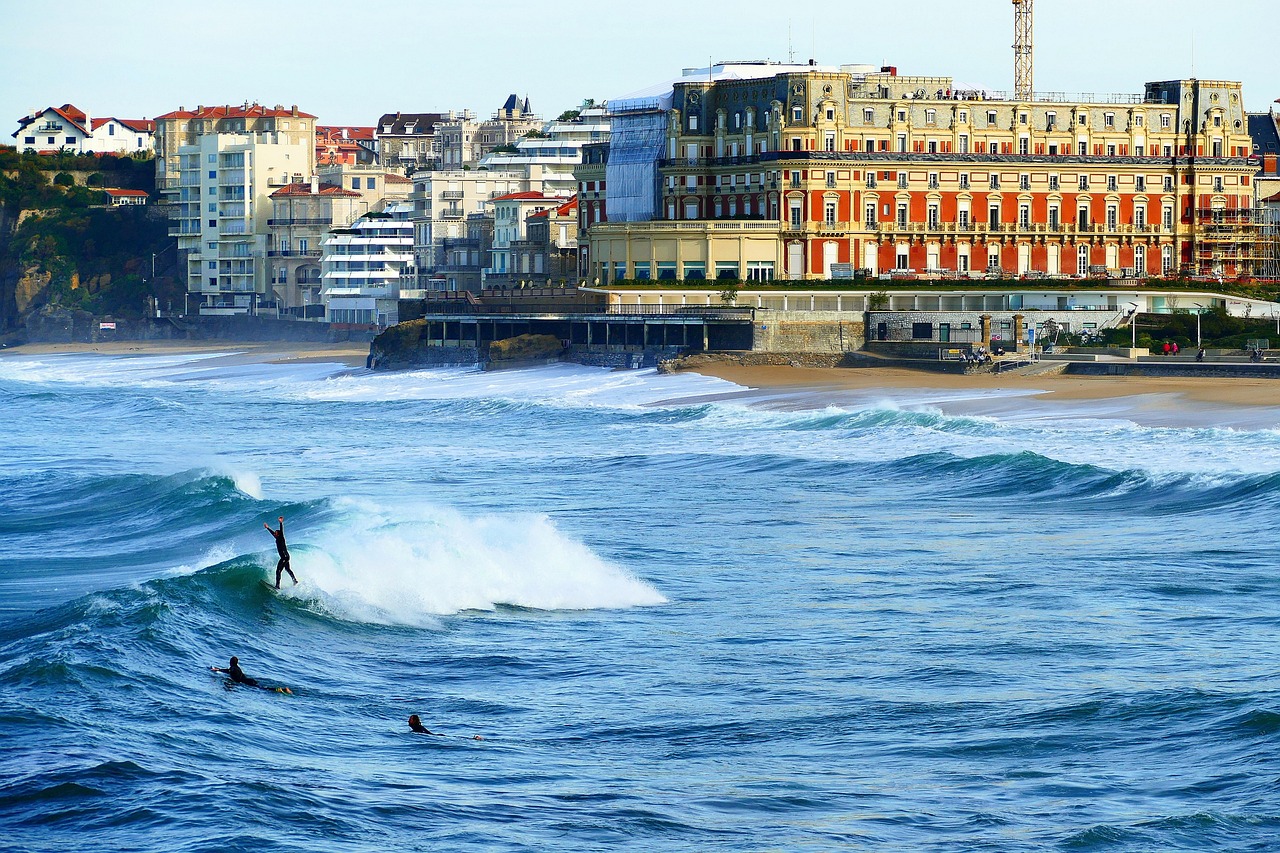
1. Grande Plage
Why it’s special: Grande Plage is the beating heart of Biarritz—an iconic city beach framed by the Casino, the Hôtel du Palais, and a colorful row of striped beach tents in summer.
I usually head here on my first afternoon in town, just to “reset” and feel the Atlantic spray. One August evening, after a long train ride from Paris, I dropped my bag at my guesthouse and walked straight down to Grande Plage. The sun was low, kids were still playing in the shallows, and surfers were catching the last sets. It felt like inhaling the city in one breath.
What to do:
- Swim or bodyboard (watch the flags; waves can be powerful).
- Walk the promenade from the Casino to the Hôtel du Palais, especially at sunset.
- Rent a striped beach tent in summer for full old-school glamour.
- Grab coffee or an ice cream on Avenue Edouard VII and people-watch.
Family-friendly? Yes, but keep an eye on younger kids due to waves and currents. Lifeguards are present in season.
Tips: In high season, arrive before 11:00 to find space. Out of season (April–June, Sept–Oct), it’s perfect for long walks and photos without crowds.
2. Rocher de la Vierge (Virgin’s Rock)
Why it’s special: A dramatic rocky outcrop crowned with a statue of the Virgin Mary, linked to the mainland by a bridge, with 360° ocean views. It’s one of the ultimate must-see attractions in Biarritz.
On my second visit, a storm had just passed and the Atlantic was still restless. I walked out to the Rocher de la Vierge and the waves were smashing into the rocks, sending spray up higher than the bridge. It was humbling, and I finally understood why sailors put their faith in that statue.
What to do:
- Walk the bridge and circle the rock for views of the lighthouse, Grande Plage, and Côte des Basques.
- Come at golden hour for spectacular photos and a romantic atmosphere.
- Pair with a stroll through Port des Pêcheurs below.
Tips: It can be very windy; bring a light jacket even in summer. If the sea is too rough, access may be restricted for safety.
3. Côte des Basques
Why it’s special: The original surf beach of Biarritz, backed by cliffs, with a wide sandy stretch at low tide and incredible sunset views towards the Spanish coast.
I’ve surfed here in all moods: glassy dawn sessions in May, messy October swells, and beginner-friendly July days. One of my favorite memories is actually not from the water, but from the clifftop promenade: we grabbed takeaway Basque tapas and a bottle of Irouléguy wine, sat on the wall, and watched the sky turn every shade of pink and orange as surfers became silhouettes.
What to do:
- Take a surf lesson if you’re a beginner (many schools line the promenade).
- Walk the clifftop path from the Villa Belza viewpoint to the southern end.
- Have sunset drinks at one of the pop-up bars in high season.
Family-friendly? Yes, but note that at high tide the beach can disappear entirely; plan your visit around tide charts if you want sand time.
Tip: Access to the beach is via stairs and can be steep; if mobility is an issue, enjoy the views from above.
4. Biarritz Lighthouse (Phare de Biarritz)
Why it’s special: Standing at the northern edge of Biarritz, the lighthouse marks the border between the sandy Landes coast and the rocky Basque shores. The panorama from here is one of the best city views.
The first time I climbed the lighthouse, it was a clear September day. From the top, the town looked like a film set: the Hôtel du Palais, the curve of Grande Plage, the jagged coast to Spain. Down below, locals were playing pétanque in the shade of pine trees.
What to do:
- Climb the lighthouse (check opening hours; it sometimes closes in bad weather).
- Picnic on the grassy areas nearby.
- Walk down to Plage du Miramar for a quieter beach experience.
Tip: Try to go in the morning for clearer views and fewer people, or at late golden hour for photography.
5. Hôtel du Palais & Imperial Quarter
Why it’s special: Once the imperial residence of Empress Eugénie, now a luxurious palace hotel, the Hôtel du Palais is the symbol of Biarritz’s aristocratic past.
I’ve only stayed here once (a winter promotion made it surprisingly doable), but even if you don’t sleep there, walking around the area is worthwhile. The building itself, with its grand architecture and sea-facing terraces, feels like stepping into another era.
What to do:
- Stroll around the exterior and along the seafront below.
- Have a drink on the terrace bar if your budget allows—it’s a splurge, but what a view.
- Explore the surrounding streets with their elegant villas and gardens.
Tip: In low season, the hotel sometimes hosts public events (exhibitions, tastings); check local listings.
6. Casino Barrière & Seafront Promenade
Why it’s special: An Art Deco landmark right on Grande Plage, combining a casino, theater, and bars. Even if you’re not into gambling, the building and location are part of the city’s personality.
I’ve never won anything meaningful at the casino, but I’ve had some good late-night laughs inside and outside on the terrace. It’s a fun spot to feel the energy of the promenade after dark.
What to do:
- Walk the promenade in front, especially in the evening.
- Catch a show or concert if something interesting is on.
- Try your luck inside—set a small budget and treat it as entertainment.
7. Aquarium de Biarritz (Musée de la Mer)
Why it’s special: A beautifully located aquarium on the cliffs near Rocher de la Vierge, with local marine life, sharks, and interactive exhibits. Perfect for families or rainy days.
On one stormy October visit, when the Atlantic looked like a washing machine, I spent a long afternoon here. Watching the fish glide behind the glass while waves pounded the windows made me appreciate how tied Biarritz is to the sea.
Good for: Families, curious adults, anyone needing a break from the sun or rain.
Tip: Buy tickets online in summer to avoid queues. Combine with a coastal walk and a stop at Port des Pêcheurs.
8. Cité de l’Océan
Why it’s special: A modern museum dedicated to the ocean, climate, and surfing culture. It’s slightly outside the center but worth it if you’re into the sea beyond just the beach.
As someone who loves the ocean but also worries about it, I appreciated the combination of science, art, and interactive exhibits. There’s a VR surf experience, too, which is fun if you’re not up for getting wet.
Tip: Combine with a bike ride or walk along the southern coastal paths and nearby beaches like Ilbarritz.
9. Port des Pêcheurs (Fishermen’s Port)
Why it’s special: A tiny harbor tucked beneath the cliffs with colorful boats and old fishermen’s houses turned into small restaurants.
One of my rituals is to come here just before lunch, check which restaurants smell the best, and sit down for mussels or grilled fish. The whitewashed walls and the way the harbor curls into the rocks make it feel very intimate.
Tip: It gets busy in high season; try a late lunch (around 14:00–14:30) when the first rush has passed.
10. Les Halles de Biarritz (Central Market)
Why it’s special: The covered food market is where Biarritz really tastes like the Basque Country: cheeses, charcuterie, fresh fish, oysters, pastries, and pintxo-style bites at small bars.
I love coming here early, grabbing a coffee and a pain au chocolat, then doing a loop around the stalls. On my last trip, I made a picnic from local sheep’s cheese, axoa (Basque veal stew) in a jar, and a baguette, then headed to the lighthouse lawns.
Good for: Food lovers, budget travelers (picnic supplies), and anyone wanting to experience local life.
Tip: Arrive before 11:00 for the best selection. Many stalls close mid-afternoon and the market is liveliest in the morning.
11. Église Sainte-Eugénie & Place Sainte-Eugénie
Why it’s special: A neo-Gothic church overlooking the ocean, dedicated to Empress Eugénie, with stained glass and a peaceful interior. The square outside is lively and scenic.
I sometimes duck in here for a few minutes of quiet during the day. On one visit, I stumbled into a choir rehearsal, and the voices echoing under the vaults while the sea crashed outside felt oddly cinematic.
Tip: Step out to the terrace behind the church for a lovely sea view and then walk down towards Port des Pêcheurs.
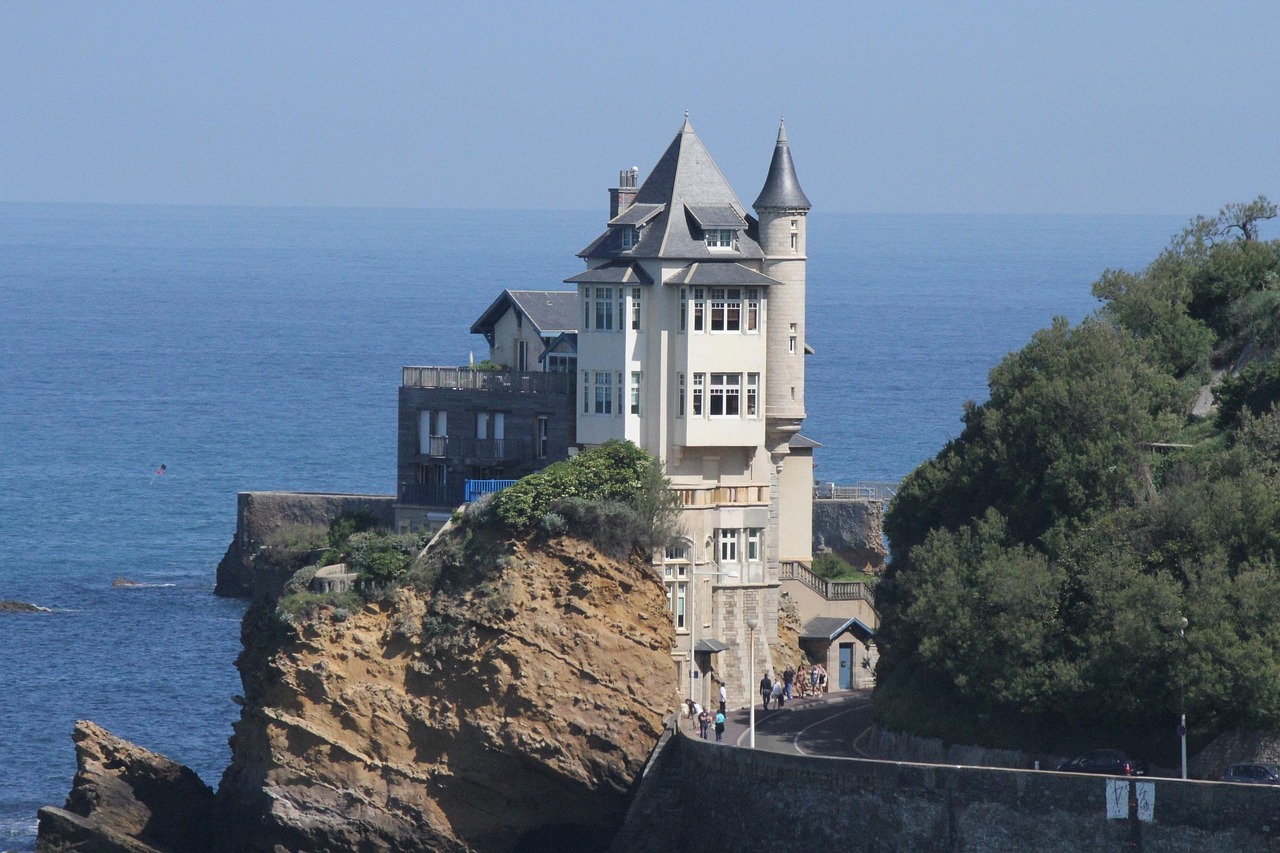
12. Villa Belza
Why it’s special: A dramatic, almost gothic-looking villa perched on a rocky point between Grande Plage and Côte des Basques. It looks straight out of a movie.
Every time I walk past Villa Belza, I imagine writing a mystery novel set there. You can’t visit inside (it’s private), but the building has become a visual symbol of Biarritz’s moody elegance.
Tip: Best photographed from the path leading down to Côte des Basques, especially at sunrise or sunset.
13. Plage du Miramar
Why it’s special: A quieter, more intimate beach north of Grande Plage, framed by cliffs and the Hôtel du Palais.
On hot summer days when Grande Plage felt like a festival, I’ve often retreated to Miramar. It still gets busy, but there’s a calmer vibe, and the views towards the lighthouse are gorgeous.
Tip: Watch the tides and waves; it can be rough. Great for photos and relaxation rather than full-on surf.
14. Plage de la Milady
Why it’s special: A more local-feeling beach south of the center, with playgrounds, grassy areas, and easy access.
I ended up here one Sunday with friends and their kids, and it felt more like a neighborhood gathering than a tourist beach. People were walking dogs, playing beach volleyball, and having long, lazy lunches.
Good for: Families, picnics, relaxed beach days away from the busiest central spots.
15. Musée Historique de Biarritz
Why it’s special: A small historical museum that traces Biarritz’s evolution from fishing village to imperial resort to surf capital.
On a rainy afternoon, I spent an hour here and came out seeing the town differently. Old photos of fishermen, early bathers in full-body swimsuits, and the first surfboards give context to what you see outside.
Tip: It’s small; 45–60 minutes is enough. Perfect to pair with a café stop nearby.
16. Frontons & Basque Pelota Courts
Why it’s special: Basque pelota (a traditional ball game) is central to local culture. The open-air frontons where games are played are social hubs.
One summer evening, I followed the sound of cheering and found a match underway at a local fronton. I didn’t fully understand the rules, but the intensity was contagious. Old men in berets and kids with ice creams were equally invested.
Tip: Ask your accommodation or the tourist office about upcoming games. Watching is usually free or very cheap and is a genuine cultural experience in Biarritz.
17. Chapelle Impériale
Why it’s special: A richly decorated chapel built for Empress Eugénie, blending Byzantine and Hispano-Moorish influences. It’s small but ornate.
I booked a guided visit once out of curiosity and was surprised by the colorful interior and the stories about the imperial court summers in Biarritz.
Tip: Visits are often by guided tour only; check schedules in advance as times can be limited.
18. Saint-Martin & Local Residential Streets
Why it’s special: Away from the seafront, the Saint-Martin area and similar residential streets show everyday Biarritz life: smaller shops, bakeries, and typical Basque-style houses.
I like getting lost here on purpose, just to see how people really live, far from the vacation apartments. You’ll hear more Basque spoken, see kids walking back from school, and find cheaper cafés.
19. Belle Époque & Art Deco Architecture Walk
Why it’s special: Biarritz is a dream for architecture lovers: ornate villas, art deco apartment buildings, and seaside palaces.
One late afternoon, I followed a self-made route from the Hôtel du Palais through the streets above Grande Plage and towards Saint-Charles, photographing balconies, colored shutters, and wrought-iron details. It gave me a new appreciation for the city beyond the beaches.
20. Surf & Street Art Corners
Why it’s special: Modern Biarritz expresses itself through surf culture and street art: murals, board shops, and creative spaces scattered especially around Côte des Basques and backstreets.
I discovered a series of surf-themed murals one day while cutting through residential streets to avoid a steep staircase. Since then, I always keep an eye on walls and alleys—you never know what you’ll find.
Tip: Ask at a local surf shop if they know of any current street art spots; they’re usually in the know.
3, 4 & 5 Day Itineraries for Biarritz (With Personal Stories)
These itineraries are flexible frameworks to help you plan 3 days in Biarritz, a 4 day itinerary for Biarritz, or a more leisurely 5 day itinerary. I’ve based them on how I actually spend my time when I’m in town, blending famous attractions with hidden gems and lazy moments.
3 Day Itinerary for Biarritz
Day 1: First Taste of the City & Coastline
I usually structure my first day around getting oriented and walking the main seafront. You’ll hit many must-see attractions in Biarritz without rushing.
Morning: Arrive and drop your bags. Head to Grande Plage and walk the full length of the promenade. Duck up into the streets above for a coffee—try a café near Place Clémenceau—to watch locals slipping in and out of boutiques.
Late morning: Visit Église Sainte-Eugénie and enjoy the view from the terrace behind the church. Then walk down to Port des Pêcheurs, explore the tiny harbor, and maybe reserve a table for lunch at one of the seafood restaurants if it’s high season.
Lunch: Fresh mussels, grilled sardines, or a simple fish of the day at the port. I usually ask what’s local and in season, and I’ve rarely been disappointed.
Afternoon: From Port des Pêcheurs, follow the path towards Rocher de la Vierge. Spend time soaking in the views and taking photos. Then continue along the sea walk as far as you feel like, or loop back through the streets for an architecture wander.
Late afternoon: Beach break at Grande Plage or Miramar. If you’re jet-lagged, this is a great moment for a nap on the sand or a gentle swim.
Evening: Walk back along the promenade as the lights come on. Have dinner near the center—maybe in the streets around Les Halles—for your first taste of local food in Biarritz. I like small bistros that serve Basque specials like chipirons (baby squid) and axoa.
Night: If you have energy, peek inside the Casino Barrière or simply grab a drink facing the sea and watch the waves in the dark.
Day 2: Surf Vibes & Markets
Day 2 focuses on Biarritz as a surf town and foodie haven.
Morning at Les Halles: Start early at Les Halles. Grab breakfast (I always go for a Basque cake slice or still-warm croissant) and then wander the stalls. If you’re staying in an apartment, this is the perfect time to stock up on cheese, charcuterie, fruit, and a bottle of local wine.
Late morning – Surf or stroll at Côte des Basques: Walk or take a bus down to Côte des Basques. If you’ve booked a surf lesson, this is the time. I remember my first lesson here—falling constantly, laughing with the instructor, and then suddenly managing to stand up for a few seconds and feeling like I had conquered the world.
If surfing’s not your thing, walk the clifftop path, find a bench, and just watch the surfers. It’s strangely hypnotic.
Lunch: Several casual spots above Côte des Basques serve burgers, poke bowls, or tapas-style plates. For budget days, I sometimes just bring a picnic from Les Halles and find a shady spot on the promenade.
Afternoon: Either continue enjoying the beach (watch the tide!) or head back into town to visit the Aquarium de Biarritz. This mix is ideal if you’re traveling as a couple and one of you prefers museums while the other craves sun.
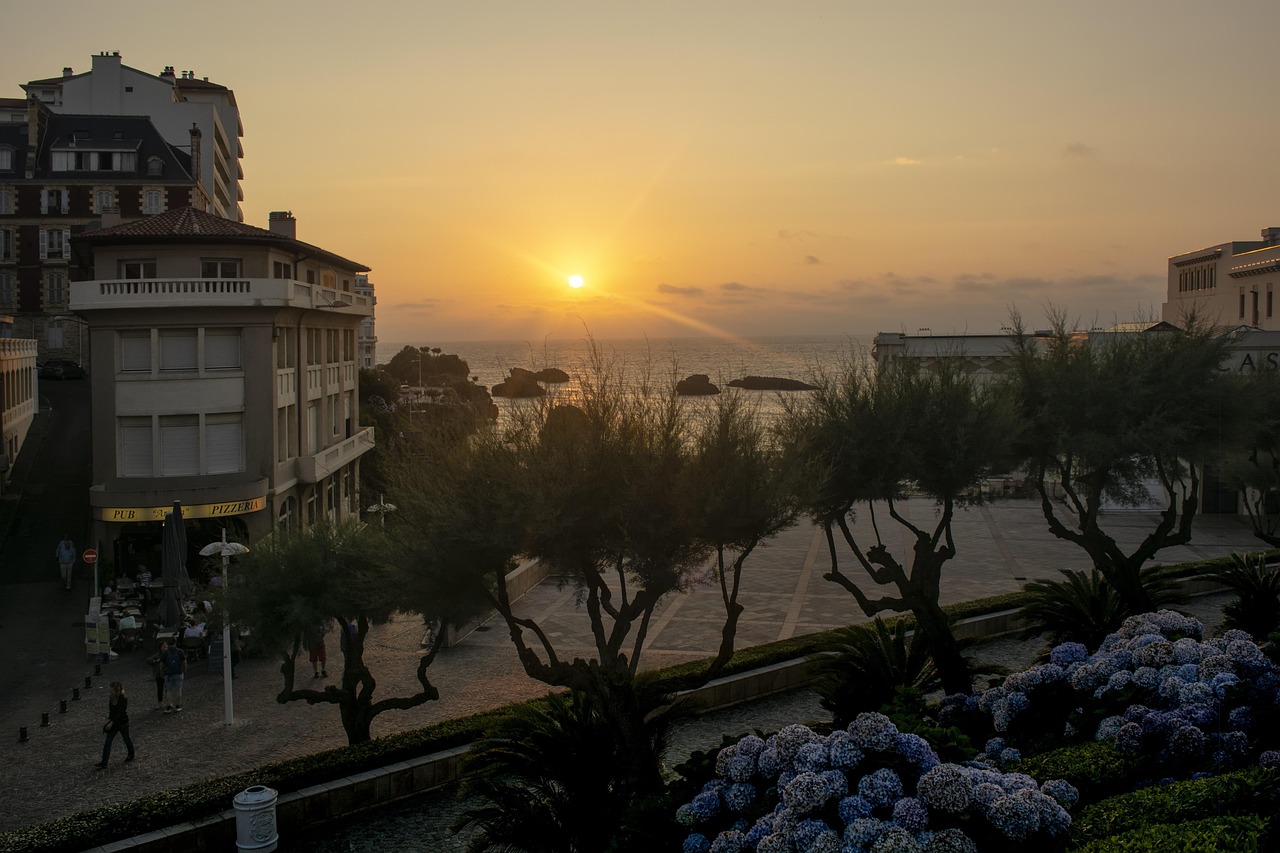
Evening – Sunset ritual: Return to Côte des Basques or the clifftop near Villa Belza for sunset. This is one of the most romantic things to do in Biarritz: the horizon, surfers as silhouettes, often live music drifting from nearby bars in summer.
Afterwards, explore the bars around the center for a casual night—Basque wines, local beers, and pintxos (Basque tapas) standing at the counter like in Spain.
Day 3: Lighthouse Views & Hidden Corners
On day 3, you’ll see more of the city and choose between a cultural stop and extended beach time.
Morning – Lighthouse: Walk or take a bus to the Biarritz Lighthouse. Climb it if open, then wander the surrounding lawns and coastal paths. I like bringing a coffee up here and just sitting on a bench watching the changing shades of the ocean.
Late morning: Head down to Plage du Miramar or back towards Grande Plage for a swim or a drink on a café terrace.
Lunch: Try a restaurant near the Saint-Charles area—a little more residential, with plenty of small eateries. I’ve found some of my favorite lunch deals here, away from the seafront markups.
Afternoon – Choose your focus:
- Option A (Culture): Visit the Musée Historique de Biarritz and, if timings work, the Chapelle Impériale.
- Option B (Relaxation): Spend the afternoon at Plage de la Milady or another quieter beach, reading or napping.
Evening: For your last night, book a slightly special dinner—maybe with an ocean view or a creative Basque menu. Then wander the seafront one last time, and if you’re like me, promise yourself you’ll come back for a longer 4 day or 5 day itinerary for Biarritz next time.
4 Day Itinerary for Biarritz
With 4 days in Biarritz, keep the first 3 days as above and add:
Day 4: Cité de l’Océan & Southern Beaches
Morning: Take a bus or bike to Cité de l’Océan. Spend a couple of hours exploring the exhibits and VR experiences. It’s both fun and educational—great for kids and adults.
Lunch: Either at the on-site café or walk to nearby beaches like Ilbarritz or Milady for a picnic. I love grabbing a simple sandwich and sitting in the dunes watching surfers.
Afternoon: Walk the coastal path between these southern beaches. The scenery is wilder, and you’ll see more local joggers and dog walkers than tourists.
Evening: Return to town, freshen up, and dive into the nightlife: a wine bar around Les Halles or a cocktail bar closer to the Casino. If you’re here on a weekend in summer, there may be live music or events on the seafront.
5 Day Itinerary for Biarritz
With 5 days in Biarritz, you can blend city, coast, and a bit of inland Basque culture.
Day 5: Local Neighborhoods & Pelota
Morning: Explore residential areas like Saint-Martin. Stop at a local bakery, watch life unfold away from the seafront. I like to wander without a fixed plan, turning into any street that looks inviting.
Late morning: Do a self-guided architecture walk, focusing on Belle Époque villas and art deco buildings. Take photos, note the differences in styles, and imagine which villa you’d buy if you suddenly won the lottery.
Lunch: Choose a modest neighborhood restaurant or brasserie. Menus here are often better value than on the main drag.
Afternoon: Check if there’s a pelota match scheduled at a local fronton. If so, go watch. If not, consider renting a bike and exploring further along the coast towards Anglet.
Evening: For your last night, revisit your favorite spot—maybe Côte des Basques for one more sunset or Grande Plage for a final city-meets-ocean stroll.
Local Food & Drink in Biarritz
Biarritz is a joy for food lovers. Basque cuisine is hearty, colorful, and rooted in both sea and mountains. Here are some essentials:
What to Eat in Biarritz
- Pintxos: Basque tapas-style bites, often eaten standing at the bar. Perfect for grazing.
- Chipirons: Baby squid, usually grilled or in a rich sauce.
- Axoa: A traditional veal (or sometimes beef) stew with peppers and spices.
- Gateau Basque: Basque cake filled with pastry cream or cherry jam. I always have at least one slice a day.
- Sheep’s milk cheese: Often served with black cherry jam—simple and delicious.
- Seafood: From oysters to sardines; always ask what’s local and fresh.
What to Drink
- Irouléguy wine: Local red or rosé from the nearby Basque vineyards.
- Cider (Sagarnoa): Traditional Basque cider, often served in sidrerías inland.
- Local beer: Several craft breweries in the region produce excellent pale ales and lagers.
Where to Eat & Save Money
For budget-conscious travelers, I’ve found that:
- Breakfast from a boulangerie plus coffee to go is cheaper than a sit-down café.
- Les Halles is ideal for picnic supplies and casual bites.
- Set lunch menus (formules) often offer the best price/quality ratio.
- Standing at the bar for pintxos is cheaper than table service in many places.
Nightlife, Entertainment & Cultural Experiences
Biarritz isn’t a wild party town, but it offers a satisfying mix of bars, terrace culture, and seasonal events.
Nightlife
- Wine bars around Les Halles and the center: ideal for relaxed evenings.
- Cocktail bars near the Casino: a bit more polished, often with DJs in summer.
- Beach bars at Côte des Basques (in season): unforgettable sunsets with music.
Cultural Experiences
- Watch a Basque pelota match.
- Attend a Basque music or dance performance during festivals.
- Join an architecture or history walking tour led by a local guide.
What’s New in 2026–2027: Events & Festivals
While exact dates can shift, here are some recurring and expected events in the 2026–2027 season. Always verify closer to your trip:
- Surf competitions (spring–autumn): Regional and international surf contests at Côte des Basques and Grande Plage. Even if you’re not a surfer, the atmosphere is electric.
- Basque festivals (summer): Local fêtes with music, traditional costumes, street food, and pelota tournaments.
- Cultural & film events: Biarritz often hosts Basque culture and film festivals, especially in shoulder seasons. These are great for deeper cultural experiences in Biarritz.
- Christmas & winter lights (Dec–Jan): The seafront and center are beautifully decorated, and winter weekends are cozy rather than crowded.
Day Trips from Biarritz
One of the joys of staying 4 or 5 days in Biarritz is how easy it is to explore the surrounding Basque Country.
1. Bayonne
Just 15–20 minutes away by bus or train, Bayonne is the historic capital of the French Basque Country.
- Wander the old town with its half-timbered houses.
- Try Bayonne ham and chocolate (the city is famous for both).
- Visit the cathedral and the riverside quays.
2. Saint-Jean-de-Luz
A charming fishing town about 30 minutes by train. Great for a romantic getaway feel.
- Stroll the harbor and old streets.
- Relax on the sheltered town beach.
- Sample more Basque pastries and seafood.
3. Hendaye & Spanish Basque Country
Further south, Hendaye offers a long, family-friendly beach and easy access to Spain (just across the river). You can continue to Hondarribia or San Sebastián for a full cross-border adventure.
Cultural Etiquette & Local Customs in Biarritz
Being respectful of local customs makes travel smoother and more enjoyable. Here’s what I’ve learned over repeated visits:
- Greetings: Always say “Bonjour” (daytime) or “Bonsoir” (evening) when entering shops, cafés, and before asking a question.
- Language: French is primary; Basque is also present. English is spoken in many tourist places, but a few French phrases go a long way.
- Mealtimes: Lunch is usually 12:00–14:00, dinner from 19:30–21:30. Don’t expect full meals at 16:00.
- Beach etiquette: Topless sunbathing is generally accepted but check what others are doing. Don’t play loud music on crowded beaches.
- Tipping: Service is included, but rounding up or leaving a small extra (5–10%) is appreciated for good service.
- Basque identity: Locals are proud of their Basque culture. Showing interest (asking about dishes, words, traditions) is welcomed.
Practical Travel Tips for Biarritz (2026)
Getting There
- By air: Biarritz Pays Basque Airport (BIQ) has flights from several European cities.
- By train: Direct TGV from Paris (around 4–5 hours). The station is a short bus/taxi ride from town.
- By bus/car: Well connected along the Atlantic coast road network.
Getting Around Biarritz
- The center is walkable for most visitors.
- A local bus network connects beaches, the airport, and the train station.
- Bikes & e-scooters are handy for exploring further along the coast, especially towards Anglet or southern beaches.
- Car rental is useful mainly for day trips inland; parking in the city center can be expensive and limited in summer.
SIM Cards & Connectivity
In 2026, it’s straightforward to stay connected:
- EU travelers usually have roaming included.
- Non-EU visitors can buy a prepaid SIM from major providers (Orange, SFR, Bouygues) at airports, malls, or some supermarkets.
- eSIMs are increasingly common; check if your provider offers France packages.
Money-Saving Tips
- Visit in shoulder seasons (May–June, Sept–Oct) for better prices and fewer crowds.
- Stay slightly off the immediate seafront; you’ll often get better value.
- Use Les Halles and supermarkets for some meals (picnics, breakfasts).
- Walk and use buses instead of taxis where possible.
Visa & Driving Requirements (Check for Updates)
As of 2026:
- France is in the Schengen Area. Many nationalities can visit visa-free for short stays (usually up to 90 days in 180), but always check official sources.
- A valid passport (and sometimes upcoming ETIAS authorization) may be required for non-EU visitors.
- Most foreign driver’s licenses are accepted for short visits, though some non-EU travelers may need an International Driving Permit; verify before travel.
Best Seasons for Activities in Biarritz
- Spring (April–June): Great for hiking, city walks, and early surf. Mild weather, fewer crowds.
- Summer (July–August): Beach life in full swing, warm water, many events—but busiest and priciest.
- Autumn (Sept–Oct): My favorite: warm sea, fewer tourists, gorgeous light. Ideal for a relaxed 3, 4, or 5 day itinerary.
- Winter (Nov–March): Dramatic storms, quieter streets, and cheaper accommodation. Less beach lounging, more coastal walks and café time.
Summary & Final Recommendations
Biarritz in 2026 is a place where you can surf in the morning, eat world-class Basque food at lunch, wander through 19th-century villas in the afternoon, and watch the sun sink into the Atlantic in the evening. It’s compact yet rich in experiences, perfect for a 3 day itinerary, even better for 4 or 5 days in Biarritz if you want to slow down.
My personal advice:
- For a first visit, plan at least 3 days to cover the essentials.
- If you love food and coastal walks, 4 days in Biarritz lets you truly relax and fit in a nearby day trip.
- For surfers or those craving a deeper Basque experience, 5 days in Biarritz (with Bayonne or Saint-Jean-de-Luz included) is ideal.
- Try to come in late spring or early autumn if you can—weather is usually kind, and the atmosphere is more local.
Whether you’re coming as a couple looking for romance, a family needing safe beaches and fun activities, or a solo traveler in search of waves and café time, Biarritz has a way of getting under your skin. It certainly did mine—and I suspect you’ll be planning your return before you’ve even left.