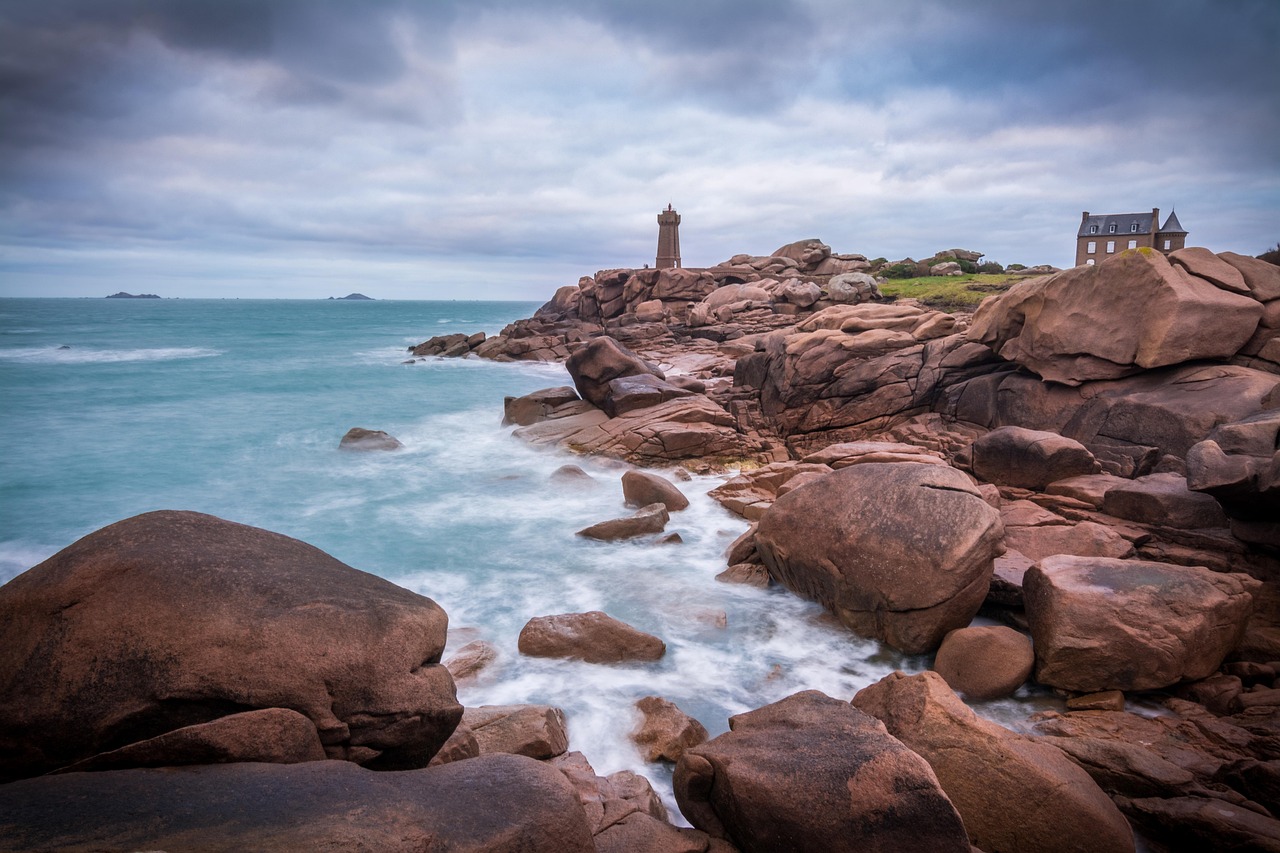
Why Visit Brittany in 2026
Brittany (Bretagne) is where France feels slightly sideways: Atlantic winds instead of Riviera breezes, Celtic legends in place of Roman ruins, granite chapels instead of gilded palaces. I’ve been returning to Brittany for over a decade, most recently in spring and late summer 2025 while researching updates for this 2026 guide, and every time the region feels both familiar and quietly surprising.
You come here for the rugged coastline – 2,700 km of cliffs, coves, and dune-backed beaches – but you stay for the slow rhythm of village life, the smell of buckwheat crêpes and salted butter, the sound of Breton spoken between fishmongers at the morning market. It’s a region made for road trips, long coastal hikes, family beach days, storm-watching in winter, and unhurried evenings nursing a glass of cider in a stone-walled bar.
In 2026, Brittany is also leaning into its strengths: more greenways for cycling, festivals celebrating its Celtic heritage, and a deepening food scene that still feels refreshingly unpretentious. If you’re weighing where to spend 4–7 days in France beyond Paris or Provence, Brittany is one of the most rewarding choices.
Brittany at a Glance
Brittany occupies France’s far northwestern corner, a peninsula pushing into the Atlantic. It’s divided into four départements: Ille-et-Vilaine (east, with Rennes and Saint-Malo), Côtes-d’Armor (north coast, including the Pink Granite Coast), Finistère (the wild west, literally “end of the earth”), and Morbihan (south coast, with the Gulf of Morbihan and Carnac).
The region’s character shifts as you move:
- North Coast: Dramatic tides, fortified ports, the Pink Granite Coast, family-friendly beaches.
- West (Finistère): Wind-battered capes, surfing beaches, fishing ports, a feeling of remoteness I’ve never felt elsewhere in France.
- South Coast: Softer light, island-dotted Gulf, prehistoric sites, sailing culture, gentler weather.
- Inland: Green hills, forested valleys, medieval towns, canals and towpaths perfect for cycling.
You don’t need to “see everything” in Brittany – you couldn’t in a month – but you should choose a base or two and let the region unfold slowly. Below I’ll suggest which towns work best as hubs depending on whether you’re here for beaches, hiking, food, or family time.
Suggested 4–7 Day Itineraries in Brittany
These itineraries are designed so you can easily trim or expand days. Distances may look short on the map, but small roads, photo stops, and tides will slow you down – in the best way.
4 Day Itinerary for Brittany: Classic North Coast & Medieval Towns
If you only have 4 days in Brittany, base yourself between Saint-Malo and Dinard or inside the old town of Saint-Malo. This itinerary mixes the most iconic coastal scenery with a taste of inland charm.
Day 1 – Walled City of Saint-Malo & Coastal Walks
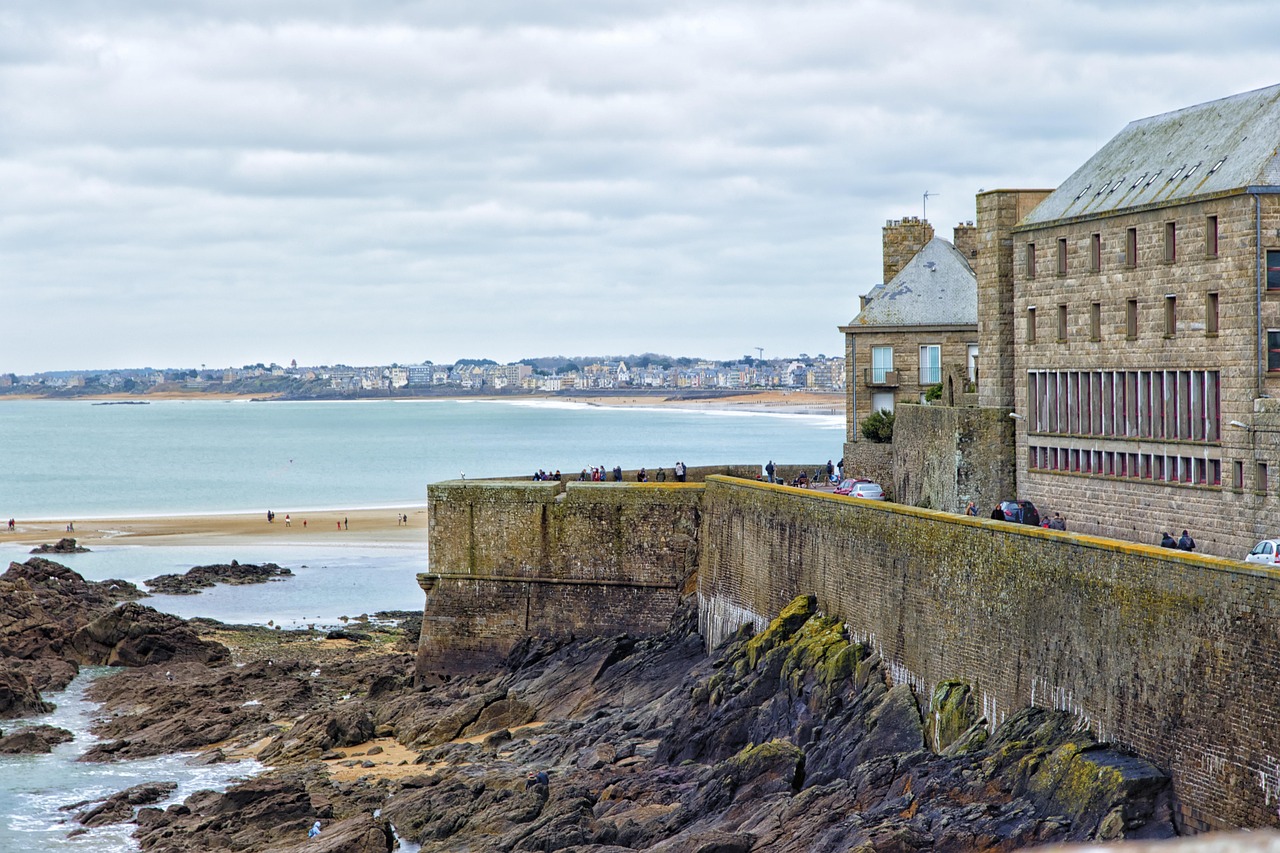
I arrived in Saint-Malo on a bright, blustery April afternoon in 2025, the kind where the sky can’t decide between sun and storm. It was low tide, so the beach stretched forever beneath the ramparts, dotted with locals walking dogs and children clambering over old wooden breakers.
Morning: Start by walking the ramparts of Saint-Malo. The loop is under 2 km, but allow at least 90 minutes because you’ll stop constantly to watch the waves, the ferries heading for Jersey, and the changing patterns in the sand.
- Must-see viewpoints: Overlooking Plage du Sillon to the east and the islets of Grand Bé and Petit Bé to the west.
- Family tip: Kids love timing the tides and racing the waves at the foot of the ramparts – bring a change of clothes.
Lunch: Duck into a crêperie inside the walls – I like the tiny places on Rue de l’Orme. Order a galette complète (buckwheat with ham, cheese, egg) and a bowl of local cider.
Afternoon: At low tide, walk across to Grand Bé island to see Chateaubriand’s grave and feel the power of the tides from sea level. Check tide times posted near the gate: you must be back before the causeway disappears under water.
- Romantic: Walk the long Plage du Sillon at golden hour – a wide, windswept beach that feels endless.
- Adventurous: Consider a sailing lesson or a sea-kayak excursion if weather allows; local clubs near the beach offer half-day introductions.
Evening: For dinner, I tend to follow the locals just outside the walls toward the port area, where seafood is fresher and slightly cheaper than the tourist-heavy streets inside the ramparts.
Day 2 – Dinard & Emerald Coast
Dinard, across the Rance estuary, is Saint-Malo’s elegant cousin – less fortified, more Belle Époque. I usually come over by bus or drive across the barrage (dam) and park above the beach.
Morning: Stroll the Promenade du Clair de Lune, a shaded clifftop path with palm trees and views back to Saint-Malo’s skyline. It’s gentle and stroller-friendly, ideal for families and older travelers.
Late morning swim: Plage de l’Écluse is the main beach, with soft sand, lifeguards in season, and a seawater pool for safe paddling when the tide is out.
Lunch: Grab a simple seafood platter or a moules-frites on the seafront. Prices spike in August; in June or September you’ll pay less and share the view with more locals than tourists.
Afternoon: Drive or bus along the Côte d’Émeraude (Emerald Coast) to Saint-Lunaire or Saint-Briac-sur-Mer. These are quieter coastal villages with lovely beaches, perfect for a slower afternoon.
- Hidden gem: A short hike from Saint-Briac brings you to less crowded coves; look for the coastal path signage and follow your nose along the cliffs.
Head back to Saint-Malo for the night, or stay in Dinard if you prefer a resort feel.
Day 3 – Medieval Dinan & Rance Valley
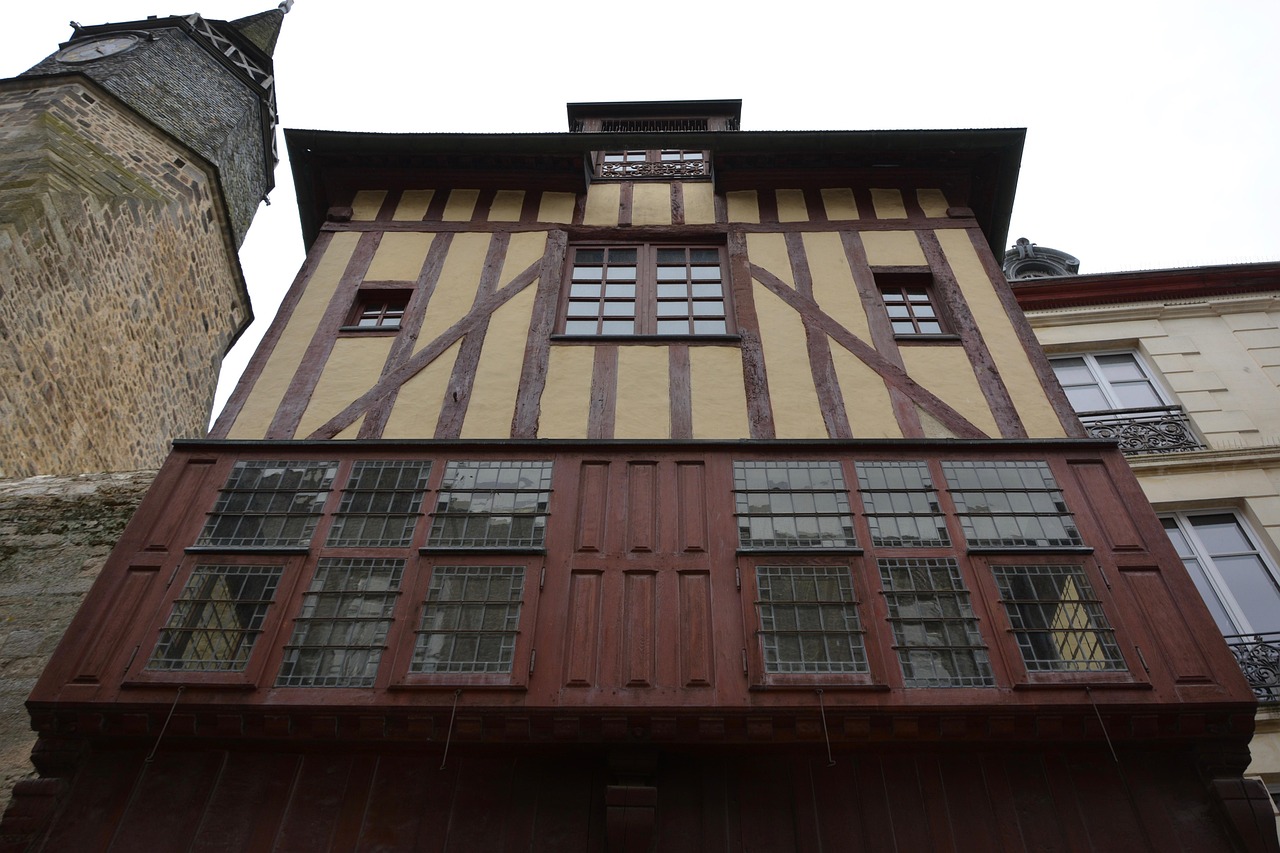
Dinan is my favorite inland town in Brittany, and on my last visit I spent an entire day just wandering between timber-framed houses and the riverbank.
Getting there: About 30–40 minutes by car from Saint-Malo or Dinard; there are also regional buses, but check schedules carefully outside summer.
Morning: Park near the old town and explore the medieval streets – Rue du Jerzual is famously steep, lined with artisan workshops and galleries. Pop into the basilica and climb part of the ramparts for views over the Rance valley.
Lunch: I like finding a small bistro on a side street – the daily slate menus (formules) are usually good value. Ask for the plat du jour and a carafe of local cider.
Afternoon by the river: Walk down to the port of Dinan. You can rent a small boat or take a short cruise along the Rance. It’s a peaceful contrast to the cobbled lanes above and great for kids who need a break from “old stones.”
Evening: Either stay for dinner in Dinan (the town is especially atmospheric at dusk) or drive back to your coastal base.
Day 4 – Mont Saint-Michel (Technically Normandy, But Unmissable)
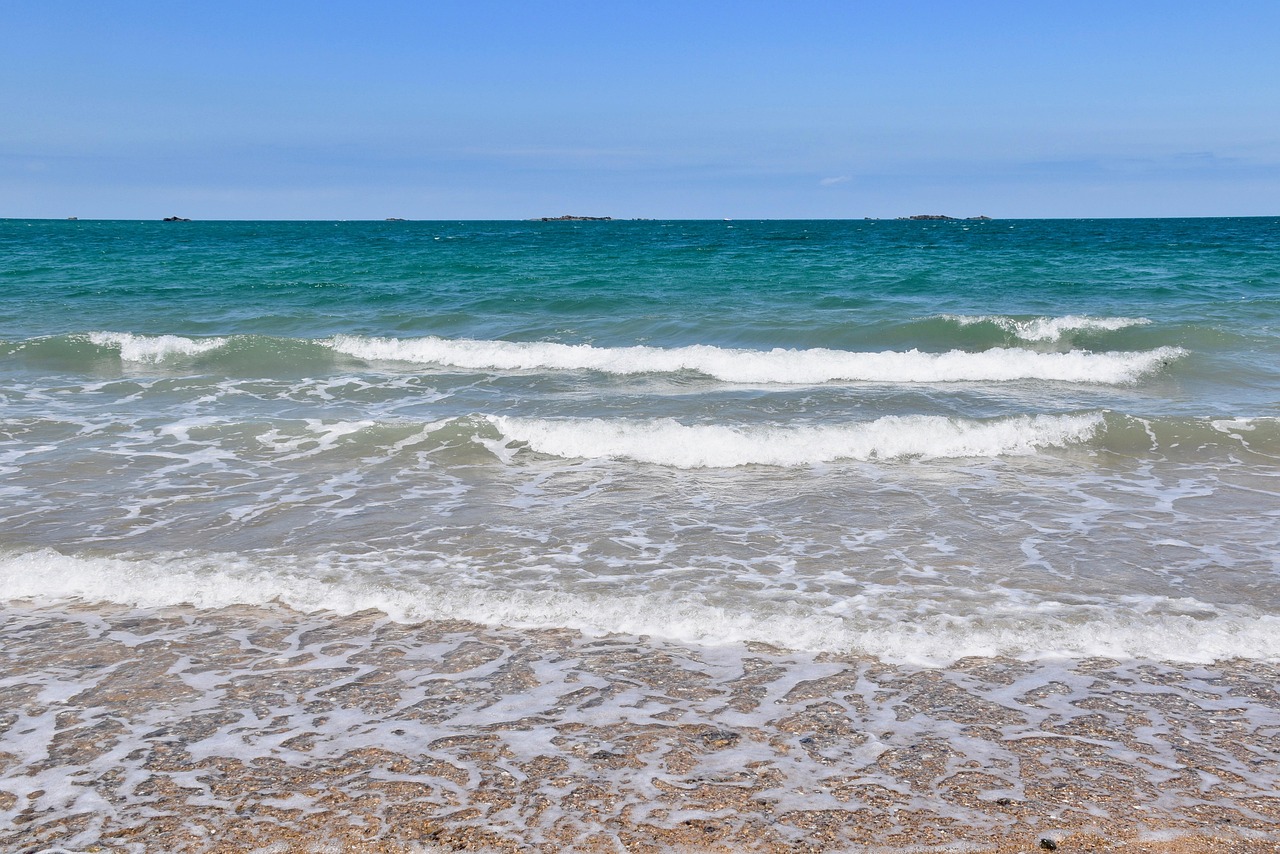
Although Mont Saint-Michel sits just over the border in Normandy, it’s so close to Saint-Malo (about an hour by car) that it belongs in any 4 day itinerary for Brittany.
Morning: Arrive early, ideally before 9:00, to beat the tour buses. Park in the designated lots and walk or take the shuttle across the causeway. The first sight of the abbey rising out of the sands still gives me goosebumps.
Visit the abbey: Climb through the narrow streets (yes, they get crowded) and visit the abbey with an audio guide. The interplay of stone, silence, and sky feels almost unreal.
Lunch: Food on the Mont is expensive and mixed quality. I bring snacks and then eat properly back on the mainland or in a village on the way back to Brittany.
Afternoon: Time your visit with the tides if you can. At high tide, the Mont becomes an island again; at low tide, guided walks across the sand (always with a guide – the currents and quicksand are dangerous) are unforgettable.
Return to Saint-Malo or continue inland if your journey onwards takes you toward Rennes or the Loire.
5 Day Itinerary for Brittany: North Coast + Inland Forests
With 5 days in Brittany, keep the 4-day north-coast plan and add a night around the Broceliande Forest near Paimpont or in Rennes. This is where Breton myths and Arthurian legends blend with real mossy paths and mirror-like lakes.
Day 5 – Broceliande Forest (Forêt de Brocéliande) & Paimpont
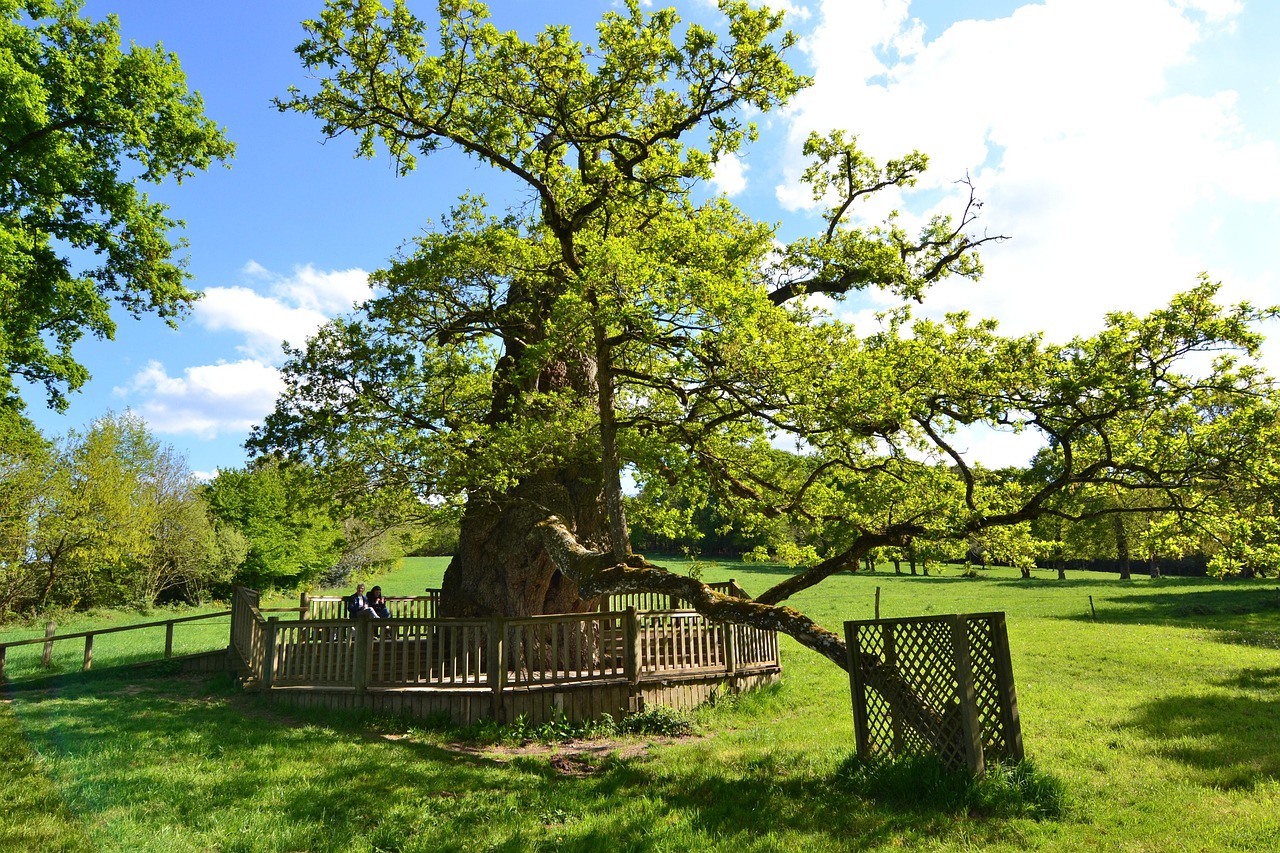
I drove down from Dinan to Paimpont on an overcast day that turned the whole forest into a storybook illustration. Whether or not you care about King Arthur, this is a beautiful place to walk.
Morning: Start at the Paimpont Abbey and the tourist office, where you can pick up trail maps in English. Several loop hikes (from 1–4 hours) lead to sites associated with Merlin and the Lady of the Lake.
- Family-friendly: Choose a short, signed trail around one of the lakes; paths are generally well marked and gentle.
- Romantic: Pack a picnic and find a quiet spot under the oaks; even in summer you can find solitude away from the main car parks.
Lunch: Simple crepes and galettes in Paimpont village or a picnic in the forest.
Afternoon: Continue walking or drive to a nearby village such as Tréhorenteuc, known for its chapel decorated with Arthurian imagery.
Evening: Either stay overnight in a countryside guesthouse (gîtes and chambres d’hôtes are plentiful) or head to Rennes for an urban contrast before leaving Brittany.
6 Day Itinerary for Brittany: North Coast to Pink Granite Coast
A 6 day itinerary for Brittany lets you sweep further west along the north shore to the extraordinary Pink Granite Coast (Côte de Granit Rose).
Day 5 – Saint-Brieuc & Bay
From Saint-Malo, drive about 1.5 hours to Saint-Brieuc. It’s not the prettiest town in Brittany, but the bay is a protected natural area with wide tidal flats and birdlife.
Stop for lunch and a short walk on the coastal paths around Plérin or Binic – family-friendly seaside spots with playgrounds and ice cream stands.
Day 6 – Pink Granite Coast (Perros-Guirec, Ploumanac’h)
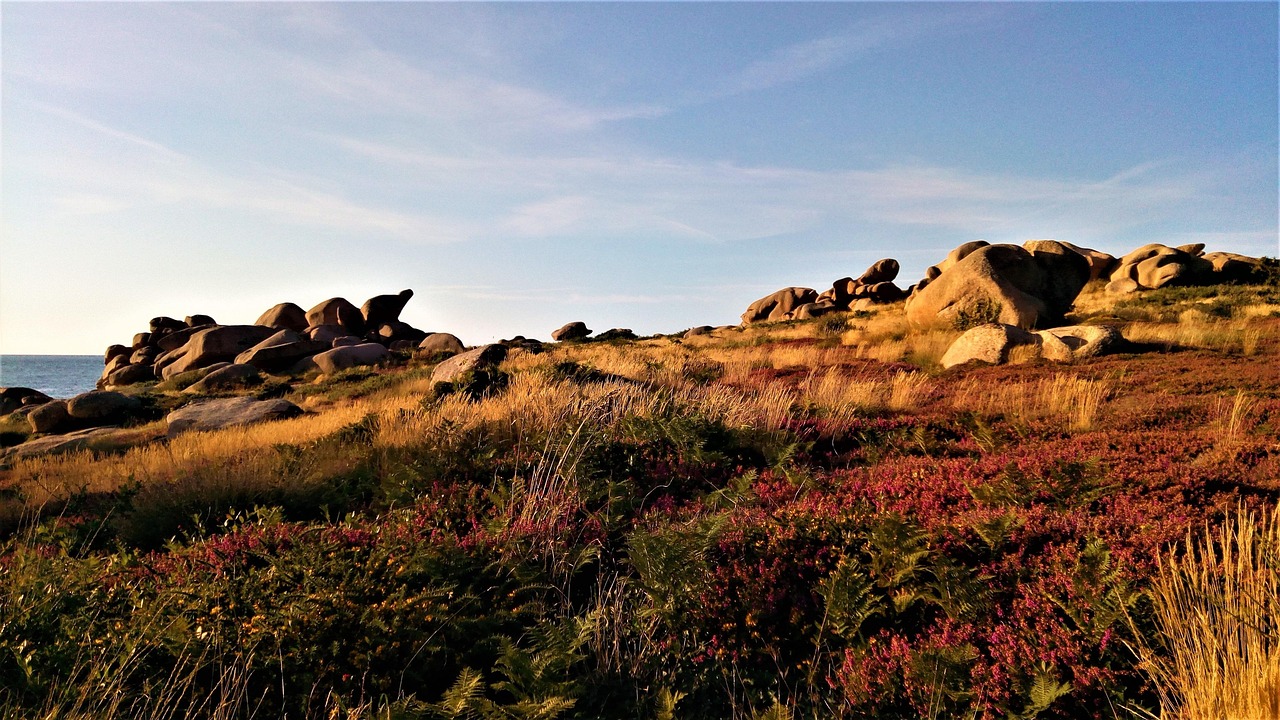
Base yourself in or near Perros-Guirec or the village of Ploumanac’h. I usually stay in a small hotel above the shore, waking up to the sight of those surreal rock formations glowing in the early light.
Morning: Hike the customs officers’ path (Sentier des Douaniers, GR34) between Perros-Guirec and Ploumanac’h. It’s a spectacular, relatively easy walk with pink boulders the size of houses, twisting pines, and coves below.
Lunch: Have seafood or crepes in Ploumanac’h – it’s small, but what it lacks in size it makes up for in setting.
Afternoon: Boat trip out to the Sept-Îles archipelago, a bird sanctuary with puffins (seasonal) and dramatic cliffs. Bring binoculars and a windproof layer; even in July the sea breeze can bite.
Evening: This is one of my favorite sunset spots in Brittany – find a rock, sit down, and watch the sky turn pastel over the granite.
7 Day Itinerary for Brittany: North Coast, Pink Granite & a Taste of the West
With 7 days in Brittany, add a dash of the wild west: Finistère and its windswept capes. You won’t see all of it, but you’ll understand why so many of us keep coming back.
Day 5 – Pink Granite Coast (as above)
Day 6 – Roscoff & Île de Batz
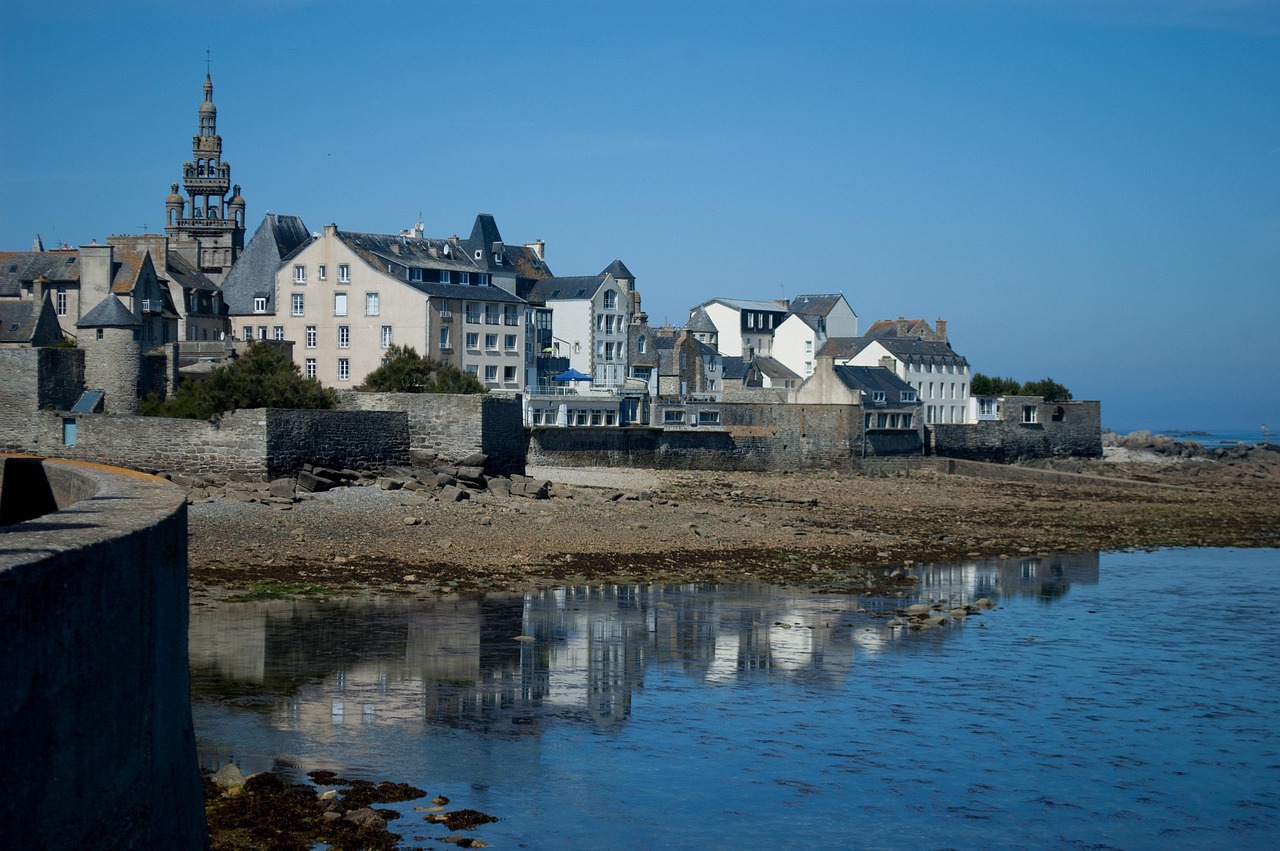
Drive 1.5–2 hours west to Roscoff, a small port with stone houses and a long history of vegetable exports to Britain.
Morning: Wander the old town, then take the short boat ride to Île de Batz. Rent bicycles on arrival and circle the island, stopping at sandy beaches and the exotic garden.
Lunch: Picnic on the island or eat back in Roscoff – try artichoke-based dishes and local seaweed products, specialties of the area.
Day 7 – Brest or Quimper (Choose Your Finale)
You can end in Brest for a maritime, modern twist, or in Quimper for a more classically pretty Breton town.
- Brest: Visit the Océanopolis aquarium (excellent for families), stroll the harbor, and learn about Brittany’s seafaring history.
- Quimper: Explore the cathedral, half-timbered houses, and faïence pottery workshops; linger in cafes along the Odet river.
From either city, trains connect back to Rennes and Paris, or you can loop back by car via the interior.
Below, I’ll go deeper into at least 18 of the towns, sub-areas, and landscapes mentioned above and beyond, anchoring them in my own visits and what you can realistically do with your time.
18 Essential Towns, Sub-Areas & Landscapes in Brittany
Think of Brittany as a necklace of coastal jewels threaded together by a green, story-filled interior. Here’s how I’d describe (and use) its key places, based on many trips between 2013 and 2025.
1. Saint-Malo – Privateers, Tides & Granite Walls
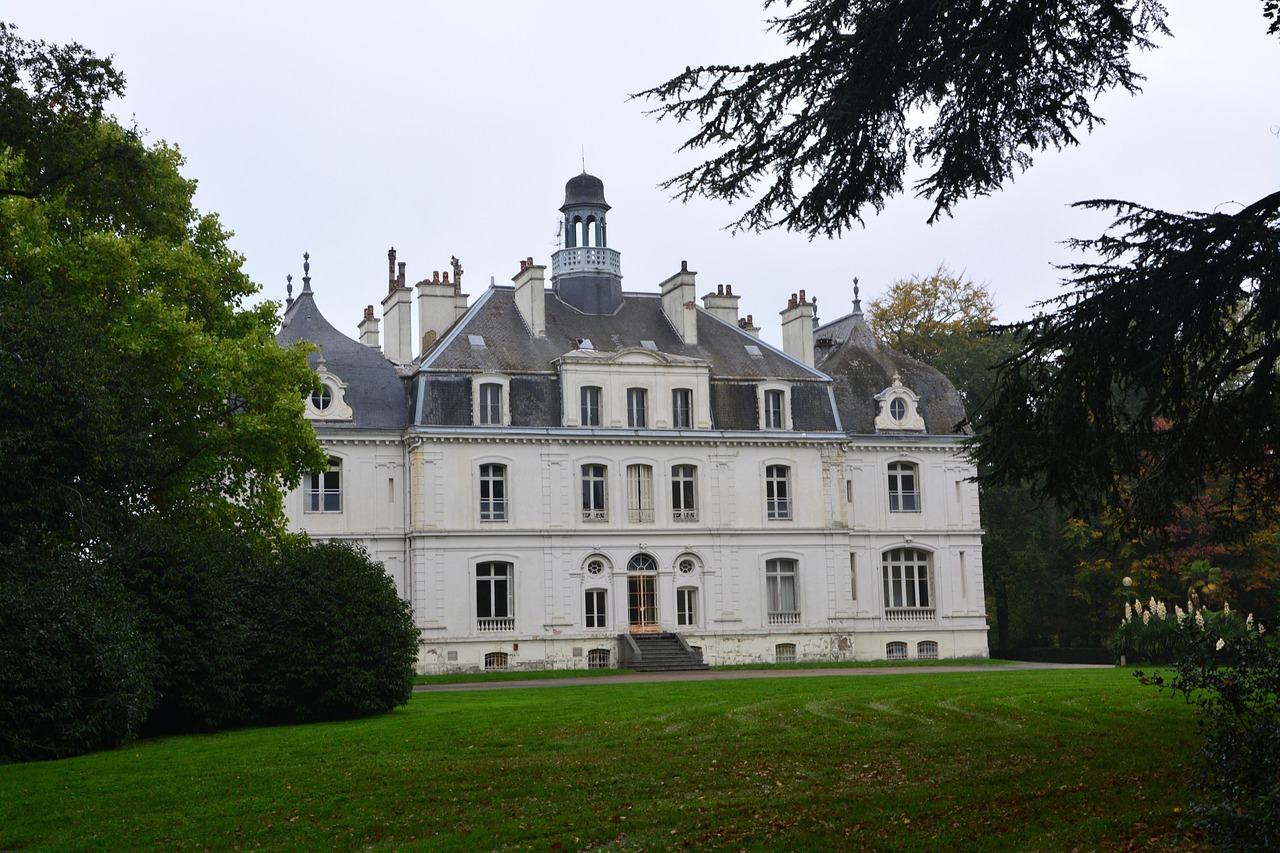
I always recommend Saint-Malo as a first stop. It’s big enough to have all the services you need, yet compact inside the walls. Historically a stronghold of corsairs (state-sanctioned pirates), it was heavily bombed in WWII and painstakingly rebuilt stone by stone.
Best base for: First-time visitors, families, short breaks, easy access to Mont Saint-Michel and the Emerald Coast.
What to do: Ramparts walk, island walks at low tide, long beach strolls, sailing or sea-kayaking, seafood dinners, and simply watching the immense tides roll in and out.
Tips: Park outside the walls unless your accommodation includes a space; inside streets are narrow and often one-way. In peak August, book restaurants in advance, especially on weekends.
2. Dinard & the Côte d’Émeraude – Belle Époque Charm
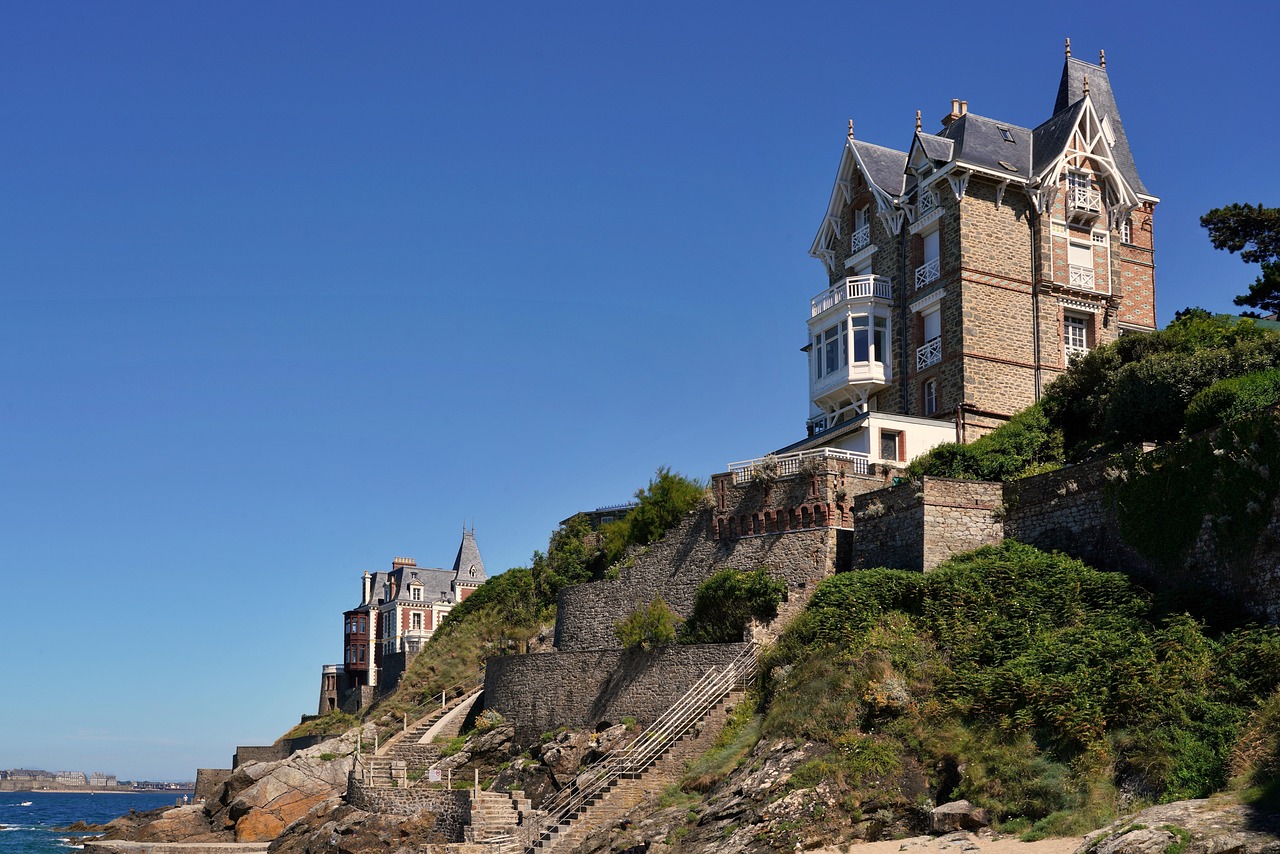
Dinard has the faded glamour of a 19th-century seaside resort: grand villas, palm-dotted promenades, striped beach tents in July. I usually come here for a softer, more relaxed day after Saint-Malo’s granite intensity.
Best base for: Couples, slower-paced beach holidays, families with small children.
Known for: Pleasant beaches, cliff paths, festivals (including the British Film Festival, usually autumn), and that postcard view of Saint-Malo across the Rance.
3. Dinan & the Rance Valley – Time Capsule Town
Dinan is where time folds over itself: narrow, sloping streets, timber-framed houses leaning conspiratorially inward, and a river port that feels like a painting. I’ve stayed here twice overnight and loved waking up to quiet lanes before the daytrippers arrived.
Best base for: A more inland-focused stay, cycling along the Rance, art and craft shopping.
Activities: Explore the old town on foot, hire bikes along the river, take a boat trip, visit small galleries and studios.
4. Rennes – Lively Capital & Street Food
Rennes surprised me. I’d expected a functional student city; I found one of France’s best Saturday markets, a thriving bar scene, and colorful half-timbered streets. I usually spend a night here when arriving or leaving Brittany by train.
Best base for: Car-free travelers, foodies, nightlife, easy rail connections.
Don’t miss: The Marché des Lices on Saturday mornings (fish, cheeses, cider, flowers – it’s a feast), the parliament building, and evening drinks around Rue Saint-Michel.
5. Saint-Brieuc & Bay – Gateway to the North
Saint-Brieuc itself is more practical than pretty, but the surrounding bay has a stark, tidal beauty. I usually treat it as a lunch-and-walk stop en route to the Pink Granite Coast.
Best for: Birdwatching, long low-tide walks, breaking up a drive.
6. Pink Granite Coast (Côte de Granit Rose) – Surreal Shoreline
No matter how many photos you’ve seen, the Pink Granite Coast feels otherworldly in person. The rocks really are pink – especially at sunrise or sunset – and the shapes are wild: balancing boulders, natural arches, stacks.
Best base for: Hikers, photographers, couples, and anyone who likes dramatic yet accessible coastal scenery.
Key villages: Perros-Guirec (more services) and Ploumanac’h (more charm, fewer shops).
Personal tip: Walk the GR34 in short sections rather than trying to do too much at once; savor the details – the lichens, the sea thrift, the smell of pine.
7. Roscoff & Île de Batz – Quiet Port & Island Escape
Roscoff feels slightly off the main tourist radar, which is why I like it. The ferry to Plymouth gives it a maritime bustle, but the old town remains human-scaled and atmospheric.
Best base for: Travelers heading to/from the UK, island day-trippers, people who like small working ports over polished resorts.
Île de Batz: A low-key island with sandy beaches, an exotic garden, and low stone walls. Rent a bike right off the boat and just wander.
8. Brest – Rebuilt Port & Maritime Hub
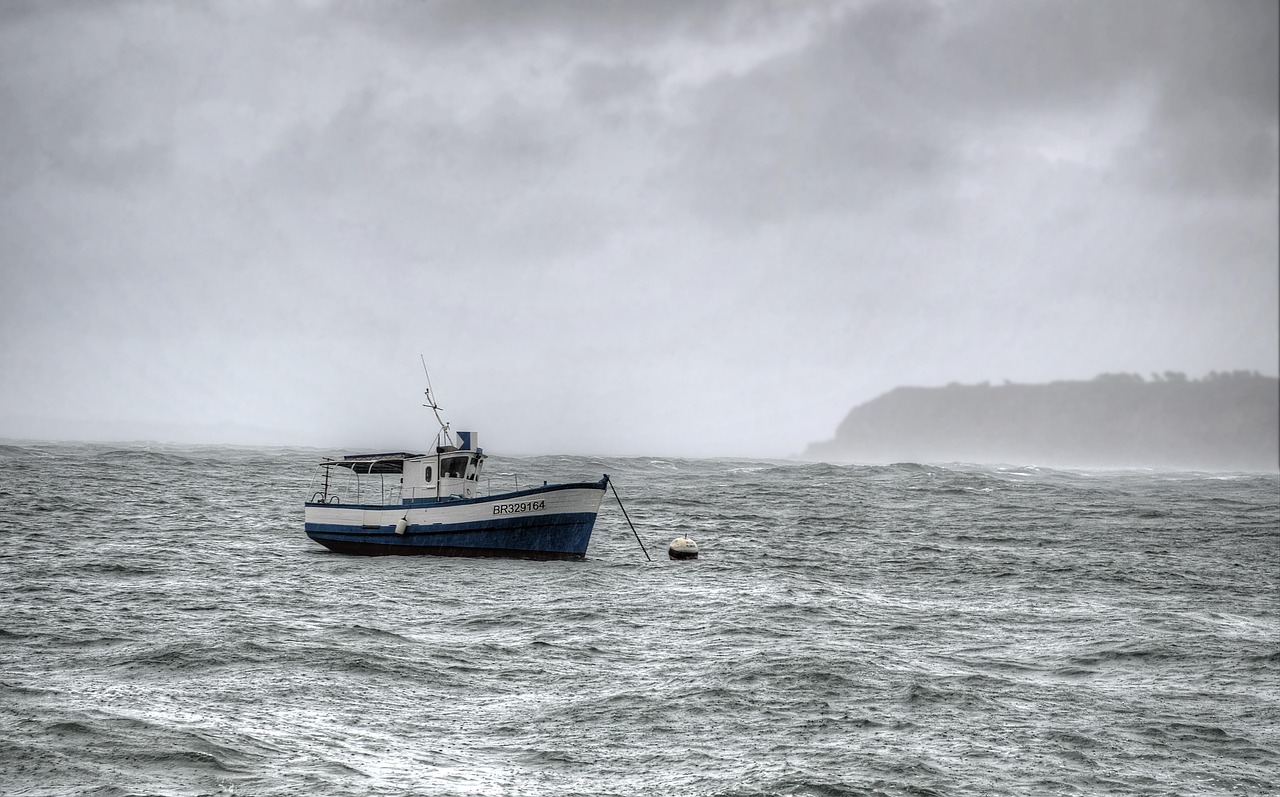
Brest is not conventionally beautiful, but it’s honest. Flattened in WWII, it was rebuilt in concrete, then slowly softened with culture and green spaces. I come here for Océanopolis (one of Europe’s best marine centers) and for a sense of Brittany’s modern working coast.
Best base for: Families (aquarium, maritime museum), sailors, those catching ferries or exploring the western peninsulas.
9. Quimper – Cathedral Spires & Painted Pottery
Quimper is almost too pretty: Gothic cathedral, half-timbered facades, riverside walks, and the famous faïence workshops. I’ve used it as a base twice for exploring southern Finistère.
Best base for: Culture-focused trips, rainy-day exploring (lots of indoor attractions), central access to both coasts of Finistère.
10. Cornouaille & Pointe du Raz – End of the Earth
Southwest Finistère, historically known as Cornouaille, feels raw and elemental. Pointe du Raz is the classic “end of the earth” viewpoint: jagged cliffs, lighthouses battling the waves, and Atlantic winds that steal your breath.
Best base for: Hikers, landscape photographers, surfers (nearby beaches like La Torche), travelers who love remote-feeling places.
Tip: Visit early or late in the day and walk beyond the main viewpoints to escape the crowds.
11. Cancale – Oyster Capital
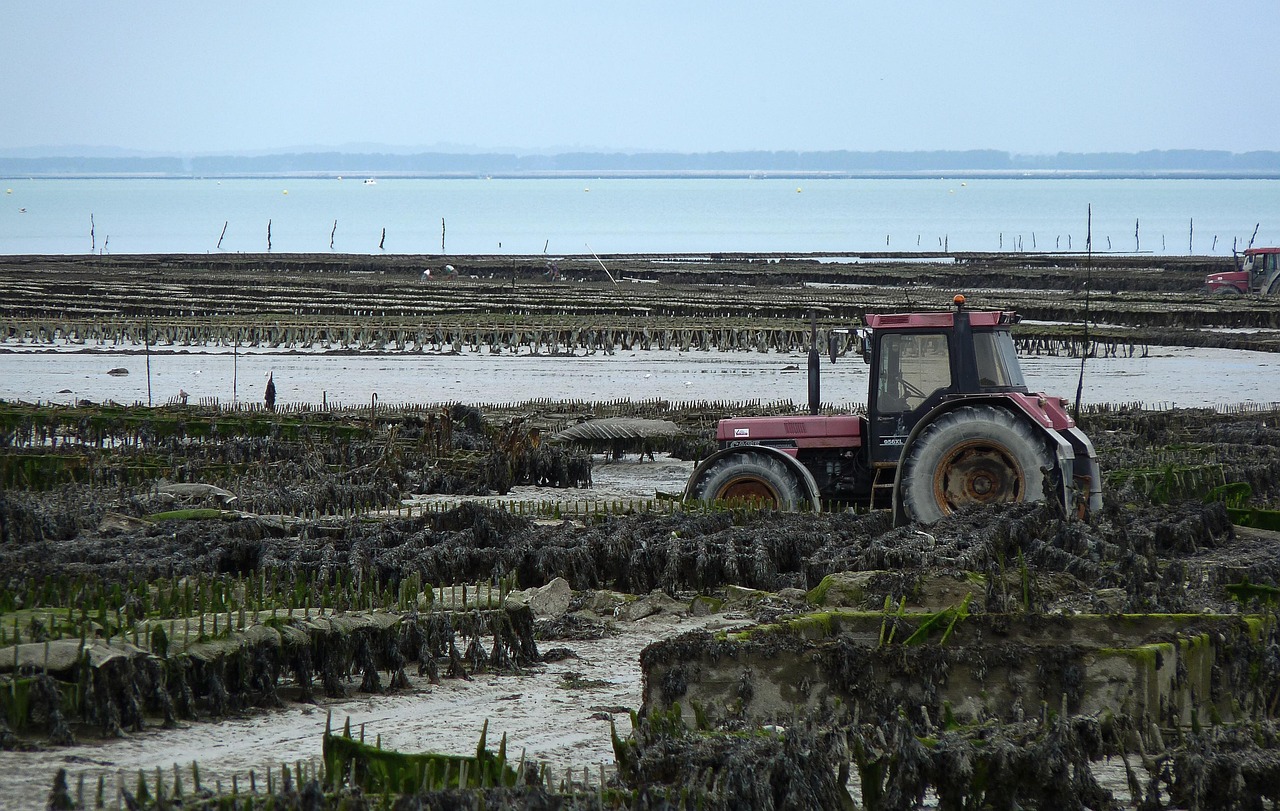
Cancale sits just east of Saint-Malo and is my go-to lunch stop when I crave seafood. At low tide, the oyster beds stretch across the bay like a geometric artwork.
Best for: Food lovers, half-day trips from Saint-Malo or Mont Saint-Michel.
Must-do: Buy a dozen oysters directly from the stalls on the quay, sit on the seawall, and eat them with a view of the Mont in the distance. Bring your own lemon and napkins if you want to feel like a seasoned local.
12. Gulf of Morbihan (Golfe du Morbihan) – Islands & Soft Light
The Gulf of Morbihan is one of Brittany’s gentlest landscapes: a sheltered inland sea dotted with islands, sailing boats, and oyster farms. I always exhale more deeply when I arrive here.
Best base for: Sailing, kayaking, cycling, family holidays with younger children, milder weather.
Key towns: Vannes (historic, lively), Auray (charming port of Saint-Goustan), and smaller harbors around the gulf.
13. Carnac – Prehistoric Alignments & Soft-Sand Beaches
Carnac is where family beach holidays meet Neolithic mystery. Thousands of standing stones march across fields just inland from long, shallow beaches. I’ve come here both in blazing August sun and in November drizzle; both suited the stones in different ways.
Best base for: Families (beaches, bike rentals), history buffs (megaliths), water sports.
Tip: Book a guided tour of the alignments in high season; access is partially restricted to protect the site, and a guide makes sense of what you’re seeing.
14. Vannes – Walled Town on the Gulf
Vannes is one of my go-to “everyone’s happy” towns: historic center, marina, access to Gulf of Morbihan boat trips, plenty of restaurants, and good transport links.
Best base for: First-time visitors to southern Brittany, mixed-interest groups, 4–5 day stays focusing on the Gulf.
Highlights: Ramparts and gardens, harborfront, boat trips to Île-aux-Moines or Île d’Arz, bustling market days.
15. Auray & Saint-Goustan – Storybook Harbor
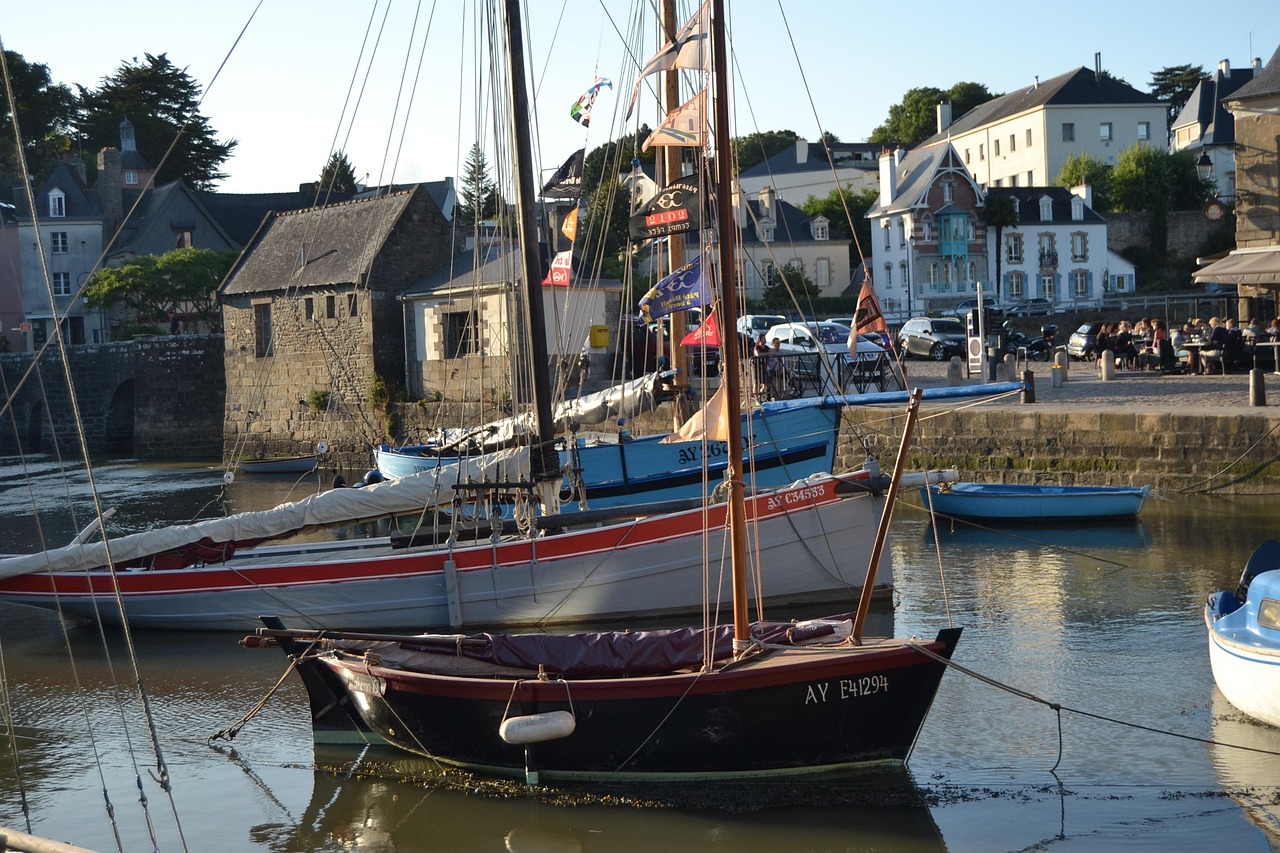
The old port of Saint-Goustan, below the main town of Auray, is one of Brittany’s most photogenic small harbors: stone bridge, sloping quays, cafes under slate roofs. I once lost an entire afternoon here just watching boats drift on the tide.
Best for: Romantic evenings, leisurely lunches, as a stop between Vannes and Carnac.
16. Concarneau – Walled Ville Close & Fishing Port
Concarneau’s Ville Close is a small fortified island in the harbor, packed with shops and restaurants. Yes, it gets busy in high season, but step outside the main streets and you’ll still find quiet corners on the ramparts.
Best base for: Families, people who like a balance of beaches, town life, and boat trips.
Tip: Take an evening stroll when the daytrippers have gone; the streets feel almost theatrical in the glow of lamplight.
17. Bay of Morlaix & Morlaix Town – Inlets & Viaduct
Morlaix lies at the head of an estuary, with a grand viaduct striding over the old town. The mix of maritime and rail architecture gives it a unique profile. I like it as a lunch stop and stroll when moving between the Pink Granite Coast and western Finistère.
Best for: Off-the-beaten-path town wandering, history, as a travel day stopover.
18. Broceliande Forest & Paimpont – Myth & Moss
Broceliande is not an official place on a map so much as an idea, rooted in old Arthurian tales and anchored in the real forests around Paimpont. On my last visit, a mist hung low between the trunks and the lakes were mirrors; it was one of the quietest days of my year.
Best base for: Walkers, families wanting fairy-tale woods, travelers who want a change from the coast.
Don’t miss: Lakeside walks near Paimpont, the chapel at Tréhorenteuc, and simply wandering along forest paths without too much agenda.
Regional Cuisine & Where to Taste It in Brittany
Brittany’s food is rooted in the sea, dairy, and buckwheat fields. It’s hearty, simple, and rarely showy – which is precisely why I love it. A few essentials:
- Galettes & crêpes: Savory buckwheat galettes and sweet wheat crêpes. The classic is a galette complète, but try versions with scallops on the coast.
- Cider (cidre): Often served in ceramic bowls. Look for brut (dry) or doux (sweet).
- Seafood: Oysters from Cancale; mussels (moules) along much of the coast; scallops (coquilles Saint-Jacques) especially in Saint-Brieuc Bay.
- Kouign-amann: A dense, buttery, caramelized cake from Douarnenez, best enjoyed in small doses with coffee.
- Salted butter: Brittany’s salted butter is life-changing; try it on fresh bread in any market town.
Where to eat like a local:
- Farm-stays (agritourisme / gîtes ruraux): Inland around Paimpont, Cornouaille, and between Rennes and Vannes, many farms offer simple rooms and hearty dinners with home-grown produce.
- Family-run inns & crêperies: Look for menu boards with short, seasonal lists; avoid places pushing multilingual laminated menus with photos.
- Local markets: Rennes (Saturday), Vannes, Dinan, Quimper, Saint-Malo – ideal for assembling a picnic or self-catering.
Money-saving tip: At lunch, choose the formule or menu du jour – a set menu that’s significantly cheaper than eating à la carte at dinner.
Evenings in Brittany: After the Daytrippers Leave
Evenings are when Brittany breathes out. Daytrippers head back to their coaches, the tide creeps in or out, and locals reclaim the squares and quays.
Small-town squares: In places like Dinan, Quimper, Vannes, and Auray, evenings mean cafe terraces buzzing with quiet conversation, children playing on the cobbles, and street musicians in summer.
Harvest & seasonal festivals: Late summer and autumn bring harvest fairs, traditional music evenings (fest-noz), and food festivals. In 2026, expect strong calendars in Vannes, Quimper, and smaller towns around Morbihan and Finistère.
Sunset viewpoints:
- Pointe du Raz and Pointe de Pen-Hir (for wild, dramatic cliffs).
- Ploumanac’h and the Pink Granite Coast rocks.
- Plage du Sillon in Saint-Malo for a long, reflective walk.
- Harbors like Saint-Goustan or Concarneau’s Ville Close ramparts.
Nightlife: For bars and late-night music, Rennes, Brest, and Saint-Malo have the liveliest scenes. Elsewhere, life is more about lingering over dinner and an after-dinner walk – and that’s half the charm.
Major Events & Festivals in Brittany 2026–2027
Exact dates are confirmed closer to the time, but these recurring events are worth planning around for 2026–2027:
- Festival Interceltique de Lorient (August): A massive celebration of Celtic cultures, with music, dance, and parades. Book accommodation in Lorient or nearby months in advance.
- Route du Rhum (next edition likely 2026 or 2030): Transatlantic single-handed yacht race starting in Saint-Malo. In race years, the harbor is electric for days beforehand.
- Temps Fête, Douarnenez (summer, biennial): Traditional sailing festival with old boats filling the harbor.
- Fest-noz (night festivals) throughout Brittany: Smaller local dance and music evenings; check town halls and tourist offices.
- Maritime festivals in Brest and other ports: Tall ships, sea shanties, and naval pageantry.
- Christmas markets in Rennes, Vannes, and other larger towns (December).
2026 is also seeing continued investment in cycling infrastructure (particularly along canals and disused railway lines) and new eco-conscious accommodations near the Gulf of Morbihan and in Finistère. Expect easier multi-day bike routes and more e-bike rentals.
Day Trips & Nearby Regions from Brittany
From a base in Brittany, you can easily reach adjacent regions for day or overnight trips:
- Normandy (Mont Saint-Michel, Bayeux, D-Day beaches): Mont Saint-Michel as a day trip from Saint-Malo; Bayeux and the landing beaches as long day trips or 1–2 night add-ons.
- Loire Valley: From Rennes or Nantes (just south of Brittany) by train or car; ideal if you want to combine châteaux and vineyards with wild coasts.
- Nantes: Though now in Pays de la Loire, historically part of Brittany. Worth a day for its creative Machines de l’Île and revitalized riverfront.
- Islands: Belle-Île-en-Mer (from Quiberon), Groix (from Lorient), and the Glénan archipelago (from Concarneau/Bénodet) are all doable as day trips, though I recommend an overnight on Belle-Île if you can swing it.
Transport tip: Ferries to islands are weather-dependent, especially outside summer; check schedules and wind conditions and have a flexible backup plan.
Cultural Etiquette & Local Customs in Brittany
Brittany is French, of course, but with a distinct Breton identity. A few things I’ve learned over many visits:
- Greetings matter: Always start with a polite “Bonjour” (daytime) or “Bonsoir” (evening) in shops, cafes, and markets. It changes the interaction immediately.
- Language: You’ll see Breton on signs (e.g., Kêr for town) and hear it in some communities. A simple “Trugarez” (thank you in Breton) earns big smiles, though French is universally used.
- Dining hours: Lunch is typically 12:00–14:00, dinner from 19:00 onward. Don’t expect full meals between those times, though creperies and bars may offer limited options.
- Fest-noz etiquette: These traditional dance evenings are communal. If invited into a circle dance, follow the steps as best you can; nobody minds a few missteps if you’re genuinely trying.
- Beach norms: Topless sunbathing is accepted on many beaches, though less common on family-oriented stretches. Always respect plage surveillée (lifeguarded beach) flags and designated swimming zones.
- Religious sites: Many chapels and calvaries are still important to local communities. Dress modestly inside churches, speak quietly, and avoid blocking access during services.
Practical Travel Advice for Brittany (2026)
Getting Around: Car vs Train vs Bus
Car: For a multi-town trip with smaller villages and coastal walks, a car is the most flexible option.
- Driving distances: Saint-Malo–Dinan ~35 min; Saint-Malo–Rennes ~1h; Rennes–Vannes ~1h; Vannes–Carnac ~40 min; Vannes–Quimper ~1h45; Quimper–Pointe du Raz ~1h15; Saint-Malo–Pink Granite Coast (Perros-Guirec) ~2h30.
- Rental tips: Rent from Rennes, Saint-Malo, Brest, or Nantes (just south) for best availability. Book automatics well in advance if you don’t drive manual.
- Parking in historic centers: Use signed lots just outside walls in towns like Saint-Malo, Vannes, and Dinan. Many offer free or inexpensive parking a short walk from the center.
- Foreign licenses: EU/UK licenses are accepted. Visitors from many other countries can drive on their home license for short stays; check if you also need an International Driving Permit (IDP) based on your citizenship.
Train: Trains are excellent between major hubs (Rennes, Saint-Malo, Brest, Quimper, Vannes). For a car-free trip, you can:
- Take a high-speed train (TGV) from Paris to Rennes (approx. 1.5h), then regional trains to Saint-Malo, Vannes, Quimper, etc.
- Use buses, taxis, or occasional local trains to reach smaller towns.
Bus: Regional buses link many towns, but schedules can be sparse outside summer, especially on Sundays. Good for specific hops (e.g., Saint-Malo–Cancale, Vannes–Carnac) if you plan ahead.
Money-Saving Tips for a Multi-Day Trip
- Travel off-peak: Late May–June and September are sweet spots for lower prices and fewer crowds.
- Self-cater: Stay in apartments or gîtes with kitchens. Shop at markets, bakeries, and supermarkets, then splurge on a few standout dinners.
- Picnics: With Brittany’s scenery, picnics are not a compromise – they’re a highlight. Fresh bread, cheese, fruit, and cider never tasted so good as on a cliff or harbor wall.
- Lunch vs dinner: Make lunch your main restaurant meal; menus are cheaper and portions generous.
SIM Cards & Connectivity
In 2026, coverage across Brittany is generally good, though some forested or remote coastal areas still have patchy reception.
- eSIMs: Many travelers use international eSIMs for convenience; coverage in Brittany is usually fine.
- Local SIM: French providers like Orange, SFR, Bouygues, and Free offer prepaid data SIMs. Buy in larger towns or at train stations.
- Wi-Fi: Available in most hotels, many cafes, and some public spaces in larger towns.
Visa Requirements
Brittany follows France’s and the EU’s Schengen rules. Many nationalities can enter visa-free for short stays (typically up to 90 days in 180), but always check current requirements with your local French consulate or official EU sources before travel.
Best Seasons for Specific Activities
- Beach weather: Late June to early September. July–August are warmest and busiest; book accommodation early.
- Hiking & coastal walks: April–June and September–October, when temperatures are mild and paths less crowded.
- Storm-watching: Winter brings dramatic seas, especially in Finistère; pack serious rain gear.
- Wildflowers: Late April–June; coastal paths are edged with sea thrift and gorse.
- Festivals: Peak in July–August, especially cultural and music events.
Summary & Final Recommendations: Planning Your Brittany Trip
Brittany rewards both planners and wanderers. You can come with a detailed 4 day itinerary for Brittany, ticking off Saint-Malo, Dinan, and Mont Saint-Michel, or you can give yourself 7 days in Brittany to follow coastal paths, linger in markets, and let tide tables dictate your days.
Key takeaways:
- Choose 1–2 bases rather than packing and unpacking every night. For a first trip, a north-coast base (Saint-Malo/Dinard) plus a south or west base (Vannes or Quimper) works beautifully.
- If you love coasts and walks, prioritize the Pink Granite Coast, Pointe du Raz, and stretches of the GR34 path.
- For families, focus on Saint-Malo, Dinard, Carnac, Concarneau, and the Gulf of Morbihan, where beaches and gentle activities abound.
- For romantic escapes, look to Dinan, Auray/Saint-Goustan, Ploumanac’h, and quiet countryside gîtes near Broceliande or Cornouaille.
- For culture & cuisine, give Rennes, Vannes, Quimper, and Cancale some time – and never pass up a good crêperie or market.
If I had to pick one ideal window, I’d say mid-September: the sea still holds summer warmth, crowds have thinned, light is golden, and prices soften. But truthfully, every season brings its own version of Brittany – wild, generous, and just a little bit otherworldly.
However you stitch your days together – 4, 5, 6, or 7 days in Brittany – leave space for the unexpected: a tiny chapel you didn’t know existed, a market where you buy too much cheese, a sunset that keeps you on the beach long after you meant to leave. That’s when Brittany really gets under your skin.