Why Visit Burgundy in 2026–2027
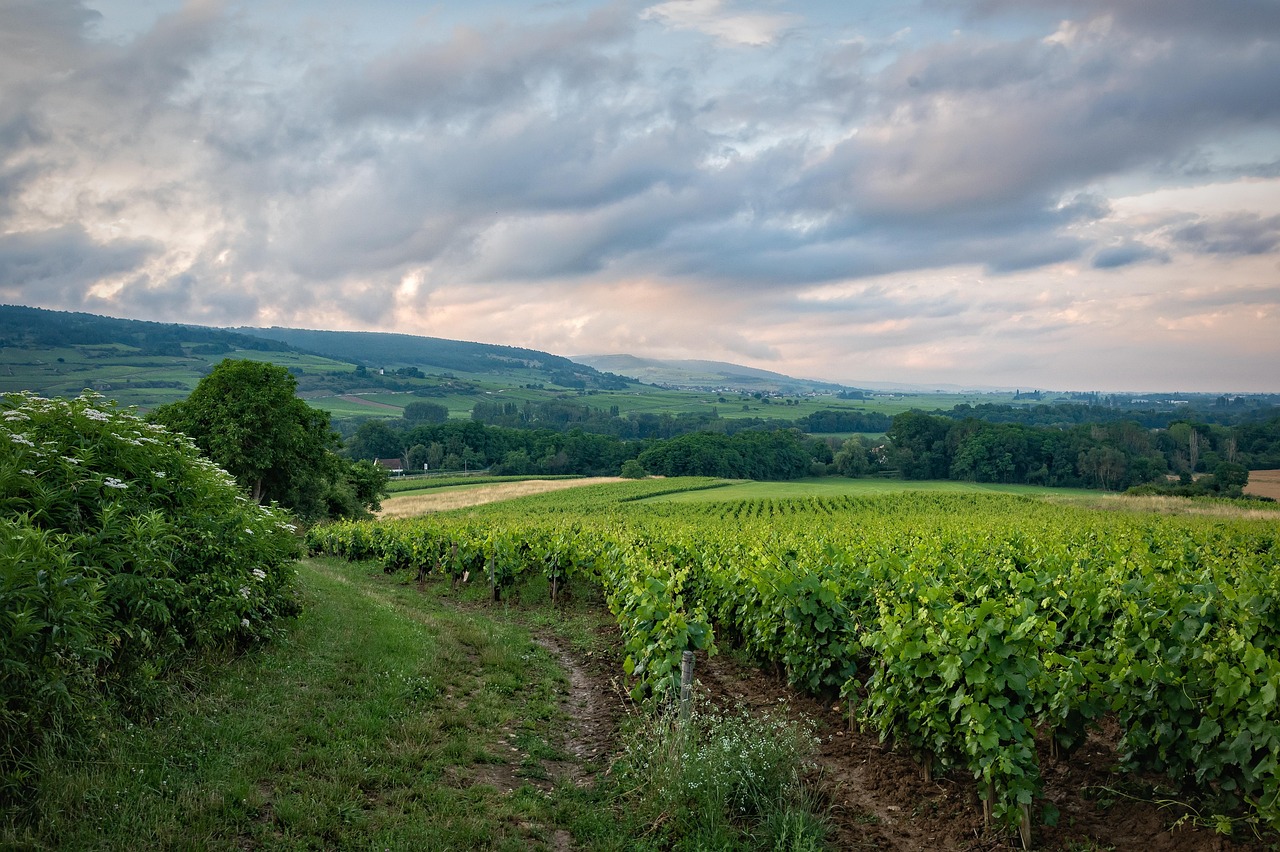
If Paris is France at full volume, Burgundy is the country turned down to a low, velvety hum. It’s a region of slow mornings and long lunches, where the biggest decision of the day is often “red or white?” and the loudest sound is the rustle of wind through vines.
I’ve been returning to Burgundy almost every year for over a decade, most recently in spring and harvest season of 2026. Each visit feels like peeling back another layer: a winemaker’s family story here, a Romanesque chapel there, a foggy dawn over vines that suddenly makes every wine cliché sound reasonable.
Burgundy is special because it’s quietly extraordinary. There are no flashy resorts, few tour buses compared to other French regions, and yet the depth of culture, food, and landscape is immense. It’s where you can plan a precise 4 day itinerary for Burgundy or wander for 7 days in Burgundy and still feel you’ve barely started.
What really hooks most travelers:
- World-class wine: Meursault, Gevrey-Chambertin, Pommard, Chablis — names that define Pinot Noir and Chardonnay.
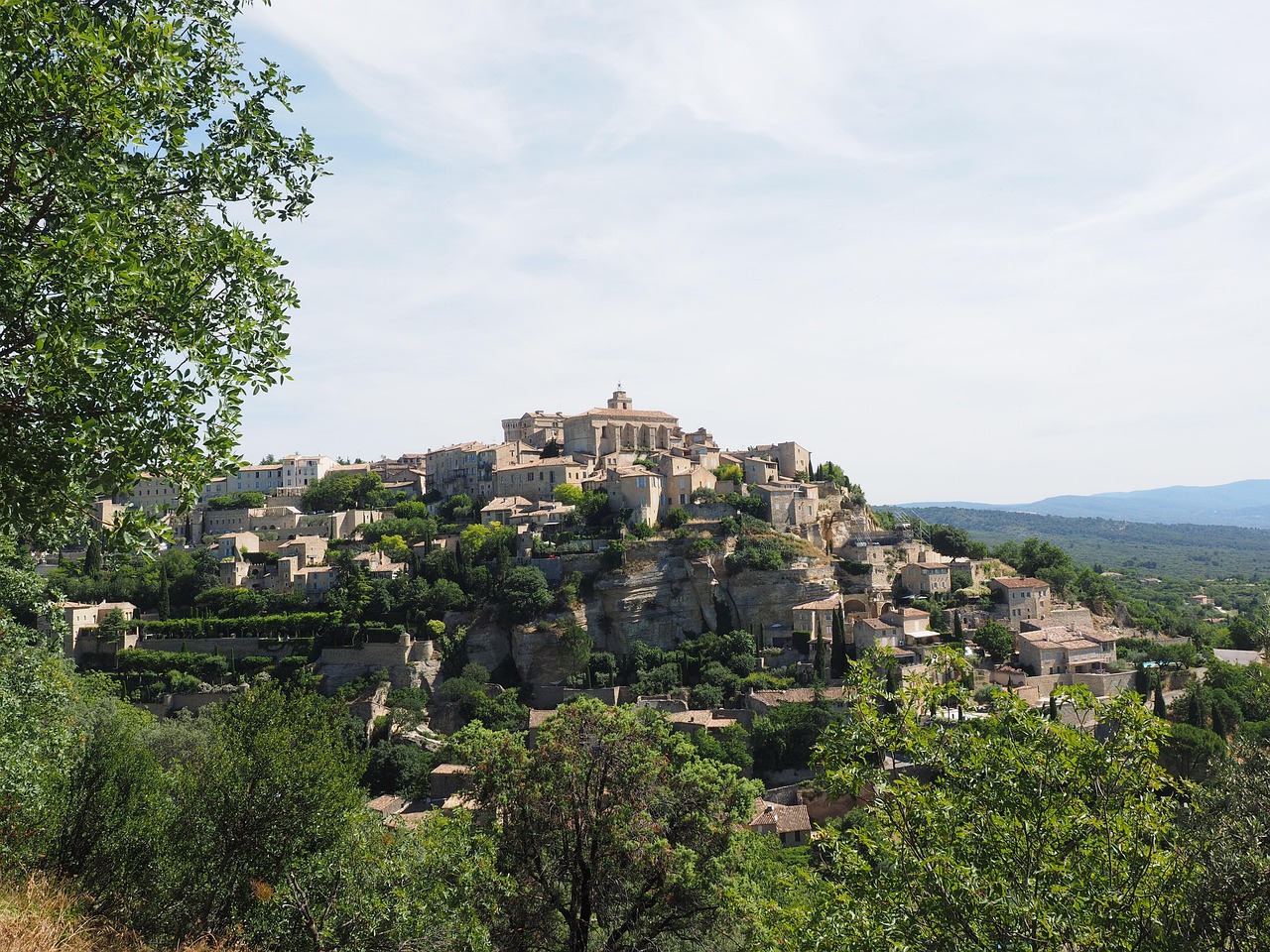
- Storybook towns and villages: Beaune, Dijon, Vézelay, Semur-en-Auxois, and dozens of tiny hamlets with stone houses and flower-boxed windows.
- Romanesque and medieval heritage: Cluny, Fontenay Abbey, hilltop basilicas, and fortified villages.
- Unhurried rhythm: Even in peak season you can find yourself alone on a vineyard path or in a sleepy village square at dusk.
- Cuisine with soul: Boeuf bourguignon, coq au vin, escargots, epoisses cheese, local charcuterie, and markets that still feel truly local.
In 2026–2027, Burgundy is also in a particularly lively moment: new natural wine bars in Beaune, refreshed exhibitions at the Cité Internationale de la Gastronomie et du Vin in Dijon, and a calendar full of festivals that are actually worth planning your trip around.
Table of Contents
- Why Visit Burgundy
- Suggested 4–7 Day Itineraries
- Towns, Sub-Areas & Landscapes (18 Key Places)
- Regional Cuisine & Where to Taste It
- Evenings in Burgundy
- Major Events & Festivals 2026–2027
- Day Trips & Nearby Attractions
- Cultural Etiquette & Local Customs
- Practical Travel Advice for Burgundy
- Summary & Final Recommendations
Suggested 4–7 Day Itineraries for Burgundy
Most travelers ask me the same thing: “Is 4 days in Burgundy enough?” It can be, if you focus. With 5 days in Burgundy you can add Chablis or Vézelay; 6 days in Burgundy lets you slow down; and a full 7 days in Burgundy gives you time to feel almost like a local.
Below are flexible itineraries based on trips I’ve personally tested and tweaked over the years. I’ll outline them concisely here, then we’ll dive deep into the main towns and landscapes afterward. (Note: I’ll keep these itineraries reasonably tight here rather than 10,000-word diary entries for each day — you’ll find the richer stories in the town and region sections.)
4 Day Itinerary for Burgundy: Classic Wine & Medieval Towns
Best for: First-time visitors, couples, friends, wine lovers, and food-focused travelers.
Base: Split between Beaune (2 nights) and Dijon (2 nights). Car recommended, but possible by train plus local tours.
Day 1 – Arrival in Beaune & Old Town Wander
Arrive in Beaune by midday (train from Paris via Dijon or by rental car). Drop bags, then walk straight into the cobbled core.
- Hospices de Beaune: Visit the 15th-century hospital with its iconic patterned roof. I always book the audio guide; it makes the place come alive.
- Evening tasting: Join a cellar tasting under stone vaults. Ask to compare a village-level Pinot with a 1er cru; it’s a quick Burgundy education.
- Dinner: Classic bistro just inside the ramparts: escargots, oeufs en meurette, and a glass of Volnay.
Day 2 – Route des Grands Crus: Côte de Beaune & Côte de Nuits
Pick up a rental car in Beaune if you haven’t already.
- Morning: Drive south to Pommard, Volnay, Meursault, and Puligny-Montrachet. Stop in Meursault for a coffee on the square and a short vineyard walk.
- Lunch: Simple wine bar in Puligny or Chassagne; share a charcuterie board and local cheeses.
- Afternoon: Head north towards Nuits-Saint-Georges and Gevrey-Chambertin. Wine tasting (pre-book, especially in 2026 harvest season).
- Evening: Return to Beaune; dinner under the ramparts and a stroll on the old walls.
Day 3 – Dijon: Ducal City, Mustard & Markets
Check out of Beaune and drive or take the 20-minute train to Dijon.
- Morning: Follow the “Owl Trail” (Parcours de la Chouette) through the historic center: ducal palace, church of Notre-Dame, timbered houses.
- Lunch: At Les Halles market (open specific days) or a nearby brasserie.
- Afternoon: Visit the Musée des Beaux-Arts and the new Cité Internationale de la Gastronomie et du Vin.
- Evening: Mustard tasting, then wine bar hopping in the pedestrian center.
Day 4 – Countryside or Abbey Escape & Departure
Depending on your direction:
- Option 1: Half-day trip to Clos de Vougeot and a vineyard walk, then back to Dijon for departure.
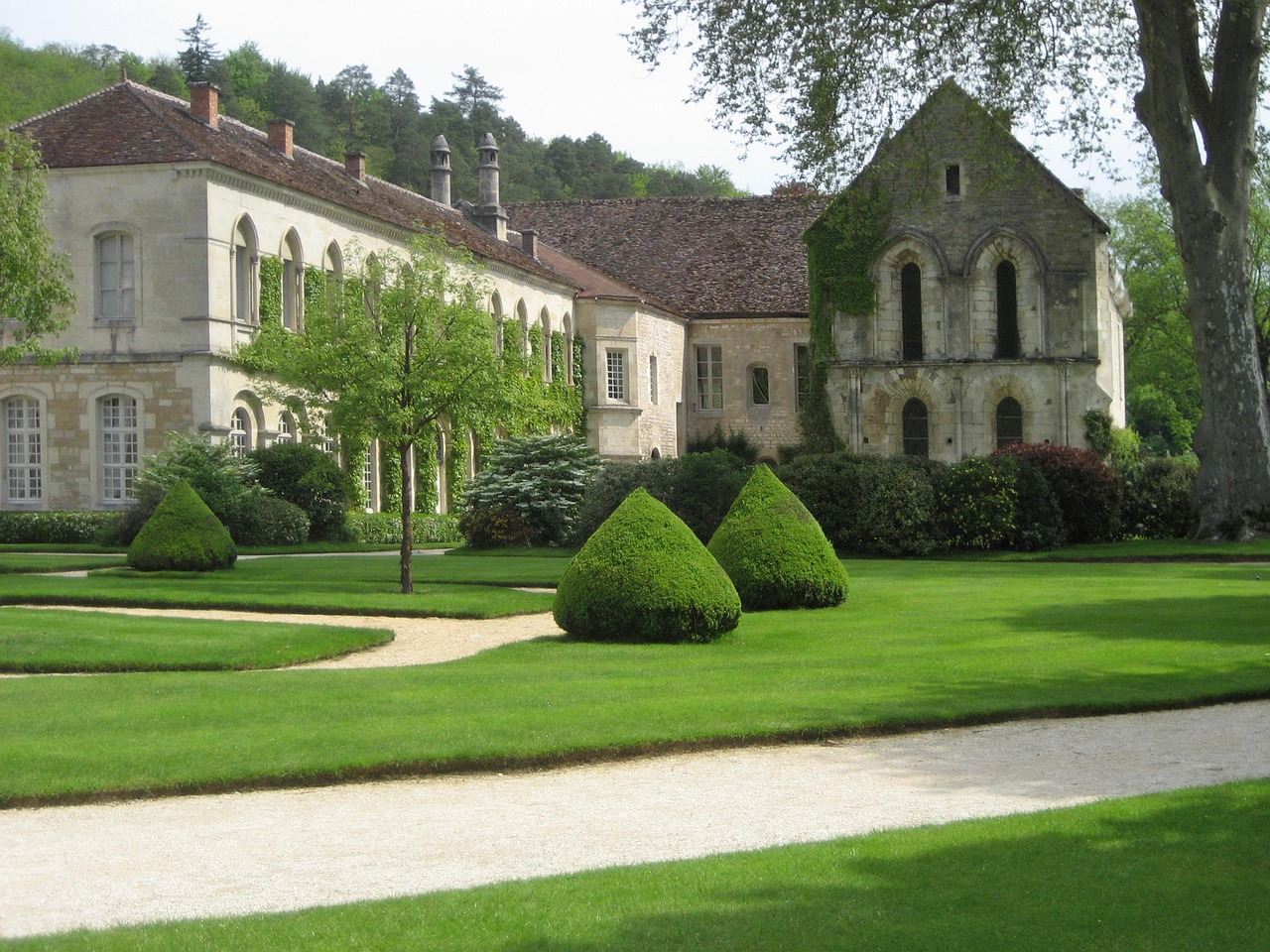
- Option 2: Drive to Fontenay Abbey (about 1h30 from Dijon) for Romanesque serenity before heading onward.
For a tight 4 day itinerary for Burgundy, this gives you the essential wine route, Beaune’s charm, and Dijon’s urban culture.
5 Day Itinerary for Burgundy: Wine, Abbeys & Hilltop Pilgrims
Best for: Travelers wanting both vineyards and spiritual/historic sites.
Base: Beaune (3 nights) + Vézelay or Avallon (2 nights).
Days 1–3 – Follow the 4-Day Plan (Beaune & Dijon)
Use the outline above, but stay one more night in Beaune to slow down the Route des Grands Crus day. Add a lazy morning at the Beaune Saturday market if timing allows.
Day 4 – To Vézelay & The Morvan’s Edge
- Drive from Beaune to Vézelay (about 1h45). I like to stop in Semur-en-Auxois for coffee under the ramparts.
- Check into a small inn in Vézelay or Avallon.
- Explore the Basilica of Sainte-Marie-Madeleine, a UNESCO-listed Romanesque masterpiece.
- Walk the vineyards and hillside paths at golden hour; the view over the Yonne valley is one of my favorite in Burgundy.
Day 5 – Morvan Regional Park & Lakes, Then Departure
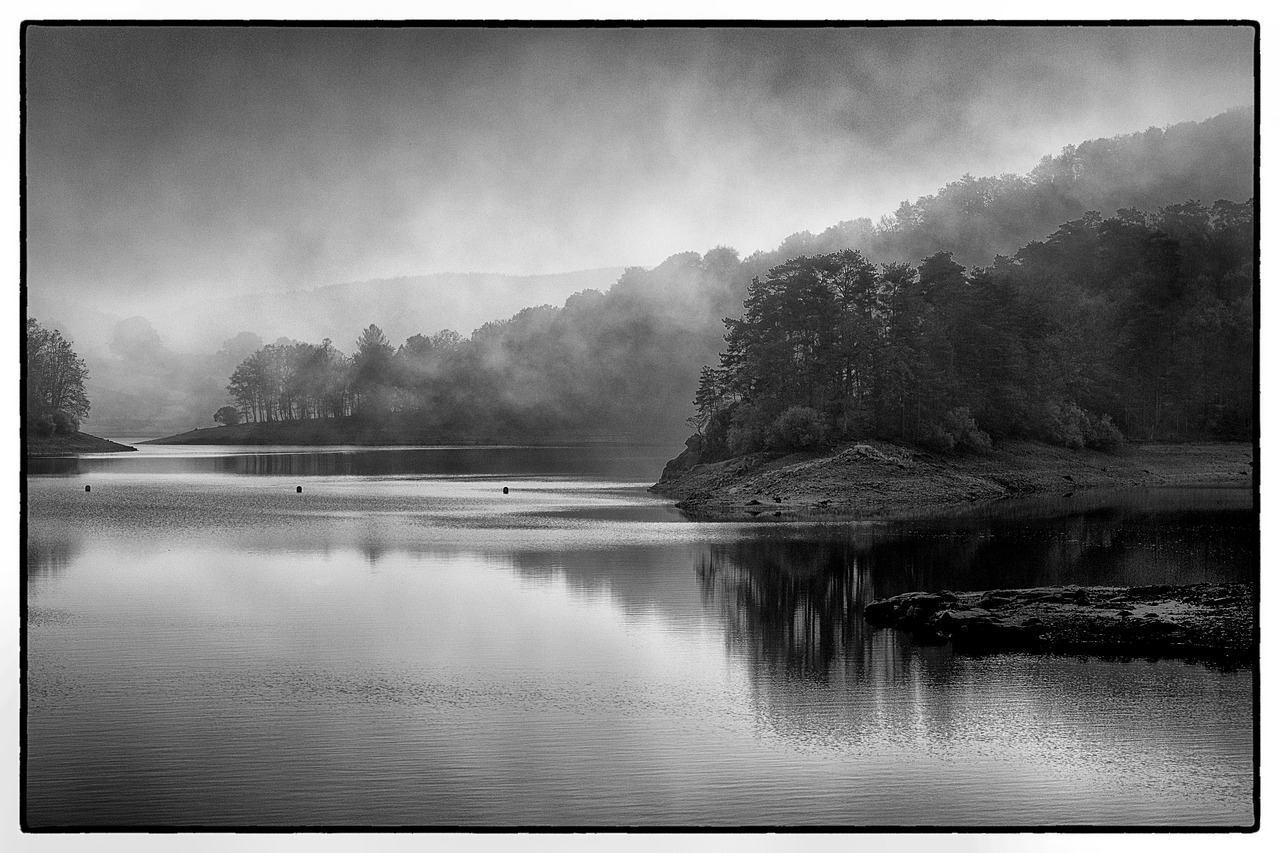
- Head into the Parc Naturel Régional du Morvan for lakes, forests, and small villages.
- Depending on your next direction, exit via Autun or back towards Dijon/Paris.
This 5 day itinerary for Burgundy balances wine with wildness and history, and it’s a lovely option for couples or contemplative solo travelers.
6 Day Itinerary for Burgundy: Deep-Dive Wine & Countryside
Best for: Foodies, wine students, slow travelers, and families wanting a mix of town and nature.
Base: 3 bases: Beaune (2 nights) + Dijon (2 nights) + Morvan / Vézelay or Chablis area (2 nights).
Days 1–4 – Classic Highlights
Follow the 4-day plan, but:
- Add a half-day bike ride through the vines near Beaune (family-friendly, e-bikes available).
- In Dijon, spend extra time at the gastronomy center or take a cooking class.
Day 5 – Chablis & Northern Burgundy Whites
- Drive from Dijon to Chablis (about 1h30).
- Stroll the village, then visit one or two domaines (book in advance, especially weekends).
- Taste across Chablis, 1er cru, and grand cru; the minerality is a fascinating contrast to Côte de Beaune whites.
- Overnight in Chablis or nearby Auxerre.
Day 6 – Auxerre & Canal-Side Wandering
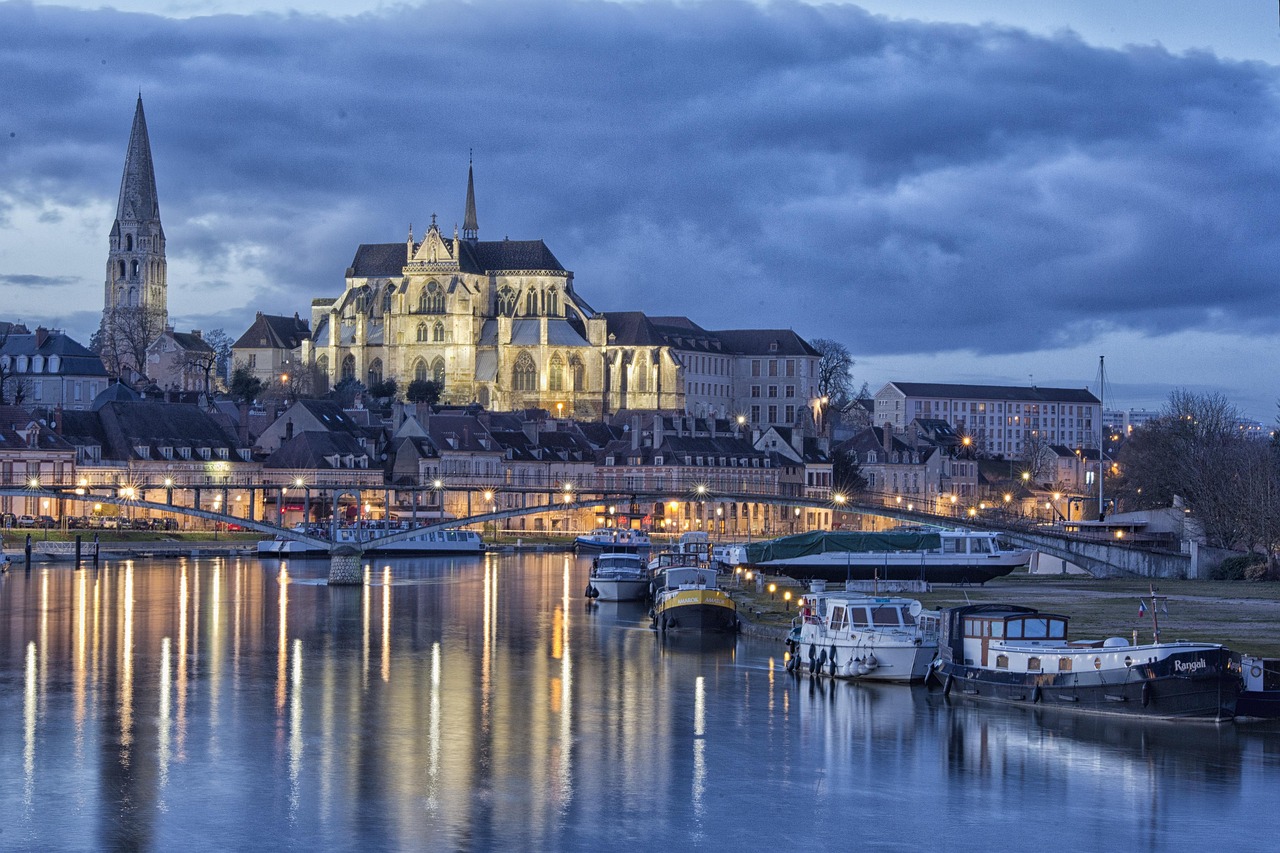
- Explore Auxerre in the morning: riverside walk, cathedral, old town.
- Take a leisurely canal-side stroll or boat trip if available in season.
- Depart in the afternoon or evening.
This 6 day itinerary for Burgundy gives a real sense of the region’s range, from Côte d’Or reds to Chablis’ chalky whites and the river towns in between.
7 Day Itinerary for Burgundy: A Week of Wine, Villages & Abbeys
Best for: Anyone who can spare a week. This is my ideal 7 day itinerary for Burgundy, one I’ve refined over several trips.
Base: Beaune (3 nights) + Dijon (2 nights) + Vézelay/Chablis/Auxerre (2 nights).
Days 1–4 – Beaune & Dijon in Depth
Use the 4-day plan, but slow the pace:
- Spend one afternoon simply wandering Beaune’s ramparts and sitting at a café watching local life.
- Add a visit to a small, family-run domaine rather than only large houses.
- In Dijon, climb the Philippe le Bon tower for a rooftop view of the city’s terracotta roofs.
Day 5 – Medieval Detours: Semur-en-Auxois & Flavigny-sur-Ozerain
- Drive Dijon → Semur-en-Auxois (about 1h) for ramparts and river views.
- Continue to Flavigny-sur-Ozerain, one of France’s “Plus Beaux Villages,” for cobbled lanes and anise-scented air.
- Overnight near Flavigny, Vézelay, or in the countryside.
Day 6 – Vézelay & Morvan
- Visit Vézelay’s basilica and hilltop village.
- Afternoon foray into the Morvan: short hike, lake swim in summer, or forest drive.
Day 7 – Chablis or Auxerre, Then Departure
- If you’re a wine lover, finish in Chablis. If you’re more into towns, choose Auxerre.
- Lazy lunch by the river or vines, then onward travel.
With 7 days in Burgundy, the region stops feeling like a checklist and starts feeling like a temporary home.
The Main Towns, Sub-Areas & Landscapes of Burgundy (18 Essentials)
Here’s where we slow down. Below are at least 18 of the most important places in Burgundy — not just as dots on a map, but as lived-in landscapes. I’ve organized them roughly from the iconic wine heartlands outwards to more remote corners.
1. Beaune – Wine Capital with a Village Heart
I still remember my first arrival in Beaune: a chilly November afternoon, the vines bare and skeletal, the town wrapped in a smell of woodsmoke and fermenting must. I’ve been back in every season since, but that first impression — wine at the center of everything — was spot on.
What it’s known for: As the unofficial wine capital of Burgundy, Beaune is where négociants, small domaines, and oenophiles converge. It’s also compact, walkable, and very easy to fall for.
Highlights & things to do in Beaune:
- Hospices de Beaune: Founded in 1443, this former hospital is now a museum and the site of Burgundy’s most famous wine auction each November. The polychrome roof is practically the logo of Burgundy tourism, but the interior — the rows of beds, the apothecary — is what stays with you.
- Ramparts walk: A half-hour stroll along the remaining walls gives an overview of the town’s layout and little vignettes of daily life: gardens, laundry, cats sunning themselves.
- Cellar visits: Large houses like Patriarche or Bouchard Père & Fils offer impressive underground labyrinths. I prefer mixing one big house with a visit to a small, appointment-only producer in a nearby village.
- Market days: Saturday is the big one; Wednesday smaller. Spring asparagus, summer berries, autumn mushrooms — it’s a lesson in Burgundian seasonality.
Where to eat & drink: Beaune is dense with options, from Michelin-starred to casual wine bars. I like to alternate: one splurge night, one charcuterie-and-wine night. For local food in Burgundy style, look for menus featuring jambon persillé, escargots, boeuf bourguignon, and epoisses.
Best as: Base town for 2–4 nights on almost any itinerary; great for couples and groups, a bit busy but still workable with kids.
Getting there: Direct trains from Dijon (~20 minutes), connections from Paris via Dijon. Easily reached by A6 motorway if driving.
2. Dijon – Ducal Elegance & Gastronomy Hub
Dijon gets unfairly reduced to mustard, but it’s one of France’s most handsome small cities. I’ve come in winter for Christmas markets, in summer for café terraces that spill across the squares, and most recently in May 2026 for a deep dive into the revamped gastronomy quarter.
What it’s known for: Historic capital of the Dukes of Burgundy, rich architecture, museums, and food culture.
Must-see attractions in Dijon:
- Palais des Ducs & Musée des Beaux-Arts: Free, superb, and recently restored. The tombs of the Dukes are extraordinary.
- Notre-Dame & the Owl: Touch the little owl carving on the church’s exterior with your left hand for luck (local custom) — but for locals it’s more superstition than religion now.
- Les Halles Market: A wrought-iron covered market that swings into life on Tuesdays, Thursdays, Fridays, and Saturdays. This is where you feel everyday Dijon: families shopping, students grabbing snacks, older men debating cheese.
- Cité Internationale de la Gastronomie et du Vin: Opened just before the pandemic and constantly evolving; in 2026–2027, look for rotating exhibitions on sustainable viticulture and regional cuisine.
Where to base: Dijon is a fantastic base if you prefer urban comforts (train access, more restaurants) and want to do wine country as day trips north and south.
Family friendliness: The pedestrianized center is safe and easy with kids; many squares have carousels or small play areas.
3. Côte de Nuits – Pinot Noir’s Spiritual Home
The Côte de Nuits is where Burgundy’s mythology crystallizes: small plots, weathered stone walls, monks’ legacy, and bottles that can cost more than a used car. When I first drove here, I was surprised by how gentle it all seemed — low slopes, tidy vines, quiet villages.
Known for: Some of the world’s greatest Pinot Noirs: Gevrey-Chambertin, Chambolle-Musigny, Vosne-Romanée, Nuits-Saint-Georges.
Villages to focus on:
- Gevrey-Chambertin: Solid, structured reds; good place for an introductory tasting.
- Chambolle-Musigny: Perfumed, elegant wines; tiny, atmospheric village.
- Vosne-Romanée: The hallowed ground of Romanée-Conti. Even if you never taste the wine, walking the vineyards is a thrill.
- Nuits-Saint-Georges: The workhorse town of the Côte, with real life beyond tourism.
Personal tip: I like to park in a village (often in Vougeot or Chambolle) and walk the vineyard paths between crus. Early morning or late afternoon, you’ll hear nothing but birds and the occasional tractor.
Best as: Day-trip zone from Beaune or Dijon; car or e-bike recommended.
4. Côte de Beaune – Chardonnay & Golden Slopes
South of Beaune, the Côte de Beaune feels a bit softer, more golden, especially in late September when the vines turn yellow. My favorite memories here are of long lunches that blurred into vineyard walks and impromptu tastings.
Known for: Legendary whites (Meursault, Puligny-Montrachet, Chassagne-Montrachet) and elegant reds (Pommard, Volnay).
Villages to savor:
- Meursault: A pretty village square, mellow white wines with a nutty richness. I often base here when I want a quieter alternative to Beaune.
- Puligny-Montrachet & Chassagne-Montrachet: Side-by-side villages producing some of the most finessed Chardonnays on earth. Tiny, calm, but with excellent wine bars and restaurants.
- Pommard & Volnay: Small, red-wine-focused villages just southwest of Beaune, surrounded by gentle slopes.
Hidden gem: The little road and path between Volnay and Meursault at sunset — the light seems to hang in the air longer here.
5. Clos de Vougeot – Monastic Vineyard History
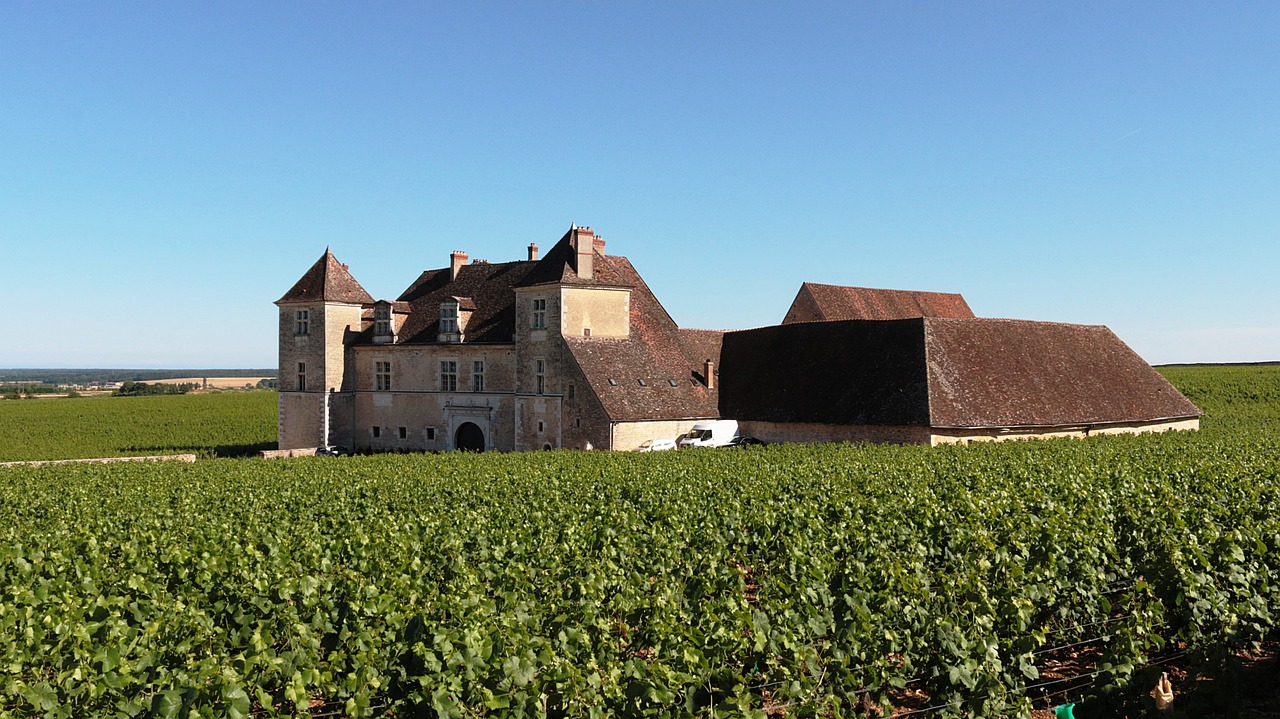
Clos de Vougeot is one of those places where you feel centuries compress. The walled vineyard dates back to Cistercian monks, and the château in its midst is now home to the Confrérie des Chevaliers du Tastevin, a wine brotherhood that hosts elaborate dinners.
What to do:
- Tour the château to see the gigantic old presses and learn how the monks organized this patchwork of vines.
- Walk just outside the walls among the rows; the sense of history is almost physical.
Tip: Combine Clos de Vougeot with tastings in nearby villages, or a picnic overlooking the vines if weather allows.
6. Chablis – Chalky Soils & Cool-Climate Whites
Chablis feels slightly apart from the rest of Burgundy, both geographically (it’s closer to Champagne) and atmospherically. When I drove in last spring, a cool wind cut across the hills and the vineyards looked lean, almost austere — just like the wines.
Known for: Pure, mineral-driven Chardonnay grown on Kimmeridgian limestone.
What to do:
- Stroll the village: stone houses, a couple of churches, a small central square.
- Visit one or two domaines; many are still family-run and approachable.
- Drive or walk up to the grand cru slopes above town for a view over vines and roofs.
Food pairing tip: Try local Chablis with oysters or simply grilled fish; several restaurants in town build menus around this.
7. Auxerre – Riverside Cathedral Town
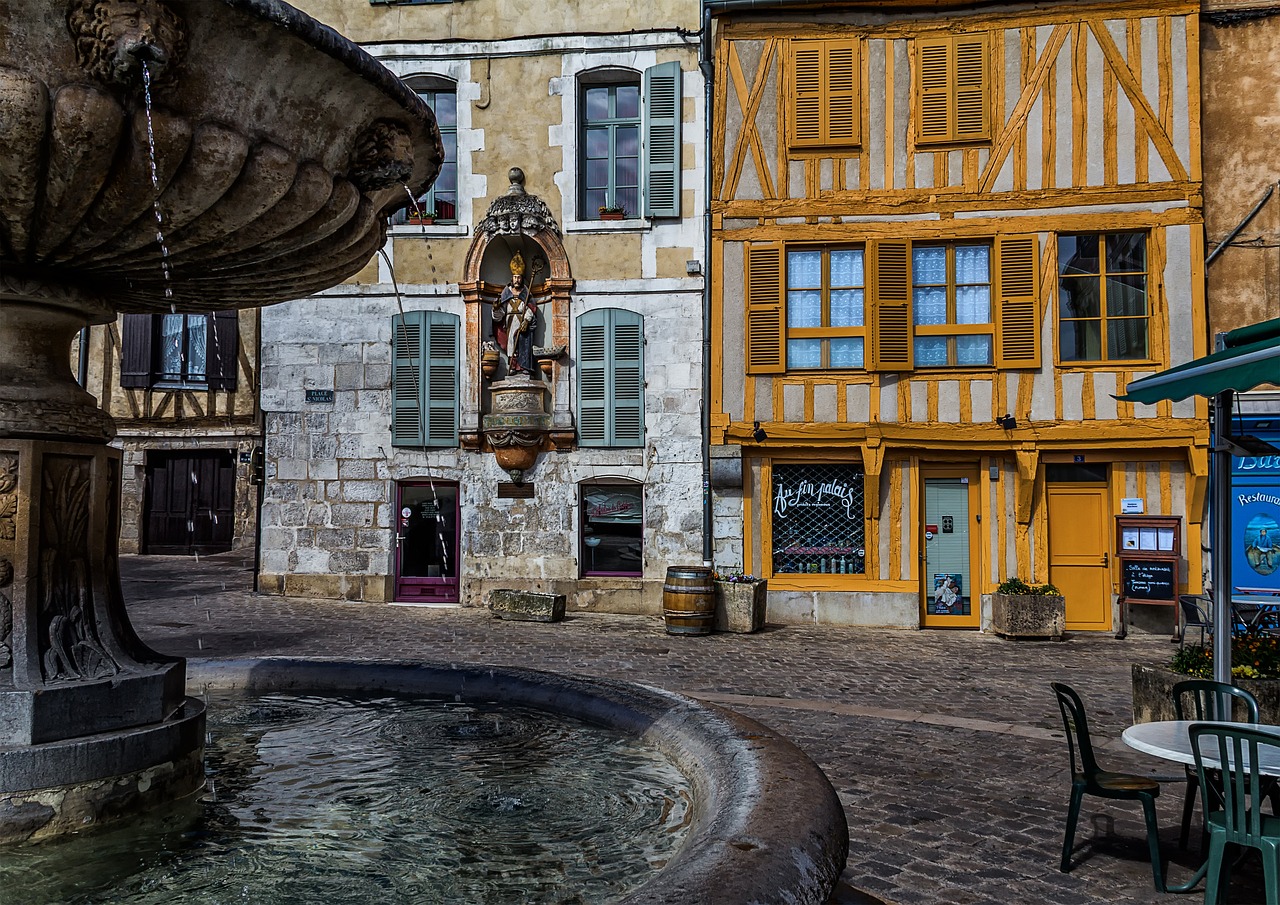
Auxerre is one of those places that surprises first-time visitors: a skyline of towers and spires, half-timbered houses, and the wide Yonne river out front. I like arriving here by late afternoon, when the light flattens against the water.
Known for: Gothic cathedral, abbey, timbered old town, and as a hub for exploring northern Burgundy and the Yonne.
Highlights:
- Saint-Étienne Cathedral: Beautiful stained glass and a serene interior.
- Abbaye Saint-Germain: Former Benedictine abbey with crypts and frescoes.
- Riverside promenade: Ideal for evening walks; families, joggers, and cyclists share the path.
Best as: Overnight stop when looping Chablis/Vézelay/Morvan, or a gentle base town with good restaurant options.
8. Vézelay – Hilltop Pilgrim Village
I’ve visited Vézelay in summer crowds and in the misty hush of a November morning. If you can, choose the shoulder seasons or early/late in the day: the village regains its contemplative air and the basilica feels like what it is — a spiritual landmark.
Known for: Basilica of Sainte-Marie-Madeleine (UNESCO), starting point for pilgrimages to Santiago, hilltop views.
What to do:
- Walk up the main street, noticing how the houses become simpler as you approach the basilica — a subtle architectural “pilgrimage.”
- Spend time inside the basilica; the light on the stone changes beautifully throughout the day.
- Wander the terraced paths around the hill; the vistas are among the best in Burgundy.
Tip: Stay overnight if possible; sunset and sunrise here are quietly spectacular.
9. Semur-en-Auxois – Pink Granite & Storybook Ramparts
Semur-en-Auxois looks like it was drawn by a particularly romantic illustrator: towers and walls rising above a river bend, houses stacked against the rock. I often stop here en route between Dijon/Beaune and Vézelay or the Morvan.
Known for: Medieval ramparts, photogenic river views, and a lived-in small-town feel.
What to do: Cross the Pont Joly for the classic view, wander the old streets, and circle part of the walls. Have a coffee or ice cream in the central square and watch local teenagers claim the benches after school.
10. Fontenay Abbey – Romanesque Calm in a Green Valley
Fontenay is one of my favorite non-wine destinations in Burgundy. Tucked into a small valley, the Cistercian abbey feels almost outside of time. I came here on a rainy day in 2025 and the wet stone, dripping trees, and quiet cloister were unforgettable.
Known for: One of the oldest Cistercian monasteries in Europe, UNESCO-listed, austere Romanesque architecture softened by lush gardens.
What to do: Take the self-guided tour, sit a while in the cloister, and walk a bit in the surrounding parkland. This is a place to move slowly.
Best as: Half-day trip from Dijon or Semur-en-Auxois; car recommended.
11. Morvan Regional Natural Park – Lakes, Forests & Rural Life
The Morvan is Burgundy’s wild heart: low mountains, thick forests, lakes, scattered farms. The first time I came, it was like exhaling after the intensity of the Côte d’Or tasting rooms.
Known for: Outdoor activities (hiking, cycling, lake swimming, kayaking), small villages, and a cooler, greener microclimate.
Highlights:
- Lac des Settons: Family-friendly lake with beaches, boat rentals, and shaded picnic areas.
- Lac de Pannecière: Wilder and less developed, great for quiet walks.
- Small towns like Château-Chinon and Ouroux-en-Morvan: simple restaurants, local bars, and a feeling of “real” rural life.
Tip: A fantastic area for families needing to let kids run, or for anyone ready for a break from structured touring.
12. Autun – Roman Ruins & Gateway to the Morvan
Autun is slightly off the classic tourist radar, which is why I like it. You get a mix of Roman heritage, a handsome cathedral, and proximity to the Morvan.
Known for: Roman amphitheater and gates, Saint-Lazare Cathedral with famous Romanesque sculptures.
What to do: Visit the amphitheater (one of the largest in the Roman world), stroll the old streets, and climb up to viewpoints over town and countryside.
13. Cluny – Once the Largest Church in Christendom
Standing in Cluny today, it’s hard to imagine just how massive the abbey once was. Only fragments remain of what was, in medieval times, the largest church in the Christian world.
Known for: Monastic history, Romanesque art, and a lively small town with a strong equestrian culture.
What to do: Tour the abbey site, visit the museum, and wander the old streets. On certain weekends in 2026–2027, Cluny hosts music festivals that use the abbey’s spaces to haunting effect.
14. Tournus – Riverside Abbey Town on the Saône
Tournus sits on the Saône River, with an imposing abbey and a string of restaurants that punch above the town’s weight. It’s a good lunch stop when driving between Burgundy and the south.
Known for: Saint-Philibert Abbey, Romanesque architecture, good food.
What to do: Visit the abbey, walk along the river, and pick a restaurant that looks busy with locals.
15. Mâcon & the Mâconnais – Southern Gateway & Sun-Warmed Whites
Further south, the Mâconnais feels noticeably warmer and more Mediterranean in tone. The wines are often better value than the Côte d’Or and increasingly interesting.
Known for: Mâcon as a river town, surrounding vineyards producing Mâcon-Villages and Pouilly-Fuissé.
Tip: Base in or near Solutré-Pouilly to hike up the Roche de Solutré for a sweeping vineyard panorama.
16. Chalon-sur-Saône – Photographic History & River Life
Chalon-sur-Saône is often overlooked, but it has a charming old center and a strong photography heritage (Nicéphore Niépce, one of photography’s pioneers, was born here).
Known for: Photography museum, riverfront promenades, summer festivals.
Best as: Stopover or quiet base for exploring southern Burgundy by car.
17. Flavigny-sur-Ozerain – Anise-Scented Hilltop Village
Flavigny is tiny, perched on a hill, and smells faintly of anise thanks to the famous candy made here. It also starred in the film “Chocolat,” which brought a trickle of cinephile pilgrims.
Known for: “Plus Beau Village” status, fortified walls, anise factory.
What to do: Drift the cobbled streets, peek into the church, and stock up on anise pastilles in old-fashioned tins.
18. Canals of the Nivernais & Burgundy – Slow-Travel Waterways
Finally, the canal systems (Canal du Nivernais, Canal de Bourgogne) are Burgundy at its slowest. I once spent three days cycling sections of the towpaths, passing locks, sleepy villages, and fields of Charolais cattle.
Known for: Canal boating holidays, cycling paths, lock-side cafés in season.
Best as: Side-excursion or a completely different style of trip if you rent a boat for a week.
Regional Cuisine & Where to Taste Local Food in Burgundy
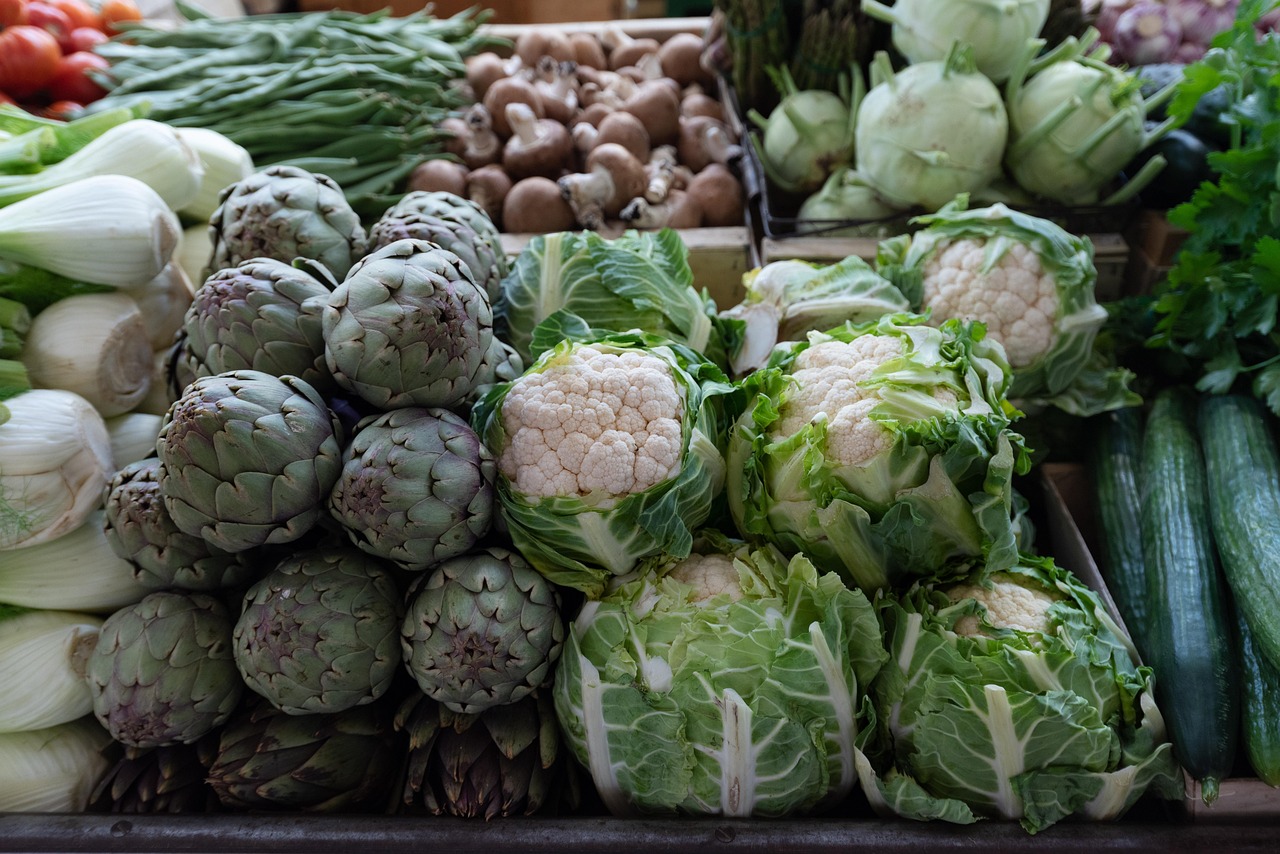
Burgundian food is not shy: it’s rich, sauced, often slow-cooked, and unapologetically carnivorous. Yet in recent years, especially around Beaune and Dijon, lighter interpretations and more vegetable-forward menus have emerged alongside the classics.
Signature dishes by area:
- Beaune & Côte d’Or: Boeuf bourguignon, coq au vin, escargots à la bourguignonne, oeufs en meurette (poached eggs in red wine sauce).
- Auxerre & Chablis: Gougères (cheese puffs), and Chablis-based sauces with fish or poultry.
- Morvan: Heartier country cooking — charcuterie, stews, and simple grilled meats.
- Mâconnais: Lighter dishes, often with river fish and Mâcon white wines.
Cheeses not to miss: Époisses (pungent, washed rind), Soumaintrain, Chaource (just outside Burgundy), and goat cheeses from the Morvan and Yonne.
Where to experience local food in Burgundy:
- Family-run inns & bistrots: Look for “auberge” or “relais” in villages; the menus may be short but are often deeply rooted in local recipes.
- Farm-stays (fermes-auberges): Scattered across the Morvan and rural Yonne; you’ll eat what the farm produces, often at long communal tables.
- Markets: Beaune (Sat/Wed), Dijon (Les Halles), Autun, and small weekly rural markets are great places to stock picnic supplies.
- Wine bars: Particularly in Beaune, Dijon, and Chablis — order a few small plates and let the staff guide your glass choices.
Personal note: My ideal Burgundian evening is a market-sourced picnic in the vines or beside a canal: crusty baguette, saucisson, a small round of epoisses, and a half-bottle from a local domaine.
Evenings in Burgundy: After-Dark Rhythm
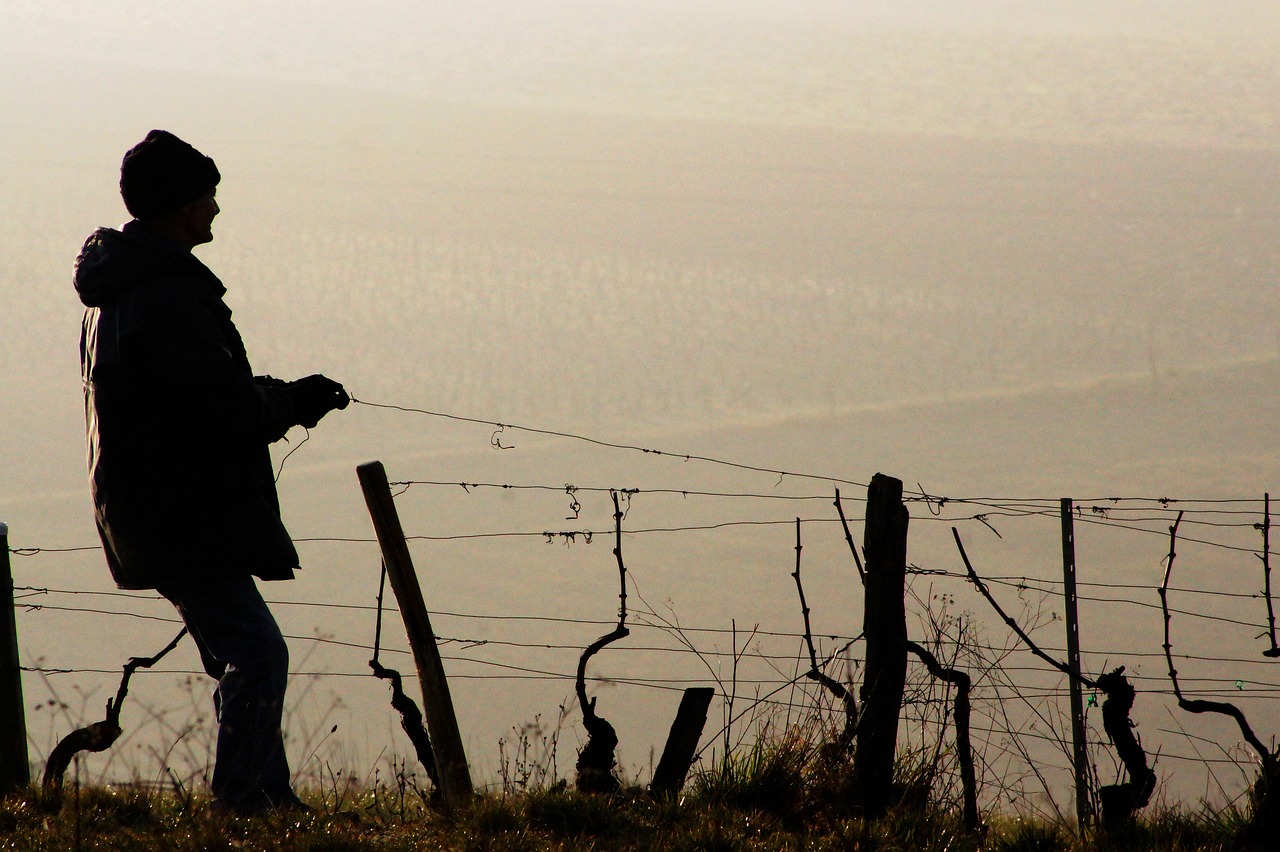
Evenings in Burgundy are gentle. This is not a late-night party region; it’s more about long dinners, twilight walks, and the murmur of conversation over the last glass of wine.
In towns like Beaune & Dijon:
- Stroll the old streets just after dusk; façades glow, and shop windows reflect cobbles.
- Share a bottle at a wine bar where locals decompress after work.
- In summer, look for open-air concerts, cinema nights, and occasional street performances.
In villages & countryside:
- Sit on a terrace and listen to the frogs and church bells.
- In September/October, harvest brings a particular energy: tractors rumble late, and pickers gather at village bars.
- Many small towns host fêtes — harvest festivals, night markets, or music evenings, especially in July–August.
Major Events & Festivals in Burgundy (2026–2027)
Event dates can shift slightly year to year, but for 2026–2027 you can broadly expect:
- Hospices de Beaune Wine Auction (Beaune) – Mid-November 2026 & 2027: Global buyers descend; town is buzzing, prices and crowds peak.
- Sant Vinrent Tournante – Late January 2027: Annual wine festival rotating among villages; expect processions, barrel tastings, and big crowds of wine lovers.
- Dijon International Gastronomy Events – Throughout 2026–2027 at the Cité de la Gastronomie: Themed weekends around cheese, bread, sustainable wine, etc.
- Fêtes de la Vigne (Dijon) – Late summer: Folk dances, music, and wine from across the world.
- Chalon dans la Rue (Chalon-sur-Saône) – July: One of Europe’s key street-theatre festivals; very lively, book early.
- Music & Sacred Art Festivals – Vézelay, Cluny, Autun: Summer programs with classical and choral concerts in historic settings.
Tip: If your 4–7 day itinerary coincides with a major festival, secure accommodation months in advance; otherwise, it can be fun to plan around smaller village fêtes instead for a more local feel.
Extras: Day Trips & Nearby Attractions from Burgundy
Depending on your base, you can easily dip just beyond Burgundy’s borders:
- Beaujolais (south of Mâcon): Rolling hills and lighter, fruitier reds; a good day trip from Mâcon or Tournus.
- Lyon: About 1h35 by train from Dijon; an urban food pilgrimage if you want a city day in the middle of your Burgundian countryside stay.
- Champagne region: From Chablis or Auxerre, you can reach Troyes or southern Champagne in 1.5–2 hours by car.
- The Jura: East of Burgundy; more rugged, with its own fascinating wines (vin jaune) and Comté cheese — roughly 2 hours from Beaune by car.
Transport tip: For most of these, a car is the easiest option; some can be reached by train with planning and connections.
Cultural Etiquette & Local Customs in Burgundy
Burgundy is friendly but reserved. A few cultural habits go a long way:
- Greetings: Always say “Bonjour, Monsieur/Madame” when entering a shop, tasting room, or small restaurant, and “Au revoir” when leaving.
- Tasting room etiquette: Tastings are not bars. Ask politely, don’t serve yourself unless invited, and buy at least a bottle if the tasting was generous and free.
- Meal times: Lunch is usually 12:00–14:00, dinner 19:30–21:30. Arriving outside these windows may mean few options.
- Dress: Smart-casual is fine almost everywhere; avoid beachwear or very casual gym-type clothing in restaurants and churches.
- Children: Generally welcome in restaurants but less so in formal, multi-course dinners; ask about menu enfant.
- Quiet hours: Small villages go to sleep early; keep noise down after 22:00.
Practical Travel Advice for Burgundy (2026–2027)
Getting Around: Car vs Train vs Bus
Car is the most flexible way to explore, especially for a multi-town itinerary:
- Driving distances: Beaune–Dijon (~45 km / 30 min), Beaune–Chablis (~150 km / 1h45), Dijon–Vézelay (~140 km / 1h45).
- Rentals: Available in Dijon, Beaune, Mâcon, and larger towns; booking ahead is essential for 2026 peak seasons.
- Parking: Historic centers usually have paid car parks just outside the core; check your hotel for guidance.
Train works well for main-line connections:
- Paris–Dijon (~1h40 by TGV), Paris–Beaune (via Dijon, ~2h20), Paris–Mâcon (~1h40).
- Local TER trains link Dijon, Beaune, Chalon, Mâcon, and Auxerre fairly well, but not tiny villages.
Bus networks exist but are limited and more suited to residents; don’t rely on them for a complex multi-village itinerary.
Bike & e-bike rentals are increasingly common in Beaune, Dijon, and some wine villages, and are perfect for a day on the Route des Grands Crus.
Money-Saving Tips & SIM Cards
Saving money over a multi-day trip:
- Base in one or two towns (e.g., Beaune & Dijon) and day-trip, rather than changing hotels nightly.
- Opt for lunch as your main meal at nicer restaurants; many offer good-value formules at midday.
- Buy picnic supplies at markets and have one or two “picnic dinners” per trip.
- Focus tastings: 1–2 paid, in-depth visits, supplemented by lower-cost village wine bars.
SIM cards & connectivity:
- EU travelers can usually roam as at home.
- Non-EU visitors: Orange, SFR, and Bouygues offer prepaid SIMs; you can also buy eSIM data packages before arrival.
- Coverage is good in towns and main wine routes, patchier in the deepest parts of the Morvan.
Visas, Driving & Local Rules
Visas:
- Burgundy is in France and the Schengen Area. Many nationalities (including US, UK, Canada, Australia, New Zealand, much of Asia) receive 90 days visa-free in Schengen; check official sources for up-to-date rules and ETIAS implementation timelines for 2026–2027.
Driving & licenses:
- Foreign licenses are generally accepted; some non-EU visitors may also need an International Driving Permit (IDP) — check before travel.
- Drive on the right; seatbelts mandatory; strict drink-driving limits (plan tastings accordingly).
- Many villages have 30 km/h zones; speed cameras are common on main roads.
Best Seasons by Activity
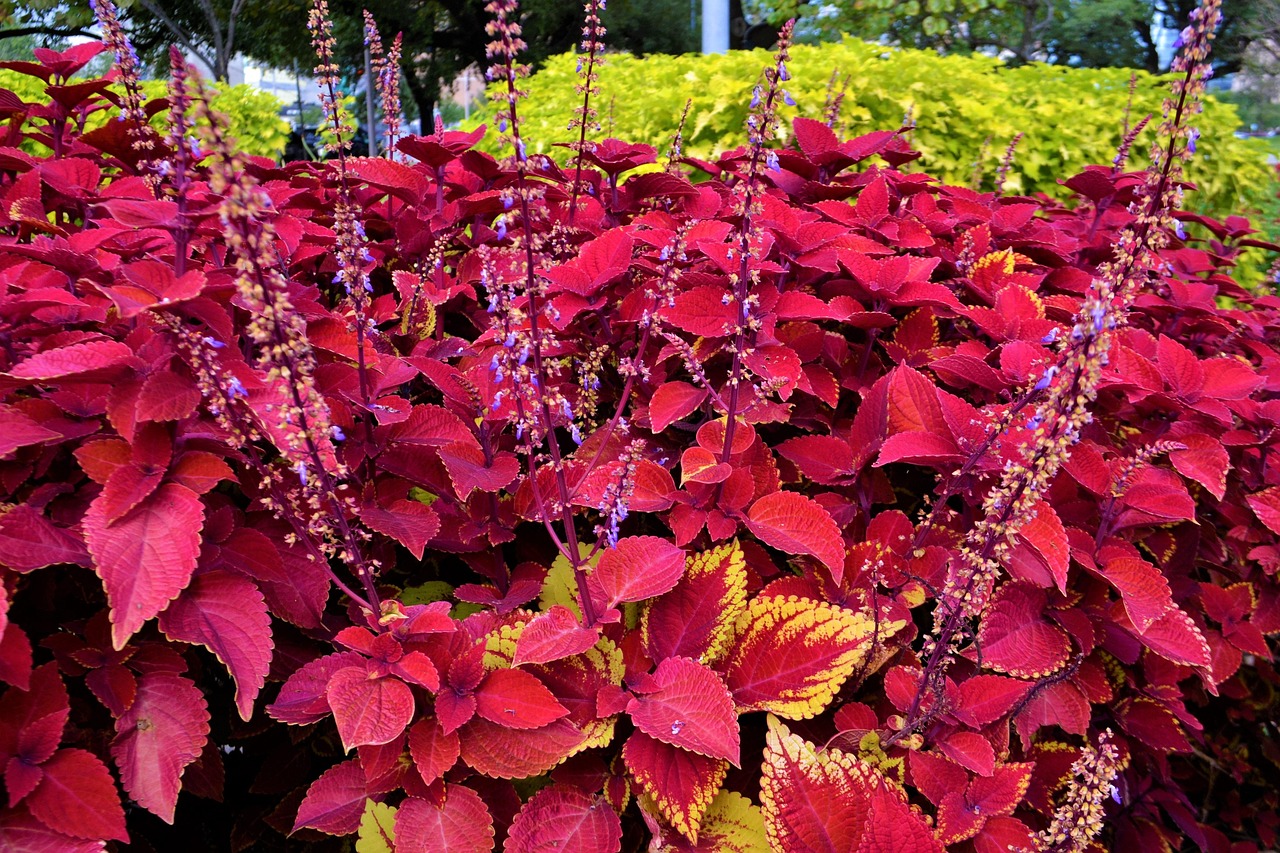
Spring (April–June):
- Vines leaf out, markets brim with asparagus and strawberries.
- Ideal for walking, cycling, and less crowded tastings.
Summer (July–August):
- Warm to hot; perfect for lakes in the Morvan and canal boating.
- Festivals and village fêtes abound; book accommodation early.
Autumn (September–October):
- Harvest season; vines turn gold and red — arguably the most beautiful time.
- Busy in wine villages; tastings may be harder to schedule during picking days.
Winter (November–March):
- Quiet, atmospheric; Christmas markets in Dijon, Beaune’s wine auction in November.
- Short days but wonderful for hearty food and uncrowded towns.
Summary & Final Recommendations
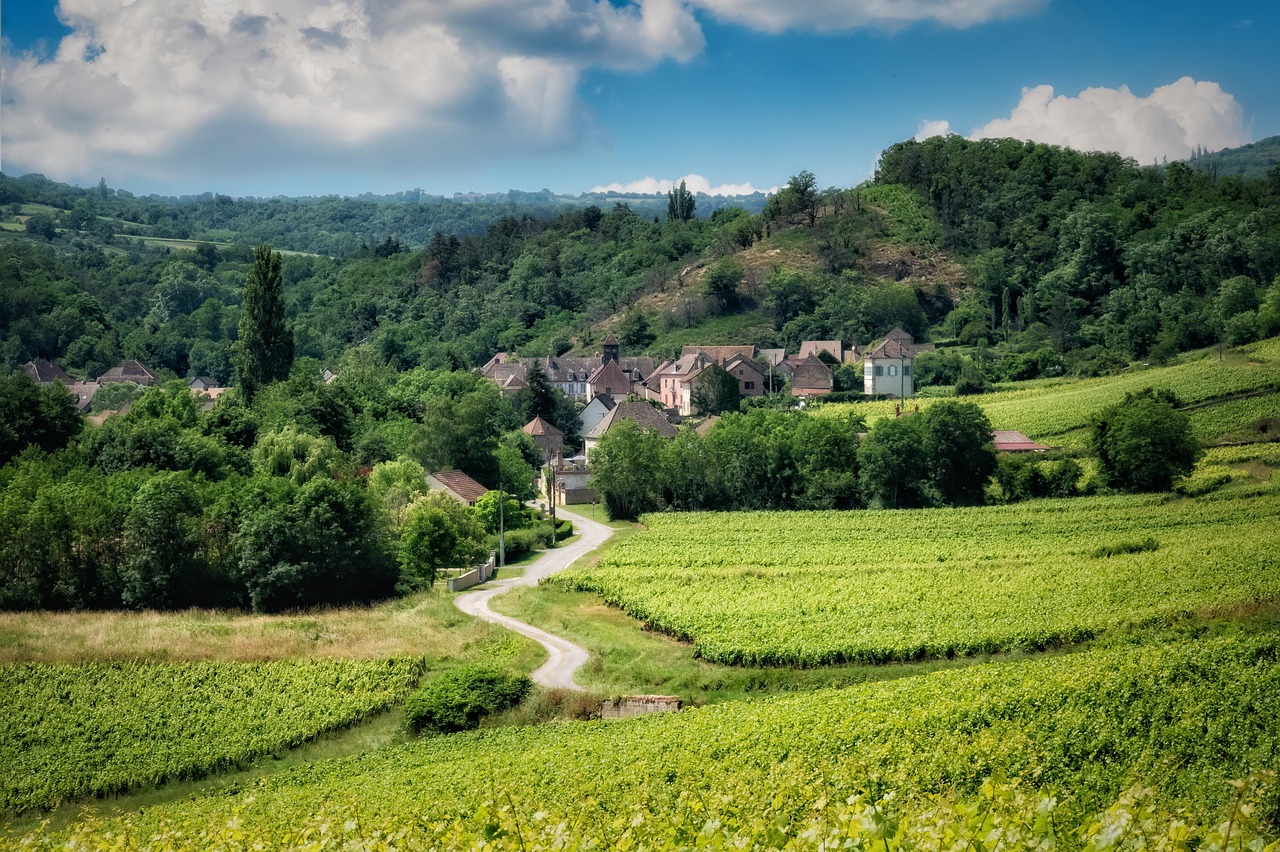
Burgundy is not a region you “do”; it’s one you inhabit for a while. Whether you follow a tight 4 day itinerary for Burgundy or stretch to 7 days in Burgundy, the essence is the same: slow down, taste carefully, and let small places reveal themselves.
Key takeaways:
- Best bases: Beaune for the wine heartland, Dijon for culture and trains, Auxerre/Chablis or Vézelay for northern explorations, Morvan villages for nature.
- Transport: A car unlocks the full region, but trains suffice for a Beaune–Dijon–Chalon axis.
- Timing: For most travelers, late May–June and September–early October are the sweet spots for weather, scenery, and things to do in Burgundy without peak crowds.
- Experiences to prioritize: At least one in-depth wine tasting with a passionate producer, a long lunch of local food in Burgundy style, a hilltop village at sunset (Vézelay or Flavigny), and a walk through quiet vineyards or along a canal.
Come with curiosity, leave space in your days, and Burgundy will reward you with moments that feel small but stay with you for years — a conversation in a cellar, a view from a rampart, a glass of wine that suddenly makes sense of the landscape around you.