Why Visit Calanques National Park?
There are places you plan to see once and then tick off the list. Calanques National Park is not one of them. I’ve been living between Marseille and Cassis for over a decade, and I still find new corners of this limestone labyrinth every season. The park is a wild collision of white cliffs, turquoise inlets, pine forests, and Mediterranean light so sharp it feels almost unreal.
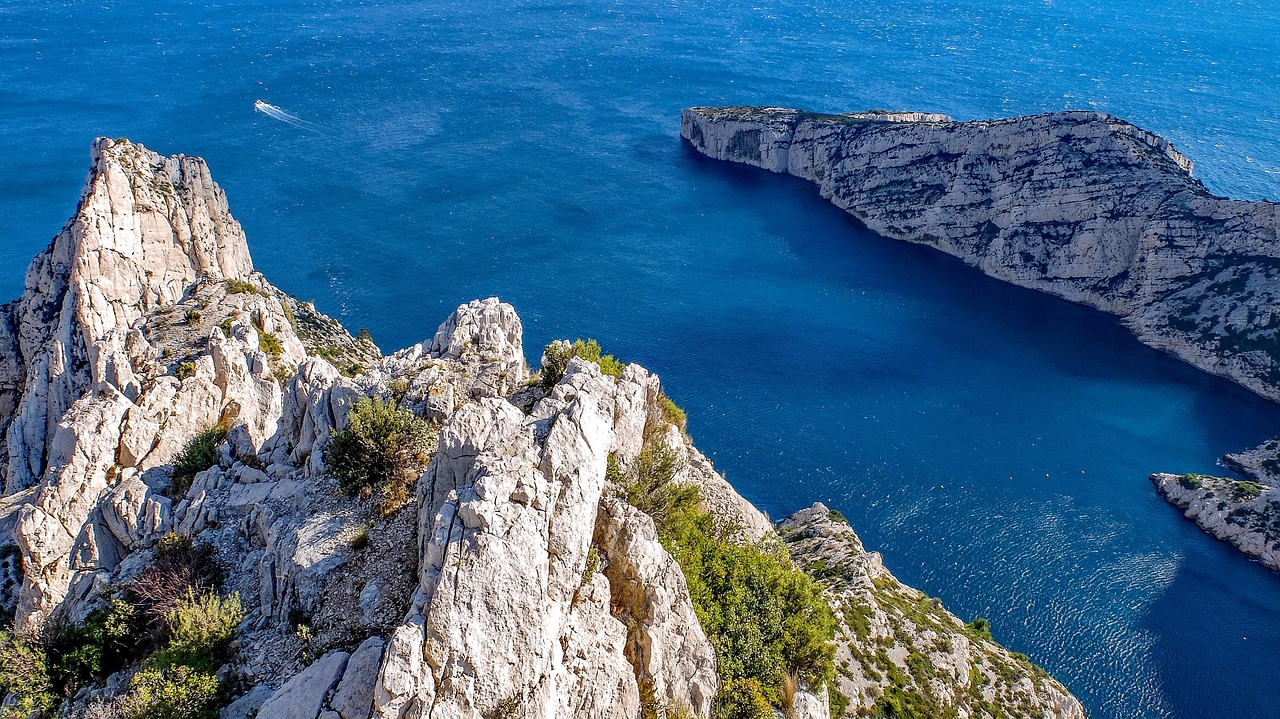
Stretching along the coast between Marseille, Cassis, and La Ciotat, the Calanques are a maze of narrow fjord-like bays carved into towering limestone. Sheer walls plunge straight into the sea; quiet coves hide pebble beaches the color of bone; on the plateaus above, juniper and thyme perfume the air. Whether you’re planning a 3 day itinerary for Calanques National Park or a deeper 5 days in Calanques National Park, this corner of Provence will change the way you think about coastal hiking.
What makes it special isn’t just the scenery. It’s the mix of sea culture and gritty Marseille energy, the fishermen selling sea urchins in winter, the climbers dangling above the water at sunrise, and the locals who know exactly which calanque to choose depending on the mistral wind. It’s also one of Europe’s newest national parks (created in 2012), with an evolving system of permits and protections that you need to understand to make the most of your visit in 2026.
This in-depth travel guide for Calanques National Park is written the way I’d brief a close friend: opinionated, specific, and honest about crowds, closures, and the small joys—like the perfect pan bagnat on a hot rock after a swim. We’ll cover the best places to visit in Calanques National Park, from iconic spots like Sormiou and En-Vau to quieter ridges and family-friendly coves, plus food, culture, and practical travel tips for Calanques National Park.
Table of Contents
- Why Visit Calanques National Park?
- Park Overview & Key Zones
- 15 Essential Trails, Viewpoints & Zones
- 3–5 Day Itineraries (with Personal Stories)
- Where to Eat & Drink
- Where to Stay
- How to Get Around
- After-Dark & Quiet Experiences
- Culture, Etiquette & Local Customs
- Day Trips & Nearby Attractions
- Practical Logistics & Park Rules (2026)
- Money-Saving Tips & Connectivity
- Events & What’s New in 2026–2027
- Summary & Best Seasons
Calanques National Park Overview & Key Zones
Calanques National Park (Parc national des Calanques) is a coastal and marine park covering nearly 520 km², most of it at sea. On land, the protected area runs from the southern fringes of Marseille to the waterfronts of Cassis and La Ciotat. It’s a patchwork of steep calanques (inlets), karst plateaus, and offshore islands.
Gateway Towns
- Marseille – The main gateway, chaotic and vibrant. Base here if you want nightlife, culture, and easy access to the western calanques like Sormiou, Morgiou, and Sugiton.
- Cassis – A postcard harbor town and the classic starting point for many visitors. Best for a car-free holiday or a romantic base, with quick access to Port-Miou, Port-Pin, and En-Vau.
- La Ciotat – Less famous, more local. Great for access to the eastern sector (Mugel, Figuerolles, Cap Canaille) and for travelers chasing quieter evenings and lower prices.
Key Zones & Landscapes
For planning your 3 day itinerary for Calanques National Park or longer, it helps to think in zones:
- Western Calanques (Marseille side) – Sormiou, Morgiou, Sugiton. More rugged and local, with dramatic cliffs and strong climbing tradition. Access is often restricted by road in summer.
- Central Calanques (Cassis sector) – Port-Miou, Port-Pin, En-Vau. This is the busiest area, but also the most spectacular for classic hiking and sea-kayaking.
- Eastern Cliffs & Calanques (La Ciotat & Cap Canaille) – Less-visited, with towering ochre cliffs, family-friendly coves at Mugel and Figuerolles, and a spectacular scenic drive.
- Offshore Islands – Frioul archipelago and Riou. Bare, windswept, and wild, with rich birdlife and some of the best snorkeling and diving.
15 Essential Trails, Viewpoints & Zones (with Local Insight)
Below are the must-see attractions in Calanques National Park as I’d prioritize them for a first or second visit. Each subsection is based on my own repeated walks, swims, and occasionally getting lost in the scrub.
1. Calanque de Sormiou – The Classic Mediterranean Postcard
If you’ve seen a photograph of the Calanques, it was probably taken at Sormiou. Imagine a long, narrow bay encased in white cliffs, a cluster of pastel fishermen’s huts, and water so clear that boats seem to hover above the seabed.
I tend to visit Sormiou in late September, when the sea is still warm but the crowds have thinned. The approach from the Les Baumettes trailhead is a steep but manageable 45–60 minute hike down a dusty path perfumed with wild rosemary. The first time I brought my parents here, they swore they couldn’t manage the climb back up—but they did, rewarded by a long lunch in the harbor shack-restaurant.
Why it’s special: Sormiou balances wildness and tradition. In summer, locals boat in for long family lunches; in calmer seasons, climbers dot the limestone walls and the tiny beach is perfect for a midday picnic.
Difficulty & access: The hike is moderate but exposed—no shade. In summer and on high fire-risk days, road access is closed and you must hike in from above; on some shoulder-season days you can drive down with a pre-booked restaurant reservation (check 2026 regulations). For families with young kids, the descent is fine, but be prepared to take breaks on the way out.
Food & tips: There’s usually at least one simple restaurant (Chez Henri-style huts) serving grilled fish and rosé. Expect cash-only or spotty card acceptance. I always pack extra water—minimum 1.5 L per person even in spring—and a sun hat. Sormiou is glorious at sunset, but remember the climb back will be in the half-light; bring a headlamp.
2. Calanque de Morgiou – Fishing Heritage & Sea Urchins
Morgiou feels like a working village stapled onto a cliff. Stone steps, old boats, a handful of fishermen still leaving before dawn—it’s a living piece of Marseille’s maritime culture.
I like to walk in from the Luminy campus early on winter weekends, when the air is sharp and the sea urchin season (oursins) is in full swing. Locals sit on the rocks cracking open the purple shells with a knife, scooping the roe out with bits of baguette. If you’re offered a taste and you’re adventurous, say yes; it’s the purest shot of the Mediterranean you’ll ever have.
Highlights: The small harbor, the path out to Cap Morgiou, and the viewpoints of the adjacent calanques. Morgiou is also the starting point for serious climbers heading for legendary routes.
Difficulty & access: The hike down from Luminy via the Col de Morgiou is longish but not technical. Again, road access is heavily restricted in summer due to fire risk. Families with children older than 7–8 should manage with proper shoes and patience.
Food: A basic port restaurant typically operates on weekends and in high season, but hours are irregular. Bring snacks and water. On cold days, I’ll often pack thermos coffee and buy a fresh baguette in town before setting out.
3. Calanque de Sugiton & Le Torpilleur – The Student Favorite
Sugiton is where Marseille’s students escape exams. A short, steep trail from the Luminy university campus drops into an amphitheater of cliffs, ending at a small pebble cove and a distinctive rock needle called Le Torpilleur jutting out of the sea.
On hot May afternoons, I join the stream of locals heading down in flip-flops with speakers and picnic supplies. It’s lively—sometimes too lively—so if you prefer solitude, come early or off-season. In December I’ve had entire afternoons here with just the sound of waves and an occasional hiker.
Why go: The viewpoint above Sugiton, reached via a short detour to a belvedere, is one of the best panoramas in the park. From there you see the entire serrated coastline stretching toward Cassis.
Access: From the Luminy parking, a wide track leads down to a junction where steeper footpaths fork toward Sugiton and Morgiou. The route is well-trodden but rocky. In 2026, expect continued capacity controls on the Sugiton beaches during peak summer, including online reservations on some dates (introduced experimentally in previous years to fight erosion). Check the park’s website before you go.
Family & safety note: The final descent to the beach is steep with loose stones. I’ve seen many people in sandals struggle; wear closed shoes. With kids, give yourself extra time and stick to the main path—there are drop-offs if you wander.
4. Calanque de Port-Miou – Nautical Gateway from Cassis
Port-Miou is less a beach and more a slender marina dug into the rock. Boats line both sides of the long inlet, their masts creating a forest of rigging against the sky. It’s the natural starting point for many of the best hikes around Cassis.
When I stay in Cassis, I often wander down after dinner to watch the last light fade over the boats. The limestone cliffs glow peach, and the sound is all soft clinking and murmured conversation from deck to deck.
Why it matters: From Port-Miou, you can walk to Port-Pin and En-Vau, making it a key node in any 3 days in Calanques National Park plan if you’re based in Cassis without a car.
Accessibility: Easy. From Cassis town, a 20–30 minute walk (or short drive) brings you to the trailhead. The path along the right bank is rocky but mostly flat, suitable for families and anyone with moderate mobility. Strollers are not ideal, but I have seen robust off-road ones make it to the start of the Port-Pin trail.
5. Calanque de Port-Pin – A Family-Friendly Turquoise Cove
Port-Pin is where I send families with kids or anyone wanting a softer introduction to the Calanques. A short hike from Port-Miou leads to a pine-framed cove with pale pebbles, gently shelving water, and enough shade to last an afternoon.
On my last spring visit, I came with friends and their kids. We spent the morning collecting smooth, oval stones and building precarious towers on a flat rock. The water was freezing, but the children didn’t care; they shrieked with delight every time a wave knocked their constructions over.
Highlights:
- Shallow, mostly calm water on non-windy days.
- Natural shade from pines—rare in the Calanques.
- Good picnic rocks and photogenic angles from both sides of the cove.
Tips: There are no services here: no toilets, no café, no trash cans. Pack everything in and out. By July, Port-Pin can be extremely crowded by midday; for a more relaxed experience, arrive before 9:30 am or come in shoulder season.
6. Calanque d’En-Vau – The Iconic Fjord of the Calanques
En-Vau is the queen of the Calanques: a narrow stone corridor hemmed in by vertical cliffs, with a small beach at the end where the water glows impossible shades of blue. It’s also one of the most photographed and most visited spots in the park.
The first time I hiked to En-Vau, in early June, I arrived at 8:30 am to find the beach already half full. Still, I remember wading into thigh-deep water, watching the light climb slowly down the cliffs, and thinking: yes, it is worth the hype.
Approach routes:
- From Cassis / Port-Miou: The classic route via Port-Pin and then a steeper inland climb and descent. Allow 1.5–2 hours one-way if you’re not rushing.
- From Col de la Gardiole: A more direct inland approach, starting from a parking area on the D559 road (often closed in high fire-risk periods). This route feels more remote and offers grander views but is also rocky and sun-exposed.
- By sea kayak: Departing from Cassis, you paddle along the coast, entering En-Vau between cliffs. This is my favorite way to experience it on busy days, as you can skip the crowded beach and float further inside the calanque.
Difficulty: The descent to the beach is steep and loose. I’ve seen plenty of hikers underestimate it. Wear proper shoes, keep your hands free, and be cautious with young children. The hike is not recommended in peak summer afternoons due to heat; if you must go in July/August, start at dawn.
My personal routine: On cooler days, I like to hike from Cassis via Port-Pin, arrive at En-Vau by 9:30 am, swim, snack, then climb to the En-Vau belvedere above the cliffs for a bird’s-eye view. That upper viewpoint, often missed by beach-focused visitors, is one of the best places to visit in Calanques National Park for photography.
7. Cap Canaille & Route des Crêtes – The Dramatic Cliff Drive
Technically just outside the strict land boundaries of the national park, Cap Canaille and the Route des Crêtes are integral to the Calanques experience. These are some of the highest sea cliffs in Europe, towering in orange and ochre above the Mediterranean between Cassis and La Ciotat.
I’ve driven this road in all weathers, but my favorite memory is a winter afternoon when a storm was blowing in. The sea below was steel-grey, the sky bruised, and the wind so strong that I had to lean into it. Yet in the distance, a shaft of sunlight lit up the islands off Marseille like a spotlight.
What to do:
- Stop at the signed belvederes for jaw-dropping views toward Cassis and the Calanques chain.
- Walk short trails along the cliff edge (staying behind safety barriers) for sunset photos.
- Pair the drive with a half-day in La Ciotat or Cassis for a full loop.
Safety & closures: The road is often closed in high winds due to danger from gusts and rockfall. In 2026, expect continued automatic closures when wind speed exceeds set thresholds; check local updates before planning a specific sunset mission.
8. Parc du Mugel (La Ciotat) – Botanical Gardens & Family Coves
Parc du Mugel is one of my favorite hidden gems in Calanques National Park’s orbit. Tucked against the strange volcanic mass of Le Bec de l’Aigle, this coastal park blends Mediterranean botanical gardens with two small, protected pebble beaches.
I often come here on quieter weekdays with a book. The upper garden paths wind through bamboo groves, citrus trees, and cactus beds, offering views over La Ciotat’s bay. Below, the main cove is perfect for families—the water is calm, and there’s usually an ice-cream stand in summer.
Why go: If you’re traveling with kids or want a rest day from serious hiking, Mugel is ideal. You get coastal scenery, safe swimming, shaded benches, and a café nearby. It’s also reachable on foot from central La Ciotat, making it a great option if you’re car-free.
9. Calanque de Figuerolles – Surreal Rock Formations
Figuerolles is less a classic white-limestone calanque and more a surreal volcanic amphitheater. Rust-colored cliffs, odd pinnacles, and a small pebble beach create a scene that feels almost cinematic.
I love to come here in late afternoon, when the light warms the rock into deep oranges. Once, on a quiet February day, I had the entire cove to myself; the only sounds were distant boat engines and the clattering of pebbles in the surf.
Access: A short but steep staircase from a small parking area descends to the beach. There’s a café/restaurant with a terrace overlooking the cove, open seasonally—a lovely spot for a drink at golden hour.
10. Frioul Islands – Wind, Light, and Old Quarantine Stations
While technically outside the main land sector of the national park, the Frioul archipelago is part of the greater Calanques marine area and shares the same wild, baked-limestone feel. Reached by regular ferries from Marseille’s Vieux-Port, Frioul is all about wind, light, and emptiness.
On my last autumn visit, I wandered past the old quarantine station and military ruins, then cut down to a small, sheltered cove where the water was improbably clear. Even in October, I could snorkel among shoals of small fish.
Why go: For a car-free day of coastal walking and swimming, with far fewer people than the mainland calanques on busy days. It’s a great alternative if high fire risk closes inland trails; Frioul stays accessible when the park’s land section is off-limits.
11. Luminy Plateau & Crête de Morgiou – Panoramic Ridge Walks
Above the calanques of Morgiou and Sugiton lies a broad limestone plateau accessed from Marseille’s Luminy campus. Trails weave across the scrubby landscape, dipping to cliff edges for spectacular views down into the inlets.
On days when I want exercise more than swimming, I string together a loop along the Crête de Morgiou. The path undulates along the ridge, giving constant sea panoramas and a sense of being on the spine of the world.
Best for: Hikers seeking panoramic things to do in Calanques National Park beyond the beaches. This area also offers quieter corners even on busy weekends if you stay away from the main Sugiton descent.
Difficulty: Moderate, with some rocky sections and exposure to sun and wind. Not ideal for very young kids, but fine for teens and fit adults.
12. Calanque de Devenson & Wild Clifftops – For Serious Hikers
Devenson is the name given to a wild stretch of coastline and its hidden calanque, far less accessible than En-Vau or Sugiton. The real attraction here is the clifftop trail that skirts the edge of vast, vertical walls dropping straight into the sea.
I’ve only tackled the Devenson sector a handful of times, always in cool months with plenty of water and good company. The sense of isolation is immediate; once you leave the main junctions, you may not see another person for hours.
Why it’s special: This is where the Calanques feel truly wild. The scale of the cliffs is humbling, and the twisting paths along the edge give constant views toward Cap Canaille and out to the Riou islands.
Warning: This area is for experienced hikers only. Paths can be poorly marked, and some sections run close to drop-offs. Do not attempt in summer heat; spring and late autumn are best. Bring a detailed topo map or offline GPS and tell someone your route.
13. Île de Riou & Marine Reserve – Diving into Another World
Île de Riou sits offshore from the main Calanques, a low, rugged island surrounded by some of the richest marine life in the region. You can’t freely land wherever you like due to protections, but you can dive, snorkel, or join guided trips with approved operators.
The first time I dived near Riou, I was struck by the density of life: gorgonian fans, swirling shoals of barracuda, octopus tucked into crevices. Underwater visibility often reaches 20–30 meters on clear days.
Best for: Divers and serious snorkelers seeking a different side of Calanques National Park. Several Marseille-based dive centers run regular outings here between spring and autumn.
14. Calanque de Marseilleveyre – Rustic Huts & Long Coastal Hikes
Marseilleveyre feels like a secret village at the end of the world. A scattering of rustic cabins, a pebble beach, and a seasonal hut-restaurant lie at the end of a long coastal hike from Marseille’s Parc Pastré or Callelongue.
My favorite memory is a winter hike when a friend and I trekked from Callelongue, ate steaming daube provençale at the little hut, then walked back under a sky thick with stars. It’s one of the most memorable after-dark experiences I’ve had near the Calanques.
Why go: To feel far from the city even though you’re technically still within Marseille’s orbit. The trail offers continuous sea views and, in spring, bursts of wildflowers.
Note: The hut’s opening times are irregular and increasingly constrained by park regulations. In 2026, expect stricter rules on construction and services in this area; bring backup food and water.
15. Callelongue & The “End of the Road” – Edge of Marseille
Callelongue is a tiny fishing hamlet perched at the city’s edge, where Marseille’s last bus route literally meets the sea. From here, trails snake into the park, heading toward Marseilleveyre and beyond.
On evenings when I want to escape without a car, I ride the bus to its terminus, sit on the rocks with a sandwich from my favorite bakery, and watch the sun sink behind the islands. Even when the mistral is howling, locals huddle in jackets, glasses of pastis in hand.
Why it’s special: This is where you feel the interface between city and wild most acutely. You can hear Marseille’s distant hum, yet the landscape is pure limestone and sea.
3–5 Day Itineraries for Calanques National Park (with Personal Stories)
Below are sample itineraries I often sketch for visiting friends. They’re flexible, but each combines popular highlights with quieter corners and local food. They’re optimized for different trip lengths: 3 days, 4 days, and 5 days in Calanques National Park.
3 Day Itinerary for Calanques National Park – Cassis & the Classics
For a first visit, I recommend basing in Cassis. It’s compact, romantic, and perfectly placed for car-free access to the park’s most iconic inlets. Here’s how I usually structure a 3 day itinerary for Calanques National Park when I’m showing the area to someone new.
Day 1 – Cassis Harbor, Port-Miou & Port-Pin
I love starting gently. On your first morning, wake up in Cassis and wander down to the harbor around 8:30 am, before the tour buses arrive. This is when the fishermen are packing away their nets and the café terraces are filling with locals.
Breakfast tip: Grab a coffee and croissant at a quayside café like Bar de la Marine, watching the sunlight creep down the pastel facades. This is your first taste of local food in Calanques National Park’s gateway village.
By 9:30 am, set out on foot toward Port-Miou. The walk takes 20–30 minutes from the harbor, rising gently past villas and pine trees. The first glimpse of the calanque—boats lined up in a white limestone trench—always reminds me of a flooded canyon.
From Port-Miou, follow the marked coastal trail to Port-Pin. The path undulates over rocky steps and short climbs, but nothing too intense. With my niece (age 7), we took about 45 minutes, stopping often to peer over cliffs and search for lizards.
Arrive at Port-Pin late morning. Swim, snack, and laze in the shade. I usually bring a baguette, local goat cheese, slices of tomato, and a small bottle of olive oil—simple picnic fare that tastes extraordinary after a saltwater swim.
Afternoon options:
- Return the same way to Cassis for a late lunch and a siesta.
- Continue a short way toward En-Vau for elevated viewpoints, then turn back.
Back in Cassis, treat yourself to a gelato and stroll the narrow lanes above the harbor. For dinner, try a casual bistro serving moules-frites or a lighter fish dish; save bouillabaisse for when you’re truly hungry.
Day 2 – Hike to En-Vau & Sunset on Cap Canaille
Day 2 is the “wow” day. Set your alarm; you want to be on the trail by 8 am in warm months, 9 am outside summer. Pack plenty of water, sturdy shoes, and a picnic.
Follow the now-familiar path from Cassis through Port-Miou and Port-Pin, then continue inland following signs to Calanque d’En-Vau. The route climbs through pine forest, with occasional sea glimpses. The last descent to the beach is steep; take your time.
Arriving before 10 am, you may find a relatively uncrowded shore. I like to stake out a spot on the left side (facing the sea), where you get shade longer in the morning. Swim, explore, then sit back and watch climbers on the surrounding cliffs.
Midday strategy: In high season, the sun can be brutal and the beach crowded by noon. I often leave the beach after an early lunch and climb up to the En-Vau belvedere. The trail is steep but short, and the aerial view is extraordinary—a classic must-see attraction in Calanques National Park.
By mid-afternoon, start heading back to Cassis. Rest, shower, and then, if the Route des Crêtes is open and winds are calm, drive or taxi up to Cap Canaille for sunset. The sky turns layers of orange and pink, and you can trace your day’s route below.
For dinner, I like a place slightly off the harbor to avoid the most touristy menus. Ask your host or hotelier which restaurant they’d go to with visiting family—they usually steer you right.
Day 3 – Boat Tour, Wine Tasting & Optional Short Hike
On your last day, give your legs a break and see the Calanques from the water. Morning light is best for photography, and seas are often calmer.
Head to the harbor and choose a boat tour—options range from short 45-minute trips visiting Port-Miou, Port-Pin, and En-Vau to longer loops reaching Sormiou and Morgiou. I prefer the mid-length tours that include the central calanques without rushing. Yes, it’s touristy, but the perspectives from the sea are unbeatable.
Back on shore, enjoy a leisurely lunch: grilled local fish, a glass of cold Cassis white wine, and perhaps a tarte tropézienne for dessert.
In the afternoon, if you have energy, you could:
- Walk the short Sentier du Petit Prince on the Presqu’île (a coastal interpretive trail with great views).
- Visit a local winery in the Cassis AOC vignoble for a tasting—many are a short taxi ride away.
- Simply swim at Cassis’s town beach and wander the shops for Provençal fabrics, soaps, and olive oil to take home.
This three-day plan gives you the essence of the Calanques: intense hikes, turquoise coves, and relaxed harbor life.
4 Day Itinerary for Calanques National Park – Adding Marseille’s Wild Edge
With 4 days in Calanques National Park, you can split time between Cassis and Marseille, seeing both the central calanques and the grittier western side.
Day 1–2 – Cassis & En-Vau (as above)
Follow Day 1 and 2 of the 3-day itinerary. On the evening of Day 2 or morning of Day 3, transfer to Marseille (a short train or bus ride).
Day 3 – Sugiton from Luminy & Evening in Marseille
Check into your Marseille accommodation, then head by bus or car to the Luminy campus. The transition is abrupt: one moment you’re surrounded by lecture halls, the next you’re on a dirt path in scrubland heading for the sea.
Follow signs to the Belvédère de Sugiton first. This wide terrace offers a sweeping view over Sugiton and Morgiou, with Le Torpilleur rock in the middle distance. In spring 2026 I spent a full hour here with a thermos of coffee, just watching clouds drift over the cliffs.
From the belvedere, descend toward the calanque itself if conditions and your legs allow. Swim, rest, then climb back gradually. The total outing is a half-day, leaving time for a shower before exploring central Marseille.
Evening: Back in the city, walk along the Vieux-Port, detour into the historic Panier district, and try a modern bistro blending Marseille’s North African and Provençal flavors. This is also your chance to sample serious bouillabaisse if you haven’t yet—book ahead at a reputable restaurant and be prepared for a lengthy meal.
Day 4 – Callelongue & Coastal Walk or Frioul Islands
For your final day, choose based on weather:
- If inland trails are open: Take the bus to Callelongue and hike a section of the coastal trail toward Marseilleveyre. Even a short out-and-back gives you the flavor: white cliffs, low maquis scrub, and constant sea views. Pack a picnic and plenty of water.
- If fire risk closes the park: Opt for the Frioul Islands instead. Ferry from the Vieux-Port, then walk, swim, and explore the old quarantine and fort ruins for a full day of sea air.
End your trip with a drink on a seaside terrace—perhaps in the Vallon des Auffes or along the Catalans beach—reflecting on how wild the coastline can be just minutes from a major city.
5 Day Itinerary for Calanques National Park – Deep Dive into Cliffs & Culture
With a full 5 day itinerary for Calanques National Park, you can slow down and add more remote trails, La Ciotat’s eastern calanques, and a richer dose of Marseille culture.
Day 1–3 – Follow the 3-Day Cassis-Based Plan
Use Days 1–3 as outlined earlier, but stretch where you like: add a half-day winery visit or a second coastal hike around Cassis if you’re particularly keen on walking.
Day 4 – La Ciotat, Mugel & Figuerolles
On Day 4, move your base (or day-trip) to La Ciotat. This town, once a shipbuilding powerhouse, has reinvented itself as a low-key seaside resort with a strong local vibe.
Start at Parc du Mugel. Wander the botanical paths, then claim a spot on the main pebble beach for a swim. I like to bring a simple picnic from the market—ripe tomatoes, olives, and fougasse bread with anchovies.
In the afternoon, walk or drive to Calanque de Figuerolles. Descend the steps, soak in the otherworldly rock shapes, and swim if conditions are calm. The café terrace here is one of my favorite spots for a late-afternoon drink.
For dinner, stay in La Ciotat and try a restaurant along the revamped old port promenade. Prices are often more reasonable than Cassis, and the clientele more local.
Day 5 – Wild Clifftops (Devenson or Cap Canaille Hikes) & Return
Your final day is your “big hike” day, chosen according to your fitness and the weather:
- For strong hikers: Tackle a loop including the Devenson cliffs. Start early, carry ample water, and don’t underestimate navigation.
- For moderate hikers: Choose a shorter segment of ridge trail from the Luminy plateau or a signed walk along the safer portions of Cap Canaille’s clifftops.
- For a softer finale: Spend a lazy day between Cassis and La Ciotat, revisiting your favorite cove and ending with a sunset drive along the Route des Crêtes.
By the end of 5 days, you’ll have seen the Calanques from above, within, and below the sea, and sampled both Cassis charm and Marseille’s edge.
Where to Eat & Drink In and Around Calanques National Park
There are no formal restaurants deep inside the park’s land sector beyond rustic huts and permit-limited operations. Most of your food experiences will happen in the gateway towns and on the fringes.
Cassis – Harborfront & Hidden Lanes
Cassis excels at atmospheric meals: tables inches from the water, plates of grilled fish, glasses of AOC Cassis white. For value, look a street or two back from the harbor. I often head to small bistros with daily chalkboard menus, where the lunch plat du jour can be surprisingly affordable.
What to try:
- Fish of the day – Grilled whole, with olive oil and lemon.
- Aioli – A platter of steamed fish and vegetables with garlicky mayonnaise.
- Socca or pissaladière – Regional snacks perfect for picnics.
Marseille – Bouillabaisse & Street Food
Marseille is a food city. From traditional bouillabaisse to North African couscous and Armenian pastries, it’s a melting pot.
My personal routine before a big hike: I’ll pick up a pan bagnat (a Niçoise-style tuna sandwich soaked in olive oil) from a good bakery and some fruit from the market, then head straight for the Calanques. It’s cheaper and tastier than many convenience options.
In-Park Options & Picnics
Inside the park, food options are limited to:
- Seasonal hut-restaurants at Sormiou and Marseilleveyre (irregular hours, subject to park rules).
- Occasional kiosks at accessible trailheads near Marseille (check each season).
Your safest bet is to self-cater for all hikes: sandwiches, fruit, nuts, and lots of water. Never assume you’ll find a café in a calanque unless you’ve verified current info.
Where to Stay – Campgrounds, Lodges & Town Bases
Staying in Cassis
Cassis offers small hotels, guesthouses, and apartments. For walkers, I recommend staying within a 10–15 minute walk of the harbor so you can easily reach the Port-Miou trailhead.
Money-saving tip: Book midweek and outside July–August. In May, June, September, and October, you can find better deals, and the weather remains excellent for hiking.
Staying in Marseille
Marseille has everything from budget hostels to design hotels. Neighborhoods I like for Calanques access:
- Prado / Castellane – Good balance of transport links, local life, and safety.
- Vieux-Port – Lively and central if you want culture and nightlife.
Staying in La Ciotat
La Ciotat has a growing selection of apartments and small hotels, often at lower prices than Cassis. It’s a smart base if you want quieter evenings and easy access to Mugel and Figuerolles.
Camping & Rustic Options
Wild camping is strictly forbidden inside Calanques National Park. However, several official campgrounds exist near Cassis, Marseille’s outskirts, and La Ciotat. They can be a budget-friendly base if you have a car.
How to Get Around – Transport & Parking Strategy
By Public Transport
For many trailheads, especially on the Marseille side, buses are your best friend:
- From central Marseille to Luminy (for Sugiton/Morgiou plateau).
- From Marseille to Callelongue.
- Local buses within Cassis and to some nearby trailheads.
By Car
A rental car gives flexibility but creates parking headaches, particularly on sunny weekends and in summer. Many access roads (to Sormiou, Morgiou, Col de la Gardiole) have seasonal closures and permit requirements to reduce fire risk and congestion.
Parking strategy:
- Arrive very early (before 8:30 am) on popular days.
- Use official lots (e.g., Luminy, Cassis Port-Miou parking) even if there’s a fee.
- Never park blocking access or in scrub; fines are steep and justified.
Boat Transport
From Cassis and Marseille, boat tours and sea kayaks are a scenic way to access some inlets. In 2026, expect continued caps on boat numbers in sensitive calanques like En-Vau; booking ahead is wise in high season.
After-Dark & Quiet Experiences
Stargazing & Night Skies
While Marseille’s glow is visible, the Calanques still offer surprisingly good stargazing on clear nights, especially from higher plateaus and more remote coves. I’ve spent magical evenings on the Luminy plateau, watching the Milky Way emerge above the sea.
In recent years, the park has experimented with astronomy evenings in partnership with local clubs; check the 2026 program for any scheduled stargazing events.
Sunrise & Sunset Spots
- Sunrise: Calanques facing east like En-Vau and Port-Pin catch early light beautifully, but require pre-dawn starts. Cassis harbor is a gentler option.
- Sunset: Cap Canaille, Callelongue, and Marseilleveyre are outstanding vantage points.
Ranger Talks & Programs
The park occasionally offers guided walks, talks, and themed evenings (flora, geology, marine life). In 2026, more programming is expected around fire awareness and sustainable visitation; check the official website or visitor centers in Marseille and Cassis.
Cultural Etiquette & Local Customs
The Calanques straddle the worlds of Marseille grit, Provençal charm, and serious outdoor culture. A few cultural pointers will help you fit in and avoid faux pas.
Respect for the Landscape
Locals are fiercely protective of the Calanques. Years of overuse and fire risk have made them wary of crowds.
- Fire: Never smoke on trails. Never light a fire or barbecue. Even a cigarette butt can trigger disaster.
- Noise: Keep music low or use headphones. This isn’t a beach club; it’s a fragile national park.
- Trash: Pack out everything. You’ll see locals stuffing stray plastic into their packs; follow their lead.
Social Customs
In towns like Cassis and La Ciotat, basic French greetings go a long way:
- Say “Bonjour” when entering shops or cafés.
- A simple “Merci, au revoir” as you leave is appreciated.
On the trail, a nod or a quiet “Bonjour” to passing hikers is standard. If you’re resting on a narrow path, step aside to let others pass, especially on steep sections.
Swimwear & Beach Norms
Standard European beach norms apply: bikinis, one-pieces, trunks are all fine. Topless sunbathing occurs but is less common in family-heavy coves like Port-Pin. Nudism is not the norm in the Calanques, though you may encounter it in very remote spots.
Day Trips & Nearby Attractions
Aix-en-Provence
An elegant town 45–60 minutes north of Marseille by bus or train. Ideal if you want a change from sea and rock: leafy boulevards, markets, and Cézanne’s studio.
Bandol & Coastal Vineyards
West of Cassis, Bandol is a wine town known for structured rosés and reds. Combine a short coastal walk with a winery visit for a relaxed day.
Camargue
Further afield (1.5–2 hours by car), the Camargue offers salt flats, flamingos, and horse culture—a complete contrast to the limestone cliffs of the Calanques.
Practical Logistics & Park Rules (2026)
Entrance Fees & Permits
There is no general entrance fee for Calanques National Park as of 2026. However, certain areas and activities require permits or reservations:
- Sugiton & Pierres Tombées: Continued summer quota system with mandatory free reservations on specific dates to protect fragile slopes.
- Road access to Sormiou, Morgiou, and Col de la Gardiole: seasonal closures and local permit systems for residents and restaurant bookings.
- Climbing & group activities: Rules apply; large groups may need authorization.
Seasonal Closures & Fire Risk
From roughly 1 June to 30 September, access to the park’s land areas is regulated daily based on fire risk. On some days, certain sectors are completely closed. Before any hike in summer, check the official “Accès aux massifs” website or local apps, updated daily at 6 pm for the following day.
Weather & Best Windows
- Spring (April–June): Ideal for hiking—mild temperatures, wildflowers, cooler seas.
- Summer (July–August): Hot, crowded, and fire-prone. Focus on early-morning or evening activities, sea-based outings, and city culture.
- Autumn (September–October): Perhaps the best all-round season—warm sea, fewer crowds, stable weather.
- Winter (November–March): Quiet, often sunny, with cool water. Great for serious hikers and those who dislike heat.
Safety: Terrain, Wildlife & Sea
There are no large land predators, but the environment itself demands respect:
- Heat & dehydration: The number one risk. Carry more water than you think (2–3 L per person for full-day hikes in warm weather).
- Terrain: Limestone is sharp and slippery when polished. Wear proper hiking shoes; avoid flip-flops on trails.
- Sea conditions: Watch for sudden swell and currents in narrow calanques. If you’re not a strong swimmer, stay close to shore and avoid jumping from rocks into unknown depths.
Leave No Trace Basics
Apply classic Leave No Trace principles:
- Stay on marked paths to avoid erosion.
- Don’t pick plants or disturb wildlife.
- Carry out all trash, including organic waste.
What to Pack
- Sturdy walking shoes with good grip.
- Reusable water bottle(s) or hydration bladder.
- Sun hat, sunglasses, and high-SPF sunscreen.
- Swimwear, microfiber towel, and reef-safe sunscreen.
- Light windbreaker; in shoulder seasons, a warm layer for evenings.
- Offline maps on your phone or a paper topo map.
Cell Coverage & Connectivity
Mobile coverage is surprisingly decent on many ridges but can drop in deep calanques like En-Vau. Don’t rely on constant signal for navigation or emergencies.
Money-Saving Tips, SIM Cards & Visas
Saving Money
- Travel off-peak: Visit in April–June (excluding long weekends) or September–October for lower accommodation prices.
- Picnic lunches: Shop at supermarkets or markets in Marseille, Cassis, and La Ciotat; eat out mainly in the evenings.
- Use public transport: Buses and trains within the region are affordable and reliable compared to parking hassles and fuel.
SIM Cards & Connectivity
France has multiple mobile operators (Orange, SFR, Bouygues, Free). For short trips, consider:
- A local prepaid SIM from an operator shop in Marseille or Cassis.
- eSIM options if your phone supports them (many EU-wide plans cover France).
Visa Requirements & Driving Licenses
France is in the Schengen Area. Many nationalities can enter visa-free for short stays (up to 90 days in 180), but always check current rules for your passport.
Foreign driving licenses are generally accepted for tourists, especially if they’re in Roman script. An International Driving Permit (IDP) is recommended if your license is in another alphabet or if your rental agency requires it.
Events & What’s New in 2026–2027
As of 2026, a few notable trends and events shape the Calanques travel scene:
- Expanded Sugiton beach quota system: After successful trials, capacity limits and mandatory reservations on peak days are being rolled out more broadly in summer 2026.
- Fire awareness campaigns: Following recent severe fire seasons in southern France, the park is intensifying education efforts, including guided walks and talks about climate resilience.
- Marseille cultural programming: The city continues to build on its post–European Capital of Culture momentum, with festivals and art events that pair nicely with a Calanques trip—music festivals in summer, photography exhibitions in shoulder seasons.
For 2027, expect ongoing refinement of visitor management systems, possibly extending reservation schemes to other hotspots if needed. Always check the park’s official channels in the months before your trip for the latest updates.
Summary & Final Recommendations
Calanques National Park is a place of extremes: blinding light and deep shade, crowded beaches and silent ridges, Marseille’s roar and the hush of isolated coves. It rewards those who plan carefully but also those who are willing to sit on a rock and just be for a while.
Best seasons: For most travelers, the sweet spots are late April to early June and mid-September to late October. You’ll enjoy comfortable hiking temperatures, swimmable seas (especially in autumn), and fewer closures.
If you have 3 days in Calanques National Park, base in Cassis and focus on Port-Miou, Port-Pin, En-Vau, and a boat tour. With 4 days, add Marseille’s Sugiton and a coastal hike from Callelongue. With 5 days, layer in La Ciotat, Mugel, Figuerolles, and a wilder ridge walk like Devenson or the Luminy plateau.
Above all, remember that the Calanques are fragile. The white cliffs and turquoise waters you photograph in 2026 need your care: stay on the path, carry your trash, respect fire rules, and treat this landscape not as a backdrop, but as a living place with its own rhythms and limits. Do that, and the Calanques will give you some of the most unforgettable days you’ll ever spend by the sea.