Why Visit the Camargue in 2026
The Camargue, in the Rhône delta of southern France, is unlike anywhere else in the country: part wetland, part Mediterranean coastline, part ranchland, part pilgrimage site. Substitute vineyards for rice paddies, castles for bird hides, and ski slopes for wild beaches, and you get a sense of how distinct this pocket of Provence really is.
In 2026, the Camargue feels particularly alive. Several nature reserves have expanded their visitor facilities, new bike routes link villages more safely than a few years ago, and a growing wave of small, local producers—from rice farmers to salt workers to oyster growers—are opening their doors to visitors. At the same time, the region is still sparse, raw, and often windswept: it’s easy to feel alone with the horizon here.
What makes the Camargue special:
- Wild nature: Pink flamingos, white horses, black bulls, shimmering salt pans, and huge skies.
- Distinct culture: A blend of Provençal, Mediterranean, Roma, and Spanish influences, with strong cattle and horse traditions.
- Uncrowded beaches: Long stretches of sand where you can still walk for an hour without seeing a building.
- Local food: Camargue rice, seafood from the lagoons, bull meat stews, and simple, generous cooking.
- Slow travel rhythm: Perfect for 4–7 days of meandering—by car, bike, or horse—between villages, farms, and nature reserves.
- Family, romantic, and adventurous appeal: Easy boardwalks for families, secret sunsets for couples, and wind-whipped kitesurf beaches for thrill-seekers.
If you’re debating between another crowded Riviera resort and somewhere that still feels wild and open, the Camargue is an excellent choice for 2026—especially in spring and autumn.
Table of Contents
- Why Visit the Camargue
- The Spirit and Geography of the Camargue
- 18 Essential Towns, Sub-Areas & Landscapes
- 4–7 Day Itineraries in the Camargue (2026)
- Regional Cuisine & Where to Taste It
- Evenings in the Camargue
- Events & Festivals 2026–2027
- Practical Travel Advice & Money-Saving Tips
- Day Trips & Nearby Attractions
- Cultural Etiquette & Local Customs
- Summary & Best Seasons to Visit
The Spirit and Geography of the Camargue
The Camargue isn’t a single town but a broad, low-lying region where the Rhône River splits into the Grand Rhône and Petit Rhône before meeting the Mediterranean. Between those two branches lies a patchwork of marshes, lagoons (called étangs), reed beds, rice paddies, salt flats, and sandy strips of land that feel half-anchored to the sea.
On my first visit, I drove in from Arles at dawn in late April. Mist hung over the paddies, herons stepped through the flooded fields like they owned them, and the silhouettes of Camargue horses—those famous small, sturdy white horses—were just visible against the soft light. By noon I was on a completely different planet: Saintes-Maries-de-la-Mer, with its beach bars, pilgrim church, and the smell of grilled fish blowing in from the sea.
The region loosely divides into three “bands”:
- Northern Camargue: Around Arles and the upper wetlands: rice country, bird reserves, and ranches (manades).
- Central Camargue: Deep marshland, lagoons, salt pans, and protected nature reserves. This is where you go for flamingos, hides, and endless skies.
- Coastal Camargue: Villages like Saintes-Maries-de-la-Mer and Le Grau-du-Roi, the wild beach at Beauduc, dunes, and kitesurf spots.
Tying them together are long, straight dike roads, low stone farmhouses called mas, herds of semi-wild horses and black bulls, and a strong sense of identity: this is the land of gardians (Camargue cowboys), ferrades (branding festivals), and the music of gipsy guitars spilling out of tiny bars.
18 Essential Towns, Sub-Areas & Landscapes in the Camargue
Below are the places I return to trip after trip, each with its own personality. Some make ideal bases, others are day-trip material, and a few are simply landscapes you pass through slowly with your windows down.
1. Arles – Gateway to the Camargue
Strictly speaking, Arles sits at the edge of the Camargue rather than in its watery heart, but nearly all my trips begin and end here. Arles is a Roman city bent gently around the Rhône, with a magnificent amphitheater, tight lanes of ochre-toned houses, and a weekly market that still surprises me with new goat cheeses and olive oils in 2026.
I usually arrive by train from Avignon or Marseille, pick up a rental car near the station, then reward myself with a coffee in the sun on Place du Forum before heading south.
Why stay in Arles:
- Best town base if you want both culture and nature.
- Excellent restaurants and wine bars; livelier evenings than in the marsh villages.
- Easy access via train; good place to pick up or drop off a rental car.
Things to do:
- Visit the Roman amphitheater and antique theater (kids love the gladiator stories).
- Follow a Van Gogh walking trail to the spots he painted during his Arles years.
- Browse the Saturday market (Boulevard des Lices) for Camargue rice, salt, and saucisson.
Where to eat (local food in Camargue & Arles):
- Small bistros near the amphitheater often serve gardianne de taureau (bull stew) with Camargue red rice; ask what’s homemade and avoid overly touristy menus.
- For families, look for simple plat du jour at lunchtime; it’s the best value in town.
In my last autumn visit (October 2025), I spent a late afternoon on the Rocher des Doms-style viewpoint above the Rhône, watching the light sink into the river and planning the next day’s route into the marshes—a ritual I recommend to any first-time visitor.
2. Saintes-Maries-de-la-Mer – Spiritual Heart & Beach Town
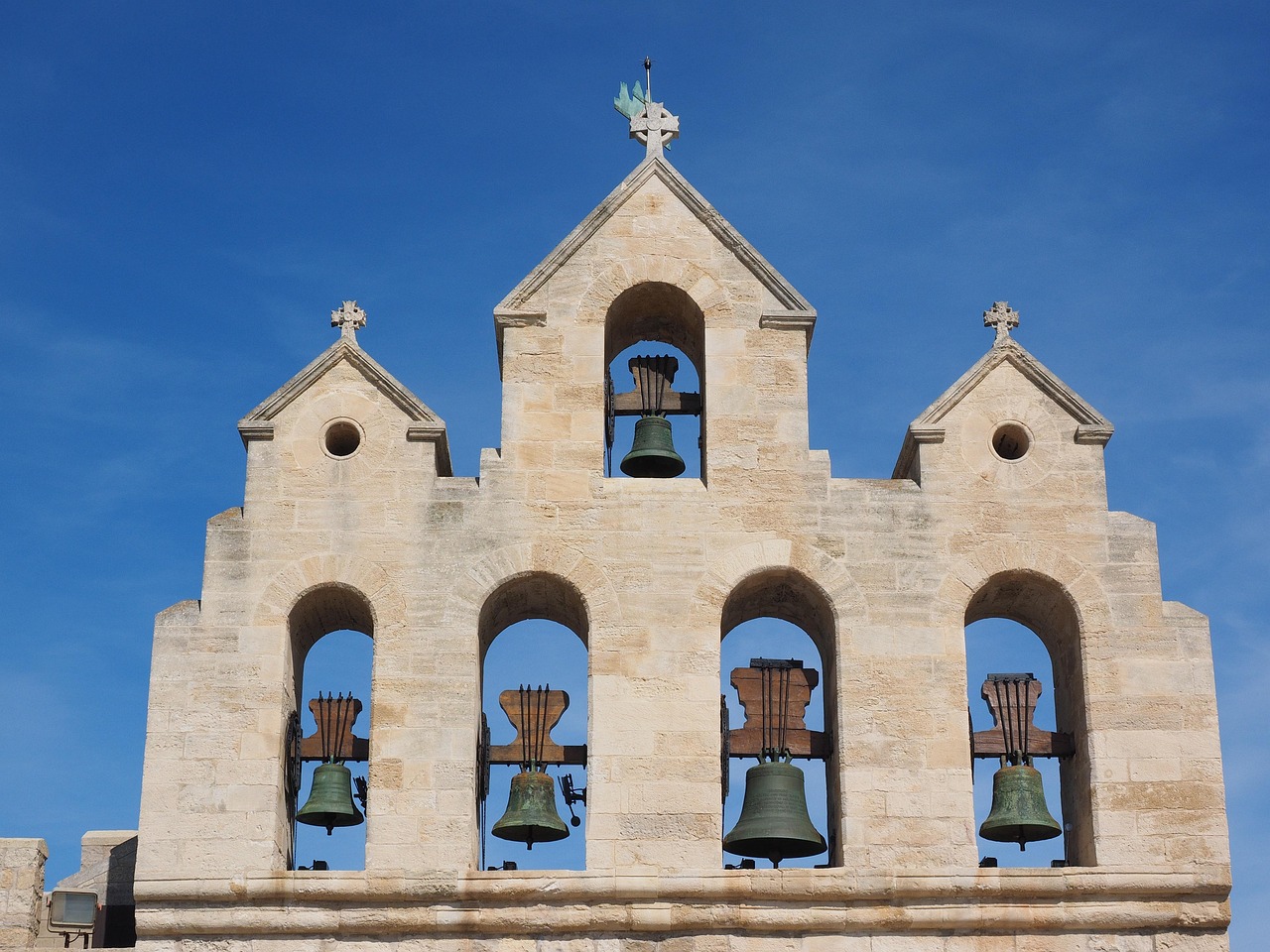
Saintes-Maries-de-la-Mer is the quintessential Camargue seaside village: whitewashed houses, a stocky fortified church, and horses clopping through town, heading out with riders to the marshes. It can be busy in August but feels almost contemplative in May and late September.
I like to stay here on shorter 4 day itinerary for Camargue trips when I want to be close to the sea yet surrounded by marshland. It’s also the main stage for the famous Roma pilgrimages in May and October.
Things to do in Saintes-Maries-de-la-Mer:
- Climb the church roof for a 360° panorama of the village, étangs, and sea. Go at golden hour for spectacular photos.
- Walk the wooden boardwalk east of town along the sea; families love this easy path, and kids can run wild in the sand.
- Book a horseback ride with a reputable manade that treats its horses well; rides at sunrise are the most magical.
Food & drink: Simple seafood grills on the seafront, hearty bull stews in village lanes, and casual ice cream for sunset strolls. Avoid the most obvious tourist traps by walking one or two streets back from the beach.
3. Aigues-Mortes – Walled Medieval Salt Town
A perfectly preserved stone rectangle rising from the flats, Aigues-Mortes looks like it wandered in from a fairy tale and got stuck in the salt marsh. The town was once a crusade port for Louis IX; today it’s a lively mix of cafés, art galleries, and salt workers in neon vests driving past on little trucks.
I like to approach Aigues-Mortes by the canal road from Le Grau-du-Roi, where pink-tinged salt pans shimmer on both sides.
Highlights:
- Walk the ramparts around the town (family friendly, with great views over the salt pans).
- Visit the Salins d’Aigues-Mortes (salt works) by little tourist train or e-bike; the neon-pink evaporation basins are surreal on sunny days.
- In cooler months, linger in the central square for an apéro under plane trees while kids play around the fountain.
Aigues-Mortes makes a good base if you want a blend of medieval charm, easy access to the beach (Le Grau-du-Roi is 10 minutes away), and relatively flat terrain for cycling.
4. Salin-de-Giraud – Industrial Salt & Wild Beach Gateway
On the eastern side of the Rhône, Salin-de-Giraud is a low-key village built around salt production. It feels more working-class and less touristy than Saintes-Maries, with long, straight streets and modest houses built for workers in the early 20th century.
I often base myself here when I want easy access to wild beaches like Piémanson and Beauduc and quieter evenings.
What to do:
- Drive or bike to Plage de Piémanson for a huge sweep of almost-empty sand (no big developments, plenty of space for kite flying and sandcastles).
- Photograph the salt pans at sunrise or sunset—some basins are almost purple in the right light.
- Walk the village streets at dusk when neighbors sit outside chatting; it’s a gentle, authentic snapshot of daily life.
5. Le Grau-du-Roi & Port Camargue – Seaside & Marina Life
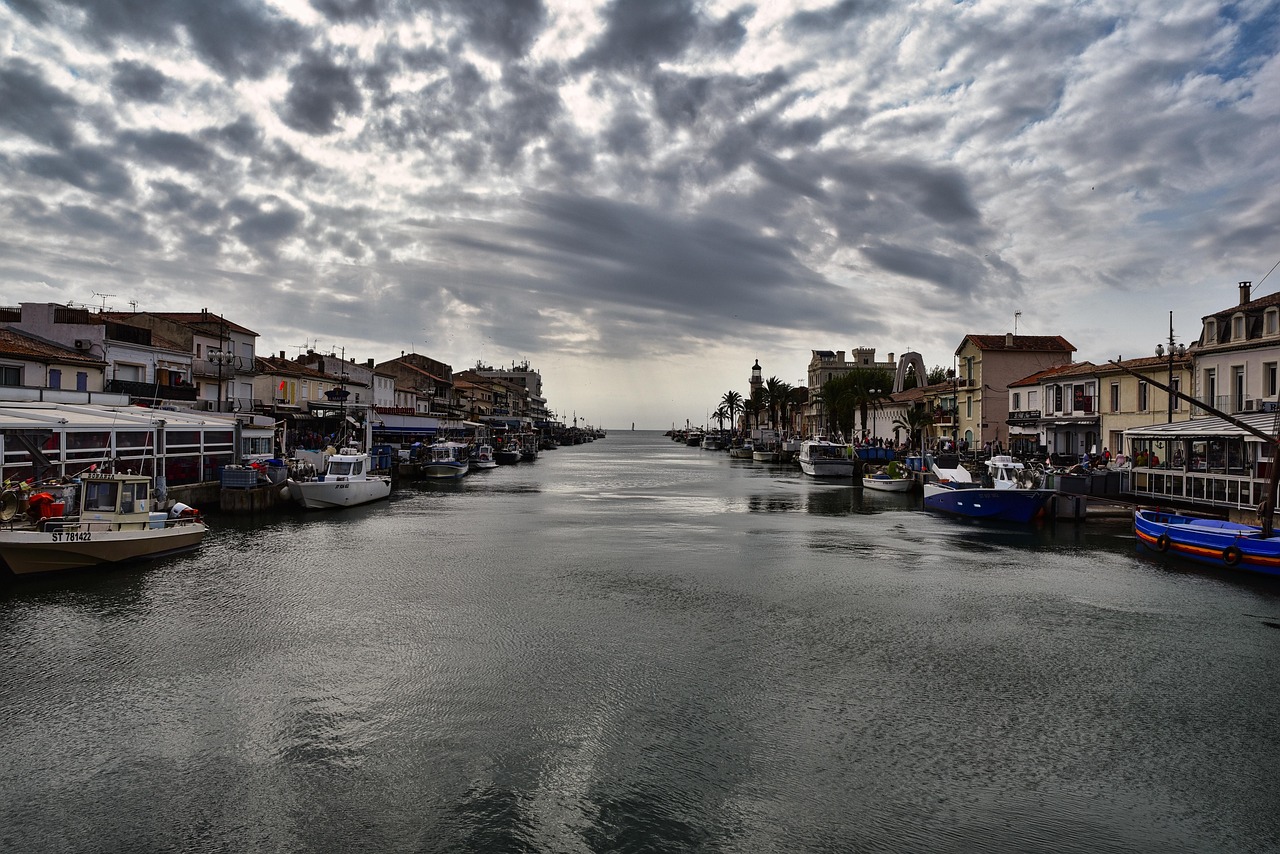
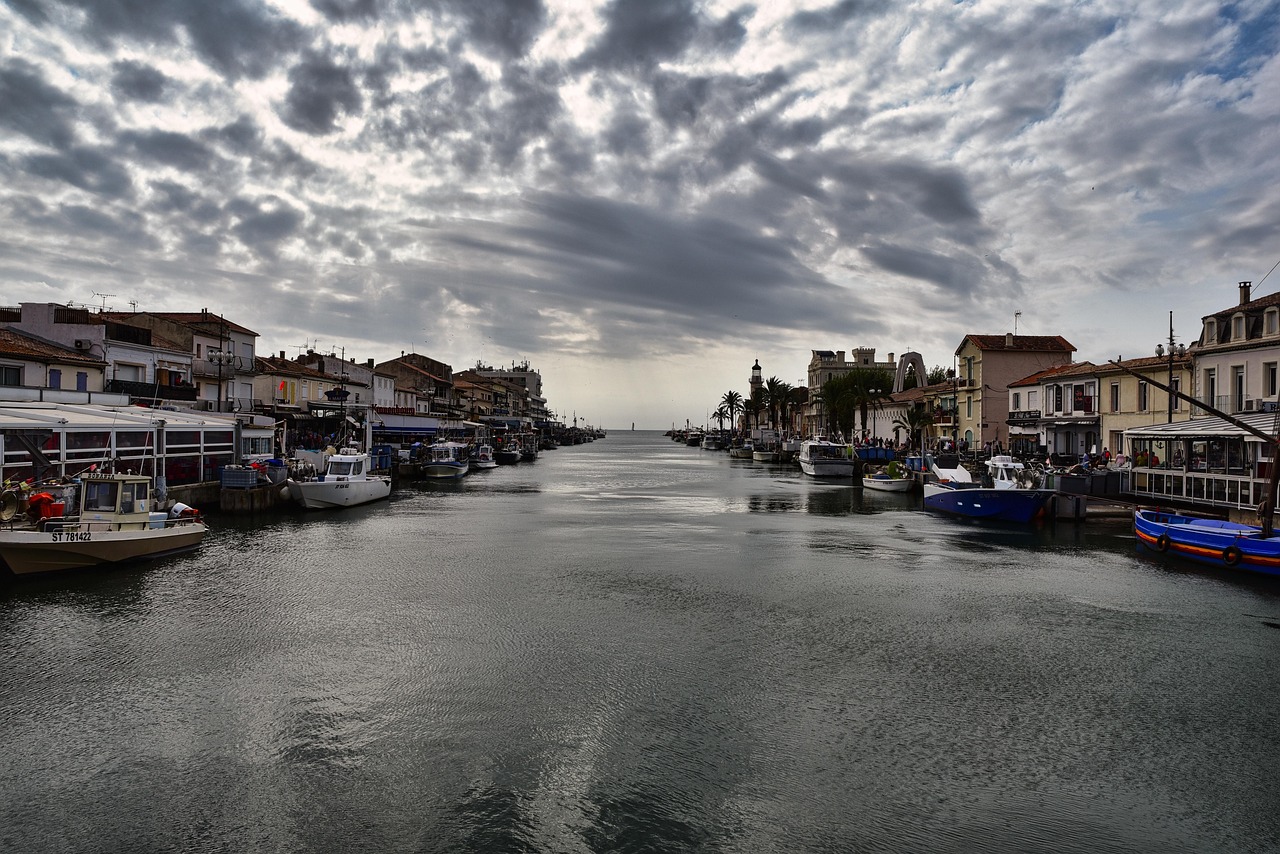
Le Grau-du-Roi is technically in the Gard, just north of the Camargue’s heart, but culturally it shares the same DNA: lagoons, fishing, flamingos, and a laid-back seaside vibe in shoulder seasons. In summer it’s family central, with long sandy beaches and a somewhat kitsch seafront—kids love it, even if purists grumble.
Why visit:
- Easy, shallow beaches for children; lots of ice cream and carousel rides.
- Port Camargue, one of Europe’s largest marinas, is catnip for sailing fans.
- Boat trips into the lagoons to spot birds and learn about local fishing.
I often stop for a late afternoon stroll along the fishing harbor, where boats come in with their catch and cats line up along the quayside like an impatient jury.
6. Étang de Vaccarès – The Vast Heart of the Wetlands
The Étang de Vaccarès is the central lagoon of the Camargue—an enormous, shallow body of water that feels more like an inland sea. You don’t “do” Vaccarès in the way you might do a town; you trace its edges, stop at hides, and let the horizon work on you.
On my last visit (November 2025) I spent a cold, bright day driving the eastern bank, pulling over whenever I saw movement in the reeds. Flamingos fed in loose flocks, and marsh harriers quartered the fields; there was hardly another car in sight.
Best for: Birdwatching, photography, and feeling very small in a big, flat world.
Tips:
- Bring binoculars; many birds are far out. Several official hides and observation points dot the banks—some are well signposted, others require a bit of searching.
- Spring (April–May) and autumn (September–October) are peak migration times and the most rewarding for birders.
7. Parc Ornithologique du Pont de Gau – Flamingos Up Close
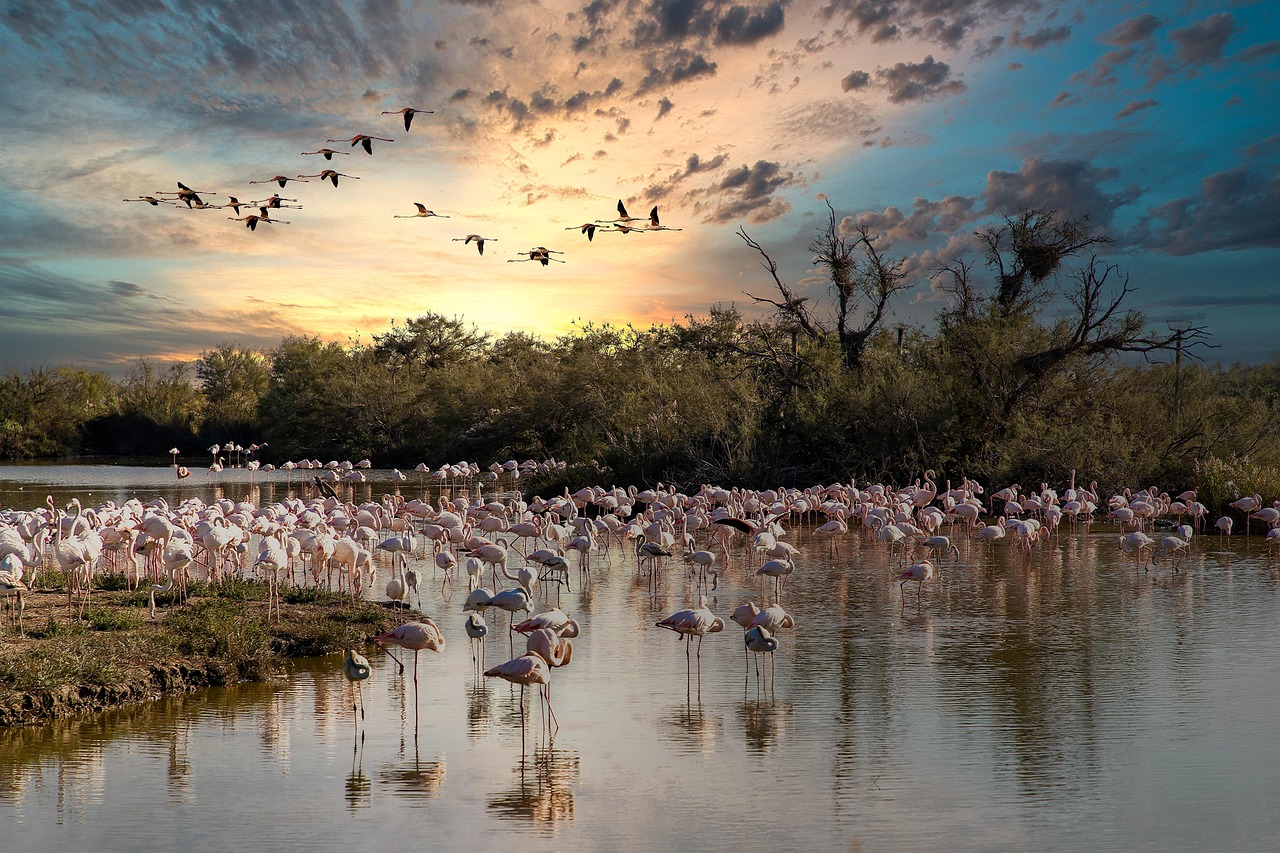
If you have limited time and want guaranteed flamingos and herons within camera range, Pont de Gau is indispensable. It’s a privately run bird park just outside Saintes-Maries, with well-maintained trails and hides.
I’ve visited in every season, often with friends or family seeing the Camargue for the first time. It never fails. In winter you’ll see big congregations of flamingos; in spring, nesting egrets and herons decorate trees like bizarre white flowers.
Family friendly: The loops are easy, there are benches and picnic areas, and kids usually lose count of the bird species long before the birds run out.
Photography tip: Go in the couple of hours before sunset for the best light and more active birds; in 2026 the park continues to offer extended opening hours in high season, which is ideal for this.
8. Plage de Beauduc – Edge-of-the-World Beach
Beauduc is where the Camargue’s wild reputation feels most deserved: a long strip of sand reached by a rough track, with no big infrastructures and often a scattered encampment of vans, kitesurfers, and sun-bleached caravans. Access rules have tightened in recent years to protect the environment, but the sense of remoteness remains.
I remember a late September evening, camp stove hissing behind my car, when the entire western sky went molten orange and the only sound was the shush of waves. It’s that sort of place.
For whom: Adventurous travelers, kite- and windsurfers, photographers, and couples looking for romantic, wild sunsets.
Tips: Check current access rules (they can change year to year), bring all food and water, and be respectful—this is a fragile environment.
9. Plage de Piémanson – Huge, Family-Friendly Wild Beach
Accessible from Salin-de-Giraud, Piémanson is a broad, flat expanse of sand that feels endless. It’s less remote than Beauduc and more practical for families: plenty of space to park, easy access to the sea, and shallow water in summer.
I like to arrive in late afternoon, when most day-trippers are packing up, and walk for half an hour along the shoreline until the parked cars look like toy models behind me.
10. Domaine de Méjanes – Ranch, Train & Lagoon Views
On the western shore of Étang de Vaccarès, the Domaine de Méjanes is a historic estate that once belonged to the film tycoon Paul Ricard. Today it’s a mix of ranch, small-gauge tourist train, equestrian activities, and walking trails.
Good for families: The little train that loops around the wetlands is charming and easy with kids, offering good wildlife viewing without long walks.
My tip: Skip the most crowded midday slots and come early or late; you’ll see more birds and fewer people.
11. La Capelière & La Palissade – Nature Reserves & Hides
The Camargue’s nature reserves, such as La Capelière on the western shore of Vaccarès and La Palissade further south along the Rhône, offer boardwalks, hides, and interpretive centers that make the marshes accessible without disturbing wildlife.
I tend to stop at La Capelière each trip to get a sense of current bird activity—staff and volunteers are usually happy to point out what’s around that week, from rarer raptors to the exact spot where a flock of cranes was seen at dawn.
12. Le Sambuc – Rice Country Village
Le Sambuc is a small, quiet village in the northern Camargue, surrounded by rice paddies and farms. It’s not pretty in a postcard sense, but that’s precisely its charm: this is working Camargue.
I’ve stayed in a converted farmhouse nearby and woken to the sound of tractors and nightingales in equal measure. A couple of local restaurants and farm shops make it a practical stop on a slow driving loop.
13. Albaron & Gimeaux – Crossroads of the Delta
These small settlements south of Arles don’t look like much at first glance—a few houses, a café, a crossroads—but they sit at important junctions in the delta and are surrounded by typical Camargue scenery: canals, rice fields, and ranches.
I often stop here for a coffee mid-morning when driving from Arles to Saintes-Maries, watching locals come and go in mud-splattered trucks, chatting about bulls and weather.
14. Saint-Gilles – Pilgrim Town on the Edge
North of Aigues-Mortes, Saint-Gilles is technically just outside the core Camargue but feels deeply connected through its canal, wetlands, and bull culture. It has a remarkable Romanesque abbey church that was once a major pilgrimage stop.
If you’re road-tripping between Nîmes and the Camargue, Saint-Gilles makes for a worthwhile lunch and stroll stop, especially in spring when the canal is busy with boats.
15. Palavas-les-Flots & Villeneuve-lès-Maguelone – Northern Lagoons
Further along the coast towards Montpellier, the chain of lagoons continues, dotted with flamingos and oyster beds. While more developed, these areas share the same ecological tapestry as the central Camargue.
I sometimes tack a night here at the start or end of a longer Camargue trip, especially if I’m flying in or out of Montpellier. It’s a softer landing into the wetland world.
16. Le Petit Rhône & River Landscapes
The Petit Rhône, the western branch of the river, forms the border between the Bouches-du-Rhône and the Gard. Along its banks you’ll find ferries, ranches, and patches of riparian forest that feel different from the open marsh.
Crossing the river on one of the small car ferries (like the Bac du Sauvage) is always a quiet thrill—a short passage but a palpable sense of entering a different side of the delta.
17. Le Grand Rhône & Industrial Edges
The Grand Rhône, eastern branch, is broader and more industrial near its mouth, with ports, factories, and big ships sliding silently past. It’s a reminder that the Camargue is not an isolated wilderness but a living, working landscape.
I sometimes detour along its banks on the way to Salin-de-Giraud, to watch the juxtaposition of cranes, ships, and flying flamingos all within the same frame.
18. The Rice Fields – Changing with the Seasons
Finally, the rice fields themselves, which occupy a huge portion of the Camargue, are a landscape in constant flux. In early spring they’re dry or just being flooded; by late spring they’re bright mirrors of sky; in summer they’re lush green; in autumn they turn golden before harvest.
If you’re planning 4 days in Camargue or longer, try to include at least one slow drive or bike ride along rice field backroads. The shifting light and birdlife are a big part of the region’s magic.
4–7 Day Itineraries in the Camargue (2026)
Here are suggested ways to structure 4, 5, 6, or 7 days in the Camargue. Rather than give you rigid schedules, I’ll walk you through how I actually spend each day, with options depending on your interests. These are designed so days can be mixed and matched.
4 Day Itinerary for Camargue – Marshes, Flamingos & Sea
When I only have 4 days in Camargue, I focus on the essentials: Arles, Saintes-Maries, Pont de Gau, Vaccarès, and a wild beach. Here’s how I typically do it.
Day 1 – Arrival in Arles & First Taste of the Delta
I arrive in Arles by mid-morning. After dropping my bag at a small hotel or guesthouse, I head straight to Place du Forum for a coffee. The square is alive but not frantic; you’re still in a city, but the delta is already in the air. If it’s Saturday, I weave through the market stands on Boulevard des Lices, picking up Camargue rice (look for the IGP label), fleur de sel from Aigues-Mortes, and maybe some saucisson de taureau to snack on later.
Late morning is for the Roman amphitheater and antique theater—worth it even if you’re allergic to “sights.” Standing at the top of the arena, you can see the Rhône and, beyond it, the flat world you’ll soon be driving into.
Afternoon: I like to walk the narrow lanes behind the amphitheater, then visit one small museum (space and energy permitting) such as the Fondation Van Gogh or the Musée de l’Arles Antique. By 17:00, I’m sitting by the river with a drink, watching barges and planning the next day’s route.
Evening: Dinner in a bistro that serves gardianne de taureau with red rice. For families, I recommend early dinners and a stroll along the Rhône before bed; couples might linger at a wine bar near the arena.
Day 2 – Saintes-Maries-de-la-Mer & Pont de Gau
I pick up the rental car after breakfast and drive south along the D570 towards Saintes-Maries-de-la-Mer. The road quickly leaves town behind; reeds and canals take over. Within 30 minutes, the first white horses appear in roadside paddocks, and egrets dot the fields like crumpled paper.
Morning in Saintes-Maries:
- Park just outside the compact center; most lots are well signposted.
- Climb the church roof (small fee) for views over the village and marshes.
- Wander the lanes and maybe book a horseback ride for late afternoon.
I usually have a simple seafood lunch—grilled sardines or cuttlefish with aioli—on a shaded terrace a street or two back from the seafront, where prices are gentler and the cooking more honest.
Afternoon at Pont de Gau:
From Saintes-Maries, it’s a short drive back along the main road to Pont de Gau. I aim to arrive 2–3 hours before sunset, giving time for a slow loop through the park. Children race ahead to the flamingo pools; photographers linger at hides; everyone ends up a bit sun-flushed and wind-tousled.
At dusk, I drive back to Arles (about 45 minutes), often stopping briefly at a roadside pull-out if the light over the étangs is especially beautiful.
Day 3 – Étang de Vaccarès & Rice Country
This day is about the interior of the Camargue rather than the sea. I start early, driving south out of Arles then east or west around Étang de Vaccarès, depending on mood. The western side via La Capelière has more formal reserves and hides; the eastern side feels a bit wilder.
Suggested loop:
- Arles → Gimeaux → La Capelière (walk the boardwalk, visit the small visitor center).
- Continue along the lagoon, stopping at viewpoints; picnic lunch by the water.
- Cut back north through rice fields towards Le Sambuc, then return to Arles.
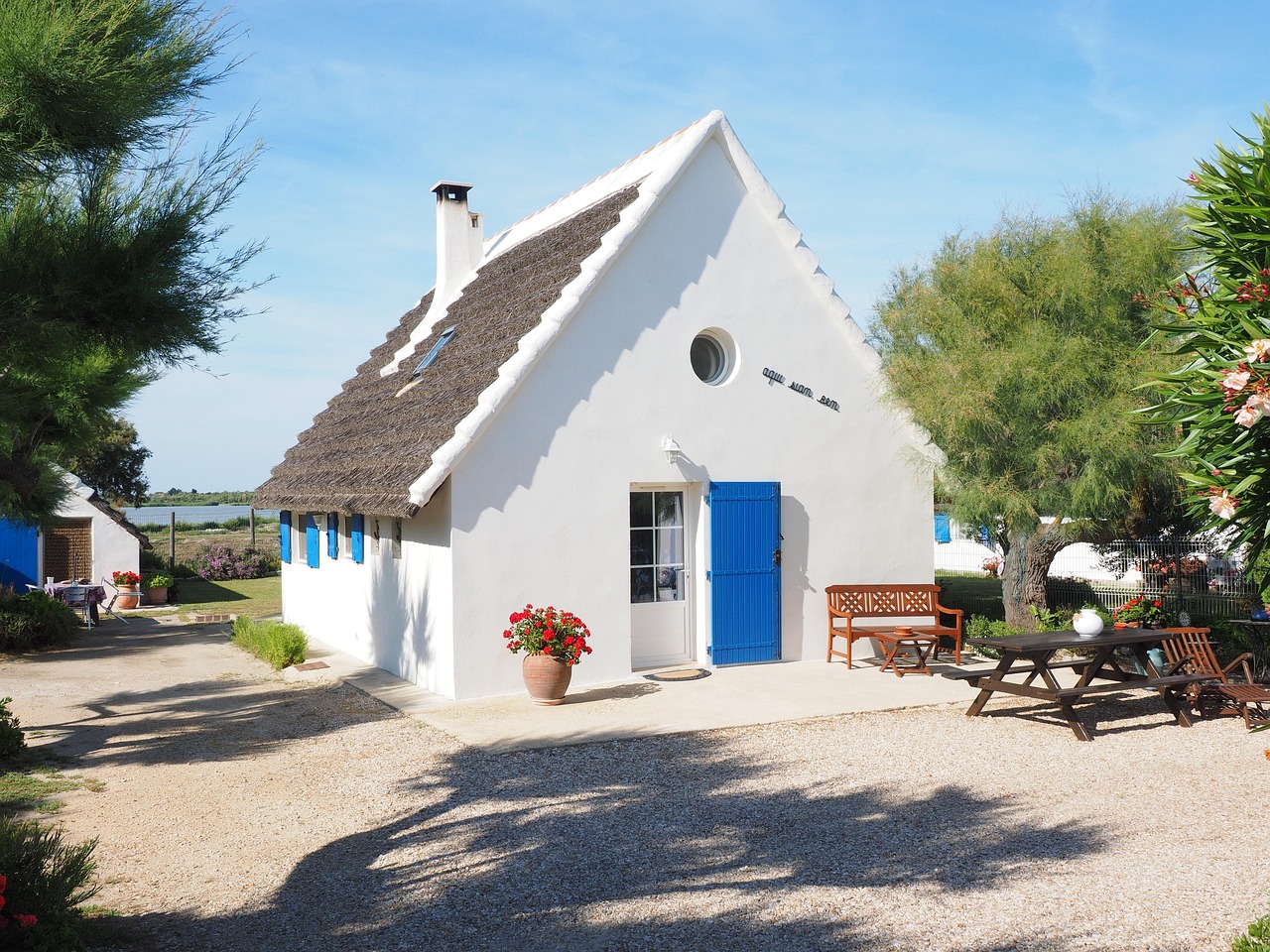
Along the way, I pull over whenever I spot something interesting: a line of herons, a particularly photogenic rice paddy, or an old mas with an elegant curved roof.
Families can shorten the drive and focus on one or two reserves with short walks; birders will happily spend the entire day with binoculars glued to their faces.
Day 4 – Aigues-Mortes & Salt Pans (Departure)
On my final day, I usually head east to Aigues-Mortes before looping north to my next destination (Nîmes, Montpellier, or back to Avignon).
Morning: Arrive in Aigues-Mortes by 9:30–10:00. Stroll the ramparts first, before they get hot, then wander the interior lanes. Kids love counting towers and peeking through arrow slits.
Afternoon: Visit the Salins d’Aigues-Mortes on the small tourist train (book ahead in high season). The pink basins and salt mountains are otherworldly and very photogenic.
From here, you can continue to Le Grau-du-Roi for a last paddle in the sea or head directly towards your onward city. If you’ve got a late train from Arles, you can loop back there in under an hour.
5 Day Itinerary for Camargue – Adding Wild Beaches
With 5 days in Camargue, I keep the 4-day backbone but add a night on the eastern side near Salin-de-Giraud and the wild beaches.
Day 1: Arles (as above)
Day 2: Saintes-Maries & Pont de Gau (as above)
Day 3: Vaccarès & rice fields (slightly shorter loop)
Day 4 – Salin-de-Giraud & Piémanson Beach
I drive from Arles to Salin-de-Giraud via the D35 and D36—just over an hour, more if I stop to photograph horses or birds, which I inevitably do. In Salin-de-Giraud, I check into a simple guesthouse or small hotel, then wander the grid of streets, picking up picnic supplies at the bakery and grocery.
In the afternoon, I continue to Piémanson beach. The last stretch is a straight road across the flats, with dunes ahead and nothing much else. Kids tumble out of the car and run straight for the water; couples walk hand in hand down the shoreline; kite buggies sometimes zip past like low, quiet airplanes.
I stay until the sun drops, then drive back to Salin-de-Giraud for dinner—usually something simple but hearty, with plenty of local wine. Nights are quiet here; stars are bright.
Day 5 – Salt Pans & Eastern Marshes (Departure)
Depending on your onward direction, spend a leisurely morning exploring the salt pans near Salin-de-Giraud (various viewpoints along the road) before looping back towards Arles or onwards to Marseille or Aix-en-Provence. If you’re heading towards the Côte Bleue or the Étang de Berre, this is a natural jumping-off point.
6 Day Itinerary for Camargue – Slower Pace & Village Life
A 6 day itinerary for Camargue is close to my ideal: enough time to balance must-see attractions with quieter village days and evenings in small-town squares.
Days 1–4: Follow the 4-day itinerary above, but slow the Vaccarès day and add more walking at reserves like La Capelière.
Day 5 – Le Sambuc & Manade Experience
I dedicate this day to the cultural backbone of the Camargue: the manades, or ranches, where black bulls and white horses are raised. Many now offer visitor experiences, so you can watch gardians work, learn about bull traditions, and share a rustic meal.
I often book a half-day visit near Le Sambuc or Gimeaux. Mornings might include a demonstration of bull herding, followed by an aperitif under the trees and a lunch of grilled bull meat, rice, and local wine. Kids are usually enthralled by the horses; adults appreciate the depth of knowledge and pride in this way of life.
The afternoon can be a lazy one: a short walk along nearby canals, a nap back at your accommodation, and then a simple dinner in a village like Le Sambuc or Arles.
Day 6 – Aigues-Mortes & Le Grau-du-Roi
On the final day, I head to Aigues-Mortes and then give myself a couple of hours in Le Grau-du-Roi, especially if I’m traveling with kids or simply craving a more classic seaside promenade.
After walking the ramparts and visiting the salt pans (if you didn’t already), I drive the short distance to Le Grau-du-Roi. Here, the afternoon might be spent paddling, eating ice cream, or taking a short boat trip. The harbor at sunset is particularly photogenic; fishermen mend nets, and the smell of grilled fish hangs in the air.
7 Day Itinerary for Camargue – Deep Dive into Marshes & Lagoons
With 7 days in Camargue, you can do what I most love: slow down, repeat your favorite spots under different lights, and spend evenings in small piazzas instead of rushing back to a single base every night.
Combine all the above, then add:
Day 5 – Extra Nature Day & Cycling
Rent bikes in Saintes-Maries-de-la-Mer or Aigues-Mortes and spend a full day cycling along canals and dikes. Many routes are flat and suitable for families with older children, though wind can be a factor.
I like to ride early and late, with a long lunch break in the hottest part of the day. Bring water, sun protection, and a light jacket—wind off the water can be surprisingly cool, even in May.
Day 6 – Northern Lagoons & Villeneuve-lès-Maguelone
For a different perspective, I sometimes drive up towards Villeneuve-lès-Maguelone, where a Romanesque church sits on a narrow strip of land between lagoons. Flamingos feed in the shallows, and a long pedestrian bridge connects the mainland.
This makes a gentle, contemplative day: a walk to the church, a simple picnic, and a swim if weather allows. It’s also a nice way to transition if you’re heading on to Montpellier.
Day 7 – Free Day: Repeat a Favorite or Discover a Hidden Gem
I always leave one day unplanned. Maybe I return to Pont de Gau because the light was incredible; maybe I book a second horse ride because the first one felt too short; maybe I do nothing but wander Arles’ lanes and sit by the river.
That, for me, is the essence of a 7 day itinerary for Camargue: enough structure to see the must-see attractions, and enough slack to fall into your own rhythm.
Regional Cuisine & Where to Taste It
Camargue cuisine is rustic, generous, and deeply tied to land and water. It’s not a place of delicate foams and intricate plating; it’s a place of stews, grills, and big bowls of mussels.
Signature Dishes
- Camargue rice: Red, black, and white varieties, often served as a side or in salads.
- Gardianne de taureau: Slow-cooked bull meat in red wine, with olives and herbs.
- Moules et tellines: Mussels and tiny wedge clams from local lagoons.
- Brandade de morue: Salt cod purée, often from nearby Nîmes traditions.
- Aïoli: Garlicky emulsion served with fish and vegetables.
Where to Eat by Sub-Area
Arles: Best for a range of budgets and styles, from modern bistros to traditional inns. Look for places sourcing bull meat and rice from nearby farms.
Saintes-Maries-de-la-Mer: Ideal for seafood and informal meals; pick restaurants where locals eat outside of August.
Aigues-Mortes: Central square cafés for people-watching and salt-flecked dishes; try local fougasse (sweet orange blossom bread) for dessert.
Le Sambuc & rural Camargue: Farm-stays and tables d’hôtes where you eat whatever the family is cooking that night—my favorite way to taste local food in Camargue.
Agriturismi & Farm-Stays
The Camargue equivalent of Italian agriturismi are guest rooms and small inns on working farms (mas). I’ve stayed at several around Le Sambuc and Gimeaux; mornings often begin with homemade jam, fresh bread, and sometimes rice pudding made from their own harvest.
Ask hosts about visiting the fields, watching rice harvest in autumn, or seeing how bulls are cared for. These conversations have taught me more about the region than any museum panel.
Local Markets
Markets are the best way to assemble picnics and taste a broad spectrum of regional products:
- Arles: Saturday and Wednesday mornings, huge and atmospheric.
- Saintes-Maries: Smaller markets, especially pleasant outside peak season.
- Aigues-Mortes: Seasonal markets in and around the walled town.
Look for rice in cloth bags, jars of tapenade, goat cheeses, seasonal fruit, and local wine.
Evenings in the Camargue
After dark, the Camargue shifts gear. Day-trippers leave the beaches, flamingos settle into their roosts, and village squares become the center of gravity.
Small-Town Squares
In Arles, Place du Forum and Place Voltaire buzz with conversation; in Saintes-Maries, kids chase each other around the church while parents chat on benches; in Aigues-Mortes, the central square glows under strings of lights.
Sunset Viewpoints
- Church roof in Saintes-Maries-de-la-Mer.
- Dunes at Piémanson or Beauduc (check tides and access).
- Any roadside pull-out along Étang de Vaccarès, facing west.
Seasonal Celebrations
Summer evenings bring open-air concerts, bull games in village arenas, and night markets. Ask at tourist offices in 2026; programs change but the spirit is the same: locals and visitors shoulder to shoulder under the stars.
Events & Festivals in 2026–2027
Dates can shift slightly each year; always confirm closer to your trip. For 2026–2027, key events include:
- Roma Pilgrimages in Saintes-Maries-de-la-Mer: Around 24–26 May (Sainte Sara) and mid-October, with processions, music, and packed streets.
- Feria d’Arles: Easter and September ferias with bull events, music, and street life; Arles is alive late into the night.
- Local bull games («courses camarguaises»): Non-lethal bull events held throughout the warm months in village arenas around the Camargue.
- Harvest & rice festivals: Various events in September–October celebrating rice harvest, often with tastings and farm visits.
Day Trips & Nearby Attractions from the Camargue
If you’re based in Arles or Aigues-Mortes, several classic southern France attractions are within easy reach for day trips:
- Nîmes: About 45–60 minutes from Arles; Roman amphitheater, Maison Carrée, and excellent food scene.
- Avignon: About 1 hour by car or train from Arles; Papal Palace, bridge, and lively old town.
- Pont du Gard: Roman aqueduct, roughly 1–1.5 hours from Arles; combine with Uzès for a full day.
- Montpellier: 1–1.5 hours from Aigues-Mortes/Le Grau-du-Roi; dynamic university city with strong food and arts scenes.
I like to sandwich a Camargue stay between two more urban bases—say, Avignon and Montpellier— to get a balanced sense of southern France.
Cultural Etiquette & Local Customs
The Camargue has its own codes, shaped by ranch life, fishing, and a strong sense of local pride. A few guidelines help you fit in respectfully.
General French Etiquette (Still True in 2026)
- Always say Bonjour (day) or Bonsoir (evening) when entering shops and restaurants.
- Use polite forms (s’il vous plaît, merci) and address people as Madame or Monsieur unless invited otherwise.
In Villages & Ranches
- Ask before photographing people, especially gardians at work and Roma families during pilgrimages.
- Respect private property: many beautiful mas are working farms, not open attractions.
- If you attend a bull game or ranch event, follow local instructions and don’t enter arenas or paddocks.
Environmental Respect
- Stick to marked paths in reserves; nesting birds are easily disturbed.
- Take all rubbish with you from beaches; bins can be scarce at wild spots.
- Don’t feed wildlife, including horses along the road.
Practical Travel Advice & Money-Saving Tips
How to Get Around the Camargue
The Camargue is spread out and sparsely served by public transport. A car is not absolutely essential but makes life far easier, especially for families.
- Car rental: Best picked up in Arles, Nîmes, Avignon, or Marseille. Book ahead for summer 2026.
- Driving distances: Arles → Saintes-Maries (~45 min); Arles → Aigues-Mortes (~1 hr); Arles → Salin-de-Giraud (~1–1.25 hr); Aigues-Mortes → Le Grau-du-Roi (~10–15 min).
- Parking: Historic centers like Arles and Aigues-Mortes have dedicated car parks just outside the core; in Saintes-Maries, several large lots near the beach.
- Public transport: Limited bus services link Arles with Saintes-Maries and some villages, but timetables are thin and not ideal for flexible sightseeing.
- Cycling: Excellent for local exploration from bases like Saintes-Maries or Aigues-Mortes, but distances between main centers can be long and windy.
SIM Cards & Connectivity (2026)
France has good mobile coverage, though some marsh areas have weaker signal. For visitors:
- EU visitors: Roaming rules still generally allow use of home plans with no or limited surcharges (check your provider).
- Non-EU visitors: Buy a prepaid SIM from Orange, SFR, or Bouygues at airports, big stations, or supermarkets. eSIM options are now common in 2026; you can set one up before arrival.
Visa & Driving Requirements
- Visas: France is in the Schengen Area. Many nationalities get 90 days in a 180-day period visa-free; others require visas. Check official French consular sources for 2026 rules.
- Driving licenses: EU/EEA licenses are valid. Many other licenses (e.g., from the UK, US, Canada, Australia) are accepted with or without an International Driving Permit (IDP); it’s wise to carry an IDP in addition to your home license.
- Road rules: Drive on the right; seatbelts mandatory; speed limits often 80–90 km/h on rural roads, lower in villages.
Money-Saving Tips
- Travel in shoulder seasons (April–early June, September–October) when accommodations are cheaper and crowds thinner.
- Make lunch your main meal at restaurants; menu du jour offers the best value.
- Stay in farm-stays or simple guesthouses a bit outside main towns; you’ll pay less than in center locations.
- Self-cater breakfasts and some dinners using market produce; picnic by canals or lagoons.
- Many of the best things to do in Camargue—beaches, cycling along canals, sunset watching—are free or low-cost.
Best Seasons & What They’re Good For
- Spring (April–May): Wildflowers, bird migration, comfortable temperatures, fewer mosquitos than midsummer. Great for 4–7 day itinerary for Camargue plans focused on nature.
- Summer (June–August): Beach weather, warm sea, long evenings, but also more crowds, higher prices, and more mosquitos—especially in still, humid periods.
- Autumn (September–October): Rice harvest, softer light, migrating birds, warm sea in early autumn. My personal favorite.
- Winter (November–March): Quiet, often windy, but atmospheric. Fewer services; great for birders and those who like solitude.
Summary & Final Recommendations
The Camargue is not a region of obvious “sights” neatly lined up in a row; it’s a mood, a horizon, a sequence of quiet moments: flamingos lifting off at dawn, horses cantering through shallow water, a family picnic behind a dune, a glass of rosé on a stone square while the wind tinkers with café awnings.
For a 4 day itinerary for Camargue, focus on Arles, Saintes-Maries, Pont de Gau, Étang de Vaccarès, and Aigues-Mortes. With 5 days in Camargue, add Salin-de-Giraud and a wild beach. In 6 days in Camargue, you can weave in manade visits and extra cycling. A 7 day itinerary for Camargue lets you really slow down, repeat favorite places in different lights, and venture to the northern lagoons.
In 2026, the region balances growing visitor infrastructure with a still palpable wildness. Treat it gently, give it time, and you’ll leave with salt in your hair, mud on your shoes, and a lingering sense of having visited a France that remains gloriously itself.
If you can choose, aim for late April–early June or September–October for the best mix of weather, birdlife, and manageable crowds. Whichever season you pick, come with curiosity, patience, and a willingness to get a little windblown—you’ll be in the spirit of the Camargue already.