Why Visit the Carnac Stones?
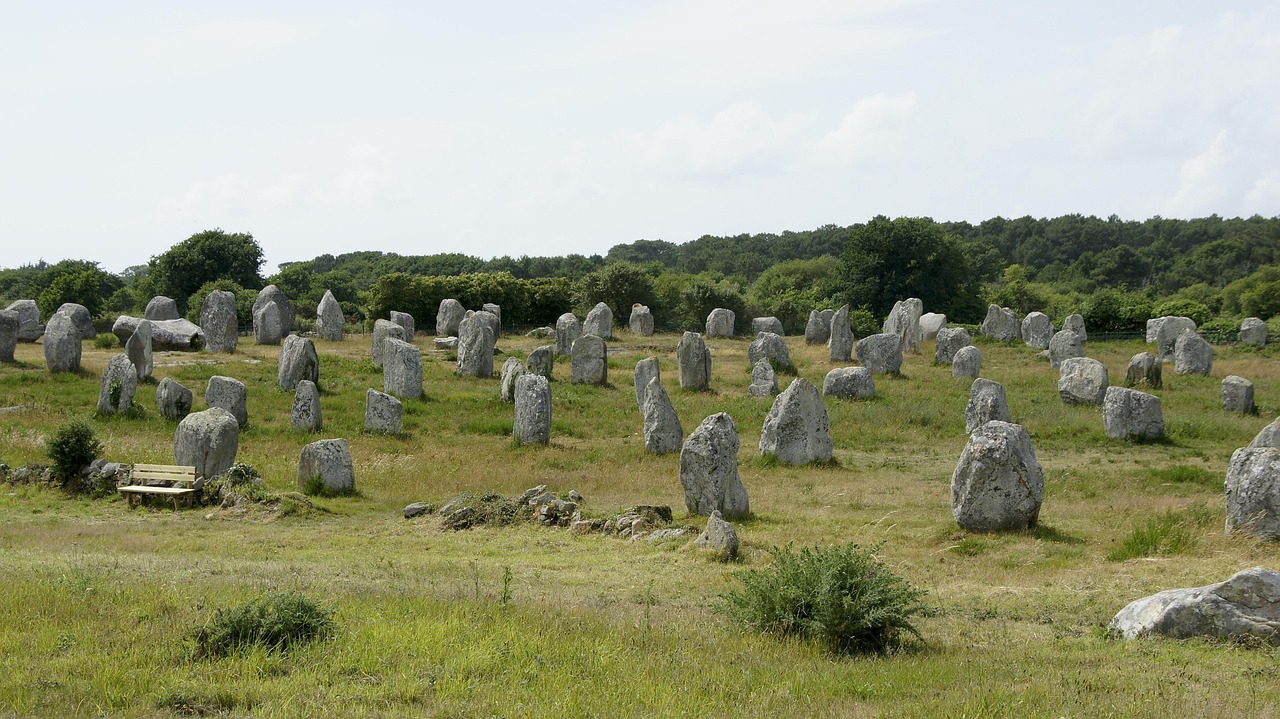
The Carnac Stones in southern Brittany are one of Europe’s great prehistoric landscapes: more than 3,000 standing stones (menhirs), dolmens, and tumuli scattered across wind-brushed fields near the Atlantic coast. If you’ve seen photos of endless stone rows stretching to the horizon, that’s Carnac. But pictures barely convey the scale or the subtlety of the place.
What makes Carnac special is the combination of deep time and everyday life. You’re never far from a bakery, a farmhouse, or a child cycling past on the way to school. The stones aren’t sealed off in some remote desert; they are woven into the rhythms of a living Breton town. And unlike at more famous single monuments, here you move through an entire landscape of prehistory.
In 2026, Carnac is particularly rewarding: improved signage and guided tours, expanded walking paths and bike routes, and a growing food scene that’s finally catching up with the region’s reputation for seafood, crêpes, and cider. Whether you have just one day in Carnac Stones or you’re planning a 2–3 day itinerary, this travel guide for Carnac Stones will help you find the best places to visit, must-see attractions, and cultural experiences far beyond the postcard shots.
Families will find gentle walks, sandy beaches, and plenty of room for kids to roam between visits to the alignments. Couples can lean into the romance of sunset over the megaliths and long dinners in stone farmhouses. Adventurous travelers can explore lesser-known sites by bike, kayak the nearby coast, or hike across the heathered interior where visitors rarely go.
Table of Contents
- Why Visit Carnac Stones?
- Understanding the Carnac Stones: An Overview
- Main Sites & Viewpoints (8+ Detailed Areas)
- 1, 2 & 3 Day Itineraries for Carnac Stones
- Eating & Drinking Around Carnac
- Where to Stay Near the Carnac Stones
- How to Get to Carnac & Get Around
- Carnac Stones After Dark & Off-Hours Magic
- Day Trips & Nearby Attractions
- Cultural Etiquette & Local Customs
- Practical Tips, Tickets, Seasons & Money-Saving Advice
- Events & What’s New in 2026–2027
- Summary & Final Recommendations
Understanding the Carnac Stones: An Overview
The Carnac Stones are not one single monument but a constellation of megalithic sites – alignments of standing stones, burial mounds, and solitary menhirs – spread across several kilometers between the town of Carnac and the neighboring village of La Trinité-sur-Mer.
Archaeologists date most of the stones to the Neolithic period, roughly 4,500–3,300 BCE, making them older than Stonehenge and the pyramids of Giza. Their purpose remains debated: astronomical observatory, ritual landscape, territorial markers, or some blend of all three. What you’ll feel on the ground, however, is less mystery-theater and more a quiet, expansive sense of time.
The three main alignments – Ménec, Kermario, and Kerlescan – form the core of most visits. Around them, smaller yet deeply atmospheric sites like the Saint-Michel Tumulus, the Géant du Manio, and scattered dolmens add texture to any 1–3 day itinerary for Carnac Stones.
Main Sites & Viewpoints Around the Carnac Stones
Below you’ll find eight of the best places to visit in Carnac Stones and its surroundings, each with detailed notes, personal experiences, and travel tips for Carnac Stones in 2026. I’ve ordered them from the most iconic to the more hidden corners, mirroring how I usually introduce friends to the area.
1. Ménec Alignments – The Classic First Encounter
If you’ve seen that archetypal photo of the Carnac Stones – tight rows of granite menhirs marching across a heathery field – you’re probably looking at the Ménec Alignments. This is where I always start, and where I returned again in April 2026, walking up just as the early-morning mist burned off.
The Ménec site contains around 1,100 stones arranged in eleven rows, gradually shrinking in height as you move eastward. The western end swells into a cromlech – a horseshoe of stones – that once encircled what is now the village of Ménec. Houses, hedges, and gardens now nudge the ancient lines, and that juxtaposition is part of its charm.
Walking the Site & What to Look For
The main approach to Ménec begins near the Maison des Mégalithes, the modern visitor center and ticket office. From here, a path leads to fenced viewpoints along the northern side. Inside the enclosure, guided tours (mandatory in high season) snake through the rows, but even from the outer path you appreciate the rhythm of the stones.
On my 2026 visit, I joined the first French-language tour of the day. Our guide pointed out subtle details I’d missed on previous trips: tool marks on the stone faces, a faint alignment with distant hills, and small quartz veins that catch the light at certain angles. When the sun broke through, the tops of the largest stones glowed as if lit from within.
Plan at least 60–90 minutes here if you’re doing a guided tour and a slow circuit of the perimeter paths; more if you like to linger with a camera or sketchbook.
Family-Friendly & Accessibility Notes
The exterior paths at Ménec are relatively flat and stroller-friendly, with benches at intervals. Kids usually enjoy spotting the “biggest stone in each row” or counting how many they can see from each vantage. Inside the alignments, the ground is more uneven, and you’ll want decent shoes.
Eating Nearby: Avoiding the Immediate Tourist Trap
Right at the Ménec entrance you’ll find a couple of cafés that are fine for a quick coffee, but for a more local feel walk 10–15 minutes down to the older part of Carnac-Ville. I often head to a small crêperie tucked on a side street (ask locals; places change hands often) where you can order a galette complète (ham, cheese, egg) and a bowl of brut cider. In 2026, my mid-morning ritual was a buckwheat crêpe with caramelized apples, eaten outside while flipping through the site leaflet.
When to Go
For the best light and thinner crowds, aim for early morning or the golden hour before sunset. In July–August, late afternoon coach tours can swell the paths; shoulder seasons (April–June and September–October) are ideal for photographers and those seeking quieter moments.
2. Kermario Alignments – The Most Dramatic Perspective
A short drive or bike ride east of Ménec brings you to the Kermario Alignments, my personal favorite stretch of stones. If Ménec is about rhythm, Kermario is about drama: taller stones, slightly more irregular spacing, and a sense of the landscape rolling gently away beneath a huge sky.
On my latest visit, I arrived just after lunch on a breezy April day. Skylarks spiraled above the fields, and the air carried that specific Atlantic mix of salt and damp earth. The stones here feel less contained, more open to the surrounding countryside.
Climbing the Kermario Viewing Tower
Don’t miss the wooden viewing tower at the edge of the Kermario car park. It’s just a short climb – a few flights of stairs – but from the top you see the alignments receding into the distance, the classic “river of stone” view. In 2026, the tower had been recently refurbished and felt sturdy underfoot, though I still gripped the rail on windy days.
From above, look for the subtle shift in stone height and spacing as the rows progress. The guide who first took me up there years ago suggested imagining them as a fossilized procession, frozen mid-ceremony. Whether or not you buy the metaphor, the view is unforgettable.
Walking Routes & Time Needed
Around Kermario there are several paths that thread between the main enclosure and scattered dolmens in the nearby woods. I like to follow a loop that begins at the tower, skirts the northern fence, then dives into the trees toward the Manio area (see section on the Géant du Manio). Allow 90–120 minutes if you’re combining Kermario with the nearby sites on foot.
Romantic & Photographic Appeal
Kermario shines at sunset. Last September, I watched clouds stack up in bands of violet and gold as the stones cast long shadows across the grass. Couples often gather by the fence line, sharing a quiet drink from a thermos or simply holding hands in the wind. For photographers, this is where you get that “iconic angle” with strong leading lines and a sense of endless depth.
3. Kerlescan Alignments – The Quiet Cousin
Continue east and you reach the Kerlescan Alignments, smaller and more compact than Ménec and Kermario, but in many ways the most peaceful. On overcast days, the stones appear almost to absorb the light, and you might share the site with only a handful of other visitors.
I usually come to Kerlescan on my second or third day in Carnac, when the initial awe has softened into a quieter, more reflective mood. In 2026, I sat on a low stone wall nearby, notebook in hand, listening to the distant rush of traffic and the closer rustle of grasshoppers. A local woman walked her dog along the outer path, nodding hello as if we were neighbors.
Layout & Features
Kerlescan’s rows are shorter, but the stones feel more “finished,” as if carefully selected and placed. There’s also a smaller cromlech at one end and a sense of the site blending into the hedgerows and fields. Interpretive panels here are particularly clear, explaining the broader Neolithic context and the ongoing research.
This is a good place to let kids roam a bit (within rules) and to simply sit and absorb. Plan for 45–60 minutes, longer if you have a book or sketchpad.
4. Saint-Michel Tumulus – Climbing the Ancient Hill
Just outside Carnac-Ville rises the Saint-Michel Tumulus, a vast Neolithic burial mound later crowned by a small Christian chapel and, more recently, a radio antenna. It’s not as visually dramatic as the alignments, but it adds essential context to any travel guide for Carnac Stones.
The first time I climbed Saint-Michel, years ago, I was surprised by how modest it looked from the road. Only when you stand partway up do you realize this grassy hill is largely human-made, a carefully constructed mound dating back six millennia.
The Climb & the View
A short but steady path leads from the roadside parking up to the chapel at the summit. The climb takes about 5–10 minutes, but take it slowly and look for informational signs that explain the tumulus’s structure and excavation history. The chapel is typically closed except on certain feast days, but you can circle around it for panoramic views.
From the top, the 360-degree view stretches across Carnac’s patchwork of fields, forest, and sea. On clear days, you can pick out the alignments in the distance. In 2026, I came up here in the late afternoon with a coffee from town and watched the light slide toward the Atlantic.
Spiritual & Cultural Layering
Saint-Michel is a textbook example of how sacred landscapes are reused over time. A Neolithic tomb transformed into a Christian shrine; offerings of flowers and candles still appear at the chapel door. Locals sometimes bring small bouquets on Saint Michael’s Day, a tradition that feels deeply rooted even if few could recite its full history.
If you’re interested in cultural experiences in Carnac Stones beyond the megaliths themselves, linger here. Bring a light picnic (no litter, please) and listen to the wind. For me, this is where Carnac’s time depth feels most tangible.
5. The Géant du Manio & Manio Quadrilateral – Into the Woods
Tucked into a patch of woodland north of Kermario lies one of my favorite spots in the entire area: the Géant du Manio, a single enormous menhir rising from a leaf-strewn hollow, and the nearby Manio Quadrilateral, a low, rectangular stone enclosure whose purpose still eludes clear explanation.
I first followed the forest path to the Géant du Manio on a misty autumn morning when the stones of the big alignments felt crowded. The shift into the trees was immediate – damp earth, bird calls, sudden quiet. When the giant stone finally emerged from the greenery, I understood why locals speak about it almost affectionately.
Getting There
From the Kermario car park, follow waymarked trails north into the woods. The walk takes about 10–15 minutes, depending on your pace. The path can be muddy after rain, so sturdy shoes are wise in shoulder seasons and winter.
Atmosphere & Etiquette
Unlike the main alignments, the Géant du Manio is accessible without fences, which unfortunately invites occasional climbing and graffiti. Please don’t be that visitor. The stone is fragile in ways that aren’t always visible, and the site’s magic depends on a sense of respect.
On my 2026 visit, I arrived just as a small family was leaving. Their young daughter had quietly placed a wildflower at the base of the stone – not as an Instagram gesture, but a simple, thoughtful act. I stood back, letting the space clear, then spent a while tracing the stone’s outline with my eyes, watching light and shadow move over its weathered surface.
Manio Quadrilateral
A short walk from the Géant you’ll find the Manio Quadrilateral, a low rectangle formed by stones and earth banks. Some archaeologists consider it a ceremonial enclosure; others see it as part of a more complex, now-fragmented structure. For visitors, it’s a place to sit on a mossy rock and imagine gatherings that left no written record.
Families with older kids often enjoy this “mini adventure” walk, and couples sometimes bring a thermos of coffee and share a quiet moment here. It’s one of the more romantic places in the Carnac landscape, especially in late afternoon light filtering through the trees.
6. Carnac-Ville – The Everyday Heart of the Area
While the stones are the headline, Carnac-Ville (the inland town) is where you’ll likely eat, shop, and stroll between visits. It’s a compact, friendly place with whitewashed houses, granite doorways, and a cluster of cafés and crêperies around the main square.
On my most recent stay, I rented a small apartment above a bakery just off the square. Every morning, the smell of warm butter and sugar rose through the stairwell. I’d grab a still-warm croissant and a café allongé, then wander past the church toward the bus stop for the alignments.
What to Do in Carnac-Ville
- Église Saint-Cornély: A handsome granite church dedicated to the patron saint of horned animals, reflecting the town’s agricultural roots.
- Weekly Market (usually Wednesday mornings): A swirl of local produce, cheeses, seafood, and Breton textiles. I always stock up on rillettes de maquereau (mackerel spread) and apples here.
- Small Boutiques: From Breton striped shirts to ceramics and local honey, Carnac-Ville is a good place to pick up non-tacky souvenirs.
The town is very family-friendly: kids nibble on crêpes in the square, and playgrounds hide in side streets. It’s also where you’ll find banks, pharmacies, and SIM card retailers, making it a practical base.
7. Carnac-Plage – Sand, Sea & Seaside Promenades
A short hop from Carnac-Ville lies Carnac-Plage, the beachside part of town. Many visitors divide their days between the stones and the sea, especially in summer. The beaches here are gently shelving, family-friendly, and backed by a string of holiday villas and low-key hotels.
On warm evenings, I like to join the promenade along the waterfront, ice cream in hand, watching kids build last-minute sandcastles as the sun dips. In 2026, a new cycle path made it easier than ever to move between the megaliths and the sea without a car.
Activities at Carnac-Plage
- Swimming & Sunbathing: Several supervised beaches with calm waters.
- Sailing & Kayaking: Clubs and rental outfits offer lessons and equipment, including family-friendly outings.
- Thalassotherapy Spas: Brittany is famous for seawater-based wellness; a couple of spas here offer half-day packages – ideal after long walks among the stones.
For couples, an evening seafood dinner on a terrace overlooking the water makes a perfect romantic counterpoint to the day’s time-travel among Neolithic fields.
8. Musée de Préhistoire de Carnac – Making Sense of the Stones
If you’re serious about understanding what you’re seeing in the alignments, the Musée de Préhistoire de Carnac in Carnac-Ville is non-negotiable. This is one of Europe’s richest collections of Neolithic artifacts, and it ties the whole landscape together.
I tend to visit the museum either on my arrival afternoon or when the weather turns. In 2026, a spring squall drove me indoors for a blissful three hours, moving from case to case as rain drummed on the roof.
Highlights
- Polished Axes & Tools that reveal the craftsmanship behind quarrying and shaping the stones.
- Burial Goods from local tumuli, including jewelry, ceramics, and carved stones.
- Scale Models & Maps explaining how the various sites relate across the landscape.
Explanations are in French with some English support; the 2026 temporary exhibition focuses on “Megalithic Europe,” showing how Carnac fits into a wider network of prehistoric sites.
Plan 2–3 hours if you’re really interested, or at least 60–90 minutes for a focused visit.
1, 2 & 3 Day Itineraries for Carnac Stones
Below are flexible itineraries based on my own recent stays, tailored to different trip lengths. They combine must-see attractions in Carnac Stones with quieter corners, food stops, and practical travel tips.
1 Day Itinerary for Carnac Stones – The Essential Highlights
If you only have 1 day in Carnac Stones, you’ll want to focus on the main alignments while still carving out a bit of time for context and a sea breeze. This 1 day itinerary for Carnac Stones mirrors a day I spent here in May 2026 with a friend passing through Brittany by car.
Morning: Ménec Alignments & Visitor Center
Arrive at the Maison des Mégalithes by opening time. We pulled into the parking lot just before 9:00, the air still cool and the fields beaded with dew.
- Pick up tickets for a guided visit to the Ménec alignments (mandatory in high season for entry into the fenced area – you can always walk the perimeter for free).
- Spend 30–45 minutes in the visitor center, reading up on the basics and checking current maps of open paths and any temporary closures.
- Join the first available guiding tour inside Ménec. Ours lasted about 50 minutes, with plenty of time for questions.
The guide pointed out individual stones with curious curves and the faint suggestion of human faces – likely coincidence, but compelling all the same. As we walked, a small group of schoolchildren trailed behind us, whispering in French and occasionally bursting into laughter when the wind tugged at their jackets.
Late Morning: Kermario & the Viewing Tower
From Ménec, drive or take the seasonal shuttle bus to Kermario. If you’re reasonably fit and the weather is fair, you can also cycle between the two in about 10–15 minutes.
- Climb the wooden tower for the classic elevated view; allow time for photos and simply watching the play of clouds over the stones.
- Walk along the fence line, pausing at interpretive panels. If you’re short on time, give yourself at least 45 minutes here.
My friend, not usually moved by “old rocks,” stood quietly for a long moment atop the tower, then simply said, “Okay, I get it now.” Sometimes that’s all the explanation these places need.
Lunch: Local Crêperie in Carnac-Ville
Head back into Carnac-Ville for lunch. To avoid the most touristy places lining the main drag, duck into a side street. In 2026, I favored a unassuming crêperie with a handful of tables and handwritten menus.
We ordered:
- Galette complète with local ham and Emmental.
- A seafood galette with sautéed scallops in cream.
- A shared crêpe beurre-sucre (butter and sugar) for dessert.
Washed down with a jug of dry Breton cider, it was exactly the refuel needed for an afternoon of walking.
Afternoon: Musée de Préhistoire & Saint-Michel Tumulus
Dedicate your early afternoon to context and views:
- Spend 60–90 minutes at the Musée de Préhistoire de Carnac. Focus on the sections about the alignments and burial mounds; don’t get lost in every display if time is short.
- Walk or drive up to the Saint-Michel Tumulus. Climb to the chapel for a panorama that ties the landscape together.
Standing on Saint-Michel that afternoon, we could trace our steps: the distant grey bands of Ménec and Kermario, the compact knot of Carnac-Ville, the glint of the sea beyond. It felt like looking at a living map of our day.
Late Afternoon & Sunset: Return to Ménec or Kermario
For the last light, return to either Ménec or Kermario – I tend to choose based on where the clouds are breaking.
- If you’re driving, check the time of sunset and aim to be in place at least 30 minutes beforehand.
- If relying on buses, be mindful of the last departure back to town (these can be early outside peak season).
We ended our one day itinerary for Carnac Stones standing at Kermario’s fence, the rows slowly dissolving into shadow as a pink smudge of sunset glowed above the tree line.
Evening: Dinner by the Sea
If you still have energy, drive down to Carnac-Plage for dinner. Choose a seafood bistro just off the main strip – locals will often point you to the better ones, where the menu lists the day’s catch and the wine list is modest but well-chosen.
Over oysters and a bottle of Muscadet, we recapped the day, the stones already taking on the slightly surreal glow of memory.
2 Day Itinerary for Carnac Stones – Stones, Sea & Woodland Secrets
With 2 days in Carnac Stones, you can slow down, add lesser-known sites, and enjoy the coast. This 2 day itinerary for Carnac Stones is based on a long weekend I spent here in September 2025 and repeated with slight tweaks in 2026.
Day 1: Classic Alignments & Village Life
Follow the 1 day itinerary above for Day 1, perhaps swapping the order if weather dictates (museum and tumulus during rain, alignments in sun). Stay overnight either in Carnac-Ville or Carnac-Plage (see Where to Stay).
Day 2 Morning: Kerlescan & Hidden Corners
Start gently, with coffee and a pastry in town, then head to Kerlescan.
- Spend 45–60 minutes at the Kerlescan alignments, enjoying the quieter atmosphere and the slightly different feel of the stones.
- From there, follow signed paths to a couple of smaller dolmens and isolated menhirs in the fields (ask at the visitor center for the most up-to-date walking map).
On my 2025 stay, I spent a full morning just drifting from one small site to another, meeting almost no one except the odd dog walker. The scattered stones feel like punctuation marks in the landscape, each with its own micro-atmosphere.
Late Morning to Afternoon: Géant du Manio & Forest Walk
Circle back toward Kermario and dive into the woods for the Géant du Manio and the Manio Quadrilateral.
- Allow at least 60–90 minutes for the forest walk and time at the sites.
- If you’re into photography, this is a great place to experiment with close-ups and textures – lichens on stone, tree roots, shifting light.
I usually pack a simple picnic – baguette, cheese, fruit – and find a log or boulder (well away from any megaliths) to sit on. The woods feel a world away from the open alignments, yet they’re part of the same ancient story.
Afternoon: Sea Time at Carnac-Plage
After a morning among stones and trees, head to the beach for a complete sensory reset.
- Swim if the season allows (June–September for most people; locals may plunge earlier).
- Stroll the promenade, stopping for coffee or a glass of cider at a seafront café.
- Consider a short sailing or kayak outing if you’re in the mood for something active.
On one particularly perfect September afternoon, I rented a stand-up paddleboard and drifted along the shoreline. Turning back toward land, it struck me that just a few kilometers inland stood some of Europe’s most ancient monuments, invisible yet very much present in the region’s identity.
Evening: Casual Dinner & Night Walk
For your last night, opt for a relaxed dinner in Carnac-Plage or back in Carnac-Ville – maybe a wood-fired pizza with local toppings or another round of galettes.
If you have a car and you’re visiting in late spring or early autumn, consider a night walk along the outer paths at Ménec (respecting all opening hours and restrictions; see After Dark). There’s a quiet thrill to seeing the silhouettes of the stones under a star-studded sky.
3 Day Itinerary for Carnac Stones – Deep Dive into a Prehistoric Landscape
With 3 days in Carnac Stones, you can settle into the rhythm of the place, add day trips, and explore the surrounding Gulf of Morbihan region. This 3 day itinerary for Carnac Stones is based on a longer stay I made in March 2026, when spring flowers were just beginning to appear in the hedgerows.
Day 1 & 2: As Above
Use Day 1 and Day 2 as your foundation: alignments, museum, tumulus, Géant du Manio, and the beach. Adjust the order depending on weather forecasts.
Day 3 Morning: Slow Time at Your Favorite Site
One of the joys of three days is the luxury to return where you felt the strongest pull.
- If you fell for Ménec, come back early, before tour groups arrive. Walk the perimeter with a coffee in hand, watching the light shift from cool blue to warm gold.
- If Kermario captivated you, spend more time on the surrounding paths, exploring lesser-known dolmens and menhirs.
- If the Géant du Manio lodged in your imagination, revisit the forest, perhaps walking a longer loop (check local maps or apps for hiking routes).
On my March 2026 trip, I devoted an entire morning to just sitting and sketching at Ménec, something I’d never had time for on shorter stays. The act of drawing – however amateurishly – forced me to really look.
Day 3 Afternoon: Short Day Trip – Locmariaquer or Auray
In the afternoon, branch out to one of the excellent nearby day trips. Two easy options:
- Locmariaquer Megaliths: Another major prehistoric site across the bay, with the remains of the once-colossal “Grand Menhir Brisé” and impressive dolmens. Great for continuing the megalithic theme.
- Auray & Saint-Goustan: A charming riverside town with cobbled streets, half-timbered houses, and a postcard-pretty harbor – ideal if you’re ready for something more urban and historical.
On my most recent visit, I chose Auray. I wandered the steep lanes of Saint-Goustan, lingered on a sunny terrace over a plate of mussels, and watched the tide slowly rise beneath the stone bridge. Returning to Carnac in the evening, the contrast between medieval harbor and Neolithic field enriched both.
Evening: Farewell to the Stones
For your final night, consider a last walk near your favorite alignment, even if only along the outer paths. There’s something deeply satisfying about acknowledging a place that has hosted you, even briefly.
I often end with a quiet toast on my accommodation’s balcony or in a local bar – a glass of cider raised to the stones, the sea, and the people who live among them.
Eating & Drinking Around the Carnac Stones
While the immediate surroundings of the main car parks skew toward basic snacks and tourist menus, excellent food awaits just a short walk or drive away. Here’s how I eat well in Carnac without falling into the obvious traps.
Near Ménec & Kermario
Within 200–300 meters of the main entrances, you’ll see cafés with laminated menus in multiple languages. They’re fine for a quick espresso or an emergency sandwich, but for anything more memorable:
- Walk into Carnac-Ville (about 15–20 minutes): Side-street crêperies and small bistros tend to be more local, with daily specials chalked on blackboards.
- Avoid all-day menus boasting dozens of dishes; focus on places with shorter, seasonal offerings.
Carnac-Ville Favorites (General Types)
Names change over time, but year after year I look for:
- A traditional crêperie with buckwheat galettes, a good cider list, and a cozy interior.
- A bistro du marché offering a fixed-price lunch menu (formule déjeuner) based on what’s fresh at the weekly market.
- A bakery-pastry shop where locals queue in the morning – that’s where you buy picnic supplies for the day’s explorations.
Carnac-Plage & Seafood
For seafood lovers:
- Look one or two streets back from the seafront for slightly better prices and more local clientele.
- Order oysters, mussels, scallops when in season; ask what’s particularly good that day.
- Avoid huge “tourist platters” unless you’re in a group and truly hungry – they can be more show than quality.
What to Bring Onto the Site Itself
Inside or around the alignments, there are few options for food, and some areas have restrictions on picnicking. I typically carry:
- A reusable water bottle (fill in town; tap water is safe).
- A small stash of nuts, fruit, or a sandwich – eaten on a bench or designated picnic spot, never on the stones or fragile ground around them.
- A thermos of coffee or tea for chilly mornings or sunset vigils.
Where to Stay Near the Carnac Stones
I’ve stayed in everything from simple rooms above cafés to family-run hotels and self-catering apartments. Your choice will shape how you experience the stones.
Carnac-Ville – Best for Stone-Focused Trips
Staying in the inland town puts you closest to the alignments and the museum. You’ll be able to:
- Reach Ménec quickly for early-morning or late-evening light.
- Walk to shops, market, and most restaurants without needing a car in the evening.
- Catch regional buses more easily if you’re traveling without a vehicle.
In 2026, my apartment above the bakery cost less than a comparable hotel room on the beach and gave me a “local” rhythm – morning bread runs, evening chats with neighbors on the stairs.
Carnac-Plage – Best for Beach & Families
If sea swimming and sandcastles are equal priorities to the stones, base yourself in Carnac-Plage:
- Family-friendly hotels and holiday rentals near the water.
- Easy evening strolls along the promenade after daytime explorations inland.
- Quick access to sailing, kayaking, and bike rental outfits.
Rural Gîtes & Farmstays – Romantic & Quiet
For couples or anyone craving silence, renting a gîte (self-catering cottage) in the countryside around Carnac can be magical. Waking to birdsong and driving winding lanes to reach the sites makes the stones feel like a secret you share with farmers and foxes.
Do book well ahead for July–August and the shoulder holiday weeks; locals often book these places for their own vacations.
How to Get to Carnac & Get Around
Arriving in the Region
- By Train: The nearest major rail hub is Auray, with direct TGV connections from Paris (around 3 hours). From Auray, regional buses and taxis connect to Carnac (20–30 minutes).
- By Car: Carnac lies about 1.5 hours from Nantes or Rennes by road, mostly on good highways.
- By Air: Small regional airports at Lorient and Nantes; most visitors connect via Paris or another European hub.
Getting Around Locally
You can visit the Carnac Stones without a car, but having one adds flexibility, especially for day trips.
- Bus: Seasonal shuttles link Carnac-Ville, Carnac-Plage, and the main megalithic sites. Schedules thin out in winter; always check current timetables.
- Bicycle: My favorite option. Rental shops in Carnac-Plage and Carnac-Ville offer regular and e-bikes. Dedicated cycle paths and quiet backroads make it safe and pleasant.
- On Foot: Many sites are walkable from Carnac-Ville if you’re used to strolling 3–5 km at a time.
Driving, Licenses & Parking
Foreign drivers from most countries can use their home license plus, in some cases, an International Driving Permit (check French regulations for your nationality in 2026 before traveling). Roads are well signposted; traffic around Carnac is usually light except in high summer.
Parking at the main sites is generally free or modestly priced, but can fill up quickly in July–August.
Carnac Stones After Dark & Off-Hours Magic
The stones transform with the light. Some of my most vivid memories of Carnac are not from midday visits but from the edges of the day – dawn, dusk, and occasionally under the stars.
Sunrise & Dawn
On a jet-lagged morning in March 2026, I woke before first light and walked from Carnac-Ville to Ménec, arriving just as the sky began to pale. The site was silent, except for birds and the distant hum of a milk truck on a country road. The stones, still in shadow, gradually took on form as the sun climbed.
Not all paths are officially open at dawn, so check current opening hours; even if the enclosures are closed, roadside viewpoints can still provide atmospheric glimpses.
Golden Hour & Blue Hour
The hour before sunset – the golden hour – is photographic heaven at Kermario and Ménec, with long shadows stretching across the grass. As light fades into the blue hour, the stones take on a softer, almost spectral presence.
Night-Lit Experiences & Seasonal Programs
In some recent summers (check 2026–2027 schedules), the site has hosted:
- Guided evening walks with lanterns and storytelling, often in French but accessible with basic language skills.
- Occasional sound-and-light installations or projections, carefully designed to avoid damaging the stones or overwhelming the landscape.
These special programs usually require advance booking and can sell out quickly in high season.
Starry Skies & Respect
The countryside around Carnac can still offer decent stargazing on clear nights, though light pollution has grown. I’ve occasionally stood on a quiet lane, away from houses, looking up at Orion or the Milky Way and thinking of the people who raised these stones under the same constellations.
Important: never enter closed enclosures after hours or cross fences for “secret” night photos. Aside from being illegal and disrespectful, it endangers fragile ground and sets a bad precedent for other visitors.
Day Trips & Nearby Attractions from Carnac Stones
Once you’ve immersed yourself in the alignments, the wider region offers rich possibilities – from more megaliths to coastal villages.
Locmariaquer Megaliths
Just across the bay, the Locmariaquer site showcases another facet of Neolithic Brittany: the shattered remains of the Grand Menhir Brisé (once over 20 meters tall) and impressive burial monuments like the Table des Marchands.
Getting There: About 30–40 minutes by car from Carnac; in summer, boat excursions and regional buses may offer connections – check current timetables.
I like to pair Carnac and Locmariaquer over two days, comparing how different communities expressed similar beliefs through stone.
Auray & Saint-Goustan
The medieval town of Auray, particularly its lower quarter of Saint-Goustan, makes a delightful change of scene: cobblestones, half-timbered houses, and a picturesque harbor.
Getting There: 20–25 minutes by car or regional bus from Carnac.
I’ve spent many afternoons here wandering narrow lanes, ducking into art galleries, and lingering over coffee by the river.
Gulf of Morbihan Islands
The nearby Gulf of Morbihan is studded with islands, some inhabited, some little more than rocky outcrops with chapels. Boat tours from ports like Vannes or Auray offer a day of sea air and village charm.
Pairing a morning among stones with an afternoon among islands makes for a wonderful 3 day itinerary for Carnac Stones and surroundings.
Cultural Etiquette & Local Customs
Carnac sits at the crossroads of French and Breton cultures, with a strong attachment to land and sea. A bit of cultural awareness goes a long way.
Respect for the Stones
- Do not climb on any stones, even if others seem to be doing so.
- No rubbings or scratchings: Tracing, chalking, or carving damages fragile surfaces.
- Stay on marked paths and respect fences, which protect both the stones and underlying archaeology.
Language & Politeness
While many people in tourism speak some English, beginning interactions with a simple “Bonjour” and “Parlez-vous anglais ?” is appreciated. Locals are generally friendly and patient with visitors who make the effort.
Religious & Local Traditions
Sites like the Saint-Michel chapel and village churches remain places of worship. Dress modestly if entering, and avoid loud conversation. You may see small offerings or candles left by locals; it’s best to leave them undisturbed.
Dining Customs
- Lunch is typically 12:00–14:00; dinner from around 19:00. Showing up at 17:00 expecting a full meal will likely disappoint.
- Tipping is modest: service is included, but rounding up or leaving a few extra euros for good service is welcome.
Practical Travel Advice for Carnac Stones (2026)
Carnac Stones Tickets & Opening Hours
As of 2026, policies continue to evolve, but general patterns include:
- Outer viewing paths: Usually free and accessible during daylight hours.
- Guided access inside enclosures (Ménec, parts of Kermario, etc.): Paid, often obligatory in high season to protect the site. Tours run in French, with some in other languages.
- Opening hours: Roughly 9:00–17:00 in winter, extending to 19:00 or later in summer; always check the official site or Maison des Mégalithes for up-to-date times.
For peak summer (July–August), consider booking guided visits in advance, especially if you want a particular time slot or language.
Photography & Drones
- Handheld photography is generally allowed; tripods may be restricted inside guided areas – ask your guide.
- Drones are typically prohibited over the alignments and nearby villages unless you have special authorization.
Accessibility
The megalithic landscape is inherently uneven, but:
- Some viewpoints and paths at Ménec and Kermario are relatively flat and suitable for wheelchairs or mobility scooters, especially with assistance.
- The museum in Carnac-Ville offers better accessibility and is a good alternative on days when field walking is difficult.
Saving Money
- Visit in shoulder season (April–June, September–October) for lower accommodation prices and fewer crowds.
- Take advantage of lunch specials (formules) rather than always eating dinner out.
- Use bikes or buses instead of taxis where possible.
SIM Cards & Connectivity
In 2026, EU visitors enjoy roaming; non-EU travelers can buy prepaid SIMs from major French providers (Orange, SFR, Bouygues) in nearby towns or larger supermarkets. Coverage around Carnac is generally good, though some forested or rural pockets may have weaker signals.
Visa Requirements
Carnac is in France, within the Schengen Area. Visa requirements depend on your nationality and can change; always check official French consular information before traveling in 2026. Many visitors from Europe, the UK, and some other countries can visit short-term without a visa.
Best Time to Visit Carnac Stones
- Spring (April–June): My favorite. Mild temperatures, wildflowers, and relatively uncrowded sites.
- Summer (July–August): Warmest weather and longest days, but also the busiest and most expensive.
- Autumn (September–October): Soft light, fewer visitors, pleasant sea temperatures early on.
- Winter (November–March): Quiet, occasionally stormy, some services reduced – but for those who like solitary walks and moody skies, potentially magical.
Major Events & What’s New in Carnac 2026–2027
While Carnac isn’t a festival town on the scale of larger French cities, a few recurring and evolving events shape the calendar.
2026–2027 Highlights
- Seasonal Guided Programs: Expanded in 2026, with more thematic tours (astronomy, archaeology, family-friendly storytelling). Check the Maison des Mégalithes schedule.
- Prehistory Museum Exhibitions: A 2026–2027 focus on “Megalithic Europe” brings artifacts and interpretive materials from partner sites across the continent.
- Local Festivals: Breton music and dance evenings in summer, a modest Christmas market in December, and various village fêtes in surrounding communes.
Dates and details shift year to year, so it’s wise to check Carnac’s official tourism website or local tourist office closer to your trip.
Summary & Final Recommendations
The Carnac Stones are not a single “sight” to be checked off, but a landscape to be inhabited, however briefly. Whether you’re crafting a 1 day itinerary for Carnac Stones or settling in for 2 or 3 days in Carnac Stones and its surroundings, you’ll find layers of history, quiet beauty, and everyday life woven together.
For most travelers, I recommend:
- At least two days to balance stones, sea, and village life.
- Visiting in spring or early autumn for the best combination of light, weather, and manageable crowds.
- Staying in Carnac-Ville if the stones are your priority, or Carnac-Plage if you’re mixing in a beach holiday.
- Making time for the Musée de Préhistoire and at least one lesser-known site like the Géant du Manio.
In the end, the best travel tips for Carnac Stones are simple: arrive early or late for the finest light, walk more slowly than you think you need to, and give yourself permission to just sit and watch the stones and the sky. They’ve been here for over six thousand years; an extra hour or two in their company is always time well spent.