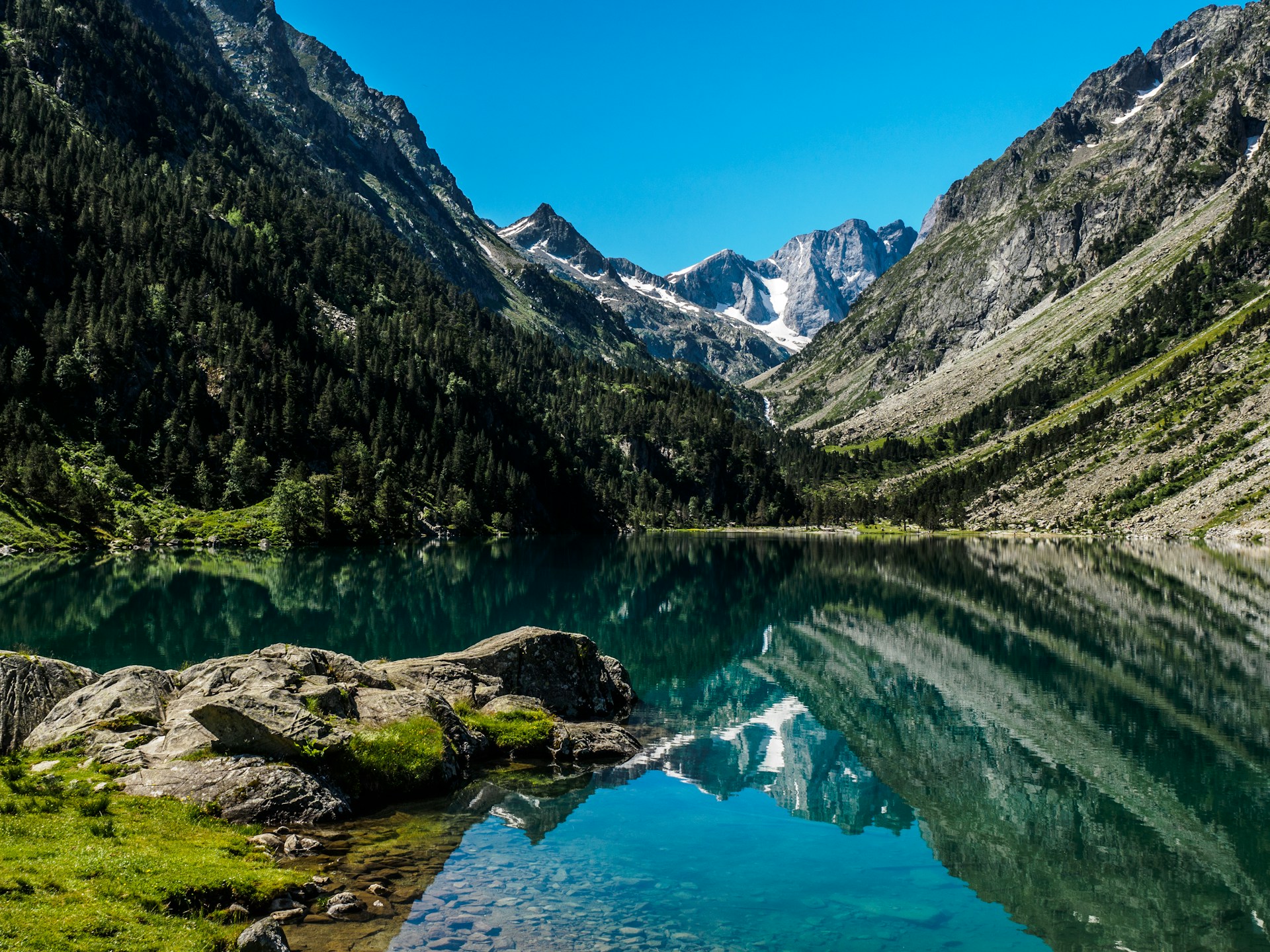
Why Visit Cauterets? What Makes This Pyrenean Village So Special
Cauterets is the kind of place you arrive “just for the weekend” and somehow end up staying a week. Tucked in a high valley of the French Pyrenees in the Hautes-Pyrénées department, it feels like a cross between a Belle Époque spa town and an outdoor playground carved out by glaciers. Think steaming thermal baths, frothy waterfalls, turquoise lakes, and granite peaks dusted with snow well into spring.
I’ve been coming to Cauterets for more than a decade—winter ski trips, long summer hikes, shoulder-season spa escapes. It’s the place I recommend when friends ask for somewhere in France that’s mountainous but cozy, active but not overwhelming, beautiful without being overrun. Cauterets checks all those boxes.
Here’s what makes it stand out:
- Year-round destination: Skiing and snowshoeing in winter; hiking, trail running, and lake hopping in summer; thermal spa and foodie weekends in spring and autumn.
- Easy access to legendary landscapes: It’s the gateway to the Vallée de Gaube, the Pont d’Espagne cascades, and close to heavy hitters like the Circque de Gavarnie and Parc National des Pyrénées.
- Relaxed, not overbuilt: You’ll find a few ski lifts and hotels, but no huge resort complexes or soulless strip of chain restaurants. This is still very much a village.
- Thermal spa culture: People have come here to “take the waters” for centuries. After a day on the trails or slopes, there’s nothing like soaking in a steaming pool with mountain views.
- Authentic Pyrenean food: Think garbure (hearty soup), axoa, mountain cheeses, trout from the local rivers, and ridiculous pastries from old-school patisseries.
Whether you’re planning a 3 day itinerary for Cauterets, stretching to 4 days in Cauterets, or luxuriating with a full 5 day itinerary for Cauterets, this travel guide lays out everything you need: must-see attractions, hidden gems, local food, cultural etiquette, and detailed daily plans based on my own trips.
Quick Overview & How to Use This Travel Guide
This guide is written as if I’m walking through Cauterets with you—sharing not just the usual things to do in Cauterets, but also the small rituals that make the village special: when to pop into the thermal baths to avoid the crowds, which bakery never skimps on chocolate, how to time your hike to Lac de Gaube so you get the quietest views.
Use it three ways:
- Browse the 20 attraction mini-articles to pick your own favorites.
- Follow a ready-made 3, 4, or 5 day itinerary for Cauterets, each with a full daily flow from morning to evening.
- Dip into the food, culture, and practical sections as needed.
All advice is current for 2026, based on my most recent stays in late 2025 and early 2026.
Neighborhoods & Areas of Cauterets
Cauterets is compact—you can cross the core on foot in 10–15 minutes—but it has distinct little pockets.
1. Historic Village Center
This is where you’ll likely stay and spend most evenings. Streets like Rue Richelieu, Rue de la Raillère, and Avenue du Mamelon Vert are lined with Belle Époque buildings—ornate balconies, grand facades, and tiled roofs that glow warm in the late afternoon light.
You’ll find:
- The main square and tourist office.
- Most restaurants, bars, bakeries, and gear shops.
- Access to the Cauterets–Lys ski gondola (a short uphill walk).
2. Thermal Quarter
Clustered around the Bains du Rocher and the older spa buildings, this area harks back to the 19th-century spa boom when visitors came for weeks to “take the waters.” Think long, elegant facades, big windows, and a slightly faded grandeur that I love.
3. La Raillère & Valley Entrance
A short drive or walk downriver from town, La Raillère feels more rugged—gorges, river, older thermal buildings, and the road that continues toward Pont d’Espagne. In summer, it’s a good base for quieter rentals, and you’re close to the waterfalls trail.
4. Plateau du Lisey & Upland Areas
Above the village you’ll find meadows and small clusters of chalets. The Plateau du Lisey is a favorite for evening walks and sunrise photos—especially in autumn when the trees catch fire with color.
5. Ski Area (Cirque du Lys)
Accessed via gondola from the village, the Cirque du Lys isn’t a neighborhood in the usual sense, but in winter it’s where many of your days start and end. Mountain restaurants, broad pistes, and vast views across the Pyrenees.
20 Must-See Attractions in Cauterets (with Personal Notes)
Below are the best places to visit in Cauterets—a mix of big-name natural wonders, relaxed village pleasures, and a few spots travelers often overlook. Each has at least a few paragraphs of detail and tips from my visits.
1. Bains du Rocher Thermal Spa
If I had to choose one “must-do” in Cauterets for every traveler—families, couples, solo adventurers—it would be an evening at Bains du Rocher. The first time I went, it was snowing lightly, my legs ached from an overly ambitious snowshoe hike, and I remember sinking into the steaming outdoor pool just as the church bells rang in the village below. Instant convert.
The spa blends historic stone architecture with modern glass and steel. Inside you’ll find:
- Indoor and outdoor thermal pools with massage jets.
- Saunas, hammams, and a salt room.
- Relaxation areas with mountain views.
History & significance: Cauterets’ thermal waters have been famous since at least the 16th century, recommended for respiratory and rheumatic issues. In the 19th century, the town blossomed as a spa resort—many of the grand hotels and spa buildings you see today were built for visitors staying weeks at a time. Bains du Rocher is the modern face of that heritage.
My tip: Go in the late afternoon on a weekday outside school holidays if you can. It’s quieter, and you can watch the light fade over the mountains from the outdoor pool. Bring flip-flops and a swimsuit; you can rent towels if you forget.
Family-friendly? Yes, but check current age rules—there are usually family times and quieter adult-oriented hours in the evening.
2. Lac de Gaube
Lac de Gaube is the postcard image of Cauterets: a turquoise lake cradled by peaks, with the great Vignemale looming at the far end. I’ve hiked here in all seasons—trudging through spring snow, wading in icy water in August, wrapped in fog on an October morning—and it never feels the same twice.
How to get there: From Cauterets, drive or take the shuttle up to Pont d’Espagne. From there you have two options:
- Hike: About 1–1.5 hours each way along a rocky but well-marked trail. It’s uphill, but families with active kids manage fine.
- Chairlift + short walk: Take the lift to the top, then stroll 15–20 minutes nearly flat to the lake. Good if you’re short on time or energy.
What to do: Walk along the lake shore, find a quiet rock for a picnic, and just soak in the view. There’s a small refuge/restaurant that’s open in high season, but I usually bring my own picnic: baguette, local cheese, saucisson, and a thermos of tea.
My tip: Start early in July–August to avoid crowds and heat. In May or October, check with the tourist office about snow conditions; the trail can be slippery.
Romantic? Very. Sunset here is magical, but only if you’re comfortable hiking back in the fading light and have good headlamps.
3. Pont d’Espagne & Waterfalls
Pont d’Espagne is where water, stone, and forest collide. The stone bridge itself arches over a churning gorge, with waterfalls thundering on all sides. The first time I brought my parents here, they stopped dead in the middle of the bridge, speechless. That never happens.
History: For centuries, this was a key crossing point toward Spain (hence the name). Today it sits inside the Parc National des Pyrénées, protected and carefully managed.
What to do:
- Follow the short, well-made paths around the cascades for different angles.
- Sit on the terrace of the café above the falls with a hot chocolate or beer.
- Use it as the starting point for hikes to Lac de Gaube or deeper into the park.
My tip: In spring, snowmelt makes the waterfalls particularly dramatic, and the crowds are lighter than in summer. Parking fills quickly on sunny weekends—arrive before 10:00.
Family-friendly? Absolutely. Paths are short, and kids love the power of the water (keep an eye on them near railings).
4. Cirque du Lys Ski Area
For winter visitors, Cirque du Lys is one of the top things to do in Cauterets. The ski area isn’t huge, but it has a friendly, open feel and surprisingly good snow thanks to its altitude and orientation.
My experience: I’ve skied here in everything from bluebird March powder to wild January storms where we could barely see the next marker. When the weather cooperates, the views toward Vignemale and the surrounding peaks are stellar.
Why it’s special:
- Wide, confidence-building pistes—great for intermediates and families.
- Good snow record for the Pyrenees.
- Easy access via gondola from the village; no need to drive.
My tip: For beginners, book a lesson early in your trip with the ESF or a local independent instructor. For more advanced skiers, on clear days, spend a morning lapping the higher runs, then retreat to the village when the light goes flat.
5. Historic Village Walk
Give yourself at least half a day simply to wander Cauterets. Every trip, I set aside one morning to do a slow loop: bakery, church, old hotels, riverside, and back through the little side streets where laundry flaps between balconies.
Highlights:
- Église Saint-Martin: A modest but atmospheric church with stained glass and a quiet interior.
- Belle Époque hotels: Look up at wrought-iron balconies and carved stone details—especially on Avenue du Mamelon Vert.
- Market area: Depending on the day, small markets pop up with local cheese, honey, and cured meats.
My tip: Do this on your first afternoon. It orients you and helps you spot restaurants and bakeries to return to later.
6. Chemin des Cascades (Waterfall Trail)
The Chemin des Cascades is one of my favorite low-to-moderate hikes here, especially in late spring when snowmelt feeds dozens of waterfalls. The path runs roughly between La Raillère and Pont d’Espagne, following the river and tumbling streams.
Trail details: Expect 2–3 hours one-way at a relaxed pace, more if you stop often for photos (you will). The path is well-trodden but rocky and rooty in places—good shoes are essential.
My experience: One June afternoon, I started from La Raillère under a light drizzle. Mist hung in the trees, and the waterfalls felt extra moody. I barely saw another person until I reached Pont d’Espagne, where I rewarded myself with a hot chocolate.
Family-friendly? With older kids used to walking, yes. For small children, consider doing just a shorter section.
7. Cauterets Market & Food Shops
To understand a mountain village, start with its food. Cauterets doesn’t have a giant daily market like some larger towns, but between the small markets, butchers, fromageries, and bakeries, you’ll quickly get a feel for local flavors.
What to look for:
- Sheep and cow cheeses from the Pyrenees.
- Honey from high-altitude hives.
- Garbure (soup) and axoa (Basque-style veal dish) in ready-made form in some delis.
My tip: I like to assemble a “mountain picnic” on my first day: a little of everything to nibble in my accommodation or on hikes. It’s cheaper than eating out every meal and supports small producers.
8. Old Thermal Buildings & Spa Heritage
Even if you’re not a history buff, the old spa architecture of Cauterets is worth seeking out. Stroll around the older thermal complexes and imagine the 19th-century scene: ladies in long dresses, gentlemen with canes, doctors prescribing bathing schedules.
Why it matters: Cauterets’ identity is deeply tied to its waters. Before skiing and modern tourism, it was the spas that put this village on the map, attracting writers, aristocrats, and patients from across Europe.
My tip: Ask at the tourist office if there’s a current self-guided spa heritage walk map—they sometimes have leaflets with suggested routes and explanations (in French, sometimes English).
9. Plateau du Lisey Evening Walk
For a gentle walk with big payoff, head up toward the Plateau du Lisey in the late afternoon. Locals walk their dogs here, kids ride bikes, and the views over the village and valley are wonderful.
My experience: One September evening, I carried a thermos of tea, found a rock overlooking the rooftops of Cauterets, and watched as the church tower slowly lit up. It felt like having a private box seat above the village.
Tip: Light can fade fast in the mountains; bring a small headlamp or phone with battery if you plan to stay for sunset.
10. Snowshoeing in the Valleys
If you’re in Cauterets in winter but not a skier—or just want a change—snowshoeing is a fantastic option. Trails near Pont d’Espagne and along the valley are marked in winter, and local guides offer half-day excursions.
My experience: My first snowshoe here was a guided trip above Pont d’Espagne. We crunched through powder under pines heavy with snow, spotting animal tracks and learning about avalanche risk and local ecology. It made me see the landscape differently.
Tip: Rent proper equipment in town and check avalanche forecasts if you’re going off marked routes. With a guide, you can relax and just enjoy.
11. Patisseries & Berlingots (Local Sweets)
Cauterets is known for berlingots, hard candies traditionally made with the local waters. You’ll see them in many colors in shop windows. Honestly? I find them prettier than addictive, but kids go wild for them and they’re a fun souvenir.
What I personally never skip are the patisseries. My routine: morning croissant, afternoon pastry reward after a hike. Over several trips I’ve taste-tested my way through most of town.
Tip: Look for seasonal treats—fruit tarts in summer, richer chocolate creations in winter. Ask the staff what they’re proudest of that day; you’ll usually get an honest answer.
12. Local Cheeses & Fromageries
You’re in cheese country. Small fromageries in and around Cauterets sell wheels from nearby farms—sheep, cow, and mixed-milk varieties aged to perfection.
My ritual: Before any longer hike, I buy a small chunk of local cheese and a knife. There’s nothing like slicing into it on a rock above a turquoise lake.
Tip: Ask for cheeses from the Val d’Azun or farms near Gavarnie; they’re some of my favorites. Don’t be shy about sampling—a good cheesemonger will be delighted to explain.
13. Parc National des Pyrénées Access
Cauterets sits on the edge of the Parc National des Pyrénées, a protected area of deep valleys, high lakes, and rugged peaks. Many hikes from Pont d’Espagne and beyond take you into the park proper, where rules are stricter (no dogs, no picking flowers, leave no trace).
Why it matters: The park status keeps development in check and protects wildlife—from isards (Pyrenean chamois) to vultures. On quiet mornings, I’ve watched isards picking their way across steep slopes, completely unconcerned by humans far below.
Tip: Stop at the park information boards near Pont d’Espagne for up-to-date info on trail conditions and closures.
14. Trail Running & Summer Events
In recent years, Cauterets has become a quiet hub for trail running. The valley’s steep climbs, forest paths, and high lakes make for spectacular (if demanding) routes. I’m more of a slow jogger than a hardcore runner, but I love early-morning loops on the lower trails before breakfast.
Events: Check for summer trail races (dates vary year to year). For 2026, the town is planning expanded trail-running workshops and guided runs in July and August (confirm with the tourist office closer to your trip).
Tip: If you’re not used to altitude or steep climbs, start with short distances. Weather changes fast; carry layers and a small pack even on runs.
15. Église Saint-Martin & Village Churches
The main church, Église Saint-Martin, anchors the village. It’s not grand in the cathedral sense, but step inside on a quiet afternoon and the hustle of town falls away. I like to slip in for a few minutes after a day on the trails—partly for the calm, partly to admire the stained glass.
Cultural note: Even if you’re not religious, remember that this is an active place of worship. Dress modestly and keep voices low.
16. Local Heritage Exhibits & Library
Cauterets occasionally hosts small exhibits on local history, spa culture, and the national park—sometimes in the library or cultural center. When the weather turns, these are lifesavers.
My tip: Ask at the tourist office what’s on during your visit. I once stumbled into a photo exhibit of early mountaineering in the area and ended up spending an hour lost in black-and-white images of climbers in wool and leather tackling peaks we now do in Gore-Tex.
17. Gave de Cauterets Riverside Promenade
The Gave de Cauterets river threads through the valley, and there are stretches where you can walk close to the water. On hot summer days, the cool air by the river is a blessing.
My experience: I like taking an early-morning stroll along the river before the town is fully awake. The light hits the water, and you can hear nothing but rushing water and birds.
Tip: Ask locals for their favorite access points; some paths aren’t obvious on tourist maps.
18. Family Sledding Slopes
For families visiting in winter, there are designated sledding areas near Cauterets (exact locations can change by season). I’ve watched kids shrieking with joy while parents sip hot chocolate nearby; it’s one of the most carefree scenes in the village.
Tip: Rent sleds in town rather than buying cheap plastic ones—they slide better and are less likely to break. Always follow local safety signage.
19. Stargazing Above the Village
On clear nights, especially in autumn and winter, the sky above Cauterets can be spectacular. Walk a little away from the village lights—toward Plateau du Lisey or a dark turnout on the access road—and look up.
My experience: One cold January night, I bundled up and walked a few minutes out of town. The Milky Way was faint but visible, and shooting stars kept streaking overhead. I stayed until my fingers went numb.
Tip: Bring a headlamp with a red-light mode to preserve night vision, and dress warmer than you think you’ll need.
20. Village Cafés & Wine Bars
Part of the charm of Cauterets is how active yet relaxed the café scene feels. In late afternoon after skiing or hiking, terraces fill with people in beanies and scarves, nursing hot wine or beer and rehashing the day’s adventures.
My ritual: Pick a spot with a view of the main street, order a glass of local wine or a hot chocolate with whipped cream, and just watch village life swirl around you. It’s an easy way to slip into the local rhythm.
Tip: In France, it’s fine to sit a long time over a single drink on a terrace, especially outside peak mealtimes. Just don’t block a table during lunch and order nothing.
3–5 Day Itineraries for Cauterets
Below are suggested itineraries for 3 days in Cauterets, 4 days, and 5 days. They’re based on trips I’ve actually taken (and tweaked for 2026), designed to balance must-see attractions, hidden gems, and time to simply breathe the mountain air.
3 Day Itinerary for Cauterets: Classic Highlights
Day 1 – Arrive, Explore the Village & Soak in the Thermal Baths
I usually arrive in Cauterets by mid-afternoon, whether by car or bus from Lourdes. The road climbs in switchbacks, the valley narrowing, until suddenly the village appears—clustered roofs, steam rising faintly where the thermal waters vent.
Afternoon: Settle In & Orientation Walk
- Check into your accommodation (more on where to stay in the practical section).
- Head out for a slow loop through the historic center: main square, church, a peek at the old thermal buildings.
- Stop at a bakery for an afternoon pastry—this is basically mandatory in my book.
On my last winter arrival, I dropped my bags, pulled on a beanie, and went straight out. Snow lined the roofs, and kids were having a snowball fight near the church. I ducked into a patisserie, grabbed a slice of tart, and ate it standing in the street watching the scene. It felt like being dropped into a snow globe.
Late Afternoon: Bains du Rocher
Book a 2–3 hour session at Bains du Rocher starting around 16:00–17:00. After travel, the hot water works wonders.
- Stash your valuables in the locker; bring flip-flops.
- Rotate among pools, sauna, and hammam—but don’t overdo it on your first day at altitude.
Evening: Casual Dinner in Town
Choose a bistro in the center for something hearty—garbure, confit duck, mountain pasta. I like to keep the first night simple and not book anything too formal. Walk back through quiet streets and sleep early; the mountains await.
Day 2 – Pont d’Espagne & Lac de Gaube
On your first full day, dive into what makes Cauterets truly special: waterfalls, forests, and that iconic turquoise lake.
Morning: Pont d’Espagne
- After breakfast (croissants + coffee, always), take the car or shuttle bus up to Pont d’Espagne.
- Spend time on and around the stone bridge, exploring the short paths and viewpoints. Don’t rush this part; it’s spectacular in its own right.
On my last summer visit, we lingered almost an hour just at the bridge—watching kayakers braving the gorge far below and taking too many photos of the cascades.
Midday: Hike or Lift to Lac de Gaube
Now choose your adventure:
- Active option: Hike the full trail to Lac de Gaube (1–1.5 hours). Bring water and sun protection.
- Easier option: Take the chairlift to the upper station, then the short walk to the lake.
Spread out a picnic by the shore if the weather’s good. I usually find a rock a little away from the main path—it doesn’t take much effort to escape the crowds.
Afternoon: Lakeside & Descent
Walk along part of the lake’s perimeter, take photos with Vignemale in the background, then head back down by the route you chose. If you’re feeling energetic, walk down even if you came up by lift; it’s a different perspective.
Evening: Apéro & Mountain Fare
Back in Cauterets, stop at a café terrace for an apéro (pre-dinner drink). For dinner, pick a place that serves regional specialties. Ask for a local wine or beer recommendation—the southwest of France does both well.
Day 3 – Choose Your Adventure: Ski, Waterfalls, or Village Day
For the final day of a 3 day itinerary for Cauterets, tailor things to your interests and the season.
Option A (Winter): Skiing at Cirque du Lys
- Take the gondola up after breakfast.
- Rent equipment in town if needed; book a lesson if you’re new to skiing.
- Spend the day exploring the pistes, with lunch at a mountain restaurant.
I like to ski until mid-afternoon, then head down early enough to avoid the end-of-day crush and enjoy a relaxed hot chocolate in the village.
Option B (Spring–Autumn): Chemin des Cascades
- Head to La Raillère and start the Chemin des Cascades toward Pont d’Espagne.
- Walk as far as you feel like; you don’t need to do the full trail for amazing waterfall views.
- Return the same way or take a shuttle/hitch a ride if you’ve done a one-way.
Option C: Slow Day in the Village
- Sleep in a bit.
- Browse food shops and buy edible souvenirs.
- Visit any exhibits or cultural events running in town.
- Consider one last short spa session at Bains du Rocher.
End your trip with a farewell dinner and a nighttime stroll. I like to walk up to the edge of the village, look back at the lit windows, and mentally promise I’ll be back soon.
4 Day Itinerary for Cauterets: Add Depth & Relaxation
With 4 days in Cauterets, you can keep the 3-day structure and add one more day either of adventure or deep relaxation.
Day 4 – Deeper into the Valleys or Full Spa & Food Day
Option A: Longer Hike into the National Park
- After checking weather and trail conditions, choose a longer route starting from Pont d’Espagne or another trailhead.
- Pack a substantial picnic and plenty of water.
- Plan to be back in the village by late afternoon.
On one 4-day trip, we used the extra day to push further up-valley past Lac de Gaube toward the higher refuges. We didn’t reach the refuge itself but had hours of nearly empty trail once past the lake’s far end.
Option B: Spa, Shopping & Food Immersion
- Book a mid-morning spa session with a massage or treatment.
- Have a long lunch on a terrace in the village.
- Spend the afternoon browsing shops for local products and outdoor gear.
- Take a gentle evening walk to Plateau du Lisey for sunset.
This is my go-to plan when I’m traveling with someone less keen on longer hikes. It’s also ideal if the weather turns rainy or stormy.
5 Day Itinerary for Cauterets: The Perfect Mountain Break
A 5 day itinerary for Cauterets lets you mix everything: iconic sights, offbeat corners, rest days, and maybe even a short day trip.
Day 1–3 – As in the 3-Day Itinerary
Follow the structure above: village + spa, Pont d’Espagne & Lac de Gaube, then your chosen Day 3 adventure.
Day 4 – Off-the-Beaten-Path & Hidden Gems
Use this day to explore lesser-known paths or small hamlets near the valley. Ask the tourist office or your accommodation host for a “randonnée facile et peu fréquentée” (easy, not very crowded hike). They’ll often point you to spots that don’t appear on English-language blogs.
One of my favorite 5-day-trip memories is of a short hike a local suggested: a loop through forest and meadows with almost no one else around, ending at a tiny chapel I’d never heard of. It wasn’t dramatic like Lac de Gaube, but it felt deeply peaceful.
Day 5 – Day Trip or Free Day
Option A: Day Trip (see day trips section below)
- Visit Lourdes for its spiritual and cultural significance.
- Drive to Circque de Gavarnie if conditions and schedules allow.
- Explore nearby valleys like Val d’Azun for a contrast in landscapes.
Option B: Free Day in Cauterets
- Revisit your favorite spots.
- Try a new restaurant or bar.
- Do a last spa session.
- Pack leisurely and pick up last-minute gifts.
I’ve done both versions: an ambitious Gavarnie run in good weather, and a “do almost nothing but eat and soak” last day after a string of long hikes. Both felt like the right decision at the time.
Local Food in Cauterets: What & Where to Eat
Pyrenean food is hearty, rustic, and perfect after days in the mountains. In Cauterets, you’ll find a mix of traditional dishes, French classics, and simple, satisfying mountain fare.
Must-Try Dishes
- Garbure: Thick soup with cabbage, beans, potatoes, and often confit duck or ham. Ideal on cold days.
- Confit de canard: Duck leg slowly cooked in its own fat, usually served with potatoes.
- Truite des Pyrénées: Local trout, grilled or baked, often with almonds.
- Axoa: Minced veal stew with peppers, originally Basque but popular here.
- Pyrenean cheeses: Sheep and cow cheeses, often served with local honey.
Pastries & Sweets
Besides berlingots, look for:
- Cannelés, éclairs, fruit tarts, and other French classics in village patisseries.
- Chocolate specialties in winter—local chocolatiers get creative.
Saving Money on Food
Over many trips, I’ve found a balance between restaurant meals and self-catered feasts:
- Lunch picnics: Buy cheese, bread, charcuterie, and fruit in town and eat on the trail.
- Apartment stays: If budget is tight, choose accommodation with a kitchen. Cook simple dinners some nights.
- Menu du jour: At lunch, look for fixed-price menus—they’re often better value than dinner à la carte.
Nightlife, Entertainment & Cultural Experiences in Cauterets
Nightlife in Cauterets is more about cozy evenings than wild clubbing. After dark, you’ll see people drifting between bars, restaurants, and their hotels rather than queueing outside nightclubs.
Evening Options
- Cafés & wine bars: Perfect for a glass of wine, beer, or hot drink.
- Hotel lounges: Some larger hotels have pleasant lounges where non-guests can often enjoy a drink.
- Occasional live music: In peak winter and summer, a few bars host live bands or DJs on certain nights.
Cultural Experiences
- Local festivals: In summer, look for village fêtes with music and food.
- Exhibitions: Temporary exhibits on the Pyrenees, spa history, or local culture.
- Guided walks: Sometimes the tourist office or park rangers lead guided nature or heritage walks.
Local Customs & Cultural Etiquette in Cauterets
Mountain villages like Cauterets blend broader French customs with a local, slightly more reserved rural culture.
Basic Etiquette
- Greetings: Always say “Bonjour” or “Bonsoir” when entering shops or addressing staff. It matters.
- Politeness: “S’il vous plaît” (please) and “Merci” (thank you) go a long way.
- Quiet in nature: On trails, greet fellow hikers with a simple “Bonjour” and keep noise down, especially in the national park.
Dining Customs
- Meals are generally slower-paced; don’t expect rapid turnover.
- It’s fine to linger after your meal, but signal when you’re ready for the bill: “L’addition, s’il vous plaît.”
- Tipping is modest; service is included, but leaving small change or rounding up is appreciated for good service.
In the Thermal Baths
- Swimwear is required; nudity is not the norm.
- Shower before entering pools.
- Keep voices low in relaxation areas.
What’s New in Cauterets for 2026–2027
As of 2026, here are some notable events and shifts in the Cauterets travel scene. Exact dates can change; confirm with the tourist office closer to your trip.
- Expanded summer trail-running events (2026–2027): Cauterets is developing its profile as a trail-running base, with new guided runs and workshops planned for July–August.
- Thermal spa programming: Bains du Rocher is introducing themed wellness weekends in spring and autumn 2026—think yoga + spa packages.
- Eco-initiatives: Expect more emphasis on shuttle buses to Pont d’Espagne and parking management to reduce traffic in peak season.
- Winter festivals: Night ski events and small winter festivals (music, torchlit descents) are becoming more regular in 2026–2027.
Day Trips & Nearby Attractions from Cauterets
If you have a car and a few extra days, Cauterets makes a great base to explore other corners of the Pyrenees.
1. Cirque de Gavarnie
About 1.5 hours’ drive depending on conditions, Gavarnie is a UNESCO-listed natural amphitheater with towering cliffs and waterfalls. The walk from the village to the cirque is relatively easy and family-friendly.
Tip: Go early in high season and check weather; fog can obscure views.
2. Lourdes
Roughly 45–60 minutes away, Lourdes is a major pilgrimage site. Even if you’re not religious, the sanctuary complex and the atmosphere of devotion are striking.
Tip: Combine Lourdes with arrival or departure days if you’re traveling by train via Lourdes.
3. Val d’Azun
A quieter valley with rolling pastures and traditional villages. In winter, it’s known for cross-country skiing; in summer, for gentler hikes and cycling.
4. Other Nearby Villages
Small Pyrenean villages within 30–60 minutes drive offer different atmospheres and views; ask locals for current favorites and road conditions.
Practical Travel Tips for Cauterets (2026)
Getting To & Around Cauterets
By Train & Bus: The nearest major rail hub is Lourdes, with trains from cities like Toulouse and Paris. From Lourdes, buses or shuttles run to Cauterets (schedules vary by season).
By Car: Roads are generally good but winding; in winter, check for snow and carry chains if required.
In the Village: Cauterets is walkable. You won’t need a car inside the village itself; for Pont d’Espagne and other trailheads, use car or seasonal shuttles.
Public Transport & Car Rental
- Shuttles: In peak seasons, shuttles connect Cauterets with Pont d’Espagne and sometimes other points. Timetables change yearly.
- Car rental: Best arranged in Lourdes or larger cities; Cauterets itself has limited or no rental options.
SIM Cards & Connectivity
- EU travelers: Roaming within the EU is generally included in home plans (check your provider).
- Non-EU travelers: Buy a French SIM from providers like Orange, SFR, or Bouygues in larger cities (Lourdes, Tarbes) before heading up.
- Coverage in the village is usually good; on trails, expect patchy or no signal.
Visa Requirements & Driving Licenses
- Schengen Area rules: France is part of Schengen. Many nationalities can enter visa-free for short stays; check the latest regulations for your passport.
- Driving: Most foreign licenses are accepted for short stays. Some non-EU visitors may need an International Driving Permit (IDP) alongside their license—verify before travel.
Budgeting & Saving Money
- Travel in shoulder seasons (late May–June, September–October) for lower prices and fewer crowds.
- Self-cater some meals if staying in apartments.
- Use picnics for lunch rather than always eating in restaurants.
- Check for multi-day lift passes or spa packages if you plan repeat visits.
Best Seasons & What They’re Good For
- Winter (Dec–March): Skiing at Cirque du Lys, snowshoeing, cozy spa evenings. Snow-dependent; January–March often best.
- Spring (April–May): Unpredictable mix of snow and thaw. Waterfalls are powerful; some higher trails still snow-covered.
- Summer (June–August): Prime hiking, lake visits, and outdoor life. July–August busiest; June and early July are lovely but watch for lingering snow on very high routes.
- Autumn (Sept–Oct): Quieter, with beautiful foliage and cooler hiking weather. Some services may reduce hours; check spa and lift schedules.
Hidden Tips from Repeat Visits
- Start early: For popular spots like Lac de Gaube, arriving before 9:30 makes all the difference.
- Ask locals: For current trail conditions, restaurant picks, and lesser-known viewpoints, staff at your accommodation are invaluable.
- Pack layers: Weather swings quickly; I’ve gone from t-shirt to down jacket in a single afternoon.
- Respect the park: Stay on marked trails, pack out all trash, and follow rules about dogs and fires.
Summary & Final Recommendations: When & Why to Visit Cauterets
Cauterets is small enough to feel intimate, yet big enough in landscapes and experiences to fill 3, 4, or 5 days easily—and reward repeat visits. It’s an ideal base if you’re looking for:
- Adventure: Skiing, hiking, snowshoeing, trail running.
- Relaxation: Thermal baths, slow village walks, café terraces.
- Family trips: Accessible trails, sledding, easy logistics.
- Romantic escapes: Sunset walks, lakeside picnics, stargazing, spa evenings.
Best seasons:
- For ski-focused trips, aim for January–March.
- For hiking and lakes, choose mid-June to late September.
- For quiet, spa, and foliage, September–October can be glorious.
Plan your 3 day itinerary for Cauterets around the village, Pont d’Espagne, and Lac de Gaube; extend to a 4 day itinerary by adding longer hikes or deeper spa time; stretch to a 5 day itinerary for Cauterets to fold in day trips, hidden valleys, and unhurried mornings. However you structure it, leave space to simply sit with a pastry or a glass of wine and watch the light change over the mountains—that, as much as any checklist of must-see attractions in Cauterets, is what will stay with you.