Why Visit Chambéry?
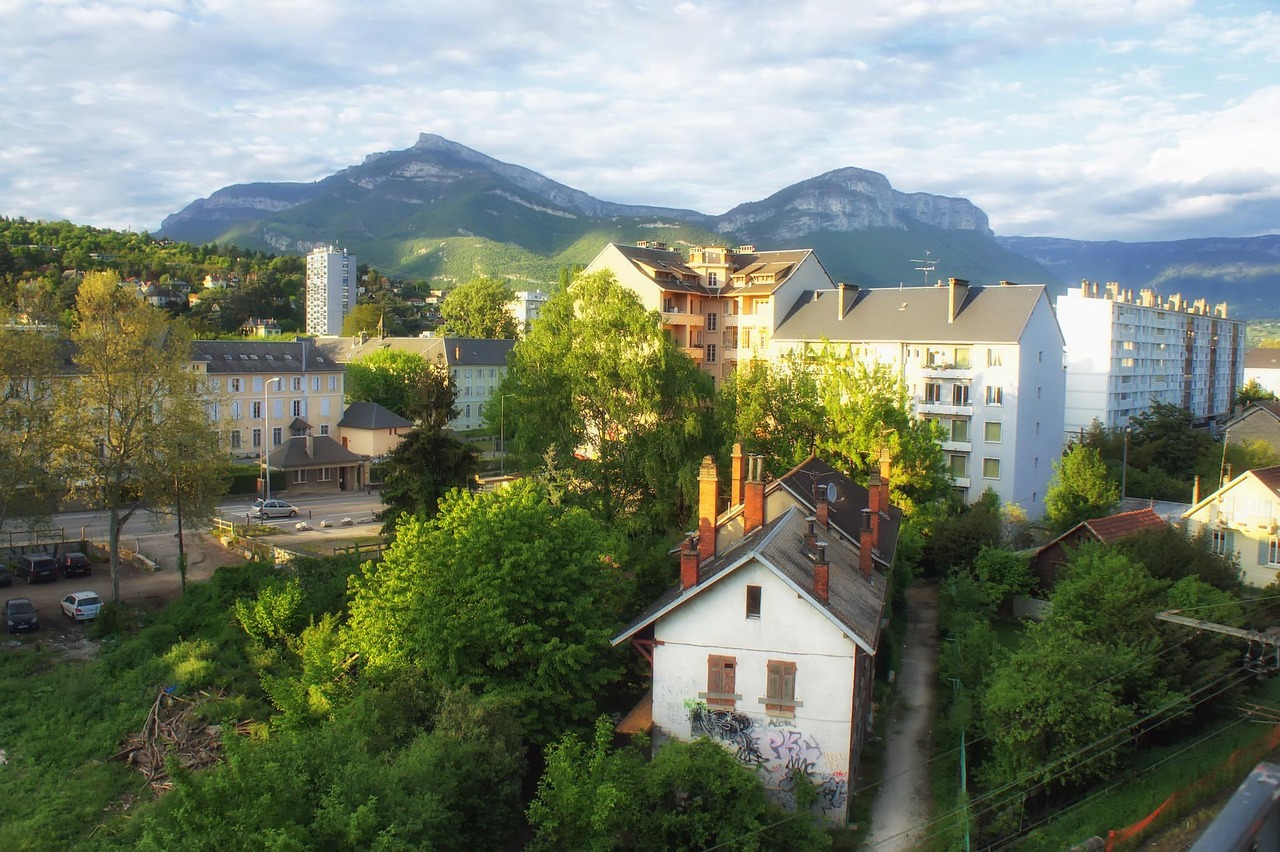
Chambéry is one of those places that quietly get under your skin. Tucked between the Bauges and Chartreuse massifs in the French Alps, it’s a compact historic city wrapped in mountains, canals, and vineyards. It isn’t as flashy as Annecy or as famous as Chamonix – and that’s exactly its magic.
The first time I arrived by train and walked out onto the forecourt, I could smell woodsmoke in the winter air and hear church bells bouncing off the surrounding peaks. Within ten minutes I was wandering medieval lanes, brushing past locals doing their shopping, and sipping my first café noisette on a sunlit square. It felt like I’d slipped into a lived-in, very French city that just happened to be ringed by postcard mountains.
Chambéry is perfect if you want:
- Authentic Alpine city life instead of a pure ski resort vibe.
- Easy 3–5 day itineraries mixing history, food, lakes, and mountains.
- Great value compared with more hyped Alpine destinations.
- Family-friendly, romantic, and adventurous activities all within an hour’s radius.
This 2026 travel guide for Chambéry is long, detailed, and written like I’d plan a trip for a good friend. You’ll find the best places to visit in Chambéry, hidden gems, where to eat the best fondue, how to structure a 3 day itinerary for Chambéry (plus 4 and 5 days), and plenty of practical travel tips for Chambéry from multiple visits over the years.
Table of Contents
- Why Visit Chambéry?
- Neighborhoods & Areas to Explore
- Top 20 Must-See Attractions in Chambéry
- 3–5 Day Itineraries for Chambéry
- Local Food in Chambéry & Where to Eat
- Nightlife, Entertainment & Cultural Experiences
- Best Day Trips from Chambéry
- What’s New & Major Events 2026–2027
- Cultural Etiquette & Local Customs
- Practical Travel Advice for Chambéry
- Summary & Best Time to Visit Chambéry
Chambéry’s Neighborhoods & Areas to Explore
Chambéry is small enough to walk across in 20–30 minutes, but each pocket has its own personality. When I stay for several days, I like to “adopt” a different area each day.
Vieux Chambéry (Old Town)
This is the medieval heart: pastel façades, narrow covered alleys called traboules, and hidden courtyards. It’s where you’ll spend most of your time on a first visit.
- Vibe: Atmospheric, walkable, café-filled, very photogenic.
- Best for: First-timers, couples, anyone who wants to be in the middle of things.
- Highlights: Château des Ducs de Savoie, Fontaine des Éléphants, Cathédrale Saint-François-de-Sales.
Quartier du Château
Wrapped around the castle hill, this area blends historic mansions, quiet residential streets, and views over the rooftops.
- Vibe: Elegant, slightly quieter than the core old town.
- Best for: History lovers, photographers, romantic walks.
Les Halles & Commercial Center
Just east of the old town, this is where you’ll find modern shopping streets, the covered market, and many practical services.
- Vibe: Busy, practical, less touristy.
- Best for: Groceries, budget eateries, people-watching.
Quartier des Casernes & Curial
A former military area turned cultural hub, anchored by the Espace Malraux and cinema complex.
- Vibe: Cultural, student-friendly, lively at night.
- Best for: Nightlife, cinema, concerts, modern architecture contrasts.
Le Biollay & Beyond
More residential, this is where you glimpse the everyday Chambéry: local bakeries, schools, and parks. I like coming here when I’ve had my fill of “sights” and want to see how people really live.
Top 20 Must-See Attractions in Chambéry (with Local Tips)
These are the must-see attractions in Chambéry I return to again and again. Think of this section as your deep-dive reference: history, why it matters, and how to experience each place without feeling rushed.
1. Château des Ducs de Savoie
The Château des Ducs de Savoie is the grand symbol of Chambéry’s past as the capital of the Duchy of Savoy. Its ramparts, towers, and inner courtyards rise above the old town like a stone guardian. The first time I walked up Rue de Boigne and saw the castle walls glowing in late afternoon light, I understood why this small city once held serious political sway.
History & significance: Originating in the 13th century, the castle served as the main residence of the Dukes of Savoy until they shifted their capital to Turin in the 16th century. Today, it houses administrative offices for the Savoie department but much of it is still visitable via guided tours, including the Sainte-Chapelle and sections of the ramparts.
What to do:
- Join a guided tour (usually in French; sometimes audio guides available in English). It’s the only way to access many interior sections.
- Walk the castle terraces for views over the rooftops and towards the mountains.
- Visit at night in summer when the walls are beautifully lit and the courtyard sometimes hosts concerts or festivals.
My tip: I like to time my visit so I emerge from the tour just before sunset, then stroll down to Place Saint-Léger for an apéro. The contrast between medieval stone and golden-hour pastels is unforgettable.
How to get there: From the Fontaine des Éléphants, walk 5–7 minutes along Rue de Boigne towards the hill. The castle is free to approach; tours have a modest fee.
2. Fontaine des Éléphants (“Les Quatre Sans-Cul”)
The Fontaine des Éléphants is Chambéry’s most iconic monument and, admittedly, one of its quirkiest. Four white stone elephants emerge from a central column, their trunks forming fountains. Locals affectionately call it “Les Quatre Sans-Cul” (the four without backsides) because you only see the front halves of the animals.
History & significance: Built in 1838 to honor General Benoît de Boigne, a Chambérien who made his fortune in India, the fountain celebrates his contributions to the city’s development. The elephants symbolize his campaigns on the Indian subcontinent.
Why I love it: This is where Chambéry’s daily life converges. I’ve met friends here, joined walking tours here, and eaten countless ice creams on the benches circling the monument. It’s a natural starting point for any walk through the city.
When to go: Evening is best, when the fountain is lit and kids zoom by on scooters. Early morning is perfect for photos without crowds.
3. Cathédrale Saint-François-de-Sales
From the outside, Chambéry’s cathedral is surprisingly understated. Step inside, though, and you’re wrapped in a world of painted illusions. The interior is covered in trompe-l’œil frescoes that make flat surfaces look like grand sculpted architecture.
History: Built between the 15th and 16th centuries, the cathedral was heavily decorated in the 19th century, when trompe-l’œil was in vogue. It’s dedicated to Saint Francis de Sales, a key Catholic figure from nearby Savoy.
What to look for:
- The vaulted ceiling, painted to resemble elaborate stonework.
- The play of light through stained glass on winter afternoons – I once sat in a pew here for 30 minutes just watching the colors move.
- Occasional organ concerts, especially around Christmas and during cultural festivals.
Tip: Entry is free. Respect the quiet, especially if a service is underway. Dress modestly (covered shoulders) out of respect.
4. Rue & Place Saint-Léger
If Chambéry had a living room, it would be Rue Saint-Léger and Place Saint-Léger. This long, narrow pedestrian street is lined with pastel façades, arcades, boutiques, and cafés that spill onto the cobblestones.
What I do here: Almost every visit starts with a coffee at a terrace along Saint-Léger. I love to come in the morning when shopkeepers are opening, and again in the early evening when locals gather for an apéro. In December, festive lights make it feel like a movie set.
Highlights:
- Small independent shops selling regional products like tomme de Savoie, wines from Chignin, and artisanal chocolates.
- Ice cream stands in summer – pistachio and local blueberry are my go-to flavors.
- Street musicians on weekend evenings.
Tip: Prices on Saint-Léger are a bit higher than side streets. For a more budget-friendly coffee, wander one or two blocks away and you’ll find cheaper, equally cozy cafés.
5. The Traboules & Secret Passages
Chambéry’s traboules are narrow passageways threading between streets and courtyards, a legacy shared with Lyon. The first time I followed a tiny door off Rue Croix-d’Or, I felt like I’d unlocked a secret level of the city.
History: These covered passages were practical shortcuts and protective walkways in medieval and Renaissance times. Many are on private property but open during the day; others are officially part of guided tours.
How to explore:
- Pick up a map of traboules at the tourist office – some are signposted, others are not.
- Join a walking tour focused on the old town and its passages; the guides have keys to a few normally closed courtyards.
- Be respectful: keep noise down and don’t treat residential courtyards like a theme park.
My favorite traboule: The passage connecting near Rue Croix-d’Or to a quiet inner courtyard with ivy-covered walls. I’ve never seen more than a handful of other people there, even in high season.
6. Musée Savoisien
The Musée Savoisien is your crash course in all things Savoy: from prehistoric lake dwellings to Roman roads, from medieval duchy to modern-day Alpine life. It’s housed in a former Franciscan convent, and the cloister alone is worth a visit.
Why go: To understand why Chambéry looks and feels different from generic French towns. Savoy was its own duchy and only became part of France in 1860 – that heritage still shapes local identity.
What to see:
- Exhibits on traditional mountain life, including clothing, tools, and domestic interiors.
- Archaeological finds from nearby lake settlements.
- Temporary exhibitions often focus on photography or contemporary Alpine culture.
Tip: Check opening hours carefully; many French museums close on Mondays and for a long lunch break. Admission is often free or inexpensive.
7. Les Charmettes – Rousseau’s Country Retreat
On a wooded hillside above Chambéry lies Les Charmettes, a modest stone house where philosopher Jean-Jacques Rousseau lived with Madame de Warens in the 1730s. For me, this is one of the city’s loveliest hidden gems in Chambéry.
Why it matters: Rousseau wrote about his time here as among the happiest of his life. The house and garden are like a physical footnote to Enlightenment history.
My experience: I like to walk up from the city center (about 30–40 minutes uphill) through residential streets and then forest paths. By the time you reach the house, you’ve earned the quiet. The garden is full of herbs and old fruit trees, and the view back over Chambéry and the mountains is serene.
Practical tips:
- Opening times: Seasonal – usually spring to autumn. Double-check before heading up.
- Getting there: Walk, or take a local bus part of the way and then a short uphill stroll.
- Good for: Couples, solo travelers, anyone needing a peaceful break from city sightseeing.
8. Lac du Bourget & Aix-les-Bains
Lac du Bourget, about 15–20 minutes from Chambéry by train or car, is France’s largest natural lake and one of my favorite escapes on hot summer days. Technically the main resort town here is Aix-les-Bains, but locals from Chambéry treat the lake as their backyard beach.
What to do:
- Swim from public beaches like Mémard or Rowing (some free, some with small fees).
- Rent a paddleboard or kayak to explore the shoreline.
- Take a boat cruise to the Abbaye de Hautecombe on the far shore.
My ritual: On hot days, I’ll catch a late morning train to Aix-les-Bains, grab picnic supplies in town, then walk or bus down to the lakeside. After a lazy afternoon of swimming and reading, I head back to Chambéry in time for dinner.
Family-friendly: Absolutely. Calm water, lifeguards in high season, and playgrounds near some beaches.
9. Lac Saint-André & Apremont Vineyards
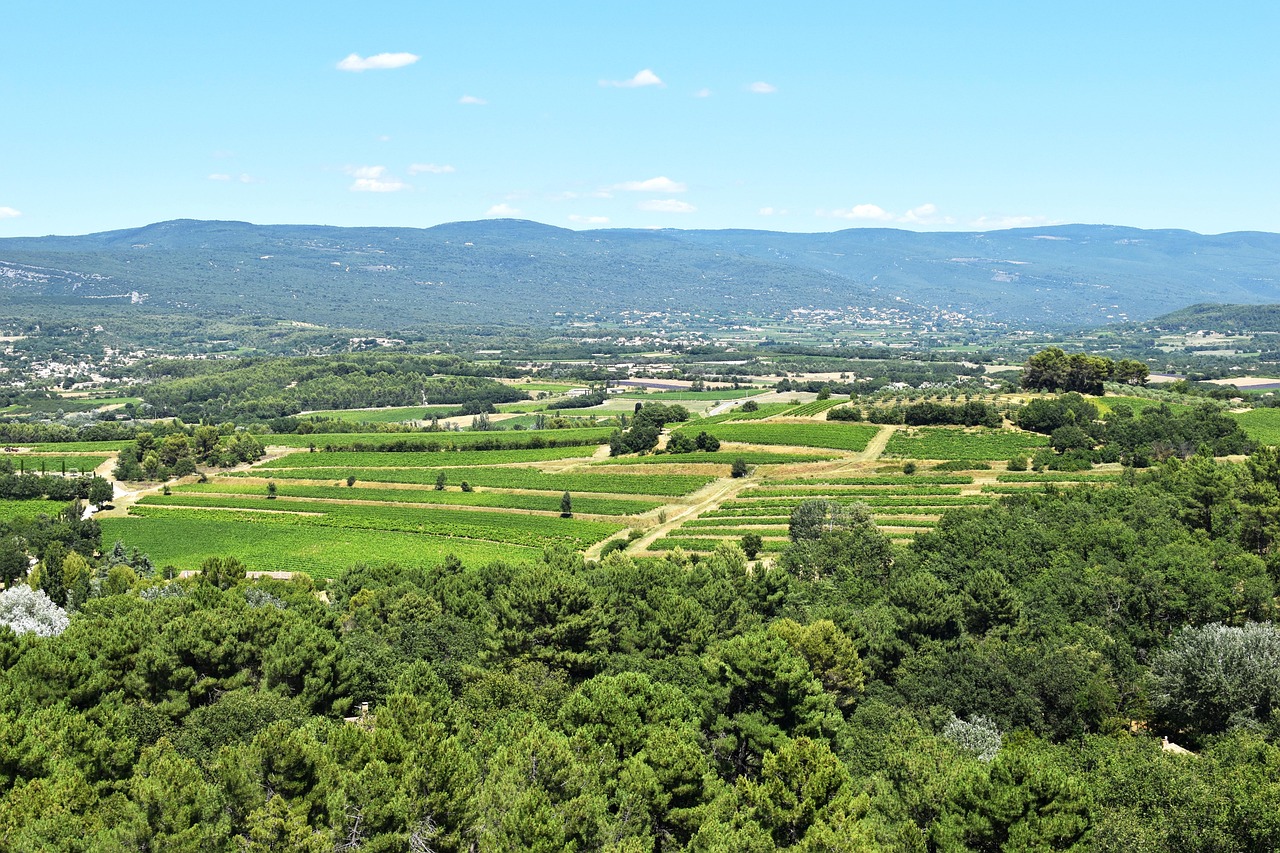
To the east of Chambéry, vineyards climb the slopes of the Chartreuse foothills around Lac Saint-André. This is one of my go-to spots when I want countryside without a long drive.
Why go: The combination of lake, vines, and mountains makes for gorgeous photos and an easy half-day trip. You can taste wines like Jacquère or Roussette in local cellars, then walk it off around the lake.
My experience: One autumn afternoon, I rented an e-bike in Chambéry and followed small roads out to Apremont. The vines were blazing yellow and red, and I ended up chatting with a winemaker who poured me an extra tasting “to compare” vintages. It felt like dropping into a postcard.
Getting there: Best by car or bike. There are limited buses; check schedules carefully.
10. The Chartreuse Massif & Col de la Cluse
Things to do in Chambéry aren’t limited to the city itself. The nearby Chartreuse mountains offer hiking, skiing, and jaw-dropping viewpoints within an hour’s reach.
Why it’s special: The Chartreuse has a distinct character: limestone cliffs, deep forests, and quiet villages. This is also the home of the Carthusian monks who created the famous Chartreuse liqueur (though the main monastery and distillery are closer to Grenoble).
Activities:
- Hiking: Trails around passes like Col de la Cluse or Col du Granier.
- Winter sports: Small family ski resorts like Le Désert d’Entremont; perfect for beginners or kids.
- Scenic drives: Hairpin roads with views back down to the Chambéry valley.
Tip: Weather can change fast in the mountains. Pack layers, even in summer.
11. Parc Naturel Régional du Massif des Bauges
On the other side of Chambéry lies the Massif des Bauges, a regional nature park with hiking, biking, and villages that feel lost in time. Compared with the more famous Alpine areas, the Bauges are wonderfully under-the-radar.
What I love: Wildflower meadows, cows with bells, and trails that cross mountain pastures with barely another soul in sight. On a clear day, you can see Mont Blanc from certain summits.
Good for: Hikers, trail runners, families (lots of moderate trails), and anyone looking for a quiet nature escape.
12. Jardin du Verney & City Parks
Between the station and the old town, the Jardin du Verney is a formal park with a central fountain, tree-lined paths, and a carousel. Every time I arrive in Chambéry, I like to cut through the garden; it’s a gentle decompression zone between train chaos and holiday mode.
What to do:
- Let kids burn off energy at the playground.
- Picnic on the grass in summer.
- Join locals sunbathing or reading under the plane trees.
Other small parks dot the city, but Verney is the most central and atmospheric.
13. Espace Malraux – Scène Nationale
Espace Malraux is Chambéry’s main cultural venue: a modern building hosting theater, dance, music, and cinema. It’s proof that this is a living city, not just an open-air museum.
Why go: To catch a performance, of course, but also to see how locals engage with their cultural life. I’ve stumbled into everything from jazz concerts to contemporary dance here.
Tip: Even if your French is basic, music and dance performances are very accessible. Check the program online before your trip; tickets are usually affordable.
14. Hôtel de Ville & Place de l’Hôtel-de-Ville
Chambéry’s Hôtel de Ville (town hall) stands on a large open square used for markets, events, and public gatherings. Architecturally, it’s a handsome 19th-century building; socially, it’s one of the city’s main crossroads.
What you’ll find:
- Occasional open-air events, especially in summer and during Christmas markets.
- Terraces around the square for drinks or snacks.
- A good sense of the city’s scale and rhythm – this is where you feel Chambéry is a regional capital.
15. Place Saint-François-de-Sales & Surrounding Lanes
This small square near the cathedral connects several of the old town’s prettiest lanes. Cafés hug the edges, and in the evenings it glows with warm light and conversation.
My routine: On cooler evenings, I like to sit here with a glass of Savoie white wine and a small plate of charcuterie, watching people drift in and out of the surrounding streets.
16. Les Halles – The Covered Market
Les Halles is Chambéry’s modern covered market, where locals shop for produce, cheese, meat, and specialty foods. This is where you’ll get a true taste of local food in Chambéry.
What to buy:
- Cheese: Tomme de Savoie, Beaufort, Abondance, Reblochon.
- Cured meats: local diots (sausages) and hams.
- Desserts: Tartes aux myrtilles (blueberry tarts), seasonal pastries.
Money-saving tip: Pick up picnic supplies here instead of eating every meal in restaurants. It’s both cheaper and more fun.
17. Belvédères & City Viewpoints
Several viewpoints around Chambéry give you sweeping panoramas of the city nestled in its bowl of mountains. I try to catch at least one every trip, especially near sunset.
Good spots:
- Les Charmettes garden area.
- Various small belvédères accessible by short hikes or drives toward the Bauges.
Tip: Ask at the tourist office for a current map of short walks to viewpoints; they sometimes update routes due to forestry work or erosion.
18. Street Art & Contemporary Murals
While Chambéry is best known for its old stones, there’s also a subtle but vibrant street art scene. In newer districts and along certain underpasses, you’ll find colorful murals and graffiti.
My experience: On my last visit, I followed a small self-guided street art map from the tourist office and ended up in corners of the city I’d never seen before. It gave me a more complete picture of Chambéry beyond the postcard-perfect center.
19. Chambéry-Challes-les-Eaux Station & Railway Heritage
This might sound odd as an “attraction,” but Chambéry’s railway heritage is a big part of its identity as a crossroads city between Lyon, Turin, Geneva, and the Alps. The station is a hub of comings and goings – and a key part of sustainable travel in the region.
Why it matters: Understanding the train connections here helps you plan day trips and low-carbon travel. Plus, the station building itself has a modest charm.
20. Chambéry’s Christmas Lights & Winter Atmosphere
If you visit in December, Chambéry turns into an Alpine Christmas postcard. Lights drape Rue Saint-Léger, a seasonal market pops up, and the smell of mulled wine threads through the cold air.
What to expect:
- Christmas market stalls with crafts, local products, and hearty snacks.
- Light projections on historic buildings, including sometimes the castle.
- A family-friendly, cozy atmosphere rather than massive crowds.
Tip: Dress warmly; evenings can be very chilly, especially if humidity from nearby lakes and mountains settles in.
3–5 Day Itineraries for Chambéry (With Personal Stories)
Whether you have 3 days in Chambéry, 4 days in Chambéry, or a full 5 days in Chambéry, you can craft a trip that balances history, food, lakes, and mountains. Below are sample itineraries with a personal twist – how I actually structure my days when I’m there.
3 Day Itinerary for Chambéry – The Essentials
Day 1: Old Town Immersion & Savoy History
I like to treat my first day in Chambéry as a slow dive into its historic heart – no rushing, just wandering and letting the city set the pace.
Morning: After arriving (usually by train), I walk through Jardin du Verney, drop my bag at my hotel or guesthouse near the old town, and head straight to Fontaine des Éléphants. Starting here gives you a clear sense of place. From the fountain, I stroll down Rue de Boigne towards the Château des Ducs de Savoie, pausing to admire the arcades and the perspective up to the castle hill.
Late morning is perfect for a guided tour of the château. The first time I did this, my guide casually mentioned how Chambéry was once the beating heart of a duchy stretching far beyond the mountains surrounding us. It shifted my mental map of Europe a bit – this wasn’t just a pretty Alpine town; it was a former power center.
Lunch: I recommend a simple lunch in the old town: a plat du jour (daily special) at a small bistro off Rue Croix-d’Or or Place Saint-Léger. Look for places with chalkboard menus in French and a decent mix of locals and visitors.
Afternoon: Head to the Cathédrale Saint-François-de-Sales for a quiet moment. Let your eyes adjust to the dim light and then slowly take in the trompe-l’œil details. From there, wander the traboules – this is where having a map or joining a walking tour really helps. Each passage feels like a secret: one might open onto a sunlit courtyard, another onto a tiny garden where someone’s cat is sunbathing.
By late afternoon, I usually find myself back on Rue Saint-Léger, ready for a coffee or an early apéro. Sit at a terrace, order a glass of local white wine, and watch the sky turn soft over the pastel façades.
Evening: For your first dinner, dive into Savoyard cuisine: fondue, raclette, or tartiflette. I’ll share specific restaurant recommendations in the food section below, but anywhere specializing in cuisine savoyarde with a cozy wood-paneled interior is a solid bet. Yes, it’s heavy – but you’re in the Alps. You can balance it out with walks and hikes over the next days.
Day 2: Lakeside Escape & Vineyards
On day two, I like to stretch my legs and get a sense of the broader landscape around Chambéry: water, vineyards, and distant peaks.
Morning at Lac du Bourget: After breakfast, take a short train ride to Aix-les-Bains (about 10–15 minutes). From the station, either walk or hop a bus down to the lakefront. If it’s warm, I head straight to a lakeside beach like Mémard – swim, sun, read. In cooler months, I take a boat cruise up the lake to see the cliffs and Abbaye de Hautecombe from the water.
Lunch: Picnic by the lake with supplies from a bakery and supermarket in Aix-les-Bains, or grab a simple meal at a lakeside café. Lakeside spots may be pricier, but the view makes up for it.
Afternoon in the Vineyards: Head back towards Chambéry and either rent a car or, my favorite, an e-bike to explore the Apremont and Abymes vineyards near Lac Saint-André. Cycle or drive among vines with the dramatic backdrop of the Chartreuse cliffs. Stop at a winery for a tasting (always spit or keep it minimal if you’re driving; another reason I prefer bikes or organized tours).
On one memorable autumn afternoon, I lingered in a tiny wine shop as the owner explained different Savoie grape varieties. The light outside turned golden, and by the time I left, the vineyards were glowing like they’d been painted.
Evening: Back in Chambéry, keep dinner lighter after a day of sun and wine: perhaps a salad, a plat du jour, and a shared dessert. Take an evening stroll through the old town; the streets are softer and quieter after day-trippers have left.
Day 3: Mountains & Hidden Corners
For your last of 3 days in Chambéry, choose between an accessible mountain walk or a deeper cultural dive.
Option A – Les Charmettes & Viewpoints: Spend the morning walking up to Les Charmettes. Stop frequently to look back at the city shrinking below you. Visit Rousseau’s house and linger in the garden. On the way back down, detour through residential streets you haven’t seen yet; this is a good way to spot small bakeries and cafés away from the tourist core.
In the afternoon, visit the Musée Savoisien to tie together what you’ve seen – the castle, the mountains, the lakes – with Savoy’s long, layered history.
Option B – Short Mountain Excursion: If you’re craving a bit more altitude, take a bus or car towards the Bauges or Chartreuse for a half-day hike. Even a 1–2 hour loop can give you a sense of Alpine landscapes without serious exertion.
Evening: For your last night, consider a more creative or modern restaurant, or enjoy a cultural event at Espace Malraux or a local music venue. Walk back through the old town one last time; you’ll notice how much more familiar it feels now.
4 Day Itinerary for Chambéry – Adding Culture & Nature
If you have 4 days in Chambéry, keep the 3-day structure above and add:
Day 4: Deep Dive into Nature – Bauges or Chartreuse
Morning: Head early into either the Massif des Bauges or Chartreuse. I usually choose based on weather: if one side looks clearer, I go there.
Bauges option: Take a car or organized transfer to a trailhead like La Féclaz or a small village. Hike a moderate loop through pastures and forest, stopping at a mountain farm to buy cheese directly from the producer.
Chartreuse option: Drive up to a col (pass) and hike to a belvédère with views over the valley. Pack a picnic from Chambéry – bread, cheese, fruit, and maybe a small bottle of local wine.
Afternoon: Continue hiking or visit a small village café for a hot chocolate or beer before heading back to Chambéry.
Evening: You’ll be pleasantly tired. I like to pick up something simple (like a roast chicken and sides from a rotisserie) and enjoy a quiet evening, especially if I’m staying in an apartment with a kitchen.
5 Day Itinerary for Chambéry – Slow Travel & Side Trips
With 5 days in Chambéry, you can slow down, repeat your favorite spots, and add a substantial day trip.
Day 5: Flexible Day Trip – Annecy, Lyon, or Turin
Option 1 – Annecy: About an hour by train, Annecy offers canals, a lake, and a bigger tourist scene. It’s beautiful but busier than Chambéry. I like to go for a walk along the lake, wander the old town, then return “home” to Chambéry’s calmer streets.
Option 2 – Lyon: Around 1–1.5 hours by train, Lyon is a fantastic food city with major museums and historic districts. If you haven’t been, it makes an excellent contrast to Chambéry’s smaller scale.
Option 3 – Turin (Italy): Longer and more complex (check current 2026 train connections carefully), but historically linked to Savoy. You get a cross-border taste of how the old duchy straddled what is now France and Italy.
Alternative: If you’re tired of trains, simply use the fifth day to revisit your favorite spots, linger in cafés, and shop for local products to bring home.
Local Food in Chambéry & Where to Eat
Chambéry’s food is solidly Savoyard: cheesy, hearty, and perfect after a day outdoors. But there’s also lighter fare and creative chefs playing with local ingredients.
Must-Try Savoyard Dishes
- Fondue savoyarde: Melted cheese (often Comté, Beaufort, Emmental) with white wine, eaten with bread cubes. Share a pot; it’s social and filling.
- Raclette: Melted cheese scraped over potatoes, charcuterie, and pickles. Fun and very Alpine.
- Tartiflette: Potatoes, bacon, onions, and Reblochon cheese baked into a gratin. Comfort food at its finest.
- Diots au vin blanc: Local sausages cooked in white wine, served with polenta or potatoes.
- Croûte savoyarde: Bread soaked in wine and covered with cheese, then baked. Intense but delicious.
Local Drinks
- Savoie white wines: Jacquère, Roussette, Apremont, Chignin-Bergeron – crisp and fresh, perfect with cheese.
- Genepi: Herbal liqueur from Alpine plants – nice as a digestif.
- Chartreuse: A potent green or yellow liqueur from the Chartreuse monks (produced further west but common here).
Where I Like to Eat (Examples & Styles)
Specific restaurant names and ownership can change, but here’s the kind of places I seek out in Chambéry, and you’ll find several in each category:
- Traditional Savoyard restaurants in the old town: Wood-beamed ceilings, checkered tablecloths, limited but hearty menus. I look for handwritten boards with seasonal dishes.
- Bistros near Place Saint-Léger and Place Saint-François: Good for lunch menus and people-watching.
- Wine bars with local focus: Places offering Savoie wines by the glass and small plates of charcuterie and cheese.
- Budget-friendly spots near Les Halles: Simple, filling daily specials popular with local workers.
How to Save Money on Food
- Lunch deals: Many restaurants offer a cheaper menu du midi on weekdays. Eat your big meal at lunch and go lighter at dinner.
- Picnics: Shop at Les Halles or supermarkets for bread, cheese, fruit, and treats. Eat in parks like Jardin du Verney or on a bench in the old town.
- Bakeries: A savory pastry or sandwich plus a pastry dessert is an inexpensive and delicious meal.
Nightlife, Entertainment & Cultural Experiences in Chambéry
Chambéry isn’t a huge party city, but it has a warm, convivial nightlife centered on wine bars, pubs, and cultural venues.
Evening Atmosphere
In the warmer months, terraces around Rue Saint-Léger, Place Saint-Léger, and Place Saint-François-de-Sales fill with people having a glass of wine or beer before dinner. It feels more like a big village than a wild nightlife destination.
Where to Go Out
- Wine bars in the old town: Great for tastings of Savoie whites and reds, plus small plates. I like to ask for recommendations and let the staff choose a glass based on my mood.
- Student pubs near the university and Espace Malraux: Livelier, with music and affordable drinks.
- Live music venues: Small bars occasionally host jazz, rock, or folk nights; posters in the streets and social media are your best guides.
Cultural Experiences
- Espace Malraux: Theater, contemporary dance, classical and world music.
- Cinema: Both mainstream and art-house films; some screenings may be in original language with French subtitles (look for “VO”).
- Festivals: See the events section below – summer brings music, outdoor cinema, and cultural festivals to squares and parks.
Best Day Trips from Chambéry
One of Chambéry’s biggest strengths is how many places you can reach in under 90 minutes.
Aix-les-Bains & Lac du Bourget
Travel time: 10–15 minutes by train, then a short bus or walk to the lake. Perfect for swimming, sunbathing, or a lakeside stroll.
Annecy
Travel time: About 1 hour by train (check current schedules). Famous for its canals and lake; busier and more touristy than Chambéry but undeniably beautiful.
Lyon
Travel time: Around 1–1.5 hours by train. Excellent for a full day of urban exploring, museum visits, and world-class dining.
Grenoble
Travel time: Roughly 1 hour by train. Another Alpine city with its own character, plus cable cars up to the Bastille fortress for views over the Drac and Isère rivers.
Nearby Mountains
By car (or occasionally bus), you can reach small ski resorts and hiking areas in the Bauges and Chartreuse within 45–60 minutes, making them ideal for half or full-day adventures.
What’s New: Events & Changes in Chambéry 2026–2027
As of 2026, Chambéry continues to invest in sustainable tourism and cultural programming. While exact dates can shift, here are recurring events and trends to watch for:
Recurring Events (Check 2026–2027 Dates)
- Summer Music & Arts Festivals: Outdoor concerts and performances in castle courtyards, public squares, and Espace Malraux.
- Wine & Gastronomy Fairs: Autumn events highlighting Savoie wines, cheeses, and charcuterie, often with tastings and workshops.
- Christmas Markets: Late November through December, with lights, stalls, and family activities in the old town.
- Sports Events: Local trail runs, cycling events, and triathlons making use of the surrounding mountains and lakes.
Travel Scene Updates for 2026
- Continued emphasis on train connections and low-carbon travel routes through Chambéry.
- Ongoing improvements to cycling infrastructure in and around the city.
- Expanded programming at museums and cultural centers focusing on Alpine climate change, sustainable mountain tourism, and regional heritage.
Cultural Etiquette & Local Customs in Chambéry
Understanding a few basics of French and Savoyard etiquette will make your trip smoother and interactions warmer.
Greetings & Politeness
- Always start interactions with a polite “Bonjour, Madame/Monsieur” (daytime) or “Bonsoir” (evening) before asking questions or ordering.
- “S’il vous plaît” (please) and “Merci” (thank you) go a long way.
- In shops, it’s normal to say “Bonjour” when you enter and “Au revoir” when you leave.
Restaurant Customs
- Table service is the norm; don’t seat yourself unless clearly indicated.
- Tip by rounding up or leaving 5–10% for good service; a service charge is often already included.
- Lingering over a meal is normal; you won’t be rushed out. Ask for the bill with “L’addition, s’il vous plaît”.
Dress & Behavior
- Casual but neat clothing fits most situations. Sportswear is fine for hikes but less ideal for nicer restaurants.
- In churches and religious sites, dress modestly and keep voices low.
- Public drunkenness is frowned upon; nightlife is more about relaxed conversation than wild partying.
Local Rhythm
- Many small shops close for lunch (around 12:00–14:00) and on Sundays or Monday mornings.
- Markets are busiest in the morning; by early afternoon, stalls may start packing up.
Practical Travel Advice for Chambéry
How to Get To Chambéry
- By Train: Excellent connections from Lyon, Paris (via high-speed lines with a transfer), Annecy, Grenoble, and Geneva. The Chambéry-Challes-les-Eaux station is right next to the city center.
- By Air: Nearest major airports are Lyon-Saint Exupéry and Geneva; from there, trains or buses connect to Chambéry. Chambéry Savoie Mont Blanc Airport has seasonal flights.
- By Car: Convenient for exploring remote mountain areas, but not necessary for the city itself.
Getting Around Chambéry
- On foot: The best way to explore; most things to do in Chambéry are within a 10–15 minute walk.
- Local buses: Serve suburbs, nearby towns, and some mountain foothills. Buy tickets at machines, tobacconists, or on board (usually slightly pricier).
- Bicycle & e-bike: Great for reaching the vineyards or lakes; look for rental shops in the city center.
- Car rental: Useful for deeper mountain exploration or if traveling with kids and gear. Park on the edges of the center and walk in.
SIM Cards & Connectivity
- Major French providers (Orange, SFR, Bouygues, Free) offer prepaid SIMs at phone shops, supermarkets, and sometimes kiosks near the station.
- You’ll need ID (passport) to register a SIM.
- EU roaming rules usually apply if you have a European SIM; check with your operator.
- Most hotels, many cafés, and the tourist office offer free Wi-Fi.
Money & Costs
- Currency: Euro (€).
- Cards are widely accepted, but it’s good to carry some cash for markets and small purchases.
- Chambéry is generally cheaper than big cities and major resorts, especially for accommodation and daily meals.
Visa Requirements & Entry
- Chambéry is in France, part of the Schengen Area.
- EU/EEA/Swiss citizens can enter freely with a valid ID.
- Many non-EU nationals (e.g., from the US, Canada, UK, Australia) can enter visa-free for short stays; others require a Schengen visa. Check official French government sources or your country’s travel advice for up-to-date rules.
- A passport valid for at least 3–6 months beyond your stay is typically recommended.
Driving & Foreign Licenses
- Visitors from the EU/EEA can usually drive with their home license.
- Many non-EU visitors can drive with their license plus an International Driving Permit (IDP) – check current French regulations and your rental company’s policies.
- Mountain roads can be narrow and winding; in winter, snow tires or chains may be required.
Safety
- Chambéry is generally safe, with typical small-city precautions.
- Use usual common sense: watch your belongings in crowded areas and at the station, especially.
- In the mountains, check weather forecasts and trail conditions; don’t underestimate altitude or changing conditions.
Best Seasons for Different Activities
- Spring (April–June): Great for city walks, moderate hikes, and fewer crowds. Wildflowers in the mountains and vineyards coming to life.
- Summer (July–August): Best for lake swimming, mountain hiking, and outdoor festivals. Can be hot in the city, but lakes and elevation offer relief.
- Autumn (September–October): My favorite time: vineyard colors, cooler but still pleasant temperatures, harvest festivals, and great light for photography.
- Winter (November–March): Atmospheric old town, Christmas markets, and access to nearby ski areas. Expect cold and possible snow; perfect for fondue and cozy evenings.
Hidden Tips from Repeated Visits
- Start your days early: Mornings are particularly beautiful and quiet in the old town, especially on weekends.
- Use the tourist office: They’re genuinely helpful and up-to-date on events, temporary exhibitions, and mountain conditions.
- Alternate heavy and light meals: Savoyard food is rich; balance it with salads, grilled fish (often lake fish), and fruit.
- Pack layers: Even in summer, evenings can be cool, and mountain excursions especially so.
- Respect quiet residential streets at night: Sound travels easily through narrow old-town lanes; locals appreciate discretion.
Summary: Key Takeaways & Best Time to Visit Chambéry
Chambéry is a city that rewards those who slow down. It’s not about ticking off a list of blockbuster sights; it’s about wandering medieval streets, sharing a fondue, swimming in nearby lakes, and breathing Alpine air without the crowds of busier resorts.
If you’re planning a 3 day itinerary for Chambéry, focus on the old town, the château, Les Charmettes, and a half-day at Lac du Bourget. With 4 days in Chambéry, add a proper mountain excursion in the Bauges or Chartreuse. A full 5 day itinerary for Chambéry lets you fold in a bigger day trip (Annecy, Lyon, or a deeper lake/mountain exploration) and simply enjoy being in the city without rushing.
Best overall time to visit: Late spring (May–June) and early autumn (September–early October) offer the best mix of pleasant weather, open mountain trails, and lighter crowds. Summer is ideal for lakes and festivals; winter is atmospheric and perfect if you want to combine city time with skiing or snowshoeing.
What keeps pulling me back to Chambéry is its balance: big enough to have culture and history, small enough to feel intimate, framed by mountains yet firmly rooted in everyday French life. If you’re looking for must-see attractions in Chambéry, cultural experiences, and hidden gems without the stress of an over-touristed hotspot, Chambéry deserves a place very near the top of your list.