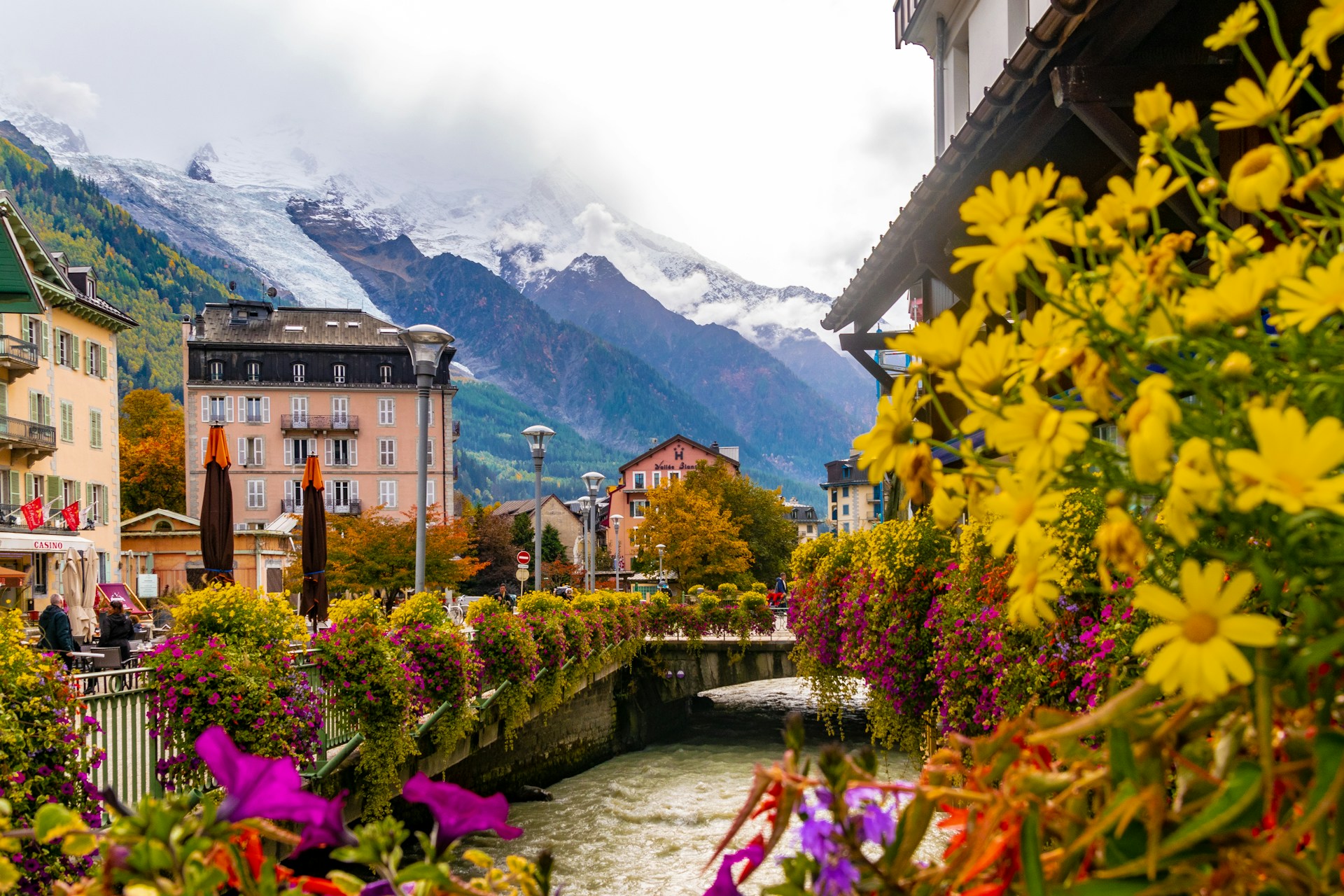
Why Visit Chamonix? What Makes It So Special
Chamonix is not the kind of place you “check off” a list; it’s the sort of valley that gets under your skin and quietly convinces you to come back, season after season. I’ve been visiting since my early twenties, and I still catch myself looking up at the Aiguille du Midi like a first-time tourist. The scale of the mountains, the mix of French alpine charm and international energy, the way the light hits Mont Blanc at sunset—it all feels a bit unreal.
Set at the foot of Mont Blanc, Western Europe’s highest peak, Chamonix blends world-class outdoor adventure with cozy village life: wooden chalets, bustling cafés, glacier-blue rivers, and serious mountaineers clomping past in their boots while families stroll by licking ice cream. In one day, you can ride a cable car above jagged peaks, walk on a glacier, sip local wine on a sunny terrace, and end with fondue and live music.
This 2026 travel guide for Chamonix is written the way I wish my first guide had been: detailed, honest, and full of personal experiences, covering the best places to visit in Chamonix, local food in Chamonix, the main neighborhoods, and a very practical 3 day itinerary for Chamonix (plus 4- and 5-day options). You’ll also find hidden gems in Chamonix, cultural etiquette, and down-to-earth travel tips for Chamonix to help you save money, navigate transport, and avoid rookie mistakes.
Table of Contents
- Why Visit Chamonix
- Chamonix Overview & Neighborhoods
- Top 20 Must-See Attractions in Chamonix
- Suggested Itineraries: 3, 4 & 5 Days in Chamonix
- Local Food & Drink in Chamonix
- Nightlife, Entertainment & Cultural Experiences
- Best Day Trips from Chamonix
- What’s New & Upcoming Events 2026–2027
- Local Customs & Cultural Etiquette
- Practical Travel Tips & Money-Saving Advice
- When to Visit Chamonix & Seasonal Highlights
- Summary & Final Recommendations
Chamonix Overview & Neighborhoods
Chamonix is technically “Chamonix-Mont-Blanc,” a small town stretched along the Arve River with several distinct areas. It’s compact enough to walk, but each part has its own personality.
Centre-Ville (Chamonix Town Center)
This is where most visitors stay on their first trip—and for good reason. The pedestrian streets, Belle Époque architecture, and constant buzz of cafés and bars make it the social heart of the valley.
- Vibe: Lively, walkable, tourist-friendly, ideal for first-timers and short stays.
- Highlights: Church of Saint-Michel, riverside promenade, Rue du Dr Paccard, and easy access to the Aiguille du Midi cable car.
- Who it suits: Couples, families wanting convenience, and travelers without a car.
Les Praz
Just a short stroll or bus ride from the center, Les Praz feels more like a tranquil alpine village than a resort town. I often stay here when I want quiet evenings and early-morning walks along the river.
- Vibe: Calm, green, upscale chalets, close to golf and hiking.
- Highlights: Flégère cable car, forest trails, and beautiful chalet architecture.
- Who it suits: Nature lovers, golfers, anyone seeking a peaceful base.
Chamonix Sud
South of the center, this area is full of apartment blocks and budget-friendly accommodation. It’s not as pretty, but it’s practical.
- Vibe: Functional, mixed crowd of seasonaires, backpackers, and families.
- Highlights: Bus hub for ski areas, quick access to Aiguille du Midi.
- Who it suits: Budget travelers, groups of friends, long-stay visitors.
Les Bossons & Les Houches (Valley Entrances)
Closer to the entrance of the valley, these areas feel like standalone villages with their own charm. I love coming here in shoulder seasons when the main town is quieter.
- Vibe: Residential, family-friendly, quieter nights.
- Highlights: Les Houches ski area (gentler slopes), Bossons Glacier viewpoint.
- Who it suits: Families, road trippers with cars, anyone wanting a village feel.
Argentière
Further up the valley, Argentière is a traditional village with a slightly more “hardcore mountain” vibe. When I’m skiing or touring around Grands Montets, this is my base.
- Vibe: Authentic, mountaineer-heavy, more local than central Chamonix.
- Highlights: Grands Montets ski area, access to serious off-piste and summer hiking.
- Who it suits: Advanced skiers, climbers, experienced hikers.
Le Tour & Vallorcine
At the far end of the valley, Le Tour and Vallorcine feel almost like a secret. They’re perfect if you want open landscapes and fewer crowds.
- Vibe: Quiet, rural, wide-open views.
- Highlights: Balme–Le Tour ski and hiking area, family-friendly slopes and trails.
- Who it suits: Families, photographers, anyone craving peace.
Top 20 Must-See Attractions & Experiences in Chamonix
These are the must-see attractions in Chamonix that I find myself revisiting year after year. Some are headliners; others are quieter hidden gems in Chamonix. For each, I’ll share what it’s like, a bit of history, and my personal tips.
1. Aiguille du Midi – The Iconic Mont Blanc Viewpoint
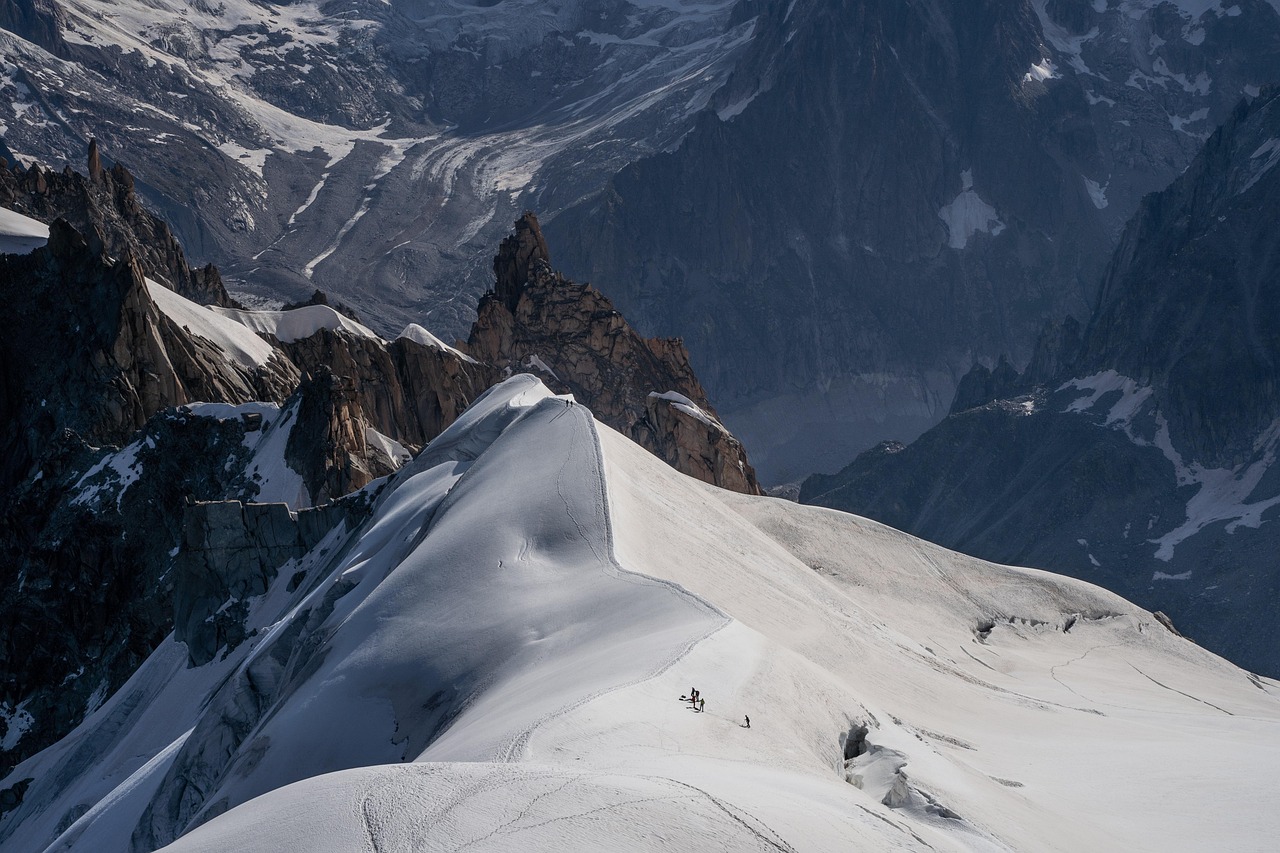
If you only have time for one big-ticket attraction, make it the Aiguille du Midi. I still remember my first ascent: the cable car swung out over the forest, then the valley floor dropped away and suddenly we were level with glacier-capped ridges. By the time we stepped out at 3,842 m, everyone in the cabin had gone quiet.
Built in stages between the 1950s and 2015 (with modernizations and the Panoramic lift), the Aiguille du Midi cable car was once the highest in the world. From the top, you get a 360° panorama of the Mont Blanc massif, the Italian and Swiss Alps, and (on a very clear day) even the Jura mountains far away.
- Best for: First-time visitors, couples, families with older kids, photographers.
- Don’t miss: The “Step into the Void” glass box (heart-thumping but safe), the viewing terraces, and the small exhibition on mountaineering history.
- My tip: Go on the first cable car of the morning for softer light and fewer crowds. In summer, I often book a 7:10–7:30 am slot and grab a croissant and coffee at the top while the sun warms the peaks.
- Tickets: It’s not cheap—consider the Mont Blanc MultiPass if you’re planning multiple lifts.
- Weather warning: If clouds are forecast to sit at mid-level, you can be in clear sunshine above them. Check the live webcams; I’ve had incredible “sea of cloud” days when the town was grey.
Getting there: The base station is a 10–15 minute walk from Chamonix centre or a quick bus ride (stop: Aiguille du Midi). In winter, expect queues; reserve a time slot online if possible.
2. Mer de Glace & Montenvers Railway – Walking on a Glacier
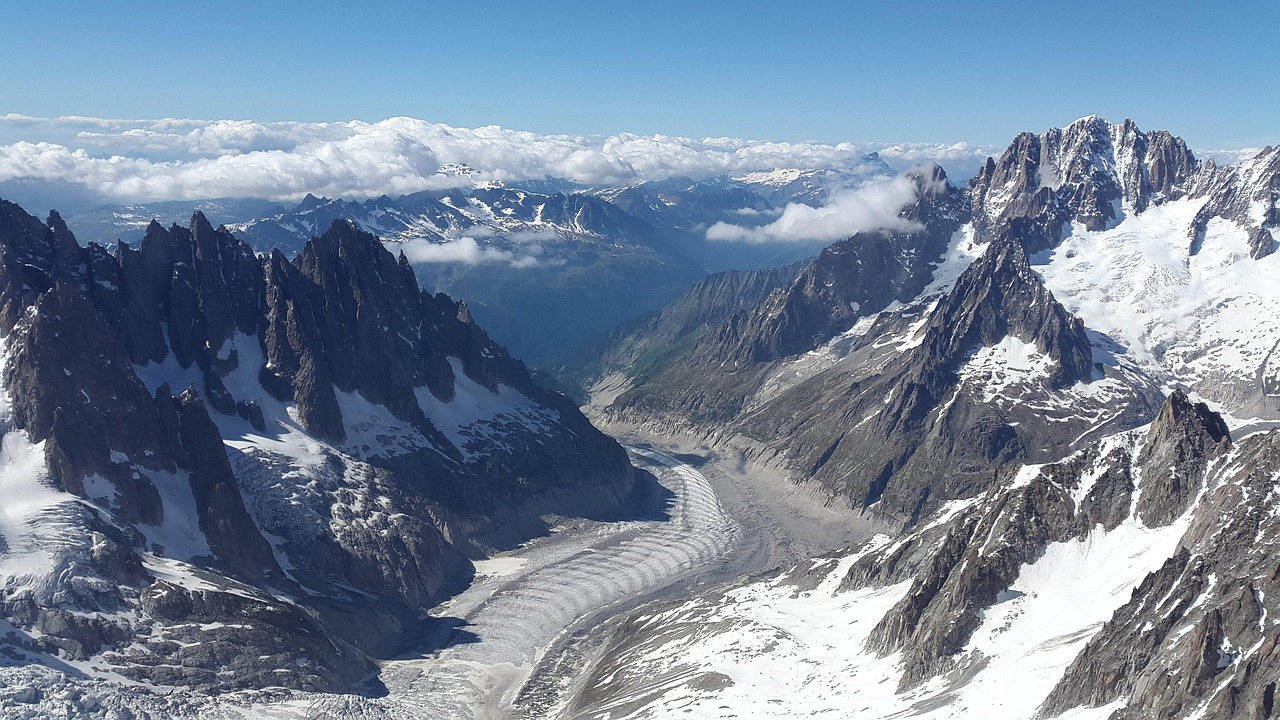
The Mer de Glace (“Sea of Ice”) is both awe-inspiring and sobering. The historic red cog railway, opened in 1909, chugs you from the valley floor up to Montenvers at 1,913 m. I’ve ridden it in both summer and winter; the sound of the gears grinding up the steep track never gets old.
At the top, you’re greeted by a sweeping view of the glacier winding down the valley, framed by jagged peaks like the Drus. Over the years, I’ve watched the glacier shrink, with each season’s “glacier level” sign a little lower on the stairway. It’s a visceral lesson in climate change.
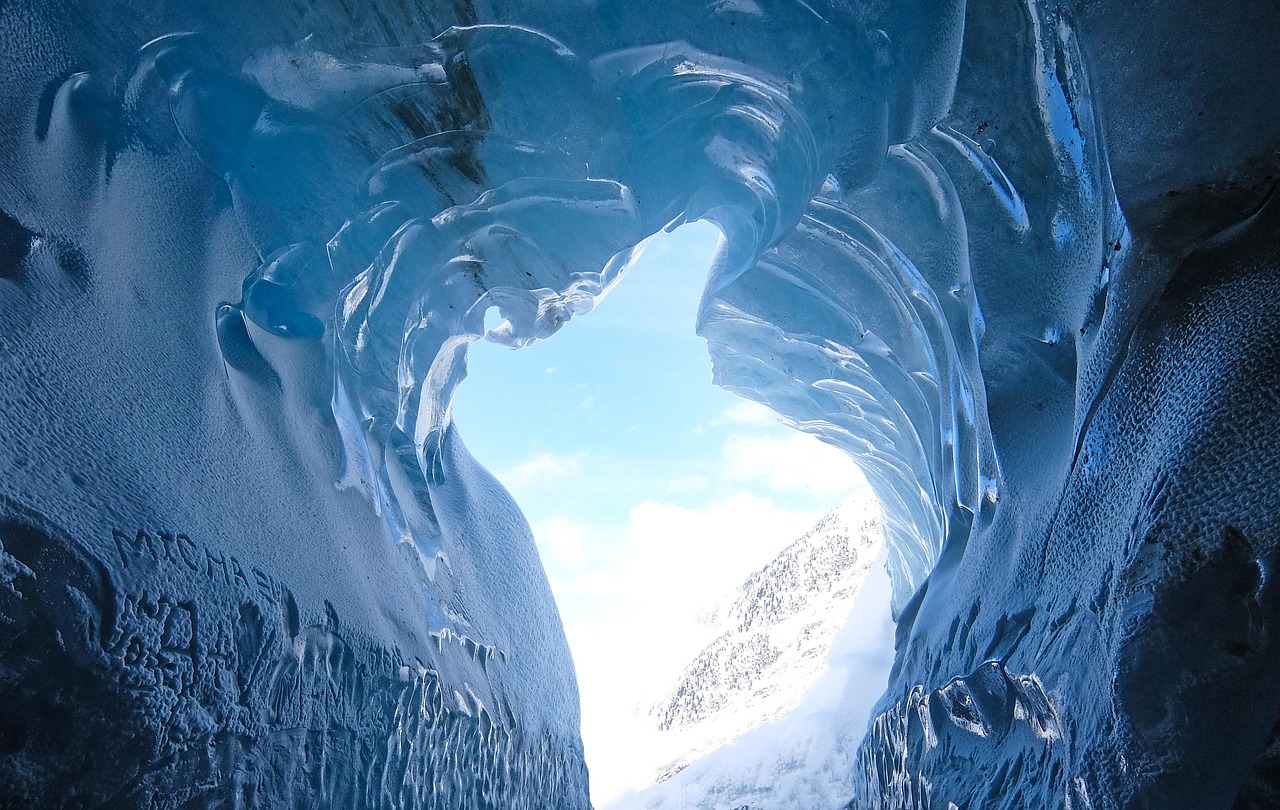
- Experiences: Glacier ice cave (re-sculpted each year), small glacier museum, short walks with viewpoints, and in summer some superb hiking trails starting from Montenvers.
- Family-friendly? Yes, but note the many stairs (and/or gondola segments) to reach the ice cave; not ideal with strollers or very young kids.
- My tip: Visit in the afternoon when many tour groups have left; the light can be beautiful as it hits the glacier’s crevasses.
Getting there: The Montenvers train departs from a station on the north side of town (easily walkable from the center). Trains run regularly; in peak season, go early or later in the day to avoid queues.
3. Chamonix Town & Mont Blanc Skyline Walk
Before racing to the lifts, take a few hours just to soak up Chamonix town itself. I love doing an “architecture and skyline loop” on my first evening: strolling along the Arve River, zig-zagging through the old streets, and pausing on bridges to watch the clouds shift over Mont Blanc.
- Highlights: Pastel-painted façades, wrought-iron balconies, Belle Époque hotels, and the contrast between elegant architecture and raw mountains above.
- Photo spots: The main bridge near Place Balmat, the riverside promenade behind the church, and the viewpoint next to the Mairie (town hall).
- My tip: Come at golden hour. On clear evenings the peaks turn orange, and you get that perfect “skyline and steeple” shot that sums up Chamonix in one frame.
4. Lac Blanc – The Classic Mirror-Lake Hike
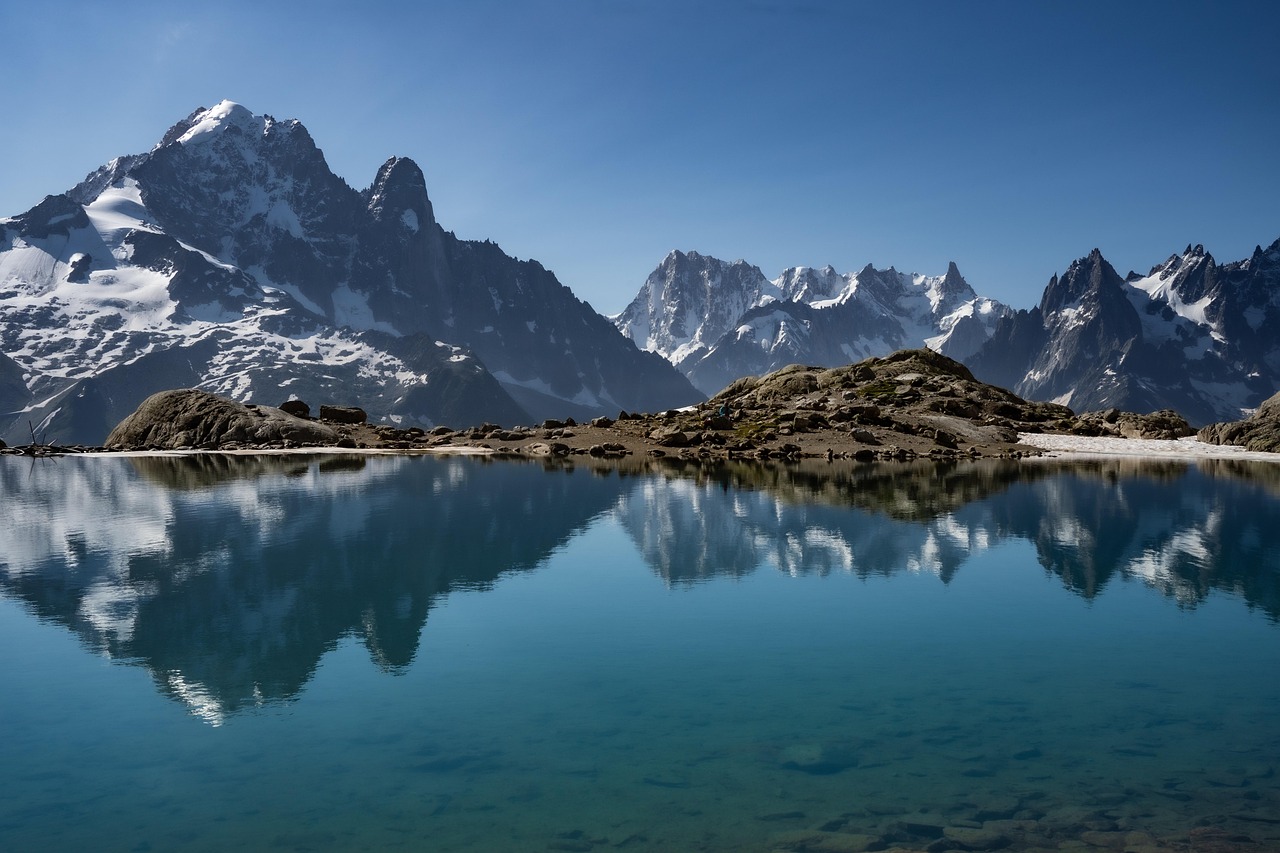
Ask any local for their favorite hike and Lac Blanc will come up. It’s famous for a reason: on a clear day, the lake acts like a mirror, reflecting the entire Mont Blanc range. I’ve hiked it in early summer when snow still clings to the edges and in September when the crowds thin and the air turns crisp.
- Route: Most people take the Flégère gondola and then hike up to Lac Blanc (around 2–3 hours one way, depending on your pace). There are alternative routes from Tré-le-Champ or directly from the valley for the very fit.
- Difficulty: Moderate; there are some rocky sections and a bit of altitude but it’s accessible to most active travelers.
- My tip: Start early in the morning. The lake is calmer for reflections, and you’ll have more space to enjoy it in peace. I often pack a picnic breakfast instead of lunch.
Family note: Older kids who are used to hiking will love it; for younger families, consider shorter walks around Flégère instead.
5. Brévent–Flégère Balcon Walk – Panoramic Traverse
The Brévent–Flégère area offers some of the best “postcard views” of Chamonix. From these south-facing slopes, you see the entire town laid out below with Mont Blanc and its glaciers opposite. I love doing the high-level traverse between the two areas in summer.
- How I do it: Take the Brévent cable car up from Chamonix, enjoy the viewpoint, then walk the balcony trail towards Flégère and descend from there. Or reverse it, depending on lift schedules.
- Best for: Hikers, couples, and anyone wanting big views without super-technical terrain.
- My tip: Have lunch at a mountain restaurant en route (check opening dates in early/late season). On quieter weekdays, I’ve had entire terraces almost to myself.
6. Grands Montets – High-Alpine Playground
Grands Montets is legendary among skiers and snowboarders, but it’s also a fantastic summer spot for hiking and glacier views. After the 2018 fire that damaged the top station, a lot has changed; by 2026, the replacement projects and new infrastructure are well underway, with improved mid-station facilities and evolving lift plans.
- Winter: Steep pistes, off-piste routes (hire a guide if you’re new here), and big vertical drops. It’s more for intermediates and experts than beginners.
- Summer: Trails out towards the Argentière glacier, peaceful viewpoints, and fewer crowds than Aiguille du Midi.
- My tip: I like to come here on bluebird days when other areas feel busy; it has a wilder, less polished feel that I love.
7. Les Houches – Gentle Slopes & Family Charm
While Chamonix is known for its steep terrain, Les Houches is where I send nervous skiers and families. The tree-lined slopes and gentler pistes feel more forgiving, and in snowy weather the forest keeps visibility better than the high, exposed areas.
- Winter: Wide pistes, kids’ areas, and the famous Kandahar World Cup downhill run (for advanced skiers).
- Summer: Family-friendly hikes, mountain-bike trails, and relaxed mountain restaurants.
- My tip: If you’re here for 3 days in Chamonix in winter and you’re not an expert, spend at least one day in Les Houches—it’s usually less intimidating and often less crowded.
8. Le Tour & Balme – Wide-Open Views at the Valley’s End
At the far end of the valley, Le Tour–Balme feels like a big alpine balcony. In winter, it’s a mellow ski area with rolling terrain; in summer, it transforms into pastureland with panoramic trails.
- Why I love it: The sense of space. You see into Switzerland, down the valley, and across to dramatic peaks—all without huge crowds.
- Ideal for: Families, intermediate skiers, summer hikers who like less technical paths.
- My tip: On clear evenings in summer, catch a late lift up, do a short loop, and watch the light fade over the valley. Then head back down for dinner in Argentière.
9. Bossons Glacier Viewpoint
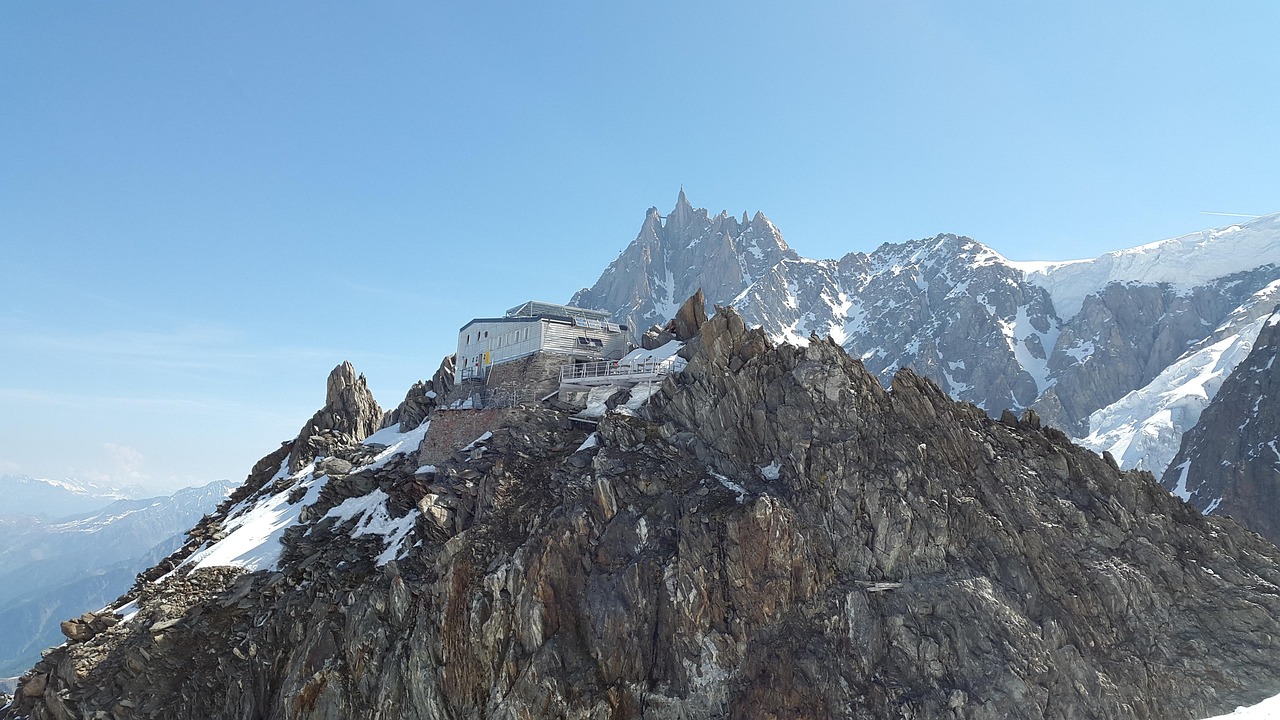
The Bossons Glacier tumbles steeply down towards the valley, and there’s a lovely mid-level viewpoint you can reach via a short hike or lift. On my first visit, I came here in late afternoon, and the crevasses were glowing blue in the low sun.
- Access: Chairlift (open seasonally) or a moderate hike from Les Bossons.
- Best for: People wanting a shorter outing with a big reward; families with active kids.
- My tip: Pair this with an evening meal in Les Bossons or Les Houches for a quieter, local-feeling night.
10. Paragliding Over Chamonix
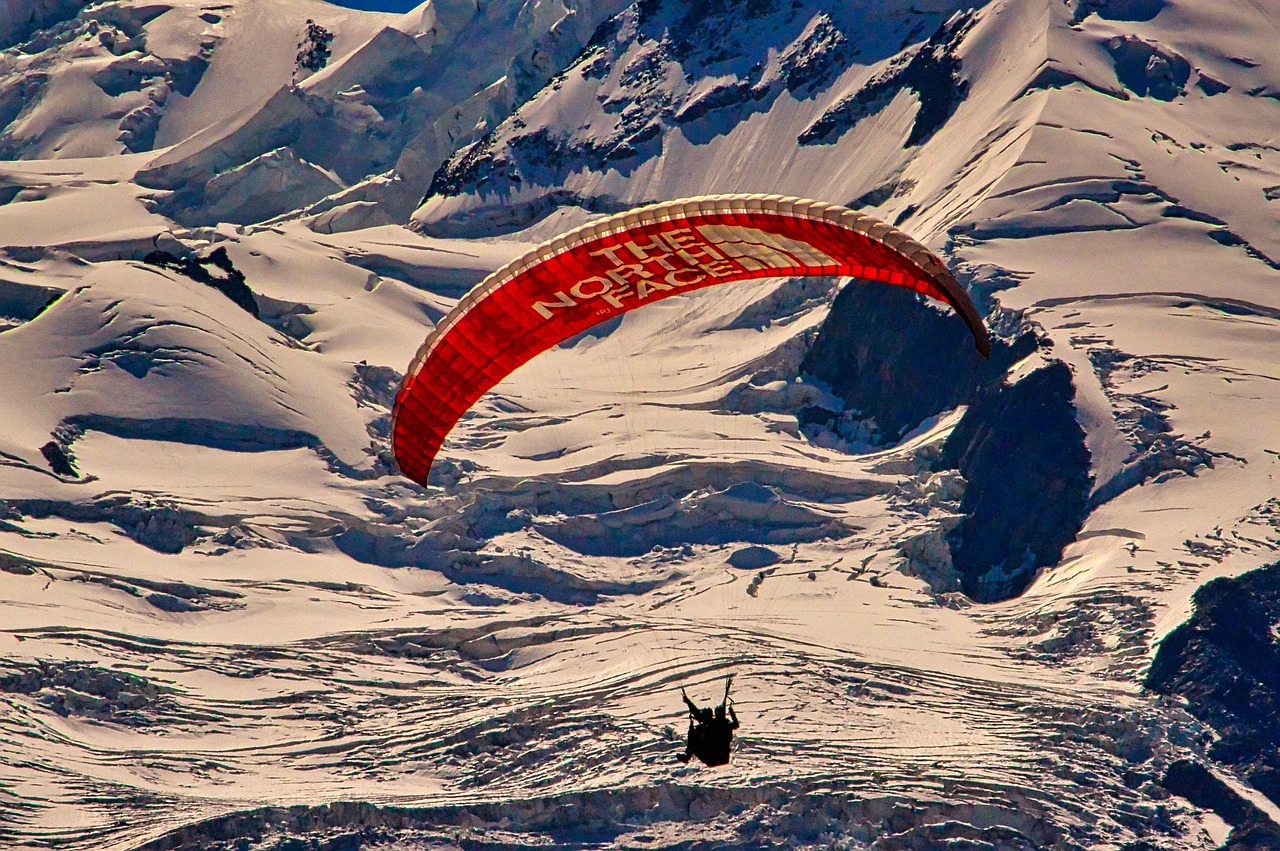
On clear days, the sky over Chamonix fills with colorful wings. I resisted paragliding for years, then finally did a tandem flight from Planpraz one autumn. Running off the slope is the scariest part; after that, it’s surprisingly peaceful, with the town miniaturized below and Mont Blanc at eye level.
- Who can do it: Most people in decent health; no experience needed for tandem flights.
- Best season: Late spring to early autumn when thermals are reliable.
- My tip: Book a morning flight for smoother air if you’re nervous, or a late afternoon one for golden light if you’re after photos.
11. Musée Alpin (Alpine Museum)
On bad-weather days, or when your legs need a break, the Musée Alpin is my go-to. Housed in an old hotel, it traces Chamonix’s transformation from a remote farming valley in the 18th century to an international mountaineering hub.
- Highlights: Old posters, vintage skis, early climbing gear, and photos of the first ascents.
- Family-friendly: Yes; kids often love spotting the “old-fashioned” equipment.
- My tip: Combine with a coffee in a nearby café and some people-watching on Rue du Dr Paccard.
12. Église Saint-Michel & Church Square
The Église Saint-Michel is the heart of Chamonix’s spiritual and social life. The current building dates largely from the 18th century, though its roots go back further. I like popping inside before dinner; it’s often quiet, with soft light filtering through the windows.
- Why visit: To understand Chamonix beyond tourism; the plaques and memorials speak to the valley’s history and the risks of the mountains.
- My tip: Step out afterwards and linger in the square—street performers, kids playing, and that classic view of the mountains between rooftops.
13. Arve River Promenade & Bridges
The milky-turquoise Arve River runs right through town, born from glacier melt above. Walking along it is one of my simple joys in Chamonix. I’ll often grab a takeaway coffee and wander from bridge to bridge, watching kayakers or just the fast-flowing water.
- Best time: Early morning when bakeries open, or late evening when the mountains are in silhouette.
- My tip: Follow the riverside path a bit out of town towards Les Praz for quieter stretches and great photo angles of the town skyline.
14. Plan de l’Aiguille – Mid-Station Magic
Many people ride the Aiguille du Midi cable car straight to the top and ignore the mid-station. That’s a mistake. Plan de l’Aiguille (around 2,300 m) is one of my favorite spots for a half-day outing.
- What to do: Easy-to-moderate hikes, a small mountain restaurant, and quiet viewpoints. The trail to Montenvers is particularly beautiful.
- My tip: On busy summer days, ride up early, get off at Plan de l’Aiguille, hike to Montenvers, and ride the train back to town. It’s a perfect “mini high-mountain traverse.”
15. Les Gaillands Climbing Cliffs & Lake
Les Gaillands is where many locals learned to climb, and where I spent a memorable afternoon on an easy top-rope route, feeling more like a hero than the grade deserved. The cliffs rise right next to a small lake and park area, making it a relaxed outing even if you don’t climb.
- Best for: Families, beginners trying climbing with a guide, picnics, or a low-key walk.
- My tip: Walk from town along the river and forest path (around 30–40 minutes) rather than taking the bus; it’s a gentle, scenic way to stretch your legs.
16. Chemin des Diligences – Historic Carriage Route
The Chemin des Diligences is a quiet trail following the old carriage route between Servoz and Chamonix. I walked a portion of it one autumn afternoon and didn’t see another soul for an hour, just forest, old stone walls, and occasional glimpses of the peaks.
- Why it’s special: It connects you to pre-tourism Chamonix, when visitors arrived by horse-drawn carriage rather than train.
- Best for: History lovers, hikers who like solitude, off-the-beaten-path explorers.
17. Argentière Glacier Viewpoint
The Argentière Glacier feels wilder and less visited than the Mer de Glace. There are trails from the Grands Montets area that bring you to excellent viewpoints, and I often recommend this to people who’ve already done the “big hits.”
- Best season: Summer and early autumn, when paths are clear.
- My tip: Bring binoculars if you have them; you can sometimes spot climbers or skiers far out on the glacier.
18. Tramway du Mont-Blanc (From Nearby Saint-Gervais)
Technically just outside the Chamonix valley, the Tramway du Mont-Blanc is worth mentioning as a classic day out. This historic rack railway climbs from Saint-Gervais / Le Fayet towards the Bionnassay glacier and the Nid d’Aigle area, a starting point for some Mont Blanc ascents.
- Why go: Quieter than some Chamonix lifts, with a nostalgic, old-world feel and impressive glacier views.
- My tip: Combine with a soak at the Saint-Gervais thermal spa for a relaxed, less “extreme” day.
19. Chamonix Markets & Local Producers
One of my rituals is to wander the weekly market (usually Saturdays, with smaller markets on other days in season). Stalls overflow with cheeses, cured meats, fresh bread, mountain honey, and Savoie wines. I’ve lost count of how many impromptu picnics started here.
- Best buys: Tomme de Savoie, Reblochon, local blueberries in summer, saucisson, and jars of génépi liqueur.
- My tip: Bring a small backpack and buy picnic supplies for a riverside or balcony lunch; it’s cheaper and more fun than eating out every meal.
20. Spas & Wellness – Recovering Alpine-Style
After a long day hiking or skiing, Chamonix’s spas are a gift. From modern wellness centers to hotel spas that accept day visitors, there’s no shortage of hot pools, saunas, and steam rooms.
- Best for: Couples on a romantic break, tired legs, and rainy days.
- My tip: Book an evening session and emerge relaxed into the cool mountain air; walking back through town in a post-spa daze is oddly satisfying.
3, 4 & 5 Day Itineraries for Chamonix
These itineraries are based on how I actually structure my own trips. They balance the big things to do in Chamonix with quieter moments and room for bad weather. You can mix and match, but this gives you a solid starting point.
3 Day Itinerary for Chamonix – The Essentials
If you only have 3 days in Chamonix, focus on the absolute highlights: high-mountain viewpoints, one classic hike, and time in town.
Day 1 – Aiguille du Midi & Chamonix Town
Morning: Take the earliest possible cable car to Aiguille du Midi. I like to grab a coffee and croissant in town by 7 am, then walk to the lift. Spend time moving slowly between the viewing platforms; altitude can make you feel lightheaded, so don’t rush.
Lunch: Either eat at the café up top (expensive but atmospheric) or descend to Plan de l’Aiguille mid-station and picnic with a view.
Afternoon: Ride back down and give yourself a gentler pace: wander the centre-ville, step into Église Saint-Michel, and walk the Arve River promenade. This is when I like to orient myself, check out gear shops, and plan hikes based on the latest weather.
Evening: Dinner at a Savoyard restaurant (fondue or tartiflette is almost mandatory your first night), then a relaxed drink on a terrace. Turn in early; altitude and travel catch up with you.
Day 2 – Mer de Glace & Plan de l’Aiguille Traverse
Morning: Take the Montenvers train to Mer de Glace. Visit the glacier cave if the stairs don’t intimidate you, and spend a little time in the glacier museum. I usually linger at the viewpoints, just watching the ice.
Lunch: There’s a restaurant at Montenvers, or you can bring your own picnic. On clear days, I prefer to sit outside with a sandwich and watch the valley below.
Afternoon: If weather and energy allow, hike the superb trail from Montenvers to Plan de l’Aiguille, then ride the cable car back to Chamonix. It’s one of my favorite “introduction” hikes: not too technical, always scenic.
Evening: Stroll through town, maybe catch some live music at a bar, or just grab gelato and watch the last light on the peaks.
Day 3 – Brévent Panorama & Lac Blanc or Les Gaillands
Option A (active): Take the Brévent cable car and walk part of the Brévent–Flégère balcony route, or head directly to Lac Blanc via Flégère. This gives you a taste of the classic mid-mountain hikes. Build in time to sit on a terrace with a drink; don’t rush back down.
Option B (easier): If your legs are tired or you’re traveling with younger kids, keep it gentler: morning at Brévent for views, then afternoon at Les Gaillands for a lakeside walk and maybe an intro climbing session with a guide.
Evening: For your final night, choose a slightly special dinner—perhaps a restaurant with a Mont Blanc view or a cozy chalet-style place in Les Praz—and toast your three days in Chamonix.
4 Day Itinerary for Chamonix – Adding Adventure or Relaxation
With 4 days in Chamonix, follow the 3-day plan above and add one themed day, depending on your interests.
Day 4 – Choose Your Focus
- Adventure focus: Book a paragliding tandem flight in the morning and a via ferrata or guided glacier walk in the afternoon (book in advance; guides are popular). This is a full-on alpine day, great for thrill-seekers.
- Hiking focus: Choose a longer hike like the full Lac Blanc loop, a section of the Tour du Mont Blanc, or the Argentière glacier viewpoint. Pack lunch and lots of water.
- Relaxation focus: Sleep in, hit a spa late morning, have a long lunch in town, then visit the Alpine Museum and browse markets and shops. I love this slower day in the middle of a longer trip.
5 Day Itinerary for Chamonix – Deep Dive into the Valley
With 5 days in Chamonix, you can experience almost everything: the headliners, some hidden corners, and a day trip.
Day 4 – Les Houches & Bossons Glacier
Spend a day exploring the Les Houches area. In winter, ski the tree-lined slopes; in summer, hike through forests and alpine meadows. In late afternoon, head to the Bossons Glacier viewpoint for a quieter glacier experience.
Day 5 – Day Trip or Offbeat Valley Exploration
On your fifth day, either:
- Take a day trip (see Best Day Trips from Chamonix) to Annecy, Courmayeur (Italy), or the Tramway du Mont-Blanc, or
- Explore the valley’s quieter corners: Argentière, Le Tour, and historic paths. This is when I like to walk sections of the valley floor trails and discover new picnic spots.
End your final evening with a special dinner and perhaps a last stroll along the river, promising yourself you’ll be back. Most people do.
Local Food & Drink in Chamonix
After all the mountains, it’s time to talk about what really fuels Chamonix: cheese, potatoes, and wine. The region’s cuisine is hearty and comforting—perfect after a day in the cold or a long hike.
Classic Dishes to Try
- Fondue Savoyarde: Melted local cheeses (Comté, Beaufort, Emmental) with white wine, eaten with bread. I like mine with a side of charcuterie and a simple green salad to cut the richness.
- Raclette: Half-wheel of cheese melted and scraped onto potatoes, pickles, and cured meats. Great for groups; a bit of a ritual.
- Tartiflette: Potatoes baked with Reblochon cheese, onions, and lardons. The ultimate comfort dish; I try to limit myself to once per trip.
- Croziflette: A twist using tiny buckwheat pasta (“crozet”) instead of potatoes.
- Diots & Polenta: Savoyard sausages served with creamy polenta; simple and satisfying.
- Blueberry Tarts & Desserts: In summer, local myrtilles (blueberries) show up in tarts and cakes all over town.
Drinks to Seek Out
- Vin de Savoie: Light, often crisp whites (Jacquère, Apremont) and some pleasant reds. Perfect with cheese-heavy dishes.
- Génépi: Herbal liqueur made from alpine plants. Sip a small glass after dinner; it tastes like the mountains.
- Local Beers: Several small breweries in the wider region produce good craft beers—ideal après-ski fuel.
Where I Like to Eat
Restaurants change hands and menus often, so always check recent reviews, but here are the types of places I gravitate to:
- Traditional Savoyard Chalets: Wooden beams, checked tablecloths, and menus heavy on fondue and tartiflette. I usually book one of these on my coldest night.
- Modern Bistros: Lighter takes on alpine dishes, often with good vegetarian options.
- Mountain Huts: Simple but hearty food with unbeatable views. I’ve had some of my most memorable meals on sunny hut terraces.
- Budget Options: Pizzerias, crêperies, and takeaway sandwich shops help keep costs down. When I’m saving money, I’ll often do one restaurant meal a day and a picnic or takeaway for the other.
Saving Money on Food
- Self-catering: Many apartments have small kitchens; I often cook breakfast and sometimes dinner, then eat one meal out each day.
- Supermarkets & Markets: Stock up on cheese, bread, and fruit at supermarkets and the local markets. It’s both cheaper and more fun than constant restaurant dining.
- Lunch deals: Some places offer more affordable fixed-price lunch menus; I’ll plan my main meal at midday and do something lighter at night.
Nightlife, Entertainment & Cultural Experiences
Chamonix’s nightlife reflects its mix of ski-bum energy and mountain seriousness. You’ll find everything from cozy wine bars to lively pubs and late-night clubs, plus a steady stream of cultural events.
Evening & Nightlife Options
- Après-ski Bars: From mid-afternoon, terraces fill with people still in ski gear, beers in hand. Live music is common in winter.
- Wine Bars: Softer lighting, local wines, and cheese/charcuterie boards—perfect for couples or low-key nights.
- Pubs & Live Music: Expect a mix of locals, seasonaires, and visitors. On some nights you’ll hear live rock, folk, or DJs.
- Clubs: Small but lively, with nights that can go late during peak season. I usually save these for when I’m not planning a big hike the next morning.
Cultural Experiences
- Alpine Museum Events: Talks and exhibitions, especially around mountaineering history.
- Film Screenings: Outdoor and indoor mountain film nights, particularly around festivals like the Ultra-Trail du Mont-Blanc (UTMB).
- Local Festivals: Village fêtes, music festivals, and seasonal celebrations (see Events 2026–2027).
Best Day Trips from Chamonix
If you have extra days, these are my favorite day trips.
Annecy – The “Venice of the Alps”
About 1.5 hours away by car or bus, Annecy is a fairytale town of canals, a bright-blue lake, and pastel houses. I love pairing a few mountain days with a day here for a total change of scene.
Courmayeur, Italy – Through the Mont Blanc Tunnel
Hop through the Mont Blanc tunnel and in 30–40 minutes you’re in Courmayeur, with Italian coffee, gelato, and a different perspective on Mont Blanc. In winter, you can ski the Italian side; in summer, explore the Skyway Monte Bianco cable car.
Saint-Gervais & Tramway du Mont-Blanc
Combine the Tramway du Mont-Blanc with a visit to Saint-Gervais or its nearby thermal spa. It’s a calmer, more old-fashioned take on alpine tourism.
Vallorcine & Swiss Border Walks
Ride the train to Vallorcine, the last French village before Switzerland, and walk quiet trails along the border. It feels a world away from the bustle of Chamonix center.
What’s New & Upcoming Events in Chamonix (2026–2027)
Chamonix is constantly evolving. For 2026–2027, here are notable events and trends to be aware of (always confirm exact dates closer to your trip):
- Ultra-Trail du Mont-Blanc (UTMB): Late August each year, bringing thousands of runners and spectators. Atmosphere is electric; accommodation prices and crowds spike.
- Chamonix Mountain Film & Book Events: Annual festivals celebrate mountain culture, with film screenings, talks, and exhibitions.
- Winter Ski Season Enhancements: Ongoing improvements to lifts and snowmaking, especially around Grands Montets and Les Houches, continue into 2026–2027, with an emphasis on sustainability and better queue management.
- Eco-Initiatives: Expect more car-free days, encouragement of train/bus travel, and expanded valley shuttle services as Chamonix pushes greener tourism.
- Summer Trail & Cycling Events: A growing calendar of trail races and cycling events in 2026 will bring energetic crowds and occasional road closures—check ahead when planning drives.
Local Customs & Cultural Etiquette in Chamonix
Chamonix is international, but it’s still in France and still very much a mountain community. A bit of cultural awareness goes a long way.
Everyday Etiquette
- Greetings: Say “Bonjour” when entering shops, cafés, or offices. It’s small but important. “Bonsoir” in the evening.
- Language: Many people speak English, but starting with a few words of French is appreciated.
- Dining: It’s common to linger over meals; you usually need to ask for the bill (“L’addition, s’il vous plaît”). Tipping is modest—round up or leave a few euros if service was good.
Mountain Culture
- Respect for the Mountains: Locals take safety seriously. If guides, lift staff, or hut wardens advise against a route due to weather, take it seriously.
- Trail Etiquette: Greet people on narrow trails, yield to those climbing uphill, and keep dogs under control. Stay on marked paths to avoid erosion.
- Hut Etiquette: In mountain refuges, remove boots where requested, respect quiet hours, and share space considerately.
Environmental Respect
- Leave No Trace: Pack out all rubbish. Even biodegradable items like orange peels should go with you.
- Wildlife: Don’t feed animals, and keep distance from ibex, chamois, and marmots.
Practical Travel Tips & Money-Saving Advice
Getting To & Around Chamonix
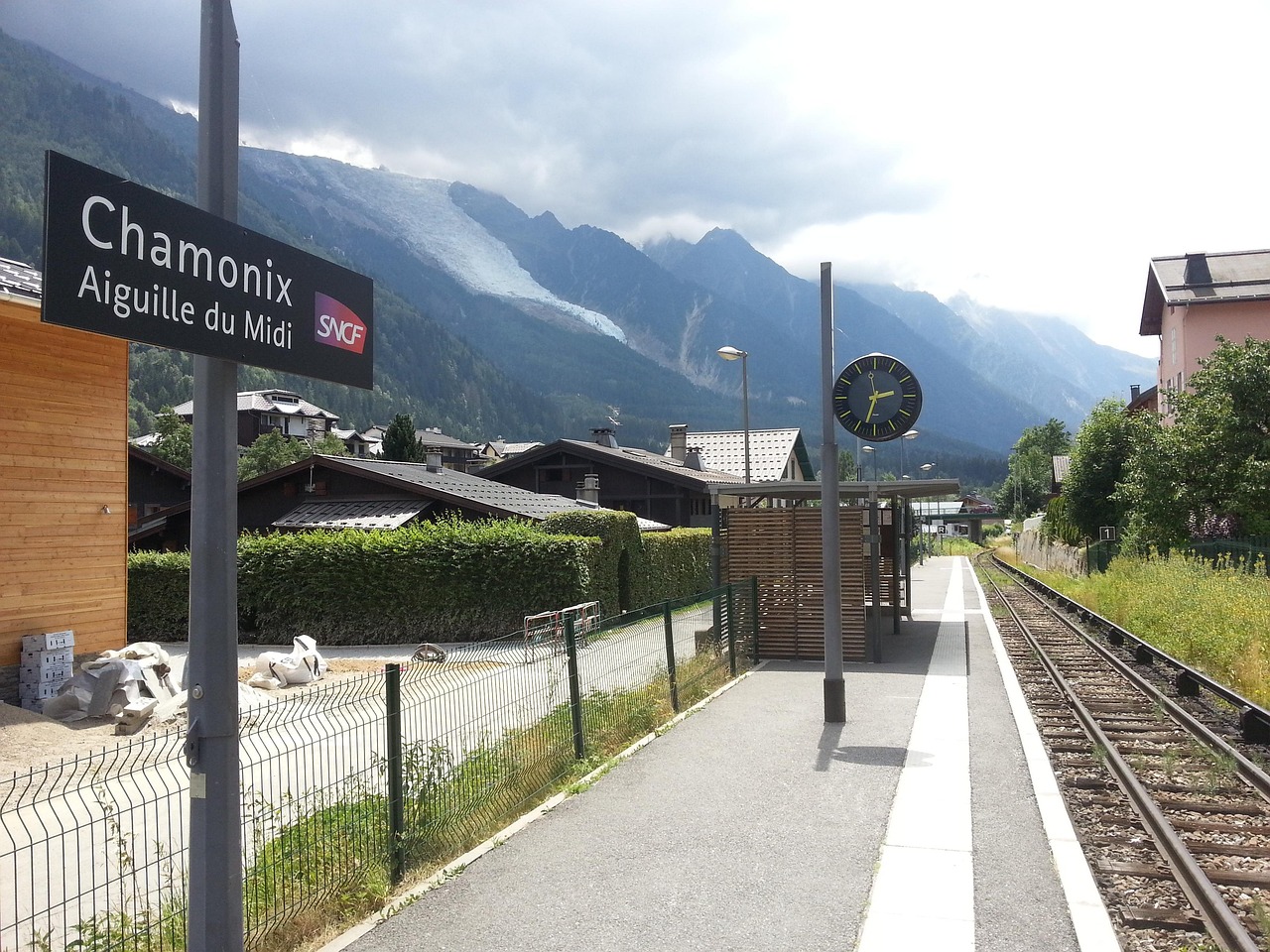
- By Air: The nearest major airport is Geneva (Switzerland), about 1–1.5 hours away by road. Regular shared shuttles run directly to Chamonix.
- By Train: You can reach Chamonix by train via Annecy or Saint-Gervais-les-Bains. It’s slower than the bus from Geneva but more scenic.
- By Car: The Autoroute Blanche (A40) leads to the valley. In winter, bring or rent snow chains. Parking in town can be tight; some hotels/apartments charge for parking.
Getting Around the Valley
- Free Buses & Trains: With a guest card from your accommodation, valley buses and local trains are often free or discounted. I use them constantly—especially in winter.
- On Foot & Bike: Chamonix is very walkable. In summer, I often rent a bike for quick runs to Les Praz or Les Gaillands.
- Car Rental: Useful if you plan lots of day trips beyond the valley, but not essential for a Chamonix-only holiday.
SIM Cards & Connectivity
- EU Travelers: Most EU SIMs roam at domestic rates. Check with your provider.
- Non-EU Travelers: Consider a French prepaid SIM (e.g., from Orange or SFR) or an eSIM. You’ll find shops in Geneva airport and larger French towns; in Chamonix, options can be more limited, so I usually sort this before arriving.
- Coverage: Good in town and at lift stations; patchier deep in valleys or on some trails.
Money & Costs
- Currency: Euro (€). Cards widely accepted; still useful to have some cash for smaller places or markets.
- Saving Money: Stay slightly outside centre-ville, self-cater some meals, and use guest-card transport. Consider lift passes that bundle multiple areas if you’ll use several lifts in a short time.
Visas & Driving Licenses
- Visa Requirements: Chamonix is in France, part of the Schengen Area. Many nationalities can enter visa-free for short stays (up to 90 days in 180). Always check the latest rules for your passport.
- Driving License: EU licenses are valid; many non-EU licenses are accepted, but an International Driving Permit (IDP) is wise to carry if your license is not in French or another EU language.
Safety & Health
- Altitude: Many viewpoints are high. Drink water, move slowly, and avoid intense exertion your first hours at altitude.
- Insurance: Make sure your travel insurance covers mountain activities (especially off-piste skiing, climbing, or paragliding).
- Weather: Mountain weather changes fast. Always check forecasts and heed local advice.
Hidden Tips from Repeated Visits
- Plan “weather flex” days: Don’t book all big-ticket lifts on specific days; keep one or two days flexible so you can swap plans if clouds roll in.
- Early & Late: Popular spots like Aiguille du Midi and Lac Blanc are transformed if you arrive early or stay later than the main rush.
- Picnic Strategy: I often buy bread, cheese, and fruit in the morning and build picnics into hikes—it saves money and puts lunch in the best locations.
- Pack Layers: Even in summer, it can be near-freezing at high lifts. I carry a light down jacket, hat, and gloves on most outings.
When to Visit Chamonix – Best Seasons & Activities
There’s no single “best time” to visit; it depends on what you want to do.
Winter (December–March)
- Best for: Skiing, snowboarding, snowshoeing, winter paragliding.
- Pros: Magical snowy landscapes, buzzing après-ski, long ski days in mid-winter.
- Cons: Crowds and higher prices at Christmas/New Year and February school holidays; short daylight in December.
Spring (April–June)
- Best for: Late-season skiing at higher areas, quieter town, lower prices.
- Pros: Fewer tourists, warmer days in the valley, beautiful contrasts of snow and flowers.
- Cons: Some lifts and trails closed between winter and summer seasons; check opening dates.
Summer (July–August)
- Best for: Hiking, trail running, climbing, mountain biking, paragliding.
- Pros: All lifts and huts generally open, long days, lively atmosphere, outdoor events.
- Cons: Busiest time of year; accommodation and lifts at peak prices; popular trails can feel crowded.
Autumn (September–November)
- Best for: Quieter hiking, photography, cooler temperatures.
- Pros: Golden larches, fewer crowds, often stable weather in early autumn.
- Cons: Some lifts and services start closing; by November, it can feel in-between seasons.
Summary & Final Recommendations
Chamonix is one of those rare places where you can feel both very small and completely alive. Whether you’re here for a 3 day itinerary for Chamonix, stretching to 4 days in Chamonix, or settling in for 5 days in Chamonix or more, the valley offers a deep mix of must-see attractions and quiet corners, adrenaline and calm.
For a first visit, I recommend:
- At least 3 days to see Aiguille du Midi, Mer de Glace, and a panoramic hike.
- 4–5 days if you want a day trip, more hiking or skiing, and some true downtime.
- Winter for snow sports and cozy evenings, summer for hiking and long days, and shoulder seasons for quieter, more reflective trips.
Come prepared for changing weather, with room in your schedule to follow the sun or dodge the clouds. Start each day by looking up at the mountains—they’ll often tell you more than the forecast. And don’t be surprised if, like me, you find yourself planning your return before you’ve even left.