Why Visit Château de Chambord in 2026
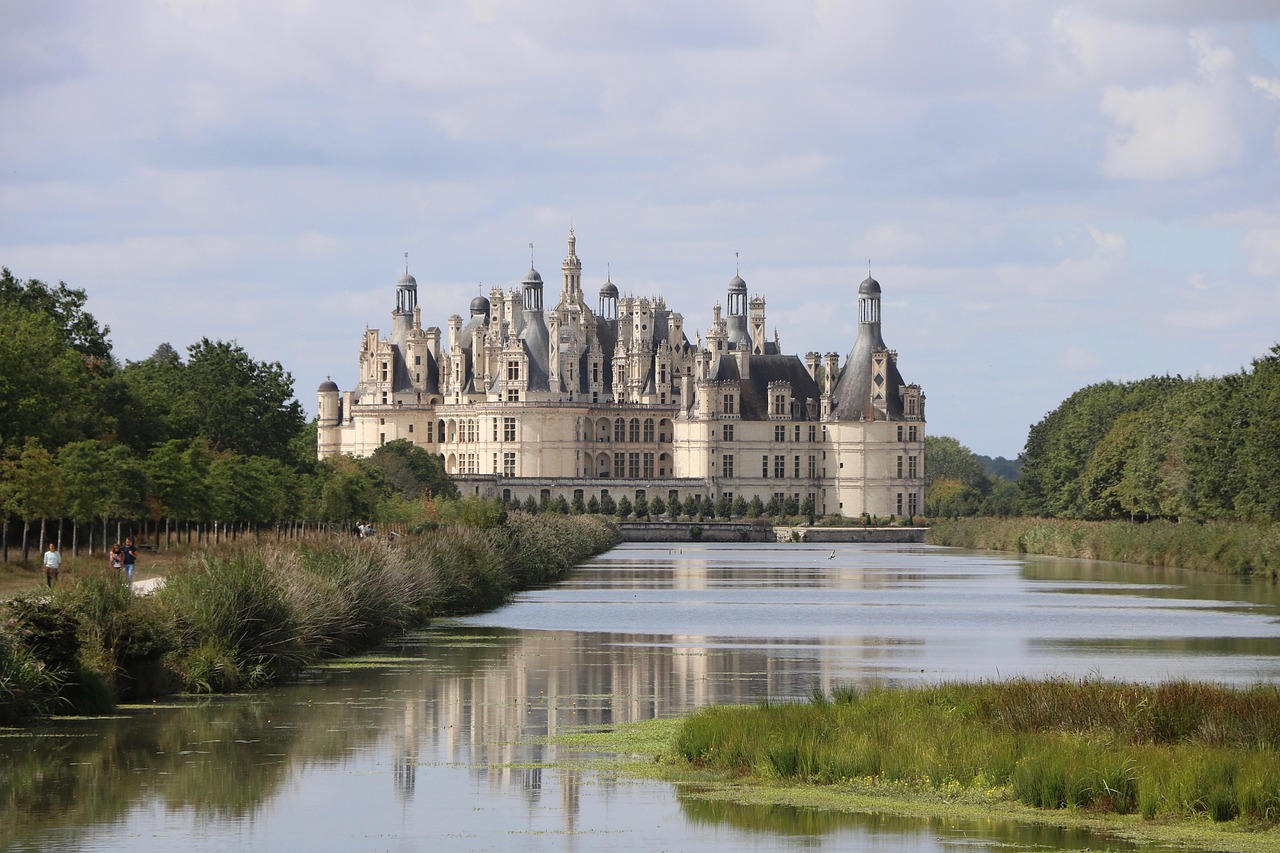
Every time I step out of the forest path and the silhouette of Château de Chambord rises in front of me, it still feels unreal. The double-helix staircase, the riot of chimneys and lanterns on the roofline, the vast moat-like canal and the deer-filled forest – Chambord doesn’t look like a working château so much as a dream sketched by an architect who didn’t believe in limits.
I’ve been visiting Chambord regularly since my student days in Tours, and in the last few years I’ve watched it mature from a “tick-the-box” stop on a Loire Valley bus tour into a destination worth a full day – even two or three days – of slow exploration. In 2026, with new exhibitions, expanded cycling paths in the forest, and an increasingly interesting local food scene, it’s finally living up to the genius of its original design.
For first‑timers, Chambord is the essence of the Loire Valley: a Renaissance hunting lodge inflated to royal scale, wrapped in 5,440 hectares of walled forest. For repeat visitors like me, it’s a place to chase light and shadows across stone, to watch the mist lift off the canal at dawn, to picnic by the Cosson River with a bottle of local Cheverny wine, to cycle through oak woods where you can still hear the bellow of stags in autumn.
Whether you have a 1 day itinerary for Château de Chambord, a relaxed 2 days in Château de Chambord, or a deep-dive 3 day itinerary for Château de Chambord, this long-form travel guide for Château de Chambord is written to feel like you’ve borrowed a local friend – one who’s gotten lost in the spiral stairs more than once, has strong opinions about which viewpoint is best at golden hour, and knows which nearby bistro is actually worth leaving the estate for.
Table of Contents
- Why Château de Chambord Belongs on Your France Itinerary
- 1–3 Day Itineraries for Château de Chambord
- The 8 Essential Sections & Viewpoints of Chambord
- 1. The Grand Approach & Exterior Facades
- 2. The Double-Helix Staircase
- 3. Royal Apartments & Grand Halls
- 4. Roof Terraces & Panoramic Viewpoints
- 5. The Chapel & Spiritual Corners
- 6. Grounds, Canal & Cosson River Walks
- 7. The Walled Forest & Wildlife Domain
- 8. Stables, Art Installations & Temporary Exhibitions
- Where to Eat & Stay Around Château de Chambord
- Château de Chambord After Dark & Off-Hours Magic
- What’s New: Events & Changes for 2026–2027
- Day Trips & Nearby Loire Valley Gems
- Cultural Etiquette & Local Customs Around Chambord
- Practical Travel Advice & Money-Saving Tips
- Tickets, Opening Hours & On-Site Logistics
- Summary & Best Time to Visit Château de Chambord
Planning Your Visit: 1–3 Day Itineraries for Château de Chambord
Most visitors still rush through Chambord in half a day and leave saying it’s “impressive but a bit empty.” That reaction almost always comes from treating the château as a quick photo stop instead of a landscape, a forest, and a living estate. Here’s how to shape your 1 day itinerary for Château de Chambord – and what changes if you give it 2 or 3 days.
1 Day in Château de Chambord: The Essential First Visit
This is the day I often recreate when friends arrive from Paris with only one spare day. It’s an intense but satisfying loop through the most iconic parts of Chambord, with just enough time to breathe on the terraces and along the water.
Morning: Arrive Early & Walk the Grand Approach
I like to time my arrival for the opening bell, which in 2026 is usually 9:00 a.m. in high season (check exact Château de Chambord opening hours before you come). If you’re driving from Blois or Tours, aim to park by 8:30 a.m. so you can enjoy the quiet before the buses arrive.
From the main parking area, resist the urge to rush straight to the ticket line. Instead, walk out toward the canal and take the long, frontal approach, letting the château slowly swell in your field of vision. This is where Chambord makes its case as one of the best places to visit in Château de Chambord (yes, the château itself is a world in its own right). In early spring, there’s often a low mist hugging the ground; in late autumn, the lawns are golden and crunchy underfoot.
Buy your ticket at the main entrance pavilion (ideally you’ve already reserved a timed entry online, more on that in the tickets section). I like to add the audio guide for first-timers; it’s surprisingly well done and helps anchor the spaces that can otherwise feel abstract.
Late Morning: The Double-Helix Staircase & First Loop Through the Interiors
On my last spring visit, it was still quiet when I stepped into the cool stone of the central keep. The air smells faintly of lime and dust, and the central staircase rises in front of you like a sculpted spine. This is the legendary double-helix staircase, long attributed (a bit optimistically) to Leonardo da Vinci. The genius isn’t just the intertwined spirals; it’s how the staircase becomes a theatrical device, allowing two people to climb separately while catching glimpses of each other through carved openings.
Here’s my routine for a 1 day itinerary:
- Climb the staircase slowly, stopping at each landing to peek down the radiating corridors. Notice how daylight slants differently on each side; photograph the play of shadow on stone.
- Do a first, intuitive loop through the royal apartments on the second level (we’ll go deeper later). Don’t try to read every panel – just let your body move through the geometry of the rooms.
- Continue up the helix until you emerge onto the roof terraces for your first panoramic view.
Midday: Roof Terraces & Iconic Views
If the weather plays along, this is where Chambord really snaps into focus. The roofline is a forest of chimneys, lanterns, and turrets, each carved with Renaissance whimsy. I usually walk the full circuit twice: once slowly without my camera, just absorbing, and then again chasing specific angles.
Look for:
- The view across the canal toward the formal lawn – the classic postcard shot that’s on every brochure.
- The perspective down to the Place Saint-Louis hamlet, with its slate roofs and restaurants.
- The distant line of trees marking the edge of the walled forest, reminding you that this was a hunting domain, not a city palace.
Families: kids love counting chimneys and spotting carved salamanders (François I’s emblem) hidden in the stonework. Couples: this is already romantic, but come back up again later for golden hour if your energy allows.
Lunch: Picnic or Bistro?
By now it’s around 12:30–13:00. You have two good options:
- Bring a picnic – my preferred choice. On my last visit, I stopped at the market in Blois early in the morning: a baguette, goat cheese from Selles-sur-Cher, rillettes, apples, and a half bottle of local Cheverny. There are designated picnic areas by the canal and under the trees; just respect the “no food inside the château” rule.
- Eat in Place Saint-Louis – a short walk from the château. I often recommend Le Grand Saint-Michel for a sit-down lunch that’s not too tourist-trappy, where you can try game dishes in season (venison stew in autumn is a favorite) and local wines.
Afternoon: Deep Dive into the Royal Apartments & Exhibitions
This is when I circle back to the interiors with more intention. The layout can be confusing, so here’s a path that works well for a one-day visit:
- Start with the François I apartments, where the legend of Chambord begins – notice the emblems, the salamanders, and the “F” monograms everywhere.
- Move into the Louis XIV era rooms, where the château was refurnished for the Sun King’s short-lived stays. The furniture and tapestries here give you a better sense of how spaces were actually used.
- Don’t skip the rooms explaining the hunting culture and the engineering behind the estate – they’re easy to overlook but help make sense of the surrounding forest.
On a rainy March afternoon a few years ago, I spent almost an hour in a room watching archival film of the estate’s restorations; older French couples around me were whispering about childhood visits. That’s when Chambord felt less like a frozen monument and more like a place people have argued over, fought for, and gradually brought back to life.
Late Afternoon: Canal Walk, Boat Rental, or Bike Loop
By 16:00, the light begins to turn honeyed (in spring and autumn), and the bus tours start thinning. This is the moment to step away from stone and into landscape.
- Canal walk: Stroll along the canal’s edge toward the small bridge that gives a slightly off-center but spectacular view of the château’s reflection. I’ve stood here on winter afternoons when the sky turned lavender and the château looked like a stage set.
- Rowboat or electric boat: In high season, you can rent small boats and paddle or drift along the canal. It’s kitschy, yes, but charming. Ideal for families and couples.
- Bike rental: There are bikes for rent just off the main square. With only one day, stick to the loop paths close to the château rather than trying to conquer the whole forest.
Evening: Golden Hour & Drive Back
If you’ve driven, linger until just before sunset. The western sky backlights the chimneys, and photographers set up along the canal. On my most recent autumn visit, a heron landed in the shallows just as the lights on the façade flickered on; the scene looked staged.
Head back to your base (Blois, Tours, Orléans, or one of the local villages), tired but with the sense that you’ve actually inhabited Chambord for a day instead of just consuming it. For 1 day in Château de Chambord, this is a full but realistic plan.
2 Days in Château de Chambord: Beyond the Postcard
Every time I’ve convinced a reader or a friend to spend 2 days in Château de Chambord, they’ve come back saying, “I finally feel like I understand why you’re obsessed.” With an extra day, Chambord transforms from an over-the-top castle into a living estate with rhythms of dawn, dusk, and deep forest.
Day 1: The Classic Highlights (With More Breathing Room)
Use the 1 day itinerary as your Day 1 backbone, but stretch it out: linger longer on the terraces, spend more time in the chapel, maybe take a guided tour if one is available in your language. Don’t rush. Let the day end with a slow drink in Place Saint-Louis or at your hotel.
Day 2 Morning: Dawn Walk & Forest Immersion
On my favorite Chambord morning, I woke up in a nearby guesthouse in Maslives, slipped out just after 6:00 a.m., and walked along the outer paths as the forest exhaled mist. Deer moved silently in the distance. The château itself was still closed, but its outline over the treeline felt like a promise.
For your second morning:
- Have an early breakfast at your accommodation.
- Rent bikes as soon as the rental stand opens.
- Follow the clearly marked cycling paths into the national hunting reserve and forest – this is still the largest enclosed park in Europe.
Families can opt for shorter loops with picnic breaks; more active travelers can commit to longer rides. In autumn (September–October), you may hear the brame du cerf – the guttural call of stags in rutting season. Guided dawn or dusk outings are often offered then; they’re unforgettable.
Day 2 Midday: Hidden Corners of the Estate
With more time, you can explore beyond the château itself:
- Farm and gardens: There’s a growing emphasis on agro-ecology at Chambord. The estate farms cereals and vines, and you can sometimes visit the experimental vegetable gardens. On my last visit, I watched children learning how wheat becomes bread, flour dust on their noses.
- Secondary buildings: The former stables and service buildings often host temporary exhibitions – photography, contemporary art, or historical displays. These are rarely crowded and give fresh angles on the estate’s story.
- Cosson riverbank: Walk or bike further along the Cosson away from the main lawns. You’ll quickly lose the crowds.
Day 2 Afternoon: Slow Time in the Château
Now that you’ve seen the big picture, go back inside for focused wandering:
- Spend time in rooms you skimmed on Day 1 – perhaps the upper galleries or lesser-known apartments.
- Look closely at graffiti carved into the stone by visitors from centuries ago; this is a quiet, human detail I always point out.
- Sit by a window seat and watch clouds roll over the forested horizon. This is especially meditative on gray days.
Evening: Dinner Nearby & Optional Night Show
With a second evening, you can plan a proper dinner at a nearby village restaurant (I’ll share specifics in the eating section) and, in high season, attend one of Chambord’s sound-and-light shows or evening events. Walking back to your car under a sky freckled with stars, with the château lit up behind you, is a quietly powerful ending to your 2 days in Château de Chambord.
3 Days in Château de Chambord: For Slow Travelers & Castle Lovers
For most visitors, a 3 day itinerary for Château de Chambord will be part of a wider Loire Valley stay. I recommend basing yourself nearby (Montlivault, Bracieux, or Blois) and using Chambord as your anchor, with one of the days partly dedicated to a nearby château or wine village.
Day 1: Core Château Experience
Follow the heart of the 1 day itinerary, but don’t feel obliged to tick every interior room in one go. Prioritize the helix staircase, terraces, and one wing of apartments.
Day 2: Forest, Bikes & Rural Life
Dedicate this day almost entirely to the walled park and surrounding villages. On one of my longer stays, I did roughly this:
- Morning: Bike toward Saint-Dyé-sur-Loire, the historic river port that once supplied Chambord’s construction. The ride through fields and woods is gentle and beautiful.
- Lunch: Simple riverside picnic or a small restaurant in Saint-Dyé.
- Afternoon: Return via a different path, stopping at viewpoints back toward the château.
- Late afternoon: Collapse at a café in Place Saint-Louis with a glass of local white wine.
This slower day is perfect for families who need playground time, couples who want to meander hand-in-hand, or solo travelers craving space to think.
Day 3: Deep Dives & Side Trips
Your third day can be a mix:
- Spend the morning revisiting your favorite parts of Chambord – perhaps booking a themed guided tour (architecture, hunting culture, or children’s treasure hunt).
- In the afternoon, take a short day trip to Cheverny, Blois, or the vineyards of Cour-Cheverny, then circle back in the evening to catch Chambord at blue hour.
By the end of 3 days in Château de Chambord, you’ll likely find yourself noticing the small things: footprints of animals by the water’s edge, the way the stone changes color with the weather, the rhythm of locals commuting by bike along the estate roads. That’s when you know Chambord has shifted from “sight” to “place” in your memory.
The 8 Essential Sections & Viewpoints of Château de Chambord
Let’s walk, step by step, through the main areas you’ll actually move through as a visitor – not as a list, but as a series of lived spaces. Each of these can absorb anywhere from 20 minutes to an hour, and together they form the backbone of any serious travel guide for Château de Chambord.
1. The Grand Approach & Exterior Facades
Most people’s first view of Chambord is a shock – your eye doesn’t know where to land. Rooflines are supposed to be clean silhouettes; Chambord’s is a bristling skyline of chimneys, lanterns, and turrets, as if a whole miniature city had been dropped on top.
Arriving from the main parking lot, you’ll pass through the visitor center and emerge onto a wide esplanade facing the château. I always advise first-timers to do a slow semi-circle: walk left toward the canal, then arc back toward the right to see how the façades change.
Historically, the château was never meant to be a comfortable home – François I wanted a hunting lodge that would dazzle guests and demonstrate his power. The enormous central keep with its corner towers is flanked by lower wings and enclosed by a moat-like canal. The whole thing pulls your gaze upward.
Tips from countless visits:
- Best light: Morning for the main façade facing the lawn, late afternoon for the side facing the canal. In winter, the low sun can be magical.
- Time needed: Give yourself at least 30–45 minutes just to wander outside, photograph, and adjust to the scale. Rushing inside is a common mistake.
- Family-friendly: Kids can safely run on the lawns (within reason), and there’s space for strollers.
2. The Double-Helix Staircase: Chambord’s Beating Heart
Step inside the central keep, and you’re immediately drawn to the core: a hollow cylinder of stone wrapped by two intertwined stairways. On a recent visit, I stood at the bottom for a solid five minutes just watching people ascend and descend, crossing each other visually without ever sharing a step.
The engineering is extraordinary: two separate spiral staircases, winding in opposite directions around a hollow central column, lit from above by a lantern. Whether or not Leonardo sketched the original concept, it is absolutely in the spirit of his fascination with geometry and movement.
How to experience it:
- Do two ascents: Climb one helix up to the first terrace, then come back down and take the other. Notice how the light is different, how the people you saw on the “other side” seem to ghost in and out of view.
- Look for carved details: Salamanders, crowns, and monograms are tucked into the stone. The staircase isn’t just structural; it’s symbolic.
- Photography tip: Lie on your back at the bottom (if it’s not too crowded) and shoot straight up; you’ll get a spiral leading into the skylight. Early or late in the day is best to avoid harsh glare.
Accessibility note: The staircase itself is not wheelchair-friendly, but there are elevators and alternative routes to access certain floors. Check the logistics section for details.
3. Royal Apartments & Grand Halls
One criticism I sometimes hear is that Chambord feels “empty” inside. It’s true that it lacks the dense furnishings of, say, Chenonceau or Cheverny. But if you walk through the apartments with a bit of historical imagination, the austerity becomes part of the story.
The royal apartments were designed less as permanent homes and more as stage sets for brief royal visits during hunting season. François I spent only a handful of weeks here; Louis XIV came even less. As a result, much of what you see is either later furnishing or faithful re-creation – but the volumes are authentic, and they are vast.
Highlights and ways to engage:
- François I’s apartment: Look for his emblematic salamander and the motto “Nutrisco et extinguo” (“I nourish and I extinguish”) – a reminder that his power could be both life-giving and destructive.
- Louis XIV’s wing: These rooms show more baroque furnishings, tapestries, and a taste for theatricality. On my last visit, a guide pointed out how the Sun King’s presence was amplified through decor even when he wasn’t physically there.
- Grand halls: The large vaulted spaces, sometimes used today for temporary exhibitions, give you a feel for the acoustic and visual drama that would have accompanied royal events.
I like to choose one room and sit quietly for several minutes, imagining the clank of armor, the rustle of silk gowns, the barking of hunting dogs echoing up from the courtyard. This mental exercise turns abstract “history” into something visceral.
4. Roof Terraces & Panoramic Viewpoints
If the double-helix staircase is Chambord’s heart, the roof terraces are its soul. Up here, you’re surrounded by stone sculptures but exposed to sky and wind; it feels simultaneously sheltered and infinite.
The terraces wrap around the central lantern tower, allowing you to walk a full circuit. Each quadrant offers a different mood:
- South side: Dominant view over the main lawn and canal, with rows of trees framing the approach. This is the classic, symmetrical postcard view from above.
- North side: Hints of the wilder forest beyond, less manicured, more evocative of the hunting estate.
- East & west: Oblique angles that reveal how the château’s mass steps down into the wings and courtyards.
On my most recent winter visit, a light frost coated the balustrades, and my gloved hand left traces on the stone. The air was sharp, and a low fog hovered in the treeline. In those moments, Chambord feels like a ship floating in a sea of forest.
Time needed: allow at least 45 minutes, ideally more, especially if you’re a photographer or simply weather-watching. This is also a highly romantic spot – I’ve seen more than one proposal happen quietly in a corner here.
5. The Chapel & Spiritual Corners
Compared to the showy ornament of the roofline, Chambord’s chapel is surprisingly restrained. The tall, narrow space, with its vaulting and filtered light, invites whispering rather than exclamation.
Historically, religion and monarchy were tightly intertwined, and the presence of a chapel was essential in a royal residence. But because Chambord was never fully inhabited, the chapel has a slightly unfinished air that I find moving.
When I duck into the chapel, I often find a rare quiet even on busy days. I like to stand by the side windows and watch dust motes drifting in the colored light. If you’ve been battling crowds in the main rooms, this is your reset button.
Even if you’re not religious, treat the space with respect: speak softly, avoid flash photography, and don’t treat the altar as a casual photo prop. This is part of the local customs in Château de Chambord that mark you as a considerate visitor.
6. Grounds, Canal & Cosson River Walks
One of Chambord’s best tricks is that just when your brain is overloaded by stone, it hands you water and sky. The canal that wraps the château is both a defensive nod and a reflective mirror; it doubles the impact of the architecture in still conditions.
Paths along the canal and the Cosson River are flat, accessible, and ideal for families, older travelers, or anyone needing a break from steps. On my last summer visit, I walked part of the canal path barefoot in the grass, listening to frogs cluck in the reeds.
What to look for:
- Reflections: Just after sunrise and before sunset, the surface goes glassy and you get almost perfect mirror images of the château – photographers’ heaven.
- Wildlife: Ducks, swans, herons, and the occasional kingfisher. Bring binoculars if you’re a birder.
- Seasonal shifts: Spring brings fresh green and blossoms; autumn paints the trees in oranges and reds that make the stone pop.
A complete loop walk near the château can be done in 45–60 minutes at a gentle pace, more if you stop often for photos and bench breaks. It’s also a prime picnic terrain; just carry your trash out with you.
7. The Walled Forest & Wildlife Domain
Many visitors don’t realize that Chambord’s estate is not just big; it’s enormous – a walled park roughly the size of inner Paris. This was the king’s hunting domain, and it remains a national game reserve with carefully managed populations of deer and wild boar.
My relationship with Chambord changed the first time I spent a full day exploring these forest paths. Suddenly, the château made sense as a hunting lodge and not just an extravagant folly. The geometry of the ride paths, radiating like spokes from central clearings, was designed for royal hunts – and it still reads on the ground.
Ways to experience the park:
- Cycling: The best way for most visitors. Rental bikes (including children’s and e-bikes) are available near the château; the paths are well signposted with different loop options.
- Walking/hiking: Choose a marked trail from the information boards. Even a 1–2 hour walk can take you into remarkably quiet, wild-feeling areas.
- Guided wildlife outings: In autumn, book a guided brame du cerf excursion for a safe, responsible way to experience the deer rut. These sell out early – reserve weeks ahead.
Respect the park rules: stick to marked paths, don’t feed wildlife, and remember that this is an active hunting reserve with restricted zones during certain periods. Ask at the visitor center for current conditions.
8. Stables, Art Installations & Temporary Exhibitions
Over the last decade, Chambord has quietly become an interesting venue for contemporary art and historical exhibitions. The former stables and service buildings are now used as flexible gallery spaces, and the contrast between old stone and new works can be striking.
On a visit in 2025, I wandered into an exhibition of large-scale photography showing the changing Loire river; the images of floods, droughts, and ice framed by 18th-century stone were unexpectedly emotional. Another year, a series of sculptural installations in the park made the forest feel like an outdoor museum.
Look for:
- Current exhibition listings at the ticket office or on Chambord’s official website before your trip.
- Family-friendly exhibits: Some shows include interactive elements or workshops, which are excellent for kids bored by tapestries.
- Evening openings: Occasionally, exhibitions have special night hours that pair nicely with a dusk visit to the château exterior.
These spaces are also a refuge on bad-weather days – you can easily spend another hour or two here if rain chases you off the terraces.
Eating & Staying Around Château de Chambord
One of the persistent myths is that eating near big attractions in France means inevitable tourist traps. Around Chambord, there’s some truth to that right on the doorstep – but step just a little beyond the immediate radius and you’ll find memorable meals grounded in the Loire’s rich produce.
Where to Eat Near Château de Chambord
Within the estate itself and the adjacent hamlet of Place Saint-Louis, you’ll find cafés and brasseries that are fine for a quick coffee or simple lunch but rarely exceptional. For something more characterful, I usually recommend:
- Montlivault (10–15 minutes by car): A small village with a handful of serious restaurants. One of my best recent meals was a seasonal tasting menu built around Loire river fish and garden vegetables, paired with local Cheverny and Cour-Cheverny wines.
- Bracieux (about 10 minutes away): A relaxed village with bistros serving hearty regional dishes – think duck confit, goat cheese salads, and tarte Tatin. Ideal for families and casual dinners.
- Blois (20–25 minutes): If you don’t mind a short drive back in the dark, Blois has an increasingly interesting food scene, from natural wine bars to modern bistros.
What to eat:
- Local goat cheeses: Selles-sur-Cher, Valençay, Sainte-Maure-de-Touraine – often served with honey or ash-rind, paired with a crisp white.
- Game in season: In autumn and winter, menus often feature venison, wild boar, or pheasant – a nod to Chambord’s hunting heritage.
- Loire wines: Look for Cheverny (often blends of Sauvignon Blanc and Chardonnay, or Pinot Noir and Gamay) and Cour-Cheverny (made from the rare Romorantin grape, with lovely acidity).
For the château itself, I almost always pack a picnic. On my last summer visit, I bought provisions at the Saturday morning market in Blois and ate under a tree by the canal, watching rowboats slide past. Just remember: no picnicking on the formal lawns directly in front of the château; use the designated areas.
Where to Stay for a Chambord-Focused Trip
If Chambord is the centerpiece of your Loire itinerary, staying nearby can transform your experience – you’ll be able to enjoy early mornings and late evenings when the estate is quiet.
- On or adjacent to the estate: There are a couple of hotels with views or easy walking access to the château. They’re not cheap, but waking up and strolling to the canal at sunrise without touching your car is magical.
- Bracieux & Montlivault: My personal favorites for a 2–3 night stay. You’ll find charming guesthouses, small hotels, and B&Bs in old stone houses, often with generous breakfasts featuring local jams and cheeses.
- Blois: A good base if you’re combining several châteaux. The town itself is interesting, with its own château, cathedral, and hillside streets overlooking the Loire.
From my notebook: in 2024 I stayed in a renovated farmhouse B&B near Maslives, where the owner lent me an old bicycle and left a thermos of coffee out every morning for my pre-dawn rides toward Chambord. That kind of unhurried rhythm is hard to find if you’re staying in Paris and day-tripping in with a bus tour.
Château de Chambord After Dark & Off-Hours
Chambord changes character with the light. Midday in August can feel almost too bright, the stone blazing. But at dawn, dusk, and after dark, it becomes something else entirely – quieter, more introspective, and, in my opinion, far more beautiful.
Sunset & Golden Hour
Golden hour at Chambord is usually around 60–90 minutes before sunset (check local times). The façades warm to a pale honey color, and long shadows stretch across the lawns.
Favorite spots:
- Canal’s far bank: Cross one of the small bridges and stand back to frame the château with water and reeds. This is where I got one of my favorite shots: a faint breeze, rippled reflection, and a single swan gliding through the frame.
- Rooftop terraces: If still open, the terraces at golden hour are staggeringly photogenic. Check closing times, which are often earlier than full sunset.
Blue Hour & Night Illumination
As the sky deepens to indigo, the château’s exterior lights click on. The balance between the cool sky and warm stone makes for gorgeous photography, especially in shoulder seasons when humidity adds a slight haze.
In high season, Chambord sometimes hosts sound-and-light shows or special evening programs. These can include projected visuals on the façades, classical music, or historical storytelling. They’re unabashedly theatrical – and children, in particular, tend to be spellbound.
Off-Season & Off-Hours
Visiting in late autumn or winter, when days are shorter and crowds thinner, can be incredibly rewarding. I’ve walked around the canal in December with almost no one else in sight, my breath clouding in the air, the château glowing softly through a veil of mist.
Dress warmly – the stone interiors hold the cold – and bring gloves for rooftop terrace visits. But if you don’t mind bundling up, you’ll discover a quieter, more contemplative Chambord that summer visitors rarely see.
What’s New: Events & Changes for 2026–2027
The estate evolves every year, with new exhibitions, restored spaces, and cultural events. While plans sometimes shift, here’s what’s on the radar for 2026–2027 based on current programming and recent patterns:
- 2026–2027 major exhibitions: Expect at least one large-scale exhibition focused on Renaissance engineering and architecture, building on increased interest in the château’s design and its (real or imagined) links to Leonardo da Vinci.
- Expanded cycling infrastructure: The estate has been gradually improving and signposting new cycling loops. By mid-2026, look for clearer family-friendly circuits with educational stops about forest ecology.
- Autumn “Brame du Cerf” programs: The popular guided outings for the deer rut are expected to continue and may add bilingual (French/English) commentary on certain dates in 2026–2027 due to rising international interest.
- Seasonal night shows: Summer evenings (July–August) will likely feature recurring sound-and-light shows on select nights. Book in advance; these can sell out, especially on weekends.
For the most up-to-date details closer to your travel date, check Chambord’s official website or the Loire Valley regional tourism site; both tend to update event calendars in late winter for the coming year.
Day Trips & Nearby Loire Valley Gems
Even if Chambord is your main target, it’s worth pairing it with at least one other nearby experience. Here are a few of my go-to suggestions, all within easy reach:
Blois: Château & Hillside Town
About 20–25 minutes by car (or reachable by occasional bus), Blois is a compact town perched over the Loire, with its own château that layers medieval, Renaissance, and classical architecture. I often recommend:
- A morning wandering Blois’s old streets and visiting the château.
- Lunch in town at a wine bar or bistro.
- Afternoon drive to Chambord for your main visit or a golden hour walk.
Cheverny: A Lived-In Château & Tintin Connections
Roughly 30 minutes from Chambord, Château de Cheverny feels completely different: richly furnished, still inhabited, with famous hunting hounds. If Chambord is architectural fantasy, Cheverny is domestic reality – and kids adore the dogs.
Saint-Dyé-sur-Loire: The Old Port of Chambord
This quiet village on the Loire was the logistical hub during Chambord’s construction, where building materials arrived by boat. Today, it’s a peaceful place for a riverside walk, a coffee, or a low-key lunch.
Vineyards of Cheverny & Cour-Cheverny
Wine lovers should carve out half a day to visit a couple of small producers in the nearby Cheverny and Cour-Cheverny appellations. Tastings are often relaxed and affordable, and many vignerons are happy to talk about their work if you show genuine interest (and a few words of French go a long way).
Cultural Etiquette & Local Customs Around Chambord
French château staff are used to international visitors, but a few gestures of cultural awareness go a long way in making interactions smoother and more pleasant.
Basic Politeness
- Always say “Bonjour” (or “Bonsoir” in the evening) when entering a shop, ticket office, or restaurant. This is fundamental in France.
- “S’il vous plaît” and “Merci” should punctuate your requests. Even if your French is limited, using these words softens everything.
Inside the Château
- Speak quietly in echoing rooms; voices carry.
- Respect roped-off areas and “ne pas toucher” signs. Many furnishings are fragile or on loan.
- Photography without flash is generally allowed, but always check posted rules, especially during temporary exhibitions.
In the Park & Forest
- Stick to marked paths – this protects wildlife and prevents you from accidentally entering hunting zones.
- Picnic responsibly: pack out all trash, and don’t leave food scraps that can harm animals.
- Keep noise moderate; part of the magic here is soundscape – birds, wind, distant hooves.
Restaurants & Tipping
- Service is included in French restaurant bills, but it’s customary to leave small change (rounding up) or about 5–10% for good service.
- Don’t ask for tap water as “tap water” – say “une carafe d’eau, s’il vous plaît.” It’s normal and not rude.
Practical Travel Advice & Money-Saving Tips
How to Get to Château de Chambord Without Wasting Time
By car: This is by far the easiest and most flexible way. Chambord is about 2 hours from Paris (via A10 and A85 motorways, then local roads). Parking is well organized but paid; budget a few euros for the day.
By train + bus/taxi: Take a train from Paris to Blois-Chambord station (about 1.5–2 hours), then connect via local bus (in season) or taxi to the château (20–25 minutes). Check schedules carefully; buses can be infrequent outside peak months.
Car Rental & Driving Licenses
Visitors from the EU, UK, US, Canada, Australia, and many other countries can generally drive in France with their home license for short stays; however, an International Driving Permit is recommended and sometimes required by rental agencies, especially if your license is not in Latin script.
France drives on the right; roads in the Loire are usually calm, but watch for cyclists and wildlife near the estate at dawn and dusk.
SIM Cards & Connectivity
Coverage around Chambord is decent but can drop in the deeper forest. For 2026:
- EU visitors roam with no extra fees under most plans.
- Non-EU visitors can buy prepaid SIMs from operators like Orange, SFR, or Bouygues at Paris airports, major train stations, or in Blois.
- eSIM options now exist for France; consider downloading one before you arrive.
On the estate, public Wi-Fi is available near the main buildings but patchy in the park – take screenshots of maps in advance.
How to Save Money at Chambord
- Book tickets online: Sometimes a small discount vs. on-site, and it guarantees entry on busy days.
- Picnic instead of restaurant lunch: Especially if you’re a family; local markets offer excellent picnic supplies.
- Consider passes: If visiting multiple Loire châteaux, regional passes or combined tickets can offer savings.
- Travel shoulder season: Late April–June and September–October offer lower accommodation prices and fewer crowds.
Visa Requirements for International Visitors
Chambord is in France’s Schengen Area. As of 2026:
- EU/EEA and Swiss citizens can enter freely with an ID card or passport.
- Citizens of many countries (including the US, Canada, UK, Australia, New Zealand, Japan, South Korea, and others) can visit visa-free for up to 90 days in a 180-day period, but will gradually be subject to the new ETIAS travel authorization system – check official EU sources before travel.
- Other nationalities may require a Schengen visa obtained in advance from a French consulate. Always confirm requirements several months before travel.
Seasons & What They’re Best For
- Spring (April–June): Lush green lawns, flowers, comfortable temperatures. Ideal for first-time visits and photography. Some rain, but usually mild.
- Summer (July–August): Long days, evening events, busiest crowds, and hotter temperatures. Great for families and those who like a lively atmosphere.
- Autumn (September–October): Glorious foliage, deer rut in the forest, softer light. My personal favorite season for cultural experiences in Château de Chambord.
- Winter (November–March): Quiet, introspective, occasional frost or snow. Shorter hours and some facilities reduced, but a very different, atmospheric experience.
Château de Chambord Tickets, Opening Hours & On-Site Logistics
Ticket Types & Timed Entry
As of 2026, Chambord offers:
- Standard château ticket: Includes access to the château interiors, terraces, and certain exhibitions.
- Combined tickets: Occasionally, special tickets bundle the château with guided tours, bike rentals, or seasonal events.
- Free/discounted entry: Often for children, EU residents under a certain age, and on specific national heritage days. Check current rules before you go.
Timed entry is increasingly used on peak days. Reservations typically open a few months in advance. For July–August weekends, I advise booking at least 1–2 weeks ahead; during French school holidays, even earlier.
Opening Hours & Peak Times
Typical pattern (always verify before travel):
- High season: Around 9:00–18:00 or 19:00 for the château; park gates often open earlier and close later.
- Low season: Shorter hours, roughly 9:00–17:00.
Peak hours are late morning to mid-afternoon, especially 11:00–15:00. For a more peaceful experience, aim to enter at opening time or after 15:30.
Security, Queues & Facilities
You’ll pass through a basic security check at the entrance. Lines can build on busy weekends; another reason to arrive early. Allowed bag sizes and prohibited items are posted at the gate – large luggage is not permitted inside.
Facilities include restrooms (on multiple levels), baby-changing areas, and a cloakroom area for umbrellas and coats (availability can vary by season).
Accessibility
Historic buildings always pose challenges, but Chambord has made efforts to improve access:
- Step-free routes and elevators to certain floors.
- Adapted restrooms.
- Information materials in multiple languages.
If mobility is a concern, contact the château in advance or stop by the information desk on arrival for the latest accessibility map and guidance.
Summary: Key Takeaways & Best Time to Visit Château de Chambord
After many visits spread over more than a decade, I still find new angles, new moods, and new quiet corners at Chambord. It’s a place that rewards slowness – even if your schedule only allows a 1 day itinerary for Château de Chambord, approach it as a landscape as much as a building.
Key takeaways from this travel guide:
- Allow at least one full day; two days are ideal; three days if you want to combine the château, forest, and nearby villages at a relaxed pace.
- Structure your visit around the double-helix staircase, roof terraces, canal walks, and at least one foray into the forest park.
- Eat like a local by picnicking at midday and seeking out village restaurants in Bracieux, Montlivault, or Blois for dinner.
- Respect local customs in Château de Chambord: quiet voices indoors, “bonjour” and “merci” in daily interactions, and a light touch on the landscape.
- Book tickets ahead for peak dates, check current Château de Chambord opening hours, and consider shoulder seasons (spring and autumn) for the best balance of weather and crowd levels.
If you can choose your season freely, my personal recommendation is late September to mid-October: the forest glows, the air is crisp but not cold, the deer are calling in the park, and the terraces feel like your own at the edges of the day. But whenever you come, come with time – the real magic of Chambord lies not just in seeing it, but in letting it seep into you slowly.