Why Visit Château de Villandry? What Makes It Special
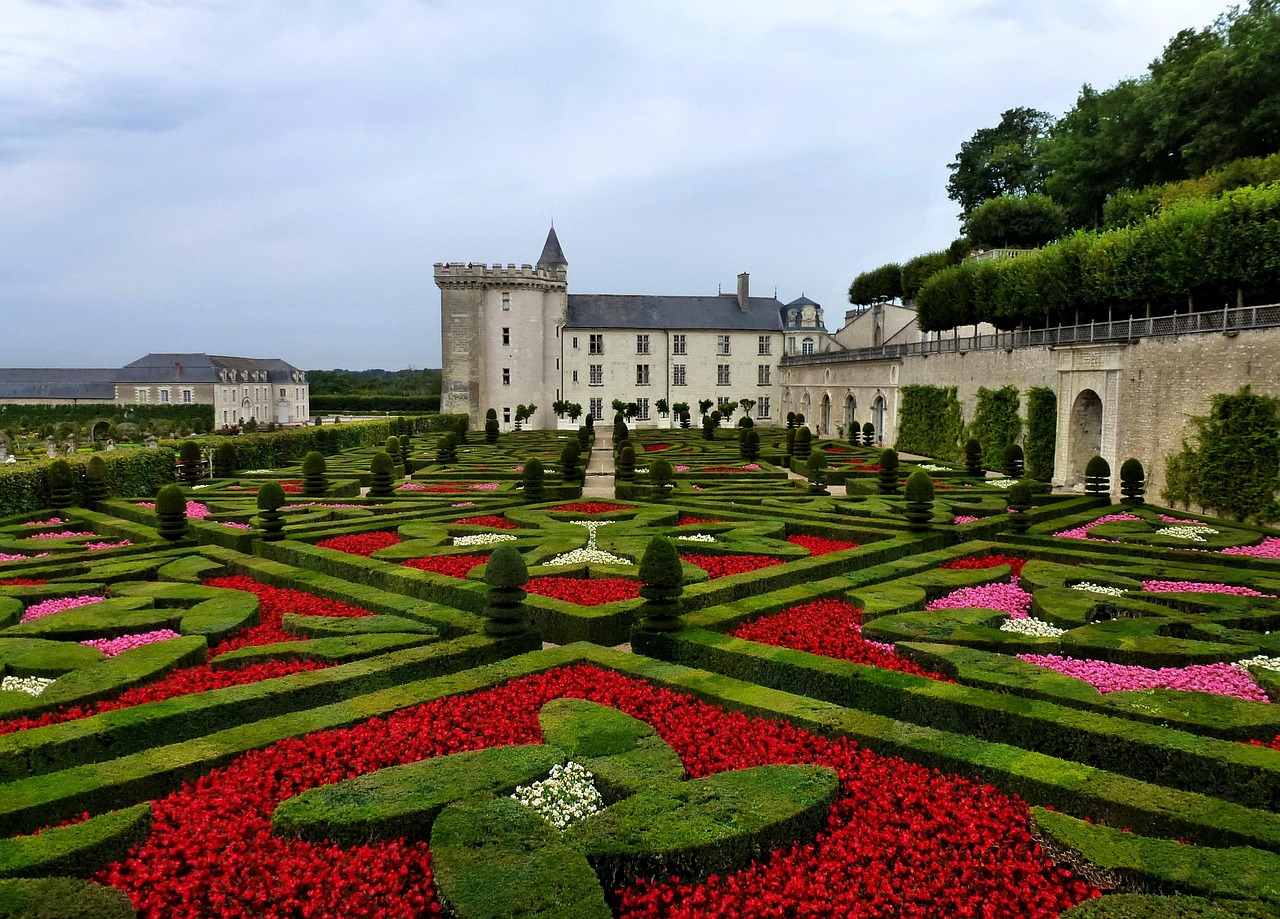
I’ve been wandering the Loire Valley for the better part of fifteen years, but I still remember the first time I rounded the last bend of the D7 road and the Château de Villandry appeared: pale stone rising above geometric gardens so precise they look hand-drawn. It was late afternoon in early June; the light was honey-gold, and the boxwood parterres cast long, sharp shadows across the ornamental kitchen garden. I pulled over just to stare.
Since then I’ve revisited Villandry more times than I can politely admit—spring, high summer, in the eerie quiet of a foggy November—and it’s the one château I always tell friends to prioritize. If you have time for only one Loire château and you care more about atmosphere and experience than royal name-dropping, make it this one.
What makes Château de Villandry special is not just its Renaissance architecture, but the way the estate is lived in and continuously reimagined. The gardens are a kind of green theatre: formal yet romantic, scholarly yet playful, with each terrace revealing another layer of design. You don’t just “see” Villandry; you move through it—climbing to the belvedere, walking the lime-tree alleys, breathing in rosemary and roses, peeking into an almost painfully perfect potager where cabbages become art.
In 2026, Villandry remains one of the most rewarding places in France for a slow, sensory day trip, and an unbeatable base for a 1 day, 2 day, or 3 day itinerary in the western Loire. It’s romantic enough for couples, gentle and fascinating for families, richly layered for history lovers, and photogenic enough to satisfy even the most impatient Instagrammer in your group.
Most visitors rush through in two hours. I’m going to suggest you do the opposite: linger. This long-form travel guide for Château de Villandry is meant to help you experience the château and its surroundings like someone who comes back every year—because that’s exactly how I know it.
Table of Contents
- Why Visit Château de Villandry?
- Château de Villandry at a Glance & A Short History
- 1, 2, and 3 Day Itineraries for Château de Villandry
- Main Areas & Viewpoints Inside Château de Villandry
- Eating & Drinking Around Villandry
- Where to Stay Near Château de Villandry
- Villandry After Dark & Off-Hours Magic
- Cultural Etiquette & Local Customs
- Events & What’s New in 2026–2027
- Day Trips & Nearby Attractions
- Practical Travel Advice & Money-Saving Tips
- Tickets, Opening Hours & On-Site Logistics
- Summary & Final Recommendations
Château de Villandry at a Glance & A Short History
Villandry is one of the last great châteaux built during the Renaissance along the Loire, completed around 1536 by Jean Le Breton, France’s Finance Minister under François I. It replaced a feudal fortress whose only remaining trace is the stout keep, a square tower anchoring one corner of the elegant wings you see today.
Unlike nearby royal powerhouses (Chenonceau, Chambord), Villandry remained in private hands, which is crucial to the atmosphere you feel now. In the early 20th century, it was rescued by Joachim Carvallo, a Spanish doctor and scientist, and his American wife Ann Coleman, who poured their fortune and energy into recreating idealized Renaissance gardens on a grand scale. The Carvallo family still lives here, and that’s why the estate feels residential rather than museum-like—you’ll notice family photos, contemporary art, and the slightly uneven patina of a lived-in house.
Today, Villandry is celebrated above all for its gardens: six main terraces of formal parterres, water features, orchards and woodland, all meticulously maintained yet continually evolving. They’re a living laboratory of color, geometry and symbolism—you can read the “Love Garden” like a novel if you know what you’re looking at.
Itineraries: 1, 2 and 3 Days in and Around Château de Villandry
Below are three interlocking itineraries built from my own repeat visits, designed to help you decide how to visit Château de Villandry depending on how much time you have. They double as a 1 day itinerary for Château de Villandry, a 2 day itinerary for Château de Villandry, and a 3 day itinerary for Château de Villandry, with options for families, couples and curious solo travelers.
Day 1 – The Classic Villandry Experience: Gardens, House & Golden Hour
When friends ask me for the definitive 1 day itinerary for Château de Villandry, this is what I suggest. It’s the day I more or less repeat every spring: an unhurried exploration of the gardens and interiors, a climb to the belvedere, coffee in the village, and a slow golden-hour circuit as the bus tours head back to Paris.
Morning: Arrive Early & First Encounter with the Gardens
If you’re staying in Tours, I recommend catching a mid-morning bus or driving yourself (about 20 minutes). When I’m feeling virtuous, I bike the Loire à Vélo path from Tours, which takes just under an hour at a gentle pace and delivers one of the prettiest arrivals you can imagine: castle towers materializing above vegetable beds.
Timing tip: Aim to reach the ticket office right at opening (usually 9:00 or 9:30, depending on the season; more on exact hours below). In 2025 and 2026, I’ve noticed a pattern: the big tour buses tend to arrive between 10:30 and 12:30, and again mid-afternoon. First thing in the morning, you often have parts of the gardens almost to yourself, especially on weekdays outside July–August.
Walk through the gate, and resist the urge to rush into the château itself. Instead, cut right and head straight into the gardens. On my last visit in May 2026, I did exactly this and found the dew still clinging to the salad leaves in the potager, gardeners quietly trimming boxwood with hand shears, and a resident cat surveying the scene from a sunny bench.
Late Morning: The Ornamental Kitchen Garden & Love Garden
Start with the Ornamental Kitchen Garden, the beating heart of Villandry. It’s structured in perfect squares and rectangles, filled with alternating rows of cabbages, leeks, lettuces, beets, and kale, interplanted with flowers. The trick here is to keep moving between macro and micro: take a moment to appreciate the overall pattern (best from the upper terraces later), then get close enough to see the morning light coming through the chard leaves like stained glass.
Then follow the path up to the Love Garden, the most talked-about of Villandry’s parterres. Each section is meant to evoke a different type of love—tender, passionate, fickle, tragic—through patterns of box, yews, and seasonal flowers. Look for the hearts and broken hearts, the swords of passion, the flames. On my 2024 and 2025 visits, I started bringing a small printed map of the symbols (you can buy one in the shop, or photograph the signboard) and walking it like a story. It’s surprisingly fun to decode, especially with kids or friends.
Lunch: Picnic or Village Bistro
By now you’ll be getting hungry. You have two main options:
- Picnic inside the grounds: In 2026, picnicking is still allowed but only in designated areas (usually the grassy section near the canal or by the woodland edge). Pick up supplies in Tours—or in Villandry village at the tiny but well-stocked épicerie—and spread out under a tree. I often bring goat cheese from Sainte-Maure, a baguette, strawberries if it’s May or June, and a bottle of sparkling Vouvray (or sparkling grape juice if I’m biking).
- Village bistro: Exit through the main gate and walk 2–3 minutes into the village. La Doulce Terrasse, just opposite the château, is the most obvious choice, and while it caters to visitors, the food is decent and the terrace has a charming view back to the towers. If you’d like something slightly more local-feeling (and are willing to walk five extra minutes), try Le Colombien on the main square, where I’ve had reliably good set lunches, including a memorable plate of sandre (pike-perch) with beurre blanc in 2025.
Afternoon: Château Interiors – A Human-Scale Castle
After lunch, head into the house. If you’ve been to Chambord or Chenonceau, you’ll notice immediately that Villandry feels more intimate. The rooms are furnished as a lived-in home rather than a royal showcase. I usually allow 60–90 minutes for a slow wander through the main rooms, more if you like reading all the interpretative panels.
Highlights to linger in:
- The Renaissance dining room with its dark beams and gleaming copper. I once arrived just as a small, unadvertised harpsichord demonstration began—a volunteer playing a short baroque piece while the afternoon light slanted in. Pure time travel.
- The Moorish-style ceiling in the oriental drawing room, an extraordinary carved and painted wood ceiling imported from a palace in Toledo, Spain. Lie on the bench for a moment and look straight up; kids love spotting patterns and animals in the design.
- The family bedrooms, which manage to feel cozy despite the grandeur. Look for black-and-white photographs of the Carvallo family, and the little details—a slightly worn armchair, a modern book left on a table—that remind you someone still sleeps here.
- The schoolroom / study, where you get a sense of the intellectual side of the family. In 2025 there was a small, quietly moving exhibit about the scientific and cultural salons held here in the early 20th century.
Late Afternoon: Belvedere & Woodland Loop
Save the belvedere for late afternoon if you can. This elevated terrace, reached by a gently climbing path at the back of the gardens, gives the most iconic view of Villandry: the château rising beyond the perfectly aligned parterres, the Loire Valley fields stretching into the distance.
On my last July visit, I ended up spending nearly forty minutes up here, watching the light shift across the boxwood patterns, eavesdropping on a passionate debate about tomato varieties between two gardeners below, and sharing a bench with a grandfather teaching his grandson to recognize the shapes of hearts and crosses in the Love Garden. It’s a scene that repeats itself day after day, year after year, and never feels tired.
If you have the energy, continue along the perimeter woodland walk. It’s an easy, stroller-friendly path giving you alternating glimpses of the gardens through the trees. In summer, it’s mercifully cooler than the exposed terraces. In autumn, the contrast between the formal green parterres and flaming chestnut leaves is spectacular.
Early Evening: Golden Hour Stroll & Departure
If you’re visiting between late spring and early autumn, the château often stays open until 18:30 or 19:00 (and later on special evenings). The last hour before closing is pure magic: the crowds thin, the light softens, and photographers quietly position themselves like herons.
Use this time to revisit your favorite corners. I like to return to the water garden and walk slow circuits around the central pond as the sky turns peach and the château façade glows almost pink. From here, your 1 day in Château de Villandry ends gently, and you can head back to Tours for dinner, or stay in the village for a peaceful night.
Day 2 – Slow Villandry, Loire à Vélo & Village Life
If you’re lucky enough to have 2 days in Château de Villandry, your second day is about slowing down, exploring the surroundings, and letting the château become part of a wider landscape of river, vineyards and small-town routines.
Morning: Loire à Vélo Ride & Riverscapes
Rent a bike in Tours or from a Loire à Vélo partner near Villandry (there’s a small rental point seasonally in the village) and set off along the levee path that runs parallel to the Cher and then the Loire. The route is well-marked, flat, and family-friendly; I’ve done it with friends’ kids as young as eight, with frequent stops for skipping stones and watching herons.
From Villandry, you can choose either direction:
- Towards Langeais (about 12 km one-way): You’ll ride past fields of sunflowers in July and early August, see the silhouettes of church spires in the distance, and eventually arrive at Langeais with its beautifully preserved medieval château and drawbridge.
- Towards Savonnières (about 4 km one-way): A shorter, easier ride that takes you to a sweet little riverside village with cafés, a small beach in summer, and boat trips on traditional flat-bottomed gabares.
For a relaxed second day, I usually pick the Savonnières direction, have a coffee and croissant on the terrace of a café overlooking the water, and watch the slow choreography of fishermen setting up along the banks.
Late Morning: Troglodyte Curiosities & Hidden Corners
Between Villandry and Savonnières, keep an eye out for the troglodyte caves cut into the tufa cliffs. This soft limestone has been quarried for centuries; many homes and cellars are literally carved into the rock. Some caves are private, others are signposted and open as small museums or wine cellars. In 2024 and 2025, I visited a tiny, family-run troglodyte mushroom farm (call ahead; not always open), emerging with a paper bag of earthy champignons that later ended up in an omelet back at my guesthouse.
Lunch: Riverside Picnic or Village Restaurant
Pack a picnic and stop at one of the grassy riverbanks—always respecting local signage and leaving no trace—or have lunch back in Villandry. On summer weekends, you might find a small farmers’ market either in Villandry or in nearby villages; I’ve assembled many lunches out of nothing more than goat cheese, tomatoes, cherries, and a baguette.
Afternoon: Second Look at the Gardens – The Details
Use your second afternoon to re-enter the château (a combined 2-day ticket can be good value if you plan ahead) and focus on the parts you skimmed on Day 1. On one of my favorite summer trips, I dedicated a couple of hours just to the herb garden, sniffing and photographing every plant and chatting with a gardener who explained how they manage pests without heavy chemicals.
This is an excellent time for:
- Watching gardeners at work. They’re usually happy to answer a few questions if you’re polite and wait for a pause.
- Seeking out quiet benches in the Sun Garden for reading or sketching.
- Photographing details: wrought-iron gates, stone carvings, reflections of the château in the water basins.
Late Afternoon: Village Life & Church Visit
Wander through the village of Villandry itself, which many visitors barely see. It’s not a showpiece village like some more famous Loire spots, but that’s part of its charm. There’s a primary school, a little post office, a few cafés, and an unpretentious rhythm of daily life.
Step into the modest Église Saint-Étienne de Villandry. I once ducked in during a sudden summer shower and ended up sitting through the tail end of a local choir rehearsal. The acoustics are lovely, and the simplicity of the interior makes a quiet counterpoint to the château’s opulence.
Evening: Dinner & Possibly a Night Visit
If your visit coincides with one of Villandry’s Nocturnes or special evening openings (more on those in the “After Dark” and “Events” sections), this is the perfect time to experience the gardens by candlelight or under subtle illumination. Otherwise, have a leisurely dinner in the village or back in Tours.
On one particularly memorable July evening, I had dinner on the terrace at Le Colombien—a simple salad of local tomatoes, a glass of Chinon red, and a crisp tarte Tatin—and watched the sky slowly deepen to that velvety blue the French call l’heure bleue. Bells rang, children rode bikes around the square, and the château’s silhouette loomed gently at the end of the street. That’s the Villandry I wish more visitors knew.
Day 3 – Castles, Wine, and Wider Loire Valley Adventures
If you’re planning 3 days in Château de Villandry and its surroundings, your third day is the moment to branch out: more castles, vineyards, or even a hot-air balloon if you’re feeling adventurous. Villandry makes a convenient base for exploring the western half of the Loire Valley.
Option 1: Château de Langeais & Medieval Loire
Just 15 minutes by car (or a scenic ride by bike along the Loire à Vélo) lies Château de Langeais, one of my favorite under-appreciated castles. Unlike Villandry’s Renaissance elegance, Langeais is a fortress: towers, drawbridge, heavy timbers, a great hall decked with tapestries.
I like to pair these two in the same trip because you get a vivid sense of how French aristocratic life changed between the late Middle Ages and the Renaissance. Have lunch in Langeais, maybe pick up local wine from a cave on the main street, then head back to Villandry in the late afternoon for one last garden stroll.
Option 2: Wine Tasting in Bourgueil or Chinon
If you’re a wine lover, dedicate Day 3 to tasting Loire reds in nearby appellations like Bourgueil or Chinon (30–40 minutes by car). Many estates operate out of troglodyte cellars, where the constant cool temperature is perfect for aging Cabernet Franc. I’ve had some of my most enjoyable—and least pretentious—tastings in these dim, limestone caves, chatting with winemakers who are happy to explain their work even if your French is wobbly.
Always call ahead or check websites in 2026; smaller domaines may require reservations, especially on weekends and during harvest (September–October).
Option 3: Chenonceau or Azay-le-Rideau – The Greatest Hits
For a classic Loire château circuit, pair Villandry with either:
- Château de Chenonceau – the famous “château of ladies” straddling the Cher River. It’s about 50–60 minutes by car. Go very early or late to avoid tour bus crowds.
- Château d’Azay-le-Rideau – smaller, dreamily reflected in its moat, and only about 20 minutes from Villandry. Architecturally, it’s one of the purest Renaissance gems in the region.
On one particularly indulgent long weekend, I did Azay-le-Rideau in the morning, lunch in the village there, and then Villandry’s evening candlelit gardens. It felt like walking through three centuries of French history in a single day.
Main Areas & Viewpoints Inside Château de Villandry
Below are eight of the most important sections, rooms, and viewpoints inside the estate—a deeper, more narrative guide to the must-see attractions in Château de Villandry and what to look for as you walk.
1. The Main Approach & Entrance
Your experience begins before you even buy a ticket. As you approach the château from the village, you’ll walk up a gentle slope lined with stone houses. The first glimpse of the towers over the rooftops still gives me a small thrill, even now. Turn left at the main crossroads, and the entrance gate appears framed by plane trees.
Inside the gate, the courtyard opens in a satisfying reveal: pale tufa stone façades, slate roofs, and the squat medieval keep anchoring the ensemble. I always pause here to orient myself and glance at the day’s notices—temporary exhibitions, gardener talks, or children’s activities are usually posted on a board near the ticket office.
Tip: If you’ve pre-booked tickets (recommended for peak season), there’s usually a separate line; look for signage. Security checks are swift but present—bags may be inspected. Tripods are sometimes restricted in interiors; small camera gear is fine.
2. Château Interiors & Historic Rooms
The tour route is well-signposted and one-way, beginning with the older, more fortress-like sections and then moving into 18th- and early-20th-century spaces. Expect to spend 60–90 minutes if you read the interpretative panels, less if you simply stroll.
The main stone staircase is your spine through the house. Its wide, shallow steps and soft light from mullioned windows set the tone: this is grandeur, but not ostentation. In 2025, I watched a small child run a hand along the worn stone railing, fascinated by the idea that centuries of people had done exactly the same thing.
Look in each room for three layers of history:
- Renaissance bones: fireplaces, window shapes, structural beams.
- 18th–19th-century comfort: parquet floors, paneling, wallpaper.
- Early 20th-century intellectual life: books, scientific instruments, photographs.
Some of my favorite spots include the library, with its quiet invitation to linger; the children’s room, with period toys; and the dining room laid as if awaiting guests. Unlike some big châteaux, Villandry’s interiors are rarely overwhelming; they feel, in the best sense, like a house you might live in if you were improbably lucky.
3. The Ornamental Kitchen Garden (Potager)
This is the part that converts even garden skeptics. Laid out in nine large squares, each subdivided into smaller geometric plots, the potager is both deeply practical (they harvest actual vegetables) and meticulously aesthetic. Cabbages and lettuces are planted in color blocks, alternating dark and light greens, reds and purples, creating visual rhythms.
Walking the gravel paths between beds, you’ll hear the crunch underfoot, smell the earthy scent of tomato vines and basil, and probably see at least one gardener weeding on hands and knees. In 2026, the team continues to follow principles close to organic, with integrated pest management and careful rotation.
What to look for:
- Seasonal shifts: tulips and young lettuce in spring; tomatoes, peppers and dahlias in summer; cabbages and leeks in autumn.
- Companion planting: marigolds alongside tomatoes, nasturtiums trailing between cabbages.
- Subtle irrigation systems and the way the beds are edged with low box hedges, giving sharp lines to soft plants.
Families love this area. I’ve watched kids—normally indifferent to vegetables—excitedly identify varieties they recognize from dinner at home. On one visit, a gardener showed a small group how they save seeds, passing around a dried bean pod like a tiny treasure.
4. The Water Garden
Set on an upper terrace, the water garden is all about calm and reflection. A large, mirror-like pond forms the centerpiece, flanked by lawns, clipped trees, and classical urns. After the density of the lower parterres, this space feels like a deep breath.
I tend to seek this area out when the gardens are busiest; there’s usually room to sit on a bench and watch the sky reflected in the water. In summer, dragonflies dart across the surface; in autumn, fallen leaves trace slow patterns on the pond.
Originally, Renaissance water gardens were partly practical—reservoirs for the rest of the estate—but they were also stage sets for strolling courtiers. In 2025, during one of the candlelit evenings, this pond was lined with floating lanterns, and the scene looked almost too romantic to be real.
5. The Decorative & Love Gardens
The decorative gardens comprise several themed parterres, of which the Love Garden is the star. Each section tells a story of love through symbolic shapes cut into box hedges and filled with seasonal flowers: hearts, masks, broken lines, swirling flames.
On my first visit, I’ll admit I walked through too quickly, thinking “pretty but fussy.” It was only on a later visit, when I had time to compare the plan in the brochure with what I was seeing, that it clicked. These are visual poems. Once you start reading them, you’ll see how the “passionate love” bed is full of dynamic, crossed lines, while “tender love” is softer, rounder.
Tip: For the best overview, combine a close walk through the pathways with a look from above—either from the château windows or the belvedere. From that height, the patterns snap into clarity.
Don’t miss the music garden section if it’s part of the current layout (the estate sometimes tweaks themes). Its arabesques of box and low hedges are inspired by baroque music notation. On a quiet afternoon, walking these curves feels like tracing a melody with your feet.
6. The Sun Garden & Herb Garden
Added in the late 20th century, the Sun Garden feels looser and more contemporary than the strict Renaissance parterres below. Divided into three “rooms”—the Children’s Room, the Sun Room and the Cloud Room—it mixes grasses, perennials and shrubs in more naturalistic plantings. I often retreat here when I’ve had my fill of perfect symmetry.
Adjacent is the herb garden, one of my personal obsessions. Beds of medicinal herbs, culinary staples, and old varieties are grouped and labeled. On my last spring visit, rosemary, thyme, sage, lovage, and fennel created a layered scent that hit me as soon as I turned the corner.
If you’re interested in herbalism or historical medicine, this area is a delight. I once found myself in a long conversation with an elderly French couple who had come specifically to see the collection of old varieties of mint; they shared family recipes for herbal tisanes that I dutifully noted in my journal.
7. The Belvedere – Best Panoramic View
The belvedere is both a physical and emotional high point. Reached by a gently ascending path along the top of the gardens, it offers the canonical postcard view: the château centered, the Love Garden in the foreground, the potager beyond, and the Loire Valley stretching to the horizon.
It’s especially powerful if you save it for after you’ve walked through the gardens themselves. Suddenly, all the partial impressions snap together into a grand composition. On some visits, I’ve seen visitors audibly gasp when they first step onto the terrace; even the most jaded teenagers seem to reach for their phones here.
Best times:
- Morning for softer light on the château façade.
- Late afternoon / golden hour for dramatic shadows and richer colors.
There are a few benches; be prepared to share. I’ve had some of my nicest spontaneous travel conversations here, comparing notes with gardeners from England, landscape architects from Japan, and a retired couple from Canada who had planned their entire France trip around visiting Villandry’s gardens in every season.
8. Woodland Walks & Secondary Paths
Often overlooked by rushed visitors, the woodland walks that loop around the top of the estate are a quiet joy. The paths are mostly flat, suitable for most mobility levels (though not all are perfect for wheelchairs), and they offer alternating glimpses of the gardens, the château, and the surrounding countryside.
In summer, this is where you escape the heat. In autumn, it becomes a symphony of rustling leaves and mushrooms pushing up through the undergrowth. On one foggy November afternoon, I walked the entire loop without seeing another visitor, just the muffled sounds of distant traffic and the occasional crow. When I emerged back at the belvedere and looked down at the geometric gardens through a veil of mist, it felt like discovering a secret version of Villandry reserved for locals and the patient.
Eating & Drinking Around Château de Villandry
The immediate area around Villandry can feel touristy at first glance, but there are genuinely good places to eat if you know where to look—and a picnic strategy that will make your day smoother and cheaper.
On-Site Options & What to Bring
Inside the estate, there’s usually a self-service café with salads, quiches, sandwiches, and cakes. It’s convenient but unremarkable; I use it mainly for coffee or a quick snack when traveling with kids. Prices are typical for a major site: not outrageous, but you’ll pay a premium compared to the village.
Picnics are allowed only in designated areas. In 2025–2026, these have been clearly signposted; staff may gently redirect you if you spread a blanket in the wrong spot. I recommend bringing:
- A light cloth or small blanket (the grass can be damp).
- A refillable water bottle (there are fountains on-site).
- Simple, no-fuss foods: baguette, cheese, charcuterie, fruit.
Village Restaurants Locals Actually Use
- Le Colombien (Villandry) – My go-to in the village. It draws both locals and visitors, with a rotating set menu that often features river fish, seasonal vegetables, and classic desserts. The terrace on the square is lovely on summer evenings. Reserve for Friday and Saturday nights in high season.
- Restaurant de la Poste (Savonnières) – A short drive or bike ride away, this slightly old-fashioned place serves generous, traditional French fare. I’ve had excellent rillons (local pork specialty) here.
- Bakeries & cafés – There is usually at least one bakery open in Villandry village; in 2026, the boulangerie on the main street was doing brisk business in croissants and sandwiches at lunchtime.
What to Taste in the Region
- Goat cheese – Particularly from Sainte-Maure-de-Touraine, often served with a sprinkle of ash and a slice of baguette.
- Loire wines – Whites (Vouvray, Montlouis), reds and rosés (Chinon, Bourgueil, Saint-Nicolas-de-Bourgueil). Many local restaurants offer good-value carafes.
- Fish from the Loire and Cher – Pike-perch (sandre) in beurre blanc is a classic.
- Tarte Tatin & berry desserts – Apples in autumn, strawberries in late spring and early summer.
Where to Stay Near Château de Villandry
I’ve stayed in everything from a simple B&B in the village to a more polished hotel in Tours, and my rule of thumb is this: if you’re focused on Villandry and want quiet evenings, stay close; if you want nightlife and variety, base yourself in Tours.
Staying in Villandry Village
Advantages: you can walk to the château in minutes, enjoy the peace after day-trippers leave, and easily catch evening events without worrying about driving back in the dark.
Look for:
- Chambres d’hôtes (B&B) in old stone houses, often with small gardens.
- Gîtes (self-catering apartments) if you’re staying several nights or traveling as a family.
On a 2023 and 2025 stay, I rented the same small gîte on a back lane: a converted stable with a tiny terrace. Evenings were spent sipping local wine while listening to church bells and distant owls—idyllic, if you like quiet.
Staying in Tours
Tours is about 20 minutes by car or 30–40 minutes by bus, and it’s an ideal base if you’re using public transport or want more dining and cultural options. The medieval Vieux Tours district is full of half-timbered houses, bars, and restaurants, and the city has a young, lively feel thanks to its university.
I often stay near Place Plumereau or along the tram line, which makes it easy to get to the train station and onward buses. From Tours, you can do day trips to Villandry, Azay-le-Rideau, Amboise, and Chenonceau without a car.
Villandry After Dark & Off-Hours Magic
While most visitors only see Villandry in broad daylight, the estate takes on a completely different character in the evenings, especially during special events.
Candlelit Evenings (Les Nuits des Mille Feux)
On selected summer Saturdays (typically July–August), Villandry hosts “Nights of a Thousand Lights”, when thousands of candles line the pathways, fountains, and pond edges. The château is illuminated softly, and often there’s live classical or baroque music in the background.
I attended in 2022 and again in 2025, and both times it felt almost surreal: walking the Love Garden lit entirely by candles, the patterns of box glowing amber against the night sky. It’s extremely romantic, but also magical for children if they can stay up late.
Tips:
- Book tickets in advance; these evenings often sell out a week or more ahead in high season.
- Bring a light jacket – even in July, nights can be cool by the river.
- Tripods are usually not allowed; be respectful with flash photography.
Golden Hour & Blue Hour
Even outside special events, the last hour before closing—especially in spring and autumn when the sun sets earlier—is a quiet highlight. The gardens empty, the light softens, and reflections in the water garden turn almost painterly.
On a late-September visit, I stayed almost to the last minute, watching the sky go from gold to rose to deep blue while swallows swooped around the towers. The staff is patient but firm about closing times; don’t be the person they have to herd out.
Cultural Etiquette & Local Customs in and Around Villandry
France is generally relaxed with visitors, but a few small cultural gestures go a long way, especially in smaller places like Villandry.
Greetings & Politeness
- Always say “Bonjour” (or “Bonsoir” in the evening) when entering a shop, restaurant, or speaking to staff. It’s considered rude to launch into a request without greeting.
- “Merci, au revoir” when you leave is equally appreciated.
- Even if you don’t speak French, opening with “Bonjour, parlez-vous anglais ?” is far better than assuming.
In the Gardens & Château
- Stay on paths; don’t walk into planted beds, even for a photo.
- Do not pick flowers, herbs, or fruit. Everything you see is part of a carefully managed system.
- Keep voices moderate indoors and in quieter garden areas; sound carries.
- Photography: flash is often prohibited inside; look for signs. Drones are not allowed without explicit permission.
Dining Customs
- Lunch is usually between 12:00 and 14:00. Many kitchens close after 14:00; plan accordingly.
- It’s normal to linger over a meal; you’ll usually need to ask for the bill (“L’addition, s’il vous plaît”).
- Tipping is modest; service is included, but leaving small change or rounding up is appreciated.
Events & What’s New in 2026–2027
While Villandry is timeless, the estate does evolve. For 2026–2027, here are notable events and trends to keep an eye on (always verify closer to your travel date):
- Expanded Nocturnes – In 2026, the program of candlelit evenings is expected to extend into early September, with occasional themed nights (baroque music, poetry readings).
- Garden Festivals – Spring and early summer often see special fête des jardins weekends, with guided tours by the head gardener, plant sales, and workshops. In 2026, there’s talk of a focus on drought-resistant plantings and sustainable practices.
- Exhibitions – The château regularly hosts small exhibitions; a 2026–2027 cycle is planned around the theme of “Science and Gardens,” highlighting Joachim Carvallo’s scientific background.
- Loire à Vélo Enhancements – Ongoing improvements to the cycling infrastructure mean better signposting and more charging points for e-bikes along the Villandry–Langeais stretch.
Day Trips & Nearby Attractions from Villandry
Once you’ve soaked in Villandry itself, there’s a rich ring of nearby sites that make for satisfying half-day or full-day excursions.
Château d’Azay-le-Rideau
About 20 minutes by car or bus, Azay-le-Rideau is compact and exquisitely situated, its delicate turrets reflected in a still moat. The interiors are beautifully restored, and the surrounding English-style park is perfect for a peaceful stroll. Combine it with a morning or evening at Villandry for a classic double-header.
Château de Langeais
As mentioned in the 3-day itinerary, Langeais offers a plunge into medieval architecture: a working drawbridge, authentic interiors, and a garden with a fine view over the Loire. Kids love the armor and tower walks.
Tours
If you’re based in Villandry, spend an afternoon or evening in Tours. Wander the cobbled streets of the old town, visit the cathedral of Saint-Gatien, and have drinks at Place Plumereau, where half-timbered houses lean companionably over bustling terraces.
Wine Villages & Vineyards
Within 45 minutes’ drive, you can reach Vouvray, Montlouis, Chinon, Bourgueil and Saint-Nicolas-de-Bourgueil. Each offers distinct wine styles and landscapes. Many domaines welcome visitors for tastings; some are set in dramatic troglodyte caves carved into the tufa cliffs.
Practical Travel Advice & Money-Saving Tips for Villandry
How to Get to Château de Villandry
- By car: From Tours, take the A85 or D7; driving time is about 20 minutes. Parking is free in the main lot near the château, but it fills quickly on summer weekends; arrive early or late.
- By bus: Regional buses connect Tours and Villandry; schedules vary by season, so check the latest timetables. Allow 30–40 minutes.
- By bike: The Loire à Vélo route links Tours and Villandry via well-marked, mostly-flat paths. Plan 45–60 minutes each way.
- By train: There is no train station in Villandry; the closest major hub is Tours.
Getting Around Locally
Villandry itself is compact; you’ll move on foot. For broader exploration, a car or bike is ideal. Taxis and ride-hailing services are limited; book ahead if you need a transfer outside standard hours.
Money-Saving Tips
- Combined tickets: Look for combined offers (Villandry + Azay-le-Rideau, for example) in 2026; they can shave a few euros off each site.
- Picnics: Bringing your own lunch from a supermarket or market in Tours significantly reduces daily costs.
- Shoulder season: Visiting in April–May or late September–October gives lower accommodation prices and fewer crowds while still enjoying beautiful gardens.
- Public transport: If you’re based in Tours, rely on buses and bikes rather than renting a car for your entire stay.
SIM Cards & Connectivity
France has excellent mobile coverage in the Loire Valley. For international visitors:
- eSIMs from major providers or travel eSIM companies are the easiest option if your phone supports them.
- Physical SIM cards can be bought in larger supermarkets or phone shops in Tours. Look for prepaid plans from Orange, SFR or Bouygues with decent data allowances.
- Wi-Fi is available in most hotels and many cafés; the château itself may offer limited guest Wi-Fi, but don’t rely on it for heavy use.
Visa Requirements & Driving Licenses
For 2026, France remains part of the Schengen Area. Citizens of the EU and many other countries can enter visa-free for short stays; others will require a Schengen visa. Always check the latest requirements with official sources before travel.
Driving: Most foreign driving licenses are accepted for short tourist visits, especially if printed in Roman script. An International Driving Permit is recommended if your license is in another alphabet. Remember:
- Drive on the right.
- Seatbelts are mandatory.
- Speed cameras are common; respect posted limits.
Best Seasons & What to Expect
- Spring (April–May): Fresh green, tulips, and early vegetables. Unpredictable weather, but fewer crowds. My personal favorite for delicate colors and cool temperatures.
- Summer (June–August): Peak bloom, long days, candlelit evenings, and also peak crowds and higher heat. Great for families and evening events.
- Autumn (September–October): Rich colors in both gardens and woodland, grape harvest in nearby vineyards, softer light, and fewer visitors. Excellent for photographers.
- Winter (November–March): The château may be partially closed or have reduced hours; gardens are less showy but atmospheric in frost or fog. Check opening details carefully before planning a winter visit.
Tickets, Opening Hours & On-Site Logistics
Ticket Types & Prices
In 2026, expect several ticket options (exact prices may change, so verify close to your visit):
- Gardens only – A slightly cheaper ticket if you’re primarily interested in the grounds.
- Château + Gardens – The standard full-access ticket, and the one I almost always recommend for first-time visitors.
- Reduced rates for children, students, and sometimes seniors.
- Family passes – Good value if traveling with kids.
- Special evening events – Separate tickets for candlelit nights or themed events.
Reservations & Timed Entry
As of 2025–2026, Villandry has been encouraging online pre-booking, especially for busy weekends and summer. Timed entry slots help regulate flow, but there is usually some flexibility within a window.
- For July–August or holiday weekends, book 1–2 weeks ahead if you have fixed dates.
- For shoulder season weekdays, you can often decide a day or two in advance.
Opening Hours
Opening hours vary slightly by season, but broadly:
- Gardens often open around 9:00 and close between 17:00 and 19:00 depending on the month.
- Château interiors may open a bit later and close earlier than the gardens.
- During special events or summer Nocturnes, evening hours can extend to 23:00 or later on specific days.
Always check the official Château de Villandry website for the current year’s schedule before finalizing your plans.
Accessibility
Villandry makes efforts to be accessible, but the historic nature of the site imposes limits:
- Gardens: Many paths are level and wide, though some are gravel. There are step-free routes between terraces, but certain areas may be challenging for wheelchairs.
- Château interiors: Access to upper floors is typically via stairs; elevator access may be limited or nonexistent for historical reasons.
- Benches are plentiful throughout the gardens for those needing frequent rests.
Security, Queues & Peak Hours
Expect a bag check at entry. Queues are usually modest, but can build between 10:30 and 14:00 on summer weekends and holidays. To avoid the worst crowds:
- Arrive at opening time, or after 16:30.
- Visit on weekdays rather than Saturdays/Sundays if possible.
- Do the gardens first, then the château, or vice versa, opposite the flow of tour groups.
Summary & Final Recommendations
Château de Villandry is, for me, the most livable of the Loire châteaux—less about royal spectacle, more about the daily beauty of cultivated land and a family home. Whether you opt for a 1 day itinerary for Château de Villandry, stretch to a 2 day itinerary with cycling and village life, or indulge in a 3 day itinerary exploring neighboring castles and vineyards, the château makes an ideal anchor for your Loire Valley travels.
In terms of the best time to visit Château de Villandry, I’d choose:
- April–May for fresh greens, tulips, and quieter paths.
- Late June–early July for full summer bloom and candlelit evenings (booking essential).
- Late September–October for warm colors, wine harvest atmosphere, and softer light.
Make time for the belvedere, walk the woodland loop, picnic among the parterres, and, if you can, see the gardens both in bright daylight and the hush of evening. Villandry rewards those who slow down, look closely, and let the rhythm of clipped hedges, reflecting pools, and river breezes sink in. If you do, don’t be surprised if you find yourself, like me, planning your next visit before you’ve even left the car park.