Why Visit Cirque de Gavarnie: What Makes It So Special?
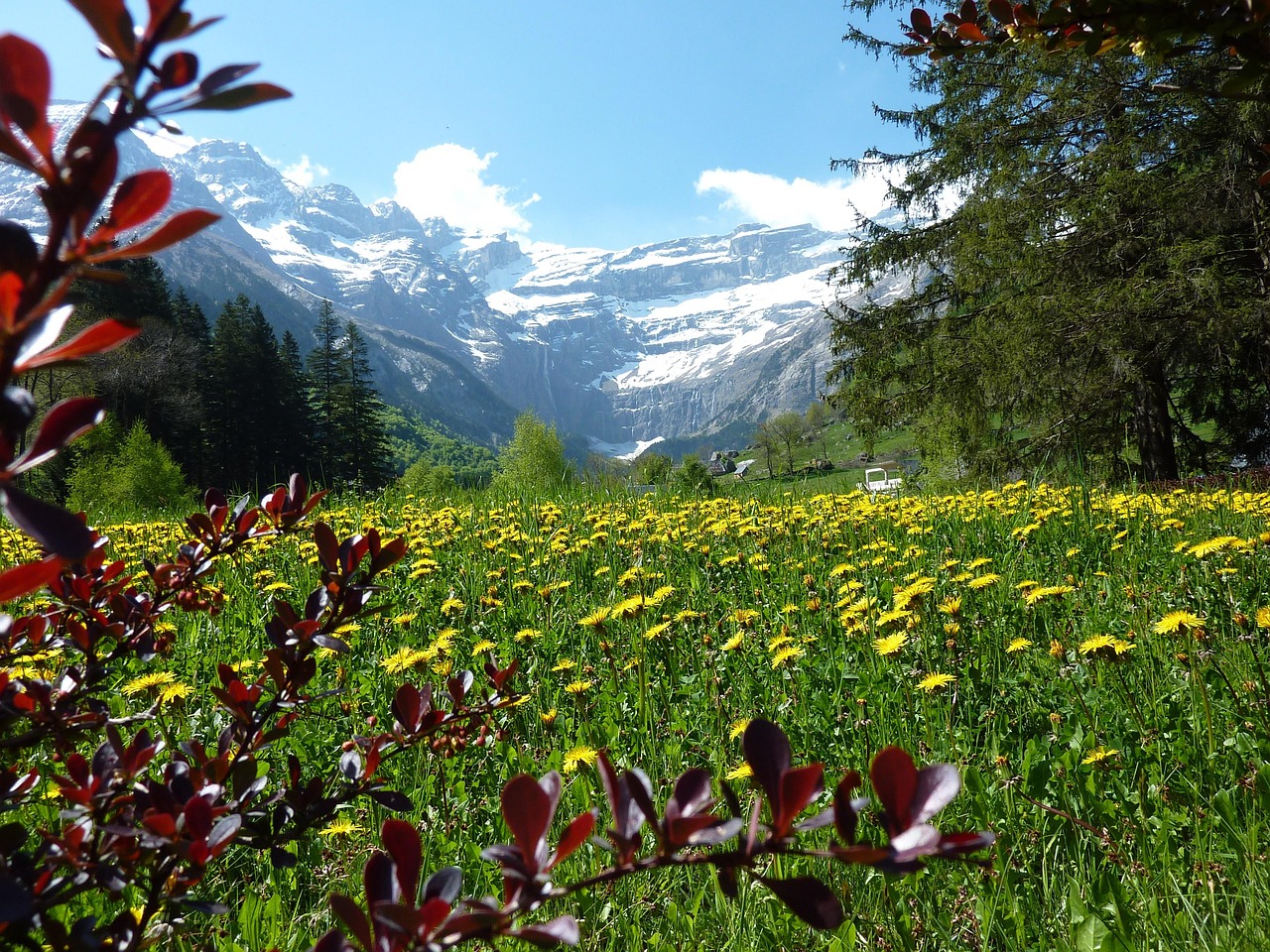
I still remember the first time the Cirque de Gavarnie revealed itself to me. I’d been walking up the broad pastoral valley from the village, thinking I already understood “mountain scenery.” Then the path curved, the last row of trees parted, and there it was: an enormous stone amphitheatre rising almost vertically from the valley floor, layered walls of grey limestone and snow, laced with waterfalls that seemed to pour from the sky itself. Even after a dozen visits, that reveal still hits me hard.
The Cirque de Gavarnie, on the French side of the Pyrenees near the Spanish border, is a UNESCO World Heritage site and part of the Pyrénées–Mont Perdu complex. It’s often described as a “natural cathedral” – a cliché that actually fits. The cirque walls soar to nearly 3,000 meters, with the Grande Cascade, one of Europe’s tallest waterfalls, tumbling 422 meters down the cliff face. Below, meadows, horses, and stone farmhouses create that almost-too-perfect alpine postcard you’ve probably seen on Instagram and in coffee-table books.
Yet what keeps me coming back isn’t just the drama of the landscape; it’s the textures of everyday life in and around the village: shepherds moving flocks at dawn, kids kicking a football in the parking lot after the tour buses leave, the smell of garbure (a hearty Pyrenean soup) drifting from a small inn while hikers peel off their boots on the terrace.
Why you should consider Cirque de Gavarnie for your next trip:
- Accessible wilderness: You get jaw-dropping alpine scenery on a relatively gentle, family-friendly walk from the village. No ropes, no technical gear, just a good pair of shoes.
- Flexible itineraries: Whether you have 1 day in Cirque de Gavarnie or 3 days in Cirque de Gavarnie, you can tailor your visit: easy valley walks, serious high-mountain hikes, or leisurely terrace lunches with a view.
- Rich cultural layer: The region is deeply Pyrenean – Gascon dialects, transhumance (seasonal movement of livestock), traditional festivals, and a quiet, sturdy mountaineer culture.
- Year-round experiences: In summer and early autumn, Cirque de Gavarnie is a hiking paradise. In winter, it transforms into a compact ski and snowshoe base with a surprisingly cozy après scene.
- Romantic, family-friendly, and adventurous at once: Sunset walks for couples, pony rides and waterfalls for kids, high ridgeline treks and ice-climbing nearby for those who crave adrenaline.
This 2026 travel guide pulls from several visits between 2018 and early 2026, in all seasons – from muddy April thaw to the golden light of October, to January snowstorms when the cirque feels like the end of the world. I’ll walk you through the best places to visit in Cirque de Gavarnie, how to build a 1 day itinerary for Cirque de Gavarnie, then extend to 2-day and 3-day itineraries, plus detailed notes on food, customs, and logistics like Cirque de Gavarnie tickets and tips, opening hours, and transport.
Table of Contents
- Why Visit Cirque de Gavarnie
- Understanding Cirque de Gavarnie & The Lay of the Land
- The Main Approach Walk: From Village to Cirque
- 8 Iconic Sections & Viewpoints (Deep-Dive Articles)
- 1. Hotel du Cirque & Base of the Amphitheatre
- 2. The Grande Cascade Close-Up
- 3. Plateau de Bellevue Balcony Trail
- 4. Cabane de Pailha & Shepherds’ Pastures
- 5. Barrage d’Ossoue & Glacier d’Ossoue Valley
- 6. Gavarnie-Gèdre Ski Area & Winter Cirque
- 7. Gavarnie Village Lanes & Church
- 8. Cirque de Gavarnie at Sunset & After Dark
- Itineraries: 1, 2 and 3 Days in Cirque de Gavarnie
- Where to Eat & Drink Around Cirque de Gavarnie
- Where to Stay & How to Choose Your Base
- Best Time to Visit Cirque de Gavarnie (Season by Season)
- Cultural Etiquette & Local Customs
- Events & Festivals 2026–2027
- Practical Logistics & Travel Advice
- Day Trips & Nearby Attractions
- Hidden Tips to Save Time & Money
- Summary & Final Recommendations
Understanding Cirque de Gavarnie & The Lay of the Land
Location: Cirque de Gavarnie sits in the Hautes-Pyrénées department of southwestern France, about 45 minutes by car from Lourdes, and just north of the Spanish border. It’s within the Parc National des Pyrénées, which protects some of the wildest terrain in the range.
The cirque itself is a vast bowl carved into the limestone by ancient glaciers. If you imagine a colossal stone amphitheatre, you’re close: three main tiers of cliffs curve around in a horseshoe, enclosing a valley floor of meadows, forest, and river. The village of Gavarnie lies downstream, at around 1,375 meters altitude, and is your natural base of operations.
The Terrain You Actually Walk Through
Most visitors experience the cirque as a progression through “rooms” of the landscape:
- The Village Gate: You start in Gavarnie village, with slate-roofed houses, gear shops, and cafés. Here you pick up last-minute supplies, picnic ingredients, or hire a pony for kids.
- The Valley Walk: A broad, gently rising track leads you out of the village along the river, through open meadows with grazing horses and occasional farmhouses. This is easy, stroller-friendly terrain for much of the way.
- The Forested Mid-Section: The track narrows, skirting the river and weaving through patches of pine and beech. Here the cirque slowly begins to dominate your field of view.
- The Cirque Base “Room”: You emerge into the cirque proper, with the Hotel du Cirque perched on a knoll. From here the walls rear up dramatically. Many families stop here to picnic.
- The Final Climb to the Waterfall: A steeper, rockier path leads up towards the Grande Cascade. In early summer, you’ll likely hit snow patches and lots of meltwater.
Each of these “rooms” has a different mood. On one October trip in 2024, I walked up in silence under low cloud, the cirque itself hidden until the last minute; when it finally appeared, fresh snow had dusted the upper tiers overnight. Earlier that summer, the same stretch had been all chatter and bells, the valley full of families, cowbells, and snippets of Spanish and English mixing with French.
Understanding this progression helps you plan your time: you can choose to linger in the gentler lower sections if you’re with small kids or grandparents, or push to the waterfall and beyond if you’re fit and after a more adventurous experience.
The Main Approach Walk: From Gavarnie Village to the Cirque
Almost every visit to Cirque de Gavarnie starts the same way: crossing the little bridge just beyond the main car park and following the broad track up-valley. I’ve done this approach in blazing July sun, in drizzling May rain, and once in a cautious late-November snow. Each time, the walk sets the rhythm for the day.
Distance, Difficulty & Time
- Distance: About 6–8 km round-trip from Gavarnie village to the Hotel du Cirque and back; add another 2–3 km if you climb closer to the waterfall.
- Elevation Gain: Roughly 250–400 meters, depending on how high you go.
- Time: 3–5 hours return at an easy pace, including stops; full-day if you’re dawdling, photographing, or hiking beyond.
- Difficulty: Easy to moderate. The lower track is suitable for families and anyone with basic fitness; the final approach to the waterfall is steeper and rockier.
My Usual Routine on the Approach
On a typical summer visit, I like to start walking around 8:30–9:00 am, just before the first big wave of tour buses arrives. I grab a coffee and a still-warm croissant aux amandes from a bakery on the main street, then head across the bridge as the village is still yawning awake.
The first kilometer feels almost like a farm road: you pass low stone barns, fenced meadows, and sometimes the same chestnut mare that has become a familiar landmark to me over the years. Children can run ahead safely here, and on my last trip in August 2025, I watched a French father patiently explain the history of glaciation to his very unconvinced eight-year-old using the ridgeline as a chalkboard.
As the track narrows and the cirque begins to loom ahead, I often suggest first-timers stop for a few moments just to stand and look. Don’t rush this bit. This is the slow-burn reveal that makes the cirque so special: the walls gradually detach themselves from the surrounding peaks, waterfalls become distinct threads, and you begin to sense the sheer scale.
Ponies, Donkeys & Family Considerations
Families with younger kids can hire ponies or donkeys in the village to carry smaller children up the valley. My niece, then six, still talks about “her” grey pony from a 2023 trip as if it were a lifelong companion. It’s a wonderful way to make the walk feel like an adventure, though I’d recommend walking at least a portion so children get a sense of the terrain and environment.
If you’re pushing a stroller, note that the first half of the track is manageable with a sturdy all-terrain stroller; beyond that, roots, rocks, and narrow sections make it awkward. I’ve seen more than one family reluctantly stash the stroller behind a tree and continue with a kid on the shoulders, so consider a carrier for under-threes.
What to Bring on the Approach
- Footwear: Sturdy walking shoes or light hiking boots. Trainers are ok in dry summer weather but can be slippery on wet rock.
- Layers: Weather changes fast. I’ve had July afternoons turn cold and windy in half an hour.
- Water & Snacks: You can refill water in the village and at some guesthouses, but carry at least 1–1.5L per person in summer. I usually pack local cheese, dried sausage, fruit, and a bar of dark chocolate.
- Sun & Rain Protection: Hat, sunscreen, and a light rain shell are essential from May–October.
The approach is your warm-up: both physically and mentally. It’s easy to treat it as a simple commute to the “real” attraction, but if you slow down, you’ll notice the small details – marmots whistling on the slopes, the smell of pine resin in the forested sections, the way the river’s tone changes as you move higher.
8 Iconic Sections & Viewpoints Around Cirque de Gavarnie
Beyond the basic valley walk, Cirque de Gavarnie and its surroundings offer a series of distinct zones, each with its own character. Below are eight of the most important sections and viewpoints, with deeper, story-driven guides.
1. Hotel du Cirque & Base of the Amphitheatre
For many visitors, the stone terrace of the Hotel du Cirque et de la Cascade is the moment when everything clicks. After about an hour and a half of walking from the village, you crest a small rise, and suddenly the full bowl of the cirque is in front of you. The hotel sits on a low knoll above the river, staring straight at the walls and waterfalls like a spectator in the best seat of the amphitheatre.
The hotel itself dates back to the 19th century, when early tourists and mountaineers began flocking to Gavarnie. I like to imagine those first visitors arriving in heavy wool and hobnail boots, as astonished as we are today. The building has had various incarnations and renovations, but it retains a pleasantly old-fashioned air.
What to Do Here
- Soak up the View: This is where you really understand the scale. I usually give first-timers 10–15 minutes just to sit on the low stone wall and stare, identifying waterfalls and snowfields.
- Lunch or Coffee: The terrace serves simple but satisfying fare: omelettes, soups, tartes, and cold drinks. Prices are higher than in the village but you’re paying for the view. On a chilly October day in 2024, I warmed my hands around a bowl of garbure and watched clouds drift in and out of the cirque like theatre curtains.
- Photography: This is one of the classic spots for the “everyone recognises it” shot of Cirque de Gavarnie – that wide, front-on view with the hotel in the foreground and the walls rising behind.
Tips & Timing
- When to Arrive: If you leave the village around 9:00 am, you’ll reach the hotel by 10:30–11:00, before the midday rush. In high summer (July–August), the terrace can get crowded from 12:00 to 15:00.
- How Long to Spend: I’d allow at least 45–60 minutes here, more if you’re having lunch or if this is your turnaround point.
- Family-Friendly: This is an ideal end-point for families with younger kids. There’s space to roam safely, bathrooms, and easy access to water and food.
If you’re short on time and have only 1 day in Cirque de Gavarnie, the Hotel du Cirque is your non-negotiable milestone. Even if you don’t continue to the waterfall, make it here.
2. The Grande Cascade Close-Up
From the Hotel du Cirque, a narrower, rockier path continues towards the heart of the cirque and the Grande Cascade, the 422-meter waterfall that dominates the amphitheatre. I’ve made this climb in very different moods – exhilarated in early summer when meltwater roars, cautious in late spring when snow still blocks parts of the path, and almost reverent in autumn when the flow reduces to a silvery thread.
The Path & What to Expect
Allow 45–60 minutes each way from the hotel to a good viewing point near the base of the waterfall. The path involves:
- Rocky Sections: Uneven surfaces, small boulder fields, and occasional stream crossings. Good footwear is important.
- Exposure to Spray: In high-water periods (May–July), you’ll feel the chill of the spray long before you’re close. A light waterproof layer is welcome.
- Snow Patches: Early in the season (April–June), lingering snow can make the last stretch slippery or even impassable without proper gear.
On a sunny June day in 2022, I arrived at the closest safe viewpoint around midday. The air temperature was warm, but near the waterfall it felt almost glacial, the wind whipping droplets horizontally. We passed a couple from Bordeaux laughing as they tried to take a selfie without soaking their phone. I always tell people: pack a buff or scarf; it makes lingering here more comfortable.
Why It’s Worth the Extra Effort
Seeing the Grande Cascade from the hotel terrace is one thing; standing beneath it is another. The sense of verticality is overwhelming – you have to crane your neck to trace the water from top to bottom. This is where you get a visceral feel for the power that carved this cirque in the first place.
Photographers will appreciate the opportunity for more dramatic close-ups: long-exposure shots of the water streaking down the rock, details of the erosion at the base, and the contrast between the green of the valley floor and the stark limestone.
Safety & Seasonal Notes
- Children: Active older kids (8+) can usually manage this section with care. Keep younger ones close; there are drop-offs and slippery rocks.
- Early Spring & Late Autumn: Always check conditions locally. In April 2025, a late snowstorm turned this path into a no-go for ordinary hikers; the national park office in Gavarnie had clear warnings posted.
- Winter: This route can be used by experienced, equipped winter hikers or ice climbers, but it is not a casual walk and often avalanche-prone.
If you’re building a 2 day itinerary for Cirque de Gavarnie, I recommend saving the Grande Cascade climb for your main hiking day, when you can time it for mid-morning or early afternoon and avoid the harshest midday light for photography.
3. Plateau de Bellevue Balcony Trail
While most visitors follow the valley floor, one of my favourite perspectives on Cirque de Gavarnie comes from above, on the Plateau de Bellevue I first walked this route in September 2019, on the recommendation of a local mountain guide who shrugged and said, “If you want to understand the cirque, look at it from the side.” He was right. You begin near the village, climbing steadily through forest and pasture, crossing above the main approach route. As you emerge onto the plateau, the cirque suddenly appears from a different angle – you’re now looking across at it, with the valley floor far below. On clear days, the view stretches beyond Gavarnie to surrounding peaks. For a 3 day itinerary for Cirque de Gavarnie, I like to dedicate one full day to this higher-level perspective, pairing the Plateau de Bellevue with a slow evening back in the village.The Hike in Detail
Why It’s Special
Practical Tips
4. Cabane de Pailha & Shepherds’ Pastures
If you’re curious about the living pastoral culture of the Pyrenees, the area around Cabane de Pailha is a gentle introduction. This small shepherds’ hut, set in high meadows with views towards the cirque, is a reminder that these landscapes aren’t just scenery; they’re working land.
I first came here by accident in 2020, following a faint trail on a free afternoon. A shepherd sitting outside the hut, mending a piece of fencing, greeted me with a nod and a “Adishatz” – a Gascon hello. We chatted in a mix of French and my clumsy attempts at Occitan about snow levels, wolves, and tourists. That conversation did more to ground my understanding of Gavarnie than any museum panel.
Why Visit
- Cultural Insight: You’ll see flocks, working dogs, and the infrastructure of transhumance – seasonal movement of livestock between lowland and high pastures.
- Peace & Quiet: This area is usually much calmer than the main valley.
- Soft Hiking: The approach is gentler than some higher routes, suitable for those wanting a taste of the uplands without committing to a full-day trek.
Respecting the Space
- Stay on Paths: To avoid disturbing flocks and damaging pasture.
- Keep Dogs Leashed: If you’re hiking with a dog, be extremely cautious around livestock; local shepherds are understandably protective.
- Ask Before Photographing People: The shepherds here are not part of a show; they’re at work.
Bring a small picnic and sit slightly away from the hut. Listen for the gentle clank of bells, the bark of dogs, the wind in the grass. These are the sounds that tie Cirque de Gavarnie to centuries of human presence.
5. Barrage d’Ossoue & Glacier d’Ossoue Valley
Long before I set foot at the Barrage d’Ossoue, I’d heard mountaineers in Gavarnie’s bars speak of it with a certain respect. It’s the gateway to some of the big Pyrenean peaks, including the Vignemale (on the French–Spanish border) and the remnants of the Glacier d’Ossoue.
Even if you’re not aiming for summits, the valley itself is a magnificent, slightly wilder alternative to the main cirque. The drive or walk to the dam takes you into a more austere, high-mountain environment: steeper slopes, fewer trees, a harsher beauty.
What to Expect
- Access: A narrow mountain road (drive with care) leads from near Gavarnie up to the dam; in peak summer, parking is limited. You can also hike up, though that’s a more demanding outing.
- The Dam & Lake: The Barrage d’Ossoue creates a small reservoir, with milky, glacier-fed water. It’s a human intervention, but somehow it fits the landscape.
- High-Mountain Atmosphere: You’re now firmly in alpine terrain: rock, scree, and patches of snow even in summer.
On a clear day in August 2022, I joined a small group aiming for a mid-level hike towards the glacier. We didn’t go all the way, but even a few hours above the dam gave us a sense of the greater Pyrenees beyond the cirque: more remote, less photographed, and intensely rewarding.
Who It’s For
- Adventurous Hikers: Those with good fitness and some mountain experience.
- Photographers: Looking for more austere, high-contrast imagery than the pastoral charm of the main valley.
- Summer Visitors with Extra Time: If you’re on a 3 days in Cirque de Gavarnie schedule, this makes an excellent third-day outing.
Always check weather and trail conditions before heading here, and consider hiring a local guide if you’re aiming for the higher routes.
6. Gavarnie-Gèdre Ski Area & Winter Cirque
Most summer visitors never see Cirque de Gavarnie under snow, which is a shame. In winter, the village and valley take on a different intimacy: fewer visitors, muffled sound, and the cirque walls etched sharply against a pale sky.
The small Gavarnie-Gèdre ski area, a short drive from the village, is geared towards families and beginners rather than hardcore skiers. Think gentle pistes, friendly instructors, and views that make even the basic chairlifts feel like scenic rides.
My Winter Routine
I spent a week here in January 2024, working remotely in the mornings and skiing or snowshoeing in the afternoons. My favourite memory is an evening snowshoe outing near the ski area, where our guide led us to a viewpoint overlooking the cirque at twilight. The sky turned from pink to deep blue, the first stars came out, and the cirque walls glowed faintly in reflected light.
Activities
- Skiing & Snowboarding: Ideal for first-timers or those who simply want to add a few relaxed ski days to a broader Pyrenean trip.
- Snowshoeing: Marked routes and guided outings take you into quieter corners with cirque views.
- Ice Climbing: For experienced climbers, frozen waterfalls in the valley become vertical playgrounds. This is highly technical; hire a guide.
If your idea of romance involves snowflakes, hot wine, and quiet evenings by a fire, consider a winter visit. Just remember that many summer-only businesses close; you’ll need to book and plan more carefully.
7. Gavarnie Village Lanes & Church
It’s easy to treat Gavarnie village as a mere staging area – a place to park, gear up, and head out. Don’t. The village itself deserves a slow wander, especially early in the morning or in the soft light of late afternoon, when most day-trippers have left.
The main street is lined with inns, modest hotels, gear shops, and eateries, but slip into the back lanes and you’ll find slate-roofed houses, small gardens, and glimpses of everyday life: laundry strung between balconies, children racing bikes, a farmer unloading hay.
The Church & Cemetery
The small stone church of Gavarnie, slightly above the main street, is one of my favourite spots in the village. Step inside for a moment of cool quiet; the simple interior reflects the village’s mountain character more than any guidebook description could.
Behind the church, the cemetery offers a poignant record of local history. Gravestones tell of families who have lived and died in the shadow of the cirque for generations. It’s also an unexpectedly good viewpoint: from here, you can frame the village roofs against the cirque walls beyond.
Evening Village Life
In the evenings outside peak August, Gavarnie settles into a mellow rhythm. Locals talk on doorsteps, hikers nurse beers on terraces, and the last light catches the cirque wall above. This is when you’re most likely to exchange real conversations – about snow conditions, the future of shepherding, or simply the weather – rather than quick transactional exchanges.
8. Cirque de Gavarnie at Sunset & After Dark
If there’s one travel tip I insist on for friends planning a trip, it’s this: don’t only see Cirque de Gavarnie in harsh midday light. The hours around sunset and, if you’re keen, sunrise, transform the place.
Sunset from the Valley
On clear evenings, the cirque walls catch the last sunlight and glow gold, then orange, then a gentle rose before sliding into blue shadow. One July evening in 2023, I sat on a rock beside the river just above the village, sharing a bottle of Madiran wine with friends, and we watched as the cirque shifted through a dozen shades in half an hour.
Family-friendly option: an early dinner in the village, then a short post-meal stroll up the valley to see the last light. Kids can burn off energy while adults enjoy the view.
Blue Hour & Stargazing
After the sun disappears, the sky deepens to an inky blue, and the first stars emerge. On moonless nights, the Milky Way can be astonishingly clear, especially outside August when light pollution from visiting campers is lower.
For couples, this is a wonderfully romantic time: walk a short distance out of the village (headlamps or a small torch are wise), find a spot by the river, and let your eyes adjust. The cirque becomes a looming dark presence, more felt than seen.
Light & Sound Shows
In recent years, there have occasionally been sound-and-light evenings or cultural events in Gavarnie, often tied to the Festival de Gavarnie (more on that in the events section). For 2026, the municipality has proposed a limited number of “Nuits du Cirque” – evenings with subtle lighting and storytelling focused on the cirque’s geology and legends. Check closer to your trip for final confirmation and dates.
Even without official programming, after-dark Cirque de Gavarnie is an experience in itself. Bring a warm layer; even in August the temperature drops quickly at night.
Itineraries: 1, 2 and 3 Days in Cirque de Gavarnie
The beauty of Cirque de Gavarnie is that you can adapt your stay. Below are story-based itineraries for 1 day, 2 days, and 3 days in and around the cirque, mixing classic sights with quieter experiences. Each is written from actual days I’ve stitched together over multiple visits (compressed for clarity), so the pacing is realistic.
1 Day Itinerary for Cirque de Gavarnie
If you have only 1 day in Cirque de Gavarnie, your goal is simple: experience the full approach and stand beneath the cirque amphitheatre, ideally with enough time to linger rather than rush. Think of it as a carefully structured, but unhurried, day hike with cultural and culinary touches.
Morning: Arrival & Village Orientation
On one crisp September morning in 2025, I arrived in Gavarnie just after 8:00 am, having driven up from Luz-Saint-Sauveur. The sun was just clearing the ridgeline, painting the village roofs with light while the cirque itself remained in shade.
- 08:00–09:00 – Park & Breakfast:
- Park in the main paying car park at the entrance to the village (card payments accepted in 2026).
- Walk into the village and find a café for a simple breakfast: coffee, croissant, maybe a slice of gâteau à la broche (a local spit cake) if you’re lucky.
- Pick up picnic supplies: a chunk of tomme des Pyrénées, cured sausage, fruit, and a baguette from the bakery.
- 09:00–09:30 – Quick Village Stroll:
- Walk up to the church for a first glimpse of the cirque and to stretch your legs after the drive.
- Stop by the Parc National des Pyrénées information office (if open) to check trail conditions, especially if it’s early or late in the season.
Late Morning: The Approach Walk
With supplies in your pack and boots properly laced, it’s time to head out.
- 09:30–11:30 – Walk from Gavarnie to Hotel du Cirque:
- Cross the bridge and follow the main track up-valley.
- Take your time: stop for photos as the cirque gradually reveals itself.
- If you’re with kids, consider a pony for the first half; it adds novelty and saves small legs.
On that September day, I walked alongside a couple from the Netherlands for part of the way. We fell into an easy conversation, trading tips about other Pyrenean valleys. The shared anticipation – everyone walking in the same direction towards the same grand sight – creates a quiet, communal mood on the trail.
Midday: Lunch at the Edge of the Amphitheatre
- 11:30–13:00 – Hotel du Cirque & Picnic:
- Arrive at the Hotel du Cirque, find a spot on the terrace or nearby rocks.
- Decide whether to order from the hotel (more comfortable, but pricier) or unpack your picnic.
- Spend real time here – at least 45 minutes – simply looking. Identify the Grande Cascade, trace the tiers of rock, spot smaller waterfalls.
For first-time visitors on a 1-day trip, this is often the emotional high point. I’ve watched people fall silent, lean into each other, or excitedly point out details to their children. If you’re a couple, this is a deeply romantic place to share a simple meal.
Afternoon: Optional Push to the Waterfall
- 13:00–15:00 – Hike Towards the Grande Cascade:
- If weather and energy permit, continue up the narrower path towards the waterfall.
- Turn around when the terrain or your legs tell you it’s time; you don’t have to reach the very base to feel the power.
On that same 2025 day, I climbed as far as a rocky outcrop about a 20-minute scramble past the most obvious viewpoint. From there, the cirque’s curvature felt almost enveloping, like being in the centre of a huge stone bowl. I shared a chocolate bar with a Spanish family; our languages tangled, but the sense of shared awe was clear.
Late Afternoon: Return & Slow Village Time
- 15:00–17:00 – Walk Back to Gavarnie:
- Descend carefully from the waterfall, then follow the main track back down-valley.
- Light is often softer now, making for lovely photos looking back towards the cirque.
- 17:00–18:30 – Drinks & Early Dinner:
- Settle on a village terrace with a beer or glass of local wine.
- Order something hearty: truite des Pyrénées (local trout), a garbure, or a cheese-heavy tartiflette-style dish.
If you’re driving out that evening, aim to leave before full dark – the mountain roads demand alertness. If you’re staying overnight, linger: stroll the lanes at dusk, watch the cirque fade into silhouette, and sleep deeply with mountain air in your lungs.
This 1 day itinerary for Cirque de Gavarnie focuses on the essentials and is suitable for most reasonably fit travellers, including families. It’s the template I use whenever I bring first-time friends.
2 Day Itinerary for Cirque de Gavarnie
With 2 days in Cirque de Gavarnie, you can move beyond the essentials: see the cirque from multiple angles, enjoy slower village time, and perhaps dip a toe into higher territory like Plateau de Bellevue. Here’s how I like to structure those 48 hours, loosely based on a May 2023 trip with a friend.
Day 1: Classic Cirque & Village Evening
Day 1 follows the 1-day itinerary above with minor tweaks: start early, walk to the cirque, optionally push to the Grande Cascade, then linger back in the village for an unhurried evening. The key difference is psychological: you know you have another full day, so there’s less pressure to cram everything in.
On our May 2023 visit, we arrived mid-morning, walked slowly up to the hotel, and spent the afternoon exploring side paths near the valley floor instead of rushing the waterfall climb. We watched a shepherd move his flock across the river, dogs darting like well-trained comets. That evening, we tried two different local wines at a small inn and ended up in conversation with the owner about how the village had changed over the past 20 years.
Day 2 Morning: Balcony Views from Plateau de Bellevue
- 08:00–09:00 – Breakfast & Prep:
- Fuel up with a proper breakfast; you’ll need energy for a moderate hike.
- Pack for a 4–6 hour outing: water, sandwiches, layers, sun protection.
- 09:00–14:00 – Plateau de Bellevue Hike:
- Follow the marked trail from near the village up to the balcony path.
- Stop often to look back at the cirque; this lateral perspective is the highlight.
- Find a spot on the plateau for a picnic with a view – one of the best lunch settings I know.
That May, patches of snow still lingered in shady spots, and wildflowers were just starting to emerge. From the plateau, we watched a line of hikers ant-like on the valley floor and felt quietly smug about having chosen the high route.
Day 2 Afternoon: Culture & Quiet
- 14:00–16:00 – Return & Rest:
- Descend back to Gavarnie, take a hot shower, and rest your legs.
- 16:00–18:00 – Church, Cemetery & Local Life:
- Revisit the church and cemetery if you rushed them on Day 1.
- Wander the side lanes, maybe pick up a small local product: cheese, honey, or a handmade walking stick.
- Evening – Sunset & Farewell Dinner:
- Time your dinner so you can see sunset on the cirque either before or after – a short walk out of the village, or even just from a vantage in town.
- Choose a slightly more special restaurant or inn for your last night; ask your host for their current favourite.
This 2 day itinerary for Cirque de Gavarnie balances physical activity and cultural immersion, giving you both the valley-floor and balcony perspectives that, together, convey the cirque’s grandeur.
3 Day Itinerary for Cirque de Gavarnie
With 3 days in Cirque de Gavarnie, you can breathe. This is my preferred length for a focused trip, especially if you’re combining it with other parts of the Pyrenees. Below is a narrative-style three-day plan based on a late June 2022 stay, which remains one of my favourite mountain trips of the last decade.
Day 1: Arrival & Classic Cirque (Unhurried)
As in the 1-day plan, but even slower. We arrived by mid-afternoon, checked into a small guesthouse in the village, and walked only partway up the valley – to a meadow with a view – before returning for a long dinner. The full approach could wait.
If you’re arriving from a long-haul flight or an intense urban leg (say, Paris or Barcelona), use Day 1 as a decompression chamber: short walk, early bed.
Day 2: Full Cirque Immersion
- Morning – Approach & Hotel du Cirque:
- Leave early, take the valley walk at a comfortable pace.
- Reach the Hotel du Cirque by mid-morning; coffee or hot chocolate on the terrace.
- Midday – Grande Cascade Climb:
- Continue up to your chosen viewpoint near the base of the waterfall.
- Picnic somewhere with both comfort (a flat rock, some grass) and a line of sight to the falls.
- Afternoon – Side Explorations:
- On your way back, detour onto small side paths branching off the main track; many lead to quieter corners by the river.
- Look for wildflowers (in June–July) and listen for marmots on the slopes.
On our June 2022 Day 2, we lingered so long near the waterfall that we only began the return around 16:30. The descending light turned the cliffs honey-coloured, and the crowds had thinned; we felt like we had the valley to ourselves.
Day 3: High Country or Ossoue Adventure
By Day 3, you know how your body feels and what kind of terrain you’re craving. I usually suggest one of two options:
Option A – Plateau de Bellevue (Balcony Loop)
Follow the plan from the 2-day itinerary: a moderate loop with outstanding views, picnic on the plateau, and a gentle descent. This is ideal if you want more cirque perspectives without committing to rougher terrain.
Option B – Barrage d’Ossoue & Higher Valley
- Morning – Drive to Barrage d’Ossoue:
- Narrow road, go slowly; park considerately.
- Day – Explore Above the Dam:
- Choose a signed route that matches your fitness; even modest climbs offer huge views.
- Watch the landscape change from pastoral to starkly alpine.
We chose Option B on that June trip, and by midday we were eating sandwiches on a rock above the dam, watching clouds snag on distant peaks. It felt like stepping behind the stage of the cirque to see the machinery of the mountains.
Either way, cap your 3 day itinerary for Cirque de Gavarnie with a final village dinner. Order something you haven’t tried yet – maybe axoa (a Basque-Pyrenean veal stew) or a different local cheese – and toast the cirque with a last glass of wine.
Eating Around Cirque de Gavarnie
The village of Gavarnie is small, and in high season some places lean hard into tourist trade. Still, if you know where to look (and sometimes how far to walk), you can eat very well – hearty, mountain food that fits the landscape.
What to Eat: Pyrenean Specialities
- Garbure: A thick vegetable and meat soup, often with cabbage, beans, and duck or ham. Perfect post-hike fare.
- Truite des Pyrénées: Local trout, usually grilled or pan-fried with almonds and lemon.
- Tomme des Pyrénées: Semi-hard mountain cheese; try both cow’s and sheep’s milk versions.
- Charcuterie: Dried sausages, cured hams, and pâtés – ideal for picnics.
- Gâteau à la broche: A hollow, tree-like cake traditionally cooked on a spit over a fire, sliced into rings.
Avoiding the Worst Tourist Traps
Within 100 meters of the main car park, menus tend to converge: generic pizzas, industrial fries, and microwaved lasagne. They’re fine in a pinch, especially for hungry kids, but if you want something better:
- Walk a Bit Further: Head up the main street into the older part of the village. A couple of inns and smaller restaurants source more locally and cook with more care.
- Ask Your Host: Guesthouse and hotel owners will usually steer you away from the worst offenders.
- Check Daily Specials: A hand-written slate with a short list (e.g., garbure, trout, one or two mains) is usually a good sign.
Picnics: The Smart Move
Honestly, some of my best meals in Gavarnie have been picnics eaten on a rock with my boots off.
- Where to Shop: Small village groceries and a bakery on the main street; larger supermarkets in Luz-Saint-Sauveur (stock up before driving up).
- What to Pack: Bread, cheese, cured meat, fruit, and something sweet. A small bottle of local wine if you’re not hiking a technical route afterwards.
- Where to Eat: Near the Hotel du Cirque, beside the river, or on a hillside with a view. Just remember to pack out all trash.
Where Locals Actually Go
Year-round residents are few, and many head to Gèdre or Luz-Saint-Sauveur for more varied eating. If you have a car, consider:
- Gèdre (15–20 min drive): A quieter village with fewer tourists and a couple of solid, good-value eateries popular with locals, especially outside July–August.
- Luz-Saint-Sauveur (35–40 min drive): A larger town with bakeries, fromageries, and restaurants ranging from simple to more refined.
On longer stays, I often alternate: one night eating in Gavarnie for the convenience and atmosphere, another driving down to Luz for a change of scene and a slightly broader menu.
Where to Stay Near Cirque de Gavarnie
Your choice of base shapes your experience. Do you want to step out of your door and see the cirque, or are you happier with a quieter village and a short drive?
Staying in Gavarnie Village
Pros: Maximum convenience for dawn/sunset walks, no commuting for the main cirque approach, strong sense of place. Cons: Higher prices in high season, limited dining variety, and a pronounced seasonal rhythm (some closures in shoulder season).
- Who it suits:
- First-time visitors on 1–2 day stays.
- Romantic couples wanting evening strolls under the cirque.
- Families who don’t want to shuttle kids in and out by car.
- Types of Accommodation:
- Simple hotels and inns, some with cirque-facing balconies.
- Guesthouses and small B&Bs with more personal touches.
- Basic apartments for self-catering (book early for July–August).
Staying in Gèdre
Gèdre sits down-valley, a 15–20 minute drive from Gavarnie proper.
- Pros: Quieter, slightly lower prices, more of a year-round community feel.
- Cons: Daily drive to reach the cirque trailhead.
- Who it suits:
- Travellers combining Gavarnie with other valleys.
- Those who prefer calmer evenings and fewer tourists.
Staying in Luz-Saint-Sauveur
Luz is a small town about 35–40 minutes’ drive from Gavarnie, with thermal baths, a wider range of shops, and a livelier restaurant scene.
- Pros: More amenities, better for longer stays or mixed-activity trips (thermal spa, nearby ski areas, other hikes).
- Cons: Longer daily commute to Cirque de Gavarnie; less immersive.
- Who it suits:
- Travellers with cars planning 3+ nights in the region.
- Families wanting supermarkets and playgrounds.
My Personal Pattern
On quick trips (1–2 nights), I always stay in Gavarnie village. For a week-long Pyrenean trip, I often base in Luz and spend 2–3 full days in Gavarnie, driving up early and back in the evening. In 2026, accommodation bookings – especially small guesthouses – are filling earlier than pre-2020; for July–August and school holidays, book 3–4 months in advance if possible.
Best Time to Visit Cirque de Gavarnie
There is no single “best” time to visit; it depends on what you want: full waterfalls, wildflowers, autumn colour, or snow. Still, some patterns are clear.
Spring (April–June)
- Pros: Powerful waterfalls (snowmelt), fewer crowds than summer, emerging flowers.
- Cons: Unpredictable weather, snow lingering on higher paths, some trails (like parts of Bellevue or Ossoue) may be unsafe or closed.
- Good For: Flexible hikers who can adapt plans to conditions.
In April 2025, I arrived to find the upper cirque dusted in fresh snow and the waterfall roaring. Beautiful, but we had to adjust our planned hikes downwards due to avalanche risk.
Summer (July–August)
- Pros: All trails usually open, stable weather, long days, full range of services.
- Cons: Crowds, especially mid-July to late August; higher prices; parking fills early.
- Good For: Families, first-time visitors, and those wanting guaranteed access to most routes.
To manage crowds, start hikes early (before 9:00) or later in the afternoon, and consider balcony/side routes on peak days.
Autumn (September–October)
- Pros: Quieter trails, golden light, autumn colours in the forests, often stable weather in September.
- Cons: Some businesses start closing in October; shorter days; early snow possible.
- Good For: Photographers, couples, and hikers who value tranquillity.
October 2024 gave me some of my favourite cirque memories: thin veils of mist, larch trees turning yellow, and almost empty terrace tables.
Winter (November–March)
- Pros: Snow-covered scenery, skiing and snowshoeing options, very few tourists.
- Cons: Many closures in Gavarnie village, challenging driving conditions, limited hiking routes without snow gear.
- Good For: Winter sports enthusiasts and those who cherish quiet, with flexibility and proper kit.
If your primary goal is classic valley hiking and balcony trails, aim for late June–early October. For snow and skiing, choose January–March, checking snow reports and opening dates for the Gavarnie-Gèdre ski area.
Cultural Etiquette & Local Customs
Cirque de Gavarnie is not just a pretty landscape; it’s living territory for shepherds, hoteliers, guides, and a small year-round community. Observing a few local norms makes everyone’s life smoother – including yours.
Basic Social Etiquette
- Greetings: A simple “Bonjour” when entering shops, restaurants, or passing people on a quiet trail is expected. In more touristy zones, you’ll often hear “Bonjour” before English is used.
- Language: French is the default; some older locals also speak Occitan or Gascon dialects. English is increasingly common in tourism businesses, but making an effort in French goes a long way.
- Restaurant Norms: Table service is the rule. Sit, wait to be greeted if the place is busy, and don’t expect to be rushed; lingering over meals is normal.
Mountain & Pastoral Etiquette
- Respect Flocks: Don’t approach sheep, cows, or horses too closely, especially in calving or lambing seasons. Keep a respectful distance and give working dogs space to do their job.
- Gates & Fences: If you pass through a gate, leave it as you found it (open or closed). It’s part of the pastoral infrastructure.
- Noise: On the trails, normal conversation is fine, but avoid loud music or shouting, especially near huts and shepherd stations.
Environmental Respect
- Leave No Trace: Carry all trash back; don’t leave food scraps that might attract wildlife.
- Stay on Marked Trails: To protect fragile vegetation and reduce erosion.
- Wild Camping: Rules are strict in and around the national park. In general, bivouacking (simple overnighting, tent up at dusk and down at dawn) may be tolerated in some areas away from the cirque floor itself, but full-scale camping is not. Check current regulations in Gavarnie’s park office.
Tipping & Payments
- Tipping: Service is usually included in restaurant bills, but rounding up or leaving a few euros for good service is appreciated.
- Cards vs Cash: By 2026, most places accept cards, but smaller cafés and huts may be cash-preferred, especially for small amounts. Carry some euros.
Events & Festivals 2026–2027
While Cirque de Gavarnie is not an events-driven destination like a big city, a few recurring festivals and happenings can add cultural depth to your visit, especially in summer.
Festival de Gavarnie (Summer 2026 & 2027)
The Festival de Gavarnie is an open-air theatre festival that traditionally stages performances in a natural amphitheatre setting near the cirque. Productions range from classical plays to more experimental work, with the mountains forming a dramatic backdrop.
- When: Usually late July to early August. For 2026, provisional dates are announced as 25 July – 5 August 2026 (subject to confirmation).
- What to Expect: Evening performances, often with a walk required to reach the site; dress warmly and bring a seat pad or blanket.
- Tickets: Book online as soon as the programme is announced; popular nights sell out.
Local Fêtes & Transhumance
Throughout the broader valley, including Gèdre and Luz, there are village fêtes, markets, and events tied to transhumance – the seasonal movement of animals to and from high pastures. Dates vary annually but generally cluster around:
- Late May–June: Animals moving up to summer pastures.
- September–October: Animals coming down for winter; sometimes accompanied by small festivals and communal meals.
If you’re visiting in these shoulder seasons in 2026–2027, ask at your accommodation or local tourist offices; joining even a small village event can be a highlight.
Practical Logistics & Travel Advice
How to Get to Cirque de Gavarnie
By Air
- Lourdes–Tarbes Airport (LDE): Closest (about 1.5 hours by car), with seasonal flights from major French cities and some European destinations.
- Pau (PUF) or Toulouse (TLS): Bigger airports with more international connections; 2–3 hours’ drive.
By Train & Bus
- Train: Take a train to Lourdes (from Paris, Toulouse, Bordeaux, etc.).
- Bus: From Lourdes, regional buses run up the valley towards Luz-Saint-Sauveur and sometimes as far as Gavarnie, with timetables varying by season. In 2026, expect more services in July–August and fewer in winter; check current schedules on regional transport websites.
By Car
Driving is often the most flexible option, especially if you’re planning a 2–3 day itinerary with side trips.
- Roads: Well-maintained but winding mountain roads; in winter, snow and ice can be an issue.
- Parking: Paying car parks at the entrance to Gavarnie village. In high season, arrive before 10:00 to be sure of a spot.
Getting Around Once You’re There
- On Foot: The main mode for anything in and around the cirque itself.
- Local Shuttles: In peak summer, there are sometimes shuttle services linking Gavarnie, Gèdre, and nearby trailheads. Schedules change year to year; ask at the tourist office.
- Bikes: Road cycling in the valley is popular with strong cyclists, but the roads are steep and narrow; not ideal for casual bike exploration.
Tickets, Entry & Opening Hours
There is no entry ticket or gate for Cirque de Gavarnie itself. The valley and trails are free to access, though parking in the village is paid, and some services (like the Hotel du Cirque terrace, ponies, and ski lifts) cost extra.
- Village Parking: Pay-and-display, typically from early morning to evening; check posted rates and times.
- Hotel du Cirque: Open seasonally (roughly May–October); food and drink prices reflect the location.
- Ski Lifts (Winter): Day passes and half-day passes available at the Gavarnie-Gèdre ski area; buy on-site or check if any online discounts exist for 2026–2027.
Safety, Security & Health
- Trail Safety:
- Check weather forecasts and park office advisories.
- Turn back if storms build; lightning in the mountains is no joke.
- Emergency:
- European emergency number: 112.
- Carry basic first aid and know your route.
- Water: Tap water in the village is potable. On trails, treat natural sources unless clearly marked safe.
Connectivity & SIM Cards
- Mobile Coverage: Good in the village, patchy in some valley sections, weaker higher up. Don’t rely on constant data.
- SIM Options:
- For EU visitors, roaming is generally included.
- For non-EU visitors, consider an eSIM or local SIM from major French providers (Orange, SFR, Bouygues) picked up in larger towns like Lourdes or Toulouse.
- Wi-Fi: Available in most hotels and many cafés, though speeds vary.
Car Rental & Foreign Driving Licences
- Car Rental: Best arranged in Lourdes, Pau, or Toulouse. Book ahead in peak seasons.
- Driving Licences:
- EU licences are accepted.
- Many non-EU licences (e.g., US, Canada, UK, Australia) are accepted; an International Driving Permit (IDP) is recommended and sometimes required by rental companies – check your provider.
- Mountain Driving Tips:
- Use low gears on descents; don’t ride the brakes.
- Watch for livestock on the road.
Visa Requirements
- Schengen Zone: France is part of the Schengen area.
- EU/EEA/Swiss citizens can travel freely.
- Many other nationalities (including UK, US, Canada, Australia, New Zealand) can enter visa-free for short stays (usually up to 90 days in any 180-day period). Check current Schengen rules for your passport.
- Some nationalities require a Schengen visa in advance. Verify with a French consulate or official immigration site.
Dress Code & Photography
- Dress: No strict dress code, but practical layered clothing is essential on trails. In the village, casual attire is fine; avoid entering churches in swimwear or very revealing clothes.
- Photography:
- No restrictions on photographing the landscape.
- Ask permission before photographing people, especially shepherds and children.
Day Trips & Nearby Attractions
If you’re using Gavarnie as a base for several days, there are excellent day-trip options nearby.
Gavarnie’s Neighbours: Troumouse & Estaubé
Two other glacial cirques, Troumouse and Estaubé, lie within reach by car and offer equally impressive but less crowded alternatives.
- Cirque de Troumouse:
- Wider and more open than Gavarnie, with a high pastoral plateau feel.
- Access by road and then short walks, suitable for families.
- Cirque d’Estaubé:
- Quieter, wilder, with beautiful lakes and pastures.
- Great for moderate full-day hikes.
Luz-Saint-Sauveur & Thermal Baths
Combine mountain hiking with recovery at the thermes (thermal baths) in Luz. After a few days of trails, soaking in warm mineral water under a glass dome while rain drums overhead is close to heaven.
Lourdes
On your way to or from Gavarnie, consider a stop in Lourdes, one of the world’s major Catholic pilgrimage sites. Whether or not you’re religious, the evening candlelit processions and the sheer scale of devotion are striking.
Spanish Side: Ordesa & Monte Perdido
If you have more time and a car, crossing into Spain opens up the Ordesa y Monte Perdido National Park, the other side of the same UNESCO World Heritage complex that includes Gavarnie. The Ordesa Valley offers deep canyon hikes, waterfalls, and a different cultural flavour.
Summary & Final Recommendations
Cirque de Gavarnie is one of those rare places that genuinely lives up to its iconic images. Standing in that vast stone amphitheatre, with waterfalls tumbling from improbable heights and horses grazing quietly nearby, you understand why generations of travellers have compared it to a natural cathedral.
To make the most of your visit in 2026–2027:
- Plan at least 1 full day for the classic valley walk and cirque experience; 2–3 days if you want balcony trails, higher valleys, or winter sports.
- Time your walks for early morning or late afternoon to enjoy softer light and fewer crowds.
- Consider shoulder seasons (June, September, early October) for a quieter, often more atmospheric experience.
- Balance village life and trail time: wander Gavarnie’s lanes, visit the church and cemetery, and taste local dishes alongside your hikes.
- Remember that this is a living landscape: respect flocks, trails, and local customs, and the cirque will reward you many times over.
Whether you’re here for a once-in-a-lifetime 1 day itinerary for Cirque de Gavarnie or a slow 3 day itinerary weaving in balcony trails, shepherds’ huts, and starlit evenings, this corner of the Pyrenees has a way of getting under your skin. I’ve left Gavarnie many times, but it has never quite left me.