Why Visit Colmar?
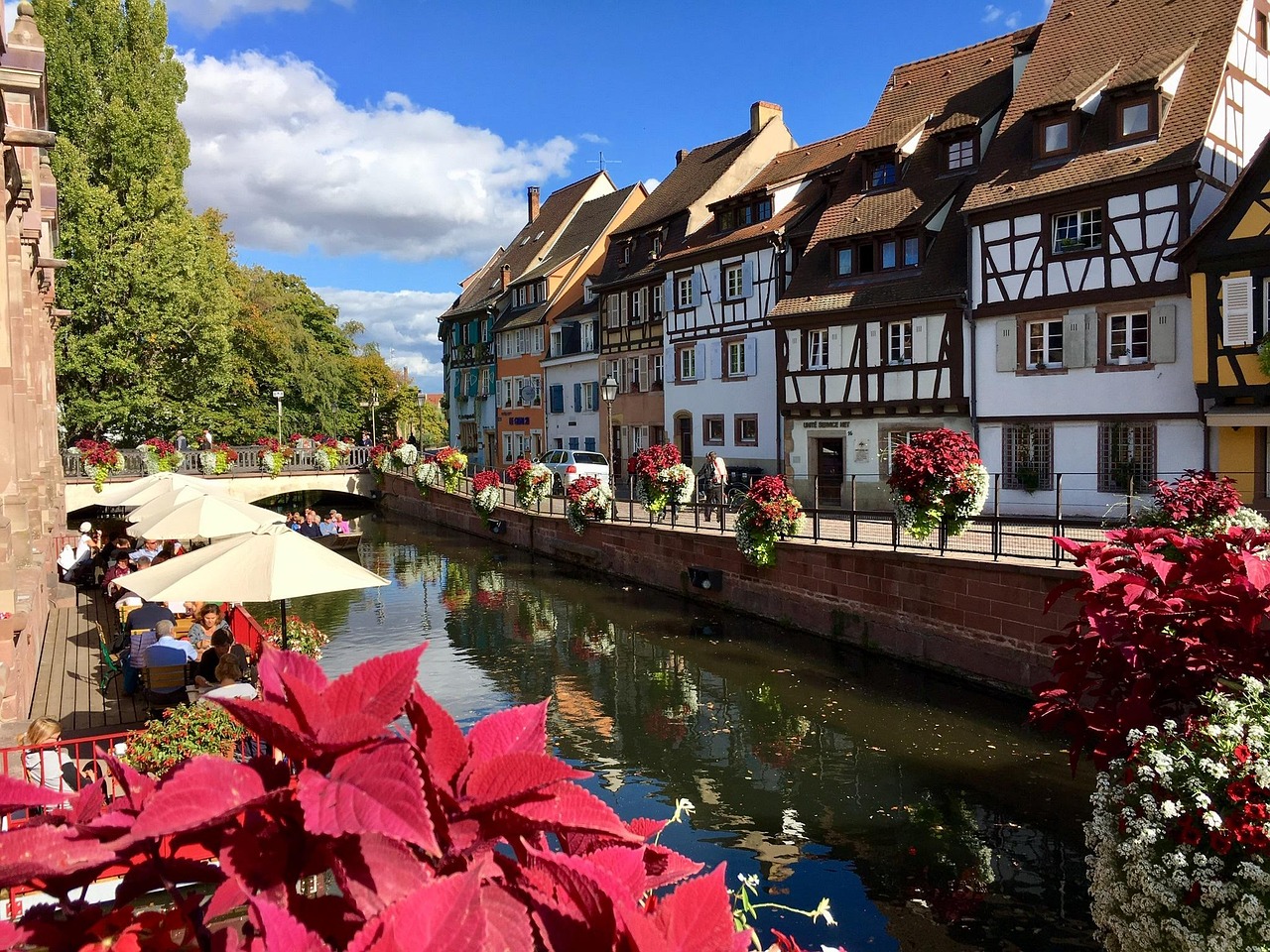
Colmar is one of those places that looks like it has been painted into existence. Half-timbered houses in pastel colors lean over cobbled lanes, flower boxes spill geraniums in impossible shades of red, and canals quietly mirror centuries of history. Yet beyond its picturesque reputation, Colmar is a living, breathing Alsatian town where people argue over which wine festival is best and where to get the crispiest flammekueche.
I’ve been coming to Colmar regularly for years—mostly in shoulder seasons, often in winter for the Christmas markets, and a few magical times in July when the vineyards glow at sunset. What keeps bringing me back isn’t just the fairytale aesthetic; it’s the combination of:
- Walkable charm – the historic center is compact enough to explore on foot, but varied enough to keep you wandering for days.
- Wine & gastronomy – Colmar is the heart of the Alsace wine region, surrounded by vineyards and villages that produce some of France’s best whites.
- Cultural layering – a fascinating mix of French and German influences, visible in the architecture, language, and food.
- Family-friendly calm – safe, relaxed, and full of gentle activities (boat rides, museums, parks) that work with children of all ages.
- Romantic atmosphere – Little Venice at dusk, candlelit wine bars, and quiet walks along the canals are tailor-made for couples.
- Easy access to nature – the Vosges mountains, hiking trails, and storybook wine villages are all within a short drive or train ride.
Whether you’re planning a 3 day itinerary for Colmar, stretching to 4 days in Colmar, or indulging in a leisurely 5 day itinerary for Colmar, this travel guide for Colmar is written as if I’m walking beside you, pointing out my favorite corners, cafés, and hidden gems.
Table of Contents
- Why Visit Colmar?
- Colmar in 2026 – What’s New
- Neighborhoods & Areas of Colmar
- 20 Must-See Attractions in Colmar (Deep-Dive)
- 3, 4 & 5 Day Itineraries for Colmar
- Local Food in Colmar & Where to Eat
- Nightlife, Entertainment & Cultural Experiences
- Best Day Trips from Colmar
- Cultural Etiquette & Local Customs
- Practical Travel Tips for Colmar
- Summary & Best Time to Visit Colmar
Colmar in 2026 – What’s New & Upcoming
Colmar doesn’t reinvent itself every year—its charm lies in continuity—but there are always new events and subtle shifts. For 2026–2027, here’s what to know:
- Expanded Wine Tourism Programs (2026) – local wineries around Colmar are offering more English-language tours and vineyard picnics, especially along the Route des Vins d’Alsace starting from Eguisheim and Kaysersberg.
- Colmar International Festival (Summer 2026 & 2027) – the classical music festival continues to expand with more outdoor concerts in the old town and along the canals.
- Christmas Markets 2026 – Colmar’s famous Christmas markets will again run from late November to late December, with a stronger focus on regional artisans and sustainable decorations.
- Renovations & Museum Updates – parts of the Unterlinden Museum’s temporary exhibitions rotate through 2026–2027, with new shows focusing on Alsatian modern art and the region’s Jewish heritage.
There are no major transport disruptions announced yet for 2026–2027, but always double-check SNCF schedules if you’re planning day trips during French holiday periods (especially July–August and Christmas).
Neighborhoods & Areas of Colmar
Colmar is compact, but each area feels distinct. When I first tried to plan 3 days in Colmar, I underestimated how different each corner would feel—even though you can cross the old town on foot in about 20 minutes.
1. Vieux Colmar (Old Town)
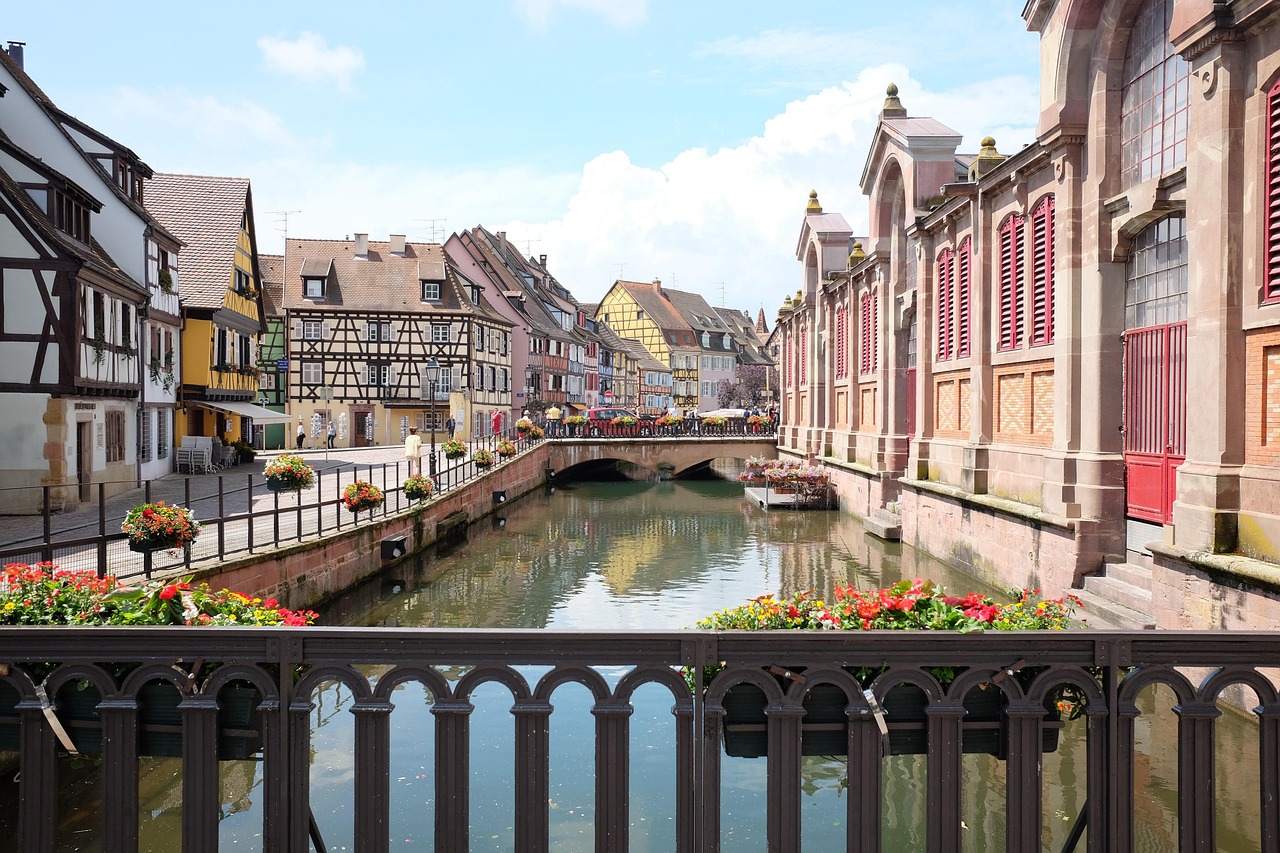
This is the Colmar you’ve seen in photos: narrow streets of half-timbered houses, canal-side cafés, and the main churches and museums. It’s where you’ll spend most of your first day, and probably your evenings too.
- Best for: First-time visitors, romantic stays, evening strolls, Christmas markets.
- Highlights: Little Venice, Rue des Marchands, Unterlinden Museum, Saint-Martin Collegiate Church.
2. La Petite Venise (Little Venice)
Technically part of the old town, but it has its own mood. Pastel houses line the Lauch River, and small boats glide slowly under low bridges. I still think the most romantic moment in Colmar is standing on the bridge at Quai de la Poissonnerie at blue hour, when the lights come on and the water turns inky.
- Best for: Couples, photographers, families who want a gentle boat ride.
- Highlights: Boat tours on the Lauch, riverside terraces, colorful architecture.
3. Quartier des Tanneurs (Tanners’ Quarter)
Once home to Colmar’s leather tanners, this quarter is all steep roofs and tall, narrow houses, many with exposed beams. Early in the morning, when delivery trucks are the only noise, this area feels like a time capsule.
- Best for: History lovers, architecture enthusiasts.
- Highlights: Restored tanners’ houses, quieter streets just off the main tourist path.
4. Around the Gare (Train Station District)
Five to ten minutes’ walk from the old town, this area looks more “normal French town” than storybook village. It’s where you’ll find cheaper hotels, some excellent bakeries, and easy access to buses for day trips.
- Best for: Budget travelers, people with early trains, road-trippers.
- Highlights: Wide boulevards, Art Nouveau buildings, everyday local life.
5. Residential Bel-Air & Suburbs
These quieter residential neighborhoods are where you’ll really feel Colmar’s day-to-day rhythm: kids on scooters, neighbors chatting in Alsatian-accented French, and dogs being walked along tree-lined streets. Not a “must-see,” but if you stay in an apartment out here, you’ll get a more local experience.
20 Must-See Attractions in Colmar – In Depth
Instead of just listing things to do in Colmar, I’ll walk you through 20 of the best places to visit in Colmar the way I actually experienced them—what I loved, what I’d skip at peak hours, and how to weave them into your own itinerary.
1. La Petite Venise (Little Venice)
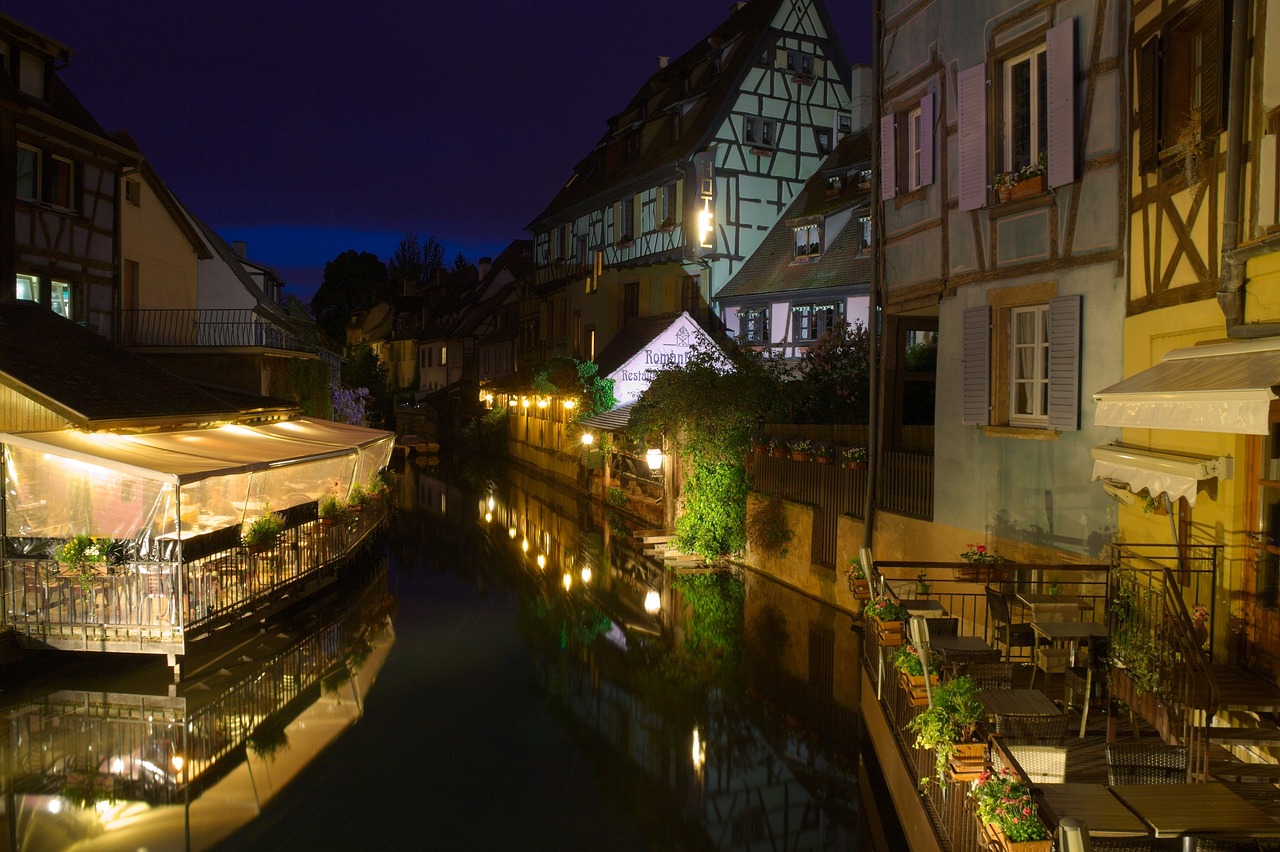
My first memory of Colmar is standing on the little bridge over the Lauch River, looking at houses that looked more like pastries than buildings. Little Venice is the postcard shot of Colmar, but it’s also a surprisingly calm place if you visit early or late.
History & significance: Little Venice grew as a district of traders, fishermen, and market gardeners who used the river to transport goods. The colorful facades are typical Alsatian half-timbered houses, many dating back to the 15th–17th centuries. The name “Little Venice” is relatively recent and touristic, but the canals have always been the neighborhood’s lifeblood.
What I do when I go: I always start the morning here once during every trip. I grab a coffee and a simple pastry from a nearby bakery, then walk the Quai de la Poissonnerie before the boats start. Around 9–10 am, I’ll take the classic flat-bottomed boat ride on the Lauch. The ride is quiet, no engines—just gentle gliding under low bridges as the guide shares anecdotes about the houses above.
Tips for visiting:
- Best time: Early morning for photos without crowds, or just after sunset for the most romantic light.
- Family-friendly: Absolutely—kids love the boat rides; just watch small children near the water’s edge.
- Romantic angle: Book a later boat and then linger over a glass of Alsace wine at one of the riverside terraces.
How to get there: From Place de la Cathédrale, it’s a 5–10 minute walk south following signs for “Petite Venise.” The district is well-marked.
What to eat nearby: I like to duck into a small winstub (traditional Alsatian tavern) a couple of streets away from the water, where prices are lower and menus more local. Look for daily specials featuring choucroute or coq au Riesling.
2. Musée Unterlinden
Every time I’m in Colmar for more than 24 hours, I end up at the Unterlinden. It’s not just about the famous Isenheim Altarpiece; the whole complex—set in a former 13th-century convent—wraps you in quiet stone cloisters and cool, dim galleries.
History & significance: The museum is built around a Gothic convent founded by Dominican nuns. Its crown jewel, the Isenheim Altarpiece by Matthias Grünewald, is a 16th-century masterpiece originally created for a hospital monastery. Its intense, almost surreal depiction of Christ and the saints is unlike anything else in European religious art.
What I do when I go: I always head straight to the room with the Isenheim Altarpiece and sit for a while. The panels rotate to show different scenes, so if you’re patient, you see multiple “faces” of the altarpiece. Then I wander through the upper galleries of medieval and Renaissance art, and finally the more modern collections and temporary exhibitions in the newer wing.
Tips for visiting:
- Allow: 2–3 hours if you’re even vaguely interested in art or history.
- Peak times: Late mornings and rainy afternoons; go early if possible.
- Family-friendly: Older kids and teens who like art or spooky medieval imagery might find the altarpiece fascinating.
How to get there: Located at Place Unterlinden, a few minutes’ walk north of the main old town streets. It’s well signposted.
Nearby food stop: I usually grab lunch at a nearby brasserie or head to the covered market (Marché Couvert) about 10 minutes away for something quick and local.
3. Collégiale Saint-Martin (Saint Martin’s Collegiate Church)
This pink sandstone Gothic church dominates the skyline of Colmar’s old town. On my first visit, I used it as a landmark to avoid getting lost; now I make a point of stepping inside whenever I pass.
History & significance: Built mainly between the 13th and 14th centuries, Saint Martin has often been mistaken for a cathedral because of its size and presence. It’s a testament to Colmar’s medieval importance and its position as a regional religious center.
What I do when I go: I like to sit quietly inside for a few minutes, especially on hot summer days when the cool air and dim light are a relief. The stained glass and vaulted ceiling are beautiful, and there’s often soft organ music if someone is practicing.
Tips:
- Dress respectfully—this is an active place of worship.
- If you’re there during a mass or organ recital, stand discreetly at the back unless you intend to participate.
Location: Right in the heart of the old town on Place de la Cathédrale, surrounded by cafés and shops.
4. Vieux Colmar (Self-Guided Old Town Walk)
The best way to understand Colmar is to stroll without too much of a plan. On one of my spring trips, I spent an entire afternoon doing nothing but follow whichever alley looked prettiest, and I still consider it one of my favorite travel days.
What to look for:
- Rue des Marchands – one of the oldest streets, lined with traditional half-timbered houses.
- Maison Pfister – a Renaissance-era house with wooden galleries and murals.
- Place de l’Ancienne Douane – a historic square with the 16th-century Koïfhus (Old Customs House).
Tip: If you’re building a 3 day itinerary for Colmar, dedicate a solid half day just to wandering the old town. It will make everything else feel more grounded.
5. Koïfhus (Old Customs House)
The Koïfhus sits like a brick-and-stone anchor between several of Colmar’s main streets. I’ve seen it dressed for Christmas, hosting artisan markets, and simply brooding over the square on a rainy afternoon.
History: Built in the 15th century, this was Colmar’s economic heart where customs duties were collected on goods passing through. It later served as a town hall and administrative center.
Why visit: The architecture alone is worth a look, with its mix of stone and half-timbering, green-tiled roof, and arcades. Inside, you’ll sometimes find temporary exhibitions or markets, especially during festivals and the Christmas season.
6. Musée Bartholdi
On my second trip to Colmar, I finally ducked into the Bartholdi Museum after walking past the sign for days. It’s a quiet, slightly eccentric museum that gives you surprising insight into the man behind the Statue of Liberty.
History & significance: Auguste Bartholdi, the sculptor of the Statue of Liberty in New York, was born in Colmar in 1834. The museum is housed in his former family home and displays models, sketches, and personal items.
What I love: The small-scale models of the Statue of Liberty and his other monuments make you appreciate the detail and ambition of his work. The inner courtyard, with its sculptures, is a peaceful place to sit for a few minutes.
Tip: This is a great stop if you’re interested in art, sculpture, or Franco-American connections, or if you’re looking for an indoor activity on a rainy afternoon.
7. Maison des Têtes (House of Heads)
I still remember the moment I actually stopped and looked properly at the façade of Maison des Têtes. The longer you stare, the more faces you see emerging from the stone.
History: Built in 1609 for a wealthy merchant, this early-Baroque house is decorated with over 100 carved heads (hence the name). A statue of the winemaker stands on top, a nod to the region’s wine culture.
Today: It houses a hotel and restaurant, but you’re free to admire the façade from the street. It’s one of the best examples of Colmar’s intricate stone carving tradition.
8. Boat Tours on the Lauch
Strictly speaking, this is an activity, not a building—but it’s one of Colmar’s must-do experiences. The first time I went with friends, we spent the entire 30 minutes whispering “this can’t be real.”
Experience: Flat-bottomed boats depart from Little Venice and glide along the Lauch River, passing underneath low bridges and between back gardens and facades you can’t see from the street. Guides usually speak French and English, sometimes German, and explain the history of the district and its architecture.
Tips:
- When: Spring to autumn, with schedules posted near the departure points.
- Family-friendly: Very—just remind kids to keep hands inside when passing under bridges.
- Photographers: Sit at the front or back of the boat for the best angles.
9. Marché Couvert (Covered Market)
I measure towns by their markets, and Colmar’s covered market is one of my favorites in eastern France. On a cool morning, the smell of fresh bread, cheese, and coffee hits you as soon as you step inside.
What to find: Fresh fruit and vegetables from nearby farms, regional cheeses (Munster, Tomme, goat’s cheese), charcuterie, bread and pastries, Alsatian specialties (like bretzels), and small eateries serving quick meals.
What I do here: When I stay in an apartment, I come here in the morning to pick up picnic supplies—cheese, cured meats, fruit, and a baguette. It’s also perfect for a budget-friendly lunch: grab a simple tart, quiche, or sandwich and sit by the canal.
Tip to save money: Avoid buying pre-packaged “tourist baskets.” Instead, tell vendors you’d like enough cheese/charcuterie for two or four people for a picnic; they’ll usually assemble a customized selection for you.
10. Musée du Jouet (Toy Museum)
On a rainy autumn afternoon, I wandered into the Toy Museum almost as a joke—and ended up staying for over an hour, lost in nostalgia and French childhood references I only half understood.
What it is: A museum dedicated to toys from the 19th century to today: dolls, model trains, board games, early video games, teddy bears, and more. There’s a large model train network that kids (and many adults) find mesmerizing.
Perfect for: Families, anyone who loves vintage design, and travelers looking for an offbeat, hidden gem in Colmar beyond the usual canals-and-wine circuit.
11. Parc du Champ de Mars & Surroundings
Whenever I need a breather from the narrow streets, I head to the wide, tree-lined paths of Parc du Champ de Mars. Children run around the fountain, older locals occupy the benches, and there’s space to just…exhale.
Why visit: It’s not a “sight” in the tourist sense, but it’s a slice of daily Colmar life. Great for picnics and letting kids burn off energy between museum visits.
12. Église Saint-Pierre
Less visited than Saint Martin, Saint-Pierre feels more like a neighborhood church. I stumbled in one afternoon when I heard faint choral music drifting onto the street.
Why go: For a quieter, more contemplative experience and to see another example of Colmar’s layered religious architecture.
13. Quartier des Tanneurs (Tanners’ Quarter)
We touched on this neighborhood earlier, but it deserves its own slot among the must-see attractions in Colmar. On a late afternoon walk, with the sun sliding between the tall houses, you can almost smell the ghost of leather and dye.
History: This was once home to the city’s leatherworkers, who needed tall, narrow houses with large attics to dry hides. Many have been carefully restored and now house apartments and small businesses.
Tip: It’s a great area to wander if you want pretty architecture without the dense crowds of Little Venice.
14. Statue of Liberty Replica

One of Colmar’s quirkiest sights stands not in the old town, but on a roundabout at the northern entrance to the city: a 12-meter-high replica of the Statue of Liberty, honoring native son Auguste Bartholdi.
Why see it: It’s a fun photo stop if you’re driving in or out of town, and a reminder of Colmar’s unexpected connection to New York.
Tip: Not essential if you’re on foot and short on time, but easy to spot if you’re arriving by car from the north.
15. Architectural Walk – Half-Timbered & Art Nouveau Colmar
Colmar is a living architecture lesson. One afternoon, I walked with a local friend who pointed out details I’d completely missed: carvings on beams, dates over doors, tiny signs of former trades.
What to look for:
- Dates engraved near rooflines—many houses proudly display their construction year.
- Symbols indicating former guilds: a shoe for a cobbler, grapes for a wine merchant, etc.
- Art Nouveau balconies and facades on the streets leading from the train station to the old town.
16. Traditional Winstubs & Wine Bars
Some of my favorite Colmar moments happen in low-lit winstubs where the tables are too close together and the wine list is longer than the food menu. This is where you feel Colmar’s soul.
What they are: Winstubs are traditional Alsatian wine taverns, often wood-paneled, with checkered tablecloths and hearty regional dishes.
Tip: Look for places with a good mix of locals and visitors, and don’t be shy about asking for a recommendation between Riesling, Pinot Gris, and Gewürztraminer.
17. Colmar Christmas Markets (Seasonal)
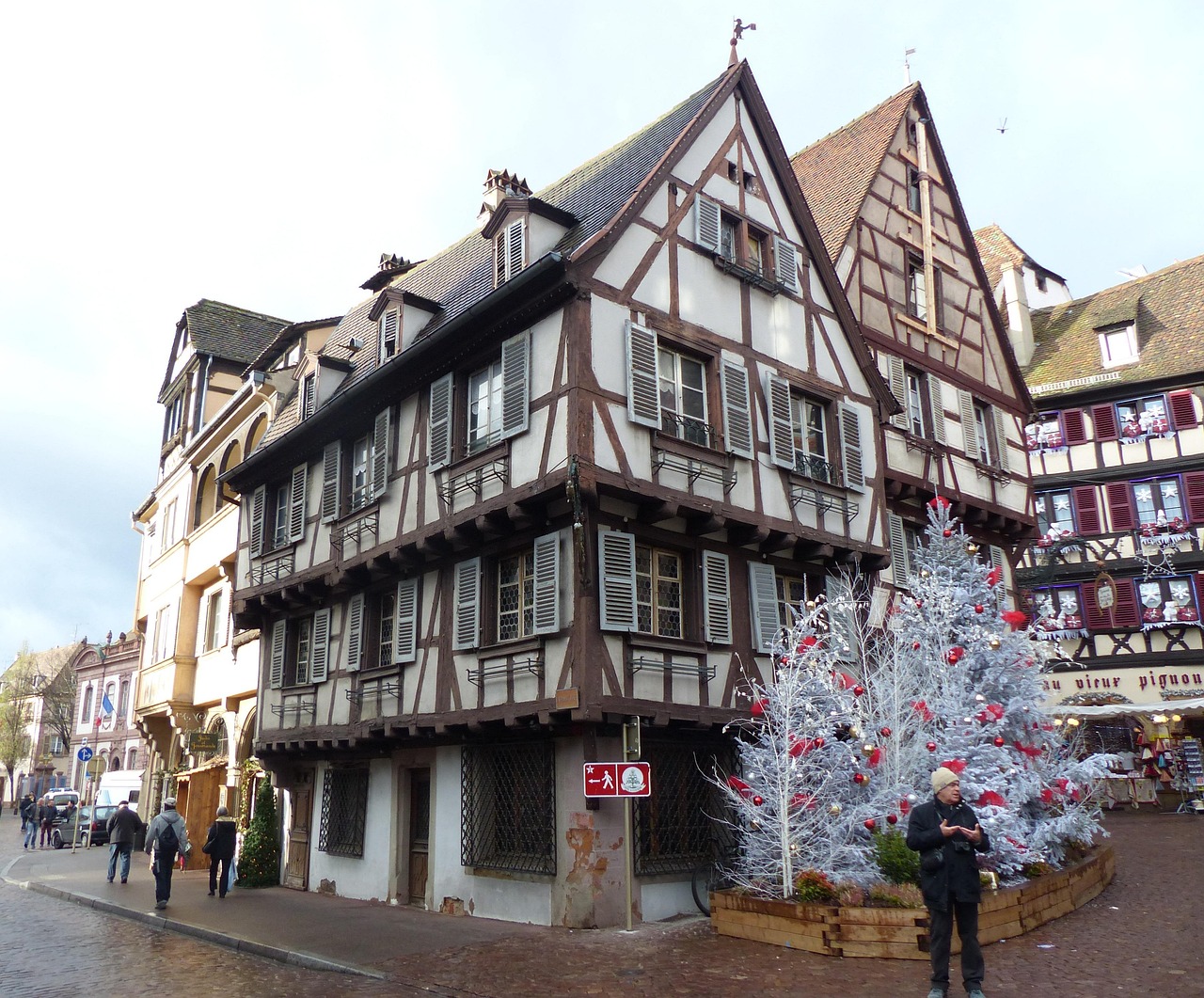
If you’re building a 3 or 4 day itinerary for Colmar in late November or December, the Christmas markets will shape your entire experience. On my first winter trip, I arrived just as the lights came on; the whole town felt like a movie set.
What to expect: Several themed markets scattered around the old town: artisanal crafts, regional food, children’s market, and more. Mulled wine, gingerbread, local pottery, hand-made decorations, and endless lights.
Tip: Visit in the late afternoon and stay into the evening; mornings are much quieter but less atmospheric.
18. Colmar International Festival (Music)
In summer, Colmar’s courtyards and churches often fill with music. The Colmar International Festival gathers classical musicians from across Europe for concerts in beautiful historic settings.
Why go: Listening to a string quartet in a centuries-old church or a courtyard near the canals is an unforgettable way to experience the town’s cultural side.
19. Subtle Street Art & Modern Touches
Colmar isn’t a street-art city like Berlin or Lisbon, but if you look closely, you’ll find modern creative touches—small murals, playful signs, and contemporary sculptures tucked between medieval facades.
Tip: Keep your eyes open in less touristy streets, especially on the fringes of the old town and near the station.
20. Sunset Views from the Bridges & Squares
Sometimes the best “attraction” is a viewpoint. On my last summer trip, I made a ritual of choosing a different spot each evening: a bridge in Little Venice one night, a corner of Place de l’Ancienne Douane the next.
Best spots:
- Bridge at Quai de la Poissonnerie (classic Little Venice view).
- Bridge near the covered market, looking back toward the old town.
- Edges of Place de la Cathédrale, with Saint Martin glowing in the low light.
3, 4 & 5 Day Itineraries for Colmar (With Personal Stories)
Whether you have 3 days in Colmar, 4 days in Colmar, or a leisurely 5 days in Colmar, you can mix these days to create the best Colmar itinerary for your pace and interests. Below I weave my own experiences into suggested routes.
3 Day Itinerary for Colmar – Essentials & Atmosphere
This is my go-to plan when friends ask how to spend a long weekend here. It balances the must-see attractions in Colmar with time to simply be in the city.
Day 1 – First Impressions & Storybook Streets
I like to arrive around midday, drop bags at the hotel or apartment, and head straight into the old town. Even after multiple visits, that first walk down Rue des Marchands still gives me goosebumps.
Morning / Early Afternoon:
- Start at Place de la Cathédrale and visit Saint Martin’s Collegiate Church.
- Wander Rue des Marchands and nearby alleys, stopping often to look up at the facades.
- Lunch at a winstub or café just off the main square—look for daily lunch menus to save money.
On one trip, I ducked into a tiny side-street café just because it smelled like butter and garlic; it turned into one of my best meals in Colmar, with a simple tarte flambée and a small carafe of local Riesling.
Afternoon:
- Visit Unterlinden Museum. Spend 1.5–2 hours soaking in the art and cloisters.
- Walk via Maison des Têtes back toward the center.
Evening:
- Head to Little Venice for your first sunset. Take a slow stroll along the quay.
- Dinner nearby—if a place feels crowded with locals speaking French or Alsatian, that’s a good sign.
By the end of Day 1, you’ll have the old town map imprinted in your mind, which makes Days 2 and 3 much easier.
Day 2 – Canals, Markets & Wine
Morning: Start at the Covered Market (Marché Couvert). Grab a coffee from one stall, a pastry from another, and then walk slowly through the aisles. This is where Colmar’s local food culture really comes into focus.
On one spring visit, I assembled an entire picnic here: goat cheese, cured ham, cherry tomatoes, a baguette, and a small bottle of Gewürztraminer. I ate it on a bench by the canal, watching boat tours glide past.
- Explore the market, buy picnic supplies if you like.
- Wander the Tanners’ Quarter just beyond the market.
Late Morning / Early Afternoon:
- Take a boat tour on the Lauch from Little Venice.
- Lunch either at the market (quick bites) or in a nearby café.
Afternoon – Wine Focus:
- Visit one or two wine bars in the old town for a tasting flight.
- Alternatively, book a short vineyard excursion to a nearby village like Eguisheim (more on day trips later).
Evening:
- Dinner focused on Alsatian specialties: think choucroute (sauerkraut with meats), baeckeoffe (slow-cooked meat and potatoes), or coq au Riesling.
- Stroll through the old town again at night; the atmosphere feels different once the day-trippers have left.
Day 3 – Museums, Hidden Gems & Relaxation
Morning:
- Choose between the Bartholdi Museum or Toy Museum depending on your interests (art vs. nostalgia/family fun).
- Explore some of the quieter side streets between attractions; this is when you’ll find hidden gems in Colmar like tiny courtyards and artisan shops.
Afternoon:
- Relax in Parc du Champ de Mars or by the canal with a book.
- Last-minute shopping for regional specialties—wine, biscuits, jams, or linens.
Evening: For your final night, book a table at one of the more atmospheric restaurants in Little Venice, and toast your trip with a final glass of Crémant d’Alsace.
4 Day Itinerary for Colmar – Adding a Village Escape
With 4 days in Colmar, you can follow the 3-day plan above and add a day trip to a nearby village on the Alsace Wine Route.
Day 4 – Eguisheim or Kaysersberg
On my favorite trip, I used Day 4 to bike slowly from Colmar to Eguisheim, passing vineyards and farmhouses under a wide, blue sky.
Option 1: Eguisheim (closest and easiest):
- Bus, bike, or short taxi ride from Colmar.
- Explore the circular, flower-filled streets of the village.
- Visit one or two small wineries for tastings.
Option 2: Kaysersberg (a bit further, but stunning):
- Bus or car from Colmar.
- Explore the medieval center and climb up to the castle ruins for a view over the vineyards.
Return to Colmar in the late afternoon, and spend a relaxed final evening in the old town.
5 Day Itinerary for Colmar – Slow Travel & Deeper Dives
With 5 days in Colmar, you can truly slow down and add another village or a nature-focused day in the Vosges mountains.
Day 4 – Village on the Wine Route
Follow the Day 4 suggestion from the 4-day itinerary—Eguisheim or Kaysersberg.
Day 5 – Nature & Vosges Mountains
On one late-summer trip, I took a day to escape into the Vosges. The change from flat vineyards to wooded hills and lakes was refreshing.
- Consider a trip to Lac Blanc or Route des Crêtes for hiking and viewpoints.
- Rent a car or join an organized excursion for ease.
Return to Colmar in time for one last walk through Little Venice at dusk. This slower pace is ideal for couples, photographers, and anyone who wants a deeper sense of place rather than rushing between “sights.”
Local Food in Colmar – What to Eat & Where
Alsace’s cuisine is hearty, comforting, and rich with German influence. Every time I return to Colmar, I look forward to my first bite of tarte flambée or a warm slice of kougelhopf.
Must-Try Dishes
- Tarte Flambée (Flammekueche) – Thin crust, crème fraîche, onions, lardons. Often the most budget-friendly main dish on menus.
- Choucroute Garnie – Sauerkraut with assorted meats and sausages; a winter staple.
- Baeckeoffe – Slow-cooked casserole of potatoes and marinated meats baked in a sealed dish.
- Coq au Riesling – Chicken braised in creamy Riesling sauce.
- Spätzle – Little egg noodles, often served as a side with meat and sauce.
- Bretzels – Soft pretzels, sometimes with cheese or ham; perfect as a snack from bakeries or market stalls.
- Kougelhopf – A tall, yeasted cake baked in a distinctive mold, often with raisins and almonds.
Local Wines & Drinks
- Riesling – Dry, mineral, perfect with choucroute and fish.
- Gewürztraminer – Aromatic, slightly sweet; great with Munster cheese or spicy dishes.
- Pinot Gris – Balanced and food-friendly.
- Crémant d’Alsace – Sparkling wine, ideal as an aperitif.
Saving Money on Food
Colmar can be affordable if you eat like a local:
- Look for formule midi (lunch menus) which bundle starter + main or main + dessert at a reduced price.
- Use the Covered Market and bakeries for picnic-style meals.
- Order carafes d’eau (tap water) instead of bottled water; it’s free and normal in France.
Nightlife, Entertainment & Cultural Experiences in Colmar
Evening Atmosphere
Colmar is more about wine bars and late dinners than nightclubs. My ideal evening is a slow meal followed by a glass of wine on a terrace in the old town or a quiet bar with soft jazz in the background.
Cultural Events (2026–2027)
- Colmar International Festival (summer) – classical music.
- Wine festivals in nearby villages – check local tourism websites for exact dates.
- Christmas markets (late Nov–Dec) – extended evening hours with music and performances.
Day Trips & Nearby Attractions from Colmar
One of the best things about basing yourself in Colmar for 4 or 5 days is how easy it is to explore the Alsace region.
Eguisheim
A circular village wrapped in flowers and vineyards. Easy bus or bike ride from Colmar. Wander the concentric lanes, taste wine, and soak in the village charm.
Kaysersberg
One of the prettiest villages in France, with a river, half-timbered houses, and castle ruins above. Ideal for a half or full-day trip.
Riquewihr & Ribeauvillé
Further along the wine route; both villages offer gorgeous medieval streets and countless wine-tasting opportunities.
Vosges Mountains & Route des Crêtes
For hikers and nature lovers, rent a car or join a tour to the Vosges hills, lakes, and viewpoints.
Cultural Etiquette & Local Customs in Colmar
Language & Greetings
Colmar is in France, but with a strong Alsatian identity and some German influence. Most people speak French; many working in tourism speak English and/or German.
- Always start with a polite “Bonjour” (daytime) or “Bonsoir” (evening) when entering shops or speaking to staff.
- Even if you switch to English afterward, that first French greeting goes a long way.
Dining Etiquette
- Table service is slower and more relaxed than in some countries; it’s not rude, it’s the culture.
- It’s normal to linger over a meal; you’ll usually need to ask for the bill: “L’addition, s’il vous plaît.”
- Tip 5–10% if service was particularly good; service is technically included in menu prices.
Dress & Behavior
- Casual but neat clothing is standard; sportswear is fine for hiking but less so for evening dining.
- Respect quiet in churches and residential streets at night.
Practical Travel Tips for Colmar (2026)
How to Get Around Colmar
- On Foot: The old town is compact; walking is the best way to explore.
- Bike: Rental bikes are useful for trips to nearby villages like Eguisheim.
- Public Transport: Local buses connect Colmar with surrounding areas; trains link to Strasbourg, Mulhouse, and Basel.
- Car Rental: Useful for deeper exploration of the wine route and Vosges. Foreign drivers with a valid license (and, ideally, an International Driving Permit) can usually rent without issue; check your rental agency’s rules.
Saving Money in Colmar
- Travel in shoulder seasons (April–May, September–early November) for lower accommodation prices.
- Use lunch menus and supermarkets/markets for some meals.
- Walk or bike instead of relying on taxis.
SIM Cards & Connectivity
- France has multiple providers (Orange, SFR, Bouygues, Free). Look for prepaid SIM cards at airports, train stations, or phone shops in town.
- EU travelers can usually roam under EU rules; non-EU travelers should check roaming costs or buy a local SIM/eSIM.
Visa Requirements (General)
Colmar follows France’s and the Schengen Area’s rules:
- EU/EEA/Swiss citizens: No visa needed.
- Many non-EU countries: Short stays (up to 90 days in 180) may be visa-free; others require a Schengen visa.
Always check the latest requirements with your local French consulate or official government sites before traveling.
Driving & Foreign Licenses
- Many visitors can drive in France with their home country license for short stays; some nationalities are recommended to carry an International Driving Permit alongside their license.
- Drive on the right, obey speed limits, and note that alcohol limits are strict.
- Parking in Colmar’s old town is limited; use marked parking lots outside and walk in.
Best Seasons & Weather
- Spring (April–May): Mild, flowers everywhere, fewer crowds. Great for walking and first vineyard visits.
- Summer (June–August): Warm to hot, busiest season, lively festivals. Best for long evenings outdoors and nature day trips.
- Autumn (September–October): Vineyards turn golden, harvest vibe, cooler but often sunny. Ideal for wine lovers.
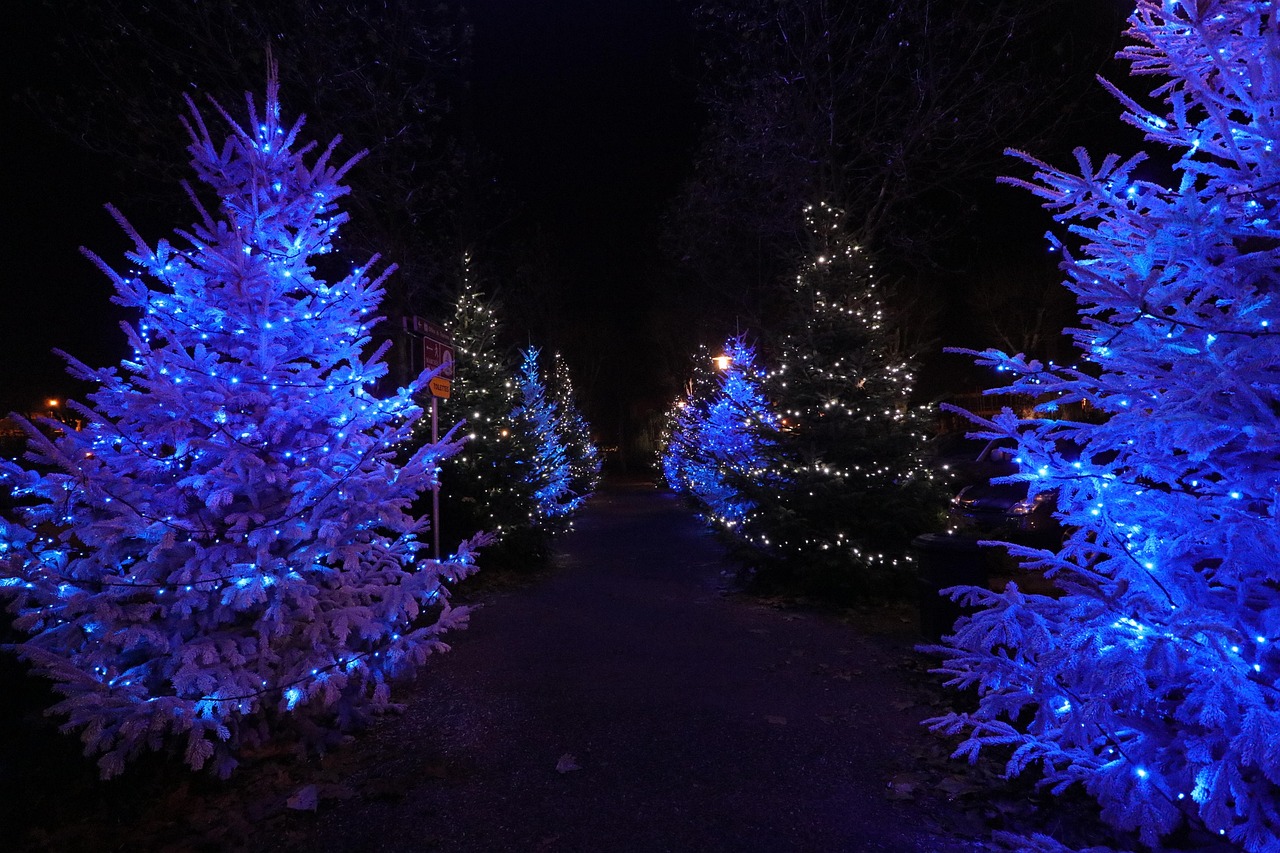
- Winter (Nov–Feb): Christmas markets (late Nov–Dec), colder and quieter after New Year. Magical if you love festive decor.
Summary – Key Takeaways & Final Recommendations
Colmar may be small, but if you let it, it will fill your days with color, wine, and quiet stories. From the timeless facades of Little Venice to the intense emotion of the Isenheim Altarpiece, this is a town that rewards those who slow down.
- A 3 day itinerary for Colmar covers the essentials: old town, Little Venice, Unterlinden Museum, market, and a taste of local food and wine.
- 4 days in Colmar lets you add a village on the Alsace Wine Route.
- 5 days in Colmar gives you space for both villages and nature in the Vosges, plus unhurried evenings in town.
- The best time to visit Colmar depends on your priorities: late spring and early autumn for balance, summer for festivals and long evenings, winter for Christmas magic.
However long you stay, give yourself at least one unscheduled afternoon to simply wander without a list. In my experience, that’s when Colmar stops being just a beautiful destination and starts feeling like a place you’ll want to return to.