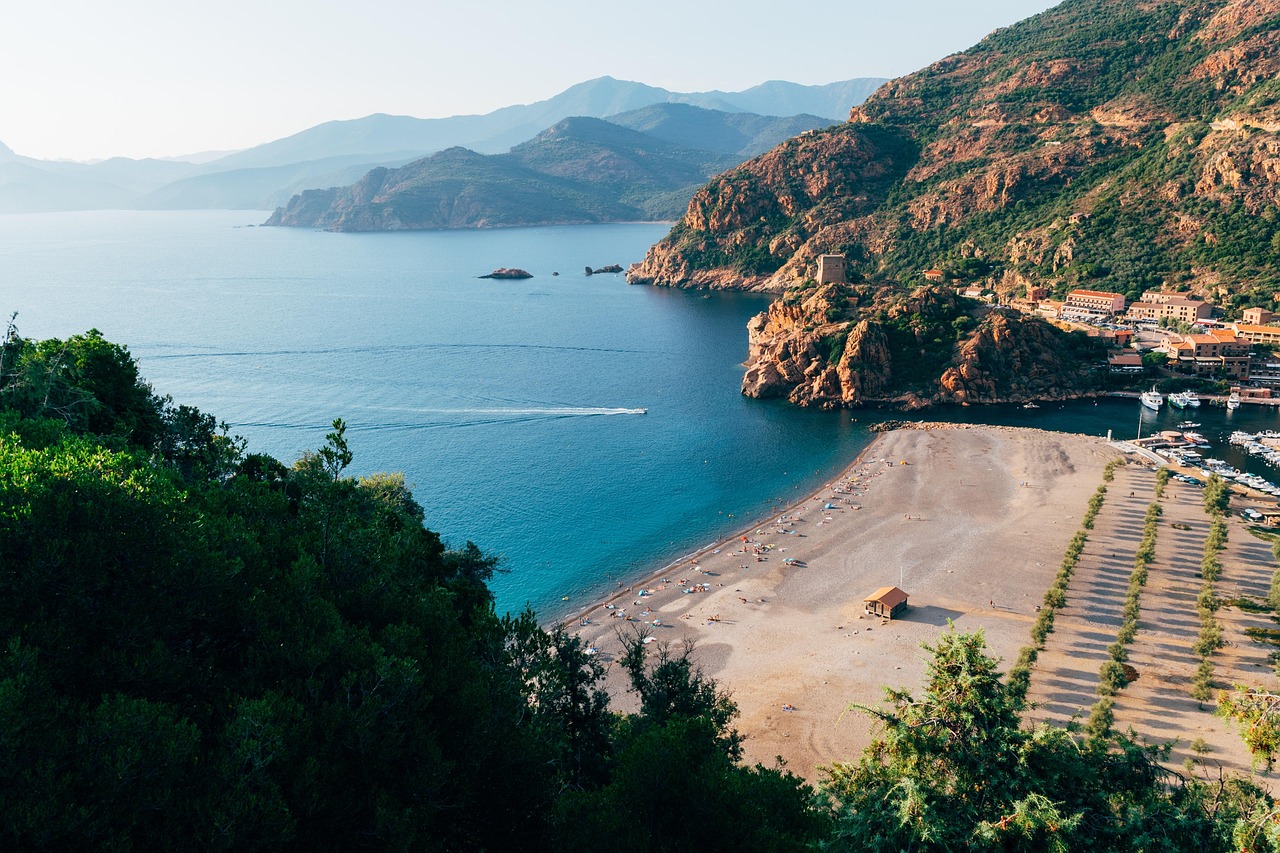
Why Visit Corsica in 2026
If mainland France and Italy had a wild, sea‑battered child and then let it grow up mostly unsupervised, you’d get Corsica. It’s French in administration, Italian in melody, fiercely Corsican in soul. The locals call it Korsika or Corsica, and you’ll feel that independence in everything from the language (Corsu) to the food, the politics, and the way people talk about “the continent” as if it were another planet.
I’ve been returning to the island almost every year since 2012, often twice a season. I’ve watched villages repaint their shutters between springs, seen the same waiter in Calvi go from surf‑haired student to restaurant owner, and I still can’t decide which side of the island I love most. In 2026, Corsica is in that rare sweet spot: well‑connected, increasingly comfortable, but still raw around the edges where it matters.
Why it deserves your next trip:
- Ridiculous landscapes: jagged red granite cliffs dropping straight into turquoise sea, inland mountains still snow‑streaked while you’re swimming on the coast, chestnut forests, maquis scrub that perfumes the air with wild herbs.
- Beaches for every mood: calm family coves, wild surf swells, cliff‑backed bays reachable only by footpaths or boat, and endless white‑sand crescents where the water looks Photoshopped.
- Authentic island culture: polyphonic singing in tiny churches, language and identity that predate the French state, village festivals where nobody cares if you’re a tourist as long as you’re respectful and hungry.
- Food that tastes of place: brocciu cheese, wild boar stew, cured charcuterie from pigs that genuinely roam the maquis, lobster in little fishing harbours, and wines that never leave the island.
- Adventure layered on top of ease: famous hikes like the GR20, canyoning, sailing, diving, coasteering, or simply renting a car and seeing where the coastal road leads.
Most visitors skim Corsica in 3 days; some give it a week. Every time I leave I regret not staying longer. This 2026 travel guide for Corsica is for those who want to go a little deeper: to understand which side of the island suits which kind of trip, where to base depending on whether you have 3, 4, 5, 6, or 7 days in Corsica, and how to avoid the classic pitfalls (and crowds) without missing the must‑see attractions.
Table of Contents
- Why Visit Corsica in 2026
- Island Overview: Coasts, Mountains & Where to Base
- 14 Essential Beaches, Coves, Villages & Viewpoints
- 3–7 Day Itineraries in Corsica (With Personal Daily Stories)
- Island Eating: Local Food in Corsica & Where to Find It
- Island Evenings: Sunsets, Bars & Nightlife
- Cultural Experiences, Local Customs & Etiquette
- What’s New in 2026–2027: Events & Shifts in the Travel Scene
- Day Trips & Nearby Adventures From Corsica
- Practical Travel Tips for Corsica (Money, SIMs, Safety)
- When to Visit Corsica & Seasonal Advice
- Final Summary & Key Takeaways
Island Overview: How Corsica Is Laid Out & Where to Base
If you look at Corsica on the map, it’s a mountainous dagger rising from the Mediterranean. In practice, the island falls into a few very different personalities, and choosing where to stay will shape your experience more than you might think.
Northwest: Balagne, Calvi & L’Île‑Rousse
The northwest is my usual landing spot. It’s where Balagne rolls down from olive‑dotted hills into long, golden beaches. Towns like Calvi and L’Île‑Rousse give you the classic combo: beaches, old citadels, harbourside dinners, easy boat trips, and great bases for day hikes into hill villages.
- Best for: first‑time visitors, families, a 3 day itinerary for Corsica that doesn’t feel rushed, romantic long weekends, easy logistics.
- Vibe: relaxed but lively in summer, soft‑edged tourism with plenty of locals around.
South: Porto‑Vecchio, Bonifacio & the Dream Beaches
The south is where the marketing shots come from. Think luminous lagoons and fine white sand at Palombaggia and Santa Giulia, dramatic cliffs at Bonifacio, and a slightly glossier feel, particularly in high season.
- Best for: iconic beaches, honeymooners, 4 days in Corsica focused on sea and sand, boat excursions.
- Vibe: chic coastal, a little more expensive, nightlife heavier in July–August.
West Coast: Ajaccio to Porto & the Calanques de Piana
The west coast is the wild heart: jagged, red‑gold cliffs, serpentine roads, and tiny coves. The stretch between Ajaccio and Porto via the Calanques de Piana is one of Europe’s great coastal drives.
- Best for: road‑trip lovers, photographers, 5 or 6 day itineraries that mix sea and mountains, hikers.
- Vibe: scenic, sometimes remote, fewer big resorts, more independent guesthouses.
East Coast: Long Beaches & Calm Waters
The east coast from Bastia down to Aléria and beyond is often overlooked. It’s flatter, with long, family‑friendly beaches and campsites tucked into pine forests. The water is calmer and warmer earlier in the season.
- Best for: young families, budget travellers, those wanting quiet bases with easy driving.
- Vibe: understated, practical, more about big skies and long walks than big‑name sights.
Interior: Corte, Restonica Valley & the GR20 Spine
The interior is the Corsica I fell in love with last: high villages clinging to ridges, mountain rivers with ice‑cold plunge pools, and the legendary GR20 trail slicing down the island’s spine. Towns like Corte feel fiercely Corsican and far removed from beach life, even though the sea is never actually that far.
- Best for: hikers, canyoners, anyone needing a break from the heat and crowds of August, authentic cultural experiences.
- Vibe: rugged, proud, slower evenings, cool nights even in high summer.
14 Essential Beaches, Coves, Villages & Viewpoints in Corsica
These 14 places are my personal anchors on the island. I’ve visited each of them multiple times, in different seasons and moods: solo in late September, with friends in July, with small children one May when the sea was still teeth‑chatteringly cold. Think of these as characters in the story of Corsica rather than a checklist of things to do in Corsica.
1. Calvi & Its Bay – Easygoing Gateway to the Northwest
I still remember my first approach to Calvi by ferry from Nice: waking up at dawn to the silhouette of the citadel, a pale orange light catching the old stone walls while the bay lay glassy and quiet. In 2026, Calvi remains one of the best places to visit in Corsica if you want a soft landing.
The town wraps around a deep, sheltered bay fringed by a long sandy beach backed by pine trees and a low‑key promenade. The citadel rises at the western end, a proper fortress of pale, time‑worn walls and tangled alleys where washing hangs above your head and cats sleep in sunlit doorways.
What I Do in Calvi
- Morning swim & coffee: I walk the boardwalk east from town, drop my bag under the pines, and swim when the bay is still cool and empty. Then a coffee and canistrelli biscuit at a beach bar before the families arrive.
- Citadel wander: Late afternoon, when the heat softens, I climb up through the old streets, dip into the Église Saint‑Jean‑Baptiste, and watch the sea from the ramparts.
- Harbour aperitif: Aperol and a plate of charcuterie on the marina, watching boats come and go while kids lick ice creams along the quay.
Where to Eat & What to Try
Harbour restaurants can be hit and miss, but a few are excellent. I often end up a street or two back from the waterfront, where the prices ease and the cooking feels more local. Look for:
- Charcuterie de montagne – cured ham and coppa from inland villages.
- Fiadone – local lemony cheesecake made with brocciu.
- Fresh fish of the day – usually grilled simply with olive oil and herbs from the maquis.
How to Get There & Where to Base
Calvi has its own airport with seasonal flights from France and some European cities. The train from Bastia or L’Île‑Rousse is slow but scenic, hugging the coast. With 3 days in Corsica, basing in Calvi makes logistics easy: many hotels are within walking distance of both the beach and old town.
Tips
- Family‑friendly: the main beach shelves gently and has lifeguards in high season.
- Romantic: book a table up in the citadel at sunset; the view over the bay is quietly spectacular.
- Budget: self‑catering apartments slightly uphill from the harbour are cheaper than waterfront hotels.
2. L’Île‑Rousse – Rose‑Tinted Rocks & Lazy Evenings
Half an hour’s drive from Calvi, L’Île‑Rousse is the town I go to when I want to slow down. Named for the île de la Pietra, the red granite islet that glows at sunset, it feels gentler and more compact than Calvi.
The central square – Place Paoli – is shaded by plane trees, always echoing with the thud of pétanque balls. Locals drift between the cafés, and if you linger over a morning coffee you’ll start recognising faces within a couple of days.
My L’Île‑Rousse Ritual
On my last trip (September 2025), I rented a simple room just behind the market. Every morning I’d slip out to the covered marché to pick up tomatoes, olives, and goat cheese, then walk the short distance to the main beach.
By 8:30, the water is already warm. I swim across the bay to the little rocks, float on my back looking at the hills of Balagne, then wander up to the île de la Pietra lighthouse for a breeze and a wide view.
Beaches & Activities
- Main town beach: soft sand, shallow entry, great for kids. Beach clubs rent loungers but you’ll always find a free patch of sand.
- Boat trips: short cruises along the coast, some with snorkeling stops. The water here is clear, with patches of seagrass and rocky outcrops where fish gather.
- Train to the beaches: the little coastal train (Trinichellu) between Calvi and L’Île‑Rousse stops at small coves – hop off, swim, and hop back on.
Tips
- Best base for a calm 3 or 4 day itinerary for Corsica if your priority is beach days and slow evenings.
- Sunset: climb to the lighthouse or just walk the rocky path; the light on the red stone is the whole town’s nightly show.
- Parking is easier here than in Calvi; if you’re road‑tripping, it’s a good, low‑stress stop.
3. Bonifacio – Clifftop Drama & Luminous Sea
Bonifacio never gets old. I’ve visited in early May storms, blue‑sky August heat, and a damp November squall; every time, those chalk‑white cliffs dropping into unreal blue water knock the breath out of me.
The town perches on a narrow limestone promontory, its houses seemingly balanced on the very edge. Below, the harbour is a long, sheltered fjord where yachts and fishing boats line up shoulder to shoulder.
What to See & Do
- Haute Ville (Upper Town): Wandering the medieval lanes of the citadel, with sudden glimpses of sea at the ends of alleys. The King of Aragon’s Staircase – 187 steps carved into the cliff – is unforgettable, but do it early to avoid both heat and queues.
- Boat tour of the cliffs and caves: I’ve done this tour at least five times; the moment you glide under the overhangs of the white rock into the Grotte de Sdragonato still feels otherworldly.
- Capo Pertusato viewpoint: A short hike (about 45–60 minutes one way) leads to views back towards Bonifacio’s skyline from a distance – my favourite angle for photos.
Food & Atmosphere
I avoid the most obvious tourist strip on the harbour in high season, but just one street back you’ll find places serving excellent linguine aux fruits de mer, grilled fish, and local wines from Sartène and Figari. Up in the old town, I often eat simple: a plate of aubergines à la bonifacienne (stuffed aubergines) or a bowl of fish soup with rouille.
Tips
- Parking fills quickly in July–August. Arrive before 9:00 or after 17:00 if you’re driving in for the day.
- Romantic: sunset drinks on the cliff edge bars are as dramatic as it gets on the island.
- With kids: the staircase and cliff paths require supervision, but the boat tour is a hit with most ages.
4. Palombaggia Beach – Postcard Perfection
Every island has the beach that shows up on all the screensavers. For Corsica, that’s Palombaggia. I resisted it at first, preferring quieter spots, but when I finally went on a late‑September afternoon, I understood the hype.
The sand here is powder‑fine and almost white. The sea is a gradient of blues – milk‑turquoise in the shallows deepening to an inky navy near the horizon. Sculpted pines lean over the sand, and out in the bay, the Cerbicale islands sit like grey‑green turtles.
When & How I Visit
In August, Palombaggia can feel overwhelmed by its own beauty; sunbeds line the shore, and traffic clogs the access road. I go in May–June or September–early October, arriving before 9:30 or after 16:00. One October morning, I swam in a thin mist that burned off by 10:00, leaving only a handful of walkers and the sound of cicadas.
Food & Beach Bars
Palombaggia has several beach bars and restaurants. Prices reflect the setting, but for a splurge day, it’s worth it: fresh grilled fish, chilled rosé, bare feet in the sand. On tighter budgets, I picnic; there’s shade behind the beach where you can lay out a blanket.
Tips
- Family‑friendly: long, shallow entry, usually calm waters – ideal with kids.
- Snorkeling is decent around the rocks at either end; bring your own mask.
- Transport: In high season, a navette (shuttle) runs from Porto‑Vecchio; otherwise, you’ll need a car or scooter.
5. Santa Giulia – The Lagoon You Dream About in February
South of Porto‑Vecchio, Santa Giulia is less a beach and more a vast, shallow lagoon. When the sun is high, the water looks like it’s lit from within – a luminous turquoise sheet over pale sand.
On a trip in June 2024, I spent an entire day waist‑deep, just walking the shallows with old friends, talking, occasionally floating. SUP boards slipped by; kids squealed near the shore; the mountains rose green and blue behind us.
Activities
- Paddleboarding & kayaking: the water is calm enough for beginners.
- Beach bars: more built‑up than Palombaggia, with music and a slightly more social scene in the evenings.
- Jet skis & watersports: if you like a bit of noise and speed, this is the place.
Tips
- Best for: groups of friends, families with small children.
- Avoid peak midday in August if you dislike crowds – come early or for sunset walks.
- Parking is paid and can be chaotic in high season; factor in a 5–10 minute walk.
6. Plage de Saleccia & Loto – Wild Deserted‑Feel Beaches
Every time I go to Saleccia or Loto, I promise myself not to tell too many people. Yet here we are. These two beaches sit on the edge of the Désert des Agriates, a scrubby, uninhabited stretch of coast between Saint‑Florent and the Balagne.
The first time I saw Saleccia from a boat, the sand was so white it almost hurt my eyes. A line of pines marked the back of the beach, and there were more cows than people. It felt like I’d sailed to another country, even though the nearest town was only a short drive away.
How to Get There
- Boat from Saint‑Florent: Easiest for most visitors. Regular shuttles run to Plage du Loto; from there, you can walk along the coast path to Saleccia (about 1–1.5 hours).
- 4x4 track: A rough, dusty piste leads from the N1197. I’ve done it once with a local friend’s Land Rover; I wouldn’t take a regular rental car.
- Hiking: The coastal trail from Saint‑Florent is beautiful but long; better as a spring or autumn hike.
What to Expect
There’s very little infrastructure. At Saleccia, a simple paillote (beach shack) often opens in summer serving grilled meat, salads, and cold drinks. Otherwise, bring everything you need. The appeal here is space: even in August, it rarely feels as cramped as the beaches near Porto‑Vecchio.
Tips
- Adventure‑minded: combine boat, walk, and swim for a full day out.
- Families: fine with older kids; for toddlers, the logistics can be a bit much on a very hot day.
- Leave no trace: there are no bins; pack your rubbish out.
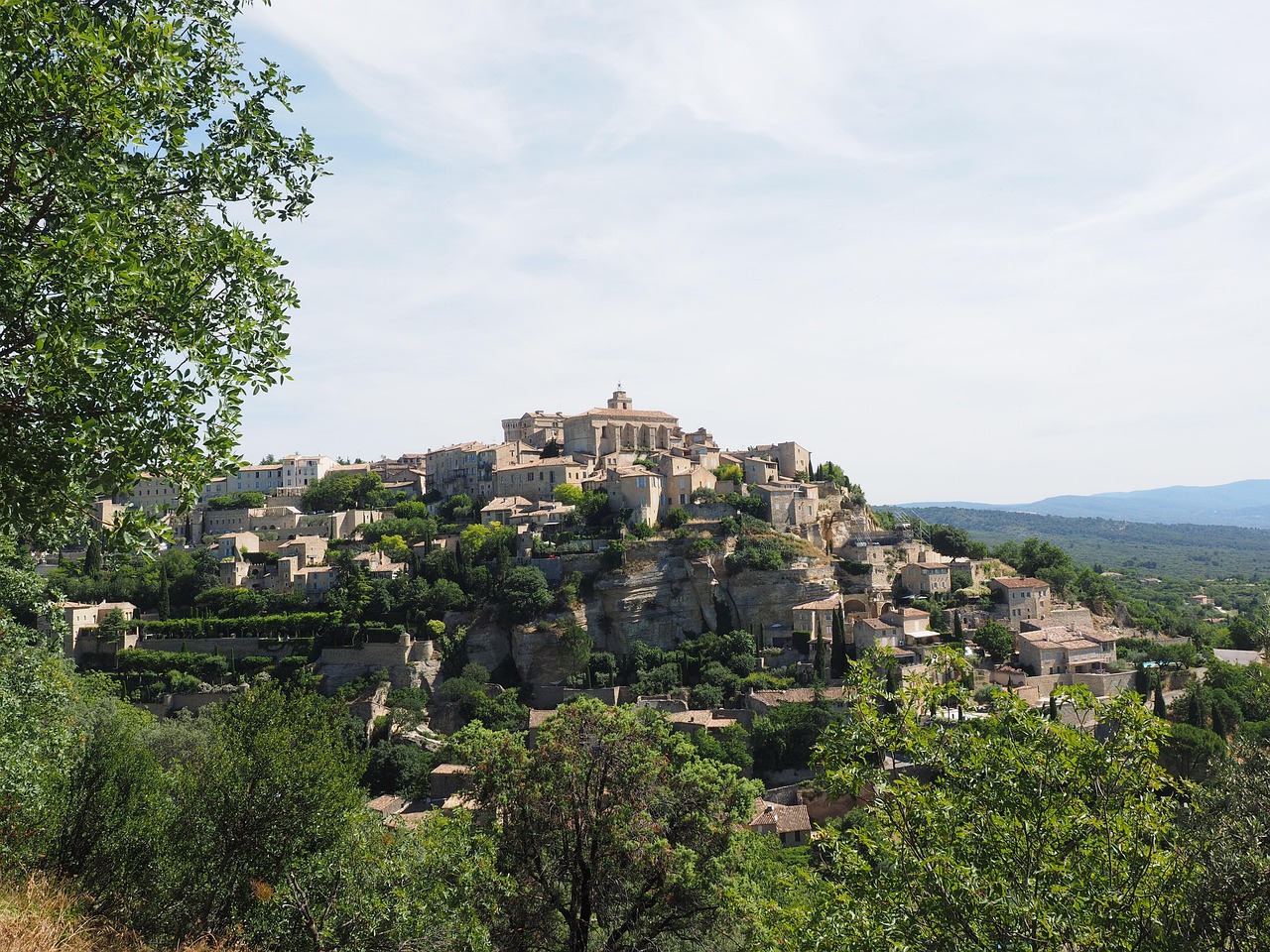
7. The Balagne Hill Villages – Sant’Antonino, Pigna & Friends
Above Calvi and L’Île‑Rousse, the Balagne hills are dotted with perched villages that feel almost theatrical, each one a cluster of stone and terracotta poised against wide views of sea and valley.
On a trip in April 2025, I spent a day wandering through Sant’Antonino, Pigna, and Aregno. The air smelled of wild thyme and woodsmoke, the kind that gets into your clothes pleasantly.
Sant’Antonino
Often billed as one of the “most beautiful villages in France”, Sant’Antonino is a tight coil of alleyways on a rocky node. No cars inside; you leave your vehicle below and walk up. At the top, the 360‑degree view over olive groves and the sea is a reminder that Corsica is an island of verticality.
Pigna
Pigna is Corsica’s artisanal village. Workshops line its lanes: luthiers making traditional instruments, ceramists, and a cooperative selling local crafts. I once spent an hour listening to a craftsman talk about polyphonic singing while he shaped clay – one of those unscripted cultural experiences you remember long after the beaches blur together.
Tips
- Best done by car as a loop from Calvi or L’Île‑Rousse.
- Lunch in a terrace restaurant overlooking the valley; the civet de sanglier (wild boar stew) is my go‑to in cooler months.
- Romantic: sunset here is quietly spectacular; if you’re staying nearby, linger for the blue hour.
8. Corte & the Restonica Valley – Mountain Heart of the Island
Corte was once the capital of an independent Corsican republic under Pasquale Paoli, and it retains a certain defiant air. The town sits at the junction of valleys, dominated by a citadel perched on a rocky outcrop.
My first visit to Corte, years ago, was on an overcast July day when the coast felt too hot and crowded. Within two hours of leaving the sea, I was pulling on a fleece in the Restonica Valley, standing by an ice‑cold river under high granite walls.
What to Do
- Wander Corte’s old town: climb up to the Belvédère for views of the citadel and valleys. The Museum of Corsica gives a thoughtful overview of the island’s history and culture.
- Drive the Restonica road: a narrow, sometimes nerve‑wracking route that winds up the valley, with spots to pull over and walk down to river pools.
- Hike to Lac de Melo & Lac de Capitello: classic mountain lakes. I’ve done this hike in June when snow still clung to the cirque walls, and in September when the crowds had thinned and the air felt crisp.
Tips
- Family‑friendly: lower Restonica pools are great for kids (watch current and slippery rocks).
- Hiking season: late June–late September is safest for high hikes; always check conditions locally.
- Base for 5–7 day itineraries: spending a night or two in Corte breaks up a coastal trip perfectly.
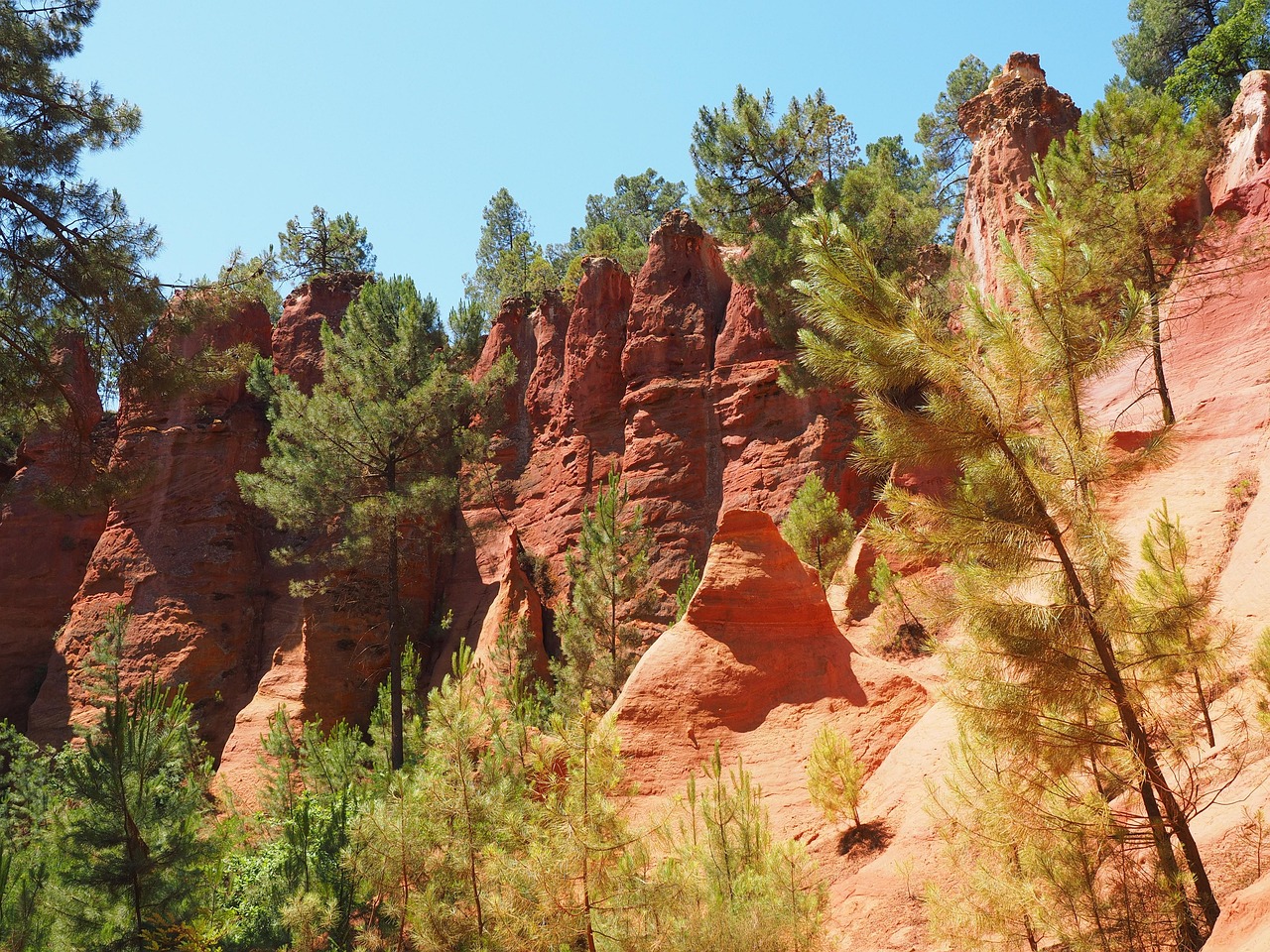
9. Calanques de Piana – Red Cliffs, Blue Sea
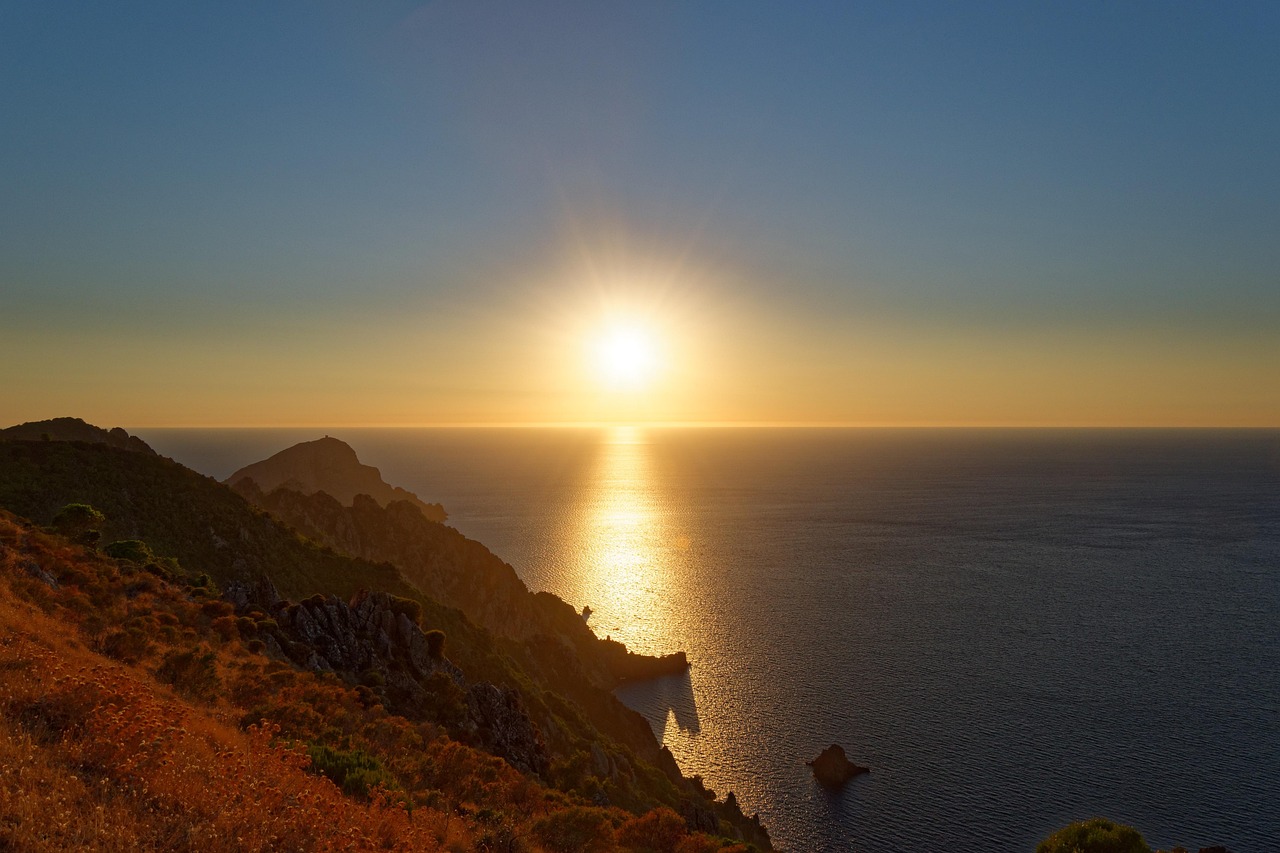
The Calanques de Piana are where the island’s geology really shows off. Between Piana and Porto, the road threads through contorted red rock formations, with the sea hundreds of metres below, impossibly blue.
On a late‑afternoon drive in September 2023, I pulled into almost every lay‑by, unable to resist yet another angle on the cliffs. At one stop, I joined a handful of other people just standing in silence as the rocks shifted from orange to deep crimson in the lowering sun.
Ways to Experience the Calanques
- By car: Drive the D81 between Piana and Porto, stopping frequently; traffic can be tight, especially with tour buses.
- On foot: Several short hikes leave from parking areas, taking you into the rock maze. Good shoes essential.
- By boat: From Porto, small boats cruise along the cliff base and into sea caves; this is spectacular in calm conditions.
Tips
- Avoid midday coaches: early morning or late afternoon are calmer and cooler.
- Photo lovers: bring a polarising filter – it makes the sea colour pop and cuts glare.
- Romantic: sunset boat trips are unforgettable on a calm evening.
10. Girolata & Scandola – Boat‑In Only Beauty
Girolata is one of those places that makes you feel you’ve earned your arrival. It’s only accessible by boat or on foot, tucked into a bay on the wild west coast, near the Scandola Nature Reserve, a UNESCO World Heritage site.
The first time I hiked in from the Col de la Croix, the path wound through maquis scented with cistus and rosemary. After an hour and a half, the bay opened below, a scatter of orange roofs and blue water. Coming back by boat on a later trip, I watched that same path from the sea, a ribbon of pale dust across green hills.
What to Do
- Boat tour from Porto or Calvi: Combine Scandola’s dramatic cliffs and sea caves with a stop in Girolata for lunch and a swim.
- Hike‑in lunch: Walk in the morning, swim, eat grilled fish in the simple harbour restaurants, then either hike back or catch a late‑afternoon boat (check schedules in advance).
Tips
- Protected area: no fishing or diving in parts of Scandola; respect local regulations.
- Sea conditions: the west coast can be rough; boat tours sometimes cancel due to wind.
- Perfect for a 5 or 6 day itinerary for Corsica based around Calvi or Porto, adding a wild‑feeling day.
11. Ajaccio & the Îles Sanguinaires – Napoleon & Sunsets
Ajaccio is Corsica’s largest town and Napoleon Bonaparte’s birthplace, but I go there less for history and more for its soft light and easy pace. The palm‑lined waterfront, the daily market, and the promenade to the Îles Sanguinaires make it a comfortable base for first‑timers.
One evening in 2022, I joined the quiet procession of locals walking the coastal path towards the Sanguinaires lighthouse, everyone timing it so they’d be in place for sunset. The islands earn their name (“bloody islands”) when the rock flashes deep red as the sun drops.
What to Do
- Old town & Napoleon’s birthplace: small but interesting; combine with the Fesch Museum for art lovers.
- Market: in the morning, buy cheeses, charcuterie, and fruit under striped awnings – this is my go‑to picnic stop before driving the west coast.
- Evening coastal walk or boat to the Sanguinaires: classic Ajaccio experience.
Tips
- Airport & ferry hub: easy entry point if you’re planning a 3 day itinerary for Corsica focused on the west coast.
- Family‑friendly: several small beaches close to town.
- Nightlife: more low‑key bars and cafés than full‑on clubs, but July–August can be lively on the waterfront.
12. Cap Corse – The Finger of Wild Villages & Fishing Ports
Cap Corse, the long finger of land pointing north from Bastia, feels like an island off an island. It’s a road‑tripper’s dream: tight curves, tiny fishing ports, and pebble coves where the water is improbably clear.
On a 2021 loop of the cape, I started in Bastia, cut across to Nonza on the west side for its dramatic black‑pebble beach, then continued through Centuri, famous for lobster, and back down the east coast.
Highlights
- Nonza: the village perches high above a dark, shingle beach. The tower and church square are pure postcard.
- Centuri: a small, colourful harbour, perfect for a slow lunch of langouste (lobster) if your budget stretches.
- Coastal towers: Genoese watchtowers dot the coastline, reminders of centuries of pirate raids.
Tips
- Driving: narrow, twisty, with some sheer drops; take your time.
- Best in spring or autumn when traffic is light and the maquis is green.
- Hidden gems in Corsica: the small coves you’ll discover just by pulling off wherever there’s space.
13. Col de Bavella – Needles of Rock & Mountain Air
The first time I drove up to the Col de Bavella, clouds were snagged on the jagged granite spires like torn wool. The Aiguilles de Bavella – the Bavella Needles – are a jagged skyline visible from miles away, and the pass itself is a crossroads of hiking trails, pine forests, and little chapels.
In July 2024, I spent a day there escaping coastal heat. At 1,218 metres, the air was cool enough for a light jacket. Families picnicked under the trees, hikers headed off on the GR20 variant, and a climber I chatted to over coffee described the rock as “sandpaper in all the right ways”.
Activities
- Short hikes to viewpoints suitable for most fitness levels.
- Canyoning & climbing with local guides in nearby valleys.
- Photography: early morning or late afternoon, when the light models the rock.
Tips
- Weather shifts quickly: bring a layer and check forecasts.
- Combine with a drive through the Alta Rocca villages (Zonza, Levie) for a full inland day.
- Great break in 6 or 7 day itineraries that risk beach fatigue.
14. Inland Rivers & Natural Pools – The Island’s Cold Veins
One of Corsica’s great pleasures is discovering its rivers and natural pools. Places like the Fango Valley near Galéria, the Asco Valley inland from the Balagne, or lesser‑known stretches near Venaco offer deep, clear basins where you can leap from rocks or just lie on warm stone between dips.
On a scorching August afternoon in the Fango, I watched a family from Lyon – three generations – clamber down to a pool, the grandmother dipping her toes and laughing at the cold while teenagers launched themselves from boulders. It’s these scenes that, to me, feel like the real Corsican summer.
Tips
- Water safety: always assess currents and depth before jumping; rocks can be slippery.
- Respect private land: stick to marked access points and paths.
- Perfect escape during a 5 or 6 day itinerary for Corsica when the beach crowds peak.
Itineraries: 3–7 Days in Corsica With Personal Daily Stories
It’s tempting to try to “do” the island in a few days, but Corsica rewards slow travel. Below are flexible outlines for 3, 4, 5, 6, and 7 day itineraries in Corsica, based on trips I’ve actually taken, with a mix of must‑see attractions and hidden gems. Think of them as narrative suggestions rather than strict timetables; tides, weather, and conversations with locals will always reshape your days a little.
3 Day Itinerary for Corsica – Calvi & Balagne
This 3 day itinerary for Corsica is ideal if you’re flying into Calvi or arriving by ferry in L’Île‑Rousse. It focuses on beaches, easy coastal walks, and a taste of inland village life – enough for you to leave promising yourself you’ll be back.
Day 1 – Arrival in Calvi, Citadel & First Swim
I still remember my “template” Calvi arrival day in June 2025. I landed on a morning flight from Paris, the plane dipping low over the bay so that the citadel felt almost close enough to touch. By 11:00, I was checked into a small hotel two blocks back from the harbour, and by noon I was standing ankle‑deep in the bay’s clear water.
Morning: Drop bags, walk the promenade east along the main beach. Have a light lunch at a beach bar – grilled sardines, salad, and a glass of cold rosé if you’re in holiday mode. The goal is not to rush; this is your soft landing.
Afternoon: Around 16:00, when the heat starts to ease, head up to the citadel. The climb isn’t long but it’s steep. Wander the lanes, visit the church, and lean on the ramparts to watch the bay. On clear days you’ll see the mountains of the interior rising behind Calvi’s suburban fringe.
Evening: Dinner on the harbour. For first nights, I often keep it simple: moules marinières and fries, or a plate of charcuterie and cheese to share. Walk the quay afterwards with a gelato, watching children race around while boats clink in their moorings.
Day 2 – Hill Villages of Balagne & Beach Time
Morning: Pick up a rental car (or arrange a local driver if you’re nervous about island roads) and head inland towards Montemaggiore, Sant’Antonino, and Pigna. I like to start in Montemaggiore for the wide view over Calvi bay, then work my way east.
In Sant’Antonino, have coffee in the little square, then climb to the village’s highest point; the view takes in almost your entire 3 day Corsica itinerary in one sweep. In Pigna, poke your head into artisan workshops and, if you’re lucky, catch a rehearsal at the small concert hall.
Lunch: Find a terrace restaurant with a sea view. I still think about a lunch I had in 2023 – civet de sanglier rich with red wine and juniper, followed by fiadone with lemon zest – while watching a storm roll in across the bay.
Afternoon: Drive back down towards the sea and spend a couple of lazy hours on a Balagne beach – either Calvi’s main stretch or one of the smaller coves between Calvi and L’Île‑Rousse, accessible from the coastal road or by the little train.
Evening: Back in Calvi, consider a sunset drink in the citadel or on the harbour. If there’s live music at a bar, linger; it’s the quickest way to feel part of the island’s evening rhythm.
Day 3 – Boat Trip or Fango River Day
You can tune Day 3 of your 3 days in Corsica depending on mood and weather.
Option 1: Boat to Scandola & Girolata – A classic Calvi day out. Leave in the morning, cruise along the coast to the volcanic cliffs and caves of Scandola, then stop in Girolata for lunch and a swim. The return in late afternoon often has that sun‑sleepy, satisfied feel; I usually nap on the deck with salt in my hair.
Option 2: Fango River Pools – If the sea is choppy or you prefer fresh water, drive to the Fango Valley. Park near the bridge and walk upstream to find a series of clear, cool pools. Bring a picnic, water shoes, and a towel. On hot days, this feels like discovering a secret.
Evening: If you’re flying out next morning, have an early dinner and a last walk along the beach. If you’re extending into a 4 or 5 day itinerary for Corsica, get some rest; the island is bigger than it looks, and tomorrow you can push further afield.
4 Day Itinerary for Corsica – Calvi to Porto & the West Coast
With 4 days in Corsica, you can stitch Calvi to the wilder west coast around Porto and the Calanques de Piana. This outline is based on a September road trip I did with a friend, combining beach mornings, cliff drives, and one perfect sunset boat ride.
Day 1 – Calvi Arrival (As Above)
Follow Day 1 of the 3 day itinerary for Corsica: settle into Calvi, citadel, swim, harbour dinner.
Day 2 – Calvi to Porto, via Galéria & Fango
Morning: Pick up your car early and drive south from Calvi towards Galéria. The road rides high above the sea, curling around headlands; there are several pull‑offs with views back towards Calvi’s bay.
Stop near the Fango River bridge for a mid‑morning swim in the river pools. The contrast – salt water one day, freshwater the next – is one of the joys of a 4 days in Corsica plan.
Afternoon: Continue to Porto. Check into a guesthouse or small hotel; many have balconies overlooking the gulf. After a late lunch, walk down to the small beach or climb to the Genoese tower for a view over the bay.
Evening: Sunset in Porto is special, especially when clouds catch on the mountain tops. Dinner can be simple – grilled fish, local wine – at one of the waterfront places. I like to go to bed early here; Day 3 has some of the most memorable scenery on the island.
Day 3 – Calanques de Piana & Girolata
Morning: After breakfast, drive the short but spectacular road towards Piana through the Calanques de Piana. Stop often; short signed walks take you into the rock formations. I still remember one morning when low clouds tangled between the red spires while the sea below was bright blue – the kind of contrast you rarely see elsewhere.
Lunch: Either in Piana village (pretty and compact) or back in Porto.
Afternoon: Take a late‑afternoon boat trip from Porto that combines the calanques from below with a loop up towards Scandola and sometimes a stop at Girolata. On calm days, you can get into narrow inlets and caves; on rougher seas, you’ll feel why this coast stayed so isolated for so long.
Evening: Dinner back in Porto. The town is quiet at night; star‑gazing from your balcony or the beach is a simple pleasure.
Day 4 – Return to Calvi or Ajaccio
If you’re flying out of Calvi, retrace your route via Galéria, maybe adding a beach stop. If you’re continuing south to Ajaccio, drive the D81 via Cargèse, another pretty village with Greek connections and clifftop views. Either way, leave time for one last swim before your ferry or flight.
5 Day Itinerary for Corsica – South Coast Highlights
For 5 days in Corsica focused on the south, base yourself between Porto‑Vecchio and Bonifacio to access the island’s most famous beaches and cliffs without too much moving around.
Day 1 – Arrival in Figari or Porto‑Vecchio
Fly into Figari or drive down from Bastia/Ajaccio. Porto‑Vecchio’s harbour is smaller than Calvi’s but lively in season. After checking into a hotel or villa on the hills above town (great views) or nearer the coast, head down for a gentle harbour stroll and dinner: try stuffed aubergines and local wine.
Day 2 – Palombaggia Beach Day
Dedicate your second day to Palombaggia (see section above). Arrive early, claim a patch of sand or a sunbed if you’re splurging, and let the day unspool: swims, walks along the shore, maybe a long lunch at a beach bar. In 2024, I spent an entire day there with a book and barely moved, and I don’t regret a single lazy minute.
Day 3 – Santa Giulia & Evening in Porto‑Vecchio Old Town
Morning–afternoon: Head to Santa Giulia for lagoon‑style beach time, paddleboarding, or just floating. Have a simple lunch – a salad, grilled fish, or a panini from a snack bar if you’re watching your budget.
Evening: Change tempo with a visit to Porto‑Vecchio’s old town up on the hill. The ramparts and narrow streets fill with a mix of locals and visitors; small boutiques and wine bars make it feel distinctly more “evening” than the harbourside. Dinner here can be as fancy or simple as you like.
Day 4 – Bonifacio Cliffs & Boat Tour
Drive to Bonifacio (about 30–45 minutes from Porto‑Vecchio). Spend the morning exploring the upper town, doing the King of Aragon’s Staircase if your knees are game, and walking the clifftop path a little way for views back to town.
After lunch in the old town, take an afternoon boat tour of the cliffs and sea caves; late light makes the cliffs glow. If you have energy, linger for sunset on a clifftop bar before driving back.
Day 5 – Inland Escape: Ospedale Lake & Mountain Villages
For your last day, trade the sea for trees. Drive inland to the Ospedale forest and lake. The road climbs quickly; within half an hour the air is cooler, and pines and granite replace palms and sand.
Walk one of the short trails, have lunch in an inland village – perhaps Zonza – and enjoy mountain views. This inland detour rounds out your 5 day itinerary for Corsica, giving you a sense of the island’s vertical range before you drop back to sea level for your departure.
6 Day Itinerary for Corsica – North to South Sampler
With 6 days in Corsica, you can sample both the northwest and the southern beaches if you don’t mind two bases and a few longer drives. One of my 2022 trips followed this skeleton, and while it was active, it felt balanced.
Days 1–3 – Calvi & Balagne (As in 3 Day Itinerary)
Follow the 3 day itinerary for Corsica based in Calvi: citadel, Balagne villages, boat or river day.
Day 4 – Cross‑Island Drive via Corte
Leave Calvi after breakfast, aiming to reach Corte by late morning. Park and spend a few hours in the old town, visiting the citadel and grabbing lunch – I often choose a simple plate du jour at a café on the main square.
In the afternoon, continue south via Ghisoni or the east‑coast road, depending on where your southern base is. Arrive near Porto‑Vecchio or Bonifacio by late afternoon, in time for a quick swim and a harbour or village dinner.
Days 5–6 – Southern Beaches & Bonifacio
Use Days 5 and 6 to follow the Palombaggia, Santa Giulia, and Bonifacio days outlined in the 5 day itinerary for Corsica. If you prefer more hiking, swap one beach day for an inland loop towards Bavella instead.
7 Day Itinerary for Corsica – Slow Loop With Mountains & Sea
A week is where Corsica starts to reveal its layers. This 7 day itinerary for Corsica is loosely based on a solo loop I did in 2023, slightly tightened for those with less appetite for long drives.
Day 1 – Arrival in Bastia & Cap Corse Evening
Land in Bastia. Spend the afternoon exploring the old port and citadel, then drive a short way up Cap Corse – perhaps as far as Erbalunga, a photogenic little harbour – for dinner by the sea and a quiet first night.
Day 2 – Cap Corse Loop to Saint‑Florent
Drive the west side of Cap Corse, stopping in Nonza and Centuri, then curve down to Saint‑Florent for the night. Have dinner on the waterfront; the town has a pleasant buzz in summer without feeling overbuilt.
Day 3 – Desert des Agriates Beaches (Saleccia/Loto)
From Saint‑Florent, take a boat to Loto and walk to Saleccia, or join an organised 4x4 excursion. Spend the day in this almost‑untouched stretch of coast (see earlier section), then return to Saint‑Florent for a quiet evening.
Day 4 – Inland to Corte
Drive inland towards Corte. Check into a small hotel or guesthouse and spend the afternoon exploring the old town, perhaps visiting the Museum of Corsica. Have dinner in a simple restaurant serving mountain dishes – pulenda (chestnut flour polenta) with brocciu, for instance.
Day 5 – Restonica Valley & Southbound to Ajaccio
Spend the morning driving and walking in the Restonica Valley, choosing either a riverside stroll with swims or a more ambitious hike towards the lakes, depending on your fitness and the season.
After lunch, drive to Ajaccio. Arrive in time for a waterfront walk and perhaps a sunset trip or drive out towards the Îles Sanguinaires viewpoint.
Day 6 – Ajaccio to Porto or Propriano (Choose Sea or Cliffs)
You can now decide: either head north along the spectacular west coast again towards Porto (if you’re flying out of Calvi/Bastia) or go south via Propriano and the Valinco Gulf towards Bonifacio or Figari (if your departure is from the south).
- West‑coast option: Spend the night in Porto, revisiting or discovering the Calanques de Piana.
- South‑coast option: Overnight in Propriano or a nearby village; quieter than the Porto‑Vecchio area, with long beaches.
Day 7 – Final Beach & Departure
Use your last morning for a final swim – a small town beach in Ajaccio, Porto’s pebbles, or a wide sandy stretch near Propriano. Then head to your departure point, salty and, if you’re like me, already plotting your return.
Island Eating: Local Food in Corsica & Where to Find It
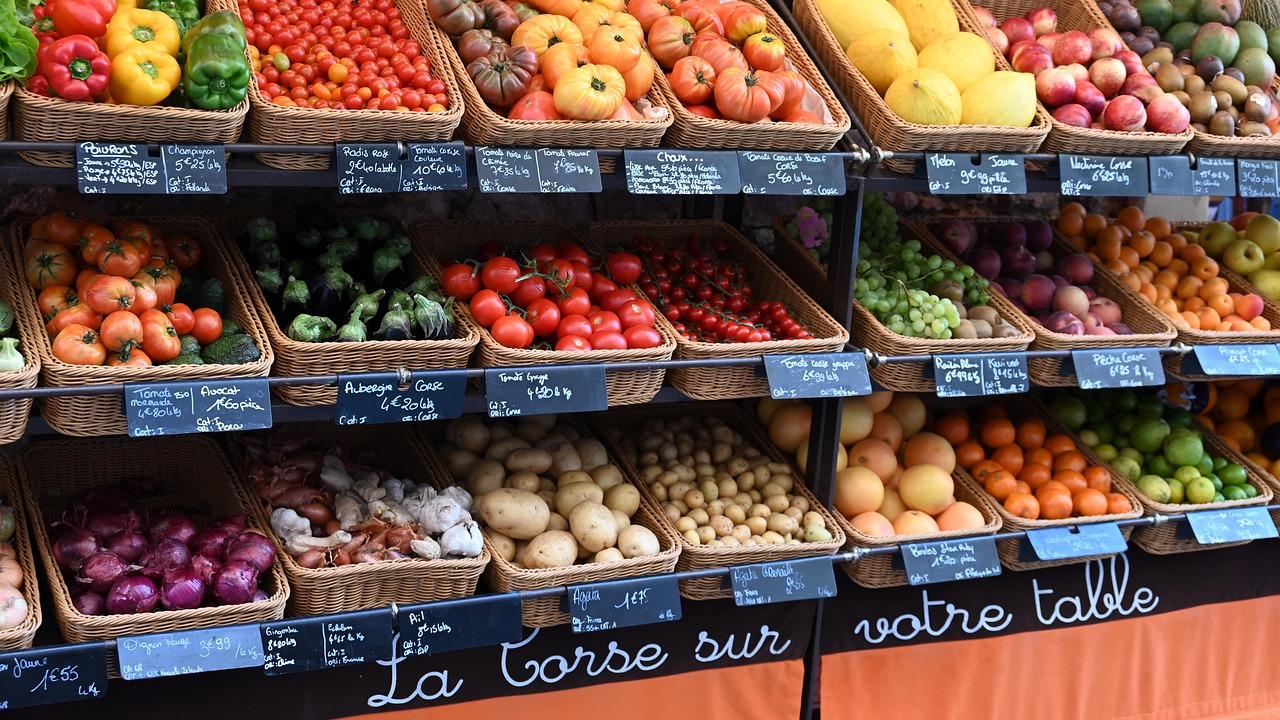
Corsican food is mountain‑leaning, even by the sea. The island’s traditional economy was built on chestnuts, sheep, pigs, and goats; the sea came later as a pantry. When you eat well here, you’re usually tasting short supply chains and family‑run production.
Signature Dishes to Try
- Charcuterie – Coppa, lonzu, and ham from pigs that roam semi‑wild in the maquis. Often served on wooden boards with pickles and bread.
- Brocciu – a fresh sheep or goat cheese, used in everything from omelettes and fiadone to savoury pies.
- Fiadone – baked cheesecake with lemon zest, light and not too sweet.
- Wild boar stew (civet de sanglier) – slow‑cooked boar with red wine and herbs, usually served with pasta or pulenda.
- Stufatu – rich meat stews, often with veal or lamb.
- Seafood – grilled fish of the day, loup de mer (sea bass), langoustines, lobster in places like Centuri, and simple fish soups.
- Canistrelli – crunchy biscuits flavoured with anise, lemon, or almonds; I always have a bag in the car.
Where to Eat: From Shacks to Harbour‑Side
Seafood shacks dot the coast near fishing harbours like Calvi, Saint‑Florent, and Ajaccio. Look for chalkboards, plastic chairs, and a local crowd – that’s where you’ll find grilled sardines, fried squid, and cheap carafes of wine.
Harbour‑side restaurants in Calvi, Porto‑Vecchio, Bastia, and Bonifacio are more polished (and pricier), but some are worth it for the setting. I watch where off‑duty staff eat on their break – that’s usually the safest bet.
Beach bars at Palombaggia, Santa Giulia, and along the Balagne offer barefoot lunches, often with surprisingly good cooking – but expect a premium for the view.
Village inns in places like Corte, Bavella, or the Balagne hill villages are where you’ll find the most traditional mountain dishes, often with recipes passed down within families.
Markets in Ajaccio, Bastia, Calvi, L’Île‑Rousse, and Porto‑Vecchio are unbeatable for picnic supplies: olives, cheeses, charcuterie, fresh fruit, and sometimes ready‑to‑eat dishes like stuffed vegetables.
Drinks
- Wine – Corsica has several appellations (Patrimonio, Ajaccio, Sartène, Figari, Calvi). Local whites and rosés go particularly well with the climate and seafood.
- Pietra beer – brewed with chestnut flour; tastes better on a hot day than it sounds on paper.
- Cap Corse – a local bitter aperitif, often mixed with tonic.
- Myrtle & chestnut liqueurs – strong, sweet digestifs; good in small doses.
Dietary Considerations
Vegetarians can do reasonably well with salads, cheeses, vegetable tarts, and pasta, especially in more touristy areas. Vegans will need to rely more on self‑catering and markets, but it’s improving slowly, especially in larger towns like Ajaccio and Calvi.
Island Evenings: Sunsets, Bars & Nightlife
Nightlife in Corsica is quieter than in some Mediterranean islands, but that’s part of its charm. Evenings are about long dinners, harbour strolls, and sky‑watching as much as bars and clubs.
Best Sunset Spots
- Calvi citadel ramparts – watch the sun drop behind the bay with the old walls turning gold.
- Îles Sanguinaires near Ajaccio – rock and sea catch deep reds and purples; easy to reach by car or boat.
- Nonza on Cap Corse – village square with a drink, looking down over the black‑pebble beach.
- Bonifacio cliffs – cliff bars or the coastal path; bring a jacket, the wind can pick up.
Beach Bars & Low‑Key Nightlife
Along the south coast (Palombaggia, Santa Giulia, near Porto‑Vecchio), beach bars play mellow music at sunset, sometimes shifting into livelier sets in July–August. Up north, Calvi and L’Île‑Rousse have a mix of wine bars, cafés, and a few small clubs, but even at their busiest, they rarely feel overwhelming.
In inland towns like Corte, evenings are slower: a glass of wine at a terrace, perhaps some live music or polyphonic singing if you’re lucky enough to catch a concert or festival.
Full‑Moon & Seasonal Events
In recent summers, I’ve noticed more full‑moon gatherings on beaches near Porto‑Vecchio and Calvi – DJs, bonfires (where permitted), and a mix of locals and visitors. Always check local regulations; fire bans are common in high season due to wildfire risk.
Cultural Experiences, Local Customs & Etiquette
Corsicans are famously attached to their identity. Recognising and respecting that will make your interactions smoother and richer.
Language & Identity
Corsica is officially French, but many people speak Corsican (Corsu) among themselves. You’ll see bilingual road signs and sometimes graffiti protesting Parisian policies.
- Always greet with “Bonjour” or “Bonsoir” when entering a shop or café; skipping this can be seen as rude.
- A few words of Corsican – Bonghjornu (hello), Grazie (thank you) – are appreciated and often spark smiles.
General Etiquette
- Dress modestly in villages and inland towns; beachwear stays on the beach.
- Noise: respect quiet hours, especially in small villages; sound carries in narrow streets.
- Photography: ask before photographing people or private property; in churches, keep phones silent.
- Driving manners: locals drive confidently on narrow roads; pull into passing places, don’t block traffic for photos.
Cultural Experiences Not to Miss
- Polyphonic singing concerts – deeply moving, often held in churches or small venues; ask at local tourist offices.
- Village fêtes – summer festivals with music, food, and dancing; usually very local, but visitors are welcome.
- Religious processions around Easter and certain feast days; observe respectfully from the side.
What’s New in 2026–2027: Events & Travel Scene Shifts
As of 2026, Corsica is seeing a few notable trends and events:
- Expanded summer flights into Calvi, Figari, and Ajaccio from northern Europe, making short 3 or 4 day itineraries in Corsica more feasible.
- Eco‑lodges and small agriturismi expanding inland, especially around Corte and the Alta Rocca, appealing to travellers wanting quieter, more sustainable stays.
- Festival du Vent (Calvi) – traditionally an autumn event celebrating wind sports and environmental awareness, continuing with more music and arts programming in 2026.
- Music festivals in Calvi and Porto‑Vecchio over July–August, some with beach‑stage setups; check local listings as line‑ups change yearly.
- Ongoing trail maintenance on parts of the GR20 and popular hikes, improving safety but also bringing more walkers to certain sections; consider shoulder seasons if you want quieter trails.
Extras: Day Trips & Nearby Adventures From Corsica
Corsica itself is a full destination, but if you’re here for longer or curious about the wider region, a few day or overnight side‑trips stand out.
Sardinia (Italy)
From Bonifacio, fast ferries cross the Strait of Bonifacio to Santa Teresa Gallura in northern Sardinia in under an hour. It’s feasible as a long day trip: morning ferry, lunch and a wander in Santa Teresa or nearby beaches, evening return.
- Tickets: book in advance in high season; bring your passport (Schengen but still ID checks).
- Car or foot: you can cross as a foot passenger and walk around Santa Teresa, or take a rental car if your agreement allows it (many don’t – check carefully).
Boat‑Only Coves & Islets
From Calvi, Ajaccio, and Porto‑Vecchio, numerous half‑day boat trips visit small coves and uninhabited islets for swimming and snorkeling. These are perfect for families or couples wanting variety without long walks.
Inland Villages & Archaeological Sites
- Filitosa (southwest) – prehistoric site with carved menhirs; atmospheric in the late afternoon.
- Aléria (east coast) – Roman ruins and a small museum overlooking the Tavignano plain.
- Alta Rocca villages – Levie, Zonza, Quenza; good bases for gentle walks and cultural visits.
Practical Travel Tips for Corsica (2026)
Getting There: Flights vs Ferries
- Airports: Ajaccio, Bastia, Calvi, and Figari. Seasonal direct flights from major European cities; year‑round from mainland France.
- Ferries: Regular services from Nice, Toulon, and Marseille (France), and from Livorno, Genoa, and Savona (Italy) to Bastia, Ajaccio, Île‑Rousse, and Porto‑Vecchio. Overnight ferries are a good way to save a hotel night.
How to Get Around
Car rental is by far the most flexible way to explore, especially if you want to combine beaches, villages, and mountains.
- Foreign licences: EU and most international driving licences are accepted; non‑EU visitors may benefit from an International Driving Permit (IDP) alongside their national licence.
- Public transport: limited but existent – trains between Bastia, Corte, and Ajaccio, and along the Balagne coast; buses between major towns, often with sparse schedules.
- Scooters: fun for short coastal hops around Calvi, Ajaccio, or Porto‑Vecchio; less ideal for long interior drives or bad weather.
- Boats: local ferries and shuttles link some beaches and reserves (e.g., Saint‑Florent to Agriates, Bonifacio coastal tours).
Money, Costs & How to Save
Corsica uses the euro. Prices can feel high compared to mainland France, partly because much is shipped in.
- ATMs are common in towns; less so in small villages – withdraw before heading inland.
- Saving tips:
- Stay in self‑catering apartments or campsites and cook some meals from market produce.
- Have your main meal at lunch with a fixed‑price menu, then a lighter dinner.
- Use public beaches instead of paying for loungers every day.
- Travel in May–June or September–October for lower accommodation prices.
SIM Cards, Connectivity & ATMs
Corsica has good 4G/5G coverage around towns and coasts; interior valleys and remote beaches can be patchy.
- SIM options: French providers (Orange, SFR, Bouygues, Free) offer prepaid SIMs; eSIMs from European carriers also work.
- Wi‑Fi is standard in hotels and many cafés, but speeds can dip in smaller villages.
- ATMs work with international cards; always carry some cash for small inland businesses and markets.
Visas & Entry
- Corsica is part of France and the Schengen Area. Entry rules are the same as mainland France.
- EU/EEA/Swiss citizens: ID card or passport, no visa needed.
- Most other nationalities: may need a Schengen visa – check current rules well before travel.
- No special arrival taxes beyond standard EU rules at the time of writing.
Safety & Water Activities
- Sea currents: generally manageable on main beaches, but always heed lifeguard flags and local advice. Some west‑coast spots can have strong swells.
- Jellyfish: occasional blooms, especially after storms. Locals will often mention if they’ve been seen recently.
- Snorkeling & reef etiquette: there are no coral reefs, but respect seagrass beds and marine life; don’t touch or feed animals, and never litter.
- Rivers: heights and jumps can be risky; check depth and current, and avoid riverbeds during/after heavy rain due to flash‑flood risk.
- Wildfires: in hot, dry summers, fire risk is serious. Follow bans on barbecues and open fires, never discard cigarette butts, and obey any forest or trail closures.
Tipping & Payment
- Service is usually included in restaurant bills, but it’s customary to leave a small extra tip (5–10%) in cash if you’re happy with the service.
- For cafés and bars, rounding up to the nearest euro or leaving coins is appreciated.
- Cards are widely accepted, but some small, rural places remain cash‑oriented.
Seasonality: When to Go & What It’s Best For
- April–May: spring flowers, quiet villages, cooler sea, great for hiking and cultural sightseeing.
- June: probably my favourite month – warm sea, long days, lively but not overloaded.
- July–August: peak season – hot, busy, great for nightlife and festivals but book well ahead and expect higher prices.
- September: warm sea, softer light, fewer crowds – ideal for a 5, 6, or 7 day itinerary for Corsica.
- October: can be lovely, especially early in the month; some seasonal businesses close by late October.
- Winter: quiet, many coastal tourism services closed; mountains can have snow; good if you want solitude and don’t mind limited options.
Hidden Tips From the Notebook
- Always have a picnic kit in your car: knife, cups, a little chopping board. Markets make more sense when you can eat what you buy by a river or on a cliff.
- Ask locals about “baignades” (swimming spots). You’ll often be directed to a river pool or small cove not on any tourist map.
- Don’t overschedule. It’s tempting to cram in every must‑see attraction in Corsica, but the island reveals itself best when you leave white space in your days for detours, swims, and chance conversations.
When to Visit Corsica & Best Seasons by Activity
Matching your timing to your priorities is the most important piece of travel advice for Corsica.
Best for Beach Holidays
- Late May–early July and early September–early October: warm water, fewer crowds, easier parking at famous beaches like Palombaggia and Santa Giulia.
Best for Hiking & Inland Exploration
- May–June and September–October: moderate temperatures, good conditions on most trails; for the high GR20 sections, late June–September is typical, with local variations depending on snow.
Best for Festivals & Nightlife
- July–August: coastal towns buzz, music festivals pop up, and evenings stretch long. Book accommodation and key activities in advance.
Weather Notes
Corsica doesn’t have a hurricane or monsoon season in the tropical sense, but:
- Autumn (October–November) can bring strong storms and heavy rain; some boat trips and mountain hikes may be unsafe or cancelled.
- Summer heatwaves are increasingly common; plan early‑morning and late‑afternoon activities, rest in the shade at midday, and stay hydrated.
Summary: Key Takeaways & Final Recommendations for Corsica (2026)
Corsica rewards those who treat it less like a resort island and more like a small, complex country. Its coasts and mountains are stunning, but it’s the combination – beach one hour, river pool the next, hill village dinner afterwards – that makes it special.
- For a 3 day itinerary for Corsica, base in Calvi or Porto‑Vecchio and keep your radius small: one town, one set of beaches, one inland outing.
- For 4 or 5 days in Corsica, add either the wild west coast (Porto, Calanques de Piana) or the dramatic south (Bonifacio, Palombaggia, Santa Giulia).
- For 6 or 7 days in Corsica, include at least one inland night in Corte or the Alta Rocca to feel the mountain culture and cooler air.
- Eat widely: markets, village inns, harbour shacks. Try charcuterie, brocciu, wild boar stew, fiadone, and local wines.
- Respect local customs and the landscape – greet people, drive considerately, leave no trace, and be mindful of fire risk.
- Plan around May–June and September for the best balance of weather, sea temperature, and crowds, especially if you’re weaving together multiple must‑see attractions in Corsica.
I’ve been coming back to Corsica for over a decade, and I still feel I’ve only traced a few paths on its map. If this guide does its job, you’ll leave your own footprints on some of the same beaches and trails – and, perhaps, start planning your own return before you’ve even left.