Why Visit Corte? What Makes It Special
Corte isn’t just another pretty hill town; it’s the historic capital of Corsican identity. Surrounded by wild valleys and granite peaks, it’s where mountain culture, student life, and revolutionary history intersect. If you’re looking for an authentic Corsican experience away from crowded beaches, Corte is your place.
- Epic mountain scenery: Rivers with turquoise pools, jagged ridgelines, and hiking trails in every direction.
- History with a rebel soul: Once capital of Pasquale Paoli’s independent Corsica, Corte still wears its independence proudly.
- True local life: No rows of souvenir stands here; you’ll share cafés with students, shepherds, and families.
- Centrally located: Perfect base for exploring the Restonica and Tavignanu valleys, plus day trips across the island.
- Year‑round appeal: Spring wildflowers, summer river swims, fiery autumn colors, and quiet, atmospheric winters.
Whether you have a 3 day itinerary for Corte or you’re planning 4–5 days in Corte, this town rewards slow travel: lingering in stone alleys, sipping wine on tiny terraces, and jumping into icy river pools after a hot hike.
Table of Contents
- Why Visit Corte
- Neighborhoods & Areas to Explore
- Top 20 Attractions & Experiences in Corte
- Suggested Itineraries: 3, 4 & 5 Days in Corte
- Local Food in Corte: What & Where to Eat
- Nightlife & Cultural Experiences
- What’s New in 2026–2027: Events & Festivals
- Day Trips & Nearby Attractions
- Local Customs & Cultural Etiquette
- Practical Travel Tips for Corte
- Summary & Best Time to Visit Corte
Neighborhoods & Areas to Explore in Corte
Corte is compact enough to walk across in 20 minutes, but each part of town has its own personality. Here’s how I mentally map it when I arrive with my backpack.
1. La Haute Ville (Old Town & Citadel)
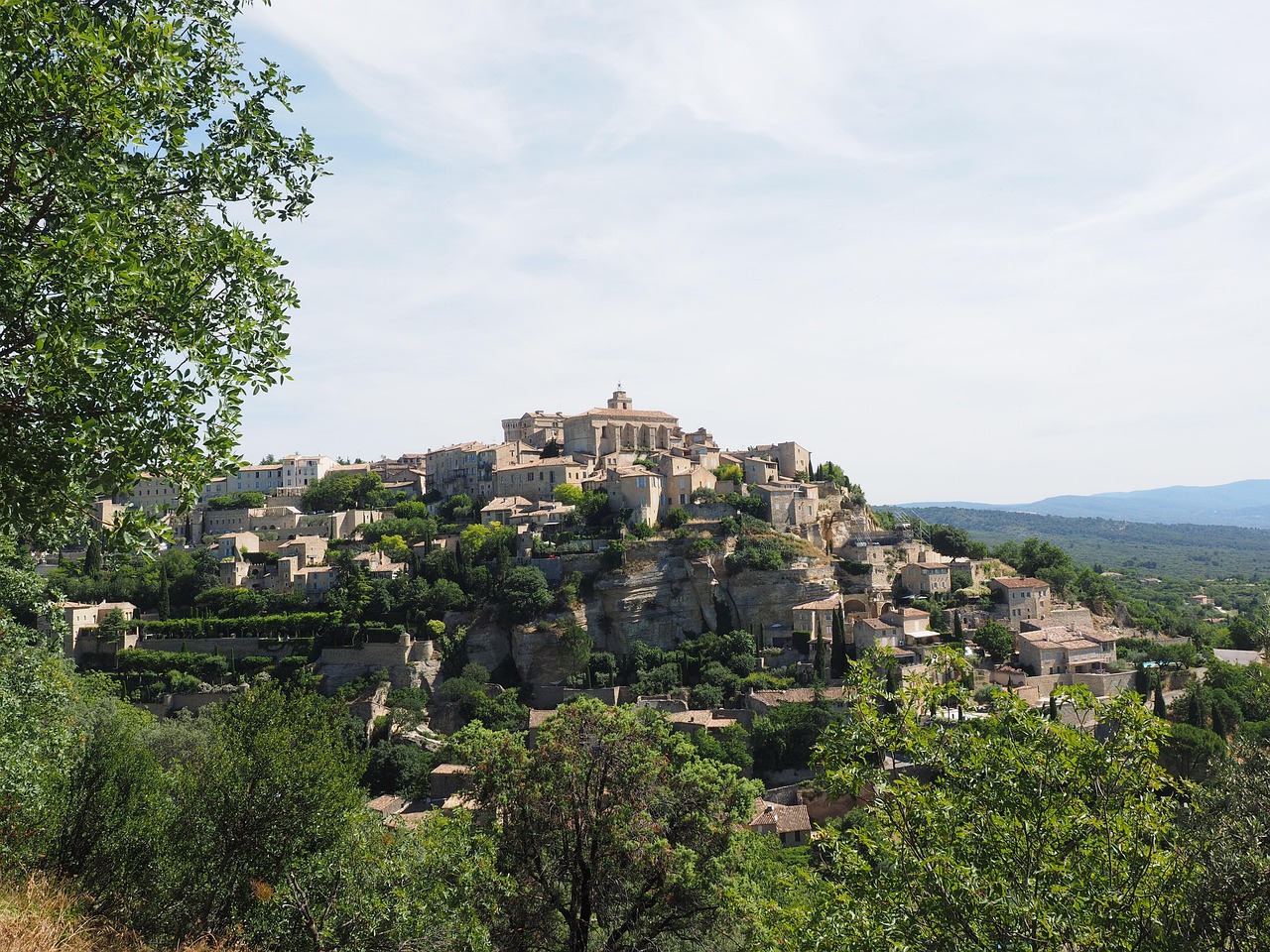
The Haute Ville is the postcard view: a cluster of tall, narrow houses perched on a rocky spur beneath the citadel. This is where I always book my first couple of nights, just to hear the bells and feel the stone steps under my feet in the morning.
- Vibe: Medieval, atmospheric, quiet at night.
- Best for: First‑time visitors, photographers, couples.
- Highlights: Citadel, belvedere viewpoints, tiny wine bars, history everywhere.
2. Lower Town & Cours Paoli
Cours Paoli is Corte’s main artery: shops, bakeries, banks, and cafés line this long, slightly sloping street. It’s where students gather, where you’ll buy your picnic supplies, and where buses arrive and depart.
- Vibe: Busy by Corsican standards, local, lived‑in.
- Best for: Convenient stays, budget hotels, everyday errands.
- Highlights: Weekly market, casual eateries, people‑watching with a coffee.
3. University District
As the home of the University of Corsica, Corte has a surprisingly youthful energy. The campus and surrounding streets are filled with bars, cheap eats, and the low murmur of student debates that spill out onto terraces.
- Vibe: Young, political, slightly bohemian.
- Best for: Nightlife on a budget, meeting locals, longer stays.
4. Restonica Valley Road (D623 Corridor)
Technically outside town, but practically an extension of Corte life, the road into the Restonica Valley is lined with small guesthouses, river restaurants, and campsites. When I want to wake up to the sound of rushing water, I stay out here.
- Vibe: Rustic, nature‑focused, relaxed.
- Best for: Hikers, families who love river swimming, summer stays.
Top 20 Attractions & Experiences in Corte
These are the must‑see attractions in Corte that I return to again and again. I’ll mix history, my own experiences, and practical tips so you can decide how to prioritize them in your own 3, 4, or 5 day itinerary for Corte.
1. The Citadel of Corte (La Citadelle de Corte)
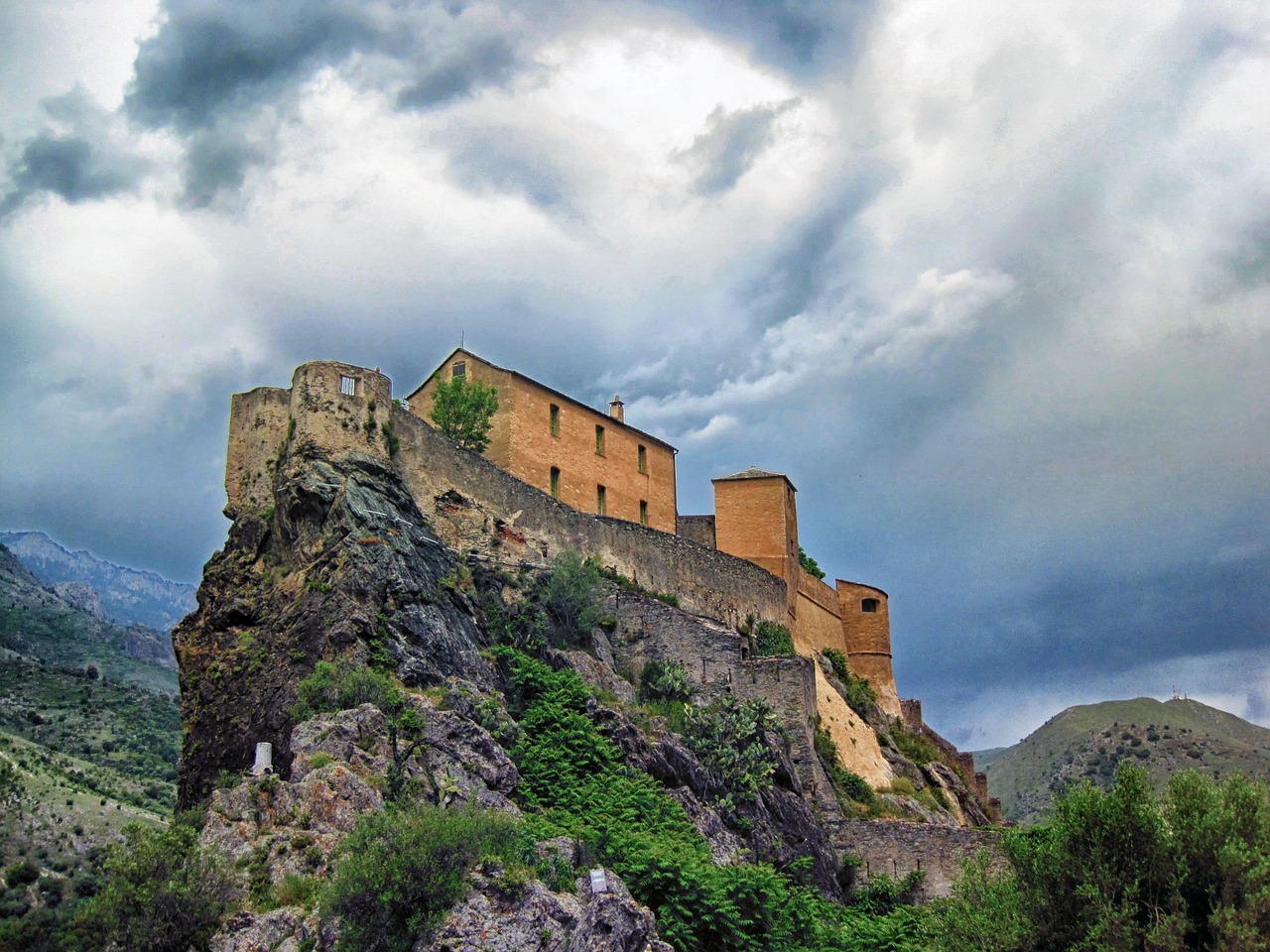
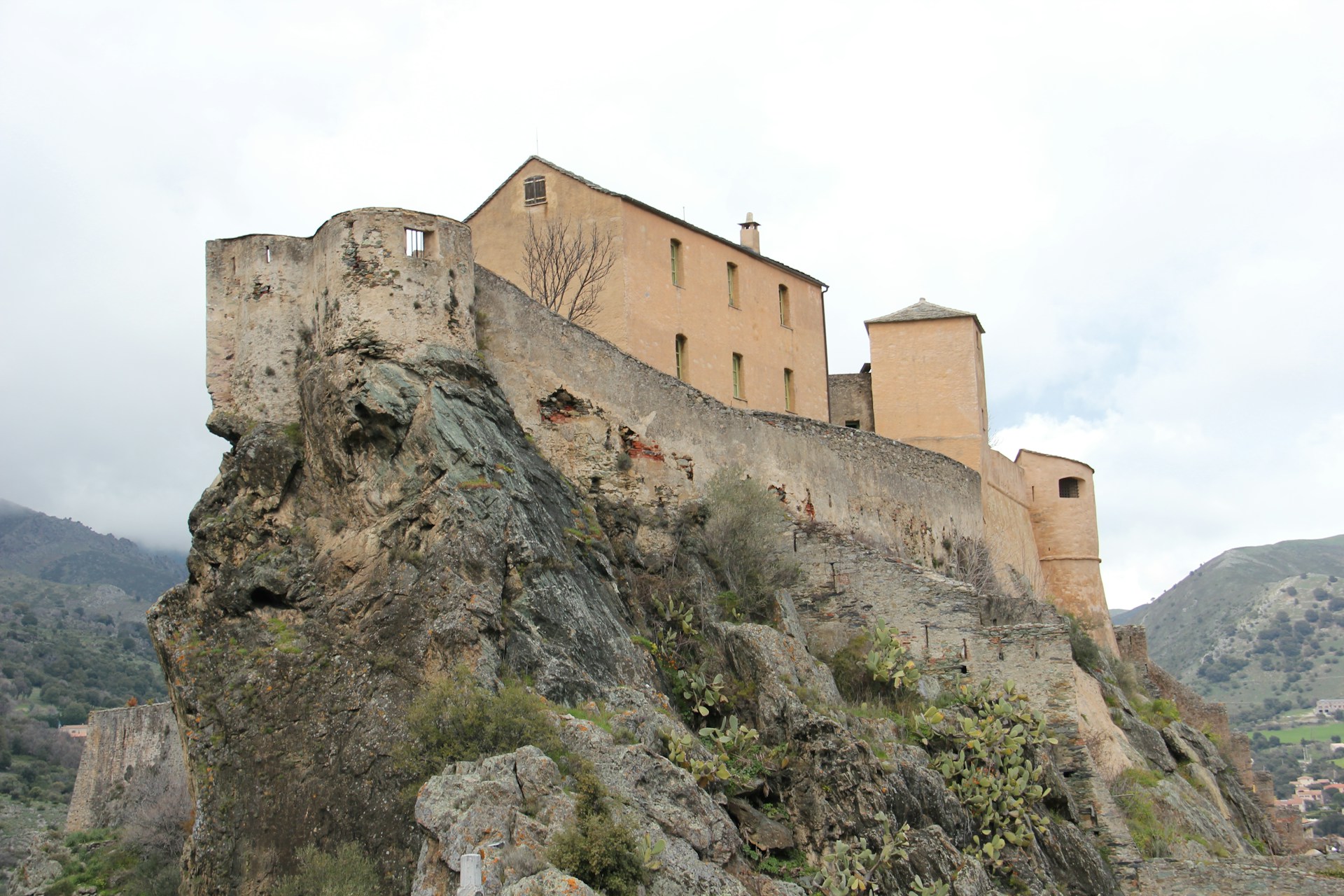
The citadel is Corte’s crown: a 15th‑century fortress perched on a rocky outcrop above the confluence of the Restonica and Tavignanu rivers. No matter how many times I climb up there, the view still stops me mid‑sentence.
I like to go in the late afternoon, when the light turns honey‑gold and the shadows in the valleys deepen. From the belvedere, you see the entire town cascading down the hill, and beyond that, the mountains folding into each other like dark waves.
History & significance:
- Built in the 15th century and expanded under Genoese rule.
- Served as a strategic stronghold and later a symbol of Corsican resistance.
- Today, it houses the Musée de la Corse, the island’s main ethnographic museum.
What I usually do there: Wander the ramparts slowly, pop into the museum for an hour or two (don’t miss the section on pastoral life), then sit on a bench overlooking the Tavignanu gorge just to let it all soak in.
Tips for visitors:
- Wear sturdy shoes; the climb from the lower town is steep and cobbled.
- Arrive 1–2 hours before closing to enjoy both the museum and golden hour views.
- In high season (July–August), go early in the morning to avoid crowds and heat.
2. Musée de la Corse (Museum of Corsica)
The Musée de la Corse sits within the citadel walls and is, in my opinion, essential if you want to understand the soul of the island beyond the clichés of beaches and bandits. I still remember my first visit, reading old letters from shepherd families and realizing how harsh—and beautiful—life in these mountains has always been.
Highlights:
- Interactive exhibits about Corsican rural life, music, and traditions.
- Temporary exhibitions on contemporary Corsican art and politics.
- Panoramic terraces that double as viewpoints over Corte.
Good to know: Texts are usually in French and Corsican, with some English. Even if you don’t read everything, the visuals and objects speak for themselves.
3. Wandering the Haute Ville (Old Town Streets)
Some of my favorite hours in Corte are spent simply getting lost in the Haute Ville. The houses here are tall and narrow, their facades weathered, with laundry hanging from windows and cats sunning themselves on warm steps.
On one visit, an elderly woman leaned out of her window to ask where I was from, then insisted I take a different alley because “la vue est meilleure” (the view is better). She was right; at the end of that alley, the town opened up below like a model.
Don’t miss:
- The tiny Place Gaffori, with its statue of the Corsican patriot.
- Old stone archways and staircases worn smooth by centuries of feet.
- Random belvederes where the town suddenly drops away to reveal valleys.
4. Restonica Valley (Vallée de la Restonica)
The Restonica Valley is why many hikers and adventure lovers base their 3 days in Corte here. It’s one of the most stunning glacial valleys in Corsica: granite cliffs, pine forests, crystal‑clear pools, and the kind of cold water that shocks you into feeling fully alive.
My ritual: an early start from Corte, windows open as I drive the narrow D623, stopping whenever I hear rushing water louder than usual. I’ll hike up for a couple of hours, then spend the afternoon hopping between sun‑warmed rocks and icy pools, eating sandwiches with local charcuterie.
Activities:
- Riverside picnics and swimming.
- Hikes to lac de Melo and lac de Capitello (more below).
- Family‑friendly paddling near roadside auberges.
Tips: In summer, access is regulated and parking is limited. Arrive early (before 9:00) or take shuttle services if available. The road is narrow with drop‑offs—drive slowly.
5. Tavignanu Gorge (Gorges du Tavignanu)
If the Restonica is dramatic and popular, the Tavignanu feels a bit more secretive. The trail starts right from Corte and follows the river through a deepening gorge, with hanging bridges and natural swimming spots.
On one autumn hike, I barely met a handful of people in six hours. The chestnut leaves were turning copper, and the only sounds were the river and my boots on the path. It’s one of the most peaceful days I’ve ever spent in Corsica.
Ideal for: Hikers who like long but not technically difficult trails, couples seeking quieter swimming holes, and photographers.
6. Lac de Melo
Lac de Melo is often the first “big” hike visitors tackle from Corte. The lake, cradled in a granite cirque, usually holds snow patches around its edges well into early summer. The first time I reached it, clouds rolled in and out so quickly that the landscape felt like a live‑action painting.
Trail info:
- Start: Bergerie de Grotelle (end of the Restonica road).
- Time: 1.5–2 hours up (moderate), less down.
- Terrain: Rocky, with some sections requiring hands; can be slippery.
Tips: Start early to avoid afternoon thunderstorms and crowds. Bring layers—even in July, the wind can be chilly around the lake.
7. Lac de Capitello
For a more demanding extension, continue up to Lac de Capitello, a darker, deeper lake ringed by steep cliffs. It feels wilder and more austere than Melo, and far fewer people make the extra effort.
I remember sitting by Capitello one September afternoon with only a pair of ravens for company, eating a slightly squashed sandwich and thinking, “This is why you come to Corte instead of staying on the coast.”
Trail: From Lac de Melo, add roughly 1 hour of steeper climbing. Not recommended in bad weather or for inexperienced hikers.
8. Everyday Life on Cours Paoli
Cours Paoli may not appear in glossy brochures, but it’s where Corte’s daily life unfolds. This is where I drink my morning espresso at the counter, listening to a mix of Corsican, French, and student slang that I only half understand.
Things to do:
- Visit a local bakery for fresh canistrelli (Corsican biscuits) and fiadone (cheesecake).
- Shop for picnic supplies at small grocery stores and charcuterie shops.
- Watch football games on big screens at café terraces in the evening.
9. University of Corsica (Université de Corse Pasquale Paoli)
The university gives Corte a unique character—this is not just a museum town, but a living intellectual hub. I’ve spent rainy afternoons sitting in the campus café, surrounded by students arguing about politics and independence.
Why visit: The campus itself is modest but pleasant, and some cultural events, lectures, and film screenings are open to the public. Check notices around town or ask at the tourist office.
10. Church of the Annunciation (Église de l’Annonciation)
This simple baroque church, with its pale facade and bell tower, anchors the old town. I like slipping inside for a moment of cool, dim quiet after climbing the sun‑baked streets.
Tip: If you’re in Corte during a religious festival, processions often start or end here. Even if you’re not religious, it’s a powerful slice of local culture.
11. Place Gaffori
Named after Jean‑Pierre Gaffori, an 18th‑century Corsican patriot, this small square is one of my favorite spots to sit with a glass of wine at sunset. The statue of Gaffori towers above, and if you look closely, you’ll spot bullet marks on nearby walls—a reminder of turbulent times.
In summer evenings, children play here while parents chat on terraces. It’s a perfect place to feel the rhythm of Corte life.
12. Belvedere Viewpoints of Corte
Several signed belvédères around the Haute Ville offer different perspectives on Corte’s skyline and the surrounding valleys. I make a little game of trying to visit each at different times of day: dawn, midday, sunset, even at night when the town glows softly below.
Best for: Photographers, romantics, and anyone who likes to just stand and stare.
13. Traditional Architecture & Tall Houses
Corte’s houses rise like stacked rectangles of stone, often five or six stories high, with tiny windows and terracotta roofs. This vertical architecture was a response to limited space on the rocky spur and the need for defense.
I love noticing details: carved lintels above doors, faded painted numbers, tiny shrines in niches. Take your time as you walk—the beauty is in these small, quiet features.
14. Corte Local Market
Depending on the season and calendar, Corte hosts markets where farmers and artisans bring cheese, charcuterie, honey, chestnut products, and seasonal fruit. I once spent half a morning just talking to a cheesemaker about the differences between spring and autumn brocciu.
What to buy: Brocciu (in season), cured sausages, chestnut flour, local wine, honey from mountain flowers.
15. Canyoning in the Restonica
If you’re adventurous, canyoning down sections of the Restonica or nearby rivers is an unforgettable rush. You’ll slide down natural rock chutes, jump into deep pools, and rappel beside waterfalls under the guidance of local professionals.
My first canyoning trip near Corte left me shivering (from the cold) and grinning uncontrollably the rest of the day. It’s a brilliant way to see parts of the landscape that hikers never reach.
16. GR20 Access & Mountain Culture
The legendary GR20 hiking trail, which crosses Corsica north–south, passes within reach of Corte. Even if you’re not tackling the whole thing, you’ll meet thru‑hikers in town, stocking up and resting.
Why it matters: This brings a subtle mountain culture vibe to Corte—trail stories in bars, outdoor shops with serious gear, and a sense that the high mountains are always just over the ridge.
17. Night Views & Illuminated Citadel
At night, the citadel and old town are softly lit, floating above darker valleys. I like to take a slow after‑dinner walk, looping around the Haute Ville and pausing at viewpoints where the murmurs of the town rise with the crickets.
18. Riverside Restaurants & Auberges
Along the Restonica road, several rustic auberges have terraces right above the river. On hot days, I’ll claim a table in the shade, order grilled trout or a hearty Corsican stew, and alternate between dipping my feet in the water and sipping rosé.
19. Local Festivals & Music Nights
Corte’s size doesn’t stop it from having a rich cultural calendar. On several visits, I’ve stumbled into evenings of polyphonic singing, with voices weaving ancient harmonies that give you goosebumps.
Tip: Ask at the tourist office or check posters around town; many events are small, local, and not heavily advertised online.
20. Sunset & Sunrise Spots Around Corte
My favorite way to end a day in Corte is to find a quiet corner facing west, watch the light slide off the peaks, and listen as the town settles down. Conversely, sunrise walks in the old town are magical: soft light on stone, almost no one around, just you and the swallows.
Suggested Itineraries: 3, 4 & 5 Days in Corte
Whether you have 3 days in Corte, 4 days in Corte, or a full 5 day itinerary for Corte, you can build your stay around river time, mountain hikes, and slow exploration of town life. Below is a flexible 5‑day story‑style itinerary you can trim to 3 or 4 days depending on your schedule.
Day 1 – First Steps in the Old Capital
I like to arrive in Corte by train if possible. The narrow‑gauge “U Trinichellu” winds through gorges and across viaducts; it sets the tone perfectly. Stepping off the train, the air feels cooler and crisper than on the coast, and the mountains rise up in every direction.
Morning: Arrival & Cours Paoli
- Check into your guesthouse in the Haute Ville or just off Cours Paoli.
- Drop your bags and walk the length of Cours Paoli to get your bearings.
- Grab a quick lunch: a sandwich with Corsican ham and cheese from a bakery or a simple plat du jour at a café.
On my last trip, I arrived around 11:00, slightly dazed from the curves of the mountain railway. I perched at a café terrace on Cours Paoli and just watched: schoolkids weaving through, older men in caps reading papers, a student protest flyer taped to a lamppost. It reminded me that Corte is more than just a tourist stop; it’s home to many.
Afternoon: Climb to the Citadel & Musée de la Corse
- Head up toward the Haute Ville, following brown Citadelle signs.
- Take your time; the alleys are steep and picturesque—stop for photos.
- Visit the Museum of Corsica for 1–2 hours to understand the island’s story.
I usually move slowly through the museum, lingering over old photos of shepherds, maps of clan territories, and exhibits on traditional songs. By the time I exit onto the terrace, Corte below feels different: not just a pretty cluster of houses, but a place with a fierce, complicated identity.
Late Afternoon: Belvedere & Old Town Wander
- Circle the citadel walls to the main belvedere viewpoint.
- Follow narrow side streets back down through the Haute Ville.
- Pause at Place Gaffori for a drink on a terrace.
As the light softens, the rocks of the Restonica Valley glow, and the town seems to float. I like to find a quiet bench, pull out my notebook, and jot the first impressions of this trip. Every time, there’s a recurring feeling: “I’m back in the real Corsica.”
Evening: Dinner in the Old Town
- Choose a small restaurant in the Haute Ville or near Place Gaffori.
- Order something decidedly local: civet de sanglier (wild boar stew) or veau aux olives (veal with olives).
- Pair with a glass of Corsican red wine; ask the server for a local recommendation.
After dinner, take a short night walk around the citadel. The crowds will have thinned, and you’ll have some viewpoints to yourself, with just the sound of the river far below.
Day 2 – Restonica Valley Adventure
Day two in a 3 day itinerary for Corte is all about the Restonica. Even if you’re not a hardcore hiker, you should dedicate at least one full day to this valley.
Morning: Drive or Shuttle into the Restonica
- Have an early breakfast; leave Corte by 8:00 if you can.
- Drive up the D623 or use any seasonal shuttle/bus services (check locally in 2026).
- Stop at viewpoints along the way; the road is narrow, so pull over only in marked bays.
On my last summer visit, I reached the Bergerie de Grotelle parking area just after 8:30, securing a spot before the rush. The air was still cool, and the peaks were catching the first bright light.
Late Morning to Early Afternoon: Hike to Lac de Melo (and Possibly Capitello)
- From Bergerie de Grotelle, follow the well‑marked trail to Lac de Melo.
- Take your time on the rocky sections; enjoy views back down the valley.
- If conditions are good and you’re fit, continue up to Lac de Capitello.
At Melo, I like to find a flat rock, take off my shoes, and soak my feet in the near‑freezing water while eating lunch. I’ve shared these breaks with other hikers, friendly dogs, and once a very persistent crow that eyed my cheese covetously.
Afternoon: River Time
- Descend back to Bergerie de Grotelle.
- On the drive back down, stop at a riverside auberge for a cold drink or late lunch.
- Find a calmer river section to swim or simply lounge on rocks.
Swimming in glacier‑fed rivers takes a bit of courage. My trick: commit quickly. Once you’re in, the shock gives way to an incredible feeling of clarity and energy. Families with kids usually stick to shallow sections near restaurants, where access is easy.
Evening: Casual Night in Corte
- Back in town, take a hot shower and rest your legs.
- Have a relaxed dinner on Cours Paoli or in the university district—pizza or simple grilled meat if you want something unfussy.
- If it’s a warm night, finish with ice cream or a digestif on a terrace.
Day 3 – Tavignanu Gorge & Cultural Evening
If you only have 3 days in Corte, this third day blends nature and culture beautifully. For a 3 day itinerary for Corte, I always recommend not skipping the Tavignanu—it’s less famous than the Restonica but equally enchanting.
Morning: Hike into the Tavignanu Gorge
- Start from Corte; the trail begins near the citadel (ask for the exact trailhead if unsure).
- Follow the path along the river, which gradually deepens into a gorge.
- Decide how far to go—some aim for the first hanging bridge; others go further.
I like to pack a simple picnic (bread, cheese, fruit, and plenty of water) and walk for about 2–3 hours before settling at a particularly inviting bend in the river. On a quiet weekday, you might have whole stretches to yourself.
Afternoon: Swim & Return
- Enjoy a slow lunch by the water, then a refreshing swim.
- Head back toward Corte in the mid‑afternoon, taking photos as the light shifts.
The return walk always feels different: you’re more tired, but also more attuned to the landscape. I’ve often noticed details on the way back—patterns in the rocks, old stone walls—that I completely missed in my eagerness to get going in the morning.
Late Afternoon: Coffee & Museum (If You Skipped It)
- If you didn’t visit the Musée de la Corse on Day 1, this is a good time.
- Otherwise, relax with a coffee in town, maybe try a Corsican pastry like pastizzu.
Evening: Cultural Night – Polyphonic Singing or Local Bar
- Check if any chants polyphoniques (polyphonic singing) events are on.
- If not, choose a bar frequented by locals (especially students) and just soak in the atmosphere.
This is where Corte really shines for me: not in big shows, but in evenings where locals break into song at the end of a meal or where you end up chatting with a student about Corsican history over a glass of Cap Corse (local aperitif).
Day 4 – Hidden Corners, Architecture & Slow Living
If you have 4 days in Corte, day four is your chance to move at a slower pace and dig into the town’s smaller details: architecture, markets, and everyday rituals.
Morning: Market & Local Food
- Visit the local market if it’s running (usually a set weekday; confirm with your host).
- Taste local cheese and charcuterie, buy fruit for snacks.
- Chat with producers; many are happy to explain their products.
On one trip, I spent a good twenty minutes with a chestnut flour producer who explained how the trees are traditionally tended, and how chestnut polenta was once a staple in these valleys. That conversation changed the way I saw the surrounding forests.
Late Morning: Architectural Walk of Corte
- Follow a self‑guided loop through the Haute Ville and lower town.
- Look for signs of older fortifications, restored houses, and small chapels.
Bring a camera or simply your curiosity. I like to pick a theme—doors one day, balconies the next—and focus on that. You’ll notice ornate ironwork, carved dates on lintels, and ingenious ways people have adapted old structures for modern life.
Afternoon: University District & Café Time
- Head toward the university area.
- Have a late, leisurely lunch at a student‑friendly café or canteen‑style spot.
- Spend an hour reading or journaling over coffee, blending in with the students.
I’ve written entire articles from these cafés, fueled by inexpensive espresso and the low background buzz of conversation. It’s a side of Corte many tourists miss.
Evening: Night Views & Wine
- Before dark, walk up again to one of the belvederes around the citadel.
- Watch the lights come on across town as the sky deepens.
- End with a glass of Corsican wine at a small bar—ask for something from nearby producers.
Day 5 – Day Trip or Extra Nature Fix
With 5 days in Corte, you can add a day trip or revisit your favorite landscape. This makes a 5 day itinerary for Corte feel both rich and relaxed.
Option 1: Another Valley or Short GR20 Section
- Join a guided hike that touches part of the GR20 or nearby high‑mountain routes.
- Or, revisit the Restonica or Tavignanu for a different segment of trail.
On one long stay, I dedicated day five to a gentler wander along the Restonica, starting lower down and stopping frequently for photos. Without the pressure to “reach a lake,” I noticed more flowers, insects, and small details of river life.
Option 2: Day Trip to Nearby Towns
- Head by train or car to Venaco, Vivario, or even further afield (see day trips section).
- Experience a different slice of inland Corsican life, then return to Corte in the evening.
Evening: Farewell Walk & Favorite Restaurant
- Return to whichever viewpoint stole your heart the most.
- Have a farewell dinner at your favorite restaurant from the week.
I like to end my time in Corte by retracing my first‑day steps: from Cours Paoli up into the Haute Ville, past the same corners and cats, but now with the comfortable feeling of knowing the town’s rhythms.
Local Food in Corte: What & Where to Eat
Inland Corsica is hearty food country. Portions are generous, flavors are robust, and ingredients often come from just over the next ridge. Eating in Corte has been one of the highlights of every trip for me.
Must‑Try Dishes
- Charcuterie Corse: Cured hams, sausages, and coppa from free‑range pigs fed on chestnuts.
- Fromages de brebis et chèvre: Sheep and goat cheeses, sometimes quite pungent.
- Brocciu: Fresh whey cheese used in fiadone (cheesecake), omelets, and savory pies (in season roughly November–June).
- Civet de sanglier: Wild boar stew, slow‑cooked in red wine with herbs.
- Veau aux olives: Tender veal with olives and herbs.
- Polenta de châtaigne: Chestnut flour polenta, a staple of mountain villages.
- Fiadone: Light, lemony brocciu cheesecake, often served chilled.
- Canistrelli: Crunchy biscuits flavored with lemon, anise, or nuts.
Drinks to Sample
- Vin Corse: Local red, white, and rosé wines; ask for bottles from central Corsica.
- Cap Corse: Bitter‑sweet aperitif, great over ice with a slice of lemon.
- Local beers & chestnut beer: Several Corsican breweries produce excellent craft beers.
Where I Like to Eat in Corte
Names change and ownerships evolve, so rather than fixate on specific restaurant names (ask your host for the latest), here’s how I choose:
- In the Haute Ville: look for small menus focusing on a few Corsican classics.
- On Cours Paoli: good for casual lunches, pizza, and people‑watching.
- Along the Restonica road: rustic auberges with river views and grilled meats.
To save money, I often eat one restaurant meal a day (usually dinner) and rely on bakery items and supermarket picnics at lunch. Between cheese, bread, fruit, and charcuterie, it’s easy to eat well without overspending.
Nightlife, Entertainment & Cultural Experiences
Nightlife in Corte is low‑key but lively enough, especially during the university term. You won’t find giant clubs, but you will find terrace bars, live music, and cultural events.
Evening & Nightlife Options
- Student Bars: Near the university and off Cours Paoli—cheap drinks, energetic vibe.
- Wine Bars: In the Haute Ville or just below the citadel—perfect for couples.
- Live Music: Occasional concerts in bars or small venues, often advertised locally.
Cultural Experiences
- Polyphonic Singing Nights: Haunting traditional music, often in churches or cultural centers.
- Local Festivals: Religious processions, food fairs, and historical commemorations.
- University Events: Film screenings, debates, and talks, some open to the public.
I’ve had some of my most memorable nights in Corte not in big events, but in simple evenings where locals spontaneously started singing after dinner, their harmonies filling a modest dining room. If you’re invited to stay and listen, do.
What’s New in 2026–2027: Events & Festivals
While Corte doesn’t have a mega‑festival on the scale of coastal towns, its 2026–2027 calendar is rich with smaller events that bring the community together. Dates can shift slightly each year; check locally closer to your travel date.
Recurring Events (Typical Patterns for 2026–2027)
- Spring Cultural Week (April): University‑driven events including lectures, film, and music focused on Corsican identity.
- Summer Music Evenings (July–August): Outdoor concerts and polyphonic singing nights in and around Corte.
- Heritage Days (September): Special access to historic buildings, guided tours, and talks on local history.
- Chestnut & Autumn Food Fairs (October–November): Celebrations of chestnut harvest with tastings and markets.
In 2026, look out for enhanced heritage programming around the citadel and potential themed exhibitions at the Musée de la Corse linked to mountain culture and climate change—subjects of growing local interest.
Day Trips & Nearby Attractions from Corte
Corte’s central position makes it an ideal base for exploring the interior of Corsica. With a car or train, you can reach many interesting spots in a day.
1. Venaco & Surrounding Villages
Just a short train or car ride south, Venaco is a peaceful village known for its cheese and lovely mountain views. Wander its quiet streets, have lunch at a local inn, and enjoy a slower pace than Corte.
2. Vivario & the Vizzavona Forest
A bit further along the train line, the Vizzavona forest offers shaded trails, waterfalls, and cooler temperatures in summer. Some sections of the GR20 pass nearby, and there are well marked day hikes.
3. Ponte Leccia & Northern Routes
From Ponte Leccia, you can connect to roads toward the Balagne region (L’Île‑Rousse, Calvi) for a long day trip that blends mountains and coast. It’s ambitious for a single day but doable with an early start if you’re craving sea views.
4. Small Hamlet Explorations
With a car, you can simply choose a direction and drive into the hills, stopping at any hamlet that catches your eye. Have a coffee in a tiny bar, talk to whoever’s behind the counter, and you’ll get a feel for life far from the tourist centers.
Local Customs & Cultural Etiquette in Corte
Corsicans are proud, reserved at first, but warm once you show respect and genuine interest. Corte, with its strong sense of identity, is a good place to practice thoughtful travel.
Language
- French is the main language; Corsican (corsu) is widely spoken and cherished.
- English is spoken in some tourist‑facing places but not everywhere.
- Learning a few words—Bonghjornu (hello), Grazie (thank you)—goes a long way.
Social Etiquette
- Greet shopkeepers with a bonjour and a smile when entering; say au revoir when leaving.
- Don’t assume everyone wants to talk politics or independence; follow their lead.
- In restaurants, it’s normal to linger after the meal—no one will rush you out.
Respecting Nature & Culture
- Stay on marked trails; the mountains are fragile and can be dangerous.
- Take all your rubbish back with you from rivers and hiking spots.
- Dress modestly when entering churches or attending religious events.
Practical Travel Tips for Corte
Getting To & Around Corte
By Train: The narrow‑gauge train connects Corte with Ajaccio, Bastia, and Calvi. It’s scenic and my favorite way to arrive, though schedules can be limited.
By Car: Roads into Corte are winding but well maintained. A car is useful if you want maximum flexibility for the Restonica and day trips.
Getting Around Town
- Corte is walkable; expect hills and cobblestones.
- For the Restonica, use your car or any seasonal shuttle buses.
- Taxis are limited; pre‑arrange if needed, especially early or late.
Car Rental & Driving
- Book rental cars in advance, especially for summer 2026–2027.
- Mountain roads are narrow with tight bends—drive cautiously.
- Parking in Corte can be tight in peak season; use designated lots.
SIM Cards & Connectivity
- Major French carriers (Orange, SFR, Bouygues, Free) have coverage in Corte, though some valleys have weak signal.
- EU visitors can generally use their home plans at no extra roaming cost (check with your provider).
- Non‑EU visitors: pick up a prepaid SIM in a larger city before arriving, or use eSIM options that cover France.
Money‑Saving Tips
- Travel in shoulder seasons (May–June, September–October) for lower prices.
- Stay in guesthouses or small hotels rather than high‑end resorts (there are few of those here anyway).
- Make lunch your main restaurant meal; choose simpler dinners or self‑cater.
- Use the train instead of taxis when possible.
Accommodation Tips
- Haute Ville: Romantic, atmospheric, but more steps and less vehicle access.
- Cours Paoli area: Practical, easier with luggage, close to shops.
- Restonica road: Ideal in summer for nature and families, a bit removed from town center.
Visa Requirements & Driving Licenses
- Corsica is part of France and the EU’s Schengen Area.
- EU/EEA/Swiss citizens can enter freely with ID.
- Many other nationalities (e.g., US, Canada, UK, Australia) have short‑stay visa‑free arrangements for up to 90 days in Schengen; check current rules before 2026 travel.
- Foreign driving licenses are generally accepted; some non‑EU visitors may need an International Driving Permit in addition to their home license—verify with your rental company.
Best Seasons for Specific Activities
- Spring (April–June): Ideal for hiking (snow may linger on high trails in April), wildflowers, moderate temperatures.
- Summer (July–August): Hot in town, perfect for river swimming; Restonica can be crowded, but Corte is still less busy than the coast.
- Autumn (September–October): My favorite—warm days, cool nights, vivid foliage, quieter trails.
- Winter (November–March): Very quiet; some services may be limited; higher hikes often snowbound, but town is atmospheric and good for introspective trips.
Health & Safety
- Bring good hiking shoes and sun protection.
- Mountain weather changes fast; carry layers and check forecasts.
- Tap water is generally safe in town; in the mountains, treat or filter unless you’re certain of the source.
Summary & Final Recommendations: Planning Your Corte Trip
Corte rewards travelers who slow down. This is not a “checklist” destination; it’s a place to build a relationship with: walking the same steep lanes at different times of day, revisiting your favorite river pool, returning to that one café where the barista starts to recognize you.
For a 3 day itinerary for Corte, focus on the essentials: the citadel and old town, one big Restonica day, and a Tavignanu hike. With 4 days in Corte, add a slow day for markets and architectural wandering. A 5 day itinerary for Corte gives you space for a day trip or extra mountain time.
The best time to visit Corte depends on what you want:
- Hikers & nature lovers: May–June and September–October.
- Swimmers & families: July–August for warm river days.
- Quiet, reflective trips: Late autumn and winter, accepting limited services but gaining solitude.
Each time I leave Corte, looking back at the citadel from the train window or car mirror, I’m already planning my return: another trail to walk, another old wall to photograph, another conversation to have on a small stone square. If you let it, Corte will become that kind of place for you too—a mountain town you carry with you long after you’ve gone home.