Why Visit Côte des Basques in 2026?
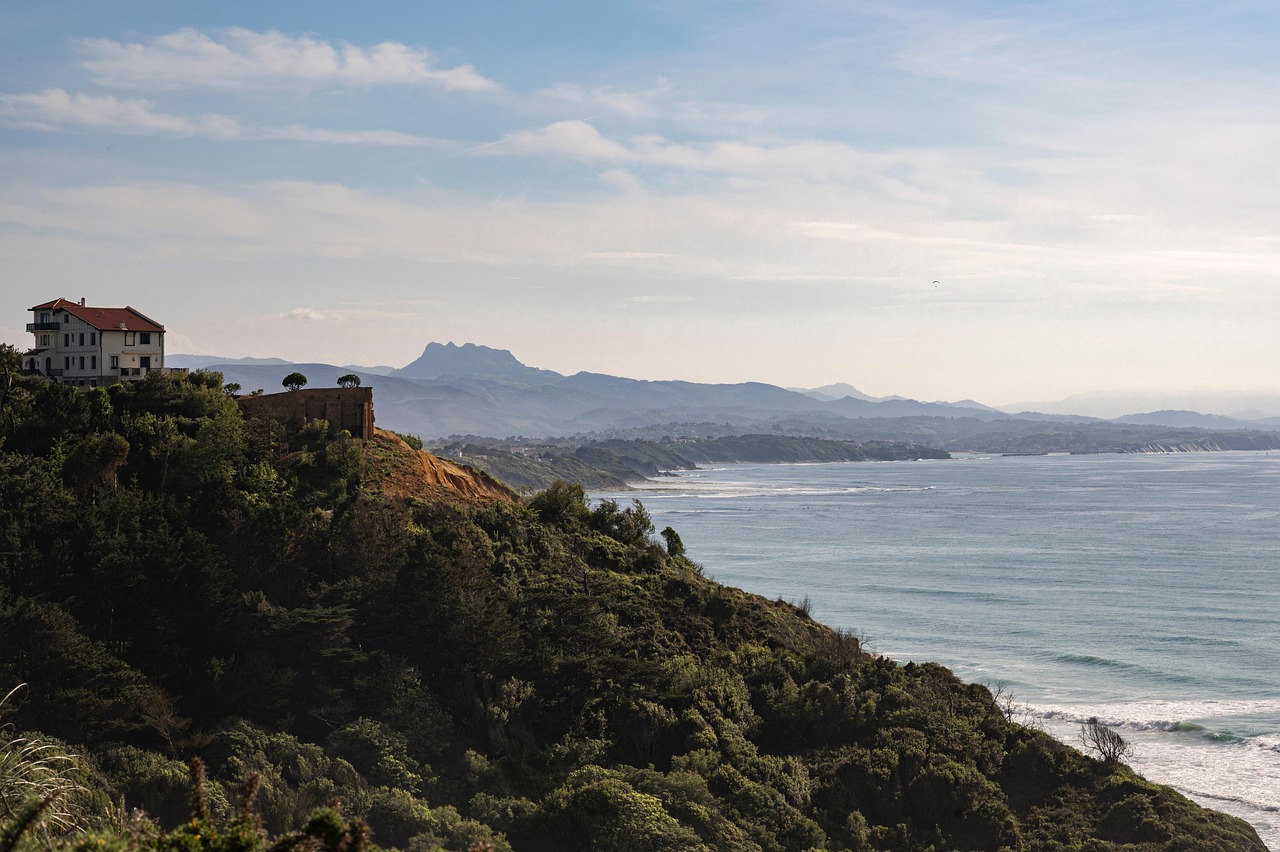
Côte des Basques is the spiritual heart of surf culture in France and arguably the most cinematic urban beach on the Atlantic coast. You stand on the cliff-top promenade, looking down at a huge sweep of sand that vanishes at high tide. To your left, the Pyrenees fade into the horizon; to your right, the old villas of Biarritz glow gold in the late afternoon. The waves roll in relentless, long and mellow in summer, heavier and more powerful in winter.
What makes Côte des Basques special is the way it balances surf-town energy with Basque heritage and everyday French life. You can surf at sunrise, eat serious local food at lunch (chipirons, ttoro, axoa), browse boutiques in town in the afternoon, then watch the sun set behind the Spanish headlands with a glass of Irouléguy wine in hand. It’s family-friendly, romantic, and adventurous all at once, depending on the tide and the season.
In 2026, Biarritz and Côte des Basques are leaning even more into their identity as the cradle of European surfing. Expect more surf festivals, improved coastal paths, and a tighter focus on sustainable tourism: fewer cars at the water’s edge, more shuttles and bike lanes, and a growing network of eco-minded guesthouses.
Table of Contents
- Why Visit Côte des Basques
- The 10 Main Beach Sections, Coves & Nearby Coastal Spots
- 3–5 Day Itineraries for Côte des Basques (Personal Stories)
- Seafood, Beach Bars & Boardwalk Eating
- Evenings at Côte des Basques
- Cultural Etiquette & Local Customs
- Day Trips & Nearby Attractions
- Practical Travel Advice & Money-Saving Tips
- Beach-Specific Logistics & Safety
- Events & Festivals 2026–2027
- Summary & Best Seasons to Visit
The 10 Main Beach Sections, Coves & Nearby Coastal Spots
For many visitors, “Côte des Basques” means one single beach. Locals know better. The coastline from the Rocher de la Vierge to the Spanish border is a string of distinct moods: urban promenades, hidden coves, beginner-friendly surf breaks, wild dunes, and sleepy fishing ports. Below are the 10 key beach areas I return to over and over, each with its own character, history, and ideal audience.
1. The Main Plage de la Côte des Basques
This is the star of the show: a long, gently sloping beach framed by cliffs and mansions. At low tide, the sand stretches wide, exposing tidal pools and smooth rock ledges; at high tide, the water rises right up to the seawall, swallowing the beach entirely.
I’ve spent more dawns here than I can count. The best mornings are misty: you walk down the steep steps just as the lifeguards are setting up their flags and the first surf school vans are parking above. The break is forgiving in summer, with mellow, rolling waves ideal for beginners and longboarders, and more serious in winter when the Atlantic flexes its muscles.
History & Significance
Côte des Basques is often cited as the birthplace of European surfing. In 1957, American screenwriter Peter Viertel famously surfed these waves while working on a film in Biarritz, inspiring locals and visitors to take to the water. That origin story still shapes the vibe: there’s a laid-back, barefoot-boards-under-arm atmosphere that you won’t find on the more polished Grande Plage.
Who It’s Best For
- Families: At mid to low tide, there’s space for kids to dig, run, and splash in shallow water. Just keep an eye on the tide; it moves fast.
- Surfers: Perfect for beginners and intermediates from late spring to early autumn. In winter, experienced surfers get more powerful swells.
- Couples: The cliff-top promenade at golden hour is one of the most romantic walks in the region.
My Typical Day Here
On my last summer visit (July 2025), I followed my usual ritual: coffee from a little café van parked above the steps (they rotate, but they all seem to serve good espresso), then a 2-hour surf session just after low tide. Around 10:30, as the surf schools began lining up soft-tops along the shore, I swapped my board for a book and settled into the sand near the central lifeguard hut where the slope is gentle and the flags are easy to see.
By midday, the heat bounced off the cliffs, and I climbed back up to the promenade, breathing a little harder than I wanted to admit. That’s your daily Côte des Basques workout: those stairs. I grabbed a poke bowl from a food truck and ate on a bench overlooking the beach, watching the tide creep in and swallow the morning’s sandcastles.
How to Get There
- On foot: 10–15 minutes downhill from central Biarritz. You’ll reach the cliff-top road (Avenue de la Milady / Boulevard du Prince de Galles) and then choose one of several staircases or the zigzag ramp.
- By bus: The local Chronoplus buses (lines often labelled “Côte des Basques” in summer) drop you near the top promenade.
- By car: Parking above is limited and fills quickly in high season. I often park farther away (near the Cité de l’Océan or in residential streets) and walk along the coast path.
Food & Drink Nearby
There are a few casual beach bars and seasonal kiosks right on or above the sand, great for a cold beer or a quick snack. For a proper meal, I usually climb back up and walk 5–10 minutes into town where you’ll find bistros and pintxos bars that aren’t charging just for the view.
Practical Tips
- Tide matters more here than almost anywhere: Check the daily tide charts. At high tide, there may be no dry sand at all.
- Stairs are steep: If mobility is an issue, use the ramp near the central section; even then, it’s a workout.
- Sun protection: There’s almost no shade on the sand; bring umbrellas or rent them from seasonal vendors.
2. Northern End of Côte des Basques (Villa Belza & Clifftop Viewpoints)
Walk north along the cliff-top from the main beach access and the vibe gets more dramatic and a little quieter. The cliffs rise higher, the path narrows, and the views of Villa Belza—that dark, fairy-tale house perched above the rocks—steal the show.
I love coming here late afternoon with a take-away coffee. The path is lined with low stone walls where locals sit and chat in a mix of French, Euskara (Basque), and Spanish. On my last visit, a group of older locals were playing cards on a fold-out table while a group of teenagers practiced skate tricks on the path. That juxtaposition is very Biarritz.
History & Feel
Villa Belza dates back to the late 19th century and has lived several lives: private home, cabaret, even a military post. Today it’s private again, but it remains a symbol of old Biarritz glamour. The cliffs here show the city’s layered history too—eroded rock, retro lampposts, and the outlines of former sea baths and old staircases now partially reclaimed by the ocean.
Best For
- Sunset photography: The angle to the Spanish coast and the surf lines is perfect.
- Romantic walks: Fewer families, more couples lingering on benches.
- Storm watching: In winter, waves slam the rocks below—spectacular, but stay well back from the edge.
Tips
- Bring a light jacket, even in summer; the wind can funnel around the headland.
- This is one of my favourite spots when the main beach feels too crowded; you still get the Côte des Basques energy without the towel-to-towel situation.
3. Southern End of Côte des Basques (More Space, Fewer Crowds)
Head south along the sand at low tide or follow the upper road and ramps, and the beach feels wilder, further from town, and a little more local. This is where I go when I want space to breathe and a bit more room in the lineup.
On a September afternoon in 2024, I walked all the way down here at low tide, passing clusters of surf schools nearer the central section until suddenly the groups thinned. I ended up next to a family from Bayonne who had set up a full Basque picnic—slices of Bayonne ham, wedges of Ossau-Iraty cheese, a bottle of rosé chilling in a bucket half-buried in the sand. We chatted between swims, trading tips on the best patisseries in town.
Why It’s Special
- More relaxed surf: You still need to respect the currents and lifeguard flags, but there’s usually fewer boards to dodge.
- Better for quiet sunbathing: Towels are more spaced out, especially outside peak July–August.
- Wider sense of the coastline: You can see how Côte des Basques transitions into the Milady area.
Access & Food
There are a couple of less-used staircases and ramps; some feel almost secret the first time you find them. Up above, you’ll find a few casual eateries and bars tucked into residential streets. I often stop at a simple bakery for a sandwich jambon-beurre and bring it down with me.
Tip
Because you’re a bit further from the main lifeguard post, always orient yourself to the nearest flags and posted safety boards; conditions can change quickly with the tide.
4. Plage de la Milady – Family-Friendly & Accessible
Just south of Côte des Basques proper lies Plage de la Milady, the beach I recommend first to friends with kids or anyone who wants easier access and more amenities right at hand.
Where Côte des Basques has that steep stair descent, Milady greets you with ramps, a wide promenade, playgrounds, and ample parking. On weekends in summer, it feels like half of Biarritz has rolled out their beach wheeled carts here: umbrellas, coolers, paddle bats, inflatable unicorns.
My Visits & Impressions
I often come here on days when the tide times at Côte des Basques aren’t friendly for my schedule. One August morning in 2025, I arrived around 9 a.m. with a friend and her two small children. We parked easily, grabbed coffees from the beachfront café, and claimed a spot near the lifeguard flag. The waves were playful but manageable, perfect for kids with bodyboards and adults doing lazy swims between the sandbanks.
Best For
- Families: Playgrounds on the promenade, gentle slope into the water, and lifeguard presence in high season.
- Accessibility: Ramps make it easier for strollers and those with limited mobility.
- Casual sunset drinks: Several beach bars and restaurants directly overlooking the sand.
Food & Atmosphere
The restaurants here are a notch more relaxed and family-oriented than in central Biarritz. Expect burgers, salads, seafood platters, ice cream, and a lot of spritzes at golden hour. It’s not where I go for the most “serious” Basque cuisine, but it’s a lovely place to end a beach day with kids or a group of friends.
5. Grande Plage – The Elegant Sister Beach
Walk or bus 10–15 minutes north from Côte des Basques and you reach Grande Plage, framed by the Casino, grand hotels, and Belle Époque architecture. It’s more “see and be seen” than Côte des Basques, but the surf culture is just as present.
On a sunny Sunday in May 2025, I spent the morning surfing Côte des Basques and the afternoon people-watching at Grande Plage. The difference is striking: at Côte des Basques, bare feet and sandy hair blend into the cliffs; at Grande Plage, vintage parasols, striped cabanas, and polished terraces set the tone.
Why Include It in a Côte des Basques Trip?
- Iconic city-beach views: Perfect for classic Biarritz photos.
- Central location: Surrounded by shops, cafés, and the main town square.
- Beginner surf schools: Several operate directly on the sand.
Best Time to Visit
I like coming early morning before the cabanas fill up, or late afternoon when the light hits the casino and Hôtel du Palais. Midday in August can feel like the entire southwest of France has chosen the same spot.
6. Port Vieux – The Sheltered Cove
Port Vieux is a small, horseshoe-shaped cove nestled between cliffs, just north of Côte des Basques. Historically, it was an old whaling and fishing port; today, it’s one of the calmest swimming spots in Biarritz when the Atlantic is flexing its muscles elsewhere.
I come here when the surf is too big or messy at Côte des Basques but I still crave saltwater. On a windy October day, waves were pounding Côte des Basques, spray flying over the seawall, but Port Vieux felt almost serene—gentle swells rolling in, kids jumping off the side ledges at high tide.
Best For
- Safe swimming: Sheltered from big swells; ideal for less confident swimmers.
- Families with younger kids: Easier to keep an eye on everyone in the small bay.
- Snorkelling: On clear days, you can spot fish along the rocks.
Tips
- Arrive early on hot days; space is limited.
- Combine with a visit to the Rocher de la Vierge viewpoint just above.
7. Plage de Marbella – The Local Surfer’s Corner
South of Côte des Basques and Milady, you reach Plage de Marbella, a more raw, less-developed stretch of coast that feels like the local surfers’ hangout. Access is via steep paths and stairs, and there’s less infrastructure than Milady.
I first surfed Marbella on a crisp November morning. The car park was half empty; a few vans with fogged-up windows hinted at dawn sessions. The waves were heavier than at Côte des Basques, with punchy beach breaks that kept me humble. After an hour of getting worked, an older local paddled over and gently suggested I sit a bit further inside. He was right—the inside peaks suited my level perfectly.
Best For
- Intermediate to advanced surfers: Stronger waves, heavier shorebreak at times.
- Those seeking fewer amenities: More wild, less built-up.
- Sunset walks: The dunes and cliffs catch the last light beautifully.
Not Ideal For
- Very young kids (steep access, stronger waves).
- Anyone needing easy facilities or lifeguard cover outside peak season.
8. Bidart Beaches – Coastal Village Charm
A short drive or bus ride south brings you to Bidart, a whitewashed Basque village perched above a string of beaches: Centre, Erretegia, Pavillon Royal, and more. Each has its own curve, sandbank, and mood, but all share a slightly sleepier, more village-like rhythm than Biarritz.
On my last stay, I spent a full day wandering between Bidart’s beaches. I started at the hilltop square with coffee and a view of the ocean, then followed the coastal path down to Erretegia. The tea-coloured stream that slices across the sand, the dunes, the sense of being at the edge of something wilder—all of it made me slow down.
Why It’s Worth the Trip
- Less crowded than Biarritz in shoulder seasons.
- Good surf options that spread crowds across several breaks.
- Village character: Pelota courts, white-and-red Basque houses, and small restaurants serving hearty local dishes.
9. Guéthary – Old Fishing Port & Wave Watching
Guéthary is one of my favourite spots along this coast, a tiny village wedged between cliffs and the ocean, with a little fishing port and a reputation for serious waves when the swell is right. This is where you come to watch—not necessarily to paddle out—unless you’re experienced.
I remember a big-swell day in January 2023. The main Côte des Basques beach was unsurfable chaos; in Guéthary, a handful of specks (surfers) traced long arcs on thick, rolling walls far offshore. The terraces above the port were packed with locals in beanies and down jackets, sipping coffee and pointing out lines on the horizon.
Best For
- Wave watching: Big-wave surfers on the right days.
- Lazy lunches: Excellent restaurants overlooking the sea, ideal for long meals.
- Romantic day trips: Slow pace, charming streets.
10. Anglet Beaches – Long Dunes & Surf Avenue
North of Biarritz, across the mouth of the Adour River, lie the beaches of Anglet: long, straight, backed by dunes and pine trees. They feel more open, more spacious, and a bit less polished than Biarritz’s urban beaches.
When Côte des Basques feels too hemmed in, I drive or bus up to Anglet. The surf here can be heavier and more exposed, but there are multiple peaks to spread the crowd. The promenade, lined with surf shops and bars, has earned the nickname “Little California.” I’ve watched many sunsets here with a beer in hand, waves thumping into the sand while kids skate past.
Best For
- Surf variety: Several distinct beach breaks in one stretch.
- Long walks and runs: Plenty of uninterrupted sand.
- Casual evening hangouts: Bars with ocean views but a slightly less “glam” feeling than Biarritz.
3–5 Day Itineraries for Côte des Basques (With Personal Stories)
Below are flexible itineraries for 3, 4, or 5 days in Côte des Basques. They’re based on how I actually spend my time when I’m here for a long weekend or a full week. Use them as a framework and adjust for weather, tides, and your own pace.
3 Day Itinerary for Côte des Basques – “First-Time Essentials”
Day 1: Arrival, First Surf & Sunset on the Cliffs
I like to plan my arrival so I hit the beach by late afternoon. Let’s assume you arrive in Biarritz around midday.
Afternoon: First Look at Côte des Basques
Drop your bags at your accommodation (more on where to stay later) and head straight to the cliff-top promenade above Côte des Basques. That first view is a jolt: the vast sweep of sand, the Pyrenees in the distance, and the silhouettes of surfers bobbing in the lineup.
On my last “first day” in June 2025, I walked the full length of the promenade to shake off the travel stiffness. I stopped at each overlook, watched the sets roll in, and mentally bookmarked where the surf schools had set up and where the quieter corners of the beach were.
Optional: First Surf Lesson or Swim
- Beginners: Book a 1.5–2 hour surf lesson with one of the licensed schools right on Côte des Basques. They provide boards and wetsuits.
- Non-surfers: Go for a swim between the lifeguard flags at mid-tide, or just wade in and feel the Atlantic.
I recommend not overdoing it on day one; the combination of travel, sun, and waves can be surprisingly tiring.
Early Evening: Apéro on the Promenade
As the sun softens, join the unofficial nightly ritual: people bring bottles of wine, baguettes, cheese, and jamón to the grassy edges and low walls above the beach. You’re welcome to do the same. Stop by a local supermarket or delicatessen for supplies, then claim a spot with a clear view west.
One of my favourite recent memories: sharing a bottle of crisp Basque white with two fellow travellers I’d met in the surf, passing around slices of saucisson and watching a lone longboarder nose-ride along a glassy wave as the sky turned orange.
Dinner in Town
Walk 10 minutes back into central Biarritz for dinner. For your first night, pick something easy and atmospheric—perhaps a pintxos bar where you can graze on small bites: tortilla, croquetas, grilled peppers, anchovies on toast. It’s a gentle way to slide into Basque flavours.
Day 2: Full Beach Day & Old Town Evening
Morning: Sunrise Walk or Surf
If you’re an early riser (or jet-lagged), catch sunrise from the cliff-top. The light hits the water from behind you, turning the waves a soft silver-blue. Often, only a handful of locals are in the water.
I like to grab a coffee-to-go and do a slow loop: down one staircase to the sand, walk along the waterline, then up another staircase back to the promenade. By the time the sun is higher, you’ve already built an appetite for breakfast.
Late Morning: Beach Time at Côte des Basques
Set up on the sand for a proper beach session. Alternate between swimming, reading, and people-watching. If you’re surfing, time your session around the best tide window (often mid-tide for beginners, but check with a local surf shop; it shifts with sandbanks and swell).
On one July trip, I spent an entire late morning just observing: surf instructors corralling enthusiastic kids, an older couple walking hand-in-hand along the shallows, a group of local teenagers improvising a game of beach rugby, and a yoga class stretching on the drier sand near the cliff.
Lunch: Simple & Seaside
Either eat at a beach bar above Côte des Basques (burgers, salads, poke bowls, cold beer) or climb up to town and grab a takeaway sandwich and pastries to bring back down. Keep it light and salty-air friendly.
Afternoon: Explore Biarritz Old Town & Port Vieux
By mid-afternoon, when the sun is fiercest, trade the beach for the old town. Wander up to the market hall (Les Halles) if it’s still open; browse stalls of cheese, cured meats, and chocolates. Then loop toward Port Vieux for a sheltered swim in the cove.
Grab an ice cream or a drink at one of the terraces overlooking the small bay. The vibe here is cosy and almost Mediterranean, a contrast to the open sweep of Côte des Basques.
Evening: Rocher de la Vierge & Dinner
Walk out to the Rocher de la Vierge, the statue-topped rock linked to the mainland by a metal walkway. The views back toward Côte des Basques and south to Spain are spectacular, especially at golden hour.
For dinner, pick a restaurant in the old town or near Port Vieux that serves local seafood: think grilled sardines, hake with garlic and parsley, or chipirons (baby squid) a la plancha. Pair with local cider or white wine.
Day 3: Nearby Coast & Last Sunset at Côte des Basques
Morning: Coastal Walk to Bidart or a Visit to Anglet
For your final day, venture a little further.
- Option 1 – Walk toward Bidart: Follow the coastal path south. You don’t have to reach the village; even a couple of hours walking offers new angles on Côte des Basques, Milady, and the surrounding cliffs.
- Option 2 – Bus to Anglet: Take a short bus ride to explore Anglet’s long, dune-backed beaches. Walk the promenade, watch surfers, and enjoy a coffee or brunch with an ocean view.
On my last 3-day trip, I chose the Bidart walk. I packed water, a light jacket, and a simple picnic. The path ducked in and out of small coves, past old bunkers, and above waves crashing into rocky shelves. Every time I turned back, Côte des Basques looked smaller, but still iconic.
Afternoon: Return to Côte des Basques
Spend your final afternoon back where it all began. Whether you surf, swim, or just sit on the wall and absorb the scene, this is your chance to say a slow goodbye to the beach.
Last Evening: Sunset Ritual
For your final sunset, do it properly. Find a spot on the grass or wall above the central steps. If you’ve fallen in love with a particular bar or café over the past days, bring a take-away drink or snack from there. Watch the light fade, the waves turn dark, and the town lights flicker on behind you.
4 Day Itinerary for Côte des Basques – “Deeper into the Basque Coast”
If you have 4 days in Côte des Basques, you can keep the 3-day itinerary above as your base and add a full day trip to Guéthary and Bidart or Anglet and Bayonne. Here’s how I structure it.
Day 4: Bidart & Guéthary Coastal Villages
Morning: Bidart Village & Beach
Take a morning bus or drive to Bidart. Start in the hilltop square, where the church and pelota court frame views of the ocean. Have coffee and a croissant at a terrace, listening to locals switch fluidly between French and Basque.
Then walk down to one of the beaches—Erretegia is a favourite. Swim if conditions allow, or simply walk along the sand and up the surrounding paths for cliff-top views.
Lunch: Picnic or Village Restaurant
Either pick up picnic supplies in the village and eat overlooking the sea, or book a table at a small restaurant for a set lunch menu. In 2025, I had a memorable plate of axoa (Basque veal stew) here, rich and comforting after a windy cliff-top walk.
Afternoon: Guéthary
Continue south (short train/bus ride or drive) to Guéthary. Stroll down to the old port, watch the waves, and, if the swell is up, join the clusters of spectators on the terraces above. The atmosphere here is dreamy and unhurried.
Evening: Dinner in Guéthary & Return
Have dinner at a seaside restaurant in Guéthary—many specialise in grilled fish and seafood, with simple preparations that let the ingredients shine. After dessert (often a gâteau Basque, of course), head back to Biarritz. If you time it right, you might glimpse the last wash of sunset over the ocean as your bus or car winds back into town.
5 Day Itinerary for Côte des Basques – “Slow Living by the Atlantic”
With 5 days in Côte des Basques, you can move at a more local pace: build in rest, repeat your favourite spots, and add a day exploring the cultural side inland.
Day 4: Anglet Surf & Bayonne Old Town
Morning: Anglet Beaches
Head to Anglet early. Rent a bike or just walk the long promenade, stopping at whichever beach looks appealing. Surfers will want to check the different peaks; others can settle on the sand or nurse a coffee at a beach bar while watching the action.
Lunch: Feet-in-the-Sand
Many Anglet beach bars serve solid, unfussy food—salads, grilled fish, burgers. It’s a good excuse to linger and absorb the slightly more relaxed, less glamorous vibe compared to Biarritz.
Afternoon & Evening: Bayonne
From Anglet, hop over to Bayonne, the historic heart of the French Basque Country. Wander the half-timbered streets, visit the cathedral, and duck into chocolate shops that have been perfecting their craft for generations.
On a drizzly April afternoon in 2024, I took refuge in a tiny Bayonne café, sipping hot chocolate so thick it felt like velvet. Later, I watched locals play pelota in an indoor court, the sharp thwack of the ball echoing off the walls.
Stay for an early dinner here—Bayonne is renowned for its ham, and many restaurants showcase it in creative ways—then return to Biarritz for a quiet night’s walk above Côte des Basques.
Day 5: Slow Côte des Basques – Your Beach, Your Rhythm
By day five, you’ve earned a slower pace. This is the day I usually let the tides and my body decide.
Morning: Final Surf or Swim
Check the tide charts. If the timing is good, treat yourself to one last long surf or swim session at Côte des Basques. If you’ve rented a board for multiple days, this is where it pays off—you can simply roll out of bed, grab your gear, and head down.
Midday: Long Lunch with a View
Book lunch at a restaurant with a sea view above Côte des Basques or along the cliffs. Order the freshest fish on the menu and a crisp local white. On my last 5-day stay, I spent nearly three hours at lunch, reading between courses and occasionally pausing just to watch the white lines of swell along the horizon.
Afternoon: Shopping & Souvenirs
Use the afternoon to pick up Basque essentials: striped linens, local ceramics, espadrilles, tins of Basque pâté, and, of course, chocolate and gateau Basque to take home.
Evening: Farewell to the Cliffs
Your last evening deserves a final walk along the full length of the Côte des Basques promenade. Start at the northern end near Villa Belza, end at the southern ramps, and let the rhythm of the waves fix itself in your memory. This is the version of Côte des Basques that will stay with you long after your flight home.
Seafood, Beach Bars & Boardwalk Eating Around Côte des Basques
Eating well is part of the culture here. You’re in the Basque Country: portions are generous, flavours are bold yet precise, and the line between French and Spanish influences is deliciously blurry.
Where Locals Actually Eat
Locals don’t usually dine at the most obvious seafront spots every night; they mix a few treat meals with regular haunts tucked into side streets.
- Les Halles area (Biarritz market district): In the mornings, locals grab coffee and pastries here. At night, the surrounding streets fill with pintxos bars—standing-room-only spots where you order a drink and point at the plates lining the bar.
- Side-street bistros near Côte des Basques: A few streets back from the cliffs, you’ll find smaller places doing daily chalkboard menus—grilled fish, duck confit, seasonal vegetables.
- Bayonne and Bidart for “serious” Basque meals: Many Biarritz locals quietly admit they go to nearby villages for their favourite traditional meals.
Sunset Cocktails with a View
For sunsets, you are spoiled for choice. The promenade above Côte des Basques has a handful of bars and terraces perfectly aligned with the setting sun. Expect spritzes, local wine, and a lot of phones pointed west around 9–10 p.m. in summer.
My personal routine: one night I join the bar scene, the next I BYO a simple apéro (wine, cheese, olives) and find a quieter spot on the grass. Both feel equally luxurious in their own way.
Fresh Fish & Shack-Style Spots
While Côte des Basques itself doesn’t have many traditional “shacks,” nearby harbours and beaches do:
- Port des Pêcheurs (Biarritz): A small fishing harbour with a cluster of simple seafood restaurants. Order whatever is freshest that day; grilled sardines and mussels are usually a good bet.
- Guéthary port: A few places near the old port serve fish caught within sight of your table.
- Anglet: Some beach bars double as serious fish grills; look for chimneys and the smell of charcoal.
Local Specialties to Try
- Chipirons à la plancha: Baby squid seared on a hot plate with garlic and parsley.
- Axoa: Spiced veal (or beef) stew, often with peppers.
- Piperade: Peppers, tomatoes, onions, and eggs—a Basque comfort dish.
- Jambon de Bayonne: Local cured ham, sliced thin.
- Gateau Basque: Dense pastry filled with cream or black cherry jam.
- Basque cider: Drier and funkier than many French ciders; often poured from height.
Where to Stay: Oceanfront vs Town vs Further Out
I’ve tried almost every configuration over the years, from splurging on an ocean-view room to renting a small apartment further inland.
Oceanfront (Cliffs Above Côte des Basques)
Pros: Instant access to the beach, unbeatable views, magical sunrises and sunsets from your balcony or window.
Cons: Higher prices, limited parking, and the temptation to never leave your view.
If you can afford even one or two nights with an oceanfront view, do it—it’s a memory that will anchor your entire trip. I still remember a stormy night in a cliff-top guesthouse, listening to waves hammer the rocks below and watching lightning spider across the horizon.
In Town (10–15 Minutes’ Walk)
This is my usual compromise. Staying in central Biarritz gives you walking access to both Côte des Basques and Grande Plage, plus restaurants, shops, and markets.
Money-saving tip: Look for apartments or small hotels a few blocks inland from the main squares; prices drop quickly as you move away from direct sea views.
Further Out (Bidart, Anglet, or Inland)
If you’re renting a car or don’t mind buses, consider basing yourself in Bidart, Anglet, or even Bayonne. You’ll often find better value and a more “everyday” local feel. You can then day-trip to Côte des Basques for surf and sunset.
Evenings at Côte des Basques
Evenings are when Côte des Basques shifts from a bright-blue playground to a golden amphitheatre. The cliffs become bleachers, the surfers are performers, and the sun is the headliner.
Bonfires & Beach Gatherings
Regulations on bonfires change, and open fires are often restricted or banned for safety and environmental reasons, especially in high season. Don’t assume you can light one—check local rules posted at the beach or ask the tourist office in 2026.
That said, informal evening gatherings are common: groups with blankets, speakers kept low, and picnic spreads. I’ve shared more than one impromptu apéro with strangers who became friends simply because we all happened to sit near the same staircase one evening.
Beach Bars & Clubs
Above Côte des Basques and around central Biarritz, you’ll find bars that morph from daytime cafés into lively night spots. Think DJ sets, cocktails, and a mostly 20s–40s crowd that mixes locals and visitors.
Unlike some resort towns, nightlife here tends to be social rather than wild. You’ll see groups in surf-branded hoodies and others in chic outfits straight from dinner. The dress code is “surf town meets French casual”—no need for formalwear, but people do make an effort.
Sunset Cruises & Boardwalk Strolls
From the old port in Biarritz, small boats sometimes offer coastal cruises, including sunset trips along the cliffs. Gliding below Côte des Basques gives you a fresh perspective—you see the staircases, walls, and villas stacked above you like a theatre set.
If boats aren’t your thing, an evening stroll is enough: start near Grande Plage, walk past the Casino, Port Vieux, Rocher de la Vierge, and continue along the cliffs until you reach Côte des Basques. The light, the sound of the waves, and the mix of languages drifting around you make it one of my favourite simple pleasures here.
Cultural Etiquette & Local Customs
The Basque Coast is proudly itself: French, yes, but also distinctly Basque. A little cultural sensitivity goes a long way.
Language
Most people speak French; many also speak Basque and often some Spanish and English. Starting interactions with a polite “Bonjour” and ending with “Merci, au revoir” is essential.
- Learn a couple of Basque words—“Kaixo” (hello) and “Eskerrik asko” (thank you). Locals appreciate the effort.
- Don’t assume everyone wants to practice English; ask politely if they speak it.
Meals & Tipping
Meals are often leisurely; don’t expect quick turnover. It’s normal to linger after finishing, especially at dinner.
- Tipping: Service is included, but leaving small change or rounding up (5–10% for excellent service) is appreciated.
- Reservations: In summer and on weekends, reserve for dinner, especially for popular spots.
Beach & Surf Etiquette
- Respect the lifeguard flags and zones; they’re there for a reason.
- Don’t block staircases or access points with your gear.
- Surf etiquette: One person per wave (generally), don’t drop in on someone already riding, and paddle around the lineup, not straight through it.
- Keep noise and music at a reasonable level, especially in the evening; remember many nearby buildings are residential.
Local Festivals & Customs
Basque festivals are colourful and communal. You might stumble upon a pelota match, a Basque choir singing in a church, or a village fête with traditional dancing.
If you’re lucky enough to witness one:
- Observe respectfully before diving in with cameras.
- Ask before photographing individuals, especially children.
- If food or drink is passed around, it’s polite to accept at least a taste.
Day Trips & Nearby Attractions from Côte des Basques
Within an hour of Côte des Basques, you can switch from surf to mountains, from French to Spanish Basque culture, or from beaches to vineyards.
San Sebastián (Donostia), Spain
About an hour by car or bus, San Sebastián is a natural extension of a Basque coast trip.
- Getting there: Direct buses from Biarritz and Bayonne; check current timetables in 2026.
- What to do: Pintxos crawl in the old town, walk the crescent of La Concha beach, and climb or cable-car up Monte Igueldo for views.
Saint-Jean-de-Luz
A sheltered bay, pastel houses, and a long sandy beach make Saint-Jean-de-Luz an easy day trip.
- Getting there: Train from Biarritz station or regional buses.
- Highlights: Calm swimming, seafood lunches along the waterfront, narrow shopping streets, and a more laid-back feel than Biarritz.
Interior Basque Villages & Mountains
If you have a car, consider heading inland to villages like Espelette (famous for its red peppers), Ainhoa, or Sare. White and red houses, mountain views, and a slower pace await.
On a misty day in March, I drove through these hills with no plan other than to stop wherever looked inviting. I ended up in a tiny village café, sharing a table with a local farmer who insisted I try the house-made pâté. It’s those unscripted encounters that balance the beach days perfectly.
Practical Travel Advice & Money-Saving Tips for Côte des Basques (2026)
Getting Around: On Foot, Bus, or Car
On foot: Biarritz is compact; Côte des Basques, Grande Plage, and Port Vieux are all walkable from the centre.
Bus: The local network (Chronoplus) connects Biarritz with Anglet, Bayonne, Bidart, and beyond. It’s affordable and increasingly frequent in high season.
Car: Useful for exploring inland villages and more remote beaches, but parking near Côte des Basques can be challenging, especially in summer. I often park slightly further away and walk in.
Bike & e-scooters: Coastal paths are improving; check current 2026 rules on e-scooters and dedicated bike lanes.
How to Save Money in a Pricey Destination
- Visit in shoulder seasons: Late May–June or September–early October offer lower prices and fewer crowds.
- Self-cater some meals: Stay in an apartment and shop at Les Halles or supermarkets; picnic on the cliffs is as good as many restaurant terraces.
- Use weekly surf or bike rentals: Negotiating a multi-day rate is usually cheaper than day-by-day.
- Use public transport for day trips: Trains and buses to Bayonne, Saint-Jean-de-Luz, and even San Sebastián can be cheaper than fuel and tolls.
SIM Cards & Connectivity
As of 2026, EU roaming regulations still make it easy for EU visitors to use their home plans. Non-EU travellers should consider:
- Buying a local SIM from major providers (Orange, SFR, Bouygues) on arrival—look for tourist packages with generous data.
- Using an eSIM plan you activate online before arriving.
Coverage along the Biarritz coastline is generally good, though signal can dip slightly in some coves.
Visa Requirements & Driver’s Licenses
Côte des Basques is in France, part of the Schengen Area.
- EU/EEA citizens: No visa required.
- Many non-EU visitors: Short stays (often up to 90 days in 180) may be visa-free; check current Schengen rules for your nationality.
- ETIAS: An electronic travel authorisation is expected to be in effect or imminent by 2026 for some visa-exempt visitors; confirm before travel.
Driving: Most foreign driver’s licenses are accepted for short stays; some non-EU licences may require an International Driving Permit. Check current French regulations and your rental car company’s policies.
Seasons: When to Visit & What’s Best When
- Spring (April–June): Milder temperatures, fewer crowds, good surf, water still cool but manageable with a wetsuit. Great for hiking and day trips.
- Summer (July–August): Peak season: warm water, best for swimming and family holidays, but crowded and more expensive.
- Autumn (September–October): My favourite: warm sea, pleasant air, fewer tourists, excellent surf.
- Winter (November–March): Stormy, dramatic, best for experienced surfers and those who enjoy wild coastal walks and quieter towns. Many seasonal businesses may be closed or have reduced hours.
Beach-Specific Logistics & Safety at Côte des Basques
Tides, Swell & Best Windows
Tides: The single most important factor at Côte des Basques. At high tide on big swells, the beach can disappear completely. Lifeguards will clear people off the sand as water approaches the seawall.
- Check tide tables daily (posted at the beach or online).
- Plan long beach sessions around mid to low tide for maximum sand space.
Swell: Summer typically sees smaller, user-friendly swells; autumn to spring can bring much larger surf. If you’re a beginner, stick to lessons and lifeguard-advised zones.
Best Months for Swimming vs Surfing:
- Swimming: June–September for water temperature and generally safer conditions.
- Surfing: Year-round, but best consistency September–April for intermediate/advanced; summer is ideal for beginners.
Lifeguards, Rip Currents & Marine Life
Lifeguards: On duty during defined hours in high season (and often shoulder seasons). Swim between the flags.
Rip currents: Can appear, especially near rocks and during strong swell. If caught in one, stay calm, float, and swim parallel to shore until you’re out of the current.
Jellyfish: Occasional, especially after certain winds and currents. Local warning signs or flags will often indicate their presence.
Sharks: Sightings are extremely rare; this is not a common concern here compared to some other surf destinations.
Equipment Rental: Boards, Umbrellas & More
At or near Côte des Basques you can rent:
- Surfboards & wetsuits: Several surf schools and shops offer hourly, daily, or weekly rentals. In 2025, daily soft-top + wetsuit rentals averaged around mid-range European prices; expect similar or slightly higher in 2026.
- Bodyboards: Great for kids and non-surfers.
- Beach umbrellas & chairs: Available from seasonal vendors; you can also buy inexpensive ones in supermarkets.
Snorkel gear is less common at Côte des Basques (waves and sand reduce visibility), but more useful in sheltered coves like Port Vieux.
Sun Safety & Parking Strategy
Sun: The Atlantic breeze can trick you into underestimating the sun. Use high-SPF sunscreen, reapply often, and wear hats and rashguards—especially for kids and surfers.
Parking: Above Côte des Basques, spaces are limited. In peak season:
- Arrive early (before 9 a.m.).
- Consider parking a bit further and walking along the cliffs.
- Check for shuttle options from park-and-ride lots if introduced/expanded in 2026.
Storms & Weather Events
This is the Atlantic, not the tropics—hurricanes aren’t the issue, but strong winter storms are. In autumn and winter, expect:
- Powerful swells and occasional coastal flooding.
- Access restrictions to certain paths or viewpoints for safety.
- Dramatic, beautiful conditions best enjoyed from a safe distance.
Always respect closures and warning signs; the ocean here demands humility.
Events & Festivals 2026–2027 Around Côte des Basques
Dates shift year to year, so always confirm closer to your travel dates, but here are some recurring and emerging highlights for 2026–2027.
- Biarritz Surf Festivals (2026): Expect at least one major surf event centred on Côte des Basques, with competitions, film screenings, and environmental initiatives.
- Fêtes de Bayonne (late July 2026): A massive multi-day street festival in nearby Bayonne—music, parades, and a sea of people in red and white outfits.
- Basque Pelota Tournaments: Held in various towns (Biarritz, Bayonne, Bidart, etc.) throughout summer.
- Music & Film Events: Biarritz often hosts film and music festivals, some with screenings or concerts near the coast.
For 2026–2027, local authorities are also emphasising eco-conscious initiatives: beach clean-ups, educational workshops, and plastic reduction campaigns often tied to surf events at Côte des Basques.
Summary & Final Recommendations
Côte des Basques is more than a pretty beach; it’s the pulse of Biarritz and a living chapter in European surf history. Whether you come for a 3 day itinerary for Côte des Basques, stretch it to a 4 day itinerary, or linger for a 5 days in Côte des Basques slow-living escape, the essentials are the same:
- Let the tides and swells shape your days.
- Alternate between beach life and Basque culture—markets, villages, and festivals.
- Eat local food: from pintxos and chipirons to gateau Basque and cider.
- Respect local customs and the ocean: follow surf and swim etiquette, appreciate the Basque identity, and tread lightly.
Best seasons: For swimmers and families, aim for late June to early September. For surfers and those seeking fewer crowds, September–October is golden. Winter rewards storm lovers and dedicated surfers with drama and empty lineups, provided you bring a thick wetsuit and a taste for wild weather.
What keeps drawing me back, year after year, is the way Côte des Basques holds all these moods at once: playful and serious, laid-back and intense, familiar and always a little new. Stand on the cliff at sunset, watch the lines of swell wrap around the bay, and you’ll understand why so many of us never quite get this place out of our system.