Why Visit the D‑Day Landing Beaches?
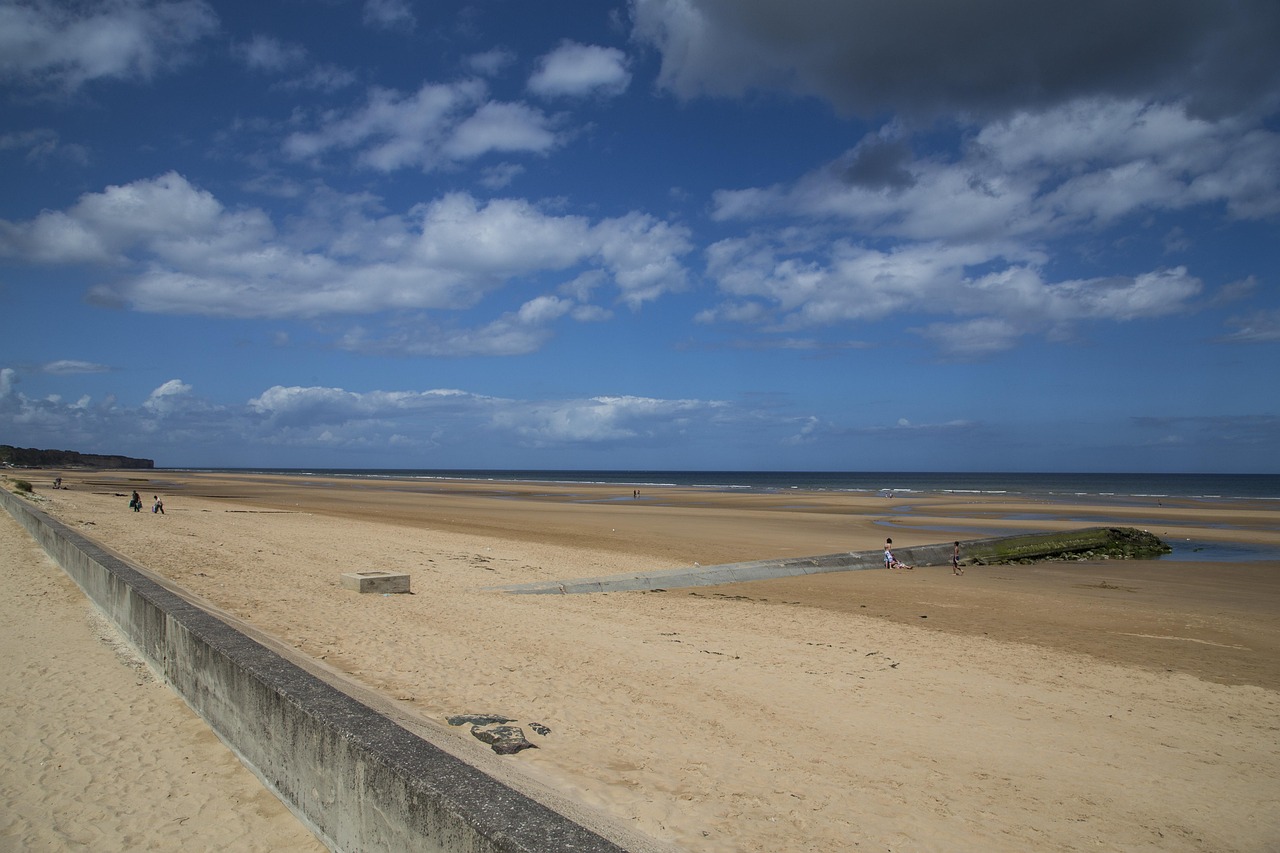
Standing on the D‑Day Landing Beaches is unlike standing on any other coastline in France. The sand looks ordinary enough—wind‑rippled, honey‑coloured, dotted with kids’ sandcastles and kites—but just below the surface lies one of the densest concentrations of 20th‑century history on the planet. It is a place where holiday caravans share lanes with military convoys on commemorative parades, where fishermen mend nets in harbours once jammed with invasion craft, and where locals still measure time against le Débarquement, 6 June 1944.
I’ve been based in Normandy on and off for more than a decade, and every year I return to this stretch of coast between Utah and Sword. I’ve watched dawn break over Omaha in January, walked Juno at high summer with Canadian veterans’ grandchildren, and biked the back lanes between hedgerows that once hid paratroopers. The D‑Day Landing Beaches are not a one‑and‑done “tick off the list” destination—they are layered, emotional, sometimes unexpectedly joyful, and constantly evolving.
In 2026, with post‑pandemic travel patterns settling and a fresh wave of exhibitions and restorations planned for the 2024–2029 “80th anniversary decade,” this is a particularly rich time to visit. Whether you are planning a 2 day itinerary for D‑Day Landing Beaches or stretching to a full 4 days in D‑Day Landing Beaches, this guide will walk you through the must‑see sites, the quieter hidden corners, and the living culture that surrounds one of history’s most famous coastlines.
Understanding the Coast & How It’s Laid Out
The D‑Day Landing Beaches stretch along roughly 80 kilometres of Normandy’s Côte de Nacre and Côte du Bessin, between the Cotentin Peninsula in the west and the Orne River in the east. For visitors, it helps to think in layers:
- West to East – the five beaches: Utah, Omaha, Gold, Juno, Sword. Each was assigned to a different Allied nation or corps. Driving from Utah to Sword without stops takes about 2.5 hours; with stops, it’s an absorbing multi‑day journey.
- Seafront, coastal ridge & inland bocage: The immediate beaches (bunkers, monuments, museums), the ridge line (German batteries, observation posts), and the interior patchwork of fields and sunken lanes where much of the fighting unfolded.
- Historic “gates” and quarters: Harbour towns like Arromanches and Courseulles, inland hubs like Bayeux and Sainte‑Mère‑Église, and modern commemorative clusters that have grown around major museums and cemeteries.
Chronologically, the story starts with the Atlantic Wall bunkers built by Nazi Germany, but the landscape is older: medieval villages, Roman roads, centuries‑old farms. When I walk between Sainte‑Marie‑du‑Mont and Utah Beach, I often think of it as palimpsest terrain—layers of Viking raids, Hundred Years’ War, 1944 invasion, and 21st‑century tourism lightly overlaid.
For planning purposes, imagine three main “corridors” you’ll travel through:
- Utah–Sainte‑Mère‑Église corridor (American airborne & beach landings): Rural, low‑key, with long beaches and quiet lanes.
- Omaha–Pointe du Hoc–Bayeux corridor (American beaches & mixed inland): Dramatic cliffs, major cemeteries, and the best small city base (Bayeux).
- Gold–Juno–Sword–Caen corridor (British & Canadian front): Denser villages, more urban at the Caen end, and rich museums.
In this travel guide for D‑Day Landing Beaches I’ll move broadly west to east, starting with the iconic sites and then sliding into lesser‑known but rewarding corners.
Suggested Itineraries: 2–4 Days on the D‑Day Coast
These itineraries are based on trips I’ve done repeatedly over the past years, including a long, research‑heavy visit in spring 2026. Consider them templates rather than strict schedules; tides, weather, and your own emotional bandwidth all play a role here.
2 Day Itinerary for D‑Day Landing Beaches
If you only have 2 days in D‑Day Landing Beaches, focus on depth rather than breadth: the Utah/Sainte‑Mère‑Église sector one day, and the Omaha/Colleville sector the next. Base yourself in Bayeux or Sainte‑Mère‑Église.
Day 1 – Utah Beach & Sainte‑Mère‑Église: Airborne Dawn to Beach Dusk
On a drizzly March morning in 2026, I started my day at Utah with the beach almost to myself. The wind was biting, but the light had that silver Normandy softness that makes even concrete bunkers look poetic.
- Morning – Sainte‑Mère‑Église & Airborne Museum
Begin inland at Sainte‑Mère‑Église, the first town liberated in the early hours of 6 June. Park just outside the square and walk in; the church spire still bears a paratrooper effigy, dangling in tribute to John Steele.
Visit the Airborne Museum, which has expanded again for the 80th anniversary decade with immersive exhibits and a remarkably moving glider hall. Allow at least 2 hours. Inside, I like to linger near the personal letters and the table‑sized relief map of the drop zones; they make the chaos of the night tangible. - Lunch – Simple, local food in the square
Grab a hearty galette complète (buckwheat crêpe with ham, egg, and cheese) or a bowl of moules marinières at a café facing the church. Prices here are less inflated than along the coast. This is a good time to people‑watch; you’ll notice a mix of veterans’ families, school groups, and bikers doing commemorative rides. - Afternoon – Utah Beach Museum & Dunes Walk
Drive 15 minutes to Utah Beach. The road crosses reclaimed marshes where causeways were once fiercely contested. The Utah Beach Museum sits almost on the sand, partly built into an old German bunker.
Inside, the highlight for me is the B‑26 Marauder aircraft suspended above the galleries and the room dedicated to planners like Theodore Roosevelt Jr. Spend another 2 hours here; don’t rush.
Afterwards, walk north along the beach past the pillboxes. At low tide, the sea retreats dramatically, and the wet sand mirrors the sky. Families fly kites, dogs chase balls, and yet the monuments keep you anchored in 1944. - Late Afternoon – Sainte‑Marie‑du‑Mont & Backroads
Continue by car or bike to Sainte‑Marie‑du‑Mont, a luminous little village with a beautiful church and a handful of stone‑built farmhouses. This area is perfect for a gentle drive along the hedgerow‑lined lanes, stopping at small memorials that rarely see tour buses. - Evening – Dinner & Night Stroll
Return to your base (I often stay in a B&B farmhouse between Sainte‑Mère and Utah). Look for a ferme‑auberge offering cider from their own orchards and creamy teurgoule (Norman rice pudding) for dessert.
If you’re staying near the coast in summer, head back to the dunes for sunset; the twilight here stretches late, and the beach empties out almost completely.
Day 2 – Omaha Beach & Normandy American Cemetery: Cliffs, Crosses & Quiet Lanes
This day is emotionally heavier, but essential. I usually start early and keep the schedule flexible, giving myself time to sit when needed.
- Morning – Pointe du Hoc
Drive to Pointe du Hoc, the German cliff‑top battery assaulted by US Rangers. Arrive at opening time to beat the crowds and have the eerie lunar landscape of bomb craters mostly to yourself.
Walk the full loop: from the visitor centre through the shattered bunkers to the cliff edge. Standing at the railing, I still catch my breath at the vertical drop and the thought of men climbing it under fire. - Late Morning to Early Afternoon – Normandy American Cemetery, Colleville‑sur‑Mer
Continue to the Normandy American Cemetery. Park, then walk through the visitor centre first—it’s easy to miss, but the exhibits contextualise the rows of white crosses and Stars of David you’ll soon see.
Time your visit, if possible, to stay for the midday or afternoon flag‑lowering ceremony (times vary seasonally; check in advance). I usually wander the graves in silence, then walk the path down through the woods to the overlook above Omaha Beach itself. - Afternoon – Omaha Beach (Saint‑Laurent & Vierville Sectors)
Drive down to the seafront at Saint‑Laurent‑sur‑Mer. The beach today feels deceptively calm, lined with holiday rentals and a few cafés. The modern “Les Braves” sculpture rises from the sand like shards of metal surf.
Walk west along the waterline towards Vierville; the slope of the shingle and the looming bluffs help you understand why Omaha was so costly.
Have a late lunch in one of the small seafront places—grilled fish, a carafe of local cider, and maybe an île flottante for dessert. - Evening – Bayeux Old Town
Finish the day in Bayeux, about 25–30 minutes’ drive. Wander its half‑timbered lanes and medieval cathedral quarter in the blue hour; the town escaped wartime destruction, so it offers a gentler, older face of Normandy to end a intense day.
I like to eat on Rue des Cuisiniers, a narrow lane that still feels almost medieval, at a small bistro frequented by locals rather than coach tours.
3 Day Itinerary for D‑Day Landing Beaches
3 days in D‑Day Landing Beaches lets you add the British and Canadian sectors, and a bit more breathing room. I recommend:
- Day 1 – Utah & Airborne (as above)
- Day 2 – Omaha, Pointe du Hoc & Bayeux (as above, but slower)
- Day 3 – Gold, Juno & Sword: Harbours, Mulberries & Canal Bridges
Day 3 – Gold, Juno & Sword: Eastward Along the Liberation Coast
I did this stretch most recently in June 2026 with two friends and a slightly overambitious list. We didn’t see everything—but we saw enough to fall in love with the smaller seaside towns.
- Morning – Arromanches‑les‑Bains & Gold Beach
Start at Arromanches, where the British built one of the artificial Mulberry harbours. Time your visit for low tide if you can; the hulking concrete caissons scattered offshore emerge like a ghost fleet.
Visit the Musée du Débarquement, recently revamped with more interactive displays, then take the clifftop path east for a panoramic view back over the remnants of the harbour. - Late Morning – Longues‑sur‑Mer Battery
Drive 10 minutes to Longues‑sur‑Mer, one of the best‑preserved German coastal batteries. Four concrete casemates still house original naval guns. The open fields around them, often thick with wildflowers by May, make this a surprisingly beautiful stop. - Lunch – Port‑en‑Bessin
Head to Port‑en‑Bessin, a working fishing harbour squeezed between cliffs. Eat on the quayside: scallops in season, fish soup, or simply a paper cone of frites with a view of trawlers bobbing in the basin. - Afternoon – Juno Beach & Juno Beach Centre
Continue east to Courseulles‑sur‑Mer. The Juno Beach Centre, created by Canadian veterans, has an intimate, personal tone that many visitors find especially affecting. The beach outside still has a few vestiges of the Atlantic Wall, softened by dunes and beach grass. - Late Afternoon – Sword Beach & Ouistreham
If energy allows, push on to Sword Beach at Ouistreham. Sword feels more overtly like a family resort today, with beach clubs and ice‑cream stands—but look for the monuments to British and Free French troops. - Evening – Pegasus Bridge
Finish at Pegasus Bridge over the Caen Canal, taken in the first minutes of D‑Day by British glider troops. The original bridge now sits in the Memorial Pegasus museum; a replica spans the canal. In the soft evening light, with the water reflecting the sky, it’s a quietly powerful spot.
4 Day Itinerary for D‑Day Landing Beaches
A 4 day itinerary for D‑Day Landing Beaches is ideal. With 4 days in D‑Day Landing Beaches you can see the major sites, wander inland bocage, and add some cultural or family‑friendly extras without rushing.
- Day 1 – Utah & Airborne
- Day 2 – Omaha, Pointe du Hoc & Bayeux
- Day 3 – Gold, Juno & Sword
- Day 4 – Bocage Country, Smaller Museums & Bayeux Old Town
Day 4 – Bocage Lanes, Hidden Memorials & Slow Time in Bayeux
On my last extended stay I devoted a whole day to the interior: no big museum stops, just small villages, hedgerows, and conversations with locals. It rounds out the understanding of the campaign beyond the beaches.
- Morning – Inland Villages (Saint‑Côme‑du‑Mont, Angoville‑au‑Plain)
Start around Saint‑Côme‑du‑Mont, a village that saw heavy fighting during the push off Utah Beach. Nearby Angoville‑au‑Plain has a small church where American medics famously treated both US and German wounded; inside, you can still see bloodstained pews and shell damage. - Midday – Country Lunch
Stop at a ferme‑auberge or roadside inn advertising produits fermiers. Expect robust fare: andouille de Vire (smoked tripe sausage), roast pork in cider, creamy local cheeses. This is a great day for food‑lovers who want to sample genuinely local cooking far from bus tours. - Afternoon – Bayeux Museums & Cathedral Quarter
Back in Bayeux, delve into the Musée de la Bataille de Normandie, then (if you haven’t already) the famous Bayeux Tapestry—an 11th‑century narrative of a different invasion, the Norman Conquest of England. Walking out into the cathedral square afterwards, you feel acutely how this region’s history of war stretches centuries before 1944. - Evening – Slow Stroll & Final Dinner
For your last evening, wander Bayeux’s riverside paths, then tuck into a final meal on a side street—somewhere candlelit, with chalkboard menus, where the owner still pours your cider personally.
12 Key Quarters, Monuments & Sites – In Depth
Below are the 12 main areas that make up the D‑Day story on the ground, each with history, what to look for, and my own notes from repeated visits.
1. Utah Beach & Sainte‑Marie‑du‑Mont
Why it matters: Utah was the westernmost of the five beaches, taken by US forces, and in some ways the most tactically successful thanks to currents that accidentally pushed the first waves south—away from the heaviest defenses.
Historically, this was a quiet stretch of dunes and marshes, dotted with remote farms. Germans fortified it with concrete Widerstandsnester (resistance nests) and flooded fields inland. Today, the marshes are peaceful again, alive with birds, and the main cluster of buildings around the Utah Beach Museum feels almost like a small seafront hamlet.
What to See
- Utah Beach Museum: Built over a former German bunker, with a strong narrative flow from pre‑invasion planning to the end of the war in Europe. Don’t miss the B‑26 aircraft hall, the personal stories near the exit, and the outside monuments lining the dunes.
- German Bunkers & Monuments along the dunes: Walk in either direction from the museum and you’ll encounter casemates half‑buried in sand, and smaller memorials to individual units.
- Sainte‑Marie‑du‑Mont village: A postcard‑pretty church, stone houses, and several plaques marking significant events. In June, the flags and wreaths are everywhere; in winter, it’s quietly atmospheric.
Personal Notes & Tips
My favourite time here is very early morning, off‑season, when the only sounds are the wind and the surf. Once, in February, I watched a lone horse and rider canter along the tideline, their silhouettes framed by a sky the colour of pewter. It felt like time had collapsed—the same wind, the same sea, utterly different circumstances.
- Getting there: A car is almost essential; there are limited buses from Carentan in high season. From Sainte‑Mère‑Église it’s about 15 minutes’ drive.
- Family‑friendly? Yes. The museum is engaging for older kids (8+) and the beach is wide, sandy, and ideal for sandcastle engineering.
- Food: The seafront café near the museum is serviceable but touristy. For character, head back inland to Sainte‑Marie‑du‑Mont or a nearby ferme‑auberge.
2. Sainte‑Mère‑Église & Airborne Sector
Why it matters: One of the first towns liberated in the early hours of D‑Day, famous for the paratrooper caught on the church spire. It became a symbol of the airborne operations that preceded the beach landings.
The town square, with its cafes, church, and stone houses, is the emotional heart of the American airborne story. In June, it’s a whirl of reenactors, vintage jeeps, and live music; in November, the same square is hushed, with wreaths gently fraying in the rain.
What to See
- Airborne Museum: Spread across several pavilions, including a WACO glider and a C‑47 aircraft you can “ride” in a simulated flight. Exhibits blend artefacts with immersive scenography.
- Église Notre‑Dame de Sainte‑Mère‑Église: Look up to see the paratrooper effigy; inside, note the stained glass windows depicting paratroopers among saints.
- Surrounding Villages (La Fière, Sainte‑Marie‑du‑Mont): Short drives or bike rides away, scattered with small memorials and bridges that were crucial to holding the causeways off Utah.
Personal Notes & Tips
I have a soft spot for Sainte‑Mère‑Église in shoulder season, particularly September. The kids are back at school, the commemorative crowds have thinned, and you can still sit outside for coffee in a light jacket. Once, I ended up at a table next to a local farmer whose father had been a teenager here in 1944; we spent an hour swapping stories about inherited memories and how the town has changed.
- Allow: 3–4 hours minimum (museum + town + a short drive to La Fière).
- Hidden gem: The small local produce market (usually Thursday morning) is a good place to pick up picnic supplies and people‑watch.
3. Pointe du Hoc
Why it matters: A forbidding promontory between Utah and Omaha, fortified with guns that threatened both beaches. US Rangers scaled the cliffs under fire to neutralise it.
The terrain here is extraordinary: deep bomb craters pockmark the grass, bunkers sit cracked and askew, and the edge drops sheer to the sea. The contrast between the violence that created this landscape and the almost pastoral quiet of grazing sheep today is one of the most haunting juxtapositions on the coast.
Visiting Experience
I’ve visited Pointe du Hoc in all weathers. In high summer 2026, the site was busy but still felt solemn; in winter, with horizontal rain stinging my face, the climb from the car park to the cliff edge was an act of commitment in itself. The Atlantic, slate‑grey and restless, drove home what the Rangers faced in their small landing craft.
- Route: From the visitor centre, follow the loop trail clockwise. It weaves through craters, past the shattered observation post, to the cliff edge.
- Look for: The collapsed casemates, twisted metal rebar, and small plaques dedicated to individual Ranger units.
Practical Tips
- Footwear: Essential. The ground can be muddy and uneven; some paths close in wet conditions.
- Time: 1–1.5 hours for a thoughtful visit.
- Family note: Kids often love the “craters and tunnels” aspect, but keep a close eye near the cliffs.
4. Omaha Beach & Vierville–Saint‑Laurent Sector
Why it matters: Omaha was the bloodiest of the five beaches, where US forces met fierce resistance and the plan nearly failed. Its long sweep of sand backed by bluffs is deceptively gentle today.
Omaha curves between the villages of Vierville‑sur‑Mer in the west and Colleville‑sur‑Mer in the east. Modern holiday homes line parts of the front; kids play in the surf. Yet if you stand with your back to the water and just look up at the heights, it’s easy to imagine the challenge of crossing this open killing ground.
What to See
- Les Braves Memorial: A striking modern sculpture on the sand at Saint‑Laurent, dedicated to sacrifice and freedom.
- Monuments & Remnants: A few bunkers and gun positions remain, often hidden in plain sight behind car parks or dunes.
Personal Moments
One November morning, I walked Omaha in a bitter wind, the only other figures distant dog walkers. The tide was out, leaving a vast, almost featureless plateau between me and the sea. I could hear the flag snapping on its pole above the dunes, and nothing else. It’s those quiet, off‑season hours that stay with me most.
Tips
- Combine with: Normandy American Cemetery above, plus Pointe du Hoc earlier or later in the day.
- Parking: Several small lots along the front; in peak June weekends they fill quickly.
5. Normandy American Cemetery, Colleville‑sur‑Mer
Why it matters: The resting place of over 9,000 American service members, overlooking the eastern end of Omaha Beach. It’s one of the most iconic and emotionally intense sites on the coast.
The rows of crosses and Stars of David seem to flow with the terrain, gently undulating towards the sea. The light here is often extraordinary—mist in the morning, golden slanting beams in late afternoon. I rarely see visitors leave without tears in their eyes.
What to Expect
- Visitor Centre: Modern, subterranean, and well‑curated, with personal stories, timelines, and film footage.
- Central Mall & Chapel: The semi‑circular memorial with its bronze statue and map room is worth time; the tiny chapel offers a place to sit in quiet.
- Grave Fields: You’re free to walk the lawns; please do so respectfully. Many visitors look for specific names or states.
- Overlook & Path to the Beach: A path leads down through woods to a viewpoint above Omaha. Direct beach access has changed multiple times; check current routes in 2026 at the visitor centre.
Visiting Tips
- Time: 2–3 hours is typical, more if you read every panel.
- Ceremonies: The flag‑lowering ceremony near closing is simple and powerful; arrive early to position yourself discreetly.
- Etiquette: Dress modestly; avoid loud conversations and phone calls. Drones are prohibited; photography is allowed but be sensitive about taking close‑ups of graves if family members are present.
6. Gold Beach & Arromanches‑les‑Bains
Why it matters: A British landing beach and site of Mulberry B, the massive artificial harbour that allowed the Allies to unload vast quantities of men and material despite lacking a major port.
Arromanches is a small, slightly faded resort town backed by cliffs, its seafront dominated by the remnants of the Mulberry harbour—huge concrete caissons scattered offshore and on the sand at low tide. When the tide falls, you can walk out along the beach towards some of them, the smell of seaweed and the cries of gulls filling the air.
Key Sights
- Musée du Débarquement: Focused specifically on the Mulberry harbour, with models, films, and artefacts.
- Clifftop Viewpoints: From the east, you get the classic elevated view of town, beach, and caissons.
- Sea Wall Promenade: Ideal for an evening stroll, when the day‑tripping crowds have thinned.
Personal Experience
On a hot June evening, I once sat on the sea wall here eating a paper tray of moules‑frites, watching kids clamber on the low‑tide rocks as the sun turned the caissons copper. A group of British veterans and their families were sharing a bench nearby, quietly pointing out features of the harbour to grandchildren. Arromanches can be very busy by day, but at sunset it often feels like a village again.
Tips
- Tides: Check tide tables if you want low‑tide photos of the caissons.
- Parking: Several paid lots in town; arrive early on June weekends.
7. Longues‑sur‑Mer Battery
Why it matters: One of the best‑preserved sections of the Atlantic Wall, with original 150mm guns still in place. It sat between Omaha and Gold, firing on both.
The battery sits on open farmland just inland from the cliffs, with four large casemates aligned towards the sea. The feeling here is different from the beaches—wide horizon, wind‑ruffled fields, larks singing overhead.
What to Look For
- Casemates: Step inside to see the scale of the guns and the thickness of the concrete.
- Command Post: Near the cliff edge, overlooking the channel, with dramatic views.
- Interpretive Panels: Simple but helpful; in peak season, guided tours are sometimes available.
Tips
- Time: 45–90 minutes.
- Weather: Very exposed; bring a windbreaker even in summer.
8. Juno Beach & Courseulles‑sur‑Mer
Why it matters: The main Canadian landing beach, where units like the Royal Winnipeg Rifles and Regina Rifles came ashore. Courseulles is a lively seaside town wrapped around a marina and fishing port.
Juno today is one of the most “holiday”‑feeling beaches, with kids’ playgrounds, sailing schools, and vacation flats. Yet the dunes still hide bunkers, and Canadian flags fly next to French ones from many homes.
Key Sights
- Juno Beach Centre: Canada’s official museum here, combining war history with exhibits on Canadian society and culture. Thoughtful and well‑designed.
- Guided Bunker Tours: In season, the Centre offers small‑group tours of nearby bunkers and German positions buried in the dunes.
- Courseulles Marina & Fish Market: A good spot for lunch—look for stalls selling just‑landed oysters and prawns.
Personal Notes
I often recommend Juno as a good base for families: plenty of accommodation, playgrounds, and a nice balance between history and holiday vibe. One July evening I watched a group of Canadian teenagers, here with their school, quietly place maple leaf flags on a small memorial before heading off to get ice creams. It captured the mix of remembrance and normal life that defines this coast now.
9. Sword Beach, Ouistreham & Pegasus Bridge
Why it matters: Easternmost of the five beaches, assaulted by British and Free French forces. The nearby capture of Pegasus Bridge by glider troops in the early hours of D‑Day secured crucial crossings over the Orne and Caen Canal.
Ouistreham itself is a busy ferry port with a broad sandy beach and casino; inland, the canal corridor towards Caen feels almost like a different world—flat water, towpaths, line of poplars.
Key Sights
- Sword Beachfront: Memorials, a few remaining bunkers, and a wide family‑friendly beach.
- Memorial Pegasus (Ranville): Excellent museum with the original Pegasus Bridge, glider, and well‑explained exhibits.
- Pegasus Bridge Site: The modern bridge is a faithful replica; cafés on either side (including the historic Café Gondrée) are popular stops.
Tips
- Combine with Caen: Easy to pair with the Caen Memorial Museum if you have a car.
- Evening: The canal is lovely at dusk; I once walked the towpath under a pink sky, with swans drifting past the bridge.
10. Bayeux Old Town & Cathedral Quarter
Why it matters: Bayeux was the first large French town liberated by the British and, crucially, escaped major destruction. It’s now the most atmospheric base for exploring the D‑Day coast, with intact medieval streets, the Bayeux Tapestry, and several WWII museums.
The old town curls around the Cathédrale Notre‑Dame, a towering Gothic structure whose spire is visible from fields outside town. Half‑timbered houses lean over narrow lanes; the little Aure river threads through, turning the wheel of an old mill.
What to See
- Cathédrale Notre‑Dame: Free to enter; climb the towers on guided tours in season for views over terracotta roofs and surrounding countryside.
- Bayeux Tapestry Museum: An 11th‑century embroidery depicting William the Conqueror’s invasion of England. It puts D‑Day in a longer continuum of cross‑Channel invasions.
- Musée de la Bataille de Normandie: Solid mid‑sized WWII museum focusing on the wider Normandy campaign.
- Evening Light Shows (summer): In recent years Bayeux has hosted tasteful sound‑and‑light projections on the cathedral façade and riverside trees. For 2026, expect expanded programming around the 82nd D‑Day anniversary.
Staying in Bayeux
I’ve stayed in Bayeux more than anywhere else on the coast. Inside the old quarter, you get cobbled streets, small guesthouses, and the pleasure of walking home under the lit‑up cathedral. In the newer outskirts, chain hotels offer easier parking and often cheaper rates, but you trade away much of the magic.
If you can, choose a small hotel or B&B within a 10‑minute walk of the cathedral. It makes evening and early‑morning walks through the old town effortless—and those quiet hours are when Bayeux truly shines.
11. Port‑en‑Bessin & The Fishing Harbours
Why it matters: A working harbour between Omaha and Gold, used by the British as a fuel pipeline terminal (the famous PLUTO project). Today it’s one of the best places on the coast to feel the rhythm of everyday life rather than just commemoration.
The harbour is hemmed in by cliffs, with coloured boats moored in a tidal basin that empties dramatically at low water. Fish auctions happen early; cafés and restaurants line the quays, their chalkboards boasting the day’s catch.
Experiences
- Harbour Stroll: Walk the quays, watch boats lock in and out, and climb the steps up either side for views back over the town.
- Seafood Dinner: Some of my best seafood meals in Normandy have been here—simple grilled bar (sea bass), scallops, and mussels.
- Photographic Atmosphere: In the blue hour, when the harbour lights reflect off the wet cobbles and the last boats clink against the quay, it feels almost cinematic.
12. The Inland Bocage & Hedgerow Country
Why it matters: Much of the hardest fighting in Normandy took place not on the beaches but in the inland maze of small fields, tall hedgerows, and sunken lanes known as the bocage.
Drive just a few kilometres from the coast and you enter a patchwork of pastures enclosed by earth banks and thick hedges, often taller than a person. In summer, the lanes are tunnels of green; in autumn, they drip golden leaves.
How to Experience It
- Self‑Drive or Cycling Routes: Use small departmental roads between Carentan, Saint‑Lô, and Bayeux; stop at minor memorials and farm cideries.
- Guided Tours: Several local guides (including a few old farmers) run small tours explaining how the bocage shaped the battle; look for 2026 offerings via Bayeux tourist office.
One of my most memorable days in 2025 was spent following a retired farmer around his family land near Saint‑Lô as he explained, in patient French, how his father had watched the hedgerows explode under Allied bulldozers. That day made the history feel intensely local and personal in a way no museum ever could.
Local Food in D‑Day Landing Beaches & Where to Eat
Normandy’s D‑Day coast is not just a place to absorb history; it’s also a region to eat extremely well, especially if you like cream, butter, apples, and seafood.
Signature Dishes & Drinks
- Cider (& Calvados): Light, crisp, and slightly rustic; often served in ceramic bowls. Calvados is the fiery apple brandy—sip slowly.
- Camembert, Livarot, Pont‑l’Évêque: The holy trinity of local cheeses—unctuous, aromatic, and best enjoyed with crusty baguette.
- Moules‑Frites: Mussels in cream or white wine, served with a heap of fries, omnipresent along the coast.
- Saint‑Jacques (Scallops): From ports like Port‑en‑Bessin; winter is prime season.
- Teurgoule: Slow‑baked rice pudding flavoured with cinnamon—Norman comfort food.
- Galettes & Crêpes: Savoury buckwheat and sweet wheat pancakes, ideal for casual meals with kids.
Where to Eat – Personal Favourites
- Bayeux Old Quarter: Tucked on side streets off Rue Saint‑Jean and around the cathedral are tiny bistros that survive on locals rather than tour buses. I favour places where the menu du jour is chalked up each morning based on the market.
- Port‑en‑Bessin Quayside: For seafood with harbour views; look for restaurants with shorter menus (a sign of fresher fish).
- Family‑Run Inns Inland: Around Carentan, Isigny, and the bocage, inns often serve heavier, home‑style dishes—perfect after a grey, windy day on the beaches.
- Beachfront Terraces (Juno, Sword, Gold): More casual, sometimes a bit touristy, but unbeatable for people‑watching and sunset views.
Old Town vs Modern Areas for Dining
Inside old quarters like Bayeux or the historic hearts of Courseulles and Arromanches, restaurants tend to be smaller, cosier, and more atmospheric—stone walls, exposed beams, candlelight. Service may be slower, and reservations are wise in high season.
In modern strips and roundabout zones on the outskirts, you’ll find chains and large brasseries with easier parking and longer hours, but less charm. I often do lunch in these practical spots (especially on museum‑heavy days) and save the old‑town bistros for dinners when I want to linger.
Evenings on the D‑Day Coast
Evenings bring a different mood to the D‑Day Landing Beaches. Day‑trippers retreat inland, coach parks empty, and the monuments and ruins slip into silhouette.
Lit‑Up Monuments & Night Walks
- Bayeux Cathedral: Beautifully illuminated, especially during summer light shows. The surrounding streets take on a warm, golden glow.
- Arromanches Sea Wall: Streetlamps cast reflections on the wet sand; the Mulberry caissons loom as dark shapes offshore.
- Courseulles & Juno Beachfront: A gentle promenade perfect for an evening stroll with an ice cream or crêpe.
- Omaha & Utah at Dusk: More austere; no big lights, just the fading sky and the steady rush of waves. Powerful in their simplicity.
Evening Tours & Cultural Performances
In 2026, expect an expanding programme of evening activities, especially around the June anniversary:
- Nighttime Battlefield Tours: A few local guides run small‑group visits at dusk, focusing on storytelling and reflection rather than museum stops.
- Choral Concerts & Classical Music: Churches in Bayeux, Sainte‑Mère‑Église, and smaller villages often host summer concerts—check local posters or tourist offices.
- Sound‑and‑Light Shows: Bayeux and occasionally Caen project tasteful historical narratives onto monuments; they’re family‑friendly and free.
Atmosphere: Busy Hours vs Quiet Windows
Mid‑day in June at Sainte‑Mère‑Église or Arromanches can feel almost like a festival—reenactors, flags, bands. At 7 am or 10 pm, those same streets might be nearly empty, the only sounds church bells and distant gulls.
If you’re sensitive to crowds or simply want more space to think, build early‑morning or late‑evening walks into your itinerary. One of my favourite habits is to wander Bayeux’s riverside path just after sunrise; mist often hangs low over the water, and the cathedral emerges like a ghost from the fog.
Events & What’s New in 2026–2027
With the 80th anniversary marked in 2024, the years 2026–2027 are part of an “anniversary decade” of expanded programming and infrastructure updates.
Major Annual Events
- D‑Day Festival Normandy (late May–mid‑June, annually): A programme of parachute drops, concerts, fireworks, military vehicle parades, and commemorative ceremonies spread across the coast.
- Liberty Dinners & Veterans’ Gatherings: Bayeux, Sainte‑Mère‑Église, and Courseulles often host special dinners and talks, some ticketed, others open‑air.
- Marathons & Trail Races: Several running events trace portions of the landing beaches and inland routes—watch for the 2026–2027 calendars if you like combining sport and history.
What’s New for 2026–2027
- Upgraded Exhibits: Many museums (Utah, Airborne, Juno Beach Centre) are rolling out refreshed exhibits and improved accessibility features.
- Improved Signage & Trails: Expect clearer waymarking for cycling routes between beaches and Bocage villages, plus bilingual interpretive panels at smaller memorials.
- Digital Tools: More sites are introducing official apps and augmented‑reality content; check museum websites before your trip.
Day Trips & Nearby Attractions
If you base yourself for several nights, there are excellent day trips that broaden your sense of Normandy beyond 1944.
- Mont‑Saint‑Michel: About 1.5–2 hours from Bayeux. A dramatic abbey on a rocky island, best visited early or late to avoid crowds. Combine with a bay walk if conditions allow.
- Caen Memorial Museum: A comprehensive museum of WWII, the Cold War, and peace—easily a half‑day. Pair with a walk in Caen’s restored old quarter.
- Honfleur & Côte Fleurie: East of the D‑Day sector, a postcard harbour town loved by painters, plus seaside resorts like Deauville.
- Normandy Cider & Cheese Routes: Drive or bike between farms offering tastings; tourist offices in Bayeux and Isigny can supply maps.
When planning, remember that the emotional intensity of the D‑Day sites can be high. Interspersing a day at Mont‑Saint‑Michel or among orchards and half‑timbered villages can be a welcome counterbalance.
Cultural Etiquette & Local Customs
Basic French Courtesies
- Greetings: Always start interactions with “Bonjour, Monsieur/Madame” before launching into questions.
- Language: Many locals speak some English, especially in tourism, but appreciate attempts at French. Even a “Bonjour, parlez‑vous anglais ?” smooths the way.
At Memorials & Cemeteries
- Dress respectfully (no swimwear, bare chests, or loud slogan T‑shirts).
- Keep voices low; this is not the place for speakerphones or loud music.
- Do not climb on monuments or bunkers unless specifically allowed.
- Drone use is heavily restricted or banned in and around cemeteries and many sites.
In Villages & Churches
- Many churches remain active parishes; if a service is ongoing, enter discreetly or wait outside.
- Ask before photographing people, especially veterans or uniformed participants at ceremonies.
Restaurant & Café Customs
- Table service is the norm; wait to be seated unless clearly indicated otherwise.
- Service is included in menu prices; rounding up or leaving small coins is appreciated but not mandatory.
- Lingering over coffee after a meal is normal; you won’t be rushed.
Practical Travel Tips & Logistics
Getting Around: Car, Public Transport & Tours
- Car Rental: The most flexible way to explore, especially for smaller sites and the bocage. Rent in Caen, Bayeux, or even Paris (about 3 hours’ drive).
- Public Transport: Limited. Bayeux and Carentan have rail connections, and seasonal buses link some coastal towns, but frequencies are low.
- Guided Tours: Excellent option if you don’t want to drive. Small‑group tours leave from Bayeux, Caen, and sometimes Paris, covering 1–3 beaches per day.
- Cycling: Increasingly popular; dedicated routes and quiet back roads connect many sites, but distances can be significant.
Money‑Saving Strategies
- Combined Tickets: Some museums offer joint passes (e.g., Bayeux’s tapestry + battle museum). Ask at tourist offices.
- Picnics: Supermarkets and weekly markets make it easy to picnic; beaches and rural pull‑outs provide perfect settings.
- Off‑Season Travel: April, May (excluding early June), September, and October often bring lower accommodation rates and fewer crowds.
SIM Cards & Connectivity
- EU Visitors: Roaming within the EU is often included in domestic plans (check with your provider).
- Non‑EU Visitors: Buy a local SIM (Orange, SFR, Bouygues) at airports, major train stations, or supermarkets. Coverage is generally good, though some rural pockets in the bocage can be patchy.
Driving, Licences & Rules
- Licences: Most foreign licences (including US, Canadian, UK, Australian) are accepted for short‑term visits. An International Driving Permit is recommended but not always required; check latest French regulations before departure.
- Road Rules: Drive on the right; roundabouts are common; speed limits drop when entering villages.
- Alcohol Limits: Strict; designated driver strongly advised, especially given the lure of cider and Calvados.
Visa Requirements
France is part of the Schengen Area. Visitors from many countries (including the UK, US, Canada, Australia, New Zealand, Japan) can enter visa‑free for short stays, but new ETIAS pre‑travel authorisation is being phased in—check the official EU and French government sites for 2026 requirements.
Seasonal Considerations & Weather
- Spring (April–May): Wildflowers in the bocage, changeable weather, fewer crowds. Great for photographers and walkers.
- Early June: Very busy around the 6 June anniversary—parades, flyovers, ceremonies. Moving but crowded; book far ahead.
- Summer (July–August): Warm, often breezy; best beach weather; peak family travel; higher prices.
- Autumn (September–October): My favourite—soft light, cooler air, quieter sites, and apple harvest in full swing.
- Winter (November–March): Stormy seas, many smaller businesses closed or on reduced hours, but extraordinary atmosphere on near‑empty beaches.
Historic‑Area Logistics & Etiquette
- Crowd Avoidance: Visit major cemeteries and museums at opening or late afternoon; mid‑morning to mid‑afternoon is busiest, especially when cruise ship excursions are in town.
- Dress Codes: No strict rules at most sites, but modest attire is respectful at cemeteries and churches.
- Photography: Allowed in most museums, sometimes without flash; always check signage. Avoid intrusive photography of people in moments of grief.
- Accessibility: Major museums and cemeteries are generally accessible, but older bunkers, cliff paths, and cobbled old‑town streets can be challenging. Contact key sites ahead if mobility is an issue.
Summary & Final Recommendations
The D‑Day Landing Beaches are not just a list of things to do in D‑Day Landing Beaches; they’re a landscape of memory that rewards slow, thoughtful travel. Whether you follow a concise 2 day itinerary for D‑Day Landing Beaches or stretch to a rich 4 day itinerary for D‑Day Landing Beaches, the key is to balance big, iconic must‑see attractions in D‑Day Landing Beaches—Utah, Omaha, the Normandy American Cemetery, Arromanches, Juno, Sword—with quieter hidden gems in D‑Day Landing Beaches in the bocage and small villages.
For most travellers, I recommend:
- Base in Bayeux (or Sainte‑Mère‑Église if you’re focused on the western sector) for 3–4 nights.
- Plan one beach sector per day, mixing museums with open‑air sites to avoid “exhibit fatigue.”
- Build in early‑morning or late‑evening walks for reflection—on Omaha, Utah, or simply through Bayeux’s old lanes.
- Eat locally: farmhouse lunches inland, seafood on the quays, and cider wherever you can.
As for the best seasons to visit D‑Day Landing Beaches, if your dates are flexible, target late April–May (excluding early June) or September–early October. You’ll still enjoy long days and relatively mild weather, with fewer crowds and more space to connect with the stories embedded in this coastline.
Every time I leave the D‑Day coast, I find a few grains of sand in my shoes days later—a small, tangible reminder that this place gets under your skin. Come with curiosity, respect, and a little extra time, and it will stay with you long after you’ve brushed the sand away.