Why Visit Dinan?
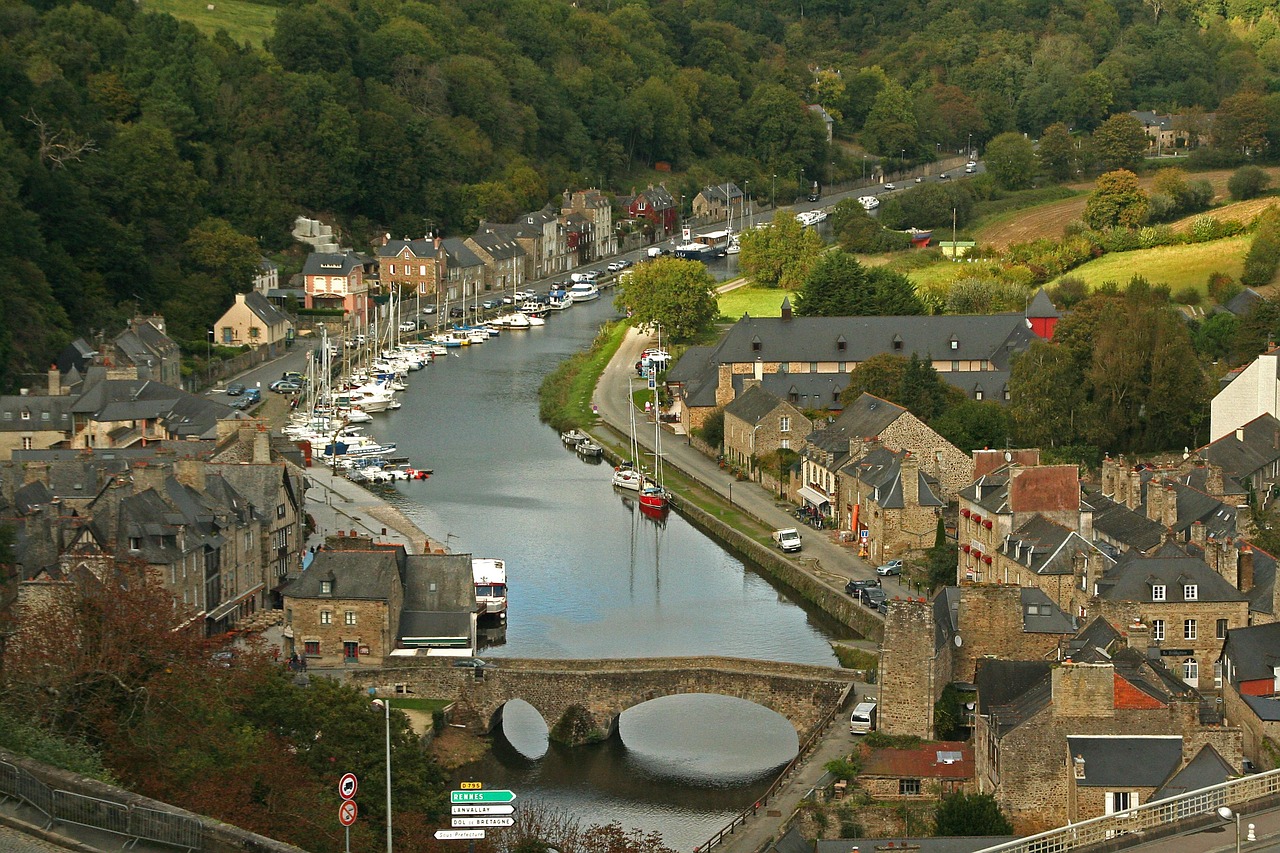
Dinan is the kind of place that feels like a movie set the first time you see it. Half-timbered houses lean into narrow cobblestone streets, medieval ramparts circle the old town, and the River Rance glitters below like a lazy ribbon of light. I still remember my very first morning here: church bells from the Basilique Saint-Sauveur, the smell of buckwheat galettes on Rue de l’Horloge, and that slightly damp Breton air that makes colors look saturated and alive.
Unlike some larger French cities, Dinan is compact and deeply walkable. In three days you can see the highlights; in four or five days you can start slipping into the rhythm of local life. It’s also one of the best bases in Brittany for slow travel: day trips to Saint-Malo, Dinard, Cancale, and the Emerald Coast are all easy, yet every evening you’ll find yourself back on those familiar stones of Rue du Jerzual.
This travel guide for Dinan is based on multiple week-long stays between 2018 and 2025, including my last visit in late 2025 while researching updated restaurant openings and the 2026–2027 festival calendar. I’ve tried to write it as if I’m handing you my own annotated notebook: favorite crêperies, the bench with the best sunset view over the Rance, hidden gardens behind unassuming doors, and the little practical things (like where to buy a SIM card or how steep Rue du Jerzual really is).
Whether you’re planning a 3 day itinerary for Dinan packed with the must-see attractions in Dinan, or 5 days in Dinan to savor local markets and cultural experiences in Dinan, you’ll find detailed routes, stories, and travel tips for Dinan below.
Table of Contents
- Why Visit Dinan?
- Dinan at a Glance (2026)
- Neighborhoods & Areas to Explore
- 20 Must-See Attractions in Dinan (With Stories & Tips)
- 3–5 Day Itineraries for Dinan
- Local Food in Dinan: What & Where to Eat
- Nightlife, Entertainment & Cultural Experiences
- Day Trips & Nearby Highlights
- Cultural Etiquette & Local Customs
- Practical Travel Advice for Dinan
- Major Events & Festivals 2026–2027
- Summary & Best Seasons to Visit Dinan
Dinan at a Glance (2026)
Dinan sits on a hill above the River Rance in the Côtes-d’Armor department of Brittany, northwestern France. The walled old town is one of the best-preserved medieval centers in the country, yet it never feels like a museum: there’s a weekly market, schoolkids rushing along the ramparts, and a constant murmur from cafés spilling into squares.
In 2026, Dinan remains delightfully human-scale. No metro, no skyscrapers, no chain coffee shops in the center—just a maze of stone and timber, with the river port of Lanvallay below acting as a gentle counterpoint to the hilltop town.
- Population: ~11,000 in the town proper
- Region: Brittany (Bretagne)
- Language: French (some locals also speak Breton or Gallo); English is understood in most tourist-facing places, especially in summer
- Best for: Couples, families, photographers, food lovers, history buffs, slow travelers
- Less ideal for: Hardcore nightlife seekers, those who dislike hills (though there are workarounds)
Neighborhoods & Areas to Explore in Dinan
Vieille Ville (Old Town)
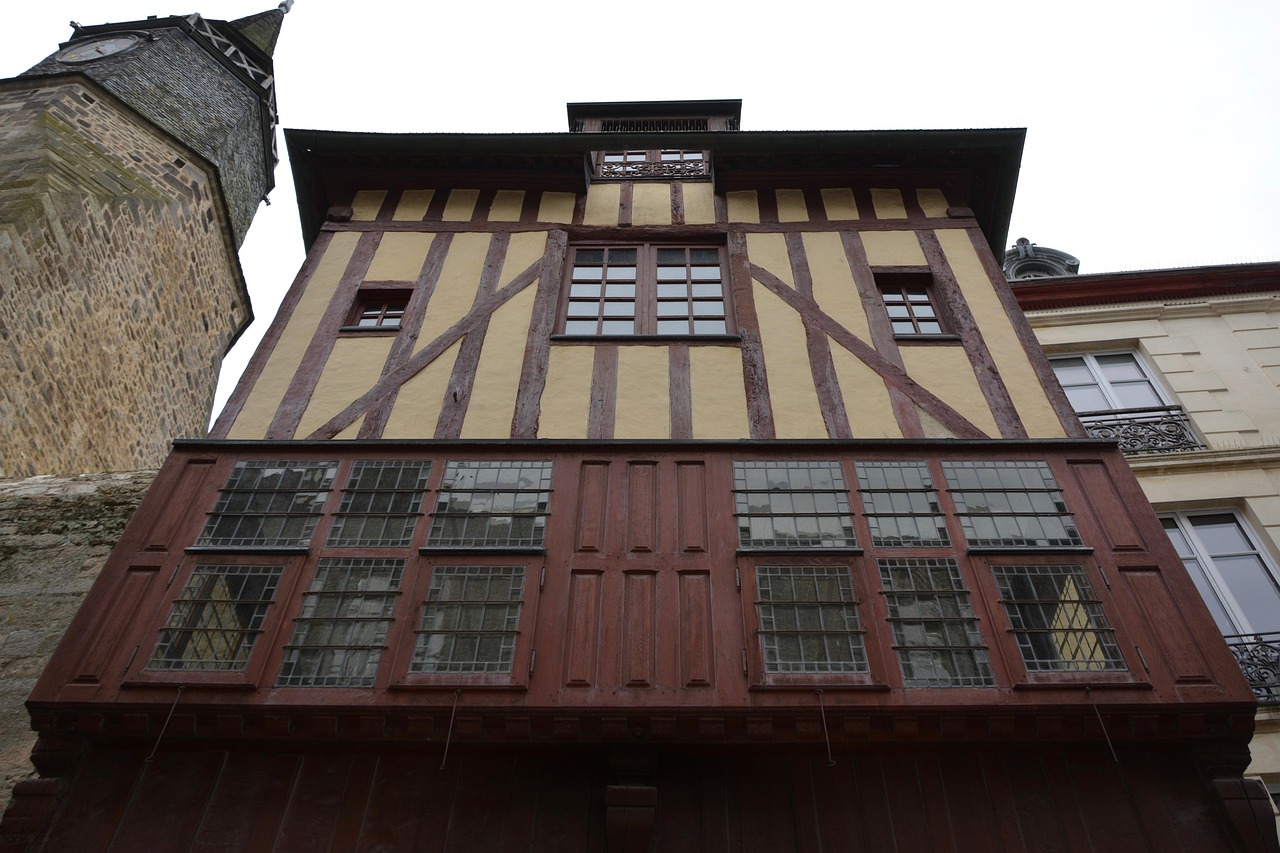
This is where you’ll spend most of your time: a knot of cobblestone lanes, leaning half-timbered houses, small squares, and the main sights like the Château de Dinan and the Basilique Saint-Sauveur. I usually stay here, even if it means hauling a suitcase up a hill—being able to stroll home after dinner is worth every step.
The atmosphere changes through the day: quiet and blue in the early morning, bustling around the market and Rue de l’Horloge at midday, and golden and relaxed in the evening when the tour buses have gone.
Rue du Jerzual & Port de Dinan / Lanvallay
Rue du Jerzual is the iconic steep street that connects the walled town to the river port. It’s lined with artists’ workshops, stone houses, and those small details—door knockers, carved lintels—that reward slow walking. At the bottom, the Port de Dinan (technically Lanvallay on the opposite bank) is all about water, boats, and long, lazy lunches by the river.
For me, this is the “breathing space” of Dinan: when the hilltop feels crowded, I walk down Jerzual, grab an ice cream by the Rance, and watch the boats drift by.
Faubourg Saint-Malo & Around the Ramparts
Outside the most touristy streets, you’ll find quieter residential lanes, little parks, and some of the best viewpoints along the ramparts. I like to loop along the walls in the late afternoon, when the light hits the slate roofs just right and you can look down toward the river.
Modern Dinan (Around the Train Station)
The area around the station isn’t why you came to Dinan, but it’s useful: supermarkets, pharmacies, a couple of budget hotels, and bus connections. If you’re renting a car, you’ll probably deal with this area at least once. I often pop into the larger supermarket here to stock up on picnic supplies.
20 Must-See Attractions in Dinan (With Stories, History & Tips)
Below are 20 of the best places to visit in Dinan. Rather than a bare list of things to do in Dinan, I’ve written each as a mini-article: a mix of history, how it feels to be there, and practical tips. They’re ordered roughly from the most iconic to more “hidden gems in Dinan”.
1. Château de Dinan & Medieval Ramparts
The first time I climbed the keep of the Château de Dinan, it was a windy March afternoon. From the top, the entire town spread out like a medieval diorama: the basilica’s dark bulk, the tangle of timbered houses, and, far below, the delicate silver thread of the Rance. It was the moment I understood why this hilltop mattered so much strategically—and why it still feels like the heart of Dinan.
The château itself is really a fortified ensemble: a 14th-century keep (Donjon de la Duchesse Anne), a gatehouse (Porte du Guichet), and lengths of ramparts you can walk along. Inside, exhibitions cover Dinan’s role in the Duchy of Brittany, medieval warfare, and daily life. I like the small details best: carved stones, old graffitis, and models that help you imagine siege engines lobbing projectiles over the walls.
Good for: Families (kids love the towers), history lovers, photographers, anyone building a 3 day itinerary for Dinan.
Practical tips:
- Getting there: The château sits at the southeastern edge of the old town, about 5–10 minutes’ walk from the center (it’s well-signposted).
- Time needed: 1.5–2 hours if you explore the exhibitions and ramparts.
- Accessibility: The interior includes narrow stone staircases; not ideal for those with mobility issues. You can still enjoy some views from outside the walls.
- Best light: Late afternoon for photos of the towers and surrounding walls.
2. Rue du Jerzual: Dinan’s Iconic Steep Street
If there’s a single image that sums up Dinan, it’s Rue du Jerzual. This impossibly steep, cobblestoned lane has worked my calf muscles more than any gym session, but I still walk it almost every day when I’m in town. The houses lean over the path, stone walls drip with moss, and tiny workshops spill out with paintings, ceramics, and textiles.
Historically, this was the commercial artery connecting the river port with the walled town above. Goods came up by horse, winch, and sheer determination. Today it’s more about slow browsing and photography. My favorite memory is an early summer morning when the street was empty except for a cat sunning itself in a doorway and a baker hurrying up with a crate of still-warm baguettes.
Good for: Romantic strolls, photography, families (going down with kids is easier!), anyone planning 3 days in Dinan or more.
Practical tips:
- Footwear: Wear proper shoes; the cobbles are uneven and can be slippery in rain.
- Direction: I usually walk down from the old town to the port, then come back up via a gentler route or by taxi if I’m tired.
- Timing: Early morning for quiet, late afternoon for warm light and open shops.
3. Port de Dinan & River Rance Promenade
At the bottom of Rue du Jerzual lies the Port de Dinan, a stretch of stone quays, moored boats, and riverside terraces. The contrast with the hilltop is striking: down here, everything feels horizontal and relaxed. My husband and I have a tradition: every trip to Dinan starts with a first lunch at the port, watching the reflections of masts ripple in the Rance.
From the port, you can stroll in either direction along the river, rent bikes, or join a short boat cruise. There’s a magical stillness on misty mornings when the water turns into a mirror and the arches of the old viaduct loom above like something from a fantasy novel.
Good for: Families, couples, leisurely afternoons, picnics, and part of any 4 day itinerary for Dinan or 5 day itinerary for Dinan.
Practical tips:
- Boat trips: In season (roughly April–October), look for short cruises up or down the Rance; they’re especially nice at sunset.
- Bike rentals: Several spots near the port rent bikes by the hour or day; the towpaths are mostly flat and family-friendly.
- Dining: Riverside restaurants can be pricier; for budget, grab supplies at a supermarket and picnic on the grass by the river.
4. Basilique Saint-Sauveur
The Basilique Saint-Sauveur isn’t the biggest or the most ornate church in France, but it has a quiet, slightly eccentric charm that gets under your skin. I often slip inside for a few minutes between errands, just to stand in the filtered light and listen to the creak of ancient wood.
Built from the 12th century onward, the basilica is a patchwork of Romanesque and Gothic styles. One of its claims to fame is the heart of Bertrand du Guesclin, a 14th-century Breton knight and national hero, which is interred here. Outside, the small parvis (square) is a pleasant place to sit with a takeaway coffee and people-watch.
Good for: History, architecture, quiet contemplation, and a must on any travel guide for Dinan.
Practical tips: Entrance is free; remember to dress modestly (shoulders covered) and speak quietly, especially if services are in progress.
5. Église Saint-Malo de Dinan
While Saint-Sauveur often gets the spotlight, I have a soft spot for the Église Saint-Malo. Its tall, graceful spire is a key feature of the Dinan “skyline” (such as it is), and the interior has some gorgeous stained glass that glows jewel-like on sunny days.
I once ducked in here during a sudden Breton downpour and ended up staying for half an hour, just watching light shift across the stone columns while rain hammered the roof—a reminder that sometimes the best travel moments are improvised shelter from the weather.
Practical tips: Combine this with a wander around the surrounding streets, which are thick with half-timbered houses and small shops.
6. Tour de l’Horloge (Clock Tower)
The Tour de l’Horloge rises above the old town like a stone periscope. Climbing its narrow wooden stairs is a bit of a workout, but the reward is one of the best 360° views in Dinan: slate rooftops, church spires, and, if the air is clear, a hint of the countryside beyond.
The tower dates from the 15th century, when it was a symbol of civic pride and prosperity. Inside, there’s a small exhibition about the clock’s mechanism. I recommend timing your visit so you’re up top when the bells strike the hour—it’s a visceral reminder that time has been measured here for centuries.
Good for: Photographers, first-time visitors, and anyone building a 3 day itinerary for Dinan who wants a literal overview.
7. The Ramparts Walk
Walking the ramparts is my favorite free activity in Dinan. On my last trip, I made it a daily ritual: a late-afternoon loop along the walls, watching the town’s colors shift from bright to honeyed gold. You get glimpses into back gardens, sudden views down toward the Rance, and a sense of how compact and defensible Dinan once was.
The ramparts stretch for nearly 3 kilometers, though not all sections are open to the public. You can enter from several points near the château, Saint-Sauveur, and other gates. Plaques along the way explain towers and historical episodes.
Practical tips: Wear comfortable shoes; parts of the path are uneven. Supervise children closely near low parapets. Early evening is lovely, but bring a light jacket—Brittany cools quickly after sunset, even in summer.
8. Place des Merciers & Place des Cordeliers
These adjoining squares are the photographic heart of Dinan: a cluster of tightly packed, crooked half-timbered façades that look almost too charming to be real. Some upper stories jut out over the street on old wooden supports; others lean toward each other like conspirators.
I like coming here early, when the café terraces are just setting up, and again at dusk, when locals gather for apéritifs. One evening I sat nursing a cider while a street musician played accordion, and a group of kids invented a game involving chalk, a ball, and an elaborate set of rules nobody else understood. It felt like a stage set, but the life on it was entirely unselfconscious.
Tip: This is ground zero for tourist photos, so if you want clean shots of the architecture, aim for before 9 a.m., especially in high season.
9. Rue de l’Horloge
Rue de l’Horloge is the main artery of the old town, running roughly between Place des Merciers and the clock tower. It’s always busy: locals running errands, visitors pausing for photos, shopkeepers chatting in doorways.
This is a good place to sample local food in Dinan on the go: crêpes, kouign-amann (a gloriously buttery Breton cake), ice cream, and takeaway galettes. I have a favorite tiny bakery here where I buy still-warm pastries and then eat them on a nearby bench, brushing crumbs off my map.
Tip: Prices can be higher on this street than a block or two away; for sit-down meals, I usually explore side alleys.
10. Dinan Market (Marché de Dinan)
Every Thursday morning, the streets around the town center transform into a sprawling market: produce, cheese, seafood, clothes, plants, and a lot of things you didn’t know you needed. The first time I visited, I arrived “just to have a look” and left two hours later with goat cheese, strawberries, a linen scarf, and a potted herb I somehow convinced myself I could bring home.
The market is one of the best cultural experiences in Dinan. You’ll hear rapid-fire French, see locals greeting “their” stallholders, and get a feel for what actually ends up on Breton tables. It’s also a fantastic money-saver: grab bread, cheese, fruit, and maybe some charcuterie, and you’ve got a picnic for a fraction of a restaurant meal.
Practical tips:
- When: Thursday morning, roughly 8 a.m.–1 p.m. (best before 11 a.m.).
- Where: Spills around Place du Champ Clos and nearby streets.
- Cash: Many vendors prefer cash, though card is increasingly accepted.
11. Jardin Anglais & Belvedere
The Jardin Anglais (English Garden) is a small, manicured park just behind the Basilique Saint-Sauveur, but the real star is the viewpoint: a stone belvedere overlooking the viaduct, the Rance valley, and the patchwork of trees and roofs below.
This is my favorite spot for a quiet pause with a book or journal. In late spring, the flowerbeds are a riot of color; in autumn, the trees below turn gold and red. I often bring takeaway coffee here in the morning and watch mist burn off the river.
Good for: Couples, contemplative solo travelers, photography, and anyone looking for a calm corner in a 3–5 day itinerary for Dinan.
12. Viaduc de Dinan
The Viaduc de Dinan is a 19th-century road bridge that spans the Rance far below the town. You’ll see it from many angles—especially from the Jardin Anglais and from the riverbank—but walking across it offers its own perspective: views up to the old town on one side and down the valley on the other.
One breezy evening I walked across just as the streetlights flicked on, turning the arches into glowing hoops over the water. It’s not a long walk, but it helps you understand how the different layers of Dinan—river, slope, wall, town—fit together.
13. Maison de la Harpe (Harp Museum)
This small, passionate museum is dedicated to the harp—an instrument with deep roots in Celtic and Breton music. It’s one of those places many visitors miss, but if you’re interested in music or just want something different, it’s a treat.
I visited on a rainy afternoon and ended up having a long conversation (half in French, half in English) with the curator about how harp-making has evolved. There are instruments you can see up close, audio examples, and occasional small concerts or workshops.
Good for: Music lovers, rainy-day activity, offbeat things to do in Dinan.
14. Musée d’Art et d’Histoire de Dinan
Housed in a former convent, this museum covers Dinan’s history from prehistory through the medieval boom to more recent times, plus a small fine arts collection. It’s not huge, but it’s thoughtfully curated.
On my second visit, I finally took the time to read the panels about Dinan’s role in the Breton independence struggles and the changing fortunes of river trade along the Rance. It helped anchor the pretty streets in a deeper story of power, commerce, and identity.
Tip: Check for temporary exhibitions; in 2026 there are plans for a show on “Dinan and the Rance: A River Through Time”.
15. Lanvallay: The Quieter Riverside Bank
Cross the bridge at the Port de Dinan and you’re in Lanvallay, a smaller, quieter village that feels more local. The riverbank here gets just as much light but fewer crowds, and there are a couple of excellent crêperies and bistros where you’re more likely to hear French than English.
One Sunday, I rented a bike from the Dinan side and followed the towpath on the Lanvallay bank for a few kilometers, eventually stopping at a small lock where a family was picnicking. Their kids proudly showed me tiny fish they’d caught in a bucket—an impromptu glimpse of Breton family life by the water.
16. Artisan Workshops & Galleries
Dinan has long attracted artisans: painters, ceramicists, leatherworkers, and more. Many of their workshops are tucked along Rue du Jerzual and nearby lanes. Browsing them is one of my favorite hidden gems in Dinan, because you never know what you’ll find: hand-bound notebooks, delicate jewelry, abstract paintings inspired by Breton storms.
On one trip, I bought a small watercolor of the port from an artist who had painted it that very morning. He turned his sketchbook around to show me the still-wet original; the painting now hangs above my desk as a little window back to the Rance.
Tip: Many workshops keep irregular hours, especially off-season. If a particular artist is a must for you, check their opening times online or look for a sign on the door.
17. Place Du Guesclin & Everyday Dinan
Place Du Guesclin is more functional than picturesque: bus stops, shops, the Thursday market, and a statue of Bertrand du Guesclin himself. But it’s here that Dinan feels most like a living town rather than just a postcard backdrop.
I often cut through this square on my way to the supermarket or the station, watching teenagers hang out near the bus shelters and older locals discuss something animatedly in rapid Breton-accented French. It’s a reminder that beyond the beauty, people are just getting on with their days.
18. Parc des Petits Fossés
This small park near the ramparts is a lifesaver if you’re visiting Dinan with kids—or if you just need some grass and trees after hours of stone. There’s a playground, benches, and shade in summer.
On warm days, you’ll see local families here with snacks and strollers, teenagers practicing skateboard tricks, and the occasional traveler sprawled on the grass with a guidebook. It’s not a “sight” in the usual sense, but it’s part of the town’s everyday rhythm.
20. Sunset & Blue Hour Viewpoints
Dinan’s charm shifts beautifully with the light. My favorite sunset and blue-hour spots include:
- The belvedere at the Jardin Anglais, looking toward the viaduct.
- Midway down Rue du Jerzual, where you can frame the steep street against a pastel sky.
- The riverbank at the Port de Dinan, watching lights reflect in the Rance.
If you’re building a 3–5 day itinerary for Dinan, I strongly suggest planning at least one evening walk specifically around the changing light—you’ll see familiar streets become suddenly, almost startlingly beautiful.
3–5 Day Itineraries for Dinan (With Personal Stories)
Below are sample itineraries for 3 days in Dinan, 4 days in Dinan, and 5 days in Dinan. Think of them as flexible frameworks rather than rigid schedules. I’ve blended major sights, hidden gems in Dinan, and downtime for cafés, because this town rewards slow wandering.
3 Day Itinerary for Dinan
This 3 day itinerary for Dinan is ideal for first-timers and balances must-see attractions with a taste of local life. I’ll describe it as I usually do it when I’m showing friends around for the first time.
Day 1: First Impressions & Hilltop Old Town
Morning: I like to start at the Place des Merciers and Place des Cordeliers, letting the half-timbered houses do their thing while we grab coffee and a simple breakfast. Then we wander down Rue de l’Horloge toward the Tour de l’Horloge. Climbing the clock tower early is perfect: fewer people on the stairs and clear air for views.
Coming back down, we drift toward the Basilique Saint-Sauveur. I usually give friends a bit of time to explore the interior on their own. There’s something about stepping into a quiet church after bustling streets that seems to reset everyone’s internal speed.
Lunch: For a first lunch, I recommend a classic crêperie in the old town—ideally slightly off the most touristy streets. Order a galette complète (ham, cheese, egg) and a bowl of Breton cider. It’s simple, delicious, and very “you’re definitely in Brittany now”.
Afternoon: After lunch, we stroll into the Jardin Anglais for that first big view over the Rance and the viaduct. Then we head toward the Château de Dinan, taking our time to explore the ramparts, the keep, and the exhibitions.
By mid-afternoon, energy usually dips, so we find a café on a quieter side street for coffee or hot chocolate. If it’s Thursday, we’ll have detoured through the market earlier, perhaps picking up fruit for an impromptu snack.
Evening: As light softens, I like to do a short ramparts walk near Saint-Sauveur, then circle back to the main squares for apéritifs. Dinner might be modern French or another crêperie, depending on the mood. We often end with a slow walk through nearly empty lanes, hearing our footsteps on the stones.
Day 2: Rue du Jerzual & River Life
Morning: After a bakery breakfast (croissant, pain au chocolat, or a slice of kouign-amann), we make our way to the top of Rue du Jerzual. I always warn people about the steepness, then we take it slow, stopping at artisan workshops and viewpoints.
We reach the Port de Dinan by late morning. Depending on the season, we might:
- Rent bikes and ride a stretch of the towpath,
- Take a boat cruise, or
- Simply walk along the riverbank, crossing to Lanvallay for a quieter view back toward the town.
Lunch: The port is perfect for a long, lazy lunch. I usually pick a place with outdoor seating and order mussels with fries or a fish dish, plus cider or a glass of white wine. If budgets are tight, a supermarket picnic on the grass works beautifully.
Afternoon: We often follow the river a bit further after lunch. Families with children tend to enjoy spotting ducks, boats, and locks. By mid-afternoon, we’re ready to head back up the hill—sometimes via Jerzual, sometimes via a taxi if legs are tired.
Back in the old town, this is a good time to duck into the Musée d’Art et d’Histoire or browse shops along side streets. I like to give everyone an hour of “free wander time” to follow their own curiosity.
Evening: We regroup at a viewpoint—often the Jardin Anglais—for sunset, then head to dinner. If there’s live music in a local bar or a small event at the Maison de la Harpe, we might add that to the evening.
Day 3: Deeper Cuts & Personal Interests
By day three, you’ve seen the main must-see attractions in Dinan, so this day is about interests:
- History buffs: Spend more time in the museum, explore additional sections of the ramparts, and visit more churches and historical plaques.
- Art & crafts lovers: Devote a morning to browsing artisan workshops and small galleries; consider a workshop if available.
- Foodies: Dive into a self-guided tasting: multiple bakeries, cheese shops, and perhaps a special-occasion restaurant at night.
- Families: Picnic at the Parc des Petits Fossés, then a relaxed afternoon at the port.
Personally, I like to spend my third day revisiting favorite spots at different times of day: early-morning old town before shops open, midday coffee near locals’ lunch spots, and a final blue-hour walk to say goodbye to the streets.
4 Day Itinerary for Dinan
A 4 day itinerary for Dinan gives you breathing room. Follow the 3-day plan above, then add:
Day 4: Optional Excursion + Slow Evening in Dinan
Morning–Afternoon: Take a half- or full-day trip (more on specific options in the day trips section):
- Saint-Malo: Walled corsair city on the coast, about an hour away by bus or car.
- Dinard: Belle Époque seaside resort with beaches and coastal walks.
- Cancale: Oyster heaven, perfect for seafood lovers.
On my last 4-day stay, I spent the extra day in Saint-Malo, walking the ramparts and eating galettes with a sea view, then returned to Dinan in time for a quiet evening.
Evening: Back in Dinan, keep it gentle: a simple dinner, perhaps a drink at a bar that leans more local than touristy, and a last stroll through softly lit streets.
5 Day Itinerary for Dinan
With 5 days in Dinan, you can truly relax into the town. Combine the 3- and 4-day suggestions, then add:
Day 5: “Living Like a Local” Day
Morning: Start with your now-favorite bakery or café. Linger. Read, write, or just people-watch. Then do something practical: grocery shopping at a supermarket or market, browsing hardware or clothing stores—whatever you would do if you actually lived here.
Afternoon: Walk a part of the town you haven’t yet explored in detail: perhaps the residential streets outside the walls, or a longer river walk in a new direction. Stop at a park or a bench with a view and let the day unfold slowly.
Evening: For your last night, choose a restaurant you’ve been saving, maybe with a view or a slightly more creative menu. Toast the town with cider or Breton beer. Afterwards, walk back through your favorite streets, saying goodnight to them in your own way.
Local Food in Dinan: What & Where to Eat
Brittany’s food culture is hearty, simple, and delicious. In Dinan, you’ll find traditional Breton dishes alongside modern French bistro cuisine. Some specialties to seek out:
- Galettes: Savory buckwheat crêpes, often filled with ham, cheese, egg, mushrooms, or sausages.
- Crêpes: Sweet wheat flour crêpes with fillings like salted butter caramel, sugar-lemon, or chocolate.
- Kouign-amann: A buttery, caramelized pastry native to Brittany—rich, sweet, and addictive.
- Far breton: A dense custard-like cake, often with prunes.
- Seafood: Mussels, oysters (especially from nearby Cancale), and fish dishes.
- Cider: Served in bowls, ranging from doux (sweet) to brut (dry).
My go-to strategies to save money:
- Lunch menus: Many restaurants offer a formule or set menu at midday that’s significantly cheaper than dinner.
- Picnics: Buy bread, cheese, fruit, and charcuterie from markets or supermarkets and eat in parks or by the river.
- Cafés over bars: Cider or wine in a café can be cheaper than in a dedicated bar, especially in touristy spots.
For markets, head to the Thursday market or the larger supermarkets near the train station when stocking up for a few days.
Nightlife, Entertainment & Cultural Experiences in Dinan
Dinan is not a late-night party town; think mellow evenings rather than clubbing. Still, there’s plenty to enjoy after dark:
- Bars & pubs: Small bars in the old town offer cider, Breton beers, and occasional live music. On weekends, you might find local bands or folk sessions.
- Music & culture: Watch for concerts in churches, small festivals, and events at venues like the Maison de la Harpe. In 2026, expect an expanded program of folk and Celtic music nights.
- Evening walks: Honestly, my favorite “nightlife” here is walking through softly lit streets after dinner, listening to muffled conversations and clinking cutlery filtering through open windows.
For more intense nightlife, larger cities like Rennes or coastal Saint-Malo are better bets, but I’ve never felt bored in the evenings in Dinan—only gently slowed down.
Day Trips & Nearby Attractions
Dinan makes a great base for exploring northern Brittany. A few classic day trips:
Saint-Malo
Walled corsair city by the sea. Walk the ramparts, explore the old town, and enjoy beaches and seafood. Buses and regional trains link Dinan and Saint-Malo in about an hour; driving is similar.
Dinard
Belle Époque villas, sandy beaches, and a beautiful coastal promenade. Reachable by bus or car, often via Saint-Malo. Ideal for families and couples wanting a seaside change of scene.
Cancale
Famous for oysters; even if you’re not a fan, the coastal views are gorgeous. Better with a car, though combinations of bus and train can work with planning.
Rance Valley Villages
Smaller villages along the Rance offer peaceful walks, churches, and river views. Cycling along the towpaths from Dinan can turn this into a perfect slow-travel day.
Cultural Etiquette & Local Customs in Dinan
Brittany has its own character within France, but basic French etiquette applies:
- Greetings: Always say “Bonjour” (day) or “Bonsoir” (evening) when entering shops, cafés, or starting a conversation. It’s essential politeness.
- Language: Start in French if you can, even just “Bonjour, parlez-vous anglais ?”. Many people in Dinan speak some English, especially in tourist areas, but appreciate the attempt.
- Restaurant customs: Table service is relaxed; you may need to ask for the bill (“L’addition, s’il vous plaît”). Tipping is not obligatory but rounding up or adding a small amount (5–10%) for good service is appreciated.
- Market etiquette: Don’t handle produce without permission; point or indicate what you want and let the vendor pick it.
- Quiet hours: Residential streets quiet down by around 10–11 p.m. Keep voices low at night, especially in echoing stone lanes.
Bretons tend to be reserved at first but warm and helpful once you’ve broken the ice. Regularly returning to the same café or bakery can quickly turn you from “tourist” into a familiar face.
Practical Travel Advice for Dinan (2026)
How to Get to Dinan
By train: Regional trains connect Dinan with Rennes, Saint-Malo, and other hubs. From Paris, you typically take a TGV to Rennes, then a regional train or bus to Dinan.
By car: Driving gives flexibility for day trips; parking is available around the edges of the old town and by the river.
Getting Around Dinan
- On foot: The old town is compact; walking is the main way to experience it.
- Public transport: Local buses connect Dinan with nearby towns and the station area; check current timetables at the tourist office.
- Car rental: Available in larger cities like Rennes or Saint-Malo; you can rent there and drive to Dinan. Not needed for enjoying the town itself, but useful for countryside and coastal exploration.
- Taxis: Handy for the hill between port and old town if mobility is an issue.
SIM Cards & Connectivity
In 2026, eSIMs and physical SIMs from major French providers (Orange, SFR, Bouygues, Free) are widely available. For short stays, I usually:
- Buy an eSIM online before arrival, or
- Pick up a prepaid SIM in a phone shop or larger supermarket in Rennes or Saint-Malo, then use it in Dinan.
Most hotels and many cafés offer free Wi-Fi, but coverage can be patchy in thick-walled old buildings.
Money-Saving Tips
- Stay slightly outside the most touristy streets or near the station for cheaper accommodation.
- Use lunchtime set menus and picnics instead of nightly restaurant dinners.
- Walk and cycle rather than taxi when possible; distances are short.
- Travel in shoulder seasons (April–June, September–October) for better prices and fewer crowds.
Visa & Entry Requirements (For Non-EU Visitors)
France is in the Schengen Area. Many nationalities (including US, Canada, UK, Australia, New Zealand, and others) can enter visa-free for short stays (typically up to 90 days in any 180-day period), though an ETIAS-style pre-travel authorization system is being phased in for some travelers. Always check up-to-date requirements from official government sources before traveling in 2026.
Driving & Foreign Licenses
Foreign drivers licenses are generally accepted for short tourist stays; some countries’ citizens may be advised to carry an International Driving Permit in addition. Driving in Brittany is relatively relaxed, but old-town Dinan’s streets are narrow and often restricted—park outside and walk in.
Best Seasons & Weather
- Spring (April–June): Mild, flowers in bloom, ideal for walking and cycling.
- Summer (July–August): Warm, busiest time; festivals and long daylight hours. Great for combining Dinan with the coast.
- Autumn (September–October): Fewer crowds, beautiful foliage along the Rance, still pleasant temperatures.
- Winter (November–March): Quiet, some businesses may reduce hours; atmospheric, but expect rain and chill. Good for introspective trips and lower budgets.
Events & Festivals in Dinan (2026–2027)
Dinan hosts several recurring events; dates can shift, so confirm closer to travel, but for 2026–2027 you can expect:
- Dinan Medieval Festival (Fête des Remparts): Usually every two years in July; the town turns into a full medieval fair with costumes, markets, and reenactments. If your 3–5 day itinerary for Dinan coincides, book accommodation very early.
- Music & Harp Events: Ongoing small concerts and workshops linked to the Maison de la Harpe, especially in summer.
- Local markets & fairs: Seasonal food festivals, Christmas markets, and art fairs appear through the year.
The tourist office in the old town is the best place to get an updated calendar for 2026–2027 when you arrive.
Summary & Final Recommendations
Dinan is small enough to feel intimate and large enough to reward multiple days of exploration. For 3 days in Dinan, focus on the old town, Rue du Jerzual, the port, and the main sights. For a 4 day itinerary for Dinan, add a coastal excursion or a deeper dive into museums and artisan studios. With a full 5 day itinerary for Dinan, slow down: repeat your favorite walks at different times of day, shop at markets, and let yourself simply be in the town.
Best seasons: For most travelers, late spring (May–June) and early autumn (September) are ideal: comfortable weather, manageable crowds, and plenty of open restaurants and events. Summer is wonderful if you don’t mind more people and higher prices; winter is for those who prize atmosphere over activity.
In the end, what makes Dinan special isn’t just its must-see attractions—it’s the way light hits a crooked beam, the sound of footsteps on cobblestones, the taste of cider with a river view, and the steady pulse of a town that has watched centuries come and go. If you let it, Dinan will slow you down in all the right ways.