Why Visit Domme? What Makes It Special in 2026
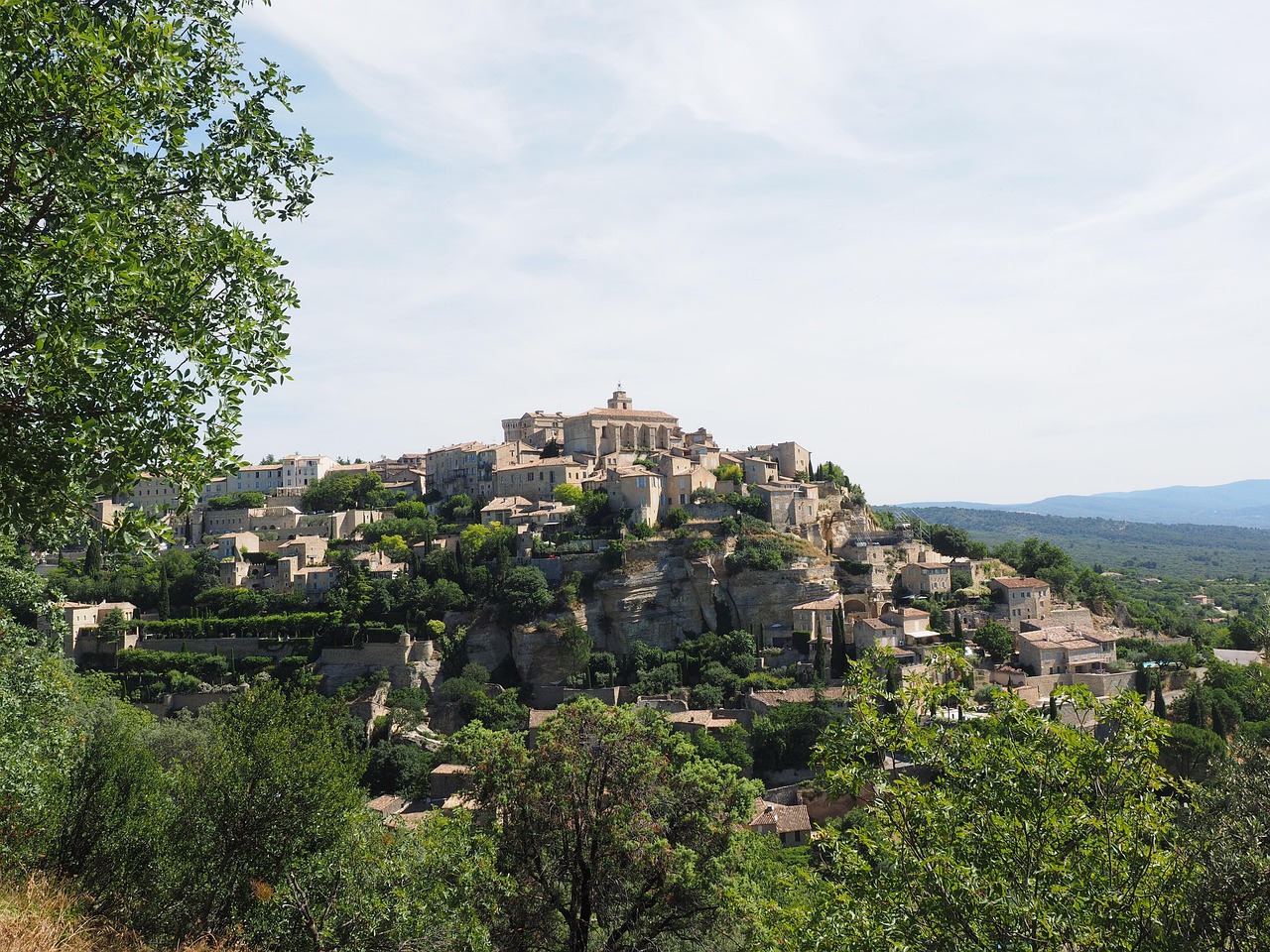
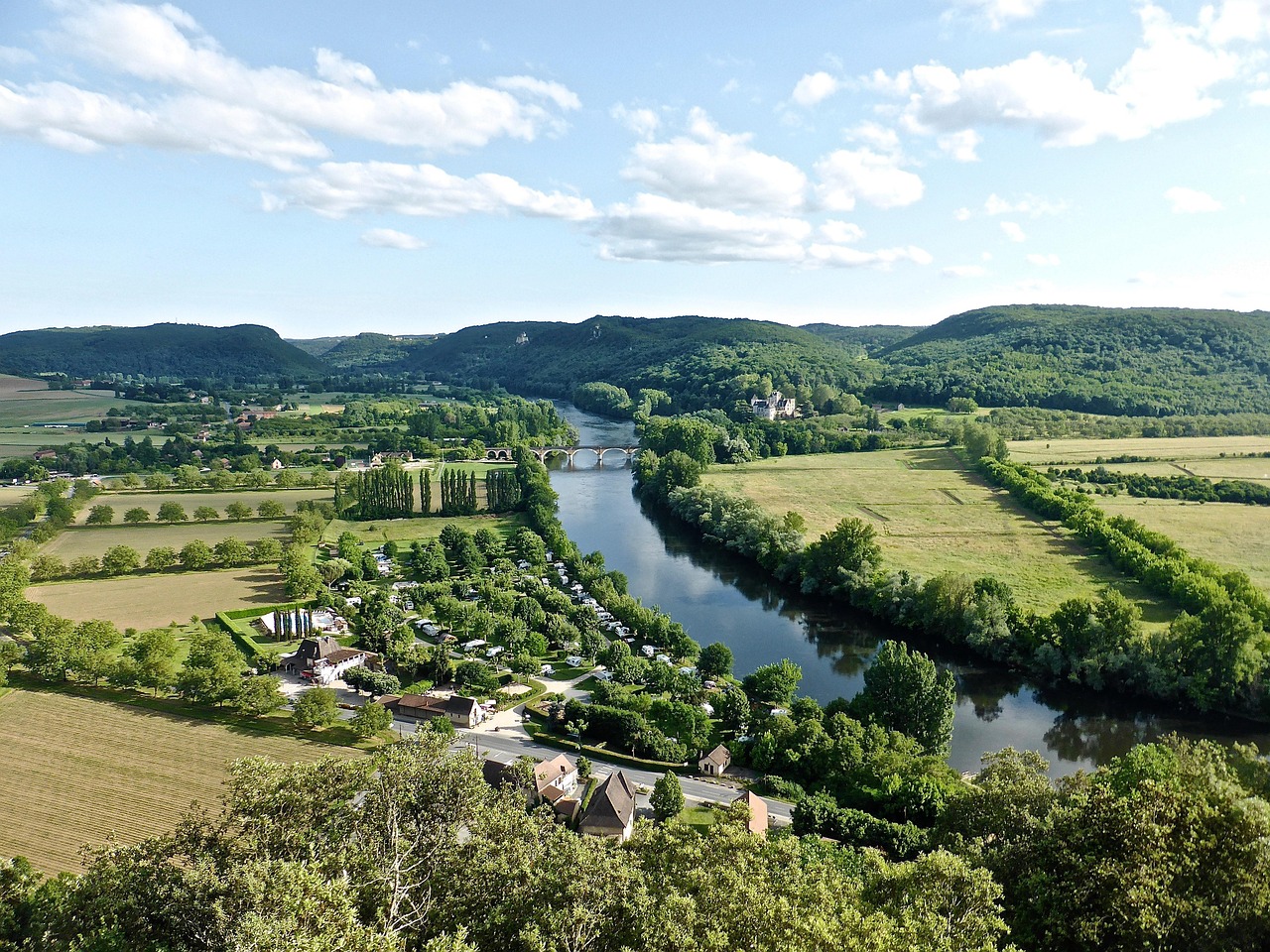
Domme is officially classified as one of Les Plus Beaux Villages de France – and for once, the marketing isn’t exaggerating. This is not a big city break; it’s the opposite of a skyline of skyscrapers. Domme is a medieval bastide town, built in the 13th century on a limestone plateau 250 meters above the Dordogne River, with panoramic views that make you understand why people fought so hard over this landscape.
What makes Domme special today:
- Timeless medieval atmosphere – cobbled lanes, golden stone facades, ramparts, and gates that still feel like a real fortified town, especially in the quiet mornings.
- Epic river and valley views – some of the best viewpoints in the entire Dordogne, ideal for romantic sunsets, family photos, or just sitting with a picnic.
- Underground caves right under the village square – a whole world of stalactites and underground lakes beneath your feet.
- Easy base for exploring the Dordogne – close to Sarlat, La Roque-Gageac, Beynac, Castelnaud, and canoe routes, yet quieter and more self-contained.
- Food – foie gras, duck confit, walnuts, goat cheeses, truffles in season, and surprisingly good vegetarian options nowadays.
- Family-friendly, romantic, and adventurous – you can wander ramparts with kids, sip wine on terraces as a couple, or kayak beneath castles.
In 2026, Domme is also leaning more into sustainable tourism: more car-free streets, better signage for walking paths, and a push to highlight local producers and artisans rather than generic souvenir shops. You still get your postcards and lavender soaps, but you also meet the actual people who grow the walnuts and press the oils.
Table of Contents
- Why Visit Domme in 2026
- About Domme: History, Layout & Character
- 20 Must-See Attractions & Experiences in Domme
- Suggested Itineraries: 3, 4 & 5 Days in Domme
- Neighborhoods & Areas in and around Domme
- Local Food in Domme: What & Where to Eat
- Nightlife, Entertainment & Cultural Experiences
- Day Trips & Nearby Places to Visit from Domme
- Events & Festivals in 2026–2027
- Cultural Etiquette & Local Customs
- Practical Travel Tips for Domme
- Summary & Best Time to Visit Domme
About Domme: History, Layout & Character
Domme was founded in 1281 by Philip the Bold as a bastide – a planned fortified town – to control the Dordogne Valley. Over the centuries it passed between English and French hands during the Hundred Years’ War, witnessed the Wars of Religion, and sheltered villagers and resistance fighters in its caves during World War II.
The village itself is roughly rectangular, enclosed by ramparts and gateways. The main gate, Porte des Tours, is where you’ll probably enter if you’re driving up. Inside, a grid of narrow lanes fans out from the main square, Place de la Halle, where the market hall, town hall, and entrance to the caves are located.
Domme’s character is a mix of:
- Living village – people actually live here, hang laundry, go to work.
- Tourist favorite – in July and August, it’s busy; shoulder seasons feel calmer and more local.
- Dramatic setting – the whole south side of town is essentially a cliff edge with viewpoints.
Walking is the way to get around. You can cross the village end to end in 10–15 minutes, but I still manage to lose hours wandering, stopping at viewpoints, and chatting with shopkeepers I now know by name.
20 Must-See Attractions & Experiences in Domme
These are the best places to visit in Domme – not just the postcard spots, but also small corners and experiences that made me fall in love with the village. For each, I’ll share history, why it matters, and a bit of personal experience or tips.
1. Belvédère de la Barre: The Iconic Panoramic Viewpoint
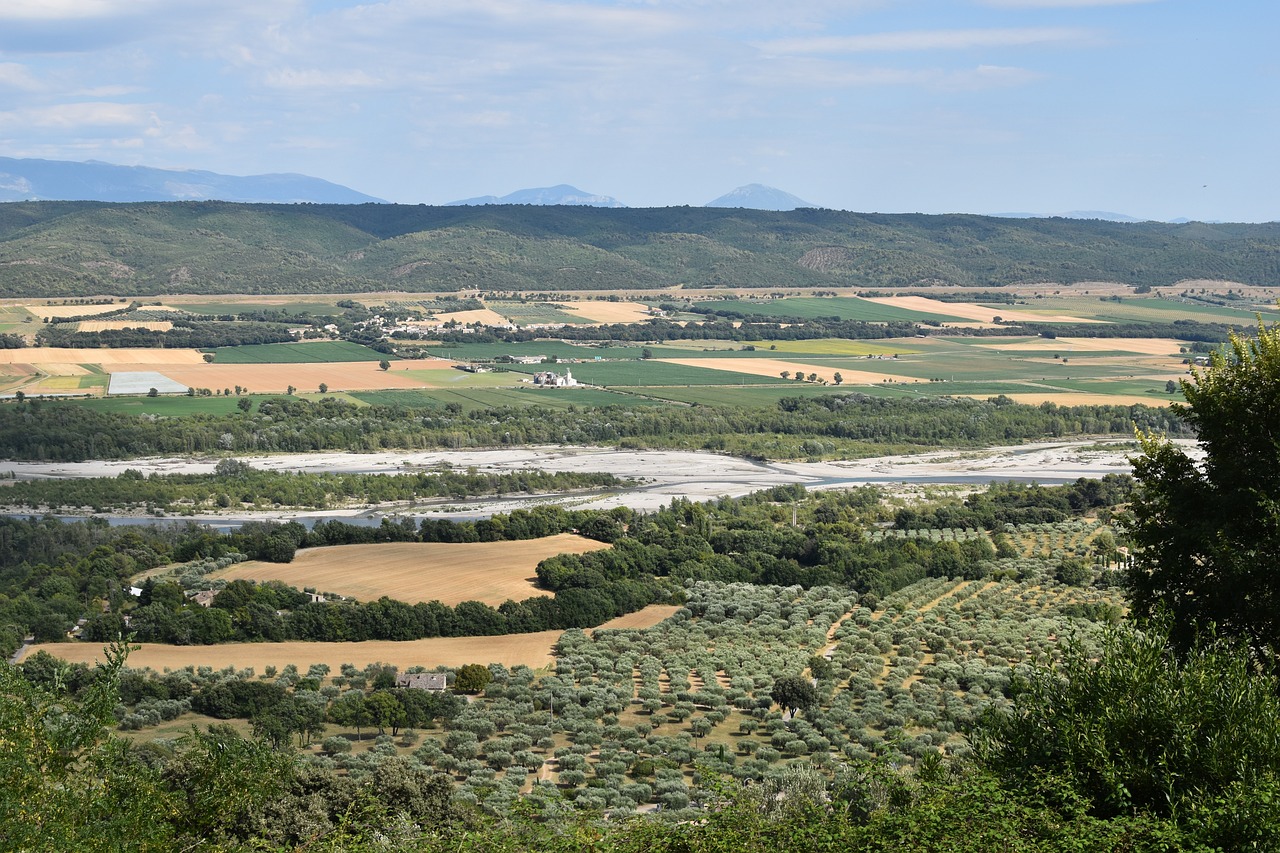
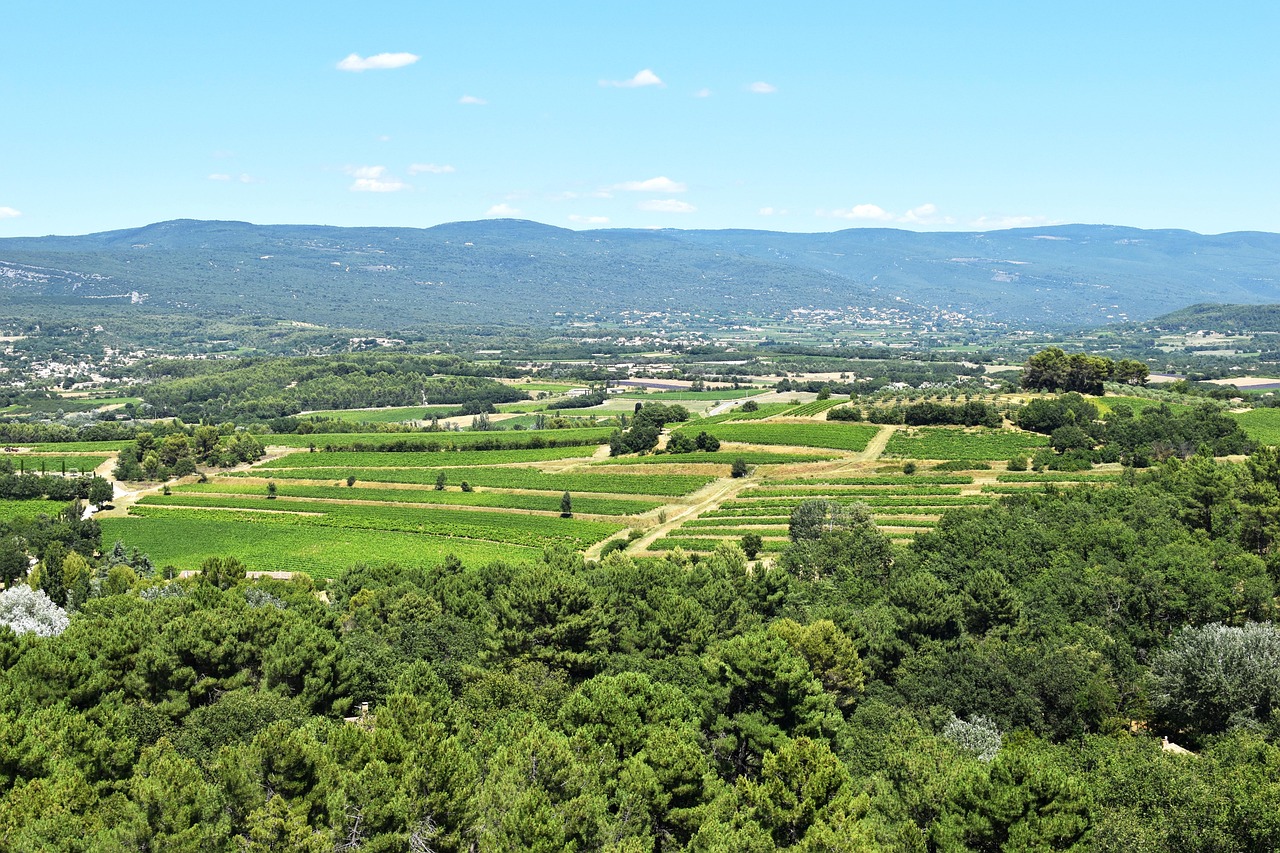
If you’ve seen one photo of Domme, it’s probably from the Belvédère de la Barre. This terrace runs along the cliff at the southern edge of the village, offering a sweeping view over the Dordogne River, La Roque-Gageac, and the patchwork of fields and walnut groves.
The first time I stood here, it was late September, around 6:30 p.m., with the light turning everything gold. A hot air balloon drifted lazily below us over the river – one of those tiny, movie-perfect moments when everyone on the terrace just went quiet at the same time.
- What to do: Stroll the whole length of the belvédère, from the orientation table to the far benches. Bring a picnic or an ice cream from the nearby café.
- Best time: Sunset for drama; early morning for peace and soft light ideal for photos.
- Family tip: There’s a low wall, but keep a close eye on small children; the drop is sheer.
- Romantic tip: This is the spot for a pre-dinner glass of wine or a proposal, if that’s on your mind.
2. Porte des Tours: The Fortified Gate with Templar Graffiti
Porte des Tours is the northern gateway into Domme, flanked by two imposing round towers. In the 14th century, these towers were used as a prison for the Knights Templar. Inside, they scratched enigmatic graffiti into the stone – crosses, geometric shapes, and symbols whose full meaning we still don’t understand.
On my second visit to Domme, I joined a guided tour inside one of the towers. Our guide, a local history teacher, shone a flashlight across the walls, bringing the carvings to life. I remember feeling the hairs on my arms stand up – suddenly these were not just ruins, but voices.
- What to see: The exterior is free to admire; check current opening times at the tourist office for interior visits to see the Templar graffiti.
- Photography: Morning light is best on the gate; in late afternoon the stone glows but can be backlit.
- Accessibility: The outside is accessible; interior visits involve narrow stairs.
3. Grotte de Domme: The Caves Beneath the Village
Right under the main square, a door leads into another world. The Grotte de Domme stretches for hundreds of meters beneath the village – a network of caverns filled with stalactites, stalagmites, and shimmering calcite draperies.
The first time I went down, it was a scorching July afternoon. Stepping into the cave felt like entering a natural air-conditioned cathedral. The tour lasts about 45 minutes, ending with a tiny train that brings you back up to the belvédère, where the valley bursts into view again.
- Tickets: Buy at the entrance on Place de la Halle. In high season (July–August), try to go early or later in the day to avoid crowds.
- What to bring: A light sweater – it’s cool underground even in summer.
- Family-friendly: Kids usually love the train and the “secret” underground world.
4. Place de la Halle: The Heart of Village Life
Place de la Halle is Domme’s main square, anchored by a traditional covered market hall. Stone arches, wooden beams, and the mellow chaos of café terraces make this the obvious place to sit and watch the village swirl around you.
I have a ritual: every time I arrive in Domme, I drop my bags at my guesthouse and head straight here for a coffee. Over the years, I’ve watched weddings spill out of the town hall, kids chase each other between the pillars, and old men argue passionately about rugby scores under the market roof.
- Don’t miss: Market days (often Thursday in high season – check locally) when stalls appear with cheeses, charcuterie, and local walnuts.
- Best use: Coffee in the morning, apéritif at the end of the day.
- Tip: The square is busiest from late morning to mid-afternoon in summer; evening is calmer and more atmospheric.
5. Ramparts & City Walls Walk
Domme’s ramparts encircle most of the village; walking along them is one of the simplest and most rewarding things to do. You’re never far from a view, and you regularly pop out at small gates and bastions.
One of my favorite late-afternoon routines is to start near Porte des Tours and meander clockwise, following the walls, cutting in and out of little lanes. Each turn seems to offer a new glimpse of the valley or a quiet corner with a cat sunbathing in a doorway.
- Route: Start at Porte des Tours, walk inside the walls toward the belvédère, then loop around to the western edge.
- Time: 45–90 minutes depending on how often you stop.
- Footwear: Cobblestones can be slick if wet; wear proper walking shoes.
6. Église Notre-Dame-de-l’Assomption
Domme’s parish church is understated from the outside, but its cool, simple interior is a peaceful escape from the summer bustle. The church dates mainly from the 17th century, with a clean, almost austere aesthetic.
I like to step inside on hot afternoons; the thick stone keeps the air cooler, and there’s often someone quietly arranging flowers or practicing the organ. On a rainy November visit, I ducked in to avoid a sudden downpour and ended up staying through a short choir rehearsal that made the whole space vibrate.
- Respect: Dress modestly and keep voices down; this is a functioning church.
- Timing: Often open during the day; check the door – if open, you’re welcome.
7. The “Petites Rues”: Wandering Domme’s Backstreets
Some of the best things to do in Domme aren’t listed on any map. The backstreets – narrow lanes lined with stone houses, roses climbing up walls, and unexpected little viewpoints – are where you feel the village as a living place.
On one spring visit, I spent most of a morning just following my nose, taking every side lane that looked interesting. I ended up at a tiny dead-end lane where a woman was pruning her roses; she invited me to taste walnuts from her garden and we ended up chatting for half an hour about how Domme had changed over the decades.
- How to explore: Start at Place de la Halle and deliberately avoid the main tourist routes; take quiet uphill and downhill lanes.
- Photography: Early morning or late afternoon gives softer light and fewer people.
8. Belvédère de Portanier: The Quieter Viewpoint
Everyone goes to the main belvédère, but fewer visitors find the Belvédère de Portanier on the western side of the village. The view is slightly different here, angled more toward the meandering sweep of the Dordogne and the distant hills.
When the main terrace is packed in July, I often escape here with a takeaway coffee. Once, in early October, I had the entire viewpoint to myself at sunrise – the valley was filled with mist, with just the tops of the hills poking above like islands.
- How to find it: From Place de la Halle, head west along Rue des Consuls until you reach the outer edge of the village.
- Best time: Sunrise or late afternoon for tranquility.
9. Domme Tourist Train (Le Petit Train)
Yes, it’s touristy. Yes, it’s also genuinely useful, especially if you’re with kids or older travelers. The Domme tourist train does a circuit around the village, with commentary explaining the history and pointing out architectural details you might miss.
I hopped on once on a whim with a friend who had twisted her ankle and couldn’t face all the cobblestones; we both admitted at the end that we learned more in that 30-minute loop than we had in years of casual wandering.
- Duration: Around 25–30 minutes.
- When: Frequent departures in high season; reduced service in shoulder seasons; often no service in deep winter.
- Tip: Sit on the right-hand side for valley views when circling south and west.
10. Artisan Shops & Local Products
Domme has its share of generic souvenirs, but if you look closely, you’ll find real artisans: a woodworker turning local walnut into cutting boards, a small atelier selling hand-dyed textiles, a couple producing walnut oil just outside the village.
My favorite ritual gift is a bottle of walnut oil from a family-run mill outside Domme. On a rainy afternoon, the owner once spent an hour showing me the old stone press and explaining why you should always store walnut oil in the fridge (it goes rancid faster than olive oil).
- What to look for: Walnut oil, walnut liqueur, local honey, duck and goose products, hand-crafted knives, ceramics.
- Budget tip: Food items are usually a better value than tourist trinkets and make great gifts.
11. Sunset Terraces & Apéritif Spots
One of the most essential Domme experiences is simply sitting on a terrace with a glass of local wine or a kir (white wine with blackcurrant liqueur) and watching the sky change colors over the valley.
I have a soft spot for a particular terrace near the belvédère where the owner always remembers that I like a dry Bergerac white and that I’m likely to order the walnut tart no matter how full I claim to be.
- Drinks to try: Bergerac red/white, Pécharmant, local walnut aperitif called vin de noix, or a local craft beer.
- Romantic tip: Reserve a table with a view if you’re visiting in peak season – they fill up quickly at sunset.
12. Night Walks in Domme
After the day-trippers leave, Domme changes. The streets empty out, the stone glows in the lamplight, and the silence is almost complete except for distant owls and the clink of cutlery from a few remaining restaurant terraces.
On a warm June night, I walked the entire village around 11 p.m. and didn’t see another soul for 30 minutes. The belvédère at night, with a scattering of lights in the valley below and the Milky Way faintly visible above, is a different kind of magic.
- Safety: Domme feels very safe at night; still, use normal common sense.
- Bring: A light jacket, even in summer; the height can make evenings cooler.
13. Domme Market & Local Producers’ Stalls
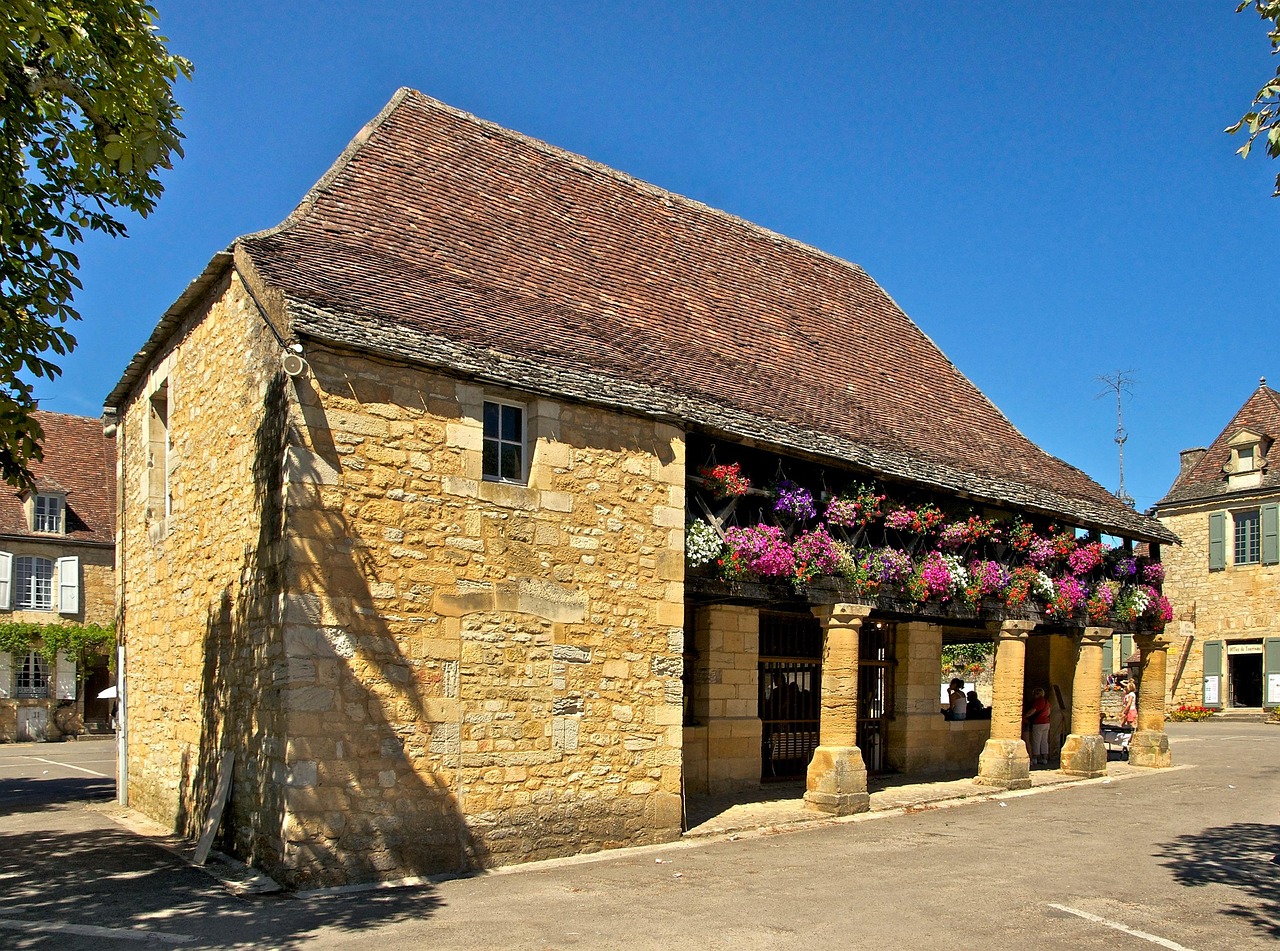
Market day in Domme is a sensory overload in the best way: piles of tomatoes, fragrant cheeses, baskets of walnuts, and locals catching up on gossip while they shop.
One Thursday morning in August, I did my entire day’s eating from the market: cherries, a round of goat cheese, fresh bread, and a slice of walnut cake. I perched at the belvédère and had one of those “this is all I need in life” picnic moments.
- When: Typically weekly in high season; check at the tourist office or your accommodation for current days and times.
- What to buy for a picnic: Bread, cheese (try cabécou), charcuterie, fruit, walnuts, and maybe a small bottle of Bergerac wine.
14. Walking Trails Around Domme
Beyond the village walls, marked walking trails wind through oak woods, fields, and along the cliffs. Some descend all the way down to the river; others loop behind Domme through quiet countryside.
Early one October morning, I followed a local trail that started near the western gate. The air smelled of damp earth and woodsmoke, and I didn’t meet another walker for two hours. When I finally climbed back up into the village, it felt like re-entering civilization after being away much longer.
- Where to get maps: Tourist office in Domme sells simple trail maps; some routes are also on apps like Komoot or AllTrails.
- Gear: Good walking shoes, water, sunhat in summer.
15. Domme Cemetery & Quiet Viewpoint
It might sound odd to list a cemetery as an attraction, but Domme’s small hillside cemetery is one of the most peaceful spots around, with a surprisingly beautiful view.
I first found it by accident, following a path that seemed to head nowhere; I ended up among simple stone graves adorned with flowers, with the valley stretching out beyond. It’s a place that gently reminds you how long people have been connected to this land.
- Respect: Keep voices low, no posing on graves, and avoid visits during funerals or family times.
16. Local Cooking Classes & Culinary Workshops
In recent years, a few local chefs and home cooks have started offering cooking classes focused on Périgord specialties: duck, walnuts, truffles (in season), and hearty country dishes.
I joined one such class held in a renovated barn just outside Domme. We made magret de canard with a walnut crust, a simple salad with walnut oil dressing, and a walnut tart that I still dream about. The best part was sitting down with the class at a long table afterward and sharing the meal with a bottle of local wine.
- How to find: Ask at the Domme tourist office or your accommodation; many are small-scale and not heavily advertised online.
- Language: Some classes are French-only; others offer English. Confirm when booking.
17. Hot Air Balloon Flights Over the Dordogne (From Nearby Launch Sites)
While not launching directly from Domme’s cliff, several hot air balloon companies operate nearby, drifting over the Dordogne Valley with views of Domme, La Roque-Gageac, and Beynac from the air.
I finally treated myself to a dawn balloon flight on a birthday. Watching Domme from above – the ramparts like a toy fortress, the belvédère a thin line along the cliff – gave me a completely new perspective on how precariously and beautifully the village is perched.
- When: Usually sunrise or late afternoon/evening flights, weather permitting.
- Booking: Reserve in advance in high season; ask if Domme is on the typical flight path.
- Cost: Not cheap, but an unforgettable splurge for couples or families with older kids.
18. Domme Photography Walks and Secret Angles
Domme is small, but it’s insanely photogenic: stone arches framing the valley, windows overflowing with geraniums, and light bouncing off warm stone. Over multiple visits, I’ve collected a mental map of favorite angles.
One of my go-to spots is a modest bend in a back lane where a stone wall, a wooden door, and a slice of valley view line up in a way that always looks like a painting, whatever the season.
- Best light: Early morning for empty streets; golden hour for warm stone and softer contrasts.
- Gear tip: A wide-angle lens for architecture and a medium zoom for compressing valley views.
19. Kid-Friendly Corners: Play, Ice Cream & Simple Pleasures
Domme isn’t a theme-park kind of place, but kids usually adapt quickly: walls to climb (safely), alleys to explore, and constant promises of ice cream.
On one trip with friends and their two young children, our most successful activity was simply walking the belvédère with a challenge to spot as many hot air balloons and kayaks as possible while we adults sipped coffee from takeaway cups.
- Ideas: Short rampart walks, cave visit, petit train, ice cream on the square, and a late-afternoon play in the quieter lanes.
- Tip: Bring games or coloring books for restaurant meals; French service is leisurely.
20. Seasonal Domme: Truffles, Walnuts & Autumn Colors
Domme changes profoundly with the seasons, and returning at different times of year has been one of my quiet joys.
In winter, there’s often a light mist over the valley and a hush in the streets. In spring, wisteria and roses explode across stone walls. Summer brings late sunsets and packed terraces. Autumn might be my favorite: the walnut trees turn yellow, the air cools, and markets start to whisper about truffles.
- Winter: Very quiet, some closures, but magical if you like solitude.
- Spring: Blooms, fewer tourists, unpredictable weather but great for walkers.
- Summer: Lively, warm to hot, ideal for river activities but book well ahead.
- Autumn: Mild, colorful, great for food lovers and photographers.
3–5 Day Itineraries in Domme (With Personal Stories)
Whether you have 3, 4, or 5 days in Domme, you can create a rich mix of must-see attractions, hidden gems, and local experiences. Below, I’ll outline how I usually structure stays for visiting friends, with notes from my own days spent here.
3 Day Itinerary for Domme: Classic Highlights
This 3 day itinerary for Domme is perfect for first-time visitors who want to experience the village fully and sample a few nearby highlights.
Day 1: First Glimpse of Domme & Sunset Over the Valley
Arrive by early afternoon if you can. I still remember my own first arrival: driving up the winding road from the river, the village walls suddenly appearing above like a film set.
- Check-in & Orientation Walk: Drop your bags (ideally at a guesthouse inside the walls) and head to Place de la Halle. Have a quick coffee, then wander without a plan: find Porte des Tours, peek into the church, and follow the first signs to the belvédère.
- Belvédère de la Barre at Golden Hour: As the sun starts to drop, settle at the terrace. On one May visit, I watched a thunderstorm roll along the far hills while Domme itself stayed dry, the light constantly shifting – a photographer’s dream.
- Dinner: Choose a restaurant with valley views if it’s your first night. Order something duck-based (magret, confit) or a vegetarian plate of local cheeses and salads with walnut oil.
- Night Walk: After dinner, stroll the backstreets. Let your ears adjust to the quiet – you’ll likely hear more insects than cars.
Day 2: Caves, History & River Adventure
This is your “things to do in Domme” core day: underground wonders, medieval stories, and a dash of adventure on the river.
- Morning: Grotte de Domme & Petit Train
Head to the cave entrance on Place de la Halle soon after opening to beat the crowds. I like doing the cave first, while the outside heat is building. After the tour and little train ride back to the belvédère, grab a quick snack or early lunch on the square. - Afternoon: Dordogne River Canoe
Drive or taxi down to a canoe base (in La Roque-Gageac or Vitrac). A 2–3 hour paddle lets you float past cliffs, castles, and small beaches. On one blazing August afternoon, I remember drifting in near silence, with only the splash of paddles and the occasional laughter from another canoe. - Evening: Apéritif & Simple Dinner
Back in Domme, change into something comfortable and head to a terrace for an apéritif. For dinner, try a simpler bistro where locals eat – often a good value with hearty dishes.
Day 3: Markets, Backstreets & A Last Look
- Morning: Market & Picnic Shopping
If your stay coincides with market day, devote the morning to it. Otherwise, use local shops for picnic supplies. My go-to: a round of goat cheese, crusty bread, cherry tomatoes, and a small bag of walnuts. - Late Morning: Backstreet Wandering & Photography
This is the time for those “hidden gems in Domme” – small lanes, less-known viewpoints, maybe the cemetery if you’re comfortable. Bring your camera, but also put it away sometimes and just soak things in. - Afternoon: Short Hike or Last Coffee
If you have time before departure, try a short marked walk starting from the village, or simply linger on the belvédère one last time. I always find it hard to leave; I usually squeeze in one final coffee at Place de la Halle, watching the square go about its business.
With these 3 days in Domme, you’ll cover the essentials: cave, views, river, food, and enough unstructured wandering to feel the place rather than just tick boxes.
4 Day Itinerary for Domme: Adding Depth & Nearby Villages
When friends ask me, I usually recommend 4 days in Domme if they can spare it. That extra day lets you slow down and add more cultural experiences.
Day 4: Sarlat & Evening Back in Domme
Use your extra day for a half- or full-day trip to Sarlat-la-Canéda, the region’s medieval showpiece town, about 30 minutes’ drive from Domme.
- Morning: Sarlat’s Medieval Lanes
Wander Sarlat’s old town: stone mansions, narrow passageways, and an impressive central square. If it’s a market day, you’ll be in food heaven. - Lunch in Sarlat: Choose a restaurant a bit away from the main square for better value; try a salad with duck gizzards (salade de gésiers) if you’re adventurous, or a vegetarian plate with local cheeses.
- Afternoon: Return & Quiet Domme
Head back to Domme mid-afternoon. This is a good time to visit any spots you’ve missed or just rest with a book on your accommodation’s terrace. On one 4-day stay, I spent my extra afternoon sketching the view from a small lane, badly but happily. - Evening: Special Dinner
For your last night, book a slightly fancier restaurant in Domme. Ask for recommendations from your host – they’ll know who’s cooking well in the current season.
This 4 day itinerary for Domme balances village life with a taste of the larger region, especially if Sarlat has been on your radar.
5 Day Itinerary for Domme: Slow Travel & Deeper Dordogne
If you have 5 days in Domme, you can truly relax and treat the village as your home base. This is my personal sweet spot: enough time to breathe, explore neighboring river villages, and still have slow mornings.
Day 5: Castles, La Roque-Gageac & Optional Balloon Flight
- Morning: Castelnaud or Beynac
Choose one of the great Dordogne castles (Castelnaud or Beynac) within a short drive. Clamber through battlements, explore medieval warfare exhibits, and gaze out over the river. I once spent a drizzly morning in Castelnaud, grateful for all the indoor exhibits, and watched the clouds drift dramatically through the valley from the ramparts. - Lunch: La Roque-Gageac
Continue to La Roque-Gageac, the unmissable cliffside village. Eat in one of the restaurants with river views, then wander the lanes up toward the troglodyte dwellings. - Afternoon: Gabarre Boat or Short Walk
Consider a traditional gabarre boat ride or a short riverside walk. In summer, the water sparkles; in shoulder seasons, it’s quieter and moodier. - Optional: Hot Air Balloon
If you’re splurging on a balloon ride, this is a good day to do it, as you’ll already be near some launch sites. Book ahead and keep an eye on weather conditions. - Evening: Final Night in Domme
Back in Domme, have a simple farewell dinner. I like to walk the belvédère one last time, imprinting the view in my mind to carry me through until my next visit.
With 5 days in Domme, you can truly claim to have experienced not just the must-see attractions in Domme itself, but also the broader Dordogne valley, without rushing.
Neighborhoods & Areas in and Around Domme
Domme is small, but you can still think of it in “zones” to decide where to stay and what to explore.
- Inside the Ramparts (Historic Center): Atmospheric, cobbled, and central to everything. Ideal if you want to step out your door and be in the middle of the storybook setting. Some accommodations are in historic houses with thick stone walls and valley views.
- North Gate Area (Near Porte des Tours): Slightly quieter, close to parking areas and an easy base if you’re doing lots of day trips by car.
- Western Edge & Belvédère de Portanier Side: Residential-feeling, with some of the best sunset views and a bit more space around houses and gardens.
- Lower Slopes & Surrounding Countryside: A scattering of gîtes, B&Bs, and small farms just outside the walls. You’ll need a car or be okay with a climb, but you get more space, pools, and deep quiet at night.
For first-time visitors without a car, I recommend staying inside the walls for convenience. If you’re returning, or you crave a pool and absolute silence, the surrounding countryside is blissful.
Local Food in Domme: What to Eat & Where
Food is half the reason I keep coming back to Domme. Périgord cuisine is rustic, rich, and deeply tied to the land: duck, goose, walnuts, chestnuts, truffles, and hearty soups.
What to Eat in Domme
- Foie Gras: A regional specialty, served as a terrine or seared. If you have ethical concerns, ask about sourcing or skip it; many menus now offer alternatives.
- Duck Dishes: Magret de canard (duck breast), confit de canard (slow-cooked duck leg), and salads with duck gizzards or smoked duck.
- Walnut Everything: Walnut tart, walnut cake, walnut ice cream, salads with walnuts and walnut oil dressing, and walnut liqueur.
- Cheeses: Especially small goat cheeses like cabécou; often served warm on salad or with a drizzle of honey.
- Truffles (in season): Usually winter; shaved over eggs, pasta, or potatoes in some restaurants.
- Soups & Country Dishes: Garburre (hearty vegetable and meat soup), tourin (garlic soup), and various stews in cooler months.
Where to Eat: Personal Favorites
I won’t list every restaurant (they can change hands and quality), but here are types of places I gravitate toward:
- View Terraces: A couple of restaurants along the belvédère offer valley views and classic Périgord menus. Great for a splurge night; book ahead in summer.
- Backstreet Bistros: Slightly cheaper, often more local, with daily specials chalked on blackboards. I’ve had some of my best duck confit in these tucked-away spots.
- Crêperies & Casual Cafés: Helpful if you’re traveling with picky eaters or on a tighter budget. Galettes (savory buckwheat crêpes) can be surprisingly filling and affordable.
- Ice Cream & Patisseries: For afternoon treats: walnut ice cream, fruit sorbets, or a slice of walnut tart with cream.
Saving Money on Food
Dining out in France can add up, but there are easy ways to save:
- Opt for lunch menus: Many restaurants offer a menu du jour at midday that’s significantly cheaper than dinner for similar food.
- Picnics: Buy bread, cheese, charcuterie, and fruit from markets or small shops and eat them at viewpoints or on walks.
- Self-catering: If you stay in a gîte or apartment, cook some meals using local produce.
- Tap water: Ask for a “carafe d’eau” instead of bottled water; perfectly acceptable and free.
Nightlife, Entertainment & Cultural Experiences in Domme
Domme is not a clubbing destination. Nightlife here means long dinners, wine on terraces, and occasional cultural events rather than dance floors and neon lights.
Evening Atmosphere
In summer, restaurant terraces hum with conversation until around 11 p.m. or midnight. Children stay up later, couples linger over dessert, and there’s usually a soft soundtrack of clinking glasses and low laughter.
Live Music & Events
Some summers, small live music events pop up on the square or at local bars – a jazz trio, a folk band, or a singer with a guitar. They’re usually informal and family-friendly. Ask the tourist office what’s on during your stay.
Cultural Experiences
- Guided Night Tours: Occasionally, themed night walks are offered, focusing on Domme’s history or legends. Worth joining if your French or English is up to it.
- Local Festivals: In summer, look for open-air concerts, artisan fairs, or special market evenings.
- Church Concerts: The church sometimes hosts choral or classical performances, especially in high season.
Day Trips & Nearby Places to Visit from Domme
One of Domme’s strengths is how well it works as a base. Within 30–45 minutes’ drive, you can visit some of the prettiest places in France.
- La Roque-Gageac: Cliffside village directly on the Dordogne. Canoe base, troglodyte dwellings, exotic gardens.
- Beynac-et-Cazenac: Steep village topped by a dramatic castle. Great half-day combining castle visit and riverside wandering.
- Castelnaud-la-Chapelle: Impressive castle with medieval warfare exhibits, overlooking the valley.
- Sarlat-la-Canéda: Medieval town with famous markets, great for food and architecture lovers.
- Rocamadour (longer day trip): Pilgrimage site built into a cliff, about 1.5 hours away; dramatic and busy, but unforgettable.
Practical tip: Public transport is limited. To fully enjoy day trips, renting a car is by far the easiest option. If you’re car-free, consider guided tours from Sarlat or arranging taxis for specific outings.
Events, Festivals & What’s New in 2026–2027
While Domme itself is relatively small, the greater Dordogne region has a vibrant calendar of events. Specific dates can shift each year, so check closer to your travel dates, but here’s what to expect in 2026–2027:
- Summer Night Markets (Marchés Nocturnes): In July and August, many villages (sometimes including Domme or nearby towns) host night markets with food stalls, live music, and communal tables.
- Music Festivals: Sarlat and nearby towns often host classical, jazz, or folk festivals in summer, with some events close enough for an easy evening trip from Domme.
- Heritage Days (Journées du Patrimoine): Each September, historic sites open their doors for special visits, sometimes including parts of Domme normally closed to the public.
- Food & Truffle Fairs (Autumn/Winter): In the wider Périgord Noir region, look for truffle markets and walnut harvest celebrations, particularly from November to February.
New in 2026, local authorities are continuing to invest in improved walking signage and small interpretive panels in English and French, making it easier for independent travelers to understand Domme’s history and environment as they wander.
Cultural Etiquette & Local Customs in Domme
Domme is very welcoming, but it’s still a small French village with its own rhythms. A bit of cultural awareness goes a long way.
- Greetings: When entering a shop, always say “Bonjour” (daytime) or “Bonsoir” (evening) to the staff. When leaving, “Merci, au revoir” is polite.
- Language: Many people in tourism speak some English, but starting with a “Bonjour, parlez-vous anglais ?” is appreciated more than launching straight into English.
- Meal Times: Lunch is generally 12:00–14:00; dinner from around 19:00/19:30. Don’t expect full meals outside these hours, though snacks and drinks are usually available.
- Dress: Casual but neat is standard. Beachwear is out of place in the village streets and restaurants; cover shoulders and midriffs in churches.
- Noise: After about 22:00, keep noise down in streets and accommodation courtyards; sound travels far in stone villages.
- Photography: It’s fine to photograph streets and views, but be respectful about taking close-up photos of people or private homes – ask if in doubt.
Practical Travel Tips for Domme
Getting To & Around Domme
Domme is in the Dordogne department (Nouvelle-Aquitaine region) of southwestern France.
- By Air: Nearest airports are Bergerac (around 1.5 hours), Brive, and Toulouse or Bordeaux (around 2–3 hours). You’ll likely need a rental car from there.
- By Train: The closest major rail hub is Sarlat or Souillac. From there, you’ll need a taxi or rental car to reach Domme.
- By Car: Driving is by far the easiest way to explore the Dordogne. Roads are generally good and scenic.
Public Transport & Car Rental
Public transport between villages is limited and often seasonal. If you want to visit multiple sites at your own pace, renting a car is strongly recommended.
- Foreign Drivers’ Licenses: Most visitors from the EU, UK, US, Canada, Australia, and many other countries can drive with their national license for short stays. An International Driving Permit (IDP) can be useful and is sometimes recommended; check current French regulations for your nationality.
- Parking in Domme: There are paid parking lots outside and near the gates. Parking inside the ramparts is limited and often restricted; check signs carefully.
Money-Saving Tips
- Visit in shoulder season (May–June or September–October) for lower accommodation prices and fewer crowds.
- Choose lunch as your main restaurant meal; self-cater or picnic for dinner.
- Stay just outside Domme’s walls for better-value larger properties, especially if you have a car.
- Buy local products at markets instead of in the most touristy shops.
SIM Cards & Connectivity
Mobile coverage in Domme is generally good, though some valleys nearby can be patchy.
- EU Visitors: Many EU phone plans allow roaming in France at domestic rates – confirm with your provider.
- Non-EU Visitors: Consider:
- A physical SIM from providers like Orange, SFR, or Bouygues (available in bigger towns).
- Or an eSIM from an online provider before you arrive.
- Wi-Fi: Most hotels, gîtes, and cafés offer Wi-Fi; speeds vary but are usually fine for normal use.
Visa Requirements
Domme follows French (Schengen Area) entry rules.
- EU/EEA/Swiss Citizens: Can enter and stay freely with a valid ID card or passport.
- Many Other Nationalities: May enter visa-free for short stays (typically up to 90 days in any 180-day period) but must meet Schengen requirements. Others require a Schengen visa.
Always check current entry requirements with an official French or EU government source before travel, especially as policies may evolve.
Best Seasons for Specific Activities
- Spring (April–June): Great for walking, photography, and quieter exploration of attractions. Weather can be mixed but often pleasant.
- Summer (July–August): Ideal for river swimming, canoeing, and outdoor dining. Expect crowds and higher prices; book early.
- Autumn (September–October): Possibly the best all-round season: mild weather, autumn colors, harvest foods, fewer tourists.
- Winter (November–March): Very quiet. Some restaurants and attractions may be closed or have limited hours, but if you like solitude and lower prices, it can be magical, especially around Christmas in larger nearby towns.
Hidden Tips from Multiple Visits
- Arrive Early or Stay Late: Many visitors come as a day trip. Being in Domme before 10 a.m. or after 6 p.m. gives you a different, more local-feeling atmosphere.
- Carry Cash: Cards are widely accepted, but small market stalls or tiny cafés may still prefer cash.
- Shop Opening Hours: Many shops close for lunch (typically 12:30–14:30) and on Sundays or Mondays. Plan accordingly.
- Sun Protection: The belvédère and ramparts are exposed; a hat, sunglasses, and sunscreen are essential in summer.
Summary: Key Takeaways & Best Time to Visit Domme
Domme is not a place you “do” in a checklist way; it’s a place you inhabit for a few days. You wake up to church bells, wander cobbled lanes, sip wine watching the light move across the valley, and slowly tune into the quieter rhythm of village life.
For most travelers in 2026:
- 3 days in Domme gives you the essentials: belvédère views, cave visit, river adventure, and enough time to wander and eat well.
- 4 days in Domme lets you add Sarlat or another nearby highlight without rushing.
- 5 days in Domme is ideal for slow travel: day trips to castles and river villages, plus lazy mornings and unhurried evenings.
As for the best time to visit:
- Best overall: May–June and September–early October, for comfortable weather, fewer crowds, and rich experiences.
- Best for river fun: July–August, if you don’t mind the buzz and book ahead.
- Best for foodies: Autumn and winter, when truffles, walnuts, and hearty dishes take center stage in the wider Dordogne.
Each time I leave Domme, I promise myself I’ll come back in a different season, or with different friends, or alone with a notebook. If you let it, this little cliff-top village will get under your skin – and you may find yourself planning your own return before your first trip is even over.