Why Visit Épernay?
Épernay is not just “the Champagne town” — it’s a compact, walkable French city where the good life is measured in glasses of bubbly, slow riverside strolls, and conversations that linger until sunset. I’ve been coming back here for years, and every visit reminds me that Épernay is one of the best places in France to slow down without ever feeling bored.
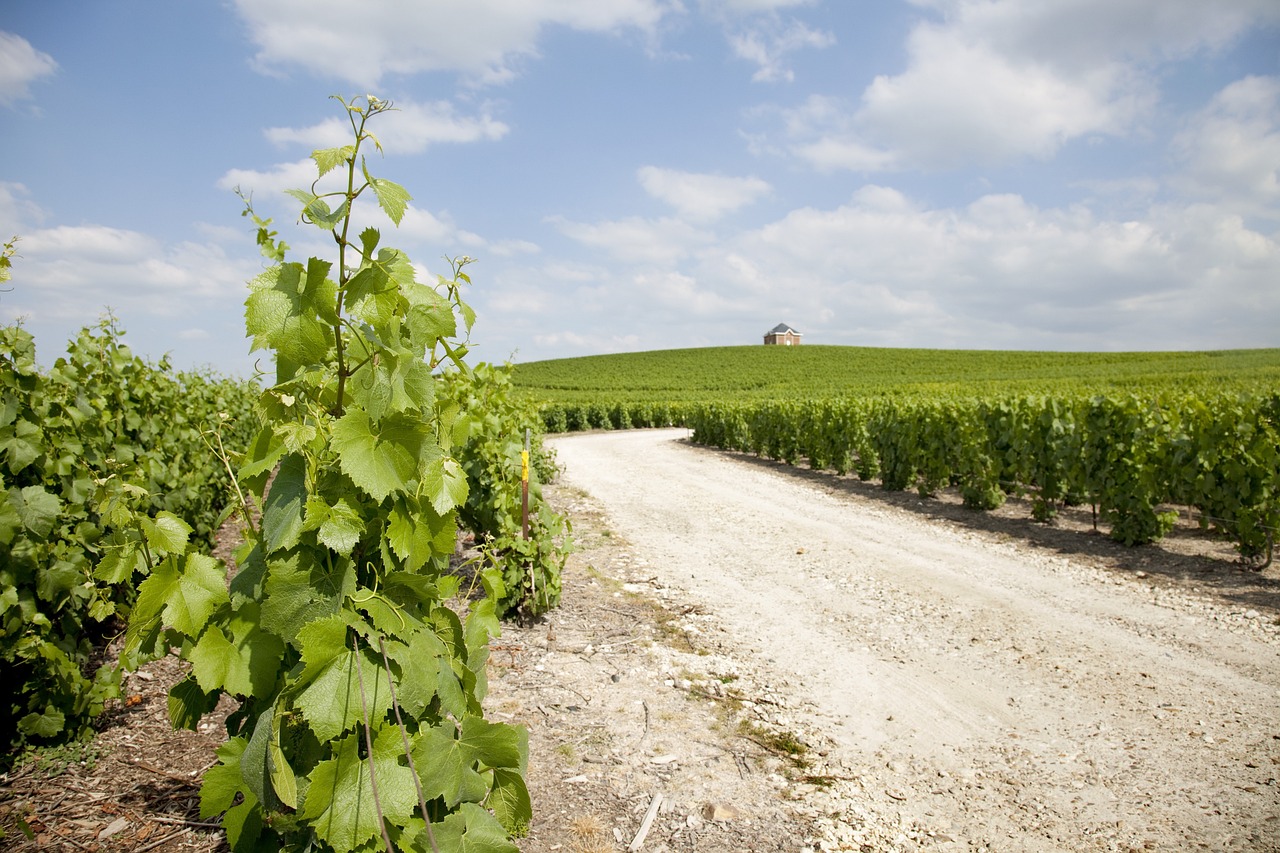
Imagine a grand avenue lined with champagne maisons and 19th‑century mansions, a spiderweb of wine cellars stretching for kilometers underneath your feet, vineyards rolling like green waves around town, and a relaxed, small‑city vibe where you can walk almost everywhere. That’s Épernay.
- Champagne Avenue (Avenue de Champagne): The city’s “golden mile”, home to legendary champagne houses, stately architecture, and some of the best tastings in the world.
- World‑class tastings: From big names like Moët & Chandon to tiny family growers, you can taste your way through every style of champagne.
- Easy 3–5 day base: A perfect hub for exploring Reims, Hautvillers, the Marne Valley, and the rolling Montagne de Reims.
- Romantic, family‑friendly, and foodie‑friendly: Whether you’re planning a honeymoon, a weekend with friends, or a quiet family escape, Épernay adapts beautifully.
- Authentic French life: Weekly markets, neighborhood bakeries, and locals who still greet each other by name in cafés.
In this travel guide for Épernay 2026, I’ll share detailed 3, 4, and 5 day itineraries, my favorite 20+ attractions, local food tips, cultural etiquette, and practical travel advice for every budget.
Table of Contents
- Why Visit Épernay
- Épernay at a Glance (2026)
- Neighborhoods & Areas to Explore
- Top 20+ Attractions & Experiences
- 3, 4 & 5 Day Itineraries for Épernay
- Local Food & Drink in Épernay
- Nightlife, Entertainment & Cultural Experiences
- Best Day Trips from Épernay
- Major Events & Festivals 2026–2027
- Practical Travel Tips for Épernay
- Summary & Best Time to Visit
Épernay at a Glance (2026)
Location: In the Marne department of northeastern France, about 1h15 by train from Paris.
Population: Around 23,000 — small enough to feel intimate, big enough to have good restaurants, shops, and services.
Vibe: Relaxed, elegant, and very wine‑centric. Think less “party town” and more “long lunch and sunset strolls”.
Best for: Wine lovers, couples, small groups of friends, and families who enjoy nature, food, and culture without big‑city chaos.
Good to know in 2026: Épernay has continued investing in sustainable tourism — more electric shuttle options during high season, expanded cycling paths into the vineyards, and better English‑language tours at major champagne houses.
Neighborhoods & Areas to Explore in Épernay
1. Centre‑Ville (City Center)
This is where you’ll likely spend most of your time: around the town hall, the main shopping streets (Rue Saint‑Thibault, Rue du Général Leclerc), and the train station area. I almost always stay within a 10‑minute walk of the Hôtel de Ville — that way, everything from bakeries to tasting rooms is at my doorstep.
Highlights: Restaurants, cafés, the market, small boutiques, the tourist office, and easy access to Avenue de Champagne.
2. Avenue de Champagne District
This is the glamorous heart of Épernay and one of the best places to visit in Épernay if it’s your first time. Mansions, manicured gardens, wrought‑iron gates, and some of the most famous champagne houses in the world. I love staying in this area when I want a more romantic trip — you can stroll back to your hotel after sunset tastings under the glow of street lamps.
3. Marne Riverfront & Port de Plaisance
Just south of the center, the Marne river curves gently past town. Locals come here to walk dogs, jog, or just watch the boats. I like to bring a picnic here after a busy morning of tastings.
4. Vineyard Slopes Around Épernay
The moment you leave town, you’re in the vines. To the north and west, gentle hills rise quickly — this is where I go for long walks and bike rides. The villages of Hautvillers, Dizy, and Ay‑Champagne feel like a world away but are just minutes from Épernay.
Top 20+ Attractions & Experiences in Épernay
These are the must‑see attractions in Épernay, mixed with some personal favorites and hidden gems. I’ve grouped them roughly from most iconic to more off‑the‑beaten‑path.
1. Avenue de Champagne
If you only have one afternoon in Épernay, spend it on Avenue de Champagne. It’s the city’s most famous street and the beating heart of the champagne industry.
I still remember my first walk here: it was a cool spring morning, and the street was quiet except for the clinking of bottles being unloaded behind the gates. The elegance is understated — grand, yes, but without the flashiness you might expect. Many houses have small tasting rooms open to the public, and you can easily sample three or four in a day if you pace yourself.
What to do:
- Stroll from the roundabout by the town hall all the way to the outskirts of town, admiring the mansions and ironwork gates.
- Stop for tastings at a mix of big houses (Moët, Mercier, de Castellane) and smaller maisons or boutique growers.
- Visit the interpretation panels along the avenue that explain its UNESCO‑listed heritage (part of the Champagne “Coteaux, Maisons et Caves” listing).
Tips: Go early or late in the day to avoid bus groups. Book tastings in advance for weekends, especially from May to September. Even just walking the avenue is one of the best free things to do in Épernay.
Family‑friendly? Yes, as a walk. Some houses are okay with kids in tours (no tasting for them of course), but always check ahead.
2. Moët & Chandon Cellars
Moët & Chandon is the quintessential “big house” experience in Épernay. Even after multiple visits, I still enjoy bringing first‑timers here because it offers a polished, well‑organized introduction to champagne making.
The cellars extend for kilometers under Avenue de Champagne. On my last tour in 2025, the guide seamlessly switched between French and English as we walked through cool, chalky corridors lined with aging bottles. The history is rich — connections to Napoleon, royal courts, and the global rise of champagne as a symbol of celebration.
Highlights:
- Guided cellar tour (usually 60–90 minutes) ending with one or more glasses of champagne.
- Elegant tasting room and boutique (great place to pick up a special bottle or branded glassware).
- Beautiful courtyard and façade, especially photogenic in late afternoon light.
Booking: Reserve online, especially in high season and weekends. English tours are common but still sell out.
Dress: Casual but neat is fine. It’s cool in the cellars — bring a light jacket even in summer.
3. Mercier Cellars & Underground Train
Mercier is more playful than Moët — it’s my go‑to recommendation for families and anyone who prefers a less formal vibe. The highlight is the small underground train that trundles through the cellars while an audio guide explains the process.
I took my nephew here a couple of years ago, and he still talks about the “champagne train.” It’s a fun way to break up a day of tastings, and the giant oak barrel in the reception area is a great reminder of just how ambitious 19th‑century champagne marketing was.
Good for: Families, first‑timers, and anyone who likes a bit of spectacle with their bubbles.
Tip: Ask about combined tickets or special tastings if you’re in a group. Book ahead for summer weekends.
4. Champagne de Castellane & Tower
De Castellane is one of the most architecturally striking houses in Épernay, with a red‑brick tower that dominates the southern end of Avenue de Champagne. For architecture and photography lovers, this is one of the best places to visit in Épernay.
The tower itself offers a fantastic view over the town and vineyards — I like to come late afternoon when the light softens and the vines glow golden in autumn.
What to do:
- Guided cellar tour and tasting.
- Climb the tower for panoramic views (check opening times; sometimes weather‑dependent).
- Admire the vintage advertising posters and design details inside.
Tip: There are quite a few stairs up the tower; not ideal if you have mobility issues, but the cellars themselves are more accessible.
5. Épernay Town Hall & Gardens
The Hôtel de Ville is one of my favorite quiet corners in Épernay. The building, a former private mansion, has that classic Champagne elegance, but it’s the gardens that keep drawing me back. Whenever I arrive in town, I like to grab a takeaway coffee and sit on a bench here to reset after the journey.
Highlights: Manicured lawns, seasonal flower beds, and a peaceful atmosphere right in the center of town.
Tip: Walk through the gardens as a pleasant shortcut between the center and Avenue de Champagne.
6. Église Notre‑Dame d’Épernay
This neo‑Gothic church sits modestly in the town center, but step inside and you’ll find beautiful stained glass and a sense of calm that’s a nice counterpoint to the buzz of the champagne houses.
I often duck in here between tastings — partly to rest my feet, partly to just sit quietly for a few minutes. It’s not as grand as Reims Cathedral (which you should absolutely see on a day trip), but it’s a genuine part of local life.
Etiquette: Dress modestly, speak softly, and avoid walking in during services unless you’re attending.
7. Champagne Interpretation Center (Local Champagne Museum)
Épernay has been slowly improving how it tells the story of champagne beyond individual houses. The local interpretation center (or museum, depending on the current branding in 2026) is a great stop if you want to understand the region’s geology, history, and techniques before (or after) your tastings.
Good for: Wine geeks, curious travelers, and anyone visiting in winter or on a rainy afternoon.
Tip: Combine this with a stroll along Avenue de Champagne; it adds context to what you’re seeing and drinking.
8. Le Ballon d’Épernay (Tethered Hot Air Balloon)
On clear days, you can’t miss the sight of a large tethered balloon rising above Épernay. The ride is short but spectacular: you float above the town and the sea of vines surrounding it. I took the balloon at sunset once in late summer, and the view of the golden vineyards is still one of my favorite memories from all my trips here.
Practical info:
- Flights are weather‑dependent; windy or rainy conditions often cancel operations.
- It’s tethered, so you go up and down from the same spot — no worries about landing in a random field.
- Great for photos of the Avenue de Champagne from above.
Family‑friendly: Yes, kids usually love it, but check height/age restrictions at the ticket booth.
9. Marne River Walks & Boat Trips
The Marne softens Épernay’s edges. When I need a break from bubbles, I walk along the river, watching fishermen and cyclists. In warmer months, small boat trips operate from the Port de Plaisance, offering gentle cruises with commentary on the landscape and vineyards.
Tips:
- Bring a picnic from the market and sit by the water.
- Check schedules for boat trips; they’re often seasonal (April–October).
- Cycling paths run along sections of the river; consider renting a bike for half a day.
10. Épernay Market (Halles & Weekly Stalls)
The market is where Épernay feels most local. Depending on the day, you’ll find a covered market and open‑air stalls with produce, cheeses, charcuterie, and local specialties. I love coming here early, grabbing a still‑warm baguette, a wedge of cheese, and some fruit, then building a picnic for later.
Look for:
- Local cheeses from the Champagne and nearby regions.
- Charcuterie and pâtés — perfect to pair with a bottle from a small producer.
- Seasonal produce: white asparagus in spring, berries in summer, mushrooms in autumn.
Money‑saving tip: Markets are one of the best ways to eat well and cheaply in Épernay. A picnic from the market can cost less than one restaurant main course.
11. Hautvillers: Cradle of Champagne
Just a short drive (or bike ride) from Épernay, Hautvillers is often called the “cradle of champagne.” This is where Dom Pérignon, the Benedictine monk, refined techniques that helped shape the wine we know today.
The village sits on a hillside overlooking the Marne Valley, with narrow lanes, wrought‑iron shop signs, and a quiet, timeless feel. Every time I come here, I end up wandering aimlessly, taking far too many photos of doorways and vines creeping over stone walls.
Must‑see:
- Abbey of Saint‑Pierre d’Hautvillers and the tomb of Dom Pérignon.
- Small producer tasting rooms — many are family‑run and very welcoming.
- Viewpoints over the valley; there are designated lookouts with benches.
Getting there: 10–15 minutes by car or taxi from Épernay; around 30–45 minutes by bike (hilly but rewarding).
12. Ay‑Champagne & the Marne Valley Vineyards
Ay‑Champagne (often just “Ay”) is another historic wine village near Épernay, known for its Grand Cru vineyards. It has a slightly more workaday feel than Hautvillers but is equally rich in wine heritage.
Some of my most memorable tastings have been in unassuming courtyards here, where the winemaker pours directly from bottles that never leave the region. If you’re serious about champagne, exploring Ay and nearby villages like Mareuil‑sur‑Ay is essential.
Tip: Many small producers require appointments. Ask your Épernay hotel or the tourist office for up‑to‑date recommendations and help calling ahead.
13. Vineyard Walking & Cycling Trails
One of the best things to do in Épernay that many visitors overlook is simply walking in the vineyards. There are well‑marked trails radiating out from town and nearby villages. In 2024–2025, more signage was added, and by 2026 routes are better mapped and maintained.
I like to start in the late afternoon, when the sun is lower and the light is kind to both skin and photos. Walking through the vines, you understand just how much manual work goes into every bottle.
Good to know:
- Stay on marked paths; don’t trample vines or private property.
- Bring water, especially in summer — there’s very little shade.
- Wear proper shoes; even “easy” trails can be muddy after rain.
14. Visiting Small Grower Champagne Houses
The big names are fun, but the soul of Champagne lies with the vignerons indépendants — the small family growers. Around Épernay, there are dozens of these, some with simple tasting rooms, others welcoming guests into their homes or courtyards.
Some of my most personal champagne memories are here: a rainy afternoon tasting in a tiny cellar while the winemaker’s dog slept by the barrel, or a spontaneous barbecue that started because we “happened to be around at lunchtime.”
How to do it:
- Ask the tourist office for a current list of growers open to visitors.
- Always call or email ahead if possible; many are working in the vines.
- Be prepared to buy at least a bottle or two; tastings are often inexpensive or free when you purchase.
15. Parc de l’Horticulture & Other Green Spaces
Beyond the town hall gardens, Épernay has a few small parks and green spaces that are perfect for a breather. Parc de l’Horticulture is a local favorite: nothing flashy, just lawns, trees, and room to breathe.
I like to bring a book and a bottle of water here after a late lunch, especially in summer when the town can feel warm and sleepy in the early afternoon.
16. Artisan Bakeries & Pâtisseries
This might not appear on a typical list of things to do in Épernay, but for me, exploring local bakeries is essential. There are several excellent spots in the center where you can pick up croissants, pains au chocolat, and elegant pastries.
Personal ritual: Every morning in Épernay, I walk to the same bakery near my usual hotel, order a croissant and an espresso, and take them to a bench in the town hall gardens. It’s a simple pleasure that sets the tone for the day.
17. Champagne Bars & Wine Bars in Town
Not every tasting has to be in a cellar or formal house. Épernay has a handful of excellent champagne bars where you can try a rotating selection of houses by the glass. This is one of my favorite ways to sample small producers without driving all over the countryside.
Good for: Evenings when you want a relaxed tasting, people‑watching, and maybe some charcuterie or small plates.
18. Bistros & Gastronomic Restaurants
Épernay punches above its weight in food. From rustic bistros serving hearty regional dishes to refined gastronomic restaurants with intricate tasting menus, you’ll eat very well here.
I tend to mix it up: one night at a classic bistro where the menu is written on a chalkboard, another night at a more upscale spot with careful wine pairings. Both are essential parts of the Épernay experience.
19. Cultural Events, Concerts & Exhibitions
Throughout the year, Épernay hosts small concerts, art exhibitions, and local festivals. These won’t always show up on international tourism websites, but they’re often advertised in the tourist office, local papers, or posters around town.
I’ve stumbled into everything from open‑air jazz by the river to photography exhibitions in repurposed industrial spaces. Keep your eyes open and stay flexible — some of the best cultural experiences in Épernay are serendipitous.
20. Épernay by Night: Illuminated Avenue & Quiet Streets
Épernay isn’t a late‑night party town, but it has a gentle charm after dark. Avenue de Champagne is often softly lit, and many houses illuminate their façades. I love taking a slow walk here after dinner, when the tour buses are gone and it’s mostly just locals and a few lingering visitors.
This is also when the city feels most romantic — ideal for couples on a weekend escape.
3, 4 & 5 Day Itineraries for Épernay
Whether you have 3 days in Épernay or a full 5 day itinerary to play with, you can craft a trip that balances tastings, slow walks, and local life. Below are suggested routes based on my own repeated stays, with practical notes woven in.
3 Day Itinerary for Épernay
Day 1: First Taste of Épernay & Avenue de Champagne
Morning: Arrive in Épernay by train or car and check into your hotel near the center. I like to drop my bags and immediately walk to the town hall gardens to stretch my legs. Then, head to a nearby bakery for a late breakfast — a croissant and coffee will set you up nicely.
Walk towards Avenue de Champagne, taking your time to notice the shift from everyday town to stately mansions. Stop by the tourist office (near the start of the avenue) to pick up maps, current event listings, and a list of small growers.
Late Morning – Early Afternoon: Begin with a Moët & Chandon cellar tour. This gives you a solid introduction to champagne making and the history of the region. After your tasting, wander up the avenue, peeking into courtyards and reading the UNESCO interpretation panels.
Lunch: Choose a bistro near Avenue de Champagne or in the center. I often opt for a simple plat du jour — something like roasted chicken or fish with seasonal vegetables. Keep lunch light; you have more tastings ahead.
Afternoon: Visit Mercier for the underground train tour. It’s engaging and a bit more relaxed than Moët. If you’re feeling energetic, continue up to de Castellane for a tower climb and additional tasting.
Evening: Return to your hotel to freshen up. For your first dinner, pick a cozy bistro in the center. Afterward, stroll Avenue de Champagne by night. Even if you’re tired, this quiet walk is one of my favorite ways to end a first day in Épernay.
Personal tip: Don’t over‑schedule tastings on day one. Champagne can sneak up on you, especially if you’re jet‑lagged.
Day 2: Vineyards, Hautvillers & Small Growers
Morning: After breakfast, head to Hautvillers. If you don’t have a car, arrange a taxi or a local driver via your hotel; cycling is possible but hilly. Start at the Abbey of Saint‑Pierre, pay respects at Dom Pérignon’s tomb, and then wander the village streets.
Many houses have decorative wrought‑iron signs — everything from grapes to tradesman symbols. I love photographing these; they tell the story of the village’s old professions.
Late Morning: Visit one or two small producers in Hautvillers. Arrange appointments ahead of time where possible. The tastings here are often intimate — you might be in a simple cellar or courtyard, talking directly to the owner or their family.
Lunch: Eat in Hautvillers at a local restaurant or café with a view over the valley. Regional dishes like jambon de Reims or a hearty salad with local cheese make a good base for afternoon tastings.
Afternoon: Either:
- Visit another nearby village like Ay‑Champagne for more small‑grower tastings, or
- Return to Épernay and walk in the vineyards on the slopes above town.
Evening: Back in Épernay, try a more refined restaurant for dinner. Ask for recommendations for champagne pairings — this is where the sommelier’s local knowledge shines.
Tip: Space out your tastings with water and occasional non‑alcoholic breaks. In warm weather, dehydration is real.
Day 3: Markets, River, and Last Glasses
Morning: Visit the Épernay market (check which day aligns with your stay; often busy on weekends). Stock up on picnic supplies: bread, cheese, charcuterie, fruit. If it’s not market day, explore local food shops instead.
Then, explore the Champagne museum/interpretation center to deepen your understanding of what you’ve been drinking for the past two days.
Lunch: Take your picnic to the Marne riverfront or a park. Sitting on the grass with a simple spread and a bottle from a small grower is one of the most satisfying ways to say goodbye to Épernay — just remember that public alcohol consumption rules vary; be discreet and respectful, and use plastic or paper cups, not glass near the water.
Afternoon: If time allows before your departure:
- Take a short boat trip on the Marne (in season), or
- Climb the de Castellane tower if you missed it, or
- Wander the center for last‑minute shopping — chocolates, biscuits roses de Reims, and champagne to take home.
Evening (if staying a third night): Enjoy a final glass at a champagne bar, toasting to your 3 days in Épernay and plotting your return.
4 Day Itinerary for Épernay
With 4 days in Épernay, you can add a deeper vineyard day or a nearby city.
Day 4: Ay‑Champagne & Marne Valley (or Reims Day Trip)
Option A – Ay‑Champagne & Marne Valley:
Spend the day exploring Ay‑Champagne and nearby villages. Arrange two or three visits to small producers — enough to experience different styles without rushing. Between tastings, walk short stretches in the vineyards or rest in village cafés.
Lunch in Ay can be simple — a local restaurant with daily specials and a glass of house champagne.
Option B – Day trip to Reims:
Take a morning train to Reims (about 30–40 minutes, with a change in some schedules). Visit the Reims Cathedral, explore the city center, and perhaps tour another big champagne house there (Taittinger, Veuve Clicquot, etc.). Return to Épernay by early evening.
Evening: Back in Épernay, keep dinner lighter and earlier — you’ll likely be happily tired.
5 Day Itinerary for Épernay
A 5 day itinerary for Épernay lets you slow down, add nature, and avoid “tasting fatigue.”
Day 5: Slow Day – Nature, Cycling & Hidden Corners
Morning: Rent bikes in Épernay and follow a cycling route through the vineyards or along the Marne. There are several well‑marked loops; pick one that matches your fitness level.
Pause frequently: for photos, for a coffee in a small village, for simply standing quietly among the vines. This is the day to really feel the landscape.
Lunch: Either picnic or stop in a village restaurant. On longer trips, I often do at least one long, lazy lunch where dessert is non‑negotiable.
Afternoon: Back in Épernay, visit any remaining sights you’ve missed: the church, a park, a final tasting at a bar you’ve been eyeing. Or simply sit on a terrace with a book and watch local life go by.
Evening: For your final night, choose that restaurant you’ve been saving — perhaps one of the gastronomic spots with a set tasting menu and carefully chosen champagne pairings.
Personal note: On my last 5‑day trip, day 5 was when I finally did “nothing” — long breakfast, a walk, an afternoon nap, and a single sunset tasting. It was perfect.
Local Food & Drink in Épernay
What to Eat: Local Specialties
While champagne is the star, Épernay and the Champagne region have some delicious local foods:
- Jambon de Reims: A coarse, seasoned ham, often served in slices or as part of a charcuterie board.
- Andouillette de Troyes: For adventurous eaters — a tripe sausage with a strong flavor, usually grilled.
- Chaource & Langres cheeses: Soft, creamy cheeses from nearby regions that pair beautifully with champagne.
- Boudin blanc de Rethel: Delicate white sausage, often pan‑fried.
- Biscuit rose de Reims: Pink biscuits traditionally dipped in champagne.
Where to Eat: Personal Recommendations
Names change and chefs move, but here’s how I choose where to eat in Épernay:
- Lunch: Look for bistros with a menu du jour (daily set menu). It’s usually the best value, especially at lunch.
- Dinner: Book ahead for weekends, especially at the more popular spots along Avenue de Champagne and in the center.
- Budget tip: Have one restaurant meal per day, and make the other meal a picnic from markets or bakeries. It keeps costs down without sacrificing quality.
How to Order Champagne Like a Local
In restaurants and bars, you’ll usually see:
- Coupe or flute by the glass: A budget‑friendly way to sample different houses.
- Bottle list: Ranges from big houses to small growers. Ask the server for a recommendation within your price range.
- Brut, Extra Brut, Demi‑sec: These refer to sweetness levels. Brut is the standard dry style; Extra Brut is drier; Demi‑sec is sweeter (often for dessert).
My approach: Start with a glass of a local grower champagne as an apéritif, then choose a bottle with dinner if you’re more than two people. Don’t be shy about asking questions; staff are usually thrilled to share their knowledge.
Nightlife, Entertainment & Cultural Experiences
Épernay’s nightlife is calm but charming. Think candlelit terraces, champagne bars, and the occasional street festival rather than clubs.
Evening Ideas
- Champagne bars: Ideal for a final glass after dinner. Many have outdoor seating in summer.
- Wine bar tastings: Some bars focus on grower champagnes and may offer flights.
- Riverside walks: Especially nice at sunset in warmer months.
- Local concerts: Check posters and the tourist office for current events — from classical to jazz.
Cultural Etiquette & Local Customs
To navigate Épernay gracefully, keep these in mind:
- Greetings: Always start interactions with “Bonjour, Madame/Monsieur.” It sets a respectful tone.
- Language: Many people in hospitality speak some English, but opening with a few French words is appreciated.
- Tastings: It’s perfectly acceptable to spit (into provided spittoons), especially if you’re driving. No one will be offended.
- Dining hours: Lunch is usually 12:00–14:00; dinner starts around 19:30. Kitchens may close in between.
- Tipping: Service is included, but rounding up or leaving 5–10% for good service is common.
- Dress: Smart‑casual is fine almost everywhere. Avoid beachwear (short shorts, tank tops) in restaurants and tasting rooms.
Best Day Trips from Épernay
Reims
Reims is the other Champagne capital, larger and more urban than Épernay. The Cathedral of Notre‑Dame de Reims alone makes the trip worthwhile. Add in more champagne houses, museums, and shopping, and you have a full day.
Getting there: Train via the regional network (often with a change). Check current schedules.
Châlons‑en‑Champagne
A quieter town with canals, half‑timbered houses, and a slower pace. It’s a lovely contrast to Épernay’s wine focus.
Montagne de Reims Regional Natural Park
Forests, viewpoints, and more vineyards. Ideal for hiking, cycling, or scenic drives. Ask the tourist office for maps and current trail advice.
Major Events & Festivals in Épernay (2026–2027)
Exact dates change every year, so always confirm closer to your trip, but here are recurring highlights:
- Habits de Lumière (December): A festive weekend with light shows on Avenue de Champagne, street performances, open houses, and fireworks. If you visit in December 2026, this is a must‑see cultural experience in Épernay.
- Champagne harvest period (Sept–Oct): Not a single event, but a season. The region buzzes with activity; some houses offer special harvest‑themed visits.
- Summer music and cultural programs (June–August 2026–2027): Open‑air concerts, occasional cinema screenings, and local fêtes in parks and by the river.
Practical Travel Tips for Épernay
When to Visit & Seasons
- Spring (April–June): Vines leaf out, temperatures are mild, and crowds are manageable. Great for walks and tastings.
- Summer (July–August): Warm, lively, and busier. Balloon rides and river activities in full swing. Book accommodation and tastings well ahead.
- Harvest (Sept–early Oct): Fascinating, but some producers are too busy for visits. Vines are beautiful; book everything early.
- Autumn (Oct–Nov): Golden vineyards, cooler air, fewer crowds. One of my favorite times for photography.
- Winter (Dec–March): Quiet, atmospheric, especially around Habits de Lumière. Fewer outdoor activities but cozy cellars and lower prices.
Getting To & Around Épernay
By Train: From Paris, trains usually connect via Reims or Châlons‑en‑Champagne. Travel time is around 1h15–1h30 depending on connections. Épernay’s station is a short walk from the center.
By Car: Driving from Paris takes about 1h30–2h. Having a car is convenient for exploring villages, but not necessary for a short city‑based stay.
In Town:
- Épernay is very walkable; most attractions are within 15 minutes on foot.
- Taxis and private drivers can be arranged via hotels or the tourist office, useful for vineyard visits.
- Bike rentals are increasingly common; ask at your hotel or local rental shops.
Car Rental & Driving
Driving in the Champagne region is straightforward: good roads, clear signs, and relatively light traffic outside cities.
- Foreign driver’s licenses: Most visitors from the EU, UK, US, Canada, Australia, etc., can drive with their home license for short stays, but an International Driving Permit is recommended, especially if your license is not in French or English.
- Drink‑driving: Laws are strict, and police do conduct checks. If you plan to taste, either spit, limit intake severely, or use a driver.
- Parking: There are car parks in and around the center and Avenue de Champagne; some hotels offer private parking.
Money‑Saving Tips in Épernay
- Use lunch prix‑fixe menus for your main restaurant meal of the day.
- Buy champagne directly from small growers — often better value than big brands.
- Build picnics from markets instead of eating every meal out.
- Skip organized bus tours and walk or bike where possible.
- Visit free attractions: gardens, church, Avenue de Champagne (just walking it), riverfront.
SIM Cards & Connectivity
EU visitors: Roaming within the EU is generally included, but confirm with your provider.
Non‑EU visitors:
- Buy a French prepaid SIM from major providers (Orange, SFR, Bouygues) in bigger cities or at airports before arriving; Épernay has smaller outlets but fewer options.
- eSIMs are a good alternative; install before you travel and activate upon arrival.
Most hotels and many restaurants offer free Wi‑Fi, but mobile data is useful for maps, translation apps, and last‑minute bookings.
Visa Requirements
Épernay follows France/Schengen visa rules:
- EU/EEA/Swiss citizens: No visa required.
- Many nationalities (including US, Canada, UK, Australia, New Zealand, Japan, etc.) can enter visa‑free for short stays (usually up to 90 days in any 180‑day period). Always verify current rules before travel.
- Others may need a Schengen visa; apply in advance via the French consulate.
Hidden Tips & Small Things That Make a Big Difference
- Book key tastings early: Especially if you want specific houses or weekend slots.
- Alternate tasting and non‑tasting days: To avoid palate fatigue and keep your energy up.
- Carry a small backpack: For water, a light jacket (cellars are cool), and maybe a reusable cup for impromptu picnics.
- Check opening hours carefully: Many places close mid‑afternoon or have limited Sunday hours.
- Be flexible with the weather: Keep indoor options (cellars, museums) in reserve for rainy days, balloon rides and vineyard walks for clear skies.
Summary & Final Recommendations
Épernay may be small, but it offers a rich blend of world‑class wine, gentle landscapes, and relaxed French living. Whether you follow a 3 day itinerary for Épernay, stretch to 4 days, or indulge in a full 5 day itinerary, you’ll find more than enough things to do in Épernay — from must‑see attractions on Avenue de Champagne to hidden gems in nearby villages.
Best time to visit:
- For vineyard walks & tastings: May–June and September–October.
- For festivals & lively evenings: Summer and December (Habits de Lumière).
- For quiet, good deals & cozy cellars: Late autumn and winter (excluding Christmas/New Year peaks).
Come with curiosity, pace yourself with tastings, and leave room in your schedule for unplanned moments: an extra glass at a bar you discover by chance, a sunset walk among the vines, or a long conversation with a winemaker. Those are the memories that will keep drawing you back to Épernay — just as they’ve kept drawing me back, year after year.