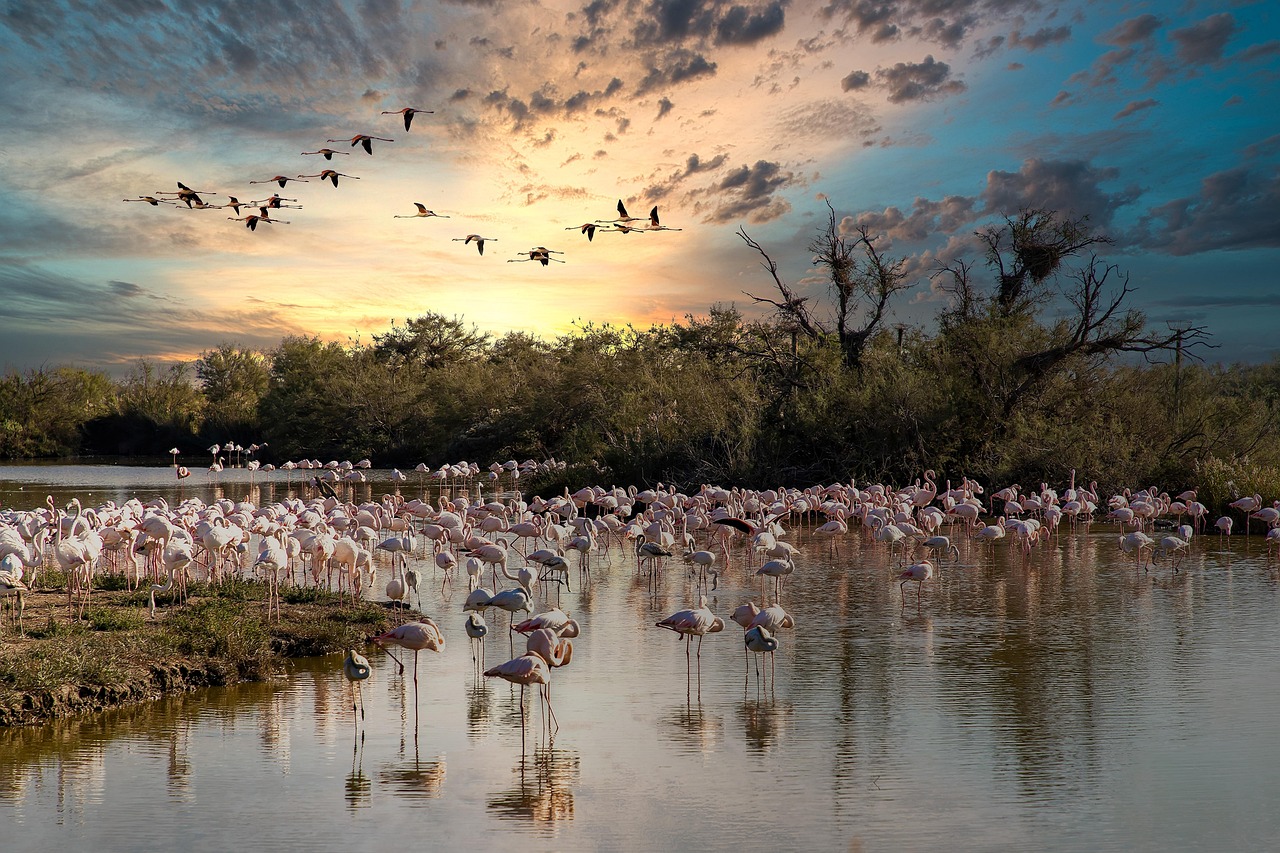
Why Visit Étang de Vaccarès – What Makes It Special?
If you glance at a map, Étang de Vaccarès looks almost abstract: a huge, flat oval of water in the middle of southern France’s Camargue region, just inland from the Mediterranean. On the ground, it feels like the edge of the world.
What sets Étang de Vaccarès apart is not a single monument or “must‑see attraction” but a combination of wild nature, layered culture, and a pace of life that can reset your nervous system in a weekend. It’s where:
- The sky is as much a protagonist as the water—sunrises and sunsets are long, slow performances reflected in a mirror‑flat lagoon.
- Flamingos, herons, egrets, and raptors are your daily neighbors, not rare sightings.
- White Camargue horses and black bulls graze in the marshes, part of a centuries‑old pastoral culture that still shapes local life.
- The food is simple and deeply rooted: tellines (tiny clams) tossed with garlic, rice from the surrounding paddies, bull stew simmered in red wine, and rosé cold enough to mist the glass.
Étang de Vaccarès is not a resort; it’s a protected nature reserve (at the core of the Réserve Nationale de Camargue). There are no neon signs, few formal “sights,” and no big hotels right on the lagoon. Instead, you stay in nearby villages—mostly Saintes‑Maries‑de‑la‑Mer, Salin‑de‑Giraud, or smaller mas (farmhouses)—and visit the lagoon and its viewpoints by car, bike, or on guided walks.
Come here if you want:
- A quiet, nature‑rich escape that still has excellent food and enough structure for a 1–3 day itinerary.
- Family‑friendly adventures—short walks with birdwatching, gentle bike rides, horse‑riding for kids.
- Romantic, slow days—sunset drives, secluded viewpoints, candlelit dinners in converted farmhouses.
- Outdoor exploration—cycling the dykes, photography, kayaking, and wind‑scoured walks.
It’s not ideal if you want nightlife or shopping, but if your idea of luxury is silence, birdsong, and a glass of wine under a huge sky, then Étang de Vaccarès is where southern France feels most elemental.
Table of Contents
- Why Visit Étang de Vaccarès
- Geography & How the Lagoon Actually Works
- Top Viewpoints & Adjacent Sites Around Étang de Vaccarès
- 1, 2 & 3 Day Itineraries Around Étang de Vaccarès
- Eating & Drinking Around Étang de Vaccarès
- Where to Stay Near Étang de Vaccarès
- Étang de Vaccarès After Dark & Off‑Hours
- Cultural Etiquette & Local Customs
- Events & What’s New in 2026–2027
- Best Day Trips from Étang de Vaccarès
- Practical Travel Tips & Logistics
- Étang de Vaccarès Access, “Tickets,” & Opening Hours
- Best Time to Visit Étang de Vaccarès
- Summary & Final Recommendations
Understanding Étang de Vaccarès – Geography, Feeling, and First Impressions
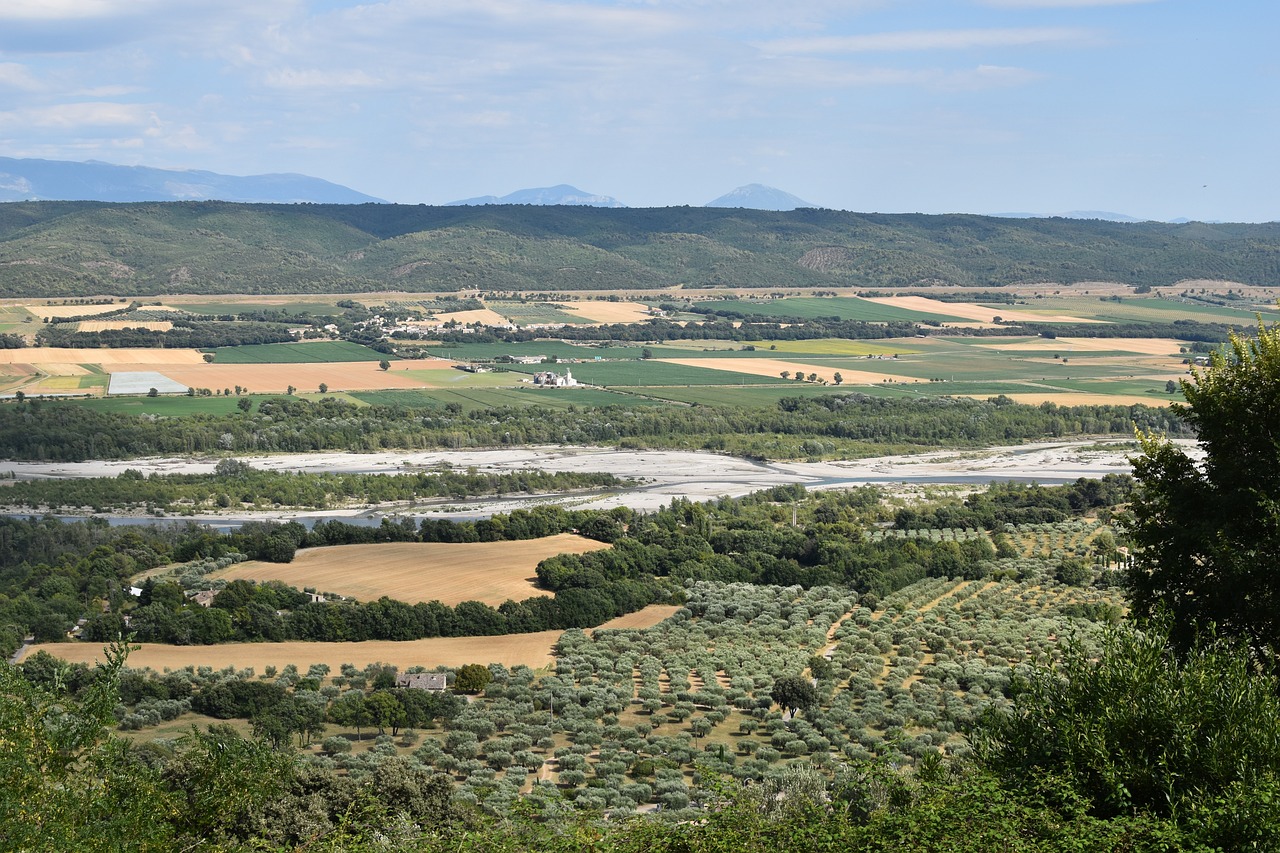
Étang de Vaccarès is the largest of the Camargue’s lagoons, about 12 km long and 6 km wide, shallow and ever‑changing with the seasons. It sits between the Mediterranean to the south and the rice fields and vineyards of inland Provence to the north. The land is flat; the drama comes from the light.
You don’t “enter” Étang de Vaccarès like a walled city. Instead, you trace its edges via a patchwork of small roads and dykes: the D37 and D85 from the north, the D36 from Arles, the D570 towards Saintes‑Maries‑de‑la‑Mer. Along these, occasional parking pockets open up onto viewpoints—some official, some just a rough patch of gravel.
On my first visit in early spring 2014, I remember being almost disappointed during the drive in: nothing but flat land, a few horses, the odd farmhouse. Then the road curved, and suddenly the lagoon appeared—silver, impossibly wide, with a line of flamingos in the distance. The wind carried that mix of salt, mud, and wild herbs that smells like nowhere else. It hasn’t lost its magic since.
The north and east shores are the easiest to approach; they have more viewpoints and a stronger sense of openness, with dykes you can walk or cycle along. The south shore is wilder and more restricted, due to conservation zones and private land. Most first‑time visitors will experience the lagoon from the roads between Arles and Saintes‑Maries‑de‑la‑Mer or from the tracks branching towards Mas Thibert and Gageron.
Top Viewpoints & Adjacent Sites Around Étang de Vaccarès
Because Étang de Vaccarès is a protected nature reserve, you won’t find big built attractions right on the water. Instead, there are a handful of structured sites and viewpoints that form the backbone of any good 1–3 day itinerary around the lagoon. Below are eight of the most rewarding, described from the perspective of multiple visits over the years.
1. The North Shore of Étang de Vaccarès – Classic Panoramas & Easy Access
If you have just one hour at Étang de Vaccarès, spend it on the north shore The D37 and D85 roads, which loop around the northern part of the lagoon, offer several lay‑bys and small parking areas where you can pull over safely. No tickets, no gates, just you, the wind, and the water. In winter and early spring I’ve often had entire stretches of shoreline to myself; in peak summer there are more cars, but it still never feels crowded compared with coastal hotspots. I usually stop first at a wider gravel pull‑off just east of the D37/D85 junction. From here, a rough path leads onto the dyke. You walk a few steps, the reeds open up, and suddenly the lagoon is all you see. It’s a place that rewards stillness: stand quietly and the details emerge—flamingos feeding with that distinctive upside‑down motion, avocets sweeping their bills through the shallows, swifts chasing insects overhead. What to look for: How long to spend: If you’re doing a 1 day itinerary for Étang de Vaccarès, plan at least 1–1.5 hours along the north shore, broken into two or three stops. In a 2 day itinerary or 3 days in Étang de Vaccarès, you’ll likely come back at different times of day—dawn, late afternoon, and perhaps even a moonlit stop. Tips: There is no shade and often a fierce wind (le mistral). Bring a hat with a strap, sunglasses, sunscreen, and water. Wear closed shoes—some paths are uneven and prickly.
2. Mas Saint‑Bertrand & Eastern Tracks – Horses, Birds & Rural Life
On the eastern side of Étang de Vaccarès, a cluster of old farmsteads (mas) and small tracks reveal the human side of the lagoon. My favorite base here is around Mas Saint‑Bertrand, a traditional farm complex that today hosts guest rooms and acts as a jumping‑off point for walks and rides.
The approach is half the charm. You leave the main D36 road from Arles, then wind along narrower lanes flanked by irrigation canals and rice paddies. In late spring and early summer, the rice fields glow an almost neon green; in winter they’re shallow mirrors that catch the sky.
Over the years, I’ve done everything from dawn birdwatching walks with a local guide to slow horse rides that follow old drovers’ paths towards the lagoon. The horses here know the land better than any GPS; they pick their way through muddy patches and pause of their own accord when something interesting—usually a heron or marsh harrier—lifts off ahead.
History & significance: The eastern farms built their livelihoods on a mix of rice, salt, and extensive grazing—bulls and horses adapted to the wetland conditions. Many families have been here for generations, and you still feel that continuity in the layout of the mas: low white buildings around a courtyard, tools leaning against walls, the little chapel tucked into a corner.
What to do:
- Guided horse rides suitable for beginners and families (children generally from 8 years, check when you book).
- Birdwatching walks early in the morning or before sunset; bring binoculars if you own them, though guides often provide a scope.
- Simple farmhouse meals when available—think bull stew with Camargue rice, grilled sausages, and local wine.
How long to spend: Half a day fits well in a 2 day itinerary for Étang de Vaccarès, or a long morning in a 3 day itinerary. For a 1 day itinerary, a shorter horse ride plus a quick picnic on the dyke can still work.
Tip: Many mas around Étang de Vaccarès operate seasonally and by reservation. Call or email ahead, especially outside July–August, and reconfirm the day before in case of bad weather or high water levels.
3. Rousty & the Old Embarcadère – A Quiet Edge of the Lagoon
One of my most peaceful sunsets at Étang de Vaccarès was on a chilly February evening near Rousty. The winter light was almost metallic, the reeds rattled in the wind, and every so often a flock of flamingos lifted off in slow, synchronized waves.
The Rousty sector lies on the northeastern section of the lagoon. A narrow road leads towards an old embarcadère—a simple landing area where boats once left for work on the water. Today, you mostly see fishermen’s huts, reeds, and the skeletons of piers.
What to look for: The sense of scale is extraordinary here. The land recedes into a band of low vegetation, then nothing but water, then a far shore that seems to float. I like to stand with my back to the track and imagine the lagoon before modern management: wilder, perhaps, but not as rich in the specific birdlife we see now thanks to careful conservation.
How long to spend: 45 minutes to an hour is plenty, though photographers can easily stay longer. It combines well with the north shore viewpoints in a single circuit.
Tip: In shoulder seasons (March–April, October–November), Rousty can feel absolutely deserted. That’s part of its charm, but plan to arrive with enough daylight to see the track in and out clearly—phone signal can be patchy.
4. Saintes‑Maries‑de‑la‑Mer – Sea, Pilgrims & Flamingos at the Doorstep
Strictly speaking, Saintes‑Maries‑de‑la‑Mer fronts the Mediterranean, not Étang de Vaccarès itself, but in practice the town is one of the best bases for exploring the lagoon. I’ve stayed here in every season: a quiet guesthouse in January, a busy seafront apartment in July, and a simple room above a café in October when the air smelled of woodsmoke and sea salt.
Why it matters for Étang de Vaccarès: From town, you’re 10–20 minutes by car from the southern and western edges of the lagoon. Early morning drives from Saintes up the D570 towards the north shore are some of my favorite travel memories: empty roads, horses standing hip‑deep in mist, the sky changing from ink to pewter to gold.
What to do in town:
- Climb the church roof of Notre‑Dame‑de‑la‑Mer for a 360° view of the sea, town, and inland marshes.
- Walk the seafront promenade at sunrise—often almost deserted except for fishermen and photographers.
- Visit in May or October to catch the Gypsy pilgrimages (more detail in the cultural customs section), when town life spills onto the streets.
Family‑friendly: Saintes‑Maries makes Étang de Vaccarès manageable with children. You can do a morning lagoon circuit, then retreat to the beach for sandcastle‑building in the afternoon.
Romantic angle: Evening walks between the harbor and the western beaches, followed by seafood dinners and a nightcap on a terrace, make a gentle contrast to the wildness of the lagoon by day.
5. Parc Ornithologique de Pont de Gau – Birdlife Up Close
Every time I bring first‑time visitors to the Camargue, I take them to Parc Ornithologique de Pont de Gau at least once. It’s technically a private bird park, but it opens onto the wider wetlands close to Étang de Vaccarès and offers an accessible, family‑friendly way to appreciate the region’s birdlife.
Why it matters for Étang de Vaccarès: In the wild, flamingos are often at a distance—you see lines of pink, or silhouettes in flight. At Pont de Gau, they’re close enough that you can study their eyes, feathers, and awkward grace. After a visit here, you’ll know what you’re looking at when you spot birds around the lagoon itself.
What it’s like: A network of well‑maintained paths and wooden walkways loops through lagoons and reedbeds. There are hides where you can sit quietly and watch spoonbills, herons, and ducks. In winter, thousands of flamingos gather in pale, noisy crowds; in spring you get more variety of waders and migratory species.
History & significance: Founded in the 1940s and expanded over time, Pont de Gau has evolved from a simple bird park to a semi‑wild sanctuary that both educates and helps sustain bird populations. It’s not “zoo‑like” in the way some people fear; it feels like a more intimate microcosm of the wider Camargue.
How long to spend: 2–3 hours is ideal, especially if you’re structuring a 1 day itinerary for Étang de Vaccarès that includes both the park and a loop around the lagoon.
Practical tips: There’s a small entry fee (usually under 10€ for adults). Arrive early in summer to avoid heat and bus groups. Bring water, binoculars, and a camera with a decent zoom; flash is neither necessary nor appropriate.
6. Salin‑de‑Giraud & the Salt Pans – Pink Water & Industrial Heritage
To the east of Étang de Vaccarès, the village of Salin‑de‑Giraud sits between the Rhône and enormous salt pans that glow white and pink in the right light. It feels less touristy than Saintes‑Maries, more like a working village with a strong industrial past.
Connection to Étang de Vaccarès: The same mix of freshwater and seawater that shapes Étang de Vaccarès also feeds the salt industry here. Driving between Salin‑de‑Giraud and the lagoon, you move through a gradient: from geometric salt ponds to wilder marshes to the open mirror of Vaccarès itself.
Over the years, I’ve grown fond of Salin’s slightly faded charm: grid‑pattern streets, modest houses built for salt workers, and the old factory buildings that remind you this landscape is both natural and man‑managed.
What to do:
- Walk or drive to viewpoints over the salt pans—on certain days, microalgae tinge the water a surreal pink.
- Explore the Plage de Piémanson area for vast, wild beaches and a sense of end‑of‑the‑road emptiness.
- Use Salin as a quieter base than Saintes‑Maries for your 2 day itinerary for Étang de Vaccarès.
How long to spend: Half a day is enough for a first visit; with more time, staying a night or two here gives you early‑morning and late‑evening access to some of the least crowded corners of the Camargue.
7. Mas‑Thibert & the Canal du Vigueirat – Freshwater Marshes & Quiet Trails
North‑east of Étang de Vaccarès, near the village of Mas‑Thibert, the Canal du Vigueirat slices through a mosaic of wetlands that feel distinctly different from the open lagoon. Here the water is narrower, the vegetation denser, and the birds closer.
I first came here on a day when the wind was too strong along the lagoon itself. Local friends suggested we “hide” inland along the canal, and they were right: the trees and reeds sheltered us, and the birdlife was superb.
Why include it in an Étang de Vaccarès travel guide: The canal marshes help you grasp how water moves through the larger Camargue system. They’re also a good fallback when weather makes the exposed edges of the lagoon uncomfortable.
What to do:
- Walk signposted trails with varying lengths, many suitable for families.
- Join guided boat trips or naturalist tours (check schedules ahead, especially in 2026 shoulder seasons).
- Picnic under trees—this is one of the few places in the area where you get reliable shade and tables.
How long to spend: 2–3 hours fits well in a 3 day itinerary for Étang de Vaccarès. If you’re on a tight 1 day itinerary, prioritize the lagoon itself, but keep this in mind as a plan B for wind or rain.
8. Arles – Roman Stones, Van Gogh Light & Gateway to the Lagoon
Although Arles sits a little inland, on the Rhône, it’s the natural urban base for many visitors to Étang de Vaccarès. I’ve lost count of how many times I’ve done the drive: morning coffee in a café under the plane trees in Arles, then down the D36 into the flat openness of the Camargue, with the lagoon glinting ahead.
Why it matters: For travelers who want both culture and wild nature, Arles + Étang de Vaccarès is a perfect pairing. You can sleep among Roman ruins and contemporary art, then spend your days with flamingos and horses.
Key sites in Arles: The Roman amphitheater and theater, the cloister of Saint‑Trophime, the Fondation LUMA with its striking Frank Gehry tower, and the Van Gogh trail that connects spots where the painter worked.
How it fits your itinerary: In a 3 days in Étang de Vaccarès plan, you might actually sleep all three nights in Arles and do day trips to the lagoon, Saintes‑Maries, and Salin‑de‑Giraud. In a shorter 2 day itinerary, consider one night near the lagoon itself and one night in Arles for contrast.
1, 2 & 3 Day Itineraries for Étang de Vaccarès
The beauty of Étang de Vaccarès is that you can tailor your visit: a short, carefully planned 1 day itinerary that hits the essentials, a relaxed 2 days in Étang de Vaccarès with more time on foot and horseback, or a 3 day itinerary that includes nearby Arles, Saintes‑Maries‑de‑la‑Mer, and Salin‑de‑Giraud.
Below are three suggested itineraries, written as if I’m taking you along with me. They are deliberately detailed, to help you visualize how the days actually unfold—drive times, meals, small pauses that make the experience richer.
1 Day Itinerary for Étang de Vaccarès – A Perfect First Encounter
This 1 day itinerary assumes you’re starting from either Arles or Saintes‑Maries‑de‑la‑Mer with a rental car. It focuses on the north shore viewpoints and a visit to Pont de Gau, plus a sunset loop that captures the lagoon at its most atmospheric.
Morning – North Shore Awakening
I like to leave Arles by about 7:30–8:00 in summer (a bit later in winter, when sunrise is later). The D36 takes you out of town quickly; within 15 minutes the old stones of Arles are replaced by wide, open sky.
Your goal is the north shore of Étang de Vaccarès along the D37/D85. I usually stop for a quick takeaway coffee and croissant at a bakery on the way out of Arles—there are no cafés right by the lagoon, and that’s part of its charm.
As you approach the lagoon, slow down. Look for the first wide lay‑by with a clear view; don’t be too ambitious about “the perfect spot” right away. The first time I brought my parents here, we stopped at the very first pull‑off we saw. The water was glassy, flamingos were scattered like punctuation marks in the distance, and my usually talkative father just stood there in silence for long minutes.
Spend 30–45 minutes just walking along the dyke, feeling the wind on your face, tuning your eyes to the subtle movement of birds and ripples. This is where a lot of travelers waste time trying to “collect” spots quickly; instead, choose two or three viewpoints and really experience them.
Late Morning – Second Viewpoint & Short Walk
Drive a few more kilometers along the D85, stopping at another pull‑off where reeds frame the water differently. On my last visit in April 2026, we parked by a simple dirt patch, then followed an unmarked but clear track for about 10 minutes until the reeds gave way to open shore. A marsh harrier circled low; somewhere behind us, a frog chorus began.
Plan another 30–60 minutes here. Take photos, but also put the camera away for a bit. The lagoon is about sound and wind as much as visuals.
Lunch – Picnic or Simple Bistro
For a tight 1 day in Étang de Vaccarès, I strongly recommend a picnic lunch. Buy supplies in Arles or Saintes‑Maries before you head out: baguette, cheese, cured ham, olives, fruit, and plenty of water. There are a few shady spots slightly inland along canals where you can park and eat, though shade right on the lagoon itself is scarce.
If you prefer a sit‑down meal, plan to head towards Saintes‑Maries‑de‑la‑Mer around noon and have lunch there (see the food section for specific recommendations just outside the tourist‑trap core).
Early Afternoon – Pont de Gau Bird Park
After lunch, make your way to Parc Ornithologique de Pont de Gau, about 10 minutes north of Saintes‑Maries on the D570. I like arriving around 14:00–15:00; the light is still strong but softening depending on the season.
Spend 2–3 hours walking the paths. Don’t rush. Sit in at least one hide for longer than feels “necessary.” That’s when you start to notice subtle behaviors: how flamingos constantly reshuffle positions, how egrets and herons negotiate space.
Families usually love this part of the 1 day itinerary—kids can burn energy on the safe, level paths, and the birds are close enough to impress even short attention spans.
Late Afternoon & Sunset – Back to the Lagoon
As the afternoon wanes, you have two good options for sunset:
- Return to a favorite north shore viewpoint if you’re staying in or near Arles.
- Head slightly inland from Saintes‑Maries, finding a spot where you can see marshes and horses against the western sky.
My personal ritual on 1‑day trips is to swing back towards the D85 north shore, park at a different lay‑by than in the morning, and simply sit on the dyke. The light changes minute by minute; the water becomes molten, then pewter, then slowly dark. In late spring, swallows skim the surface and bats take over as the last color drains from the sky.
Evening – Dinner & Drive Back
For dinner, either:
- Eat in Arles if that’s your base—lots of options from bistros to modern Provençal.
- Stay in Saintes‑Maries‑de‑la‑Mer and choose a restaurant just back from the seafront (better value than the prime promenade spots).
By the time your head hits the pillow, you’ll have had a full immersion: the open lagoon, the close‑up birds, the marshes, and the sea. It’s an intense but doable 1 day itinerary for Étang de Vaccarès.
2 Day Itinerary for Étang de Vaccarès – Horses, Salt & Slow Evenings
With 2 days in Étang de Vaccarès, you can slow down. This itinerary assumes one night in or near Saintes‑Maries‑de‑la‑Mer, and one night either in Arles or around Salin‑de‑Giraud. You’ll still see the north shore and Pont de Gau, but also ride horses near the lagoon and explore the salt pans.
Day 1 Morning – Repeat North Shore, This Time Deeper
Use the first morning much like the 1‑day plan—but linger longer. Choose one north shore viewpoint and walk further along the dyke than most people do. On my last spring visit, I spent almost two hours at a single spot, watching the same flock of flamingos shift across the water as the wind changed direction.
If you’re into photography, this is your time to experiment: long lenses for birds, wide angles for sky, maybe even a tripod for slow‑shutter water effects if the wind cooperates.
Day 1 Midday – Check Into Saintes‑Maries & Sea Air
By late morning or early afternoon, head into Saintes‑Maries‑de‑la‑Mer and check into your accommodation. Drop the car, walk the old streets, climb the church for a panoramic view. Grab a light seafood lunch—grilled fish, mussels, or a simple salad if it’s hot.
Day 1 Afternoon – Pont de Gau or Beach Time
If you didn’t visit Pont de Gau on arrival day, go now. Otherwise, use the afternoon for a more relaxed activity:
- Walk the western beaches of Saintes‑Maries, away from the densest crowds.
- Join a short boat excursion along the coast and river mouth if available (seasonal).
I often use this window to just sit in a café, notebook out, watching the mix of locals and visitors pass by. In late afternoon, the light over the sea hints at what’s happening simultaneously over Étang de Vaccarès inland.
Day 1 Evening – Golden Hour Over the Marshes
Before dinner, drive a short way out of town along the D570 or one of the smaller tracks heading inland (always respecting private and restricted signs). Find a turnout where you can see both horses and open marsh. This is one of the most romantic moments in a 2 day itinerary for Étang de Vaccarès: the air cools, the mosquitoes (sadly) awaken, and the sky goes through that intense Camargue gradient—gold to orange to purple.
After your sunset stop, head back into town for dinner: perhaps a bull stew (gardianne de taureau) with Camargue red rice, followed by a night walk along the harbor.
Day 2 Morning – Horse Riding by the Lagoon
Book a morning horse ride at a reputable manade (a traditional ranch) or at a mas near the lagoon—ideally around Mas Saint‑Bertrand or similar. Most stables offer 1.5–2 hour rides suitable for beginners, including children above a certain age.
I still remember my first ride here: trotting along a track with Étang de Vaccarès glinting in the distance, the horses’ hooves squelching in marshy patches, egrets lifting off ahead. I’m not an expert rider, but the Camargue horses are calm and sure‑footed. Guides point out birds and plants; sometimes you see bulls grazing, distant but unmistakable.
Wear long trousers, closed shoes, and bring a light windbreaker. Even in summer, the morning breeze near the water can feel cool.
Day 2 Lunch – Farmhouse or Village
After the ride, eat either:
- At the mas itself if they offer simple lunches for guests.
- Back in a village like Saintes‑Maries or Salin‑de‑Giraud.
In 2025 I had a memorable lunch at a small farmhouse table: grilled saucisse de taureau, a huge salad with local tomatoes, and still‑warm bread from the village. Simple, perfect.
Day 2 Afternoon – Salin‑de‑Giraud & Salt Pans
In the afternoon, drive east towards Salin‑de‑Giraud. The route from the lagoon passes through changing landscapes: first wetlands, then rice, then the geometry of salt ponds. Stop at one or two viewpoints where you can safely pull off and look over the pans—on certain days in late summer, the water takes on that famous pink hue from naturally occurring algae.
Stroll through Salin’s modest streets, perhaps with an ice cream or coffee. This isn’t a “pretty” village in the clichéd Provençal sense, but it’s authentic and quietly photogenic in its own industrial way.
Day 2 Evening – Stay in Arles or Salin
For your second night, you have two main options:
- Arles if you want culture, restaurants, and a city walk after dinner.
- Salin‑de‑Giraud or countryside if you prefer a quiet, almost off‑grid feel and want to wake up closer to the marshes.
Both choices work well in a 2 days in Étang de Vaccarès plan; it depends on whether you’d like your final evening to be lively or hushed.
3 Day Itinerary for Étang de Vaccarès – Deep Camargue Immersion
With 3 days in Étang de Vaccarès, you can blend the lagoon, nearby marshes, and Arles into a balanced trip. Here’s a structure I often recommend to friends and have followed myself multiple times between 2022 and 2026.
Day 1 – North Shore, Pont de Gau & Saintes‑Maries
Follow the 1 day itinerary for Étang de Vaccarès as above, but with less pressure to squeeze everything in. You can:
- Spend longer at each north shore viewpoint.
- Take a slow, drawn‑out walk at Pont de Gau.
- Allow for a proper siesta or swim in Saintes‑Maries in the afternoon.
Sleep in Saintes‑Maries‑de‑la‑Mer or just outside town in a mas for a quieter night.
Day 2 – Horse Riding, Eastern Lagoon & Canal du Vigueirat
Morning: Do that horse ride near the lagoon (Mas Saint‑Bertrand area or a similar manade). If you rode on day 2 of the 2‑day plan, consider a guided walking tour instead, focusing on flora and water management.
Late morning & lunch: Drive inland towards Mas‑Thibert and the Canal du Vigueirat. Eat in a local café or pack a picnic.
Afternoon: Walk the canal trails. Choose a route based on your energy level; there are shorter circuits suitable for families and longer ones for keen walkers. I love the feeling here: more enclosed than Étang de Vaccarès, with trees and dense reeds making the bird calls echo. On one autumn afternoon, we watched a kingfisher flash along the canal like a piece of flying turquoise glass.
Evening: Drive to Arles and settle in for the night. Wander the old center, have dinner in a courtyard, maybe sip a digestif under the plane trees as you process the shift from wild lagoon to Roman stone.
Day 3 – Arles Culture & Final Lagoon Farewell
Use your third day to blend Arles and the lagoon:
- Morning in Arles: Visit the amphitheater, the cloister of Saint‑Trophime, or an exhibition at LUMA Arles. Have coffee in a square Van Gogh once painted.
- Lunch in town: Try a bistro with a terrace, ordering a Provençal classic (fish soup, daube, or a lighter salad in summer).
- Afternoon return to Étang de Vaccarès: Drive back down the D36 and make a final loop along the north shore or east side, revisiting a favorite spot or discovering a new one. This is when the place often “clicks” more deeply—you recognize vistas, you notice how the water level has changed in just a couple of days.
End the trip with a last sunset on the lagoon. For me, this final farewell has become a kind of personal ritual: standing against the wind, acknowledging that I’ll be back.
Eating & Drinking Around Étang de Vaccarès
There are no restaurants perched right on Étang de Vaccarès itself—you eat in the nearby towns and farmsteads. The good news is that the Camargue has a strong, honest food culture, and it’s hard to eat badly if you avoid the most obvious tourist traps.
What to Eat – Essential Camargue Flavors
- Gardianne de taureau: Bull stew, slow‑cooked in red wine with olives and herbs, usually served with Camargue rice. Rich, comforting, ideal after a windy day on the lagoon.
- Camargue rice: Often red or black varieties, nutty and slightly chewy. You’ll see it in salads, as a side, even in desserts.
- Tellines: Tiny clams harvested from local beaches, cooked quickly with garlic and parsley. Eat them with your fingers, mop up the juices with bread.
- Seafood platters: Especially in Saintes‑Maries, with oysters from nearby Étang de Thau, mussels, and prawns.
- Local cheeses & charcuterie: From goat cheeses inland to bull sausages and cured meats.
Where Locals Actually Go
In Saintes‑Maries‑de‑la‑Mer, walk one or two streets back from the seafront. The first line of restaurants along the promenade tends to target day‑trippers; decent for a drink with a view, but food is hit‑and‑miss. I’ve had better, more reasonably priced meals in smaller, family‑run spots just behind, where the menus are shorter and more seasonal.
Around Salin‑de‑Giraud and along the roads between Arles and the lagoon, a few converted mas now host small restaurants or offer dinner for guests. These can be magical: long tables, candles in the courtyard, the sound of crickets. They’re not always open nightly, and many require reservations—call ahead, especially in shoulder seasons.
What to Bring onto the Site Itself
For actual time at Étang de Vaccarès:
- Water: Always more than you think. The wind and sun dehydrate quickly.
- Snacks or a full picnic: Baguette, cheese, fruit, nuts. There are no kiosks or cafés at the viewpoints.
- Thermos in cooler months: Tea or coffee tastes extra good when you’re standing on a windswept dyke in December.
Where to Stay Near Étang de Vaccarès
Because the lagoon is protected, you’ll stay in surrounding settlements. Over multiple trips, I’ve tried three main styles: seaside town, rural mas, and Arles city base.
Saintes‑Maries‑de‑la‑Mer
Best if you want to mix lagoon time with beach walks and have plenty of restaurant options. Choose:
- Small hotels or guesthouses a street or two back from the sea for quieter nights.
- Self‑catering apartments if you plan picnics and early starts.
Rural Mas around Étang de Vaccarès
Ideal if you want silence and direct contact with the landscape. Waking up to horses grazing outside your window is special. Many offer:
- Breakfast with local products.
- On‑site activities like horse rides or birdwatching walks.
Arles
Perfect for a 3 day itinerary for Étang de Vaccarès that combines culture and nature. Stay in:
- Old‑town boutique hotels in restored stone houses.
- Modern apartments if you need parking and space.
Étang de Vaccarès After Dark & Off‑Hours
Étang de Vaccarès has no neon, no boardwalks, no official night‑time shows. Its “after dark” magic comes from sky and sound.
Sunset
The hour before and after sunset is the most transformative. The lagoon’s color shifts dramatically; birds commute to and from feeding grounds. In summer, aim to be in place 45 minutes before sunset; in winter, 30 minutes is enough as twilight is shorter.
Blue Hour
The brief period after sunset, when the sky is deep blue and the water reflects it, is my favorite time for contemplative walks along the north shore. Bring a torch or headlamp for the walk back to the car; the paths are unlit.
Night Sky
On clear nights with little moon, light pollution is low enough that you see a good spread of stars. I’ve stood on the dyke in late September, listening to distant frogs and wind, feeling very small in the best way. Always prioritize safety: park in obvious pull‑offs, keep valuables out of sight, and avoid wandering too far from the car in total darkness.
Seasonal Evening Programs
Occasionally, nature organizations or local guides offer evening walks or stargazing sessions near (but not usually directly at) Étang de Vaccarès, especially in summer. Check with the Camargue Regional Nature Park visitor centers or tourist offices in Arles and Saintes‑Maries for 2026–2027 schedules.
Cultural Etiquette & Local Customs in the Camargue
Étang de Vaccarès is part of the wider Camargue, which has its own strong identity within Provence. Understanding a few customs makes your visit smoother and more respectful.
Respect for Working Land
Much of what looks like “wild” land around the lagoon is actually working territory for bulls, horses, and rice farmers.
- Never cross fences or gates marked private or with bull symbols.
- Close gates behind you if you walk on designated paths that pass through grazing areas.
- Don’t feed or approach horses and bulls without express permission; many are working animals.
The Gardians & Manades
Gardians (Camargue cowboys) and manades (herds, and by extension the ranches) are central to local culture. When you watch a horse demonstration or a bull show in an arena, remember this is not a theme park performance but an expression of a living tradition. Tips:
- Clap when locals clap; silence when they fall silent.
- Ask before photographing individuals up close, especially working gardians.
Gypsy Pilgrimages in Saintes‑Maries‑de‑la‑Mer
The May and October pilgrimages honoring Saint Sarah and the Saintes‑Maries attract Roma communities from across Europe. The streets fill with music, prayer, and color. If you visit during these, treat them as religious events, not spectacles:
- Dress modestly around the church and processions.
- Be discreet with photos; avoid flash during ceremonies.
- Give space to processions and don’t push through crowds.
Everyday Courtesies
As in the rest of France, a simple bonjour when entering shops, cafés, or starting conversations goes a long way. People here can seem reserved at first, but a few words of French and genuine interest in the land often open doors—literal and metaphorical.
Events & What’s New in 2026–2027
As of 2026, several recurring events and trends shape travel around Étang de Vaccarès:
Recurring Events (Dates Vary Slightly Each Year)
- Gypsy Pilgrimage of Saintes‑Maries‑de‑la‑Mer (May & October): Major religious and cultural gatherings with processions to the sea.
- Fête du Riz (Rice Festival) in Arles (September): Celebrates the rice harvest with parades, bull events, and local food stalls.
- Camargue Bull & Horse Festivals: Various towns host abrivados (bull runs) and horse displays throughout spring and summer.
Travel Scene in 2026–2027
- Increased focus on eco‑tourism and small‑group nature tours around Étang de Vaccarès, with caps on group sizes in sensitive areas.
- More cycling infrastructure signposting around the lagoon’s northern and eastern approaches, making bike‑based itineraries easier.
- Expanded birding programs in winter and early spring, when flamingo numbers peak.
Check local tourist office websites in early 2026 for exact dates and any new conservation rules that may affect access to particular tracks.
Best Day Trips from Étang de Vaccarès
If you’re basing yourself near Étang de Vaccarès for several days, a few nearby destinations enrich the picture.
Arles (20–40 minutes)
Roman ruins, art, markets. Easy by car; limited public buses also connect Arles with Saintes‑Maries‑de‑la‑Mer.
Les Baux‑de‑Provence & the Alpilles (1–1.5 hours)
Hilltop village, castle ruins, olive groves, and spectacular views—an inland contrast to the flat Camargue.
Étang de Thau & Sète (1.5–2 hours)
Oyster farms, canals, and a maritime vibe. Combine with coastal drives for a full day by the sea.
Practical Travel Tips & Logistics for Étang de Vaccarès
How to Get There
The closest major hubs are Marseille Provence Airport and the train stations at Arles, Avignon, and Nîmes. From there:
- By car: Easiest and most flexible. From Arles, take the D36 south towards the Camargue and then branch towards the lagoon.
- By public transport: Buses link Arles and Saintes‑Maries‑de‑la‑Mer, but services are limited. Reaching specific lagoon viewpoints without a car is difficult.
Getting Around – Car, Bike, or Horse
For Étang de Vaccarès itself, a car or bicycle is almost essential. Cycling works well in calm weather; in strong mistral winds, it can be punishing. Many roads lack separate bike lanes, so confidence in mixed traffic is important.
Car Rental & Foreign Licenses
Major rental agencies operate at Marseille, Nîmes, and Avignon airports and stations. Most visitors with an EU or standard international driver’s license can drive without issue; some non‑EU travelers may need an International Driving Permit in addition to their national license—check before you travel.
Money‑Saving Tips
- Base yourself in Arles or Salin‑de‑Giraud rather than the most touristy spots of Saintes‑Maries in peak summer.
- Shop for picnic supplies in supermarkets or markets instead of eating every meal out.
- Travel in shoulder seasons (April–early June, late September–October) for lower prices and fewer crowds.
SIM Cards & Connectivity
French prepaid SIMs from operators like Orange, SFR, and Bouygues are easily bought in cities and some supermarkets. Coverage around Étang de Vaccarès is generally good on main roads but can drop in remote marshes—download offline maps in advance.
Visa Requirements
France is part of the Schengen Area. Many nationalities (including EU, UK, US, Canada, Australia, New Zealand, and others) can enter visa‑free for short stays; others need a Schengen visa. Always check current rules from official French consular sources before travel, as regulations can change.
Accessibility
Étang de Vaccarès viewpoints vary in accessibility:
- Some north shore pull‑offs allow views directly from or very near the car.
- Paths can be uneven, narrow, or muddy; not all are suitable for wheelchairs or those with limited mobility.
- Pont de Gau offers some of the most accessible walking paths and facilities in the area.
Safety & Environment
- Wind: The mistral can be very strong—hold car doors firmly when opening, secure hats and light items.
- Sun: Little shade. Wear sunscreen, hats, sunglasses; carry water.
- Mosquitoes: Especially at dawn and dusk in warmer months—use repellent, wear long sleeves and trousers.
- Driving: Watch for animals on roads (horses, bulls, birds), and for cyclists.
Étang de Vaccarès Access, “Tickets,” & Opening Hours
Unlike a museum or castle, Étang de Vaccarès has no single entrance gate or ticket office. The lagoon itself is a protected natural area integrated into the wider Camargue Regional Nature Park and National Reserve.
Access & Restrictions
- Many roads and basic viewpoints are freely accessible at all hours, year‑round.
- Some tracks are seasonally closed or restricted to protect birds during nesting or to manage water levels.
- Certain interior areas of the Réserve Nationale de Camargue are only accessible with authorized guides or not at all.
Related Ticketed Sites
- Parc Ornithologique de Pont de Gau: Paid entry; open daily with seasonal hours (typically around 9:00–17:00/18:00, later in summer).
- Canal du Vigueirat: Free access to some trails; fees for guided tours or boat trips.
- Church roof in Saintes‑Maries‑de‑la‑Mer: Small fee to climb for views of sea and marshes.
Peak Hours & Best Time of Day
For Étang de Vaccarès itself:
- Best: Dawn and late afternoon to sunset—better light, more active birds, softer temperatures.
- Peak visitor hours: Late morning to mid‑afternoon in July–August, mainly near main roads and Pont de Gau.
Best Time to Visit Étang de Vaccarès
You can visit Étang de Vaccarès year‑round, but the character of the lagoon changes dramatically with the seasons.
Spring (March–May)
My favorite time for a travel guide for Étang de Vaccarès to send you. Migratory birds are passing through; temperatures are gentle; wildflowers appear along tracks. April and early May are ideal for 2–3 day itineraries.
Summer (June–August)
Long days, strong sun, more visitors. Plan early morning and late evening lagoon visits, with midday siestas or sea swims. Good for families who need beach time, but bring serious sun and mosquito protection.
Autumn (September–November)
Another sweet spot. Warm water, softer light, fewer crowds, and rich birdlife as migrations pick up again. September is great for combining lagoon and Arles festivals.
Winter (December–February)
Cold, often windy, but atmospheric. Fewer services in Saintes‑Maries, yet flamingo numbers can be spectacular. Ideal for photographers and birders who don’t mind bundling up.
Summary & Final Recommendations
Étang de Vaccarès isn’t a “checklist” destination; it’s a mood, a set of experiences that unfold slowly. In 2026, with travel patterns shifting back towards quieter, nature‑driven trips, it feels more relevant than ever.
For a 1 day itinerary for Étang de Vaccarès, focus on the north shore and Pont de Gau, using Saintes‑Maries or Arles as your base. With 2 days in Étang de Vaccarès, add horse riding, salt pans, and slower evenings in a mas or village. With 3 days in Étang de Vaccarès, weave in Arles and the Canal du Vigueirat for a fuller picture of the Camargue’s water world.
Above all, allow room in your schedule for simply standing still: on a dyke, by a canal, or at a quiet pull‑off, watching flamingos cross a wide, shimmering sky.