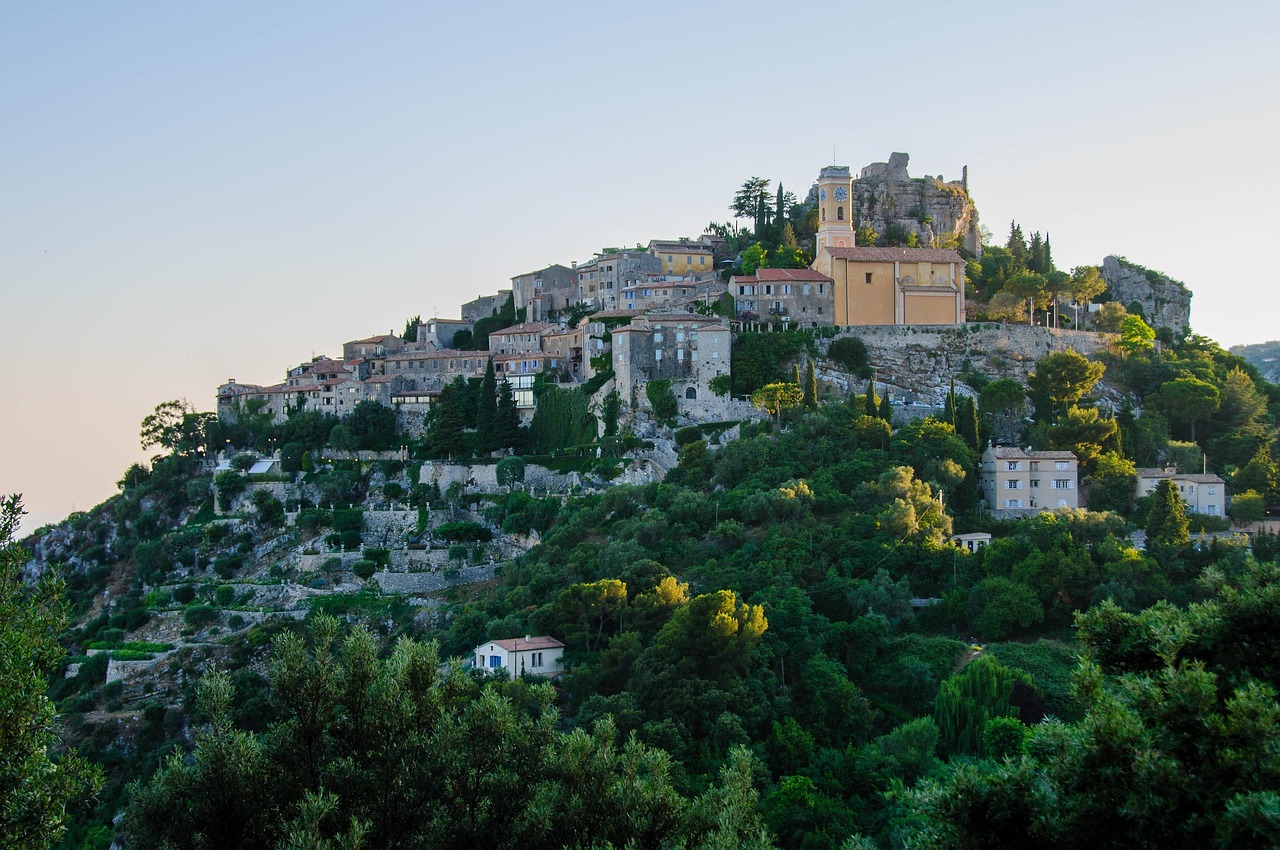
Why Visit Èze: A Cliffside Village That Feels Suspended in Time
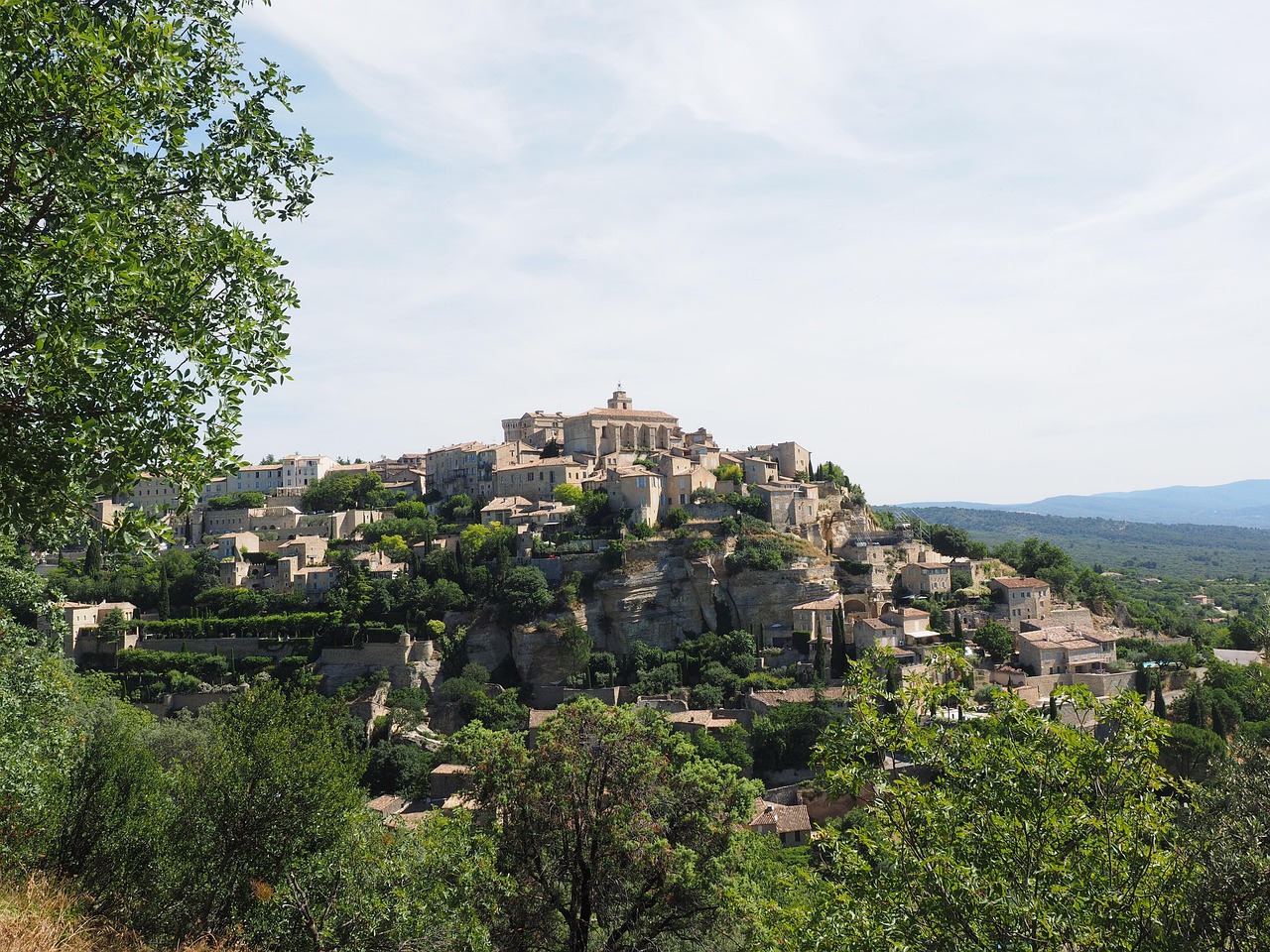
Èze is tiny, but it leaves a huge imprint. Perched 427 meters above the Mediterranean between Nice and Monaco, this medieval village clings to a cliff like something from a fantasy film. Cobbled lanes twist upward through stone archways, bougainvillea spills from windows, and every so often the alley suddenly opens to a terrace with a heart-stopping view of the Côte d’Azur.
I’ve been coming to Èze for years—sometimes for an afternoon escape from Nice, sometimes for a slow, romantic weekend. Each visit feels different: misty mornings when the village is quiet and smells of wet stone; blazing summer sunsets over a silver sea; crisp winter days when locals reclaim the lanes and talk football at the bar. It’s one of the rare places that works equally well for a day trip, a long weekend, or a full 5-day slow-travel stay.
Think of Èze as a compact base where you can have:
- Romantic escapes: cliff-top hotels, candlelit terraces, and those famous “million-euro views”.
- Family adventures: short hikes, easy bus connections, a tiny beach, and interesting (but not overwhelming) cultural stops.
- Active trips: the Nietzsche hiking trail, coastal walks, sea kayaking from Èze-sur-Mer, and day trips to the hills.
- Cultural immersion: perfume workshops, local festivals, chapel concerts, and slow lunches in family-run restaurants.
If you’re planning a 3 day itinerary for Èze, 4 days in Èze, or even a 5 day itinerary for Èze, this travel guide will walk you through everything: must-see attractions, hidden gems, local food, cultural etiquette, and practical travel tips for 2026–2027.
Table of Contents
- Why Visit Èze
- Quick Overview of Èze
- Recommended Itineraries (3–5 Days in Èze)
- Neighborhoods & Areas of Èze
- Top 20+ Attractions & Experiences in Èze
- Local Food & Drink in Èze
- Nightlife, Entertainment & Cultural Experiences
- Events & Festivals 2026–2027
- Day Trips from Èze
- Practical Travel Tips for Èze
- Summary & Best Time to Visit Èze
Quick Overview of Èze in 2026
Èze is actually three distinct zones within one small commune:
- Èze Village (Èze-Village): the famous medieval hilltop with stone houses, art galleries, perfume shops, and the Jardin Exotique.
- Èze-sur-Mer: the seaside hamlet with a stony beach, train station, and a more relaxed, locals-meet-holidaymakers feel.
- Èze Plateau & Hinterland: residential and green areas above and behind the village, where you find quiet trails and viewpoints.
In 2026, Èze is busier than ever, but still manageable if you plan well. The municipality has tightened controls on bus access and parking to reduce congestion, and there’s more signage in English and Italian. New small guesthouses have opened around Èze-sur-Mer, making longer stays much easier—and cheaper than the luxury hotels in the village.
Recommended Itineraries: 3–5 Days in Èze
These itineraries are based on how I actually structure my own trips, mixing must-see attractions in Èze with quieter corners and local food stops. You can easily adapt them for families, romantic getaways, or active trips.
3 Day Itinerary for Èze – Classic Highlights
If you have 3 days in Èze, focus on the essentials: the medieval village, the Nietzsche trail, the seaside, and a taste of local cuisine. I’ll walk you through a personal-style plan day by day.
Day 1: First Glimpse of the Eagle’s Nest
I like to arrive mid-morning, when the village is awake but not yet crowded. My usual routine is to drop my bag either at a small guesthouse in Èze-sur-Mer or at a hilltop hotel, then head straight into the old village.
- Morning – Wander the Medieval Lanes
Enter through the stone gate and follow your curiosity. Don’t rush to the top; Èze is all about detours. Peek into tiny art galleries, watch artisans working in their studios, and notice how cats seem to own every sun-warmed step. - Lunch – Terrace with a View
Choose a café terrace facing the sea—portions run small and prices run high, but the view is priceless. I often order a simple salade niçoise and a glass of chilled rosé. Ask for a carafe of tap water (une carafe d’eau) to save money. - Afternoon – Jardin Exotique d’Èze
After lunch, continue upward to the Jardin Exotique, the highest point of the village. This is where Èze’s most iconic skyline photos are taken. - Evening – Golden Hour & Quiet Alleys
Around sunset, most day-trippers leave. Linger in the lanes, then enjoy a slow dinner. If you’re on a budget, head back down to Èze-sur-Mer for more affordable options along the coastal road.
Day 2: Nietzsche Trail & Èze-sur-Mer
This day is about contrast: from mountain village to the sea, on foot. Wear decent shoes; flip-flops are a bad idea on the rocky trail.
- Morning – Hike Down the Nietzsche Trail
Start early (before 9 a.m. in summer) to avoid the heat. The trail begins just below the village and zigzags 430 meters down to the coast. The views open up quickly: the turquoise bay, curving roads, and train tracks slicing along the shore. It takes me about 45–60 minutes going down, including photo stops. - Late Morning – Swim at Èze-sur-Mer Beach
The beach is pebbly, so bring water shoes or at least flip-flops. The water is shockingly clear, and if you’ve just done the hike, that first dive is heaven. - Afternoon – Lazy Lunch & Coastal Stroll
Have lunch at a beachfront restaurant or grab a sandwich at a small supermarket and picnic under the pines. Spend the afternoon alternating between swimming, reading, and people-watching. - Evening – Train or Bus Back Up
If you don’t want to hike back, take the bus or a taxi. Back in the village, enjoy a simple dinner—try local socca if it’s on the menu—and a quiet walk under lantern-lit arches.
Day 3: Perfume, Panoramas & Hidden Corners
- Morning – Perfume Factory Tour
Visit the Fragonard or Galimard perfume factory at the foot of the village. Guided tours explain the art of fragrance-making and end in a boutique where you can test everything. I like to buy tiny travel-size bottles as gifts. - Lunch – Simple Local Fare
Try a place that serves pissaladière (onion tart), farcis niçois (stuffed vegetables), or fresh fish. Ask about the plat du jour to save money. - Afternoon – Hidden Lanes & Chapels
Spend your final hours ducking into corners you missed: a tiny chapel, a quiet dead-end with an overlook, a small gallery. This is the time to sit on a stone step and absorb the atmosphere. - Evening – Farewell Viewpoint
Before leaving, climb once more to a favorite viewpoint. I like to stand at the Jardin Exotique’s southern wall, watching the sky fade from blue to apricot over the sea.
4 Day Itinerary for Èze – Slow Travel & Side Trips
With 4 days in Èze, you can follow the 3-day itinerary and add one deeper cultural or nature day. Two options I often recommend:
- Option A – Art & Hilltop Villages: add a day trip to nearby La Turbie and Saint-Paul-de-Vence.
- Option B – Sea & Sport: add a day of kayaking, stand-up paddleboarding, or a coastal hike towards Cap d’Ail.
Either way, your extra day lets you experience Èze at a gentler pace: lazy breakfasts, unhurried dinners, and time to chat with locals without watching the clock.
5 Day Itinerary for Èze – Full Immersion
A 5 day itinerary for Èze is ideal if you want to truly settle in. I’ve done this a couple of times, staying in Èze-sur-Mer and treating the village as my “local hill town”. Over five days, you can:
- Do the full 3-day core itinerary.
- Add a day exploring Nice’s Old Town and markets.
- Add a day visiting Monaco and Cap d’Ail’s coastal path.
This is perfect for couples on a romantic break or slow travelers who don’t want to repack every night. You get to know your bakery, your bus schedule, and your favorite viewpoint—Èze starts to feel like a temporary home.
Neighborhoods & Areas of Èze
Èze-Village – The Medieval Eagle’s Nest
Èze-Village is the postcard image: honey-colored stone houses, steep lanes, and a ruined castle turned into a cactus-filled garden. It’s compact—maybe a 10–15-minute walk from gate to summit—but you can easily spend hours exploring every staircase and tunnel.
Character: Romantic, historic, photogenic, and quite touristy in peak season. Early mornings and evenings are wonderfully calm.
Èze-sur-Mer – Pebble Beach & Seaside Calm
At sea level, Èze-sur-Mer feels almost like a different town: a narrow strip of houses and small hotels between the railway and the beach. It’s quieter, cheaper, and very convenient for day trips, thanks to the train line connecting Nice, Monaco, and beyond.
Character: Relaxed, residential, sun-and-sea focused, with a few good restaurants along the coastal road.
Plateau de la Justice & Hinterland
Above and behind Èze, small roads weave through pines, villas, and hiking paths. This is where you escape the crowds entirely and get long views of both the mountains and the sea.
Character: Quiet, green, more “local”. Ideal for walking, trail running, or simply breathing in the pine-scented air.
Top 20+ Attractions & Experiences in Èze
Èze is small, but each corner has a story. Below are more than 20 of the best places to visit in Èze, including must-see attractions and lesser-known hidden gems in Èze. I’ve woven in personal tips and anecdotes from my own visits.
1. Jardin Exotique d’Èze (Exotic Garden)
The Jardin Exotique d’Èze crowns the very top of the village, where a medieval castle once stood. Now, instead of battlements, you have terraces of succulents and cacti, and instead of arrow slits, you get sweeping 360° views of the Riviera.
The first time I climbed up here, I arrived just as the garden opened. The light was soft, the sea a pale blue sheet, and thin mist clung to the hills. Wandering among towering agaves and sculptural cacti felt surreal—like walking through a desert planted on a fortress roof.
Why it’s special: It’s the best single viewpoint in Èze. Information boards tell you what you’re seeing: from Cap Ferrat to the Italian border. Sculptures of female figures by artist Jean-Philippe Richard add an almost mystical atmosphere.
Family-friendly? Yes, but watch small children near low walls. There are railings, but drops are steep.
Tips:
- Come early or around sunset to avoid mid-day tour groups.
- In high season, bring water—there’s little shade.
- Your garden ticket often includes a small brochure with historical info; keep it, it’s handy later.
2. The Medieval Village Lanes
The real attraction of Èze is not a single monument but the network of lanes themselves. No matter how many times I visit, I still get turned around—and I kind of love that.
Every archway frames a new micro-scene: a pot of geraniums, a blue shutter half-open, laundry strung between windows, the sound of cutlery from an unseen restaurant. On my last trip, I spent nearly an hour following a cat that seemed determined to guide me to increasingly quieter staircases.
Must-see corners:
- A tiny square with a stone fountain near the village entrance.
- The vaulted passageways leading towards the church.
- Dead-end lanes that end in micro-terraces overlooking the sea.
Photo tip: Morning is best for soft light; late afternoon gives more dramatic shadows on the stone. In July–August, aim for before 10 a.m. or after 6 p.m. for fewer people.
3. Église Notre-Dame-de-l’Assomption
This pale-yellow 18th-century church sits slightly below the village summit, its bell tower a familiar marker from afar. Inside, it’s surprisingly ornate: marble altars, gilded details, and soft light filtering through small windows.
I like to duck in here during the hottest part of the day. The thick walls keep it cool and quiet, and there’s often a faint smell of wax from recently lit candles. Once, a local woman was rehearsing a hymn; her voice filled the nave and made everyone stop and listen.
Why visit: For a moment of calm and to see the religious heart of the village, which still hosts baptisms, weddings, and small concerts.
Etiquette: Dress modestly (shoulders covered if possible), speak softly, and avoid flash photography during services.
4. Èze Cemetery & Cliffside Views
Just beyond the church lies the small cimetière d’Èze, a peaceful spot with white tombs and crosses facing the Mediterranean. It’s not an obvious tourist stop, but I always visit.
Walking between the graves, you’ll spot local family names repeated, a reminder that under the tourist gloss there’s a real community here. At the far edge, low walls frame a breathtaking drop to the sea—arguably one of the most serene viewpoints in the village.
Tip: Come here when the village feels crowded. It’s almost always calm, and the light in late afternoon paints the stones a warm gold.
5. Èze-sur-Mer Beach
The beach at Èze-sur-Mer is narrow and pebbly, but I’d pick it over many sandy beaches. The water is exceptionally clear, and the view back up towards the village—perched impossibly high—is unforgettable.
One July afternoon, after hiking the Nietzsche trail, I waded in still wearing my hiking clothes. The pebbles were slippery, and I laughed with a local family who lent me their extra pair of water shoes. We ended up chatting about football and weather patterns in the Alps while bobbing in the sea.
Good for: Families (watch kids near the surf), couples, and anyone wanting to cool off after a hike.
Facilities: A mix of public beach and private stretches with paid loungers. Minimal shade—bring an umbrella or hat.
6. Nietzsche Trail (Sentier Nietzsche)
The Nietzsche Trail links Èze-Village with Èze-sur-Mer. Named after the philosopher Friedrich Nietzsche, who supposedly walked here while working on “Thus Spoke Zarathustra,” it’s a steep, rocky path with epic views throughout.
I’ve hiked it in both directions. Down is easier on the lungs, up is a workout. One spring, I started from the seaside just after sunrise. The sun rose over the water, turning the rocks pink, and I had the trail almost to myself. Lizards darted across the path, and the bells from the village church drifted down the hill.
Details:
- Distance: about 2 km one way, but steep.
- Time: 45–60 minutes down; 60–90 minutes up, depending on fitness.
- Difficulty: Moderate; rocky, uneven steps. Not recommended in flip-flops.
Tips: Avoid mid-day in summer. Bring water, sunscreen, and proper shoes. After heavy rain, the path can be slippery.
7. Fragonard Perfume Factory
Perfume is a big part of the cultural fabric here, thanks to nearby Grasse. The Fragonard factory at the village’s base offers free guided tours where you see copper stills, learn how essences are extracted, and explore the difference between eau de toilette and parfum.
I remember my first visit: the guide invited us to guess different scents from blotters—jasmine, orange blossom, vetiver. A little girl in our group nailed almost every one; her grandmother proudly told me she was “training her nose.”
Good for: Families (kids enjoy the sensory element), couples, and anyone curious about perfume.
Tip: The boutique at the end can be tempting; set yourself a budget beforehand. Travel-size soaps and small bottles make great souvenirs.
8. Galimard Perfume Studio & Workshops
Galimard offers not just tours but also workshops where you can create your own fragrance. I splurged on a workshop once, spending two hours mixing top, heart, and base notes with guidance from a “nose”.
Did my final perfume make me smell like a sophisticated Riviera local? Not quite. But I still have a bottle labeled with my name, and every time I spray it, I’m transported back to that sunlit lab.
Tip: Reserve workshops ahead, especially in summer. Great rainy-day activity.
9. Château Eza – Cliff-Top Hotel & Restaurant
Château Eza is the former residence of a Swedish prince turned boutique hotel, now famous for its restaurant terrace hanging over the void. If you’re looking for a romantic splurge, this is it.
I once booked lunch here for a birthday. We sat under a white parasol, with the coastline unfurling below like a painting. The food was refined Mediterranean—sea bass with fennel, delicate desserts—but honestly, the view stole the show. It’s one of those meals you remember for years.
Tip: You don’t have to stay at the hotel to dine here. Reserve well in advance, and ask for a table on the terrace if weather permits.
10. La Chèvre d’Or – Legendary Luxury
La Chèvre d’Or is Èze’s most iconic luxury hotel, its rooms and gardens spilling down the cliffs like a cascade. Even if you’re not staying here, you can experience parts of it via the bar or restaurant.
One evening, I came just for a drink at the bar terrace. We watched yachts gliding below as the sky turned violet. A pianist played inside, but the real music was the low hum of the sea far beneath us.
For romantics: This is a dream setting for proposals, anniversaries, or simply a once-in-a-lifetime splurge.
11. Fort de la Revère & Plateau de la Justice
Above Èze, the Fort de la Revère and surrounding plateau form part of a nature reserve. The fort itself is usually closed, but the area around it offers panoramic views and walking paths through scrub and pines.
I like to come here with a picnic. On clear days, you can see not only the coastline but sometimes even the distant shapes of Corsica on the horizon. It’s also a great spot for stargazing on summer nights—far fewer lights than down by the sea.
Tips:
- Reachable by car or via a combination of bus and a short walk.
- Bring water and sun protection; it’s exposed.
12. Chapelle des Pénitents Blancs
This small chapel, dedicated to the White Penitents, often goes unnoticed by hurried visitors. When open, it reveals a simple, intimate interior, sometimes used for small concerts or local gatherings.
I once stumbled in during a rehearsal for a chamber music performance. The musicians barely noticed me; the sound of a violin filled the tiny space and spilled into the street, causing passersby to pause.
Tip: Check local posters or ask at the tourist office about any scheduled events here—they’re usually low-key but memorable.
13. Artisan Shops & Art Galleries
Èze’s lanes are dotted with small galleries and artisan workshops: painters, sculptors, ceramicists, and jewelry-makers. Unlike some overtly touristy places, a number of artists here actually create on-site.
On one trip, I spent nearly an hour chatting with a ceramicist about glazes and firing techniques. I walked out with a small blue bowl that now lives on my desk, holding paperclips and memories of that conversation.
Tip: If you’re genuinely interested, ask questions. Many artists are happy to explain their process.
14. Secret Viewpoints & Hidden Terraces
Beyond the obvious lookout points, Èze hides tiny terraces at the ends of narrow passages. Some are marked, others not. I make a game of deliberately taking any staircase that looks like it might go “nowhere.” Often, it ends at a low wall and a spectacular view.
These secret spots are perfect for a quiet moment with a coffee or a takeaway pastry. Just respect private property: if a lane is clearly marked as such, don’t enter.
15. Local Markets & Food Shops
Èze itself doesn’t have a huge market like Nice, but small produce trucks and shops pop up around Èze-sur-Mer and the plateau. I often buy sun-warmed tomatoes, olives, and local cheese, then assemble a picnic with a baguette from the bakery.
Tip: Ask your host or hotel about market days nearby (Beaulieu-sur-Mer and Villefranche have good ones). These are great for tasting local food in Èze’s surroundings on a budget.
16. Village Festivals & Cultural Events
Èze’s calendar is peppered with small events: saint’s day processions, music evenings, and themed weekends. They’re rarely huge, but that’s part of the charm.
One September, I stumbled upon a small concert in the church—locals squeezed into pews, tourists hovering in the back. After the music, everyone spilled into the square for wine and conversation.
In 2026–2027, look out for:
- Summer music evenings in the village (July–August weekends).
- Perfume-themed workshops tied to regional events in Grasse.
- Christmas lights & crèche in December in the church and lanes.
17. Sea Kayaking & Paddleboarding from Èze-sur-Mer
On calm days, renting a kayak or stand-up paddleboard at Èze-sur-Mer lets you see the village from below, perched dramatically on the cliffs.
One late afternoon, I paddled out with a friend, drifting along the coast as the sun dropped. The water turned metallic, and the village above glowed orange. It’s hard to think of a better way to end a summer day.
Tip: Check weather and sea conditions; the Mediterranean can chop up quickly. Always wear a life jacket.
18. Coastal Paths towards Cap d’Ail & Beaulieu
While not strictly inside Èze, nearby coastal paths are some of the best things to do near Èze. From Èze-sur-Mer, short train rides take you to Cap d’Ail’s Sentier du Littoral or the Promenade Maurice Rouvier between Beaulieu and Saint-Jean-Cap-Ferrat.
These walks hug the water, passing villas, tiny coves, and fragrant pine groves. I often pack a swimsuit and towel; it’s almost impossible not to stop for a dip.
19. Gastronomy & Wine Tasting
Even if you’re not dining at the Michelin-starred spots, Èze offers excellent regional cooking: fresh fish, seasonal vegetables, and Provençal herbs. Some restaurants also offer small local wine tastings or by-the-glass samplers.
One autumn evening, a friendly server in Èze-sur-Mer lined up three rosés from Provence, explaining the differences. For under €10, I got a mini-tasting and a crash course in local wine.
20. Sunrise & Sunset Viewpoints
Èze’s east-facing position means sunrise over the sea can be spectacular, especially in spring and autumn. Sunset, meanwhile, paints the coastline and village walls in warm tones.
My favorite sunrise was a chilly April morning. Only a few dog walkers were out; the village itself felt asleep. The horizon shifted from grey to pink, and the sea slowly caught the light like silk.
Best spots: Jardin Exotique terraces, low walls near the cemetery, and certain restaurant terraces if you time dinner right.
21. Night Ambiance & Lantern-Lit Lanes
After dark, Èze changes. Day-trippers vanish, restaurant lights glow under stone arches, and footsteps echo in the lanes. It’s my favorite time to wander, especially in shoulder seasons when it’s cool but not cold.
Take a post-dinner stroll without your phone in hand. The village feels like a living film set—quiet, atmospheric, and just a little bit mysterious.
Local Food & Drink in Èze
Food on this part of the Riviera blends Provençal and Italian influences with a strong focus on fresh produce and the sea. Here’s what to look for and where to find it.
Must-Try Dishes & Drinks
- Salade niçoise: Tomatoes, olives, anchovies or tuna, hard-boiled eggs, and crisp greens. When done right, it’s a full meal in a bowl.
- Socca: A thin chickpea flour pancake, crispy on the edges. More common in Nice but sometimes appears on menus here.
- Pissaladière: A caramelized onion tart with anchovies and olives—sweet, salty, and deeply comforting.
- Farcis niçois: Vegetables like zucchini and tomatoes stuffed with herbed meat or rice.
- Fresh fish: Sea bass, dorade (sea bream), or sardines, often grilled with lemon and herbs.
- Rosé from Provence: Pale, crisp, and almost obligatory on a sunny terrace.
- Pastis: An anise-flavored aperitif mixed with water, favored by locals pre-dinner.
Restaurants & Cafés I Like
(Names rotate and change ownership, but these categories hold.)
- Cliff-Top Fine Dining: Château Eza, La Chèvre d’Or – for once-in-a-lifetime views and refined cuisine. Reserve ahead; dress smart-casual or better.
- Mid-Range Village Bistros: Several small places tucked into stone houses serve set menus featuring local specialties. I often choose the menu du jour for value.
- Beachfront Spots in Èze-sur-Mer: Good for grilled fish, salads, and a relaxed vibe. Ideal if you’re in a swimsuit and flip-flops.
- Budget Eats: Small bakeries and snack bars near the bus stops and train station. A baguette sandwich and pastry can keep you going on €8–€10.
Money-Saving Food Tips
- Order tap water (une carafe d’eau) instead of bottled.
- Look for lunch menus; they’re often cheaper than dinner for similar dishes.
- Picnic: buy cheese, bread, fruit, and wine from supermarkets in Èze-sur-Mer or nearby towns and eat at a viewpoint.
- Coffee at the bar (standing) is often cheaper than table service in France, though in Èze most places are sit-down.
Nightlife, Entertainment & Cultural Experiences in Èze
Èze isn’t a nightlife hotspot like Nice or Monaco. Even in high season, evenings are more about lingering dinners and quiet drinks than clubbing. That said, there are lovely ways to spend your nights.
Evening Ideas
- Terrace Drinks: Enjoy a glass of wine or cocktail at a cliff-top bar, watching the lights of coastal towns flicker below.
- Live Music: Occasionally, village restaurants or the church host small concerts. Ask at the tourist office for current info.
- Stargazing: Walk a little beyond the village towards quieter viewpoints; light pollution is modest, and the stars are bright on clear nights.
- Side Trip Nights: For more action, take the train or bus to Nice or Monaco for bars, casinos, and late-night scenes, then return to Èze’s calm.
Cultural Experiences in Èze
- Perfume Workshops: At Galimard or Fragonard, create your own scent—a surprisingly introspective experience.
- Church Concerts: Intimate classical or choral performances in Notre-Dame-de-l’Assomption.
- Art & Craft Shopping: Meet local artists, support small workshops, and take home something made on-site.
Events & Festivals in Èze (2026–2027)
Èze’s event calendar is still evolving for 2026–2027, but based on recent years and local planning announcements, here’s what to expect:
- Summer Music Evenings (July–August 2026 & 2027): Small open-air concerts in the village square or church, usually on weekends. Genres range from classical to jazz.
- Perfume & Fragrance Week (Spring 2026): Linked with regional events in Grasse, Èze’s perfume houses plan extra workshops and promotions.
- Heritage Days (Journées du Patrimoine, September 2026 & 2027): France-wide event when historic sites open for free or with special tours; Èze often participates with guided walks and church visits.
- Christmas & New Year in Èze (December–January): Lights in the village, nativity displays, and special menus at restaurants. Quiet but atmospheric.
Always confirm dates closer to your visit via the official Èze tourist office website or on-site information boards.
Day Trips from Èze
One advantage of staying in Èze is how easy it is to explore the Riviera without changing hotels constantly. From Èze-sur-Mer’s train station or the buses near the village, you can reach:
- Nice: 15–20 minutes by train or 30–40 minutes by bus. Explore the Old Town, Cours Saleya market, Promenade des Anglais, and museums.
- Monaco: 10 minutes by train. Visit the Prince’s Palace, Monte-Carlo Casino, and the oceanographic museum.
- Villefranche-sur-Mer: 5–10 minutes by train. Lovely bay, colorful old town, and a more laid-back beach scene.
- Beaulieu-sur-Mer & Cap Ferrat: Villa Kerylos, Villa Ephrussi de Rothschild, and stunning coastal walks.
- La Turbie: Hilltop village with the Trophy of Augustus and expansive views over Monaco.
- Mentone & Italian Border Towns: For a touch of Italy and excellent gelato.
From a 3 day itinerary for Èze to a 5 day itinerary for Èze, adding one or two of these day trips creates a balanced mix of quiet hilltop life and vibrant coastal city energy.
Practical Travel Tips for Èze (2026 Edition)
How to Get to Èze
- By Air: Fly into Nice Côte d’Azur Airport. From there, take a tram or bus into Nice, then train or bus to Èze-sur-Mer or Èze-Village.
- By Train: Stop at Èze-sur-Mer station. From there, connect by bus, taxi, or on foot (Nietzsche trail) to the village.
- By Bus: Regional buses link Nice, Èze-Village, and Monaco. Schedules vary seasonally; check online or at stops.
- By Car: Scenic drive along the Moyenne Corniche. Parking in Èze-Village is limited and paid in season—arrive early.
Getting Around Èze
Èze itself is small; you’ll primarily move:
- On Foot: Within the village and between viewpoints.
- By Bus: To connect Èze-Village with Èze-sur-Mer and nearby towns.
- By Train: From Èze-sur-Mer station for day trips along the coast.
- By Taxi/Ride Service: Handy late at night or with luggage, but more expensive.
Public Transport vs. Car Rental
- Public Transport: Excellent along the coast. For most visitors, especially those planning 3–5 days in Èze with day trips to Nice and Monaco, it’s sufficient and less stressful than parking.
- Car Rental: Useful if you plan to explore inland villages, remote hikes, or multiple hill towns in one day. Parking in Èze-Village can be tight in summer; factor that in.
SIM Cards & Connectivity
- EU visitors typically roam without extra fees (check your plan).
- Non-EU visitors can buy local SIMs from Orange, SFR, or Bouygues in Nice or at the airport; look for tourist data packages.
- Coverage in Èze is generally good, though some stone buildings and lanes can create dead spots.
Money & Costs
- Currency: Euro (€).
- Cards: Widely accepted, but carry some cash for small purchases or markets.
- Budget Tips: Stay in Èze-sur-Mer or nearby towns, picnic for some meals, and use public transport instead of taxis.
Visa & Entry Requirements (2026)
- France is in the Schengen Area. Many nationalities (US, Canada, UK, much of Latin America, etc.) can enter visa-free for short stays; others need a Schengen visa. Check the latest rules for your passport.
- From 2025–2026, the ETIAS travel authorization system is being phased in for some visa-exempt travelers; verify if you need to apply before arrival.
Driving & Foreign Licenses
- Short-term visitors can usually drive in France with their valid foreign license; some nationalities may also need an International Driving Permit (IDP).
- Roads around Èze are winding and scenic; drive carefully, especially at night and in rain.
- Parking in Èze-Village is paid and often fills in high season—arrive early or use buses.
Cultural Etiquette & Local Customs
- Greetings: Say “Bonjour” or “Bonsoir” when entering shops or speaking to staff. It’s expected and appreciated.
- Language: French is primary; simple attempts are welcome. Many people in tourism speak English, some Italian.
- Dining: Meals are leisurely. Don’t expect the bill automatically; ask for it (l’addition, s’il vous plaît) when ready.
- Dress: Casual but neat. Beachwear stays on the beach—cover up in the village and especially in churches.
- Tipping: Service is usually included, but rounding up or leaving 5–10% for good service is common.
When to Visit Èze – Seasons & Activities
- Spring (March–May): Mild weather, flowers in bloom, fewer crowds. Great for hiking the Nietzsche trail and exploring lanes without heat.
- Summer (June–August): Hot, busy, and buzzing. Best for beach time and long evenings, but plan early mornings and late afternoons for sightseeing.
- Autumn (September–November): My favorite: warm sea, softer light, calmer crowds. Ideal for photography and longer stays.
- Winter (December–February): Quiet, sometimes rainy but often sunny and crisp. Some restaurants may close or shorten hours; perfect if you want Èze almost to yourself.
Safety & Health
- Èze is generally very safe. Usual travel common sense applies.
- Streets are steep and cobbled—wear good shoes, especially in rain.
- In summer, heat and sun can be intense. Hydrate, wear a hat, and take breaks in the shade.
Hidden Tips for Travelers
- Arrive Early: Be in the village by 9 a.m. for quiet photos and cool air.
- Stay Late: If you can, sleep in Èze or Èze-sur-Mer to experience nights without crowds.
- Use the Nietzsche Trail Smartly: Hike down in the morning, train back up if you’re tired—or reverse if you want a challenge.
- Picnic Strategy: Buy provisions in coastal towns where prices are lower, then picnic at a viewpoint.
- Rainy-Day Plan: Perfume factory tours, art galleries, and a long café lunch while watching the mist over the sea.
Summary & Final Recommendations
Èze may be small, but it contains multitudes: a medieval fortress village, a pebble beach, a philosopher’s trail, perfume ateliers, luxury hotels, and hidden terraces where time seems to pause. Whether you’re planning a 3 day itinerary for Èze, stretching it to 4 days in Èze, or settling in for a full 5 day itinerary for Èze, you’ll find enough things to do in Èze to fill your days without ever feeling rushed.
Best time to visit: For most travelers, April–June and September–October strike the perfect balance of comfortable weather and manageable crowds. Summer is glorious for swimming and nightlife in nearby cities, but be prepared for heat and higher prices. Winter is for those who want to see Èze’s stone lanes almost empty and don’t mind a quieter scene.
Use Èze as your cliffside base: spend mornings wandering the must-see attractions in Èze, afternoons on the beach or hiking, and evenings savoring local food in Èze under stone arches. Add day trips to Nice, Monaco, or neighboring villages for variety, and you’ll leave with a surprisingly rich patchwork of memories from this tiny eagle’s nest above the Mediterranean.