Why Visit the French Riviera? What Makes It Special
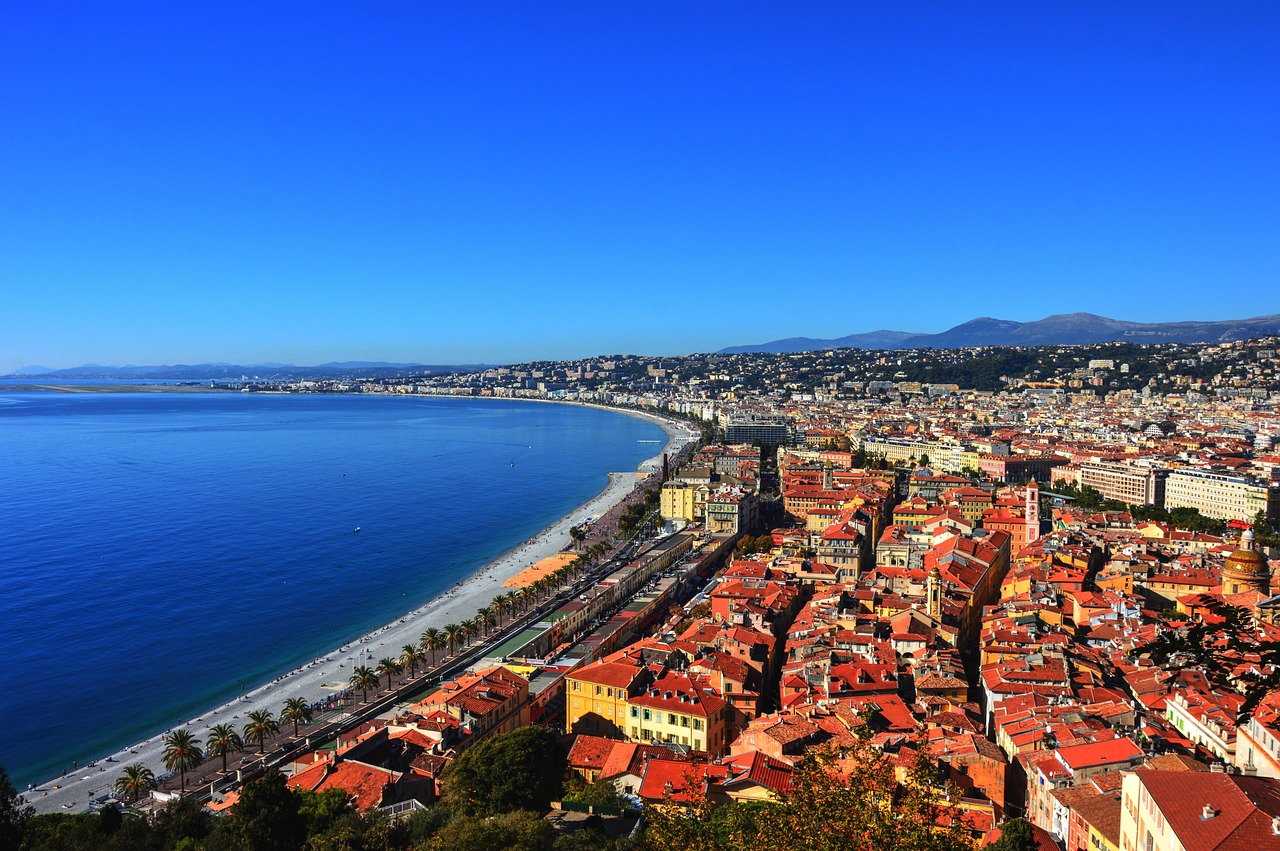
The French Riviera – or Côte d’Azur – is one of those rare places that lives up to its legend yet still has the power to surprise you. It’s the colour of the sea when the mistral has scrubbed the sky clean, the smell of pine and wild thyme on a coastal hike, the clink of pétanque balls in a village square at dusk, and the taste of sun-warm tomatoes in a Niçoise salad that actually comes from Nice.
I’ve been coming here for over a decade, often for long stretches at a time: shoulder-season weeks in April and October, languid Augusts when the cicadas drown out conversation, and quick winter escapes when the mountains above the coast are dusted with snow. In 2026 the Riviera is in a particularly interesting moment: post-pandemic travel has settled, new museums and food markets have opened, and the region is leaning into a slightly more sustainable, local-first identity without losing its hedonistic edge.
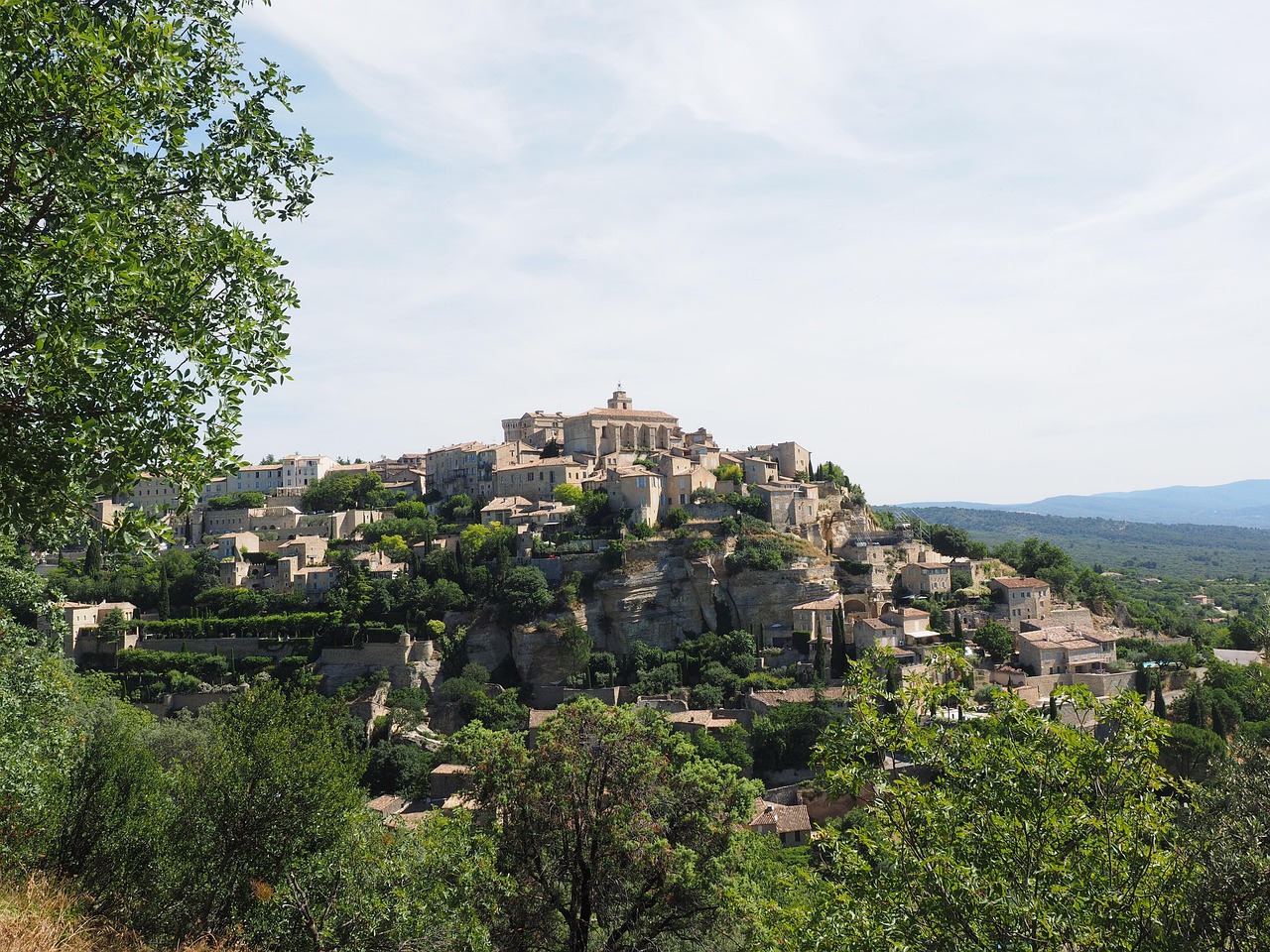
What keeps me coming back – and what I hope this travel guide for the French Riviera helps you discover – is the contrast: glittering Monaco yachts versus quiet perched villages like Èze and Saint-Paul-de-Vence; the urban energy of Nice set against the wilderness of the Esterel red rocks; late-night jazz in Juan-les-Pins and early-morning fish auctions in small harbours.
Whether you’re planning a 4 day itinerary for the French Riviera, stretching it to 5, 6, or 7 days in the French Riviera, or lingering even longer, this guide is written to feel like you’re traveling with a local friend: expect personal opinions, concrete details, and honest travel advice for the French Riviera in 2026–2027.
Table of Contents
- Why Visit the French Riviera?
- Overview: Geography, Character & How the Riviera Fits Together
- Suggested Itineraries (4–7 Days)
- Towns, Villages & Landscapes – 18 Key Places in Depth
- Regional Cuisine & Where to Taste It
- Evenings on the French Riviera
- What’s New & Major Events 2026–2027
- Day Trips & Nearby Escapes
- Cultural Etiquette & Local Customs
- Practical Travel Advice for the French Riviera
- Summary & Best Seasons to Visit
Overview: How the French Riviera Fits Together
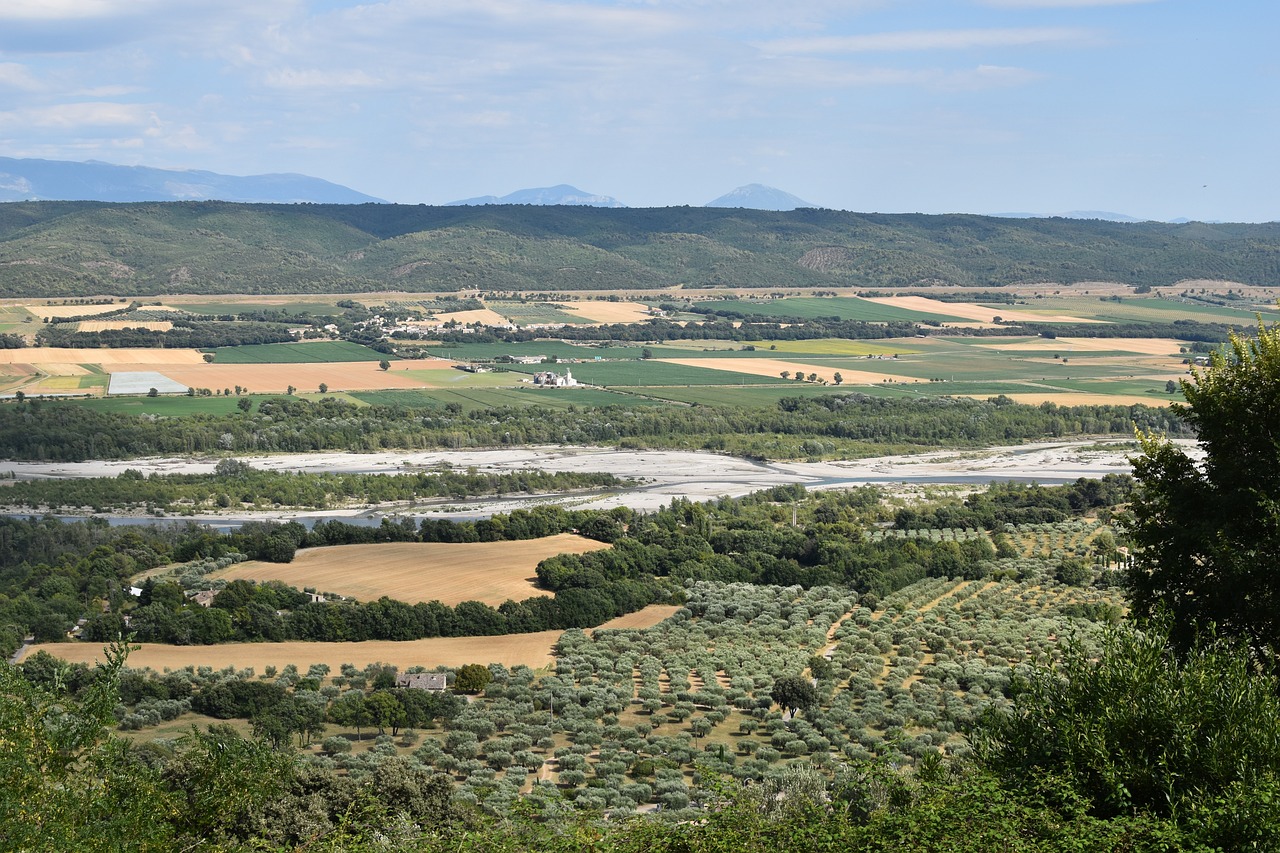
The French Riviera stretches roughly from Menton on the Italian border to Toulon in the Var, though most visitors focus on the arc between Menton and Saint-Tropez. The backbone is the coastal railway line and the A8 motorway, but what gives the region its soul are the switchback roads that wind up into the hills, where medieval villages perch on rocky spurs and olive groves terrace the slopes.
Broadly, you can think of the region in three bands:
- The Coast: Nice, Cannes, Antibes, Monaco, Menton, Saint-Tropez, Villefranche-sur-Mer, Beaulieu, Juan-les-Pins. This is where you’ll find most of the famous beaches, nightlife, shopping, and must-see attractions in the French Riviera.
- The Mid-Hills: Èze, Saint-Paul-de-Vence, Vence, Mougins, Biot, Grasse. These are the arty, villagey places with views, cobblestones, and slower rhythms.
- The Backcountry & Wild Landscapes: The Esterel Massif, Mercantour National Park, Gorges du Loup, and around. These are the domains of hikers, cyclists, and anyone who needs to get far from a beach club DJ.
For first-timers, Nice, Antibes, or Cannes make the best bases, depending on whether you want art and markets (Nice), old-town charm and family-friendly beaches (Antibes), or nightlife and glamour (Cannes). With a week, I like to split my time: a few nights by the sea, then a few in the hills around Vence or Mougins.
Suggested Itineraries: 4–7 Days on the French Riviera
Below are flexible narrative itineraries. You don’t have to follow every step, but they give a sense of how to structure 4, 5, 6, or 7 days in the French Riviera. I’ll keep the storytelling and advice reasonably concise here, then go deeper on each town in the dedicated section that follows.
4 Day Itinerary for French Riviera – “First Taste of the Côte d’Azur”
If you only have four days, base yourself in Nice. It’s well-connected by train and tram, and you can easily do day trips without a car. This 4 day itinerary for the French Riviera balances iconic sights with a few hidden gems.
Day 1 – Nice: Markets, Old Town & Promenade Sunset
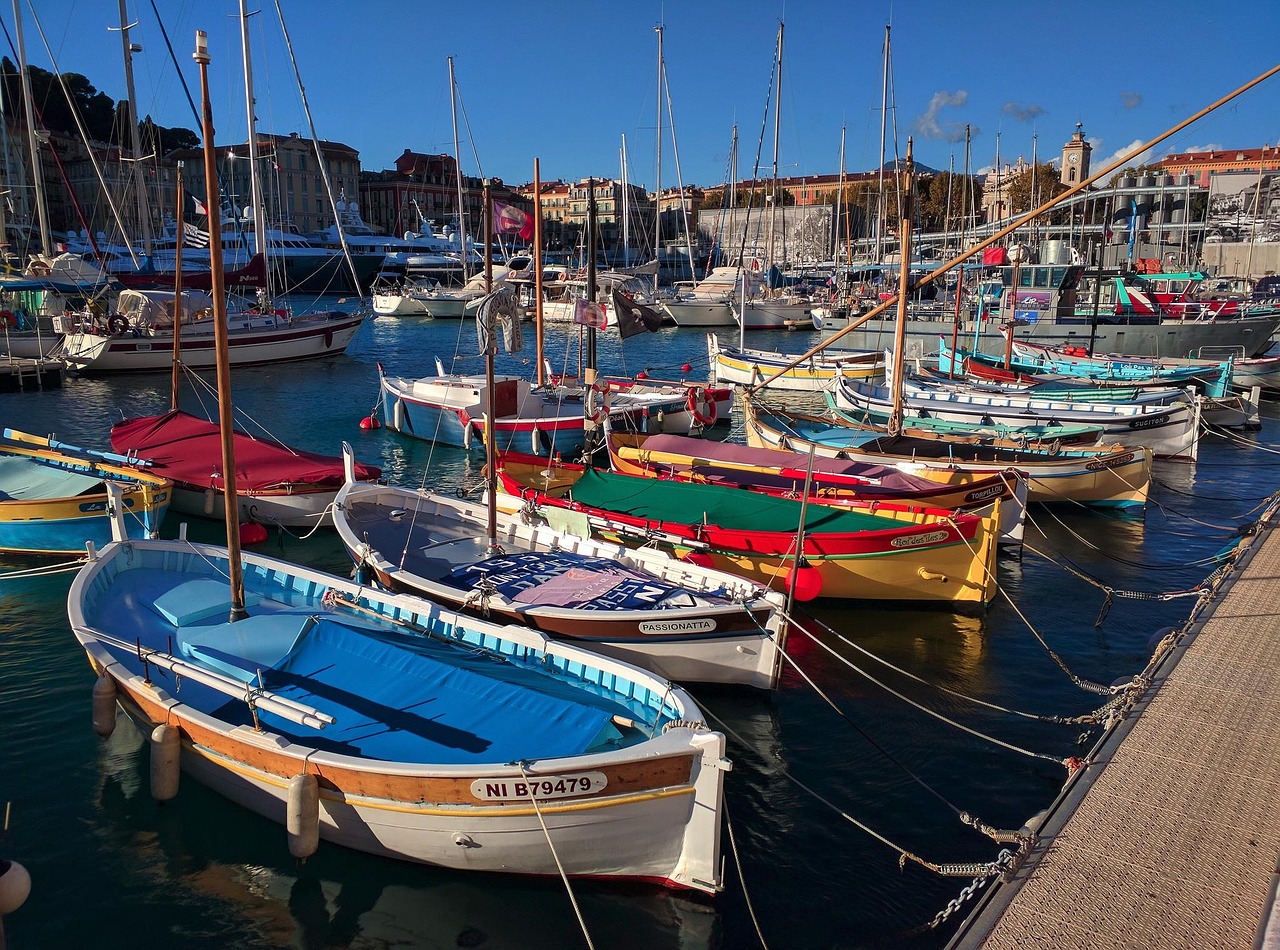
I like to start on the Cours Saleya market, especially on a Monday when it turns into an antiques market. On my last spring visit (April 2026), I spent an hour thumbing through old travel posters while nibbling a still-warm fougasse.
- Morning: Wander the food and flower market, grab a slice of socca (chickpea pancake) at a stand like Chez Thérésa, and explore the alleys of Vieux Nice.
- Late Morning: Climb (or take the lift) up to Colline du Château for sweeping views of the Baie des Anges.
- Afternoon: Visit the Musée d’Art Moderne et d’Art Contemporain (MAMAC) or the Marc Chagall Museum in the Cimiez district.
- Evening: Stroll the Promenade des Anglais at sunset. The light on the water here is exactly as soft and cinematic as the postcards suggest. Have dinner at a small Niçoise bistro in the old town – I like places that still serve proper pissaladière and daube niçoise.
Day 2 – Monaco & Èze: Glamour and a Perched Village
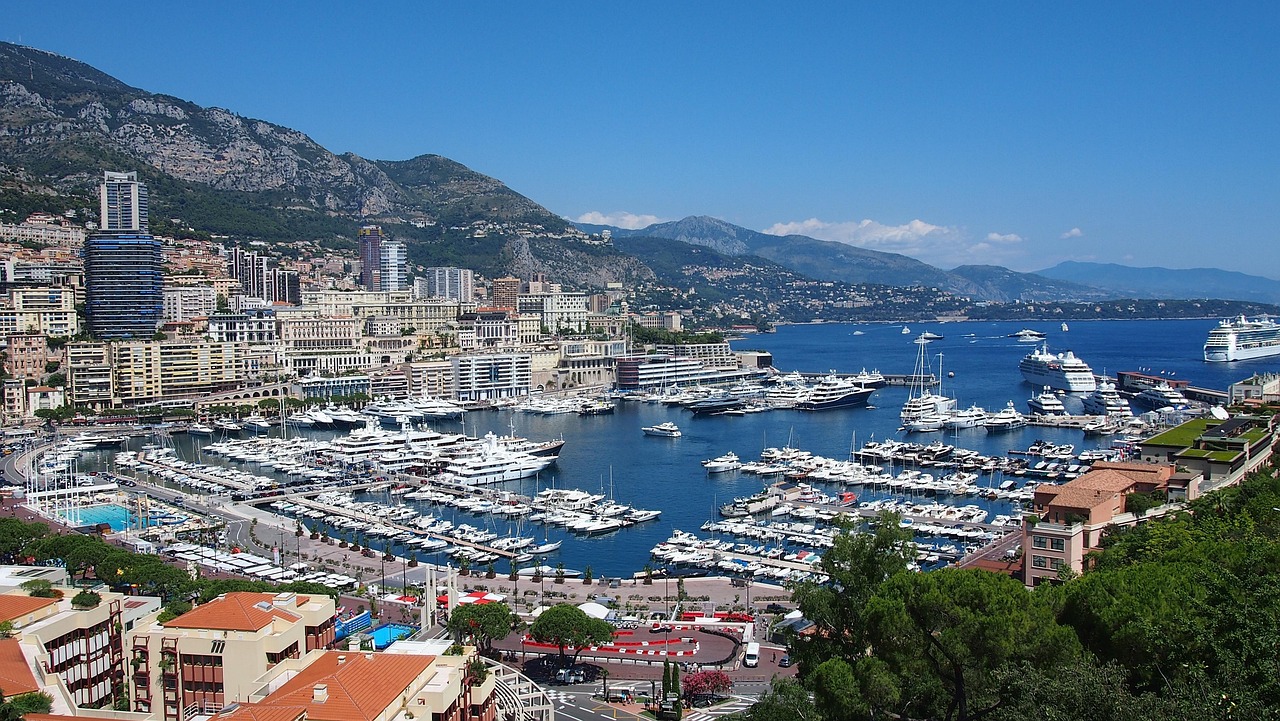
Take an early coastal train from Nice to Monaco-Monte-Carlo (about 25 minutes). Even if you’re not into casinos, Monaco is worth it for the harbour views and people-watching.
- Morning in Monaco: Walk up to the Old Town & Prince’s Palace, visit the Oceanographic Museum (great for families), and peer down at the yacht-filled Port Hercule.
- Lunch: Grab something simple in the old town or a picnic from the Condamine market and eat overlooking the sea.
- Afternoon in Èze: Bus or train back toward Nice and hop off at Èze. The bus up to Èze-Village winds through spectacular switchbacks; sit on the right side for views.
- Explore the Jardin Exotique clinging to the cliff, and wander the stone lanes. The first time I came, I arrived just as a storm was rolling in from the sea; watching the light change from the garden was unforgettable.
- Return to Nice: Dinner back in Nice, perhaps somewhere in the slightly more local Libération neighbourhood.
Day 3 – Antibes & Cap d’Antibes Coastal Walk
Antibes has become my go-to suggestion for those asking about a place that feels like the essence of the Riviera: a walled old town, a proper daily market, and a mix of chic and scruffy boats in the harbour.
- Morning: Train from Nice to Antibes (20–25 minutes). Explore the Marché Provençal in the old town, then visit the Picasso Museum, housed in the Château Grimaldi.
- Lunch: Choose a café along the ramparts or in a side street with a plat du jour menu – good value if you’re watching your budget.
- Afternoon: Walk part of the Sentier du Littoral around Cap d’Antibes (check tides and access – parts occasionally close in stormy weather). The path threads between rocky coves and fragrant pines. It’s one of my favourite free “attractions” on the Côte d’Azur.
- Evening: If trains are frequent, you can stay for a drink in Antibes’ old town squares before heading back to Nice.
Day 4 – Cannes or Menton: Choose Your Finale
On a 4 day itinerary for the French Riviera, you may have to choose: Cannes for beaches and film-festival glamour, or Menton for colourful façades and a hint of Italy.
- Cannes Option: Stroll the Croisette, take a boat to the Lérins Islands for a calmer afternoon, then back for an aperitif near the old port.
- Menton Option: Ride the train to Menton, wander the old town, visit the Jean Cocteau Museum, and linger in the gardens. Menton’s microclimate makes it lush even in winter.
Either way, end your 4 days in the French Riviera with a sea-view dinner, toasting the fact that you’ve barely scratched the surface.
5 Day Itinerary for French Riviera – “Sea, Hills & Art Villages”
With five days in the French Riviera, keep Nice as a base for three nights, then move inland for two nights in a hill village like Vence or Saint-Paul-de-Vence. Days 1–3 mirror the 4-day itinerary; add:
Day 4 – Saint-Paul-de-Vence & Vence
- Morning: Collect a rental car in Nice (or take a bus, but a car gives much more freedom) and drive to Saint-Paul-de-Vence. Aim to arrive by 9:30–10:00 before the tour buses.
- Walk the ramparts, visit small galleries, and pop into the tiny cemetery where Chagall is buried.
- Lunch: Have a lingering meal at an inn-style restaurant outside the walls – on warm days, the terraces are pure Riviera magic.
- Afternoon: Continue to Vence, a real working town with a lovely historic centre and the Chapelle du Rosaire, designed by Matisse.
- Evening: Stay overnight in Vence or nearby. I often choose a small guesthouse with a pool; evenings here are quiet, with crickets and the occasional church bell.
Day 5 – Gorges du Loup or Biot & Return to Nice
- Option A – Nature: Drive to the Gorges du Loup for short hikes, waterfalls, and river swimming in summer. Great for older kids and adventurous couples.
- Option B – Craft & Coast: Visit Biot, known for glassmaking, then head back to the coast for a last swim near Antibes or Cagnes-sur-Mer.
- Evening: Return your car in Nice, and enjoy a final dinner in town, perhaps trying a modern bistro that riffs on local food in the French Riviera in more contemporary ways.
6 Day Itinerary for French Riviera – “From Monaco to the Red Rocks”
With six days in the French Riviera, you can add the wild beauty of the Esterel Massif and a taste of the Var. I suggest three nights in Nice, then three nights split between Cannes and the Esterel area (Théoule-sur-Mer or Saint-Raphaël).
Day 1–3
Follow Days 1–3 of the 4 day itinerary (Nice, Monaco/Èze, Antibes/Cap d’Antibes).
Day 4 – Move to Cannes & Îles de Lérins
- Take the train to Cannes and drop your bags.
- Cruise over to the Lérins Islands – I prefer Sainte-Marguerite for quiet coves and shaded trails. Families love this day: clear water, shallow beaches, and picnic spots galore.
- Back in Cannes, wander the Le Suquet old quarter for sunset views.
Day 5 – Esterel Coastal Drive & Hikes
Rent a car for a day (or two). The coastal road between Cannes and Saint-Raphaël is one of the most scenic drives in Europe, all red rock plunging into blue sea.
- Stop at viewpoints and small coves like Calanque d’Anthéor.
- Do a short hike in the Esterel Massif; in spring, the wildflowers are spectacular.
- Base in or near Théoule-sur-Mer or Saint-Raphaël for the night for a quieter, more local atmosphere than Cannes.
Day 6 – Return via Grasse or Backroads Villages
- Drive up to Grasse, the perfume capital, for a factory visit (Fragonard, Galimard, or Molinard) and a wander through the old town.
- Alternatively, snake through backroads via Mougins for lunch.
- Return to your departure city (Nice or Cannes) for the night.
7 Day Itinerary for French Riviera – “A Week on the Côte d’Azur”
A full week lets you blend coastal must-see attractions in the French Riviera with time in the hills and a proper slow day. I like to structure 7 days in the French Riviera as three bases: Nice (3 nights), Antibes or Cannes (2 nights), and Vence/Saint-Paul or Esterel (2 nights). Days 1–6 can follow the 6 day itinerary, with Day 7 reserved for something special:
Day 7 – Menton & the Italian Edge or Mercantour Taster
- Option 1 – Menton & Ventimiglia: Spend a languid day in Menton, then hop across the border to Ventimiglia (Italy) for its Friday market and a plate of homemade pasta.
- Option 2 – Mercantour Foothills: For a taste of the Alps, join a small-group tour or self-drive into the lower Mercantour National Park. Even a short walk near villages like Saint-Martin-Vésubie shows a very different side of the region.
Use your last evening for a proper Riviera send-off: an aperitif on a terrace, a seafood dinner, and a final walk along the water.
18 Towns, Villages & Landscapes of the French Riviera – In Depth
Below are the places I return to again and again. Think of these as mini-essays: history, character, what to do, what to eat, and how they fit into a multi-town French Riviera itinerary. I’ll be concise here while still giving enough substance to plan.
1. Nice – Capital of the Côte d’Azur
Why go: If you only see one city on the Riviera, make it Nice. It combines Italianate old-town charm with broad 19th-century boulevards, excellent museums, and a beach that runs for miles.
History & character: Nice was part of the Kingdom of Sardinia until 1860, and that Italian flavour is still visible in its ochre façades and food. The English aristocracy “discovered” it in the 18th–19th centuries, funding the Promenade des Anglais. Today, it’s a mix of students, retirees, creative types, and visitors from everywhere.
Things to do: Stroll the Promenade; explore Vieux Nice with its Baroque churches; climb Colline du Château; visit the Chagall and Matisse museums; browse the Cours Saleya market (antiques on Monday, flowers/produce the rest of the week).
Food: Nice is the best place to try genuine local food in the French Riviera: socca, pissaladière, farcis niçois (stuffed vegetables), and a real salade niçoise with anchovies, not tuna. Libération and Port Lympia are my favourite eating neighbourhoods away from the densest tourist crowds.
Base or day trip? An ideal base, especially for car-free travelers. The airport tram whisks you into town, trains and trams radiate outward, and you can fill several days without leaving the city.
2. Cannes – Film-Festival Glamour & Beach Life
Why go: Cannes is flashier than Nice, with a compact centre, sandy beaches, and that famous red-carpet staircase. It’s ideal if you want a mix of beach time, designer shopping, and easy boat trips.
What it feels like: In May during the Cannes Film Festival, the town is almost unrecognisable – black SUVs, paparazzi, and fans thronging the Croisette. In shoulder season, it calms into a pleasant, walkable coastal town.
Must-see attractions: The Palais des Festivals, the Croisette with its beach clubs, and the Le Suquet old quarter above the harbour. Don’t miss a boat to the Lérins Islands for clear water and forested trails.
Base or day trip? Good base if you like nightlife and sandy beaches and plan to explore the western side (Esterel, Grasse). Otherwise, a fine day trip by train from Nice or Antibes.
3. Antibes – Ramparts, Markets & a Working Port
Why go: Antibes balances storybook charm with real-life grit. Superyachts sit opposite fishing boats, and the market is still where locals actually shop.
Highlights: The Marché Provençal, the Picasso Museum, the old ramparts at golden hour, and the sandy beaches of Juan-les-Pins just across the peninsula.
Personal note: I love staying here in winter; the tourist crowds thin, but the cafés and market keep buzzing. One January morning in 2025 I watched a group of older locals argue about pétanque rules for a good half hour with great theatrical flair.
Base or day trip? Excellent family base: walkable, calm at night, with train access in both directions.
4. Monaco – Microstate of Excess (and Some Surprises)
Why go: To experience one of Europe’s smallest and richest countries, where a kilometre can take you from palace ramparts to a F1 circuit hairpin.
What to do: Visit the Prince’s Palace, the Oceanographic Museum, wander the Jardin Exotique, and, if you’re curious, step into the Casino de Monte-Carlo (dress code applies in the evening).
Family-friendly? Surprisingly yes, thanks to the Oceanographic Museum and cliffside gardens. The yacht spotting doesn’t hurt either.
Base or day trip? Day trip. It’s expensive to stay and eat here; better to sleep in France and spend one packed day exploring.
5. Menton – Garden City on the Italian Border
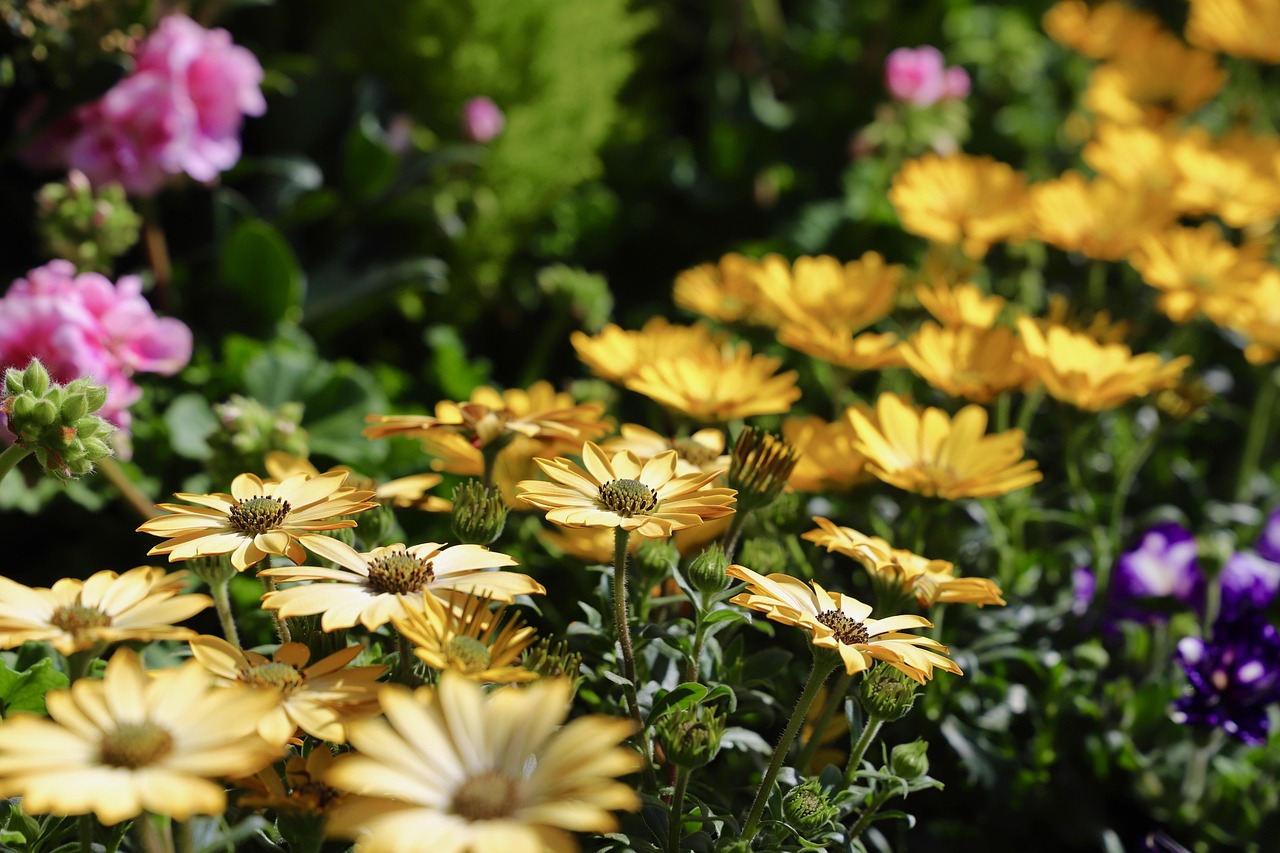
Why go: Menton has its own gentle microclimate, meaning citrus trees and lush gardens thrive year-round. It feels like Italy and France had a love child and gave it pastel paint.
Highlights: The Old Town, Jean Cocteau Museum, and gardens like Serre de la Madone and Jardin Val Rahmeh. February’s Lemon Festival is a riot of citrus sculptures and parades.
Food: Look for dishes that blend Ligurian and Niçoise traditions: stuffed vegetables, socca variations, and of course lemon-based desserts.
Base or day trip? Lovely base if you prefer quieter evenings and plan to explore the Italian Riviera as well.
6. Èze – The Iconic Perched Village
Why go: Èze is probably the single most photographed village on the Côte d’Azur. From the Jardin Exotique at the top, you see a dizzying drop to the sea and the curve of the coast toward Nice.
Character: Yes, it’s touristy. But arrive early (before 9:30) or late (after 17:00) and the stone alleys regain some quiet. I once had the garden almost to myself at opening time, with only a gardener whistling somewhere below.
Don’t miss: The exotic garden, the tiny church, and just wandering. The Nietzsche Path trail connects Èze-sur-Mer on the coast to Èze-Village; it’s steep and best in cooler months.
Base or day trip? Wonderful for a splurge night in a luxury hotel; otherwise, a classic half-day excursion from Nice or Monaco.
7. Saint-Paul-de-Vence – Art, Ramparts & Stone Lanes
Why go: One of the best-known hill villages, once a haunt of artists and writers. Today, it’s lined with galleries and a few very good restaurants.
History: In the 20th century, artists like Chagall, Picasso, and Miró spent time here. The nearby Fondation Maeght is one of France’s most important modern art institutions.
Tips: Park outside the walls (parking fills quickly), wear shoes with grip (polished stones can be slick), and time your visit for early morning or late afternoon.
Base or day trip? Sleep here if you want those empty, early-morning lanes to yourself. Otherwise, an easy combo with Vence or the coast.
8. Vence – Lived-In Hill Town with Soul
Why go: Vence often feels like the “real” counterpart to Saint-Paul’s postcard perfection. It’s a small town with supermarkets, schools, and a lovely old centre encircled by partial ramparts.
Must-sees: The medieval Old Town, the Cathedral with a Chagall mosaic, and the Matisse-designed Chapelle du Rosaire on the edge of town.
Personal note: I like to base in Vence when I need a quieter writing week: morning coffee in the square, afternoon walks on the surrounding trails, and the coast within a 30–40-minute drive.
9. Grasse – Perfume Capital in the Hills
Why go: To understand the centuries-old craft behind many of the world’s luxury perfumes. Grasse is surrounded by fields of jasmine, rose, and tuberose (though many are now outside the town).
Things to do: Tour a perfume house (Fragonard, Molinard, or Galimard), explore the old town lanes, and visit the International Perfume Museum.
Tip: If you’re sensitive to scents, ask about fragrance-free parts of tours or shorter visits; some workshops involve intense smells.
10. Mougins – Gastronomy & Art Above Cannes
Why go: Mougins is a compact hilltop village, long associated with gastronomy and art – Picasso spent his final years nearby.
Vibe: Polished, affluent, and culinary-focused. It’s an excellent stop for a special lunch or dinner, especially if you’re into tasting menus and pretty plating.
Base or day trip? Mainly a day or evening excursion from Cannes, Antibes, or Grasse.
11. Biot – Glassmakers’ Village
Why go: Biot is famous for its bubble-filled glassware. Watching glassblowers at work is fascinating for kids and adults alike.
What to do: Visit a verrerie (glass studio), browse ceramics and crafts, and explore the small old town.
12. Villefranche-sur-Mer – Perfect Harbour Curve
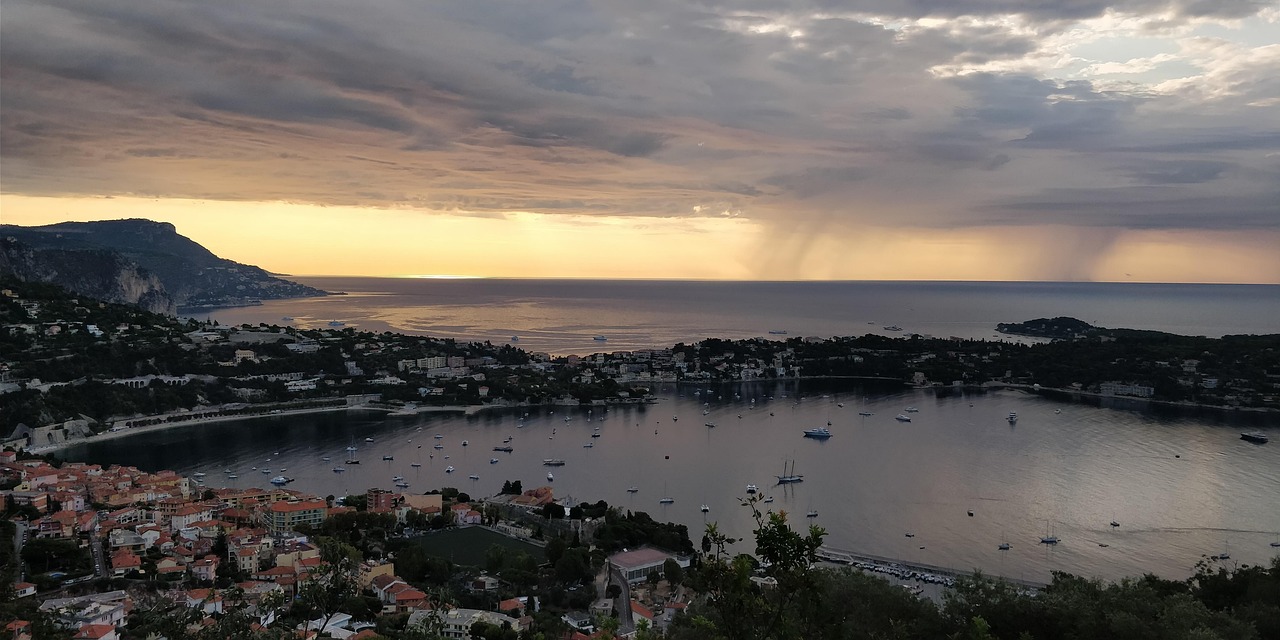
Why go: One of the prettiest natural harbours on the coast, with colourful houses right down to the water.
Highlights: The plage des Marinières beach, the old harbourfront, and steep lanes leading up to viewpoints. The underwater slope drops quickly here, so the water goes deep blue close to shore.
Base or day trip? A dreamy base if you want quiet evenings and easy access to Nice (10-minute train ride).
13. Beaulieu-sur-Mer & Saint-Jean-Cap-Ferrat – Riviera Elegance
Why go: These two neighbours share a peninsula and a certain understated luxury: Belle Époque villas, manicured gardens, and beautiful coastal paths.
Must-sees: The Villa Ephrussi de Rothschild and its themed gardens, and the coastal path around Cap Ferrat, with small beaches like Paloma Beach.
14. Juan-les-Pins – Beaches & Jazz
Why go: For wide, sandy beaches and summer nightlife. In July, the Jazz à Juan festival brings big names to an outdoor stage overlooking the sea.
Family angle: Shallow, sandy beaches make it great for children; there are also plenty of ice cream stands and casual eateries.
15. Esterel Massif – Red Rocks & Turquoise Sea
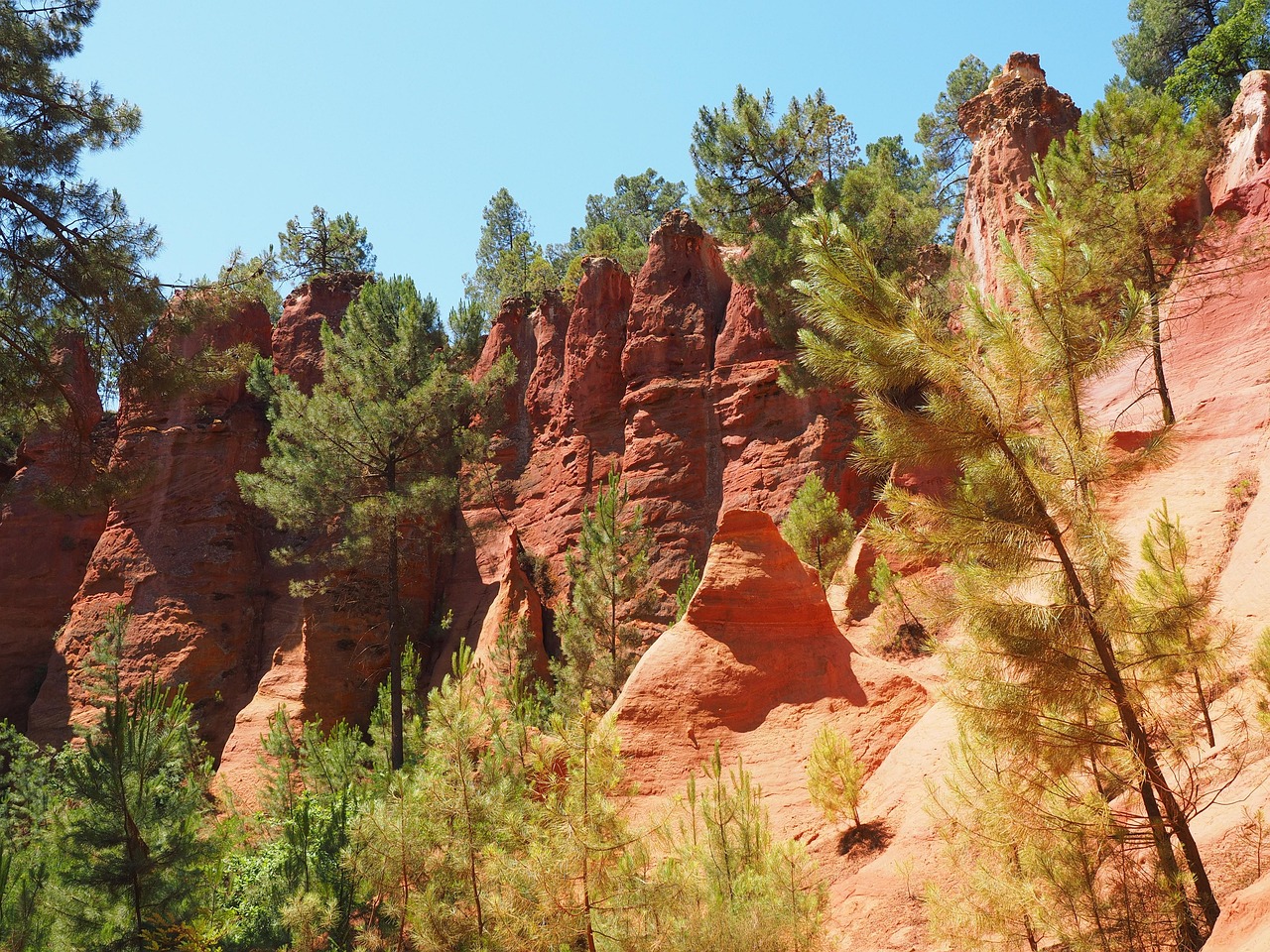
Why go: To swap traffic and boutiques for hiking boots and panoramic views. The Esterel’s red volcanic rock forms dramatic shapes above incredibly clear water.
Activities: Hiking, trail running, road cycling, sea kayaking from small coves. In 2025 I did a sunrise hike above Théoule-sur-Mer and watched the first rays hit the red cliffs – worth the early alarm.
16. Saint-Tropez & Ramatuelle – Myth & Beaches
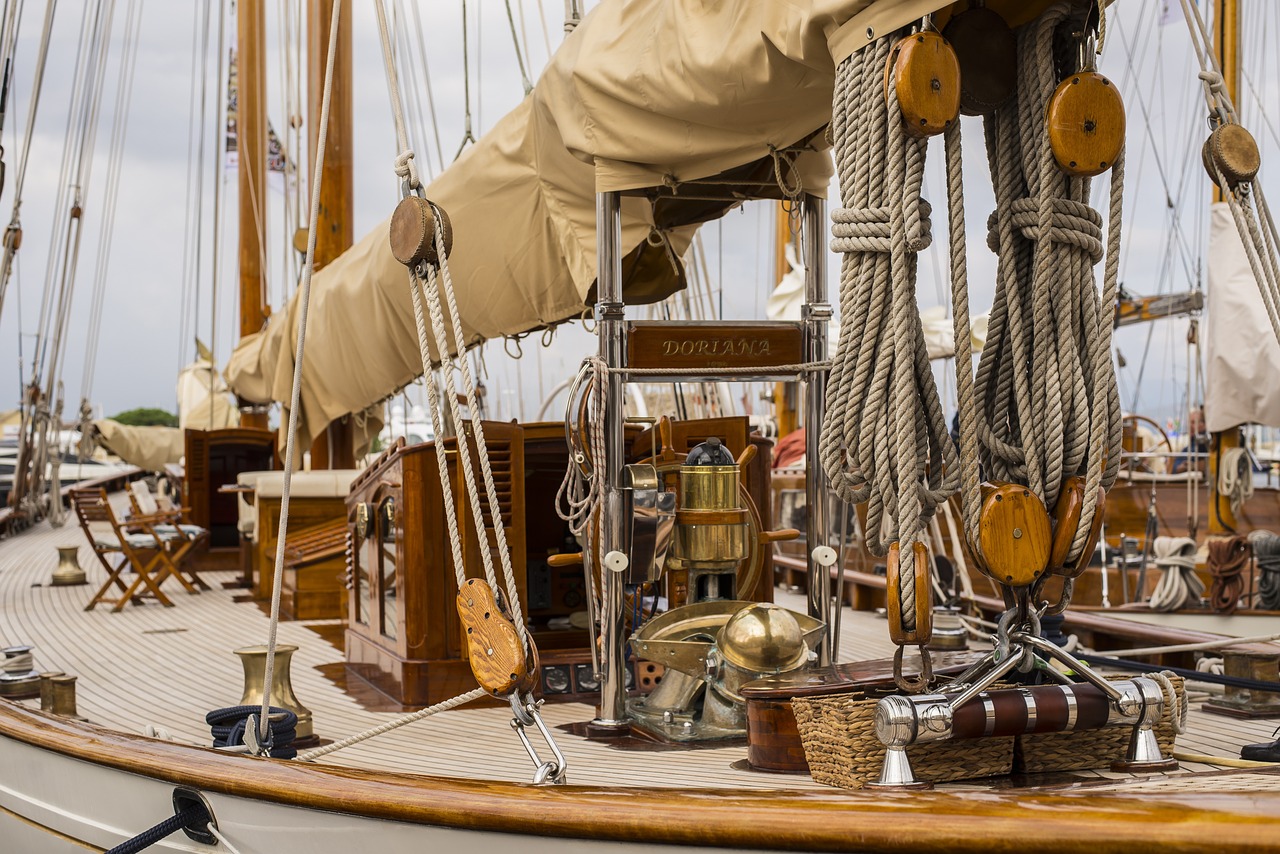
Why go: Saint-Tropez is more remote from Nice and Cannes but still iconic. The old fishing village turned jet-set playground is now surprisingly pleasant in shoulder season.
Highlights: The old harbour, the Citadel with its views, and the long sandy beaches of Pampelonne near Ramatuelle, home to both famous beach clubs and quieter public sections.
Base or day trip? Best as an overnight or a couple of nights; reaching it in summer traffic can be slow, so day trips often feel rushed.
17. Gorges du Loup – Waterfalls & Cool Air
Why go: A narrow gorge carved by the Loup river, with waterfalls and swimming holes that feel worlds away from the coast.
Activities: Short hikes, canyoning with a guide, and visits to nearby villages like Gourdon, perched dramatically above.
18. Mercantour Foothills – Alps Meet the Med
Why go: To understand just how quickly the landscape changes behind the Riviera. In 90 minutes you can go from palm trees to larch forests and alpine meadows.
Best for: Hikers, nature lovers, and anyone visiting in summer who needs cool air and wild scenery after hot beach days.
Regional Cuisine – What to Eat & Where
The local food in the French Riviera is lighter and more Mediterranean than much of France: olive oil over butter, tomatoes and peppers over cream. Yet it’s still clearly French in technique and presentation.
Signature Dishes by Sub-Area
- Nice & Menton: Socca, pissaladière, farcis niçois, pan bagnat (a Niçoise salad in a bun), tourte de blettes (sweet chard tart).
- Antibes & Cannes: Fresh fish, grilled sardines, bouillabaisse-style fish stews (though Marseille claims the original), and simple beachside grills.
- Hill Villages (Vence, Saint-Paul, Mougins): More rustic, with stews, rabbit, game in season, and polished tasting menus in gourmet spots.
- Grasse Area: Dishes perfumed with herbs and sometimes flowers; some restaurants experiment with rose or violet in desserts.
Markets, Trattoria-Style Inns & Farm-Stay Experiences
While the word “agriturismo” is Italian, the Riviera has its own version: gîtes ruraux, chambres d’hôtes, and farm guesthouses in the hills. Around Vence, Grasse, and the Esterel foothills, you’ll find olive farms and small vineyards offering rooms and dinners based on their own produce.
I’ve had some of my best meals at modest-looking auberges on backroads: a fixed-price lunch with a daube stew, homemade ravioli, and a carafe of local rosé, shared with workers and a few savvy locals. Ask at tourist offices in hill towns for up-to-date recommendations; these places change hands more often than websites update.
For self-caterers, hit the markets: Cours Saleya (Nice), Marché Provençal (Antibes), and smaller weekly markets in Vence, Valbonne, and Mouans-Sartoux are all rich with seasonal vegetables, cheeses, and cured meats.
Evenings on the French Riviera
Evenings are when the Riviera exhale. Day-trippers board trains, cruise-ship passengers re-embark, and locals reclaim their promenades.
- Small-town squares: In Vence, Biot, or Valbonne, kids chase each other around fountains while adults linger over pastis. It’s one of the best cultural experiences in the French Riviera – just sit and watch.
- Sunset viewpoints: Colline du Château (Nice), the ramparts of Saint-Paul-de-Vence, the citadel in Saint-Tropez, or any terrace in Villefranche-sur-Mer.
- Music & festivals: Summer brings jazz in Juan-les-Pins, classical concerts in village churches, and open-air cinema nights on the beach.
- Seasonal celebrations: Autumn harvest fairs in backcountry villages, Christmas markets in Nice and Cannes, and the February carnivals in Nice and Menton’s Lemon Festival.
What’s New & Major Events 2026–2027
As of 2026, a few things to have on your radar:
- Cannes Film Festival 2026 & 2027: Mid–late May; book accommodation 9–12 months ahead if you want to be in town.
- Monaco Grand Prix: Late May; Nice and Menton also fill up, and coastal trains are very busy.
- Nice Jazz Festival: Usually July; the line-up has been trending more eclectic, blending jazz, world, and pop acts.
- Jazz à Juan (Juan-les-Pins): July; big international names and a fabulous seaside setting.
- Menton Lemon Festival: February; parades of citrus sculptures and night parades with lights.
- New & renovated spaces: Several museums and seafront promenades along the Riviera have been undergoing gentle renovation; by 2026, Nice’s continued green corridor improvements (around the Coulée Verte) make the city even more walkable.
Extra Day Trips & Nearby Attractions
- Italian Riviera (Ventimiglia, Bordighera, Sanremo): Easy train hops from Menton; great for markets and a different culinary twist.
- Gourdon & Bar-sur-Loup: Perched villages above the Gorges du Loup; spectacular views and quieter stone streets.
- Porquerolles Island (further west): If you’re based near Toulon or the western Var, this car-free island has Caribbean-blue water and excellent cycling paths.
Always check train or ferry schedules in advance; shoulder-season services may be reduced.
Cultural Etiquette & Local Customs
The Riviera is used to visitors, but a few small gestures go a long way to smooth interactions and deepen your cultural experiences in the French Riviera.
- Greetings: Always start with a polite “Bonjour” (daytime) or “Bonsoir” (evening) before asking for anything in shops or cafés.
- Language: English is widely spoken in tourist areas, but attempting a few French phrases is appreciated.
- Dress: Beachwear is for the beach. In towns and especially when entering churches, cover up a bit (no bikinis or bare chests).
- Dining customs: Table service is slower by design; it’s not neglect, it’s a different rhythm. Ask for the bill (l’addition, s’il vous plaît) when you’re ready to leave.
- Tipping: Service is included, but rounding up or leaving an extra 5–10% for good service is common.
- Quiet hours: In villages, late-night noise in narrow lanes carries; keep voices down after 22:00.
Practical Travel Advice for the French Riviera (2026–2027)
Getting Around – Car vs Train vs Bus
The Riviera is one of the few multi-town regions in Europe where you can do a lot without a car, thanks to the coastal train line and fairly dense bus network.
- Trains: TER trains link Ventimiglia–Menton–Monaco–Nice–Antibes–Cannes–Saint-Raphaël. They’re frequent, affordable, and scenic.
- Buses: Connect coastal cities with hill towns (Vence, Saint-Paul, Grasse). They’re cheap but can be slow and less frequent on Sundays/holidays.
- Car: Helpful if you want to explore the backcountry (Gorges du Loup, Mercantour, Esterel interior). Pick up rentals at Nice Airport or central Nice/Cannes. Avoid driving into old-town centres; parking is easier in modern car parks on the edge.
Driving Distances (Approximate)
- Nice – Cannes: 33 km / ~40–60 minutes by car (traffic-dependent), 30–40 minutes by train.
- Nice – Menton: 30 km / ~40 minutes by car, 30 minutes by train.
- Nice – Grasse: 45 km / ~1 hour by car.
- Cannes – Saint-Raphaël via Esterel coast road: 40 km / allow 1.5–2 hours with viewpoints.
- Nice – Vence: 25 km / ~40 minutes by car.
SIM Cards & Connectivity
In 2026, eSIMs are widely available. Otherwise, pick up a physical SIM from major providers (Orange, SFR, Bouygues) at airports, malls, or city centres. EU roaming rules mean that if you’re coming from another EU country, your plan likely works with no extra charges.
Money-Saving Tips Over a Multi-Day Trip
- Travel by TER train and local buses rather than taxis.
- Stay in apartments or aparthotels and cook some meals from market produce.
- Opt for set lunch menus at nicer restaurants; they’re often much cheaper than dinner.
- Choose June or September instead of July–August for lower prices and fewer crowds.
- Use multi-day transit passes in Nice for trams and buses if staying longer.
Visa Requirements & Driving Licenses
France is in the Schengen Area. Many visitors (EU, UK, US, Canada, Australia, etc.) can enter visa-free for short stays; always check the latest rules for your nationality before traveling.
Most foreign driving licenses are accepted for short visits if they’re in Roman script. An International Driving Permit is recommended if your license isn’t in Latin characters or if your rental company requests it.
Best Seasons & What They’re Good For
- Spring (April–June): Ideal for hiking (Esterel, backcountry), coastal walks, and sightseeing without extreme heat. Wildflowers and fresh produce abound.
- Summer (July–August): Best for beach weather, nightlife, and festivals, but also busiest and most expensive. Book well ahead.
- Autumn (September–October): Warm seas, fewer crowds, and harvest season in nearby wine regions. My favourite time for a 5 or 6 day itinerary for the French Riviera.
- Winter (November–March): Quiet, with mild days and cool nights. Nice as a city break; some beach clubs and seasonal hotels close, but you gain calm and lower prices.
Hidden Practical Tips
- Carry a light scarf or cover-up: useful for churches, cool evenings, or extra sun protection.
- Book sea-view restaurants for sunset well ahead in high season; last-minute tables tend to be at awkward hours.
- For popular museums (Chagall, Oceanographic Museum), buy tickets online in peak months to skip ticket queues.
- Always check for market days when planning town visits; they can transform the atmosphere (for better or worse, depending on your crowd tolerance).
Summary & Final Recommendations
The French Riviera is more than a string of famous names. It’s a mosaic of seaside cities, working ports, tiny hill villages, and wild ridges where pines cling to rock. A well-planned 4–7 day itinerary for the French Riviera lets you experience that variety: a morning market in Nice, an afternoon hike in the Esterel, a sunset aperitif in a perched village, and a lazy beach day all in the same week.
For most travelers, the sweet spots are:
- 5 days in the French Riviera: Enough for Nice, Monaco/Èze, Antibes, and a taste of the hills.
- 6 days in the French Riviera: Add the Esterel or Grasse.
- 7 days in the French Riviera: Fold in Menton or a Mercantour taster and slow down your pace.
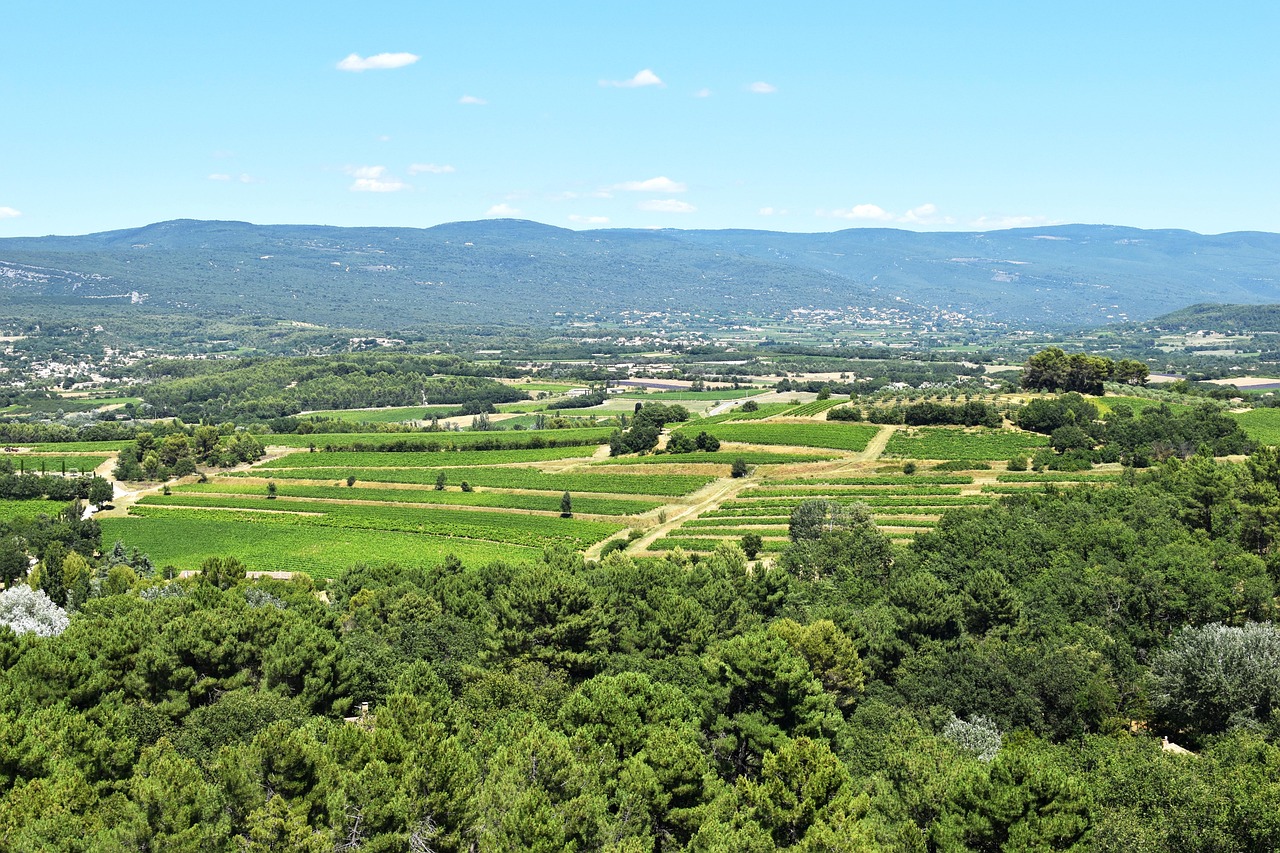
Season-wise, my strongest recommendation is to aim for late May–June or September–early October, when the sea is inviting, the crowds are manageable, and the light is at its most flattering for those sweeping, wide, evocative views that define the Côte d’Azur.
Whichever way you shape your own travel guide for the French Riviera into a real itinerary, leave room for serendipity: a side street that smells of jasmine, an unplanned swim in a tiny cove, or a long conversation with a market vendor about the best way to cook their tomatoes. That’s where the Riviera stops being a backdrop and becomes a place you’ll want to return to, again and again.