Why Visit the Gorges de l’Aveyron in 2026
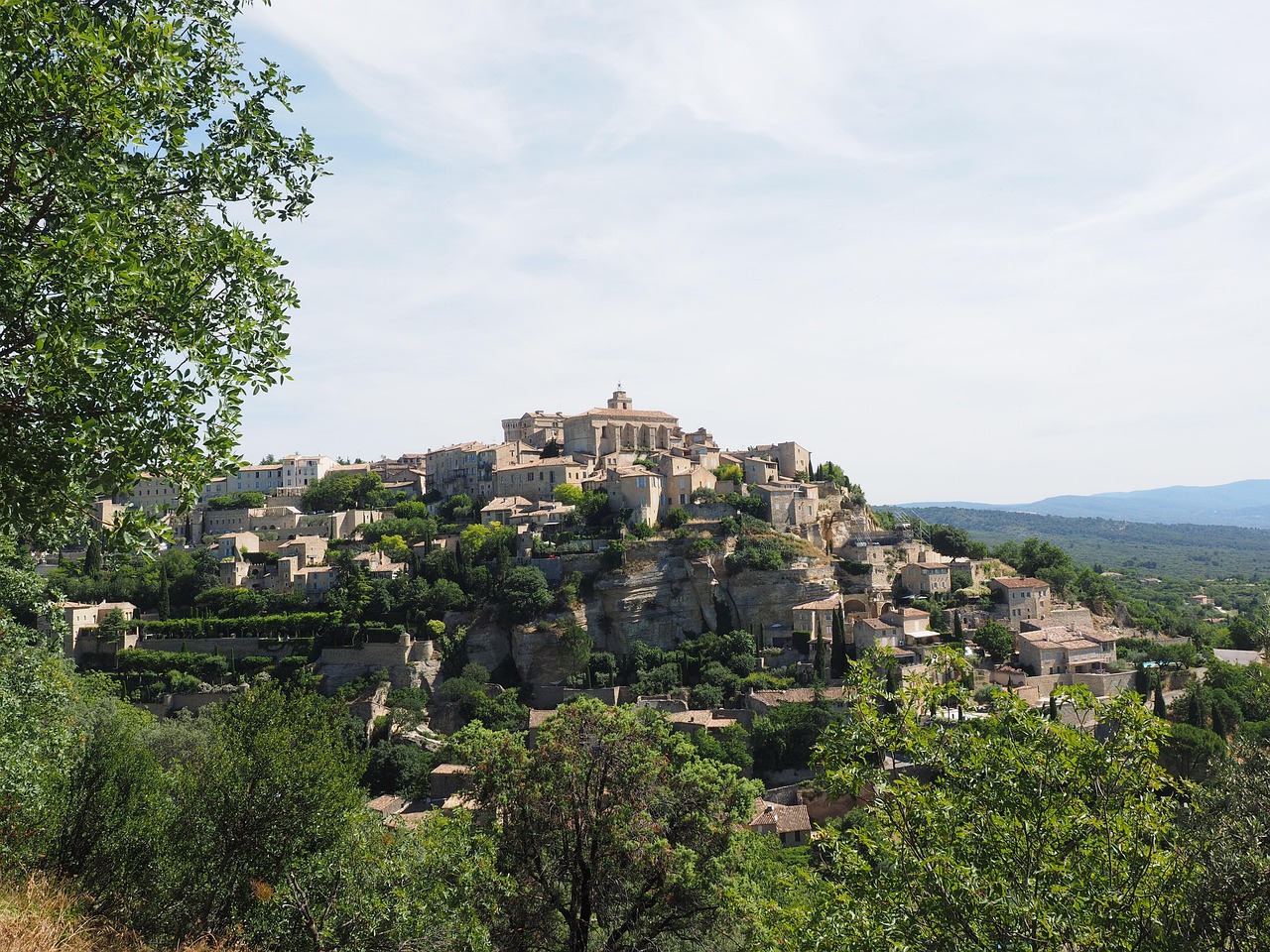
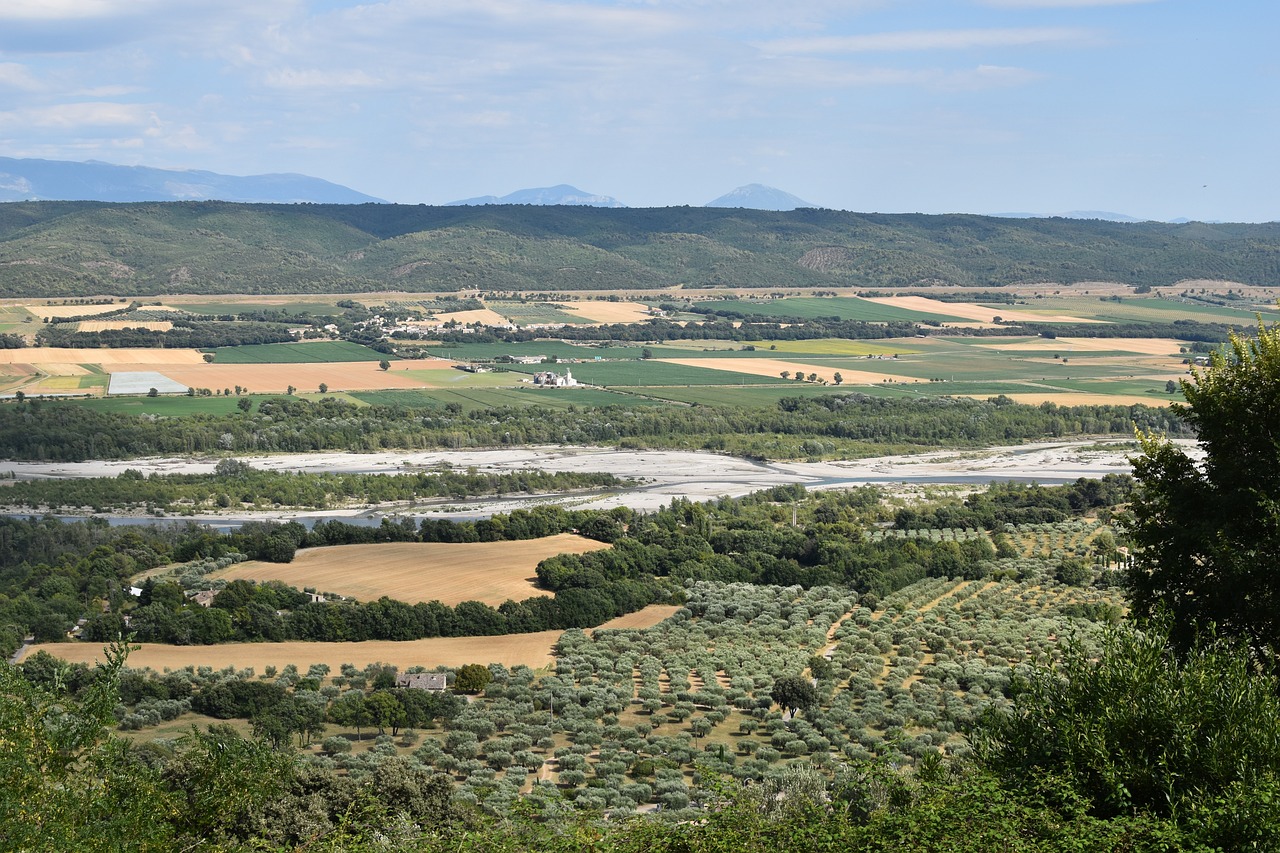
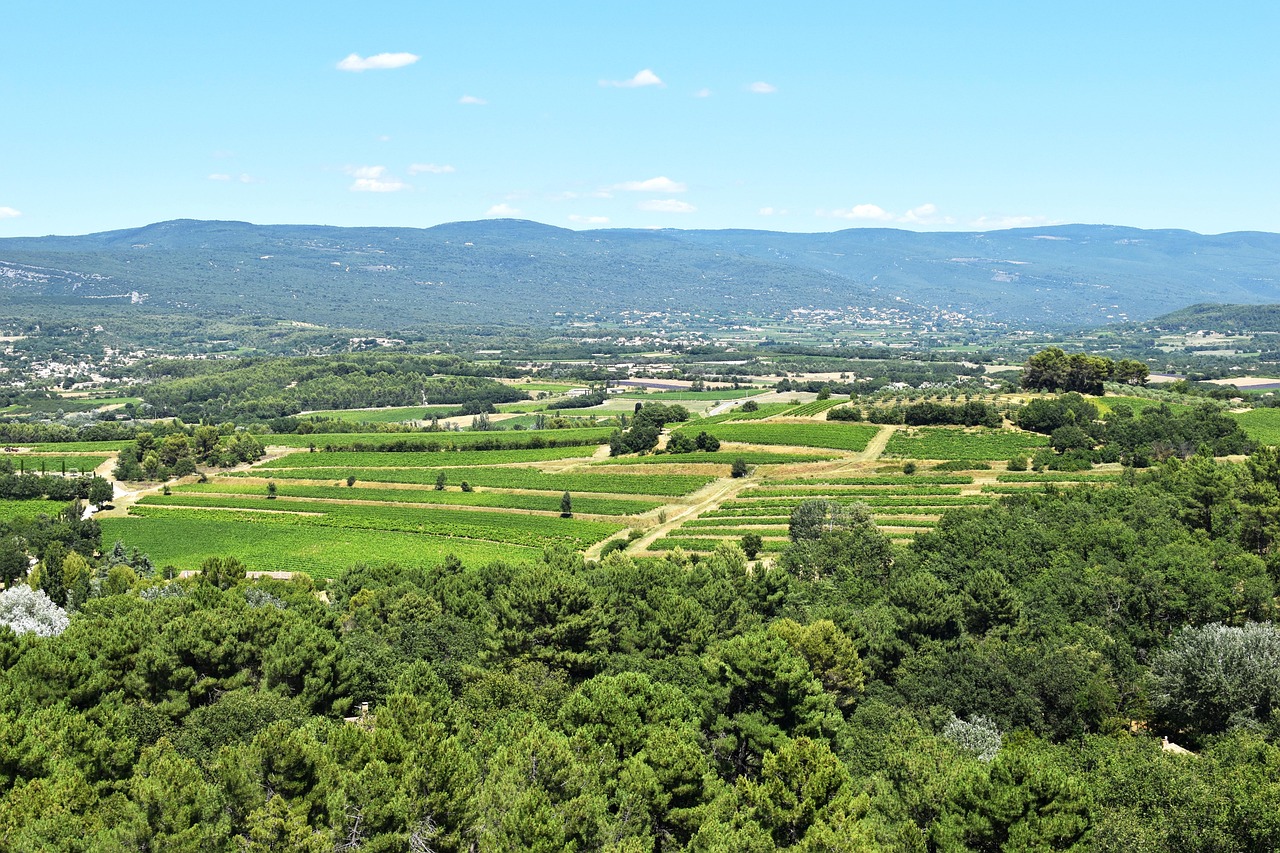
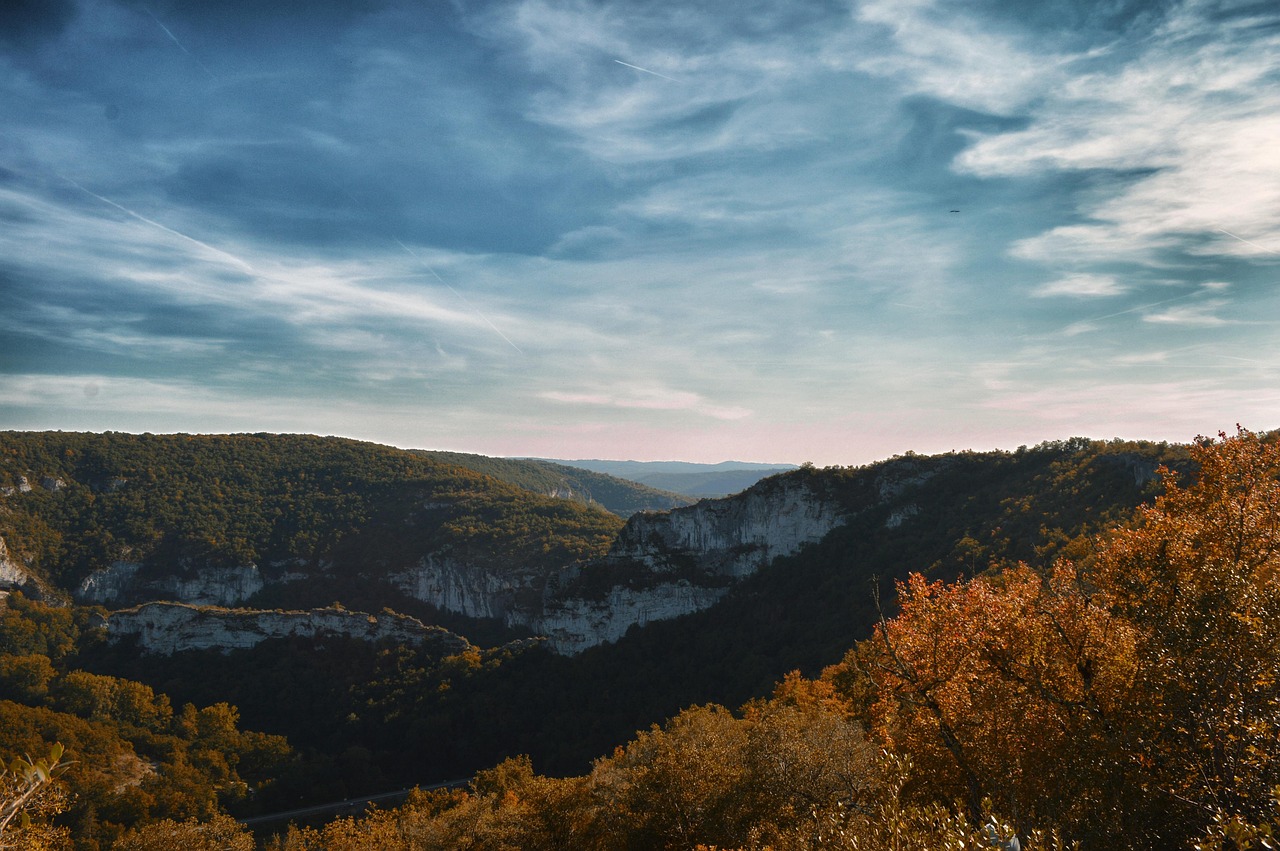
The Gorges de l’Aveyron are not alpine in the strict sense – you won’t find glaciers or 3,000‑metre summits here – but they have their own rugged, “mini‑Alps” character: limestone cliffs that rise like ramparts, deep wooded valleys, perched medieval villages and winding roads that feel like mountain passes. It’s an intimate landscape, closer to people’s everyday lives than many high mountain resorts, and that’s exactly why I keep coming back.
I’ve been roaming this stretch of the Aveyron and Tarn-et-Garonne departments for over a decade now, most recently in spring and autumn 2024 and again in early 2026 to update this guide. I’ve watched bastide villages slowly restore their stone facades, seen new river-access points appear for families, and enjoyed the quiet revolution in local food – from farm‑to‑table bistros to tiny wine bars pouring natural Gaillac reds.
In 2026, the Gorges de l’Aveyron remain blissfully under-the-radar compared with the Alps or the Dordogne, yet they offer:
- Sheer limestone “peaks” and cliffs for climbing and vertiginous viewpoints.
- Peaceful river valleys perfect for canoeing, wild swimming, and lazy picnics.
- Winding “passes” and balcony roads between causses (plateaus) and gorges.
- Characterful base villages like Najac, St‑Antonin‑Noble‑Val, and Bruniquel.
- Hearty regional food – duck, lamb, aligot, cabécou goat cheese – served in rustic inns.
- Family‑friendly adventures, romantic hideaways, and proper adrenaline for climbers and paddlers.
If you’re torn between the mountains and the south of France, the Gorges de l’Aveyron are an ideal compromise: you get towering rock walls, winding “mountain” roads, and even a kind of après‑hike culture in the riverside villages, but with a softer climate and easier logistics than the Alps.
Table of Contents
- Why Visit the Gorges de l’Aveyron
- Geography & Character of the Gorges
- 15 Signature Peaks, Valleys, Passes & Villages
- 4–7 Day Itineraries (With Personal Stories)
- Mountain Dining & Village Food Culture
- Evenings in the Gorges de l’Aveyron
- Cultural Etiquette & Local Customs
- Day Trips & Nearby Attractions
- Logistics, Transport & Money-Saving Tips
- River & “Mountain” Safety, Seasons & Gear
- Events & Festivals 2026–2027
- Summary & Final Recommendations
Geography & Character of the Gorges de l’Aveyron
The Gorges de l’Aveyron stretch roughly between Najac in the northeast and Bruniquel in the southwest, with St‑Antonin‑Noble‑Val as the beating heart of activity. Imagine a series of sinuous river bends cut deeply into pale limestone, framed by oak and chestnut forests, with high plateaus – the causses – above.
Altitudes range from about 100–150 m in the riverbed to 400–500 m on the surrounding plateaus. It might not sound like much, but the verticality is real when you’re standing on a belvedere above St‑Antonin or cycling up from the river to Najac’s castle. Many roads climb and twist like classic mountain passes, and when mist hangs in the gorge on autumn mornings, you get those layered, dreamlike views usually associated with proper alpine valleys.
For trip planning, it helps to think of the gorges as a small “mountain” region, with:
- Base villages along the river (St‑Antonin‑Noble‑Val, Penne, Bruniquel, Laguépie).
- Perched strongholds that feel like ridge-top hamlets (Najac, Penne, Bruniquel’s upper village).
- Plateau passes and viewpoints where you transition from forested gorge to open, airy causse.
15 Signature “Peaks”, Valleys, Passes & Villages of the Gorges de l’Aveyron
Below are fifteen of the most emblematic spots that, taken together, give you a complete feel for the region. I’ll weave them into itineraries later, but here’s the deeper look – history, character, and my own notes from repeated visits.
1. St‑Antonin‑Noble‑Val – The Lively Riverside Base
Altitude: ~130 m • Best for: Base village, markets, canoeing, family stays, mellow hikes.
St‑Antonin‑Noble‑Val is where I usually anchor my trips. It’s big enough to have year‑round life – a proper weekly market, bakeries that open early, a few good restaurants – but small enough that you’ll recognise faces by your second morning coffee.
The medieval core is wedged between the Aveyron river and the cliffs of the Roc d’Anglars. Narrow lanes lead to hidden courtyards, and the old halle (market hall) forms the village’s social stage. On my last visit in May 2026, I stayed in a restored stone townhouse above the river; dawn mist floated over the water and, by 8 am, kayaks and canoes were quietly being stacked at the rental bases downstream.
What to do:
- Sunday market: One of the best in the region. Go early (before 9 am) to avoid parking chaos and secure ripe goat cheese and still‑warm fouace (local brioche).
- Canoe the classic St‑Antonin stretch: Several outfitters offer family‑friendly routes, with optional cliff jumps for the brave near the Roc d’Anglars bends.
- Stroll the medieval lanes: Seek the former consular house and the Maison Romane; even in high season, ducking down side alleys gives you solitude.
Food & drink: Look for menus featuring magret de canard, confit, and aligot (potato and cheese mash). My favourite ritual: late afternoon espresso or a glass of Gaillac white on a terrace by the bridge, watching canoes drift past.
Where to stay: St‑Antonin is the most practical base if you don’t have a car – you can be picked up by canoe companies, join guided hikes, and there’s a good taxi network. For families, riverside campsites with pools work beautifully in summer.
2. Najac – The Eagle’s Nest above the Gorge
Altitude: ~300–400 m • Best for: Dramatic views, medieval history, walking, romantic stays.
Najac is the village that made me fall in love with the Aveyron back in 2013. It’s stretched along a narrow ridge, with its 13th‑century royal fortress at the tip like a ship’s prow overlooking the canyon of the Aveyron. Every time I return – most recently on a golden October afternoon in 2025 – I end up standing, uselessly, in the middle of the main street just staring at the view.
History & character: Built as a royal stronghold on the borderlands of the English territories in medieval times, Najac’s fortress was designed to intimidate, and it still does. The village retains an almost film‑set quality, but unlike some prettified towns, people actually live here year‑round.
What to do:
- Visit the fortress: The walk up from the village is steep but short. Inside, climb the tower for 360° views over forested ridges and the river far below.
- Ridge walks: From the upper car park, paths lead out along the ridgeline. In spring, wildflowers fringe the tracks and cuckoos call from the valley.
- Village evenings: Summer nights can feel almost Italian: people spilling from wine bars onto small terraces, soft light on stone facades.
Practical tip: Najac’s altitude gives it a fresher feel in high summer; temperatures can be a few degrees cooler than the riverbank. Parking is on terraced lots above and below the main street; wear good shoes – the cobbles are slick when wet.
3. Penne – The Cliff‑Edge Ruin
Altitude: ~250–300 m • Best for: Dramatic castle ruins, views, short hikes, photography.
Approaching Penne from St‑Antonin, the road clings to the gorge wall and then suddenly the castle appears: a jagged ruin seemingly glued to a vertical rock spur. Even after dozens of drives, I still slow down at the same bend to take in that view.
The village itself is small, a clutch of stone houses stacked beneath the fortress. Restoration work over the past decade has made the castle safely visitable while, mercifully, keeping its wild, precarious feel.
My last visit: In 2024 I arrived on a misty November morning and had the castle almost to myself. Climbing the narrow internal stairs, the fog swirled and then suddenly lifted, revealing the full sweep of the gorge below – a moment of pure theatre.
What to do:
- Visit the castle (Château de Penne): Wear grippy shoes; some paths are steep. Kids love the “ruin adventure” angle, but keep a close eye on little ones.
- Short gorge walks: From the village, small paths wind down towards the river. The light is beautiful late afternoon in summer.
Food: There’s a seasonal café and a couple of small eateries; for a more substantial meal, I usually combine Penne with lunch or dinner in St‑Antonin or Bruniquel.
4. Bruniquel – Twin Villages above the Confluence
Altitude: ~200–250 m • Best for: Romantic strolls, castle visits, film‑set atmospheres, easy access.
Bruniquel is actually two villages – Haut and Bas – wrapped around a spur above the confluence of the Aveyron and Vère rivers. It’s one of the most romantic places in the region, with overhanging timber houses, flower‑draped alleys, and twin castles perched at the top like a crown.
I first came here on a rainy day in 2015 and it was magical: slate roofs shining, thick clouds snagging on the hills, the lanes empty except for a cat sheltering under a doorway. In bright summer light it’s completely different – full of colour and chatter – but that underlying timelessness remains.
What to do:
- Visit the castles: The “old” and “young” castles offer views over the gorge and host small exhibitions and a film festival each summer.
- Wander the lanes: It’s a village built for aimless exploration: steps, hidden terraces, sudden glimpses of the river far below.
- Confluence walks: A path leads down toward the rivers; it’s particularly beautiful at golden hour.
Tip: Bruniquel is an easy half‑day trip from Montauban or even Toulouse and a lovely bookend to a week in the gorges.
5. Roc d’Anglars – Balcony Cliffs above St‑Antonin
Altitude: ~350–380 m • Best for: Hiking, paragliding, climbing, panoramic views.
The Roc d’Anglars is the cliff that defines St‑Antonin’s skyline. From the village it’s an imposing limestone wall; from the top it’s one of the finest viewpoints in the region, with the river looping in tight bends through the green gorge below.
Access: You can drive up via the D115 to the Caussade plateau and then follow signs to belvederes (belvédères), or hike from St‑Antonin, ascending via woodland paths. The hike is short but steep; in summer, go early to avoid the heat.
My experience: On a clear April afternoon in 2026 I walked up from the village, following a trail of wild orchids and listening to woodpeckers. At the top, paragliders were launching into the void, catching thermals that took them high above the gorge. I sat on the edge (well back from it, in truth) with a picnic of bread, rocamadour cheese, and saucisson, and watched them spiral like colourful birds.
Activities:
- Hiking: Several loops start from the plateau car park; families with older kids can manage the shorter circuits.
- Climbing: The cliff has established routes; a local guide is recommended if you’re new to the area.
- Paragliding: Tandem flights are sometimes offered in season – check in St‑Antonin’s outdoor outfitters.
6. Cirque de Bournac – The Quiet Amphitheatre
Altitude: ~250–300 m • Best for: Peaceful hiking, birdwatching, geology.
Not many visitors make it to the Cirque de Bournac, a natural limestone amphitheatre hidden behind the more famous stretches of the gorge. That’s exactly why I love it. I first came here with a local friend who simply said, “You like quiet places? Come.”
The cirque feels more like a secret valley in the Alps than a corner of southwest France: curved rock walls, scattered boulders, and a sense of enclosure that amplifies birdsong. There are no big facilities; you come here for a half‑day walk, a picnic, and the satisfaction of having the place almost to yourself.
Tip: Bring water and snacks; there are no cafés or shops at the trailhead. In spring, check for ticks after walking through long grass.
7. Laguépie – Rivers, Bridges & Summer Swims
Altitude: ~190 m • Best for: River swimming, chilled family days, local life.
Where the Aveyron meets the Viaur, Laguépie sprawls a little more than the perched hill towns but has a relaxed, everyday charm. It’s where locals actually go to swim and hang out on hot afternoons, and where you feel the rhythm of non‑touristy life: kids biking to the river, older men arguing gently under the plane trees, the smell of poulet rôti from the market rotisserie.
What to do:
- Plage riveraine: A designated river beach area with lifeguards in high season. Great for families with younger children.
- Explore both banks: The bridges give pretty perspectives back on the village and hills.
- Market mornings: Small but authentic; good for stocking up if you’re staying in a gîte nearby.
8. Cordes‑sur‑Ciel – Gothic Hilltop “Peak”
Altitude: ~350 m • Best for: Day trip, architecture, art galleries, misty morning views.
Strictly speaking, Cordes‑sur‑Ciel sits above the Cérou valley rather than the Aveyron, but as one of the region’s iconic “peaks” and only a short drive from the gorges, it belongs in any serious travel guide here.
I’ve lost count of how many times I’ve climbed the steep streets, but I still try to arrive just after dawn when possible. On certain mornings the village really does float above the clouds, a ring of fortified walls emerging from a sea of mist.
Why go: Gothic arches, sculpted doorways, artisan shops, and a palpable sense of history. In 2026, some of the more touristy shops have toned down their souvenir offerings and there’s a small but growing community of serious craftspeople again: potters, painters, textile artists.
Tip: Park at the lower lots and walk up; the upper parking area fills quickly in July–August. Avoid midday in high summer if heat bothers you.
9. Causse de Limogne – The High “Plateau Pass”
Altitude: ~350–420 m • Best for: Cycling, quiet drives, stone shepherd huts, wildflowers.
Drive west or north from the gorge and you quickly climb onto the Causse de Limogne, a high limestone plateau dotted with dry‑stone walls, sheep meadows, and caselles – small, round shepherd shelters. The transition from deep, enclosed gorge to open, breezy plateau feels like cresting a mountain pass.
My perfect moment: One May afternoon I cycled a loop from St‑Antonin up onto the causse. The road was almost empty, hawthorn was in blossom, and the air smelled of wild thyme crushed under my tyres. There are bigger, wilder plateaus in France, but few this close to good coffee and pastries.
Best bases: St‑Antonin or one of the small hamlets scattered on the causse itself if you want complete quiet and night skies thick with stars.
10. The Big St‑Antonin River Bend – The Iconic Gorge Valley
Altitude: ~120 m (river level) • Best for: Canoe trips, riverside picnics, family outings.
This is the classic image of the Gorges de l’Aveyron: the river looping in a wide, lazy S‑curve below cliffs and forest. It’s the stretch you’ll paddle if you book a half‑day canoe from St‑Antonin, and it’s also where I often come just to sit by the water with a book.
Family note: The current is generally gentle in summer, though always follow rental companies’ safety advice. There are numerous gravel bars for stretching small legs and skimming stones.
11. Montricoux – Gateway Village at the Gorge’s Western End
Altitude: ~120 m • Best for: Low‑key base, pottery, access from Montauban/Toulouse.
Montricoux often gets bypassed by those racing to St‑Antonin, but it’s a gentle, lived‑in place and a good choice if you want easier access to the motorway or trains at Montauban. The village is known for its potters and has a distinctive medieval tower that watches over the bridge.
When I stay here: If I’m arriving late from Paris or Toulouse, I sometimes book a simple guesthouse in Montricoux, have dinner at a local bistro, and start my gorge explorations fresh the next morning.
12. D115 & D958 – The “Mountain Pass” Roads
Altitude: Up to ~400–450 m • Best for: Scenic drives, cycling, sunrise/sunset viewpoints.
These two departmental roads – the D115 climbing north of St‑Antonin and the D958 which wriggles along the gorge – are the arteries of the region and offer some of the best “pass” experiences. Hairpins, belvederes, and sudden glimpses into the deep valley below make them a delight for careful drivers and cyclists.
Tip: In peak summer, drive these roads early morning or late afternoon to enjoy softer light and cooler air. In winter, be cautious after rain or frost; fallen leaves and moisture make certain corners slick.
13. Milhars – Sleepy Stone Hamlet on a Side Valley
Altitude: ~200 m • Best for: Off‑the‑beaten‑path stays, walks, contemplation.
Milhars lies on the Cérou, a tributary of the Aveyron, and feels like a place that time forgot. There’s a tiny square, a few lanes, and a soft, almost melancholic quiet. I came here once to write for a week and barely left; apart from the morning bread run and an evening stroll by the river, my world shrank in the best possible way.
If you want to really unplug while still being a short drive from Najac and the main gorge, Milhars is a fine choice.
14. Belvédère de la Croix – Sunset Ridge Viewpoint
Altitude: ~360 m • Best for: Sunset, photography, romantic moments.
Above St‑Antonin, a small cross marks a belvedere that locals favour for sunset. It’s not heavily signed, but most guesthouse owners will give you directions. From here, you see the river curling away, the village’s stone rising from the valley, and the cliffs glowing orange in the last light.
I’ve brought friends here on their first evening in the region; there’s something about watching the day fade from this perch that immediately sets the tone for a slower, more attentive trip.
15. Hidden Canyon Swims & Wildflower Meadows
Altitude: ~120–150 m • Best for: Adventurous families, couples, hot days.
Scattered along the gorge are unofficial swimming spots – small gravel beaches at the foot of cliffs, shaded by trees. Locals are protective of their favourites, so I won’t geotag them here, but if you ask gently at your accommodation, you’re likely to get a few hints.
Etiquette: Pack out every scrap of rubbish, keep noise down, and avoid lighting fires. The magic of these places depends on them staying pristine.
4–7 Day Itineraries in the Gorges de l’Aveyron (With Personal Stories)
Below are suggested 4, 5, 6 and 7 day itineraries. You can mix and match days depending on your time. They’re based on trips I’ve actually taken (and retaken) over the years, updated with 2026 logistics in mind.
4 Day Itinerary for Gorges de l’Aveyron – “First Taste of the Gorges”
This 4 day itinerary for Gorges de l’Aveyron is ideal if you’re combining the region with a longer southwest France trip. It focuses on St‑Antonin, Najac, and Bruniquel – the must‑see attractions in the Gorges de l’Aveyron.
Day 1 – Arrival in St‑Antonin & Riverfront Wandering
I like to time my arrival in St‑Antonin for mid‑afternoon, when the light starts to soften and the river turns a deeper green. After dropping bags at your base (ideally a stone guesthouse within walking distance of the centre), head straight for the old bridge.
- Stroll the medieval core: Let yourself get lost. Seek out the Maison Romane and the market hall.
- Riverside aperitif: Sit on a terrace by the bridge with a glass of Gaillac or a local beer.
- Dinner: Choose a bistro that does a good magret or confit; in 2026 several kitchens are leaning into seasonal vegetables and lighter sauces, which balances the region’s hearty reputation.
Tip: If you’re arriving from Toulouse or Montauban by public transport, arrange a taxi from Caussade station in advance – they book up on Fridays and Sundays.
Day 2 – Canoeing the Gorges & Roc d’Anglars Hike
Today is about seeing the gorge from below and above – a structure that works for both families and couples.
- Morning: After breakfast at the bakery (the fouace goes fast), walk to your chosen canoe rental. For a half‑day, do St‑Antonin downstream and take their shuttle back; for a full day, opt for a longer route starting upstream.
- Lunch: Picnic on a gravel bar mid‑route. I usually pack bread, cheese, fruit, and a thermos of coffee – simple, satisfying, and waste‑free.
- Afternoon: Return, shower off the river, then drive or hike up to the Roc d’Anglars belvederes. Walk the short loop to multiple viewpoints; late afternoon light is glorious.
- Evening: Casual dinner in St‑Antonin; if it’s summer, linger for a while by the river to listen to frogs and watch bats.
Family note: Kids as young as 5–6 usually manage the easier canoe stretches as long as an adult steers. Life jackets are provided.
Day 3 – Najac: Fortress & Ridge Walks
On this day of your 4 days in Gorges de l’Aveyron, you’ll explore the eagle’s nest of Najac.
- Morning drive: From St‑Antonin, it’s about 40–45 minutes to Najac via D115 and D922. The road climbs like a gentle mountain pass, with tantalising glimpses of valleys below.
- Village wander: Walk the length of the main street, noticing how houses gain height towards the fortress. Pop into small artisan shops.
- Fortress visit: Leave 1–1.5 hours for exploring. The tower climb is a must if you’re OK with heights.
- Lunch: Eat on a terrace with a view if the weather cooperates. I still remember a slow lunch here in 2025 – duck breast, potatoes roasted in duck fat, and a small carafe of deep ruby Gaillac.
- Afternoon walk: Take a marked path along the ridge or down towards the river; even a 45‑minute out‑and‑back gives you varied perspectives.
- Return drive: In late daylight, the return to St‑Antonin can be achingly beautiful – fields glowing, long shadows in the valleys.
5 Day Itinerary for Gorges de l’Aveyron – Adding Penne & Bruniquel
With 5 days in Gorges de l’Aveyron, you can broaden your scope and linger longer at viewpoints and cafés, which is my favourite way to travel here.
Day 4 – Penne & Hidden Swims
Drive slowly along the gorge road (D115/D958) from St‑Antonin to Penne, stopping at roadside pull‑outs to take photos or simply breathe in the view.
- Morning: Explore Penne village and climb to the castle ruins. The approach is short but feels adventurous.
- Lunch: Either eat a simple meal in Penne or carry a picnic to enjoy at a quiet roadside belvedere further along the gorge.
- Afternoon: Ask your host or a local for a recommendation for a calm swimming spot; spend the rest of the day lazing by the river, reading and dipping into the water.
Day 5 – Bruniquel & Western Gorge
On your last day of this 5 day itinerary for Gorges de l’Aveyron, head to Bruniquel and the gentler, lower reaches of the gorge.
- Bruniquel morning: Explore both upper and lower villages; visit the castles and their exhibitions.
- Lunch: Choose a terrace with a view down to the river; the food tends to be rustic and generous.
- Afternoon options:
- Short walk to the river confluence.
- Drive further west toward Montricoux for pottery and one last riverside coffee.
- Evening: If you’re staying one more night in St‑Antonin, plan a small celebration dinner – order anything with cabécou cheese and a local dessert like croustade.
6 Day Itinerary for Gorges de l’Aveyron – Plateau Passes & Side Valleys
A 6 day itinerary for Gorges de l’Aveyron lets you add the high plateaus and quieter side valleys – the places that make the region feel like a gentle mountain range more than a simple river canyon.
Day 6 – Causse de Limogne & Cirque de Bournac
Use this day to “cross the pass” onto the causse and into the Cirque de Bournac.
- Morning drive or cycle: Climb from St‑Antonin onto the Causse de Limogne. Stop at roadside caselles and look out over patchwork fields.
- Lunch: Simple picnic on the plateau; in spring and early summer, wildflowers can be spectacular.
- Afternoon: Hike into the Cirque de Bournac. Enjoy the quiet and the sense of being tucked into a natural amphitheatre.
- Evening: Return to base; if skies are clear, step outside after dark to appreciate how little light pollution there is. The Milky Way is often visible.
7 Day Itinerary for Gorges de l’Aveyron – A Full Week Immersion
With 7 days in Gorges de l’Aveyron, you can intersperse “big” days with softer, more spontaneous ones – exactly how locals live here.
Day 7 – Laguépie, Milhars & Cordes‑sur‑Ciel
On your final day, visit the side valleys and one last, glorious hilltop “peak”.
- Morning in Laguépie: Swim, stroll, and enjoy a low‑key coffee if it’s market day.
- Midday in Milhars: Short wander through the village, lunch at a countryside inn or picnic by the river.
- Afternoon in Cordes‑sur‑Ciel: Climb into the “sky” village. Visit artisan shops, linger at viewpoints over the valley.
- Evening: Drive back towards the gorge as the sun sets, watching the silhouette of hills and plateaus fade. It’s a fitting farewell.
Mountain Dining & Village Food Culture
The Gorges de l’Aveyron don’t have alpine refuges and rifugi, but they do have their own version: rustic auberges, farm inns, and riverside guinguettes where muddy hiking boots and damp sandals are welcome.
What to Eat
- Duck in all forms: Magret, confit, gizzards in salads.
- Aligot: Stretchy potato and cheese purée, often served with sausage.
- Cabécou & Rocamadour: Soft goat cheeses, best with a drizzle of honey.
- Fouace: Lightly sweet brioche‑style loaf, breakfast perfection.
- Croustade: Flaky pastry with apple or prune filling.
- Gaillac & Marcillac wines: Reds with enough backbone for duck, whites for hot evenings.
I favour village bistros where the menu is chalked, short, and seasonal. One of my best meals in 2024 was a simple lunch in a St‑Antonin side street: a salad of lentils and goat cheese, followed by slow‑cooked lamb shoulder and a glass of peppery Gaillac.
Evenings in the Gorges de l’Aveyron
Evenings here are subtle rather than raucous. Think more après‑hike than après‑ski: riverbank strolls, terrace drinks, small concerts, and watching stars emerge.
- Village bars: St‑Antonin and Najac have low‑key bars where hikers, climbers, and locals mingle.
- Summer festivals: Open‑air cinema nights, village fêtes with dancing, small music festivals (see events section below).
- Stargazing: On clear nights, simply walking a few minutes out of any village gives you big, dark skies.
Cultural Etiquette & Local Customs
The Gorges de l’Aveyron sit at a crossroads of Occitan and broader French culture. A few simple courtesies go a long way:
- Always greet: A “Bonjour, Madame/Monsieur” when entering shops or cafés is essential.
- Language: English is spoken in some tourist‑facing places, but less so in small villages. A few words of French are greatly appreciated.
- Meal times: Lunch 12:00–14:00, dinner from 19:30. Kitchens often close between; don’t expect all‑day dining.
- Quiet in nature: Locals value the tranquility of the gorge. Keep voices low on trails and at wild swimming spots.
- Dress: Casual is fine almost everywhere, but avoid entering churches in swimwear or bare shoulders.
Day Trips & Nearby Attractions
- Albi: Spectacular brick cathedral and Toulouse‑Lautrec museum, about 1–1.5 hours from the gorge.
- Montauban: Elegant red‑brick town with good shopping and dining, ~45–60 minutes away.
- Villefranche‑de‑Rouergue: Bastide town with a superb Thursday market.
- Gaillac wine region: Vineyard visits and tastings, easily combined with a trip to Cordes‑sur‑Ciel.
Practical Travel Tips for Gorges de l’Aveyron
How to Get There & Around
By train: Nearest major hubs are Toulouse and Montauban; from there, regional trains to Caussade, Villefranche‑de‑Rouergue, or Albi, then taxi or rental car.
By car: A car gives you the most freedom, especially for hidden swims and plateau drives. Roads are generally good but narrow in places; drive unhurriedly.
Foreign licences: Most non‑EU licences are accepted with an English or French translation; check your rental company’s policy. For long stays, some nationalities may need an International Driving Permit.
Saving Money
- Travel in shoulder seasons (May–June, September–October) for better rates.
- Self‑cater some meals using market produce; picnic lunches are both delicious and cheap.
- Choose one base (St‑Antonin or Najac) to reduce fuel and accommodation changes.
Connectivity & SIM Cards
Coverage is generally good in villages, spottier in deep gorge sections. In 2026, eSIMs from major French providers (Orange, SFR, Bouygues) are easy to buy online; physical SIMs are available in larger towns and supermarkets.
Visas
The region is in France’s Schengen area. Many nationalities can stay up to 90 days in any 180‑day period without a visa; check current rules for your passport before travel.
“Mountain” & River Logistics, Seasons & Safety
Altitude & Acclimatisation
With altitudes topping out around 400–500 m, altitude sickness isn’t an issue. The main concerns are heat in summer and slippery paths after rain.
River Safety & Storms
- Respect warnings from canoe outfitters; they monitor water levels and storms.
- Thunderstorms can build quickly in late afternoons in summer; avoid being on high exposed ridges at those times.
- After heavy rain, currents may be stronger and water murkier; swim cautiously.
Road & Pass Closures
True winter closures are rare, but after storms or rockfalls, certain gorge sections can close temporarily for clearing. In 2026, local authorities post updates on departmental websites and via roadside signs.
Gear
- Footwear: Lightweight hiking shoes or sturdy trainers with grip are sufficient for most trails.
- Layers: Evenings can be cool in spring/autumn; carry a light fleece and windbreaker.
- Water: In summer, carry more than you think – at least 1.5–2 L per person on hot days.
- Optional: Trekking poles for steeper, rockier paths if your knees appreciate them.
Rescue & Insurance
For emergencies in France, dial 112. There are rescue teams familiar with gorge terrain. Make sure your travel insurance covers outdoor activities like hiking and canoeing.
Best Seasons
- Spring (April–June): Wildflowers, fresh greens, often ideal river levels, fewer crowds.
- Summer (July–August): Warm to hot; perfect for water‑based things to do in Gorges de l’Aveyron, but book ahead for accommodation and canoeing.
- Autumn (September–October): Mild, golden light, changing leaves; my personal favourite.
- Winter (November–March): Quiet, atmospheric, with some businesses closed. Good for introspective walks and writers’ retreats rather than active family holidays.
Events, Festivals & What’s New in 2026–2027
- St‑Antonin Outdoor Festival (Summer 2026): A weekend of guided hikes, climbing tasters, and canoe races, plus evening concerts in the village square.
- Bruniquel Film & Music Nights (July–August 2026): Open‑air screenings and small classical concerts in the castle courtyards.
- Najac Medieval Day (Summer 2026 & 2027): Re‑enactments, markets, and evening torchlit walks to the fortress.
- Food & Wine Pop‑Ups: Several young chefs from Toulouse and Albi have announced seasonal pop‑up dinners in 2026–2027 in St‑Antonin and Najac, focusing on local produce and natural wines.
Check local tourist office websites closer to your dates, as exact schedules and new events are updated annually.
Summary & Final Recommendations
The Gorges de l’Aveyron are a place to slow down, to let days be shaped by light on stone and the gentle rhythm of the river. They offer enough drama – cliffs, castles, winding roads that feel like high passes – to satisfy mountain lovers, yet they remain deeply human‑scale and lived‑in.
Key takeaways:
- Base yourself in St‑Antonin‑Noble‑Val, Najac, or Bruniquel for 4–7 days.
- Mix river days (canoeing, swimming) with ridge and plateau days (Roc d’Anglars, Causse de Limogne).
- Eat simply but well: markets, village bistros, and farm inns are your best allies.
- Travel in spring or autumn if you can; summer is wonderful but busier and hotter.
- Approach the region like a series of interconnected valleys and passes – explore slowly, loop back, follow your curiosity.
Whether you come for a focused 4 day itinerary for Gorges de l’Aveyron or stretch to a leisurely week, you’ll likely find yourself planning a return. I always do.