Why Visit Kaysersberg? What Makes It Special
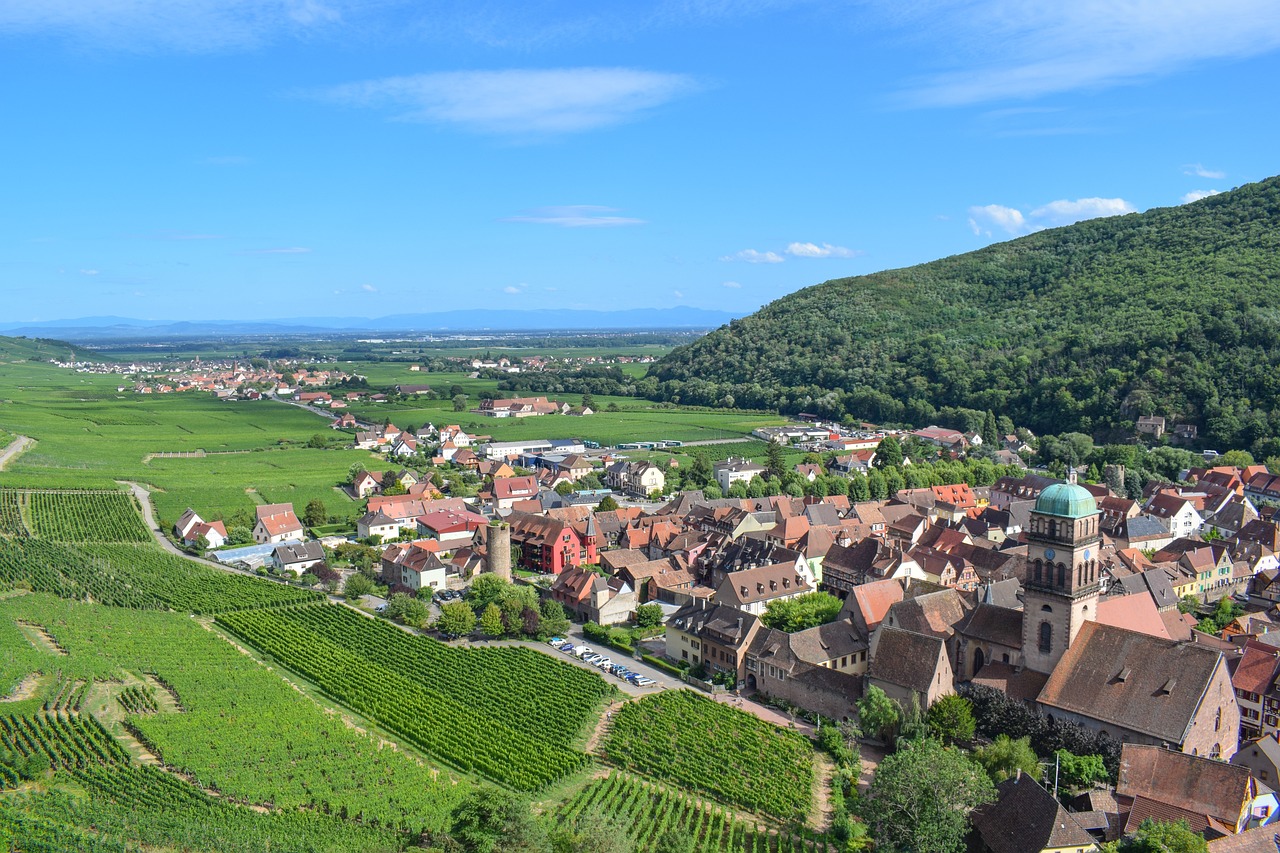
If you’ve ever dreamed of stepping into a storybook village, Kaysersberg in Alsace is exactly that fantasy made real. Half-timbered houses in pastel colors lean over a small river, steep vineyards climb the surrounding hills, and a ruined castle watches over everything like a quiet guardian. It’s compact, walkable, deeply historic, and still feels lived-in and local—especially once the day-trippers leave.
I’ve been coming back to Kaysersberg for years—at first for the Christmas market, then to hike the vineyards, and eventually just to slow down for a few days, eat flammekueche, drink Riesling, and watch the light fade over the castle. It’s the kind of place where the baker remembers your order by day three, and where “going out” often means a long dinner and a slow stroll through cobbled streets lit by lanterns.
Whether you’re planning a 3 day itinerary for Kaysersberg, stretching to 4 or 5 days in Kaysersberg, or using it as a base to explore Alsace, this travel guide for Kaysersberg will give you everything you need: the best places to visit in Kaysersberg, must-see attractions, local food to try, hidden gems, and practical travel tips for Kaysersberg in 2026–2027.
Quick Overview of Kaysersberg
Kaysersberg is a small town in the Haut-Rhin department of Alsace, northeastern France, about 12 km from Colmar. It sits on the Route des Vins d’Alsace (Alsace Wine Route), surrounded by terraced vineyards and forested hills of the Vosges. The medieval center is perfectly preserved, yet you’ll still see kids biking to school and locals shopping at the weekly market.
- Region: Alsace, Grand Est, France
- Nearest city: Colmar (15–20 min drive)
- Famous for: Riesling wines, Christmas market, half-timbered houses, castle ruins
- Best for: Couples, families, food & wine lovers, hikers, photographers
- Ideal stay: 3–5 days in Kaysersberg for a relaxed, immersive visit
Neighborhoods & Areas to Explore in Kaysersberg
1. Vieille Ville (Old Town)
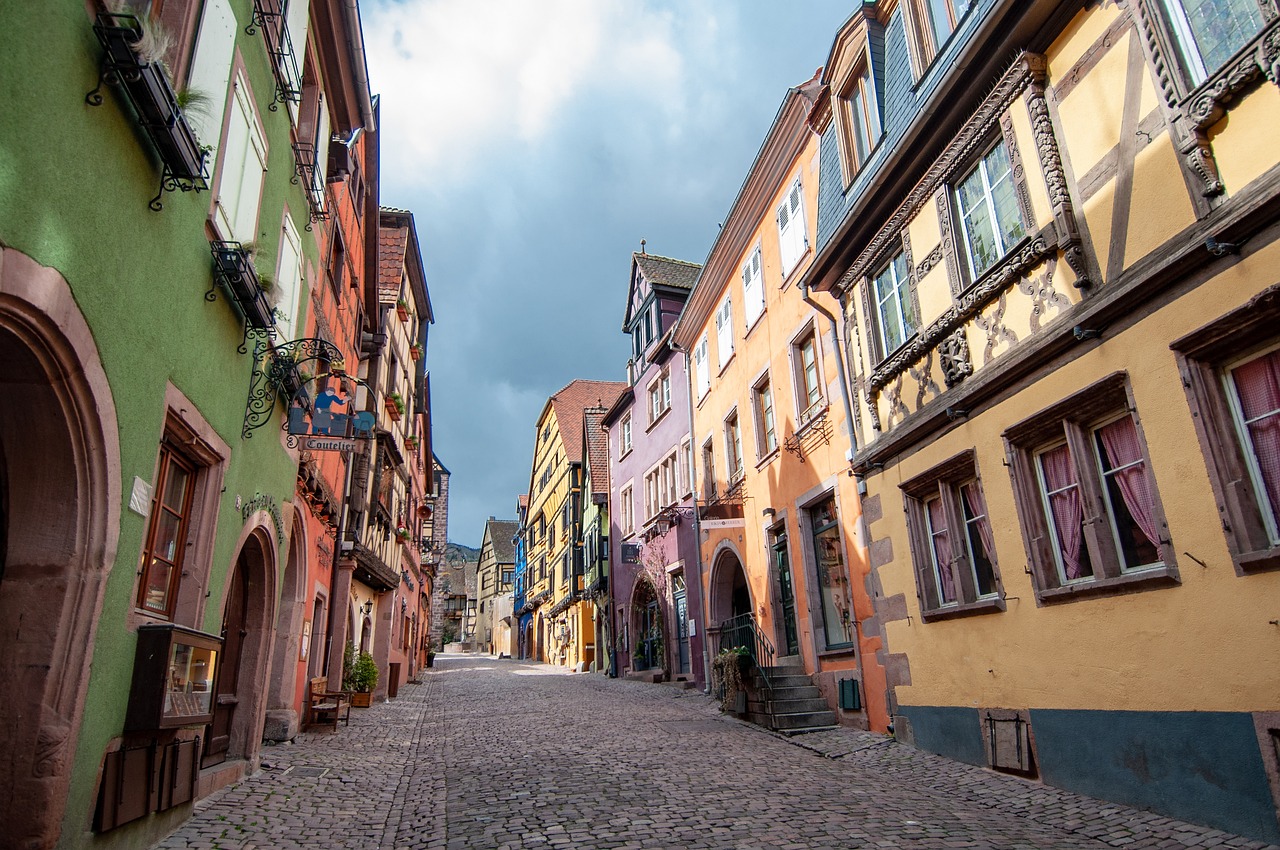
This is the heart of Kaysersberg, where you’ll likely spend most of your time. Cobbled streets like Rue du Général de Gaulle are lined with colorful half-timbered houses, wine shops, bakeries, and small boutiques.
I like to start my mornings here with a coffee from a café terrace, watching deliveries come in and hearing the church bells. Early is the best time if you want photos of timbered facades without crowds.
2. River Quarter (Along the Weiss River)
The Weiss River slices through town under the iconic fortified bridge. Houses here hang directly over the water with flower boxes spilling geraniums in summer. In winter, strings of lights reflect in the water—it’s one of the most romantic corners of the village.
3. Castle Hill & Vineyard Slopes
Above the town rise steep vineyards and the ruins of the Château de Kaysersberg. This area is made for golden-hour walks. You’ll share the paths with joggers, dogs, and sometimes vineyard workers finishing their day. It’s quiet, with sweeping views over the tiled roofs below.
4. Outskirts & Wine Route
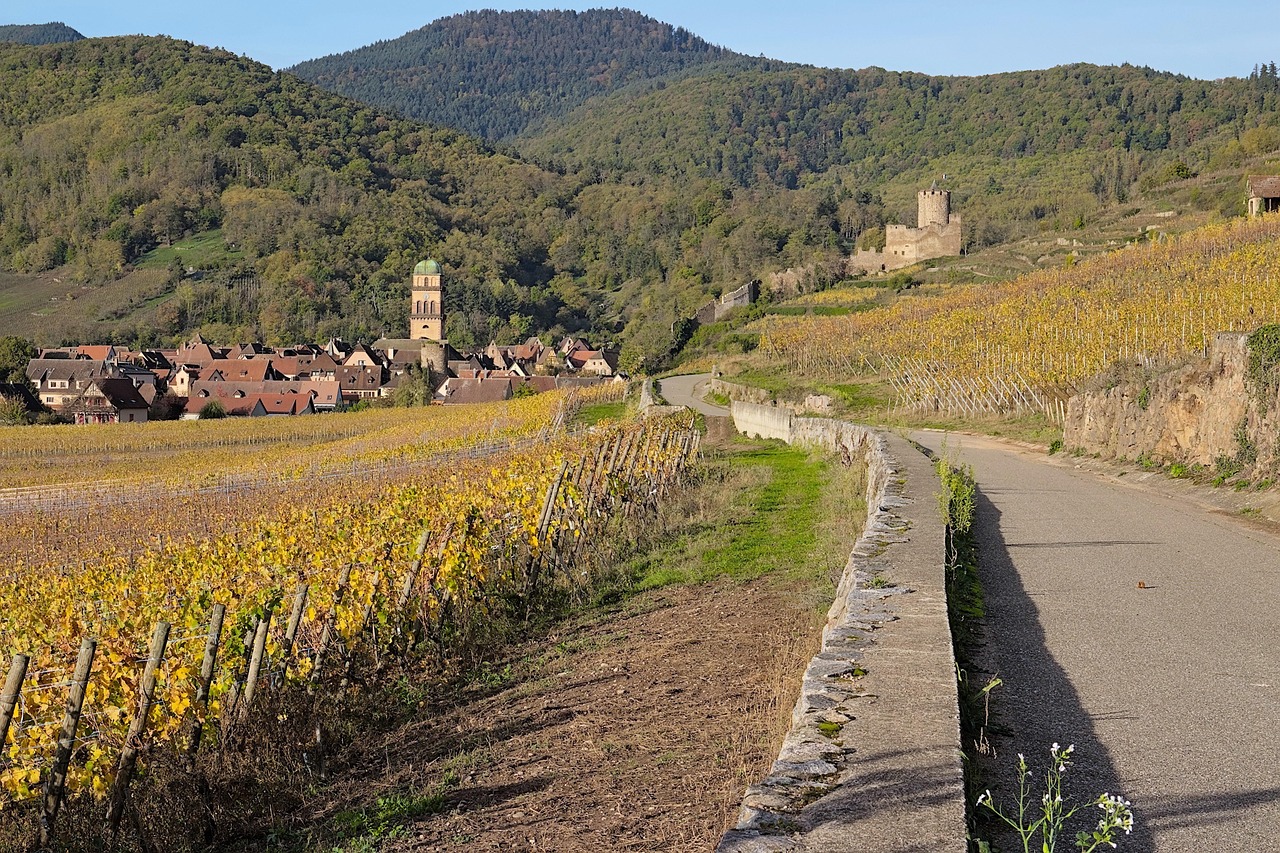
Just outside the old town, the road heads toward neighboring wine villages like Riquewihr and Ammerschwihr. These edges of Kaysersberg feel more residential, but they’re also where you’ll find less-touristy wineries and some guesthouses with vineyard views.
20+ Must-See Attractions & Hidden Gems in Kaysersberg
Below are the must-see attractions in Kaysersberg, each with history, significance, and some personal tips. They’re ordered from the most iconic to more hidden corners, perfect for filling a 3, 4 or 5 day itinerary in Kaysersberg.
1. Château de Kaysersberg (Kaysersberg Castle)
The ruined castle is the symbol of Kaysersberg, perched on a hill above town. Built in the 13th century to guard the Weiss valley and a strategic route across the Vosges, it once belonged to the Holy Roman Emperor—hence the “Kaiser” in Kaysersberg.
The climb from the old town takes about 10–15 minutes via stone steps and a forest path. I usually go up twice each trip: once early in the morning when the town is still waking, and again at sunset for the pastel skies over the vineyards.
- What to do: Climb the circular tower (more stone steps, but worth it), walk the ruins, sit on the low wall and look down at the patchwork of roofs and vines.
- Family-friendly? Yes, but watch young kids near the edges; there are some drop-offs.
- Romantic? Very. Bring a small picnic or a bottle of local wine (and cups) for sunset—just pack out all trash.
- Tip: Wear decent shoes; the path can be slippery after rain. In high season, go early or late to avoid crowds and heat.
2. Pont Fortifié (Fortified Bridge)
This 16th-century fortified bridge over the Weiss is probably the most photographed spot in Kaysersberg. A small turreted structure guards the middle of the bridge, and flower-decked houses line the riverbanks.
I love crossing it multiple times a day: morning light hits the facades from one side, and by late afternoon the opposite side glows. In December, the Christmas lights turn it into a postcard scene.
- What to do: Take photos from both sides; walk down to the river level for a different angle.
- Hidden gem: Step onto the side path that leads slightly down by the water on the upstream side—you’ll get a view most visitors miss.
3. Église Sainte-Croix (Holy Cross Church)
At the heart of the old town stands the Romanesque-Gothic Holy Cross Church, its sandstone façade glowing warm in the sun. Parts of it date back to the 13th century.
Inside, the cool, dim interior is a peaceful break from the busyness outside. I often step in for a few minutes on hot afternoons or during the Christmas market crowds. Look for the intricate woodwork and stained glass that throws colored light onto the stone floor.
- Tip: Dress respectfully (covered shoulders) if there’s a service in progress; enter quietly from the side door.
- Photo tip: The church is especially beautiful just after rain, when the wet cobblestones reflect the façade.
4. Maison Natale d’Albert Schweitzer (Albert Schweitzer Birthplace Museum)
Nobel Peace Prize laureate Albert Schweitzer was born here in 1875, and his family home is now a small museum. It’s a fascinating look at Alsace’s complex identity, plus Schweitzer’s work as a theologian, doctor, and musician.
I didn’t expect to spend long here on my first visit but ended up staying over an hour, reading letters and looking at old photographs of Kaysersberg and Lambaréné in Gabon.
- Good for: Rainy days, history lovers, thoughtful teens.
- Tip: Check opening hours in advance as they can be seasonal and a bit irregular.
5. Rue du Général de Gaulle (Main Street)
The spine of the old town, Rue du Général de Gaulle is lined with half-timbered houses, shops, and restaurants. Yes, it’s touristy. But it’s also the living room of Kaysersberg.
My perfect morning here: a bakery run for kougelhopf, coffee on a terrace, then a slow browse of wine shops and artisan boutiques. In the evenings, the street hums with people heading to dinner.
- Tip: Duck into the side alleys—some lead to hidden courtyards, tiny chapels, or views of the river.
- Money-saving: Look for lunch menus (formule midi) along this street—often cheaper than dinner.
6. Kaysersberg Christmas Market
Kaysersberg’s Christmas market is one of the most atmospheric in Alsace. Instead of huge commercial stalls, it focuses on artisans, local food, and traditional decorations. The scent of mulled wine, cinnamon, and roasted chestnuts fills the lanes.
I’ve been twice in December, and both times the magic was the same: wandering with cold fingers wrapped around a hot cup of vin chaud, listening to carols in the church, and watching kids’ faces light up at the decorations.
- When: Typically late November through December (weekends only early in the season, then more frequent closer to Christmas—check 2026 dates in autumn).
- Tip: Stay overnight. Day-trippers make it crowded; evenings feel more local and serene.
7. Old Town Walls & Towers
Remnants of Kaysersberg’s medieval fortifications still ring parts of the town. Walking along the edges, you’ll spot towers, old gateways, and stretches of wall half-hidden by gardens.
On one trip, I followed a cat along a back lane and ended up at a tiny staircase leading up to a fragment of wall with a surprising view over backyard vegetable patches and the church tower.
- Good for: Quiet strolls away from the main tourist path, history photos.
- Tip: Explore around the eastern side of the old town for some of the best-preserved sections.
8. Kaysersberg Vineyards & Wine Tasting
Alsace is wine country, and Kaysersberg is surrounded by famous terroirs. Riesling, Gewürztraminer, and Pinot Gris dominate. You can visit cellars in town or walk directly into the surrounding vineyards.
My favorite afternoons here are slow: a short vineyard hike, followed by a tasting at a family-run winery where the winemaker pours the glasses and tells stories about the harvest.
- Tip: Call or email small wineries ahead; some are by appointment only, especially outside summer.
- Money-saving: Tasting fees are generally modest and often waived with bottle purchases.
9. Place Jean Ittel & Town Squares
Small squares like Place Jean Ittel punctuate the old town with fountains, benches, and seasonal decorations. They’re ideal for quick breaks and people-watching.
In summer 2025, I sat here with a takeaway tart from a nearby bakery, listening to a busker playing accordion while kids ran laps around the fountain.
10. Artisan Boutiques & Workshops
Kaysersberg has a surprising number of genuine artisan shops: pottery, woodwork, textiles, and Alsatian decorations. Some allow you to peek into the workshop in the back.
I’m still using a hand-painted ceramic mug I bought here years ago; it’s my personal “instant teleport” to Alsace mornings.
- Tip: Look for “Made in Alsace” or artisan labels to avoid generic imports.
11. Vineyard Walking Trails (Sentier Viticole)
Marked trails crisscross the vineyard slopes above Kaysersberg, with viewpoints over the town and the valley. Panels along the route explain the grape varieties and geology.
One October, I walked at harvest time and watched pickers filling yellow crates, laughing and singing to keep rhythm. The vines flamed gold and rust; it was one of my favorite hikes in Alsace.
- Good for: Families (choose shorter loops), photographers, mild adventure.
- Tip: Wear sun protection—there’s little shade among the vines in summer.
12. Local Bakeries & Patisseries
Bakeries in Kaysersberg are small but mighty. Expect buttery croissants, Alsatian kougelhopf, fruit tarts, and pretzels.
During one winter stay, the baker joked that I was becoming part of the furniture after three straight mornings of ordering the same almond croissant.
- Tip: Go early—popular items sell out by late morning, especially on weekends and market days.
13. Weiss River Walk
Following the river out of town gives you a quieter, more natural view of Kaysersberg. The sound of water and the backdrop of vineyards and forest make for a relaxing stroll.
I often walk this route in the late afternoon, when the sun slants low and the castle silhouette appears above the trees.
14. Weekly Market & Local Producers
Like many Alsatian towns, Kaysersberg hosts a weekly market where local producers sell cheese, charcuterie, seasonal fruits, and vegetables.
Once, I cobbled together a picnic entirely from the market: Munster cheese, fresh bread, grapes, and a jar of mirabelle jam that never made it home—it was that good.
- Tip: Bring a reusable bag and some cash; smaller vendors may not accept cards.
15. Half-Timbered Houses & Architectural Details
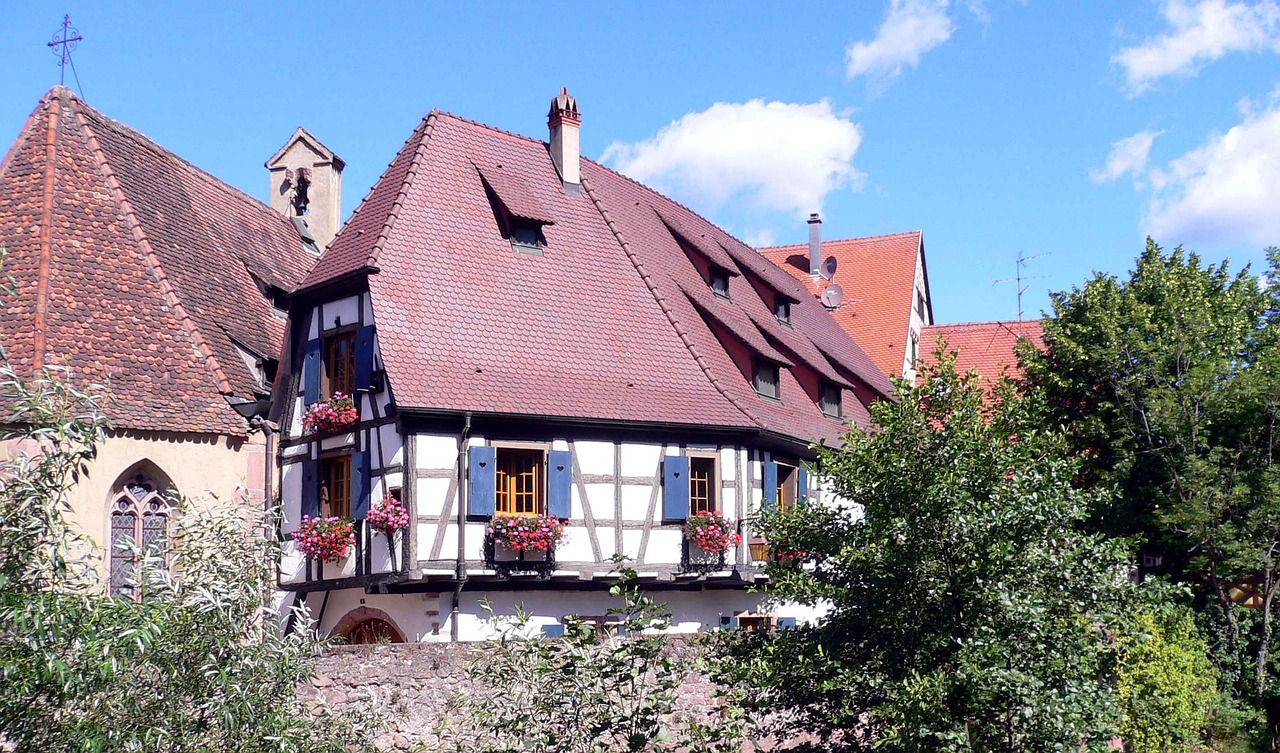
The architecture in Kaysersberg is a highlight in itself. Many houses date to the 15th–17th centuries, with carved beams, overhanging upper stories, and painted details.
I often spend part of a day just looking up: at tiny carved faces on window frames, dates inscribed in stone lintels, and storks’ nests on chimneys.
- Photo tip: Early morning or overcast days are best; bright sun can create harsh contrasts on the facades.
17. Town-Center Wineries & Tasting Rooms
Several wineries maintain cellars right in the old town, sometimes in centuries-old buildings with vaulted stone ceilings and giant wooden barrels.
On one rainy afternoon, I ducked into a cellar for shelter and ended up in an impromptu tasting with a small group of locals, learning to distinguish subtle differences between neighboring vineyard parcels.
- Tip: Ask about shipping if you fall in love with a bottle—many producers ship within Europe and sometimes beyond.
18. Small Local Exhibits & Temporary Shows
Occasionally, Kaysersberg hosts small temporary exhibitions in municipal spaces: photography, local history, or artisan showcases.
I stumbled on a photo exhibit of historical harvests once, with black-and-white images of villagers picking grapes in clothes that looked almost medieval.
- Tip: Check the tourist office window for current exhibitions when you arrive.
19. Small Chapels & Wayside Crosses
In and around Kaysersberg, you’ll find tiny chapels and stone crosses at crossroads and in vineyards—a reminder of the region’s religious history and rural traditions.
I like to pause at these when hiking; they feel like small anchors of time, connecting today’s vines with centuries of harvests before.
20. Kaysersberg by Night
After dark, especially outside peak season, the town quiets dramatically. Lantern-like streetlights cast warm pools onto the cobblestones, and the soundscape shifts to murmured conversations from restaurants and the rush of the river.
Every trip, I dedicate at least one evening to a slow, aimless wander after dinner. It’s when Kaysersberg feels most like it belongs to you.
- Romantic? Absolutely. This is when couples fall in love with the town.
3–5 Day Itineraries for Kaysersberg (With Personal Stories)
Below are flexible itineraries for 3 days in Kaysersberg, with options to expand to a 4 day itinerary or a 5 day itinerary. I’m weaving in how I usually structure my own stays—feel free to rearrange depending on weather, energy, and season.
3 Day Itinerary for Kaysersberg (Core Highlights)
Day 1: First Impressions, Old Town & Castle Views
I like to start my first day in Kaysersberg without rushing—this is not a city that rewards speed. On my last spring visit, I arrived just before lunch, dropped my bag at a small guesthouse near the river, and headed straight into the old town.
Morning: Arrival & Slow Old Town Stroll
Check into your accommodation, then orient yourself along Rue du Général de Gaulle. Pop into the tourist office for current maps and any special events (concerts, tastings, exhibitions).
Walk from one end of the main street to the other, ducking into side alleys. Step into Église Sainte-Croix to adjust your eyes to the dim light and soak in the quiet. Pay attention to details: carved dates above doorways, signs painted in Germanic script, flower boxes overflowing with geraniums.
Lunch: First Taste of Alsace
For lunch, choose a winstub (traditional Alsatian tavern). Order a tarte flambée (thin-crust flatbread with cream, onions, and lardons) or a lighter salad if you’re planning a big dinner. On my first day of any stay, I always order a glass of house Riesling—it’s like a welcome handshake from the region.
Afternoon: Fortified Bridge & River Walk
Head to the Pont Fortifié. Cross it slowly, then walk down to the riverside for views back up at the turret and overhanging houses. Follow the Weiss river path downstream for 20–30 minutes. You’ll see the town recede behind you, replaced by vineyards and woodland.
On one summer afternoon, I sat on a bench here watching a family of ducks navigate the current, while the castle tower winked at me through the treeline.
Late Afternoon: Castle Climb at Golden Hour
Circle back through town and climb up to the Château de Kaysersberg. Time your arrival for an hour before sunset if the weather is clear. Climb the tower and take in the full panorama: red-tiled roofs, church tower, vineyards, and, on a clear day, even the distant Black Forest in Germany.
Bring a light jacket; the hill catches the wind. I often carry a small notebook to jot down impressions while sitting on the castle wall.
Evening: Dinner & Night Walk
For dinner, book a restaurant that focuses on local cuisine with a good wine list. Try coq au Riesling or choucroute garnie if you’re hungry. Ask the staff to recommend a wine pairing from nearby vineyards.
Afterwards, take a short stroll through the now-quiet streets. The reflections of the houses in the river at night are particularly beautiful. This is when Kaysersberg starts to feel like a village you belong to, not just a place you’re visiting.
Day 2: Wine, Vineyards & Local Life
On my second day, I always lean into the wine and vineyard side of Kaysersberg. Even if you’re not a big drinker, the landscape and culture around wine here are integral to understanding the town.
Morning: Vineyard Hike
After breakfast (ideally with a slice of kougelhopf), head up into the vineyards via one of the marked sentiers viticoles. The paths are generally well signposted and offer loop options.
You’ll pass plaques explaining grape varieties and soil types. Stop often to look back at the view—the town framed by rows of vines is endlessly photogenic. In spring, you’ll see young green shoots; in autumn, the vines blaze gold and red.
Late Morning: Winery Visit
Plan ahead by booking a visit at a local winery, either in the vineyards or in town. Aim for late morning, when owners tend to be less rushed than in the late afternoon.
On a recent trip, I joined a small group tasting in a cool stone cellar where the winemaker poured generous samples and talked about his grandfather’s harvest stories. We compared Rieslings from different slopes above Kaysersberg and neighboring villages—subtle but fascinating differences.
Lunch: Picnic Among the Vines (Weather Permitting)
If the weather is good, assemble a picnic from a bakery and the weekly market: bread, local cheese, cured meats, fruit. Many vineyard paths have benches or grassy spots where you can sit. Just be sure to leave no trace—carry all your trash back.
In cooler months, choose a cozy winstub instead, and maybe share a baeckeoffe (Alsatian meat and potato stew) if you’re very hungry.
Afternoon: Albert Schweitzer Museum & Artisan Browsing
Head back down into town and visit the Albert Schweitzer Birthplace Museum. It’s compact but rich with context about Alsace’s identity and Schweitzer’s humanitarian work.
Afterwards, wander between artisan boutiques: ceramics, textiles, wooden toys, and hand-crafted Christmas decorations (some shops carry them year-round). I like to pick one item each trip to slowly build a “Kaysersberg corner” at home.
Evening: Casual Dinner & Wine Bar
Pick a slightly more casual spot tonight—maybe a place that does excellent tarte flambée or seasonal specials. Afterwards, if you still have energy, slip into a wine bar for a final glass of late-harvest Gewürztraminer or Pinot Noir.
This is a good night for a nightcap stroll over the fortified bridge; you’ll often have it nearly to yourself.
Day 3: Hidden Corners & “Live Like a Local” Day
By day three, you’ll know the main streets and rhythms of Kaysersberg. This day is about deepening that connection with quieter corners and local routines.
Morning: Market & Backstreets
If your stay overlaps with the weekly market, start there. Watch locals doing their regular shopping, listen to vendors banter in French with a splash of Alsatian dialect, and pick up snacks for later.
Then deliberately walk the streets parallel to Rue du Général de Gaulle—smaller, more residential lanes with fewer tourists. Look for old wells, tiny gardens, and unexpected views of the church tower.
Late Morning: Town Walls & Chapels
Head to the east or west edges of town to find remnants of the old walls. Follow narrow paths that brush up against back gardens and small chapels. It feels almost like you’ve slipped behind the stage of a theater set.
On one trip, I followed a lane out of town and ended up at a small roadside cross with a bench and a view back over the rooftops. A local man walking his dog nodded hello and said, “Vous avez trouvé le meilleur banc” (you found the best bench).
Lunch: Light & Local
By day three, I often crave something lighter: a salad with local goat cheese, a quiche, or just a bowl of soup and bread. This is a good time to try a small café slightly off the main drag, where locals outnumber visitors.
Afternoon: Free Time – Choose Your Own Adventure
- Food & drink lovers: Another winery visit, or a deep dive into a specialty food shop (spices, jams, or chocolates).
- Families: Easy river walk with stops for ice cream or a bakery treat.
- Romantic: Return to your favorite vantage point (castle, river, or a quiet bench) and simply sit together, soaking in the last afternoon.
- Adventurous: Longer hike into the Vosges foothills (ask the tourist office for current trail conditions).
Evening: Farewell Dinner & Final Night Walk
For your last evening, choose a restaurant you’ve walked past a dozen times but saved for last. Let yourself linger over dessert—maybe a shared tarte aux myrtilles (blueberry tart) or crème brûlée with Alsatian twists.
Then loop through town one last time, saying a quiet goodbye to your favorite corners: the bridge, the church square, that tiny alley with the crooked house. I always end my last night leaning on the bridge rail, listening to the rush of the Weiss and promising myself I’ll be back.
4 Day Itinerary for Kaysersberg: Add a Deeper Dive
If you have 4 days in Kaysersberg, keep the 3-day structure and add one more full day. I usually use it for a half-day nearby excursion plus more slow time in town.
Day 4: Nearby Village + Slow Evening in Kaysersberg
On my last 4-day stay, I took a morning bus to a neighboring wine village, wandered a few hours, then returned to Kaysersberg for a lazy late afternoon at a café terrace.
Morning: Short Day Trip (e.g., Riquewihr or Kientzheim)
Take a quick bus or taxi to a nearby village (details in the “Day Trips” section below). Explore their lanes, maybe visit a different style of winery or a small museum, and have lunch there.
Afternoon: Kaysersberg Café Time & Shopping
Back in Kaysersberg, dedicate a few hours to the underrated art of café sitting. Choose a terrace with a good people-watching angle and order a coffee, tea, or glass of wine. This is a good time to write postcards or notes in a journal.
Do any last-minute shopping: wines to take home, spices, jams, or small gifts. I like to buy local spice blends for pain d’épices or mulled wine—they pack easily and bring Alsace into your kitchen later.
Evening: Optional Cultural Event
If you’re in town during a concert, festival, or temporary exhibition, this is the night to go. In 2026, expect a mix of local music evenings, wine events, and occasional art shows—check the tourist office calendar when you arrive.
5 Day Itinerary for Kaysersberg: Fully Unwind & Explore
With 5 days in Kaysersberg, you can thoroughly relax, add meaningful day trips, and still have unscheduled time. I’ve done this twice, and each time I left feeling like I’d actually lived there for a week.
Day 5: Nature Focus or Full-Day Excursion
Choose how you want to spend your final full day, depending on your interests and the season.
Option A: Nature & Hiking in the Vosges
Head into the nearby Vosges mountains for a longer hike or a scenic drive to a mountain lake or viewpoint (see Day Trips section). In summer, this means cooler air and forest shade; in winter, snowshoeing or Nordic skiing in higher areas.
Option B: Full-Day Alsace Excursion
Use Kaysersberg as a base and spend a full day exploring Colmar or a string of wine villages along the Route des Vins. Return in the evening to your familiar bed and quiet streets instead of a larger city.
Evening: Reflection & Packing
On my 5-day stays, the last evening always ends with some quiet time: repacking my bags, making notes of favorite places, and listing what I want to do “next time.” I’ll often take one final twilight walk to the fortified bridge and let the sound of the river fix the town firmly in my memory.
Best Local Food & Drink in Kaysersberg
Alsatian Dishes to Try
- Tarte flambée / Flammekueche: Thin crust, crème fraîche, onions, and lardons; often baked in a wood-fired oven. I like to share one as a starter.
- Choucroute garnie: Sauerkraut with an array of sausages and pork cuts—hearty and best on cold days.
- Baeckeoffe: Slow-baked casserole of meats, potatoes, onions in white wine, baked in a sealed terrine.
- Coq au Riesling: Chicken simmered in local Riesling with mushrooms and cream—rich but addictive.
- Munster cheese: Strong-smelling, soft cheese from nearby Vosges; try it with cumin seeds.
Sweet Treats & Bakery Favorites
- Kougelhopf: Yeasted bundt-shaped cake with raisins, often dusted with sugar; my go-to breakfast with coffee.
- Pain d’épices: Spiced gingerbread-like loaf; great for gifts and travels well.
- Fruit tarts: Mirabelle plum, raspberry, or blueberry, depending on season.
Alsace Wines to Discover
- Riesling: Dry, minerally, excellent with local dishes and fish.
- Gewürztraminer: Aromatic, lychee and rose notes; great with spicy food or Munster cheese.
- Pinot Gris: Richer white, good with poultry and creamy dishes.
- Crémant d’Alsace: Sparkling wine; perfect aperitif.
- Vendanges Tardives: Late harvest; sweet, dessert-style wines—share a glass after dinner.
My general rule: drink local. Ask by-the-glass recommendations and be honest about what you like; locals are proud of their wines and usually happy to guide you.
Where to Eat & Drink (General Guidance)
- Winstubs: Best for classic Alsatian dishes and convivial atmosphere.
- Cafés: Great for breakfast, light lunches, or afternoon coffee and cake.
- Wine bars: Ideal for tastings without committing to a full meal; often have small plates or charcuterie.
Money-saving tip: Opt for lunch menus and share starters or desserts. Tap water (carafe d’eau) is free—just ask.
Nightlife, Entertainment & Cultural Experiences
Nightlife in Kaysersberg
Nightlife here is quiet and low-key. Think wine bars, long dinners, and evening walks rather than clubs or loud bars.
- Wine bars: Perfect for a last glass of Riesling or Crémant; often close by 11 pm.
- Terraces: In warm months, outdoor seating remains lively until late evening.
- Family-friendly: Evening ice cream, a gentle river walk, and early nights work very well with kids.
Cultural & Local Experiences
- Concerts in the church: Classical or choral performances, especially in summer and around Christmas.
- Wine festivals: Tastings, music, and food stalls; see Events section for 2026–2027 notes.
- Workshops: Occasional craft or cooking workshops—check the tourist office listings.
Major Events & Festivals in Kaysersberg (2026–2027)
Exact dates are announced annually, but you can expect these recurring highlights in 2026–2027:
- Kaysersberg Christmas Market (Marché de Noël): Late Nov–Dec 2026 & 2027. One of Alsace’s most atmospheric markets, focused on artisans and tradition.
- Wine & Harvest Events: Late summer and autumn (Aug–Oct) bring harvest celebrations, open cellars, and vineyard walks with tastings.
- Summer Cultural Evenings: July–August often feature open-air concerts, evening markets, and extended terrace hours.
For 2026–2027, expect continued emphasis on sustainable tourism—more guided vineyard walks, educational tastings, and events highlighting local producers. Check the official Kaysersberg tourist office website a few months before your trip for confirmed dates and any new festivals.
Day Trips & Nearby Attractions from Kaysersberg
Colmar
Distance: Approx. 15–20 min by car or bus.
Colmar is the larger, livelier neighbor with canals, museums (like the Unterlinden), and more dining options. It’s perfect for a day of urban wandering before retreating to Kaysersberg’s calm in the evening.
Tip: Go early to enjoy quieter streets, then return to Kaysersberg for sunset over the vineyards.
Riquewihr & Kientzheim
Distance: Short drive or bus ride along the Route des Vins.
These nearby wine villages are also fairytale-beautiful, with more half-timbered houses and dense vineyard surroundings. They can be more crowded at peak times but are worth seeing to compare vibes.
Vosges Mountains & Lakes
Distance: 30–60 min drive depending on destination.
For a change of scenery, head west into the Vosges: lakes, forests, and higher-altitude views. In summer, hike or picnic; in winter, consider snowshoeing or Nordic skiing in designated areas.
Alsace Wine Route Villages
Kaysersberg is perfectly placed for exploring the Route des Vins. Consider a day with a rental car or organized tour, hopping between 2–3 villages for tastings and strolls.
Tip: If driving, designate a sober driver; tastings can add up quickly. Alternatively, use local buses or book a driver/guide.
Cultural Etiquette & Local Customs in Kaysersberg
Basic Social Etiquette
- Greetings: Always say “Bonjour” (daytime) or “Bonsoir” (evening) when entering shops or restaurants; it’s considered rude not to.
- Language: French is standard; some older locals also speak Alsatian and German. Even a few French phrases are appreciated.
- Politeness: “S’il vous plaît” (please) and “Merci, au revoir” (thank you, goodbye) go a long way.
Dining Customs
- Reservations: Recommended for dinner, especially weekends and high season.
- Timing: Lunch typically 12:00–14:00; dinner from around 19:00. Don’t expect full meals mid-afternoon.
- Tipping: Service is included, but rounding up or leaving a small tip (5–10%) for good service is appreciated.
- Sharing: Sharing plates is fine, but order at least one main dish per person in sit-down restaurants.
Religious & Cultural Spaces
- Dress modestly in churches (covered shoulders, no loud conversations).
- Ask before photographing people during religious events.
- During services or concerts, silence phones and avoid moving around.
Respecting Local Life
- Keep voices down at night, especially in narrow residential streets—sound carries.
- Don’t sit on private steps or walls clearly belonging to homes.
- In vineyards, stay on marked paths and don’t touch or pick grapes unless invited.
Practical Travel Advice for Kaysersberg (2026–2027)
Getting There & Getting Around
- Nearest airports: EuroAirport Basel-Mulhouse-Freiburg, Strasbourg, or even Zurich (with train + car/bus connections).
- Nearest train hub: Colmar. From there, bus or taxi to Kaysersberg.
- By car: Very convenient for day trips on the Wine Route and into the Vosges. Parking is available on the outskirts; some paid, some free with time limits.
- In town: Kaysersberg is best explored on foot. Distances are short, and many lanes are pedestrian-only.
SIM Cards & Connectivity
- EU travelers: Roaming generally works as at home within EU regulations.
- Non-EU: Consider an eSIM or physical SIM from major French providers (Orange, SFR, Bouygues) purchased in Colmar or at an airport.
- Free Wi-Fi is common in hotels and many cafés; speeds are usually sufficient for normal use.
Visas, Driving & Licenses
- Visas: Kaysersberg is in France (Schengen Area). Check current Schengen visa rules for your nationality. As of 2026, short stays (up to 90 days in 180) require a Schengen visa for many non-EU visitors.
- Driving licenses: EU/EEA licenses are valid. Many non-EU licenses are accepted with an International Driving Permit (IDP)—check in advance with your rental agency and national guidelines.
- Driving tips: Speed limits are enforced; watch for speed cameras. In villages, be ready for narrow streets and pedestrians.
Money-Saving Tips
- Visit off-peak: Late spring or early autumn offers lower prices and thinner crowds compared to Christmas and high summer.
- Lunch deals: Opt for set lunch menus, then lighter dinners—your budget and stomach will thank you.
- Self-catering: Choose accommodation with a kitchenette and buy breakfast items or picnic supplies from markets and supermarkets.
- Transport: If you’re mostly staying in town, skip car rental and use buses/taxis only for day trips.
Where to Stay in Kaysersberg
- Old Town guesthouses: Best for atmosphere; you’ll wake up to church bells and be steps from everything.
- Vineyard-view hotels: On the edge of town or nearby slopes; quieter, with scenic views.
- Apartments: Good for families and longer stays, often with kitchen facilities.
Tip: Book well in advance for December (Christmas market) and peak summer—small-town capacity fills quickly.
Best Seasons for Different Activities
- Spring (April–June): Blossoms, mild temperatures, fewer crowds. Great for walking and early vineyard greens.
- Summer (July–August): Warm, busy, long evenings on terraces. Best for families, outdoor events, and mountain day trips.
- Autumn (September–October): Harvest season, vineyard colors, wine events. Ideal for wine lovers and photographers.
- Winter (November–February): Christmas market magic (late Nov–Dec), cozy evenings, potential snow. Best for romance and festive travel. Outside Christmas weeks, it’s very quiet and atmospheric.
Summary: Key Takeaways & Final Recommendations
Kaysersberg is small enough to feel intimate yet rich enough to fill a 3, 4 or 5 day itinerary with ease. Its must-see attractions—the castle, fortified bridge, riverside houses, church, and vineyards—are all within walking distance, wrapped in some of the most photogenic streets in Alsace.
Use 3 days to cover the essentials and settle into the rhythm of the town. Add a 4th or 5th day to explore nearby villages, Colmar, or the Vosges, and to simply sit in cafés, wander backstreets, and feel like a temporary local.
For food and wine lovers, Kaysersberg is a gem: traditional dishes, excellent bakeries, and characterful wineries. For families, it’s safe, walkable, and visually enchanting. For couples, it’s almost absurdly romantic, especially at night or under Christmas lights. And for adventurous travelers, the surrounding vineyards and mountains offer gentle to moderate hikes with big rewards.
If you can choose your season, I recommend late spring (May–early June) or autumn (September–mid October) for the best balance of weather, prices, and crowds. But Kaysersberg is one of those rare places that truly changes character with the seasons and is worth seeing more than once—each time revealing a new layer of charm.
Whichever season you choose, arrive with time to slow down. Let the bells, the river, and the slope of the vineyards set your pace. Kaysersberg rewards those who linger.