Why Visit the Lascaux Caves Area
If you’ve ever stared at a painting in a museum and wondered what the artist was really trying to say, Lascaux is the place that answers you with a visceral whisper from 21,000 years ago. The Lascaux Cave complex, near the small town of Montignac-Lascaux in France’s Dordogne region, holds some of the most sophisticated Paleolithic art on earth—horses that seem to move when your torchlight flickers, charging bulls, mysterious signs, and the famous “Chinese Horse” that every guide secretly loves to show off.
Unlike many “bucket list” sights that feel over-filtered and underwhelming in real life, the Lascaux experience—especially at the Lascaux IV International Centre for Cave Art—is surprisingly intimate, almost theatrical. The replica is so meticulously done that you catch yourself lowering your voice, the way you instinctively do in sacred spaces. The surrounding Vézère Valley is green, folded, and quiet, laced with limestone cliffs and troglodyte dwellings. It has that rare mix of deep time, slow tourism, and genuinely good food that makes people (myself included) return again and again.
I’ve been visiting Lascaux and its neighboring sites since the late 2010s, and I’ve watched the area evolve—better visitor infrastructure, more thoughtful exhibitions, and, happily, only a modest bump in crowds compared with France’s bigger-name sights. In 2026, it still feels like a place where you can be alone with prehistory on a misty morning, then be eating duck confit on a candle-lit terrace by evening.
This travel guide for Lascaux Caves is written so you can plan a 2 day itinerary for Lascaux Caves, stretch it into 3 days in Lascaux Caves, or linger for a 4 day itinerary for Lascaux Caves and beyond. I’ll walk you through the must-see attractions in Lascaux Caves and the Vézère Valley, the best places to visit in Lascaux Caves, local food in Lascaux Caves, genuine hidden gems in Lascaux Caves, and plenty of very practical travel tips for Lascaux Caves.
Table of Contents
- Understanding the Lascaux & Vézère Valley Layout
- Suggested Itineraries: 2, 3 & 4 Days in Lascaux Caves
- 12 Key Sites, Districts & Monuments Around Lascaux
- Traditional Cuisine & Where to Eat
- Evenings Around Lascaux: Light, Quiet & Music
- What’s New in 2026–2027: Events & Exhibitions
- Day Trips & Nearby Attractions
- Cultural Etiquette & Local Customs
- Practical Travel Advice for Lascaux Caves
- Summary & Best Seasons to Visit
How the Lascaux Area Fits Together
First, a small but important clarification: the original Lascaux Cave has been closed to the public since 1963 to preserve its fragile paintings. What you visit today is a suite of remarkable replicas and interpretive centers, surrounded by other original decorated caves and rock shelters that are still accessible.
The geography you’ll be dealing with is really the Vézère Valley, centered on Montignac-Lascaux, with a constellation of prehistory sites stretching toward Les Eyzies and the Dordogne River. Think of it as a long, wooded corridor of limestone cliffs and meanders, with the following main anchors:
- Montignac-Lascaux “Old Town” – A small medieval riverside town, half-timbered houses, narrow lanes, and the modern Lascaux IV complex just outside.
- Lascaux IV International Centre for Cave Art – The flagship replica and immersive museum; the “main event” for most visitors.
- The Lascaux Hill & Lascaux II/III sites – The hillside where the original cave sits, plus earlier replicas and interpretive spaces.
- Vézère Valley Caves & Shelters – Font-de-Gaume, Combarelles, Rouffignac, Cap Blanc, La Roque Saint-Christophe, and others.
- Les Eyzies-de-Tayac – Roughly 30–40 minutes down-valley; an informal “capital of prehistory” with the National Museum of Prehistory.
Chronologically, you’ll be walking through tens of thousands of years in a matter of kilometers. Lascaux’s paintings date to roughly 21,000 years ago, but some nearby shelters were occupied by Neanderthals long before that. Over the centuries, the valley layered on medieval troglodyte fortresses, Renaissance farms, and 19th-century railway engineering. The modern visitor centers, most notably Lascaux IV (opened in 2016), form the newest layer—sleek, glass-and-concrete architecture hugging the same ancient hills.
For planning, imagine three concentric “rings”: the Montignac-Lascaux core (walkable), the nearby Vézère Valley sites (short drives, 10–30 minutes), and the wider Dordogne area (30–60 minutes, good for day trips). This guide moves from the core outwards, starting with Lascaux itself.
Recommended Itineraries: 2–4 Days in the Lascaux Caves Area
Below are flexible, story-driven itineraries you can adapt whether you’re planning 2 days in Lascaux Caves, a 3 day itinerary for Lascaux Caves, or a deeper 4 days in Lascaux Caves. I’ve structured them more like narratives than checklists, since this is a place best experienced slowly.
2 Day Itinerary for Lascaux Caves: Essential Prehistory & Riverfront Charm
Day 1: Lascaux IV & Montignac’s Medieval Streets
I usually tell first-time visitors to treat Day 1 as an initiation. You’re not just ticking off a “thing to do in Lascaux Caves”; you’re letting your brain recalibrate to the idea that humans this long ago could paint with such intention and grace.
Morning – Lascaux IV International Centre for Cave Art
Book your timed ticket for mid-morning (around 10:00) to avoid the first rush of coach groups that arrive from 9:00. In 2026, online booking is mandatory in high season (May–September), and I recommend it year-round.
The approach to Lascaux IV is deliberately understated: a low, angular building that seems to grow from the hillside. On misty mornings—and the Dordogne does mist very well—the glass reflects the soft gray of the sky, and the forest above looks almost unchanged from Paleolithic times.
You’ll join a guided visit (English and French tours run frequently) that leads you into the full-scale replica of the original cave. The air is cool—about 13°C (55°F)—and the lighting is kept low, with targeted beams on key panels. I remember my first visit, back when I was still taking notes like a nervous student; the guide asked us to stand silently in the Hall of the Bulls while she slowly brought the torchlight up. The bulls appeared rather than were simply “lit”—you could feel the group collectively inhaling.
Highlights to look for:
- Hall of the Bulls – Monumental aurochs, some over 5 meters long, painted in sophisticated perspective.
- The Axial Gallery – Sometimes called the “Sistine Chapel of Prehistory,” with overlapping animals that suggest movement.
- The “Chinese Horse” – A small but iconic horse, elegant and curving, that seems almost modern in its abstraction.
- The enigmatic signs – Dot clusters, bar shapes, and mysterious symbols whose meaning we still debate.
Your guide will weave in explanations about pigments, lamp technology, and theories about why the cave was used (spoiler: we don’t really know, but ritual seems likely). The tour then flows into the interpretive galleries, where you can linger at your own pace. Don’t rush this part; it’s where the science and the art fuse—3D reconstructions, interactive displays, and comparative panels showing global rock art traditions.
Family-friendly tip: The interactive “atelier” section, where kids (and adults) can try their hand at recreating prehistoric techniques, is genuinely well done—hands-on without feeling gimmicky. Allocate at least 2.5–3 hours for the full experience, especially with children.
Lunch – Simple & Local Near Lascaux IV
The on-site café has improved over the years; by 2026, it’s perfectly decent for a quick plate of salade périgourdine (duck gizzards, walnuts, lardons, and local greens) or a sandwich. That said, if you’re anything like me, you’ll want the reward of a proper meal in town after all that sensory intensity.
Drive or walk (about 20–25 minutes downhill) back into Montignac-Lascaux old town. I often aim for a late lunch at one of the riverside bistros on the left bank (north side), where the half-timbered facades lean toward the water.
Afternoon – Montignac’s Old Quarter
Montignac is compact enough to wander without a map. Cross the main bridge and let yourself be pulled toward the narrow alleys that rise gently from the Vézère. The town’s medieval fabric isn’t as showy as nearby Sarlat, but it feels lived-in rather than staged.
Walk the loop I always do:
- Start at the Place de l’Église, where the church square often hosts small markets.
- Climb the little streets toward the remains of the château—not much stone, but excellent views down to the river.
- Descend via the stepped lanes that spill back toward the water; look out for carved stone lintels and discreet pigeonniers (dovecotes) above courtyards.
In the mid-afternoon lull, Montignac can feel almost suspended in time. Shop shutters half-down, a cat sunning itself on a worn threshold, the gentle scrape of someone sweeping their stoop. It’s a good time to duck into a café for a coffee or a glass of local Bergerac wine and simply watch the river.
Evening – Riverfront Dinner & First Night Walk
For dinner, aim for a small, family-run restaurant rather than one of the larger terrace operations. In 2026, a personal favorite remains a tiny spot tucked on a side lane off the river, serving a concise menu: duck breast, confit, seasonal vegetable gratin, and a ridiculously good walnut tart.
After dinner, take a slow stroll along the river. The street lamps cast warm pools of light on the stone walls, and the reflections double the half-timbered houses in the water. This is where you truly understand what I mean by “evenings in Lascaux”: the prehistory is the draw, but the atmosphere keeps you here.
Day 2: Vézère Valley Caves & Cliffside Villages
On your second day, venture down the valley to meet Lascaux’s “cousins”—a cluster of caves and rock shelters that show different facets of Paleolithic life.
Morning – Rouffignac or Font-de-Gaume
If you’re traveling with kids or prefer a less physically demanding visit, start with Rouffignac Cave, about 40 minutes from Montignac. You board an electric train that trundles deep into the hill, stopping at panels of mammoths and other animals. The sense of journey here—penetrating far into the earth—contrasts nicely with Lascaux’s curated replica.
For a more intense, small-group experience, try to book Font-de-Gaume, one of the last caves with original polychrome paintings still open to the public (with very limited numbers). Reservations are essential and often need to be made months in advance for summer; in shoulder seasons you can sometimes snag a slot with a few weeks’ notice.
Lunch – Picnic or Village Bistro
One of my favorite things to do is assemble a picnic from Montignac’s morning market (or a supermarket if it’s an off-day): local cheese, pâté, crusty bread, tomatoes, and a punnet of strawberries in season. Then I pull into a lay-by with a view of the valley and eat on a blanket overlooking the patchwork of fields. Failing that, there are simple bistros in Les Eyzies or Saint-Léon-sur-Vézère where you can eat well for reasonable prices.
Afternoon – La Roque Saint-Christophe
On the way back toward Montignac, stop at La Roque Saint-Christophe, a kilometer-long limestone cliff honeycombed with natural ledges that humans occupied for tens of thousands of years. In medieval times it became a troglodyte fortress-village, complete with wooden walkways and defensive machines.
Walking along the cliff-side terraces, you can look out over the Vézère and imagine smoke rising from hearths where now there are only interpretive panels. It’s a brilliant site for families: open-air, lots of space, and just enough reconstructed elements (a medieval crane, carved troughs) to fire the imagination.
Evening – Back to Montignac for a Quiet Farewell
Return to Montignac in the late afternoon. If you didn’t manage a full riverfront sunset the previous night, make time for it now. On my last mid-October visit, the trees along the banks were turning gold, and the reflection in the water made it feel like we were walking between two autumns.
For your final dinner on a 2 day itinerary for Lascaux Caves, consider splurging slightly on a more gastronomic restaurant—still often family-run but with a more ambitious menu. The duck will be good; the walnut dessert will be better; the local wine will be better still.
3 Day Itinerary for Lascaux Caves: Deep Dive into Prehistory & Slow Village Life
Day 3: Les Eyzies & the National Museum of Prehistory
With 3 days in Lascaux Caves and the valley, you can start connecting the dots between individual sites.
Morning – Les Eyzies-de-Tayac
Drive about 35–40 minutes downstream to Les Eyzies-de-Tayac, a village squeezed between towering cliffs and the river. The moment you see the monumental limestone overhang above the houses, you understand why this became a hub of prehistory research: everywhere you look, the rock invites excavation.
Start at the National Museum of Prehistory, which sits partly under the cliff. The building itself is a fascinating blend of modern architecture and rock face, with terraces that seem to emerge from the stone.
Inside, you’ll find:
- Stunning original tools, carved figurines, and engraved bones from the region’s sites.
- Clear chronological displays that help place Lascaux within a broader Paleolithic timeline.
- Thoughtful explanations (in French and English) about climate shifts, human migrations, and the evolution of art.
On my last visit in early 2025, I arrived right at opening time and nearly had the first floors to myself. Standing in front of a tiny engraved reindeer, I felt that same jolt of recognition I get in front of the Lascaux bulls: these weren’t “primitive doodles” but deeply observed, lovingly rendered images.
Lunch – Terrace in Les Eyzies
Les Eyzies has a small but serviceable choice of cafés and restaurants. In good weather, choose a terrace that looks back at the cliff; it’s hard to beat eating duck rillettes with a view of the very stone that sheltered the people who once hunted those ducks’ ancestors.
Afternoon – Small Rock Shelters & Walks
Depending on your interest and energy, you could:
- Visit a smaller rock shelter like Abri Pataud for stratified archaeology in section.
- Take a short signed walk along the river or up to viewpoints above the village.
- Return early to Montignac for a lazy late afternoon and perhaps a swim if it’s high summer.
By the end of Day 3, most people report a kind of pleasant mental saturation: you’ve seen enough stones, bones, and paintings that your mind starts playing with the connections rather than just collecting facts. That’s exactly the point of stretching to a 3 day itinerary for Lascaux Caves.
4 Day Itinerary for Lascaux Caves: Beyond the Caves – Dordogne Castles & River Life
Day 4: Dordogne River Villages or Sarlat-la-Canéda
With 4 days in Lascaux Caves and the region, you can add a completely different layer to your experience: medieval and Renaissance Dordogne.
Option 1 – Dordogne River & Castles
Drive 45–60 minutes to the Dordogne River near La Roque-Gageac, Beynac, or Domme. These villages cling to cliffs or perch above the river, with honey-colored stone and tile roofs straight from a storybook illustration.
Spend the morning strolling medieval lanes or visiting a castle like Château de Beynac. In the afternoon, rent a canoe for a lazy drift down the river, passing under limestone cliffs and past walnut orchards. It’s a refreshing contrast to the underground focus of the previous days.
Option 2 – Sarlat-la-Canéda
Alternatively, base your day around Sarlat, about 40–45 minutes from Montignac. Sarlat’s old town is one of the best-preserved medieval ensembles in France, with narrow lanes, hidden courtyards, and a famous Saturday market.
Here, you can dive deeper into foie gras, truffles (in season), and Périgordian gastronomy, then return to Montignac in the evening, satisfied that you’ve tasted both the prehistoric and medieval hearts of this region.
By the end of a 4 day itinerary for Lascaux Caves, most travelers I’ve guided say some version of the same thing: “We came for the cave paintings and ended up falling for the entire valley.”
12 Key Sites, Quarters & Monuments Around Lascaux (With Personal Notes)
Below are twelve of the most prominent places that shape a visit to Lascaux and its surroundings. I’ve written them as mini-articles: part history, part practical advice, part personal anecdote.
1. Lascaux IV – International Centre for Cave Art
Opened in 2016, Lascaux IV is the flagship experience—an astonishingly precise, full-scale replica of the original Lascaux Cave combined with a world-class interpretive museum. The building itself is worth a few moments of architectural appreciation: a low, angular scar in the hillside, echoing the cave opening that four boys stumbled upon in 1940.
History & significance: After the original cave was closed in 1963 due to damage from carbon dioxide, humidity, and algae, Lascaux II (a partial replica) opened in 1983. Lascaux IV is the culmination of decades of technological advances, recreating not just the paintings but the cave’s micro-topography, temperature, and feel. It allows large numbers of visitors to experience the art without further endangering the original.
My experience: I first visited Lascaux II in the late 2010s, and I remember thinking, “This is impressive…but it still feels like a model.” When I walked into Lascaux IV for the first time in 2017, I forgot within ten seconds that it was a replica. The faint mineral smell, the way the floor subtly undulates, the carefully tuned lighting—it all conspires to suspend disbelief. On a more recent winter visit, with a small group and a soft-spoken guide, the Hall of the Bulls felt almost unnervingly alive.
Tips for visitors:
- Book ahead, especially between May and October. English tours sell out first.
- Dress in layers; the cave replica is cool year-round.
- No photos inside the replica cave—and that’s a good thing; it preserves the atmosphere.
- Plan at least 2.5–3 hours for the full visit; more if you’re detail-oriented.
Lascaux IV is the one site that, in my view, absolutely requires its own dedicated half-day. Try not to sandwich it between too many other commitments; let it resonate.
2. The Lascaux Hill & Legacy Sites (Lascaux I, II & III)
The original Lascaux Cave (Lascaux I) lies hidden under a wooded hill above Montignac. You can’t enter it, but walking near its location gives a sense of geographical context often missing from purely indoor museum experiences.
Layered history:
- Lascaux I – Discovered in 1940, closed to the public in 1963, now strictly monitored by scientists.
- Lascaux II – A partial underground replica that opened in 1983; still occasionally referenced in tours, though Lascaux IV has largely superseded it.
- Lascaux III – A traveling exhibition that toured worldwide, bringing Lascaux art to distant audiences.
On a late-autumn walk, I followed a small path that skirts the fenced-off zone above the cave. The forest was quiet, the ground slick with leaves. Knowing that one of humanity’s great artistic treasures lay sealed in the rock below my feet was oddly moving. It’s worth the short detour if you have a car and a spare hour, even though there’s nothing “to see” in a conventional sense.
3. Montignac-Lascaux Old Town & Riverfront Quarter
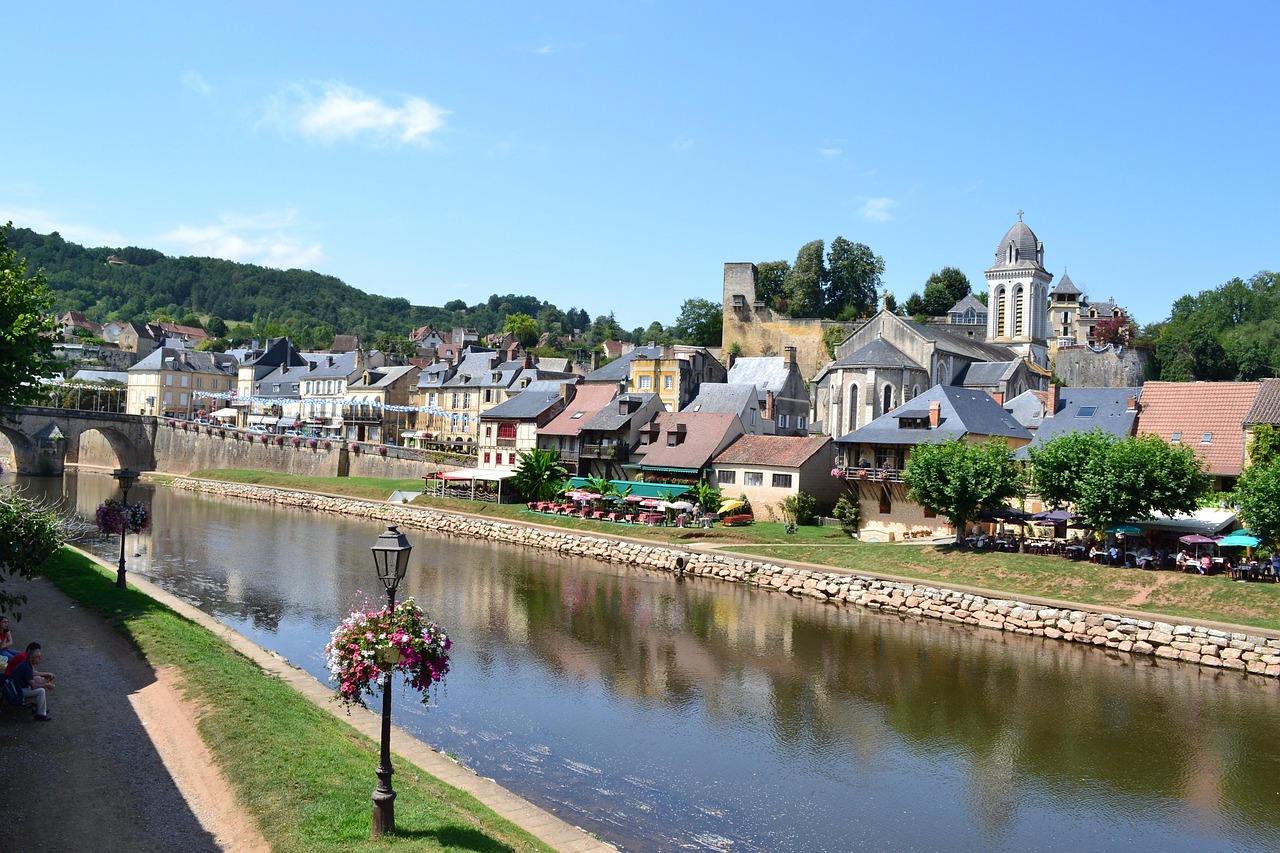
Montignac’s old town is your base of operations and your evening playground. Straddling the Vézère River, it has two distinct personalities: the slightly more commercial right bank (south side), and the more atmospheric left bank (north side) with its half-timbered houses leaning toward the water.
Historic layering: While the town’s current look is largely medieval and early modern, archaeological evidence shows human presence here going back to prehistory. In the Middle Ages, a castle overlooked the town; its remains are now mostly foundations and a few walls, but the castle hill still gives the best vantage point over the rooftops.
My routine here is pleasantly predictable:
- Morning coffee on the right bank, watching locals run errands.
- A meandering climb up toward the château ruins, ducking into side alleys whenever a carved lintel or unusually narrow passage catches my eye.
- An afternoon wander along the left-bank lane parallel to the river, where the stone steps drop straight into the water.
Family & romantic appeal: For families, the town is small enough that older kids can explore a bit independently, especially within sight of the river. For couples, the evening light along the water, with the church tower reflected, is quietly romantic without trying too hard.
Where to stay: I lean toward small guesthouses in the old quarter rather than modern hotels on the outskirts. Yes, the streets can be a bit noisy on summer weekends, and yes, parking can be tricky, but you gain that delicious feeling of stepping straight from your door into history each morning.
4. Vézère Valley Scenic Corridor
The Vézère Valley itself is one of the best “sites” even though it doesn’t have a ticket office. This is the corridor that connects Lascaux with Les Eyzies and dozens of decorated caves and rock shelters.
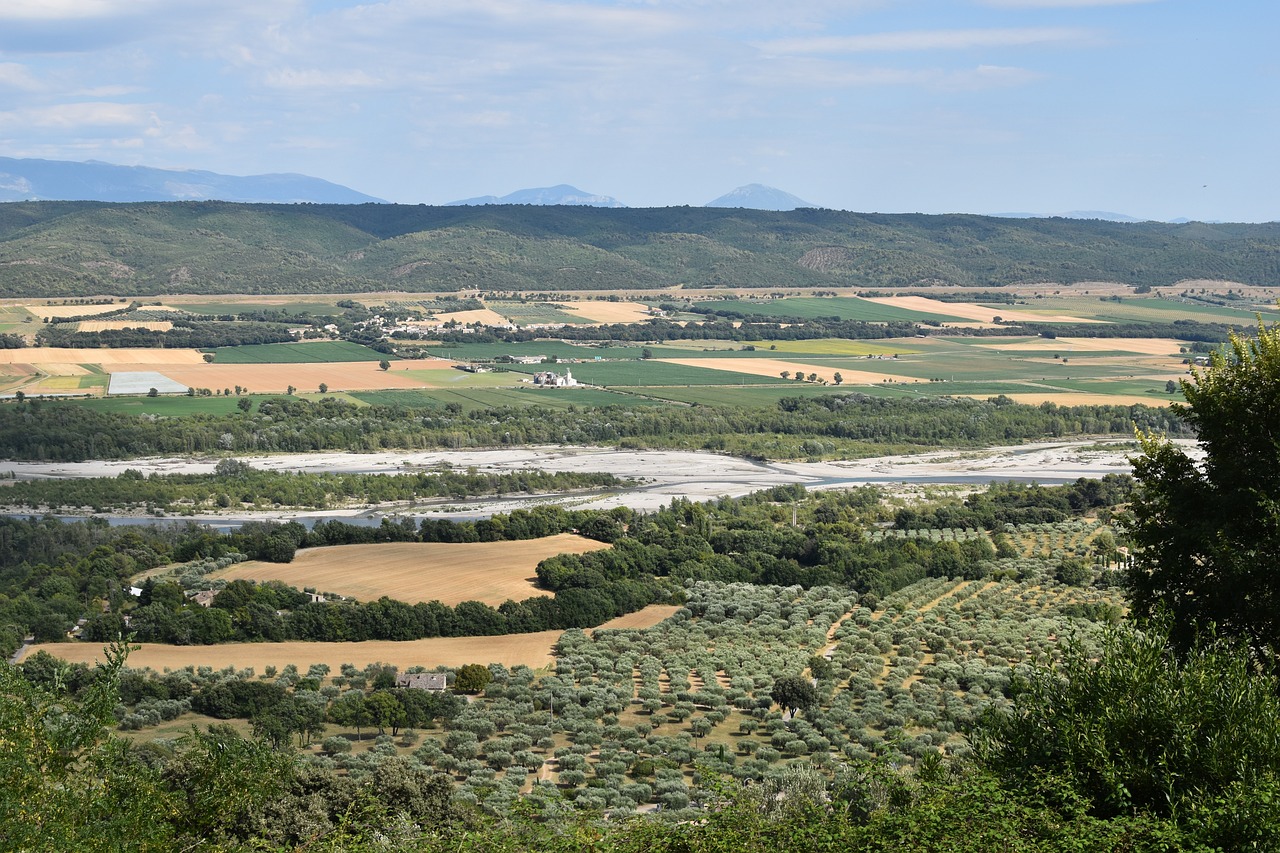
Landscape: Expect gentle slopes, patchwork fields, walnut groves, and towering limestone cliffs punctured by dark openings. On misty mornings, the hills float; on hot afternoons, the river becomes a long, green mirror.
I’ve driven this road in every season: in February rain with low, brooding clouds; in April when the fields are electric green; in August when everything hums with cicadas and heat; and in October when the trees flame yellow and orange. Each has its charm, but spring and autumn are my favorite times—the light is softer, and the crowds are thinner.
Practical tip: If you have a car, leave unstructured time to simply drive the D706 between Montignac and Les Eyzies, pulling over whenever a village, cliff, or riverside picnic spot calls to you. Some of my best memories here are from completely unscheduled detours.
5. Rouffignac Cave (“Cave of 100 Mammoths”)
Rouffignac is a sprawling cave system famous for its engraved and drawn mammoths. The experience here is very different from Lascaux: you board a small electric train that carries you deep into the hill, with the guide hopping on and off to point out clusters of art.
Why it matters: Rouffignac’s mammoths, bison, and rhinoceroses show another facet of Paleolithic art—less polychrome, more engraved, often more subtle. It’s an essential counterpoint to Lascaux’s bold color and fluid lines.
My impression: The first time I visited, a group of children on the train fell completely silent as we passed under a ceiling of scratched mammoth outlines. The guide switched off the train lights momentarily and lit a single lamp, mimicking Paleolithic illumination. In that dim, flickering glow, the animals seemed to step forward from the rock. It was one of those rare “goosebump” moments that stick with you.
Tips:
- Bring a light sweater; it’s cool inside.
- Photography is not allowed, which helps keep the focus on the experience rather than the screen.
- Not ideal if you’re severely claustrophobic, but spacious enough for most people to feel comfortable.
6. Font-de-Gaume & Nearby Engraved Caves
Font-de-Gaume is a jewel: one of the last caves with original polychrome paintings still open to the public on a limited basis. It’s small, intimate, and humbling.
Significance: The bison and other animals here are vivid, with careful shading that gives them volume and presence. Seeing original Paleolithic color in situ, knowing it has survived tens of millennia, is a privilege that may not be possible forever given conservation concerns.
My visit: I finally secured a reservation after two failed attempts (book early!) and went on a gray March afternoon. Our group of eight walked up the path in drizzle, then entered a humble-looking doorway in the rock. Inside, the guide’s voice dropped; the mood did too. The paintings themselves are smaller in scale than Lascaux’s bulls but somehow more intimate—you’re closer, the chamber tighter. I left with my sense of time permanently warped.
Practicalities:
- Advance reservation is essential; numbers are strictly limited.
- The path up is short but a bit steep; wear good shoes.
- This is best for adults and older children who can handle a sober, low-light environment.
7. La Roque Saint-Christophe – Troglodyte Cliff Village
La Roque Saint-Christophe is one of the most visually dramatic sites in the valley: a banded limestone cliff rising 80 meters above the river, lined with natural rock shelters that humans have used for around 55,000 years.
Chronology: The lower terraces show evidence of Paleolithic occupation; higher ones were adapted in the Middle Ages into a fortified village, complete with troglodyte houses, storerooms, and defensive structures. Today, wooden walkways and partial reconstructions hint at that layered history.
Why I love it: It’s one of the few sites where you can easily visualize everyday life across time. Standing on a ledge, looking out over the river, I imagined a Paleolithic family watching for game, then centuries later a medieval lookout scanning for enemy troops. The continuity of place is palpable.
Tips:
- Excellent for kids: open spaces, tangible reconstructions, imaginative prompts.
- Wear sturdy shoes; some paths are uneven.
- Go earlier in the day in summer to avoid heat on the exposed rock.
8. Les Eyzies-de-Tayac – Capital of Prehistory
Les Eyzies is a village where the rock overhangs the houses, and statues of early humans gaze out over café terraces. It’s sometimes dubbed the “Capital of Prehistory” because of the density of archaeological sites nearby and the presence of the National Museum of Prehistory.
National Museum: The museum’s collection is extraordinary: carved figurines, engraved bones, tools, and art objects from across the region. The exhibitions are well-lit, with careful explanations in French and increasingly good English translations by 2026.
On a recent visit, I watched a French grandfather explaining a series of flint tools to his wide-eyed granddaughter, tracing with his finger how the edge was knapped. I realized then that for locals, prehistory isn’t abstract—it’s part of the family story, retold on rainy Sundays and school trips.
Les Eyzies atmosphere: The village has a slightly odd mix of research institutions, tourist cafés, and sleepy backstreets. It’s not as instantly charming as Montignac or Sarlat, but it rewards slow wandering. Look up: many houses back directly into the cliff, with rock forming one wall or the roof.
9. Saint-Léon-sur-Vézère – Riverside Gem
Saint-Léon-sur-Vézère is one of those small villages that doesn’t have a single blockbuster site but is, in itself, a quiet marvel. Stone houses cluster around a Romanesque church, and the Vézère curves gently at its feet.
I often stop here for lunch or a late-afternoon coffee when driving between sites. The riverbank is perfect for picnics; kids can skim stones while adults bask in the quiet. On a summer evening, the last golden light catches the church apse and the facades along the water, turning the stone almost apricot.
Hidden gem element: It’s not exactly unknown, but it sees far fewer visitors than Sarlat or the Dordogne’s more famous river villages. If you need a break from the crowds, this is your place.
10. Sarlat-la-Canéda – Medieval Showpiece
Though not strictly part of the Vézère Valley, Sarlat is a key player in any extended stay around Lascaux. Its old town is a labyrinth of golden-stone houses, narrow lanes, and intimate squares that feel almost stage-set-perfect.
History: Sarlat flourished in the Middle Ages thanks to its position on important trade routes and its religious institutions. After centuries of relative stagnation preserved its architecture, 20th-century restoration efforts turned it into a textbook example of French heritage preservation.
My experience: On early-morning walks, before the market sets up, Sarlat can feel almost eerily quiet: shutters closed, a stray cat darting across a square, the faint smell of baking bread. By mid-morning on market days, it’s a different story: stalls laden with foie gras, cheeses, nuts, and seasonal produce; a low hum of conversation and bargaining.
While Sarlat can feel crowded and commercial in high season, visiting in shoulder months or in the early morning/late evening can restore its magic. It makes an excellent counterpoint to the more modest, workaday charm of Montignac.
11. Dordogne River Castles & Villages
The Dordogne River corridor, with castles like Beynac and villages like La Roque-Gageac, is your chance to see how later eras—medieval, Renaissance, early modern—stack onto the same landscape that hosted Paleolithic hunters.
Climbing the steep lanes up to Château de Beynac on a hot day, I’ve often thought of the people who once trudged up these same slopes in armor. From the ramparts, you can see the river winding below and other castles dotting the horizon. It’s easy to imagine signal fires, troop movements, and the very real stakes of controlling this valley.
If you’re building a longer itinerary around Lascaux, weaving in at least one afternoon on the Dordogne—by canoe, boat, or hiking trail—adds a rich historical counterpoint.
12. Local Farms, Walnut Groves & Evening Lanes
This last “site” is more diffuse: the network of small farms, walnut groves, and back lanes that give the region its everyday texture. You’ll see signs for farm-gate sales of walnuts, duck products, honey, and seasonal fruit.
On one late-summer evening, I ended up on a tiny lane between Montignac and a neighboring hamlet after missing a turn. The sun was setting behind a row of walnut trees, casting long shadows across the road. A farmer, closing up his tractor shed, waved as I pulled over to take a photo. “Vous êtes perdue?” he asked—“Are you lost?” I laughed and said, “Un peu, mais c’est pas grave” (“A bit, but it doesn’t matter”). He nodded, as if to say there are worse places to be lost.
Allow yourself a little of that “productive lostness” in your schedule. Some of your strongest memories may come from the spaces between the official attractions.
Traditional Cuisine & Where to Eat Around Lascaux
The Lascaux area sits in the Périgord Noir, one of France’s most gastronomically blessed corners. Duck, walnuts, truffles, chestnuts, strawberries, and hearty country breads all feature prominently.
Signature Dishes to Try
- Magret de canard – Duck breast, usually grilled or pan-seared, often served with a rich sauce and potatoes.
- Confit de canard – Duck leg slow-cooked in its own fat; crisp skin, melting meat.
- Salade périgourdine – A salad topped with duck gizzards, lardons, walnuts, and sometimes foie gras.
- Omelette aux cèpes – Omelette with local porcini mushrooms in season.
- Tarte aux noix – Walnut tart, sometimes with a caramel glaze or chocolate accent.
Local food in Lascaux Caves area tends to be hearty; portions can be generous. If you’re not used to rich duck dishes, consider splitting courses or opting occasionally for lighter fish or vegetable options.
Family-Run Restaurants & Old-Town Gems
In Montignac’s old town, look for small dining rooms on side lanes rather than only the obvious riverside terraces. I’ve had some of my best meals in places with just a chalkboard menu and ten tables, run by a husband-and-wife team: he cooks, she handles the dining room, and their teenager reluctantly but sweetly brings extra bread.
Ask your host where they eat on a Sunday night when they don’t feel like cooking. In 2026, that’s still the surest way to find spots that survive on locals rather than tour buses.
Markets & Self-Catering
Montignac’s market (particularly lively on certain weekdays and in summer) is perfect if you’re self-catering or simply want a picnic. Look for:
- Fresh goat cheeses rolled in ash or herbs.
- Walnut oil in small bottles—excellent souvenir and salad dressing.
- Seasonal fruit: gariguette strawberries in spring, plums in late summer.
Old Quarter vs. Modern Town – Where to Stay & Eat
Staying in the old quarter puts you within walking distance of most restaurants. The trade-off is narrower streets (and therefore trickier parking) and slightly higher noise on summer evenings. On the modern outskirts, you’ll find slightly larger hotels with parking and sometimes lower prices, but you’ll be driving into town for dinner and evening strolls.
I personally prefer the old quarter, even if it means learning the quirks of one-way streets and parallel parking in front of an audience of café-goers. There’s nothing like stepping out of your door into the smell of baking bread and woodsmoke, then walking three minutes to dinner down an alley lit by a single lantern.
Evenings in the Lascaux Area: Light, Silence & Subtle Spectacle
After the caves close and the day-trippers leave, the Lascaux area settles into a gentle, almost conspiratorial quiet. This is my favorite time to be out.
Lit-Up Monuments & Night Walks
Montignac’s bridge, church, and some key facades along the Vézère are softly illuminated after dark. The reflections in the water double the effect, making evening riverfront walks feel cinematic. On still nights, you can hear the murmur of conversations from terrace restaurants, the occasional clink of cutlery, and not much else.
Evening Tours & Performances
In high season, there are occasional evening guided walks in Montignac and sometimes night-time events at nearby sites (like candlelit visits or small concerts in churches). Check with the local tourist office; offerings change year by year. By 2026, a few sound-and-light-style shows focused on prehistory storytelling have begun to pop up in the wider Dordogne region, though they’re still more modest than the grand spectacles you’d find at larger châteaux.
Atmosphere: Busy Hours vs. Quiet Moments
The contrast between midday in August and midnight in October in Montignac is striking. In high summer, terraces bustle, and the bridge can feel crowded around sunset; after dark in shoulder season, you might have whole stretches of riverbank to yourself. If you can, set your alarm for an early-morning walk at least once: mist over the river, bakery smells, and the town slowly waking up. It’s magic of a very quiet kind.
What’s New in 2026–2027: Events & Exhibitions
Each year, Lascaux IV and the surrounding institutions curate temporary exhibitions and events that add layers to the core experience. While exact programs can shift, for 2026–2027 you can expect:
- Special exhibitions at Lascaux IV focusing on comparative rock art (e.g., links between European and African or Australian traditions).
- Lecture series and workshops tied to new research findings in Paleolithic archaeology.
- Local festivals in Montignac-Lascaux, including summer cultural festivals with music, dance, and food stalls, often spilling into the riverfront streets.
Always check the official Lascaux IV website and the Montignac-Lascaux tourist office for the latest 2026–2027 programming when planning your visit; bookings for special events can be required.
Day Trips & Nearby Attractions from Lascaux
Once you’ve covered the must-see attractions in Lascaux Caves and its immediate neighbors, consider these nearby outings:
Dordogne River Canoeing
Rental outfits along the Dordogne (near La Roque-Gageac, Vitrac, etc.) offer 1–5 hour canoe trips, often with shuttle services. For families, this is a highlight: gentle currents, dramatic cliffs, and the novelty of spotting castles from water level.
Château de Beynac & Château de Castelnaud
These rival fortresses, facing each other across the Dordogne, are superb for medieval history buffs and children with active imaginations. Castelnaud in particular has well-presented siege engines and armor displays.
Gouffre de Proumeyssac or Padirac
If you haven’t had your fill of underground spaces, Gouffre de Proumeyssac (“Crystal Cathedral”) offers a spectacular natural cavern with clever lighting. Further afield, the Gouffre de Padirac (a bit of a drive) includes an underground river boat ride.
Rocamadour (Longer Day Trip)
About 1.5 hours away, the cliffside pilgrimage village of Rocamadour makes for an unforgettable, if longer, expedition—especially if you’re combining Lascaux with a wider Southwest France journey.
Cultural Etiquette & Local Customs
Even in touristy areas, the Dordogne retains a quietly traditional rhythm. A bit of cultural awareness goes a long way.
Greetings & Politeness
- Always begin interactions with a “Bonjour, monsieur / madame” before launching into questions.
- In small shops and markets, a quick “Merci, bonne journée” when you leave is appreciated.
- Smiling and making brief eye contact in cafés and bakeries is normal; over-familiarity is not.
Dining Customs
- Lunch is typically 12:00–14:00; many kitchens close between 14:00 and 19:00. Plan accordingly.
- In most sit-down restaurants, service is included; rounding up or leaving a small tip (5–10%) for good service is a nice gesture.
- It’s fine to linger over a meal; you’ll often need to ask explicitly for the bill: “L’addition, s’il vous plaît.”
At Sacred & Archaeological Sites
- In churches, dress modestly (shoulders covered, no beachwear) and keep voices low.
- At cave sites, follow the guide’s instructions scrupulously; the art is fragile and irreplaceable.
- Never touch rock surfaces, even where there’s no visible art; oils from skin accumulate over time.
Practical Travel Advice for Lascaux Caves (2026)
Getting There & Around
By Air: The nearest major airports are Bordeaux, Toulouse, and Brive–Souillac (smaller). From there, you’ll likely rent a car or connect by train + bus.
By Train: Regional trains serve Brive and Périgueux; from there, you can connect to Montignac-Lascaux via bus or taxi. Schedules are patchy on Sundays.
Car Rental: For full flexibility—especially to reach hidden gems in Lascaux Caves area and lesser-known shelters—a car is highly recommended. Foreign driver’s licenses are generally accepted; an International Driving Permit is advisable but not always mandatory, depending on your home country.
Public Transport
There are regional buses connecting major towns, but they’re infrequent. If you’re relying on public transport, base yourself in a larger hub (like Sarlat) and join organized day tours to Lascaux and the Vézère Valley.
SIM Cards & Connectivity
In 2026, coverage around Montignac and main sites is good, though some valleys and cave areas naturally have weak signals. Buy a local SIM from major providers (Orange, SFR, Bouygues) at airports or larger towns; eSIM options are common. Wi-Fi is available in most hotels and many cafés.
Money-Saving Strategies
- Combined tickets: Look for combo tickets or passes that include multiple sites (especially in the Les Eyzies area); ask at tourist offices.
- Lunch as main meal: Opt for fixed-price lunch menus (formules) which offer excellent value.
- Self-catering breakfasts: If your accommodation doesn’t include breakfast, buy pastries and fruit from local bakeries and markets.
- Shoulder season travel: April–June and September–October often have lower accommodation prices and fewer crowds.
Tickets, Timing & Crowd Avoidance
- Book Lascaux IV in advance, especially in summer and school holidays.
- Visit major caves early or late in the day to avoid peak heat and crowds.
- Avoid weekends and French public holidays if you dislike crowds; weekdays in shoulder season are delightfully calm.
Dress Code & Cave Comfort
Caves are cool year-round (around 13°C/55°F). Wear layers, closed shoes, and avoid sandals for underground visits. Bring a light scarf or sweater even in midsummer.
Accessibility
Lascaux IV is relatively accessible, with ramps and elevators in many areas; check ahead for specific mobility needs. Other caves and cliff sites often involve uneven ground, steps, and narrow passages, and may not be suitable for all visitors. If mobility is a concern, prioritize Lascaux IV, the National Museum of Prehistory (Les Eyzies), and open-air sites with clear access info.
Visa Requirements
France is part of the Schengen Area. Many visitors (including those from the EU, UK, US, Canada, Australia, etc.) can enter visa-free for short stays, but rules continue to evolve. Always check the latest requirements with French consular services or official EU travel advice before your trip.
Best Seasons & Weather Considerations
- Spring (April–June) – Lush landscapes, moderate temperatures, fewer crowds. Excellent for walking and mixed cave/outdoor days.
- Summer (July–August) – Warm to hot; busiest period. Book everything ahead; caves offer cool respite from the heat.
- Autumn (September–October) – My personal favorite: golden light, turning leaves, quieter sites, still-pleasant temperatures.
- Winter (November–March) – Quiet, atmospheric, but some sites have reduced hours or close; check schedules in advance.
Caves run regardless of rain, but heavy downpours can make some outdoor paths muddy and slippery. Always bring a light rain jacket and waterproof shoes if traveling in shoulder or off-season.
Summary & Final Recommendations
Lascaux and the Vézère Valley are far more than a single cave visit. They’re a layered landscape where prehistoric art, medieval villages, and present-day rural life all coexist within a short drive of each other. Whether you choose a 2 day itinerary for Lascaux Caves, stretch to 3 days in Lascaux Caves, or savor a full 4 day itinerary for Lascaux Caves and beyond, you can shape a trip that weaves must-see attractions in Lascaux Caves with quieter, authentic moments.
If I had to distill my advice into a few key points:
- Don’t rush Lascaux IV; give it the time and mental space it deserves.
- Balance caves with open-air sites like La Roque Saint-Christophe and village walks.
- Stay in or near Montignac’s old town if you enjoy evening strolls and easy access to restaurants.
- Eat locally and seasonally; the region’s cuisine is part of the experience.
- Visit in spring or autumn if you can, for the best mix of weather, light, and manageable crowds.
Whenever I leave Montignac, I find myself looking back at the hills above town, knowing that beneath those trees lies a cave we’ll never see directly—but whose images have already changed how we see ourselves. If you let it, a trip to Lascaux will do the same for you, quietly and indelibly.