Why Visit Le Grau-du-Roi?
Le Grau-du-Roi is one of those places that sneaks up on you. On the map, it’s “just” a seaside town in the Gard department of southern France, nudged between the Camargue wetlands and the Mediterranean. In reality, it feels like three destinations in one: a traditional fishing village, a family-friendly beach resort, and a gateway to wild pink-flamingo country.
I’ve been coming here for years—off-season winter walks when the mistral wind stings your cheeks, lazy August afternoons squeezed between locals on the sand, and shoulder-season stays in May and late September when the light is soft and the town feels like it’s exhaling. Each visit has felt different, but a few constants remain: the smell of grilled fish and garlic drifting from port-side restaurants, the clink of masts in the marina, the sight of white Camargue horses on the horizon.
Le Grau-du-Roi is perfect if you want:
- Family-friendly beaches with shallow waters and plenty of facilities.
- Romantic evenings by the lighthouse, with pastel sunsets over the port.
- Adventurous day trips into the Camargue: horseback riding, 4x4 safaris, birdwatching, and boat trips.
- Authentic local life that still revolves around fishing, markets, and seasonal festivals.
If you’re planning 3 days in Le Grau-du-Roi for a quick escape, 4 days for beaches plus the Camargue, or a 5 day itinerary to really explore the region, this in-depth travel guide for Le Grau-du-Roi will walk you through the best places to visit, hidden gems, local food, and practical travel tips for Le Grau-du-Roi from someone who has explored it again and again.
Table of Contents
- Quick Overview of Le Grau-du-Roi
- Neighborhoods & Areas to Explore
- Top 20 Attractions & Experiences
- 3–5 Day Itineraries (With Personal Stories)
- Local Food & Drink in Le Grau-du-Roi
- Nightlife, Entertainment & Cultural Experiences
- What’s New in 2026–2027: Events & Festivals
- Best Day Trips from Le Grau-du-Roi
- Local Customs & Cultural Etiquette
- Practical Travel Advice & Money-Saving Tips
- Summary & Best Time to Visit
Quick Overview of Le Grau-du-Roi
Le Grau-du-Roi sits on the Mediterranean coast in Occitanie, about 35 km from Montpellier and a short hop from Aigues-Mortes. Historically a fishing port, it has grown into a popular seaside resort with two main faces: the old village around the canal and lighthouse, and the modern resort of Port Camargue with its impressive marina and holiday apartments.
Population-wise, it’s a small town that swells dramatically in summer. In July and August, you’ll hear a polyglot mix of French, German, Dutch, Italian, and English along the promenade. In spring and autumn, it returns to a more local rhythm—my favorite time to visit if you want to experience the town at its most authentic.
The town is flat and walkable, with sandy beaches stretching both east and west, and the vast Étang de l'Or and other lagoons just behind, where flamingos feed in the shallows. This geography makes Le Grau-du-Roi uniquely suited to a mix of beach holiday, nature exploration, and cultural visits.
Neighborhoods & Areas to Explore in Le Grau-du-Roi
1. Vieux Grau (Old Port & Lighthouse Area)
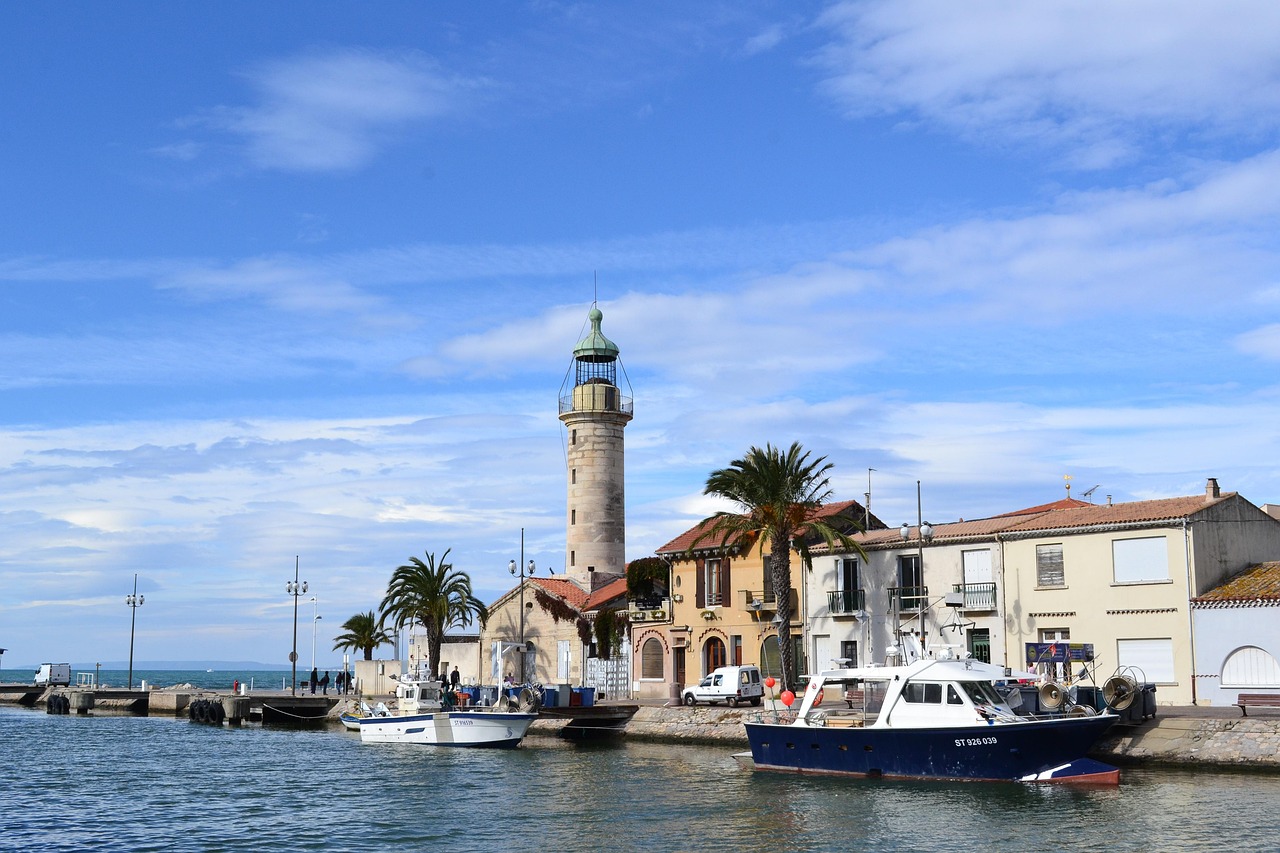
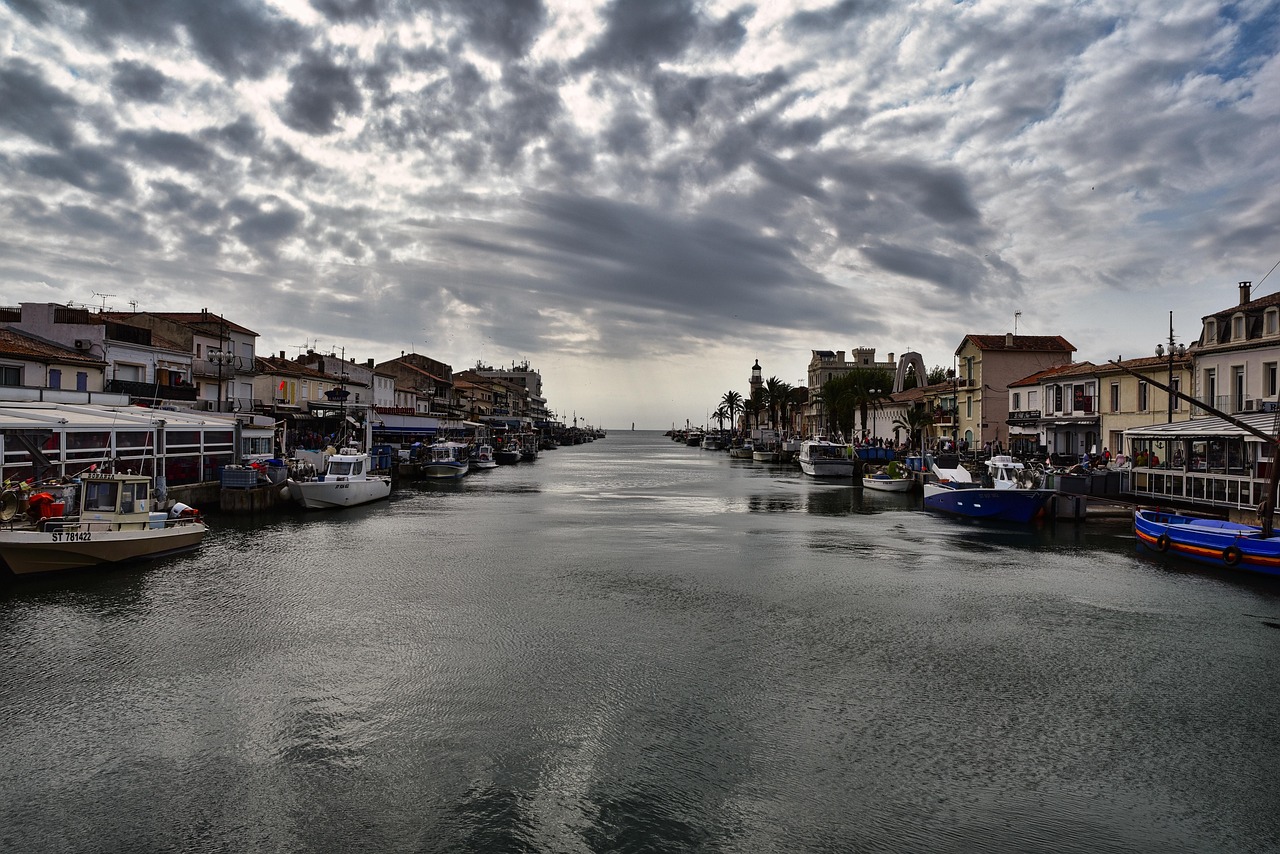
This is the heart of Le Grau-du-Roi: narrow streets, low houses with pastel shutters, and the canal lined with fishing boats and ice-cream stands. It’s where I always start my trips, usually with a coffee on the quai watching the boats come and go.
Here you’ll find the lighthouse, the central beach, most traditional restaurants, and the daily hum of local life. In the mornings, fishermen unload their catch. In the evenings, families stroll the promenade with waffles and crêpes.
2. Rive Droite & Rive Gauche (Right & Left Banks)
The canal splits the town in two: Rive Gauche (left bank) is the more historic, denser side with many restaurants and shops; Rive Droite (right bank) is slightly calmer, with long stretches of beach and holiday residences. You’ll cross between them via the main bridge, a natural point for people-watching.
3. Port Camargue
To the east lies Port Camargue, one of Europe’s largest marinas. It’s a world of boats, modern apartments, and landscaped quays. I like to walk the harbor in late afternoon when the light hits the hulls and the restaurants start to fill. It feels like a different town: more nautical, more modern, yet still relaxed.
4. L’Espiguette & The Dunes
Further east still unfolds the wild, protected Plage de l’Espiguette, with its rolling dunes and wide horizon. There’s almost nothing built here aside from a few seasonal facilities and the Espiguette lighthouse. It’s where I go to feel very small and very free—especially at sunset.
5. Back-Lagoon Area & Salins
Behind the town, the landscape becomes a patchwork of salt marshes, lagoons, and old saltworks (salins). The colors can be surreal: milky blues, silvers, and, in the right light, pink. Flamingos and other birds are regulars here. If you have a bike, this is an excellent area to explore slowly.
Top 20 Attractions & Experiences in Le Grau-du-Roi
Below are twenty of the must-see attractions in Le Grau-du-Roi, each with context, history, and personal notes. These aren’t just “things to do in Le Grau-du-Roi” – they’re the places and moments that have stayed with me over multiple visits.
1. Plage de l’Espiguette – The Wild, Endless Beach
Why it’s special: Plage de l’Espiguette is one of the most iconic beaches in southern France: vast, wild, and protected. No high-rises, no loud beach clubs—just dunes, wind, and sea.
My experience: The first time I walked out onto l’Espiguette, it was a blustery April afternoon. The parking lot was nearly empty, and the wooden boardwalk stretched towards the horizon like a path to nowhere. I remember thinking, “How is this still France and not some remote Atlantic sandbank?” Since then, I’ve returned in midsummer (crowded but still majestic) and in October (almost deserted, with locals walking dogs and kite-surfers carving the waves).
What to do:
- Walk along the dunes at sunset and watch the sky turn pastel.
- Swim in the relatively shallow waters (check flags and lifeguard zones in summer).
- Try kite-surfing or windsurfing—this is a popular spot when the wind is up.
- Bring a picnic and plenty of water; services are limited and seasonal.
How to get there: By car, follow signs to Plage de l’Espiguette from Le Grau-du-Roi and park in the large paid lots (prices vary by season). In high season, consider the seasonal shuttles or cycling from town to avoid parking stress. The walk from the parking over the dunes to the water can take 10–20 minutes, so wear sandals or flip-flops.
Tips: In summer, arrive before 10:00 to avoid queues. Bring sun protection—there’s no natural shade. Off-season, check weather and wind; it can be quite exposed. Parts of the beach are naturist (clearly signposted), so be aware if visiting with kids.
2. Port Camargue Marina
Why it’s special: Port Camargue is one of Europe’s largest marinas, a feat of 1960s–70s coastal planning. It’s a remarkable example of modern seaside architecture woven around water.
My experience: I like to come here in late afternoon. I’ll walk the quays, counting boat names (there’s always at least one “Liberté” and one “Dolce Vita”), and then settle on a terrace with a glass of chilled local rosé. Watching the masts slowly turn gold in the setting sun is one of my favorite rituals in Le Grau-du-Roi.
What to do:
- Stroll the marina ring, crossing its little bridges and side-basins.
- Take a boat tour leaving from Port Camargue for coastal or Camargue excursions.
- Have seafood or tapas on one of the harbor-front terraces.
- Photograph the geometry of the buildings and boats—architectural fans will love it.
How to get there: From central Le Grau-du-Roi, it’s a 30–40-minute walk or a short drive/bus ride east. Cycling is ideal: flat, with a dedicated path for much of the way.
Tips: Restaurants here tend to be a bit pricier than in the old port. For a budget evening, grab takeaway from town and eat on the breakwater (respecting cleanliness and regulations).
3. The Old Port & Canal (Quai Colbert & Quai Christian Gozioso)
Why it’s special: This is the beating heart of Le Grau-du-Roi, where fishing boats moor, ferries pass, and everyone eventually converges for a stroll.
My experience: When I think of Le Grau-du-Roi, I think of leaning on the canal railings with an ice cream, watching the drawbridge rise for a passing trawler. I’ve watched summer fireworks from here, listened to buskers on warm evenings, and stood in drizzle in March, sharing the quay with only a few locals in raincoats. Each version of the canal has its charm.
What to do:
- Walk both banks of the canal from the bridge to the sea.
- Stop at a café for a coffee or pastis and some people-watching.
- In summer, watch the traditional water-jousting events or boat parades.
- Browse the small shops for beach gear, local souvenirs, and regional products.
Tips: For families, this is a safe, lively area in the evenings, but keep a hand on small children near the water. For photographers, early morning or blue hour after sunset are magic.
4. Le Grau-du-Roi Lighthouse
Why it’s special: The modest lighthouse at the mouth of the canal is one of the town’s most recognizable silhouettes and a classic evening-walk destination.
My experience: On my last visit, I walked out to the lighthouse just after an October storm. The sea was still restless, waves splashing against the rocks, but the sky had opened into this incredible, luminous blue. Couples sat on the breakwater, jackets zipped tight, sharing thermoses of coffee. It felt like a communal exhale.
What to do:
- Walk the pier to the lighthouse and look back at the town skyline.
- Sit on the rocks below (carefully) and watch the waves and fishermen.
- Come at sunset for gorgeous light and silhouettes of boats entering port.
Tips: It can be windy; bring a layer even in summer evenings. The rocks can be slippery—closed shoes are better than flip-flops if you plan to scramble down.
5. Plage Rive Gauche – The Central Family Beach
Why it’s special: This is the main town beach, right next to the canal and old center. It’s where families plant umbrellas for the day, and kids build sandcastles within sight of the lighthouse.
My experience: I’ve spent many leisurely afternoons here, especially on days when I didn’t feel like trekking out to l’Espiguette. I’ll grab a baguette sandwich from a nearby bakery, rent a lounger for a half-day, and intersperse swims with reading and people-watching.
What to do:
- Swim in the shallow, usually calm waters—great for children.
- Rent sunbeds and umbrellas from the seasonal beach clubs.
- Take a break at one of the snack bars or cafés just behind the promenade.
Tips: In peak season, this beach gets busy, but the convenience is unbeatable. For a quieter vibe, walk further east or west along the shore away from the canal.
6. Plage Rive Droite – Long Sands & Local Vibe
Why it’s special: On the other side of the canal, Plage Rive Droite offers a long stretch of sand backed by low-rise holiday residences and a quieter, more local atmosphere.
My experience: This is where I go when I want a simple beach day with fewer frills. I often walk here in the morning, towel over my shoulder, and choose a patch of sand among the locals. There’s a comforting routine: morning swim, coffee from a beach kiosk, then a slow walk back along the promenade.
Tips: Slightly less crowded than Rive Gauche in high season, especially if you walk a bit further east. Bring your own shade if you’re not planning to use a beach club.
7. Seaquarium – Marine Life for All Ages
Why it’s special: The Seaquarium is one of the town’s most popular family attractions, with sharks, turtles, and Mediterranean species, plus a focus on conservation.
My experience: I once ducked into the Seaquarium on a day when thunderstorms rolled in unexpectedly. It turned into a highlight: kids pressed against glass, squealing as rays glided overhead, adults lingering at the jellyfish tanks hypnotized. It’s educational without being preachy, and the shark tunnel is always a hit.
What to do:
- Explore the shark tunnel and Mediterranean tanks.
- Check the schedule for feeding times and talks (especially in school holidays).
- Visit the turtle and seal areas and learn about rescue efforts.
Tips: Great option for family-friendly things to do in Le Grau-du-Roi on a windy or cloudy day. Buy tickets online in high season to avoid queues.
8. Le Grau-du-Roi Market (Marché)
Why it’s special: The weekly markets are where the town’s soul shows itself: locals shopping for produce, retirees catching up, kids tugging parents towards the candy stalls.
My experience: I try never to miss market day. I’ll start with a still-warm croissant, then wander between stalls of olives, goat cheeses, and sun-dried tomatoes. The seafood stands are a study in abundance: gleaming fish, piles of shrimp, and bulging nets of mussels.
What to do:
- Stock up on picnic supplies: bread, cheese, charcuterie, fruit.
- Try local specialties like tielle sétoise (spicy octopus pie) and Camargue rice.
- Browse for Provençal tablecloths, soaps, and small souvenirs.
Tips: Markets usually run in the morning; go early for the best selection. Respect locals doing their weekly shop—step aside when needed and don’t block stalls for photos.
9. Camargue Horseback Riding
Why it’s special: Riding a white Camargue horse through wetlands and along the beach is one of the quintessential cultural experiences in Le Grau-du-Roi and its surroundings.
My experience: I’m not a seasoned rider, but on a guided outing from a ranch just outside town, my horse seemed to know the path by heart. We rode past mirrored lagoons, flocks of flamingos in the distance, and finally along a stretch of beach where the only sounds were hooves and waves. It was one of the most memorable mornings I’ve spent here.
Tips: Many ranches cater to beginners and children; just be honest about your experience. Wear long pants and closed shoes, even in summer. Book ahead in July–August.
10. Boat Trips into the Camargue & Along the Coast
Why it’s special: Seeing the Camargue from the water gives you a sense of its scale: huge skies, low horizon, and a patchwork of land, lagoon, and sea.
My experience: On one early evening cruise, the captain slowed the boat near a group of grazing horses while the guide pointed out birds wheeling overhead. As the sun dipped, the water turned that molten gold that makes everyone on board suddenly quiet.
Tips: Choose between short coastal cruises, nature-focused Camargue excursions, or themed sunset trips. Bring a light jacket even in summer; it’s cooler on the water.
11. Aigues-Mortes – Walled Medieval Town Nearby
Why it’s special: Just a short drive or train ride away, Aigues-Mortes is a perfectly preserved medieval walled town rising out of the marshes—an essential day trip from Le Grau-du-Roi.
My experience: I like to slip away to Aigues-Mortes for a change of scenery: stone instead of sand, ramparts instead of dunes. Walking the city walls at golden hour, with the Camargue stretching in all directions and Le Grau-du-Roi’s coastline glittering in the distance, is a timeless experience.
Tips: Combine Aigues-Mortes with a visit to the Salins du Midi (see below) for a full day out. The town gets busy; arrive early or late for a more peaceful feel.
12. Salins du Midi – Pink Salt Pans
Why it’s special: The saltworks of Aigues-Mortes create surreal pink lagoons, especially in late summer, due to algae and microorganisms in the highly saline water.
My experience: The first time I saw the salt pans, I wondered if my camera was malfunctioning—the colors looked too saturated to be real. I joined a small train tour that wound through the pans, stopping for photos and an explanation of how salt has shaped the region’s history.
Tips: This is a great photography spot. Bring a hat; it’s very exposed. Tours usually depart from Aigues-Mortes and can be combined with a town visit.
13. Flamingo & Birdwatching in the Camargue
Why it’s special: The greater flamingo is an emblem of the Camargue, and spotting them feeding or flying in formation is a quietly magical experience.
My experience: On one cloudy November day, I cycled out along the lagoons behind town. The air smelled faintly of salt and mud; the only sounds were wind and birds. Then I rounded a bend and saw them: a large group of flamingos wading in the shallows, their reflections shimmering. I sat on the embankment and watched them for almost an hour.
Tips: Bring binoculars if you have them. Early morning and late afternoon are best. Respect distances and marked paths—this is sensitive habitat.
14. Mini-Golf, Funfairs & Family Attractions
Why it’s special: Alongside wild beaches and historic towns, Le Grau-du-Roi also embraces its playful side: mini-golf courses, small funfairs, trampolines, and go-karts.
My experience: One summer evening, I ended up at a mini-golf course almost by accident, tagging along with friends and their kids. We laughed ourselves silly trying to navigate ridiculous obstacles, then rewarded ourselves with oversized ice creams. It’s not “authentic” in the traditional sense, but it’s part of the town’s holiday DNA.
Tips: These attractions are mostly seasonal (spring–autumn). Great for kids who need a break from the beach.
15. Cycling the Dykes & Lagoons
Why it’s special: Flat terrain, scenic dykes, and quiet paths make Le Grau-du-Roi ideal for leisurely cycling.
My experience: Renting a bike and following the paths along the lagoons behind town is one of my top recommendations. On one late September ride, I barely saw a car for an hour, just herons, flamingos, and the occasional fisherman on a scooter.
Tips: Rent bikes in town (daily rates are reasonable). Take water, sunscreen, and a basic map or offline navigation. Wind can be strong; plan your route with that in mind.
16. Espiguette Lighthouse (Phare de l’Espiguette)
Why it’s special: Standing alone amid dunes and scrub, this lighthouse feels like a sentinel at the edge of the world.
My experience: I visited early one morning, when the air was still cool and the sea just a distant roar beyond the dunes. The lighthouse itself is relatively simple, but the setting is what makes it special. From certain angles, all you see is sky, sand, and the white tower.
Tips: Combine with a trip to Plage de l’Espiguette. Check current access conditions; parts of the area are protected.
17. Local Churches & Chapels
Why it’s special: The town’s small churches and chapels are modest but atmospheric, reflecting its fishing and seafaring heritage.
My experience: I often duck into the main church in the old town for a moment of quiet. The votive offerings—little boats, plaques, and paintings—tell stories of storms survived and prayers answered.
Tips: Dress respectfully (no swimwear inside), and speak quietly. Often open in the daytime.
18. Traditional Festivals & Water Jousting
Why it’s special: In summer, Le Grau-du-Roi comes alive with water jousting competitions on the canal, concerts, and traditional Camargue festivities.
My experience: I once squeezed onto a spot along the canal railings for a jousting evening. Two boats approached each other, rowers straining, jousters poised on raised platforms at the stern. The clash, the splash, the cheers when one fell into the water—it felt like a cross between sport and street theatre.
Tips: Arrive early for a good viewing spot. Events are often free and attract big crowds. Check the tourist office for schedules.
19. Sunset & Blue-Hour Walks Along the Promenade
Why it’s special: Simple, yes, but an evening stroll is one of the most memorable things to do in Le Grau-du-Roi: kids playing, street vendors, the smell of churros and crêpes.
My experience: On practically every visit, I’ve ended the day with a slow walk: from the lighthouse, along Rive Gauche, over the bridge, down Rive Droite, then back. The same path, but never the same sky.
Tips: This is peak people-watching time. Keep small bags zipped and close—petty theft is rare but possible in crowds.
20. Hidden Alleys & Local Bars of Vieux Grau
Why it’s special: Away from the waterfront, the backstreets of the old town reveal another side of Le Grau-du-Roi: laundry on balconies, tiny bars, and quiet corners.
My experience: One drizzly January afternoon, I wandered with no map, just turning wherever the street looked interesting. I ended up in a small bar with a football match on TV, sharing a plate of olives with a couple of regulars who were amused that anyone would choose to holiday here in winter.
Tips: Explore during the day or early evening. Respect residential areas—keep noise down, and don’t photograph people or private homes without consent.
3–5 Day Itineraries for Le Grau-du-Roi (With Personal Stories)
These itineraries blend the must-see attractions in Le Grau-du-Roi with local experiences and hidden gems. Use them as a base and adjust based on your pace and interests.
3 Day Itinerary for Le Grau-du-Roi – Classic Highlights
This 3 day itinerary for Le Grau-du-Roi is ideal for first-time visitors who want a balanced mix of beaches, port life, and a taste of the Camargue.
Day 1 – Old Port, Beaches & Sunset at the Lighthouse
I like to start every visit with a “getting to know you” day. Drop your bags, freshen up, and head straight to the canal.
- Morning: Walk the old port and canal on Rive Gauche, coffee on a terrace, browse the market if it’s on.
- Lunch: Try a moules-frites (mussels and fries) or grilled fish at a harbor-front restaurant.
- Afternoon: Beach time at Plage Rive Gauche. Swim, nap, or rent paddle boats if you’re with kids.
- Evening: Stroll to the lighthouse, watch the sunset, then wander the promenade with a crêpe or ice cream.
My notes: On my last trip, I arrived around 11:00, checked into a small guesthouse, and by noon I was sitting at a port-side table with a plate of grilled sardines. That first whiff of sea and garlic always feels like “I’ve arrived.”
Day 2 – Espiguette & Port Camargue
- Morning: Head to Plage de l’Espiguette. Walk the dunes, swim, relax.
- Lunch: Picnic on the beach or eat at one of the seasonal snack bars (simple but satisfying).
- Afternoon: Visit Port Camargue marina. Stroll the quays, maybe book a short coastal boat trip.
- Evening: Dinner in Port Camargue or back in the old town, then a quiet walk along the canal.
My notes: One particularly hot June day, I spent the morning at Espiguette, then slipped back to town for a siesta, only heading to Port Camargue around 17:30 when the sun softened. The harbor felt alive but not overwhelming, with kids licking ice creams and sailors tinkering with their boats.
Day 3 – Taste of Camargue: Horses, Flamingos & Aigues-Mortes
- Morning: Horseback ride or guided Camargue excursion from a nearby ranch.
- Lunch: Country-style lunch at the ranch or picnic among the wetlands (where allowed).
- Afternoon: Head to Aigues-Mortes. Walk the medieval walls, visit the church, explore the narrow streets.
- Evening: Return to Le Grau-du-Roi. Farewell dinner featuring local seafood or Camargue bull stew.
My notes: When I did this as a 3-day trip, I left feeling like I’d known the town far longer. The combination of sea, marsh, and stone-walled history is what makes Le Grau-du-Roi so compelling, even in a short stay.
4 Day Itinerary for Le Grau-du-Roi – Beaches Plus Depth
With 4 days in Le Grau-du-Roi, you can slow the pace, add more nature, and build in some “do nothing” time.
Day 1 & 2 – As in the 3-Day Itinerary
Follow the first two days above to get oriented and enjoy the main beaches and port areas.
Day 3 – Lagoons by Bike & Seaquarium
- Morning: Rent bikes and cycle along the back-lagoon paths. Pause for flamingo watching.
- Lunch: Picnic by the water or simple lunch back in town.
- Afternoon: Visit the Seaquarium—perfect if the sun is intense or wind is strong.
- Evening: Casual dinner and maybe a mini-golf or funfair outing if you’re with kids (or kid at heart).
Day 4 – Aigues-Mortes & Salins du Midi
- Morning: Head to Aigues-Mortes early. Walk the walls before it gets too hot or crowded.
- Lunch: Lunch in Aigues-Mortes—try a restaurant with a view of the walls.
- Afternoon: Visit Salins du Midi for the pink salt pans tour.
- Evening: Return to Le Grau-du-Roi for a final promenade and gelato.
My notes: On a recent 4-day stay, this rhythm—two days centered on Le Grau-du-Roi, one on nature and aquariums, and one on Aigues-Mortes—felt just right. I never felt rushed, yet I left feeling like I’d really “met” the place.
5 Day Itinerary for Le Grau-du-Roi – Slow Travel & Hidden Corners
If you have 5 days in Le Grau-du-Roi, you can really lean into slow mornings, longer excursions, and time to just be. This 5 day itinerary for Le Grau-du-Roi builds on the previous ones.
Day 1–3 – Core Highlights
Use the 3-day itinerary as your base, but stretch beach time or port wandering as you wish.
Day 4 – Deep Camargue Experience
- Morning: Join a longer 4x4 Camargue safari or combined boat-and-land excursion, focusing on wildlife, rice fields, and traditional manades (bull and horse farms).
- Lunch: Often included in tours, or take a picnic.
- Afternoon: Visit small villages or viewpoints suggested by your guide.
- Evening: Quiet dinner back in Le Grau-du-Roi, maybe in a less touristy backstreet spot.
Day 5 – Free Day: Markets, Hidden Alleys & Your Favorite Beach
- Morning: Revisit the market, buy gifts, and explore alleys you haven’t yet walked.
- Lunch: Light lunch of tapas or a seafood platter.
- Afternoon: Return to your favorite beach—Rive Droite, Rive Gauche, or Espiguette—for a final swim.
- Evening: Farewell dinner and one last stroll to the lighthouse.
My notes: On a 5-day stay, my final day often becomes a “greatest hits” of the trip: a coffee at the canal café where they now recognize me, a walk down the alley where I found a favorite bakery, and a final, unhurried swim at my preferred stretch of sand.
Local Food & Drink in Le Grau-du-Roi
Food in Le Grau-du-Roi reflects its coastal and Camargue setting: seafood, rice, olive oil, garlic, and simple, generous flavors.
What to Eat
- Fresh grilled fish: Sea bream (daurade), sea bass (loup), sardines, often simply grilled and served with lemon and olive oil.
- Shellfish: Mussels, oysters, clams, and shrimp—look for platters on ice.
- Tielle sétoise: A spicy octopus and tomato pie, originally from nearby Sète but common in markets here.
- Camargue rice: Red, black, or white rice from local paddies, often served as a side.
- Gardianne de taureau: Bull stew, a rich, slow-cooked dish typical of the Camargue, served with rice.
- Fougasse d’Aigues-Mortes: A fragrant brioche-like bread flavored with orange blossom—a must with coffee.
- Ice cream & crêpes: Promenade staples; I have a weakness for salted caramel and chestnut flavors.
Where to Eat (Representative Types)
I tend to rotate between three “moods” when eating in Le Grau-du-Roi:
- Port-side seafood: Restaurants along the canal and harbor; slightly pricier but atmospheric. I look for shorter menus and chalkboard daily specials—often a sign of fresher, locally sourced fish.
- Backstreet local spots: A few blocks inland, prices drop and you’ll hear mostly French. Here you’ll find plat du jour lunches with bull stew, grilled meats, and hearty salads.
- Takeaway & picnics: Bakeries and traiteurs (delis) are great for budget-friendly meals you can eat on the beach or back at your accommodation.
What to Drink
- Local rosé: Light, dry, perfect with seafood and hot evenings.
- Pastis: The classic anise aperitif of the south—mix with water and ice.
- Regional wines: From Languedoc and Costières de Nîmes—reds, whites, and rosés.
- Soft options: Sparkling water, local fruit juices, and artisanal sodas are widely available.
Money-Saving Food Tips
- Look for lunch menus (formule midi)—often great value for 2–3 courses.
- Have one restaurant meal per day, and make the other a picnic from the market or supermarket.
- Tap water is safe; ask for a carafe d’eau instead of buying bottled water in restaurants.
Nightlife, Entertainment & Cultural Experiences
Le Grau-du-Roi isn’t a wild party town like some Mediterranean resorts, but it does have a lively, family-friendly evening scene in summer and a softer, more local rhythm off-season.
Evenings on the Promenade
In July and August, the promenade becomes a continuous, living fairground: street performers, small artisan stands, snack vendors, and the glow of funfairs in the distance. Families, couples, and groups of friends all mingle here.
Bars & Lounges
- Port-side bars: Ideal for aperitifs with a view of the boats.
- Cocktail lounges: A few modern spots in Port Camargue serve creative cocktails with a yacht-club vibe.
- Local cafés: In the backstreets, you’ll find bars where locals gather to watch football or play cards.
Cultural Experiences
- Traditional fêtes: Summer festivals featuring abrivado (bull runs), course camarguaise (non-lethal bull games), and music.
- Water jousting: Events on the canal, especially around local holidays.
- Concerts & performances: Check the tourist office and posters for open-air concerts and cultural programming in 2026.
Family-Friendly Nightlife
Mini-golf, small rides, and funfairs are open into the evening in high season, making it easy to keep kids entertained without staying out too late.
What’s New in 2026–2027: Events & Festivals
For 2026 and into 2027, Le Grau-du-Roi continues to develop its calendar of events and environmental initiatives. Dates shift slightly each year, so always confirm closer to travel, but here’s what to look out for:
- Spring 2026 – Camargue Nature & Bird Festival: A series of guided walks, photography workshops, and talks focused on flamingos, migratory birds, and wetland conservation.
- June–September 2026 – Summer Cultural Season: Open-air concerts, children’s shows, outdoor cinema screenings on the beach, and night markets.
- July & August 2026 – Traditional Fêtes: Water jousting tournaments on the canal, bull-related festivities, fireworks for Bastille Day (14 July) and other local holidays.
- Autumn 2026 – Seafood & Local Produce Weekends: Themed market days celebrating regional fish, rice, wine, and artisanal products.
- Winter 2026–2027 – Off-Season Weekends: Smaller events for locals and winter visitors: Christmas lights, small markets, and New Year celebrations by the sea.
In 2026, the town is also emphasizing sustainable tourism, with improved cycling infrastructure, better access to Espiguette via shuttles, and educational signage about dune and wetland protection.
Best Day Trips from Le Grau-du-Roi
Thanks to its location, Le Grau-du-Roi is an excellent base for exploring southern Occitanie.
Aigues-Mortes
As described above, this walled town is a must. Easy access by car, bus, or even bike (if you’re enthusiastic and start early).
Montpellier
About 35–40 minutes away, Montpellier offers elegant boulevards, medieval streets, museums, and a vibrant student energy. It’s a great contrast to beach life. Take a regional train or drive; parking is easier in edge-of-center garages.
La Grande-Motte
Just up the coast, La Grande-Motte is famous for its bold 1960s–70s pyramidal architecture. Even if you don’t love modernist design, it’s fascinating to see. Walk the seafront and marina, and compare its vibe to Le Grau-du-Roi’s more traditional core.
Saintes-Maries-de-la-Mer
Deeper into the Camargue, this pilgrimage town on the sea is rich in Gypsy and religious history. Visit the fortified church, wander the narrow streets, and combine with a nature excursion.
Nîmes & Roman Heritage
A bit further but still doable as a long day trip, Nîmes offers one of the best-preserved Roman amphitheaters, the Maison Carrée temple, and beautiful gardens. A rewarding break from sand and salt.
Local Customs & Cultural Etiquette
Le Grau-du-Roi is relaxed, but a few cultural norms will help you blend in and show respect.
Greetings & Politeness
- Always start interactions with a polite “Bonjour” (daytime) or “Bonsoir” (evening), especially in shops and restaurants.
- “S’il vous plaît” (please) and “Merci, au revoir” (thank you, goodbye) go a long way.
Dress & Beach Etiquette
- Swimwear is for the beach and pools—cover up when walking through town or entering shops and restaurants.
- Topless sunbathing is common on many beaches, but nudity is limited to designated naturist areas.
- Always take your trash with you; dune and beach ecosystems are fragile.
Dining Customs
- Meals are unhurried; don’t expect the check until you ask for it (“L’addition, s’il vous plaît”).
- It’s common to order water, wine, or a soft drink with meals; tipping is optional but appreciated (round up or leave 5–10% for good service).
Nature & Wildlife Respect
- Stay on marked paths in dunes and wetlands to protect vegetation and wildlife.
- Do not feed or approach wild animals, including horses and bulls—enjoy them from a safe distance.
Practical Travel Advice for Le Grau-du-Roi
Getting There
- By air: Nearest airports: Montpellier (MPL) and Nîmes (FNI). From there, rent a car or take a train/bus connection.
- By train: Regional trains run to Le Grau-du-Roi (often via Nîmes or Montpellier and Aigues-Mortes). Check current schedules.
- By car: Easy access via the A9 motorway and local roads; follow signs for Le Grau-du-Roi / Aigues-Mortes.
Getting Around
- On foot: The town itself is very walkable—perfect for a car-free holiday if you’re content with local beaches and a few excursions.
- By bike: Highly recommended. Flat terrain and growing cycle paths make biking ideal for beaches and lagoons.
- Public transport: Local buses connect to neighboring towns and beaches; check the 2026 schedules at the tourist office.
- Car rental: Useful if you plan many day trips (Nîmes, Montpellier, deep Camargue). Parking can be tight in high season; choose accommodation with parking if possible.
SIM Cards & Connectivity
- Major French providers (Orange, SFR, Bouygues, Free) offer prepaid SIMs; buy at airports, supermarkets, or phone shops in larger nearby towns.
- EU visitors generally roam at domestic rates (check with your provider).
- Wi-Fi is common in hotels, many cafés, and some public areas.
Visa Requirements & Driving Licenses
- Visas: France is in the Schengen Area. Many nationalities can visit visa-free for short stays (up to 90 days in 180). Always check the latest requirements for 2026 before travel.
- Driving licenses: EU/EEA licenses are valid. Many non-EU licenses are accepted; some travelers may need an International Driving Permit (IDP) in addition to their home license. Confirm with your rental company.
Money & Costs
- Currency is the euro (€).
- Cards are widely accepted, but it’s good to carry some cash for markets and small cafés.
- Le Grau-du-Roi can be very affordable in shoulder and low seasons; prices rise in July–August, especially for accommodation and beachfront dining.
Budget-Saving Tips
- Travel in May–June or September–early October for lower prices and fewer crowds.
- Book self-catering accommodation and cook some meals with market produce.
- Use bikes instead of renting a car if you don’t plan long-distance day trips.
Best Seasons by Activity
- Beach-focused trips: Late June to early September for warm water and full services.
- Nature & birdwatching: Spring (April–May) and autumn (September–October) for milder temperatures and active wildlife.
- Quiet, reflective stays: Winter months for long empty-beach walks and low rates (some services limited).
- Festival atmosphere: July and August for full-on summer energy and events.
Summary & Final Recommendations
Le Grau-du-Roi isn’t about headline-grabbing monuments or luxury boutiques. Its magic lies in the everyday: fishing boats unloading at dawn, flamingos in the distance, families picnicking in the dunes, and the sun melting into the sea behind a modest lighthouse.
For a 3 day itinerary for Le Grau-du-Roi, focus on the old port, central beaches, Espiguette, and a taste of the Camargue. With 4 days in Le Grau-du-Roi, add lagoon cycling and Aigues-Mortes. With 5 days, lean into slow travel: repeat your favorite beaches, wander hidden alleys, and let the town’s rhythm guide you.
In 2026, with its continued focus on nature, sustainable tourism, and cultural events, Le Grau-du-Roi remains one of my favorite places on the French Mediterranean to slow down, breathe salty air, and remember how good simple things can feel.
If you love sea, sky, and the quiet drama of wetlands and wildlife, you’ll likely leave already planning your return.