Why Visit Lorient?
Lorient is a city that doesn’t shout; it hums. Tucked on the southern coast of Brittany, it’s a working port, a sailing hub, and a place where post-war modernist lines meet Celtic traditions and salty Atlantic air. It doesn’t have the polished postcard perfection of some French towns—and that’s exactly its charm.
I still remember my first early-morning arrival at Gare de Lorient: gulls circling above, the faint smell of the ocean, and locals in rain jackets biking to work. Over multiple trips since, I’ve come to love Lorient’s layered identity: a strategic wartime base turned lively maritime city, a gateway to islands, and the beating heart of Brittany’s Celtic culture.
- Maritime soul: From the fishing docks to the marina at La Base, everything here revolves around the sea.
- Celtic culture: Lorient hosts the world-famous Festival Interceltique, a 10-day celebration of Celtic music, dance, and heritage every August.
- Island gateways: Belle-Île, Île de Groix, and the Blavet and Scorff river valleys are all within easy reach.
- Authentic everyday life: Markets, busy cafés, and neighborhood bistros make it feel like you’re living here, not just passing through.
- Underrated food scene: Seafood, crêpes, galettes, and Breton cider at prices generally lower than in bigger French cities.
Whether you’re planning a 3 day itinerary for Lorient, stretching to 4 days in Lorient, or settling in for 5 days in Lorient, this guide will help you make the most of your time—balancing must-see attractions with hidden corners only locals talk about.
Table of Contents
- Why Visit Lorient?
- Lorient’s Neighborhoods & Areas to Explore
- 20 Must-See Attractions & Hidden Gems in Lorient
- Suggested 3–5 Day Itineraries in Lorient
- Local Food in Lorient: What & Where to Eat
- Nightlife, Entertainment & Cultural Experiences
- Upcoming Events 2026–2027
- Day Trips & Nearby Excursions from Lorient
- Cultural Etiquette & Local Customs
- Practical Travel Advice for Lorient
- Summary & Best Time to Visit Lorient
Lorient’s Neighborhoods & Areas to Explore
1. Centre-Ville (City Center)
Rebuilt after WWII, Lorient’s center has a distinctly modernist feel: wide boulevards, geometric facades, and surprising pockets of greenery. This is where you’ll likely spend your first few hours, wandering between cafés, shops, and the main market.
I like to start at Place Aristide Briand, grab a coffee on a terrace, and just watch life unfold: school kids darting through, older couples with shopping bags, and cyclists weaving calmly through traffic.
2. Le Port de Pêche (Fishing Port)
Just south of the center, the fishing port is Lorient’s working heart. It’s not “pretty” in the classic sense, but it’s endlessly photogenic: nets piled high, colorful boats, and the constant clink of masts.
Arrive just after dawn if you can; I’ve stood here with a warm pastry in hand, watching crates of fish being unloaded, feeling like I’d stepped behind the scenes of the city’s daily life.
3. La Base & Keroman Submarine Base
On the western side of the harbor lies La Base, the former German U-boat base turned cultural and recreational district. Massive concrete bunkers now house museums, sailing centers, creative spaces, and a handful of fantastic waterfront bars.
This area feels like an open-air museum of 20th-century history colliding with 21st-century leisure—perfect for families, history buffs, and anyone who loves industrial waterfronts turned cool.
4. Keroman & Keryado Districts
Keroman blends residential streets with the maritime world, while nearby Keryado has a more local, lived-in vibe: bakeries, butchers, small bars, and everyday shops. When I want to feel like I’m “living” in Lorient, I wander here, away from the more central bustle.
5. Ploemeur & Larmor-Plage (Nearby Coastal Neighbors)
Technically separate communes, but in reality part of greater Lorient life. Larmor-Plage is the classic seaside escape: a long promenade, sandy beaches, and a view out to Île de Groix. Ploemeur offers more beaches and coastal walks.
On sunny days, half the city seems to decamp here. It’s where I always end up for late-afternoon swims or sunset drinks.
20 Must-See Attractions & Hidden Gems in Lorient
The following are the best places to visit in Lorient—a mix of classic sights, cultural experiences, and quieter corners that locals love. Each comes with a personal perspective, tips, and context so you can decide what fits your own style and pace.
1. Keroman Submarine Base (Base de Sous-Marins de Keroman)
The Keroman Submarine Base is the single most striking structure in Lorient—a hulking concrete complex built by the Germans during WWII as a U-boat base. Today, it’s partly a museum, partly an active port, and partly a haunting monument to a dark chapter of history.
The first time I visited, the sheer scale stopped me mid-step. The bunkers swallow sound; your footsteps echo off concrete that’s meters thick. Guided tours (available in French and often with audio guides in English) take you through the history of the base, the engineering behind it, and the daily life of submarine crews.
- Why go: Essential for understanding Lorient’s wartime past and its post-war reconstruction.
- Family factor: Older kids and teens tend to be fascinated; younger children may find the spaces big and a bit eerie.
- Tip: Book tours ahead in high season (July–August). Bring a jacket—it’s cool inside year-round.
- Getting there: Local bus from city center to La Base, or a 30–40 minute walk along the harbor.
2. Sous-Marin Flore & Éric Tabarly Museum
Moored beside the bunkers, the Submarine Flore allows you to step inside an actual French Navy submarine. Even after multiple visits, I still find it surreal to squeeze through the tight corridors, imagining life at sea.
The museum around it also showcases sailor stories, navigational tools, and Lorient’s transformation into a modern sailing hub thanks to the legendary sailor Éric Tabarly.
- Don’t miss: The audio tour in the sub—it really brings the confined spaces to life.
- Accessibility: The interior of the submarine itself involves narrow hatches and ladders, so not ideal for people with mobility issues.
- Combine with: A walk or bike ride around La Base to see racing yachts and the marina.
3. La Base District & Harborfront
La Base has become Lorient’s coolest district, in that understated Breton way. Think: industrial heritage, modern sailing, street art, and sunny terraces overlooking the water. I often come here in late afternoon, when the low sun turns the concrete golden and the masts cast long shadows.
There are cafés and bars tucked into old military buildings, plus walking and cycling paths that loop around the harbor. On weekends, locals stroll with ice creams, kids zip by on scooters, and there’s a constant sense of quiet activity.
- Best for: Sunset drinks, photography, and a leisurely stroll with harbor views.
- Hidden gem: Small art exhibitions and creative studios that open periodically in repurposed spaces—keep an eye on local listings.
4. Cité de la Voile Éric Tabarly
If you’re at all interested in sailing—or even if you’re not yet—this interactive museum is a highlight. Dedicated to famed sailor Éric Tabarly, it blends high-tech exhibits, simulators, and outdoor activities.
On my second visit, I ended up spending over three hours here, much longer than planned. The sailing simulators are surprisingly addictive, and the displays about around-the-world races are inspiring even if you’ve never set foot on a boat.
- Family friendly: Very. Kids can try hands-on experiments, pretend to crew a boat, and play with interactive models.
- Tip: Look for combo tickets with the Submarine Flore to save money.
- When to go: Mornings tend to be quieter; rainy days are perfect.
5. Lorient City Center & Post-War Architecture
Lorient’s center isn’t like other Breton towns; most of it was rebuilt after heavy bombing in WWII. Instead of medieval lanes, you get wide, tree-lined avenues, minimalist facades, and a kind of quiet, rational order.
On my first trip, I’ll admit I missed the half-timbered houses you find in nearby Vannes. But slowly, I started noticing the details: tiled stairwells, mid-century railings, geometric balconies. Today, I like nothing more than wandering with a takeaway coffee, spotting small architectural flourishes.
- Best streets: Around Rue du Port, Rue du Colonel Muller, and the squares near the Hôtel de Ville.
- Photography tip: Visit in the golden hour when the light softens the concrete and brings out textures.
6. Marché & Halles de Merville (Central Market)
If you want to understand Lorient, go to the market. Inside the covered market and surrounding stalls, you’ll find fishmongers, cheesemakers, butchers, bakers, and vegetable sellers who supply the whole city.
On a typical morning, I weave between stands, picking up a still-warm baguette, some local goat cheese, and fruit. The seafood counters are works of art: oysters from nearby Belon, langoustines, scallops when in season. This is also one of the best places to try local specialties on a budget.
- Don’t miss: A simple lunch of shucked oysters and a glass of crisp white wine at one of the vendors.
- Best days: Check current market days/hours, but Saturdays are normally the liveliest.
- Money-saving tip: Create your own picnic instead of eating lunch out every day.
7. Église Saint-Louis & Town Squares
Église Saint-Louis is a symbol of Lorient’s rebirth. Rebuilt in a striking modern style, it stands at the center of town, its clean lines contrasting with the ornate churches you may have seen elsewhere in France.
I like to step inside for a moment of quiet whenever I pass. The simple interior, filtered light, and hushed atmosphere make it a calm pause in the middle of the city. Outside, nearby squares host terraces that fill up as soon as the sun appears.
- Good for: A contemplative stop between shopping and sightseeing.
- Photography: Try capturing the church from different angles to highlight its geometric form.
8. Larmor-Plage
When locals say they’re “going to the beach,” they usually mean Larmor-Plage. Just a short bus ride from Lorient, this coastal town offers a broad sandy beach, a seafront promenade, and a line of cafés and ice-cream stands.
On my last summer trip, I spent a whole day here doing almost nothing: reading, swimming, walking barefoot in the shallows. Later, I joined the line at a glacier (ice cream stand) and ate my cone watching the ferries glide towards Île de Groix.
- Family friendly: Yes—shallow areas, lifeguards in season, and playgrounds.
- Romantic: Sunset walks along the promenade, especially outside the July–August peak crowds.
- Getting there: Regular buses from Lorient center; cycling is also pleasant if you’re comfortable with some traffic.
9. Île de Groix (Day Trip Highlight)
Technically a day trip, but so closely tied to Lorient that it belongs here. Ferries leave from the port and in about 45 minutes you’re on Île de Groix, an island of jagged cliffs, hidden coves, and a remarkably relaxed pace of life.
Every time I go, I rent a bike and set off without much of a plan. I stop at beaches, explore tiny lanes, and always make time for a long lunch at a village café. Groix’s Plage des Grands Sables is famous for its convex shape and unusual sand, while the western cliffs feel wild and elemental.
- When to go: Late spring and early autumn (May–June, September) are ideal: fewer crowds, still mild weather.
- Tip: Book ferry tickets in advance in peak season and plan around the return times.
10. Le Port de Pêche (Fishing Port)
The fishing port deserves its own mention as an attraction. It’s where the night’s work becomes the day’s meals. If you’re an early riser, come just after dawn: boats are unloading, forklift trucks buzz around, and seagulls argue overhead.
I love photographing the textures here: coiled ropes, bright buoys, weathered hulls. It’s also a good spot to understand how much of Lorient’s economy still turns on the sea.
- Etiquette: This is a working area; stay clear of equipment, don’t climb on boats, and be discreet with photos.
11. Musée de la Compagnie des Indes (Port-Louis)
Across the bay in Port-Louis, this museum tells the story of the French East India Company and Lorient’s origins as a trading port. Housed in an old citadel, it’s one of my favorite rainy-day activities.
From model ships to exotic trade goods, you get a sense of how Lorient once looked out across the world—towards India, Africa, and beyond. The views from the fortifications back toward Lorient are a bonus.
- Getting there: By car or bus over the bridge, or by seasonal boat shuttle across the harbor (the most fun option).
- Combine with: A walk through Port-Louis’ old town and lunch at a harbor-side crêperie.
12. Port-Louis Citadel & Old Town
Port-Louis feels like a different world from Lorient’s modern core: cobbled lanes, stone houses, and a solid citadel guarding the harbor entrance. I’ve spent many afternoons just wandering here, ducking into small shops and stopping for coffee in quiet squares.
The citadel walls are thick and imposing; walking along them gives you sweeping views of the bay, Lorient’s skyline, and the open sea. On clear days, the light here is extraordinary.
- Best time: Late afternoon, when the town glows and day-trippers start to leave.
- Family friendly: Kids love exploring the ramparts and imagining battles and pirates.
13. Festival Interceltique de Lorient
Every August, Lorient transforms. The Festival Interceltique brings together musicians, dancers, and artists from Celtic regions around the world: Brittany, Ireland, Scotland, Wales, Galicia, Asturias, and beyond.
I’ve been twice, and both times I ended up swept into late-night sessions where strangers played fiddles and flutes until the small hours. During the festival, the city fills with parades, concerts, craft markets, and food stalls. It’s busy, yes, but wonderfully alive.
- Plan ahead: Book accommodation well in advance for August; prices and demand both spike.
- Tip: Even if you don’t attend ticketed concerts, the free street performances are everywhere.
14. River Walks: Scorff & Blavet Valleys
Just inland from Lorient, the Scorff and Blavet rivers cut through green valleys dotted with small villages and chapels. These are my go-to escapes when I need trees instead of masts.
You can follow marked trails along the riverbanks, watching herons, passing fishermen, and occasionally stumbling upon a tiny hamlet with a stone church. It feels worlds away from the port, yet you’re only a short drive or bus ride from town.
- Good for: Hikers, cyclists, and anyone craving a quiet, nature-filled break.
- Tip: Pack a picnic from the Lorient market and make an afternoon of it.
15. Street Art in La Base & Around the Port
Lorient has a quietly growing street art scene, particularly around La Base and some industrial zones. Large murals brighten up concrete walls, often with maritime themes or bold abstract designs.
I like to combine art-spotting with a walk between the submarine base and the more residential areas. It’s like a treasure hunt; you never quite know what you’ll find around the next corner.
- Tip: Check if any street art festivals or new mural projects are scheduled during your visit in 2026–2027—these are increasingly common.
16. Parc & Jardin du Bois du Château / Kerentrech Green Spaces
In a city so focused on the sea, it’s easy to forget about its parks. Yet Lorient has several green lungs where locals walk dogs, jog, or just sit with a book.
On slower days, I pick up a sandwich and find a bench under the trees. It’s also a good way to see everyday life—teenagers hanging out, seniors doing their daily lap, kids playing football.
- Good for: A reset between busier sightseeing days, especially on warmer afternoons.
17. Grand Théâtre & Cultural Venues
Lorient’s Grand Théâtre is a sleek modern building that hosts theater, dance, and music throughout the year. Even if you don’t speak much French, seeing a performance here can be a memorable cultural experience.
On one trip, I booked a last-minute ticket to a contemporary dance show, mostly out of curiosity. It ended up being one of the highlights of that visit—an evening surrounded by locals, sharing something ephemeral and moving.
- Tip: Check the theater’s program online before your trip and consider booking in advance for popular shows.
18. Lorient Marina & Rue du Port
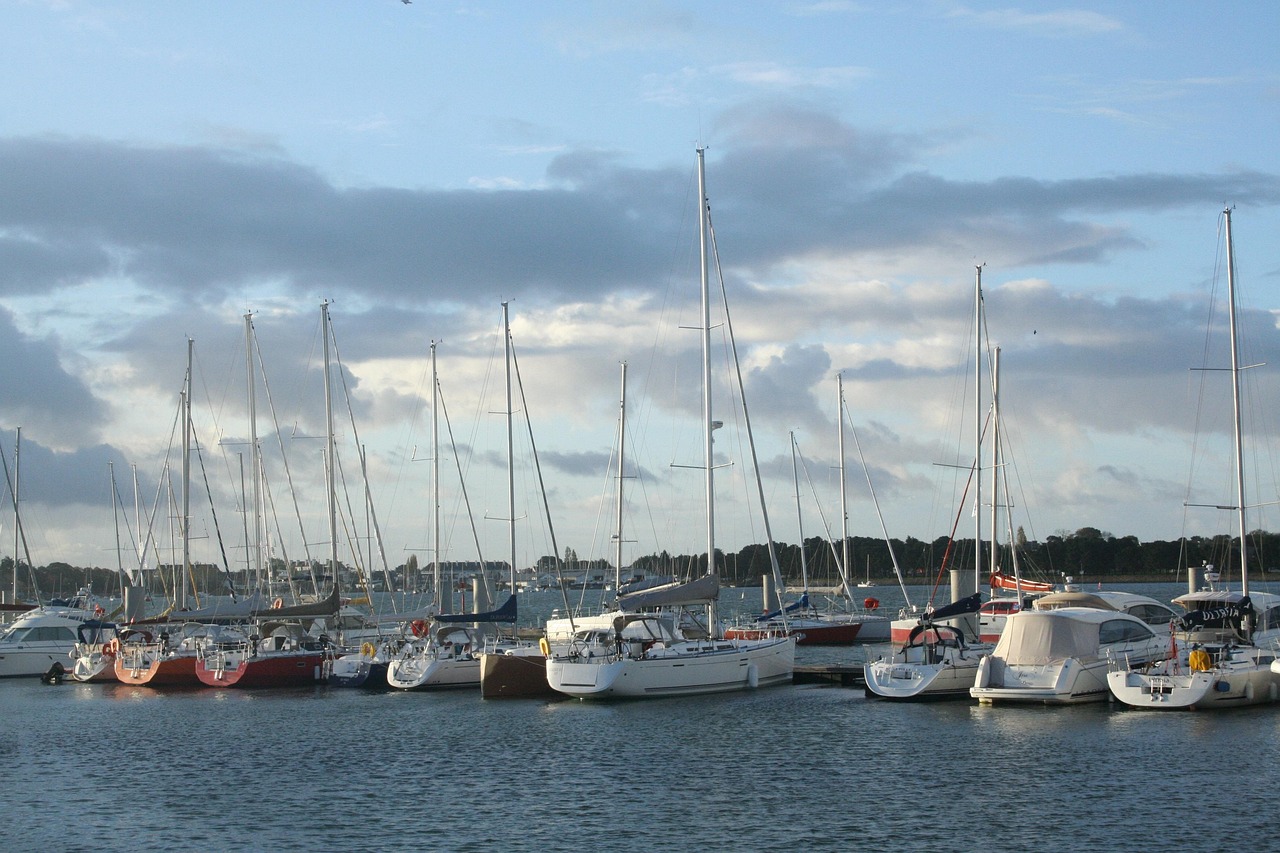
Closer to the city center, the marina along Rue du Port is the softer, more polished counterpart to La Base. Pleasure boats rock gently, and the waterfront is lined with cafés, bars, and restaurants.
I like this area in the early evening. People head out for after-work drinks, students lean against railings chatting, and the reflections of masts ripple in the water.
- Romantic: Perfect for a pre-dinner stroll and a glass of wine with harbor views.
19. Breton Chapels & Wayside Crosses around Lorient
Venture just a bit beyond Lorient and you’ll find small stone chapels and wayside crosses scattered across the countryside. They’re part of the region’s deep Catholic and Celtic heritage, often set among fields or at crossroads.
On one drizzly afternoon, I followed a tiny sign to a chapel I’d never heard of. It was unlocked; inside, candles flickered and handwritten notes were pinned near a statue. There was no one around, but it felt quietly inhabited, in a spiritual sense.
- Good for: Those who enjoy soft, contemplative travel and photography.
20. Local Shops, Crêperies & Cafés
Part of the joy of Lorient is simply moving slowly between everyday places: bookstores, bakeries, crêperies that don’t appear in any guidebooks. The center has several pedestrian streets where you’ll find independent boutiques and cozy cafés.
My ritual: morning coffee at a terrace, a browse through a local bookshop, then a galette (savory buckwheat crêpe) for lunch. Over time, I’ve gotten to recognize some familiar faces behind the counters—a small sign of how quickly this city can start to feel like home.
- Budget tip: Many cafés offer reasonably priced lunch menus on weekdays—watch for “formule midi” signs.
3–5 Day Itineraries for Lorient
Whether you have 3 days in Lorient, are crafting a 4 day itinerary for Lorient, or can linger for a 5 day itinerary for Lorient, you can experience a rich mix of maritime history, local food, cultural experiences, and relaxed coastal time. Below are flexible itineraries drawn from my own repeat visits—adapt them to your pace and interests.
3 Day Itinerary for Lorient: Essential Highlights
This 3 day itinerary for Lorient hits the must-see attractions while leaving space to simply be in the city.
Day 1: City Center & Harbor Life
On my typical first day back in Lorient, I keep things light: walking, eating, and orienting myself.
- Morning:
- Arrive and drop your bags at your accommodation.
- Head to the central market (Halles/Merville) for coffee and a pastry. Browse the stalls and pick up snacks.
- Walk through Centre-Ville, visiting Église Saint-Louis and getting a feel for the post-war architecture.
- Lunch:
- Choose a bistro near Rue du Port, where you can try your first seafood dish or galette.
- Afternoon:
- Follow the harborfront along the marina, watching boats and people-watching from a café terrace.
- Optional: Visit a small local museum or just keep strolling.
- Evening:
- Enjoy dinner at a crêperie in the center—simple, comforting, and budget-friendly.
- Stroll through lit-up streets; if it’s summer, have a nightcap on a terrace.
Day 2: La Base, Keroman & Maritime History
Day two is all about the sea and the city’s WWII legacy.
- Morning:
- Take a bus or walk to La Base.
- Visit the Keroman Submarine Base on a guided tour to understand its history and architecture.
- Lunch:
- Eat at one of the waterfront spots in La Base—many have outdoor seating with harbor views.
- Afternoon:
- Explore the Sous-Marin Flore and the Cité de la Voile. Take your time with the interactive exhibits.
- Walk or cycle around La Base, spotting street art and racing yachts.
- Evening:
- Have a drink at a bar in La Base as the sun sets, then head back into town for dinner.
Day 3: Island Escape or Beach Day
On your third day, choose between an island day trip or a relaxed beach day.
- Option A – Île de Groix:
- Catch an early ferry to Groix.
- Rent a bike, explore beaches and villages, and enjoy a long lunch.
- Return to Lorient by late afternoon or early evening.
- Option B – Larmor-Plage:
- Take the bus to Larmor-Plage.
- Swim, walk the promenade, and linger over seaside lunch.
- Return to Lorient for a final dinner in the city center.
This 3-day plan keeps your days full but not frantic—ideal if you like to mix classic things to do in Lorient with simple pleasures by the sea.
4 Day Itinerary for Lorient: Adding Culture & Countryside
A 4 day itinerary for Lorient gives you time for both Port-Louis and a taste of the inland river valleys.
Day 4: Port-Louis & Compagnie des Indes
On my four-day stays, this is usually the extra day I cherish most.
- Morning:
- Travel to Port-Louis (by boat shuttle if running, otherwise bus or car).
- Visit the Musée de la Compagnie des Indes inside the citadel.
- Lunch:
- Eat in Port-Louis old town—look for a crêperie or a small restaurant with a daily menu.
- Afternoon:
- Wander the narrow streets, browse small shops, and walk the citadel ramparts for harbor views.
- Relax at the small beach or simply sit by the water with an ice cream.
- Evening:
- Return to Lorient, perhaps catching a theater performance or live music if available.
5 Day Itinerary for Lorient: Deep Dive & Hidden Gems
With 5 days in Lorient, you can relax into the rhythm of the city and explore some true hidden gems in Lorient and its surroundings.
Day 4: Rivers & Chapels
Dedicate a day to the Scorff or Blavet river valleys.
- Morning & Afternoon:
- Take a bus or drive to a river-side starting point.
- Walk or cycle along the river, stopping in small villages.
- Visit a countryside chapel if you pass one open.
- Evening:
- Return to Lorient for a casual dinner—this is a good night for a simple brasserie or pizza if you’re craving something non-seafood.
Day 5: Free Day for Favorites & Local Life
On longer stays, I always keep one “open” day. Use it to:
- Revisit your favorite spot (Larmor-Plage, La Base, or Groix).
- Explore a neighborhood you haven’t yet, like Keryado or Keroman’s residential streets.
- Shop for local products: salted butter caramels, cider, Breton biscuits, or artisanal crafts.
- Do nothing in particular except live like a local—café hopping, market browsing, and slow wandering.
This extra day turns a trip through Lorient into a trip with Lorient, if that makes sense—you stop checking off sights and start inhabiting the place.
Local Food in Lorient: What & Where to Eat
Lorient is a paradise for seafood lovers and a solid base for sampling Breton classics. Portions are hearty, flavors are simple and fresh, and prices are often kinder than in larger cities.
Must-Try Dishes
- Seafood platters (plateaux de fruits de mer): Oysters, langoustines, crab, whelks—often towering and meant to be shared.
- Galettes & crêpes:
- Galette complète (buckwheat with ham, cheese, and egg) is a classic.
- Sweet crêpes with salted caramel butter or simple sugar and lemon.
- Far breton: Dense prune custard cake—perfect with coffee.
- Kouign-amann: Buttery, caramelized pastry originally from Douarnenez but found across Brittany.
- Breton cider: Often served in small bowls; try both doux (sweet) and brut (dry).
Where I Like to Eat
I won’t list specific names that may change by 2026, but here’s how I choose places and areas that consistently work:
- For seafood on a budget: Simple brasseries near the port offering daily fish specials. Look for hand-written chalkboards and lots of locals at lunch.
- For crêpes: Crêperies in the city center and Port-Louis old town—if they’re busy with families and older couples, that’s a good sign.
- For drinks with a view: Harborfront bars in La Base and along Rue du Port.
- For market-fresh picnics: The central market for cheese, charcuterie, bread, and fruit.
Saving Money on Food
- Opt for the weekday lunch menu (formule midi), often 2–3 courses at a set price.
- Have your main meal at lunchtime, then a lighter dinner from market-bought goods.
- Drink tap water (carafe d’eau) in restaurants—it’s free and normal.
Nightlife, Entertainment & Cultural Experiences in Lorient
Lorient’s nightlife is relaxed rather than wild, with a focus on bars, live music, and cultural events.
Evening & Nightlife Spots
- Harborfront bars: Along Rue du Port and La Base—great for sunset drinks and people-watching.
- Student bars: Scattered in the center; livelier later at night, especially outside exam periods.
- Wine bars: Good for trying French wines by the glass with small plates.
Cultural Experiences
- Grand Théâtre: Theater, dance, and music—book ahead for popular shows.
- Live music venues: Smaller spaces hosting rock, jazz, or Breton folk; check local listings when you arrive.
- Festivals: Beyond the Festival Interceltique, look for smaller events focused on sailing, film, or local arts.
Family-Friendly Evenings
- Evening walks along the marina or Larmor-Plage promenade.
- Ice cream stops and early dinners at casual restaurants.
- Seasonal funfairs or events in summer—just follow the sound of music and laughter.
Upcoming Events & What’s New in 2026–2027
Lorient’s calendar is anchored by the Festival Interceltique, but 2026–2027 also see ongoing developments in the La Base district and cultural programming.
- Festival Interceltique 2026 & 2027: Expect early–mid August dates, with each year spotlighting a particular Celtic nation. Program details are usually announced months ahead.
- Sailing events: Lorient continues to host or welcome stages of major sailing races; 2026–2027 are expected to see more ocean racing stopovers, especially around La Base.
- Street art & cultural projects: The city has been investing in public art and creative spaces, particularly around La Base and former industrial zones—by 2026, more murals and installations are likely to be in place.
For up-to-date details closer to your visit, check Lorient’s official tourism website or the Festival Interceltique site.
Day Trips & Nearby Attractions from Lorient
Lorient makes a great base for exploring southern Brittany. Here are easy day trips I’ve personally enjoyed:
Île de Groix
As covered earlier, this is my top recommendation: ferries from Lorient, bikes, beaches, and wild coasts.
Port-Louis & Gâvres Peninsula
Combine historic Port-Louis with the more open, windswept beaches of Gâvres. Buses and car access make it easy; you can walk dunes, watch kite-surfers, and enjoy wide Atlantic vistas.
Quimperlé & Inland Villages
Quimperlé is a pretty river town with old stone houses and a tranquil feel. The lower town, with its churches and bridges, is especially photogenic.
Vannes & Gulf of Morbihan (Longer Day Trip)
About an hour away by car or train, Vannes offers medieval streets, ramparts, and access to the Gulf of Morbihan. It’s busier and more touristy than Lorient but makes a nice contrast.
Cultural Etiquette & Local Customs in Lorient
Understanding a few local customs will make your trip smoother and your interactions warmer.
Language & Greetings
- French first: Always start with “Bonjour” (daytime) or “Bonsoir” (evening) when entering shops, cafés, or speaking to someone new.
- English: Many younger people and those in tourism speak some English, but a few French phrases go a long way.
- Breton identity: You’ll see Breton flags and bilingual signs. Some locals speak Breton or are proud of their Celtic roots—showing interest is appreciated.
Dining Etiquette
- Wait to be seated in restaurants; don’t just grab a table unless clearly self-service.
- It’s normal to linger over meals; you usually need to ask for the bill (“L’addition, s’il vous plaît”).
- Tipping is modest: service is included, but rounding up or adding a few euros for good service is common.
Social Norms
- Keep voices moderate on public transport and in residential areas at night.
- Dress is generally casual but neat; beachwear is for the beach, not for town.
- Photography: Ask before photographing people, especially workers at the fish port or market vendors.
Practical Travel Advice for Lorient
Getting There & Around
- By train: Lorient is connected by TGV and regional trains to major French cities like Paris, Nantes, and Rennes.
- By air: Nearby airports (such as Lorient-Lann-Bihoué or Brest/Nantes further afield) offer domestic and some international flights; you’ll then connect by train or car.
Within Lorient
- Walking: The city center and harborfront areas are easily walkable.
- Buses: Local buses connect the center with La Base, beaches, and neighboring towns.
- Bikes: Increasing infrastructure and flat ground make cycling pleasant, especially around La Base and to Larmor-Plage.
- Car rental: Useful if you plan multiple inland or regional day trips; not necessary just for the city itself.
Money-Saving Tips
- Travel off-peak (May–June, September–October) for lower accommodation prices.
- Use lunch menus and self-cater from markets for some meals.
- Consider weekly or daily bus passes if you’ll be using public transport often.
SIM Cards & Connectivity
- French SIM cards from major providers (Orange, SFR, Bouygues, Free) are widely available in phone shops and some supermarkets.
- EU travelers can usually roam using their home plans—check with your provider.
- Public Wi-Fi is available in some cafés, hotels, and public spaces, but having your own data is more reliable for navigation and ticketing.
Visa Requirements & Driving
- Visas: Lorient follows French and Schengen rules. EU/EEA/Swiss citizens can enter freely; others may need a Schengen visa—check current requirements before travel.
- Driving licenses: EU licenses are generally accepted. Non-EU visitors may need an International Driving Permit alongside their home license—verify before renting a car.
Best Seasons for Different Activities
- Spring (April–June): Mild weather, blooming countryside, fewer crowds—great for walking, river valleys, and calm city exploration.
- Summer (July–August): Warmest temperatures, beach life in full swing, Festival Interceltique in August—but also the busiest and priciest.
- Autumn (September–October): Sea still relatively warm, softer light, quieter beaches—my personal favorite time for Lorient.
- Winter (November–March): Cooler, wetter, fewer tourists; good for moody harbor walks, museums, and experiencing the city without crowds.
Hidden Tips Only Regular Visitors Tend to Know
- Arrive early at the central market on Saturdays for the best seafood selection and a more local atmosphere.
- On windy days, beaches like Larmor-Plage feel dramatically different—bring a windbreaker and enjoy watching the waves and kite-surfers.
- Check local noticeboards and tourist office flyers; you’ll often discover small concerts, exhibitions, or neighborhood fêtes not widely advertised online.
- If you’re here during Festival Interceltique but overwhelmed by crowds, escape to the rivers or Port-Louis for a quieter day, then return for evening concerts.
Summary: Key Takeaways & Best Time to Visit Lorient
Lorient is for travelers who like their cities real, not polished. It’s a place of ships and salt, music and markets, modern lines and ancient Celtic echoes. You come for the must-see attractions in Lorient—La Base, the submarine, Île de Groix—and you stay for the quiet mornings at the market, the easy rhythm of harbor life, and the feeling that you’ve slipped into an authentic corner of Brittany.
- If you have 3 days in Lorient, focus on the city center, La Base, and one beach or island day.
- With a 4 day itinerary for Lorient, add Port-Louis and its citadel.
- On a 5 day itinerary for Lorient, explore the river valleys and give yourself a free day to simply live like a local.
For most travelers, the best time to visit Lorient is from late spring to early autumn (May–October), with September often providing the ideal balance of pleasant weather and fewer crowds. Come then, wander the quays, taste the sea in your meals, and let this quietly compelling city get under your skin the way it has under mine.