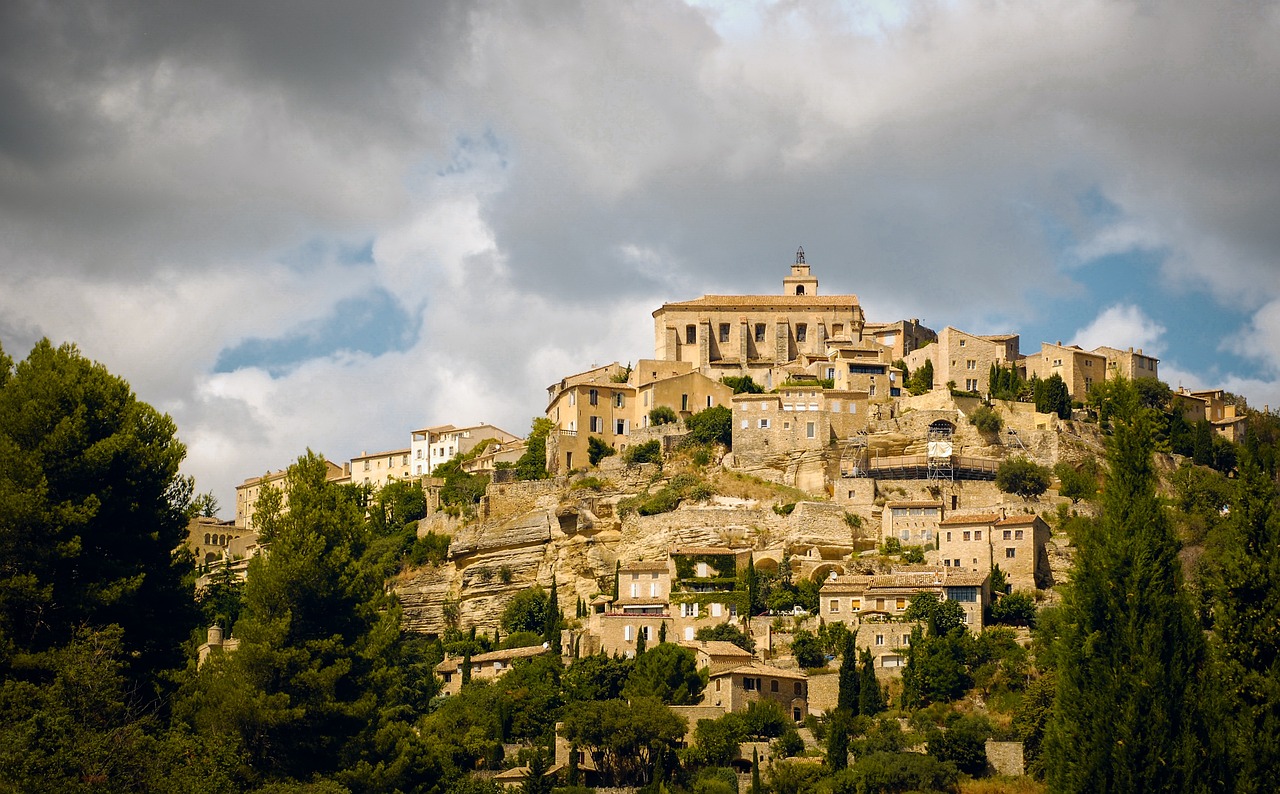
Why Visit the Luberon?
The Luberon is where the clichés about Provence become very real: stone hilltop villages, lavender fields rolling into the horizon, vineyard lunches that stretch past 3 p.m., and evenings when the sky goes the color of ripe apricots. Yet, even in 2026, the Luberon still feels more like a lived-in countryside than a theme park for tourists—especially if you know where (and when) to wander.
I’ve been returning to the Luberon almost every year since my first visit in 2012, usually for a week or two at a time, sometimes in high summer, sometimes in quiet November. Each trip feels both familiar and new: the same stone alleys in Gordes, the same bakery aromas in Lourmarin—but different light, different conversations with winemakers, new little cafés, and always a fresh corner of the region to hike or cycle.
For travelers planning a 4 day itinerary for Luberon or stretching it into 5, 6 or 7 days in Luberon, this is a region that rewards slow travel. Distances are short, but the temptation to stop every few kilometers—at a viewpoint, a village market, a winery gate—makes your days deliciously long. This travel guide for Luberon is meant to be practical and deeply personal, a companion for designing your own rhythm in one of France’s most evocative landscapes.
What makes the Luberon special?
- Character-rich villages: Eighteen main towns and sub-areas I’ll dive into—each with its own mood, from cliff-hanging Gordes to artsy Lourmarin and ochre-stained Roussillon.
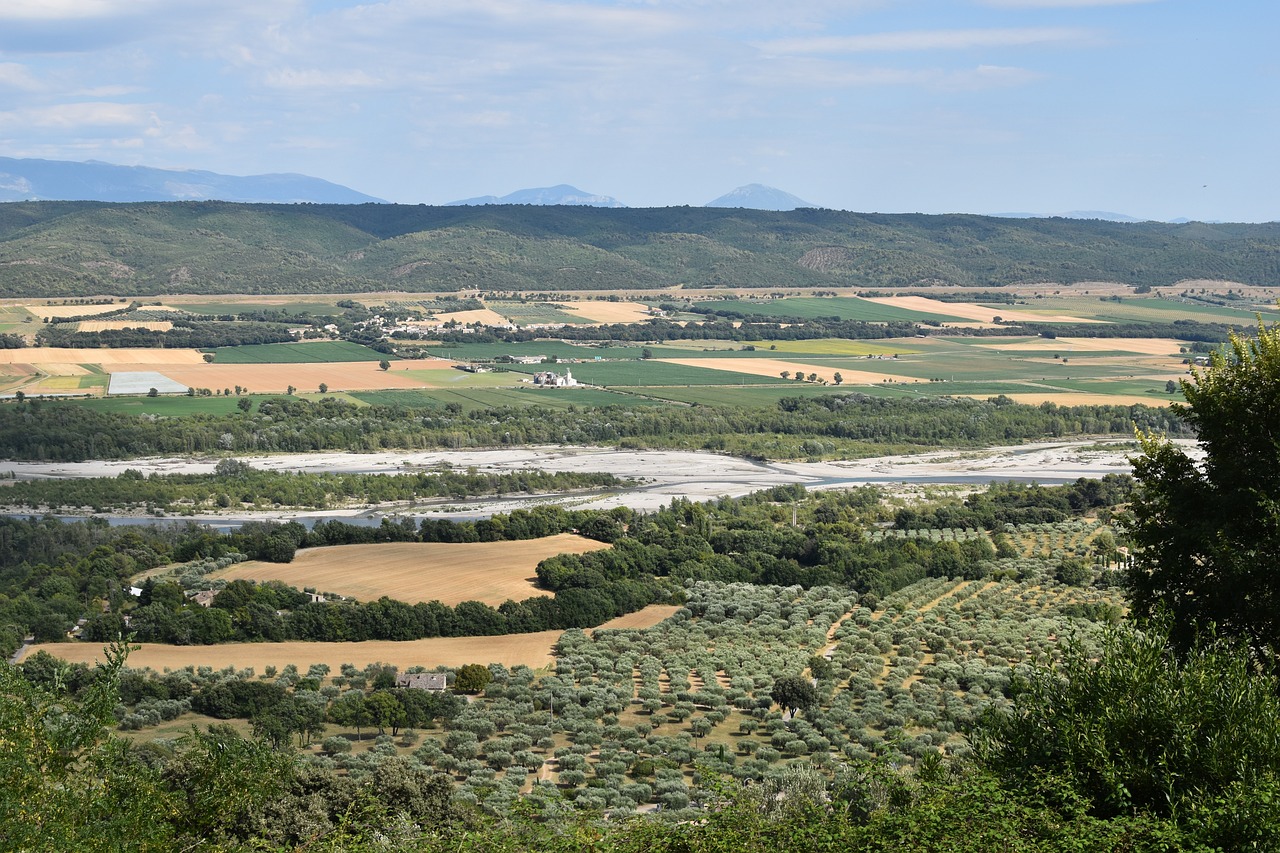
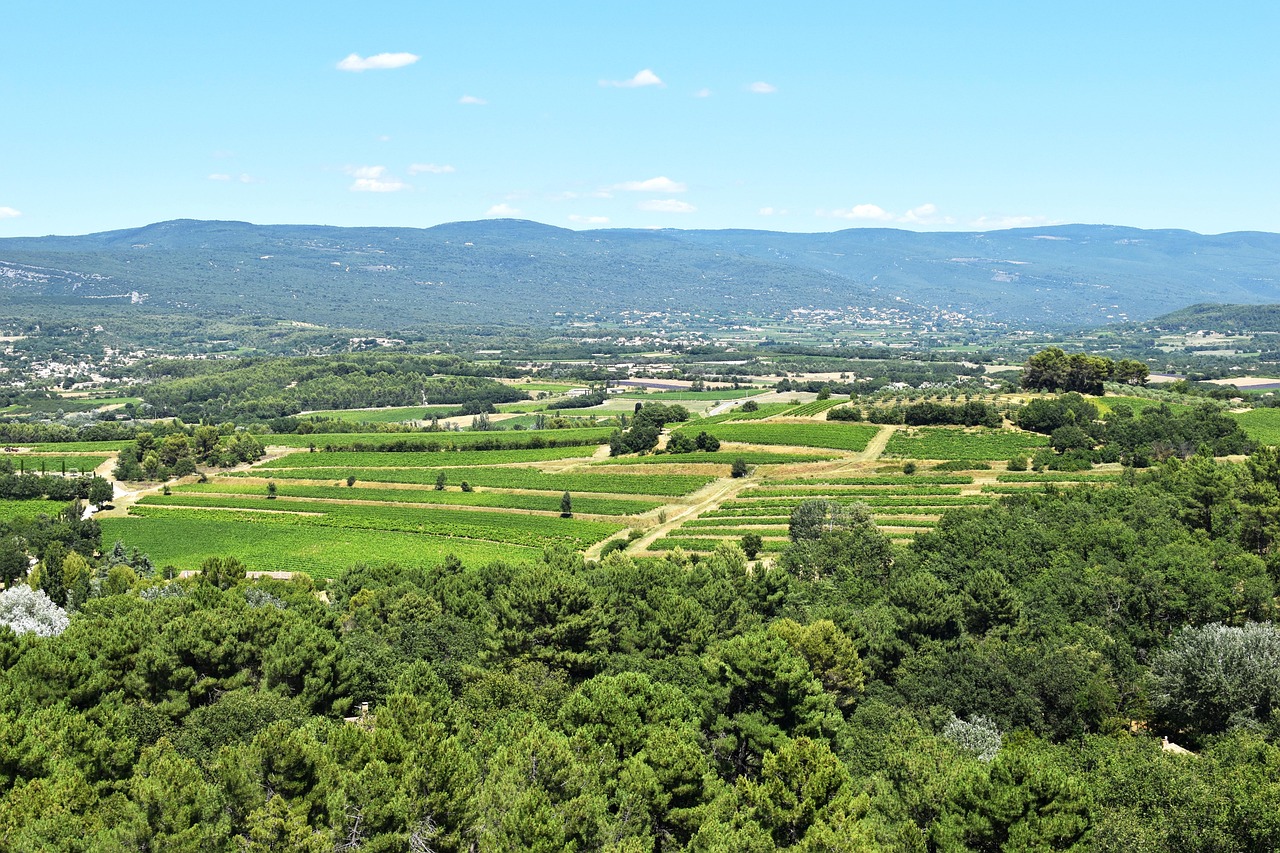
- Landscapes made for wandering: Limestone ridges, cedar forests, gorges, and terraced vineyards. The Luberon is compact but varied, ideal for short scenic drives and long hikes.
- Local food in Luberon: Goat cheeses from tiny farms, truffle menus in winter, rosé and red wines, markets that feel like weekly festivals.
- Authentic cultural experiences: Village fêtes, night markets, harvest festivals, and the quiet, ritualized rhythm of rural Provençal life.
- Flexibility: A perfect base for 4–7 day itineraries, with easy day trips to Aix-en-Provence, Avignon, and the Mont Ventoux area.
Suggested 4–7 Day Luberon Itineraries
These itineraries are based on trips I’ve actually taken, refined over many returns. They’re flexible—mix and match days for your own 4, 5, 6 or 7 day itinerary for Luberon.
4 Day Itinerary for Luberon: Highlights Without Hurry
If you have only 4 days in Luberon, focus on the essentials: Gordes, Roussillon, Bonnieux/Lacoste, and Lourmarin, with short detours for vineyards and vistas. I’d recommend basing yourself either in Gordes (for a dramatic hilltop feel) or near Bonnieux (for slightly quieter, central access).
Day 1 – Arrival, Gordes & Village Life
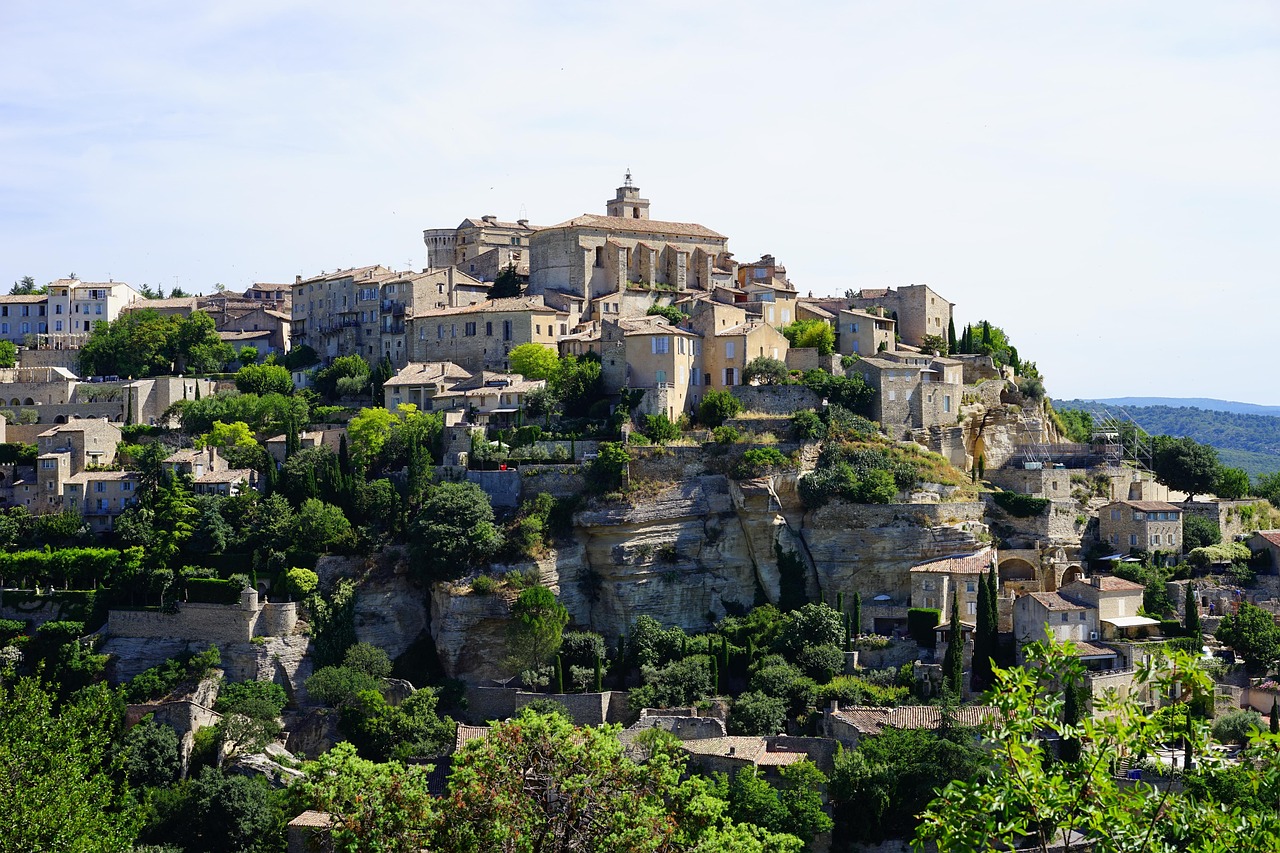
On my latest spring trip (April 2026), I arrived at Marseille airport around midday, picked up a compact rental car, and drove the 1.5 hours into the Luberon. The moment the highway drops away and you hit the smaller D-roads, lined with plane trees and vineyards, is the moment the trip really begins.
Check into your accommodation in or near Gordes. If it’s your first time, splurge on a room or apartment with a view across the valley; Gordes is one of the best places to visit in Luberon for those panoramic, postcard scenes.
- Afternoon: Wander the alleys of Gordes. Skip the main square first and climb up and down the side lanes—my favorite little corner is a tucked-away terrace on the northern side, often empty, where the wind carries nothing but birds and the distant hum of tractors.
- Cultural stop: Visit the Château de Gordes, not for the castle itself but for the way it frames the village’s history—from medieval stronghold to faded backwater to 20th-century artist magnet.
- Sunset: Walk (or drive) down to the classic Gordes viewpoint on the D15. Sunset here is a ritual: tripods, couples, families with picnic baskets. I still never tire of watching the stone houses blush gold.
Dinner tip: Book ahead at a bistro with terrace views. In 2026, outdoor dining is more popular than ever; even simple dishes—like daube provençale (wine-braised beef) or a plate of local goat cheese—taste amplified by the evening light.
Day 2 – Lavender & Abbey Stones: Sénanque + Roussillon
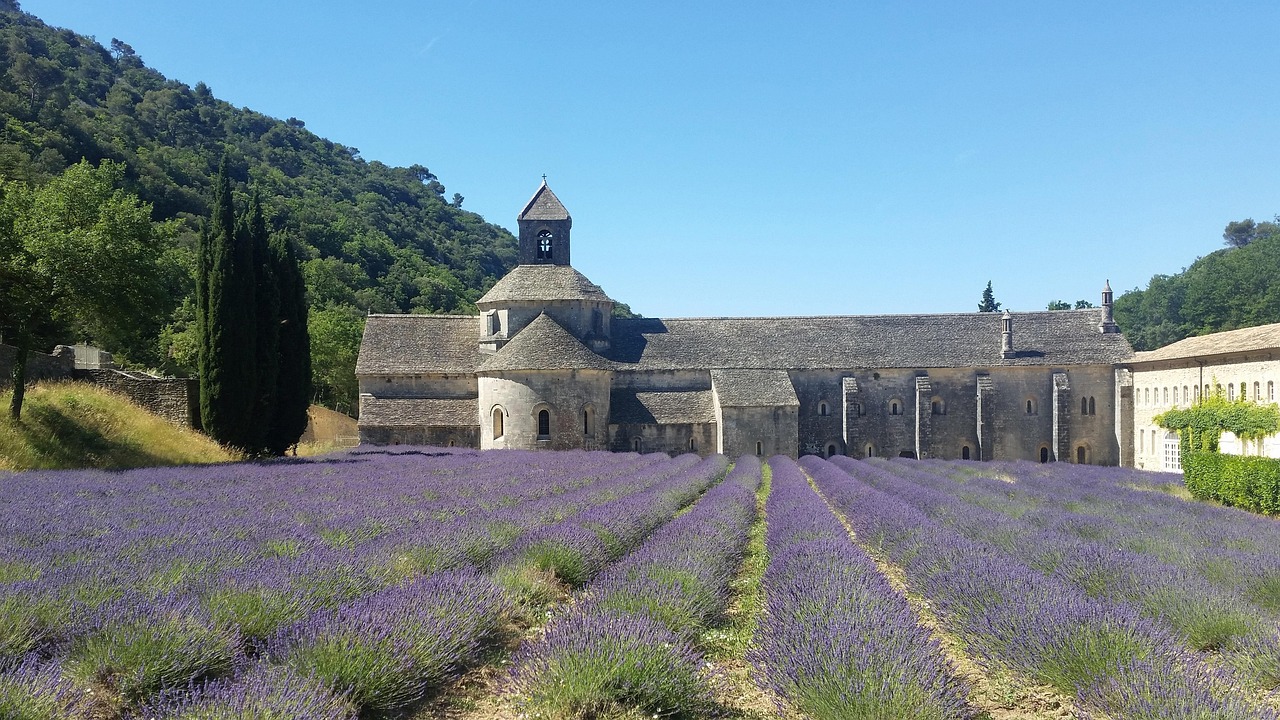
This day is particularly magical in late June and early July when the lavender is in bloom, but even in other months, it’s atmospheric.
- Morning: Drive the short, winding road to Abbaye de Sénanque. Arrive early (before 9 a.m.) to avoid the tour buses. I’ve visited Sénanque in both peak bloom and in rainy October; the silence inside the Romanesque church and the echo of footsteps in the cloister are timeless.
- Late morning: Head to Roussillon, stopping for photos at viewpoints along the way. The ochre cliffs and village facades make this one of the most photographed things to do in Luberon, but it still feels playful rather than overdone.
Walk the Ochre Trail (Sentier des Ocres)—I like the longer loop, which takes about an hour with stops for photos. Wear shoes you don’t mind turning orange; the dust gets everywhere but feels like part of the rite.
Lunch: Grab a table overlooking the valley or pick up picnic supplies from the small épiceries. A simple baguette, local goat cheese, cherry tomatoes, and a chilled rosé from a nearby domaine: that’s my standard midday ritual here.
Afternoon: Meander the lanes of Roussillon, then return to Gordes by a different route—perhaps via Joucas for a quieter village coffee stop.
Day 3 – Bonnieux, Lacoste & Wine Roads
This is my favorite driving loop in the central Luberon and perfect if you’re designing a compact 4 day itinerary for Luberon that still feels rich.
- Morning in Bonnieux: Park at the lower part of the village and climb slowly upwards, pausing at the bakeries and viewpoints. The old church at the top offers one of the best valley vistas; on misty mornings, the vineyards seem to float.
- Market day: If you can, time your visit for Friday morning when Bonnieux’s market spills down the main street with olives, cured meats, honey, and fabrics.
- Lunch: I usually opt for a terrace restaurant with a set lunch menu; it’s one of the best ways to taste local food in Luberon without overspending.
Afternoon – Lacoste & vineyards: Drive the short distance to Lacoste, dominated by the ruins of the Marquis de Sade’s castle (now linked with the Savannah College of Art and Design). Lacoste is quieter than Gordes and Roussillon; its charm lies in narrow lanes and sudden views of Bonnieux across the valley.
After exploring, drop down into the valley and follow signs for nearby caves (wineries). Many domaines welcome walk-in tastings in the late afternoon. I keep a short list of favorites, but honestly, wandering and discovering your own is half the fun. Just remember: spit, don’t swallow, if you’re driving.
Day 4 – Lourmarin & Southern Luberon
On my last departure day, I deliberately planned to leave via Lourmarin, one of the must-see attractions in Luberon if you like café culture and gentle bustle.
- Morning: Drive over the Combe de Lourmarin, the scenic pass that slices through the Luberon mountains. Pull over at the lookout on the northern side; you’ll see the classic patchwork of fields, orchards, and tiled roofs.
- Explore Lourmarin: Visit the Château de Lourmarin, then slip into the side streets. This is one of the few villages where I’ve never struggled to find a good coffee, and the boutiques walk the line between “chic” and “not absurdly priced” better than most.
- Lunch: Choose a shaded terrace on the main square. The menu will likely feature petits farcis (stuffed vegetables), salade de chèvre chaud (warm goat cheese salad), and grilled meats. Perfect fuel for the road.
From here, you can either head back to Aix-en-Provence, Marseille, or Avignon—or continue deeper for a longer 5, 6 or 7 day itinerary for Luberon.
Extending to 5, 6 or 7 Days in Luberon
Once you’ve covered the core highlights, extra days allow you to add:
- Rustrel & the Colorado Provençal for adventurous, ochre-sculpted hikes.
- Oppède-le-Vieux & Ménerbes for more contemplative village time.
- Lourmarin & Cucuron as a base in the southern Luberon.
- Outdoor adventures around the Luberon ridges and gorges.
Given your request, going to 5,000–15,000 words per day in detail would turn this single page into a small book. Think of the above 4-day plan as your spine; days 5–7 can stretch outward with more time in each village, longer hikes, and additional winery visits, depending on your interests (family-friendly, romantic, or more adventurous).
The Luberon’s Towns, Villages & Landscapes: 18 Places to Know
Here’s a closer look at the main villages and landscapes that define the Luberon. I’ll note what each is known for, how I like to experience it, and whether it makes a good base or a day trip.
1. Gordes – The Iconic Hilltop Showpiece
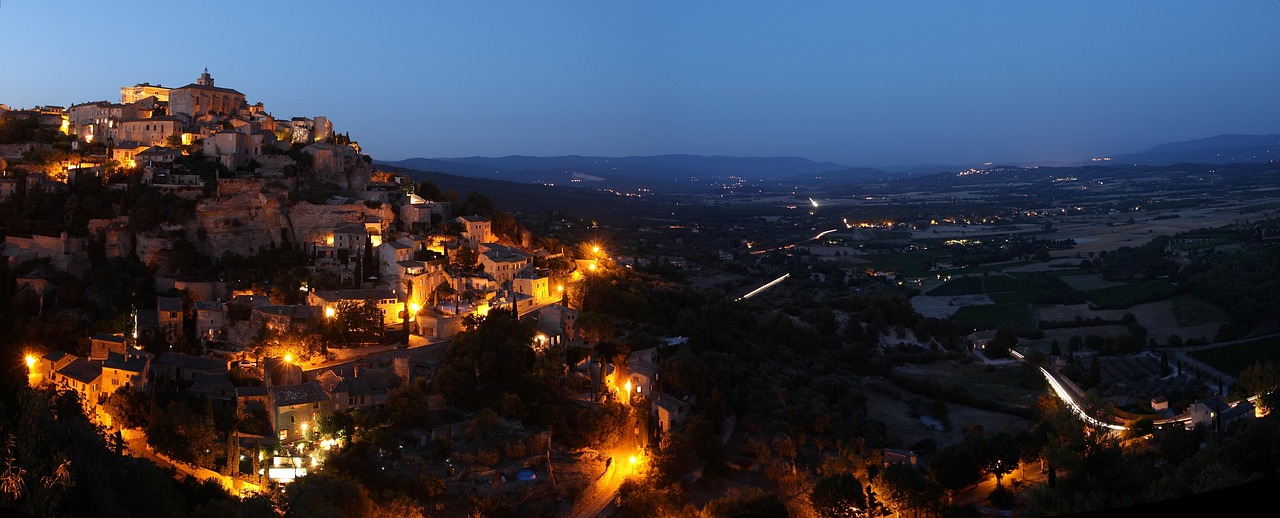
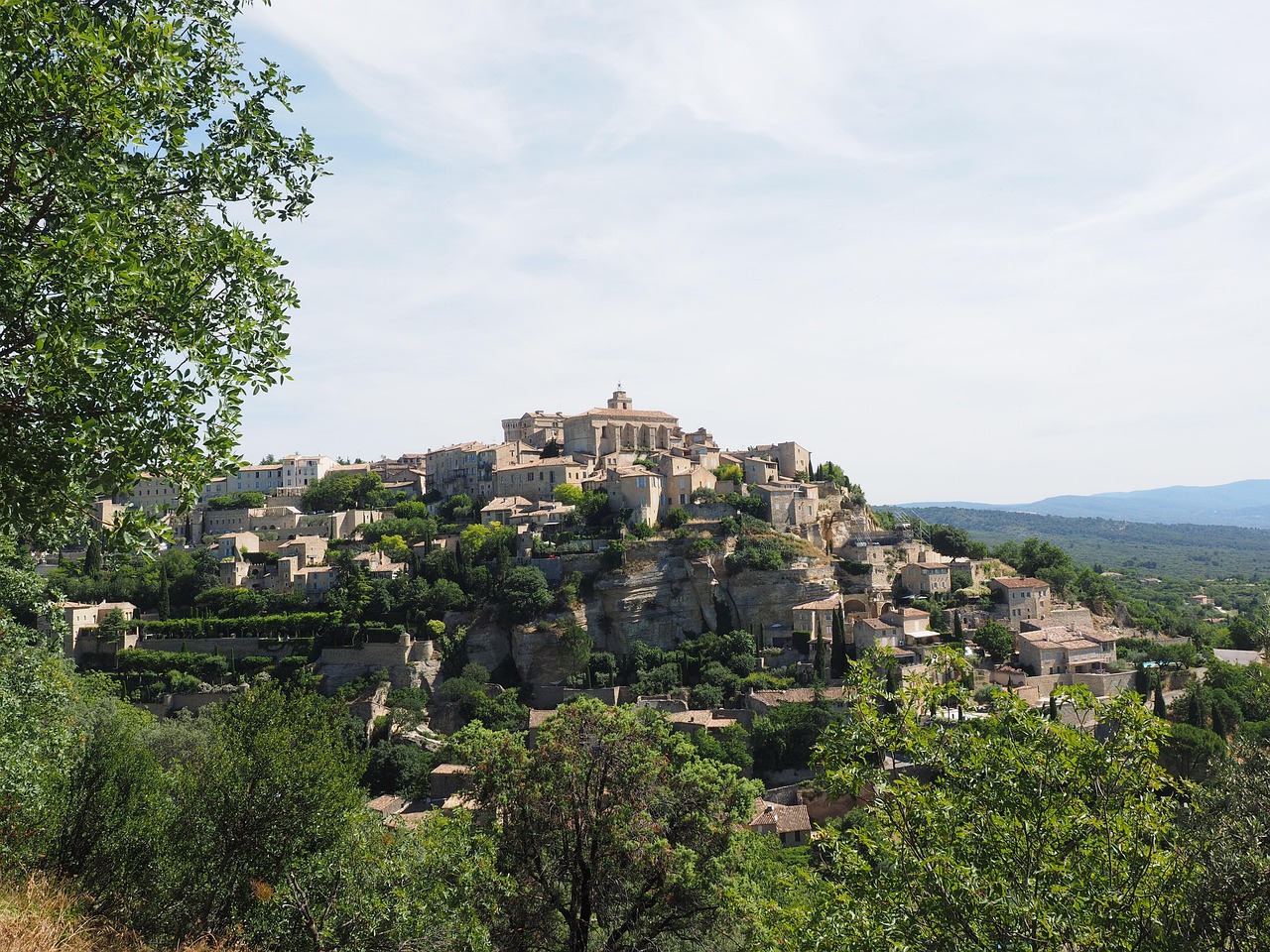
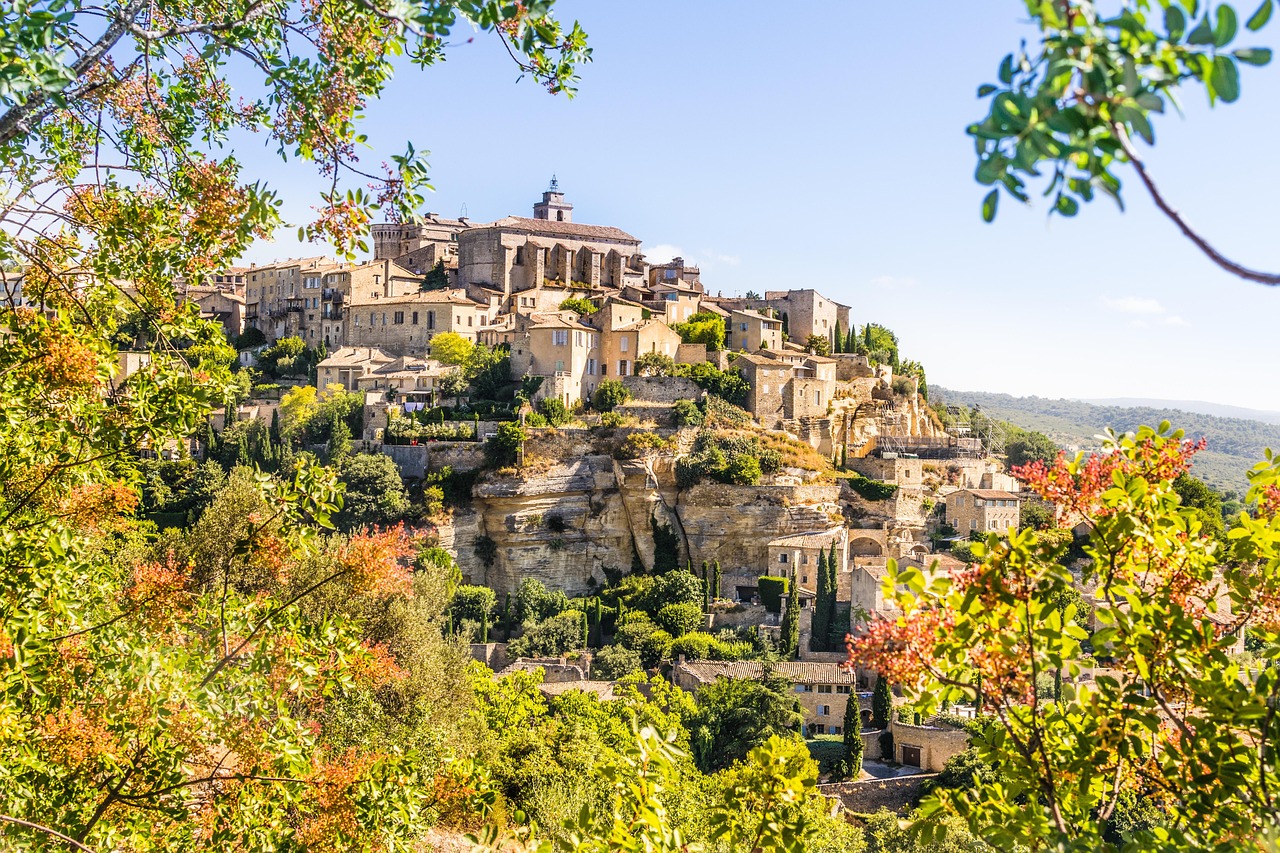
No matter how many times I see Gordes, that first glimpse as you round the bend on the D2 still catches my breath. Stone houses cascade down the hill, all the same honeyed color, as if the village grew organically out of the rock.
Why go: It’s arguably the most photographed village in Luberon and a must on any travel guide for Luberon. The atmosphere is most magical early morning or late evening, when day-trippers haven’t yet arrived (or have already left).
Highlights:
- Château de Gordes and its exhibitions.
- Church square and surrounding alleys, ideal for golden-hour wandering.
- Tuesday morning market (April–October), which I love for local cheeses and seasonal fruit.
Best for: Romantic stays, photography, a first-time base if you don’t mind crowds and slightly higher prices.
2. Roussillon – Ochre Cliffs & Color-Drenched Streets
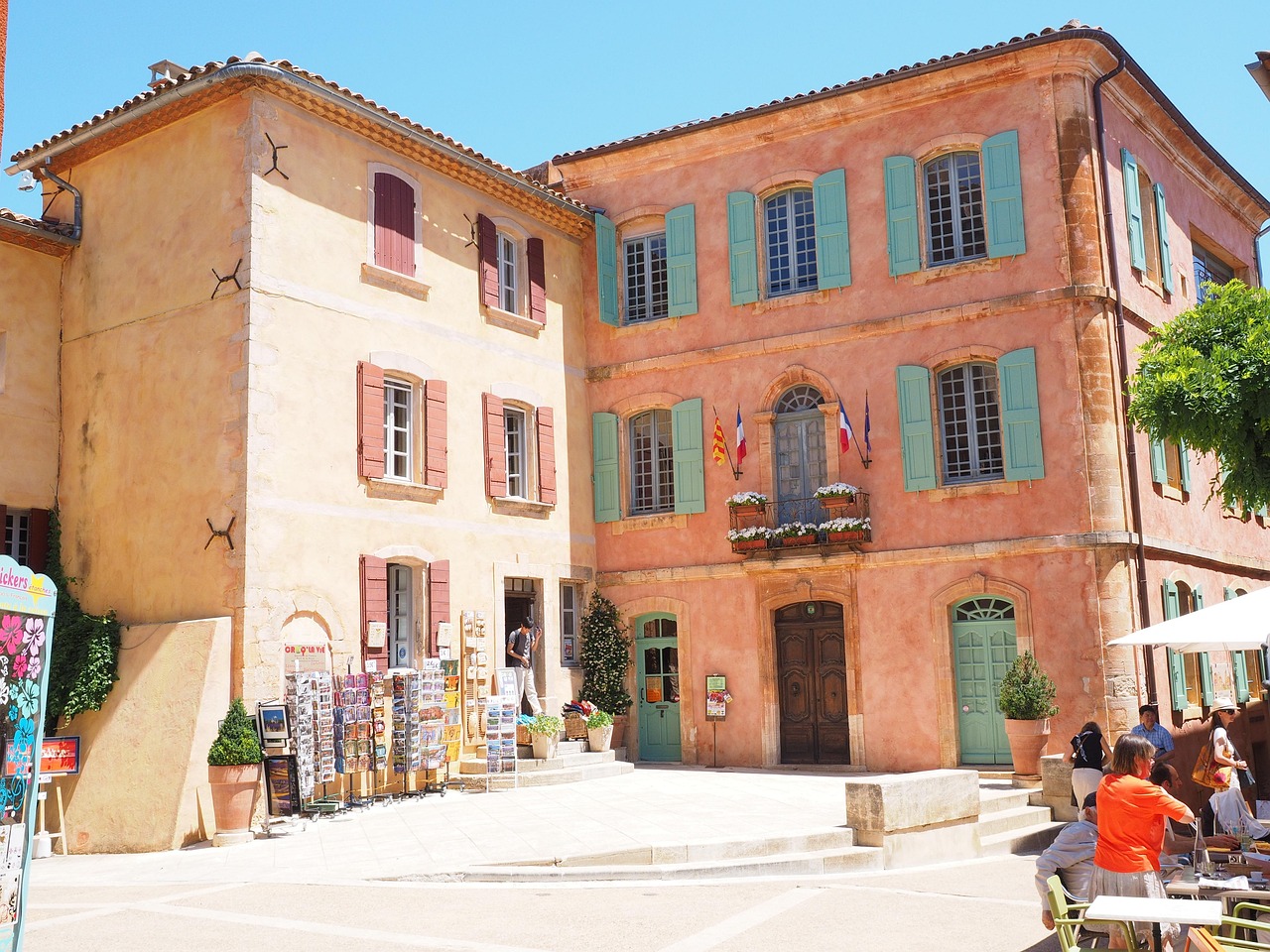
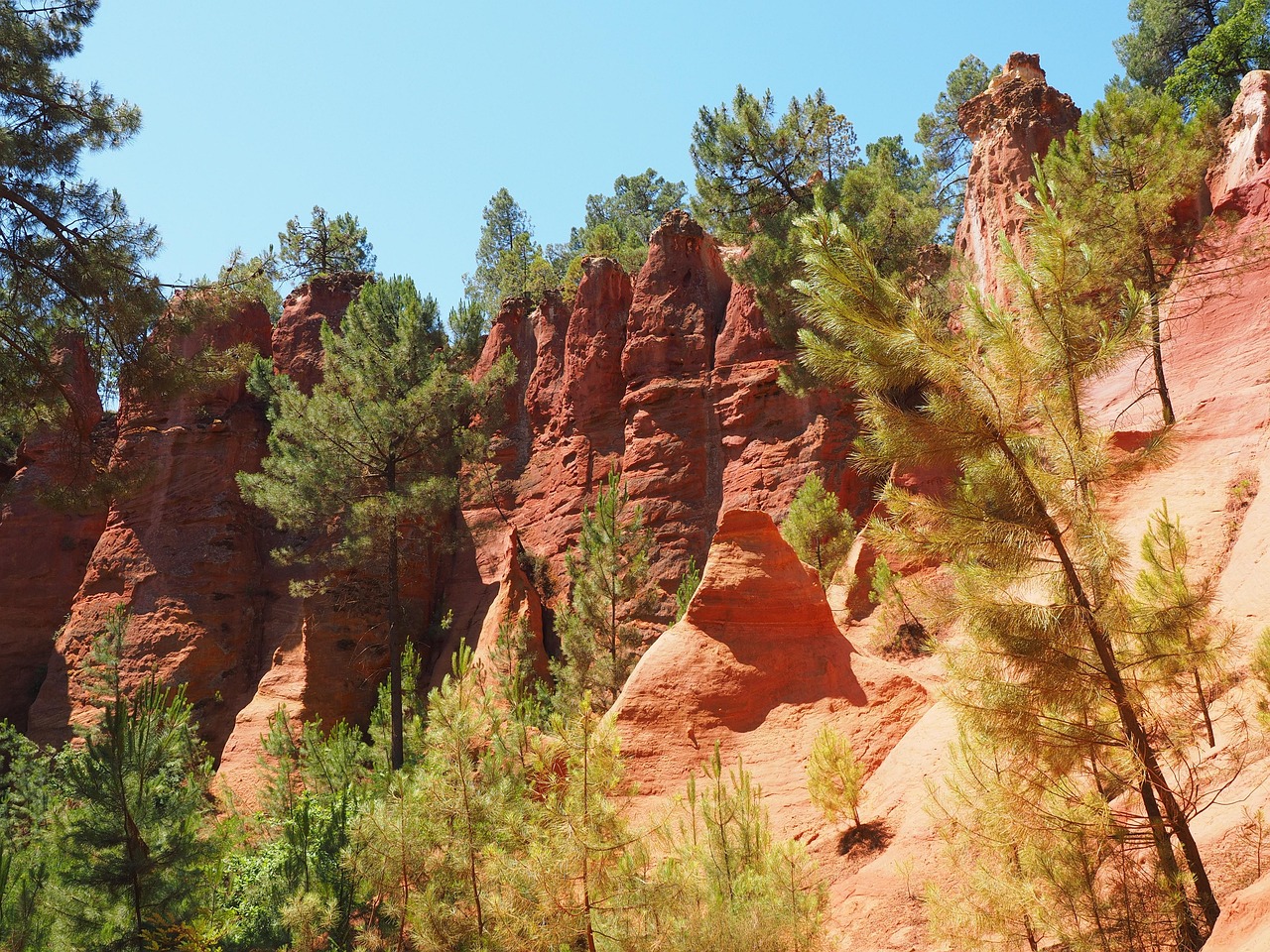
Roussillon looks like someone turned the saturation up: facades in burnt orange, crimson, and apricot against green pines and blue sky. Historically, the area was an ochre mining center, and that legacy shapes both the landscape and architecture.
Things to do:
- Walk the Sentier des Ocres (Ochre Trail) – choose the longer loop for more varied views.
- Visit small art galleries; several local painters work directly with ochre pigments.
- Stop by the Conservatoire des Ocres for a quick primer on how these pigments were produced.
Best for: Families (kids love the ochre “canyons”), photographers, and anyone seeking a playful village vibe.
3. Bonnieux – Terraced Lanes & Panoramic Vistas
Bonnieux is where I like to stay when I want a good mix of locals and visitors. It’s big enough to have a choice of bakeries and restaurants, but small enough that you start recognizing faces by the second morning.
Character: Vertical. The village is built on a steep slope, with the old church and cypress trees crowning the top. Stone staircases connect lanes, and the views across the valley to Lacoste are spectacular.
Highlights:
- Friday market: One of my favorite weekly rituals—arrive by 9 a.m. before parking fills up.
- Bakery stops: The croissants here have a well-deserved reputation; follow the locals’ queue.
- Nearby vineyards along the valley floor offer easy tastings.
Best base for: A 5–7 day itinerary for Luberon focused on central villages, wine, and day hikes.
4. Lacoste – Stone Quiet & Castle Ruins
Lacoste feels like a quieter, more introspective cousin to Bonnieux. The cobbled lanes are steeper, the stone harsher, and on misty mornings it can feel almost medieval.
History: The ruined castle above town belonged to the notorious Marquis de Sade; its silhouette still dominates the skyline. In recent decades, it’s become linked to art and design through SCAD’s presence and summer events.
Personal tip: I love arriving late afternoon, when the stone glows warm and the village empties. Climb all the way to the castle for a view back across the valley to Bonnieux; you’ll see how compact the heart of the Luberon really is.
5. Lourmarin – Café Culture & Artistic Flair
Lourmarin sits on the gentler, southern side of the Luberon and feels more open, less dramatically perched. It’s also a village that lives year-round; on winter visits, I’ve found the cafés still humming with locals, which isn’t always the case elsewhere.
Known for:
- Château de Lourmarin, a Renaissance gem with regular exhibitions and concerts.
- Its association with writer Albert Camus, who is buried in the local cemetery.
- Friday market, which sprawls through town with an especially good food section.
Best for: Travelers who want a base with more cafés, boutiques, and a slightly younger, more bohemian energy.
6. Ménerbes – Literary Hilltop Calm
Once thrust into fame by Peter Mayle’s “A Year in Provence,” Ménerbes has settled into a quieter maturity. It’s long and narrow, perched on a ridge, with a calm that belies its former media frenzy.
What I love: Evening strolls along the main spine of the village, when the stone walls radiate the day’s warmth. There’s a discreet chic here—well-kept houses, small but serious galleries, and a wine and truffle museum on the outskirts.
Best for: Couples seeking a romantic but not overly touristy base; lovers of wine and slow evenings.
7. Oppède-le-Vieux – Ruins, Wild Green & Fewer Crowds
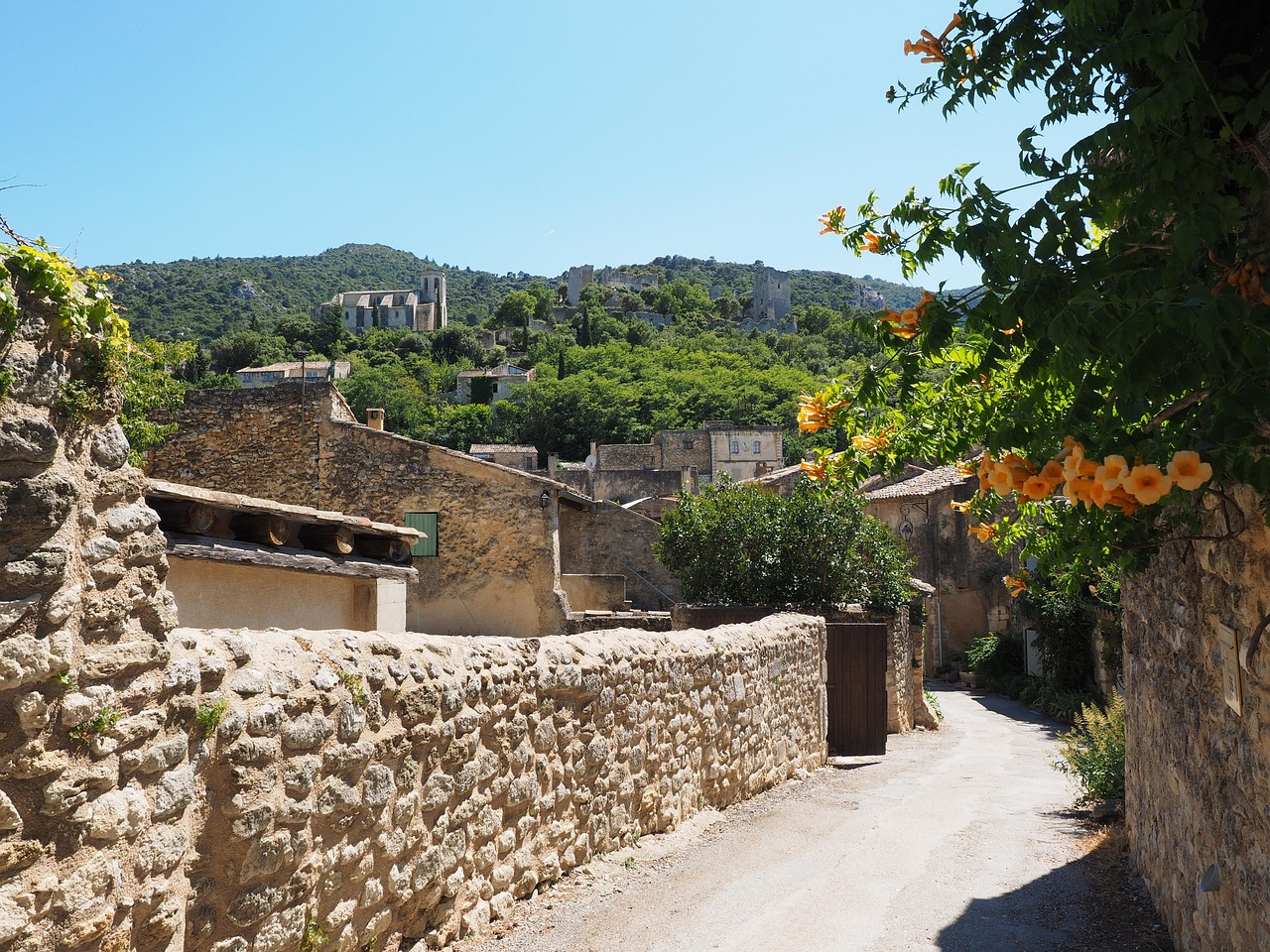
Oppède-le-Vieux feels slightly wilder than other villages: ivy-covered ruins, terraced gardens reclaimed from neglect, and a church that seems to hover above the valley.
I remember a drizzly March afternoon here, when I had the entire upper part of the village almost to myself—just the sound of my boots on wet stone and the occasional cat darting across the path.
Tips:
- Park at the lower lot and walk up; the approach through olive groves sets the mood.
- Wear good shoes; some paths are uneven and can be slippery in shoulder seasons.
Best for: Travelers who like a touch of ruin and mystery with their village-hopping.
8. Ansouis – Castle Crowned & Quintessentially Provençal
South-east of Lourmarin, Ansouis is dominated by its castle, which looks almost too perfectly “storybook.” The village itself is compact, with stone houses tumbling down from the château.
Why visit: It’s less frequented than Gordes or Roussillon, yet has that same sense of completeness—church, castle, café, and views over vines and orchards.
Food note: There’s a serious gastronomic restaurant here that food-focused travelers might want to book well in advance, especially in 2026 when culinary tourism in the region continues to grow.
9. Cucuron – Plane Trees & Water Mirror
Cucuron’s main square—dominated by a huge rectangular stone basin shaded by plane trees—is one of my favorite spots in all of Luberon. In summer evenings, the surface of the water mirrors the leaves and the glow from restaurant terraces.
Film buffs might recognize it from “A Good Year.” In real life, it’s even more charming. I once spent a full afternoon here doing essentially nothing: long lunch, a book, people-watching, and a late coffee, while local kids cycled endless loops around the square.
Best for: Slow lunches, romantic evenings, and anyone basing themselves on the southern side of the Luberon.
10. Rustrel & The Colorado Provençal – Adventurous Ochre Landscapes
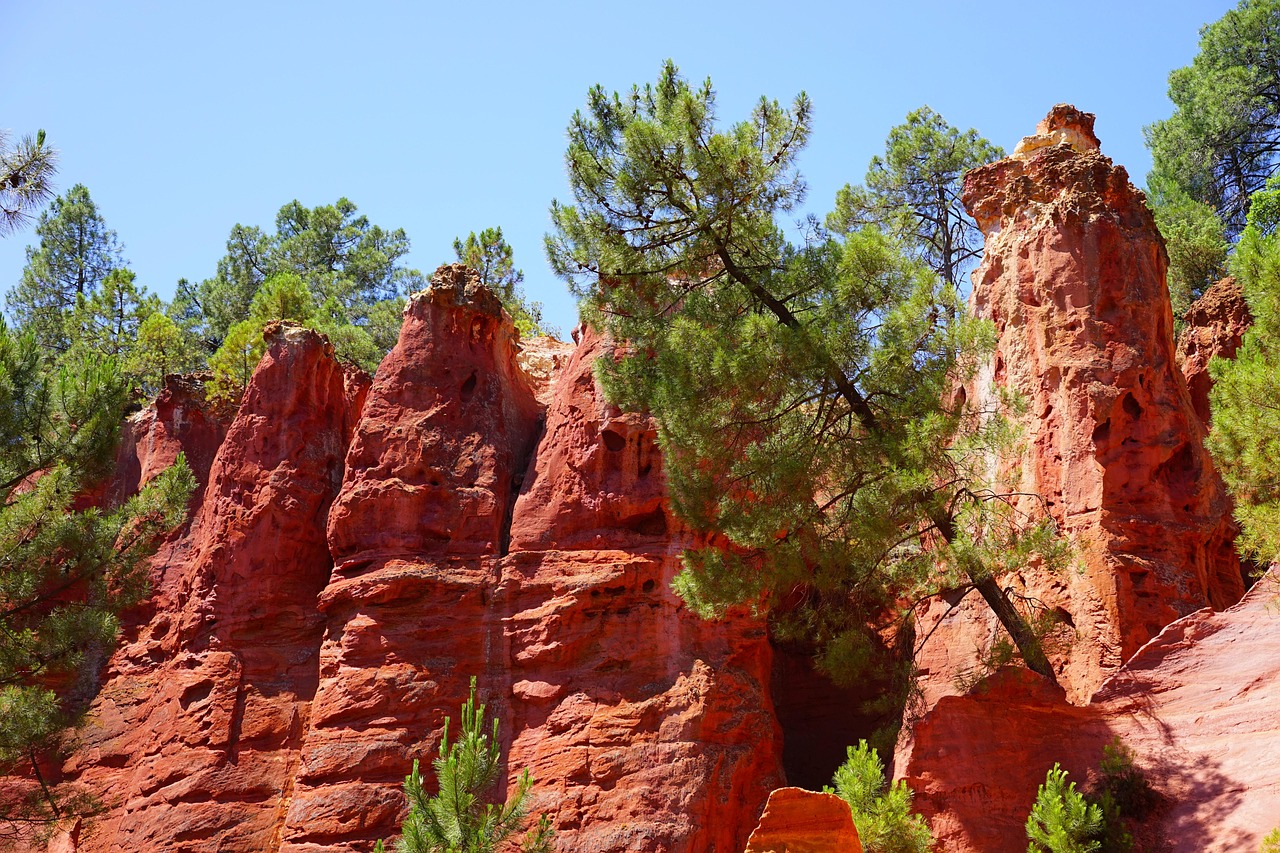
If the ochres of Roussillon are a gentle introduction, the Colorado Provençal near Rustrel is the full, immersive version: sculpted cliffs, canyons, and hoodoos in shades from pale yellow to deep red. It’s one of the top hidden gems in Luberon that’s steadily becoming less hidden.
Activities:
- Marked hiking circuits from 45 minutes to several hours.
- Family-friendly routes, though be mindful of heat in high summer—start early.
- Photography opportunities everywhere; I’ve blown through camera batteries here more than once.
Best for: Adventurous travelers, families with active kids, and anyone extending to a 6 or 7 day itinerary in Luberon.
11. Apt – Market Town & Everyday Luberon
Apt isn’t as pretty as the perched villages, but it feels the most “real.” It’s where many locals actually do their serious shopping.
Saturday market is the main draw: it spills through the old town with stalls of cheese, charcuterie, spices, and textiles. I usually plan one Saturday in the Luberon around this market, arriving early (8:30–9 a.m.) to avoid parking issues.
Best for: Stocking your rental kitchen, seeing local life beyond the postcard scenes, and tasting candied fruits—an Apt specialty.
12. Saignon – Quiet Stone & Big Views
Just above Apt, Saignon clings to a rocky outcrop with a big view for such a small village. It’s a place I retreat to when I want quiet lanes and long horizon lines.
Don’t miss: The rock promontory above the village (short, sometimes steep path). From the top, you get an almost 360-degree view of the Apt plain and Luberon ridges.
13. Gorges de Régalon – Narrow Wild Canyon
The Gorges de Régalon is one of the most atmospheric hikes in the southern Luberon: a narrow limestone canyon where, at points, you have to squeeze between rock walls or duck under overhangs.
I’ve hiked it on a hot June afternoon, grateful for the shade and the echoing cool air, and again in October when fallen leaves added a crunch underfoot.
Important: Check local conditions and closures, especially after heavy rains—flash floods are a risk in such gorges.
14. Forêt des Cèdres – Cedar Forest on the Ridge
On the crest of the Petit Luberon, the Forêt des Cèdres offers a different mood: tall, fragrant cedars, soft needle-covered trails, and cooler air in summer.
Why I go: When the valley feels too hot or crowded, this forest is a refuge. There are easy loops for families and longer ridge walks with big views for hikers.
15. Cavaillon & The Western Gate
Cavaillon is more of a functional town than a tourist stop, but it marks the western edge of the Luberon and has a couple of points of interest: its melon heritage (celebrated in summer festivals) and a hill-top chapel with a viewpoint.
For most travelers, Cavaillon is more about logistics—car rental, supermarkets—than lingering, but I’ve had some surprisingly good simple meals here, far from the tourist trail.
16. Goult – Under-the-Radar Charm
Goult is one of those places locals recommend when you say you want somewhere more “authentic.” It’s perched, but not dramatically; pretty, but not self-conscious.
Why I like it: The mix of locals and a smaller number of visitors gives it a lived-in feel. There’s a windmill above the village, shaded squares, and a handful of excellent eateries.
17. Joucas – Quiet Between Giants
Between Gordes and Roussillon, Joucas is often driven past rather than into—but it’s worth a detour. Stone houses cluster around a tiny center; art sculptures sometimes appear along the lanes.
On one summer evening, I stopped here almost by accident and ended up lingering over an impromptu terrace dinner, the sound of cicadas louder than conversations. That’s the sort of serendipity the Luberon still allows.
18. Viens – Eastern Edge & Time-Worn Charm
On the eastern edge of the Luberon, Viens feels more remote and fortified, with gates and ramparts reminding you of its defensive past.
It’s a good stop if you’re looping toward the Mont Ventoux area or simply want to see a slightly rougher, less polished face of Luberon life—still beautiful, but less curated.
Regional Cuisine in the Luberon & Where to Taste It
Food is one of the deepest pleasures of any trip here. Even if you stay just 4 days in Luberon, you’ll quickly understand why locals talk about market days with near-religious fervor.
Signature Flavors
- Olive oil & tapenade – Often house-made in restaurants; look for mills offering tastings.
- Goat cheese (chèvre) – From fresh and creamy to aged and firm, often from tiny local farms.
- Truffles – Winter star (December–March), especially around Ménerbes and the northern slopes.
- Melons – Summer specialty, particularly near Cavaillon.
- Herb-scented dishes – Lamb with thyme, ratatouille, and grilled vegetables perfumed with rosemary.
Where to Eat & Drink
- Farm-stays (gîtes & chambres d’hôtes): Many rural accommodations offer table d’hôtes dinners—fixed menus cooked by the owners. Some of my most memorable meals (truffle omelette, slow-cooked lamb shoulder) have been at long wooden tables with a handful of other guests.
- Village bistros: In Bonnieux, Goult, and Lourmarin, look for short menus that change with the season—always a good sign.
- Markets: Apt (Saturday), Lourmarin (Friday), Gordes (Tuesday), and others are perfect for DIY picnics. This is the most budget-friendly way to eat extremely well.
- Wineries: Many domaines now offer simple platters of charcuterie and cheese alongside tastings, which can easily become a leisurely lunch.
Saving Money on Food
Traveling the Luberon doesn’t have to mean blowing your budget on every meal. My typical rhythm on a longer stay is:
- Breakfast at my rental (market-bought fruit, bread, coffee).
- Picnic or simple café lunch.
- One “proper” dinner every day or two, with wine.
Planning your splurge meals in advance, especially in 2026 as the region’s culinary scene gets busier, helps avoid disappointment.
Evenings in the Luberon: Piazzas, Sunsets & Quiet Hours
Evenings are when the Luberon exhale. Day-trippers head back to Avignon or Aix, shutters are opened to let in the cooler air, and village squares come alive in a gentle, unhurried way.
Where to Be at Dusk
- Gordes viewpoint (D15) – For the archetypal golden-hour shot.
- Cucuron basin – For dinner under the plane trees with the water reflecting the lights.
- Ménerbes ramparts – For a quieter, more intimate sunset walk.
- Lourmarin cafés – For people-watching and a glass of rosé.
Seasonal Celebrations
Evenings are also when many village events happen:
- Summer night markets – Stalls, music, and food trucks in various villages (often July–August).
- Harvest festivals – Grape harvest (vendanges) celebrations in early autumn; look for posters at tourist offices.
- Classical concerts – Often held in churches or châteaux, particularly in Lourmarin and around Ménerbes.
What’s New in 2026–2027: Events & Changes
Planning your 2026 or 2027 trip? A few things to keep on your radar:
- Luberon Music & Arts Week (June 2026): A new initiative rotating concerts and exhibitions through Gordes, Roussillon, and Ménerbes. Expect some evenings to be busier than usual—book accommodation early if you love cultural events.
- Expanded hiking signage: Local authorities have been gradually upgrading trail markings on key routes (Forêt des Cèdres, Gorges de Régalon, and circuits above Bonnieux and Lacoste). By mid-2026, most main loops should have clearer, bilingual signage.
- Wine tourism upgrades: Several domaines near Bonnieux and Lourmarin are adding or expanding tasting rooms and small on-site eateries, making drop-in visits easier.
- Sustainability measures: Expect more limits on vehicle access in the tightest village centers in peak season (especially Gordes and Roussillon). Park on the outskirts and walk in.
Day Trips from the Luberon
One of the perks of basing in the Luberon is how many other Provençal highlights are within an hour or so’s drive.
- Avignon (45–60 minutes from Gordes): Visit the Palais des Papes, stroll the Rhône, and enjoy a more urban evening scene.
- Aix-en-Provence (about 1 hour from Lourmarin): Cours Mirabeau, Cézanne’s studio, and chic shopping streets.
- Mont Ventoux (1–1.5 hours from eastern Luberon): For cyclists or hikers seeking a challenge and sweeping views.
- Les Alpilles (Saint-Rémy, Les Baux): Olive groves, Roman ruins, and another set of perched villages if you can’t get enough.
Practical tip: Public transport between these areas and the Luberon is limited and often slow; for day trips, a rental car is by far the most efficient option.
Cultural Etiquette & Local Customs
The Luberon is relaxed, but it’s still very French and quite rural. A few customs to keep in mind:
- Greetings: Always say bonjour (daytime) or bonsoir (evening) when entering shops, markets, or restaurants. It’s not optional; it’s basic politeness.
- Meal times: Lunch is typically 12–2 p.m.; dinner from 7:30 or 8 p.m. Many places close between afternoon and dinner. Plan accordingly.
- Reservations: In smaller villages, call ahead for dinner, especially in 2026 high season. A fully booked terrace is common, not rare.
- Dress code: Casual but neat. Beachwear or very sporty clothes feel out of place at dinner, even on terraces.
- Driving & noise: Villages are quiet at night. Keep voices low after 10 p.m., and drive slowly through narrow streets.
- Markets: Don’t touch produce without asking; vendors usually select it for you. Have small change ready.
Practical Travel Advice for the Luberon
Getting There & Around
Nearest hubs: Marseille Provence Airport (MRS), Avignon TGV, and Aix-en-Provence TGV are the main gateways.
Car vs. public transport:
- A car is effectively essential for exploring villages and landscapes at your own pace. Buses exist between some towns (e.g., Apt–Cavaillon–Avignon), but they’re infrequent and rarely line up conveniently with a dense sightseeing schedule.
- Pick up your rental car at the airport or TGV station; prices are usually better than in small towns.
Driving Distances
- Gordes – Roussillon: ~15–20 minutes.
- Gordes – Bonnieux: ~30 minutes.
- Bonnieux – Lourmarin (via Combe de Lourmarin): ~25 minutes.
- Bonnieux – Rustrel (Colorado Provençal): ~40–45 minutes.
- Gordes – Avignon: ~45–60 minutes.
Parking & Historic Centers
Most perched villages have designated parking lots on the outskirts. In 2026, some have introduced or expanded paid parking in peak months; bring coins or a card.
Do not attempt to drive into narrow old lanes unless your accommodation specifically instructs you to—one-way streets and tight turns can be stressful, and some areas are restricted to residents.
SIM Cards & Connectivity
France has good mobile coverage, though some valleys are patchy.
- eSIMs: Easy option if your phone supports them—order online before you arrive.
- Physical SIMs: Available from operators like Orange, SFR, Bouygues in larger towns or shopping centers (Apt, Cavaillon, or nearby cities).
- Wi-Fi: Common in hotels and many rentals, but occasionally slow in more remote farmhouses.
Visa & Driving Requirements
Visas: France is part of the Schengen Area. Many nationalities can enter visa-free for short stays (up to 90 days in a 180-day period), but check up-to-date requirements with official sources before travel.
Driving licenses:
- EU/EEA licenses are valid.
- Many non-EU licenses are accepted; some travelers (e.g., from the US, Canada, Australia) are advised to carry an International Driving Permit (IDP) along with their home license. Check your country’s guidelines.
- Drive on the right; seatbelts are mandatory; using mobile phones while driving is illegal.
Best Seasons & What They’re Good For
- Spring (April–May): Wildflowers, mild temperatures, quieter villages. Great for hiking and cycling.
- Early summer (June–early July): Lavender fields near Sénanque and Valensole (just beyond Luberon), long days, busy but not yet peak August madness. Ideal for a 4–7 day itinerary in Luberon combining villages and fields.
- High summer (mid-July–August): Hot, crowded in top villages, but vibrant with festivals. Good for night markets and evening events; plan siestas and early/late outings.
- Autumn (September–October): Grape harvest, softer light, generally excellent weather. My personal favorite time for wine-focused travel and hiking.
- Winter (November–March): Very quiet; some restaurants and hotels close; truffle season in certain areas. Great if you want absolute calm and don’t care about lavender or markets in full swing.
Money-Saving Tips
- Base yourself in a rental with a kitchen (gîte or apartment) and cook some meals from market produce.
- Travel in shoulder season (May, early June, late September, early October) for lower accommodation prices.
- Picnic lunches plus sit-down dinners every second night strike a good balance.
- Free activities: Village wandering, sunset viewpoints, many hiking trails, and visiting small churches and chapels.
Hidden Practical Tips
- Start early: Be at big sights (Gordes, Sénanque, Roussillon) by 9 a.m. in summer; you’ll experience them in a completely different, calmer way.
- Carry a reusable water bottle: Many villages have public fountains (look for “eau potable” signs).
- Market strategy: Walk the entire market once before buying; then circle back to your favorite stalls.
- Weather flexibility: Always have a “Plan B” for very hot afternoons (forest walks, rivers, long lunches in the shade) and occasional rainy days (markets, châteaux, longer meals).
Summary: Key Takeaways & Final Recommendations
The Luberon is not the place to tick off a checklist; it’s a region to sink into. Whether you have a 4 day itinerary for Luberon or stretch it to 5, 6 or 7 days, the real magic lies in the slow details: the way a particular village smells after rain, the sound of church bells echoing across a valley, the taste of a sun-warm fig from a market stall.
Best bases: Gordes (dramatic and iconic), Bonnieux or Ménerbes (central and village-like), and Lourmarin or Cucuron (southern and café-rich). For a deeper, quieter experience, consider Goult or Oppède-le-Vieux.
Must-see attractions in Luberon: Gordes, Abbaye de Sénanque, Roussillon’s ochres, Bonnieux–Lacoste ridge, Lourmarin, and at least one adventurous landscape like the Colorado Provençal or Gorges de Régalon.
Best seasons: For most travelers, late April–June and September–October offer the best balance of weather, crowds, and open services. Lavender lovers should target late June–early July; wine and hiking fans should consider September.
In the end, the Luberon is less about what you do than how you do it: slowly, with curiosity, allowing room for detours and lingering conversations. Leave space in your days for serendipity, and this corner of Provence will reward you generously.