Why Visit Ménerbes?
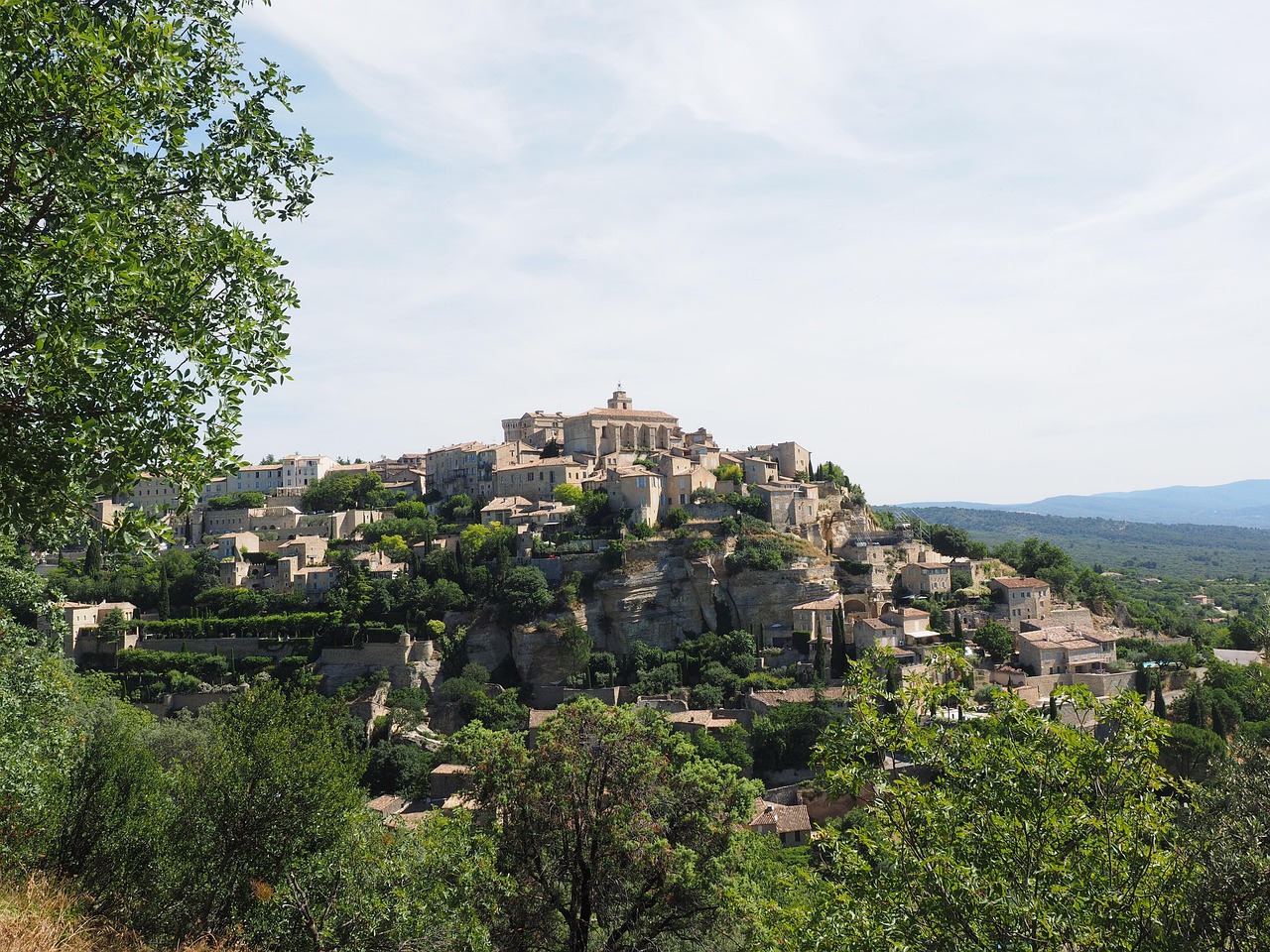
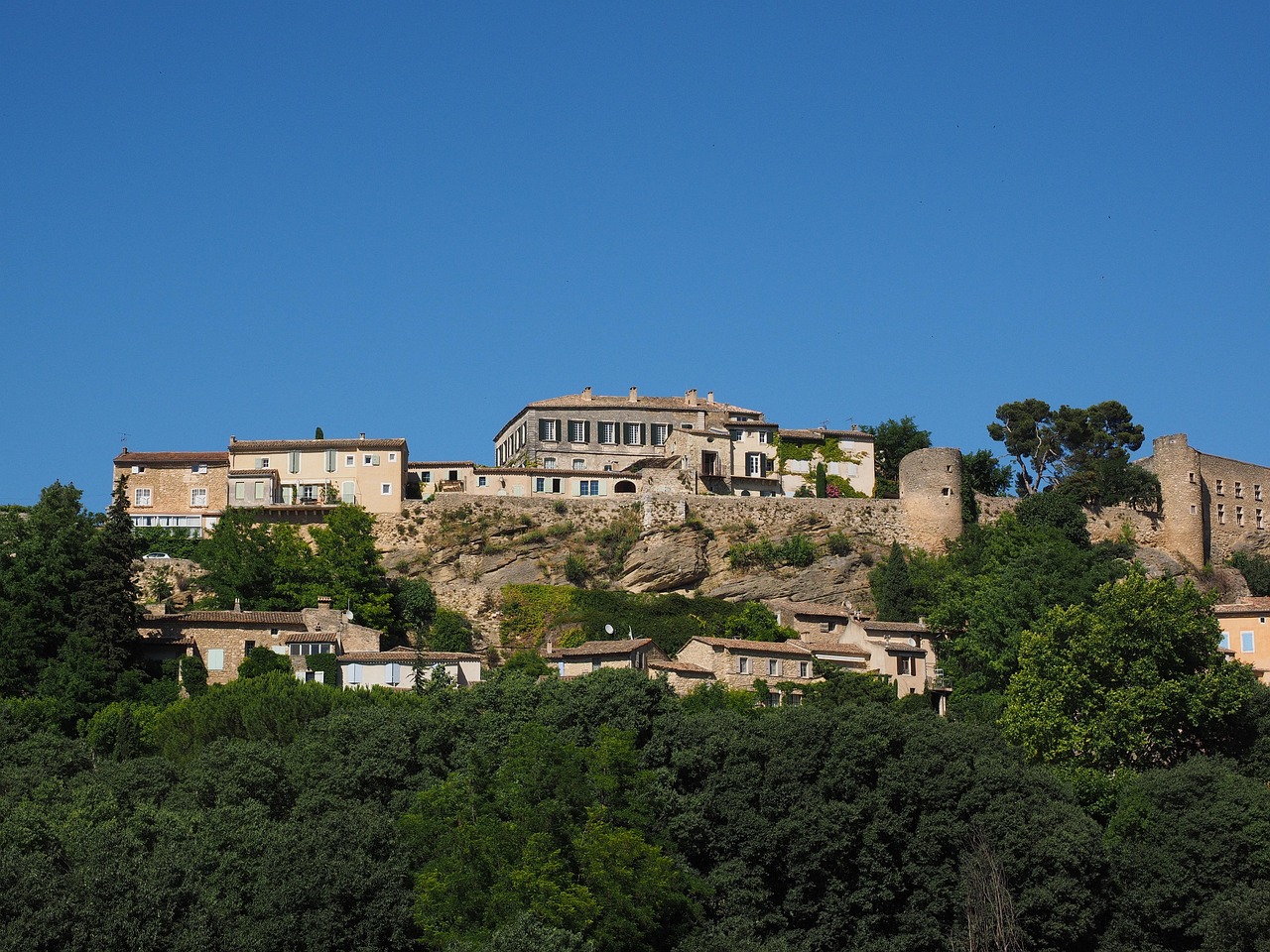
I still remember my very first glimpse of Ménerbes: the village hovered on its rocky spine above the Luberon valley, bathed in that surreal Provençal light that makes everything feel painted rather than real. I’d planned to “pop in for an afternoon.” I ended up rearranging my entire trip and stayed a week. I’ve been back at least once a year since.
Ménerbes is one of the officially designated “Plus Beaux Villages de France”—one of the most beautiful villages in France—and unlike some postcard-perfect places that feel more like movie sets, Ménerbes still feels lived-in. You’ll see grandmothers leaning out of pastel shutters to chat across alleys, winemakers unloading crates, and kids racing down cobblestones after school.
What makes Ménerbes special isn’t a single blockbuster attraction; it’s the combination of ancient stone houses, sweeping vineyard views, art galleries tucked into vaulted cellars, and the slow rhythm of village life. It’s ideal for:
- Couples looking for a romantic escape among vineyards and lavender.
- Families who want safe walks, outdoor activities, and easy day trips.
- Food and wine lovers chasing truffles, rosé, and long terrace lunches.
- Hikers and cyclists exploring the Luberon’s trails and hilltop villages.
- Slow travelers who’d rather linger in one village than rush through ten.
This travel guide for Ménerbes is written as someone who has stayed in the village multiple times, in every season, from tiny stone rentals inside the walls to vineyard gîtes in the valley. I’ll walk you through detailed 3–5 day itineraries, 20+ attractions with personal stories, the best local food in Ménerbes, hidden gems, cultural etiquette, and very practical travel advice for 2026–2027.
Table of Contents
- Why Visit Ménerbes?
- Quick Overview of Ménerbes
- Neighborhoods & Areas of Ménerbes
- Top 20+ Attractions & Experiences in Ménerbes
- 3–5 Day Itineraries (With Personal Stories)
- Best Local Food & Drink in Ménerbes
- Nightlife, Entertainment & Cultural Experiences
- Major Events & Festivals 2026–2027
- Day Trips From Ménerbes
- Practical Travel Tips & Local Customs
- Summary & Best Time to Visit Ménerbes
Quick Overview of Ménerbes
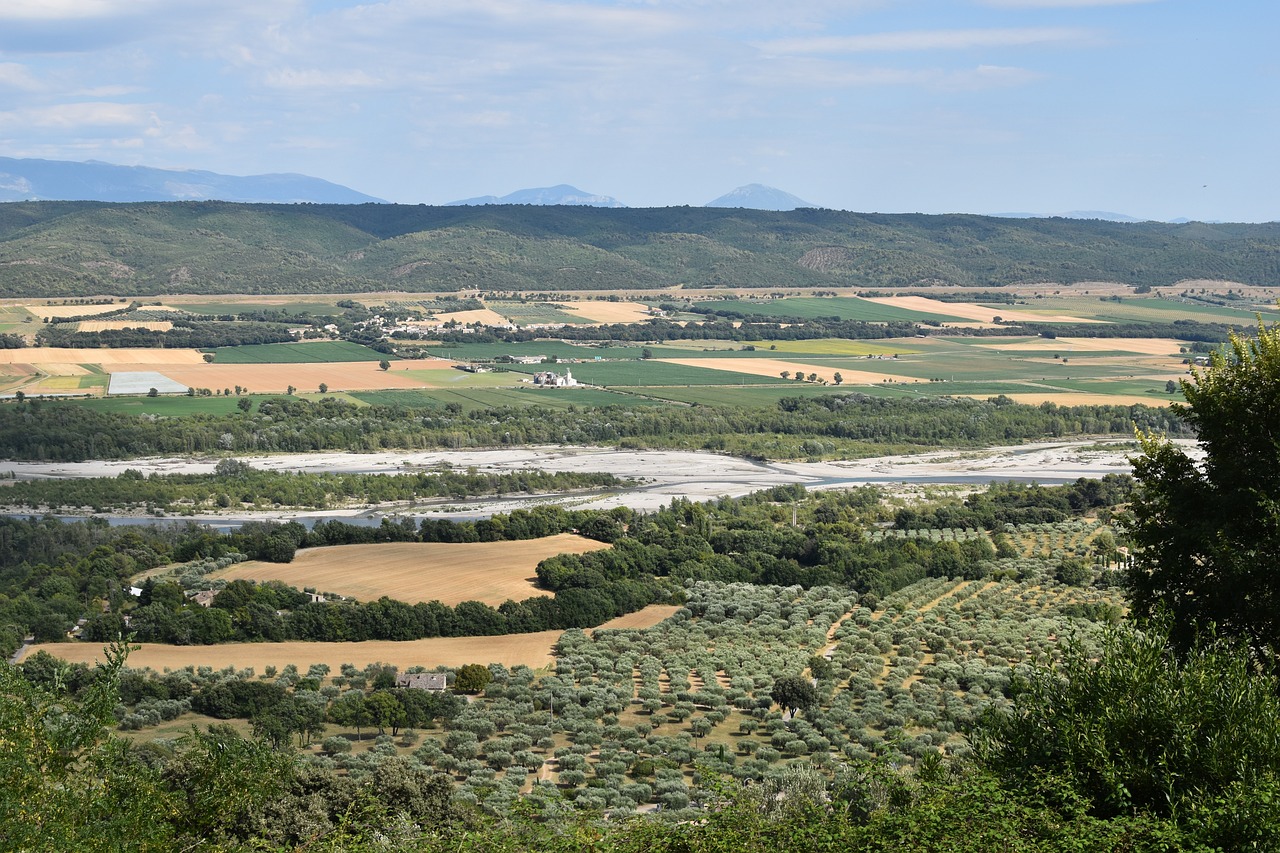
Ménerbes sits in the heart of the Luberon region in Provence, southeastern France. Perched on a narrow ridge above the vineyards and orchards of the Calavon valley, the village looks across to the northern slopes of the Luberon mountains. It’s about 1 hour from Marseille, 45 minutes from Avignon, and 25 minutes from L’Isle-sur-la-Sorgue by car.
Famous internationally thanks to Peter Mayle’s book “A Year in Provence”, Ménerbes has attracted artists, writers, and winemakers for decades. Despite that fame, it has remained smaller and quieter than neighboring Gordes or Roussillon. There are no skyscrapers here—your “skyline” is a jagged line of old stone houses, church spires, and cypresses against a big southern sky.
Neighborhoods & Areas of Ménerbes
Ménerbes is tiny compared to a city, but each corner has a distinct feel. When I stay for a week or more, I like to divide my wanderings into these “micro-neighborhoods.”
1. The Medieval Upper Village (Inside the Old Walls)
This is the Ménerbes you see on postcards: narrow lanes, vaulted passages, stone townhouses with wrought-iron balconies, and sudden viewpoints that open onto the valley.
- Vibe: Quiet, atmospheric, timeless.
- Best for: Romantic strolls, photography, history lovers.
- Highlights: Place de l’Horloge, the old ramparts, the church of Saint-Luc, and several art galleries in restored mansions.
2. The Lower Slopes & Vineyard Fringe
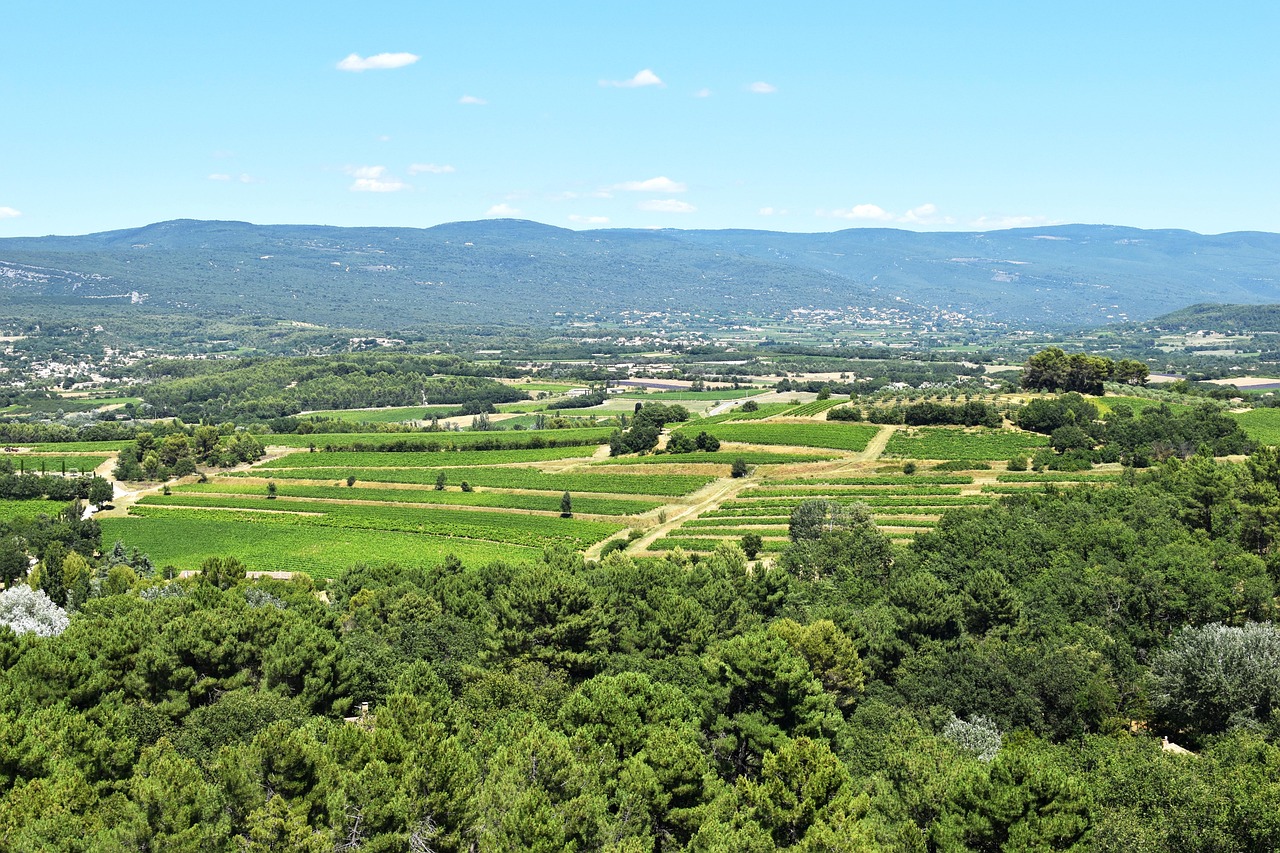
Down from the ridge, narrow roads wind through vineyards, cherry orchards, and olive groves. Many of the area’s best wineries and farm stays sit here.
- Vibe: Rural, open, golden light at sunset.
- Best for: Wine tasting, cycling, sunset walks.
- Highlights: Domaine de la Citadelle, family-owned vineyards, scattered chapels.
3. The Eastern Gate & Approach Road
Approaching Ménerbes from Oppède or Lacoste, you’ll see the village rising ahead like a ship. The eastern entry has parking areas, a few restaurants, and the start of some of my favorite walking loops.
- Vibe: Gateway to the village, more practical.
- Best for: Orientation, parking, starting hikes.
- Highlights: Panoramic viewpoint by the parking terraces, evening light on the façades.
4. The Western Edge & Château Side
On the western side, the ridge drops away more dramatically. The views toward the Mont Ventoux and the Rhône valley foothills are stunning on clear days.
- Vibe: Wild edges, dramatic vistas.
- Best for: Sunset photos, quiet contemplation, picnics on the old walls.
- Highlights: Old fortifications, hidden stairways down to the vineyards.
5. Surrounding Countryside & Farm Roads
Within a 10–15 minute drive or bike ride, you’re in a maze of tiny lanes connecting Ménerbes with Bonnieux, Lacoste, Oppède-le-Vieux, and tiny hamlets. Some of my best memories of Ménerbes are actually from getting “lost” on these roads.
- Vibe: Classic Provence: cypress rows, stone walls, lavender fields in June–July.
- Best for: Cycling, scenic drives, sunrise/sunset photography.
- Highlights: Viewpoints where Ménerbes floats on its hill like an island.
Top 20+ Attractions & Experiences in Ménerbes
Here are the best places to visit in Ménerbes, mixed with the experiences that keep pulling me back. I’ll group them roughly from the most iconic to the more hidden gems. Each subsection is written as if we’re walking there together, with history, context, and my own stories woven in.
1. Wandering the Old Village Lanes
If you do nothing else in Ménerbes, wander. The village is small, but I’ve never managed to walk the same route twice. On my first morning here, I set out with no map at all, just the sound of church bells and clinking coffee cups to orient me.
The main axis runs from the eastern gate up to the church, but it’s the side alleys—often with no names—that hold the magic: stone archways framing slivers of blue sky, window boxes overflowing with geraniums, hand-painted house numbers.
History & significance: Ménerbes dates back to at least the Roman era, but its current medieval structure took shape between the 12th and 17th centuries. During the Wars of Religion, the village was a Protestant stronghold and endured a famous siege; you can still feel that layered history in the thick walls and defensive positions.
What I love doing here: I like to grab a morning coffee from the café by the main square and just drift uphill, turning left whenever I see an arch or a staircase. Early morning (before 9:00) and late evening (after 19:00) are the quietest times, when locals outnumber visitors. In summer, the stone walls radiate warmth well into the night, and the whole village smells faintly of thyme and hot dust.
Tips for visitors:
- Wear flat, non-slippery shoes; the stones can be slick, especially after rain.
- Respect private doorways and gates. If you’re unsure whether something is public, look for signage or simply don’t enter.
- For photography, come early in the morning for soft light and empty lanes.
2. Place de l’Horloge & Village Heart
Every village has a heart; for Ménerbes, it’s Place de l’Horloge. This little square, with its clock tower, shady plane trees, and café terraces, is where life unfolds in slow motion.
History: The clock tower and adjoining buildings reflect the village’s prosperity from the 17th to 19th centuries, when agriculture and viticulture flourished. The square has hosted markets, proclamations, and more banal everyday gossip for centuries.
My routine here: I like to start my day with a café crème on the terrace, watching the village wake up—delivery vans inching through impossibly narrow streets, dogs dragging their owners toward the boulangerie, kids with satchels heading to school. In the late afternoon, it’s the perfect place for a glass of local rosé and some people-watching.
Family-friendly? Absolutely. Kids can roam within sight, and there’s usually ice cream close by in summer.
3. Église Saint-Luc (Saint Luke’s Church)
At the top of the village, the church of Saint-Luc stands quietly, not as ostentatious as some Provençal churches, but deeply atmospheric. I often duck in during the hottest part of the day; the thick stone walls keep it cool and dim.
History: The current church dates mostly from the 16th and 17th centuries, though earlier religious structures stood on this site. Inside, you’ll find modest altars, simple stained glass, and votive candles that add a golden glow.
My experience: One late-October afternoon, I sat inside while a local choir rehearsed. I hadn’t planned to stay; I ended up sitting on the worn wooden pews for nearly an hour, listening to voices echo off the stone. If you’re lucky, you might catch a rehearsal, too—just slip in quietly and sit toward the back.
Tips: Shoulders and knees covered is appreciated, especially if a service is ongoing. Please avoid loud conversations and flash photography inside.
4. Ramparts & Panoramic Viewpoints
What Ménerbes lacks in skyscrapers, it more than makes up for with its own kind of skyline: the jagged line of stone houses perched on the cliff-edge. Walking along the old ramparts is one of the must-see attractions in Ménerbes, especially at golden hour.
History: The ramparts and wall remains date from various periods, including medieval fortifications reinforced during the Wars of Religion. From here, defenders once watched for approaching armies; now you’ll mostly see cyclists and tractors.
My favorite spot: There is a bench built into the wall on the western edge where the view opens across vineyards, cherry orchards, and, on clear days, all the way to the faint silhouette of Mont Ventoux. I’ve sat there alone at sunrise, watching the mist lift from the valley, and again at sunset sharing a bottle of rosé with friends. Both times felt like the village belonged just to us.
Photography tips: Afternoon and sunset offer the warmest light on the valley. In winter, after rain, the air can be crystal clear—a great time for longer-range shots.
5. Domaine de la Citadelle & Corkscrew Museum
If you love wine, you’ll hear the name Domaine de la Citadelle within your first 24 hours in Ménerbes. It’s one of the most respected estates in the Luberon and an easy, beautiful outing from the village.
Getting there: It’s a short drive down from the village, or a pleasant 30–40 minute walk along small roads if you don’t mind a bit of elevation on the way back. I’ve done both—walking there for a tasting and hitching a ride back with friendly fellow tasters once the bottles started clinking.
What to expect: Tasting rooms overlooking vineyards, a choice of whites, rosés, and reds that showcase the Luberon terroir, and friendly staff happy to talk through the blends. Book ahead in high season, especially for more in-depth tastings or tours.
The Corkscrew Museum: One of Ménerbes’s most delightfully odd attractions is here: a museum dedicated entirely to corkscrews, from ornate 18th-century pieces to quirky modern designs. It sounds like a gimmick, but it’s genuinely fascinating and surprisingly artistic.
Tips:
- If you’re driving, pace yourself or spit during tastings—gendarmerie checks do happen on the small roads.
- Bring a wine suitcase or ask about shipping if you plan to buy several bottles.
- Families: kids often enjoy the grounds, and the corkscrew museum can be a fun diversion.
6. Truffle Experiences & Winter Markets
Ménerbes sits in prime truffle country. If you visit between November and March, you’ll see black truffles on menus and in small local markets. On one memorable January trip, I joined a truffle hunt on a farm just outside the village.
The hunt: We followed a wiry farmer and his excitable dog through a stand of oaks. The dog would race ahead, then suddenly start digging; the farmer would gently pull it back, extract the small, knobbly truffle, and reward the dog with a treat. Afterward, we tasted scrambled eggs laced with paper-thin truffle slices and a glass of local white wine. Simple, unforgettable.
How to book: Ask at your accommodation or the Ménerbes tourist office; many farms only take small groups and prefer advance reservations. In 2026, several local farms continue to offer bilingual hunts (French/English).
Budget tip: If a full truffle menu is too pricey, look for one truffle dish—scrambled eggs, a small pasta, or a truffle-infused cheese plate—so you can taste it without blowing your budget.
7. Art Galleries & Studios of Ménerbes
Artists have long been drawn to Ménerbes’s light and solitude. Today, several small galleries and studios line the village streets, often behind unassuming doors.
One rainy afternoon, I ducked into what I thought was a small shop and found myself in a gorgeous vaulted stone room, its cool walls hung with luminous landscapes of the Luberon. The painter, a soft-spoken woman who’d moved from Paris years ago, told me she’d come for “one summer” and simply never left.
What to expect: Rotating exhibitions of paintings, sculpture, ceramics, and photography. Some focus on regional scenes; others are more abstract. Don’t feel obliged to buy; browsing and chatting with the artists is part of the pleasure.
Tips: Galleries usually close for a long lunch and may shut one or two days per week outside high season. Check opening hours posted on doors.
8. Old Jewish Cemetery
A short walk from the village, tucked quietly among trees and low stone walls, lies the old Jewish cemetery—a poignant reminder of the diverse communities that have lived in and around Ménerbes.
History: Jewish families were present in the region for centuries, often living in nearby towns but burying their dead in dedicated plots outside village walls. The cemetery holds weathered gravestones, some with Hebrew inscriptions, worn by wind and time.
My visit: I went on a gray, drizzly day in late autumn. The silence was deep, broken only by distant bells and the occasional car on the valley road. It felt like stepping into a different layer of the village’s story—one that isn’t always visible in the sunlit main square.
Etiquette: Treat the site with respect. This is not a place for loud conversation or posed selfies. Don’t touch or climb on the stones.
9. Calade Steps & Hidden Passages
Throughout Ménerbes, steep stone stairways—calades—connect different levels of the village and sometimes lead down toward the vineyards. These are some of my favorite “hidden gems in Ménerbes.”
One evening, chasing a cat’s tail down an alley (yes, I follow cats; they always know the best shortcuts), I found a narrow stairway squeezed between two houses. It twisted down and spat me out at a viewpoint I’d never seen before, with a perfect line of cypresses framing the valley.
Tips:
- Take your time; the stones can be uneven and worn.
- Some passages dead-end at private gates; just backtrack politely.
- Early evening is magical as warm lights begin glowing behind shutters.
10. Farmers’ Markets & Local Produce
Ménerbes itself has small market days, but the real joy is using Ménerbes as a base for the bigger Luberon markets: Coustellet, Apt, and L’Isle-sur-la-Sorgue. I rarely plan my week without anchoring at least one morning around a market.
What to buy: Sun-warmed tomatoes, olives, goat cheeses from nearby farms, tapenade, fougasse bread, lavender honey, and seasonal fruit (apricots and cherries in late spring, melons in summer, figs in early autumn).
My ritual: I like to hit an early market, buy picnic supplies, and return to Ménerbes for a leisurely lunch on a terrace or a simple picnic on the ramparts. The taste of a ripe, local tomato eaten with your fingers while looking out over the fields it came from is hard to beat.
Budget tip: Markets are one of the easiest ways to save money while eating incredibly well. A cheese, bread, fruit, and olive picnic is both affordable and delicious.
11. Sunrise & Sunset Viewpoints
If you’re crafting a 3 day itinerary for Ménerbes, I’d schedule at least one sunrise and one sunset in the village. The light changes everything—stone glows, the valley fills with mist, and the sky can turn incredible shades of pink and gold.
- Sunrise: Head to the eastern viewpoints or lower vineyard roads to watch the sun rise behind the village silhouette.
- Sunset: The western ramparts and viewpoints near the church are unbeatable for watching the light fade over the Luberon.
On my last spring visit, I set an alarm for 5:30 and walked out in near-silence. The only sounds were birds and a distant tractor. By the time the sun cleared the horizon, the whole village blushed pink for about three minutes—and then it was gone.
12. Cycling Routes Around Ménerbes
For adventurous travelers, cycling is one of the best things to do in Ménerbes. The network of quiet, winding roads through vineyards, orchards, and hilltop villages is superb.
Routes:
- Ménerbes – Lacoste – Bonnieux loop: A classic, moderately hilly route with gorgeous views and coffee stops.
- Ménerbes – Oppède-le-Vieux – Maubec loop: A bit less traffic, with a beautiful stretch under the northern Luberon slopes.
My experience: I’m not a hardcore cyclist, but renting an e-bike in Coustellet and cruising through lavender fields toward Ménerbes one June afternoon remains one of my favorite memories. The electric assist made the hills gentle instead of intimidating.
Tips: Start early to avoid midday heat between June and September. Always carry water and a small snack; cafés can be spaced out.
13. Hiking Trails & Luberon Footpaths
Several marked trails pass near Ménerbes, connecting it with nearby villages and viewpoints. The scents of wild thyme, rosemary, and pine in the garrigue are intoxicating, especially after a light rain.
Favorite walk: A circular walk from Ménerbes down through vineyards, up along a ridge with oak woods, and back into the village from the west. It takes about 2–3 hours at a leisurely pace, with plenty of stops for photos and admiring the stone bories (dry-stone huts) along the way.
Tips:
- Wear proper walking shoes or light hiking boots.
- Bring water; fountains are rare once you leave the village.
- In summer, avoid midday heat and check for fire-risk closures in forested areas.
14. Lavender Fields (Seasonal)
From late June to mid-July (peaking around early July), lavender fields around Ménerbes burst into purple. While the most famous fields are near Valensole, the Luberon has plenty of smaller, more intimate fields where you might be the only person there.
I once spent an entire afternoon pulling off on tiny lanes whenever I saw a patch of purple, parking the car under a tree, and wandering between rows humming with bees. The smell followed me for days.
Photography tip: Early morning or late afternoon gives the best light. Never trample the rows; stay on the paths.
15. Wine Bars & Village Terraces
After a day of walking or exploring, nothing beats an apéritif on a terrace in Ménerbes, glass of rosé in hand, watching the sky change color.
What to order: Local Luberon rosé (dry and crisp), a glass of red from nearby estates, or a pastis if you like anise flavors. Ask the server for their recommendation; they often steer you to a small local producer.
My habit: I like to order a small plate of olives or charcuterie alongside my drink and linger. Here, no one rushes you off a table as long as you’re respectful.
16. Local Festivals & Village Events
Ménerbes may be small, but it has a lively calendar of village events: music evenings, art openings, harvest celebrations, and occasional food or wine festivals.
On one summer visit, I stumbled upon an open-air concert in the main square: fairy lights strung between plane trees, families dancing barefoot on the cobbles, kids running around with ice creams. I arrived “just to see what was happening” and didn’t get back to my rental until after midnight.
Tip: Check posters in the village or the tourist office for up-to-date listings during your stay.
17. Provençal Cooking Classes
One of the most rewarding cultural experiences in Ménerbes is taking a cooking class. Several local chefs and expats run small group classes in farmhouse kitchens or village homes.
My class: We started with a visit to a nearby market, then returned to a stone kitchen overlooking vineyards to cook a menu of vegetable tian, herb-crusted lamb, and apricot tart. Wine flowed as freely as the olive oil, and by the time we sat down to eat, we felt more like a dinner party than a class.
What you’ll learn: Classic Provençal techniques (slow braises, vegetable gratins, aioli), how to choose local ingredients, and how to pair Luberon wines.
Booking: Reserve ahead, especially June–September. Many hosts can accommodate dietary restrictions if warned in advance.
18. Writer & Artist Retreats
Ménerbes has long been a retreat for creatives. While some residencies are private or by application only, the general atmosphere attracts independent writers and painters who come for a few weeks of quiet inspiration.
I once spent five days in Ménerbes alone, working on a writing project. My days fell into a gentle rhythm: coffee in the square, a morning of writing, a long lunchtime walk, an afternoon of reading on the ramparts. If you’re looking for a place to focus, Ménerbes is a superb choice.
19. Village Cemetery & Upper Ridge
It may sound morbid, but I always find village cemeteries incredibly peaceful and revealing. The one in Ménerbes, perched with views over the valley, is no exception.
Why go: Simple stone crosses, family tombs with generations of names, and fresh flowers left by locals. The view alone is worth the short walk.
Etiquette: As with any cemetery, move quietly and respectfully. Avoid photographing people visiting graves.
20. Night Walks Through the Village
My favorite time in Ménerbes might actually be after dark. Once the day-trippers have gone, the village settles into a gentle hush. Lanterns throw warm pools of light onto stone, and snippets of conversation drift from half-open windows.
Take a slow walk after dinner, looping through the lanes you already know. Everything feels different: more intimate, more secret. I’ve had some of my most memorable conversations—both with locals and fellow travelers—on these night walks, leaning on a stone wall, pointing out constellations above the black silhouette of the Luberon.
Safety: Ménerbes feels very safe at night. Just watch your footing; some alleys are dim and uneven.
3–5 Day Itineraries in Ménerbes (With Personal Stories)
Whether you have 3 days in Ménerbes or 5, the key is to slow down. These itineraries blend must-see attractions in Ménerbes, hidden gems, food stops, and practical pacing. I’ve followed variations of each of these over the years.
3 Day Itinerary for Ménerbes
If you’re short on time, this 3 day itinerary for Ménerbes hits the essentials while still leaving space to breathe.
Day 1: First Taste of Ménerbes
I like to arrive around midday so that my first sight of Ménerbes is in bright light. After parking below the village and hauling my suitcase up the cobbles (a rite of passage), I check into my guesthouse and head straight out.
- Morning/early afternoon: Drop bags, stroll to Place de l’Horloge for lunch. Order something simple: a salad with goat cheese, a tartine, or a plat du jour. Sit outside if the weather allows and just watch life go by.
- Mid-afternoon: Begin your first meandering village walk: church of Saint-Luc, ramparts, hidden alleys. Don’t try to “check off” everything; just let curiosity guide you.
- Late afternoon: Pause at a wine bar terrace for a glass of rosé. Note how the light on the valley changes minute by minute.
- Evening: Casual dinner in the village (ask your host which places are open that night; opening days rotate), then a slow night walk through the lanes.
Tip: Keep day 1 light. Jet lag plus stone hills can be a tiring combo. An early night ensures you’ll be fresh for day 2.
Day 2: Wine, Countryside & Culture
- Morning: After breakfast, walk or drive down to Domaine de la Citadelle for a late-morning tasting and a visit to the corkscrew museum. Book ahead in high season.
- Lunch: Picnic with market supplies either on the winery grounds (if allowed) or back up on the ramparts in Ménerbes.
- Afternoon: Visit a couple of art galleries and the old Jewish cemetery. Pause for a coffee or ice cream in the square.
- Evening: If there’s a village event (check posters), join in; otherwise, choose a slightly nicer dinner spot and splurge on a set menu with local wine pairing.
Day 3: Market Morning & Scenic Drive
- Morning: Head early to a nearby market town (Coustellet or Apt, depending on the day). Stock up on local food, taste cheeses and olives, and soak up the bustle.
- Midday: Drive back via a small loop that includes viewpoints of Ménerbes from below. Take photos of the village on its ridge—this is your “skyline shot.”
- Afternoon: Short hike around the village or a lazy few hours with a book on a terrace.
- Evening: One last sunset on the ramparts, perhaps with a simple picnic or takeaway pizza enjoyed on your accommodation terrace.
In 3 days, you’ll have experienced the essential things to do in Ménerbes without rushing. If you can stretch to 4 or 5 days in Ménerbes, you’ll be able to add deeper explorations and day trips.
4 Day Itinerary for Ménerbes
With 4 days in Ménerbes, you can fold in more countryside walks and a deeper dive into local food and wine.
Day 1: Arrival & Orientation
Follow Day 1 of the 3 day itinerary: settle in, wander the lanes, ramparts at sunset.
Day 2: Wine & Truffle Focus (Seasonal)
- Morning: Wine tasting at Domaine de la Citadelle or another local estate.
- Lunch: Winery or village restaurant, trying dishes that use local produce.
- Afternoon (winter): Truffle hunt at a nearby farm.
- Afternoon (other seasons): Vineyard walk or e-bike ride between Ménerbes and a neighboring village like Lacoste.
Day 3: Hiking & Hidden Corners
- Morning: Do a 2–3 hour circular hike starting and ending in Ménerbes. Ask your host or the tourist office for a current map; routes change slightly over time.
- Lunch: Picnic en route or late lunch back in the village.
- Afternoon: Explore hidden calade stairways, small chapels, and any galleries you haven’t yet visited.
- Evening: Casual dinner, followed by a night walk.
Day 4: Market + Nearby Village
- Morning: Market in a nearby town, then continue to another hilltop village like Bonnieux or Oppède-le-Vieux for a change of scenery.
- Lunch: Eat in the other village, comparing its vibe to Ménerbes.
- Afternoon: Scenic drive back with multiple photo stops.
- Evening: Final dinner in Ménerbes, maybe choosing a restaurant with a view to toast your stay.
5 Day Itinerary for Ménerbes
A 5 day itinerary for Ménerbes lets you truly settle into village life, with time for both slow days and big excursions.
Day 1: Settling In
Use the 3 day itinerary’s Day 1 as your template: arrival, orientation walk, early night.
Day 2: Wine & Village Life
Blend wine tasting, art galleries, and a long terrace lunch. Keep the pace gentle.
Day 3: Full-Day Luberon Loop
- Morning: Drive (or join a tour) on a Luberon loop: Ménerbes – Lacoste – Bonnieux – Roussillon – Gordes – back to Ménerbes. Stop in each village for short walks and views.
- Lunch: Picnic between villages or sit down in Bonnieux or Roussillon.
- Afternoon: Continue loop, returning to Ménerbes by late afternoon.
- Evening: Light dinner or simple picnic; you’ll be pleasantly tired.
Day 4: Nature Day (Hike or Bike)
- Option 1: Longer hike on Luberon foothills, including forest segments and ridgeline views.
- Option 2: E-bike rental and a full-day ride connecting several villages, with plenty of food and photo stops.
On one May trip, I spent this day slowly cycling from Ménerbes to Lourmarin and back, stopping for coffee, cherries from roadside stands, and long, lazy fieldside rests under plane trees.
Day 5: Slow Mélange of Favorites
Keep your final day in Ménerbes unstructured. Revisit your favorite viewpoints, buy last-minute gifts (olive oil, honey, ceramics), and spend an hour doing absolutely nothing on a bench watching the valley. This is where Ménerbes truly seeps under your skin.
Best Local Food & Drink in Ménerbes
Provençal food is all about sun, herbs, and making humble ingredients sing. In Ménerbes, you’ll see menus change with the seasons: asparagus and strawberries in spring, tomatoes and melons in summer, mushrooms and game in autumn, hearty stews and truffles in winter.
Signature Dishes to Try
- Tapenade: Olive spread (black or green) eaten on bread or with raw vegetables. Often appears as an apéritif.
- Goat cheese (chèvre): Fresh, ash-coated, or aged, often drizzled with olive oil or honey.
- Ratatouille: The classic stewed vegetable dish—zucchini, eggplant, peppers, tomatoes, onions—flavored with thyme and bay.
- Daube Provençale: Slow-braised beef in red wine with herbs and maybe a hint of orange peel, perfect on cooler evenings.
- Aioli: Garlicky emulsion served with fish and vegetables; intense but addictive.
- Truffle dishes (winter): Simple eggs, pasta, or potatoes elevated by shavings of black truffle.
What to Drink
- Luberon Rosé: Dry, pale, and refreshing; the de facto drink of summer.
- Luberon Reds: Often blends of Grenache, Syrah, Mourvèdre; medium-bodied, great with lamb and stews.
- Luberon Whites: Fresh and aromatic, good with fish, goat cheese, and salads.
- Pastis: Anise-flavored apéritif, typically diluted with water and ice.
Saving Money on Food
Eating well in Ménerbes doesn’t have to be expensive:
- Opt for lunch “menu du jour”; you’ll often get excellent value.
- Use markets and local epiceries to assemble picnics or simple dinners if your accommodation has a kitchenette.
- Share dishes: Provençal portions can be generous.
Nightlife, Entertainment & Cultural Experiences
Ménerbes is not a nightclub sort of place. Nightlife here is about wine bars, long dinners, and seasonal events.
Evenings in the Village
- Wine bars & cafés: Ideal for an apéritif or digestif, often closing around midnight in high season, earlier off-season.
- Summer concerts: From classical quartets in churches to folk bands in the square.
- Open-air cinema (occasional): Check posters; French films with or without subtitles may be projected on village walls.
Cultural Etiquette & Local Customs
Understanding local customs in Ménerbes will make your stay smoother and more enjoyable:
- Greetings: Always say “Bonjour” (day) or “Bonsoir” (evening) when entering shops, cafés, or interacting with locals. It’s basic politeness.
- Meal times: Lunch is typically 12:00–14:00, dinner 19:30–21:30. Many restaurants close between these windows.
- Sunday quiet: Expect slower rhythms; some shops close or have reduced hours.
- Dress: Casual but neat. Swimwear is for pools and beaches, not village streets.
- Tipping: Service is included, but rounding up or leaving 5–10% for good service is appreciated.
- Noise: Stone walls carry sound; keep late-night conversations low in alleys and courtyards.
Major Events & Festivals in Ménerbes (2026–2027)
Exact dates can shift year to year, but here are the kinds of events you can expect around 2026–2027 in and around Ménerbes:
- Spring 2026: Local wine fairs and art exhibitions as the season opens; Easter celebrations in the church.
- Summer 2026: Weekly or bi-weekly evening events—concerts, village fêtes, open-air dinners; nearby towns host larger music and theatre festivals.
- Autumn 2026: Harvest celebrations for grapes and olives; food-focused events featuring mushrooms and game.
- Winter 2026–2027: Truffle markets and truffle menus at local restaurants; smaller, intimate cultural evenings.
Before you finalize travel dates, check regional tourism websites or ask your accommodation for updated 2026–2027 event calendars. Small villages often confirm dates closer to the season.
Day Trips From Ménerbes
Ménerbes makes a wonderful base for exploring the wider Luberon and Provence.
1. Gordes & Abbaye de Sénanque
About 30–40 minutes by car, Gordes is one of Provence’s most famous hilltop villages, with stone houses cascading down a cliff. Nearby Abbaye de Sénanque is framed by lavender fields in early summer.
2. Roussillon & the Ochre Trails
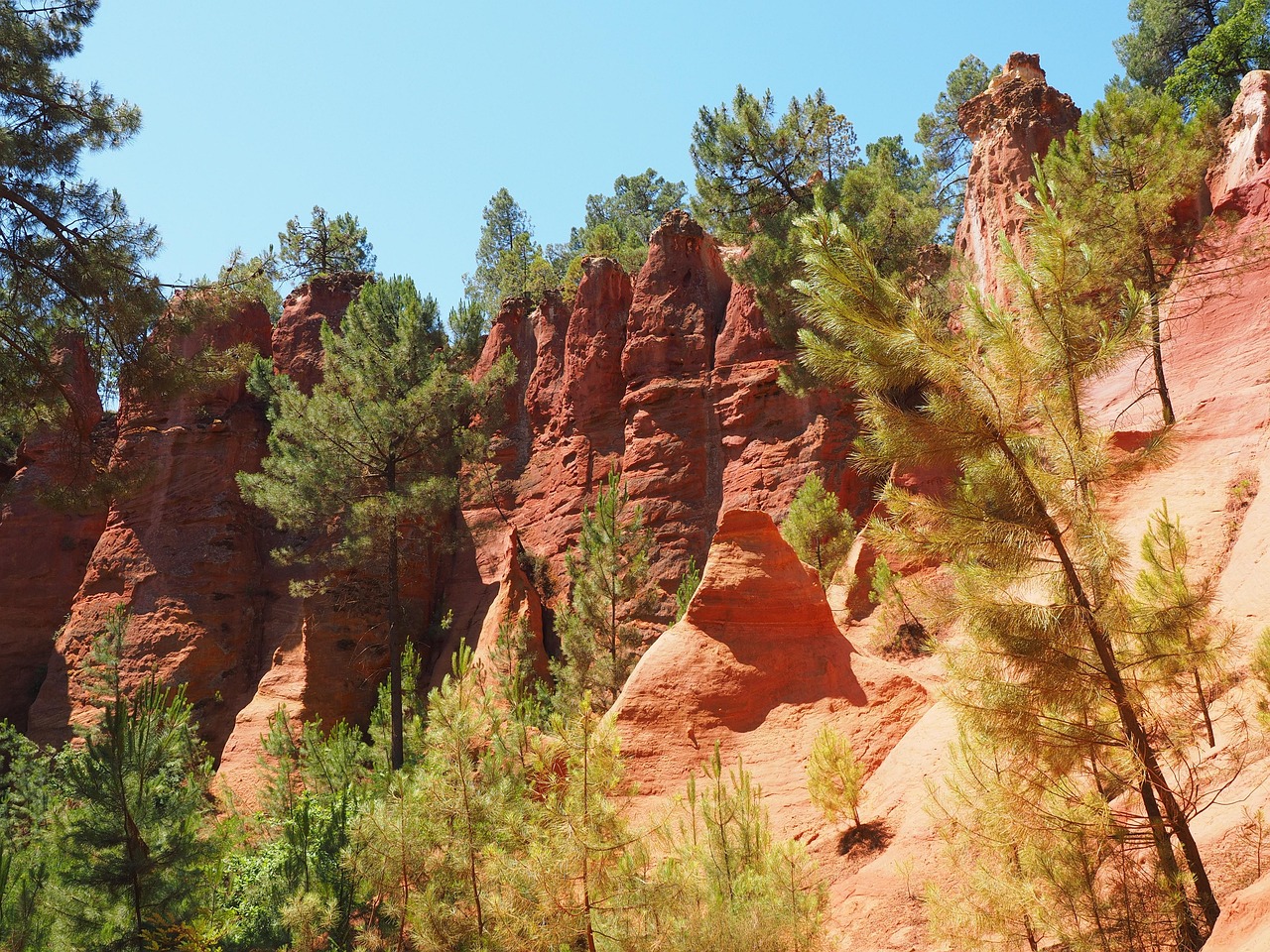
Roussillon’s ochre cliffs and red-orange houses are a vivid contrast to Ménerbes’s pale stone. Walk the Sentier des Ocres (Ochre Trail) for surreal landscapes.
3. L’Isle-sur-la-Sorgue
Known for its canals and antique markets, L’Isle-sur-la-Sorgue makes a great Sunday outing from Ménerbes. Browse stalls, eat by the water, and return to quiet Ménerbes in the evening.
4. Aix-en-Provence or Avignon
If you’re craving more urban energy, both Aix-en-Provence and Avignon are within 1–1.5 hours by car. Spend a day exploring city streets, museums, and larger markets, then retreat to Ménerbes’s calm.
Practical Travel Tips & Travel Advice for Ménerbes
How to Get To Ménerbes
- By air: Nearest major airports are Marseille-Provence (MRS) and Avignon (AVN, smaller). From there, rent a car or take train + car.
- By train: High-speed TGV to Avignon or Aix-en-Provence, then rental car or regional bus/taxi.
- By car: Car is the easiest way to reach and explore Ménerbes and the Luberon.
Getting Around Ménerbes & the Luberon
- On foot: Ménerbes itself is walkable; expect hills and cobblestones.
- By car: Best option for flexibility. Roads are narrow but well-maintained.
- Public transport: Limited. Some buses connect nearby towns, but schedules are sparse; not ideal for tight itineraries.
- Cycling: Great for active travelers; consider e-bikes to handle hills.
Car Rental & Driving
Foreign driver’s licenses from most countries are accepted in France for short stays; if yours isn’t in Roman script, bring an International Driving Permit. Drive on the right, follow speed limits, and be prepared for very narrow village streets—sometimes it’s easier to park outside and walk in.
SIM Cards & Connectivity
- eSIMs: Easy for many newer phones; buy online before arrival.
- Physical SIM: Pick up at airports, big supermarkets, or telecom shops in towns like Cavaillon or Avignon.
- Coverage: Generally good in and around Ménerbes, though some rural spots may have weaker data.
Money-Saving Tips
- Travel in shoulder seasons (April–May, late September–October) for better prices and fewer crowds.
- Use markets and self-catering for some meals.
- Book accommodation early for summer 2026–2027; small villages fill up quickly.
- Opt for free or low-cost activities: hikes, sunset viewpoints, village walks.
Visa Requirements
France is part of the Schengen Area. Citizens of many countries (including the EU, UK, US, Canada, Australia, and others) can enter visa-free for short stays (up to 90 days in any 180-day period) as of 2026, though an electronic travel authorization system may apply depending on your nationality. Always check current requirements with official sources before travel.
Best Seasons for Different Activities
- Spring (April–May): Wildflowers, mild temperatures, ideal for hiking and cycling; fewer crowds.
- Summer (June–August): Lavender fields (late June–mid July), long evenings, lively events, but hotter and busier.
- Autumn (September–October): Harvest time, golden vineyards, warm days, cool nights; my personal favorite.
- Winter (November–March): Quiet, atmospheric, truffle season, occasional crisp sunny days; some restaurants and accommodations close.
Summary & Final Recommendations
Ménerbes isn’t a place you rush through ticking boxes; it’s a village you sink into. Whether you follow a 3 day itinerary for Ménerbes, linger for 4 days in Ménerbes, or give yourself a full 5 days in Ménerbes, the real joy lies in repetition: walking the same alley at different times of day, returning to “your” café table, recognizing familiar faces in the square.
If you love stone villages, wine, good food, and the feeling of time stretching just a little, Ménerbes deserves a place near the top of your Provence wish list. Come in spring or autumn if you can, summer if you want lavender and festivals, winter if you’re after truffles and solitude. However you shape your travel guide for Ménerbes into reality, leave space for serendipity—because the best moments here are often the ones you never planned.