Why Visit Montpellier?
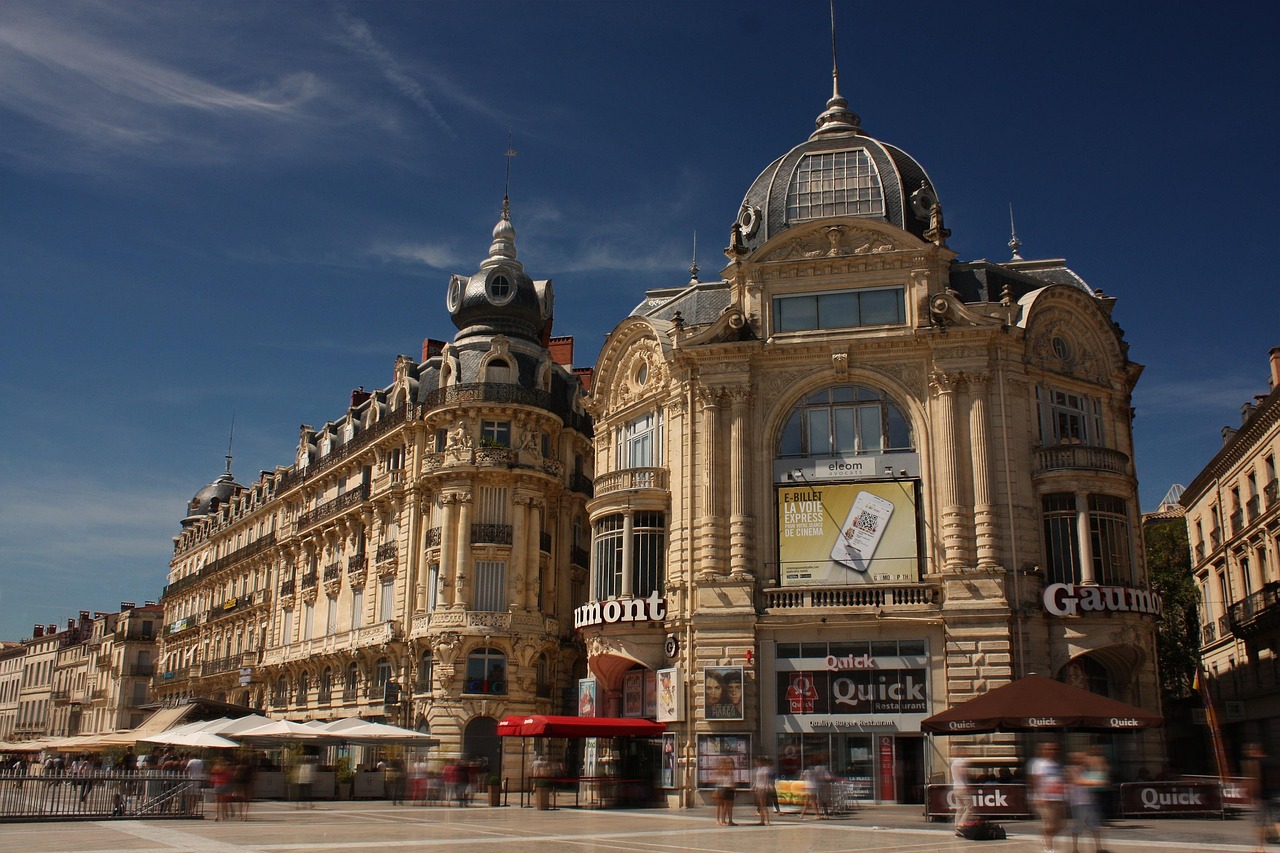
Montpellier is one of those cities that quietly steals your heart. Tucked in France’s sunny south, a short hop from the Mediterranean, it mixes medieval streets, golden stone architecture, a huge student population, and a relaxed, coastal lifestyle. I’ve lived near Montpellier for years and still find new corners, quirky bars, and markets to fall in love with.
It’s a city where you can start the day with un café en terrasse on a bustling square, spend the afternoon wandering through centuries-old alleys or modern tramlined avenues, and end with rosé in hand while the sun sets over terracotta rooftops. Unlike Paris or Nice, Montpellier feels more intimate, more local, and often a lot more affordable.
This travel guide for Montpellier (2026 edition) is built for travelers who want more than a checklist of sights. I’ll walk you through how I’d plan 3, 4, or 5 days in Montpellier, with personal suggestions for things to do, must-see attractions, local food, cultural experiences, and hidden gems that I’ve come back to again and again.
Table of Contents
- Why Visit Montpellier?
- Essential Overview of Montpellier
- Neighborhoods & Areas to Explore
- Top 20+ Must-See Attractions in Montpellier
- Suggested 3, 4 & 5 Day Itineraries
- Best Local Food & Drink
- Nightlife, Entertainment & Cultural Experiences
- Best Day Trips from Montpellier
- Major Events & Festivals 2026–2027
- Cultural Etiquette & Local Customs
- Practical Travel Tips & Money-Saving Advice
- Summary & Best Time to Visit Montpellier
Essential Overview of Montpellier
Montpellier is the capital of the Hérault department in the Occitanie region, about 10 km from the Mediterranean. It’s one of France’s fastest-growing cities, known for:
- Historic center (Écusson) with medieval lanes and hidden courtyards.
- Huge student population (one of Europe’s oldest medical schools), giving it a youthful, artsy feel.
- Bold contemporary architecture in Port Marianne and Antigone.
- Proximity to beaches like Palavas-les-Flots and Carnon.
It’s compact, walkable, and well-connected by tram, making it ideal for a 3 day itinerary for Montpellier or an extended 4–5 days in Montpellier if you want to add beaches and day trips.
Neighborhoods & Areas to Explore in Montpellier
1. L’Écusson (Historic Center)
This is the heart of old Montpellier: a tangle of narrow streets, small squares, and centuries-old buildings. When friends visit, I always bring them here first. You’ll find:
- Place de la Comédie – the city’s main square.
- Rue de l’Ancien Courrier – postcard-pretty street with boutiques.
- Dozens of cafés and wine bars spilling onto tiny plazas.
2. Antigone
A striking, postmodern district designed by Ricardo Bofill. Long colonnaded avenues, neoclassical facades, and wide open spaces make it a complete contrast to the medieval center. I love strolling here at sunset along the Lez river.
3. Port Marianne
Montpellier’s new face: sleek, glass-fronted buildings, modern parks, and waterside bars. This is where you see the city’s ambition, especially around the Hôtel de Ville and the Odysseum shopping/leisure area.
4. Beaux-Arts
A bohemian residential neighborhood just northeast of the center. Think small squares, local bakeries, and art studios. It feels like a village within the city, and it’s a favorite of locals who want a quieter life without leaving town.
5. Figuerolles
Colorful, slightly gritty, and full of character. Figuerolles has a strong North African influence, street art, and one of the best markets in Montpellier. It’s where I go for spices and fresh produce.
6. Nearby Beach Areas
Technically outside the city but part of the Montpellier lifestyle:
- Palavas-les-Flots – classic family-friendly resort.
- Carnon – quieter stretches of sand, good for long walks.
- La Grande-Motte – iconic 1960s pyramidal architecture on the sea.
Top 20+ Must-See Attractions & Experiences in Montpellier
Below are more than 20 of the best places to visit in Montpellier, with personal notes, history, and tips. These are the core of any 3, 4, or 5 day itinerary for Montpellier.
1. Place de la Comédie
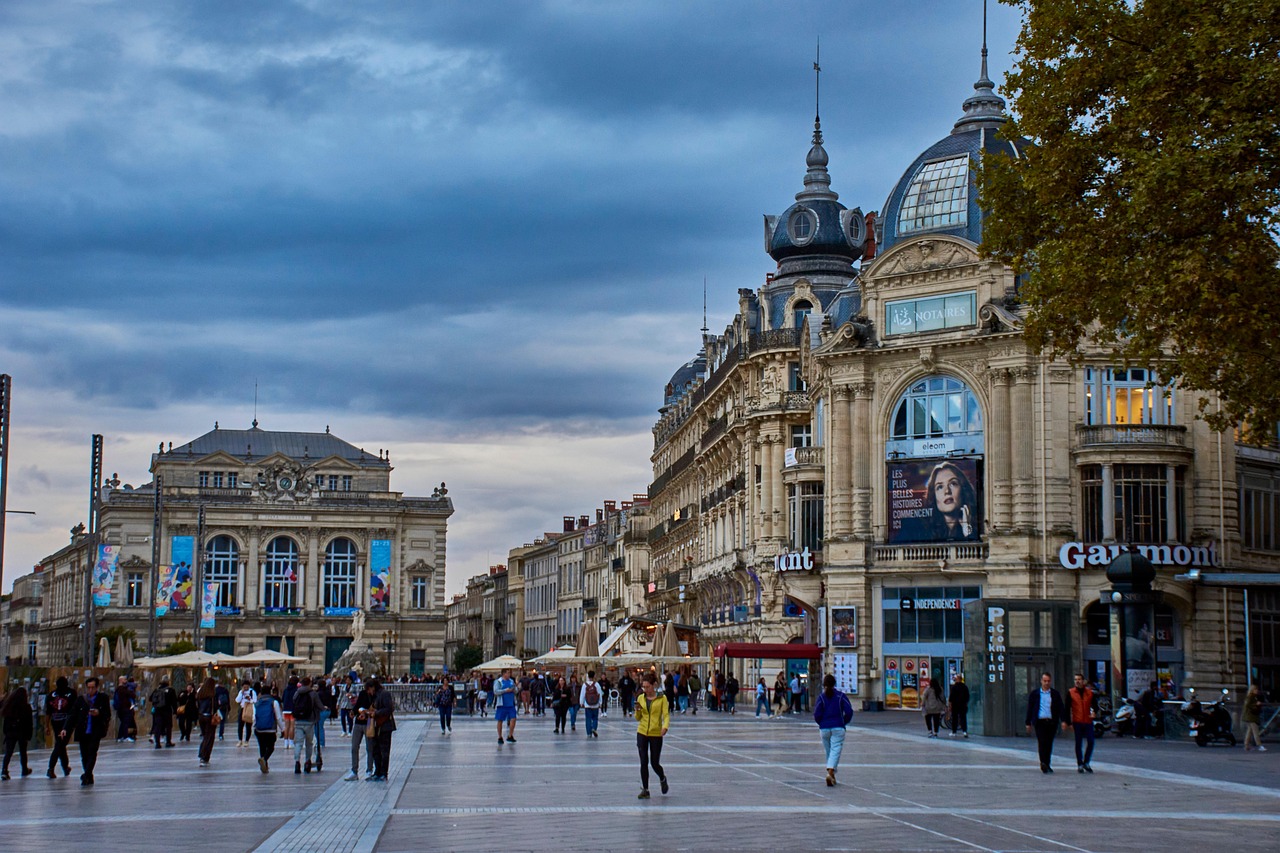
Place de la Comédie is Montpellier’s living room. The first time I arrived, it was a late May evening: street musicians were playing near the fountain, kids chasing each other around the Three Graces statue, and the illuminated Opéra Comédie forming a grand backdrop.
The square dates back to the 18th century and owes its name to the theater that dominates its western side. Today, trams glide past, café terraces line the edges, and it’s the perfect orientation point for your stay.
- Best time to visit: Late afternoon into evening for people-watching.
- What to do: Grab a drink on a terrace (yes, it’s touristy, but the view is worth the slightly higher price), snap photos of the Three Graces fountain, and follow the streets leading off into the historic center.
- Tip: For cheaper coffee with just as much charm, walk 2–3 minutes into side streets like Rue de la Loge or Rue de l’Aiguillerie.
2. L’Écusson (Historic Center Walking)
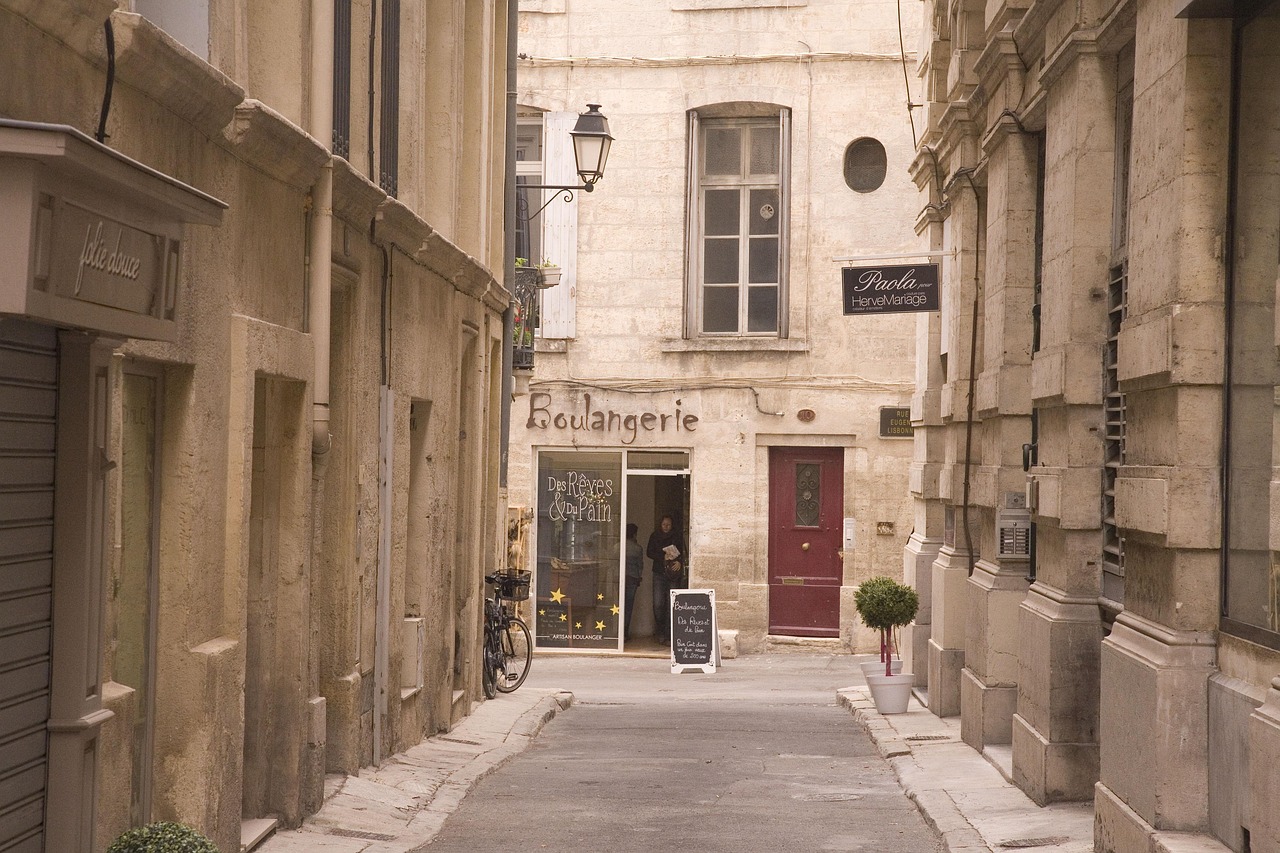
I’ve walked these streets in blazing August heat and in the quiet chill of January, and each time the old town reveals something new: a tiny courtyard, a carved stone face over a doorway, a hidden bar in a vaulted cellar.
Montpellier’s historic center grew from a medieval trading and university town. Unlike many French cities, it wasn’t heavily bombed in the world wars, so much of the urban fabric is intact. Wandering is the main activity here.
- Highlights: Rue de l’Ancien Courrier, Rue du Bras de Fer (with its painted steps), Place Saint-Ravy, and Place du Marché aux Fleurs.
- Family-friendly: Kids enjoy the winding lanes and small squares; just watch for uneven cobblestones.
- Romantic: Come after dark when the streets are softly lit and quieter.
3. Place Royale du Peyrou & Promenade du Peyrou
If I had to choose one spot that captures Montpellier’s grandeur, it would be the Place Royale du Peyrou From here, the views stretch over the city and out to the Cévennes mountains. On clear days, I bring a takeaway picnic and just sit along the stone balustrade, watching locals walk their dogs or play pétanque.
4. Cathédrale Saint-Pierre de Montpellier
The first time I turned the corner and saw Saint-Pierre’s massive porch, I literally stopped in my tracks. Two huge cylindrical towers flank a Gothic archway, giving the cathedral a fortress-like presence.
Originally built in the 14th century as the chapel of the Benedictine monastery of Saint-Benoît, it became a cathedral in the 16th century. Its dark, cool interior offers a welcome respite from summer heat.
- Good for: History lovers, architecture fans, quiet contemplation.
- Tip: Pair your visit with a stroll through the nearby university buildings; this is the oldest medical faculty in continuous operation in the world.
5. Musée Fabre
On a rainy winter day a few years ago, I ducked into the Musée Fabre “just for an hour” and emerged three hours later, completely absorbed. This is Montpellier’s major art museum, and it’s genuinely impressive.
Founded in 1825 by local painter François-Xavier Fabre, the museum houses an extensive collection from the Renaissance to contemporary works, including significant pieces by Courbet, Soulages, and many others.
- Highlights: 19th-century French painting collection, modern art galleries, and the sleek architectural renovation that blends old and new.
- Family-friendly: Check for kids’ workshops, especially during school holidays.
- Tip: The café in the courtyard is a tranquil spot for a coffee between galleries.
6. Jardin des Plantes
Created in 1593, the Jardin des Plantes is the oldest botanical garden in France. It still feels like a secret garden in the city. I often escape here with a book; the mix of exotic trees, bamboo groves, and old greenhouses feels far removed from the bustle of the Comédie.
- Good for: Calm walks, plant lovers, families (kids enjoy spotting turtles in the ponds).
- Tip: Entrance is usually free, but check opening hours as they can vary by season and day.
7. Antigone District
Antigone feels almost like a movie set: long symmetrical avenues, monumental neoclassical facades, and geometric plazas. Built from the late 1970s onward, it was designed to extend the city eastward in a bold, coherent style.
I like walking from Place de la Comédie down to the river Lez through Antigone in the early evening, when the light softens and the buildings glow.
- Photo spots: Place du Nombre d’Or and the Esplanade de l’Europe.
- Tip: Hop on tram line 1 (the blue one with swallows) if you don’t feel like walking back to the center.
8. Port Marianne & Hôtel de Ville
Port Marianne shows Montpellier’s futuristic side: glassy buildings, designer bridges, and landscaped parks along the Lez. The blue cube of the Hôtel de Ville (city hall), designed by Jean Nouvel and François Fontès, stands out dramatically against the sky.
On hot summer evenings, I’ve strolled here with an ice cream, watching people paddleboard on the river and kids racing scooters along the promenade.
- Good for: Architecture fans, sunset walks, jogging.
- Tip: Combine with dinner or drinks at riverside bars; it’s lively but less touristy than the historic center.
9. Arc de Triomphe & Rue Foch
Montpellier’s Arc de Triomphe crowns the top of Rue Foch, a Haussmann-style boulevard that feels like a mini-Paris. Built in the late 17th century in honor of Louis XIV, the arch marks the entrance to the old royal city.
I love approaching from the lower end of Rue Foch, watching the arch gradually loom larger with each block.
- Photo tip: Stand midway down Rue Foch to capture the perspective leading up to the arch.
- Nearby: Peyrou promenade just behind the arch, and elegant mansions with wrought-iron balconies along Rue Foch.
10. Les Arceaux Aqueduct & Market
From the Peyrou, the 18th-century Saint-Clément aqueduct stretches out in graceful arches toward the west. Beneath it lies one of my favorite local markets.
On Tuesday and Saturday mornings, the Arceaux market fills with stalls selling organic produce, local cheeses, olives, and street food. I come here when I want to feel plugged into “real” Montpellier life.
- Family-friendly: Great for kids to taste fruits, cheeses, and pastries.
- Money-saving tip: Buy picnic supplies here instead of eating out for lunch every day.
11. Odysseum & Planet Ocean World
Odysseum is a big open-air shopping and entertainment complex on the eastern edge of the city, easily reached by tram. It’s not “historic,” but it’s very handy, especially with kids or on a rainy day.
The main draw for many visitors is Planet Ocean World, a modern aquarium with immersive exhibits. I’ve watched wide-eyed children (and a few adults) press their noses against the glass here more than once.
- Good for: Families, bad-weather days, shopping, and cinema.
- Tip: Book Planet Ocean tickets ahead in high season to avoid queues.
12. Opéra Comédie & Cultural Performances
The Opéra Comédie is the jewel of Place de la Comédie. Built in the late 19th century, it’s an Italian-style theater with ornate interiors. I still remember the first time I stepped inside for a ballet: red velvet seats, gilded balconies, and a ceiling painted with mythological scenes.
- Experiences: Opera, ballet, classical concerts. Even if you’re not usually into this, catching a performance here is a special night out.
- Tip: Look for discounted last-minute tickets or standing room spots if you’re on a budget.
13. Palavas-les-Flots, Carnon & Nearby Beaches
Montpellier isn’t directly on the sea, but the beach is practically part of daily life here. In summer, trams and buses are full of people heading to the coast with towels and coolers in hand.
My go-to options:
- Palavas-les-Flots: Lively, with plenty of restaurants and a small harbor. Great for families.
- Carnon: Long sandy stretches; walk a little away from the main access and it gets quieter.
In late September, I love the slightly melancholic vibe when the crowds thin and the sea is still warm enough for a quick swim.
14. Beaux-Arts Neighborhood & Square
The Beaux-Arts district is where you go to feel like you actually live in Montpellier, not just visit it. The central square has a few cafés, a bakery, and small shops. Elderly locals sit and chat, kids ride scooters, and the pace is decidedly slower.
I like coming here in the morning for coffee and a croissant when I’ve had enough of the tourist energy downtown.
15. Figuerolles & Marché des Arceaux / Figuerolles Markets
Figuerolles has a strong North African and Mediterranean feel: colorful streets, halal butchers, spice shops, and lively markets. It’s rawer than the polished center but full of life and flavor.
On market days, the area is buzzing, and I often come here for ingredients I can’t find elsewhere, from harissa to preserved lemons.
16. Montpellier Zoo & Lunaret Park
On the city’s northern edge, the Parc Zoologique de Montpellier (often just called Lunaret) is a favorite with families and nature lovers. The best part? The main zoo area is free to enter (there is a fee for the Amazon greenhouse).
I’ve spent lazy Sunday afternoons wandering the wooded paths, spotting giraffes and zebras, and picnicking in the shade.
- Good for: Families, budget travelers, anyone needing a green escape.
17. Château de Flaugergues
A short tram/bus ride from the center, Château de Flaugergues is an 18th-century “folly” with lovely formal gardens and its own vineyard. It feels like stepping onto a film set.
I’ve joined wine tastings here in late afternoon, when the light hits the stone just right and the gardens are impossibly photogenic.
- Experiences: Guided tours of the house and gardens, wine tastings, occasional events.
- Tip: Book ahead for tastings in high season.
18. Street Art in Montpellier
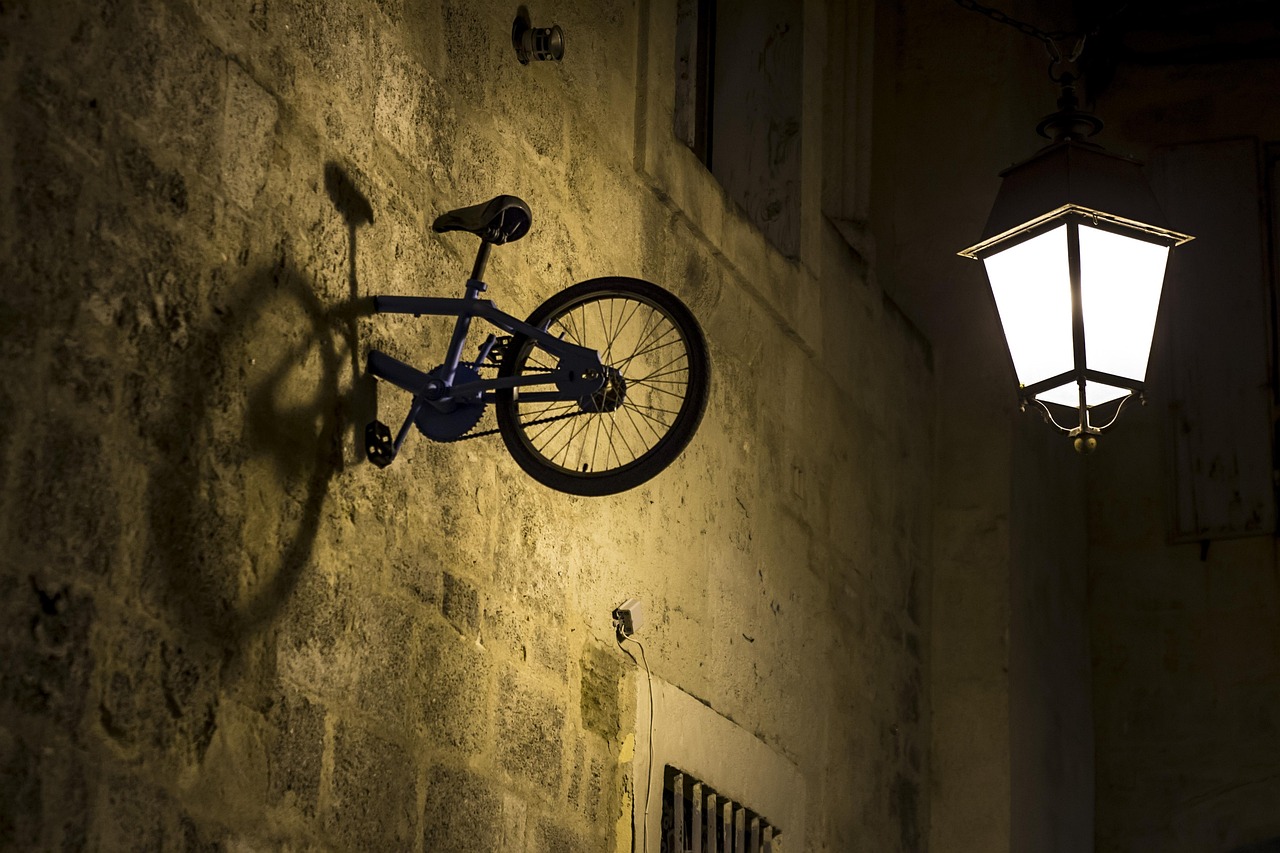
Thanks to its big student population, Montpellier has a vibrant street art scene. From large-scale murals along tram lines to smaller pieces in back alleys, there’s always something new appearing.
I often detour through the Gambetta and Figuerolles areas just to see what’s changed on the walls.
19. Local Markets: Les Halles Castellane & Others
The covered market Les Halles Castellane near the Comédie is my go-to for cheese, charcuterie, and fresh seafood. It’s less picturesque than a typical postcard market, but very real and very delicious.
Grab some olives, a wedge of local goat’s cheese, and a baguette and you’ve got yourself a classic budget-friendly French lunch.
20. Riding the Montpellier Tramways
Montpellier’s trams are attractions in themselves. Each line has a different design, from blue swallows to floral patterns, created by notable artists. I still get a small thrill seeing them glide through the city at night, lit up and colorful.
Using the tram is also one of the easiest ways to feel like a local and reach farther-flung parts of the city.
21. Wine Bars & Local Tastings
Montpellier is surrounded by Languedoc vineyards, and the city’s wine bars are perfect places to sample the region. I especially like small, independent spots where the staff are enthusiastic about helping you discover something new.
Look for wines from appellations like Pic Saint-Loup, Faugères, and Terrasses du Larzac — these are some of the best values in France right now.
Suggested 3, 4 & 5 Day Itineraries for Montpellier
Below are flexible itineraries based on how many days you have. They’re built around how I personally show friends around. Treat them as a framework you can customize.
3 Day Itinerary for Montpellier (3 Days in Montpellier)
If you only have 3 days in Montpellier, focus on the historic center, key landmarks, and one beach or day trip.
Day 1: Historic Heart & First Taste of Local Life
Start early at Place de la Comédie, coffee in hand, watching the city wake up. From there, wander into L’Écusson, taking in streets like Rue de la Loge and Rue de l’Ancien Courrier. Visit the Cathédrale Saint-Pierre, the Jardin des Plantes, and loop back via the Arc de Triomphe to the Promenade du Peyrou.
For lunch, pick a terrace in the old town: I often choose small bistros around Place Saint-Ravy or near Rue du Bras de Fer. Afternoon, dive into the Musée Fabre, then end your day with an apéritif on the Comédie or a nearby square.
Pro tip: Wear comfortable shoes. The cobblestones are charming but hard on feet.
Day 2: Modern City & Neighborhood Vibes
Take the tram or walk to Antigone, then continue along the Lez to Port Marianne. Enjoy the contrast with the historic core. If you like, continue out to Odysseum for shopping or the aquarium.
In the late afternoon, head back to the Beaux-Arts neighborhood for a quieter, local apéro. Dinner back in the center or in Beaux-Arts itself, where small restaurants cater more to locals than tourists.
Day 3: Beach Day or Wine & Countryside
On your last day, choose your adventure:
- Option A (Sea): Head to Palavas-les-Flots or Carnon for a full beach day. Swim, eat seafood, and stroll the promenade.
- Option B (Wine & Culture): Visit Château de Flaugergues for a tour and tasting, then spend the rest of the day exploring markets like Les Halles Castellane and hidden streets you missed on Day 1.
End with a special dinner — perhaps somewhere you noticed earlier in your trip that caught your eye.
4 Day Itinerary for Montpellier (4 Days in Montpellier)
With 4 days in Montpellier, you can slow the pace and add more local experiences.
Day 1–3: Follow the 3-Day Itinerary
Use the 3 day itinerary for Montpellier as your base for the first three days. On the fourth day, add:
Day 4: Markets, Figuerolles & Street Art
Start your morning at a local market: if it’s Tuesday or Saturday, go to Les Arceaux; other days, try Les Halles Castellane. Pick up snacks and soak in the atmosphere.
Then wander through Figuerolles to discover street art and multicultural food shops. Grab a couscous or tagine lunch here — some of the best I’ve had in Montpellier have been in no-frills spots in this area.
Afternoon, explore more of the historic center or relax at a café. In the evening, check what’s on at local music venues or the Opéra Comédie for a cultural night out.
5 Day Itinerary for Montpellier (5 Days in Montpellier)
With 5 days in Montpellier, you can really layer in day trips and feel fully settled.
Day 1–4: Base Itinerary
Follow the 3- and 4-day itineraries above. For your fifth day, choose a bigger excursion.
Day 5: Full-Day Excursion (Camargue, Nîmes, or Sète)
Choose one of these:
- Camargue: Wild wetlands, white horses, flamingos, and salt flats. Visit Aigues-Mortes (walled medieval town) and the surrounding marshes.
- Nîmes: Roman arena, Maison Carrée, and beautiful old streets. Perfect if you love history.
- Sète: Port town with canals and seafood. Great for a more relaxed, food-focused day.
Return to Montpellier for a final dinner and a last stroll through the illuminated streets of L’Écusson.
Local Food in Montpellier: What & Where to Eat
Food in Montpellier is a delicious blend of Provençal, Languedoc, and Mediterranean influences. Think olive oil, herbs, seafood, and lots of fresh produce. Eating well here doesn’t have to be expensive if you know where to go.
Must-Try Local Dishes & Products
- Brandade de morue: Creamy salt cod spread, often served with bread or potatoes.
- Tielles sétoises: Spicy octopus pies from nearby Sète, common in Montpellier markets.
- Tapenade: Olive spread, perfect with bread and a glass of local wine.
- Local cheeses: Goat cheeses from the Cévennes, sheep’s milk cheeses, and more.
- Wines: Rosé, reds, and whites from Pic Saint-Loup, Faugères, and other Languedoc appellations.
Where I Like to Eat (Representative Types of Places)
Rather than lock in specific venues that may change, here’s the kind of places and areas I consistently return to, year after year:
- Small bistros in L’Écusson: Look for short menus written on chalkboards — often a sign of fresh, seasonal food.
- Wine bars around the Comédie and Rue de l’Ancien Courrier: Great for tasting local wines with small plates.
- Market stalls at Les Halles Castellane and Les Arceaux: Perfect for grabbing picnic supplies or a quick, affordable lunch.
- Cafés in Beaux-Arts: Ideal for a quieter breakfast or mid-morning break among locals.
Money-Saving Food Tips
- Prix fixe lunch menus: Many restaurants offer a cheaper set menu at midday; this is the best time to eat your “fancy” meal.
- Picnics: Buy from markets or supermarkets and eat in parks like Peyrou or the Jardin des Plantes.
- House wine: In most bistros, the vin de maison or pichet is perfectly drinkable and much cheaper than bottles.
Nightlife, Entertainment & Cultural Experiences in Montpellier
With its huge student population, Montpellier has buzzing nightlife, but it’s not just for twenty-somethings. There’s something for everyone, from wine bars to live music to opera.
Evening & Nightlife Options
- Wine & cocktail bars: Scattered around L’Écusson, particularly near small squares and side streets off the Comédie.
- Student bars: Concentrated near the universities and some parts of the old town; lively and budget-friendly.
- Live music venues: Look for smaller venues hosting jazz, rock, or world music; posters around town are a good source of info.
- Opéra Comédie & Corum: For opera, ballet, and classical music in a more formal setting.
Cultural Experiences
- Festivals: Throughout the year, Montpellier hosts dance, music, and film festivals (more in the events section below).
- Street performances: Especially around the Comédie and Esplanade Charles-de-Gaulle in warmer months.
- Art exhibitions: Check galleries and cultural centers for rotating shows.
Romantic Ideas
- Sunset walk on the Promenade du Peyrou followed by dinner in the old town.
- Evening drink along the Lez river in Port Marianne.
- Night visit to the Comédie area when the buildings are lit and the city hums softly.
Family-Friendly Evenings
- Carousel rides and ice cream near Place de la Comédie.
- Early evening walks in Antigone or along the Lez.
- Cinema nights at Odysseum (check for VO screenings if you want movies in original language).
Best Day Trips from Montpellier
One reason I love Montpellier is how easy it is to escape for a day into completely different landscapes: Roman cities, marshy wetlands, mountain villages, and fishing ports.
Nîmes
Why go: Well-preserved Roman arena, temples, and charming streets.
- Travel: About 30–40 minutes by train from Montpellier Saint-Roch.
- Highlights: The Arena, Maison Carrée, Jardins de la Fontaine.
Sète
Why go: Canals, seafood, and hilltop views.
- Travel: Around 20–30 minutes by train.
- Tip: Try a tielle sétoise and climb Mont Saint-Clair for a panoramic view.
Camargue & Aigues-Mortes
Why go: Flamingos, salt marshes, white horses, and a perfectly preserved walled town.
- Travel: Easiest by car or organized tour; public transport is possible but slower.
- Highlight: Walk the ramparts of Aigues-Mortes and look out over pink-tinted salt pans in season.
Pic Saint-Loup & Hinterland Villages
Why go: Hiking, wine, and scenic countryside north of Montpellier.
- Travel: Best by car; some buses reach nearby villages but schedules can be limited.
- Tip: Combine a short hike with a vineyard visit.
Major Events & Festivals in Montpellier (2026–2027)
Montpellier’s cultural calendar is busy, especially from spring to autumn. Dates can shift slightly year to year, so always confirm closer to your trip, but here’s what to look for in 2026–2027:
- Printemps des Comédiens (late May–June): Major theater festival in the Domaine d’O; outdoor performances, international troupes.
- Festival de Radio France Occitanie Montpellier (July): Classical, jazz, and world music, often with many free concerts.
- Montpellier Danse (June–July): Contemporary dance festival, with performances in theaters and sometimes in public spaces.
- Cinema festivals: Various events throughout the year highlighting international and independent films.
- Christmas Markets (December): Holiday stalls, lights, and seasonal food around the Comédie and Esplanade Charles-de-Gaulle.
In 2026, expect continued investment in cultural programming as Montpellier leans into its role as a major hub in Occitanie, with new exhibitions, temporary installations, and pop-up events tied to regional tourism campaigns.
Cultural Etiquette & Local Customs in Montpellier
Montpellier is relaxed and open, but it’s still very French in many ways. A few basic customs go a long way.
Greetings & Politeness
- Always say “Bonjour” or “Bonsoir” when entering shops, cafés, or asking for help. Not doing so can be seen as rude.
- Use “S’il vous plaît” and “Merci” liberally. A little politeness makes interactions much smoother.
- Among friends, people greet with la bise (cheek kisses), usually two in this region.
Dining Etiquette
- Lunch is typically 12:00–14:00; dinner usually starts after 19:30 or 20:00.
- It’s normal to linger over meals; staff won’t rush you, but you usually need to ask for the bill (“L’addition, s’il vous plaît”).
- Tipping is not obligatory (service is included), but rounding up or leaving 5–10% for good service is appreciated.
Dress & Behavior
- Casual but neat clothing is common. Beachwear is for the beach; in town, cover up a bit more.
- Montpellier is used to tourists, but loud behavior late at night in residential streets is frowned upon.
Language
- French is the main language; English is widely understood among younger people and in tourism-related businesses.
- Starting an interaction with a simple French greeting before switching to English is usually appreciated.
Practical Travel Tips for Montpellier
Getting To Montpellier
- By air: Montpellier Méditerranée Airport (MPL) has connections to major European cities. A short shuttle or taxi ride gets you into town.
- By train: TGV and regional trains connect Montpellier Saint-Roch station with Paris, Lyon, Marseille, Toulouse, Barcelona, and more.
- By bus: Long-distance buses link Montpellier with other French and European cities at generally lower prices than trains.
Getting Around: Public Transport, Walking & Car Rental
- On foot: The historic center is compact and largely pedestrianized; walking is the best way to explore.
- Tram & bus: Four tram lines connect most parts of the city and some suburbs. Tickets are valid across trams and buses for a set time window.
- Tickets: Can be bought at machines at tram stops or via mobile apps; consider day passes if you’ll ride a lot.
- Car rental: Not necessary for the city itself and can be a hassle for parking, but useful if you want to explore more remote countryside or multiple day trips.
- Foreign driver’s license: Most non-EU licenses are accepted for short stays; check if you need an International Driving Permit depending on your country of origin.
SIM Cards & Connectivity
- Major French providers (Orange, SFR, Bouygues, Free) offer prepaid SIMs; you’ll find shops in and around the city center and malls.
- Bring your passport; it’s often required to register a SIM.
- Free Wi-Fi is common in hotels, some cafés, and public areas.
Money & Budget Tips
- Currency is the euro (€); cards are widely accepted, even for small amounts in many places.
- Markets and small vendors may prefer cash, so keep some on hand.
- To save money: use lunch menus, cook occasionally if you have a kitchen, and use public transport instead of taxis.
Visa Requirements (2026)
- France is part of the Schengen Area. Many nationalities can visit short-term (up to 90 days in 180) without a visa, but requirements vary.
- Always check the latest official French consular or EU websites before traveling; rules and digital entry systems (like ETIAS for some visitors) may evolve by 2026.
Safety
- Montpellier is generally safe, with typical big-city issues like pickpocketing in crowded areas (especially around the Comédie and trams).
- Use normal precautions: keep an eye on bags, avoid leaving valuables visible in cars, and be aware late at night in quieter areas.
Best Seasons to Visit & What They’re Good For
- Spring (March–May): Mild weather, blooming gardens, fewer crowds. Great for sightseeing, markets, and day trips.
- Summer (June–August): Hot and lively, with festivals and beach days. Expect more tourists and higher prices; afternoons can be very warm.
- Autumn (September–November): Often my favorite time: warm sea, pleasant temperatures, grape harvest in the countryside, fewer crowds.
- Winter (December–February): Quieter, cooler but rarely freezing. Good for museums, food, and a calmer city vibe; some coastal businesses may close or reduce hours.
Hidden Tips from Repeated Visits
- Early mornings: Explore the historic center before 9:00 to see it almost empty.
- Heat strategy: In summer, sightsee in the morning and late afternoon; use midday for long lunches, siestas, or museums.
- Local bakeries: Try to find your “favorite” bakery near where you’re staying and become a regular for a few days; it’s one of the most satisfying “local” habits to adopt.
- Tram views: Sit near the front or back of the tram for sweeping views as you ride through Antigone and along the Lez.
Summary & Final Recommendations
Montpellier isn’t a city of blockbuster single attractions; it’s a place where the overall experience — the wandering, the cafés, the markets, the mix of medieval alleys and modern tramlines — is the real highlight. Whether you plan a 3 day itinerary for Montpellier focused on the essentials, or stretch to a 4 or 5 day itinerary to add beaches and day trips, you’ll find plenty to keep you engaged.
If you’re deciding when to visit, my personal ranking is:
- Best overall: Late April–June and September–early October — ideal balance of weather, crowds, and events.
- For beaches & festivals: July–August — vibrant and hot, with a strong holiday atmosphere.
- For quiet city breaks: Late autumn and winter — slower pace, good for culture and food, and often lower prices.
Come with comfortable shoes, an open schedule, and a willingness to linger on terraces, and Montpellier will reward you with a kind of everyday magic that’s hard to capture in photos — but easy to remember long after you’ve left.