Why Visit Notre-Dame de Sénanque?
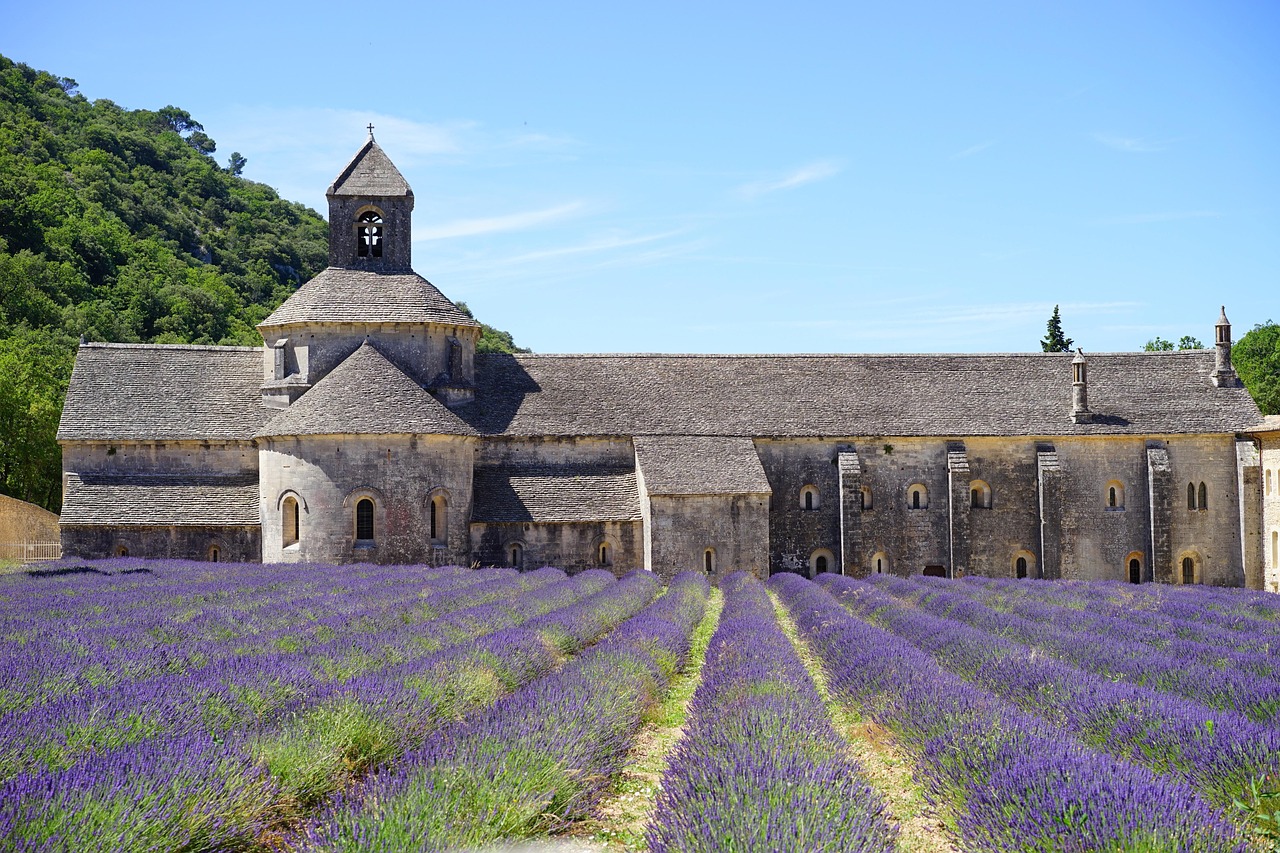
Notre-Dame de Sénanque is one of those rare places that lives up to the postcard. You’ve probably seen the wide-angle shot: rows of purple lavender leading your eye straight to a pale stone abbey huddled in a quiet valley. The first time I saw it in person, on a cool June morning, the only sounds were bees in the lavender and the distant, steady hum of Gregorian chant from behind the cloister walls. It felt less like sightseeing and more like stumbling into someone else’s prayer.
Built in the 12th century and still home to a small community of Cistercian monks, Sénanque is not a museum. It’s a living monastery, a place where the daily rhythm still follows the centuries-old cycle of prayer and work. That’s what makes visiting so powerful. You’re not just ticking off one of the must-see attractions in Notre-Dame de Senanque; you’re stepping briefly into another way of life.
For travelers planning a 1 day itinerary for Notre-Dame de Senanque or stretching to a slow, contemplative 3 days in Notre-Dame de Senanque and its surroundings, this valley offers something that’s increasingly rare in European travel: silence, slowness, and a landscape that hasn’t been over-curated. In 2026, with Provence busier than ever, Sénanque remains a refuge—if you know when and how to visit.
Table of Contents
- 1. Overview & Sense of Place
- 2. History & Architecture of Notre-Dame de Sénanque
- 3. Walking Through the Abbey: What You Actually See
- 4. Eight Essential Spaces & Viewpoints In and Around Sénanque
- 5. 1–3 Day Itineraries Around Notre-Dame de Sénanque
- 6. Eating, Picnicking & Where to Stay Nearby
- 7. Sénanque by Dawn, Golden Hour & After Dark
- 8. Day Trips & Nearby Attractions
- 9. Cultural Etiquette & Local Customs
- 10. Practical Logistics & Tickets (2026–2027)
- 11. General Travel Advice: Seasons, SIMs, Transport & Visas
- 12. Summary & Final Recommendations
1. Overview & Sense of Place
Notre-Dame de Sénanque sits in a narrow valley just below Gordes, in the Luberon region of Provence. You don’t stumble upon it; you descend towards it. The modern world peels away as you drive or walk down from Gordes. Mobile signals weaken, the cicadas grow louder in summer, and the air cools. I’ve done this descent in a blaze of July heat and again in November rain. Both times, the valley felt like it closed behind me, gently insisting that I slow down.
Unlike some better-known Provençal abbeys, Sénanque still feels coherent: stone, lavender, cedar, rock. No cafés abut the walls, no souvenir stands line the approach. This is crucial context if you’re planning a travel guide for Notre-Dame de Senanque into your broader Provence itinerary: you don’t come here to be entertained. You come to be quiet.
For families, I’ve found Sénanque surprisingly successful with children over about seven, especially if you frame it as a “monk’s secret valley” and pair it with a lavender ice cream reward in Gordes afterward. For couples, it’s deeply romantic in a low-key, soul-level way—especially at dawn or in the blue hour after sunset. For solo travelers, it’s one of those rare places where being alone doesn’t feel lonely.
2. History & Architecture of Notre-Dame de Sénanque
Founded in 1148, Notre-Dame de Sénanque is one of the three great “sister” Cistercian abbeys of Provence, along with Silvacane and Le Thoronet. The Cistercians built in a style that still feels modern: plain, clean lines, very little decoration, and an obsession with light. When you step into the church at Sénanque, what strikes you is not what’s there, but what’s been left out.
The abbey has seen prosperity and hardship: wars of religion, the French Revolution, abandonment, and eventual revival in the 19th and 20th centuries. In 1969, the current community of monks returned and slowly reestablished monastic life. That ongoing life shapes the visitor experience today: parts of the abbey are closed to the public, visiting hours are structured around prayer times, and silence is requested—not as a museum rule, but as respect for a home.
Architecturally, look for the Cistercian signature: no bell tower, just a modest bell-cot; a church whose choir points east; narrow windows that gather light like water. The stone is local and pale, and in late afternoon it blushes slightly pink. On one of my recent winter visits, the low sun turned the cloister into a study in grayscale—stone, shadow, and sky through each arch.
3. Walking Through the Abbey: What You Actually See
When you visit Notre-Dame de Sénanque, you don’t wander freely in and out of every room. The visit follows a defined path, either guided (highly recommended for first-timers) or self-guided with an audio guide, depending on the season and language.
The Main Approach
The approach is part of the experience. From Gordes, a narrow road winds down into the valley. There’s a small upper car park that I only use in shoulder season; in peak lavender season (late June to mid-July), I come before 8:00 a.m. or late in the day to avoid long queues and road restrictions. From the car park, a short path leads to the first “iconic” viewpoint.
This is where most visitors stop for photos: the classic view of lavender rows leading to the abbey façade. In June and July, it’s crowded late morning and mid-afternoon. For photographers, golden hour (around 7:30–9:00 p.m. in high summer) is magical, and dawn is even more peaceful if you’re staying nearby and can walk or drive down early.
Ticketing & Entry
The ticket office, gift shop, and small information area sit just before the main enclosure. In 2026, timed-entry tickets are standard in high season. I book online at least a week ahead for June–August, especially for French-language guided tours (the most frequent). English tours are fewer; if you don’t get a spot, the multilingual audio guide is a solid alternative.
Once your time slot is called, you pass through a modern access point into the historic enclosure. From here, the visit generally follows this route:
- Abbey church
- Cloister
- Chapter house
- Dormitory (or at least a portion viewable to visitors)
- Warming room / work spaces
- Exterior viewpoints across the fields
Allow 60–90 minutes for an unhurried visit. With children, I’ve found that 45 minutes of focused attention is realistic; plan a quiet break afterward rather than trying to see everything twice.
4. Eight Essential Spaces & Viewpoints In and Around Sénanque
Over several visits—spring, high summer, and a particularly moody November—I’ve come to think of Sénanque as a constellation of small experiences rather than one big “sight.” These are the eight spaces I return to, each with its own mood and story.
4.1 The Iconic Lavender Fields (and How to Experience Them Well)
This is the image that draws most visitors: bands of lavender leading toward the abbey like purple rivers. The fields belong to the monks and are carefully cultivated; they are not a free-for-all photo studio. In the last few years, with the surge in social media-driven tourism, the community has had to put up ropes and clear signs asking visitors not to enter the rows.
The best way to experience the fields is from the designated paths along the edge. The fragrance is surprisingly subtle until late June; if you’re planning a 1 day itinerary for Notre-Dame de Senanque specifically for lavender, aim between about June 20 and July 15, though this shifts slightly year to year. By late July, the fields are often being harvested, and the valley smells of cut lavender and warm straw.
On a July evening last year, I arrived around 7:45 p.m., when most tour buses had gone. A few photographers were set up with tripods; a family sat quietly on the stone wall, sharing cherries from the market in L’Isle-sur-la-Sorgue. The light softened, the stone of the abbey turned honey-gold, and the lavender hummed with bees. It was the opposite of the frantic selfie scenes you see online.
Tips:
- Don’t walk into the rows. It damages the plants and the irrigation lines, and the monks have been very clear about this.
- Consider coming outside peak bloom. In early June or late July, you’ll have more space and still enjoy the tranquil valley.
- For family photos, dress in muted neutrals rather than bright colors; it lets the lavender and stone do the work.
4.2 The Abbey Church: Stone, Light & Silence
The church is the heart of Notre-Dame de Sénanque. It’s also the space where the contrast between our world and theirs is most visible. No paintings, no gilded altars, no side chapels stacked with ex-votos—just pale stone, narrow windows, and a play of light that changes hour by hour.
The first time I slipped in for Vigils, around 4:30 a.m. on a winter retreat, I nearly walked past the entrance in the dark. Inside, only a few candles burned. As the monks began to chant, the sound rose straight up into the barrel vault and lingered there like mist. It’s one of the most moving cultural experiences in Notre-Dame de Senanque you can have, though it’s reserved for those staying in the guesthouse or making a special arrangement.
For day visitors, you’ll usually enter the church as part of your guided route. Look for:
- The slightly off-center windows, designed not for symmetry but for optimal light on the altar at specific times.
- The absence of a transept rose window, unlike many Gothic churches; here, light is functional, not decorative.
- The worn threshold stones where generations of monks have passed.
Even if you’re not religious, give yourself a full minute to just sit. No photos, no whispering, no rustling maps. You’ll understand why the Cistercians built here.
4.3 The Cloister: A Monastic Courtyard of Shadows
The cloister is the abbey’s photographically irresistible center. Four covered walkways encircle a simple courtyard, each arch framing a slice of sky. It’s here that the balance of discipline and beauty in Cistercian life becomes visible: nothing is superfluous, yet everything is harmonious.
On a hot August afternoon a few years ago, I found refuge here when the rest of Provence felt like an oven. The stone stayed cool, and the light filtering through the arches created stripes of shadow on the floor. A little boy—clearly bored with his parents’ audio guide—discovered that if he hopped from light patch to light patch, he could cross the entire cloister without touching “shadow.” His laughter echoed softly, but even that seemed to fit.
Architecturally, notice:
- The paired columns with simple capitals—no elaborate carvings, just quiet variations.
- The way each side of the cloister catches light differently, depending on time of day.
- The central well or planting area, sometimes plain, sometimes with modest greenery depending on maintenance cycles.
If you’re on a 2 day itinerary for Notre-Dame de Senanque and its surroundings, I suggest seeing the cloister twice: once in full daylight and once in the softer light of early morning or late afternoon. It feels like two different places.
4.4 Chapter House: Where Decisions Were Made
The chapter house is where the community gathered daily to listen to a chapter of the Rule of Saint Benedict, confess faults, and make decisions. It’s a room of accountability and governance, but also of shared listening.
On one guided visit, our guide—a soft-spoken woman from nearby L’Isle-sur-la-Sorgue—asked us to sit along the stone benches as the monks would have. Then she read a short excerpt (in French) from the Rule about hospitality and the treatment of guests. The room shifted from “old stone space” to something more alive: you could picture the community gathering here on cold mornings, wrapped in their habits, hashing out the small logistics of monastic life.
Look for the acoustics: even quiet speech carries well, a practical design when you have to be heard without amplification. And notice the doorway or openings to the cloister—a constant reminder that enclosure and encounter go hand in hand here.
4.5 The Dormitory: A Simple Sea of Light
Not all of the dormitory is accessible, but in recent years visitors have been able to see at least part of the long, barrel-vaulted sleeping hall. Rows of small, evenly spaced windows allow for minimal, functional light—enough to rise before dawn, not enough to encourage lingering with a book.
Standing here on a grey March day, I was struck by how modern the space felt: almost like a minimalist co-living experiment. No partitions, no private corners, just a long shared life. Even if your own travels run more toward boutique hotels and private villas, it’s worth letting this vision of communal simplicity challenge your assumptions about “comfort.”
For children and teens, this is often the most relatable space (“They all slept here together?!”). For couples on a romantic trip, it can spark interesting conversations about solitude and togetherness.
4.6 Warming Room & Workspaces: Where Life Happened
Medieval Cistercian abbeys were famously austere: most spaces were unheated. The warming room (salle chauffée) was often the only heated room, where monks could work on manuscripts or other tasks during the cold months.
In Sénanque, this room feels more domestic than sacred. You can imagine the quiet scratch of pens, the murmur of low conversation, the relief of warm stones under cold hands. On a particularly biting January visit, I found this room psychologically warming even in its current, unheated state—it anchored the abbey in the realm of physical human needs.
Nearby or connected workspaces speak to the “labor” side of “ora et labora” (pray and work). This is a good moment to remind kids that the monks are also farmers, beekeepers, distillers of lavender, and managers of a complex historic site.
4.7 Hillside Viewpoint: The Best Wide Shot of the Abbey
While most visitors stick to the classic front-on lavender view, my own favorite perspective is from slightly above, on the hillside trails that lace the valley sides. From here, you see the abbey snug in its bowl of green, lavender fields like patches of purple cloth, and the pale road snaking in.
On a late September afternoon, I hiked up with a thermos of coffee and sat on a rough stone, watching the light drain from the valley. Down below, tiny figures moved between the fields and the parking lot. Up here, the abbey felt at once very small and very rooted—like a stone seed in a vast landscape.
Getting there:
- From the abbey parking, small footpaths lead up the hillsides. Some are steep and rocky; wear proper shoes.
- In summer, go early or late to avoid intense heat; bring water and a hat.
- Stick to marked paths; this is still a working landscape.
For photographers, this is where you get the establishing shot that captures the abbey in its full natural context.
4.8 Lavender & Honey: The Abbey’s Products & Shop
The small shop at Sénanque can feel jarring after the cloister’s silence, but it’s also the most direct way to support the community. The monks cultivate lavender and produce essential oils, soaps, and related products, as well as honey and a few carefully chosen books and religious items.
Over the years, I’ve developed a soft spot for their plain lavender soap and small bottles of essential oil, which I keep at home as a sensory shortcut back to that valley. Prices are fair rather than bargain-basement; remember this is not a factory outlet but a monastic livelihood.
Tips:
- Buy heavy items (like multiple soap bars) at the end of your visit; you’ll be thankful not to carry them through the abbey.
- If you’re budgeting, skip generic souvenirs and spend on consumables (soap, oil, honey) that truly reflect this place.
- In high summer, the shop can be crowded; morning and late afternoon are calmer.
5. 1–3 Day Itineraries Around Notre-Dame de Sénanque
Whether you have 1 day in Notre-Dame de Senanque or you’re planning a slow 3 day itinerary for Notre-Dame de Senanque and the surrounding villages, the key is pacing. This isn’t a place that rewards rushing. Below are sample itineraries anchored in visits I’ve made in 2023–2025, updated for 2026 realities (crowds, ticketing, and seasonal changes).
5.1 One Day in Notre-Dame de Sénanque: Essential Highlights
If you only have one day, this 1 day itinerary for Notre-Dame de Senanque focuses on the essentials: the abbey itself, the lavender fields (in season), and nearby Gordes.
Morning: Early Light & First Visit
On my last “one-day” style visit, I arrived at the car park just before 8:00 a.m. in early July. The air was still cool, the light soft, and the first buses hadn’t arrived. I’d pre-booked a 9:00 a.m. timed-entry ticket online—a must in 2026 from June through August.
- 8:00–8:45 a.m. – Iconic View & Valley Walk
Walk down to the main viewpoint, take your photographs while the light is gentle, and then stroll a little along the road to feel the valley waking up. This is prime “wow” time for first impressions. - 8:45–10:15 a.m. – Guided Visit
Check in at the ticket office, join your guided tour or pick up the audio guide, and move through the church, cloister, chapter house, and dormitory. I recommend guided over self-guided for first-timers; you’ll get context that makes the spaces come alive.
By the time you exit, the light will be harsher and the car park fuller. This is your cue to shift focus from the abbey itself to the surrounding region.
Midday: Lunch in Gordes
Drive or (if you’re fit and used to hills) hike back up to Gordes, about 10 minutes by car. Gordes can be touristy, but if you step off the main square, you still find corners that feel lived-in.
For lunch, I avoid the most obvious panoramic terraces at peak times and aim for slightly back-street options. In recent summers, I’ve liked:
- La Trinquette (Gordes): Tucked on a slope with a lovely terrace. Reserve ahead for lunch in July–August. Their salads and simple grilled fish are ideal in the heat.
- Casual bakery-picnic: Pick up a baguette, local goat cheese (picodon or banon), tomatoes, and fruit, and find a shady spot on the lower lanes of Gordes with a view.
Afternoon: Gordes & Optional Hilltop Trails
Spend the afternoon exploring Gordes’ steep stone lanes, art galleries, and viewpoints. The village is one of the best places to visit in Notre-Dame de Senanque’s orbit, particularly for couples and photographers.
If you’re feeling energetic, walk a short section of the trails that run along the plateau edge with views back toward the Sénanque valley (bring water; it’s exposed).
Late Afternoon / Evening: Return to Sénanque for Golden Hour
One of my favorite ways to end a one-day visit is to swing back down toward Sénanque after 6:30 p.m., when the tour buses are gone and the light turns warm.
- Park above, walk to the viewpoint, and simply sit. No need to re-enter the abbey (your ticket is single-entry), but this is a second chance to absorb the landscape.
- Photographers: this is your best time for that wide establishing shot with long shadows and golden stone.
Then drive on toward your accommodation—perhaps in L’Isle-sur-la-Sorgue or Roussillon—feeling that you’ve seen not just a sight, but a place.
5.2 Two Days in Notre-Dame de Sénanque: Deepening the Experience
With 2 days in Notre-Dame de Senanque’s region, you can slow down, catch different light, and add a nearby village or two without rushing.
Day 1: As Above, with a Longer Hike
Follow the one-day itinerary for your first day, but add a late-afternoon or early-morning walk on the trails that snake above the abbey. On one May visit, I did a 2.5-hour circuit that started from Gordes, dipped toward the valley, and then looped back along old stone paths once used by shepherds.
It’s not a marked “tourist hike” so much as a patchwork of local trails; if you’re not comfortable with basic navigation, ask at the Gordes tourist office for current maps and trail conditions.
Day 2: Sénanque in a Different Mood & Nearby Village Life
On your second day, come back to Sénanque at a different time—early morning in winter, or perhaps a grey day in spring. Without the lavender’s distraction, the abbey’s stone and structure stand out. I find off-season visits particularly powerful: you sense the place as the monks experience it most of the year.
Pair this with an afternoon in a less flashy village than Gordes. I like:
- Venasque: A small, hilltop village with fewer visitors and a contemplative feel that echoes Sénanque’s mood.
- Saint-Saturnin-lès-Apt: Slightly further but with good walking paths and views.
In the evening, return to your base and linger over a long Provençal dinner—local lamb, ratatouille, a glass of Côtes du Luberon—letting the silence of the abbey accompany you.
5.3 Three Days in Notre-Dame de Sénanque: A Slow, Immersive Stay
A 3 day itinerary for Notre-Dame de Senanque allows you to weave the abbey into a fuller picture of the Luberon: markets, hill towns, and maybe even a brief spiritual retreat.
Day 1: Classic Abbey Visit & Gordes
Use the one-day plan as your Day 1, adjusting for your arrival time. Sleep in a nearby village—Gordes if you want drama and views, or a quieter base like Joucas or Murs if you prefer calm.
Day 2: Markets, Lavender Routes & Evening at Sénanque
On my last three-day visit, Day 2 began in the market at L’Isle-sur-la-Sorgue (Sunday or Thursday), where antiques and produce share space along the canals. After a late-morning coffee, I drove the back roads through lavender country, stopping at small distilleries and viewpoints before looping back toward Sénanque for a late-afternoon walk.
You can do something similar:
- Morning: Nearby market (Gordes has a smaller one, but L’Isle-sur-la-Sorgue is the star for variety).
- Afternoon: Lavender routes toward Sault or Valensole (longer drive), depending on season.
- Evening: Quiet return to Sénanque valley for views and perhaps an evening prayer service if staying in the guesthouse (arranged in advance).
Day 3: Spiritual or Creative Retreat Day
With a third day, you have the luxury of not “doing” much at all. I’ve spent such days writing in a small café in Gordes with the abbey’s outline in the distance, or reading in the shade of an olive tree at a nearby guesthouse, punctuating the day with a short visit down into the valley.
If you’re interested in the monastic aspect, investigate short retreats at the abbey’s guesthouse. Spaces are limited, and in 2026 you need to inquire months in advance. Stays are simple, structured around the monastic timetable, and not designed as “spa breaks.” But they offer a different way to experience the abbey: from the inside, with time to breathe.
By the end of 3 days in Notre-Dame de Senanque’s orbit, most travelers find that the place has shifted from “site” to “reference point”—a quiet touchstone in their memory of Provence.
6. Eating, Picnicking & Where to Stay Near Notre-Dame de Sénanque
Eating Around Sénanque
There is no restaurant at the abbey itself, and that’s a good thing. It keeps the valley from turning into a theme park. You’ll want to plan your meals in the nearby villages.
Closest Worthwhile Restaurants (Avoiding Tourist Traps)
- La Trinquette (Gordes) – Slightly tucked away, with a great terrace and honest Provençal cooking. I’ve had everything from a simple omelette with herbs de Provence to grilled sea bream here; nothing fussy, everything fresh.
- Le Carillon (Gordes) – A notch more refined without being stiff. Good for a romantic dinner after a golden-hour visit to the abbey.
- Café de la Poste (Gordes) – For coffee, croissants, or a quick glass of rosé with a view of the village life.
- L’Atelier Gourmand (L’Isle-sur-la-Sorgue) – If you’re basing yourself there, this is a friendly option with seasonal menus.
What to bring with you to the site:
- Water (especially June–September).
- A small snack if traveling with children (eat it outside the enclosure to keep the abbey clean).
- A light scarf or shawl (useful both for sun and for modesty in church).
Where to Stay Near Notre-Dame de Sénanque
Because Sénanque is small and quiet, your choice of base shapes your experience.
- Gordes: Dramatic hilltop village, many hotels and rentals, incredible views, busier and pricier. Great if you want to be close and don’t mind company.
- Joucas or Murs: Smaller, quieter villages a short drive away. My own favorite for a balanced stay; you’re near Sénanque without the Gordes price premium.
- L’Isle-sur-la-Sorgue: Excellent if you love markets and antiques; about 30–40 minutes’ drive away. More practical services (supermarkets, pharmacies).
Ask specifically about parking and driving access if you’re staying in old village centers—some lanes are closed to non-residents in high season.
7. Sénanque by Dawn, Golden Hour & After Dark
Notre-Dame de Sénanque changes character with the light. If you can, see it at more than one time of day.
Dawn
Dawn is for those staying nearby or in the abbey guesthouse. In winter, mist sometimes pools in the valley. In summer, the air is freshest and the lavender still cool to the touch. The abbey itself may not be open yet, but the approach road and viewpoints often are. This is when I most strongly feel the monastic rhythm—the sense that life here has been starting in darkness for centuries.
Golden Hour (Evening)
Evening is the sweet spot for most visitors. After about 6:30–7:00 p.m. in summer, the crowds thin. Stone and lavender both glow. On one late-June evening, a small group of painters set up easels along the road, capturing the shifting colors while swallows traced loops overhead.
Blue Hour & After Dark
Notre-Dame de Sénanque is not heavily illuminated at night like some urban monuments, and that’s part of its charm. There are no flashy sound-and-light shows scheduled for 2026–2027 here; the community prefers discretion. But if you’re on a retreat or staying very close by, walking the approach road after sunset can be quietly magical: the abbey a pale outline against the sky, crickets in full song.
8. Day Trips & Nearby Attractions
Notre-Dame de Sénanque is a perfect anchor for exploring the central Luberon. These nearby spots round out your experience.
Gordes
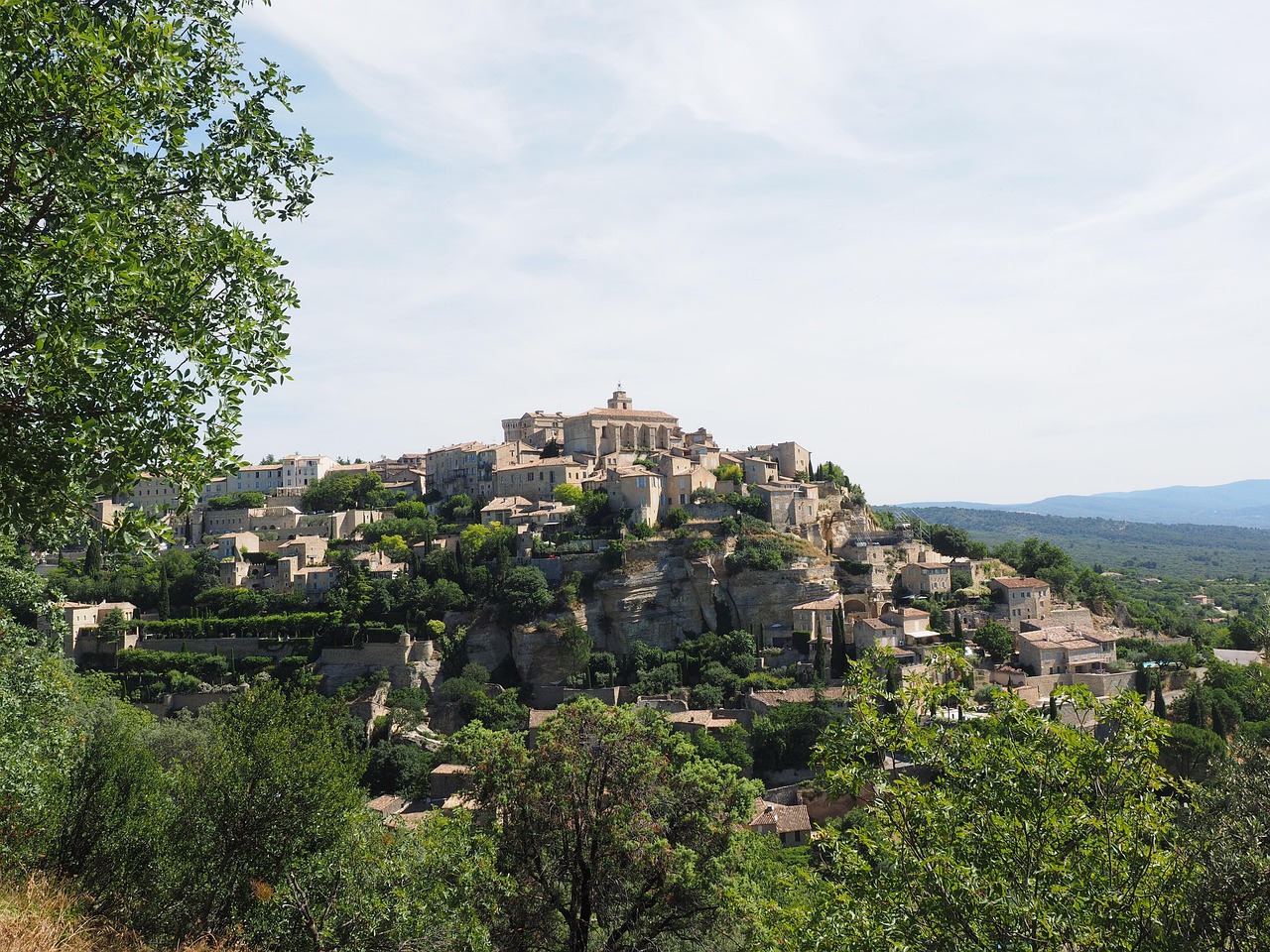
The obvious pairing. Wander the steep streets, visit the small castle, and catch the classic panoramic view of the village from the D2 road pullout as you approach from the west.
Roussillon & the Ochre Trail
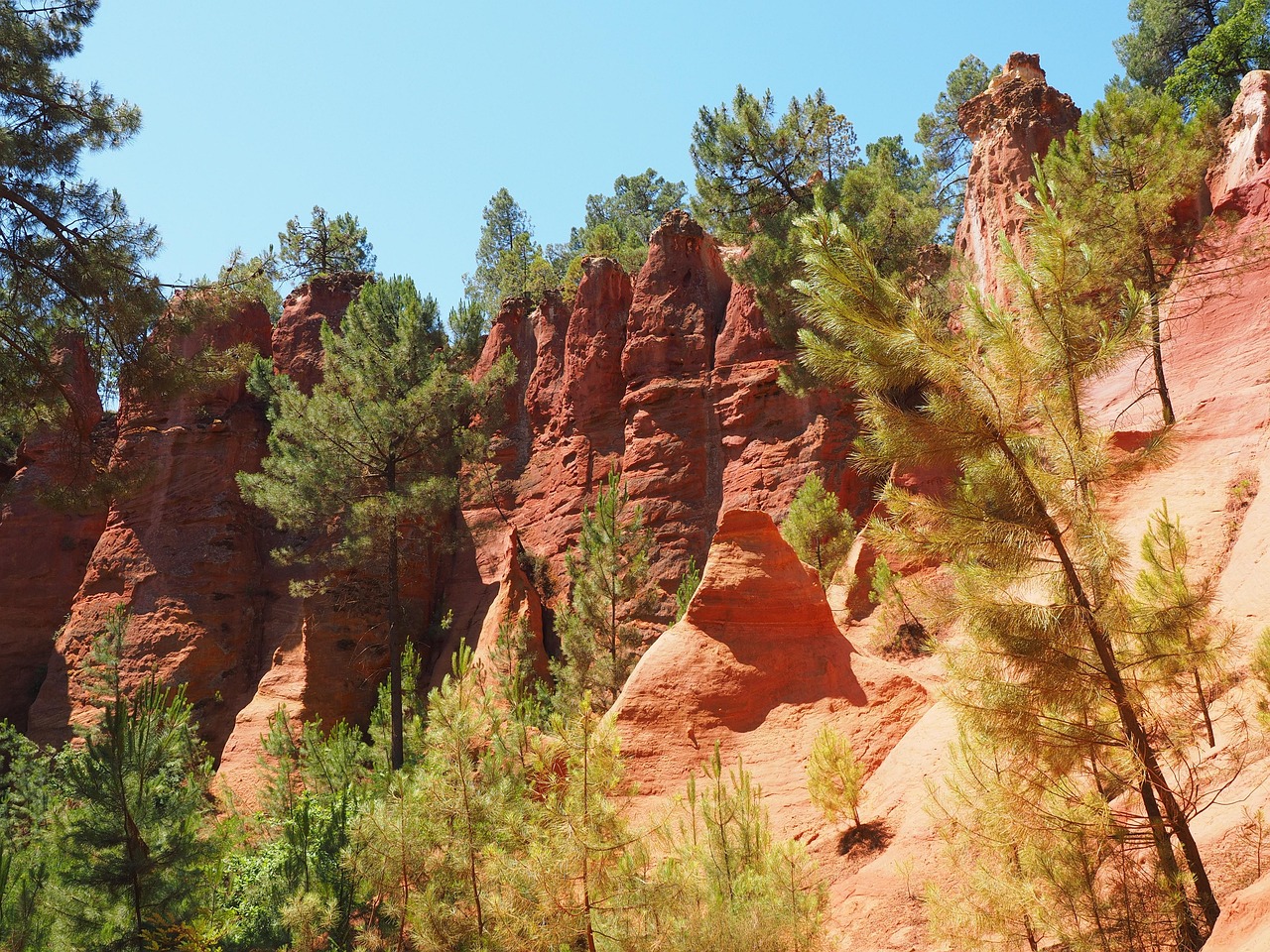
About 30–40 minutes’ drive from Sénanque, Roussillon’s ochre cliffs make a colorful counterpoint to Sénanque’s pale stone. The easy Ochre Trail is family-friendly and feels almost Martian in certain lights.
L’Isle-sur-la-Sorgue
Antique hunters’ paradise, with markets on Thursdays and Sundays. Combine with Sénanque for a day that spans worldly treasures and spiritual quiet.
Other Cistercian Abbeys
If Sénanque awakens a fascination with Cistercian architecture, visit Le Thoronet and Silvacane. Together, they form a powerful triad and deepen your sense of the order’s aesthetics.
9. Cultural Etiquette & Local Customs
Because Notre-Dame de Sénanque is an active monastery, etiquette matters more here than at a typical tourist site.
- Silence: Speak quietly, especially inside the church and cloister. Save loud conversations for outside the enclosure.
- Dress: Modest clothing is requested: shoulders covered in the church, no extremely short shorts or crop tops. A light scarf works wonders.
- Photography: Generally permitted in most visitor areas, but not during services and never with flash inside. Always respect posted signs.
- Respect the enclosure: Some doors are for monks only. Don’t try to sneak “just a quick look.” This is their home.
- Language: A simple “Bonjour” and “Merci” go a long way with staff and guides. Many speak some English, but a few French phrases are appreciated.
10. Practical Logistics & Tickets (2026–2027)
Tickets & Timed Entry
In 2026, Notre-Dame de Senanque tickets and tips revolve around timed entry in high season:
- Booking: Online in advance strongly recommended from June to September; walk-up tickets possible but not guaranteed.
- When reservations open: Typically 2–3 months ahead; popular morning slots on weekends can sell out weeks in advance during lavender bloom.
- Ticket types: Guided tour (French most frequent, limited English slots) or audio-guided self-visit. Prices modest compared to big-city attractions.
Opening Hours & Peak Times
Notre-Dame de Senanque opening hours vary slightly by season but generally:
- Summer: Morning and afternoon sessions, with a midday closure or reduced access during monastic offices.
- Off-season: Shorter days, sometimes fewer tours; check the official site before travel.
- Peak hours: 10:00 a.m.–3:00 p.m. in June–August; avoid these if you dislike crowds.
Getting There & Around
By car: Easiest option. Narrow, winding roads; drive slowly and be ready for pullouts. Parking is free or low-cost but fills quickly in peak season.
By public transport: Limited. You can reach Gordes by regional bus from Avignon or Cavaillon (schedules sparse), then taxi or hike down to Sénanque. For most visitors, a rental car is the most time-efficient choice.
Accessibility
The abbey is partially accessible: some areas have uneven stones, steps, and narrow passages. The approach from the parking area is downhill (and thus uphill on the way back).
Security & Queue Times
Expect basic bag checks during busy periods. In lavender season, queues at the ticket office can reach 20–30 minutes for those without pre-booked tickets. With a timed entry, you’ll still want to arrive 20 minutes early in case of parking delays.
Dress Code & Behavior Rules
While there’s no strict “dress code” enforcement, the abbey requests modest attire and calm behavior. Eating, drinking, and phone calls are not appropriate inside the enclosure.
11. General Travel Advice for Visiting Notre-Dame de Sénanque
Best Time to Visit Notre-Dame de Sénanque
Your “best” time depends on priorities:
- Lavender bloom (late June–mid-July): Iconic photos, big crowds, hot. Book tickets and accommodation well ahead.
- May–early June: Fresh green valley, fewer people, comfortable temperatures.
- September–October: Warm days, cooler nights, vineyards turning gold. Fewer visitors.
- Winter: Quiet, often grey, but deeply atmospheric. Perfect if you care more about the abbey’s soul than its Instagram fame.
How to Save Money
- Travel in shoulder season (May, late September, October).
- Stay in smaller villages rather than Gordes proper.
- Self-cater breakfasts and some dinners; shop at local markets.
- Limit restaurant meals to once daily and favor lunchtime menus.
SIM Cards & Connectivity
France is well-covered by major operators (Orange, SFR, Bouygues). Prepaid SIMs are easy to buy at airports, train stations, or supermarkets. Expect weaker coverage in the Sénanque valley itself—consider it enforced digital detox.
Transport & Car Rental
For flexibility around Sénanque, a rental car is enormously helpful. Foreign driver’s licenses from most countries are accepted; if yours is not in Latin script, bring an International Driving Permit. Roads are narrow but well-maintained; drive slowly, especially near cyclists.
Visa Requirements
France is in the Schengen Area. Visitors from many countries can enter visa-free for short stays (usually up to 90 days in any 180-day period). Always check the latest official guidance for your nationality well before travel.
12. Summary & Final Recommendations
Notre-Dame de Sénanque is not a place to “conquer” in an hour; it’s a place to allow into your trip—and, if you’re receptive, into your inner landscape. Whether you’re crafting a 1 day itinerary for Notre-Dame de Senanque or stretching to 3 days in Notre-Dame de Senanque’s orbit, remember that its greatest gift is not lavender or stone, but silence.
Key takeaways:
- Best seasons: May–June and September–October for balance; late June–mid-July for peak lavender and peak crowds; winter for contemplative quiet.
- Book ahead: Timed tickets in high season; accommodation near Gordes in June–August.
- Respect the place: Silence, modest dress, and staying out of the lavender rows preserve Sénanque for everyone.
- Pair wisely: Combine the abbey with Gordes, Roussillon, or L’Isle-sur-la-Sorgue for a fuller Luberon experience.
- Slow down: The more time you give Sénanque, the more it quietly gives back.
In 2026–2027, as Provence continues to draw ever more visitors, Notre-Dame de Sénanque remains what it has always been: a valley of stone and prayer, where lavender fields and monastic chants briefly intersect with your own journey. Treat it gently, and it will stay with you long after you’ve driven back up into the sun.