Why Visit Obernai?
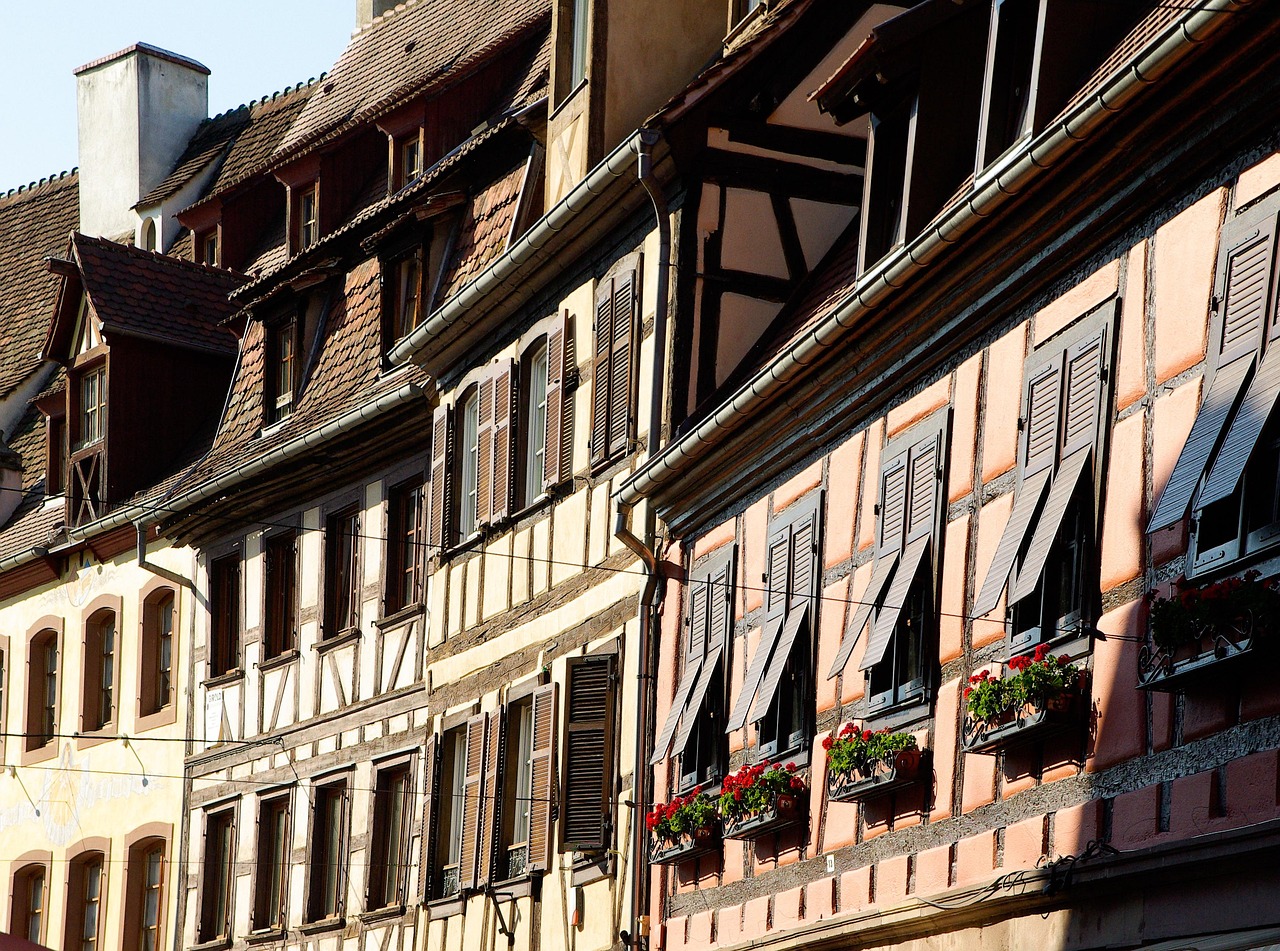
Obernai is one of those places that doesn’t shout; it whispers. Half-timbered houses in cinnamon and saffron colors, geraniums tumbling from windowsills, the faint smell of kougelhopf and tarte flambée drifting down cobbled lanes, all wrapped in a ring of vineyards with the Vosges Mountains hovering in the distance. It’s the Alsace you hope exists but fear might be overrun. Obernai, even in 2026, still feels lived‑in, not staged.
I’ve been coming to Obernai for over a decade now, usually in the shoulder seasons, and I still get that same small jolt when I step out of the station and see the church spire pricking the sky above a sea of tiled roofs. The town is big enough to keep you busy for 3–5 days, but small enough that you’ll start recognizing faces in cafés by day two. It’s perfect if you want a base that’s quieter than Strasbourg but more atmospheric than a remote village.
Whether you’re planning a 3 day itinerary for Obernai or stretching it to a 5 day itinerary for Obernai, this guide will walk you through the best places to visit in Obernai, the most delicious local food in Obernai, and the hidden gems in Obernai that many visitors miss.
Table of Contents
- Why Visit Obernai?
- Quick Overview of Obernai in 2026
- Neighborhoods & Areas to Explore
- Top 20 Must-See Attractions in Obernai
- 3–5 Day Itineraries for Obernai
- Local Food & Drink in Obernai
- Nightlife, Entertainment & Cultural Experiences
- Day Trips from Obernai
- Cultural Etiquette & Local Customs
- Practical Travel Advice for Obernai
- Major Events in 2026–2027
- Summary & Best Time to Visit Obernai
Quick Overview of Obernai in 2026
Obernai sits along the Alsace Wine Route, about 25 km southwest of Strasbourg. It’s officially in the Bas-Rhin department and has around 11,000 residents. It’s compact, walkable, and framed by vineyards that catch golden light in the evenings.
In 2026, Obernai remains a sweet spot between authenticity and accessibility. The town has invested in better pedestrian signage and a couple of new cycle paths through the vineyards, but the medieval core is intact and protected. You can still wander cobbled streets in the early morning and hear only church bells and the clinking of coffee cups.
Obernai works well for:
- Romantic getaways: half-timbered inns, wine cellars, sunset vineyard walks.
- Family trips: safe streets, playgrounds, light hikes, easy trains to Strasbourg and Colmar.
- Food & wine lovers: winstubs, bakeries, distilleries, and cellar doors within walking distance.
- Slow travelers: ideal base for 4–5 days, with low-key day trips and repeat strolls around town.
Neighborhoods & Areas to Explore in Obernai
1. The Historic Center (Vieux Obernai)
This is where you’ll spend most of your time: tightly packed streets, timbered houses in pastel shades, and small squares that suddenly open up between narrow lanes. It’s wrapped in remnants of medieval walls and punctuated by towers and gates.
I love wandering the ring of streets around the central market square early in the morning, when bakery deliveries are happening and shutters are just being thrown open. By night, the same lanes feel like a soft-lit stage set.
2. The Wine Belt (Vineyards Above Town)
Five to fifteen minutes’ walk uphill and you’re among vines with Obernai’s rooftops at your feet. This area is dotted with small wineries, farm paths, and a couple of farm-style restaurants. It’s my go-to for sunset walks and sunrise runs.
3. The Station & Lower Town Area
Between the train station and the medieval core, you’ll find more modern housing, supermarkets, and some of the town’s more budget-friendly accommodations. It’s not as pretty as the old town, but it’s practical and still an easy walk to everything.
4. Outskirts & Countryside Lanes
The roads leading toward Barr, Rosheim, and Mont Sainte-Odile take you through gentle countryside, orchards, and small hamlets. If you rent a bike or car, these semi-rural fringes are where you’ll find family-run distilleries, farm shops, and peaceful walks.
Top 20 Must-See Attractions in Obernai (With Local Insights)
Below are twenty of the must-see attractions in Obernai, mixing famous landmarks with a few hidden gems in Obernai. For each, I’ve added personal experiences and tips to help you plan your visit.
1. Place du Marché (Market Square)
Why it’s special: Place du Marché is the beating heart of Obernai, a wide cobbled square ringed by richly decorated facades, lively cafés, and the town’s iconic belfry. It’s the postcard image you’ve probably seen even if you didn’t realize it was Obernai.
History & significance: Since medieval times, this square has hosted markets and fairs, and it still functions that way. The square’s proportions are unusual for such a small town—broad and open, almost Italian in feel, but framed by distinctly Alsatian architecture.
My experiences here: I’ve lost count of how many mornings I’ve begun at Place du Marché. My favorite was in early October, sitting under a heat lamp with a café crème, watching the fog slowly lift off the rooftops. In December, the square glows with Christmas market stalls; in summer, it’s all parasols and clinking wine glasses.
What to do:
- Grab a table at a corner café and people-watch.
- Browse the weekly market (usually Thursday and Saturday mornings) for cheese, sausages, and seasonal fruit.
- Use the square as your orientation point—almost all streets eventually loop back here.
Food tip: If you want to save money, pick up picnic supplies from the market or nearby bakery and sit on the low steps around the central fountain. You’ll eat as well as those on the terraces for half the price.
Best time to visit: Early morning (before 9 a.m.) for photographs without crowds; sunset for the warm colors on the facades.
2. Beffroi & Tour Sainte-Odile (Belfry Tower)
Why it’s special: The belfry and its tall spire are Obernai’s exclamation mark. Standing in the market square, look up and you’ll see it rising above the roofline, an elegant point of reference wherever you roam.
History & significance: Dating back to the 13th century and modified over time, the belfry symbolizes Obernai’s medieval prosperity. It once housed the town’s bells and watch, and its height made it a lookout over the surrounding countryside.
My experience: On my second visit, I timed my coffee break to coincide with the bells chiming the hour. Even after multiple trips, that rich, slightly uneven sound still makes me stop mid-sentence. On clear evenings, the tower catches the last light like a candle flame.
What to do: You can’t always climb the tower (access is occasional and usually tied to special events), but it’s worth asking at the tourist office if any visits are scheduled during your stay. Otherwise, use the base of the tower as a meeting point and vantage spot for photos of the square.
Photography tip: Stand at the northwest corner of Place du Marché to capture the belfry framed by half-timbered houses with café terraces in the foreground.
3. Maison des Consuls
Why it’s special: This richly carved Renaissance building is one of Obernai’s architectural jewels, located directly on Place du Marché. Its ornate façade tells stories of the town’s merchant past.
History & significance: The Maison des Consuls once hosted Obernai’s city council. Its decorated beams, sculpted panels, and colorful paint are classic Alsatian Renaissance, showcasing the wealth and artistic taste of the era.
My experience: One late afternoon, I joined a small walking tour that paused here while the guide pointed out tiny carved details—faces, shields, animals—that I’d completely missed on previous visits. It made me slow down and really look at the craftsmanship.
What to do: Even if you don’t go inside (it’s not always open to the public), circle the building and examine the beams and carvings up close. It’s especially atmospheric in December with the Christmas lights and decorations.
Family tip: Kids often enjoy “spotting” different carved figures on the façade. Turn it into a little game: who can find the most animals?
4. Église Saints-Pierre-et-Paul (St. Peter and Paul Church)
Why it’s special: This neo-Gothic church dominates Obernai’s skyline with its twin towers and offers a cool, quiet refuge from the bustle outside.
History & significance: Built in the 19th century on the site of earlier religious buildings, the church reflects both Obernai’s long Christian heritage and its connection to Alsace’s patron saint, Sainte-Odile.
My experience: I often duck in here in the middle of the day when the sun is high and the streets are busy. The stained glass throws colored light on the stone columns, and there’s usually someone quietly lighting a candle. During one Advent season, I stumbled into a choir rehearsal; I stayed rooted to the pew, goosebumps on my arms.
What to do:
- Walk the central nave and admire the stained glass windows.
- Pause for a moment near the side chapels, which are often decorated with flowers from local parishioners.
- If you’re here during a concert or service, it’s worth attending even if you aren’t religious—the acoustics are excellent.
Respectful behavior: Dress modestly (shoulders covered) and keep voices low; avoid flash photography if a service is in progress.
5. Medieval Ramparts & Towers
Why it’s special: Obernai still preserves sections of its medieval fortifications, with towers and walls that encircle the old town like a stone necklace.
History & significance: In the Middle Ages, Obernai was a fortified town, and its ramparts protected both citizens and trade routes. Today they’re less about defense and more about giving you perfect photo angles on rooftops and church spires.
My experience: One autumn evening, I walked a section of the ramparts just as the streetlights flicked on. The air smelled like wet leaves, and the town below glowed golden. It’s one of those simple, quiet experiences that sticks with you longer than any souvenir.
What to do:
- Follow the signed walking route that circles the old town along the walls.
- Look for viewpoints where you can see both the tiled roofs and the surrounding vineyards.
Family-friendly: Kids tend to love the idea of “walking the castle walls.” Just keep an eye on them in sections where railings are lower.
6. Puits à Seaux (Bucket Well)
Why it’s special: This ornate Renaissance well in the main square is one of Obernai’s most photographed features, with its wrought-iron superstructure and stone basin.
History & significance: Built in the 16th century, the well symbolized the town’s prosperity and provided a central water source. The ironwork is finely detailed and often decorated with seasonal flowers.
My experience: I have a soft spot for fountains and wells, and this one is irresistible. I’ve photographed it in spring with tulips, in summer with geraniums, and in winter framed by Christmas market stalls. Each time, it feels slightly different.
What to do: Pause here as you cross the square, run your fingers along the stone rim, and take in the carvings. It’s also a good spot to orient yourself on your first day—many walking routes start here.
7. Obernai Synagogue
Why it’s special: The modest but elegant synagogue is a reminder of Obernai’s Jewish heritage, which has ebbed and flowed over centuries.
History & significance: The Jewish community in Obernai dates back to at least the 14th century. The current synagogue, a 19th-century building, stands as a quiet testament to that history.
My experience: I first came across the synagogue almost by accident, wandering side streets one afternoon. The building’s soft colors and simple design caught my eye, and a local elderly man walking his dog stopped to tell me a little about the community’s history. It was one of those unexpected human encounters that deepens your sense of place.
What to do: The synagogue is usually viewed from the outside only. Check with the tourist office for any heritage days or special open visits if you’re interested in going inside.
Respect: Avoid taking intrusive photos if worshippers are present; keep your distance and be discreet.
8. Obernai Tourist Office & Heritage Center
Why it’s special: It may sound mundane, but Obernai’s tourist office is one of the best-organized in Alsace, and the staff are genuinely enthusiastic locals.
My experience: On my first long stay, I popped in “just to grab a map” and ended up staying half an hour, chatting in a mix of French and English about hiking routes and small family wineries. They marked their personal favorite cellar doors on my map—three of which I’d have never found on my own.
What to do:
- Pick up free walking maps and vineyard trail leaflets.
- Ask about any special events, tastings, or tours during your visit.
- Check whether any towers or heritage buildings have special open days.
Money-saving tip: Ask about combined tickets or discount passes for local attractions and public transport; offers change year to year.
9. Mont Sainte-Odile
Why it’s special: Perched on a mountaintop about 15 km above Obernai, Mont Sainte-Odile is both a pilgrimage site and a viewpoint to take your breath away.
History & significance: This monastery complex is dedicated to Sainte-Odile, patron saint of Alsace, and has been a spiritual center since the Middle Ages. The terraces offer sweeping views over the Rhine plain, and on very clear days you can glimpse the Black Forest in Germany.
My experience: I’ve visited Mont Sainte-Odile in all kinds of weather. My favorite was a misty spring morning when cloud swirled around the terrace, occasionally parting to reveal fields and villages far below. The air smelled of pine and incense from the chapel. Another time, in high summer, I hiked up from Obernai through the forest, arriving flushed and happy just as the bells began to ring.
What to do:
- Walk the monastery terraces and soak up the panorama.
- Visit the chapels and light a candle if you wish.
- Explore nearby walking trails, including sections of the mysterious Pagan Wall (Mur Païen).
Getting there: In season, there’s usually a bus service from Obernai (ask at the tourist office for current times). Otherwise, you can drive (about 25 minutes) or hike (allow several hours round-trip; marked trails lead from Ottrott or directly from Obernai).
Family & romance: Families enjoy the sense of adventure and the forest paths; couples will love the sunset views from the terrace.
10. Alsace Wine Route near Obernai
Why it’s special: Obernai lies right on the famous Alsace Wine Route, with a necklace of wine villages and vineyards stretching in both directions.
My experience: My favorite day in Obernai usually involves renting a bike and pedaling gently from cellar door to cellar door, passing fields, flower-decked villages, and the occasional stork’s nest. Some of my best conversations with locals have happened over small tastings in family-run wineries.
What to do:
- Visit one or two wineries for tastings (Riesling, Gewürztraminer, and Pinot Gris are local stars).
- Cycle or walk sections of the route between Obernai, Barr, and Rosheim.
Safety note: If you’re tasting, pace yourself and consider spitting (common and accepted in France), or arrange a taxi for the return trip.
11. Parc Municipal & Obernai Gardens
Why it’s special: When you need a break from cobblestones, the town park offers lawns, flowerbeds, and shaded benches.
My experience: After a particularly generous lunch, I spent an hour lying on the grass here, listening to kids playing on the nearby playground and watching swallows dip over the trees. It’s a good reminder that Obernai is a living town, not just a stage set for tourists.
What to do: Bring a book, a takeaway pastry, and just…pause. It’s also a good spot if you’re traveling with children; there’s space to run.
12. Halle aux Blés (Granary Hall)
Why it’s special: This former grain hall is another piece of Obernai’s mercantile history, with a distinctive façade and occasional exhibitions or events inside.
History & significance: Once used for storing and trading grain, the building reflects Obernai’s role as a trading hub. Today, it sometimes hosts cultural events, small exhibitions, or local gatherings.
My experience: I once wandered into a small photography exhibition here, featuring black-and-white images of Obernai in the 1950s and 60s. It made me see the streets around me differently—recognizing corners that hadn’t changed much at all.
What to do: Check the noticeboard or ask the tourist office what’s on; if it’s open, pop in.
13. Small Chapels & Wayside Shrines
Why it’s special: Scattered around Obernai and its surrounding countryside are tiny chapels and shrines, often tucked among vineyards or at crossroads.
My experience: While walking a vineyard path one dusk, I came across a small stone chapel glowing from within. A single candle flickered near a statue of the Virgin; someone had left a small bunch of wildflowers. The quiet intimacy of the scene felt more powerful than any grand cathedral.
What to do: Keep your eyes open as you walk or cycle; if you find one, pause and step inside if it’s open. Be respectful and quiet; these are still used by locals.
14. Obernai Weekly Market
Why it’s special: The weekly market brings the town to life with stalls of produce, cheeses, charcuterie, flowers, and more.
My experience: I love markets, and Obernai’s is one of my favorites in Alsace because it’s very much for locals. On my last spring visit, I bought strawberries that tasted like childhood and a selection of mountain cheeses I then had to nibble for breakfast, lunch, and dinner to use up before leaving.
What to do:
- Pick up picnic supplies for lunch.
- Chat with stallholders; many are happy to suggest pairings (which cheese goes with which wine, etc.).
- Look for seasonal specialties: asparagus in spring, berries in early summer, mushrooms in autumn.
Money-saving tip: Buying picnic ingredients here and eating in the park or your guesthouse is one of the easiest ways to save on meals.
15. Local Distilleries & Eaux-de-Vie
Why it’s special: Alsace is not just about wine; it’s also famous for fruit brandies (eaux-de-vie). Around Obernai, you’ll find small distilleries producing kirsch, mirabelle, and more.
My experience: I visited a tiny distillery on the outskirts of town one chilly October afternoon. The owner, whose grandfather had started the business, showed me the old copper stills and poured tiny tasting glasses of pear brandy that warmed me from the inside out.
What to do: Ask at the tourist office for a list of nearby distilleries open to visitors. Tastings are usually free or low-cost, but it’s polite to buy a small bottle if you enjoy what you try.
16. Artisan Boutiques & Local Crafts
Why it’s special: Scattered through the old town are small shops selling pottery, textiles, wooden toys, and other crafts made in Alsace.
My experience: On one rainy afternoon, I ducked into a ceramic studio to escape a shower and ended up chatting with the potter for nearly an hour about local patterns and glazes. I left with a small hand-painted mug that has since become my “Obernai coffee cup” at home.
What to do: Look for shops labeled “Artisan d’Alsace” or with signage indicating local production. These pieces make more meaningful souvenirs than mass-produced items.
17. Obernai Christmas Market (Marché de Noël)
Why it’s special: While Strasbourg and Colmar get most of the Christmas market attention, Obernai’s is atmospheric and more intimate.
My experience: I spent a few December days in Obernai one year, and the evenings felt almost magical: the smell of mulled wine, the glow of lights on timbered facades, children bundled up in bright scarves, a brass band playing carols.
What to do:
- Try a cup of vin chaud (mulled wine) and a piece of bredele (Christmas cookies).
- Browse stalls for handmade ornaments and regional specialties.
- Attend any scheduled concerts or events in the church or square.
Tip: For a 3 days in Obernai Christmas trip, base your evenings around the market and your days around nearby villages and Strasbourg’s grand markets.
18. Vineyard Walking Trails (Sentiers Viticoles)
Why it’s special: Marked vineyard trails above Obernai let you wander through rows of vines with interpretive signs about grape varieties and terroir.
My experience: On a warm September afternoon, I followed one of these trails at an amble, reading about Riesling and Pinot Blanc while harvesters snipped grapes in the distance. The combination of gentle exercise, education, and scenery was perfect.
What to do: Grab a vineyard trail map at the tourist office and choose a route according to your time and fitness level. Wear good walking shoes and bring water in summer.
19. Cooking Classes & Food Workshops
Why it’s special: A few local chefs and home cooks offer occasional classes where you can learn to make tarte flambée, choucroute garnie, or Alsatian pastries.
My experience: I joined a small tarte flambée workshop one rainy afternoon. We rolled dough, spread crème fraîche, scattered onions and lardons, and watched them blister in a wood-fired oven. The best part was sitting down together afterward to eat what we’d made, with a glass of local Pinot Blanc.
What to do: Ask your hotel or the tourist office about current offerings; these change year by year and often require advance booking.
20. Local Concerts & Small Festivals
Why it’s special: Obernai hosts a variety of small concerts, open-air performances, and festivals throughout the year, from classical music in churches to jazz on summer evenings.
My experience: One balmy July night, I stumbled upon a brass band performing in the square. Locals stood around with ice creams and plastic cups of wine, kids danced in front of the stage, and the whole town felt like a big village party.
What to do: Check posters around town and ask at the tourist office for current schedules. Many events are free or low-cost and offer a great window into everyday local life.
3–5 Day Itineraries for Obernai (With Personal Stories)
Whether you’re planning a 3 day itinerary for Obernai, a 4 day itinerary for Obernai, or a full 5 days in Obernai, the town rewards slow exploration. Below you’ll find flexible itineraries based on trips I’ve actually taken and refined over several visits.
3 Days in Obernai – Essential Highlights
This is the perfect 3 day itinerary for Obernai if you’re here for a long weekend or combining Obernai with Strasbourg or Colmar.
Day 1: First Taste of Obernai – Old Town & Ramparts
On my most recent 3-day stay, I arrived on a Friday mid-morning by train, dropped my bag at a small guesthouse near the center, and walked straight toward the sound of church bells. The scent of warm bread from a nearby boulangerie led me right into Place du Marché.
Morning:
- Start with a coffee and croissant at a café on Place du Marché, facing the Beffroi and Maison des Consuls.
- Pick up a free map from the Tourist Office just off the square.
- Follow the suggested walking route around the historic center, stopping at Puits à Seaux, the synagogue, and the prettiest half-timbered streets.
Lunch: Choose a traditional winstub for your first taste of local food in Obernai: tarte flambée (flammekueche), a green salad, and a glass of local white wine.
Afternoon:
- Visit Église Saints-Pierre-et-Paul and spend some quiet time inside.
- Walk sections of the medieval ramparts, circling the town for different perspectives.
- Stop at an artisan boutique or two; look for pottery or textiles made in Alsace.
Evening: Find a restaurant on a side street (away from the prime square) for slightly lower prices and a more local vibe. After dinner, take a slow stroll through the illuminated streets; Obernai at night feels safe and gently buzzing, especially on weekends.
Day 2: Mont Sainte-Odile & Vineyards
Morning: After breakfast, head out to Mont Sainte-Odile. On one trip, I caught the morning bus from Obernai; on another, I joined a local friend who drove us up the winding forest road, windows down, pine scent filling the car.
- Explore the monastery complex and terraces.
- Walk a short trail along the Pagan Wall for a touch of mystery and forest air.
Lunch: Eat at the on-site restaurant or pack a picnic (check rules about where you can eat; avoid church interiors and silent zones).
Afternoon: Return to Obernai and head into the vineyards above town. Follow a marked vineyard trail, stopping at one of the small wineries that offer tastings.
Evening: For a romantic touch, time your vineyard walk to end near sunset, watching the sky change over Obernai’s rooftops. Back in town, choose a cozy winstub or a slightly more modern bistro, depending on your mood.
Day 3: Market, Crafts & Slow Goodbyes
Morning: If it’s a market day, spend your morning at the weekly market, tasting cheeses and fruit. Otherwise, revisit your favorite streets before they fill with day-trippers.
I like to sit at the same café as day one and notice how familiar everything already feels. If you’re into photography, this is a great time to capture details you missed earlier.
Afternoon:
- Visit any attraction you skipped—perhaps a distillery or a cooking class if the timing works.
- Pick up last-minute gifts from artisan shops (bredele cookies, jams, or a small bottle of eau-de-vie travel well).
Departure: Most trains to Strasbourg or Colmar are frequent enough that you can leave in the late afternoon or evening and still feel like you had a full day.
4 Days in Obernai – Adding a Wine Village
If you have 4 days in Obernai, you can keep the 3-day rhythm and add a deeper dive into wine country or a neighboring village.
Day 4: Wine Route Wandering (Barr & Mittelbergheim)
On my favorite 4-day trip, I devoted the last day entirely to wine villages.
Morning:
- Rent a bike in Obernai (or take a short train/bus ride) and head to Barr, a charming wine town south of Obernai.
- Explore Barr’s old center, then continue on to Mittelbergheim, classified as one of “Les Plus Beaux Villages de France.”
Lunch: Have lunch in Mittelbergheim at a small restaurant or winstub. Try a Riesling from the Zotzenberg vineyard, one of the few places in Alsace where Sylvaner is classified as a Grand Cru.
Afternoon:
- Visit one or two wineries; call ahead if possible to check opening times.
- Cycle or ride back to Obernai along a different route through vineyards.
Evening: Celebrate your last night with a special dinner back in Obernai—perhaps splurging a bit more than previous nights. A final walk under the town’s lights makes for a gentle goodbye.
5 Days in Obernai – Slow Travel & Side Trips
A 5 day itinerary for Obernai lets you fully sink into the rhythm of the town, ideal for couples and slow travelers.
Day 4: Strasbourg City Day (Contrasting Worlds)
Morning: Catch an early train from Obernai to Strasbourg (around 30–40 minutes with a change in some schedules). Spend the day exploring the cathedral, Petite France district, and riverside walks.
Afternoon: Have a late lunch in Strasbourg, then wander through museums or take a boat tour. In late afternoon, return to Obernai, enjoying how calm it feels after the city’s bustle.
Evening: Light dinner in Obernai—perhaps just a tartine or soup—and an early night or a glass of wine at a wine bar.
Day 5: Countryside Walks, Distillery & Doing Nothing
On my most restorative Obernai trip, I used day five as a “no big plans” day.
Morning:
- Walk out of town along a chosen direction (toward Rosheim or Ottrott) and follow small lanes and paths through fields.
- Visit a distillery or farm shop on the outskirts; sample a few specialties.
Lunch: Either picnic in the countryside or return to town for a lighter lunch (salads, quiches, or soups are easy to find).
Afternoon:
- Book a cooking class or food workshop if available, or simply linger over coffee and dessert in a café.
- Spend an hour in the Parc Municipal reading or people-watching.
Evening: For your final night, revisit your favorite spot from earlier in the week—maybe a particular bench on the ramparts, or that balcony view from your guesthouse. I like to mentally map everywhere I walked, as if tracing a goodbye route in my head.
Local Food & Drink in Obernai
Alsace’s cuisine is hearty, generous, and deeply comforting—perfect after a day of walking the things to do in Obernai list. Here’s what to eat, drink, and where to find the most satisfying bites.
Must-Try Dishes
- Tarte Flambée (Flammekueche): Thin dough topped with crème fraîche, onions, and lardons, baked quickly in a very hot oven. I’ve had versions with Munster cheese and mushrooms that I still think about.
- Choucroute Garnie: Sauerkraut cooked with white wine and spices, topped with various sausages and meats. Best attempted when you’re really hungry.
- Baeckeoffe: Slow-baked casserole of potatoes, beef, pork, and lamb marinated in white wine. Comfort in a dish.
- Coq au Riesling: Chicken cooked in Riesling with mushrooms and cream.
- Spätzle: Soft egg noodles, often served with meat dishes or in gratins.
- Kougelhopf: Crown-shaped brioche-like cake studded with raisins and almonds. I like it lightly toasted for breakfast.
- Bredele: Small Christmas cookies in many shapes and flavors, available year-round in some shops but most abundant in late autumn and winter.
What to Drink
- Riesling: Dry, crisp, and food-friendly; pairs well with choucroute and fish.
- Gewürztraminer: Aromatic and often off-dry; beautiful with Munster cheese or spicy dishes.
- Pinot Gris & Pinot Blanc: Versatile whites suitable for aperitifs and lighter dishes.
- Crémant d’Alsace: Local sparkling wine that’s excellent value; I often order this as an aperitif.
- Eaux-de-Vie: Fruit brandies like kirsch, mirabelle, and poire will warm you on a cold night.
Where to Eat – Personal Favorites
Restaurant names and owners can change, so I won’t list every address, but here’s the kind of places I return to:
- Traditional Winstubs: Cozy wood-paneled rooms with checked tablecloths, serving classics like tarte flambée, choucroute, and baeckeoffe. Prices are moderate; portions are generous. Ask locals which winstub they prefer—they’ll usually name the same 2–3.
- Modern Bistros: A handful of spots in Obernai update Alsatian flavors with lighter touches—think trout with seasonal vegetables and creative uses of local wines in sauces.
- Bakeries: I always find “my” bakery within a day or two—somewhere I end up returning for morning coffee, kougelhopf, and sandwiches to go.
- Wine Bars: Great for trying flights of local wines with small plates of charcuterie and cheese. Many are friendly even if you don’t speak much French; just ask for a “dégustation de vins d’Alsace.”
Saving Money on Food
Obernai isn’t cheap, but it doesn’t have to break the bank:
- Have one restaurant meal per day, and make the other meals picnic-style from the market or supermarket.
- Lunch menus are often cheaper than dinner; look for “formule midi.”
- Tap water is safe and free—ask for a “carafe d’eau” instead of bottled water.
- Portions are large; sharing a starter and skipping dessert can save money and stomach space.
Nightlife, Entertainment & Cultural Experiences in Obernai
Evening Atmosphere
Obernai is more about wine and conversation than clubs and neon lights. Even in high season, nights feel mellow: clinking glasses on terraces, people chatting under string lights, children finishing late ice creams.
Where to Go at Night
- Wine Bars & Winstubs: The best places for relaxed evenings. Try a glass of Crémant or Riesling and watch the town wind down.
- Cafés & Ice Cream Parlors: Many stay open late in summer, ideal for families.
- Seasonal Concerts: Look for posters advertising church concerts, jazz nights, and open-air performances in July and August.
Cultural Experiences
- Church Concerts: From organ recitals to choirs, these are often very affordable and atmospheric.
- Local Festivals: Wine harvest celebrations, food festivals, and Christmas events give you a glimpse into local life.
- Workshops: Cooking classes, pottery workshops, or guided tastings can be booked through the tourist office or your hotel.
Day Trips from Obernai
Obernai makes an excellent base for exploring Alsace. Here are some of the best day trips I’ve done from town.
Strasbourg
Just 30–40 minutes away by train, Strasbourg offers a striking contrast: grand boulevards, an immense Gothic cathedral, the charming Petite France district, and a cosmopolitan feel.
Colmar
Colmar’s pastel canals and half-timbered houses make for a dreamy day trip. It’s further than Strasbourg but still feasible; plan for an early start.
Nearby Villages: Barr, Mittelbergheim, Rosheim
These villages give you a quieter, deeply local version of Alsace. I especially love Mittelbergheim for its calm and its wines, and Rosheim for Romanesque architecture.
Mont Sainte-Odile & Vosges Forests
As described earlier, this makes a great half or full day, especially if you enjoy hiking or quiet spiritual spaces.
Practical Day Trip Tips
- Use regional trains and buses where possible; driving is useful but not essential.
- Buy return tickets in advance to avoid last-minute queues at stations.
- Check the last train/bus back to Obernai before lingering over dessert.
Cultural Etiquette & Local Customs in Obernai
Basic Politeness
Alsace is French, but with its own accent and traditions. Courteous behavior goes a long way:
- Always greet with a “Bonjour, Madame/Monsieur” when entering a shop or restaurant.
- Say “Au revoir” when leaving.
- Use “s’il vous plaît” (please) and “merci” (thank you) liberally.
Dining Customs
- Wait to be seated; don’t assume you can just sit anywhere.
- It’s normal to linger over meals; service might feel slow if you’re used to fast turnover, but you’re not being ignored.
- Asking for tap water (“une carafe d’eau”) is fine, but some restaurants may gently suggest bottled water; it’s your choice.
- Tipping is not mandatory (service is included), but rounding up or leaving 5–10% for good service is appreciated.
Religious Sites
Dress modestly when visiting churches and the monastery at Mont Sainte-Odile: no bare shoulders or very short shorts. Keep voices low, avoid phone calls inside, and refrain from flash photography during services.
Language
Most people speak French; many also speak some German or English. Opening with French, even if you quickly switch to English, is seen as respectful. Something as simple as “Bonjour, parlez-vous anglais ?” can change the whole tone of an interaction.
Local Rhythm
Shops often close for lunch and may have limited Sunday hours. Plan accordingly: do your essential shopping in the morning or late afternoon, and accept that a midday pause is part of the local rhythm.
Practical Travel Advice for Obernai
Getting To Obernai
- By Train: From Strasbourg, regional TER trains run regularly to Obernai (often with a change at Barr or Molsheim depending on schedule). Journey time is around 30–40 minutes.
- By Air: The nearest airport is Strasbourg-Entzheim; from there, take a train via Strasbourg or rent a car.
- By Car: Obernai is easily reached via the A35 motorway; parking is available around the town center, some paid, some free.
Getting Around Obernai
Obernai is compact; walking is the easiest and most pleasant way to get around.
- On Foot: Almost all things to do in Obernai are within a 10–15-minute walk.
- By Bike: Ideal for exploring vineyards and nearby villages. Several rental options exist; ask at the tourist office.
- Public Transport: Regional buses and trains connect Obernai with nearby towns and Strasbourg. Schedules can be sparse on Sundays and holidays; check ahead.
Car Rental & Driving
Renting a car gives you maximum flexibility for day trips and countryside exploration.
- Foreign Driver’s Licenses: Most visitors from the EU, UK, US, Canada, Australia, and many other countries can drive in France with their home license for short stays. An International Driving Permit (IDP) is recommended if your license is not in French or another EU language.
- Parking: Look for signed car parks on the edge of the old town and walk in. Pay attention to time limits in central areas.
- Road Etiquette: Speed limits are strictly enforced; watch for cameras and signs, especially when entering villages.
SIM Cards & Connectivity
- Local SIM: Major French providers (Orange, SFR, Bouygues, Free) offer prepaid SIMs, available in larger towns, some supermarkets, and dedicated shops. You may need ID (passport) to purchase.
- eSIM: If your phone supports it, consider an eSIM data plan purchased online before arrival.
- Wi-Fi: Most hotels, guesthouses, and many cafés in Obernai offer free Wi-Fi.
Money & Costs
- Currency: Euro (€).
- ATMs: Several in town; avoid dynamic currency conversion when offered (always pay in euros).
- Budget Tips: Self-cater breakfast, picnic for lunch, and have one sit-down dinner per day. Use public transport for day trips when possible.
Safety
Obernai feels very safe. Standard precautions apply: keep valuables secure, don’t leave belongings unattended on café terraces, and be cautious with alcohol consumption (especially if cycling or driving).
Visa Requirements (2026)
France is part of the Schengen Area. Visa requirements depend on your nationality:
- EU/EEA/Swiss citizens can enter and stay with a valid ID or passport.
- Many non-EU nationals (e.g., US, Canada, UK, Australia, New Zealand) can visit the Schengen Area visa-free for short stays (typically up to 90 days in any 180-day period). ETIAS travel authorization is expected to be in effect or forthcoming; check official EU sources before travel.
- Other nationalities may require a Schengen visa; always verify current requirements with your nearest French consulate or official immigration website well before travel.
Best Seasons & What They’re Good For
- Spring (April–June): Vineyards turn green, temperatures are pleasant, and crowds are lighter. Ideal for hiking, cycling, and a 3 or 4 day itinerary for Obernai.
- Summer (July–August): Warm, lively, with festivals and long evenings. Can be busier and slightly pricier, but great for families.
- Autumn (September–October): My favorite: grape harvest, golden vineyards, crisp air, and food festivals. Perfect for wine-focused 5 days in Obernai.
- Winter (November–March): Quiet, except for the Christmas market season (late November–December), when Obernai is magical. Ideal for romantic trips and festive getaways.
Major Events & What’s New in Obernai (2026–2027)
Festivals & Events
- Obernai Wine & Gastronomy Week (Summer 2026 & 2027): A week of tastings, special menus, and open cellar days in and around Obernai. Great time for food and wine lovers.
- Music Evenings in the Square (July–August): Regular open-air concerts ranging from classical ensembles to local bands.
- Christmas Market (Late November–December): Each year brings slightly different themes and decorations, but the atmosphere remains consistently cozy.
Travel Scene Changes in 2026
- Improved cycle paths connecting Obernai with nearby villages, making bike-based itineraries even easier.
- New or updated interpretive signage around heritage sites and vineyard trails, with more English and German translations.
- Some guesthouses and hotels have expanded eco-friendly practices (reduced single-use plastics, local sourcing), which you can support by choosing them when booking.
Summary & Final Recommendations – Planning Your Obernai Trip
Obernai is the kind of place that gets under your skin quietly. It doesn’t overwhelm you with “must-sees” so much as invite you into a slower rhythm: coffee in the square, a walk on the ramparts, a glass of wine in the vineyards at sunset. Whether you’re here for a 3 day itinerary for Obernai or stretching it to a full 5 days in Obernai, you’ll find enough things to do in Obernai to fill your days without ever feeling rushed.
Key Takeaways
- Base yourself in or near the historic center for easy walking access to all the must-see attractions in Obernai.
- Plan at least one day for Mont Sainte-Odile and one for vineyard walks or wine villages.
- Use markets, bakeries, and supermarkets to save on meals; splurge selectively on memorable dinners and tastings.
- Learn a few basic French phrases and respect local customs—you’ll be rewarded with warmer interactions.
- Consider visiting in spring or autumn for the best balance of weather, crowds, and prices; choose December if you love Christmas atmospheres.
When I think of Obernai now, I picture sunlight on half-timbered gables, the quiet hush of a church in late afternoon, the crunch of gravel underfoot on a vineyard trail, and the first sip of a crisp Riesling after a day of walking. It’s a place I return to when I need to remember how good slow travel can feel.
However you shape your own 3, 4, or 5 day itinerary for Obernai, leave some space in your schedule to simply wander and linger. That’s where Obernai really shines.