Why Visit Pau? What Makes This Pyrenean City Special
I’ve been coming back to Pau for more than a decade, and every return trip inched it closer to that rare category of “places I could actually live.” Pau isn’t a loud, blockbuster city; it’s a slow-burn love affair. Perched on a hilltop with the snow-dusted Pyrenees stretching across the horizon, Pau combines old-money elegance, laid-back southwestern warmth, and an almost cinematic sense of light and space.
Imagine waking up, grabbing a coffee and a chocolatine (you’re in the southwest now, not “pain au chocolat”), and strolling along the Boulevard des Pyrénées while the mountains glow pink in the morning sun. Locals chat in French spiced with Béarnais expressions, cyclists glide by, and the air smells faintly of wet stone and fresh bread. That’s a typical morning in Pau.
What makes Pau worth a dedicated 3–5 day itinerary—or longer—are its layers:
- History and elegance: The city was a fashionable winter resort in the 19th century, especially for the British. Grand villas, palm trees, and manicured parks still whisper that Belle Époque glamour.
- Mountain proximity without mountain chaos: You see the Pyrenees everywhere—on your walk to lunch, from the castle ramparts, from your tram stop—yet you’re not dealing with ski-resort prices or crowds.
- Human scale and walkability: The city center is compact, easy to explore on foot or with the funicular, but big enough to keep you busy for several days.
- Authentic southwestern food and wine: Think garbure, duck in all its forms, Jurançon wine, local cheeses, and markets that still feel like they’re for locals first, tourists second.
- Cultural experiences and local customs: From rugby matches to Béarnais songs, Pau has a strong local identity that you feel as soon as you leave the main tourist drag.
This travel guide for Pau (updated for 2026) is written from the point of view of someone who has wandered its streets in every season, from sticky August evenings to crisp January mornings. I’ll walk you through detailed 3, 4, and 5 day itineraries for Pau, the must-see attractions, the hidden gems, the best local food, cultural etiquette, and practical travel tips so you can travel like someone who’s been here many times.
Table of Contents
- Why Visit Pau
- Pau at a Glance (2026 Overview)
- 3–5 Day Itineraries for Pau
- Top 20+ Must-See Attractions in Pau
- Neighborhoods and Areas to Explore
- Local Food in Pau: What and Where to Eat
- Nightlife, Entertainment & Cultural Experiences
- Best Day Trips from Pau
- Local Customs & Cultural Etiquette
- Practical Travel Tips for Pau
- Best Time to Visit Pau
- Summary & Final Recommendations
Pau at a Glance – 2026 Overview
Pau is the capital of the Pyrénées-Atlantiques department in the Nouvelle-Aquitaine region, about 200 km southeast of Bordeaux and 100 km from the Atlantic coast. With around 80,000 inhabitants, it’s a mid-sized city with a surprisingly cosmopolitan history.
In 2026, Pau feels quietly dynamic. The Tram’Bus network has settled in, making car-free travel even easier. The city has continued to invest in green spaces and bike lanes, and there’s a steady stream of festivals—from jazz to comics to rugby—that punctuate the year.
Major Events in Pau (2026–2027)
- Fêtes de Pau (summer 2026 & 2027): Citywide festivities with concerts, street performances, and food stalls along the Boulevard des Pyrénées.
- Grand Prix de Pau (May 2026 & 2027): One of the world’s oldest street circuits for motor racing; in recent years, a strong focus on electric and hybrid races. Book accommodation months ahead.
- Pau Pyrénées Classic & Jazz Festival (autumn): Classical and jazz performances in historic venues, including the castle and local churches.
- Rugby Season (2026–2027): Matches of Section Paloise (Pau’s beloved rugby team) at Stade du Hameau; a huge part of local culture.
- Christmas in Pau (December): Markets, ice rinks, and lights around Place Clemenceau and the Boulevard; a very family-friendly time to visit.
3–5 Day Itineraries for Pau
Most travelers underestimate Pau. They plan a stopover, then wish they had more time. My advice is to block at least 3 days in Pau, ideally 4 days or 5 days in Pau if you want to mix city life with mountain excursions and slow, delicious meals.
3 Day Itinerary for Pau – Classic Highlights & Hidden Corners
When I host friends for their first time in Pau, this is roughly the 3 day itinerary I follow. It balances must-see attractions in Pau with a couple of local secrets and plenty of time to just soak in the atmosphere.
Day 1: Historic Pau & The Famous View
I like to start the first day with the moment that usually hooks people on Pau for life: the stroll along the Boulevard des Pyrénées. On my last autumn visit, we arrived just as the morning mist was lifting from the mountains, leaving a crisp blue sky and that trademark Pau light.
- Morning – Boulevard des Pyrénées & Funicular
Start at Place Royale, where you’ll find a statue of Henri IV surveying the mountains. The boulevard stretches for about 1.8 km, lined with cafés and grand 19th-century buildings. The view is the star, but take time to notice architectural details: wrought-iron balconies, carved stone facades, and the palm trees that give Pau its almost Riviera feel.
Midway along, you’ll see the Funiculaire de Pau, a charming little free funicular that connects the upper town to the train station and valley below. It dates back to the early 1900s and still feels delightfully old-school. Ride it down and back up once just for the fun of it (kids love this), then settle at a café terrace on the boulevard for coffee. - Late Morning – Château de Pau
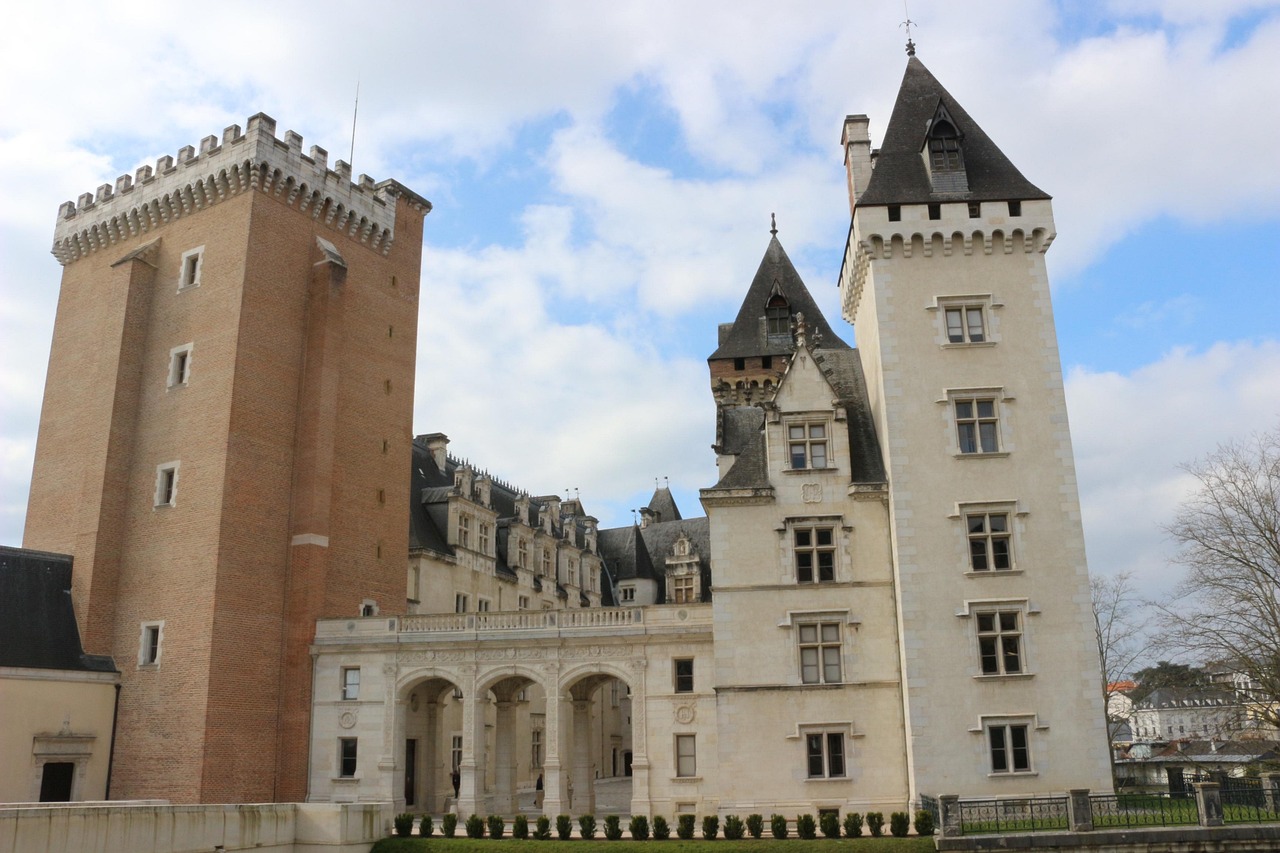
Wander west along the boulevard toward the Château de Pau, one of the most important must-see attractions in Pau. This fortified castle was the birthplace of Henri IV of France, and its history stretches back to the Middle Ages. I still remember the first time I saw its distinctive brick-and-stone towers peeking above the trees—it feels more intimate than the Loire châteaux, but no less atmospheric.
Take the guided tour if you can (they usually offer English tours at select times; check in advance). Inside, you’ll see tapestries, royal apartments, and the famous turtle shell allegedly used as Henri IV’s cradle. Whether or not the story is entirely true, locals repeat it proudly.
Tip: Buy tickets online in high season to avoid queues. Photography might be restricted in some rooms; listen to the guide’s instructions. - Lunch – Traditional Béarnais Food Near the Castle
After the castle, I like to slip into the narrow streets of the historic center. Around Rue des Cordeliers and Rue Henri IV, you’ll find several bistros serving hearty southwestern dishes. Try:- Garbure: A thick cabbage and vegetable soup with confit duck or ham—perfect in chillier months.
- Magret de canard: Duck breast, often served pink, with potatoes sautéed in duck fat.
- Pair it with a glass of Jurançon sec (dry Jurançon white wine).
- Afternoon – Old Town Wander & Rue des Cordeliers
Spend the afternoon exploring the Vieux Pau. I recommend a loose wander: start near the castle, drift through the cobbled streets, peek into small courtyards, and follow whatever catches your eye. On my last trip I discovered a tiny independent bookshop down a side alley and lost half an hour chatting with the owner about local history.
Look out for:- Rue des Cordeliers: One of the most atmospheric streets, with colorful facades and a lively mix of shops and cafés.
- Place Reine Marguerite: A small, charming square that often hosts small markets or performances.
- Evening – Apéro with a View & Dinner in the Center
For your first evening, embrace the local apéro ritual: a pre-dinner drink and nibbles. Many bars along the Boulevard des Pyrénées or near Place Royale offer terrace seating with mountain views. Order a glass of Jurançon moelleux (the sweet version) or a local beer.
For dinner, choose between:- A modern bistro in the center for updated southwestern classics.
- A more casual spot with tapas-style plates (Pau has embraced the Pintxos culture of nearby Basque Country).
Day 2: Parks, Museums & Local Life
Day 2 of this 3 day itinerary for Pau dives into the city’s green spaces, museums, and markets. This is where Pau starts to feel like a place you could call home.
- Morning – Parc Beaumont & Palais Beaumont
Start with a peaceful walk in Parc Beaumont, Pau’s elegant city park. On misty mornings I’ve watched joggers circle the small lake while older couples read on benches and kids feed the ducks. The landscaping is classic French—carefully curated, but not overly formal.
At one end of the park, you’ll find Palais Beaumont, a former casino turned conference center. Its white facade and grand terraces add a touch of Belle Époque grandeur. Sometimes there are exhibitions or events inside; otherwise, just enjoy the exterior and the gardens. - Late Morning – Les Halles (Central Market)
Head to Les Halles de Pau, the covered market that is still very much for locals. This is one of my favorite places in the city and a must for anyone interested in local food in Pau.
Inside you’ll find:- Stalls stacked with sheep’s cheese (ossau-iraty), cured hams, and rustic breads.
- Rows of seasonal produce from nearby farms.
- Stands where locals linger over oysters and a glass of white wine even before noon.
- Afternoon – Musée des Beaux-Arts & Architecture Walk
In the afternoon, visit the Musée des Beaux-Arts de Pau. It’s compact but well-curated, with works from the Renaissance to modern art. I like it because it’s never overwhelming; you can see everything in a couple of hours and still remember individual paintings.
Afterward, take an architecture walk in the surrounding streets. This area showcases Pau’s 19th and early 20th-century villas—many with ornate balconies, turrets, and lush gardens. It’s easy to see why Pau was once nicknamed the “Queen of the Pyrenees.” - Evening – Local Wine Bar & Dinner Off the Tourist Track
For your second night, venture a bit beyond the main tourist areas. In the streets behind Les Halles and toward the university district, you’ll find wine bars with excellent selections of Jurançon, Madiran, and other southwestern wines.
One evening, I ended up in a tiny bar where the owner poured me three different Jurançons “just so you can compare properly.” We ended up talking about the evolution of the vineyards until midnight, punctuated by plates of charcuterie and local cheese. Look for places with chalkboard menus and a mix of ages—students, couples, older regulars.
Day 3: Panoramas, Sports, and a Taste of the Mountains
On your final day of this 3 days in Pau itinerary, you can either stay within the city limits or dip a toe into the nearby Pyrenees. I’ll outline an in-town option and a mini-excursion option.
- Morning – Boulevard Revisit & Hidden Staircases
If the weather cooperates, revisit the Boulevard des Pyrénées for a different light—morning, afternoon, or just after rain all change the mood. Explore some of the staircases dropping down from the boulevard toward the Gave de Pau river; they pass by residential neighborhoods and small, lived-in streets that don’t see many tourists. - Late Morning – Pau’s Sports Heritage (Optional)
Pau has a strong sporting culture, especially around rugby and motor racing. Depending on your interests:- Rugby: Visit the area around Stade du Hameau. On match days (Section Paloise), the whole city seems to wear green and white. If you can catch a game, do—it’s one of the most authentically local cultural experiences in Pau.
- Grand Prix Circuit: The city streets that host the Grand Prix de Pau are quiet most of the year, but motorsport fans enjoy tracing the route on foot or by bike.
- Afternoon – Excursion to Jurançon Vineyards (Mini Day Trip)
If you have a car (or join a local tour), dedicate the afternoon to the nearby Jurançon wine region, just 10–15 minutes’ drive from Pau. Rolling hills, rows of vines, and those ever-present Pyrenees make this one of my favorite landscapes in France.
Visit a small family-run winery for a tasting. Many are happy to show you around if you call ahead. You’ll learn the difference between Jurançon sec and moelleux, and you’ll almost certainly be offered a slice of local cheese or a bit of foie gras alongside.
If you don’t have a car, spend the afternoon exploring more of Pau’s neighborhoods (see the neighborhoods section below) and perhaps walking down to the Gave de Pau riverbanks for a quieter, greener side of the city. - Evening – Farewell Dinner & Night Walk
For your farewell dinner, choose somewhere that specializes in southwestern classics—duck, lamb from the Pyrenees, hearty cassoulets. After dinner, take one last nighttime walk along the castle and the boulevard; the illuminated castle towers and the faint outlines of the mountains are a perfect way to say au revoir.
4 Day Itinerary for Pau – Culture, Countryside & Slow Travel
With 4 days in Pau, you can follow the above 3 day itinerary for Pau and add a full-day excursion into the mountains or nearby towns, plus more time to enjoy Pau’s local rhythm. I like to spend the extra day either in the Pyrénées National Park or exploring a couple of Béarnais villages.
Day 4 Option A: Pyrenees Adventure (Family-Friendly or Active)
Wake up early, grab pastries from a local boulangerie, and drive or take a bus toward the mountains. Good options within 1–1.5 hours of Pau include:
- Vallée d’Ossau: Perfect for easy to moderate hikes, scenic lakes, and villages like Laruns. In summer, try family-friendly walks; in winter, you can head to small ski resorts like Artouste or Gourette.
- Lac de Bious-Artigues: One of my favorite mountain lakes; an easy loop walk with picnic spots and panoramic views.
On a summer visit, I spent a full day around Lac de Bious-Artigues with friends: a gentle hike, long picnic with local cheese and charcuterie from Les Halles, and a nap in the grass listening to cowbells. We were back in Pau by early evening with just enough energy for a glass of wine on the boulevard.
Day 4 Option B: Béarnais Villages & Local Heritage
If you prefer culture to peaks, use your fourth day to explore villages around Pau:
- Morlaàs: Known for its Romanesque church and medieval history.
- Nay: A small town with an interesting industrial heritage and pretty riverside views.
- Gan: Gateway to Jurançon wine country, with cooperative cellars and wineries.
These smaller places give you a glimpse of daily life in Béarn: older men playing pétanque in the shade, kids on bikes, and the slow rhythm of rural France.
5 Day Itinerary for Pau – Deep Dive into a Quietly Fascinating City
With 5 days in Pau, you can really travel at local speed. I recommend:
- 3 days following the core city-focused plan (Day 1–3 above).
- 1 day in the Pyrenees or Jurançon (Day 4 option A or B).
- 1 flexible day for:
- Additional museums (like the Bernadotte Museum),
- Time in cafés and parks,
- Exploring more neighborhoods,
- Or a second short day trip (e.g., to Lourdes or Oloron-Sainte-Marie).
On my longest stay—5 days in mid-spring—I ended up with a routine: market runs in the morning, a museum or neighborhood in the afternoon, and long dinners with friends in the evening. By the time I left, I knew the baker by name, and the barista at my regular café just nodded and started my order when I walked in. That’s the magic you get when you linger.
The Best Places to Visit in Pau – 20+ Must-See Attractions & Hidden Gems
Here are over twenty of the top things to do in Pau, blending headline sights with quieter corners. Each one includes background, what to do there, and practical tips drawn from multiple visits.
1. Château de Pau
Why go: The historical heart of the city and one of the most important must-see attractions in Pau.
The Château de Pau dominates the western side of the old town, its towers and ramparts rising above the Gave de Pau. Originally a medieval fortress, it was transformed over centuries into a royal residence. The castle is best known as the birthplace of King Henri IV (1553), a key figure in French history who symbolized reconciliation between Protestants and Catholics.
Inside, you’ll tour richly furnished rooms, including royal apartments, a grand staircase, and tapestry-lined halls. The famous (and slightly macabre) turtle shell that locals claim was Henri’s cradle is on display; whether legend or fact, it’s a story every guide will happily recount.
My experience: I’ve visited three times, and each tour felt different thanks to passionate guides who highlight different anecdotes—court intrigue, architectural changes, or Pau’s place in wider French history. On my latest visit in 2025, a guide pointed out tiny graffiti etched into the stone by bored guards centuries ago; I’d walked past that wall many times without noticing.
Tips:
- Arrive early to avoid crowds, especially in summer and on weekends.
- Check for English-language guided tours if your French is limited.
- Allow extra time to walk the surrounding streets and castle gardens for great photo spots.
2. Boulevard des Pyrénées
Why go: Pau’s signature viewpoint and a daily promenade for locals.
Laid out in the 19th century, the Boulevard des Pyrénées links the castle area with Parc Beaumont, following the edge of a cliff above the Gave de Pau. The view—on a clear day—stretches from peak to peak across the Pyrenees. Signboards help you identify individual summits, and in winter you can often see snow glistening even when the city itself feels mild.
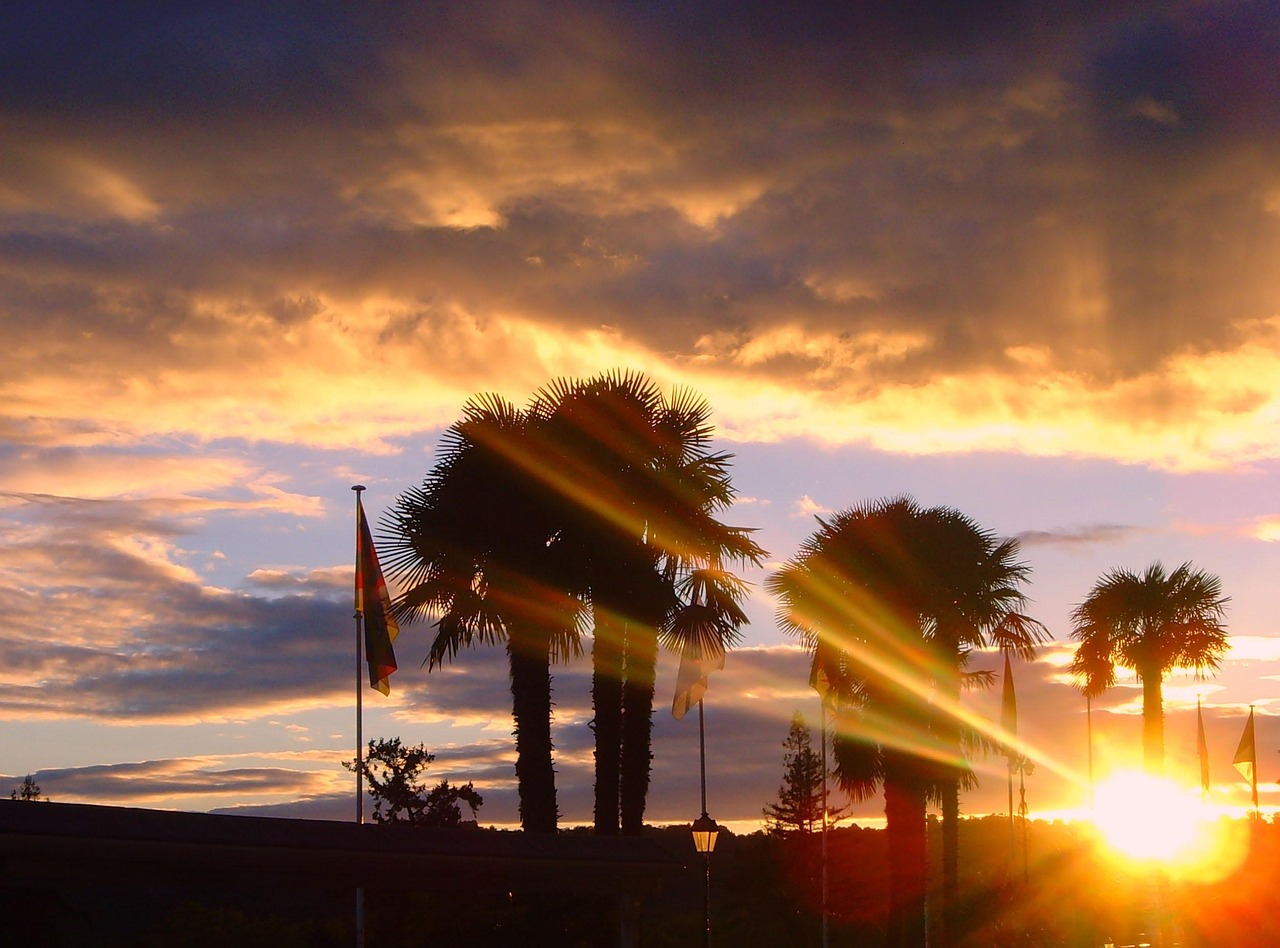
My experience: I’ve walked this boulevard in everything from blinding summer sun to drizzle and fog. The day that hooked me was a winter afternoon when clouds parted just before sunset; the mountains lit up in gold and pink, and everyone on the boulevard seemed to fall silent for a moment. It’s the kind of view that makes you understand why 19th-century British travelers raved about Pau.
Tips:
- Go at different times of day—sunrise, late afternoon, and night all have different moods.
- Bring a light jacket; it can be windy along the edge.
- Grab coffee or a glass of wine from one of the cafés that line the boulevard and linger.
3. Funiculaire de Pau
Why go: A charming piece of living history and a fun, free ride.
The Funiculaire de Pau connects the train station and lower town with the upper city near Place Royale. Opened in the early 1900s, it has been modernized but retains its vintage feel. The ride takes just a minute or two, but the novelty of gliding up the hill while looking out over the river never quite wears off.
My experience: I still take the funicular even when I don’t strictly need to. One evening, a group of school kids piled in with me, chattering in a mix of French and Spanish (we’re not far from the Spanish border, after all). The operator smiled and shrugged: “C’est Pau.” It’s a small scene, but it captures the city’s relaxed, cross-border feel.
Tips:
- The funicular is free and runs frequently during the day.
- Use it when arriving by train to avoid dragging luggage up the hill.
4. Parc Beaumont & Palais Beaumont
Why go: Green lungs of Pau and a favorite spot for families and runners.
Parc Beaumont is a beautifully landscaped park with lawns, flowerbeds, a small lake, and walking paths. Locals come here to jog, stroll, picnic, and sunbathe. At its edge stands the Palais Beaumont, once a casino, now a conference center and event venue with ornate architecture and terraces overlooking the gardens.
My experience: During a spring stay, I made it a ritual to walk through Parc Beaumont every morning. One day I stumbled upon a group of retirees practicing tai chi near the lake, while kids fed ducks and parents lingered over takeaway coffees. It’s an easy place to sit on a bench and let time stretch a little.
Tips:
- Great for family-friendly downtime; bring a small ball or frisbee for kids.
- Check if any cultural events or performances are scheduled at Palais Beaumont during your visit.
5. Les Halles de Pau (Central Market)
Why go: The beating heart of Pau’s food scene and the best place to experience local flavors.
The covered Les Halles is where you’ll find the freshest produce, cheeses, meats, and prepared foods in Pau. Renovated in recent years, it combines modern amenities with tradition. This is where you discover the region’s soul through local food in Pau.
My experience: On one Saturday morning, I followed the flow of locals from stall to stall: first a cheesemonger who insisted I sample three different ossau-iraty cheeses, then a baker with still-warm baguettes, then a stall selling garbure in takeaway containers. I ended up with an unplanned picnic that turned into one of the best meals of my trip.
What to try:
- Ossau-Iraty: Semi-hard sheep’s cheese from nearby valleys.
- Fromage de brebis with black cherry jam: Classic pairing.
- Charcuterie: Cured hams and saucissons from Béarn and Basque Country.
- Gâteau basque: Almond- or cream-filled cake.
6. Musée des Beaux-Arts de Pau
Why go: A small but rich art museum, ideal for an afternoon of culture.
The Musée des Beaux-Arts houses a diverse collection from the 15th to the 20th century, including works by major European artists. It’s not overwhelming, which is a blessing; you can take your time and really look at what’s on display.
My experience: I ducked in on a rainy afternoon, expecting to spend an hour, and emerged almost three hours later. A temporary exhibition on regional artists gave me a new perspective on Béarn’s landscapes—afterward, walking along the boulevard, I started to see the clouds and mountains as if they were brushstrokes.
Tips:
- Check current exhibitions on the museum’s website before visiting.
- Combine with a coffee or lunch at a nearby café for a relaxed cultural half-day.
7. Vieux Pau (Old Town)
Why go: Atmospheric streets, hidden courtyards, and historic houses.
The old town around the château is a maze of narrow lanes, staircases, and small squares. Here you’ll find half-timbered houses, stone facades, and an eclectic mix of shops and bars. This is one of the best places to wander without a plan.
My experience: I’ve discovered something new every time: a courtyard garden open for a local art show, a bar tucked behind an unmarked door, a staircase leading to a panoramic viewpoint. One evening, I followed the sound of live music and ended up at a small jazz bar filled mostly with locals.
Tip: Wear comfortable shoes; the cobbles and slopes can be hard on your feet after a while.
8. Place Royale
Why go: Central square with a regal feel and great starting point for exploring Pau.
Place Royale is a large, open square bordered by elegant buildings, with a statue of Henri IV and sweeping views toward the Pyrenees. It connects the boulevard, the old town, and shopping streets, making it a natural meeting point.
My experience: I’ve watched everything from political rallies to outdoor concerts in this square. On quiet weekday mornings, you might find just a few people sitting on benches; on festival nights, it transforms into a lively hub.
9. Bernadotte Museum (Musée Bernadotte)
Why go: An unexpected link between Pau and the Swedish royal family.
The Bernadotte Museum is housed in the modest birthplace of Jean-Baptiste Bernadotte, a Pau native who became a marshal of France under Napoleon and later King Charles XIV John of Sweden. The museum explores his remarkable life and the connection between Pau and Scandinavia.
My experience: I went in out of curiosity and ended up fascinated. The house is relatively simple, but the story is extraordinary—a reminder that even a quiet city like Pau can produce people who reshape European history.
Tip: History buffs will love this; it’s also a good spot on a hot or rainy day.
10. Gave de Pau Riverbanks
Why go: A quieter, greener side of the city with walking and cycling paths.
The Gave de Pau flows below the city, its milky-blue water fed by mountain streams. Paths along the riverbanks are ideal for walking, running, or cycling. It’s amazing how quickly you can feel immersed in nature while still being within Pau’s city limits.
My experience: On hot days, I escape here for shade and cooler air. Once, after a storm, the river ran high and powerful; watching it from the bank was a reminder of how closely Pau is tied to the mountains even when you’re not in them.
11. Rue des Cordeliers & Shopping Streets
Why go: Lively pedestrian streets with independent boutiques and cafés.
Rue des Cordeliers and nearby streets form Pau’s main shopping area. Here you’ll find everything from big-name brands to small independent shops selling local products, clothes, books, and crafts.
My experience: I usually end up here late afternoon, when locals finish work and grab a drink or run errands. One of my favorite hidden gems is a tiny wine shop down a side street where the owner will happily design a tasting trajectory through Jurançon, Madiran, and other southwestern appellations based on your preferences.
12. University District & Student Hangouts
Why go: A younger, more bohemian side of Pau with affordable eats and bars.
Near the Université de Pau et des Pays de l’Adour, you’ll find streets lined with budget-friendly restaurants, bars, and cafés. This is where I go when I want something informal and lively, especially on Thursday or Friday nights.
My experience: On my last trip, I ended up at a student-run open mic night in a café-bar here—poetry, music, stand-up comedy, all in a mix of French, Spanish, and English. Even if you don’t understand everything, the energy is infectious.
13. Grand Prix de Pau Circuit
Why go: For motorsport fans, a historic street circuit woven into the city.
The Grand Prix de Pau has been run since 1933, making it one of the oldest street races in the world. Much of the circuit uses normal city streets, which you can walk or drive when the race isn’t on. Recent years have seen a shift toward electric and hybrid racing, making Pau a bit of a pioneer in sustainable motorsport.
My experience: Even if you’re not in town during the May race weekend (when the city buzzes and accommodation sells out), it’s fun to trace the route. I once followed an audio guide created by a local fan that pointed out historic race moments at different corners.
14. Stade du Hameau (Section Paloise Rugby)
Why go: Experience Pau’s rugby passion up close.
Section Paloise is Pau’s professional rugby union team, and home games at Stade du Hameau are major events. Rugby here isn’t just sport; it’s social glue and local pride.
My experience: I went to a match on a chilly November evening and was impressed by how multi-generational the crowd was—grandparents, kids, groups of teenagers, all in green and white. Even without understanding every rule, you can feel the stakes in the roars and groans of the crowd.
Tip: Check the season schedule (usually September–May). Buy tickets in advance for high-profile matches.
15. Jurançon Vineyards (Nearby)
Why go: Rolling vineyard landscapes and world-class white wines on Pau’s doorstep.
The Jurançon AOC lies just southwest of Pau. Vineyards climb gentle hills, often with mountain backdrops. The wines—dry and sweet whites—are aromatic and distinctive, made primarily from Gros Manseng and Petit Manseng grapes.
My experience: Some of my best memories around Pau are of impromptu tastings at small estates. At one family-run winery, the owner’s dog followed us between rows of vines while she explained how late-harvest grapes for Jurançon moelleux are picked berry by berry. We left with a couple of bottles wrapped in newspaper and the feeling that we’d been welcomed into someone’s home, not just a business.
Tips:
- Call ahead; many estates are happy to host visitors but appreciate notice.
- If you’re driving, spit during tastings or share pours—roads are winding.
16. Belle Époque & Early 20th-Century Villas
Why go: Discover the architecture of Pau’s golden age as a winter resort.
In the late 19th and early 20th centuries, Pau attracted wealthy visitors from Britain and beyond, who built elegant villas and mansions. Many still stand in residential streets near Parc Beaumont and along certain boulevards, with features like turrets, wrought-iron balconies, and lush gardens.
My experience: I love walking these streets at golden hour, when the setting sun hits pastel facades and stained glass windows. On one walk, an elderly resident tending her roses stopped to ask where I was from and ended up telling me stories of what the neighborhood was like in the 1950s.
17. Street Art & Creative Spaces
Why go: A contemporary contrast to Pau’s historic side.
Over the past decade, Pau has seen an increase in street art and creative spaces, especially in former industrial or less central areas. Murals, installations, and small galleries pop up in unexpected corners.
My experience: A local friend once led me on an unofficial “street art safari” through the edges of town. We found a huge mural referencing Henri IV in a comic-book style, and another piece blending Béarnais and Basque motifs. Ask at the tourist office for current street art maps or leads.
18. Local Festivals & Cultural Events
Why go: Tap into living culture beyond the monuments.
Pau hosts various festivals throughout the year—music, film, comics, and more. The summer Fêtes de Pau brings concerts and events to public spaces, while autumn and winter feature more niche cultural events.
My experience: One September, I stumbled upon a free jazz concert in a small square, part of a larger festival I hadn’t even known about. People of all ages danced or sat on the cobbles, wine glasses in hand, kids weaving between the adults. It felt like stumbling into a neighborhood party.
19. Lourdes (Day Trip)
Why go: One of the world’s major Catholic pilgrimage sites, easily reached from Pau.
Lourdes is about 40 minutes away by train or car from Pau. Whether you’re religious or not, the Sanctuary of Our Lady of Lourdes and its associated sites are powerful to witness. Candlelit processions, pilgrims bathing in spring water, and the sheer scale of the sanctuary make it a unique cultural experience.
My experience: Visiting with non-religious friends, we all agreed that even beyond faith, Lourdes forces you to think about hope, illness, and devotion. We spent most of a day there and returned to Pau in the evening to decompress over a quiet dinner.
20. Vallée d’Ossau & Mountain Lakes (Day Trip)
Why go: Alpine lakes, grazing cows, and easy access to the high Pyrenees.
Within about an hour’s drive, the Ossau Valley opens up a world of peaks, pastures, and lakes. In summer, it’s a paradise for hikers and families; in winter, snow sports take over. Lac de Bious-Artigues and Lac de Fabrèges are especially scenic.
My experience: On a sunny June day, we hiked around Lac de Bious-Artigues, shared a picnic with a very determined (and successful) dog who wanted our cheese, and lay in the grass listening to cowbells and distant thunder. By the time we drove back to Pau, the mountains were shrouded in clouds again—classic Pyrenees mood swings.
Neighborhoods & Areas to Explore in Pau
Pau isn’t a city of sharply defined districts, but each area has its own character. Here’s how I’d break it down for visitors.
Historic Center & Vieux Pau
This is where most visitors spend their time: around the castle, Place Royale, and the surrounding lanes. Expect cobblestones, small squares, and a mix of tourists and locals.
Boulevard des Pyrénées & Parc Beaumont Area
Ornate buildings, hotels, and apartments line the boulevard, while Parc Beaumont offers greenery. This is one of the best areas to stay in Pau if you want easy access to views and parks.
Les Halles & Market Quarter
The streets around Les Halles are busy in the mornings and at lunchtime, quieter at night except for a few bars and restaurants. Great for food lovers and budget-conscious travelers.
University District
Further from the historic heart but easy to reach by bus, this area has a youthful vibe, with cheap eats, student bars, and occasional cultural events at the university.
Riverside & Outskirts
Along the Gave de Pau, you’ll find quieter residential areas, sports facilities, and walking paths. It’s not touristy, but if you like running or cycling, it’s worth exploring.
Local Food in Pau – What to Eat & Where
Eating is one of the best things to do in Pau. The city sits at a crossroads of Béarnais, Basque, and Pyrenean cuisines, with a focus on hearty, flavorful dishes and excellent wines.
Must-Try Dishes
- Garbure: Thick vegetable and cabbage soup with confit duck or ham. Perfect in cold weather.
- Confit de canard: Duck leg slow-cooked in its own fat until tender, often served with potatoes.
- Magret de canard: Duck breast, usually served medium-rare.
- Axoa: Basque-influenced veal or beef stew with peppers and onions.
- Fromage de brebis: Sheep’s cheese served with black cherry jam.
- Gâteau basque: Traditional cake with almond, cream, or cherry filling.
Local Drinks
- Jurançon sec: Dry, aromatic white wine—great with fish, cheese, or as an apéritif.
- Jurançon moelleux: Sweet white wine, perfect with foie gras or dessert.
- Regional reds: Wines from Madiran and Cahors often appear on menus.
- Local beers & ciders: Craft breweries and ciders from the broader southwest are increasingly popular.
Where to Eat (Types of Places)
I avoid naming specific restaurants because they change over time, but here’s how to find good spots:
- Look near Les Halles for bistros that change menus daily based on market produce.
- Try wine bars along Rue des Cordeliers and side streets for tapas-style plates and regional wines.
- In the university district, seek out cheap and cheerful spots with daily specials (plat du jour) and student-heavy crowds.
- On the Boulevard des Pyrénées, some restaurants are more about the view than the food; check recent reviews or daily menus before committing.
Saving Money on Food
- Opt for lunch menus (formules midi), often 2–3 courses for a reasonable price.
- Create picnic lunches from Les Halles and eat in Parc Beaumont or on a bench along the boulevard.
- Look for boulangeries that offer sandwiches and quiches—perfect for a quick, budget-friendly meal.
Nightlife, Entertainment & Cultural Experiences in Pau
Nightlife in Pau is relaxed rather than wild, but there’s enough to keep evenings interesting, from wine bars to live music and rugby nights.
Nightlife
- Wine Bars: Around the center, especially near Les Halles and Rue des Cordeliers, you’ll find cozy spots serving regional wines and small plates.
- Student Bars: In the university district, bars are livelier and sometimes host theme nights or DJ sets.
- Pub-Style Bars: A few Anglo-influenced bars cater to expats and Erasmus students, good for watching sports.
Cultural Experiences
- Theatre & Concerts: Check listings at local theaters and cultural centers, including Palais Beaumont.
- Festivals: Time your trip around one of Pau’s festivals (music, comics, or the Fêtes de Pau) for street performances and special events.
- Rugby Matches: For a true cultural experience in Pau, attend a Section Paloise match; it’s as much social gathering as sports event.
Romantic & Family-Friendly Evenings
- Romantic: Sunset walk on the boulevard, followed by dinner in a small bistro and a nightcap at a wine bar.
- Family-Friendly: Early dinner, then a stroll through Parc Beaumont or an ice cream stop in the center. During December, the Christmas market and lights are magical for kids.
Day Trips & Nearby Attractions from Pau
Pau makes an excellent base for exploring the Pyrenees and southwestern France. In addition to Lourdes and the Ossau Valley mentioned above, consider:
Oloron-Sainte-Marie
A riverside town with a beautiful cathedral and gateway to mountain valleys. Reachable by train or car in under an hour.
Basque Coast (Biarritz, Bayonne, Saint-Jean-de-Luz)
About 1.5 hours by car or train, the Basque coast makes a great long day trip: Atlantic beaches, Basque architecture, and seafood.
Jurançon Wine Route
Turn your Jurançon excursion into a full-day wine route, visiting several estates and a village or two, with a long lunch in between.
Local Customs & Cultural Etiquette in Pau
Pau is relaxed, but a few cultural norms will make your stay smoother and more enjoyable.
Greetings & Politeness
- Always start interactions with “Bonjour” (day) or “Bonsoir” (evening), even in shops and at market stalls.
- “S’il vous plaît” (please) and “Merci, au revoir” (thank you, goodbye) go a long way.
- In more casual settings, you may hear Béarnais or southwestern expressions; don’t worry if you don’t understand.
Dining Etiquette
- Meals, especially dinner, are meant to be unhurried; don’t expect the bill automatically—ask for it (“L’addition, s’il vous plaît”).
- Tipping is not obligatory, but leaving small change or rounding up in cafés and taxis is appreciated if service was good.
- In more traditional restaurants, splitting dishes is less common; if you want to share, mention it politely when ordering.
Dress & Behavior
- Pau is casual but neat; smart-casual works well almost everywhere.
- At religious sites (e.g., Lourdes), dress modestly and stay quiet inside sanctuaries.
- Public displays of loud behavior (especially late at night) are frowned upon in residential areas.
Practical Travel Advice for Pau
Getting To Pau
- By Air: Pau-Pyrénées Airport (PUF) has flights from Paris and some seasonal connections. A shuttle or taxi connects the airport to the city.
- By Train: Direct trains link Pau with Bordeaux, Toulouse, Bayonne/Biarritz, and Paris (via TGV or fast connections with one change).
- By Car: Highways connect Pau to major cities; having a car is useful for day trips but not necessary inside Pau itself.
Getting Around Pau
Pau is compact and very walkable, but you also have:
- Tram’Bus & Buses: Modern, reliable, and covering most areas of interest.
- Funicular: Free link between upper town and train station.
- Bikes & Scooters: Increasingly common; check local rental options.
- Car Rental: Best for exploring vineyards and mountains. In 2026, electric charging points are more common, but check your route if you rent an EV.
Money-Saving Tips
- Use lunch deals and make dinner lighter at a wine bar or with picnic supplies.
- Stay slightly outside the historic center (still within walking distance) for better hotel and apartment rates.
- Take advantage of free attractions: the boulevard, Parc Beaumont, old town wandering, riverbanks, and some festivals.
SIM Cards & Connectivity
- Major French operators (Orange, SFR, Bouygues, Free) sell prepaid SIMs; you’ll find them at airports, larger supermarkets, and phone shops in Pau.
- If you’re from another EU country, roaming is usually included—check with your provider.
- Many cafés and hotels offer free Wi-Fi; speeds are generally good.
Visa Requirements & Driving Licenses
- France is in the Schengen Area; many nationalities can visit visa-free for short stays (up to 90 days in 180). Check current rules for your passport.
- Non-EU drivers may use their license, but some rental companies require an International Driving Permit (IDP)—check in advance.
- Seatbelts are mandatory, and drink-driving laws are strict; if you go wine tasting, designate a sober driver.
Safety & Health
- Pau is generally safe; normal urban precautions suffice.
- Pharmacies are easy to find; look for the green cross sign.
- In the mountains, weather can change fast—pack layers and check forecasts.
Best Time to Visit Pau
Pau is a year-round destination, but different seasons suit different travelers and activities.
Spring (March–May)
- Mild temperatures, blossoming parks, fewer crowds.
- Ideal for walking the city, early-season hikes, and vineyard visits.
Summer (June–August)
- Warm to hot in the city; cooler in the mountains.
- Best time for high-altitude hiking and lakes; festivals and outdoor events in Pau.
- Plan ahead for the busiest weeks, especially around school holidays.
Autumn (September–November)
- My personal favorite: golden light, grape harvest in Jurançon, comfortable temperatures.
- Great for foodies and photographers.
Winter (December–February)
- Cool and sometimes rainy in Pau, snow in the mountains.
- Perfect if you want to combine a quiet city break with skiing or snowshoeing.
- Christmas markets and lights make December especially charming.
Summary & Final Recommendations
Pau is a city that rewards attention. It may not shout as loud as Paris or Nice, but it offers something more intimate: layers of history, a daily life framed by the Pyrenees, and the sense that you’ve slipped into a place that still belongs to its residents first.
If you’re planning a 3 day itinerary for Pau, focus on the essentials: the château, Boulevard des Pyrénées, Parc Beaumont, Les Halles, and a taste of local food and wine. For 4 days in Pau or a 5 day itinerary for Pau, add day trips to Jurançon, Lourdes, or the Ossau Valley, and give yourself enough unstructured time to simply walk, watch, and linger in cafés.
The best time to visit Pau depends on your priorities: spring and autumn for balanced weather and food, summer for mountain adventures and festivals, winter for a quieter city and snowy peaks. Whenever you come, don’t rush. Pau is best experienced at the pace of its own residents: slowly, with frequent stops for good food, good wine, and good views.