Why Visit Petite France – And Why Linger Longer
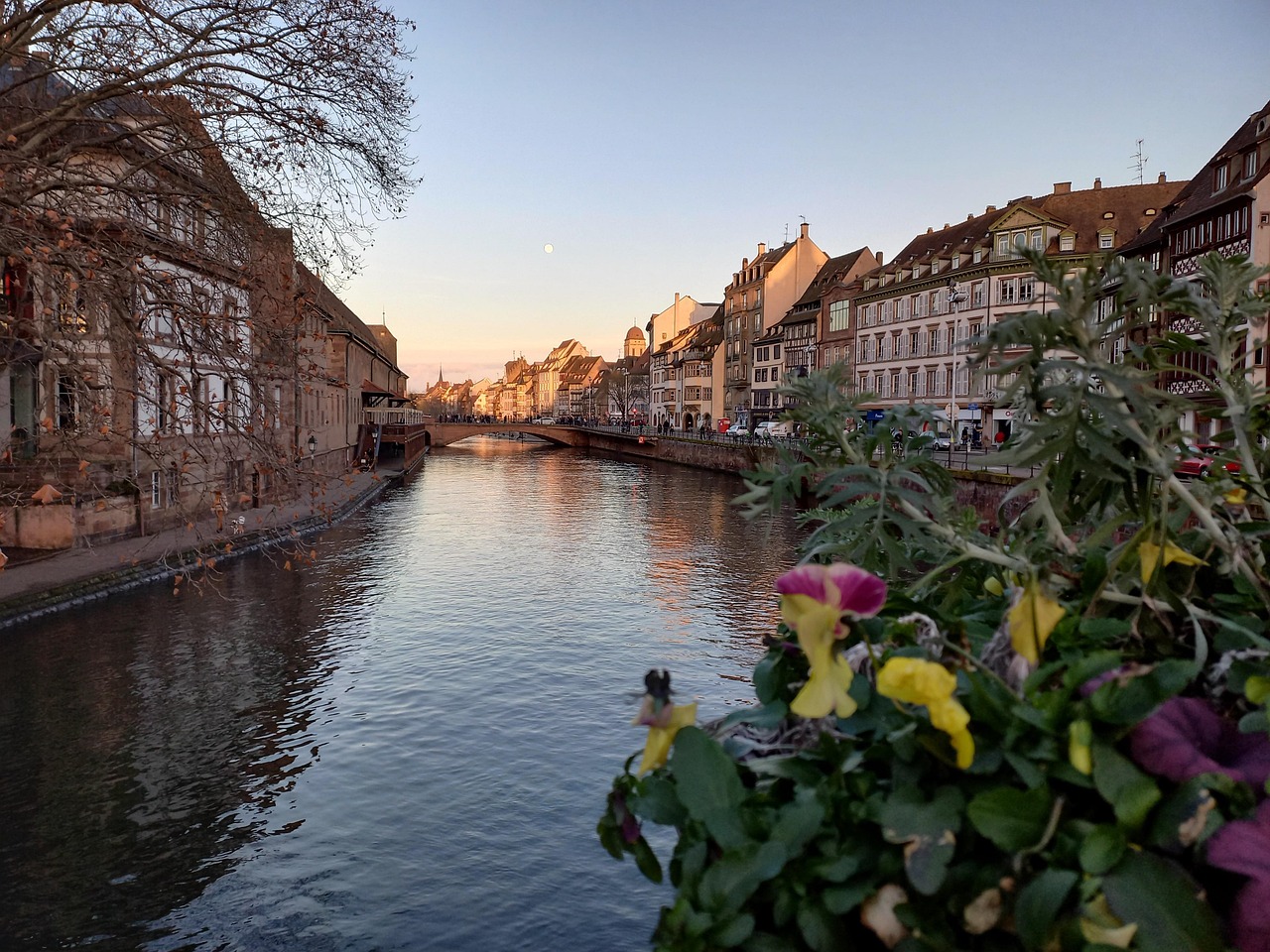
Petite France is the kind of place that looks like a film set when you first arrive and quietly becomes a neighborhood once you’ve walked it at dawn, in the rain, and on winter nights when the canals steam in the cold. Officially, it’s just one quarter of Strasbourg’s Grande Île, but in practice it’s a self-contained world of crooked half-timbered houses, slow-moving water, and cobbles that remember centuries of tradesmen, tanners, and barge workers.
I’ve been coming back here for years, often staying in small attic apartments overlooking the Ill river, writing in cafés when the morning light hits the facades along the Quai de la Petite France. In 2026, the quarter is as busy as ever in high season, but it still rewards those who step away from selfie spots and let the atmosphere sink in.
What makes Petite France special?
- Compact, walkable beauty: You can cross the entire quarter in ten minutes, yet it holds days of layered history and quiet corners.
- Water at every turn: Canals, locks, reflections of timbered houses and flower boxes – the Ill river shapes everything.
- Alsatian identity in microcosm: Germanic roofs, French shutters, bilingual menus, and a lived-in cross-border culture.
- Evenings that feel like a stage set: Bridges lit up, cathedral bells echoing from the old town, and the soft creak of boats.
- Easy base for wider Alsace: The wine route, Vosges mountains, and German day trips all radiate from Strasbourg’s station, a short walk away.
If you’re wondering whether to spend 2 days in Petite France, 3 days in Petite France, or even 4 days in Petite France, the honest answer is that the quarter itself is small, but the experiences radiating from it are not. This travel guide for Petite France assumes you’re curious, like to walk, and care as much about local food and habits as about ticking off must-see attractions.
Table of Contents
- 1. Understanding Petite France: Layout, History & How It Evolved
- 2. The 12 Key Quarters, Monuments & Sites in Petite France
- 3. Suggested Itineraries: 2–4 Days in and around Petite France
- 4. Traditional Cuisine & Local Food in Petite France
- 5. Evenings in Petite France: Night Walks, Lights & Performances
- 6. Day Trips & Nearby Excursions
- 7. Cultural Etiquette & Local Customs
- 8. Practical Travel Tips for Petite France (2026–2027)
- 9. What’s New: Events & Festivals 2026–2027
- 10. Summary & Best Time to Visit Petite France
Understanding Petite France: Layout, History & How It Evolved
Petite France sits on the southwestern edge of Strasbourg’s Grande Île, a UNESCO World Heritage core wrapped by the Ill river. In medieval times, this was the city’s rougher working quarter – home to tanners, millers, fishermen, and, less poetically, a 15th-century hospital for syphilis patients (hence the name “Petite France,” linked to the “French disease”). Today, it’s become the postcard star of the city.
The layout is easier to feel with your feet than to grasp on a map. Think of it in layers:
- The river ring: The Ill splits into several arms, encircling small islets. Bridges and locks connect them, giving you ever-changing perspectives.
- The inner grid: Short, irregular streets like Rue des Moulins, Rue du Bain-aux-Plantes, and Rue des Dentelles knit the quarter together.
- The defensive edge: At the western end, the Ponts Couverts and Barrage Vauban mark the historic defensive line.
Chronologically, Petite France layers up like this:
- Middle Ages: Wooden mills and workshops along the water; narrow, unsanitized alleys.
- 16th–17th centuries: Construction of many of the half-timbered houses you see today; tanners’ lofts with open upper floors for drying hides.
- 17th century: Vauban’s defensive structures (Barrage Vauban) reshape the western edge.
- 19th century: Industrial changes, partial decline of traditional trades; modernization of bridges and embankments.
- Late 20th century: Restoration and tourism pivot; the quarter is polished but still has scars if you look for them.
When I walk Petite France with friends visiting for the first time, I usually suggest a simple loop: enter from the east, via the more commercial streets of the old town, then let each bridge carry you a little further back in time until you’re standing on the Ponts Couverts towers, looking out toward the modern city and the Vosges on a clear day. We’ll follow a similar logic in this guide, moving from the most iconic places to the quieter edges.
The 12 Key Quarters, Monuments & Sites in Petite France
These are the places I return to again and again, both for my own pleasure and when crafting a 2 day itinerary for Petite France or a deeper 4 day itinerary for Petite France with clients. Each subsection is a small story – where I like to stand, what to notice, and how to enjoy it without feeling rushed.
1. Barrage Vauban (Vauban Dam)
The Barrage Vauban is the place I tell people to go first thing in the morning or at blue hour. It’s technically a defensive weir built in the 17th century by Louis XIV’s famed engineer Vauban, designed to flood the southern approaches to Strasbourg. Today, it’s one of the best viewpoints over Petite France.
The last time I climbed up here on a winter morning in 2026, the mist still clung to the Ill. The half-timbered houses of Petite France glowed faintly, while the chunky stone towers of the Ponts Couverts rose like sentinels. I was almost alone, except for a photographer with a tripod and a jogger cutting across the bridge below.
What to do:
- Walk through the interior corridor and look at the old defensive mechanisms and statues.
- Climb to the rooftop terrace for a panoramic view: Petite France to the east, modern Strasbourg to the west.
- Come once by day and once after sunset; the difference is striking.
Practical tips: Access is usually free. The stairs are manageable but not ideal for those with mobility issues. If you’re building a 2 days in Petite France plan, this is a perfect start to Day 1 at around 9:00 a.m. or just before sunset. In high season, arrive early to avoid coach groups that sometimes sweep through mid-morning.
2. Ponts Couverts & Medieval Towers
The Ponts Couverts – literally “covered bridges,” though the roofs are long gone – anchor the western entrance to Petite France. Their three stone towers were once part of the city wall. Now, they’re among the most photographed silhouettes in Strasbourg.
I like to approach them from the Barrage Vauban, then descend to the easternmost bridge and wander slowly across. The view back toward the quarter is one postcard after another: water, boats, geranium-draped facades.
Family-friendly moment: Families love watching the locks and the occasional tourist boat shuffle through. If you’re here with kids, build in ten minutes just to lean on the railings and count ducks and swans.
Photography tip: In summer, harsh midday sun can blow out the white plaster of the houses. Come in early morning or late afternoon for softer light, or embrace the high-contrast look in black and white.
3. Quai de la Petite France & Signature Canal Views
If there is a single view that sells people on the idea of 3 days in Petite France instead of a rushed day trip, it’s the bend of the canal along Quai de la Petite France. This is the “calendar shot” – a curve of water lined by sharply pitched roofs and timber frames leaning toward their reflections.
On one of my favorite early spring visits, I grabbed a coffee to go from a tiny kiosk on Rue des Moulins and brought it here just before the neighborhood woke up. Delivery vans were backing into impossibly tight spaces, a baker was hauling out racks of kougelhopf, and a pair of swans were asleep on the far bank. Ten minutes later the first guided group arrived, umbrellas held up like flags.
What to look for:
- The progression of architectural styles: some houses are late medieval, others 17th–18th century reconstructions.
- Old tannery balconies on the upper floors – open railings where hides used to dry.
- Carved dates and initials on corner beams (bring a zoom lens if you like details).
When to come: Dawn and dusk are magic. At night, lights from restaurants bounce off the water and the stone looks almost pink. If you’re crafting a romantic 2 day itinerary for Petite France, plan one unhurried evening stroll along this quai.
4. Rue du Bain-aux-Plantes – The Postcard Street
Rue du Bain-aux-Plantes is the archetypal Strasbourg street: a slight curve, half-timbered houses with painted beams, and small restaurants tucked under low ceilings. Historically, the area was connected with tanners and bathhouses – hence the name.
On a balmy July evening in 2025, I ended up here with a friend from Lyon who’d never been to Alsace. We’d meant to “just look” before dinner, but a chalkboard promising tarte flambée with Munster and a local Riesling pulled us into a tiny winstub. An accordionist started playing in the corner, and three hours later we tumbled back onto the street, full and slightly tipsy, with the last blue light lingering above the rooftops.
Tips for visitors:
- Dining: Many restaurants here are very tourist-facing, but a few remain genuinely good. Look for short menus and more locals than cameras.
- Timing: Weekday evenings feel more local than Saturday nights, when it can turn into a slow-moving river of people.
- Photography etiquette: People live above these restaurants. Avoid pointing lenses directly into lit windows at night.
5. Rue des Moulins – Between Water and Timber
Rue des Moulins (“Street of the Mills”) hugs one of the water channels and feels like a gentle transition between the busier core of Petite France and the quieter edges. In the Middle Ages, mills here harnessed the river’s power; today, you’re more likely to see boutique hotels and bistros.
On one autumn afternoon in 2026, I walked this street in steady rain. The cobbles darkened, the timber beams seemed to drink in the moisture, and suddenly the whole quarter slipped back a few hundred years. The tourist gloss peels away quickly in bad weather; bring a good umbrella and you’ll have the street almost to yourself.
Hidden gem: Look for small side passages (“impasses”) leading down to the water. A couple of them dead-end at stone landings where you can sit quietly above the river, invisible from the main street.
6. The Tanners’ Quarter & Old Workshops
Petite France was once notorious for its smell. Tanners soaked hides in the river, then hung them to dry in the upper stories of the houses. On hot summer days, the odor would have been…memorable. Today, only the architecture hints at that past, with high, open galleries and small attic windows.
I like to stand in the middle of the square where several of these houses cluster and imagine the cacophony: workers shouting, wheels creaking, water slapping against the pilings. The quarter’s beauty is relatively recent; for centuries, this was a rough, working-class zone.
What to notice:
- Upper-floor openings without glass – some still used as balconies.
- Uneven lines of the roofs; these buildings have settled and warped over time.
- Occasional old signs or carved symbols indicating guilds or trades.
7. Église Saint-Thomas & Its Quiet Quarter
Just a few steps beyond the densest part of Petite France lies the quarter around Église Saint-Thomas, a Lutheran church with a distinctive pink sandstone tower. It’s technically outside the strictest definition of the quarter, but for walking purposes it’s part of any meaningful exploration.
On Sunday mornings, I sometimes slip into the back pews here. Even if you’re not religious, it’s a window into Strasbourg’s Protestant heritage, with simpler lines than the cathedral but a similar sense of solidity. The area around the church feels more residential, with schools and everyday shops.
Visitor etiquette: Dress modestly if you plan to enter. Avoid loud conversations and photography during services. At other times, discreet photos are usually tolerated, but always check posted signs.
8. Place Benjamin-Zix – Petite France’s Living Room
Place Benjamin-Zix is a small, often-crowded square at the heart of Petite France. It’s ringed by cafés and restaurants, and in fair weather the terraces spill across the cobbles. It’s also where you’ll hear a half-dozen languages in five minutes.
I rarely eat here – prices are higher and quality mixed – but I often sit for a quick coffee or glass of Sylvaner just to people-watch. Street musicians sometimes set up at the edges, and kids clamber on the low steps.
Tip: If your time is limited and you’re building a 2 day itinerary for Petite France, this is a useful checkpoint but not somewhere you need to linger long unless you’re tired. Grab a drink, rest your feet, then dive into the side streets again.
9. The Lower Banks near the Covered Bridges
Underneath the Ponts Couverts, pathways drop closer to water level. This is where you feel the quarter’s relationship with the river most directly: ducks nest among reeds, kayakers occasionally slip by, and the stone supports of the bridges loom above you.
On hot summer days, this shaded level can be a lifesaver. Once, in August heat that made the rooftops shimmer, I came down here with a takeaway ice cream and simply sat with my back against cool stone. The traffic and chatter above turned into a distant murmur.
Safety & etiquette: Keep an eye on children near the water. Don’t feed ducks bread (it’s bad for them); if you must feed them, use grains or lettuce. In the evenings, avoid sitting too close to the water’s edge after heavy drinking – it’s easy to misjudge distance in low light.
11. Canal Boat Tours around Petite France
Boat tours might feel touristy, but around Petite France they offer perspectives you simply can’t get on foot. The low angle reveals how precariously some houses sit over the water, and you see the mechanics of the locks and weirs in action.
I’ve done the loop several times, usually when friends or family visit. My favorite run was on a chilly December afternoon, when blankets were handed out on board and mulled wine scents drifted from the Christmas market stalls onshore. The commentary covered standard history, but the real show was the light on the water and the warm apartment windows sliding past.
Tips:
- Choose an open-top boat in good weather; in rain or cold, go for covered with large windows.
- For photographers, sit near the front, river-right when leaving the dock to get the best views of Petite France’s facades.
- In peak months, book ahead online or buy tickets early in the day for a later departure.
12. Petite France by Night: Bridges & Reflections
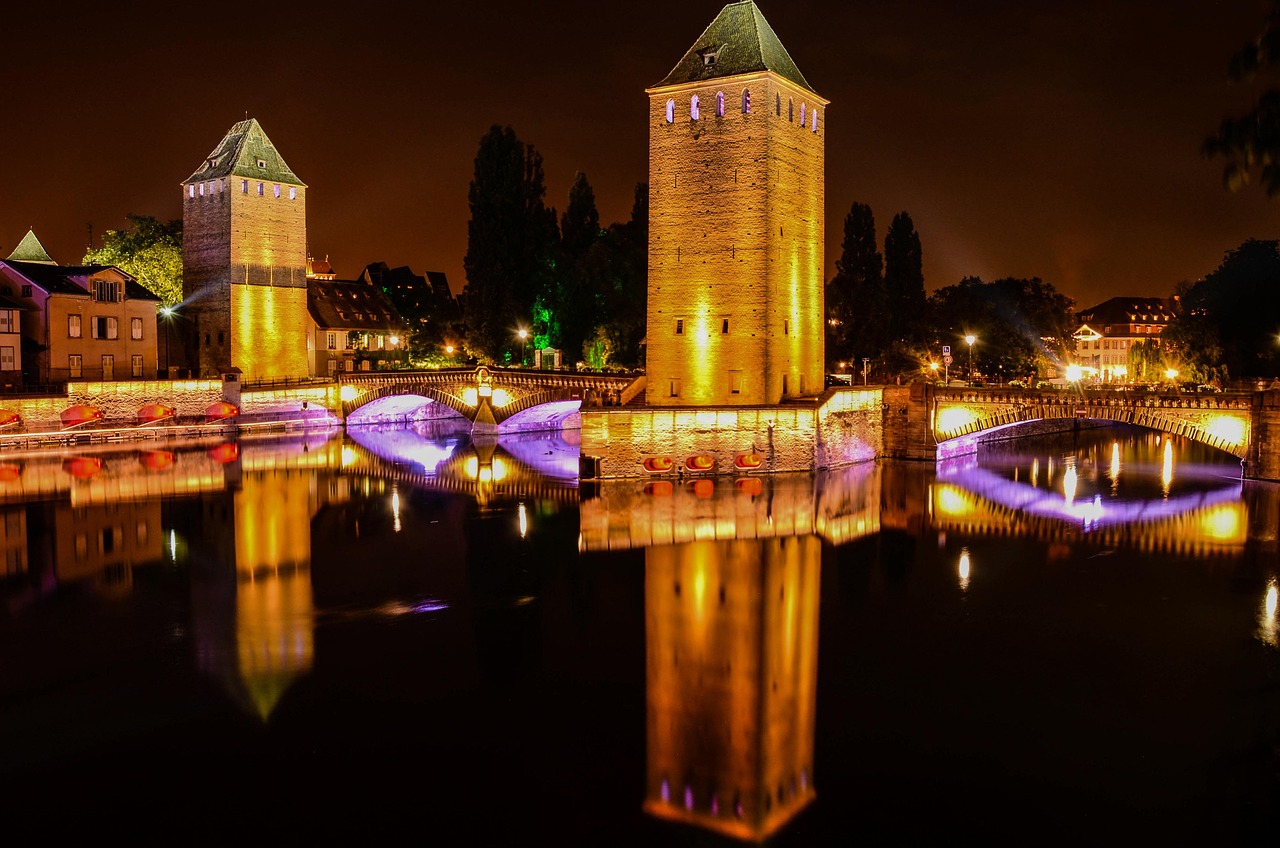
Once the day-trippers have gone and restaurant noise calms, Petite France becomes another place entirely. The stone glows under warm lamps, water turns inky and reflective, and the half-timbered houses seem to lean closer together and whisper.
One of my rituals when staying nearby is a midnight walk from Barrage Vauban to the eastern edge of the quarter and back. I pass maybe five people: a couple returning from dinner, a cyclist cutting home, someone walking a dog. Even in peak season, you can have this experience if you’re willing to be out late.
Romantic angle: For couples crafting a 3 day itinerary for Petite France, keep one evening unprogrammed. Eat a bit earlier, then just wander. Cross every bridge you see. Sit on a bench above the water and let the quarter earn its reputation.
Suggested Itineraries: 2–4 Days in and around Petite France
These sample itineraries come from living here, guiding friends, and tweaking routes in all seasons. Think of them as frameworks: adjust for weather, energy, and your own pace. Each day mixes must-see attractions in Petite France with hidden gems, local food, and a sense of how the quarter breathes.
2 Day Itinerary for Petite France
If you have only 2 days in Petite France, focus on depth over breadth. Stay nearby – ideally inside the old quarter or just across the river – so you can enjoy early mornings and late nights without commuting.
Day 1 – First Embrace: Icons, Canals & Evening Glow
I still remember my own first “proper” day based entirely in Petite France, after years of only passing through on assignment. I decided to treat the quarter as if it were a small village, not a slice of a bigger city. Here’s roughly how that day unfolded – a structure I now often suggest as a 2 day itinerary for Petite France, Day 1.
Morning (8:30–12:00) – From Barrage Vauban to Rue du Bain-aux-Plantes
Start early at Barrage Vauban. Arrive by 8:30–9:00 a.m., when the light is low and the tour groups haven’t formed. Climb straight to the rooftop terrace and walk its full length.
- Spend at least 20 minutes up here, even if it feels like “just a view.” Watch boats maneuver through the locks; trace your route into Petite France with your eyes.
- If you’re into photography, this is one of the best spots for wide shots capturing the Ponts Couverts, water, and the first line of half-timbered houses.
From there, descend and cross the Ponts Couverts slowly. Pause at the center of each bridge, looking both ways. Imagine the bridges with their original wooden roofs – not much has changed in the basic silhouette.
Now drift into the quarter along Rue des Moulins. Stop at a café or bakery along the way for a simple breakfast: a butter-laden croissant, maybe a slice of kougelhopf if you’re hungry. I often perch at a small table outside, notebook open, watching the quarter wake up: restaurant shutters coming up, delivery men trundling crates of wine across the stones.
By late morning, make your way to Rue du Bain-aux-Plantes and Place Benjamin-Zix. This is the heart of the “best places to visit in Petite France” list, and it will show. Rather than rushing through with your camera constantly up, give yourself one deliberate photo lap around the square, then put the phone away and just look.
Lunch (12:00–14:00) – Local Food, Tourist Zone
Lunch is the most forgiving meal to have in the tourist core; prices are better and expectations lower. Pick a winstub (traditional Alsatian tavern) that doesn’t shove menus in your face as you pass. A few indicators of decent local food in Petite France:
- Menu in French and German, sometimes English, but not in eight languages.
- Short list of mains (5–8 dishes), including at least one daily special.
- Locals at a couple of tables, not just visitors clutching guidebooks.
Order a tarte flambée (flammekueche) – the classic is crème fraîche, onions, and lardons. If you drink, pair it with a glass of crisp local Sylvaner or Riesling. On one rainy November day, I lingered over a gratin of spaetzle with Munster cheese here and nearly fell asleep at the table afterward.
Afternoon (14:00–17:30) – Hidden Alleys & Canal Boat Perspective
After lunch, let yourself get a bit lost. Seek out the hidden alleys and river landings. Use this time to understand the quarter’s texture, not its checklist.
- Follow any street labeled “Impasse” and explore until it truly dead-ends.
- Step quietly into open courtyards – if you see private signs, back off; otherwise, a quick look and a photo are fine.
- Listen for water: often a narrow path will lead to a low riverside spot you’d never find otherwise.
Around 15:30–16:00, head to the boat dock (just outside Petite France’s core, but within easy walking distance) and book a canal boat tour that includes the loop around Petite France. In 2026, most tours offer commentary in multiple languages via headsets; pick your channel and sit where the view is best for you.
On a bright April afternoon last year, I sat with the sun on my face as we slipped past the tanners’ houses. The guide explained how flood defenses have changed over centuries; I watched a cat watch us from a windowsill. It’s a useful hour to rest your feet and see the quarter from water level.
Evening (18:30–23:00) – Blue Hour Bridges
For your first evening, keep things simple. Eat somewhere just off the main squares – perhaps on a quieter side of Rue des Moulins – then walk.
- Time dinner so you’re outside again about 30 minutes before sunset.
- Cross every bridge between the Ponts Couverts and the eastern edge of Petite France.
- Pause on Quai de la Petite France to watch the lights come on house by house.
When I design a 2 day itinerary for Petite France for couples, I always tell them: your first night is for orientation, your second for discovery. So don’t try to “do everything” this evening. Just watch the quarter breathe.
Day 2 – Layers of History & Beyond the Postcard
Morning (8:30–12:30) – Early Walks & Église Saint-Thomas
Start with coffee and a light breakfast in a café that looks out over the water. I like small spots along Rue des Moulins or near the Quai; by now, you’ll have noticed which ones feel right to you.
Then, walk out toward Église Saint-Thomas. This is where a travel guide for Petite France intersects with a broader Strasbourg story. Step inside the church if it’s open; the interior is calm, with simple lines and a sense of age that doesn’t need gilding.
On one chilly February morning, I sat here listening to the organist practice alone. The sound spilled into the stone like water, and for twenty minutes it was just me, the music, and the faint smell of wax and dust. Even if you come when it’s quiet, take a few minutes to sit down, not just walk through.
Late Morning to Lunch (12:30–14:30) – Markets & Simple Fare
If it’s a weekday, check if there’s a local market nearby (markets shift by day; hotel reception or your host will know). Markets are where you feel the city’s everyday rhythm: office workers grabbing fruit, older locals comparing cheese prices, students deciding which tarte to split.
Grab picnic items – a wedge of Munster, some cured meats, a baguette, seasonal fruit – and carry them back toward the river. Eat on a bench overlooking the water, or find a patch of grass just beyond the busiest bits. There’s something deeply satisfying about watching restaurant terraces buzz while you quietly enjoy a simple picnic nearby.
Afternoon (14:30–17:30) – The Tanners’ Quarter & Architectural Time Travel
Dedicate this afternoon to really reading the buildings of Petite France. Start in the tanners’ quarter, where the concentration of historic houses is highest.
- Look up: spot the open gallery levels where hides once hung.
- Compare plaster colors; many houses use warm creams and soft yellows that change character as the light shifts.
- Peer at foundations; some houses are built directly over water, others on stone embankments.
If you’re traveling with kids or teens, turn it into a scavenger hunt: find a carved date, find a stork motif, find a heart-shaped window cut-out. It’s a way of keeping them engaged in the architecture rather than just the ice cream.
Evening (18:30–late) – Your Own Petite France
For your second night and the closing of your 2 days in Petite France, I recommend one of two approaches:
- Romantic: Book a slightly nicer dinner (still avoiding the worst tourist traps), then wander with no map. Let sound and light draw you: a violin in one square, laughter on a bridge, the quiet of a side alley. End the night back at Barrage Vauban or on a bench along Quai de la Petite France.
- Family-friendly: Eat early, perhaps sharing a couple of tartes flambées and a salad, then take a gentle evening walk with a focus on reflections: how many different reflections of the same house can you find? Kids love the game, and it slows everyone down.
When you leave after two days, you’ll have seen the core “things to do in Petite France,” but you’ll also have a sense of its quieter moods – and maybe the itch to come back for a longer 3 day itinerary for Petite France next time.
3 Day Itinerary for Petite France
With 3 days in Petite France, you can let the quarter breathe and start exploring just beyond its borders without losing that anchored feeling. Here’s how I often structure it.
Day 3 – Beyond the Quarter: Grande Île & Riverside Loops
Morning – Crossing into the Grande Île
Use your third morning to walk from Petite France toward Strasbourg’s cathedral via the cobbled spine of the Grande Île. This guide focuses on Petite France, but the contrast makes the quarter’s character clearer.
On a spring morning in 2026, I left my Petite France apartment around 9:00, cutting through Rue des Dentelles and across the small bridges into the denser shopping streets. Within ten minutes, the quarter’s watery calm had given way to the pulse of the city: trams clanging, office workers weaving around slower walkers.
Spend a couple of hours exploring Strasbourg Cathedral and the surrounding streets, then circle back along the riverbank, re-entering Petite France from the east. The moment you step back over the water, you’ll feel the shift in scale and temperature – like returning to a village nestled inside a city.
Afternoon – Slow Time in Petite France
Now that you’ve ticked off more obvious city sights, use the afternoon for slow time in Petite France:
- Pick one café with a good view and claim it as “yours” for a couple of hours – read, draw, write postcards.
- Revisit a favorite corner at a different time of day: maybe the Ponts Couverts at 16:00 instead of lunchtime, or Rue du Bain-aux-Plantes in the lull between lunch and dinner shifts.
- If you like sketching or photography, this is when you settle into one vantage point and really study the lines of a single house.
One late afternoon, I sat at the same quay bench for over an hour, watching the way the light crept up the facades and into the gables. Tour groups flowed past, but after a while I stopped seeing them and just watched the quarter change colors.
Evening – Music, if You Can Find It
In 2026, there’s no nightly guaranteed music show in Petite France, but small live music moments do happen: an accordionist on a square, a guitarist on a bridge, occasional programmed concerts in churches or small venues nearby.
Ask your hotel or host if there are any concerts or cultural events scheduled within walking distance. If not, let serendipity guide you – follow your ears. Or simply walk a full loop of the quarter after dark, watching the subtle differences on each side of the canals.
4 Day Itinerary for Petite France
A 4 day itinerary for Petite France is really a Petite France–based Strasbourg stay. It allows you to use the quarter as your home while exploring the region and still coming back to those canals each evening.
Day 4 – Excursion with a Petite France Homecoming
Morning – Early Petite France, Then Out
Spend an hour or two walking Petite France at its emptiest – either early morning or during a lull in bad weather – then head out on a day trip (see the dedicated section below). Popular choices in 2026 include:
- The Alsatian wine villages (Colmar, Riquewihr, Eguisheim).
- Haut-Koenigsbourg Castle in the Vosges foothills.
- Across the border to Germany’s Black Forest towns.
Plan to return before or just after sunset. There’s something special about stepping off a regional train or car and slipping back into Petite France’s narrow streets, hearing the change as you cross the bridges.
Evening – Farewell Loop
On my last night of any extended stay, I always do a farewell loop: Barrage Vauban terrace (if still open), Ponts Couverts, Rue des Moulins, Rue du Bain-aux-Plantes, back along the Quai. I don’t take many photos; I just walk slowly and commit the sound of the water and the smell of damp stone to memory.
Four days feels like enough to know Petite France’s patterns, but not enough to exhaust its subtleties. That’s the sweet spot for most travelers who want both must-see attractions in Petite France and unhurried time.
Traditional Cuisine & Local Food in Petite France
Alsatian food is hearty, generous, and made for cold weather – though you’ll find ways to enjoy it in summer too. Inside Petite France, restaurants skew touristic, but there are genuine gems and plenty of ways to eat like a local.
Signature Dishes to Try
- Tarte flambée (flammekueche): Thin dough, crème fraîche, onions, lardons. Variations with Munster cheese or mushrooms are common. Share one as a starter or make it a meal.
- Choucroute garnie: Sauerkraut piled with different sausages, pork cuts, and sometimes fish in more modern takes. Ideal on cold days; split between two if you’re not very hungry.
- Baeckeoffe: Slow-cooked casserole of potatoes, meat, and onions, traditionally baked by bakers on Mondays. Not every place makes it well; look for house specialties.
- Spätzle: Egg noodles served as a side or baked under cheese, sometimes with ham or mushrooms.
- Kougelhopf: Yeasted cake baked in a tall ring mold, eaten for breakfast or with coffee.
Where to Eat in and around Petite France
I won’t list specific restaurant names (they change too fast), but here’s how I navigate:
- Inside the old quarter: Accept that you’re partially paying for the view. Seek out smaller places on side streets (Rue des Dentelles, quieter ends of Rue des Moulins) rather than the busiest squares. Look for blackboards with seasonal dishes, not laminated picture menus.
- Just outside Petite France: Cross one or two bridges into less scenic streets and you’ll find family-run spots where lunch menus are packed with office workers. These are gold for authentic local food in Petite France’s orbit.
- Winstubs: Traditional taverns with wood paneling, red-checked tablecloths, and close-set tables. Reservations can be wise on weekends.
My Own Eating Habits Here
When I’m staying in Petite France for more than a few days, I tend to:
- Eat one big Alsatian meal every two or three days (choucroute, baeckeoffe) and go lighter in between (salads, fish, simple tartes flambées).
- Have breakfast at home or in a modest café – coffee and pastry rather than hotel buffets, unless included.
- Use markets and bakeries for at least one picnic-style meal, saving money and avoiding overload.
Evening Alleys for Atmosphere
For an atmospheric evening meal, I like:
- Side alleys off Rue du Bain-aux-Plantes, where you can still see the main flow of people but feel slightly tucked away.
- Quieter canal-side terraces on Rue des Moulins, especially in shoulder season when they’re less packed.
- Streets closer to Église Saint-Thomas, where restaurants often serve locals first, tourists second.
Evenings in Petite France
Petite France comes into its own between dusk and midnight. The atmosphere shifts from busy sightseeing to something more theatrical – reflections doubling every lamppost, footsteps echoing on cobbles.
Lit-Up Monuments & Night Walks
- Barrage Vauban: Illuminated softly, with the towers of Ponts Couverts glowing beyond. Ideal early in the evening.
- Ponts Couverts: The towers look fortress-like at night, their reflections rooted in inky water.
- Quai de la Petite France: The archetypal night shot – timbered houses in warm tones mirrored on the canal.
Evening Tours & Performances
In 2026, you’ll find:
- Occasional guided night walks focusing on history or legends (ask the tourist office).
- Seasonal sound-and-light effects during major festivals, especially Christmas and sometimes summer events spilling over from cathedral shows.
- Informal street music in squares, particularly on warm weekends.
Tourist Hours vs Quiet Times
Between about 18:00 and 21:30 on summer evenings, Petite France is busy – restaurants full, terrace chatter, boats still operating. After 22:00 (weeknights) or 23:00 (weekends), things thin out rapidly. If you want the quarter almost to yourself, head out around 23:30 or very early the next morning.
Day Trips & Nearby Attractions from Petite France
While this is a travel guide for Petite France, part of its appeal is as a base to explore Alsace and beyond. Here are a few easy day trips for 2026–2027, all reachable by train, bus, or car from Strasbourg station (a 10–15 minute walk from Petite France).
Alsace Wine Route Villages
Highlights: Colmar, Riquewihr, Eguisheim, Kaysersberg.
How to get there: Regional trains from Strasbourg to Colmar (around 30–40 minutes), then local buses to surrounding villages. Alternatively, rent a car for more flexibility.
What to do: Stroll colorful lanes, taste local wines (Riesling, Gewürztraminer, Pinot Gris), visit small museums, and enjoy vineyard views. It’s an easy romantic or family-friendly day, though some wine cellars may not welcome young children.
Haut-Koenigsbourg Castle
A dramatically perched medieval fortress restored in the early 20th century, with sweeping views over the Rhine plain.
How to get there: Train to Sélestat, then shuttle bus (check current schedules in 2026 as they can be seasonal). With a rental car, it’s a straightforward drive and easier with kids.
Tip: Combine with a quick stop in a wine village. Return to Petite France in the evening for a gentle canal-side dinner.
German Side Trips: Kehl & Black Forest Foothills
Crossing the Rhine into Germany is simple and adds another layer to your stay.
- Kehl: A short tram ride from Strasbourg; riverside walks and parks.
- Further afield: Regional trains and buses lead into the Black Forest. Spend a day hiking, then return to Petite France’s cobbles at night.
Cultural Etiquette & Local Customs in Petite France
Strasbourg is a bilingual, border city, and Petite France reflects that. Locals are used to visitors, but a few habits go a long way.
Language
- French is the main language; German is widely understood; many service workers speak some English.
- Always start interactions with a polite “Bonjour” or “Bonsoir” before launching into requests.
- A simple “Merci, au revoir” when you leave a shop or restaurant is appreciated.
Dining Customs
- Meals are slower; don’t expect the bill until you ask for it (“L’addition, s’il vous plaît.”).
- Tipping: service is included, but rounding up or leaving 5–10% for good service is common.
- Lunch is typically 12:00–14:00; dinner from around 19:00. Some kitchens close between.
Behavior in Historic & Religious Sites
- Keep voices low in churches and during services; dress modestly (shoulders covered, no beachwear).
- Don’t climb on monuments or lean over low walls excessively near water.
- Respect private property signs in courtyards and alleys.
Photography Etiquette
- Avoid photographing people close-up without consent, especially children and residents on balconies.
- Many indoor sites (museums, churches) have specific rules – watch for icons indicating no flash or no photos.
- Tripods can be awkward on narrow streets; be mindful of blocking paths.
Practical Travel Tips for Petite France (2026–2027)
Getting There & Around
Arriving: Most visitors arrive via Strasbourg train station or by car. From the station, it’s a 10–15 minute walk to Petite France, or a short tram ride followed by a brief walk.
Within Petite France:
- The quarter is pedestrian-first, with cobbled streets and some steps.
- Wear sturdy shoes; high heels and thin soles suffer on cobbles.
- Bikes are allowed but often impractical in the tightest alleys; consider walking bikes in dense areas.
Accessibility
Petite France’s charm comes with accessibility challenges: uneven stones, narrow passages, and some steep steps, especially to reach viewpoints like Barrage Vauban’s terrace. However, many main streets and bridges are manageable for wheelchairs and strollers, particularly along the quays. Plan routes in advance if mobility is an issue, and allow extra time.
Tickets & Money-Saving Strategies
- Combined tickets: Strasbourg often offers city passes including boat tours, museum entries, and transit. If you’re staying 3–4 days, these can be good value.
- Boat tours: Check for family tickets, student discounts, and off-peak pricing.
- Lunch menus: Many restaurants offer fixed-price lunch deals cheaper than dinner; use them to sample heavier dishes.
SIM Cards & Connectivity
- In 2026, EU roaming remains straightforward for EU SIMs.
- For non-EU visitors, buy a local prepaid SIM from major providers in Strasbourg (Orange, SFR, Bouygues) – bring your passport.
- Many cafés and hotels offer reliable Wi‑Fi, but mobile data helps with maps in the maze of old streets.
Car Rental & Driving
- You do not need a car inside Petite France; parking is limited and expensive.
- Rent a car only for day trips (wine route, Vosges) and park in marked garages outside the historic core.
- Foreign driver’s licenses from most countries are accepted; check if you need an International Driving Permit based on your nationality.
Visa Requirements
Strasbourg is in France, part of the Schengen Area. For 2026–2027:
- EU/EEA/Swiss citizens can enter freely.
- Many non-EU nationalities can enter visa-free for short stays (typically 90 days in 180); others need a Schengen visa.
- Always check official French government sources or your local consulate before traveling, as rules and ETIAS implementation details may evolve.
Safety
- Petite France is generally safe, even at night.
- Beware of pickpockets in crowded spots and on bridges where people cluster for photos.
- At night, stay sensible near water; alcohol and low railings don’t mix well.
Best Seasons & Weather
Spring (April–June): My personal favorite – mild temperatures, flowers, and fewer crowds than summer.
Summer (July–August): Long days and lively terraces, but busiest crowds and higher prices. Heat waves do happen; the water helps, but narrow streets can feel muggy.
Autumn (September–October): Beautiful light, wine harvest atmosphere in the region, and a golden cast over Petite France’s timber and stone.
Winter (November–March): Quiet outside Christmas market weeks; moody and atmospheric. December is magical but packed and pricier, with Christmas markets and illuminated displays.
Historic-Area Logistics & Etiquette
- Peak hours: Late morning to mid-afternoon in high season. Visit the most photogenic spots early or late to avoid cruise-ship and coach rushes.
- Dress code: Casual is fine in most places; bring a light scarf or cover-up for churches.
- Archaeological & historic-site etiquette: Don’t sit on low walls clearly meant as barriers; don’t scratch or carve into old stone or timber.
- Trash: Use public bins; don’t leave bottles or picnic remnants near the water.
Events & Festivals 2026–2027 Affecting Petite France
While major events often center around Strasbourg’s cathedral and larger squares, Petite France feels the ripple: extra visitors, special illuminations, and extended restaurant hours.
Key Periods in 2026–2027
- Spring cultural festivals (March–May 2026 & 2027): Expect occasional performances, art events, and nighttime illuminations spilling into Petite France.
- Summer festival season (June–August): Street performances, outdoor concerts, and longer opening hours. Crowds increase, especially on weekends.
- Christmas Markets (late November–December): Petite France joins Strasbourg’s legendary markets with its own stalls, decorations, and lights. It’s magical but very busy; book accommodation far ahead and be patient in narrow streets.
- Ongoing renovations: Check in 2026–2027 for any restoration work on Barrage Vauban, bridges, or facades; scaffolding can alter viewpoints but rarely ruins the overall experience.
Summary: Key Takeaways & Best Time to Visit Petite France
Petite France is not a checklist; it’s a small, watery neighborhood that rewards slow walking, repeated visits to the same bridges, and attention to small changes in light and sound. Whether you’re crafting a 2 day itinerary for Petite France or stretching to 3 or 4 days in Petite France, the core advice is the same:
- Walk early and late: See the quarter both when it’s busy and when it’s almost empty.
- Balance icons with corners: Barrage Vauban and Ponts Couverts are must-see attractions in Petite France, but so are unnamed alleys and quiet river landings.
- Eat thoughtfully: Mix one or two big Alsatian feasts with simpler meals and market picnics.
- Use Petite France as a base: For day trips into wine country or the Vosges, then come home to the canals each night.
Best seasons: For a first visit focused on things to do in Petite France and comfortable walking, choose late April to June or September to mid-October. For Christmas lights and markets, come in December and accept the crowds as part of the show. Winter outside the festive period is quietly magical; summer offers long days and lively nights but requires more patience with other travelers.
If you let Petite France be more than a photo stop – if you give it mornings, evenings, and a few unstructured hours – it will stay with you far longer than its small footprint suggests.