Why Visit the Pink Granite Coast?
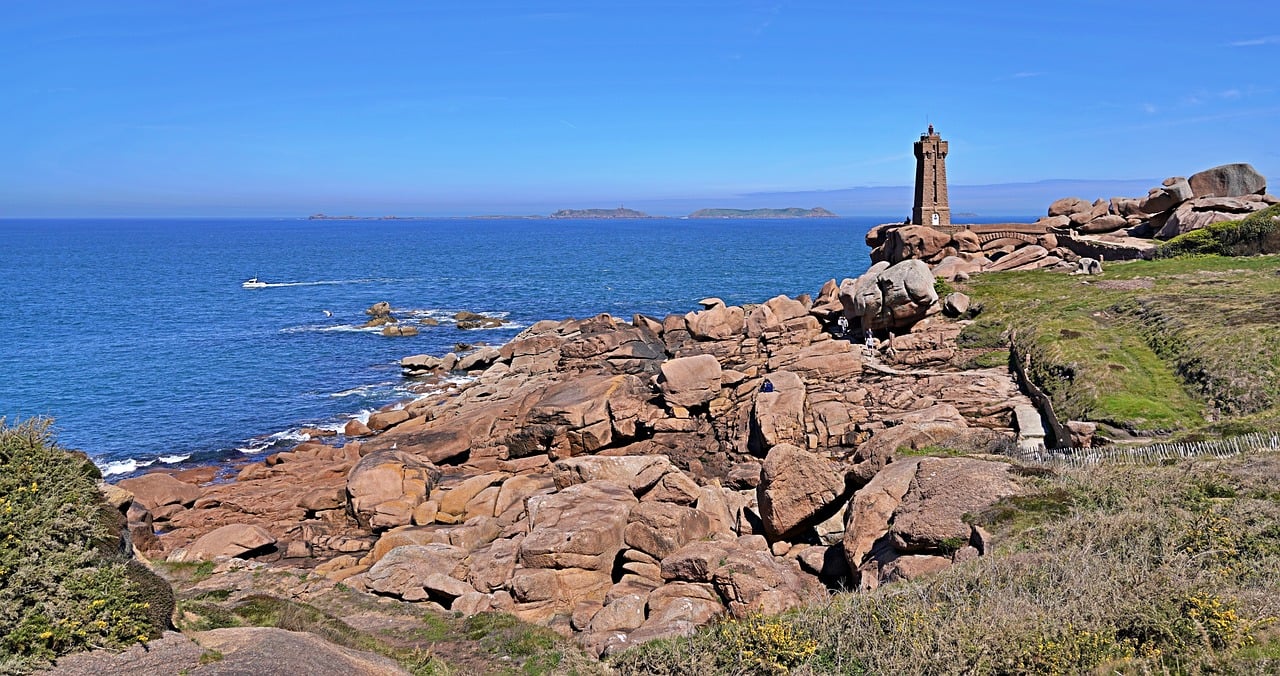
I still remember the first time I rounded the bend above Ploumanac’h and saw it: house-sized boulders blushed in peach and coral, piled up along a teal Atlantic sea. It looked like someone had scattered an entire mountain range into the water and then turned up the saturation. That was more than a decade ago; I’ve been back almost every year since, and the Pink Granite Coast continues to surprise me.
The Pink Granite Coast (Côte de Granit Rose), on Brittany’s north shore in the Côtes-d’Armor department, is only about 30 km of coastline, but it feels like an entire region: tiny fishing ports, windswept islands, heather-topped moors, sheltered sandy coves, and villages that glow honey-pink in the late light. It’s dramatic but never intimidating, wild yet deeply lived-in. This is not a manicured resort strip; it’s a working coast where you’ll see fishermen mending nets beside art galleries, and families eating crêpes where smugglers once unloaded contraband.
In 2026, the area feels particularly alive: new coastal paths have been restored, the GR34 hiking trail has improved waymarking, and several small restaurants have quietly picked up mentions in guides without losing their soul. Whether you have 4 days in Pink Granite Coast or are planning a full 7 day itinerary for Pink Granite Coast, you can mix lazy beach time with proper hiking, boat trips, and some of Brittany’s most atmospheric towns.
This travel guide for Pink Granite Coast is written as I would explain it to a friend: where I’d stay, where I’d eat, how I’d structure 4–7 days in Pink Granite Coast, and the hidden gems in Pink Granite Coast that don’t always make the glossy brochures.
Table of Contents
- 1. Understanding the Pink Granite Coast
- 2. The Main Towns, Villages & Landscapes (18 Key Areas)
- 3. 4–7 Day Itineraries: How to Spend Your Time
- 4. Local Food in Pink Granite Coast & Where to Eat
- 5. Evenings on the Pink Granite Coast
- 6. Events & Festivals 2026–2027
- 7. Day Trips & Nearby Attractions
- 8. Cultural Experiences & Local Customs
- 9. Practical Travel Advice for Pink Granite Coast
- 10. Summary & Final Recommendations
What Makes the Pink Granite Coast Special?
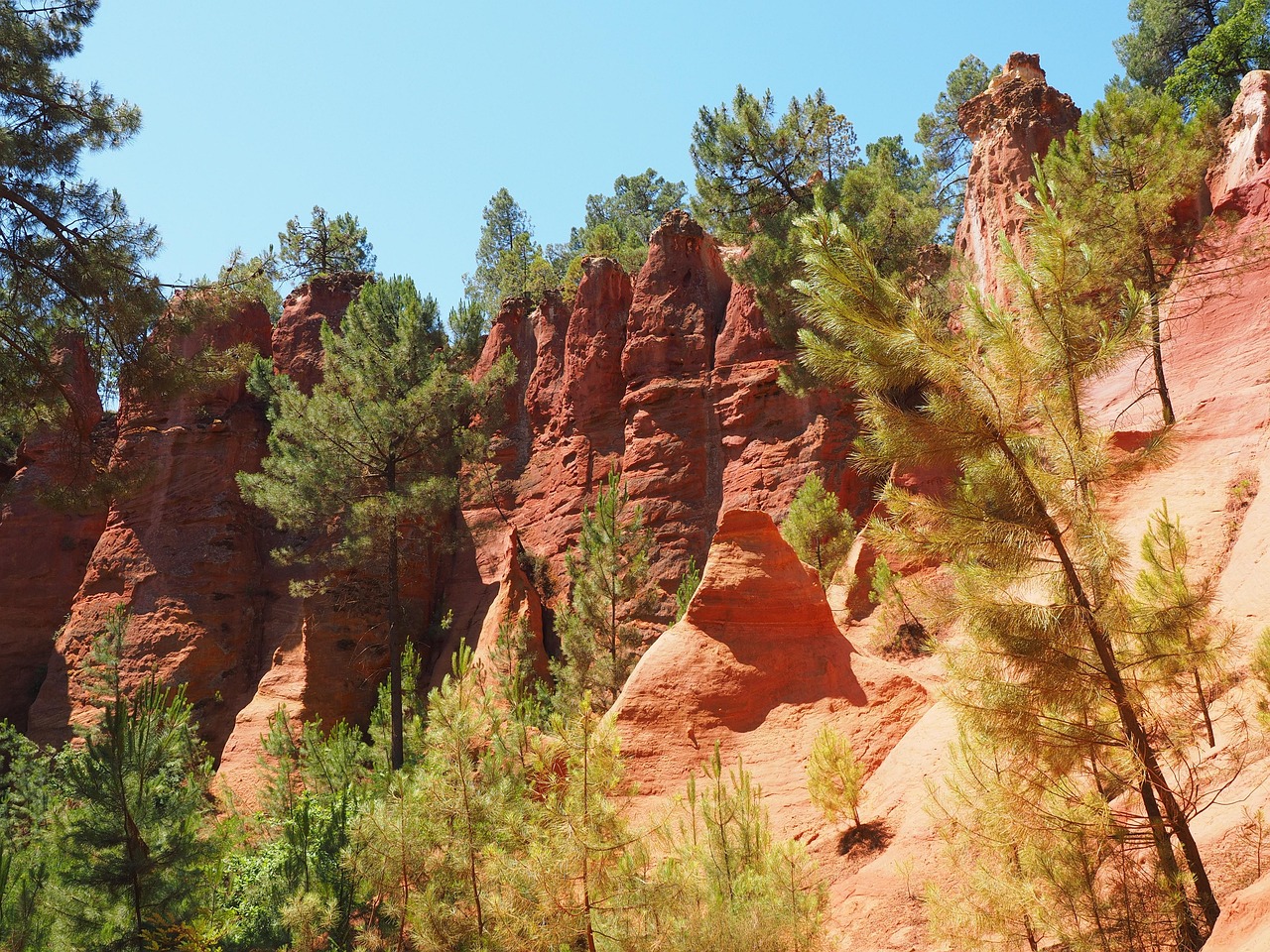
The Pink Granite Coast is a stretch of coastline roughly between Perros-Guirec and Trébeurden, with inland satellites like Lannion. The granite here contains feldspar that oxidizes into shades of pink, giving the rocks their famous color. Under certain skies they look almost orange; on grey days they’re a subtle dusty rose. Both moods are beautiful.
Unlike some French coasts that are monolithic in character, this one is surprisingly varied: calm estuaries packed with birdlife, exposed headlands where winter storms perform, family-friendly beaches with lifeguards, and remote-feeling coves you might have to yourself outside peak August. The region’s character is shaped by:
- Granite landscapes: Sculpted rock formations, sea stacks, and boulders along the coast paths.
- Maritime heritage: Lighthouses, fishing ports, and maritime chapels.
- Brittany’s Celtic identity: Breton language, folk music, and local saints’ pardons (religious festivals).
- Slow life: Markets, long lunches, and quiet evenings by the tide.
Most travelers base themselves in or around Perros-Guirec, Ploumanac’h, or Trégastel for beaches and coast walks, with Lannion as a more urban, practical hub. Throughout this guide I’ll refer to my stays in these bases and how they shaped my various 4, 5, 6, and 7 day itineraries for Pink Granite Coast.
The Main Towns, Sub-Areas & Landscapes of the Pink Granite Coast
Below are 18 key places that define the region, in roughly west–east order. Think of this as your long list of the best places to visit in Pink Granite Coast, whether for a base or a day trip.
1. Perros-Guirec – Classic Seaside Base & Gateway to the Coast
Perros-Guirec is where I stayed during my first “serious” exploration of the coast: a full week in early June, when the evenings stretch late and the hydrangeas are just waking up. It’s the most resort-like town on the Pink Granite Coast, but still modest by French Riviera standards—expect family holiday apartments, old seaside villas, and a proper Breton town center that lives year-round.
Why it matters: Perros-Guirec is the main hub: you’ll find a good range of hotels, restaurants, and services, plus easy access by bus from Lannion station. From here, coastal paths and boat trips fan out toward the most famous things to do in Pink Granite Coast.
What to see & do:
- Plage de Trestraou: The main beach, a long arc of sand backed by cafés and the start point for boat trips to the Sept-Îles. I like to walk the wooden promenade in the morning, when the air smells of coffee and sea salt.
- Plage de Trestignel: Smaller and more intimate, framed by villas. On stormy days I sit on the steps here and watch waves hammer the breakwater.
- Sentier des Douaniers (GR34) access: From Trestraou you can join the coastal path that leads all the way to Ploumanac’h—arguably the single finest walk along the Pink Granite Coast.
- Boat to Sept-Îles: Most tours depart from here (more on that under Sept-Îles below).
Food: Perros-Guirec is a good place to start your exploration of local food in Pink Granite Coast. There’s a clutch of crêperies around the main town and on the seafront; my repeated haunt is a small family-run crêperie a block behind Trestraou, where I always order a galette complète (buckwheat with ham, egg, cheese) and finish with a caramel au beurre salé crêpe.
Best base? If it’s your first time and you’re planning 4 days in Pink Granite Coast, Perros-Guirec makes an easy, practical base: you can do most must-see attractions without a car using walks and boat trips.
2. Ploumanac’h – Iconic Pink Granite Heartland
Ploumanac’h is tiny but world-famous: a former fishing hamlet that feels half-village, half-natural sculpture park. I usually visit twice per trip: once in the late afternoon for that molten golden light, and again at sunrise when it’s just you, the gulls, and the granite.
Why it matters: This is the visual poster child of the coast, where must-see attractions in Pink Granite Coast cluster along a short stretch of shoreline.
Highlights:
- Phare de Ploumanac’h (Mean Ruz Lighthouse): A squat, photogenic lighthouse perched among boulders that look deliberately arranged. The path leading up to it is where you’ll take far too many photos.
- Sentier des Douaniers: The customs officers’ path here is a dream: easy underfoot, endlessly dramatic. I often walk from Plage de Saint-Guirec in Ploumanac’h to Trestraou in Perros-Guirec (or vice versa), about 8 km round trip if you wander.
- Oratoire de Saint-Guirec: A small stone oratory on a rock just off the beach; at low tide you can walk to it. Traditionally, young women stuck pins in the statue to see if they’d marry within the year.
Travel tip: Parking in high season (July–August) is tight. If you’re doing a 5 day itinerary for Pink Granite Coast and visiting in summer, leave the car in Perros-Guirec and walk in along the coastal path to avoid parking stress and get the full scenic impact.
3. Trégastel – Family Beaches & Tidal Worlds
Trégastel, just west of Ploumanac’h, is where the coast relaxes into broad, sheltered bays. I like to think of it as the “family living room” of the Pink Granite Coast: kids with nets, paddleboards sliding across glassy water, grandparents watching from folding chairs.
Why it matters: It’s one of the best spots for family-friendly activities, and a fine base if you prefer a quieter feel than Perros-Guirec.
What to do:
- Plage de Coz-Pors & the Aquarium Marin: At low tide the rock pools here are a natural aquarium; at high tide the real aquarium on shore is a great rainy-day stop with kids.
- Ile Renote: A magical peninsula (effectively an island at high tide) of pink granite chaos and short circular paths. I can lose hours here just scrambling on rocks and watching the light change.
- Forum de la Mer: A seawater pool complex with slides and spa facilities—excellent for families and a safe swim when the ocean feels intimidating.
Eating: There’s a clutch of casual seafood places; I’m fond of a no-frills spot near Coz-Pors where the moules marinières come in a heavy pot and you can hear gulls squabble on the roof.
4. Trébeurden – Quieter Headlands & Island Views
When Perros-Guirec feels a bit busy, I escape west to Trébeurden. The town itself is unpretentious, but the settings—beaches, headlands, and islands—are deeply satisfying.
Highlights:
- Plage de Tresmeur: Wide sandy beach with sailing and windsurf schools. I’ve rented a kayak here more than once for a lazy paddle along the coast.
- Ile Milliau: Reachable at low tide via a causeway; explore old stone houses, low cliffs, and meadows. Be very careful with tide times—locals take them seriously.
- Pointe de Bihit: A wind-battered headland with far-reaching views along the coast, especially lovely in late afternoon.
Why visit: Trébeurden is ideal for travelers who want some of the region’s best coastal scenery but with fewer people—a good addition for a 6 day itinerary for Pink Granite Coast or longer.
5. Inland Trégastel & the Vallée des Traouïero – Mossy, Storybook Woods
On one drizzly spring visit, when the sea felt a bit ferocious, I ducked inland into the Vallée des Traouïero—a sunken, moss-covered valley between Trégastel and Ploumanac’h. It felt like stepping into an old Breton folktale.
Why it matters: It shows the other side of the granite: not just pink cliffs, but huge blocks swallowed by ferns and oaks, with little streams and birdsong replacing the crash of waves.
What to expect: Easy-to-moderate walking, sometimes muddy, with big boulders forming caves and overhangs. Families love it; kids tend to scramble and invent stories about trolls under stones.
6. Lannion – Market Town & Transport Hub
Lannion is where the train from Paris drops you (via Guingamp), and where modern Brittany brushes against the medieval. I often spend my first or last night here, especially when catching early trains.
Why it matters: As a base, it’s less romantic than the seaside villages but more practical: bigger supermarkets, more budget accommodation, and direct bus lines to Perros-Guirec, Trébeurden, and Trégastel.
What to see:
- Old Town: Timber-framed houses leaning over cobbled lanes; climb the steps to the church of Brélévenez for a sweeping view over roofs and river.
- Market Day (Thursday): A good place to experience cultural experiences in Pink Granite Coast: cheese stalls, crepe stands, and older locals gossiping in Breton.
Tip: For budget-conscious travelers planning a 4 day itinerary for Pink Granite Coast, consider one night in Lannion (cheaper hotels) and then move to the coast.
7. Tréguier – Cathedral Town on a Tidal Estuary
Tréguier sits slightly east of the core Pink Granite stretch but feels spiritually linked. I’ve come here on grey afternoons when I’m craving stone, spires, and slow coffee.
Why it matters: It’s one of Brittany’s historic “small cities,” with an impressive cathedral and a gentle, scholarly air—perfect for a half-day cultural detour.
Highlights:
- Cathédrale Saint-Tugdual: Gothic, intricate, and atmospheric, with a beautiful cloister.
- Harbor & Estuary: A quiet quay where I’ve more than once eaten a paper cone of frites while watching the tide creep in.
8. Île Grande – Wind, Birds & Low Stone Houses
Île Grande is technically attached to the mainland by a causeway, but it feels like another world: low granite cottages, moor-like heathland, and a sense that the wind rules everything.
Why visit: For walkers and bird-lovers, this is a gem. I’ve looped the island several times; it’s about 7 km, mostly flat, with constant sea views and seabirds wheeling above.
Don’t miss: The Ligue pour la Protection des Oiseaux (LPO) bird reserve, with an interpretive center about local seabirds and the Sept-Îles archipelago.
9. Sept-Îles – Wild Bird Islands Offshore
The Sept-Îles archipelago is one of the largest bird reserves in France, a small cluster of granite islets a few kilometers offshore. I still remember my first landing on Île aux Moines: the sound of thousands of birds, the smell of salt and guano, and the feeling of being somewhere truly wild.
Why it matters: This is the definitive adventurous yet accessible activity on the Pink Granite Coast, suitable for families (if they’re okay with boats) and birders alike.
What to expect: Boat tours (usually 2–3 hours) with commentary in French (often some English); some landings on Île aux Moines in season. Puffins, gannets, cormorants, and seals if you’re lucky.
Tip: Bring layers; even in July, wind on deck can be cold. For photographers, the morning light on the rocks is wonderful.
10. Pleumeur-Bodou – Countryside, Menhirs & Space Tech
Drive a little inland from Trégastel and you find yourself among fields, hedges, and surprising things: ancient standing stones and a space communications center.
Why visit: It’s a curious mix: you can visit the Radôme (a giant white sphere housing an early satellite antenna) and then detour to see Neolithic menhirs. Kids often love the Cité des Télécoms; adults appreciate the quiet roads and glimpses of rural Brittany.
11. Plougrescant & Le Gouffre – Edge-of-the-World Cliffs
Plougrescant lies a bit east of the classic Pink Granite stretch, but the granite here is equally dramatic—and a touch wilder. My first time at Le Gouffre, I stood on the cliff edge and watched waves explode into a narrow chasm, throwing up spray like smoke.
Why it matters: It has one of Brittany’s most photographed houses: a stone cottage wedged improbably between two granite slabs, back to the sea as if hiding from storms.
Best experience: Come in late afternoon on a day with some swell. Walk the cliff paths, then sit on a rock and watch the Atlantic perform.
12. Pors Mabo & The Small Beaches West of Trébeurden
Between Trébeurden and Locquémeau lie little pockets of sand framed by rocks: Pors Mabo, Pors Mabo’s neighbors, and a scattering of unnamed coves where the soundscape is mostly waves and distant children.
Why visit: For that small-bay intimacy. I’ve spent slow mornings here with a book, ducking into the water when the sun became insistent.
13. Locquémeau – Low-key Fishing Port & Cliffs
Locquémeau feels like old Brittany: working fishing boats, salty air, and a quay that smells of seaweed. It doesn’t get many international tourists; that’s part of the charm.
Why visit: For a slice of everyday life and excellent coastal walks east and west along the GR34. There’s a small market and a couple of bars where you can sip a cider alongside fishermen.
14. Plestin-les-Grèves & The Grand Plage
Further west, the landscape opens into one of Brittany’s longest beaches: a crescent of sand and mudflats that seems to go on forever at low tide.
Why visit: It’s brilliant for big-sky walks, kite-surfing, and letting kids run wild. On one winter trip I walked for an hour here and met only a dog and its owner.
15. The Wild Coastal Strips Between Villages
Some of the most memorable parts of the Pink Granite Coast lie not in any specific town, but along the GR34 coastal path between them. These are the stretches where you feel the rhythm of the coast: coves, heather, gorse, and the constant play of tide and light.
Why it matters: If you only drive from town to town, you miss the connective tissue that makes the region coherent. I try to include at least one long GR34 walk in every 4–7 day itinerary for Pink Granite Coast.
16. Saint-Michel-en-Grève & The Tidal Chapel
A huge sweep of bay anchored by a small village and a chapel, Saint-Michel-en-Grève gives you that classic Breton combination of sacred architecture and shifting sands.
Why visit: It’s a good stop if you’re driving in from Morlaix or Roscoff; the views at low tide are especially striking.
17. Roscoff & Morlaix (Nearby Day Trips)
Though not technically on the Pink Granite Coast, Roscoff and Morlaix are common entry points for travelers arriving by ferry or train and make worthwhile day trips if you have a car.
Roscoff: A corsair town with beautiful granite houses, a port, and boats to Île de Batz. Lovely for a day’s wandering and a seafood feast.
Morlaix: Half-timbered houses, a dramatic railway viaduct, and a compact old town that rewards an unhurried ramble.
18. The Breton Countryside Behind the Coast
Finally, don’t forget the inland villages: chapels in fields, roadside calvaries, and hamlets where the only sound is a tractor and birds. I’ve stayed in farm gîtes where mornings meant fresh eggs from the neighbor and evenings meant walking lanes lined with ferns and hydrangeas.
Why it matters: If you’re planning a 6 or 7 day itinerary for Pink Granite Coast and have a car, splitting time between a seaside base and a rural cottage gives you a fuller sense of Brittany.
Suggested 4–7 Day Itineraries for Pink Granite Coast (2026)
Below are flexible itineraries based on trips I’ve actually taken, adjusted for 2026 realities (transport, opening hours, and crowd patterns). You can compress or stretch them—think of these as narrative templates.
3.1 A 4 Day Itinerary for Pink Granite Coast – The Essentials
Four days is enough to see the greatest hits—Ploumanac’h, Perros-Guirec, Trégastel, and a boat trip—without rushing too much. This is the itinerary I suggest to friends visiting for the first time, especially couples or families with older children.
Day 1 – Arrival in Perros-Guirec & First Taste of the GR34
I usually arrive via train to Lannion and then bus to Perros-Guirec, rolling my suitcase down to a small hotel near Plage de Trestraou. If you’re driving, you’ll find paid parking near the beach and free spots a little uphill.
Morning / Arrival: Check in, drop bags, and walk straight down to Trestraou. There’s something morale-boosting about putting your feet in the sand within an hour of arrival. Grab a coffee or a crêpe from one of the seafront cafés.
Afternoon – Easy Coastal Walk: For your first taste of the things to do in Pink Granite Coast, take a gentle stroll along the start of the Sentier des Douaniers toward Ploumanac’h. You don’t need to complete the whole route today; even an hour out and back gives you sea views, granite outcrops, and a sense of the trail.
Evening: Back in Perros-Guirec, rinse off sand and head into town for dinner—perhaps at a crêperie to keep things simple and budget-friendly. Order a bottle of local cider (dry, brut) and watch how quickly you relax into the Breton rhythm.
Day 2 – Ploumanac’h & The Pink Granite Show
This is your postcard day—the one you’ll dream back to in November.
Morning – Hike Perros-Guirec to Ploumanac’h: After breakfast, lace up your shoes and set out on the GR34 from Trestraou. The path undulates gently, hugging cliffs and nibbling in and out of coves. You’ll pass viewpoints over scattered islets and the Sept-Îles in the distance.
In about 1.5–2 hours (allowing for generous photo stops), you’ll reach Plage de Saint-Guirec, the beach at Ploumanac’h with its little oratory in the bay. Take a break here; if the tide is low, walk out to the oratory and circle it, imagining all the pilgrims and hopeful lovers who did the same centuries ago.
Afternoon – Lighthouse & Granite Playground: Continue along the path toward the Mean Ruz lighthouse. This stretch is the core of the must-see attractions in Pink Granite Coast: swirling rock forms, narrow inlets, and the lighthouse framed perfectly against the sea. I often scramble up onto a boulder (carefully) and sit awhile, just absorbing the scale.
Have a late lunch in Ploumanac’h—seafood if you can, or a simple galette—and then decide whether to walk back to Perros or hop a taxi/bus if you’re tired.
Evening: Back in Perros-Guirec, consider a sunset drink on the promenade. In June and July, the light lingers long after 10 pm, painting the sky and water in pastels.
Day 3 – Trégastel & Île Renote
Morning – Bus or Drive to Trégastel: It’s a short hop from Perros-Guirec to Trégastel (15–20 minutes by car; a bit longer by bus). Aim for Coz-Pors, where parking is relatively straightforward outside peak August.
Walk along the bay, watching how the tide reshapes everything. If you’re with kids, the Aquarium Marin is a good opener, especially at low tide when you can match what you see in tanks with life in the rock pools outside.
Afternoon – Île Renote: Drive or stroll over to Île Renote. The circular path here is one of my favorites: in an hour or two you loop past immense granite slabs, tiny coves, and views back toward Ploumanac’h and the Sept-Îles. I like to bring a simple picnic (baguette, cheese, apples) and eat perched on a warm rock.
Evening: Either stay for dinner in Trégastel—there are casual places with terraces overlooking the sea—or head back to Perros-Guirec. If you’re traveling as a couple on a romantic break, consider booking a slightly nicer restaurant tonight; sunset over the bays here can be very romantic.
Day 4 – Sept-Îles Boat Trip & Lannion Old Town
Morning – Boat to Sept-Îles: On your last day, treat yourself to the Sept-Îles cruise from Perros-Guirec (Trestraou). Book in advance in July–August. The boat glides past pink cliffs, then out among birds and seals. It’s both a wildlife experience and a chance to see the coastline from the sea—a different perspective on places you’ve walked.
Afternoon – Lannion: After lunch back on shore, take the bus or drive to Lannion for a stroll around the old town. Climb the steps to Brélévenez for a final panoramic view and perhaps a last crêpe or kouign-amann (buttery Breton cake) in a café.
Departure: Stay overnight in Lannion if you have an early train, or head onward in the evening. As you leave, you’ll already be plotting a return—this time perhaps for a 5, 6, or 7 day itinerary for Pink Granite Coast to go deeper.
3.2 A 5 Day Itinerary for Pink Granite Coast – Adding Trébeurden & Inland Woods
With five days, you can keep the four-day structure and add a day dedicated to Trébeurden and the Vallée des Traouïero. This is the pattern I followed on a mid-September trip that balanced hiking, coast, and a bit of forest magic.
Day 1–3 – Follow the 4-Day Itinerary’s First Three Days
Base yourself in Perros-Guirec or split nights between Perros and Trégastel if you like to change scenery. Repeat the Ploumanac’h and Trégastel days as above.
Day 4 – Trébeurden & Île Milliau
Morning – Head to Trébeurden: Drive or take a regional bus. Start at Plage de Tresmeur, where the bay curves gently and the view opens toward islands.
Low Tide Adventure – Île Milliau: Time your visit with the tide tables (available online or posted locally). At low tide, the causeway appears to Île Milliau. The island is a small world of meadows, cliffs, and stone houses. Respect private property and keep an eye on the tide—locals have stories of visitors stranded by inattention.
Afternoon – Pointe de Bihit: After returning to the mainland, drive or walk to Pointe de Bihit for a short hike and far-reaching views. On one visit, I lingered here watching a storm front move in from the west, the sea turning from blue to slate beneath it.
Evening: Either stay in Trébeurden (there are a few small hotels and B&Bs) or return to your base. Trébeurden’s restaurants tend to be low-key and friendly, with a local crowd even outside summer.
Day 5 – Vallée des Traouïero & Market Time
Morning – Vallée des Traouïero: Dedicate a morning to this mossy, fairytale valley between Trégastel and Ploumanac’h. Trails loop through boulders and forest; even in mid-summer, it stays relatively cool and quiet. I like to come here when I need a break from sun and salt.
Afternoon – Market or Free Time: Depending on the day of the week, catch a local market (Perros-Guirec and Lannion have good ones) to stock up on cheeses, fruit, and Breton biscuits. Otherwise, revisit your favorite bay for a last swim or walk.
Who this suits: This 5 day itinerary for Pink Granite Coast works well for couples and solo travelers who enjoy walking and want a balance of headline sights and quieter corners.
3.3 A 6 Day Itinerary for Pink Granite Coast – Adding Île Grande & Plougrescant
On my longest stays, six days feels ideal: enough time to add outliers like Île Grande and Plougrescant without rushing the core sights.
Day 1–4 – Follow the 5-Day Itinerary
Follow the structure above: Perros-Guirec, Ploumanac’h, Trégastel/Île Renote, Trébeurden/Île Milliau, and the Vallée des Traouïero.
Day 5 – Île Grande & Pleumeur-Bodou
Morning – Île Grande Loop: Drive to Île Grande (parking just after the causeway). Walk the island’s coastal circuit, stopping at coves and bird viewpoints. The atmosphere is raw and open; on windy days, waves fling spray over the low cliffs.
Afternoon – LPO Center & Pleumeur-Bodou: Visit the bird reserve center to learn more about the Sept-Îles ecosystem, then detour to Pleumeur-Bodou to see the Radôme or some of the local menhirs and chapels. It’s a nice contrast between deep time (standing stones) and modern tech (satellite communications).
Day 6 – Plougrescant & Le Gouffre
Morning – Drive to Plougrescant: From Perros-Guirec or Trégastel, it’s about 45–60 minutes by car. Aim for Le Gouffre parking.
Le Gouffre & the House Between Rocks: Walk the cliff paths, pause at the famous house wedged between boulders, and lean into the wind. On my last visit, I watched a local man stand at the cliff edge for a long time, hands behind his back, as if catching up with an old friend: the sea.
Afternoon – Coastal Wandering: Explore nearby coves and hamlets. There’s a sense here that life is lived at the end of the road; it’s very atmospheric, especially outside peak summer.
Evening: Return to base or, if you’re on a road trip, continue to Tréguier or even further along the coast.
Who this suits: This 6 day itinerary for Pink Granite Coast is great for travelers with a car who value both iconic sights and wilder, less-developed coast.
3.4 A 7 Day Itinerary for Pink Granite Coast – Slow & Immersive
Seven days lets you slow down, double back to favorite places, and add cultural and inland elements while keeping the seaside focus. My own longest stay here was nine nights split between a Perros-Guirec apartment and a rural gîte; the outline below condenses that into a week.
Day 1–6 – Follow the 6-Day Itinerary
Use the previous sections as your spine: Perros-Guirec, Ploumanac’h, Trégastel, Trébeurden, Vallée des Traouïero, Île Grande, and Plougrescant.
Day 7 – Lannion, Tréguier & Countryside Flavors
Morning – Lannion Market or Old Town: If it’s a Thursday, aim for Lannion’s market. Otherwise, stroll the old streets, climb to Brélévenez once more, and stock up on edible souvenirs (salted butter caramels, cider, buckwheat flour).
Afternoon – Tréguier: Drive or bus over to Tréguier. Visit the cathedral, wander its cloister, and sit in a café on the square with a coffee or cider, watching local life. If you’re here in May or early June, you might catch a pardon—a religious procession with people in traditional dress.
Evening – Countryside Stay (Optional): If your schedule allows, spend the last night in a countryside B&B or gîte within 20–30 minutes of the coast. You’ll experience that quiet Breton night: deep darkness, stars, and perhaps the distant sound of a cowbell.
Who this suits: This 7 day itinerary for Pink Granite Coast is perfect for couples, families with patient kids, and anyone who likes to blend nature, small towns, and a slower, more local rhythm.
Local Food in Pink Granite Coast & Where to Taste It
Food here is hearty, honest, and shaped by the sea and the fields. You’re in Brittany, so expect butter, buckwheat, seafood, and apples in many forms.
Signature dishes & products:
- Galettes & crêpes: Savory buckwheat galettes (try the complète or one with local scallops) and sweet wheat crêpes with salted butter caramel.
- Seafood: Mussels, oysters (from nearby bays), scallops (coquilles Saint-Jacques), and fish of the day grilled simply.
- Cider: Served in bowls (bolées), often dry. Try both brut and doux (sweet).
- Kouign-amann: A caramelized butter cake that is not diet-friendly and absolutely worth it.
- Far breton: A dense custard-like prune cake.
Where to eat:
- Perros-Guirec: Great for variety—seafront brasseries at Trestraou, crêperies in the town center, and a couple of smarter seafood places if you want a splurge night.
- Ploumanac’h & Trégastel: Smaller selection but lovely views; ideal for long lunches between walks.
- Trébeurden & Locquémeau: More local-feeling places; you’re likely to be eating alongside fishermen and families.
- Farm-stays & rural inns: Inland, look for chambres d’hôtes or small inns offering table d’hôtes (set dinners). I’ve had some of my best meals this way: big steaming bowls of mussels, homegrown vegetables, and homemade desserts.
Markets: For picnics and self-catering, hit markets in Lannion (Thursday), Perros-Guirec, and smaller villages. I like assembling a lunch of bread, local cheese (try a tomme), saucisson, fruit, and a small jar of rillettes or pâté.
Money-saving tip: Make lunch your main meal in a restaurant—many offer good-value menu du jour. In the evening, have a lighter picnic, especially if you have an apartment or gîte.
Evenings on the Pink Granite Coast
Nights here are not about big-city nightlife; they’re about twilight walks, lingering dinners, and the sound of waves. After dark, villages soften: lights in stone windows, the tide breathing in and out.
What evenings feel like:
- Seafront promenades: In Perros-Guirec, Trégastel, and Trébeurden, locals and visitors alike stroll the promenades around sunset. Grab an ice cream or a cider and join them.
- Concerts & local events: In July and August there are often small outdoor concerts, Breton dance evenings (fest-noz), and village fêtes. Posters in bakeries and tourist offices are the best way to find them.
- Quiet countryside nights: Inland, evenings are very still. A good book, a glass of cider, and the sound of owls can be enough entertainment.
Family-friendly evenings: Beach playgrounds, early dinners (many restaurants open from 7 pm), and night markets in summer are ideal with kids. Don’t expect late openings everywhere; this is a region that sleeps.
Romantic evenings: Sunset at Ploumanac’h, a late walk on Trestraou, or a slow drive to a viewpoint like Pointe de Bihit can all be quietly romantic, especially outside August crowds.
Events & Festivals 2026–2027
Dates vary year to year, so always confirm closer to your trip, but as of 2026, you can expect:
- Summer Fest-Noz & Village Fêtes (June–September 2026): Traditional Breton dance nights with live music in towns like Lannion, Tréguier, and smaller villages. Great cultural experiences if you’re willing to join the circle dances.
- Maritime Festivals (various 2026–2027): Occasional regattas and harbor celebrations in Perros-Guirec, Trébeurden, and Locquémeau, usually with food stalls and music.
- Religious Pardons: Local pardons (pilgrimages and processions) around saints’ days in towns like Tréguier and in smaller chapels inland. Even if you’re not religious, they’re fascinating windows into living tradition.
- Autumn Gastronomy Weeks (Oct–Nov 2026): Several restaurants along the coast run scallop and seafood-themed menus celebrating the new season’s catch.
By 2026, the GR34 improvements and new signage programs are also fully rolled out, making long-distance and day-hike navigation easier than in years past.
Day Trips & Nearby Attractions from the Pink Granite Coast
If you’re staying 6–7 days and have a car, consider these extensions:
- Roscoff & Île de Batz: About 1.5 hours from Perros-Guirec. Wander Roscoff’s historic streets, then take the short boat to Île de Batz for gardens and quiet beaches.
- Morlaix: Roughly 1–1.25 hours drive. Explore its old town, viaduct, and harbor.
- Guingamp: Inland historic town with a fortress and pleasant old center; easy to combine with train journeys.
- Plestin-les-Grèves & Saint-Michel-en-Grève: If you haven’t already, string these together with Locquémeau for a day of beaches and big bays.
Getting there: Public transport connects some of these, but for flexible day trips a car is almost essential.
Cultural Experiences & Local Customs
This is Brittany, with its own identity, language (Breton, alongside French), and sense of place.
Etiquette basics:
- Greetings: Always start with a polite “Bonjour” when entering shops, cafés, or speaking to staff. It sets the tone.
- Language: French is the norm; English is spoken in many tourist-facing businesses but not everywhere. A few French phrases go a long way.
- Sunday quiet: Sundays are still relatively calm; many shops close or keep short hours. Plan accordingly.
- Religious sites: Dress modestly in churches; speak quietly. During services or pardons, avoid intrusive photography.
Local culture & experiences:
- Fest-Noz: Traditional Breton evening dances with live music. Don’t worry if you don’t know the steps—locals are usually happy to guide you into the circle.
- Markets: Chances to practice a bit of French, taste local cheeses, and watch the social life of the region unfold.
- Sea & tide respect: Locals treat the sea with respect; you should too. Pay attention to tide times, flags on beaches, and warnings on clifftops.
Practical Travel Advice for Pink Granite Coast (2026)
Traveling a multi-town coastal region comes with logistics. Here’s what you need to know.
Where to Base Yourself
- Perros-Guirec: Best all-round base, especially without a car. Great for a 4 day itinerary for Pink Granite Coast.
- Trégastel: Quieter, family-friendly, with easy access to beaches and Île Renote.
- Trébeurden: Good if you prefer fewer tourists and plan more hiking and water sports.
- Lannion: Practical and cheaper, but not on the sea; best as arrival/departure hub.
- Rural gîtes: For longer stays (6–7 days), consider splitting time between coast and countryside.
Getting There & Around
By train: The main access point is Lannion, reachable from Paris via a change at Guingamp (TGV then TER). From Lannion, buses and taxis connect to Perros-Guirec and other coastal towns.
By car: Driving is the most flexible way to explore multiple towns and hidden coves. Roads are generally good and traffic moderate except peak August weekends.
Car rental: You’ll usually pick up a rental in Lannion, Saint-Brieuc, or a larger city (Rennes) and drive in. Book ahead for July–August.
Driving distances:
- Lannion – Perros-Guirec: ~15–20 minutes
- Perros-Guirec – Trégastel: ~10–15 minutes
- Trégastel – Trébeurden: ~15 minutes
- Perros-Guirec – Plougrescant: ~45–60 minutes
- Perros-Guirec – Île Grande: ~25–30 minutes
Public transport: Buses link Lannion with major coastal towns, but frequencies can be low, especially off-season. For a short 4 days in Pink Granite Coast, you can manage without a car if you base in Perros-Guirec and focus on nearby sights and boat trips.
Parking & Historic Centers
Coastal towns have signed parking lots near beaches; some are paid (especially in high season). Ploumanac’h can be particularly pressured in summer—arrive early or walk in via the GR34.
Historic centers like Lannion and Tréguier often have free parking a short walk from the old streets; follow signs for Parking and respect time limits.
Costs & Money-Saving Tips
- Accommodation: Cheaper in shoulder seasons (May–June, Sept–Oct) and in Lannion or rural areas compared to prime seaside spots.
- Food: Use bakeries for breakfast and picnic supplies. Opt for menu du jour at lunch, and cook or picnic some evenings if you have a kitchen.
- Activities: Many top experiences—coastal walks, beaches, villages—are free. Budget for at least one boat trip to Sept-Îles and perhaps an aquarium or museum visit.
- Transport: If relying on buses, plan around the timetable to avoid expensive taxis.
SIM Cards & Connectivity
France is well-covered by major providers (Orange, SFR, Bouygues, Free). In 2026, eSIM options are widely available; you can also purchase a physical prepaid SIM at airports, major train stations, or supermarkets in larger towns.
- Coverage: Generally good along the coast and in towns; can be patchy in more remote inland pockets or on some headlands.
- Wi-Fi: Common in hotels, many cafés, and some public spaces.
Visas & Driver’s Licenses
Visas: France is in the Schengen Area. Visitors from many countries (including UK, US, Canada, Australia, much of Latin America and Asia) can enter visa-free for short stays; check current 2026 regulations for your nationality and any ETIAS requirements.
Driving licenses: EU/EEA licenses are valid. Many other countries’ licenses are accepted; if yours is not in French or English, an International Driving Permit (IDP) is recommended and sometimes requested by rental agencies.
Seatbelts are mandatory; speed limits and drink-driving laws are enforced. Parking fines are common if you ignore signs.
Seasons & When to Visit
Spring (April–June): Wildflowers on the cliffs, generally mild weather, fewer crowds. May and early June are favorites for hiking-focused trips.
Summer (July–August): Warmest sea temperatures, lively villages, full range of services. Also the busiest and priciest period; book early.
Autumn (Sept–Oct): Quieter, often still pleasant weather; sea retains warmth into September. Good for a calmer 5 or 6 day itinerary for Pink Granite Coast.
Winter (Nov–March): Many tourist services close or reduce hours, but storms and dramatic seas can be spectacular. Great if you like solitude, but come prepared for wind and rain.
Beach & Safety Tips
- Observe beach flags and lifeguard instructions; some beaches are supervised only in peak season.
- Check tide tables, especially for island walks (Île Milliau, Île Grande causeway areas) and long beach walks at Saint-Michel-en-Grève.
- Cliffs can be undercut by erosion; stay behind barriers and heed warning signs.
Summary & Final Recommendations
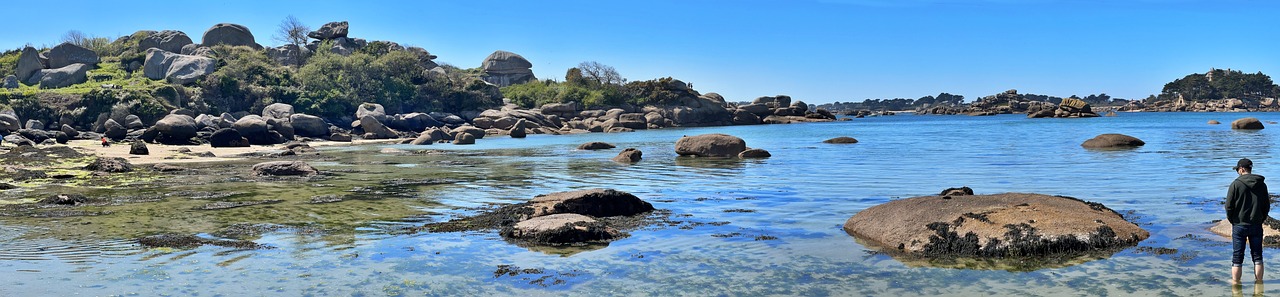
The Pink Granite Coast is not a place of big-ticket monuments or glitzy resorts. Its allure is subtler: a particular shade of stone, the way light slides across water at 9 pm in June, the sound of your footsteps on the GR34 as you round a headland and see yet another cove waiting below.
If you only have 4 days in Pink Granite Coast, base in Perros-Guirec, walk to Ploumanac’h, visit Trégastel and Île Renote, and take a Sept-Îles boat. That gives you the essence.
With 5 or 6 days, add Trébeurden, the Vallée des Traouïero, Île Grande, and perhaps Plougrescant—letting the coast’s wilder, quieter sides into your trip.
With a full 7 day itinerary for Pink Granite Coast, you can slow down: linger in Lannion and Tréguier, stay a night in the countryside, and let markets, chapels, and village squares add cultural depth to the seascapes.
In 2026, the region remains mercifully free of mass-tourism sheen. Come with good shoes, a windproof layer, and an appetite for both sea air and butter. Respect the tides and the quietness of local life, and you’ll find that this small corner of Brittany offers more than enough to fill a week—and your memory—with pink granite, green lanes, and blue horizons.